Lancaster Station – 23rd May 2025
I finally got to Lancaster station today, after my failure that I wrote about in An Annoying Day.
I took these pictures.
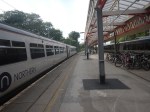
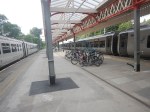
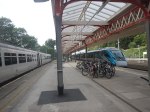
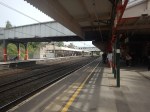
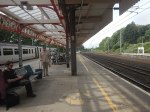
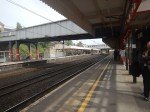
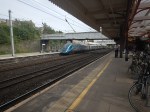
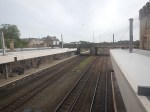
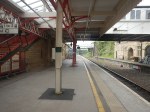
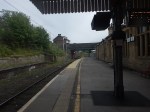
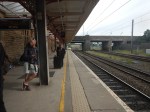
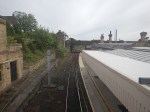
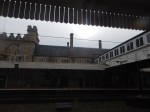
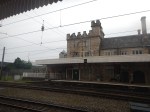
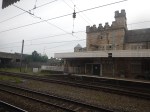
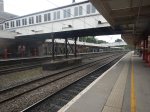
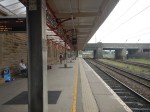
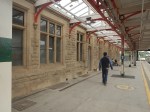
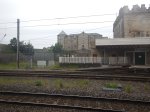
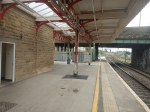
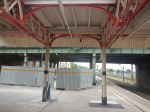
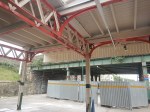
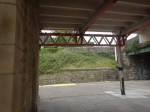
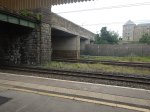
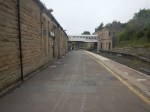
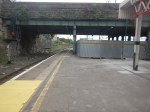
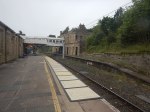
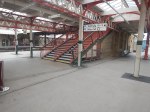
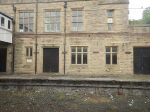
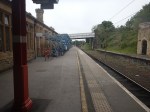
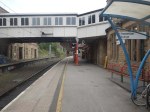
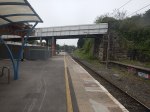
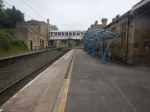
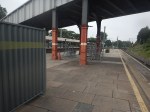
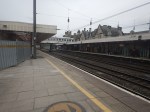
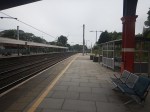
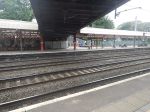
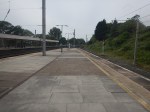
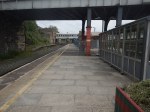
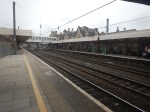
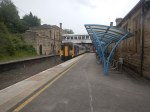
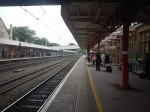
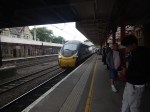
I shall deal with the features of the station in separate sub-sections.
The Original High Speed Two Schedule Through Lancaster Station
This diagram shows High Speed Two services, as they were originally envisaged before Phase 2 was discontinued.
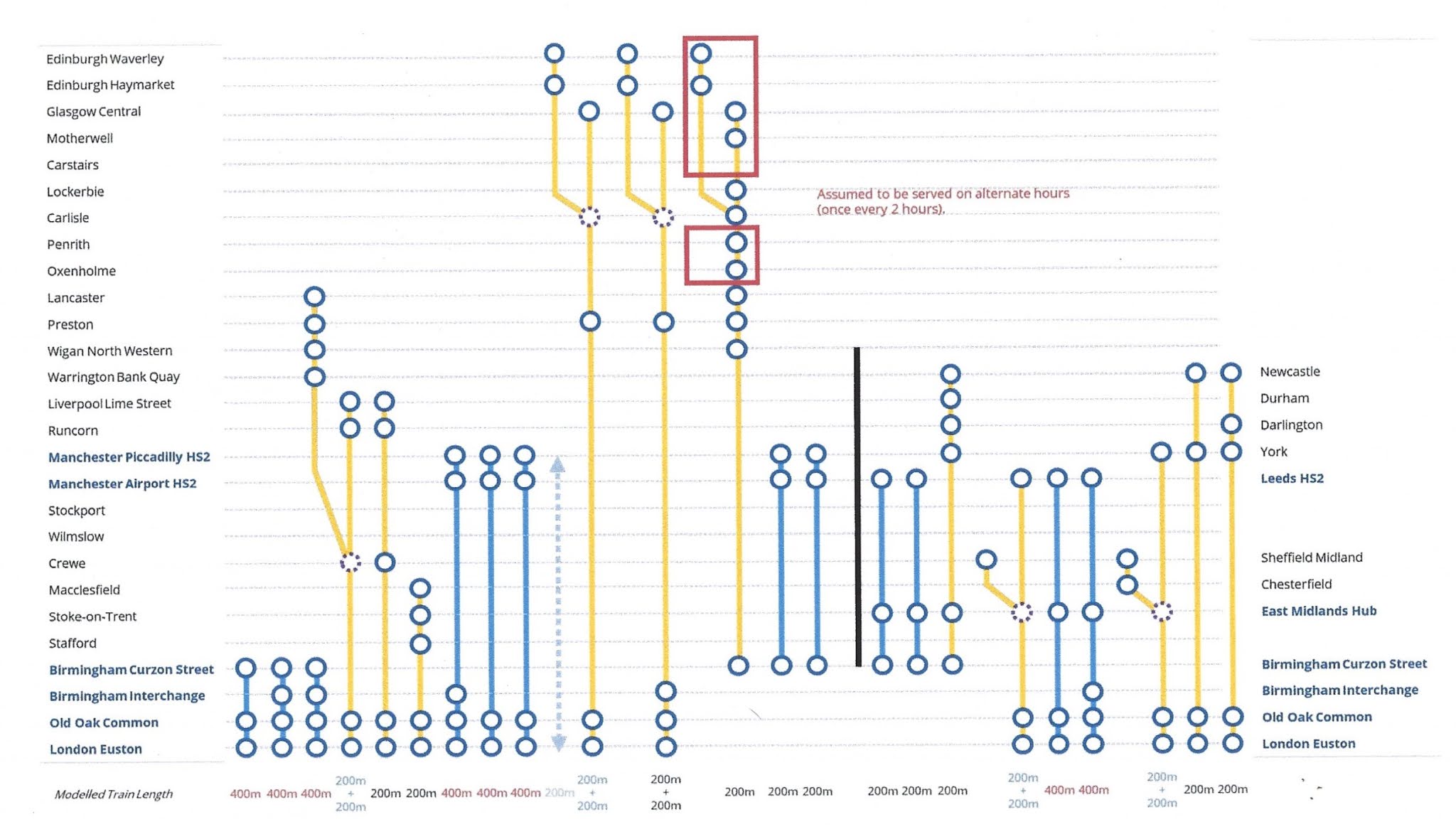
Note.
- Trains to the left of the vertical black line are Phase 1 and those to the right are Phase 2.
- Full-Size trains are shown in blue.
- Classic-Compatible trains are shown in yellow.
- Blue circles are shown, where trains stop.
- The dotted circles are where trains split and join.
- In the red boxes routes alternate every hour.
Click on the diagram to enlarge it.
If I look at the trains counting from the left of the diagram, I see the following trains passing or terminating at Lancaster station.
- Train 4 is a pair of classic-compatible trains, that split and join at Crewe, with one train going to Lancaster and the other to Liverpool Lime Street.
- Trains 10 and 11 are pairs of classic-compatible trains going between London and Scotland.
- Train 12 is a single classic-compatible train going between Birmingham and Scotland.
Only the Lancaster portion of Train 4 stops in Lancaster station.
The Track Layout
This OpenRailwayMap shows the track layout through the station.
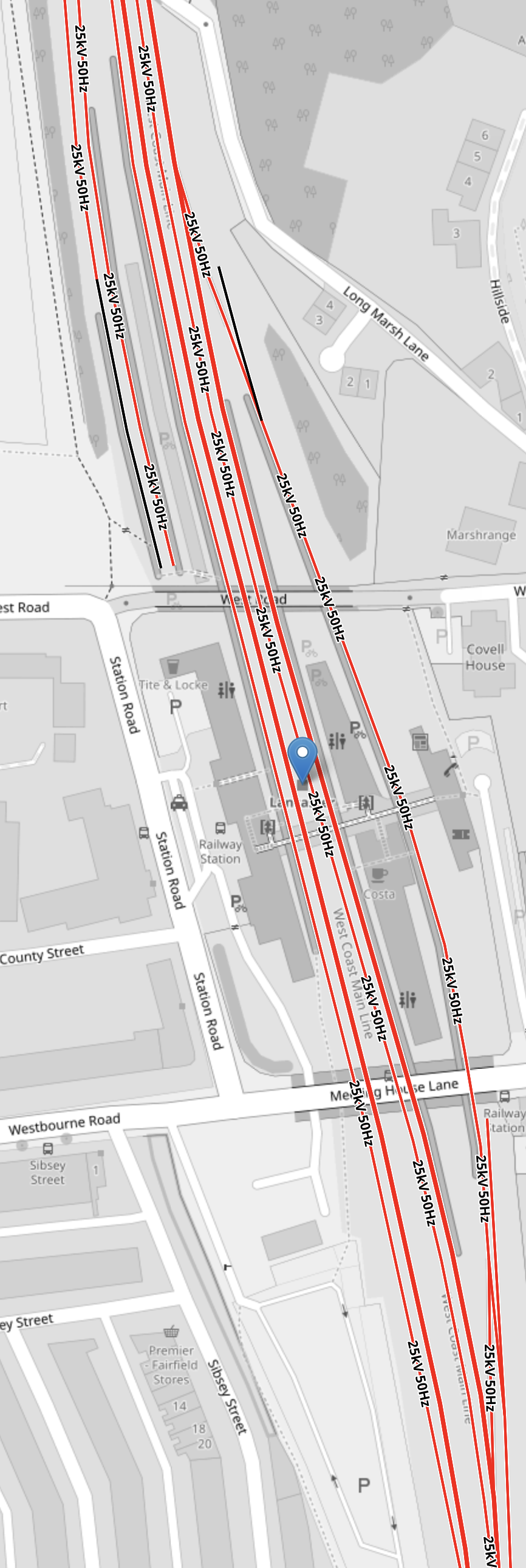
Note.
- Tracks shown in red are electrified and tracks in black or not.
- In the North-West corner of the map the two bay platforms 1 and 2, that are used for local services can be seen.
- Platform 3 is a long platform on the Western side of the station, which is generally for Northbound through stopping trains, that can take 265 metre long eleven-car Class 390 trains.
- Paired with the track through Platform 3, there is a Northbound avoiding line, that allows faster trains to overtake trains stopped in the station.
- Platform 4 is a long platform on the Western side of the island platform on the Eastern side of the station, which is generally for Southbound through stopping trains, that can take 265 metre long eleven-car Class 390 trains.
- Paired with the track through Platform 4, there is a Southbound avoiding line, that allows faster trains to overtake trains stopped in the station.
- Platform 5 is a long platform on the Eastern side of the island platform on the Eastern side of the station, that is over two hundred metres long.
- All through tracks have a 75 mph maximum speed, except for Platform 5, which is just 30 mph.
Click on the diagram to enlarge it.
How Will High Speed Two Operate At Lancaster Station?
I would expect that the three High Speed Two services to and from Scotland will go through Lancaster station on the avoiding lines, which will mean that each avoiding line will handle one High Speed Two classic-compatible train every twenty minutes.
The train, that terminates at Lancaster has a few options.
- It could terminate from London in any of platforms 3, 4 or 5.
- It could leave for London from any of the platforms 3, 4 or 5.
Note.
- All three platforms are long enough to accept a single High Speed Two classic-compatible train, which is only 200 metres long.
- There would probably need to be some works to the tracks so that trains could terminate in platforms 4 or 5.
- There might need to be some works to the tracks so that trains could leave from London from platform 3.
The logical way to terminate the train would probably for the train to arrive and leave in Platform 5, but then this would need improvements to the tracks and also to the passenger footbridge across the tracks.
Eden Project Morecambe And The Morecambe Branch
In a few years time, both the Eden Project Morecambe and High Speed Two will be open and I suspect, a day out could be to take High Speed Two to Lancaster and the local train to Morecambe for a day at the Eden Project Morecambe.
This paragraph from the Eden Project Morecambe web site, describes the current status of the project.
Eden Project Morecambe, previously known as Eden Project North, has been awarded £50m in the second round of the UK Government’s Levelling Up Fund. The funding allows the project to move into its next phase and begin the process of finalising the remaining funds required from private and philanthropic sources identified as part of the bidding process.
I had intended to take a train to Morecambe to have a look round, but the train, that I would have needed to catch to get back to London at a reasonable hour, didn’t run due to lack of train crew.
As High Speed Two will provide connections at Lancaster to Birmingham, Carlisle, Crewe, Edinburgh, Glasgow, London, Preston, Warrington and Wigan and other trains will provide connections to Leeds, Liverpool and Manchester, the Eden Project Morecambe will be well connected to those who might like to visit by rail.
A day out with the kids, could involve a trip on High Speed One to Lancaster, a trip on a battery-electric shuttle train to Morecambe and a day out at the Eden Project Morecambe.
The Eden Project Morecambe could be a big money earner for High Speed Two and other rail companies.
I would envisage, that you would be able to buy an All-in-One ticket to the Eden Project Morecambe, which included your rail tickets.
The Passenger Footbridge
There is a lift on the Southbound side, but on the Northbound and bay platform side, there are only steps.
If substantial numbers of passengers visit the station and need to cross the tracks on the footbridge, as you would from arriving in Platforms 4 or 5 and wanting to go to Eden Project Morecambe, the footbridge is totally inadequate.
Lancaster Station Architecture
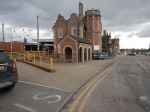
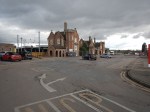
Lancaster station is Grade II Listed and you can see why from the pictures.
Work appears to be ongoing to refurbish the station.
The stonework appeared immaculate and very much High Speed Two-ready.

These picture shows part of the Costa coffee shop.
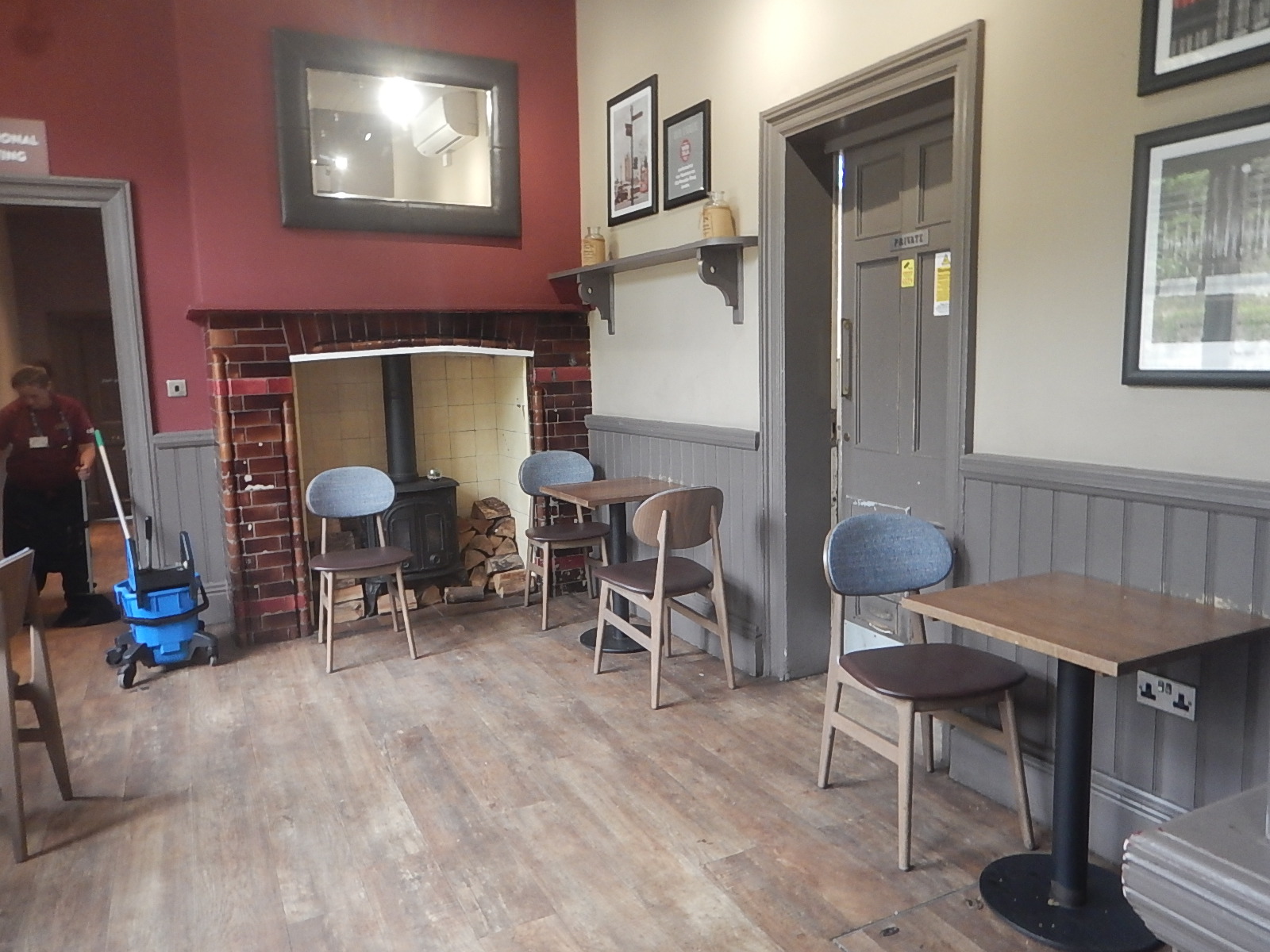
It was not what I expected.
Dore & Totley Station – 1st April 2025
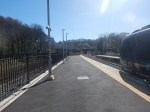
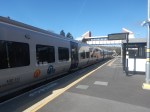
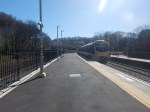
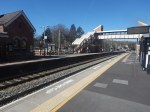
It seems like only yesterday, when I visisited Dore and Totley station and wrote Dore And Totley Station – 13th July 2020, when I took these pictures.




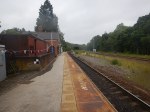

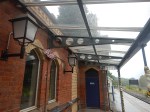
But it was yesterday, when I visited the station again and look at the station now.
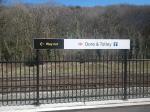
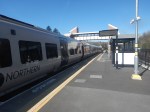
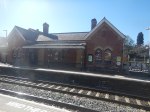
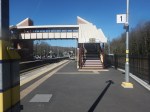
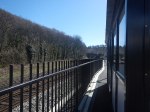
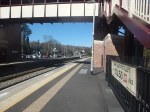
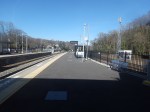
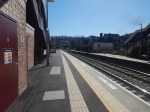
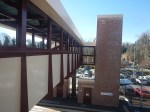
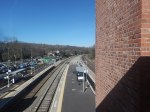
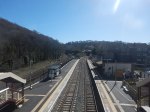
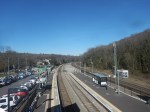
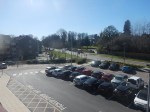

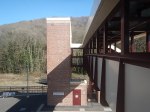
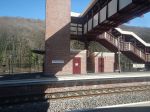
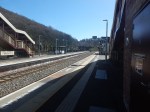
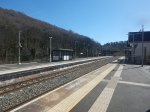
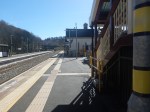
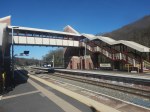
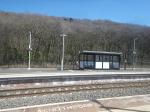
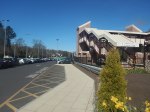
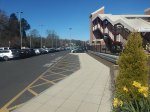
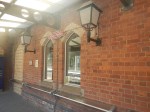
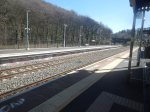
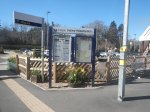
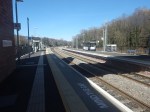
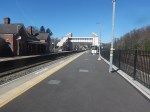
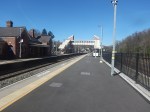
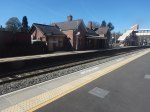
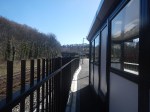
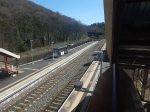
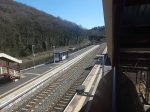
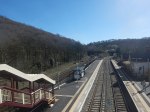
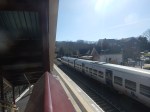
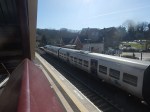
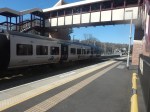
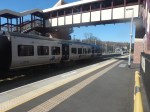
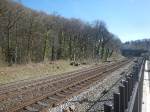
Note.
- The footbridge is in keeping with the original station building.
- The only changes to the original station building, is a small amount of tasteful restoration.
- The footbridge is high enough for future electrification.
- There are one shelter on the entry/car park and two on the far side.
- As I watched several Class 158, Class 195 and Class 222 trains pass through, it appears that the curve has been profiled for speed.
- I am pretty sure, that the station has been designed so that if required, at least one extra platform can be added to the Chesterfield Lines.
- The Rajdhani Restaurant in the original station building is rated 4.2 on Trip Advisor, which says they do gluten-free options.
- The maximum speed through the station appears to be 50 mph, with 70 mph on the Chesterfield Lines.
From my brief visit, it appears to be another station, that has been superbly updates.
Let’s bring on a few more.
Stowmarket Station – 14th March 2025
tThe one and only time, that I’ve used Stowmarket station, was when I’d taken my Lotus in for a service near Diss and I was getting back to Newmarket, with a change at the station.
So as I was going to Stowmarket station, I felt with the judicious use of a East Anglian Ranger ticket, I could combine the trips to Stowmarket and Saxmundham stations.
I also wanted to look at the progress on the new footbridge that I wrote about in Stowmarket Station To Go Step-Free.
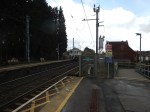
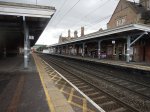
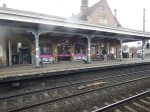
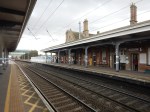
I took these pictures.
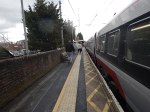
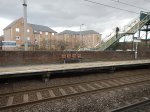
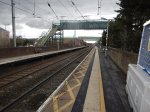
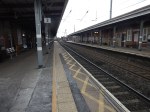
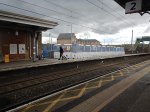
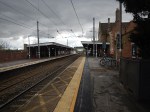
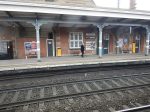
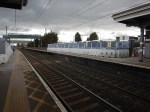
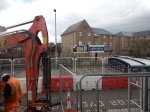
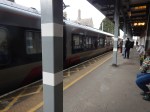
Note.
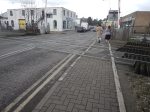
- I arrived on the Norwich-bound platform, crossed the tracks by the level crossing and then left from the Ipswich-bound platform.
- The station has a cafe.
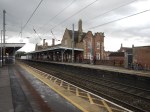
- The footbridge in the pictures is a temporary one to ease construction.
- The station buildings are Grade II Listed.
There doesn’t appear to have been much progress on the new footbridge.
I do have some other thoughts.
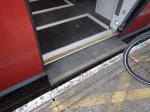
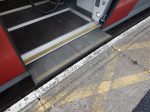
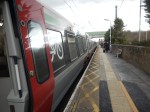
Greater Anglia’s Stadler Trains Are Step-Free Between Train And Platform
The first two and last pictures in the gallery show this feature.
I arrived on a Class 745 train and left on a Class 755 and both train classes have gap fillers, that do their job automatically.
We need more of this technology to protect the elderly, those with restricted movement and the just untrained stupid.
Housing By The Station
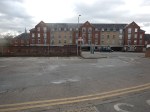
It appears that two blocks of flats have been built on railway land or the station car park.
The bridge also appears to give the owners and residents access across the railway.
Is this thoughtful holistic design or just a bribe to get planning permission?
Who Will Use The Footbridge?
Two main lines effectively cross at Stowmarket.
- The Great Eastern Main Line between Ipswich and Norwich goes through Needham Market, Stowmarket and Diss.
- The Ipswich and Ely Line between Ipswich and Cambridge goes through Needham Market, Stowmarket, Elmswell, Thurston, Bury St. Edmunds, Kennett, Newmarket and Dullingham.
So, if you need to go between say Newmarket and Diss, you would change trains at Stowmarket. Hopefully, the bridge will encourage train travel.
New Housing In East Anglia
On the main railway lines between Cambridge, Ipswich and Norwich, there used to be a lot more stations.
- There are eight closed stations between Stowmarket and Cambridge.
- There are three closed stations between Stowmarket and Ely .
- There are two closed stations between Stowmarket and Ipswich.
- There are eight closed stations between Stowmarket and Norwich.
Note.
- A new Soham station was built between Stowmarket and Ely. Passenger numbers are rising with each year.
- I have double-counted Higham and Saxham and Risby stations on both the Ely and Cambridge routes.
- But that still leaves nineteen stations, that might be good sites to build new houses.
- The East-West Railway intend to build a new A14 Parkway station to link the A14 road to the Ipswich and Ely Line.
- When housing is taken into account, some stations will give a better return on investment.
Could the new footbridge at Stowmarket be part of a wide ranging plan to build more housing in towns and villages along the railways of East Anglia?
Was The Old Footbridge Too Low?
This picture was taken of the old bridge.
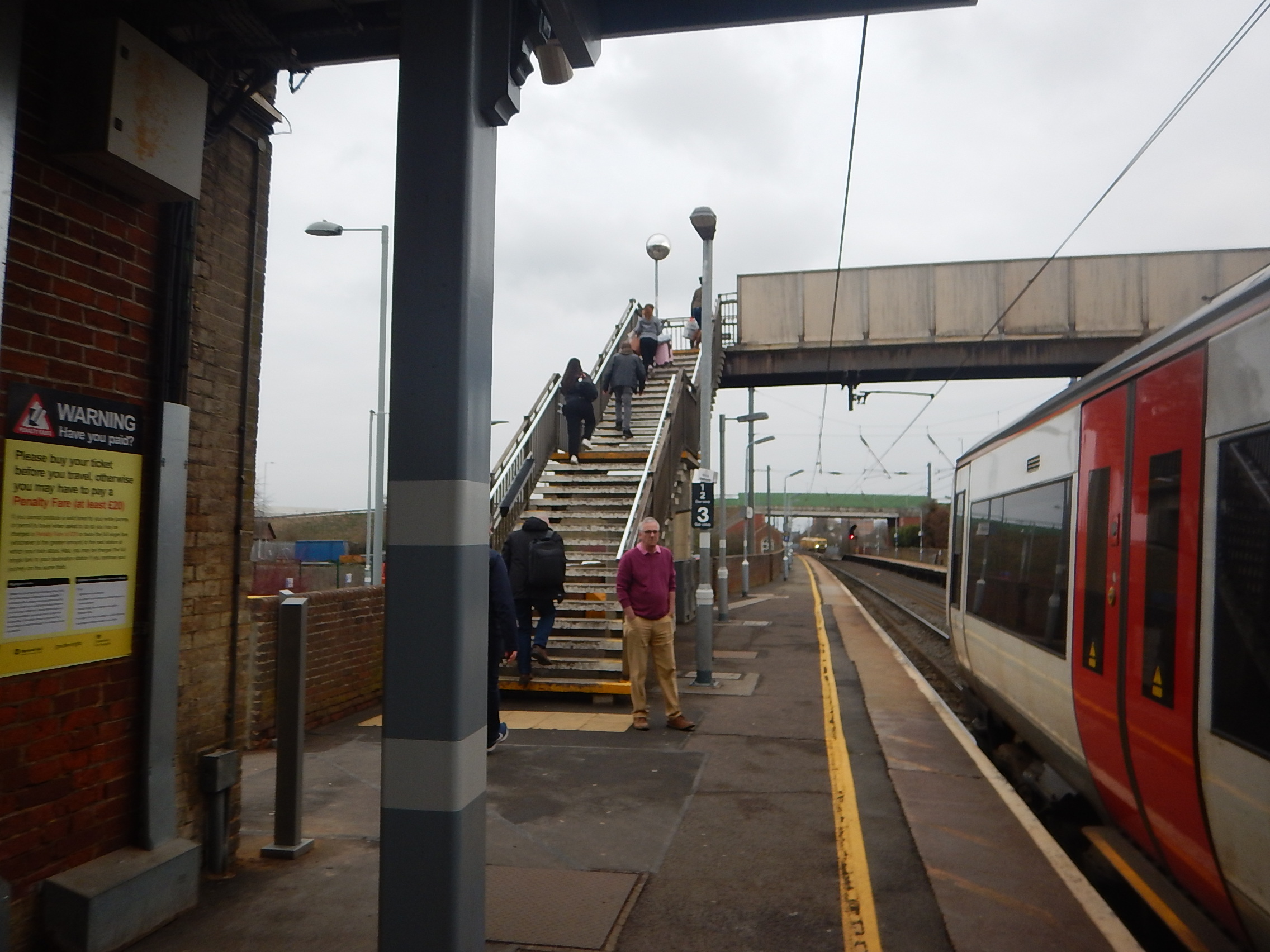
Was the bridge too low for some container trains?
Details At Hayes And Harlington Station
Yesterday, on my way to Reading, I changed trains at Hayes and Harlington station and took a few pictures.
An Ideally-Placed Waiting Room
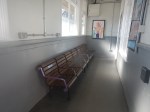
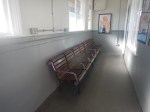
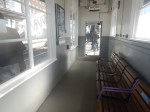
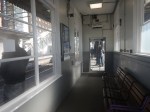
These pictures show a waiting room on the Westbound platform of the Elizabeth Line.
The Elizabeth Line has these Western destinations.
- Heathrow Terminal 4
- Heathrow Terminal 5
- Maidenhead
- Paddington
- Reading.
Note.
- If you are travelling to any of the Heathrow destinations and you are riding on a Maidenhead or Reading train, then Hayes and Harlington station is the last station you can change for the Airport.
- If you are travelling to any of the destinations on the Reading branch and you are riding on a Heathrow train, then Hayes and Harlington station is the last station you can change for the Airport.
- If you are travelling from any of the Heathrow destinations to any of the destinations on the Reading branch, then Hayes and Harlington station is the first station you can change for the Reading branch.
- If you are travelling from any of the Reading branch destinations to any of the Heathrow destinations, then Hayes and Harlington station is the first station you can change for the Heathrow destinations.
- To aid the change of platform in the third and fourth changes, there is a step-free footbridge at Hayes and Harlington station.
The waiting room at Hayes and Harlington station, which is complete with heating could be a welcome refuge whilst changing trains at Hayes and Harlington station.
The golden rule seems to be, that if you’re on the wrong train on the Elizabeth Line, then change for your desired destination at Hayes and Harlington station.
Track Warnings
These pictures show the bilingual track warnings at Hayes and Harlington station.
I hope Network Rail are analysing, if the warnings work.
The Main Step-Free Route Across The Tracks
These pictures show the main step-free route at Hayes and Harlington station.
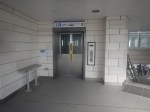
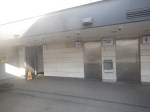
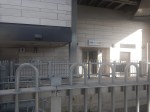

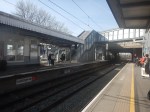
Note.
- The route with lifts, is rather tucked in at the Western end of the station.
- There are toilets under the bridge on the Eastbound platform.
- The steps are rather steep, so if you have any issues, I would use the lifts.
The golden rule is if you are going between the Reading and Heathrow branches with a change of direction from Eastbound to Westbound at Hayes and Harlington station, then make sure, you start your journey in the back of the train.
The Secondary Route Across The Tracks
These pictures show the secondary route at Hayes and Harlington station.
Note.
- I believe this bridge is better placed for some travellers, who need to reverse direction at Hayes and Harlington station.
- It is also convenient for the waiting room.
In Heathrow Rail Link Withdrawn, But MP Vows To Carry On, I asked this question.
Could Hayes And Harlington Station Become A Transport Hub For Heathrow?
I said this.
This Google Map shows Hayes and Harlington station.
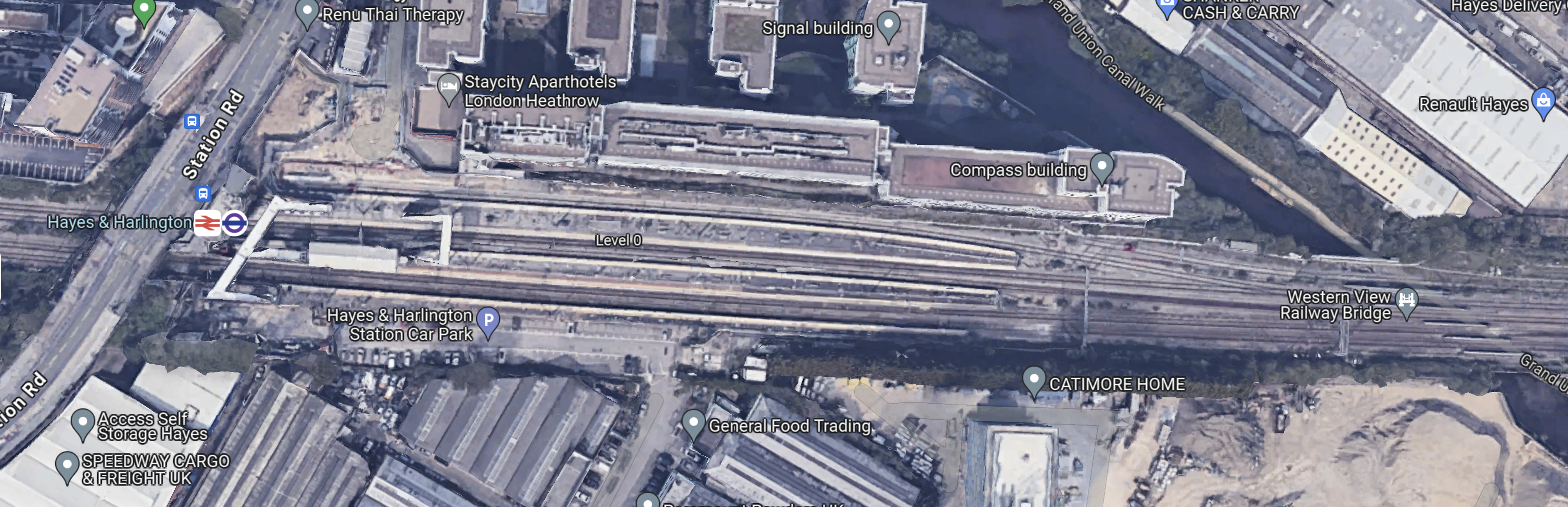
Note.
- It has platforms on all four tracks of the Great Western Main Line.
- There is a London-facing bay platform to terminate Elizabeth Line trains, if needed.
- The land to the North of the station has been developed.
- There is land to the South of the station that could be developed.
Could the space above the tracks, with some of the land to the South of the station be developed into a transport hub for Heathrow?
I took these pictures to answer my question.
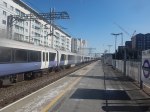
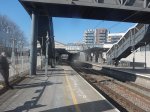
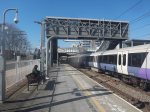
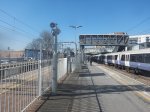
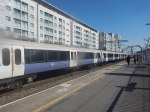
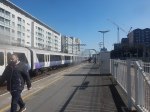
I don’t think there would be enough space to put a combined bus and coach station at Hayes and Harlington station.
Ruislip Station – 16th July 2023
In TfL Announces The Next Tube Stations To Be Prioritised For Step-Free Access To Meet The Mayor’s Bold Accessibility Targets, it stated that Ruislip station will be made step-free.
So I went to have a look and took these pictures.
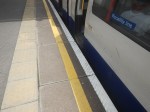
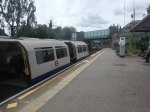
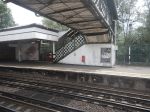
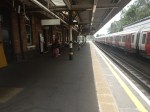
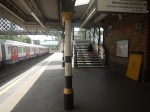
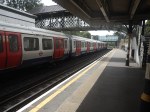
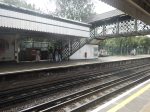
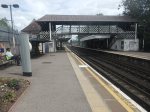
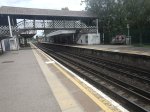
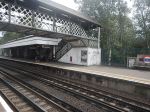
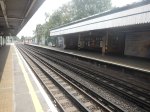
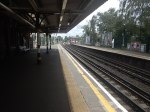
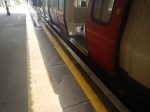
Note.
- The station is used by Piccadilly and Metropolitan Line trains, which are different sizes.
- There appears to be a well-preserved signal-box at the Eastern end of the station.
- The Eastbound platform has step-free access from the street.
- Crossing the tracks is by a Victorian steel footbridge.
- The station is Grade II Listed.
- The listing includes the the signal box and the footbridge.
This 3D Google Map shows the station.
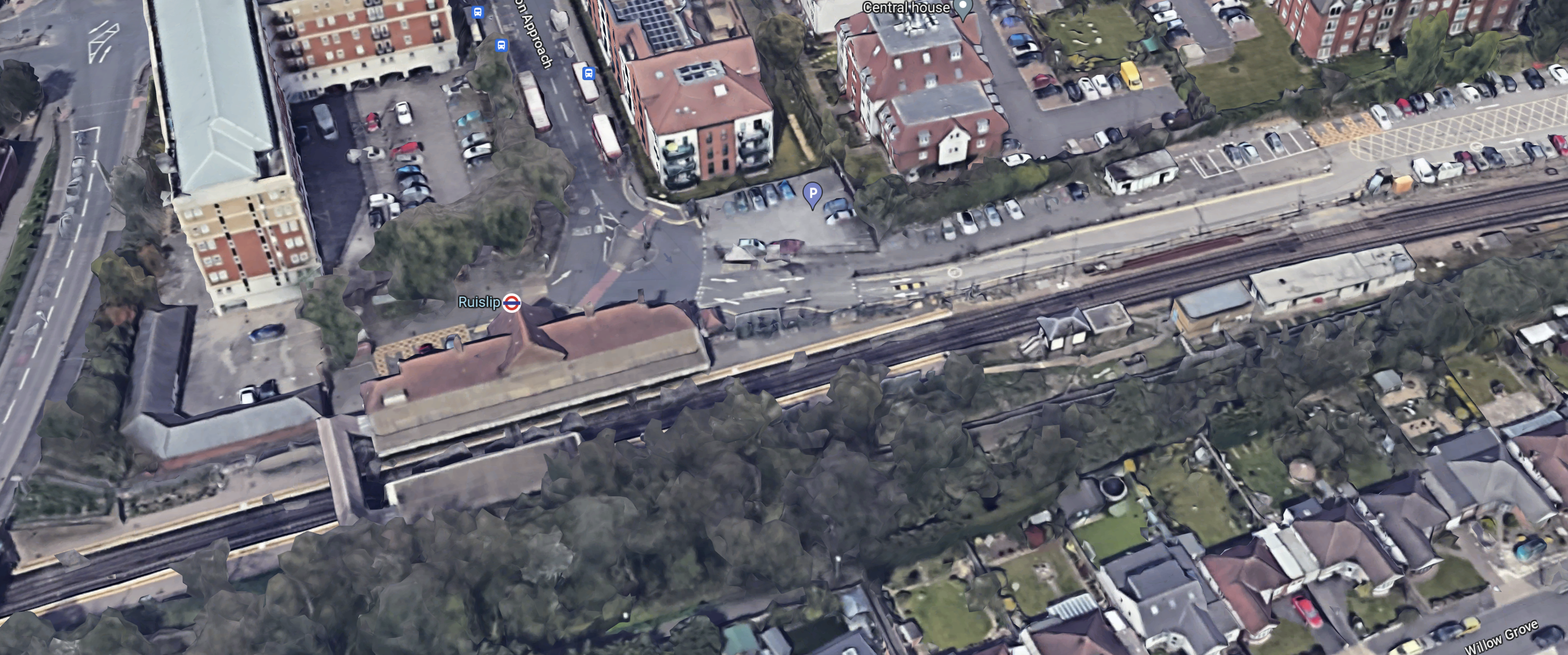
Note.
- The footbridge in the South-West corner of the map.
- There is not much space to put a second bridge across the tracks.
- It might be possible to build a step-free footbridge with lifts by the road bridge.
If English Heritage and the Heritage Taliban dig in their heels, this could be a difficult station to make step-free.
But the London Underground has several bridges of this type, so perhaps this one is being scheduled early to test the reaction.
This second Google Map shows the road bridge and the Western ends of the platforms to an enlarged scale.
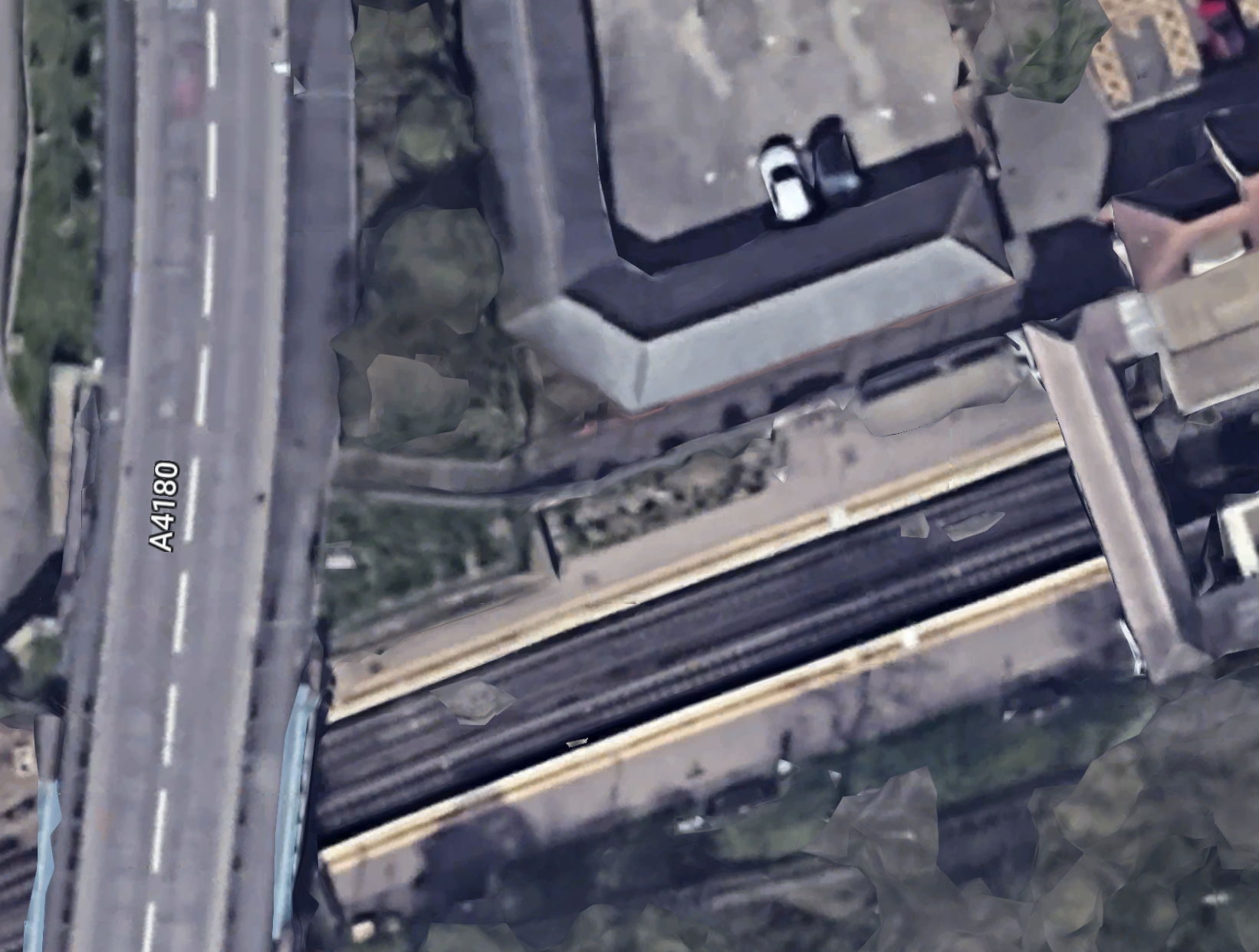
This picture shows the station side of the road bridge.
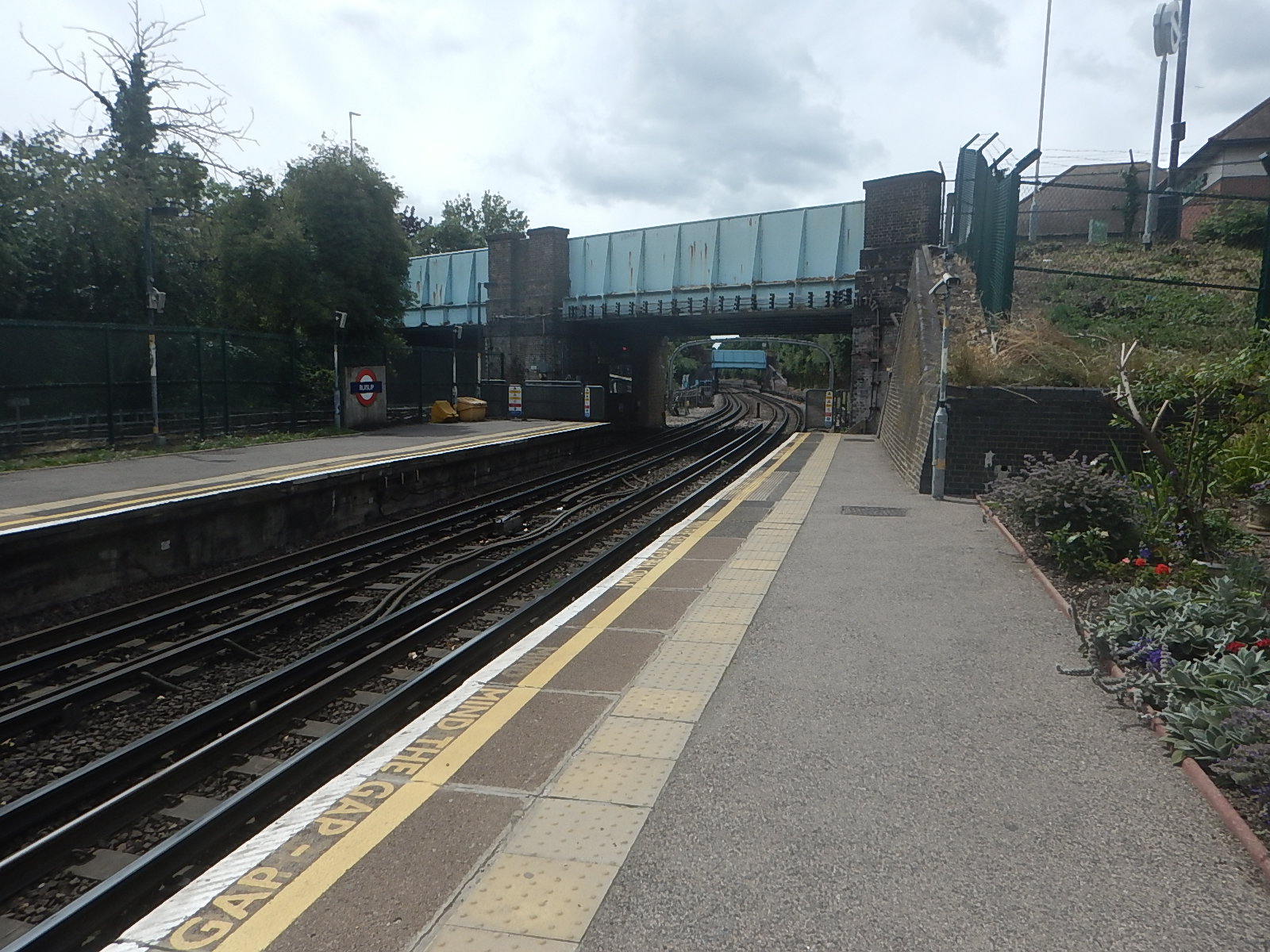
There could be space to put a steel bridge with two lifts by the road bridge.
Coupled with a comprehensive restoration of the current footbridge and a repainting of the road bridge, this could satisfy all parties.
Dawlish Station And The New Sea Wall – 4th July 2023
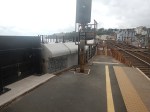
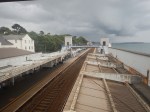
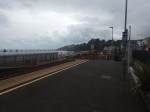
These pictures show Dawlish station and the new sea wall.
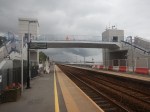
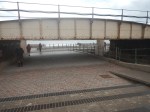
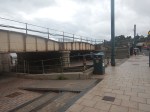
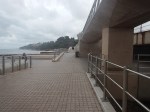
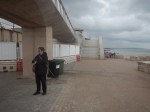
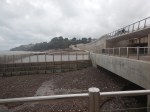
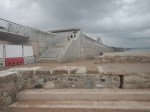
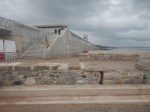
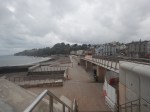
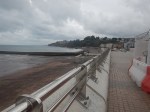
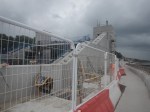
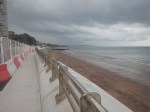
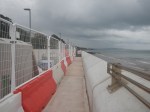
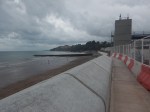
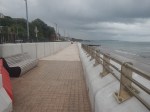
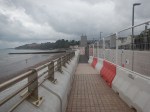
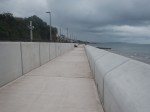
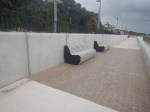
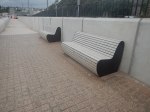
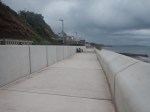
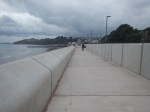
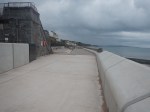
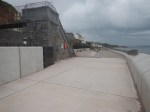
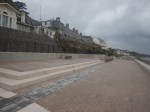
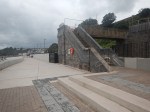
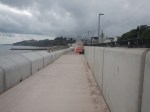
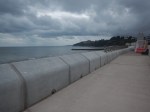
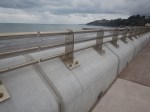
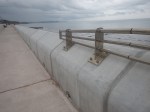
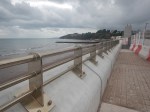
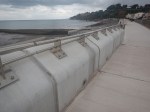
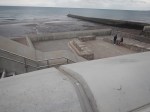
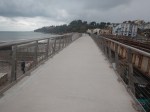
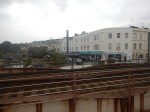
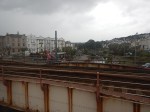
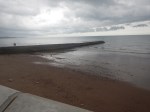
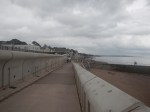
Note.
- It is a high quality sea wall.
- I particularly liked the hand-rails which seemed to be made from an expensive sea-proof metal.
- There was a busy fish and chip shop, by the station, but I don’t think they did gluten-free fish and chips.
You can still walk all the way to Dawlish Warren, as I did in Walking Between Dawlish And Dawlish Warren Stations. A guy in the station said it would take me about thirty minutes.
Freight Trains Through Lincoln Station
I must have spent nearly ninety minutes in total at Lincoln station yesterday and in that time, at least four long freight trains went through.
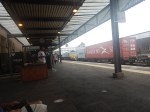
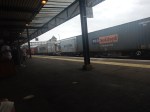
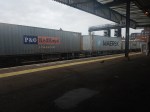
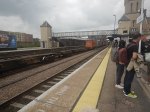
The reason is that Lincoln station lies on the Great Northern and Great Eastern Joint Line, which is a major freight diversion between Doncaster and Peterborough.
- It appears to me, that more freight trains are now using this route since the opening of the Werrington Dive Under.
- All were hauled by a noisy and polluting diesel Class 66 locomotive.
- Some were hauling as many as forty containers.
Articles like this one on Lincolnshire Live, which is entitled Who Had The Crazy idea to Let Trains Run Right Through Lincoln City Centre?, which contains this paragraph.
Then, you’re left with a decision over whether you take your own life in your hands by scuttling over the crossing as fast as you can before being trapped by the barriers, climbing the stairs of one of the two footbridges, or simply waiting at the barrier for the trains to pass (and God help you if it’s one of those freight trains with a seemingly endless amount of carriages).
New footbridges have been installed over the railway, as I wrote about in The Footbridges Over The Railway At Lincoln. But is that enough?
Diesel locomotives are not the most friendly of neighbours and the sooner we start to replace them with quieter locomotives the better.
Lincoln is not the only place, that is plagued by Class 66 locomotives.
- Near me, the North London and Gospel Oak to Barking Lines are regularly used by freight trains hauled by diesel locomotives, despite being electrified.
- Diesel locomotives regularly use the Castlefield Corridor through Manchester.
There must be other places, which suffer from these beasts.
‘Lift-off’ – Project To Provide Step-Free Access At Bexley Station In Kent Kicked Off In February
The title of this post is the same as that of this press release from Network Rail.
This is the sub-heading.
Network Rail has kicked off construction of a new footbridge and lifts at Bexley station which will provide passengers with a fully accessible station.
These four paragraphs outline the scheme.
This project, which is funded through the Department of Transport’s (DfT) ‘Access for All’ scheme, is expected to be completed in late spring 2024 and will ensure there is step-free access to all of the station’s platforms.
Network Rail will be working with contractors BAM Nuttall to install two 16-person capacity lifts which will be located behind the existing subway and help passengers with impaired mobility or those travelling with luggage, children, or cycles to access the platforms.
Platform one will be widened to create space for the lifts and allow passengers to navigate through the station a lot easier.
Alongside this, a new footbridge will be built to allow passengers easily get from one side of the platform to the other.
I’m surprised that lifts are being added to the existing subway, rather than being added to the new footbridge.
Looking at the statistics for Bexley and nearby stations, I suspect that Bexley station has more traffic.
This Google Map shows Bexley station.
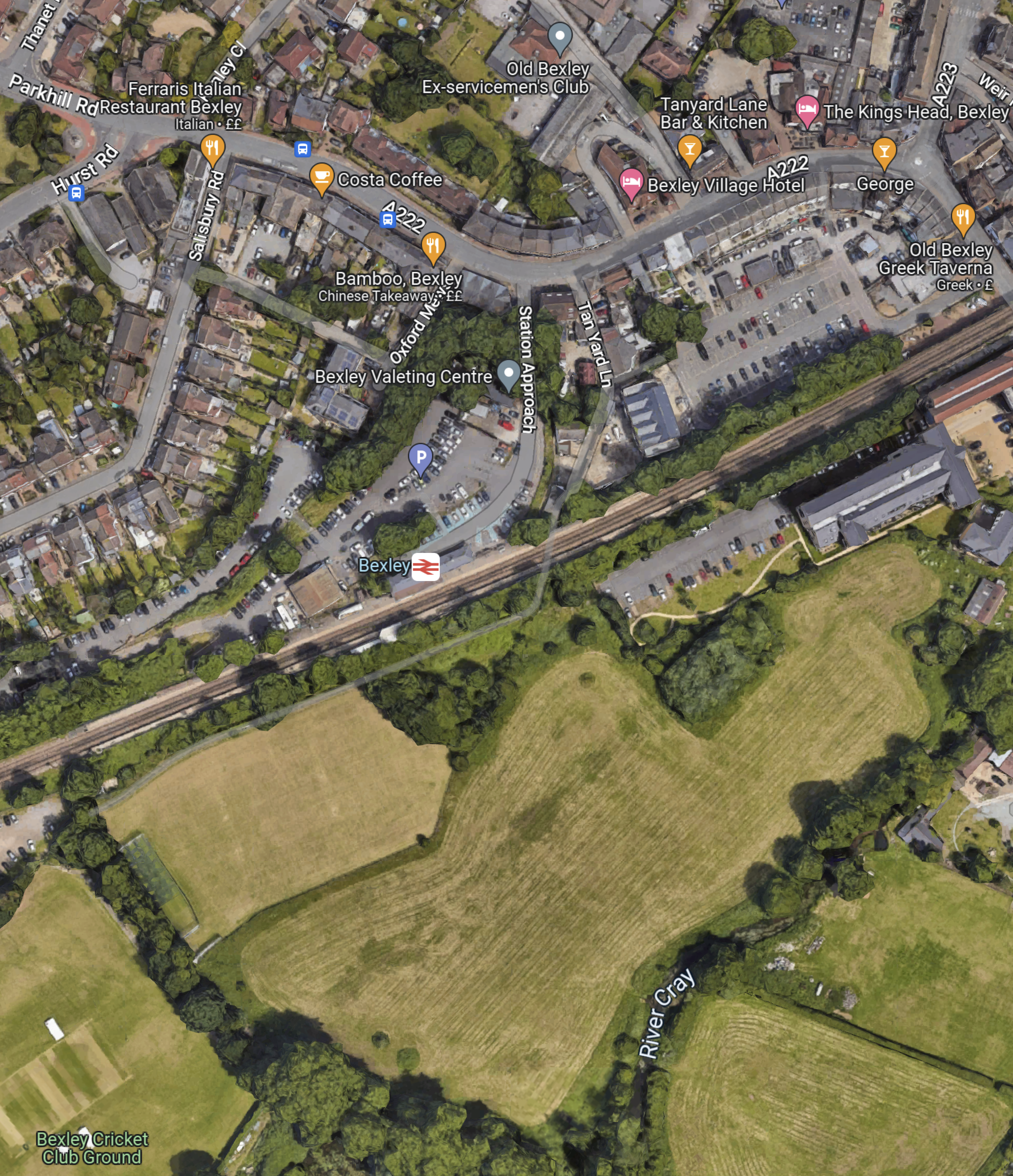
As there appears to be a lot more housing and the car park to the North of the railway, I suspect there’s a lot of crossing of the railway by passengers.
So it does seem that Network Rail have designed scheme for the number of passengers, which is something Transport for London haven’t done with the buses, where I live.
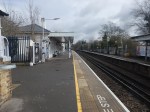
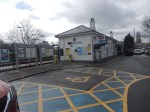
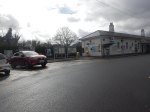
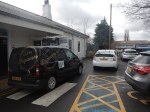
On a visit to the station on the 14th of March, I took these pictures.
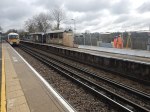
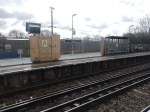
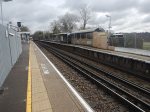

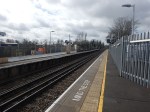
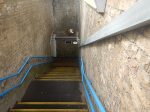
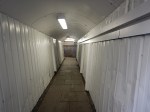
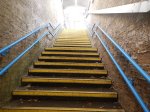
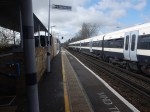
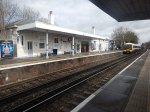
This is a Network Rail visualisation of how it will look.
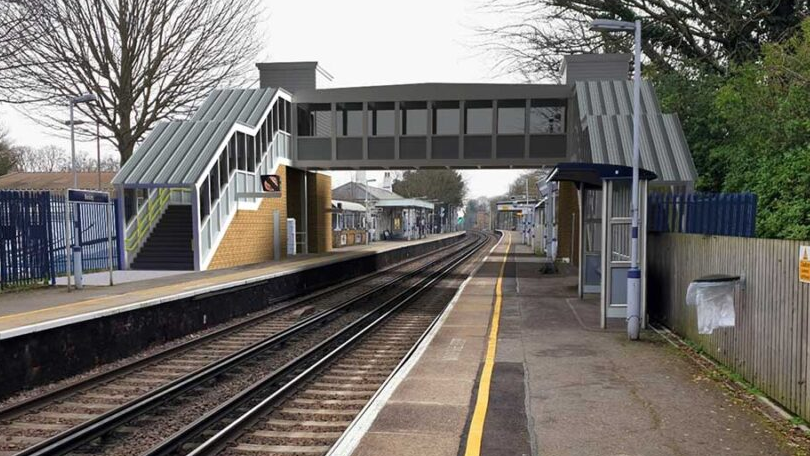
The visualisation is looking towards the East.
High Speed Two Publish Rural Footbridge Design
High Speed Two have published their rural footbridge design on this page of their web site.
This image from High Speed Two shows an artist’s impression of the bridge.
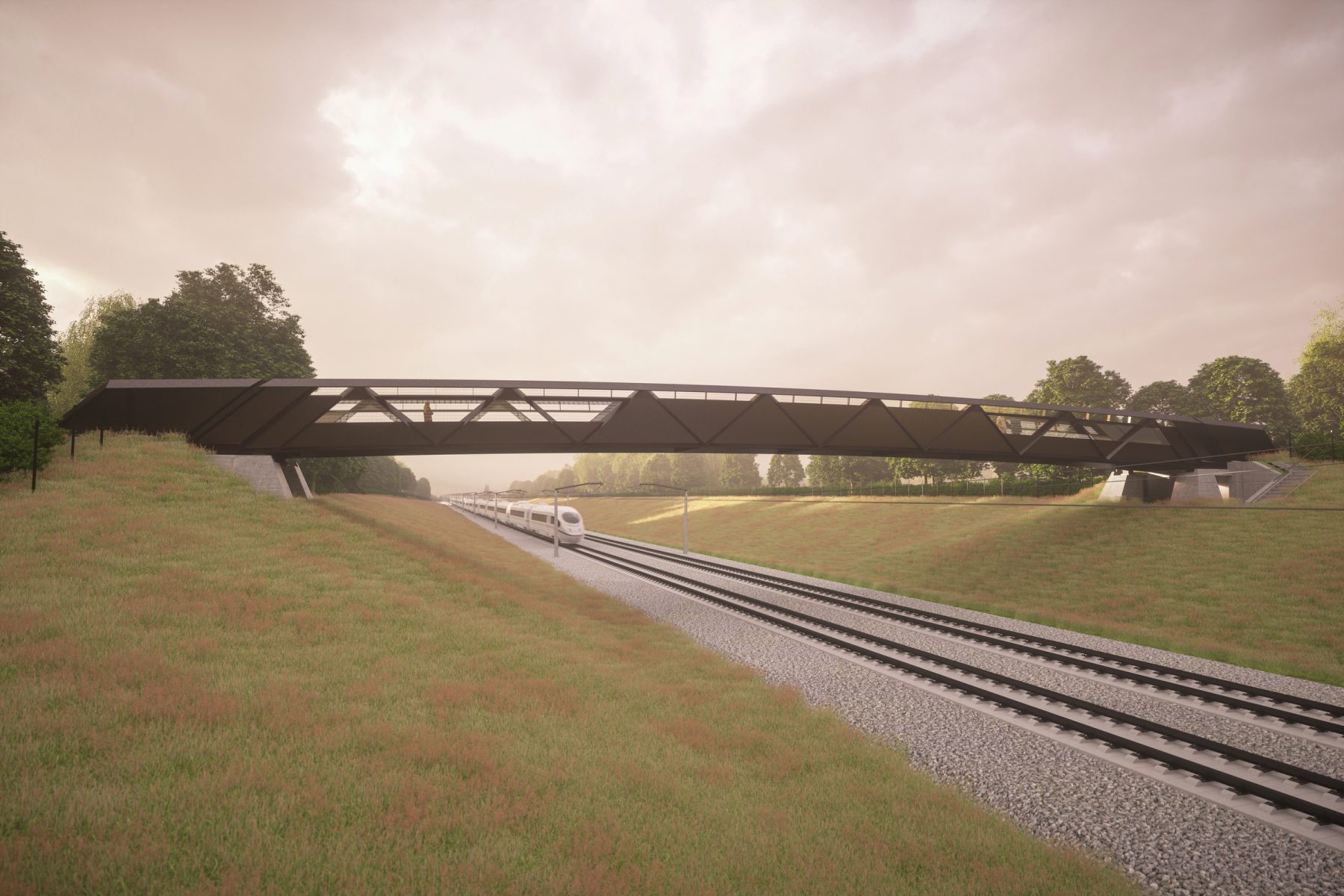
This is High Speed Two’s own thoughts on the design.
Made of weathering steel, the sides of the lightweight bridges will lean outwards to maximise views of the sky and improve the experience of people crossing the railway.
Weathering steel – which ages naturally to a russet brown colour – was chosen to help match the tone of the surrounding countryside, while the plates that form the structure of the bridges will be angled to appear narrower and lighter.
To emphasise the sense of lightness, each span will be slightly higher in the middle so that they appear to leap over the railway. Most of the bridges will consist of just one 42m span, with extra spans added where necessary to create bridges of up to 102m long.
The design of the bridge would appear to be a good compromise between accessibility, cost, ease of construction and installation and practicality.
The article also covers other topics.
Step-Free
This paragraph explains how the bridges will be step-free.
In order to improve efficiency of manufacturing and assembly, all the bridges will have the same basic form, with the approach paths built into the earthworks on either side of the bridge. This also means that all the footbridges will effectively be step-free.
I can see bridges of this type being built at other rural locations.
A Single-Platform Station
These images show James Cook station in Middlesbrough.
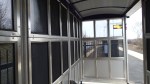

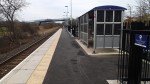
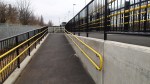
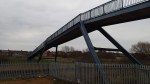

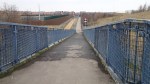

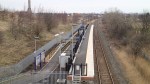
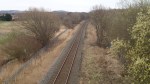
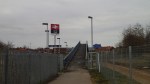
High Speed Two’s rural bridge design could be used as part of a design for a step-free station on a rural line.
Bridleways
The footbridge can be used for a bridge on a bridleway.
Designed with guidance from the British Horse Society, the bridges which carry bridleways will follow the same basic pattern, with a recycled, non-slip rubber deck and the structure acting like a baffle to stop horses being distracted by passing trains.
Footbridges will be 2.5m wide, while bridleways will be 3.5m wide to allow two horses to pass comfortably and safely.
It should be remembered, that horses are flight animals and if they are startled they run, so if say a train went under the bridge, when they were on top, they would most likely go forward and cross the bridge quickly.
I would happily have ridden my stallion; Vague Shot over a bridge like this.
I also think, the design of the bridge in the landscape should allow riders to approach to a safe distance from the bridge and perhaps watch a train or two go through.
Other Animals
I can see other animals like badgers, foxes and hares using a bridge like this.
I also think, that on classic railways, bridges like these could be used to allow farmers to move sheep or possibly cattle over a railway, with some simple design changes.
Conclusion
This bridge has more applications, than the initial one, for which it was designed.
Stone Crossing Station – June 27th 2022
I changed trains yesterday at Stone Crossing station and took these pictures.
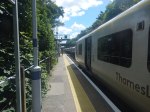
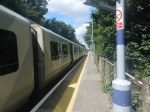
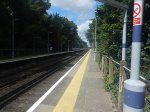
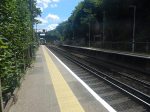
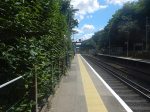

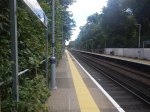

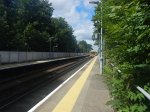
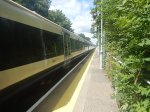
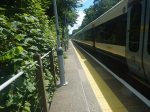
Note.
- It is a basic station with two long platforms.
- There is a bridge at one end.
- More houses are being built nearby, behind the trees.
It needs upgrading to the Twentieth Century.
A Second Visit To Stone Crossing Station
As I wanted to look at the footbridge, I went back again today.

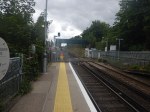
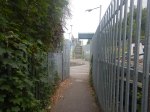
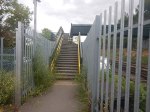

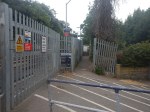
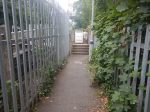
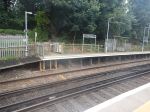
This looks very much like an interim design to get passengers and pedestrians across the line safety.
A Crossrail To Ebbsfleet Station
This station will need to be made step-free, if Crossrail is extended to Ebbsfleet station.
The station will be handling ten trains per hour (tph) in both directions.
 The Anonymous Widower