From October 24th 2022, It Looks Like Bond Street And Oxford Circus Stations In London Will Share An Out Of Station Interchange!
Consider.
- Bond Street station is served by the Jubilee and Central Lines.
- Oxford Circus station is served by the Victoria, Bakerloo and Central Lines.
- On this page on Oyster Fares Central, the distance between Bond Street And Oxford Circus stations, is given as 280 metres or yards.
- On the 24th of October 2022, Bond Street station on the Elizabeth Line will open with two new entrances in Davies Street and Hanover Square.
- Westminster City Council have refurbished Hanover Square to improve walking routes to and from the Hanover Square entrance to Bond Street Station.
- In Hanover Square – 9th May 2022, I show some of the wide pavements around the area.
- There is no direct interchange between the Victoria and Elizabeth Lines.
- There is no direct interchange between the Piccadilly and Elizabeth Lines.
I think it is likely, that some travellers will walk between Oxford Street station and the Hanover Street entrance at Bond Street station, to do journeys like these.
- Victoria Line stations and Elizabeth Line stations
- Piccadilly Line stations, that are North of Finsbury Park station and Elizabeth Line stations, with a cross-platform change between Piccadilly and Victoria Line trains at Finsbury Park station.
- Some travellers may prefer this interchange between Bakerloo Line stations and Elizabeth Line stations, than use the Bakerloo Line Link at Paddington.
- Some travellers arriving in Euston, King’s Cross and St. Pancras may use the Victoria Line to transfer to the Elizabeth Line.
I can see a substantial number of travellers walking between Oxford Street station and the Hanover Street entrance at Bond Street station.
I suspect Transport for London can too, as they have made Bond Street and Oxford Circus stations an out of station interchange, with a time limit of twenty minutes.
- It would be time enough to pick up a coffee on the way.
- As Tony Hancock once said, there would be time for a cough and a drag.
- There are several useful shops on the route.
It is not your normal interchange and I suspect shops will adjust their wares to the traffic.
I have a few thoughts.
Toilets
I think toilets are needed on the pedestrian route.
Interchange With The Central Line At Bond Street Station
Consider.
- From West to East the Elizabeth Line has interchanges with the Central Line at Ealing Broadway, Bond Street, Tottenham Court Road, Liverpool Street and Stratford.
- Passengers for stations like Notting Hill Gate, Marble Arch, Holborn, St. Paul’s and Bank will have a large choice of new routes.
I suspect many passengers will change at Bond Street and Stratford. Stratford is an easy interchange, but how good will Bond Street be?
This visualisation shows the knitting that connects the lines at Bond Street station.
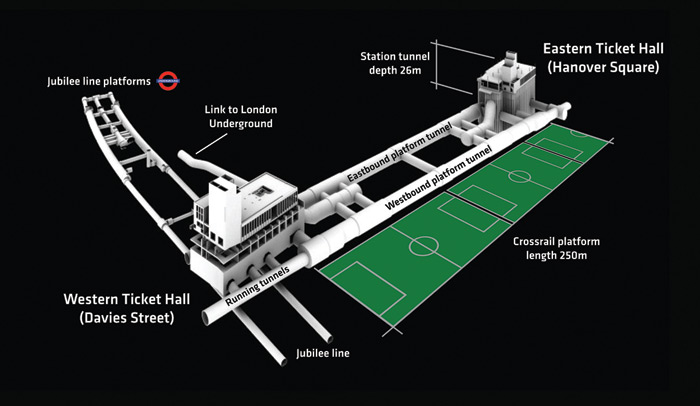
I think for a fast interchange, using the minimum amount of walking, you would need to travel in the Western end of an Elizabeth Line train if you want to change to the Central Line.
But some passengers might prefer to travel in the Eastern end of an Elizabeth Line train and use the out of station interchange to Oxford Circus station for the Central Line.
Interchange With The Jubilee Line At Bond Street Station
Consider.
- From West to East the Elizabeth Line has interchanges with the Jubilee Line at just Bond Street and Stratford.
- Passengers for stations like Green Park, Westminster, Waterloo, London Bridge and Greenwich will take the Jubilee Line.
Passengers will have to change at Bond Street or Stratford. Stratford is an easy interchange, but how good will Bond Street be?
My First Ride In A Refurbished New Routemaster
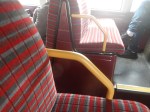
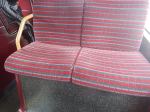
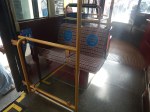
When I went to see the Queen’s flowers, that I wrote about in The Queen’s Flowers In Green Park, the 38 bus, I rode to Green Park, was a refurbished New Routemaster.

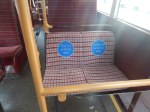
Note.
- It appears to have scrubbed up well.
- There is a new fabric and all the gold metal parts have been re-anodised.
- The priority seats for those with limited mobility are now labelled.
- As they are now up to eleven years old, will they now be good for at least another ten?
This article on Key Buses is entitled New Routemaster Refurbishment Underway, where this is said.
Despite coming under threat as a result of Tf L’s funding crisis the first New Routemasters have now returned from refurbishment. These include buses in the Abellio London, Metroline and London United fleets. The latter now carry RATPDev Transit London fleetnames. The first 200 vehicles are expected to be refurbished by March 31, 2023.
With 200 buses, I should get a lot of chances to add some more pictures.
In Could London’s New Routemaster Buses Be Converted To Hydrogen Power?, I came to this conclusion.
I believe from my knowledge of Cummins and the way they work, that they will come up with a hydrogen-based solution, that will replace the Cummins diesel in these buses with a zero-carbon engine.
If Cummins don’t then someone else will.
Whoever solves the problem of converting London’s new Routemasters to hydrogen will have one of the best adverts for their product, there has ever been.
After converting London’s thousand Routemasters, the engineers could move on to anything powered by a Cummins engine.
Since then I’ve written Werner Enterprises Signs Letter Of Intent Planning To Secure 500 X15H Engines From Cummins, which describes the application of Cummins technology to convert heavy trucks to hydrogen power.
New £3.6bn London Transport Funding Deal Agreed
The title of this post, is the same as that of this article on the BBC.
These five paragraphs outline the deal.
A new £3.6bn government bailout to keep Tube trains, railways, buses and trams running in London has been agreed.
The package includes almost £1.2bn of upfront funding for Transport for London (TfL) to secure the long-term future of the capital’s transport network.
It is the sixth bailout for TfL after its revenues plummeted in the pandemic.
The funds will allow Piccadilly line trains to be built as well as upgrades to three Tube lines.
TfL Commissioner Andy Byford described the deal as “hard won” but Mayor of London Sadiq Khan, who is also chair of TfL, branded it “far from ideal”.
I have a few thoughts.
Will The North And Scotland Like It?
In my travels around the UK, when I ask someone on a bus,train or tram about their new transport funding, I often get a reply something like.
It’s good, but London gets more.
I don’t think other areas of the UK will like £3.6 billion, especially after Crossrail’s over budget and late construction.
Driverless Trains
The BBC article says this about driverless trains.
The 16-page settlement letter includes a commitment to “press forward a joint programme on the implementation of driverless trains on the London Underground”.
These seven paragraphs in the settlement letter say this about driverless trains.
29. TfL’s record of modernisation and innovation should not leave it behind other European
networks, which are achieving significant operational efficiencies through driverless trains.
Accordingly, DfT and TfL will press forward with the joint programme on the implementation of
driverless trains on the London Underground, recognising TfL’s safety, regulatory and statutory
responsibilities.
30. Taking the findings of the network review to the next stage, TfL will continue to work with DfT
to develop the evidence required to make a strong case for investment in driverless trains on the
London Underground. This will include but not be limited to the work set out below.
31. TfL will work with DfT to assess the case for introducing GoA4 on the London Underground
network, taking into account opportunities and risks.
32. TfL will undertake further studies and wider research to support progressing driverless trains
on the lines where the case(s) are strongest.
33. In addition, TfL should continue working with DfT to make progress developing and testing
innovative technology, where it can save money in the delivery of driverless trains.
34. Based on the findings of the above, TfL will work with DfT to develop a business case for
driverless trains as necessary.
35. TfL will ensure senior representation on the joint programme and will actively support this work
through the provision of staff resources, expertise and access to both the London Underground
network and any information sources. TfL’s participation should seek to explore all options in a
collaborative and open manner and work with the programme on an implementation plan. HMG
will provide resource funding to TfL to enable it to support the programme’s work
Around 1970, I worked at ICI in sections who were at the forefront in creating computer-controlled chemical plants.
I also remember that Simulation magazine gave a detailed description about how London Underground’s Victoria Line worked using automation, which colleagues thought was an excellent system.
The trouble with driverless trains, is that they have got too political.
- You have the Government wanting to introduce driverless trains for reasons of efficiency and to follow the best technological practice in Europe.
- You have the Unions totally against it for their obvious reasons.
- You have the Mayor of London grudgingly accepting it.
I take a practical attitude to automation based on the views of world-class automation engineers, I worked with in the 1960s and 1970s.
- In an airliner, most of the flying, landing and control of the aircraft is automatic, with the pilot monitoring everything on instruments.
- Much of the automation I was involved with all those years ago, was about ensuring optimal operation of plant and machinery and ensuring that the safety margins were not exceeded.
These two paragraphs from Wikipedia, explain the operation of the Victoria Line.
On opening, the line was equipped with a fixed-block Automatic Train Operation system (ATO). The train operator closed the train doors and pressed a pair of “start” buttons and, if the way ahead was clear, the ATO drives the train at a safe speed to the next station. At any point, the driver could switch to manual control if the ATO failed. The system, which operated until 2012, made the Victoria line the world’s first full-scale automatic railway.
The Victoria line runs faster trains than other Underground lines because it has fewer stops, ATO running and modern design. Train speeds can reach up to 50 miles per hour (80 km/h). A common method used by north London residents to visit the West End is to take the Northern line Bank branch, change platforms at Euston, and continue on faster Victoria line trains. The original signalling has been replaced with a more modern ATO system from Westinghouse Rail Systems incorporating ‘Distance to Go Radio’ and more than 400 track circuits. The track operator, London Underground Limited, claimed it is the world’s first ATO-on-ATO upgrade. The new system allowed a revised timetable to be introduced in February 2013, allowing up to 33 trains per hour instead of 27. In combination with new, faster trains, the line’s capacity increased by 21%, equivalent to an extra 10,000 passengers per hour.
Note.
- I very much approve of this type of automation, which fits well with the operation of metro services.
- The driver is very much in control, as he initiates and can stop all train movements.
- The original automation in the 1960s, used thermionic valves and relays.
- I believe that automation like this can be exceptionally safe.
As the extract says, Automatic Train Operation system (ATO) increases the frequency of trains, runs them faster and increases capacity.
The only problem is how do you sell it to the unions.
A First Trip To Barking Riverside Station
I took a first trip to Barking Riverside station this morning and took these pictures.
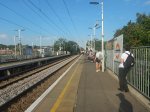
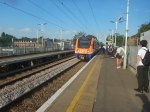


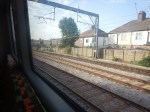
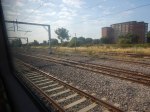
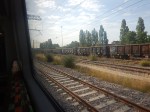
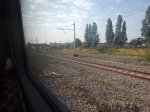
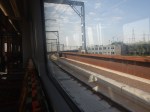
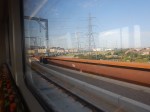
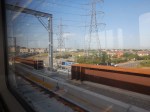
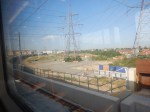
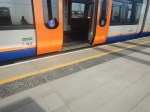
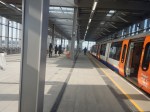
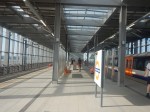
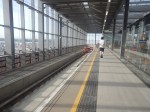
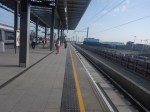
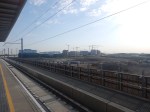
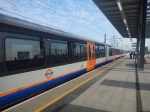

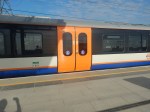
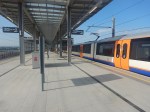
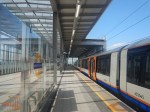
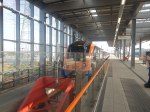
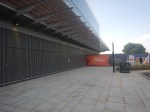
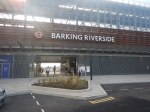

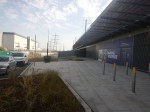
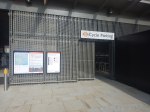

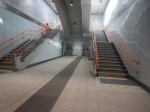
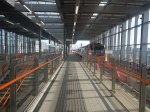
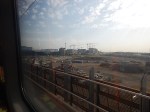
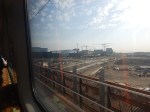
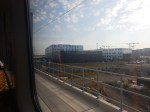


I have a few thoughts and observations.
TfL Advances Plans For DLR And Overground Extensions
The title of this post, is the same as that of this article on New Civil Engineer.
This is the first paragraph.
Transport for London (TfL) has confirmed that it is moving ahead with plans to extend the Docklands Light Railway (DLR) and the West London Orbital (WLO), part of the London Overground.
So it appears that despite all their financial problems, some progress is being made.
The Docklands Light Railway Extension To Thamesmead
I first wrote about this project in TfL Considering Extending DLR As Far As Abbey Wood.
Now it appears that TfL has been working with Homes England and the Department for Levelling Up, Housing and Communities on a feasibility study for the extension.
I would like to see this extension incorporation the following.
- A signature bridge over the Thames with good views of the river.
- A station with a convenient connection to Crossness, which could become one of major London’s tourist attractions with better transport links.
- A connection to the Elizabeth Line at Abbey Wood station.
It could help to level up Thamesmead, whose main claim to fame is that it was where the violent film Clockwork Orange was made.
The West London Orbital Railway
I have written extensively about this railway and you can see my posts here.
This map from the Mayor’s Transport Strategy shows the route.
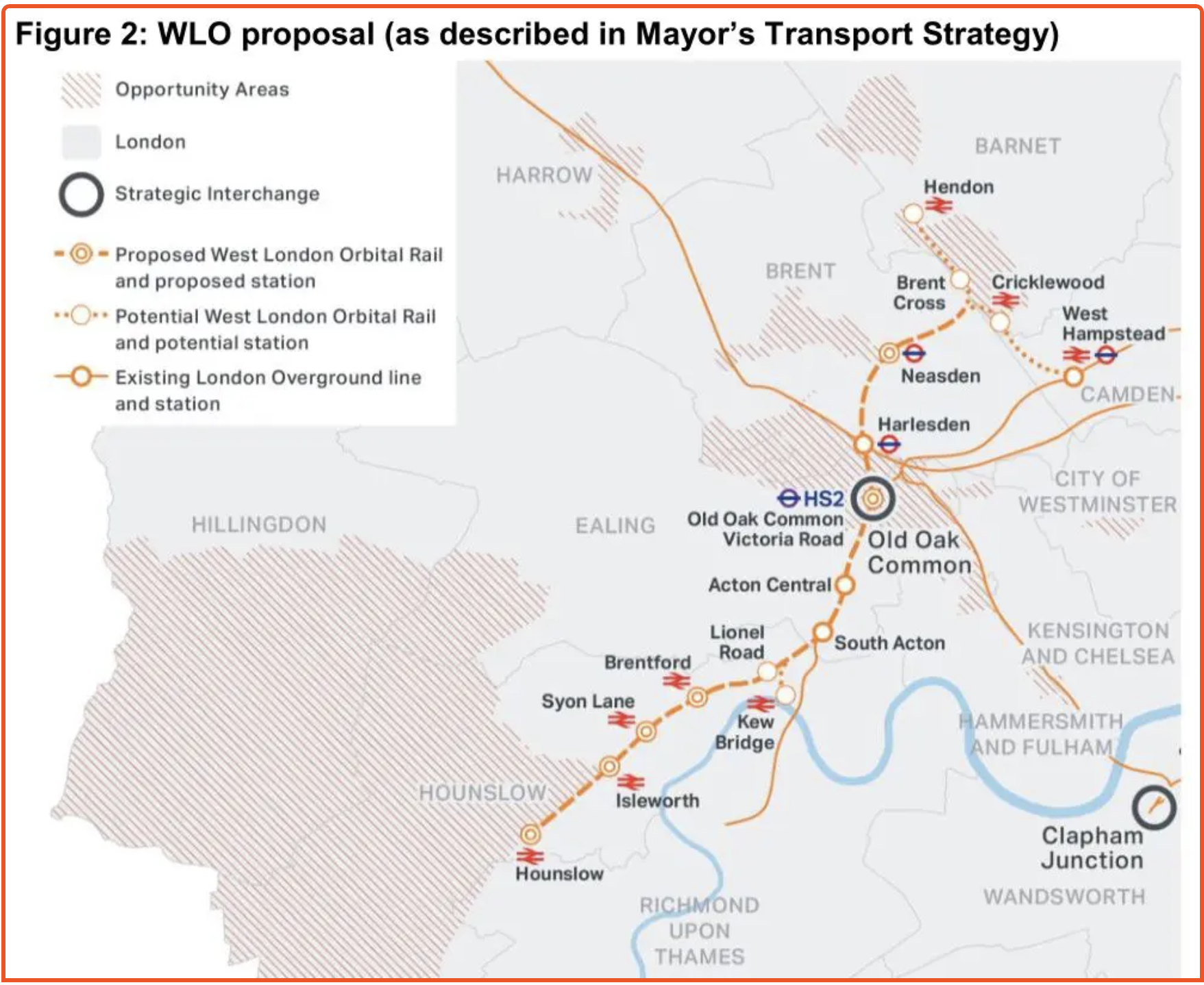
I believe this railway could do the following.
- Level-up much of North-West London.
- Provide better access to Heathrow.
- Link West London to High Speed Two and the Elizabeth Line.
It would also provide better links to Brentford’s new stadium.
The New Civil Engineer says this about funding.
TfL now confirms that the West London Alliance has commissioned feasibility work for the scheme. Meanwhile, TfL is considering options for a Borough Community Infrastructure Levy to help pay for it and has been investigating development opportunities on the route that could unlock funds via Section 106 planning obligations and Carbon Offset funding.
Conclusion
It does appear there are ways and means to fund these schemes, without expecting the rest of the UK to fund London’s transport network.
The Mayor Of London Is Pruning The North London Bus Network Again
Sadiq Khan is proposing to cut these bus routes.
- 4 – Archway and Blackfriars – North London
- 11 – Fulham Town Hall and Appold Street – North London
- 12 – Oxford Circus Stn / Margaret Street and Dulwich Library – Cross-River
- 14 – Putney Heath and Russell Square – North London
- 16 – Mora Road and Victoria Bus Station – North London
- 24 – Grosvenor Road and Royal Free Hospital – North London
- 31 – White City Bus Station and Baynham Street – North London
- 45 – Newington Causeway and Atkins Road / New Park Road – South London
- 72 – Brunel Road and Hammersmith Bridge Road – North London
- 74 – Putney Exchange and Baker Street – North London
- 78 -Shoreditch High Street Station and St Mary’s Road – Cross-River
- 242 – Aldgate Station and Homerton Hospital – North London
- 349 – Glyn Road and Rookwood Road – North London
- 521 – Waterloo Station and London Bridge Station – North London
- C3 – Clapham Junction Station / Falcon Road Warwick Road Tesco – Cross-River
- D7 – All Saints Church and Mile End Station – North London
Note.
- The 74 is one of the recommended ways to get to Zoo.
- The 242 is my preferred method to get between Dalston and the excellent Homerton Hospital.
- The 349 is probably important to the Jewish Community in Stamford Hill.
- 521 appears to be a very good link between the two terminal stations. Especially, if you have a heavy case or a baby in a buggy.
- I have judged whether a bus is North London, South London or Cross-River from TfL’s maps of each route.
I suspect others will have their own objections.
These are my totals.
- North London – 12
- South London – 1
- Cross-River – 3
These are definitely the cuts that would be imposed by someone with their roots firmly in the South, who feels that there is no valid reason to cross the Thames.
But then with these cuts, he won’t get complaints from South Londoners.
Possible Regular Services Between West Somerset Railway And Taunton
The title of this post, is the same as that of this article on Rail Advent.
These are the introductory paragraphs.
Hopes are growing that regular scheduled train services will once more operate between the West Somerset Railway (WSR) and the national rail network.
There is an increasing interest in re-opening long-closed stations and lines on the network. To this end, a partnership working group has been set up to look at the prospects of running scheduled trains between WSR’s Bishops Lydeard station and Taunton, which would safeguard the WSR’s long-term future.
The working group comprises representatives of the Heart of South West Local Enterprise Partnership, Great Western Railway, Network Rail, Somerset County Council, and WSR Plc.
Given the success of the reopened Okehampton station, that I wrote about in Success For The Dartmoor Line, where 2,500 passengers a week have used the trains since last November, I wonder if Somerset is aiming to emulate Devon’s success, with the West Somerset Railway.
There are certainly similarities between the two routes.
Connection To The County Town
Both routes connect to the county town.
- The Dartmoor Line connects to Exeter, which is the county town of Devon.
- The West Somerset Railway connects to Taunton, which is the county town of Somerset.
As the county town usually contains important local services like the council offices and the Courts, this is often convenient.
Connection To The Great Western Railway
Both routes could have excellent connections to the Great Western Railway.
- Exeter St. David’s station is a major interchange.
- Taunton station could be a more important interchange.
Note.
- Both stations have connections to Bristol, London and Cornwall.
- The two stations are well-connected to each other.
- Both stations have six platforms, which include some bay platforms for branch line services.
This Google Map shows the less developed Taunton station.
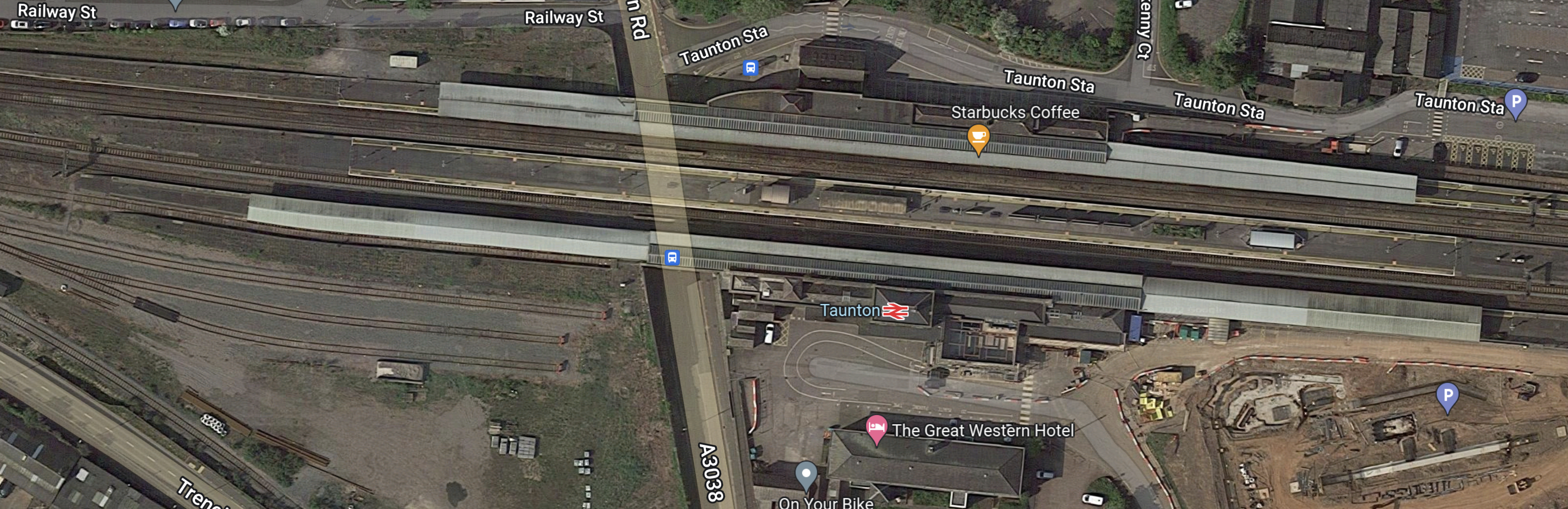
Note that there appears to be lots of space for development of rail and related development.
Both Branches Were/Are In Use Before Development
Before the Dartmoor Line was reopened, the route was in occasional use for both freight and passenger trains. Great Western Railway have in recent years run InterCity125 trains to Okehampton station.
With reopening the line to Okehampton, there was no major viaduct or bridges to rebuild, although Network Rail took the prudent decision to relay the track.
It would appear that the West Somerset Railway has similar use for both freight and passenger trains. How much work will be needed to bring it up to an acceptable standard.
Great Western Railway Are Providing Initial Weekend Services
On the Dartmoor Line services started between Exeter and Okehampton in 2019 and Wikipedia says this about initial services between Taunton and Bishops Lydeard station.
In 2019, the WSR entered into a partnership with the modern Great Western Railway (GWR) to operate Summer Saturday services to Bishops Lydeard from Taunton beginning on 27 July 2019. The introduction of these GWR services will mark the first time the station has been connected to the rest of the national rail network since its initial closure in 1971.
Is history going to repeat itself?
The First Step
This paragraph from the Rail Advent article, indicates the first step to reopening a service between Taunton and Minehead.
The first task will be to look at the simplest and most effective way in which the link between the WSR and the mainline can be improved, signalled, and operated. An outline business plan will then be developed to estimate how much it would cost.
This Google Map shows the link between the West Somerset Railway and the mainline.
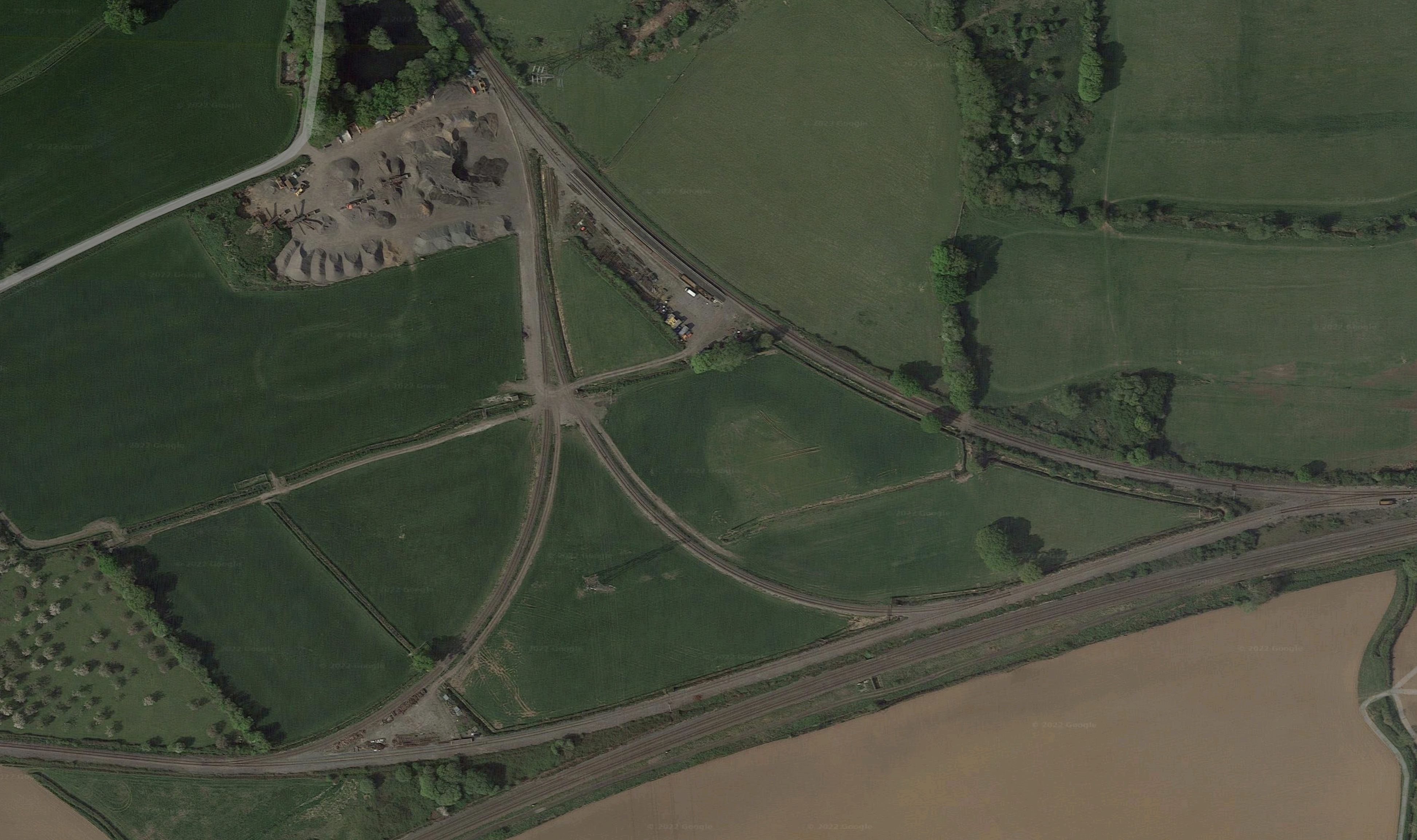
Note.
- The large triangular junction.
- The Bristol-Exeter railway runs East-West across the bottom of the map.
- Minehead is to the North.
- Taunton is to the East.
- A disused line to Barnstaple is to the West.
- The site to the West of the top of the triangular junction is a ballast cleaning site.
It does appear that there could be the space to create an efficient junction linking the two railways.
Initial Regular Services
This was one of the introductory paragraphs.
There is an increasing interest in re-opening long-closed stations and lines on the network. To this end, a partnership working group has been set up to look at the prospects of running scheduled trains between WSR’s Bishops Lydeard station and Taunton, which would safeguard the WSR’s long-term future.
This page on the Railway Touring Company web site is entitled The West Somerset Steam Express.
This paragraph describes the trip.
This series of trains from London Paddington to Minehead features haulage by two steam locomotives in one day.
One steam locomotive will haul our train from London Paddington to the West Somerset Railway at Bishops Lydeard.
The Heritage Railway will then provide a steam locomotive to haul our train to Minehead and back. This provides a truly fascinating day out travelling through beautiful scenery to the Bristol Channel coast.
So it looks like, the initial services on the between Taunton and Bishops Lydeard stations, will duplicate services that are already planned on a very much less frequent basis.
Bishops Lydeard Station
Bishops Lydeard station is the station, where mainline and West Somerset services meet.
This OpenRailwayMap shows the track layout at the station.
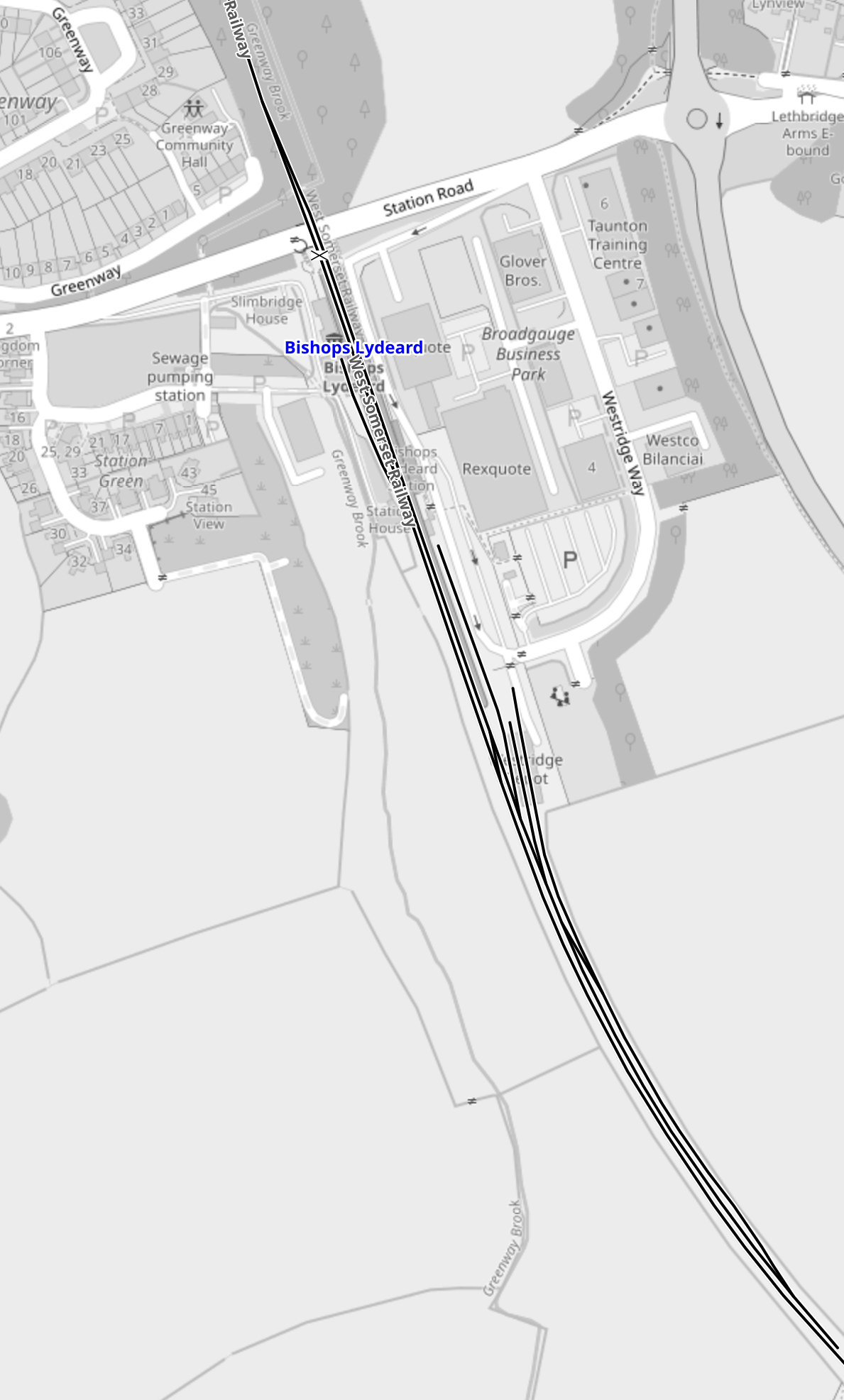
Note.
- The station is the Southern terminus of the West Somerset Railway.
- Track is single to the North and South of the station.
- Bishops Lydeard station has two platforms.
- There is a passing loop.
If the terminal station has a serious problem, it doesn’t appear to have much parking.
So it would appear, that a link to Taunton might improve the finances of the West Somerset Railway, by attracting more visitors.
Onward To Minehead
This OpenRailwayMap shows the last section of the West Somerset Railway to Minehead.
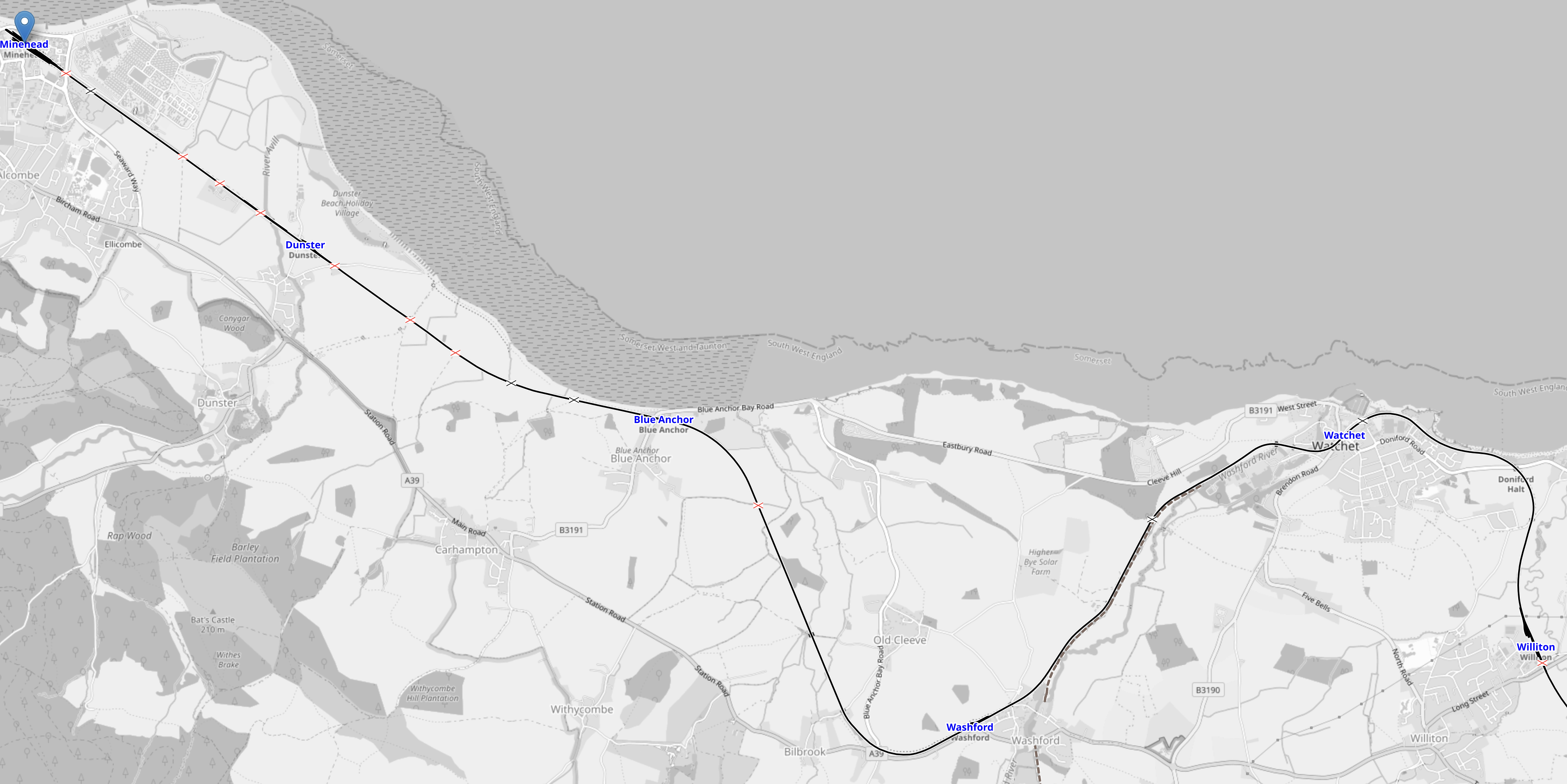
Note.
- Minehead station is in the North West corner of the map.
- Minehead station appears to be a well-equipped station, with two platforms.
- Minehead station even has a turntable for turning locomotives.
- There are four or five stations close to the coast.
The Wikipedia entry for Minehead, says this about the town.
The parish of Minehead has a population of approximately 11,981, making it the most populous town in the western part of the Somerset West and Taunton local government district, which in turn, is the worst area in the country for social mobility.
The West Somerset Railway could become both a useful and a real bucket-and-spade railway. Surely, that could generate revenue and level-up the area.
Financing
If you want something to work well, you must get the finances right.
I have lived in Dalston in London for twelve years now. When I moved here after my wife died and I had had a serious stroke, which left me unable to drive, I relied on an antiquated mainly bendy-bus-based public transport system.
Then along came the Overground and fleets of shiny new buses and Hackney and Dalston in particular was more than levelled up with London’s more salubrious boroughs.
Shopping improved with M & S returning after at least seventy years. There’s even a Pret, which boomed during the pandemic.
Transport for London got the financing for the Overground right and they created a success.
Conclusion
Can the initial working group find a financial model so that the West Somerset Railway can do for West Somerset, what the Overground has done for Dalston and the Dartmoor Line appears to be doing for Devon?
I thoroughly hope so!
London Underground’s Northern Line Bank Branch To Reopen Next Monday
The title of this post, is the same as that of this article on Ian Visits.
These are the first two paragraphs.
The closed bank branch of the Northern line will reopen to passengers from Monday 16th May, TfL has confirmed.
The line has been closed since earlier this year to allow a new tunnel and platform at Bank tube station to be connected to the existing Northern line tunnels, work that could only be done by closing the tunnel to trains. When the line reopens, the new and much wider southbound Northern line platform and spacious new customer concourse at Bank station will open at the same time.
When, I found out, I was on a 21 bus to my home and I showed the other passengers Ian’s article.
All seemed pleased and I did get the impression, that one or two passengers were fed up with the closure.
I also think, that as Transport for London promised mid-May for the reopening, then they can’t get any closer than the 16th.
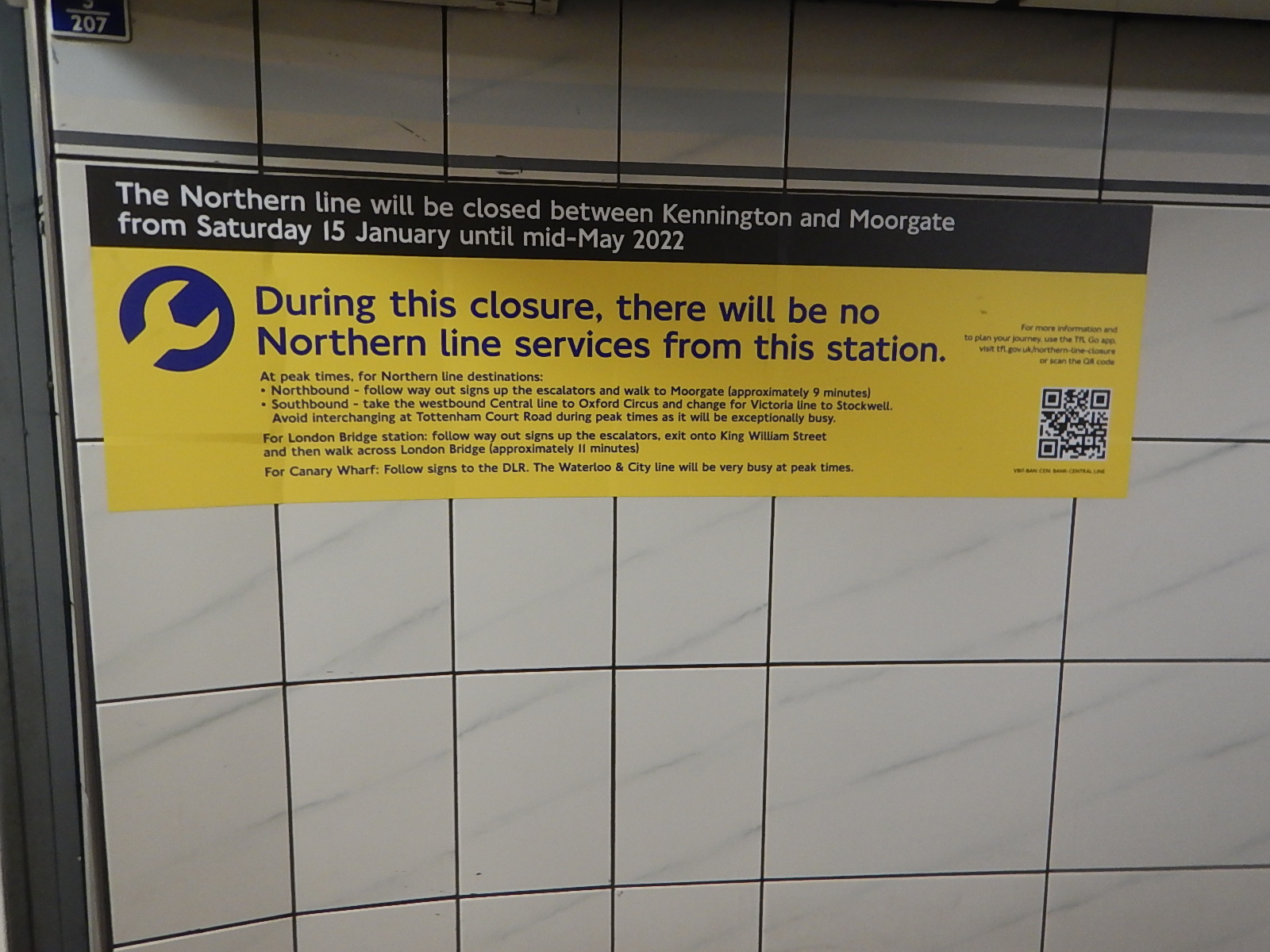
Note.
- The picture was taken just before closure on the 9th of January, which was a Sunday.
- TfL predict mid-May and then promise the 16th of May.
- I suspect that the public would even accept a few days late, as most reasonable people accept that odd things go wrong in complex projects.
- It’s also eight days before Crossrail opens, so hopefully, the Bank station Upgrade will be out of the way before Crossrail is opened.
Now that’s what I call good project management.
Advance Warning Of Brixton To Beckenham Junction Rail Closure In July
The title of this post, is the same as that of this article on Ian Visits.
These are the first two paragraphs.
In late July, the railway between Brixton and Beckenham Junction will be closed for 9-days as Network Rail carry out a major upgrade of the tracks in the Penge railway tunnel.
Over the 9-day closure Network Rail says that it will be delivering a £4.5 million investment to replace the tracks through the Penge tunnel to help improve train service reliability. During the works, they will be replacing 3,970 metres of track in total, using engineering trains, road-rail vehicles and other heavy machinery to complete the work.
The railway will be closed between Herne Hill and Beckenham Junction stations for the week of Saturday 23rd to Sunday 31st July 2022.
This map from OpenRailwayMap shows the tunnel.
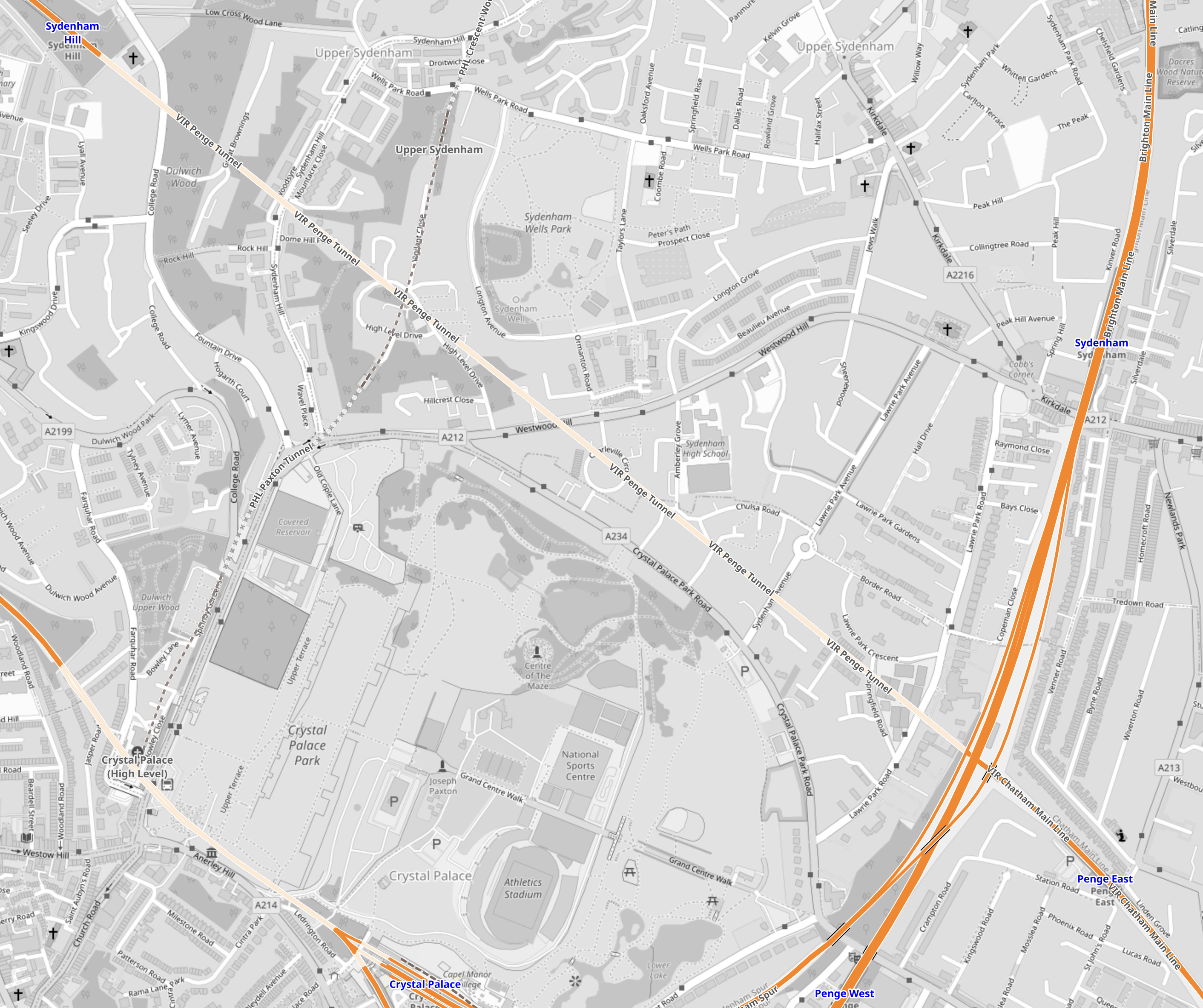
Note.
- The North-South railway is the Brighton Main Line, that passes through Sydenham and Penge West stations.
- The NW-SE railway is the Chatham Main Line, with Sydenham Hill station in the North-West and Penge East station in the South-East.
- Penge East Station – 11th March 2022 shows the station and the distance to Penge Tunnel.
- Sydenham Hill Station – 11th March 2022 shows the station and Penge Tunnel.
- Penge Tunnel is between the two stations and is shown in cream.
This second map, shows where the two lines cross.
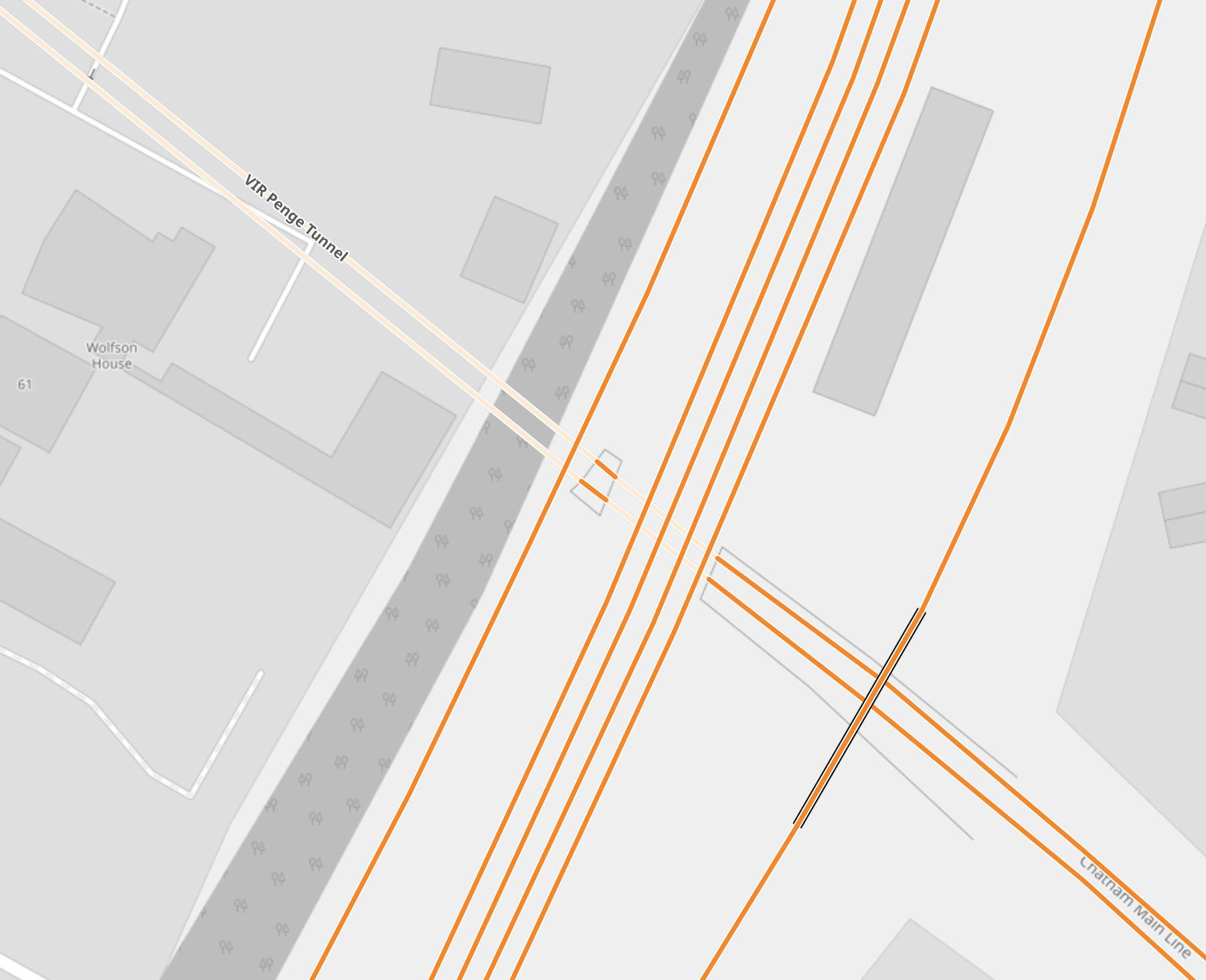
In Penge Interchange, I described how Transport for London would like to build a new Penge Interchange station to possibly replace both Penge East and Penge West stations.
- It could be fully step-free.
- The station would be built on railway land.
- It would have four tph between Victoria and Bromley South stations.
- It would have four tph between Highbury & Islington and West Croydon stations.
- It would have two tph between London Bridge and Caterham stations
- It might also be possible to have platforms on the Crystal Palace branch, thus adding six tph between Highbury & Islington and Crystal Palace stations.
- The station could have Thameslink platforms.
I feel it would offer the following benefits.
- Better connection between South East and North London, without going through Central London.
- Better connection between South East London and Crossrail, with all its connections.
- Closure of the two older Penge stations.
I hope that whilst the railway is closed for the relaying of track, that Network Rail will do a full survey to at least find out whether a Penge Interchange station is feasible.
London’s New 733 Bus Route
London has a new 733 bus route, that runs between Moorgate and Oval stations.

Transport for London do seem to have rounded up some better quality buses, to double for the Northern Line during the close at Bank station.
 The Anonymous Widower