Network Rail And Vivarail Bring The Next-Generation Battery Train To COP26
The title of this post, is the same as that of this article on Network Rail.
These are the first two paragraphs.
Network Rail and Vivarail today announced that Vivarail’s next-generation battery train will be launched at COP26 and will run daily services throughout the international climate change conference.
This zero-emission train uses new batteries, developed by Vivarail, to combine maximum range with the ability to recharge quickly. The result is a train that can travel for up to 80 miles on battery power and recharge in only 10 minutes using Vivarail’s patented Fast Charge system.
That is an excellent range coupled with a fast turnround time.
How will other companies like CAF, Hitachi and Stadler respond?
If all battery-electric trains can reach this range, I don’t think we’ll need hydrogen for multiple units, but we will probably need it for freight and other locomotives.
UK’s Tevva Uses Submarine Tech To Power Electric Trucks
The title of this post, is the same as that of this article on The Times of Israel.
The article is from April 2017 and starts with this paragraph.
Startup founded by Asher Bennett, brother of Israel’s education minister, aims to provide digital, emission-free vehicles.
This paragraph gives details of the man behind the company and their first sales.
Meanwhile, one UK company — Tevva Motors — has already got its first orders for repowering the trucks of delivery giants UPS, DHL and Switzerland’s Kuehne+Nagel with its components, including the batteries and motor, according to Tevva’s 48-year-old Israeli founder Asher Bennett. Bennett is the older brother of former entrepreneur turned right-wing politician Naftali Bennett, who is Israel’s education minister.
Since the article was written, Naftali Bennett has become Israel’s Prime Minister.
This paragraph explains how the trucks work.
The trucks Tevva repowers as well as those the company is planning to build from scratch next year at its new facility in Chelmsford are fully digital. “Every piece of information on our trucks is on the cloud,” Bennett said. The software and algorithms developed by the company automatically calculate the most efficient use of the battery and instruct the range extender when to kick in, without any input from the driver.
We’re already starting to see trains using similar techniques.
But as a time-expired Control Engineer, I would go a similar route.
It is a fascinating article, that deserves a full read.
Tevva Presents 7.5 Tonne Truck With Range Extender
The title of this post, is the same as that of this article on Electrive.
This is the first paragraph.
The English company Tevva has presented a 7.5-tonne truck that is supposed to have a range of up to 250 kilometres in electric drive mode and a range of up to 500 kilometres with the FC range extender activated. Production of the Tevva truck is scheduled to start in July 2022.
I like the concept, as it appears to give a reasonable range.
- The design team behind the truck have a good pedigree.
- The trucks are of a size to handle a useful load.
- Larger trucks will be produced later.
- The trucks will be built in a factory in the London Freeport.
I think we’ll see a lot more larger battery-electric vehicles with hydrogen range extenders.
Bank Station Upgrade – 28th September 2021
I walked past the works to upgrade Bank station this morning and took these pictures.








The first two pictures were taken on King William Street and the others were taken as I walked up Cannon Street to Cannon Street station.
This 3D Google Map shows the new section of the station from the South.
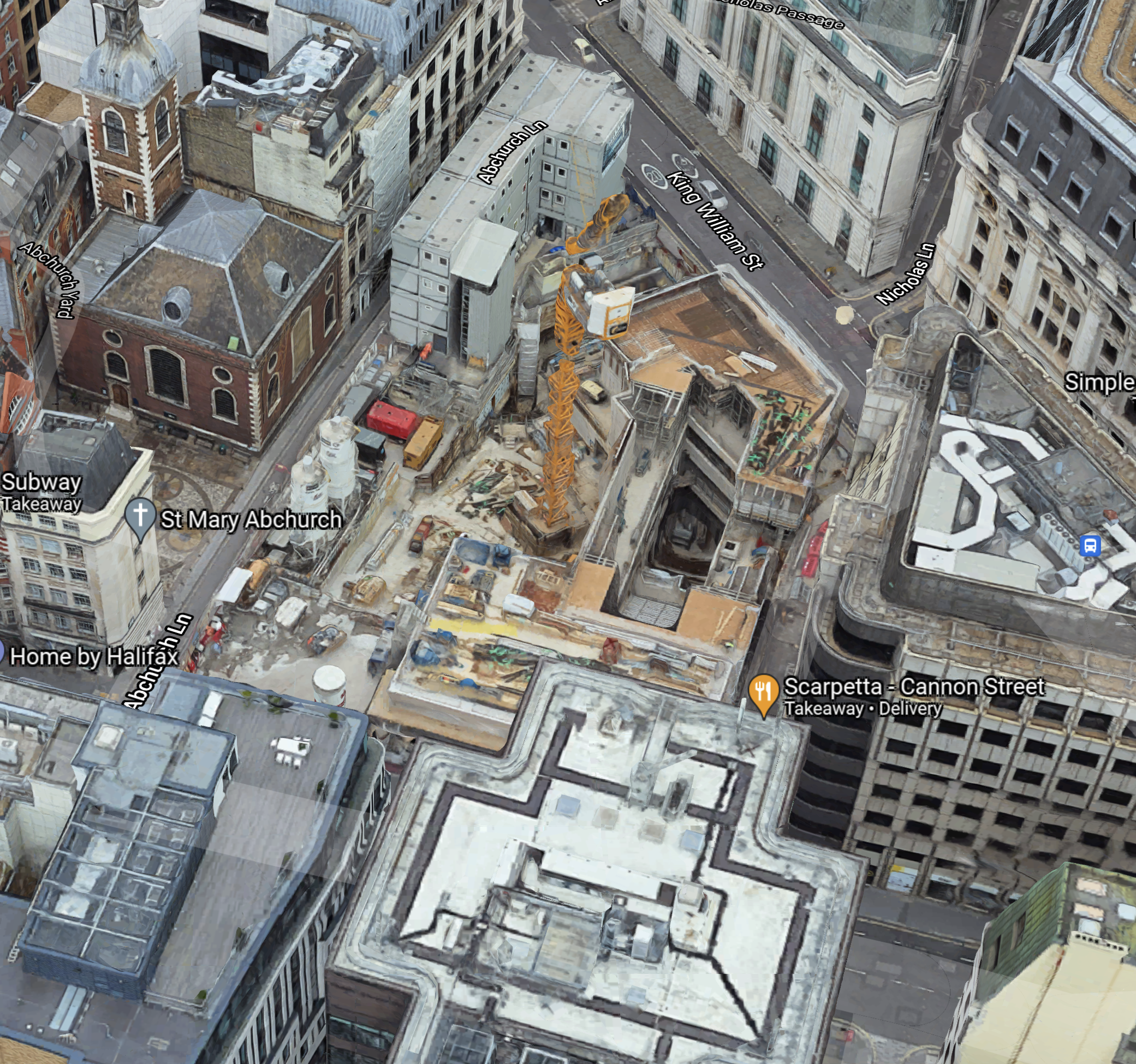
The construction site is surrounded by two roads and a lane.
- Cannon Street runs East-West in front of the construction site.
- King William Street is on the Eastern side of the construction site.
- Abchurch Lane runs Northward between the church of St. Mary Abchurch and the construction site.
There will be a lot more construction on top of the station.
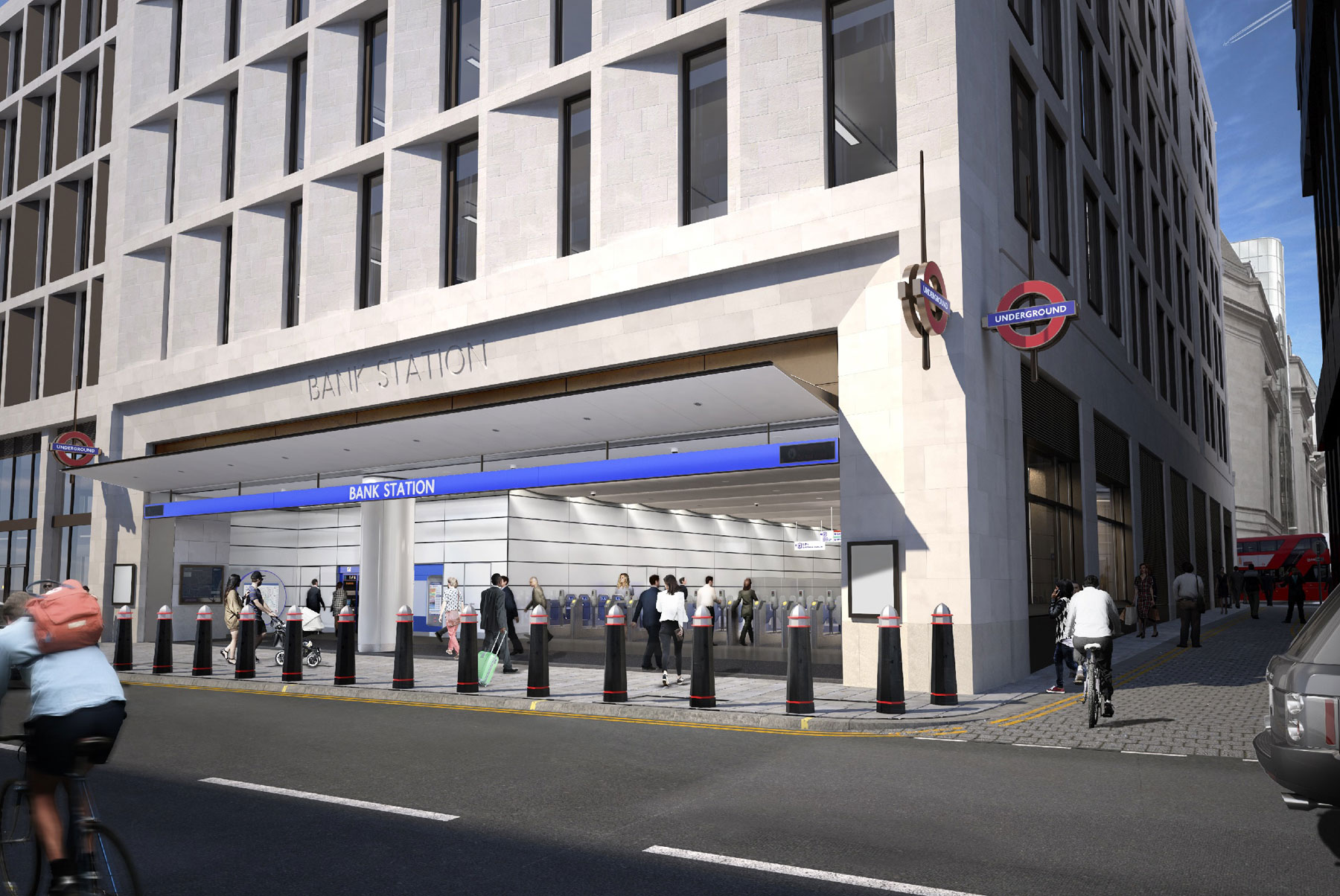
This TfL image shows how it will look in 2022.
A Class 707 Train In Southeastern Livery
The Class 707 trains started running for Southeastern today and I photographed this example at Cannon Street station.
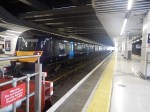
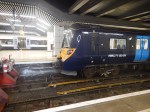
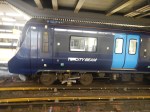
The trains have been branded as City Beam. I’m not sure I like it.
Breakthrough Energy Storage And R&D Company SuperDielectrics Expands At Chesterford Research Park
The title of this post, is the same as that of this article on Cambridge Network.
This is the first paragraph.
Chesterford Research Park is delighted to announce the expansion of an existing occupier, SuperDielectrics, into new laboratory and write up space within the Emmanuel Building.
But it does flag up progress by one of Cambridge’s new companies; SuperDielectrics.
Superdielectrics’ mission is to develop high energy density, low cost, low environmental impact electrical energy storage devices that will help create a clean and sustainable global energy and transportation system. Superdielectric’s storage devices (supercapacitors) are not only safe, rapidly rechargeable and have a long life, they contain no rare materials or conflict metals and have the added benefit of reducing pollution and waste with no end-of-life recycling issues.
I believe they are a company to watch, as supercapacitors can take over some applications of lithium-ion batteries.
Cheesecake Energy Secures £1M Seed Investment
The title of this post, is the same as that of this Press Release from Cheesecake Energy.
This is the first paragraph.
Cheesecake Energy Ltd (CEL), a Nottingham, UK-based energy storage startup today announced it has raised £1M in Seed funding to fuel the development of its manufacturing capabilities and support product development of its eTanker storage system. The round was led by Imperial College Innovation Fund alongside prominent investors including Perivoli Innovations, former Jaguar Chairman, Sir John Egan and other angel investors.
And the third and fourth paragraphs describe the technology.
The company’s unique technology, dubbed eTanker, takes established compressed air energy storage concepts and revolutionises them by storing two-thirds of the electricity in the form of heat which can be stored at far lower cost. To store the energy, electric motors are used to drive compressors, which deliver high pressure air & heat into storage units. When the electricity is required, the high-pressure air and heat is passed back through the same compressor (but now working as a turbine), which turns a generator to produce electricity. The company believes its system will cut the cost of storing energy by 30-40% and offers a solution that can be used in several sectors including electric vehicle (EV) charging, heavy industry and renewable energy generation.
The startup has filed 10 patents for stationary, medium-long-duration, long-lifetime energy storage technology. It is based on innovative design work by CEL, a spin-out from over a decade of research at University of Nottingham. Employing circular economy principles, truck engines are converted into zero-emission electrical power-conversion machines for putting energy into and out of storage. Its technology brings together the low cost of thermal storage, the turnaround efficiencies of compressed air energy storage, together with the long life and robustness of a mechanical system, making a game-changing technology in a modular containerised package.
It all sounds feasible to me and if I’d have been asked, I’d have chipped in some of my pension.
The system in some ways can almost be considered a hybrid system that merges some of the principles of Highview Power’s CRYOBattery and Siemens Gamesa’s ETES system of heating large quantity of rock. Although, Cheesecake’s main storage medium is comptressed air, as opposed to the liquid air of the CRYOBattery.
One market they are targeting is the charging of fleets of electric vehicles like buses and from tales I have heard about operators of large numbers of electric buses, this could be a valuable market.
I also noted that the Press Release mentions a National Grid report, that says we will need 23 GW of energy storage by 2030. Assuming we will need to store enough electricity to provide 23 GW for five hours, that will be 115 GWh of energy storage.
At present, pumped storage is the only proven way of storing tens of GWh of energy. In 1984, after ten years of construction, Dinorwig power station (Electric Mountain) opened to provide 9.1 GWh of storage with an output of 1.8 GW.
So ideally we will need another thirteen Electric Mountains. But we don’t have the geography for conventional pumped storage! And as Electric Mountain showed, pumped storage systems are like Rome and can’t be built in a day.
Energy storage funds, like Gresham House and Gore Street are adding a large number of lithium-ion batteries to the grid, but they will only be scratching the surface of the massive amount of storage needed.
Note that at the end of 2020, Gresham House Energy Storage Fund had a fleet of 380 MWh of batteries under management, which was an increase of 200 MWh on 2019. At this rate of growth, this one fund will add 2GWh of storage by 2030. But I estimate we need 115 GWh based on National Grid’s figures.
So I can see a small number of GWh provided by the likes of Gresham House, Gore Street and other City funds going the same route.
But what these energy storage funds have proved, is that you have reliable energy storage technology, you can attract serious investment for those with millions in the piggy-bank.
I believe the outlook for energy storage will change, when a technology or engineering company proves they have a battery with a capacity of upwards of 250 MWh, with an output of 50 MW, that works reliably twenty-four hours per day and seven days per week.
I believe that if these systems are as reliable as lithium-ion, I can see no reason why City and savvy private investors money will not fund these new technology batteries, as the returns will be better than putting the money in a deposit account, with even the most reputable of banks.
At the present time, I would rate Highview Power’s CRYOBattery and Siemens Gamesa’s ETES system as the only two battery systems anywhere near to a reliable investment, that is as safe as lithium-ion batteries.
- Both score high on being environmentally-friendly.
- Both rely on techniques, proven over many years.
- Both don’t need massive sites.
- Both systems can probably be maintained and serviced in nearly all places in the world.
- Highview Power have sold nearly a dozen systems.
- Highview Power are building a 50 MW/250 MWh plant in Manchester.
- Siemens Gamesa are one of the leaders in renewable energy.
- Siemens Gamesa have what I estimate is a 130 MWh pilot plant working in Hamburg, which I wrote about in Siemens Gamesa Begins Operation Of Its Innovative Electrothermal Energy Storage System.
Other companies are also targeting this market between lithium-ion and pumped storage. Cheesecake Energy is one of them.
I believe they could be one of the winners, as they have designed a system, that stores both compressed air and the heat generated in compressing it. Simple but efficient.
I estimate that of the 115 GWh of energy storage we need before 2030, that up to 5 GWh could be provided by lithium-ion, based on the growth of installations over the last few years.
So we will need another 110 GWh of storage.
Based on 50 MW/250 MWh systems, that means we will need around 440 storage batteries of this size.
This picture from a Google Map shows Siemens Gamesa’s pilot plant in Hamburg.
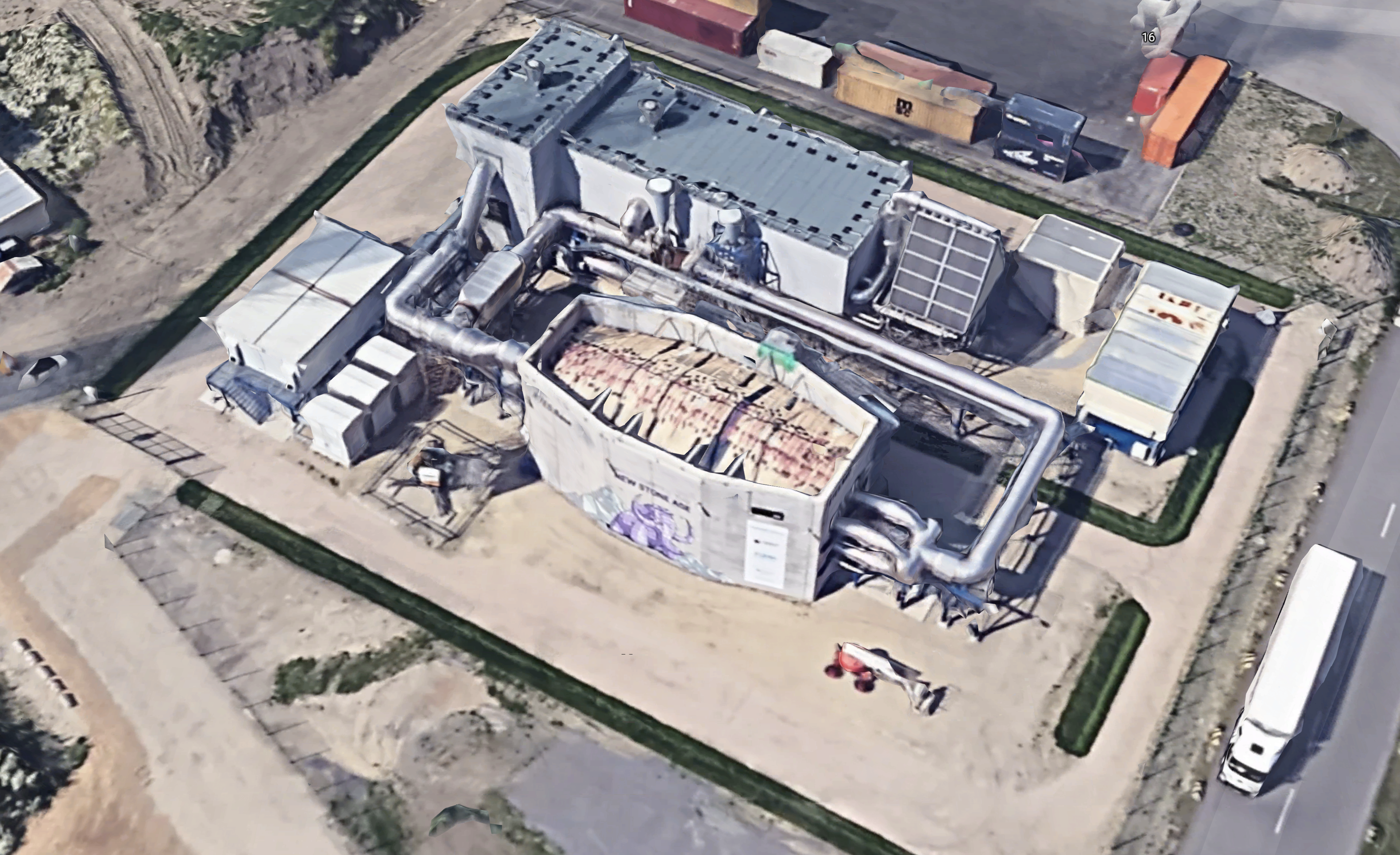
I estimate that this plant is around 130 MWh of storage and occupies a site of about a football pitch, which is one hectare.
I know farmers in Suffolk, who own more land to grow wheat, than would be needed to accommodate all the batteries required.
Conclusion
I believe that National Grid will get their 23 GW of energy storage.
Thoughts On Splitting The Northern Line
In Battersea Power Station Station Opens, I talked about the scale of the new Battersea Power Station station.
- It looks like it could have three entrances.
- It’s got four escalators and two lifts to go to down to platform level.
- It has two terminal platforms.
I feel it has been designed to handle as many passengers and trains as Morden station.
- Morden station has five platforms.
- The station is step-free.
- The station handles ten million passengers per year.
The signalling can handle up to thirty trains per hour (tph) to Morden.
It looks to me that Battersea Power Station station has been designed to be big enough to take half the trains from North London with ease.
The Bank Station Upgrade
In the Bank Station Upgrade, nearly a mile of new train tunnel and several shorter pedestrian tunnels were built.
They were dug not with a tunnel boring machine, but by traditional methods, that would have been understood by Brunel and the ancient Egyptians; pick and shovel, but probably assisted by the best modern electrical diggers and trucks.
I would expect that any tunnelling needed to split the Northern Line will not use an expensive tunnel boring machine.
The Northern Line will be going back to the future.
The Proposed Split
There has been talk of splitting the Northern Line into two separate lines for some years.
- The Western Line (Charing Cross Line) would run between Edgware and Battersea Power Station via Camden Town, Euston, Charing Cross and Kennington.
- The Eastern Line (Bank Line) would run between High Barnet and Morden via Camden Town, Euston, Bank and Kennington.
Note.
- I will call the two lines the Bank and Charing Cross Lines.
- Both lines could have Victoria Line frequencies of at least thirty tph.
- It is generally felt that the split would need a rebuild at Camden Town station to handle the extra passengers.
- Camden Town station also needs better access between the trains and the street.
- There would need to be better connections at Kennington and Euston stations.
Surely, the main advantages of the split would be as follows.
- Trains on both lines would go end-to-end without crossing a junction, where signals and points were constantly switching trains. This is why the Victoria Line can handle more than thirty-three tph.
- Trains will run at Victoria Line frequencies on both lines.
- All trains at Camden Town and Kennington stations would use a route without points to go as fast as possible through the station.
- Eliminating the points, would make both lines more reliable.
- Euston station will have upwards at least sixty tph connecting it to Crossrail.
Effectively, the new Bank and Charing Cross Lines would be able to perform just like Dear Old Vicky.
I will now look at where work needs to or could be done to successfully split the two lines.
Kennington Station
In Could Access Between Platform And Train Be Improved At Kennington Station?, I outlined how passengers might use Kennington station to change between the Bank and Charing Cross Lines.
I developed this rule.
The rule would appear to be if you’re on one line and are going to a station on the other, you change at Kennington station.
Staff would need to be on the platform to help those, who were changing direction.
But I do think changing can be made to work well with step-free access between train and platform on all four platforms at Kennington station.
It will be interesting to see, what proportion of train changes at Kennington are simple cross-platform changes, where there is no use of the steep stairs. I think it could be quite high.
I believe Kennington station will grow into a very smooth interchange between the Bank and Charing Cross Lines.
Although, there’ll be a problem for some time, if you’re in a wheelchair and want to go between Morden and Battersea Power station.
This could be solved by lifts between each pair of platforms and the intermediate level passage, which connects to the lifts to the surface.
The Camden Town Problem
This map from cartometro.com shows the lines around and through Camden Town station.

Note.
- Camden Town station has four platforms.
- The Eastern pair are under Kentish Town Road and connect to High Barnet in the North.
- The Western pair are under Camden High Street and connect to Edgware in the North.
- In each pair of tracks the Northbound track is above the Southbound track.
- There is a level passage between the two Northbound tracks, so it is an easy interchange, if you’re on the wrong train going North.
- The passage between the two Southbound tracks has stairs at either end, if you want to change Southbound trains at the station.
But the real problem lies South of the station; the horrendously complicated Camden Town Junction.
The junction must be able to handle trains going between the following stations.
- Bank and Edgware
- Bank and High Barnet
- Charing Cross and Edgware
- Charing Cross and High Barnet
Note in the map, that the High Barnet tracks dive under the Edgware tracks so they can form two separate pairs of tracks to Euston, only one of which goes via Mornington Crescent.
If there was a similar junction on the motorways of the UK or the Interstate Highways of the US, it would have years ago been simplified.
The split will mean the following.
- The Eastern pair of platforms will still be connected to High Barnet as now, but will also be directly connected to the tracks that go directly to Euston and on to Bank.
- The Western pair of platforms will still be connected to Edgware as now, but will also be directly connected to the tracks that go to Euston via Mornington Crescent and on to Charing Cross.
- Camden Town Junction could be seriously simplified, with perhaps the ability to swap between routes only available for depot and engineering movements.
I do suspect, it would also mean all trains from High Barnet will go via Bank and all trains via Edgware will go via Charing Cross.
- A proportion of passengers would have to change at Camden Town.
- Both routes would connect to High Speed Two at Euston.
- Both routes connect to the Central, Jubilee, Piccadilly and Victoria Lines.
- Improvements promised for Euston will give better access to the Sub-Surface Lines.
I think it will be a case of winning some good routes and losing others. Disgusted from Finchley might complain.
But then there will be Crossrail, which as it connects to both lines at Tottenham Court Road and Moorgate could give serious advantages.
The split isn’t without passengers who will object to losing their preferred route.
Camden Town Station
This document on TfL’s web site gives more details of the proposed capacity upgrade at Camden Town station. This schematic of the tunnels, platforms and walkways shows how the station could look in a few years time.
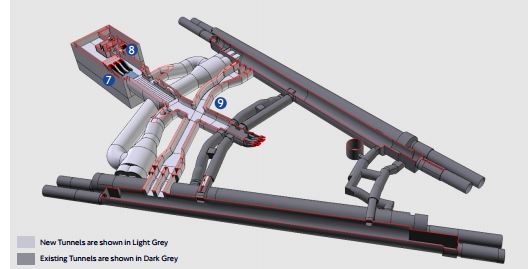
Note.
- New tunnels are shown in light grey.
- Existing tunnels are shown in dark grey.
- The Northbound platforms are above the Southbound ones.
- The tunnels in the foreground are those of the Charing Cross Line.
- The far tunnels are those of the Bank Line.
- The new Buck Street entrance is labelled 8.
- There is a new pedestrian tunnel between the two Northbound Lines.
- Below it is a new tunnel between the two Southbound Lines.
- There is an existing passage linking the four lines.
The full upgrade is very much on the back burner, but could Camden Town station be upgraded with the proposed extra cross passages.
- These would enable passengers to change lines easily on the level.
- Passengers changing between the Bank and Charing Cross Lines could be kept away from the existing escalators and the space at their bottom.
- The tunnels would increase the circulation area.
- The tunnels would be part of the new Buck Street entrance if it were to be built.
I feel with improved cross-platform interchange, Camden Town could function as an interchange station between the Bank and Charing Cross Lines.
A similar rule as I used for Kennington station would apply for passengers.
The rule would appear to be if you’re on one line and are going to a station on the other, you change at Camden Town station.
Staff would need to be on the platform to help those, who were changing direction.
But it would be a more comprehensive and easier interchange than Kennington, as all changes would be without steep stairs.
Once Camden Town station is working well with the new cross passages, I would then get a developer to put a large development on the proposed site of the Buck Street entrance, with a new entrance with lifts and escalators underneath, that reached down to the new cross tunnels.
After what the contractors did at Whitechapel, I suspect this could be achieved, whilst keeping the trains running and leaving the existing Camden Town station intact.
This Google Map shows the area between Camden Road and Camden Town stations.
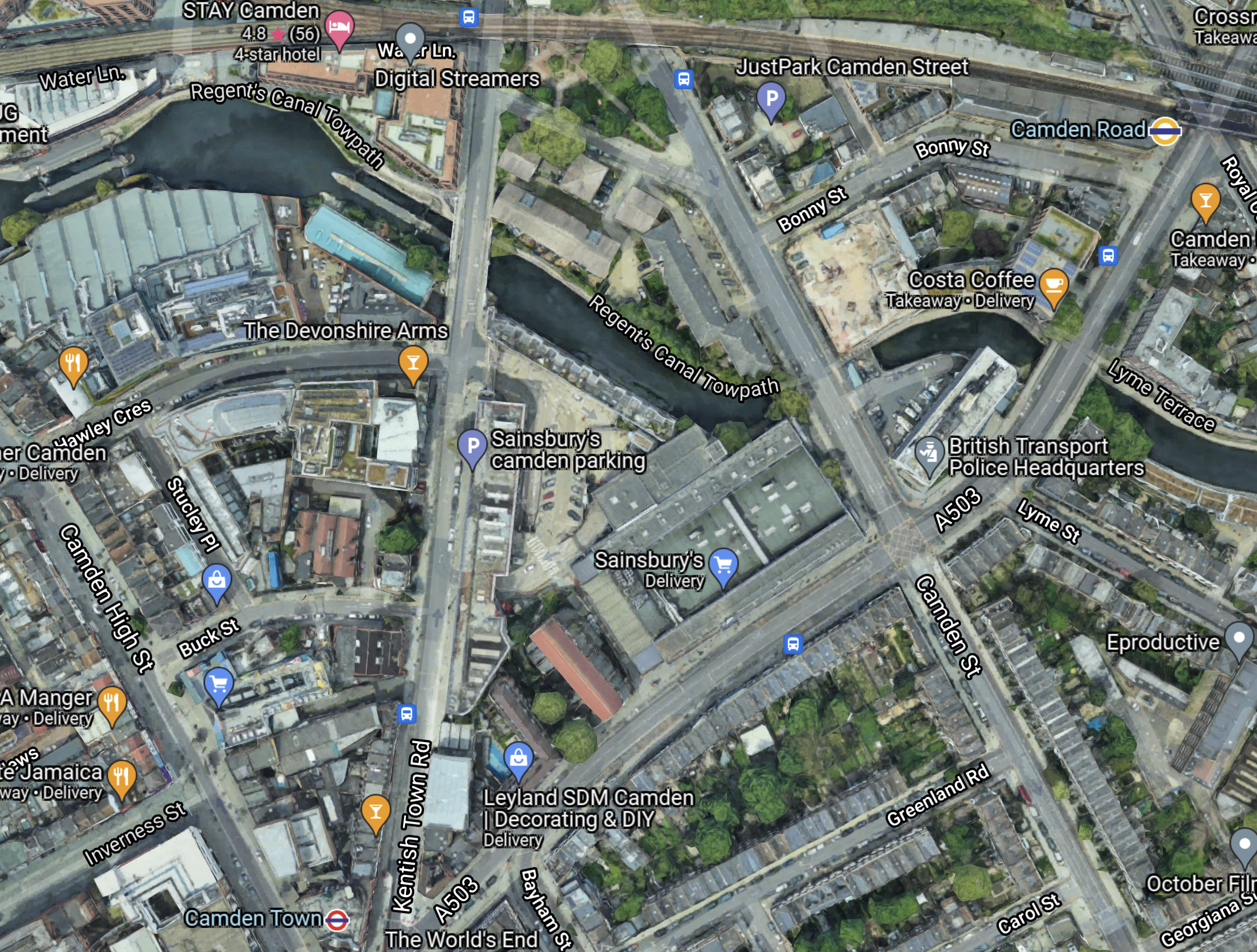
Note.
- Camden Road station on the North London Line is in the North-East corner of the map.
- Camden Town station is at the bottom of the map towards the West.
- The Charing Cross Line to Edgware is under Camden High Street.
- The Bank Line to High Barnet is under Kentish Town Road.
- Buck Street is to the North of Camden Town station connecting Camden High Street and Kentish Town Road.
- The red-roofed building in Buck Street is the former Hawley School, which is now owned by Transport for London and is earmarked for the new station entrance.
- The Regent’s Canal, which has a convenient towpath, runs East-West across the map.
- A lot of development is happening on the North bank of the canal.
The map doesn’t show how difficult it is to walk between the two stations along the busy Camden Road.
In Between Camden Road And Camden Town Stations Along The Canal, I walked between the two stations along the canal and then up Kentish Town Road. It took me fourteen minutes in total with seven minutes between the canal and Camden Town station.
I believe the following will happen.
- People living and working in the new developments will need access to Camden Town station.
- The Regent’s Canal towpath will be updated into a safer walking route between Camden Lock and Camden Road station, that serves a lot of the developments.
- More tourists will need to get to Camden Lock and the markets.
These will increase the need for extra capacity at Camden Town station.
The only way it will get built is by a private developer, who puts a lot of housing on the Buck Street site and sells it as quality housing in an iconic location.
A lot of politicians won’t like it, but solving the problems at Camden Town station, which is an overcrowding accident waiting to happen, is more important than their egos.
These pictures show some of the features of Camden Town station.







I believe Camden Town station could grow quickly into a very smooth interchange between the Bank and Charing Cross Lines.
In a few years time, when the Buck Street entrance is built, the capacity problems will be on their way to solution.
Finally, once the Buck Street entrance is complete, the original station can be refurbished.
Euston Station, Crossrail, Crossrail 2 and the Northern Line
Consider.
- Euston station is a very busy station and it will be even busier, when High Speed Two opens.
- Crossrail 2 will not be built before High Speed 2 opens.
- The Victoria Line doesn’t connect to Crossrail.
- The only connection between Euston station and Crossrail are the two branches of the Northern Line.
Splitting the Northern Line into the Bank and Charing Cross Lines will increase the number of Northern Line trains through Euston to at least sixty tph, if both lines can handle Victoria Line frequencies.
It looks to me, that making the Northern Line step-free at Euston is the best short-term alternative to building Crossrail 2.
Euston Station
Euston station is the third station, where the Bank and Charing Cross Lines connect.
This map from cartmetro.com shows the Northern Line through Euston station.
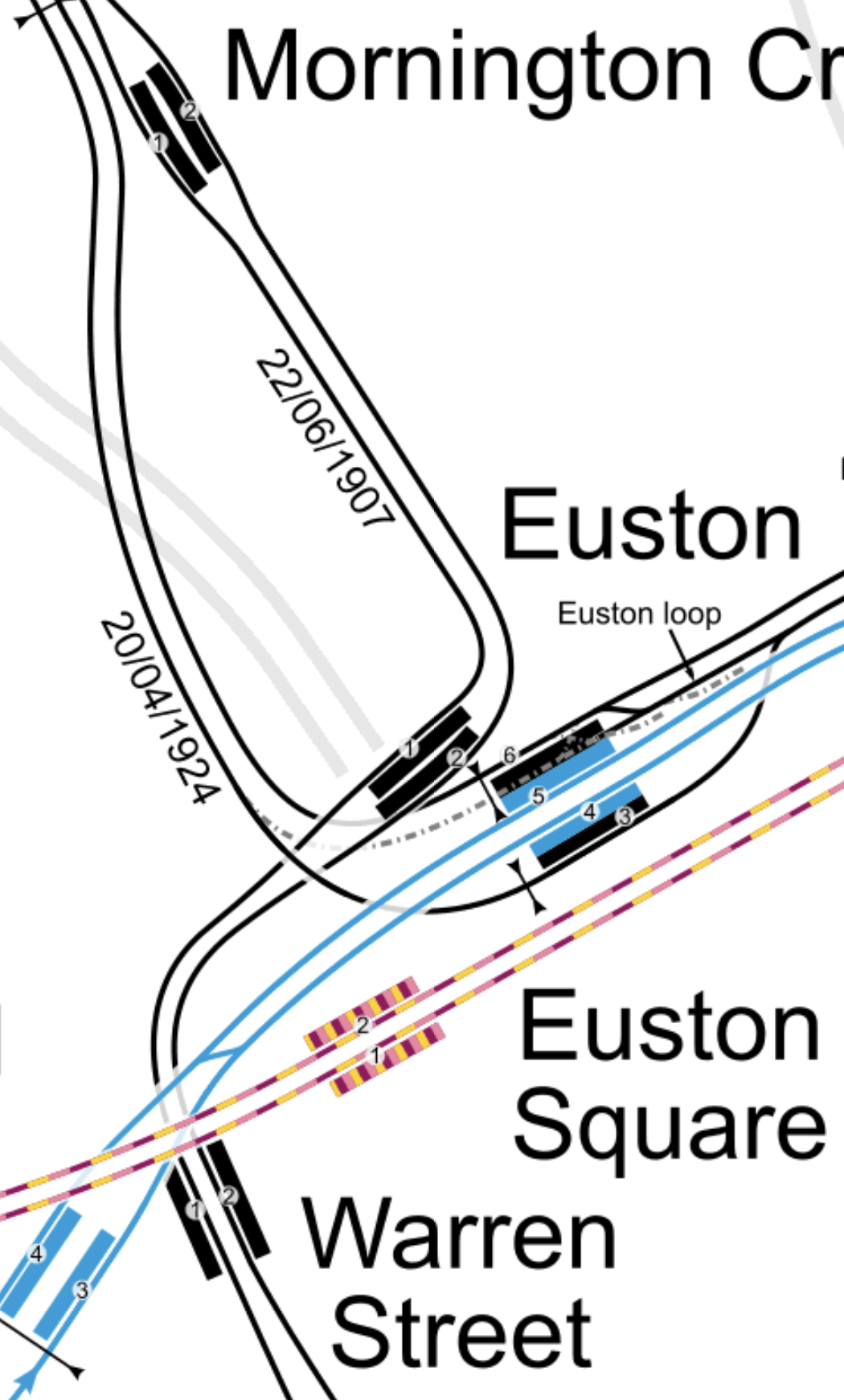
Note.
- The Northern Line is shown in black.
- The Victoria Line is shown in blue
- The Sub-Surface Lines are shown in purple and yellow.
In the map, the platforms are as follows going from top to bottom.
- Platform 1 – Northbound – Northern – Charing Cross to Camden Town
- Platform 2 – Southbound – Northern – Camden Town to Charing Cross
- Platform 6 – Southbound – Northern – Camden Town to Bank
- Platform 5 – Northbound – Victoria – Victoria to Walthamstow
- Platform 4 – Southbound – Victoria -Walthamstow to Victoria
- Platform 3 – Northbound – Northern – Bank to Camden Town
It is a bit unusual as the cross-platform interchange between Bank and Victoria Lines involves a change of direction.
With the development of Euston station for High Speed Two, I am sure interchange between the two branches of the Northern Line and the other lines at Euston will be made step-free.
Plans have already been published that will connect Euston Square station and Euston station. I wrote about it in The New Step-Free Entrance At Euston Square Station.
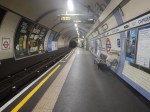
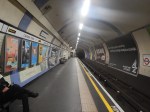
These pictures are of Euston station.
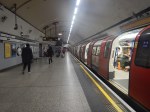




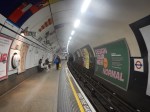
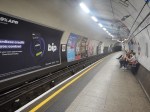
I feel the wide Platform 6 could give scope for innovation.
Level Access Between Train And Platform
I believe that many platforms on the Northern Line can be modified to give level access between train and platform.
In Could Access Between Platform And Train Be Improved At Kennington Station?. I outlined how it could be achieved at Kennington station.
At Kennington station, all platforms are straight and this is a prerequisite to making the access level.
I also feel that any straight platform with a Harrington Hump could effectively be given a full length hump.
I suspect that a lot of stations could be converted to level access between train and platform
Conclusion
I believe that splitting the Northern Line would be very worthwhile.
Prioritising Patients
Homerton hospital is hoping to remove my gallstones on Thursday by endoscopy, so it’s just a fairly small procedure.
I do wonder if there is a shortage of nurses, doctors and other staff at the hospital caused by either the Covids or the fuel crisis, if some operations will be cancelled.
At no time, in the diagnostic process was I asked if I was in pain. Which I am not!
Surely, in the Age of Covid-19, where there is great uncertainty about predicting hospital capacity just a few weeks in the future, I should have been asked a few questions, so that urgent cases could be given priority if necessary.
As they must have been there for a few months causing me no trouble, surely a few extra weeks won’t make much difference to me.
Is There Anybody Out There, Who’d Like To Share a Beef Bourguignon?
Recently, Marks and Spencer introduced a range of meat dishes, one of which was Beef Bourguignon.




So I bought one today.
- There is a range of about six dishes.
- All of the range seems to be gluten-free and is marked as such.
- As they don’t look gluten-free from the picture, they would be ideal for serving at a mixed meal, where some diners were gluten-free and others were not!
- They seem to be simple to cook.
- The Use-By date is the 27th October.
If I have a quibble, it is that they are only for two and they also say Do Not Reheat on the box, which means that coeliacs like me, who live alone have a problem.
Perhaps they need a single portion.
But to solve my problem, if there is anybody reading this, who is close to Dalston and would like to test the Beef Bourguignon, then get in touch before the 27th!
 The Anonymous Widower