Coulsdon South Station Has Gone Step-Free
Coulsdon South station went step-free a couple of months ago, so I went to take a look.
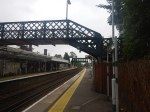
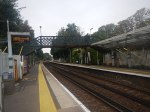
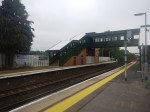
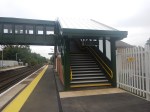
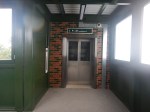

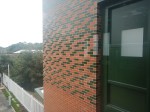
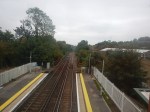
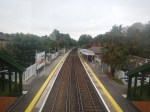
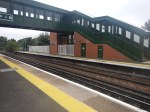
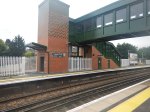
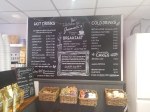

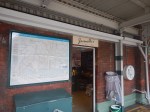
These are my thoughts.
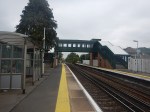
The Bridge
Mechanically, the bridge is typical of many in the UK, but someone has taken care over the design, by the use of well-chosen colours and bricks.
The Café
We need more station cafes like Jaconelli’s Espresso Bar.
- Full range of proper coffee and other drinks.
- Cakes and snacks.
- Gluten-free options.
- Wude selection of alternative milks
- Knowledgeable and friendly staff.
I suspect it is also owner-managed, as most cafes of this type would be in Italy.
It’s one of the best cafes of its type, that I’ve found in a long time.
The Old Bridge
According to one of the guys in the café the old bridge needed replacing.
But leaving it intact, gives the young, fit or agile a second route across the tracks.
Local Walks And Attractions
There are walks nearby in the Surrey Hills and on the London Loop.
I was also told, that you can get a bus to the Lavender Fields.
Zone Six Station On Thameslink
The station is in Zone Six, which puts it in Freedom Pass territory.
It also has two Thameslink and two Southern trains per hour, so it is easily reached.
Car Parking And A Taxi Service
This Google Map shows the station.
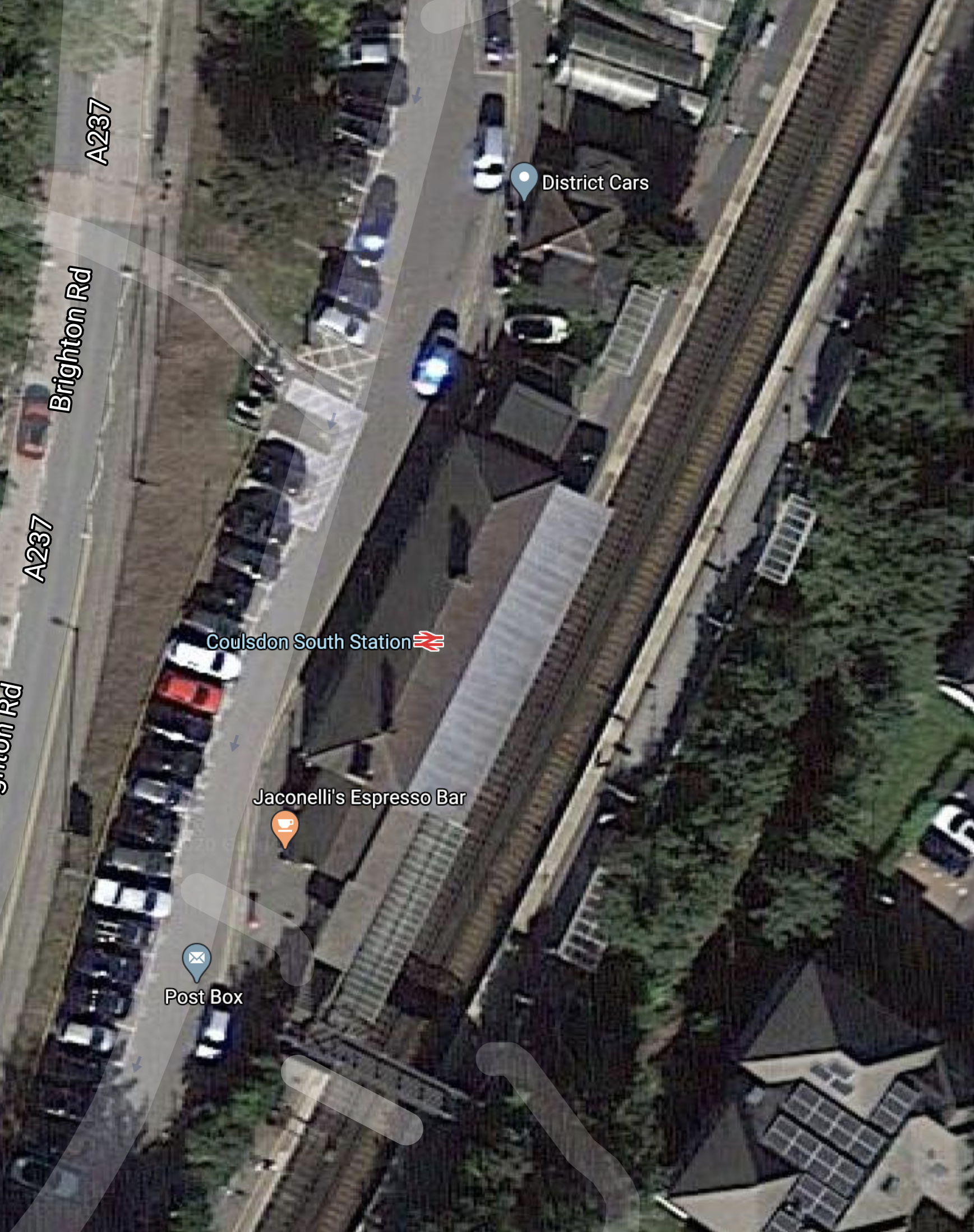
Note the car parking and a taxi service, which is called District Cars.
Conclusion
Coulsdon South is now a very well-equipped station and it must be an ideal place to meet a friend, family member or work colleague to either have a chat or a serious discussion.
Surely, with more people continuing to work from home, the need for meetings between those in the office and those at home will grow! Zoom etc. can only do so much and the cpncept doesn’t suit everybody!
So perhaps we’ll see more community-managed meeting rooms, like the one I described in The Newly-Decorated White Horse Room In Westbury Is Open For Bookings.
Solar To Hydrogen Efficiency Record Broken By Australian National University Researchers
The title of this post, is the same as that of this article on Hydrogen Fuel News.
The traditional route to produce green hydrogen from solar panels, is to create electricity and then use electrolysis to create the hydrogen.
This process goes direct and an improvement in efficiency of 17.6 %.
Rolls-Royce Commences Series Production Of Hybrid-Ready MTU PowerPacks For Irish Rail
The title of this post, is the same as that of this article on CleanTechnica.
This is the introductory paragraph.
Rolls-Royce is to supply its very first series production MTU PowerPacks which are prepared for future use as hybrid traction units: Iarnród Éireann Irish Rail, the national railway operator of the Republic of Ireland, has ordered 41 of these MTU Hybrid-ready PowerPacks. Fitted with MTU 6H 1800 R86 engines, the PowerPacks comply with the EU Stage V emissions directives and each delivers 375 kW from the diesel engine as well as 150 kW from the electrical machine.
Later the aim would be to add batteries to the PowerPacks to make the trains fully hybrid.
I do think Rolls-Royce MTU might have a game-changer here.
- You take a modern fleet of diesel multiple units like a British Class 170 trains or an Irish Class 22000 trains,
- For starters you replace the old diesel engine, with a modern one that meets all the latest environmental regulations.
- It surely helps both sales and engineering, when the old diesel engine was supplied by MTU.
- Later you fit appropriately sized batteries to the PowerPack to create full hybrids with regenerative braking.
In Iarnród Éireann Orders Stage V MTU PowerPacks, I said this about fuel consumption and emissions.
The aim is to achieve a reduction of over thirty percent in both fuel consumption and carbon dioxide emissions.
I would suspect that with savings like that, the case for conversion might be an easy sell.
Hitachi Rail To Acquire Perpetuum In Digital Expansion
The title of this post, is the same as that of this article on Railway Gazette.
This is the first two paragraphs.
Hitachi Rail Ltd has agreed to acquire Southampton-based condition monitoring specialist Perpetuum as part of a strategy to strengthen the use of digital technology in rail operations.
Established as a university spin-off less than a decade ago, Perpetuum developed the use of bogie-mounted self-powered vibration sensors to monitor the condition of rolling stock. Wireless equipment fitted to around 3 000 vehicles operating across three continents sends back real-time data about the performance of wheelsets, gearboxes, motors and bogies.
It seems to me, that Hitachi have bought an interesting company.
Let’s hope they develop the technology, but keep that development in Southampton.
Do We Need More New Measurement Trains?
In New Measurement Train – 30th July 2020, I said this.
With all the spare InterCity 125 trains at present, will Network Rail create a second train?
We have now had the tragic Stonehaven Derailment, where three have been sadly killed.
Increasingly, we seem to be getting weather-related problems on the UK’s railways.
I can remember several in the last few years.
So perhaps just as the Hatfield Crash led to the New Measurement Train, we should up our testing and the development of new tests.
Extra trains would increase the amount of testing, but also provide more laboratory space to test the testing systems in real railway conditions.
Perhaps, if a University or high-tech company has a feasible idea, there should be a mechanism, whereby they can rent space in the trains, just as they can on satellite launchers.
Funding To Develop Geothermal Energy Plans For Disused Flooded Coal Mines
The title of this post, is the same as that of this page on the University of Strathclyde web site.
This is the introductory paragraph.
Researchers at the University of Strathclyde have won early stage funding to develop plans to tap into the geothermal energy contained within disused, flooded coal mines in Scotland.
I have talked about this technique before in Can Abandoned Mines Heat Our Future?, which I wrote after I attended a public lecture at The Geological Society.
This page on the Geological Society web site, gives a summary of the lecture and details of the speaker; Charlotte Adams of Durham University.
This paragraph indicates the scale of the Scottish project, which has been called HotScot.
Heat trapped in 600 km3 of disused mine-workings in the Central Belt of Scotland could meet up to 8% of Scotland’s domestic heating demand.
It looks to be a very comprehensive project.
Conclusion
As this appears to be the second project where disused coal mines are used as a source of heat, after one in Spennymoor, that I wrote about in Exciting Renewable Energy Project for Spennymoor. I wouldn’t be surprised to see other projects starting in other mining areas.
And not just in the UK, as techniques developed by engineers and scientists get more efficient and more affordable.
Converting Class 456 Trains Into Two-Car Battery Electric Trains
Mark Hopwood is the interim Managing Director of South Western Railway and in Special Train Offers A Strong Case For Reopening Fawley Line, I quote him as saying the following about the trains for the Fawley Branch Line.
However, SWR’s Mark Hopwood favours a much bolder plan. “We’d have to take a decision, once we knew the line was going ahead. But my personal belief is that we should be looking for a modern environmentally-friendly train that can use third-rail electricity between Southampton and Totton and maybe operate on batteries down the branch line.”
Pressed on whether that would mean Vivarail-converted former-London Underground stock, Hopwood ads. “It could be. Or it could be a conversion of our own Class 456, which will be replaced by new rolling stock very shortly. But I don’t think this is the time to use old diesels.
Mark Hopwood is so right about using old diesels.
- Where possible new and refurbished trains should be zero-carbon.
- Diesel is to be banned by 2035 in Scotland and 2040 in England and Wales.
- Diesel trains and hydrogen trains for that matter need to refuelled.
- Get the diagrams right and battery electric trains can be charged on existing electrification or automatic Fast Charging systems, when they turn back at terminal stations.
- Electric trains attract passengers.
- Battery electric trains are mouse-quiet!
Who would use anything else other than electric trains with a battery option for sections without electrification?
The Class 456 Train
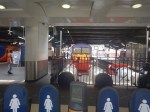
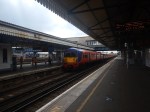
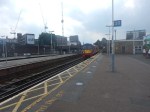
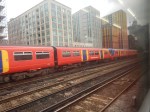
These pictures show some of the twenty-four Class 456 trains, that are in South Western Railway’s fleet.
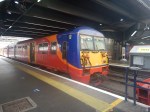
This is the specification of a Class 456 train.
- Two cars
- Operating speed – 75 mph.
- Capacity – 152 seats – Although the plate on the train says 113!
- Built 1990-1991
- Ability to work in pairs.
Most trains seem to be used to lengthen trains from eight to ten cars, as some of the pictures shows. As these 4+4+2 formations will be replaced with new 10-car Class 701 trains or pairs of five-car Class 701 trains, the trains will be looking for a new role.
Does this explain Mark Hopwood’s statement?
It should be noted that the Class 456 trains are members of the Mark 3 family, and bare a strong resemblance to the Class 321 train, which are shown in these pictures.
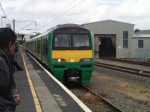
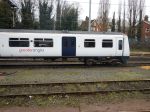
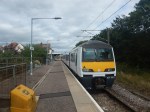
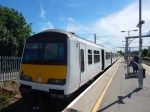
Note that I have included the side view, as it shows the amount of space under these trains.
Some Class 321 trains are being converted to Class 600 hydrogen trains, by Alstom at Widnes. Others have been given a life-extending Renatus upgrade.
Are The Driver Cars Of Class 456 and Class 321 Trains Identical?
The trains may look similar, but does the similarity go deeper?
Could Alstom Use Class 600 Hydrogen Train Technology To Create A Class 456 Train With a Battery Capability?
Consider.
- Alstom are positioning themselves as Train Upgrade Specialists in the UK. They have already signed a near billion pound deal to upgrade and maintain Avanti West Coast’s fleet of Class 390 trains.
- Alstom are creating the Class 600 hydrogen train from withdrawn Class 321 trains.
- A hydrogen-powered train is basically a battery electric train with a hydrogen tank and fuel cell to charge the batteries.
- The Class 600 train doesn’t appear to be making fast progress and is still without an order.
- One possible hydrogen route must surely be London Waterloo and Exeter, so I suspect Alstom are talking to South Western Railway.
- The Class 456 trains are owned by Porterbrook, who would probably like to extend the useful life of the trains.
Could it be that the battery core and AC traction package of Alstom’s hydrogen system for the Class 600 train can turn old British Rail-era electric multiple units into battery electric multiple units with a useful range?
It is certainly a possibility and one that is also within the capability of other companies in the UK.
Could The Class 456 Trains Receive a Class 321 Renatus Interior And Traction Package?
As Class 321 and Class 456 trains were built around the same time, the two trains must share components.
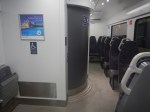
These pictures show the current interior of a Class 456 train.
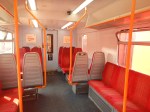
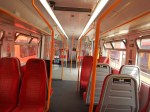
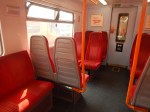
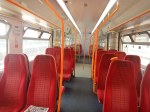
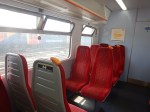
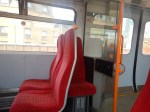
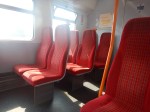
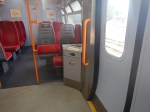
This is excellent for a two-car electric multiple unit, built thirty years ago! Although, the refurbishment is more recent from 2014-15.
- Note the wheelchair space and the copious rubbish bins.
- I also spotted a stowed wheel-chair ramp on the train. It can be seen if you look hard in the picture that shows the wheelchair space.
- Some might feel that toilets should be provided.
These pictures show the interior of a Class 321 train, that has been given the Renatus upgrade.
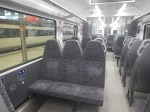

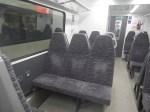
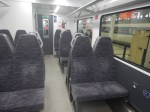

What is not shown is the more efficient AC traction package.
I have been told or read, that the Renatus interior will be used in the conversion of a Class 321 train to an Alstom Class 600 or Breeze hydrogen train.
On the other hand, the current Class 456 interior would probably be ideal for a branch line, where one of initial aims would be to attract passengers.
Could A Class 456 Train Have a Lightweight Traction Package?
Consider.
- The Class 456 train will access electrification that is only 750 VDC third-rail.
- Batteries work in DC.
- The new traction motors will work in AC, if they follow the practice in the Class 321 Renatus and the Class 600 train.
- Regenerative braking will charge the batteries in both trains.
- Air-conditioning and other hotel services can work in DC.
Some components needed to run from 25 KVAC like a transformer could be left out to save weight and improve acceleration.
I would suspect that a Class 456 train with batteries could use a slimmed-down traction system from the Class 600 train.
On both Class 456 and 600 trains a core system, that would power the train, might contain.
- The traction battery or batteries.
- The traction motors that both drive and brake the train,
- Third-rail electrification shoes, so that the batteries could be charged in a station, as required.
- A clever computer system, that controls the acceleration, braking and charging as required.
On the Class 600 train, there would also be the following.
- Hydrogen tanks and fuel cells to provide an independent power source to charge the batteries.
- A pantograph to access 25 KVAC overhead electrification.
- Extra electrical gear to access the electrification.
I think it would be possible to design the Class 456 train with batteries as the basic train and just add the extra hydrogen and electrical gubbins to make it a Class 600 train.
Could A Class 456 Train Be Modified To Use 25 KVAC Overhead Electrification?
As I said, there are a lot of similarities between Class 456 trains and Class 321 trains.
As the Class 321 trains are equipped to use 25 KVAC Overhead Electrification, I suspect train modification specialists could create a Class 456 train, that could use overhead electrification.
What Battery Range And Size Would Be Needed In A Class 456 Train?
These are typical branch line lengths for South Western Railway.
- Fawley Branch – 8 miles
- Wareham and Swanage – 11 miles
- Lymington Branch – 5.6 miles
- Reading and Basingstoke – 15.5 miles
I would suspect that a range of thirty miles on battery power would be sufficient for a Class 456 train with batteries.
In an article in the October 2017 Edition of Modern Railways, which is entitled Celling England By The Pound, Ian Walmsley says this in relation to trains running on the Uckfield Branch, which is not very challenging.
A modern EMU needs between 3 and 5 kWh per vehicle mile for this sort of service.
So applying that formula gives battery capacity of between 180 kWh and 300 kWh.
In Issue 864 of Rail Magazine, there is an article entitled Scotland High Among Vivarail’s Targets for Class 230 D-Trains, where this is said.
Vivarail’s two-car battery units contains four 100 kWh lithium-ion battery rafts, each weighing 1.2 tonnes.
If 200 kWh can be placed under the floor of each car of a rebuilt London Underground D78 Stock, then I think it is reasonable that up to 200 kWh can be placed under the floor of each car of the proposed train.
This picture of the Driver Car of a Class 321 train, shows that there is quite a bit of space under those trains.
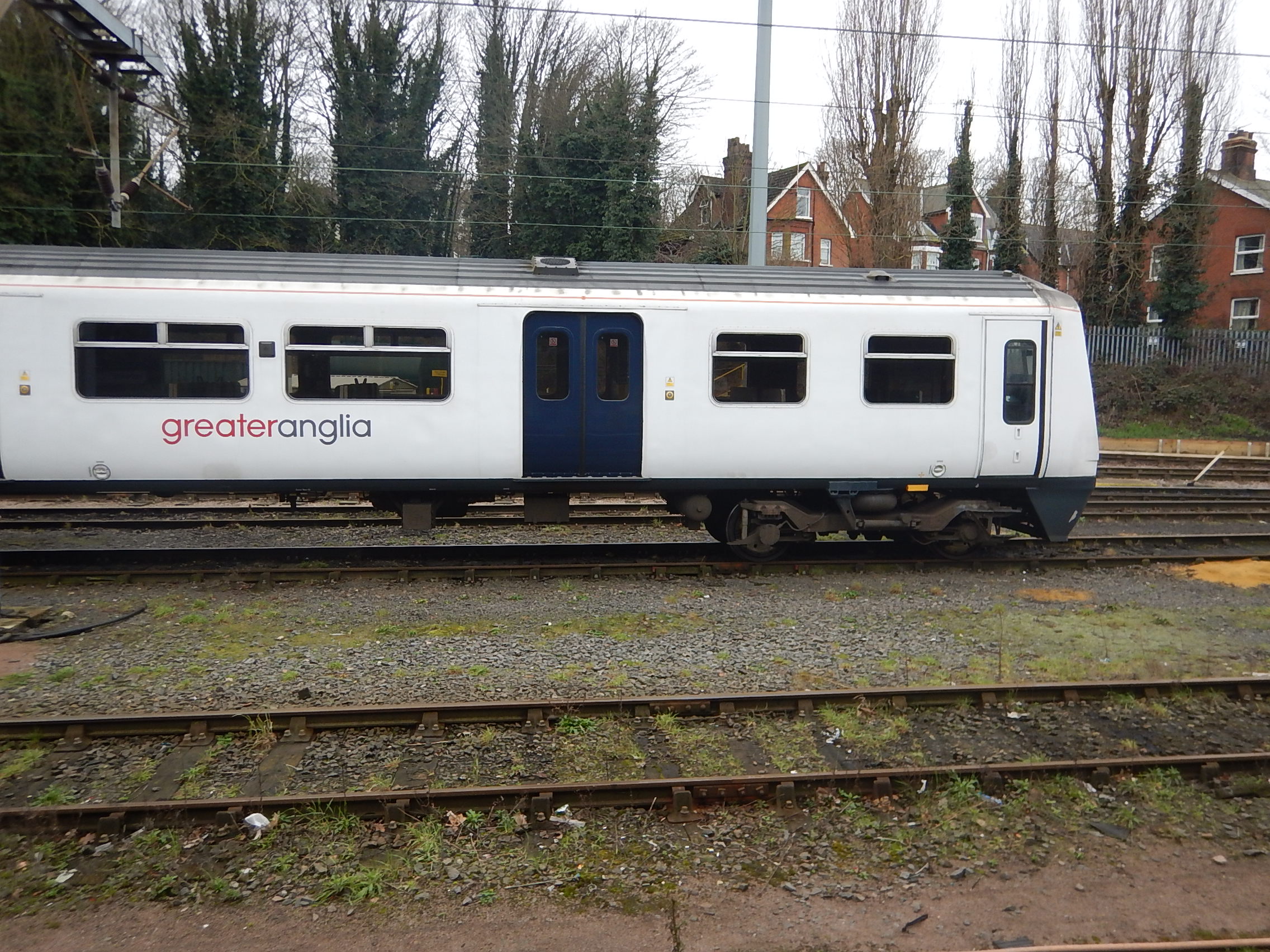
Are the Class 456 trains similar? This is the best picture I have got so far.
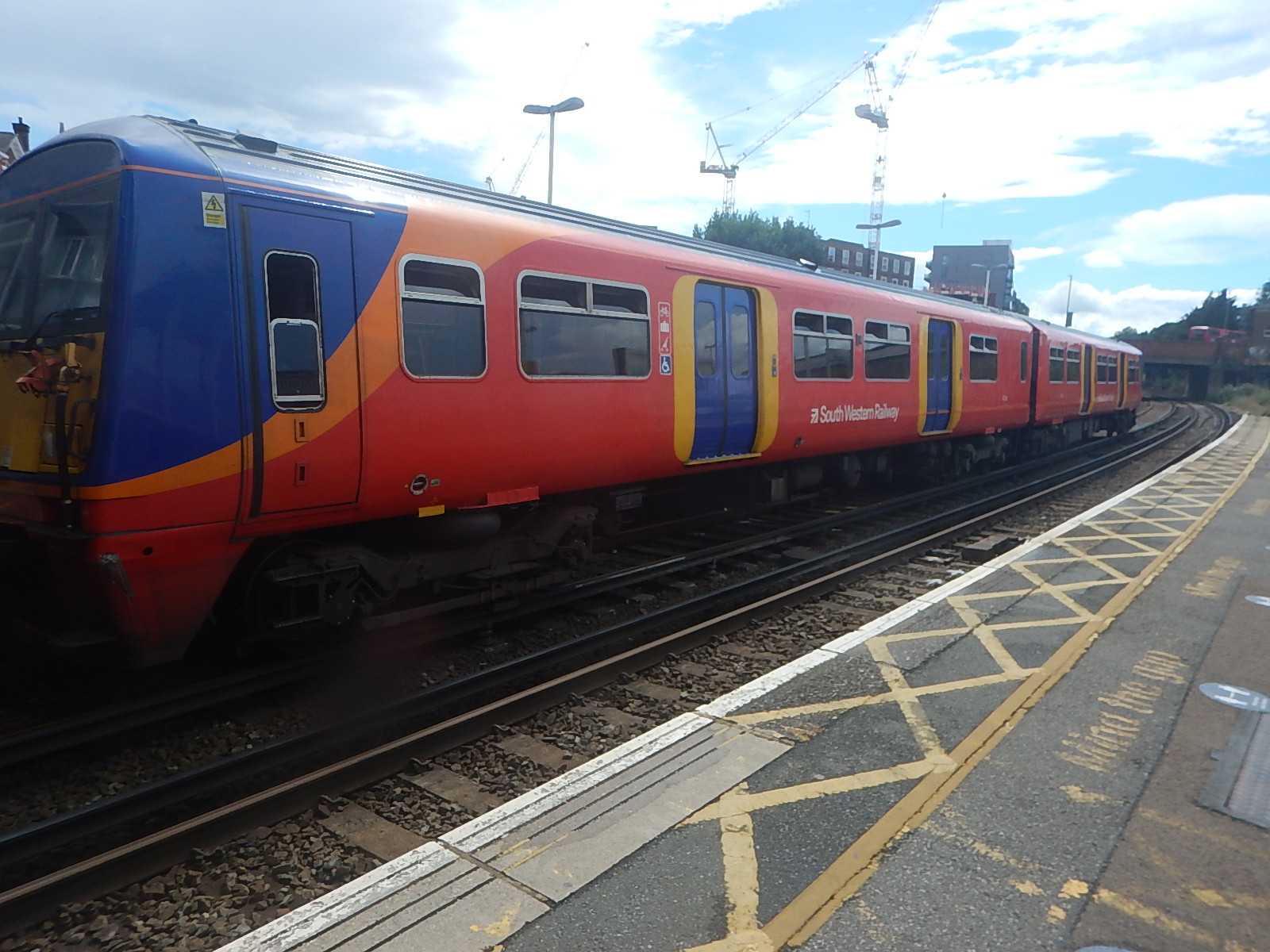
It does appear that space is similar to that under a Class 321 train.
If we assume that the Class 456 train can have the following specification.
- Battery capacity of 200 kWh in both cars.
- Regenerative braking to battery.
- Power consumption of 4 kWh per vehicle mile.
I think we could be approaching a range of fifty miles on a route without too many energy-consuming stops.
Charging The Batteries
I like the Vivarail’s Fast Charge concept of using third-rail equipment to charge battery trains.
This press release from the company describes how they charge their battery electric Class 230 trains.
- The system is patented.
- The system uses a trickle-charged battery pack, by the side of the track to supply the power.
- The first system worked with the London Underground 3rd and 4th rail electrification standard.
As the length of rails needed to be added at charging points is about a metre, installing a charging facility in a station, will not be the largest of projects.
Under How Does It Work?, the press release says this.
The concept is simple – at the terminus 4 short sections of 3rd and 4th rail are installed and connected to the electronic control unit and the battery bank. Whilst the train is in service the battery bank trickle charges itself from the national grid – the benefit of this is that there is a continuous low-level draw such as an EMU would use rather than a one-off huge demand for power.
The train pulls into the station as normal and the shoe-gear connects with the sections of charging rail. The driver need do nothing other than stop in the correct place as per normal and the rail is not live until the train is in place.
That’s it!
As an electrical engineer, I’m certain the concept could be adapted to charge the batteries of a conventional third-rail train.
Vivarail’s press release says this about modification to the trains.
The train’s shoe-gear is made of ceramic carbon so it is able to withstand the heat generated during the fast charge process.
That wouldn’t be a major problem to solve.
Class 456 Train With Batteries And Class 600 Train Compared
The following sub-sections will compare the trains in various areas.
Lightweight Design
As I suspect that the basic structure of the Class 456 and Class 600 trains are similar, systems like toilets, air-conditioning, traction motors and seats will be chosen with saving weight in mind.
Every kilogram saved will mean faster acceleration.
Operating Speed
The current Class 321 train is a 100 mph train, whilst the current Class 456 train is only a 75 mph train.
I wonder if applying the modern traction package of the Class 321 Renatus to the Class 456 train could speed the shorter train up a bit?
Range Away From Electrification
Alstom have quoted ranges of hundreds of miles for the Class 600 train on one filling of hydrogen, but I can’t see the Class 456 train with batteries doing much more than fifty miles on a full charge.
But using a Fast Charge system, I can see the Class 456 train with batteries fully-charging in under ten minutes.
Fast Charge systems at Romsey and Salisbury stations would surely enable the Class 456 trains with batteries to run the hourly service over the thirty-eight mile route between the two stations.
Passenger Capacity
The current Class 456 trains have a capacity of 152 seats.
In Orders For Alstom Breeze Trains Still Expected, I said this.
The three-car Alstom Breeze is expected to have a similar capacity to a two-car diesel multiple unit.
But until I see one in the flesh, I won’t have a better figure.
If South Western Railway were wanting to replace a two-car diesel Class 158 train, they’d probably accept something like 180 seats.
Increasing Passenger Capacity
There are compatible trailer cars around from shortening Class 321 trains from four to three cars and there may be more from the creation of the Class 600 trains.
I suspect that these could be added to both Class 456 and Class 600 trains to increase capacity by fifty percent.
As a two-car train, the Class 456 train might be a bit small, but putting in a third car, which had perhaps slightly more dense seating and possibly a toilet and even more batteries could make the train anything the operator needed.
Suitability For London Waterloo and Exeter via Salisbury
This is South Western Railway’s big need for a zero emission train.
- It is around 170 miles
- Only 48 miles are electrified.
- It is currently worked by three-car Class 159 trains working in pairs.
- Class 159 trains are 90 mph trains.
I have believed for some time, that with fast charging, a battery electric train could handle this route.
But, I would feel that.
- Class 456 trains would be too slow and too small for this route.
- Class 600 trains would be too small for this route.
On the other hand, I believe that Hitachi’s Class 800 train with a battery electric capability or Regional Battery Train, which is described in this infographic from the company, could be ideal for the route.

The proposed 90 km or 56 mile range could even be sufficient take a train between Salisbury and Exeter with a single intermediate charge at Yeovil Junction station, where the trains wait up to ten minutes anyway.
There are other reasons for using Hitachi’s Regional Battery Train rather than Class 600 trains.
- First Group have a lot of experience of running Hitachi Class 80x trains, through their various subsidiaries.
- They could share depot facilities at Exeter.
- No specialist facilities would be needed.
- A five-car Class 801 with batteries would have a convenient 300 seats.
- I suspect they could be delivered before Alstom’s Class 600 train.
As the only new infrastructure required would be Fast Charge facilities at Salisbury and Yeovil Junction stations, I feel that Hitachi’s Regional Battery Train, should be a shoe-in for this route.
First Delivery
The Wikipedia entry for the Class 600 train, says introduction into traffic could be in 2024. Given, the speed with which Greater Anglia’s Class 321 trains were updated to the Renatus specification, we could see Class 456 trains with a battery capability and new interiors running well before 2024.
A Few Questions
These questions have occurred to me.
Could The Technology Be Used To Create A Class 321 Battery Electric Train?
I don’t see why not!
I believe a Class 321 battery electric train could be created with this specification.
- Three or four cars. Remember the Class 320 train is a three-car Class 321 train.
- 100 mph operating speed.
- Regenerative braking to the batteries.
- Renatus or operator-specified interior.
- Toilet as required.
- Electrification as required.
- Battery range of around sixty miles.
- Ability to use a Fast Charge system, that can easily be installed in a terminal platform.
Trains could be tailored to suit a particular route and/or operator.
Any Other Questions?
If you have any other questions, send them in and I’ll add them to this section.
Conclusion
It does appear that if the Class 456 trains, were to be fitted with a battery capability, that they would make a very useful two-car battery electric train, with the following specification.
- Two cars
- Operating speed – 75 mph. This might be a bit higher.
- Capacity – 152 seats
- Ability to work in pairs.
- Modern interior
- Range of 45-50 miles on batteries.
- Ability to charge batteries in ten minutes in a station.
- Ability to charge batteries on any track with 750 VDC third-rail electrification.
This is the sort of train, that could attract other operators, who don’t have any electrification, but want to electrify short branch lines.
Special Train Offers A Strong Case For Reopening Fawley Line
The title of this post is the same as that of an article in Issue 911 of Rail Magazine.
This is the opening paragraph.
On July 28, a South Western Railway train ran along the Fawley Branch Line. to make the case for reopening to passenger services after a 54-year gap.
On board were the Rail Minister; Chris Heaton-Harris, Network Rail Chairman; Sir Peter Hendy, Managing Director of South Western Railway; Mark Hopwood and Lord Montagu of Beulieu.
The article reports the trip and fills in more of the details, that make more sense of my sketchy post called Reintroduction Of Passenger Rail Services On The Waterside Line.
These are some points from the article.
The Infrastructure Needs Updating
This is a quote from the article.
The route has a line speed of 30 mph, with lower speed restrictions at level crossings, some of which are still hand-operated. Semaphore signals operated from by mechanical levers from Marchwood remain in use. A token is given to the driver to allow the train to run towards Fawley. All this would require updating.
Elsewhere the article says there are ten level crossings.
Housing Is The Game Changer
This is another quote from the article.
The big change is urban sprawl. In the half century since passenger services ended, housing estates for thousands of people have been built alongside the line. mostly for commuters into Southampton and the surrounding conurbation.
Up to 5,000 further new homes are planned, including an all-new small town on the site of the former Fawley power station on the southern tip of Southampton Water. Planning permission for at least 1,300 homes was granted the very evening before the Fawley train ran.
This Google Map shows the the town of Hythe and the giant Fawley Refinery.
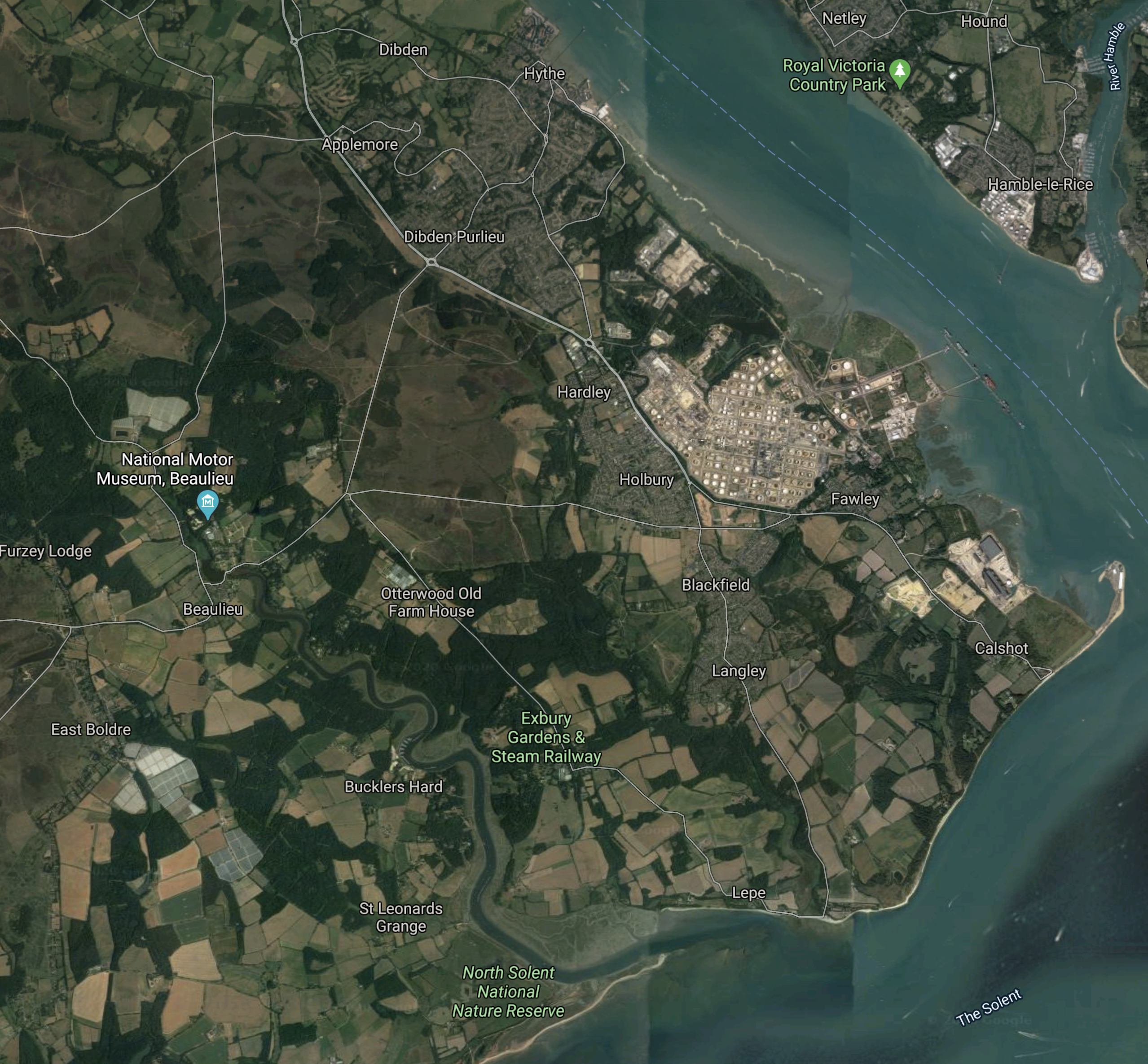
Note.
- Hythe is towards the top of the map on Southampton Water.
- The refinery is the large beige blob in the middle on Southampton Water.
- The Fawley Branch runs close to the water and finishes inside the secure fence of the refinery.
- There will be stations at Marchwood, Hythe Town and Hythe & Fawley Parkway.
- The parkway station will be to the North of the refinery.
- The major housing site is on the former Fawley power station site, which is the Southernmost beige blob.
- The blue dot towards the West indicates the National Motor Museum at Beaulieu.
It looks to me, that an electric shuttle bus between Hythe & Fawley Parkway, Beaulieu and the various housing sites would be a good idea.
The Cost Of The Scheme
This is another quote from the article.
The campaign to open the line has been spearheaded by the Three Rivers Community Rail Partnership.
Chairman Nick Farthing says:
“For £45m, you get the track, signalling and level crossings sorted. You get a 60 mph railway with three stations = upgrading Marchwood, a new station for Hythe, and Fawley park-and-ride (just beyond Holbury, where Hardley Halt used to be).
“Three Rivers commissioned a level crossing study from Network Rail, so we know what has to be done. We’ve used a rail-approved contractor to work out how much the three stations will cost.
Three Rivers have also identified some affordable diesel rolling stock.
South Western Railway’s Innovative Train Plan
This is another quote from the Rail Magazine article.
However, SWR’s Mark Hopwood favours a much bolder plan. “We’d have to take a decision, once we knew the line was going ahead. But my personal belief is that we should be looking for a modern environmentally-friendly train that can use third-rail electricity between Southampton and Totton and maybe operate on batteries down the branch line.”
Pressed on whether that would mean Vivarail-converted former-London Underground stock, Hopwood adds. “It could be. Or it could be a conversion of our own Class 456, which will be replaced by new rolling stock very shortly. But I don’t think this is the time to use old diesels.
Converting Class 456 Trains Into Two-Car Battery Electric Trains discusses this conversion in detail.
Conclusion
This plan seems to be coming together strongly.
All the partners like Three Rivers Community Rail Partnership, Network Rail, South Western Railway and other local interests seem to be acting together and very professionally.
Hydrogen Can Be Transported By Rail, German Railway Company Says
The title of this post, is the same as that of this article on PV Magazine.
This is the introductory paragraph.
A study by DB Energie shows that technically and legally there is nothing to be said against the transport of hydrogen by rail. However, there is still a lack of suitable transport containers.
I suppose though the lack of suitable transport containers makes it a bit difficult.
Beeching Reversal – Reinstatement of Bolton-Radcliffe / Bolton – Bury
This is one of the Beeching Reversal projects that the Government and Network Rail are proposing to reverse some of the Beeching cuts.
This article in the Bury Times is entitled Plans For Bolton Metrolink Route To Radcliffe See New Bid Submitted. This is the introductory paragraphs.
A bid to secure funding for a tram link between Bolton and Radcliffe has been submitted to the government.
Mark Logan, the MP for Bolton North East, hopes to secure part of the Department for Transport’s £500m Restoring Your Railway Ideas Fund to connect the town to the major public transport network.
The proposal submitted shows Metrolink connecting Bolton, Radcliffe and Bury by reviving an existing disused track bed; bridging the gap between some of the more deprived areas along the route.
This Google Map shows the triangular area between Bolton, Radcliffe and Bury.
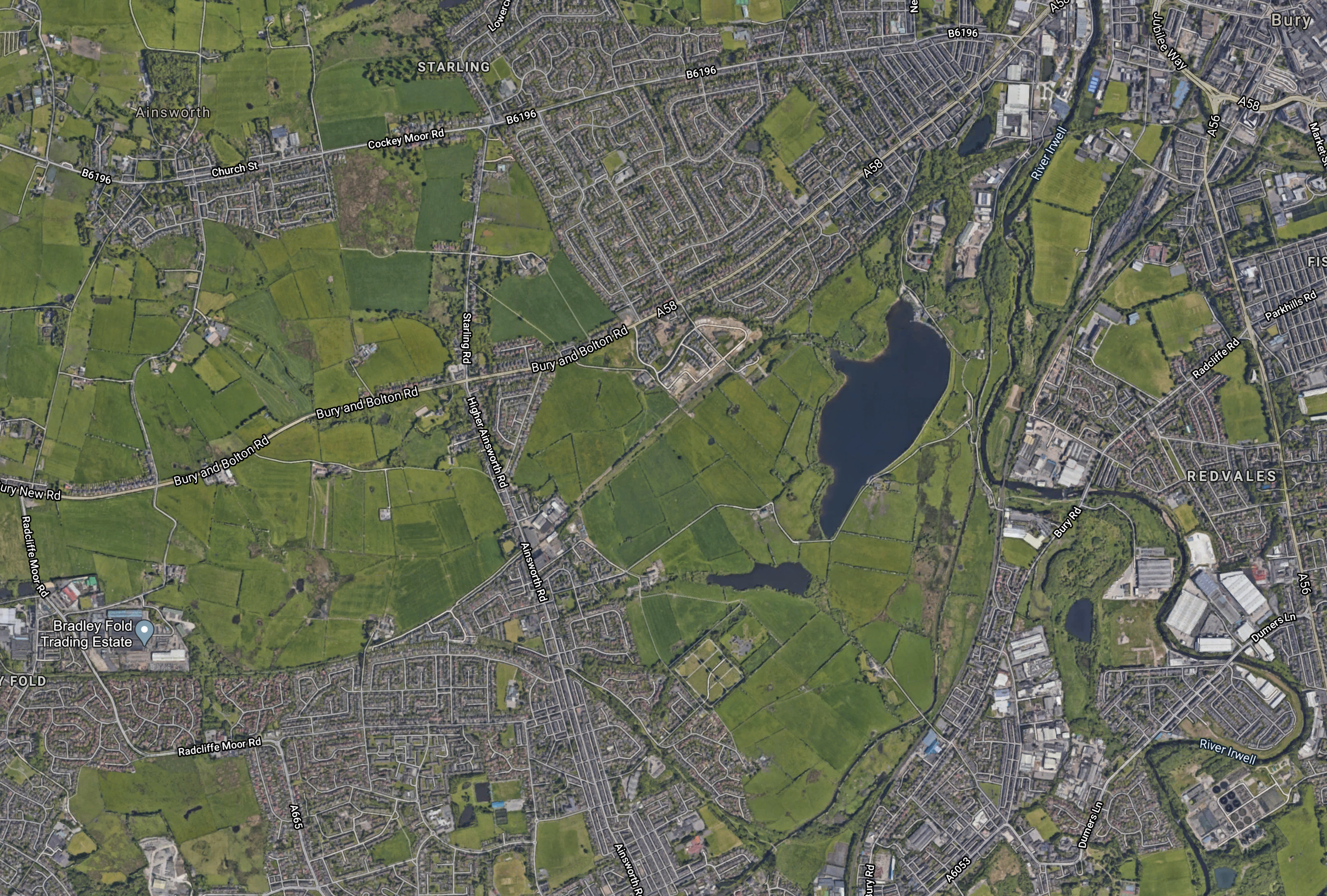
Note.
- Bolton is just off the Western edge of the map.
- Bury is in the North East corner of the map.
- Radcliffe is at the Southern edge of the map, close to the point of the triangular green space.
- There is already a Metrolink line between Bury and Radcliffe.
If you look at this map on a larger scale, you can see the scars of old railway lines between Bolton and Bury and Bolton and Radcliffe.
I will take a more detailed look at this proposal.
Bolton
This Google Map shows the Western point of the triangle, where it connects towards Bolton.
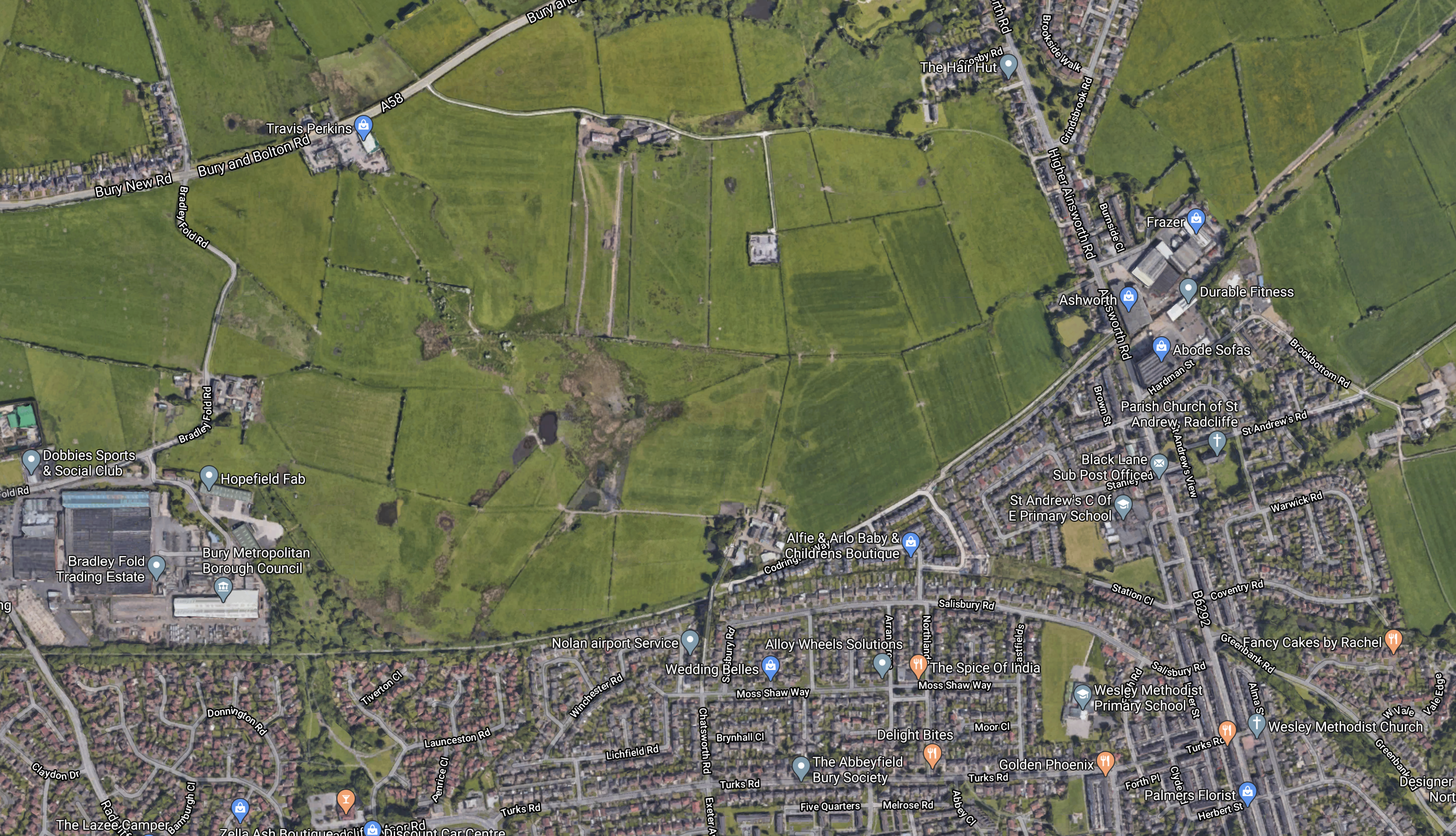
Note.
- The disused railway appears to run South of the Bradley Fold Trading Estate.
- It then split into two branches in the middle of the map.
- The Northern branch goes off in a North-Easterly direction to Bury.
- The Southern branch goes off in a South-Easterly direction to Radcliffe.
I’ve followed the route of the disused railway to the West and it goes all the way to the centre of Bolton.
This Google Map shows between Bolton and Bradley Fold.
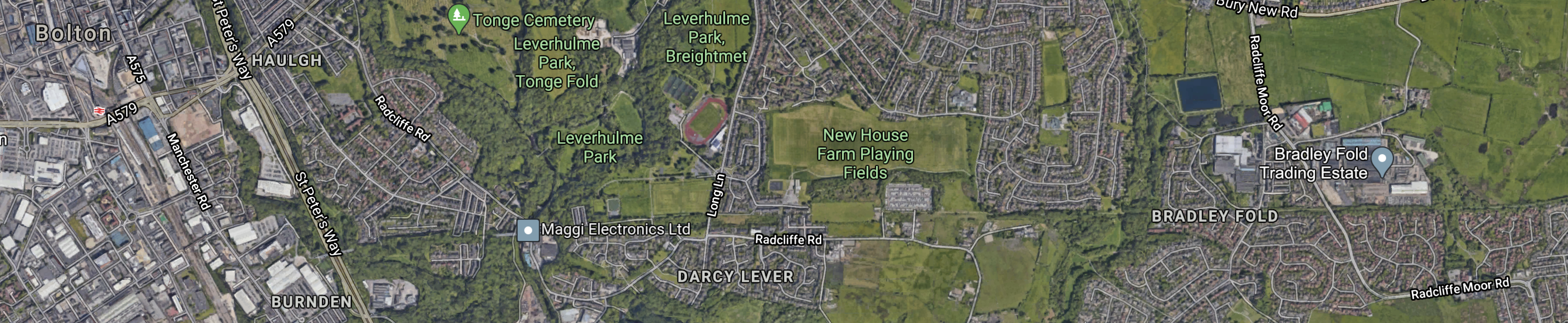
This railway used to be part of the Liverpool and Bury Railway. This map, which has been clipped from Wikipedia, shows the route.

This information came in a comment from FS (Thanks!) and there are some interesting bridges and viaducts on the route.
Looking at the route from my virtual helicopter, much of the route between Bolton and Radcliffe, is now a walking and cycle route, so there will have to be some careful design to get shared use right.
Radcliffe
This Google Map shows the Radcliffe point of the triangle.

Note.
- The Bury Line of the Manchester Metrolink runs down the Eastern side of the map.
- The Radcliffe tram stop, with its Park-and-Ride is in the South-East corner of the map.
- The disused railway from Bolton joins the map in the North-West corner.
This Google Map avows the Radcliffe tram stop.
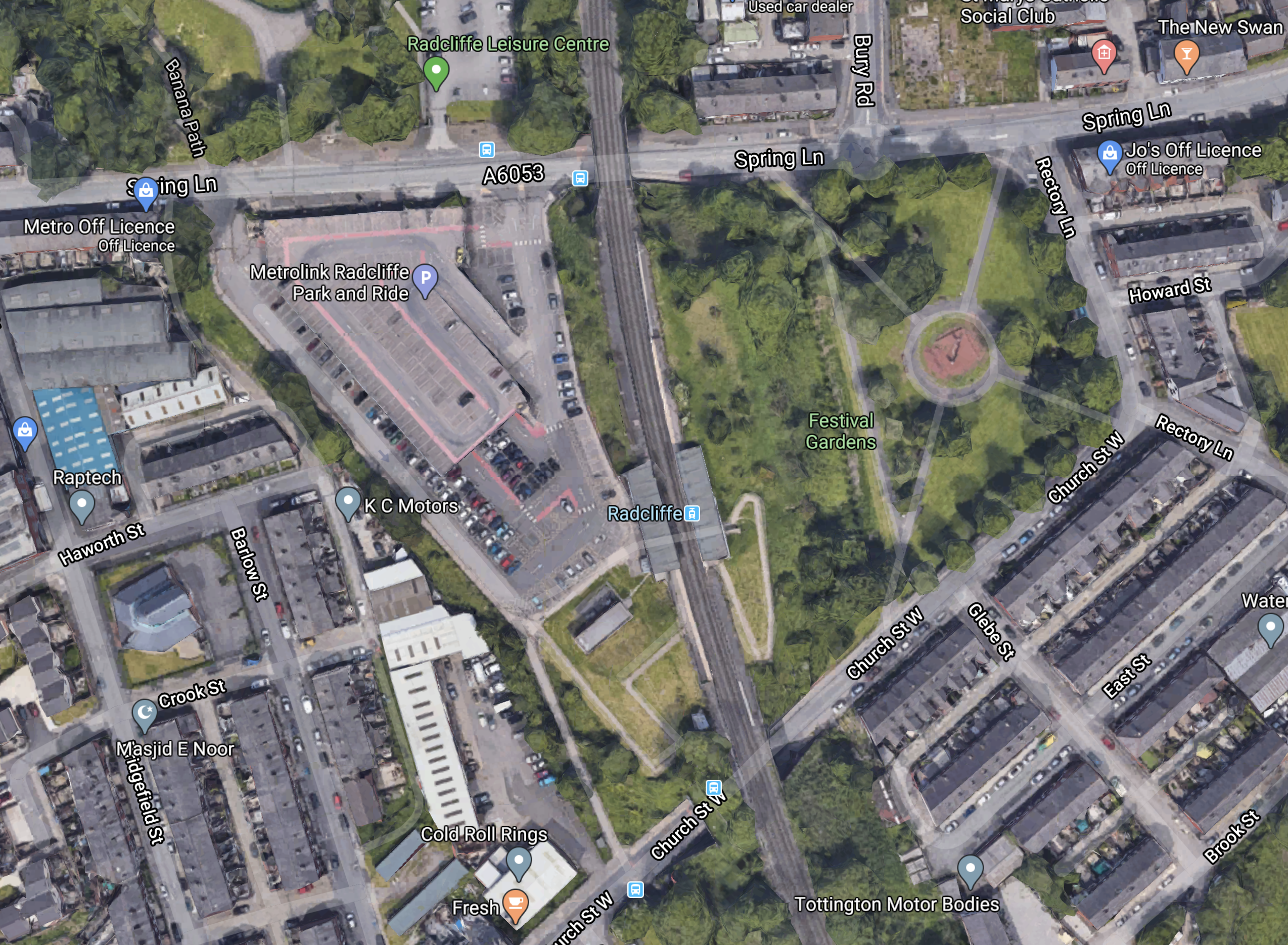
I don’t think it would be the most challenging of projects to connect the Radcliffe tram stop to a tram branch to and from Bolton.
- There seems to be plenty of space on both sides of the main road.
- Extra platforms could probably be added for Bolton trams if required.
Although, there could be problems threading the route, through the new housing and over the viaducts and bridges.
Bury
This Google Map shows the South-West approaches to Bury.

Note.
- Bury Interchange is in the North-East corner of the map.
- The tracks and sidings of the East Lancashire Railway can be seen running South-West from the centre of Bury.
- The proposed line from Bolton enters the map in the South West corner.
Where will the new line terminate, as getting across the town might be expensive?
New Tram Stops
There is a Wikipedia entry, which is entitled Proposed Developments Of Manchester Metrolink, which says nothing about the Bolton – Radcliffe and Bolton – Bury Lines.
But it does indicate, there may be two new stops between Bury Interchange and Radcliffe tram stop.
Buckley Wells
The Wikipedia entry for Buckley Wells tram stop says this.
Buckley Wells is a proposed tram stop on the Bury Line of Greater Manchester’s Metrolink light rail system. It is to be between Bury Interchange and Radcliffe Metrolink station, in the Buckley Wells area of Bury, north of Fishpool and south of Bury town centre.
The proposed site of Buckley Wells stop, by the A56 road, is owned by Transport for Greater Manchester, was proposed in 2003, offering (in addition to the Metrolink stop and services for southern Bury) a park and ride facility, and opportunity to provide an interchange with the East Lancashire Railway.
This Google Map shows the wider area of the site.

Note.
- The Bury Line of the Manchester Metrolink runs SW-NE across the map.
- The A56 Manchester Road runs roughly North-South and crosses over the Bury Line.
- The tracks and sidings of the East Lancashire Railway, can be seen in the North-West corner of the map.
- The main route of the East Lancashire Railway can be seen crossing the Bury Line in the North-East corner of the map.
If you follow the Bury Line back towards Manchester, there is a connection between the Manchester Methrolink and the East Lancashire Railway.
Elton Reservoir
The Wikipedia entry for Elton Reservoir tram stop says this.
Elton Reservoir, also known as Warth, is a proposed tram stop on the Bury Line of Greater Manchester’s Metrolink light rail system. It is to be located between Bury Interchange and Radcliffe Metrolink station, southeast of Elton Reservoir and south of Bury town centre.
This Google map shows the wider area of the site.

Note.
- The Bury Line runs North-South from the North-East corner of the map.
- The stop is being proposed for new housing, that might be built in the area.
It should be noted that the proposed Bolton – Bury tram line would run on the reservoir side of the houses in the North-West corner of the map.
Infrastructure
On a quick look, the two new lines and the two new tram stops, don’t appear to be too challenging.
The only parts that appear difficult might be.
- Running the trams between Bolton Town Centre and Bradley Fold.
- Running the trams into Bury Town Centre.
- Some of the Radcliffe route seems to have been built on.
But there doesn’t seem to be any bridges over major roads or waterways.
Conclusion
There is a lot to like about these two new tram routes.
 The Anonymous Widower