Does Anybody Know Of A Shuttle Train Without A Timetable?
In Very Light Rail – A Revolution, I suggested that automated shuttle trains could be run between West Ealing and Greenford on the Greenford Branch.
Trains would not run to a timetable, but when they were ready and the line was clear, they would move to the next station.
I suspect the safest way would be for when the driver had a green signal and the doors were closed, they just pressed a button which told the train to proceed to the next station.
I believe this was the system, that was used when the Victoria Line was opened in 1968.
It has its advantages.
- On average passengers don’t have to wait so long.
- If the driver sees a group of passengers coming, he can delay the train for a minute or so until they have got on.
- If perhaps a passenger in a wheelchair is having a bit of difficulty, he can wait.
- If, as on the Greenford Branch, another train needs to come through, the shuttle train can park up in a platform and continue operating after the second train has cleared. Separation between the lightweight passenger train and any other train is maintained at all times.
But the biggest advantage is that you get more trains per hour (tph).
I know that cable cars, cliff railways, funiculars and of course lifts often work without a timetable, but does anybody know of a rail line, that works without one?
Very Light Rail – A Revolution
The title of this post, is the same as that of this article on Rail Engineer.
It is a good explanation of what very light rail is all about and the design concepts behind the first vehicle, which is called Revolution.
My feeling is that Any Very Light Rail vehicle should be able to run a short branch line route as capably as a Class 153 train.
But hopefully with better passenger and driver comfort and facilities.
- The speed of Revolution is 65 mph and that of a Class 153 train is 75 mph, so is that close enough?
- I would hope that Revolution has better acceleration as it has an electric transmission.
- Revolution has 56 seats and a wheelchair space and is PRM-compliant, whereas the Class 153 train has a few more seats and only some are PRM-compliant.
- Revolution has wi-fi and power sockets and most Class 153 trains don’t.
The quality of the seats and the view from the trains will probably be the tie-breaker.
The article doesn’t say, but surely they would find more applications, if they could run in pairs, do they might be able to replace a two-car Class 150 train.
Reading the whole article gives me the impression, that the designers have done thorough job to design a lightweight train, that both passengers and drivers will like.
I will reserve my judgement until I see and ride one of these trains.
An Automated Shuttle Train
In An Automated Shuttle Train On The Greenford Branch Line, I proposed an automated shuttle on the Greenford branch.
The Greenford Branch Line has the following features.
- It is 2.5 miles long.
- It is double-track.
- It is not electrified.
- There is a single platform station at both ends with three intermediate stations.
- The service frequency is two tph.
- Trains take 11-12 minutes to go between the two terminals.
- Freight trains also use the line.
To run the ideal four tph, trains would need to do a round trip between West Ealing and Greenford in fifteen minutes.
Suppose the Revolution vehicle was automated with the driver having a supervisory role.
- The train would shuttle between West Ealing and Greenford, leaving each station, when it was ready, so as many trips as possible were performed.
- On seeing a green signal, the driver would tell the train to proceed top the other station, if they knew it to be safe.
- If a freight train needed to come through, the shuttle train would stay in either West Ealing or Greenford stations out of the way protected by the signalling, until the freight train had cleared the track.
- Freight trains and the shuttle would never be on the same piece of track at the same time, which would greatly aid safety.
I suspect that at least three trains would go between the two stations in every hour, with perhaps four in the Peak.
CEO: Alice Electric Commuter Airplane’s First Flight Days Away
The title of this post, is the same as that of this article on Flying Magazine.
The Eviation Alice prototype has certainly been spotted taxiing on the runway and the CEO has said it won’t be long before the first flight.
I have a feeling that this aircraft is going to be a winner.
- It’s got a lightweight structure.
- The aerodynamics look to be right.
- It has received firm orders from quality companies, like Cape Air, DHL and United Airlines.
- It would be the ideal corporate aircraft for the green billionaire who wants a toy!
- It looks sexy like Concorde.
I also think that the range, performance and capacity could fit travel patterns well in the UK and Ireland.
Conclusion
I’m looking forward to my first flight.
Crossrail Pushing Hard For A March Opening Date
The title of this post, is the same as that of this article on Ian Visits.
These are the first two paragraphs.
The Crossrail project is pushing hard to open the new Elizabeth line by the end of March, although there is a warning that this could delay some of the later phases of completing the line.
There have been suggestions that the project team is now confident that the latest tests and the works over Christmas to update ventilation and train software systems could see the line open potentially as soon as Sunday 6th March.
Ian’s article mentions nothing about the feel-good factor that the opening would surely bring.
I feel that this is the main reason the line should open as soon as possible.
I also feel, that as the line has been a long time coming, that passenger numbers will ramp up quickly and bring in more revenue than expected. Just look at the way, passengers used the Borders Railway, the Dartmoor Line and the Overground after they opened.
The line certainly needs to be opened before the Queen’s Platinum Jubilee.
HS2 Reveals Images Of First Landscaped ‘Green Tunnels’ For Bucks And Northants
The title of this post, is the same as this press release from High Speed Two.
This image shows one of the proposed tunnels.
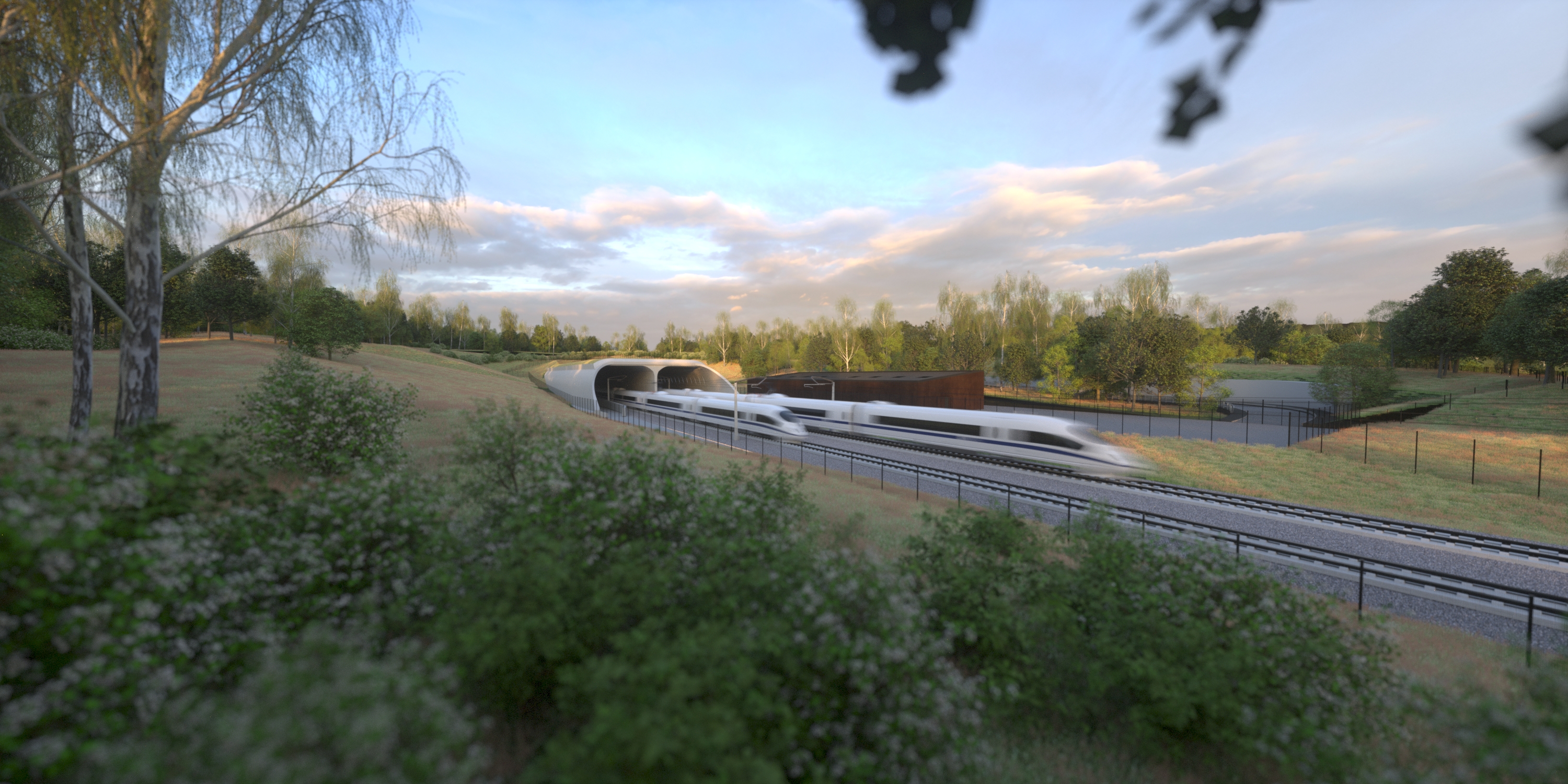
The article explains the design and describes how the tunnels will be built in a factory in Derbyshire and assembled on site.
Off-site concrete construction was used at Custom House station on Crossrail. I wrote about the construction of this station in An Express Station.
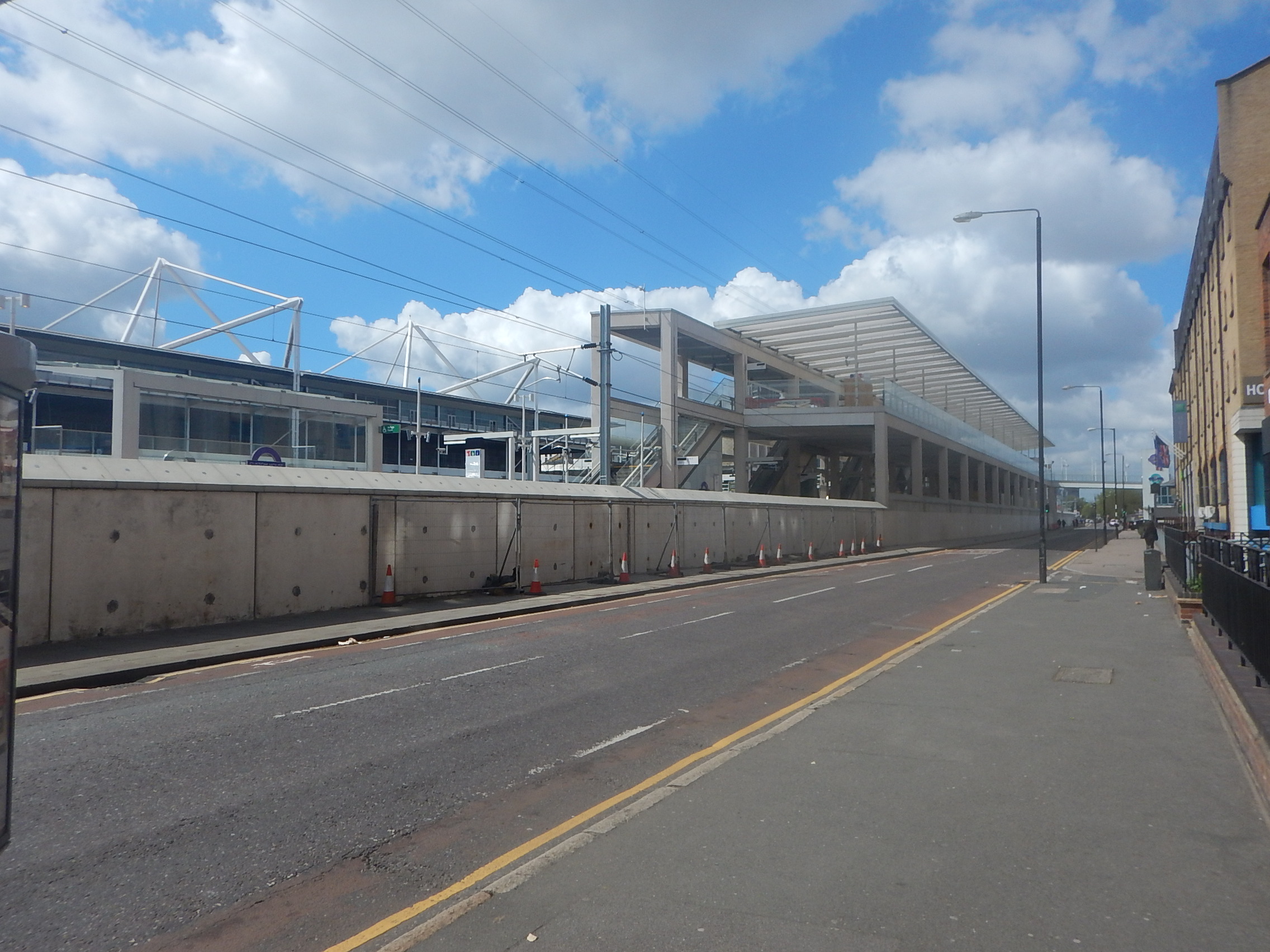
The picture shows Custom House station under construction. One of the engineers told me, that the quality of the concrete in the station, is so much better than normal.
Rio Tinto Orders Wabtec FLXdrive Battery Locomotives To Reduce Emissions
The title of this post, is the same as that of this press release from Wabtec.
This is the introductory paragraph.
Wabtec Corporation (NYSE: WAB) and Rio Tinto announced today an order for four FLXdrive battery-electric locomotives to support sustainable operations of the mining company’s rail network in the Pilbara region of Western Australia. The 100-percent, battery-powered locomotive will help Rio Tinto’s effort to achieve a 50-percent reduction in Scope 1 and 2 carbon emissions by 2030.
Some other points from the press release.
- The locomotives have 7 MWh batteries.
- The first locomotive will be delivered in 2023.
- The FLXdrive is anticipated to reduce the company’s fuel costs and emissions in percentage by double digits per train.
This paragraph describes how the FLXdrive locomotives will be used.
The mining company plans on using the locomotives in multiple applications including as a shunter in the railyard and ultimately in mainline service. In mainline operations, Rio Tinto currently uses three diesel-electric locomotives in a consist to pull trains with 240 cars hauling about 28,000 tons of iron ore. The FLXdrives will transition from the diesel locomotives in mainline service to form a hybrid consist, and recharge during the trip through regenerative braking and at charging stations. Wabtec’s next generation energy-management software system will determine the optimal times to discharge and recharge the batteries along to route ensuring the most fuel-efficient operation of the entire locomotive consist during the trip.
I can see this approach leading to even bigger fuel and emission savings.
Especially, if Wabtec developed a compatible locomotive, that was powered by hydrogen.
This was rumoured in FLXdrive ‘Electrifies’ Pittsburgh, where a partnership between Carnegie-Mellon University (CMU), Genesee & Wyoming and Wabtec to create the Freight Rail Innovation Institute was described.
Conclusion
There certainly seems to be a consensus between some of the world’s largest mining and rail companies about the future of heavy freight trains to support the mining industry.
Karlsruhe Kombilösung Tram Tunnels Inaugurated
The title of this post, is the same as that as this article on Railway Gazette.
I first came to Karlsruhe to see the tram-trains in 2015 and wrote about them in Exploring Karlsruhe And Its Trams And Tram/Trains.
I couldn’t help notice, that the good citizens of Karlsruhe were digging a tunnel for tram-trains, all the way along their equivalent of Oxford Street.
I said this.
It will certainly be worth returning to Karlsruhe, when the tunnel is complete and the network is expanded.
So now almost seven years after that first visit, the €1·5bn project has been completed and I had better think about returning.
Is A High Capacity Freight Route Being Created On The Midland Main Line?
In the January 2022 Edition of Modern Railways, there is a section, which is entitled Mixed Fortunes For Freight In IRP, where IRP is short for Integrated Rail Plan For The North And Midlands.
In the section, this is said about freight on the Midland Main Line.
Whilst HS2 does relieve the MML, electrification of the route north from Kettering via Derby to Sheffield is of relatively limited use to freight, which is generally routed via Corby and Toton to Chesterfield and Rotherham. That said, assuming electrification of the passenger route includes the slow lines from Leicester to Trent and through Chesterfield, it does provide a base on which freight electrification can be built.
This would involve wiring Corby to Syston Junction (north of Leicester), Trent Junction to Clay Cross (south of Chesterfield) and Tapton Junction (north of Chesterfield) to Rotherham Masborough and Doncaster.
As with the ECML, this ‘freight’ electrification would provide a diversionary route and thus greater resilience for East Midlands Railway services.
In addition, gauge clearance throughout from Corby as part of this package would also be highly beneficial in creating a direct route from the ‘Golden Triangle of Logistics’ in the East Midlands to the North East and Scotland for consumer goods supply chains, boosting modal shift to rail and decarbonisation.
It does seem to be a cunning plan worthy of Baldrick at his best.
So is it feasible?
Which Routes Do Freight Trains Use Now?
Christmas in a pandemic, is not a particularly good time to look at the routes freight trains take.
But by looking at Real Time Trains, I can say this.
- Many trains take the route via Corby and Syston Junction, rather than the direct route via Market Harborough and Leicester.
- Leicester is quite busy with freight as trains between Felixstowe and places on the West Coast Main Line, go through the station.
- Very few freight trains seem to take the route via Derby and the Derwent Valley Mills.
- Most freight trains between East Midlands Parkway and Chesterfield seem to take the Erewash Valley Line via Toton and Ilkeston.
I don’t think the pattern will change much, if I look at the trains around the end of January.
What Do I Mean By European-Size Freight Trains?
The Wikipedia entry for loading gauge says this about about the route through the Channel Tunnel and up the Midland Main Line.
UIC GC: Channel Tunnel and Channel Tunnel Rail Link to London; with proposals to enable GB+ northwards from London via an upgraded Midland Main Line.
Note.
- . GC is 3.15 metres wide by 4.65 metres high.
- GB+ is 3.15 metres wide by 4.32 metres high.
- GB+ is intended to be a pan-European standard, that allows piggy-back services.
- British gauging is so complicated, it isn’t specified in standard units. It must be a nightmare for rolling stock designers.
I’ll take an easy way out and assume that by European-Size Freight Trains, I mean that the route must be cleared for GB+ gauge.
Could Kettering and Syston Junction Via Corby Be Cleared For European-Size Freight Trains?
According to a Network Rail Map from February 2010, the current clearance is as follows.
- Kettering and Oakham – W7
- Oakham and Syston Junction – W8
Note.
- Oakham and Peterborough is also W8
- The main problem seems to be that between Corby and Oakham, there are five tunnels; Corby, Glaston, Manton, Seaton and Wing.
- There are also a few overbridges and several level crossings, but they don’t look too challenging.
- Between Corby and Oakham, there is the magnificent Welland viaduct, which has eighty-two arches and is Grade II Listed.
- Ideally, freight operators would like to run European gauge piggy-back services, with road trailers travelling on flat wagons, as they do in CargoBeamer services.
It would be a tough call to satisfy my last point, but if it can be done it would allow all Midland Main Line freight trains to take the Corby diversion and this would remove the problems of running European gauge trains through Leicester station.
This Google Map shows a section of the Welland viaduct.
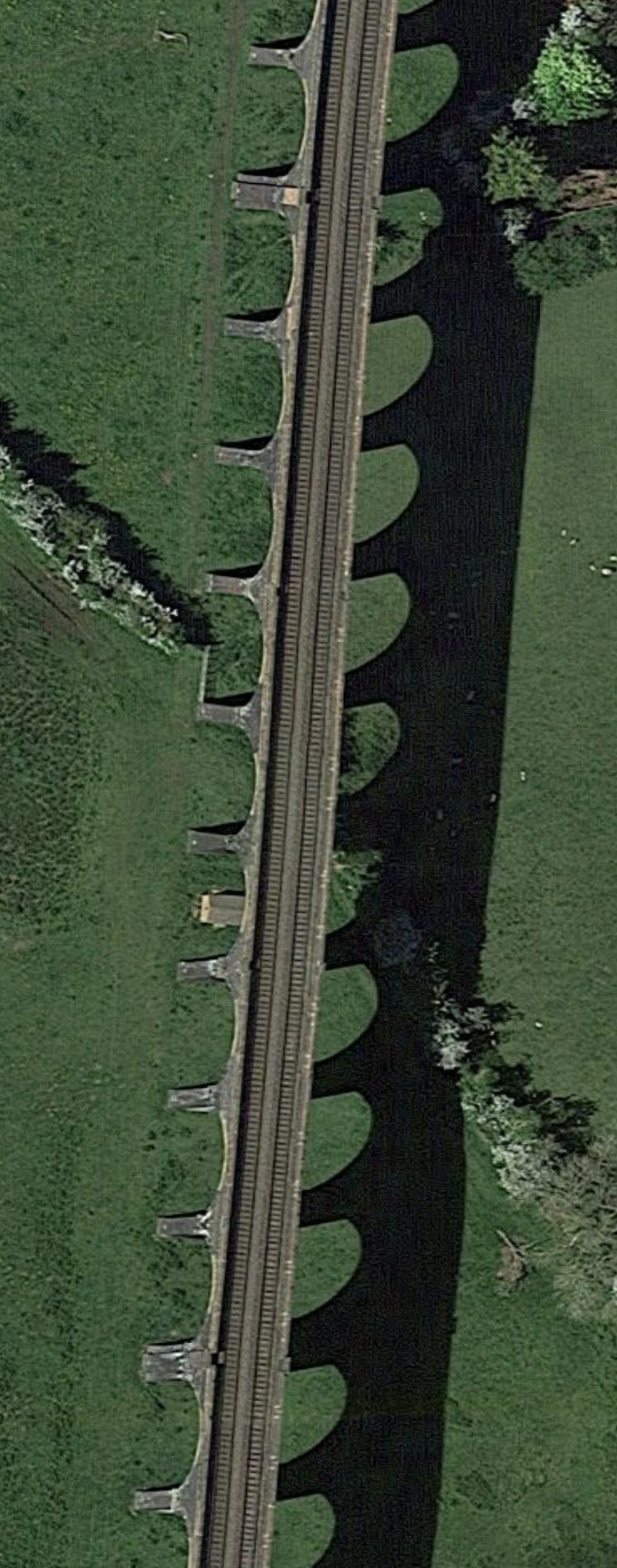
It could be key, as it is fully double-track.
But could it support two heavy freight trains at the same time?
But it would be some sight to see, long European-sized freight trains running over the viaduct.
Could The Midland Main Line Between Syston And Trent Junctions Be Cleared For European-Size Freight Trains?
The route is cleared to W7 or W8 between the two junctions and on inspection with my virtual helicopter, I suspect it wouldn’t be that challenging to upgrade.
It would also be sensible to clear the Castle Donnington Line for European-size freight trains, so that they could reach the East Midlands Gateway freight terminal.
This Google Map shows the location of the East Midlands Gateway.
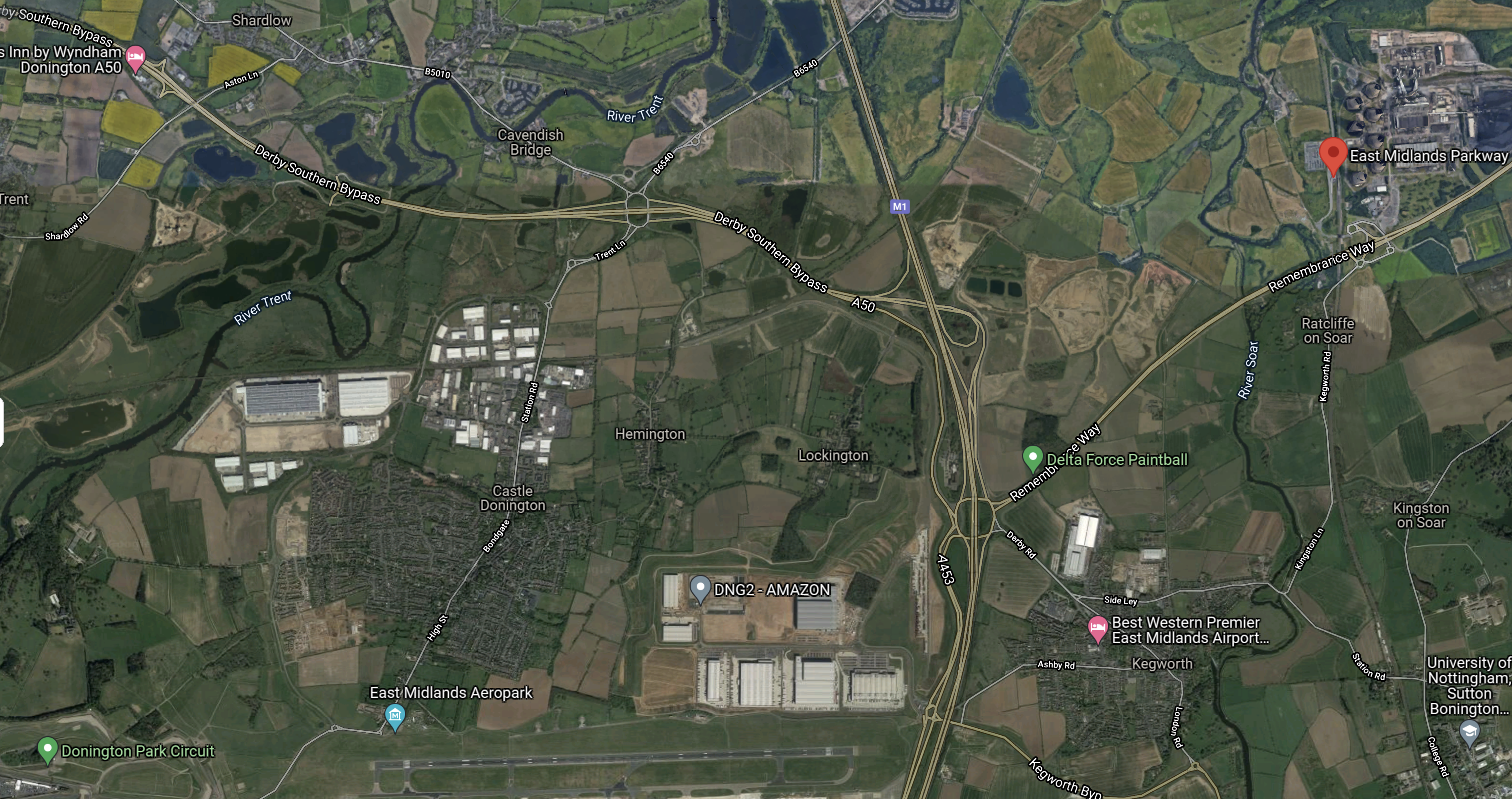
Note.
- East Midlands Parkway station is marked by the red arrow in the North-East corner of the map.
- Castle Donnington circuit is in the South West corner of the map.
- The long East-West runway of East Midlands Airport is clearly visible.
- East Midlands Gateway is to the North of the airport.
This second Google Map shows East Midlands Gateway in more detail.
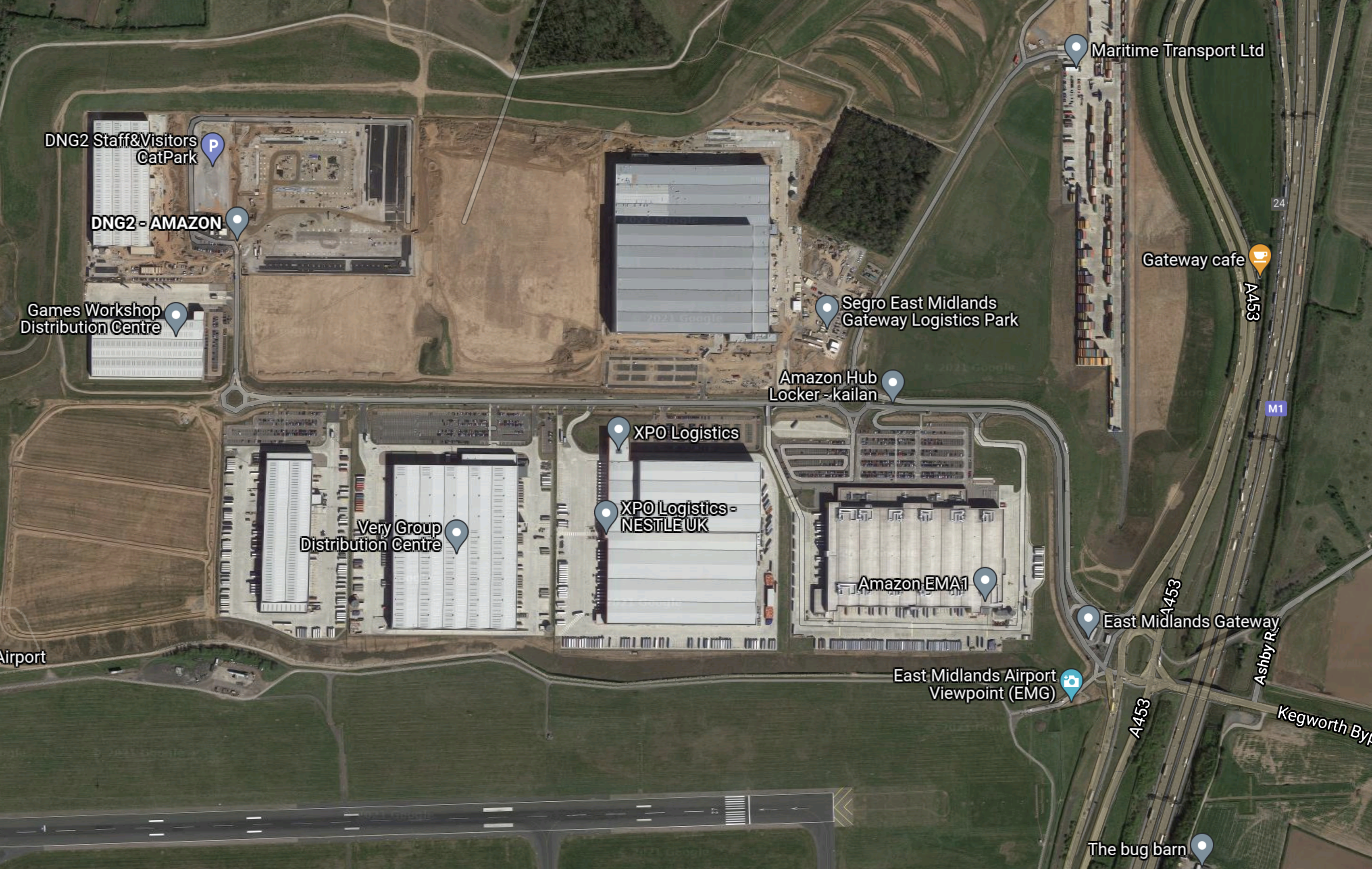
Note.
- In the North-East corner is Maritime Transport’s rail freight terminal.
- The M1 runs North-South at the Eastern edge of the map.
- East Midlands Gateway Logistics Park with two Amazon sheds is in the middle.
- The runway at East Midlands Airport is clearly visible.
The Integrated Rail Plan for the North And Midlands has already announced that High Speed Two will join the Midland Main Line to the South of East Midlands Parkway station to serve Derby, Nottingham and Sheffield.
- This new line will have to go past the airport, either to the North of the Logistics Park or South of the Airport.
- Could there be a station here, both for passengers and the workers at a very busy freight airport and Logistics Park?
- Currently, trains between the rail terminal and London, London Gateway and the Port of Felixstowe have to reverse North of the rail terminal to access the terminal.
- All the rail links between the Midland Main Line and East Midlands Gateway would need to be built to accept European-size freight trains, to ensure maximum flexibility.
It strikes me, that there are a lot of extra features that could be added to the rail network between the Midland Main Line and East Midlands Gateway.
Could The Erewash Valley Line Via Ilkeston Be Cleared For European-Size Freight Trains?
Consider.
- According to a Network Rail Map from February 2010, the Erewash Valley Line is cleared to W8.
- According to Wikipedia, it is the second busiest freight route in the East Midlands.
- Network Rail have spent £250 million on the line in recent years to improve junctions and improve signalling.
- The route doesn’t have a large number of passenger services.
These pictures show Ilkeston station on the Erewash Valley Line.
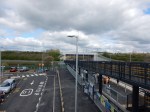
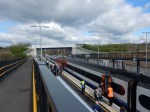
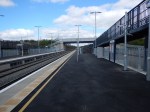

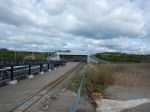
Note.
- The recently rebuilt bridge and the separate avoiding line.
- The Class 158 train under the bridge is 3.81 metres high.
As the European gauge; GB+ is 4.32 metres high, I would feel that Ilkeston station can handle European-size freight trains.
I have flown my virtual helicopter all the way over the Erewash Valley Line from Toton to Clay Cross North junction.
- It looks as if most of the not many bridges are either recent or could be updated to handle the large European-sized freight trains.
- It should also be noted that in many places there is a third track or space for them.
- There are three stations and the Alfreton tunnel.
After this quick look, I feel that the Erewash Valley Line will be able to handle European-size freight trains.
Could Tapton Junction to Rotherham Masborough and Doncaster Be Cleared For European-Size Freight Trains?
This route has very few bridges and I doubt updating wouldn’t cause too many problems.
CargoBeamer
Would it be possible for one of CargoBeamer’s piggy-back trains carrying trailers to run between the Channel Tunnel and the rail terminal at East Midlands Gateway Logistics Park or perhaps another terminal further up the Midland Main Line?
If they could use the Gospel Oak and Barking Line to access the Midland Main Line, I don’t see why not!
Conclusion
It appears that it should be possible to allow European-size freight trains to run between the North of England and the Channel Tunnel.
Riding Birmingham’s New Hydrogen-Powered Buses
I went to Birmingham today and took one of their new hydrogen buses on route 51 to Perry Barr and another one back.
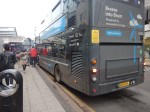
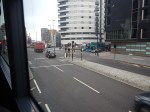
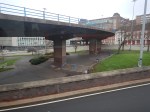
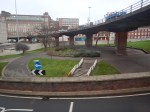
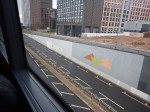
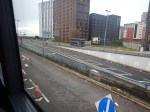
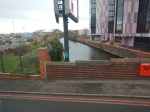
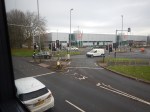

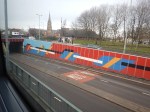
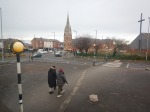
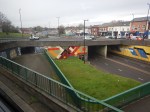
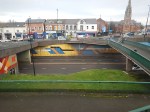
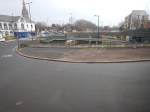
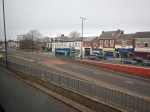
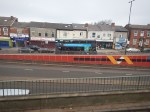
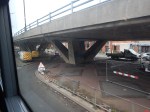
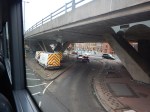
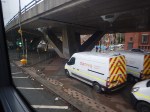
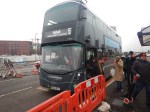
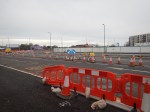
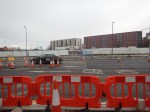

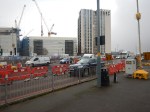
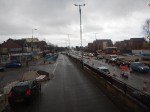
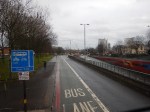
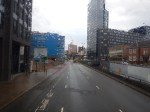
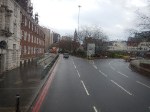
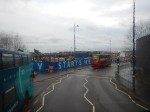
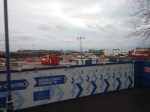
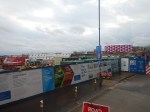
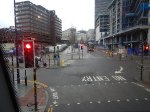
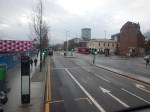
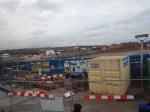
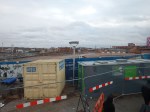
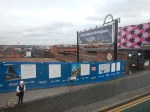
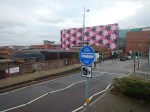
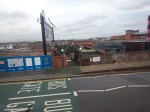
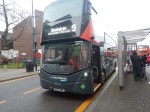
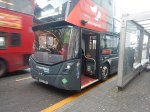
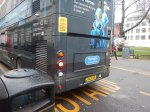
Note.
- As the pictures show Perry Barr is a bit of traffic bottleneck because of the reconstruction of Perry Barr station an other developments in the area, because of the Commonwealth Games, which are going to e held in Birmingham in 2022.
- The route goes past the High Speed Two site.
- Birmingham is a city of highways, flyovers, underpasses and roundabouts.
- The buses have wi-fi and charging points for phones.
I very much feel that the buses are the best hydrogen-powered vehicles, that I’ve travelled in, as they are smooth, comfortable, quiet and seem to have excellent performance.
Birmingham Buses Have Their Own Hydrogen Electrolyser
London bring their hydrogen in by truck from Runcorn, where it is created by electrolysis, for their hydrogen-powered buses.
On the other hand, Birmingham Buses have their own electrolyser at the Tyseley Energy Park.
This Google Map shows Tyseley Energy Park.

Note.
- The Birmingham Bus Refueler hadn’t opened, when this map was last updated.
- Tyseley Energy Park is only a few miles from the City Centre and route 51.
- I estimate that the Tyseley Energy Park occupies around four hectares.
This page on the Tyseley Energy Park web site described the refuelling options that are available.
- Fuels available include hydrogen, biomethane, compressed natural gas, diesel, gas oil and AdBlue.
- There are a range of charging options for electric vehicles.
The 3 MW electrolyser was built by ITM Power of Sheffield, which I estimate will produce nearly 1.5 tonnes of hydrogen per day.
According to this page on the Wrightbus website, a hydrogen-powered double-deck bus needs 27 Kg of hydrogen to give it a range of 250 miles. The refuelling of each bus takes eight minutes.
So the current fleet of twenty buses will need 540 Kg of hydrogen per day and this will give them a combined range of 5000 miles.
It would appear that the capacity of the electrolyser can more than handle Birmingham’s current fleet of twenty buses and leave plenty of hydrogen for other vehicles.
Could Other Towns And Cities Build Similar Energy Parks?
I don’t see why not and it looks like ITM Power are involved in a proposal to build an electrolyser at Barking.
Some would feel that London ought to follow Birmingham and create its own hydrogen.
.
eCargo Hydrogen Fuel Cell Bikes To Begin Real-World Test In Aberdeen
The title of this post, is the same as that of this article on Hydrogen Fuel News.
These are some points from the article.
- The bikes will be trialled on last mile applications in Aberdeen.
- The bikes are from Electric Assisted Vehicles from Bicester.
- Six bikes will be used in this trial to gain real world experience of the bikes.
It is interesting to note, that EAV claim, they developed these vehicles as they were worried about the environmental impact of battery electric vehicles.
 The Anonymous Widower