Will Camden Road Station Get A Third Platform?
London has a rail capacity problem, for both freight and passenger trains.
This report from Network Rail is entitled The London Rail Freight Strategy (LRFS).
One of the recommendations of the report is to build a third platform at Camden Road station. It says this about the third platform.
Reinstatement of a third track and platform on the northern side of Camden Road station, utilising part of
the former 4-track formation through the station.
Camden Road station used to have four platforms, but now it just have two.
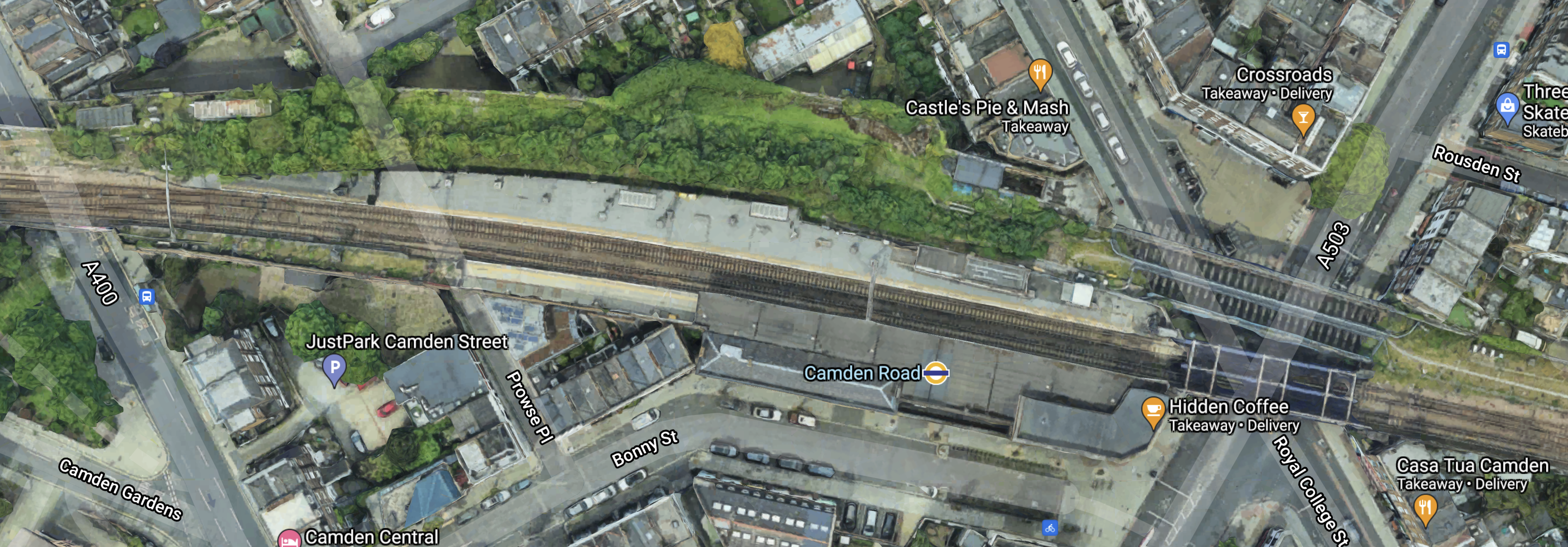
This Google Map shows the station as it is today.
Note.
- Platform 1 is on the South side of the tracks with the London Overground roundel conveniently shown on the roof.
- Platform 2 is on the North side of the tracks.
- Regular users of the station can probably pick out the lift at the Eastern end of Platform 2.
- There is a bridge to the East of the station which takes the tracks over the junction of Royal College Street and Camden Road.
To the North of this bridge, two further bridges can be seen, that used to take the former third and fourth tracks over the roads and into two additional platforms to the North of the current two.
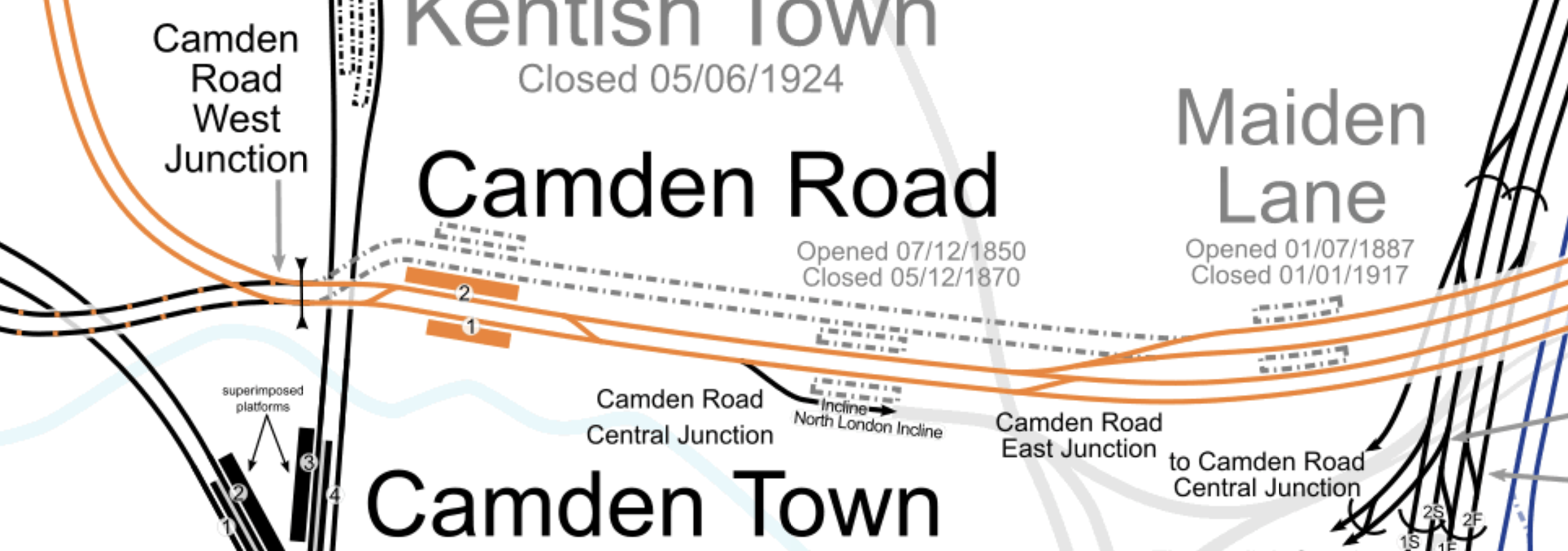
This map from cartometro.com shows the track layout through Camden Road station.
Note.
- The tracks shown in orange are the route of the North London Line of the London Overground.
- The two orange platforms labelled 1 and 2 at Camden Road station.
- The two former lines passing behind Platform 2, used to rejoin the North London Line to the West of the station.
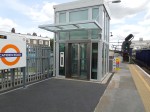
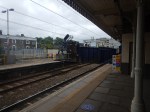
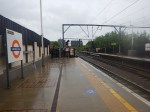
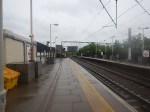
These pictures were taken on the current Platform 2.
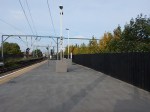
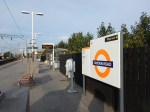
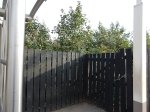
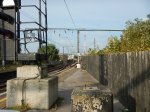
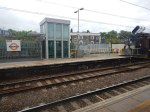
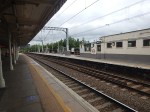
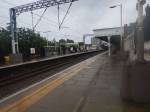
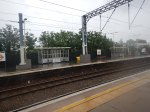
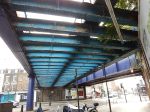
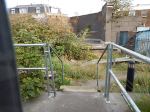
And these are some pictures of the bridge, what is behind the fence and other bridges.
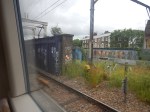
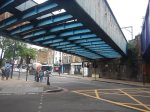
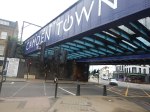
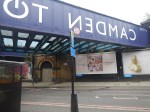
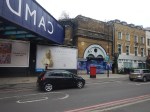
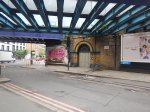
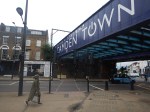
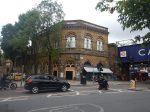
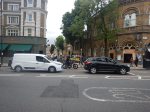
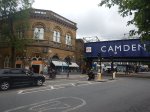
Note.
- Most of the pictures of Platform 2, were taken from Platform 1.
- Behind the fence on Platform 2, there appears to be a substantial urban forest.
- Renewing the bridges and updating the railway arches could improve the area significantly.
- Camden Road station is a Grade II Listed building.
I don’t think, that any of the construction would be too challenging.
How Would The Third Platform Be Used?
This is said in the Network Rail document about the third platform at Camden Road station.
This proposal would reinstate a third track and platform on the northern side of Camden Road station, utilising part of the former 4-track formation through the station.
The additional capacity provided would facilitate much greater flexibility in pathing options for trains on this busy central section of the NLL, opening up new options for future service provision and bolstering performance resilience.
Reinstatement of a third platform would enable platform 2 to be used as a central turnback, with platform 3 becoming the eastbound line for through London Overground services and the majority of freight.
Transport for London modelling suggests that the eastern end of the NLL, from Canonbury to Stratford, will see some of the strongest long-term demand growth on the Overground network.
A turnback platform will allow this to be addressed with peak capacity boosting services between Stratford and Camden Road and there would also be the option to operate these through the off-peak, which could offer a means of providing additional passenger capacity where it is most needed.
The availability of an additional platform would also aid performance recovery during perturbation on
the orbital routes.
That all looks fairly sensible and wouldn’t require much work to the current station.
Note.
- Platform 2 is currently a fully-accessible platform with a lift and will become a spacious fully-accessible island platform with two faces 2 and 3, both serving London Overground services going East.
- There must surely be space on the island platform to build a substantial shelter, where passengers can sit, when long freight trains are passing through.
- There could even be space for a coffee kiosk.
The former Platform 3 appeared to be a Westbound platform, but the proposed new one appears to be an Eastbound one.
The Track Layout Immediately To The East Of Camden Road Station
These are my thoughts on the track layout to the East of Camden Road station.
This map from cartometro.com shows the track layout between Camden Road and Highbury & Islington stations.
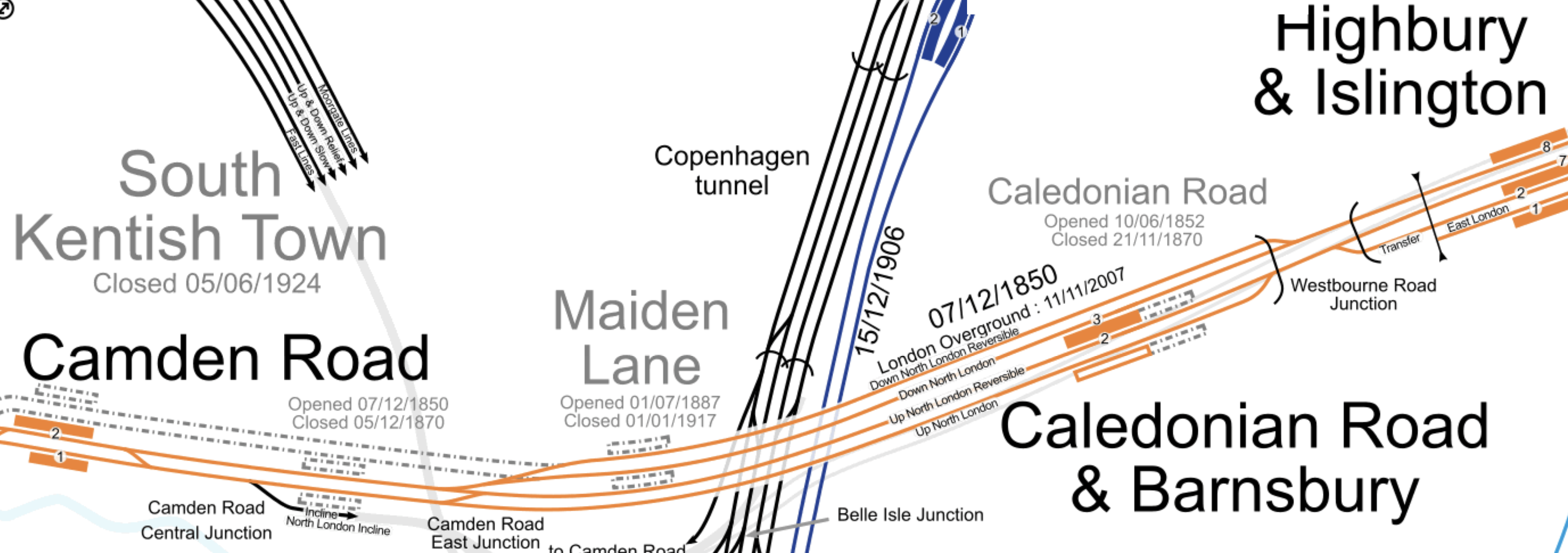
Much of the route through Caledonian Road and Barnsbury station is four tracks. These tracks are named from North to South as follows.
- Down North London Reversible
- Down North London
- Up North London Reversible
- Up North London
Note.
- Eastbound London Overground services use the Down North London track.
- Eastbound freight services use the Down North London Reversible track.
- Eastbound freight services are sometimes held by signallers on the Down North London Reversible track.
- Westbound London Overground services use the Up North London Reversible track, before crossing over to the Up North London track at Camden Road East Junction.
- London Overground services only use the central island platform at Caledonian Road and Barnsbury station.
- Westbound freight services use both of the Up North London tracks.
- The London Borough of Camden have stated that they would like to see the reopening of Maiden Lane station.
These pictures show the former trackbed between the former Maiden Lane station and Camden Road station.
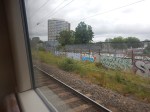
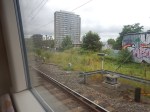
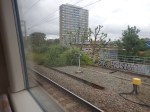
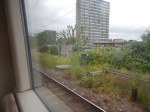
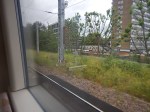
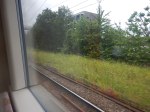
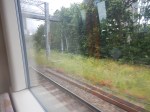
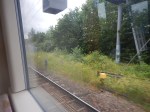
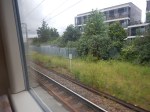
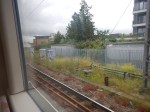
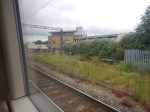
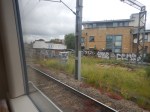
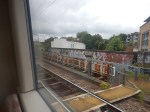
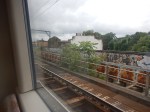
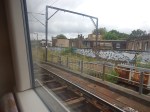
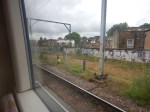
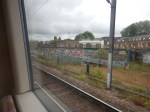
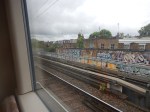
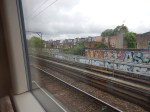
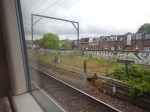
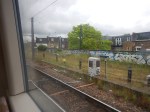
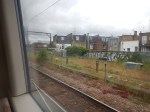
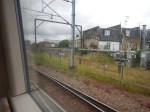
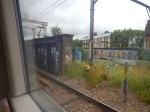
Looking at these pictures, I can deduce the following.
- There is very little constructuction of the former trackbed.
- There would be some signalling equipment to move.
- Some of the steel bridges would have to be replaced.
I feel, that a single track could definitely be created between the new Platform 3 at Camden Road station to connect with both Down North London tracks before the site of the former Maiden Line station.
It may even be possible to squeeze in two tracks.
A new track or tracks would enable the following.
- Eastbound London Overground services to go from Platform 3 at Camden Road station to Platform 3 at Caledonian Road and Barnsbury station.
- Eastbound freight services to go from Platform 3 at Camden Road station to either the Down North London Reversible or the Down North London tracks through Caledonian Road and Barnsbury station.
Note.
- Westbound services going through Camden Road station would be unaffected.
- Westbound London Overground services terminating in Platform 2 at Camden Road station would cross over to the current Up North London Reversible at the current Camden Road Central junction.
- Eastbound London Overground services starting in Platform 2 at Camden Road station would cross over to the new track or tracks to proceed to the East.
These are my answers to a few questions.
Will There Be One Or Two Extra Tracks?
Consider.
- It could probably be organised that the extra track or tracks start perhaps fifty metres or so to the East of Camden Road station.
- The distance between this point and Westbourne Road Junction is around a mile.
- Network Rail allows freight trains up to a length of 775 metres.
I am drawn to the conclusion, that if two tracks were to be built, then signallers would be able to hold the longest freight trains on the extended Down North London Reversible track, without interrupting London Overground passenger services.
How Will The Extra Tracks Affect The Camden Highline?
If two new tracks are built, I would expect that it will be impossible to build the Camden Highline.
But if only one is built, I suspect that a narrower Camden Highline might be able to be squeezed in.
Could Provision Be Made So A New Maiden Lane Station Could Be Built?
This map from cartometro.com shows the track layout around the former Maiden Lane station.
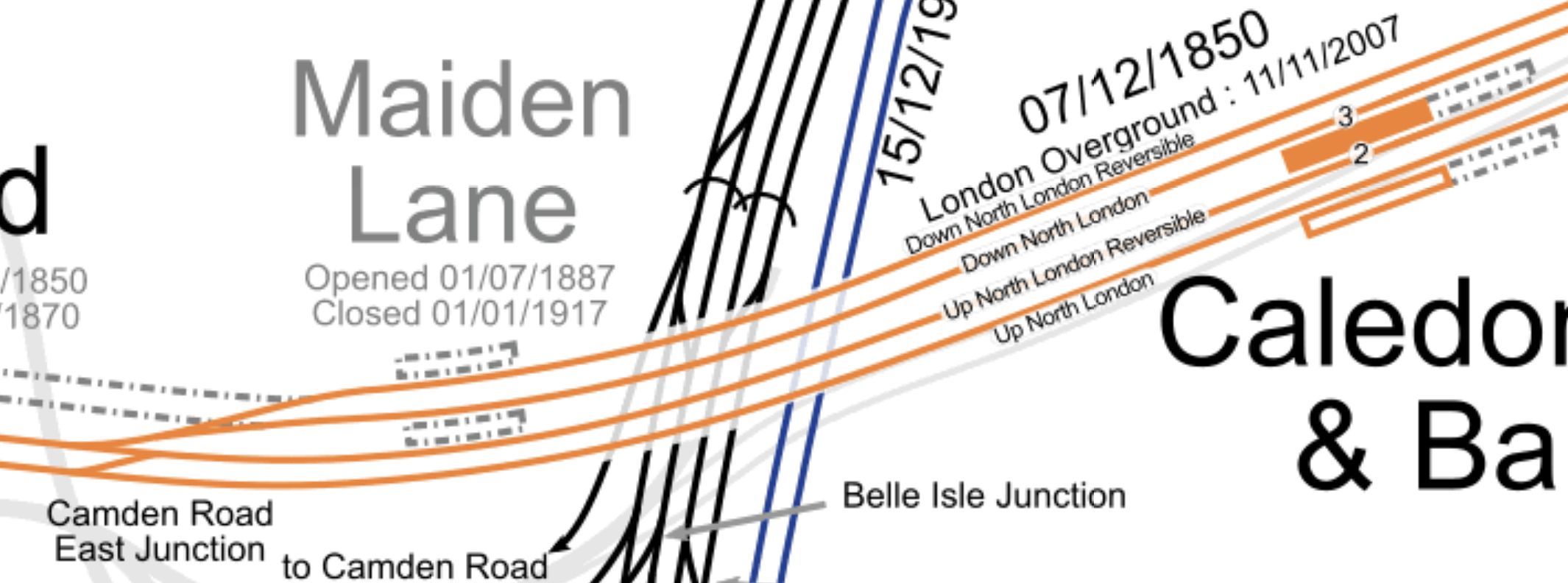
Consider.
- Eastbound London Overground services use the Down North London track and call in Platform 3 at Caledonian Road and Barnsbury station.
- Westbound London Overground services use the Up North London Reversible track and call in Platform 2 at Caledonian Road and Barnsbury station.
- To connect Platform 3 at Camden Road station to the Down North London Reversible and Down North London tracks, I suspect that Camden Road East junction will have to be remodelled.
I wonder if by the application of Network Rail’s latest track layout software, space could found for an island platform between the Up North London Reversible and Down North London tracks.
In Is Caledonian Road And Barnsbury An Ideal Four-Track Station?, I discuss the design of Caledonian Road and Barnsbury station,
I think it is a distinct possibility, that provision could be made for a future Maiden Lane station.
Will There Be Changes At Camden Road West Junction?
This map from cartometro.com shows the track layout to the West of Camden Road station.
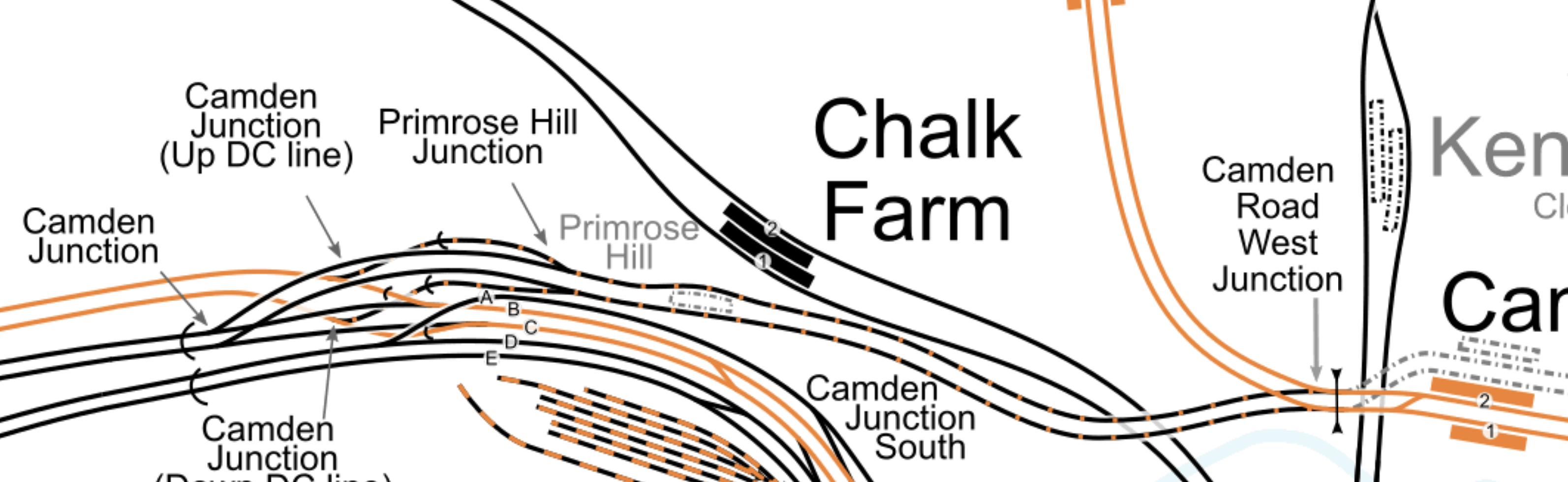
Note.
- Platforms 1 and 2 of Camden Road station at the Eastern end of the map.
- Camden Road West junction to the West of the platforms.
- The dotted lines of old tracks leading to the former Platform 3 and 4 at Camden Road station.
Two double tracks lead away to the West from Camden Road West junction.
- The orange tracks are the North London Line to Willesden Junction and Acton.
- The black and orange tracks are an extension of the Watford DC Line, that links Camden Road station to the West Coast Main Line via Primrose Hill station.
Will both pairs of tracks be connected to the North London Line at Camden Road West junction, as they are now?
- Currently, a few freight trains per day, use the Primrose Hill route.
- There have been plans in the past, for the London Overground to use this route.
- They have also been known to run a Rail Replacement Train between Willesden Junction and Camden Road stations during engineering works, as I wrote about in The Future Of The Watford DC Line.
So I suspect Network Rail will design a comprehensive junction, that is all things to all operators and trains.
Through Running Between The East London Line and Willesden Junction Station
This was originally talked about in the original plans for the London Overground.
If you travel on the Overground to Barking, Blackhorse Road, Canada Water, Highbury & Islington, West Brompton, Hampstead, Whitechapel or Willesden Junction in the Peak, the interchanges are very busy, as passengers are transferring to the Underground.
Was this why through running was originally proposed between the East and North London Lines at Highbury & Islington station, as it would allow direct connection to extra Underground lines?
But one of the aims of the Overground was to enable journeys around London without going via Central London.
Platform 3 at Camden Road station, seems to increase the capacity on the North London Line, so perhaps this upgrade would give extra paths to allow some services to terminate to the West of Highbury & Islington.
This map from cartometro.com shows the track layout to the West of Highbury & Islington station.
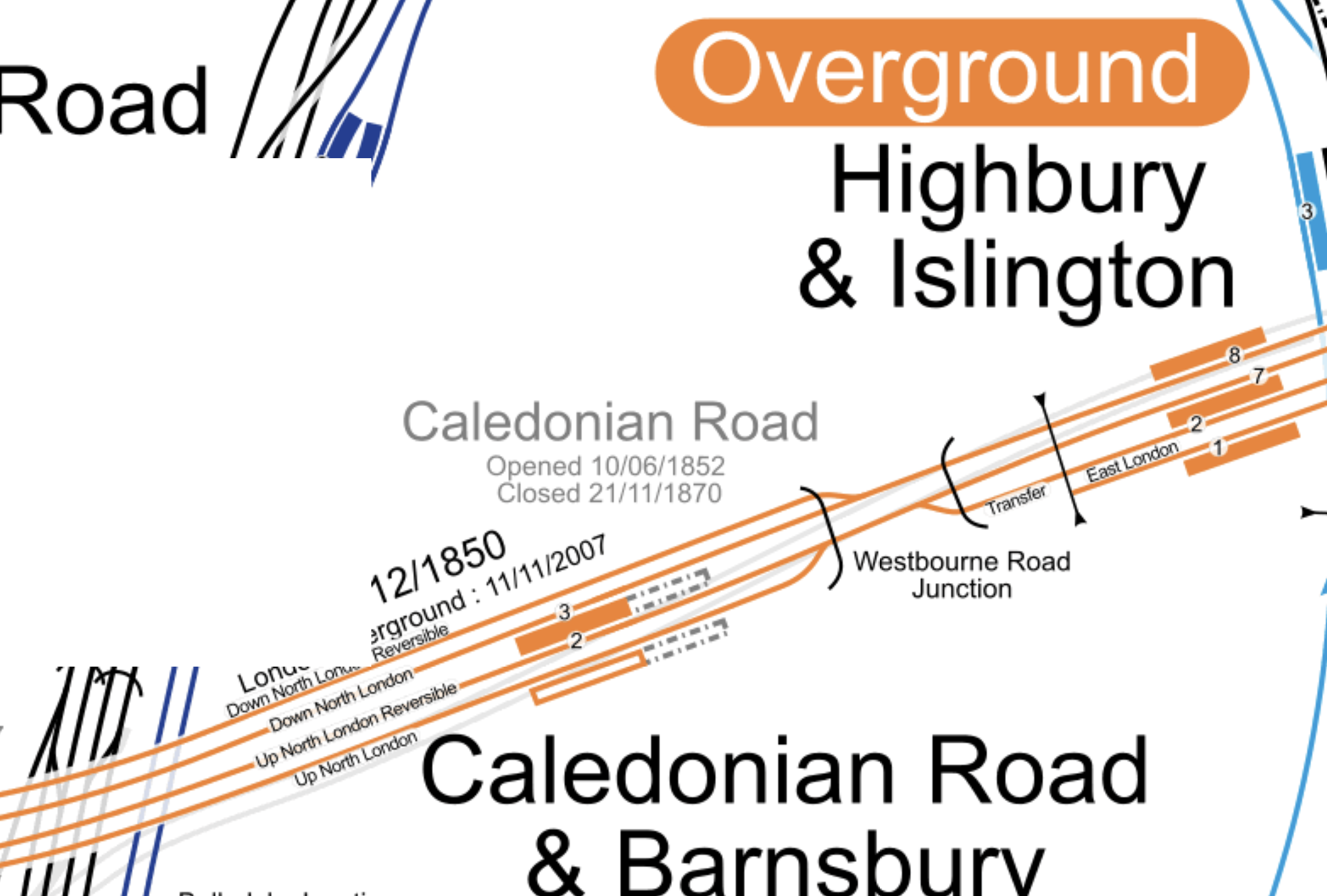
I’m sure if Network Rail’s engineers can sort out King’s Cross, then they can come up with a track and signalling system that can handle this,
Could Platform 2 At Camden Road Be Used As An Alternative Terminus For Watford DC Line Services?
Euston station is being rebuilt and Network Rail might like to kick Watford DC Line services out of the station either temporarily or even permanently.
There are two routes that the Watford DC Line could take to get between Harlesden and Camden Road stations.
- They can use the route, I took one Sunday, when the London Overground was running a Rail Replacement Train, via Willesden Junction Low Level, Kensal Green, Queens Park, Kilburn High Road and South Hampstead.
- They might also be able to join the North London Line an improved Kensal Green junction.
The first route works and the second may need some extra work at Harlesden junction.
I estimate that Platform 2 at Camden Road station is presently as long as 120 metres.
I also estimate that it could be lengthened at both ends, during the building of a new platform 3 alongside.
Could a platform be built long enough to be able to handle two trains simultaneously?
- A four-car Class 710 train at the Western end.
- A five-car Class 378 train at the Eastern end.
A 200 metre long platform would probably suffice!
I think the concept has possibilities.
- Willesden Junction station has connections to the Bakerloo Line.
- West Hampstead station has connections to Thameslink and the Jubilee and further connections could be developed,
- Camden Road station could be connected to Camden Town station, which is on both branches of the Northern Line.
- A reopened Primrose Hill station could be connected to Chalk Farm station on the Northern Line.
- The Northern Line connects to Crossrail at Moorgate and Tottenham Court Road stations.
I suspect, if Camden Town station were to be expanded and rebuilt, that the connection between the two Camden stations would be more likely.
Either route could be taken between Willesden Junction and Camden Road stations.
But I feel, it might be less costly to take the North London Line route, especially, as this connects to West Hampstead station.
Could The Track Layout Be Further Simplified?
I’m no track expert, but it strikes me that a four-track layout could be built between just East of Camden Road station and Westbourne Road junction. From North to South these tracks would be.
- Eastbound Freight line – Connecting at the Western end to Platform 3 at Camden Road station and following the existing Down North London Reversible track to Westbourne Road junction.
- Eastbound Overground line – Connecting at the Western end to Platforms 2 and 3 at Camden Road station and following the existing Down North London track through Caledonian Road and Barnsbury station to Westbourne Road junction.
- Westbound Overground line – Connecting at the Western end to Platforms 1 and 2 at Camden Road station and following the existing Up North London Reversible track through Caledonian Road and Barnsbury station to Westbourne Road junction.
- Westbound Freight line – Connecting at the Western end to Platform 1 at Camden Road station and following the existing Up North London track to Westbourne Road junction.
Note.
- Both freight lines would be long enough for signallers to hold freight trains, so that other services could overtake.
- East of Caledonian Road and Barnsbury station, Overground and freight service would share the two tracks, as they do now!
- West of Camden Road station, Overground and freight service would share the two tracks, as they do now!
It strikes me that by good design, the capacity and speed through this section of the busy North London Line can be increased.
Related Posts
These are related posts about the London Rail Freight Strategy (LRFS).
Decarbonisation Of London’s Freight Routes
East Coast Main Line South Bi-Directional Capability
Gauge Improvements Across London
Headway Reductions On The Gospel Oak To Barking, North London and West London Lines
Heavy Axle Weight Restrictions
Kensal Green Junction Improvement
Longhedge Junction Speed Increases
Moving The West London Line AC/DC Switchover To Kensington Olympia
Moving The West London Line AC/DC Switchover To Shepherd’s Bush
Stratford Regulating Point Extension
Will Clapham Junction Station Get A Platform 0?
The Story Of ITM Power
The title of this post, is the same as that of this article on H2 View.
The article confirms, that they have the funds to build a second Gigafactory for electrolysers and it would take eighteen months to build.
My view is that after the Anglo-Australian trade deal, that it could be built in Australia, as that country will need a lot of electrolysers to fulfil their hydrogen ambitions.
Oakwood Tube Station’s Seat Is In Need Of Repair
I took these pictures at the Grade II* Listed Oakwood tube station.

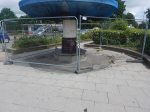
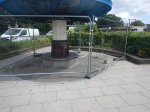


How did it get into this state?
Could it be that Enfield is not a Borough, where voters need any urging to vote Labour?
So it has been allowed to deteriorate by London’s South London Mayor?
It certainly needs a bit of TLC!
Transport Bosses Promise The Northumberland Line Will Be Operational Before The End Of 2024
The title of this post, is the same as that of this article on ITV.com.
The article appears to be all good news for the North-East.
London To Glasgow Train Journey Record Bid Fails By Just 21 Seconds
The title of this post, is the same as that of this article on ITV.com.
These are the first three paragraphs.
An attempt to break the 36-year-old record for the fastest train journey between London and Glasgow has failed.
Avanti West Coast’s Royal Scot train arrived at Glasgow Central 21 seconds behind the record of three hours, 52 minutes and 40 seconds set by British Rail in December 1984, according to rail expert Mark Smith, who was onboard.
Mr Smith, founder of Seat61.com, wrote on Twitter that a temporary speed limit on the track in Carstairs, South Lanarkshire, “cost us 90 seconds”.
It appears to be a valiant attempt that failed by a small margin.
I have a few thoughts.
The Trains
The British Rail 1984 record was set by an Advanced Passenger Train (APT) and today’s run was by a nine-car Class 390 train.
- The design speed of the APT was 155 mph and that of a Class 390 train is 140 mph.
- Service speed of both trains was and is 125 mph.
- Record speed of the APT was 162 mph and that of a Class 390 train is 145 mph.
- Both trains employ similar tilt technology to go faster.
At a brief look the performance of these two trains is very similar.
The InterCity 225
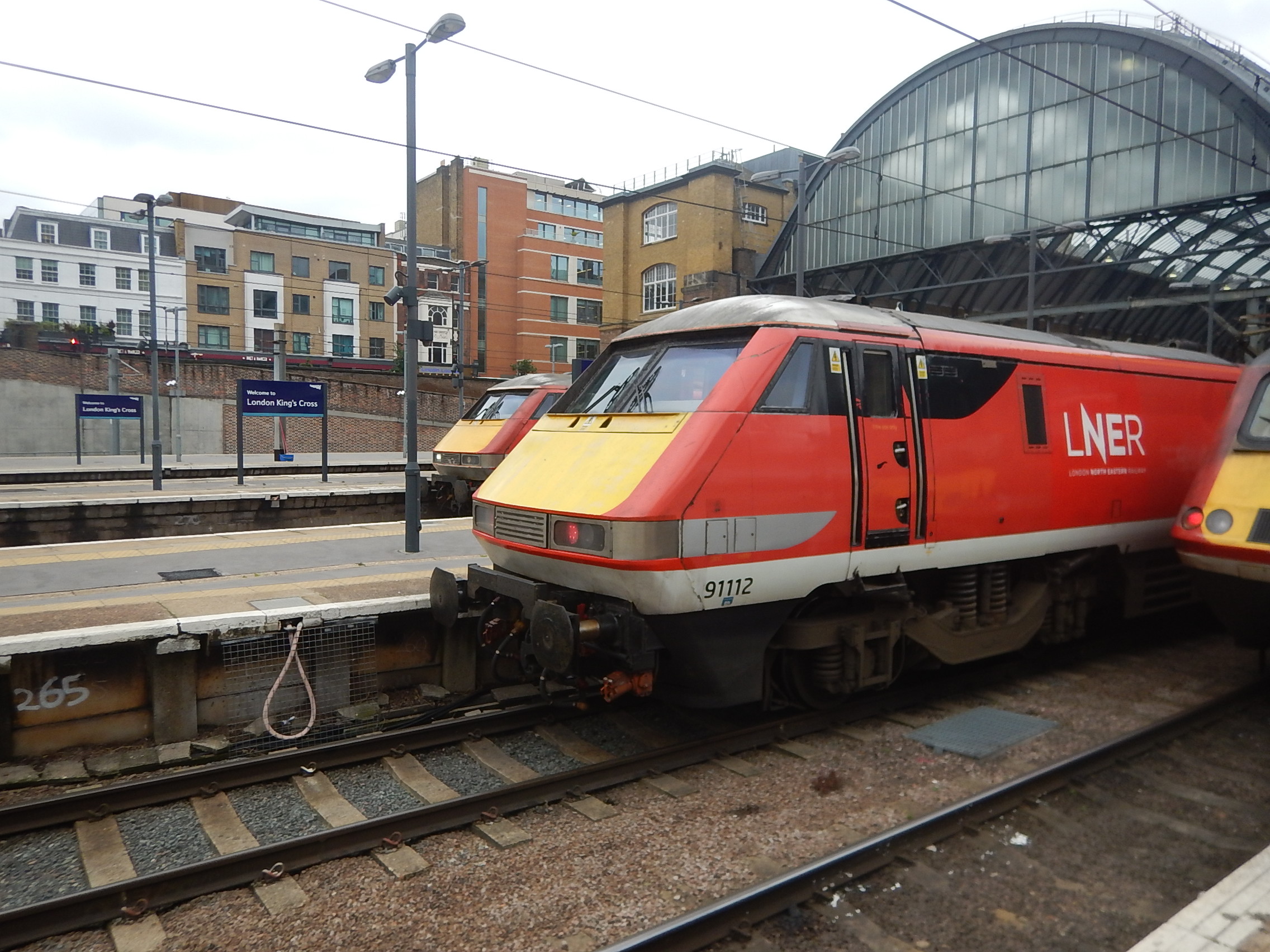
The InterCity 225 train is the ringer in this race to the North.
- The design speed is 140 mph.
- The service speed is 125 mph
- The record speed of an InterCity 225 is 161.7 mph.
- The train doesn’t use tilting technology.
- The train was built after the APT around 1990.
- The train holds the record between London Kings Cross and Edinburgh at thirty seconds under three-and-a-half hours.
- To rub things in, one of these trains, even holds the London Euston and Manchester Piccadilly record.
But there can’t be much wrong with the InterCity 225 trains as a few are being brought back into service, whilst LNER are waiting for ten new bi-mode trains to be delivered.
Hitachi Class 80x Trains

The various variants of Class 800 trains run to Edinburgh and I’m sure they will run to Glasgow.
- The design speed is 140 mph.
- The service speed is 125 mph
If an InterCity 225 can go between Edinburgh and London in around three-and-a-half hours, I can’t see why these trains can’t.
Especially, as Hitachi seem to be able to produce versions like the Class 803 and Class 807 trains, which appear to be lighter and more efficient, as they don’t have any diesel engines.
A Small Margin
I said earlier that it was only a small margin between the times of the APT and the Class 390 train. But why was the InterCity 225 able to run between Kings Cross and Edinburgh at thirty seconds under three-and-a-half hours?
This section in the Wikipedia entry for the Class 91 locomotive is entitled Speed Record. This is the first paragraph.
A Class 91, 91010 (now 91110), holds the British locomotive speed record at 161.7 mph (260.2 km/h), set on 17 September 1989, just south of Little Bytham on a test run down Stoke Bank with the DVT leading. Although Class 370s, Class 373s and Class 374s have run faster, all are EMUs which means that the Electra is officially the fastest locomotive in Britain. Another loco (91031, now 91131), hauling five Mk4s and a DVT on a test run, ran between London King’s Cross and Edinburgh Waverley in 3 hours, 29 minutes and 30 seconds on 26 September 1991. This is still the current record. The set covered the route in an average speed of 112.5 mph (181.1 km/h) and reached the full 140 mph (225 km/h) several times during the run.
It looks from the last sentence of this extract, that the record run of the InterCity 225 train ran up to 140 mph in places, whereas the record run of the APT and today’s run by a Class 390 train were limited to 125 mph.
The Signalling
In the Wikipedia entry for the InterCity 225 train, the following is said.
Thus, except on High Speed 1, which is equipped with cab signalling, British signalling does not allow any train, including the InterCity 225, to exceed 125 mph (201 km/h) in regular service, due to the impracticality of correctly observing lineside signals at high speed.
Note.
- I have regularly flown my Cessna 340 safely at altitude, with a ground speed of around two hundred miles per hour.
- High Speed One has an operating speed of 186 mph.
- Grant Schapps, who is Secretary of State for Transport has a pilot’s licence. So he would understand flight instruments and avionics.
So why hasn’t a system been developed in the thirty years since trains capable of running at 140 mph started running in the UK, to allow them to do it?
It is a ridiculous situation.
We are installing full digital ERTMS in-cab signalling on the East Coast Main Line, but surely a system based on aviation technology could be developed until ERTMS is ready. Or we could install the same system as on High Speed One.
After all, all we need is a system, to make sure the drivers don’t misread the signals.
But then the EU says that all member nations must use ERTMS signalling.
Didn’t we just leave the EU?
Conclusion
By developing our own in-cab digital signalling we could run trains between London and Scotland in around three-and-a-half hours.
The Japanese could even have an off-the-shelf system!
ERTMS sounds like a closed shop to give work to big European companies, who have lobbied the European Commission.
Crossrail’s First Inclined Lift Is Now Available To View!
The entrance to Crossrail in front of Broadgate has now had most of its hoarding removed.
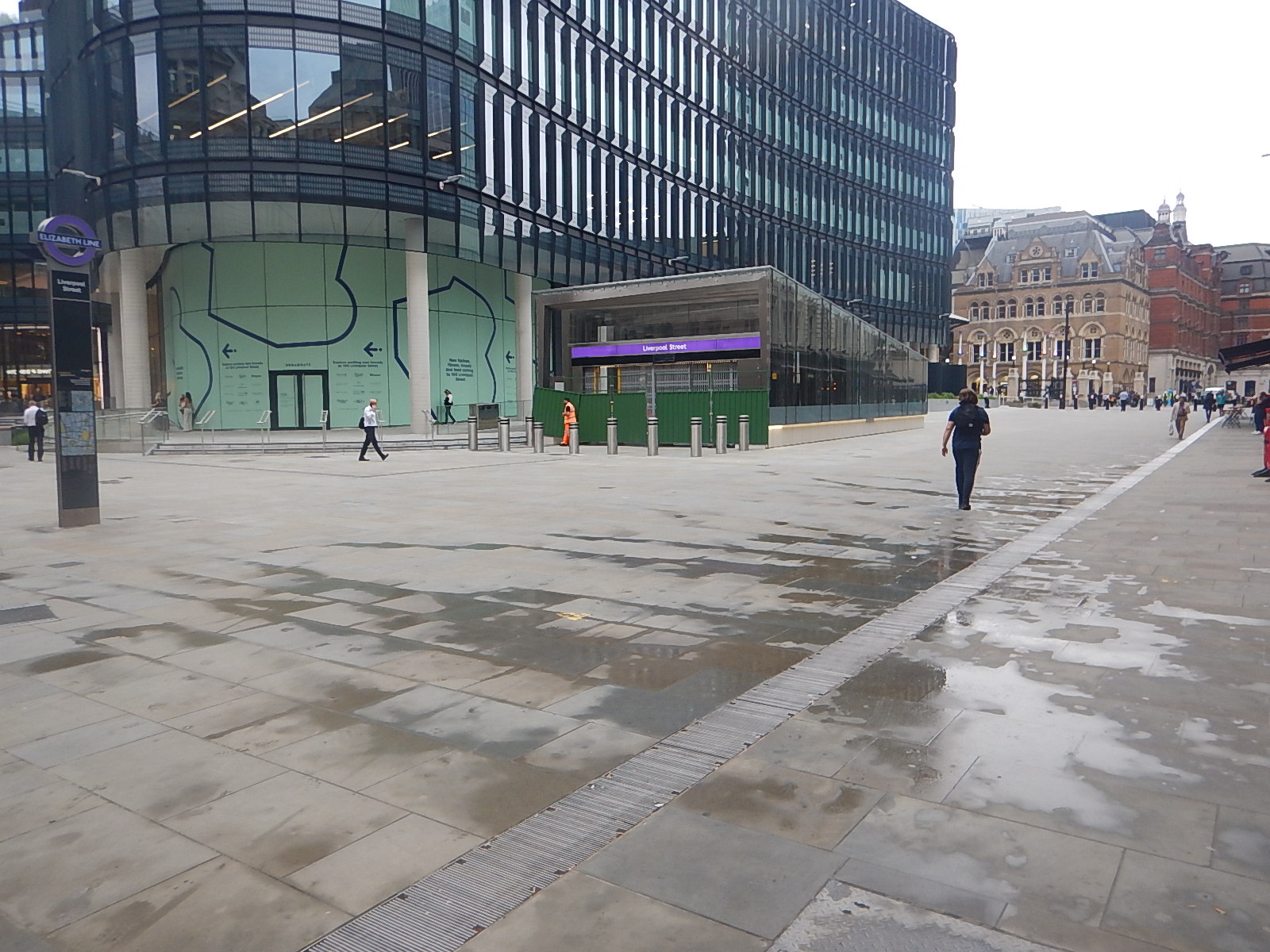
You can now walk around it and view the escalators and inclined lift, that will take passengers to and from the booking hall.

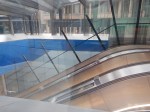

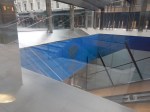
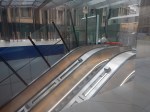
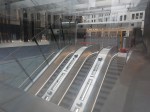


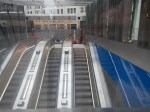
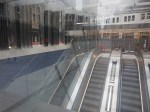

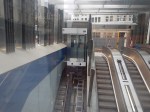
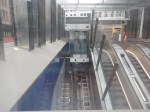

It’s probably the most up-market fosterito, that I’ve seen so far. Even more so, than the pair at Tottenham Court Road station, that I wrote about in Tottenham Court Road Station Gains A Giant Fosterito.
- It has three escalators and an inclined lift.
- It oozes quality with lots of steel, glass and quality lighting.
- It shows the arms of the City of London in recognition to their contribution to Crossrail.
- It sits in the middle of a large traffic-free square.
WilkinsonEyre were the architects.
Fosteritos
Norman Foster faced a similar problem in Spain of how to protect staircases and escalators emerging from the Bilbao Metro.
These pictures show his elegant solution.




The Spaniards obviously liked them, as they called them fosteritos.
Ilford Station – 9th June 2021
The third entrance on the South side of Ilford station is now open.
These pictures were taken during a walk from the North entrance to the new one in the South.

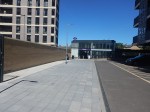
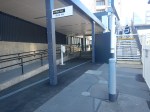
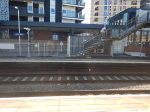
Note that nine-car trains are now running on Crossrail.
Did Gareth Bale Learn A Few Tricks From Tommy Harmer?
Tommy Harmer wasn’t a famous footballer to many, but to those, like me, who saw him play for Spurs in the 1950s, he was recognised as one of the most skilful ball-players of the time.
The second goal scored by Wales yesterday, was certainly a repeat of quite a few, I saw scored by Spurs in the 1950s, with Gareth Bale standing in for Harmer.
Harmer would accept a very short corner and with the ball glued to his feet, he’d advance slowly up the line towards the goal.
There was usually one of three outcomes.
- Harmer was able to pull the ball back to someone like Bobby Smith, who hit it first time towards goal from just outside the six-yard box. Last night Connor Roberts played Smith to perfection to score from Bale’s pullback.
- Harmer was tackled and he got another corner, from which he sometimes repeated the dose.
- In some cases, the inevitable happened and Harmer was fouled inside the penalty area. And who scored from the penalty spot? – Harmer of course!
He was one of the best penalty takers I’ve ever seen, Wikipedia says this of his penalties.
Sublime unstoppable penalties, tucked into the side netting behind an upright.
Some would probably be illegal these days, as he sometimes waited until the goalkeeper moved. More fool the keeper!
Did Bale And Harmer Ever Meet?
Tommy Harmer sadly died in 2017, but on Radio 5, it was said around 2014, that he was working as a meeter-and-greeter at White Hart Lane and had been for some time.
So I suspect that someone at the club could have introduced the two players to each other, during Bale’s first spell at the club between 2007 and 2013. They would have made an odd pair, with a height difference of seven inches.
And of course, I suspect Spurs have a few videos of Harmer.
In many years of watching football, I haven’t seen this method of taking a corner used since those days in the 1950s, by Harmer.
I suspect Gareth Bale has changed all that! Wales got a goal, but Bale was also using it as a way to run down the clock!
Crossrail Doubles Trial Running Frequency
The title of this post, is the same as that of this article on IanVisits.
Enough said! But read the article and watch the video it contains.
Crossrail’s Inclined Lifts
This page on variably, shows the inclined lifts on Crossrail, at Liverpool Street station.
Take a look, as they are impressive. To my built-in video camera with an enormous instant-access store, they look like modern versions of the first inclined lift, I ever saw, which was on the Stockholm Metro.
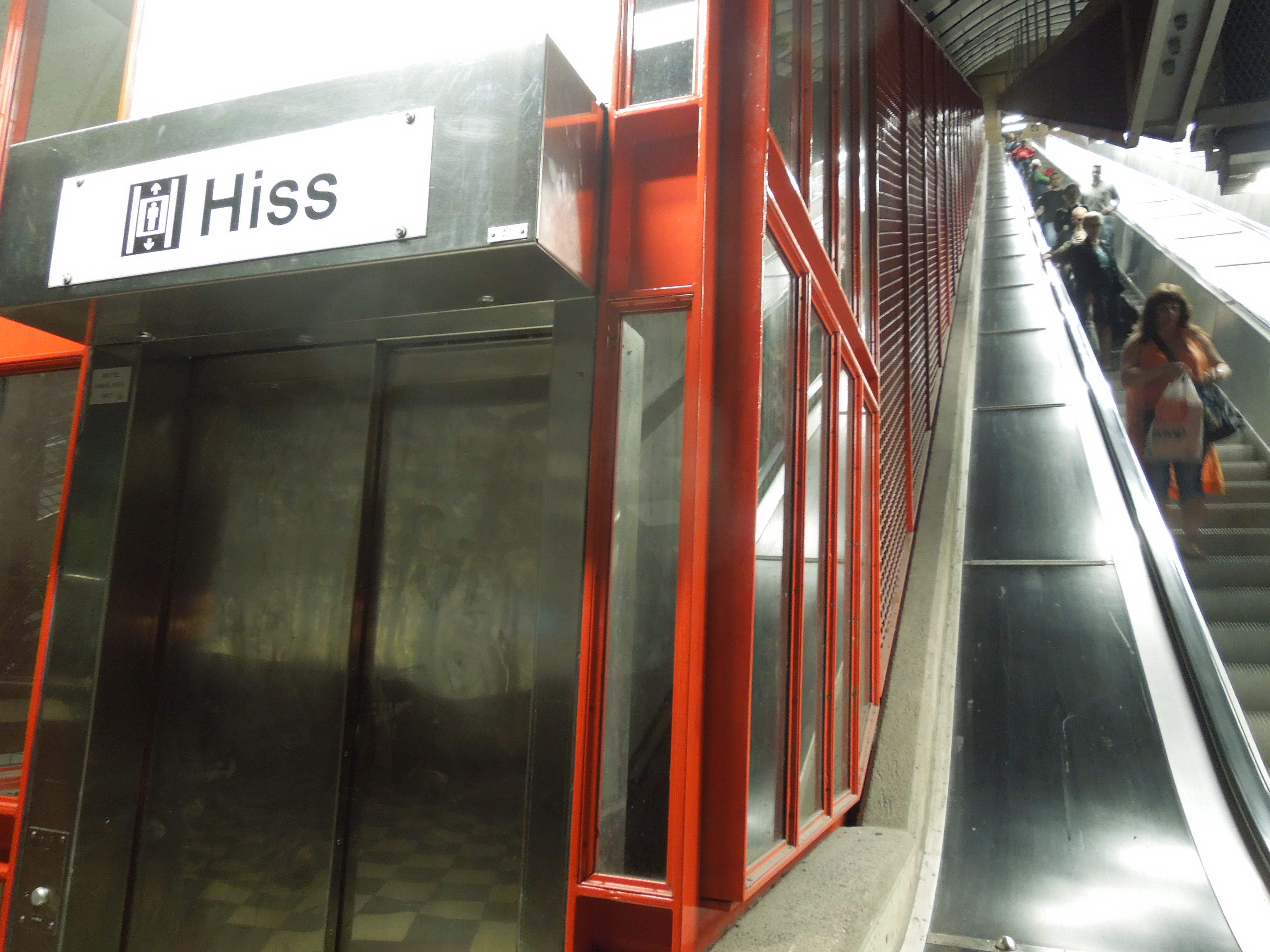
If I remember correctly, the Swedish one was installed on if not an Angel-sized set of escalators, certainly one of a good length.
It looks like it was at Duvbo station.
Enjoy the video.
It’s not this set of escalators at Duvbo, as it is the other way round, but it certainly is very similar.
Are they available in bronze for the Northern reaches of the Piccadilly Line, where I suggested inclined lifts for step-free access in Thoughts On Step-Free Access At Manor House Station.
One could be built in like this short one at Greenford station.
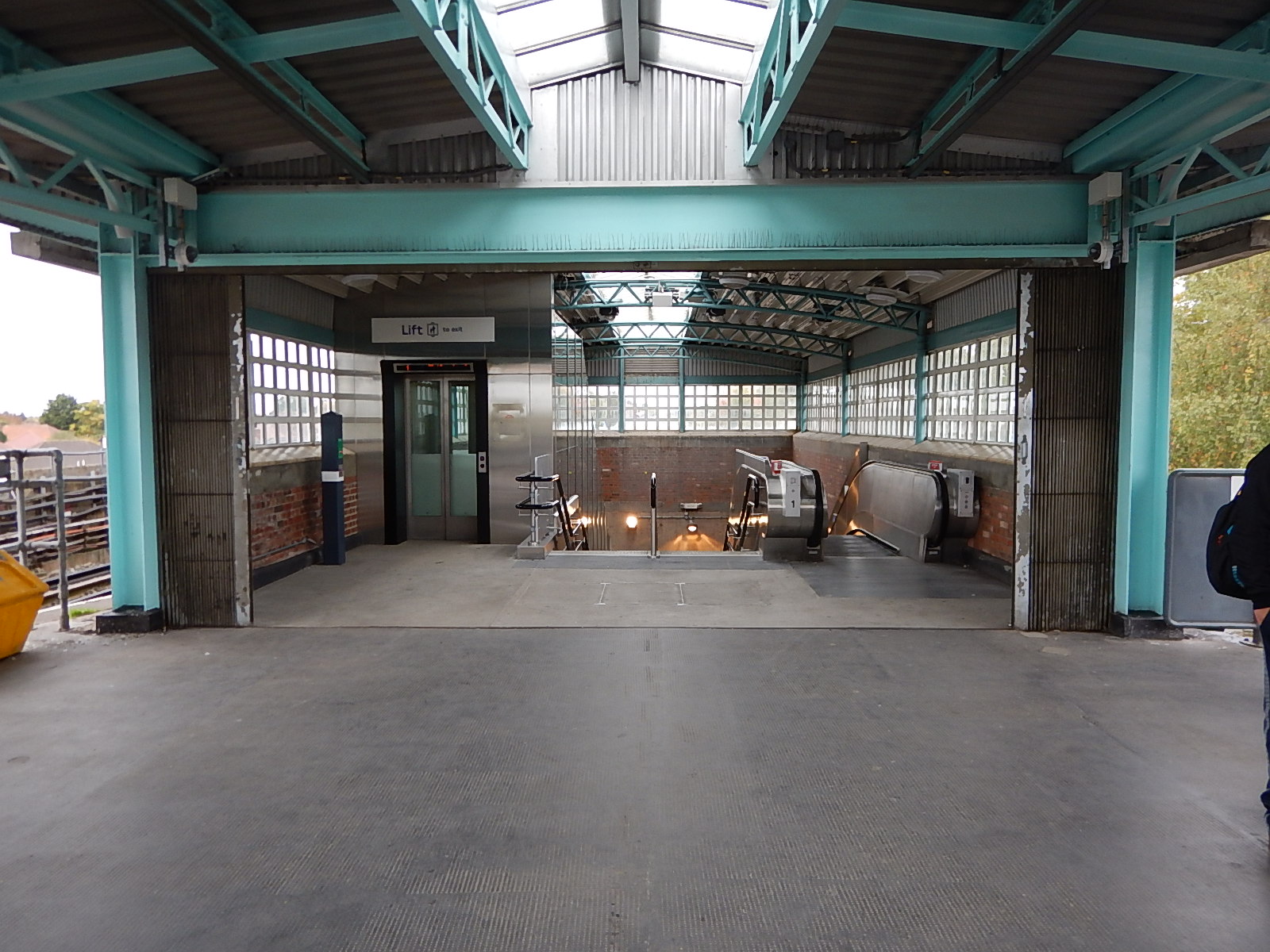
I shall replace this picture with a better one.
 The Anonymous Widower