We Live Three Minutes From The Station — And Can’t Catch A Train
The title of this post is the same as that of this article on The Times.
This is the sub-heading.
A line connecting Oxford to Milton Keynes was finished 16 months ago. So why does it remain useless to families who moved to be next to it?
These four paragraphs add more details.
Nearly two years after moving to Winslow for its rail connections, Rachael Lee is still waiting to catch her first train.
Winslow station, a three-minute walk from Lee’s house, should have opened last year, connecting locals to Oxford, Milton Keynes and beyond. But as the site remains plagued by delays, the only people to pass through its doors are the security guards paid to keep watch.
“All the lights are on and there’s ticket machines that are on,” said Lee, 36, a marketing professional who moved to the Buckinghamshire town with her family in June 2024. “Who’s paying for all of that? It just feels like it takes the mickey when you drive and walk past it.”
Construction issues, union disputes about onboard guards and a lack of ready trains have all delayed the opening of the station, which was built for East West Rail (EWR) in a £6 billion government-funded project to reconnect Oxford and Cambridge by train for the first time since 1967. It is one of the country’s biggest rail projects, begun in 2014, and is expected to bring tens of thousands of jobs and billions of pounds to the regional economy.
Harold Wilson would have solved this problem with beer and sandwiches at No. 10.
East West Rail Unveils Next Phase For Oxford-Cambridge Growth
The title of this post, is the same as that of this press release from the UK Government.
These three bullet points act as sub-headings.
- more frequent trains on the horizon for millions of passengers between Oxford and Cambridge as multibillion pound East West Rail project confirms next steps
- new rail station set to help serve upcoming Universal theme park in Bedford, as well as improvements planned for several existing stations
- new route delivers on the government’s Plan for Change, unlocking £6.7 billion of regional economic growth and delivering up to 100,000 new homes
These two introductory paragraphs make a few general points about the overall project, housing and jobs.
Millions of people across the Oxford to Cambridge corridor are set to benefit from more frequent trains as the East West Railway Company (EWR Co) has revealed the next steps for the second phase of the project today (19 November 2025).
As one of Britain’s largest transport projects, East West Rail forms a cornerstone of the government’s Plan for Change, unlocking £6.7 billion of regional economic growth by 2050, enabling up to 100,000 new homes and supporting tens of thousands of new jobs along the route.
These sections make some more detailed points.
How Many Permanent Staff Will Be Employed At Universal Studios Bedford?
As many will want to live locally, this will surely encourage many to use the trains on the East-West Rail to travel to work, so this will be an important factor.
I asked Google AI, the question in the title of this section and received this answer.
Universal Studios plans to employ 8,000 permanent staff at its new resort in Bedford. This number is part of an overall total of approximately 28,000 jobs, which includes 20,000 jobs during the construction phase.
My project management knowledge is telling me that the station should be built before the theme park.
How Many Daily Visitors Are Expected At Universal Studios Bedford?
I asked Google AI, the question in the title of this section and received this answer.
The Universal Studios theme park in Bedford is expected to have 55,000 visitors on peak days from its launch, based on its plan to handle 8.5 million annual visitors. The project, planned to open in 2031, is expected to attract 8.5 million annual visitors in its first year, with numbers rising to 12 million within 20 years.
I would expect a large number of visitors and staff will probably be encouraged to come by train, just as they are at some Premier League football stadiums.
Will Universal Studios Bedford Be Marketed As A Low Carbon Theme Park?
I’m asking this question, as it seems, the railway is being upgraded make this easier.
I asked Google AI, the question in the title of this section and received this answer.
Yes, it appears Universal Studios Bedford will be marketed as having a low-carbon focus, as evidenced by its planning applications that highlight sustainability efforts. The project outlines include goals for water conservation, energy reduction and clean energy use, waste minimization, and the use of low-carbon materials, all of which will likely be part of the marketing narrative for the theme park, according to LinkedIn.
How Many Car Parking Spaces Will Be Provided At Universal Studios Bedford?
I asked Google AI, the question in the title of this section and received this answer.
The Universal Studios resort planned for Bedford will include a minimum of 7,106 parking spaces and 100 coach bays. The resort is also expected to have 250 cycle spaces and enough room for over 7,100 cars
That is a lot of car parking spaces. Hopefully, there will be a lot of car charging points.
Increased Train Frequency And Capacity
These two paragraphs from the press release, talk about increased train frequency and capacity.
Following extensive consultation with local communities, the multi-billion-pound project has confirmed it is exploring a series of transformative plans including increasing the proposed frequency of trains from 3 or 4 to up to 5 per hour.
These enhancements could provide up to 70% more seating across the route, easing overcrowding and speeding up boarding, as well as cutting average waiting times, improving service resilience and creating a smoother, more reliable passenger experience.
When you consider that London Overground, Merseytravel, the South Wales Metro, West Midlands Trains and other local lines in the UK consider than four trains per hour to be a minimum service, then five trains per hour is to be welcomed.
Station Improvements And New Stations
These two paragraphs from the press release, talk about station improvements and new stations..
Several other improvements across the route have also been confirmed, including new station entrances at Bletchley, Cambridge and Bedford, as well as four brand-new stations along the Marston Vale Line – the first significant investment since the 1960s.
With the current stations on the Marston Vale Line seeing some of the lowest usage in the country, the new stations will better serve local communities by providing faster, more frequent services, as well as helping to serve the upcoming Universal theme park.
I thought Bletchley, Cambridge and Bedford stations had already been substantially improved in recent years.
A New Station At Stewartby
Are the station improvements to upgrade public transport access to the Universal theme park at Stewartby station?
- An East-West Rail service between Oxford and Stansted Airport via Bletchley, Milton Keynes Central, Stewartby, Bedford and Cambridge would give the Universal theme park all-important airport access.
- Would an upgraded Bletchley station improve interchange between the West Coast Main Line and East-West Rail give better access to the theme park from London, the West Midlands and North-West for visitors?
- Would an upgraded Bedford station improve interchange between the Midland Main Line and East-West Rail give better access to the theme park from London, the East Midlands and North-East for visitors?
- An upgraded Bedford station could also be marketed as a zero-carbon route between the theme park and the Continent via St. Pancras International and Eurostar.
- Would an upgraded Cambridge station give better access to the theme park from the East of England?
In addition four new stations on the Marston Vale Line would improve access for visitors and staff, who live locally.
Will Battery-Electric Trains Be Used On The East-West Rail?
As five major East-West Rail stations; Bedford, Bletchley, Cambridge, Milton Keynes and Reading are substantially served by main line electric trains, and it is likely that more stations will be in future, I believe that East-West Rail must either be electrified or services should be run by battery-electric trains, which would enable zero-carbon rail routes to and from London and all the city’s airports, Birmingham, Liverpool, Manchester and an increasing number of cities in the North and Midlands of England, and Scotland and Wales.
I asked Google AI, the question in the title of this section and received this answer.
Yes, the East West Rail (EWR) project plans to use battery-electric trains as part of a discontinuous electrification strategy. This means trains will run on overhead electric power in sections where they are installed, and on onboard batteries in other sections of the route.
It does appear that discontinuous electrification and battery-electric trains will be used.
Electrification At Bedford Station
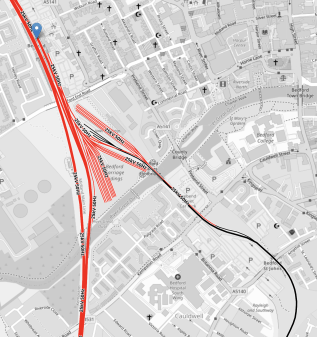
This OpenRailwayMap shows The East side of Bedford station.
Note.
- The red tracks are electrified and black tracks are not.
- The black track looping into the station from the East is the Marston Vale Line, which will connect the East-West Rail to Bedford station.
- At the Easternmost part of the curve is Bedford St. Johns station, which serves Bedford hospital.
- The Marston Vale Line services normally connect to Platform 1A at Bedford station.
- But it also appears trains can also use Platforms 1 and 2 at Bedford station.
- It also appears that that Platforms 1A, 1 and 2 are all electrified.
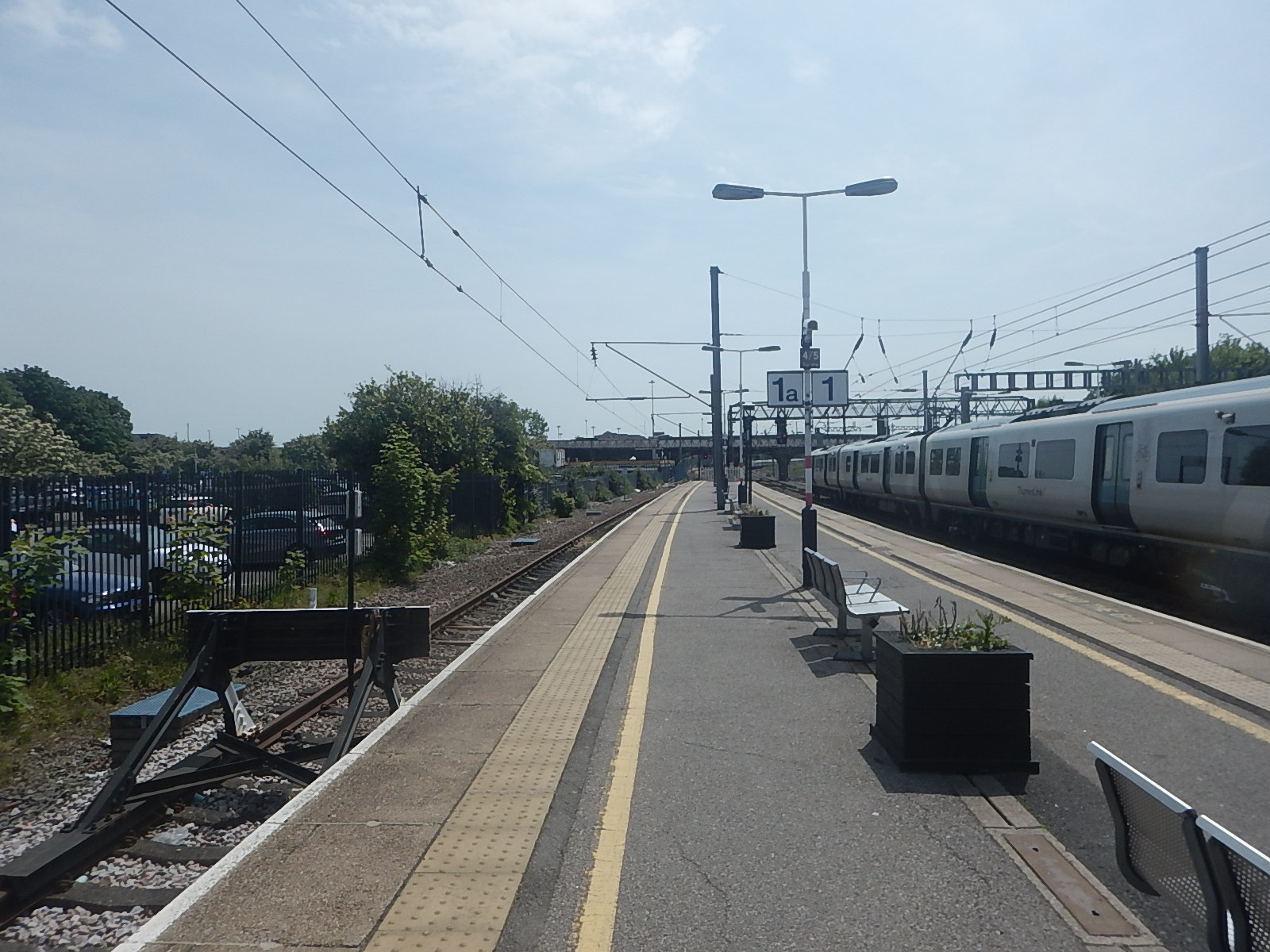
This picture confirms electrification in Platforms 1A and 1.
Note.
- Platform 1A is on the left.
- Platform 1 is on the right.
- The Thameslink train on the right is in Platform 2.
- Platforms 1A, 1 and 2 are all clearly electrified.
- Platform 1A is 81 metres long, so could accept a typical four-coach train.
Battery-electric trains with pantographs could certainly by charged in either of these two platforms at Bedford station.
Electrification At Milton Keynes Central Station
It would appear that East-West Rail services will use Platform 2A at Milton Keynes Central station.
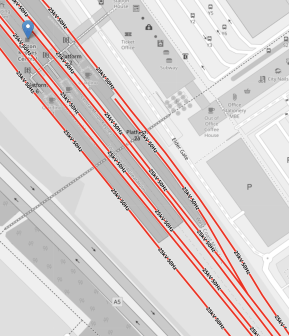
This OpenRailwayMap shows Platform 2A at Milton Keynes Central station.
Note.
- The red tracks are electrified and black tracks are not.
- Platform 1 is the through platform on the North-East side of the station.
- Platform 2A is the bay platform tucked underneath Platform 1.
- Platform 2A is clearly electrified.
- Platform 2A is 124 metres long, so could accept a typical five or six-coach train.
These pictures show Platforms 1 and 2A at Milton Keynes Central station.
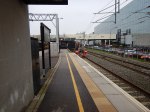
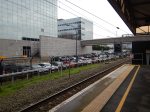

Battery-electric trains with pantographs could certainly by charged in Platform 2A at Milton Keynes Central station.
Electrification At Oxford Station
It would appear that terminating East-West Rail services will use Platform 1 or 2 at Oxford station.
This OpenRailwayMap shows the platforms at Oxford station.
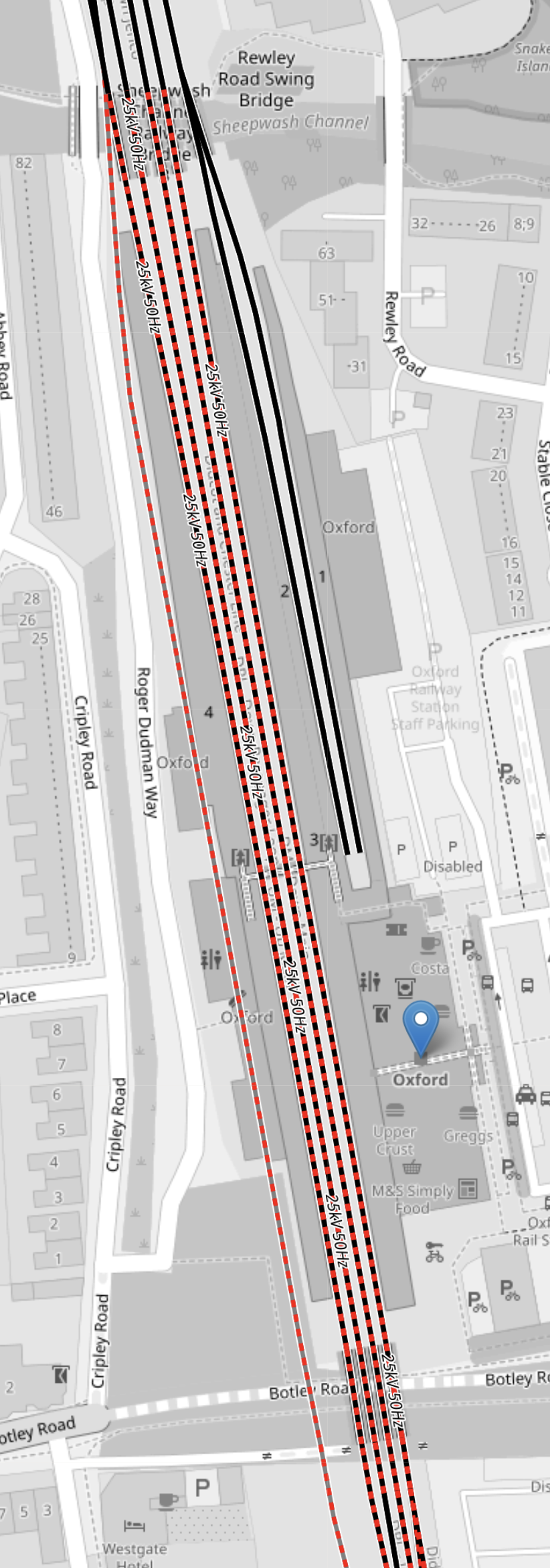
Note.
- The red and black tracks are to be electrified and black tracks are not.
- Platforms 1 and 2 are shown in black and are likely to be used by terminating East-West Rail trains.
- Platforms 1 and 2 would need to be electrified to be able to charge trains.
- Platforms 1 and 2 would also be used by Chiltern’s London services.
- Platform 1 and 2 are respectively 157 and 160 metres long, so could accept a typical five or six-coach train.
- As Oxford and Reading is to be electrified, through East-West Rail trains could use that electrification to travel to and from Reading.
These pictures show Platforms 1 and 2 at Oxford station.
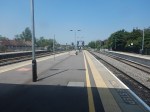
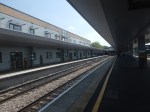
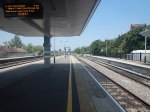
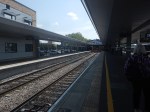
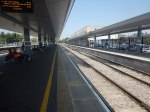

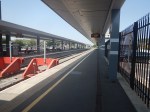
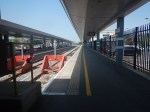
Battery-electric trains with pantographs could certainly by charged in Platform 1 and 2 at Oxford station, if the platforms were electrified.
Electrification At Reading Station
The West-facing platforms at Reading station are all electrified and longer than 120 metres, so could accept a typical four or five-coach train.
What Trains Should Be Used?
Consider.
- There is only one battery-electric train, that has been tested on the UK rail network – The Hitachi Class 802 train or similar.
- There is only one battery-electric train, that has been ordered – The Hitachi Class 802 train or similar.
- The longest distance on battery, between Reading and Bedford, is probably about thirty miles.
The Government could do a lot worse than order some more Class 802 trains, that were tailored for East-West Rail.
The Hitachi Class 802 train has five-cars, which are 26 metres long.
- It has a 125 mph operating speed.
- It has a range of 45 miles on battery power.
- The trains have been proven in service.
- The trains are made in the UK.
- The trains could handle extended routes like Birmingham and Stansted Airport or Cardiff and Cambridge.
A four-car variant of the train with a 100 mph operating speed could be an alternative.
What Will Be The Initial East-West Rail Service?
I asked Google AI, the question in the title of this section and received this answer.
The initial East West Rail service will be between Oxford and Milton Keynes/Bletchley, with passenger services delayed until at least 2026 due to a dispute over train crew roles. Freight services began in June 2025, and temporary diesel services will run until the line is electrified. The full project aims to connect Oxford and Cambridge.
Note.
- Stewartby station for Universal Studios Bedford will not be served by East-West Rail initially.
- But I suspect, that the current Marston Vale Line service will continue, with a change if needed at Bletchley or Bedford to get to Stewartby.
- Earlier I showed that Google AI is predicting 20,000 construction jobs at Universal Studios Bedford, which I am sure will need some form of high-capacity rail transport, if grid-lock is to be avoided in much of Bedfordshire.
Perhaps an initial fleet of four- or five-car Class 802 diesel-electric trains could be ordered and they would run the full route between Oxford and Bedford stations, with a reverse in Platform 2A at Milton Keynes station.
- The trains would run initially on diesel.
- By using stepping-up in Platform 2A at Milton Keynes station, I believe a two trains per hour (tph) service could surely be run.
- Hitachi could probably deliver the trains quickly, as they have not long been out of production.
- Those living locally would get a much improved train service from their local station to and from Bedford, Milton Keynes or Oxford.
- A large portion of the onward connectivity of the East-West Rail would be delivered early to the benefit of locals and visitors.
- If extra services are needed, semi-fast services could be added between Bedford and Reading with stops at Stewartby, Bletchley, Bicester Village, Oxford Parkway and Oxford stations.
When Platforms 1 and 2 at Oxford station are electrified and the trains are converted to battery-electric operation, the route could be converted to zero-carbon operation.
Virtually Nothing Is Said About The Route Of The East-West Rail Between Bedford and Cambridge South Stations Via Tempsford Station
This quote from David Hughes, CEO, East West Railway Company, is the only time, that Tempsford is mentioned in the press release.
“From a new station at Cambridge East to better access in Oxford and clear alignment through Tempsford, East West Rail is shaping the modern, sustainable transport link this region needs to thrive.”
I asked Google AI, if the proposed route of the East-West Rail between Bedford and Cambridge South stations through Tempsford is controversial and I received this reply.
Yes, the proposed route of East West Rail between Bedford and Cambridge is controversial, with opposition from some local residents and political figures who have expressed concerns about the southern alignment through Tempsford and surrounding villages. However, East West Rail Co has selected the route north of the Black Cat roundabout as the preferred alignment, citing reasons like cost-effectiveness and fewer disruptions, while also updating designs to include a southern station entrance to connect with planned growth areas around Tempsford.
Does Government or Artificial Intelligence have precedence?
Cambridge East Station Gets A First Mention
This quote from David Hughes, CEO, East West Railway Company, is the first time, that I’ve seen Cambridge East station mentioned.
“From a new station at Cambridge East to better access in Oxford and clear alignment through Tempsford, East West Rail is shaping the modern, sustainable transport link this region needs to thrive.”
In this document on the East-West Rail Consortium web site, there is extensive talk of an A14 Parkway station.
- The document dates from 2018.
- Google AI can’t find any trace of the A14 Parkway station referred to in the document.
- This article on the BBC, which was written five days ago and is entitled Additional City station Proposed By East West Rail, is the only reference on the Internet, that references Cambridge East station.
- The BBC article also says that other proposals after consultation include a new eastern entrance for Cambridge station, locating Cambourne station closer to the town and a mined tunnel for Bourn Airfield.
- I also have to assume that A14 Parkway has also morphed into Cambridge East station.
- To access all my posts, that relate to A14 Parkway, click this link.
But it does seem that consultation appears to have produced an acceptable compromise.
Between Kempston Hardwick and Tempsford Stations Through Bedford
I’ve now found that OpenRailwayMap has been updated between Bedford and Cambridge.
This first section shows the route between Kempston Hardwick and Tempsford stations through Bedford.
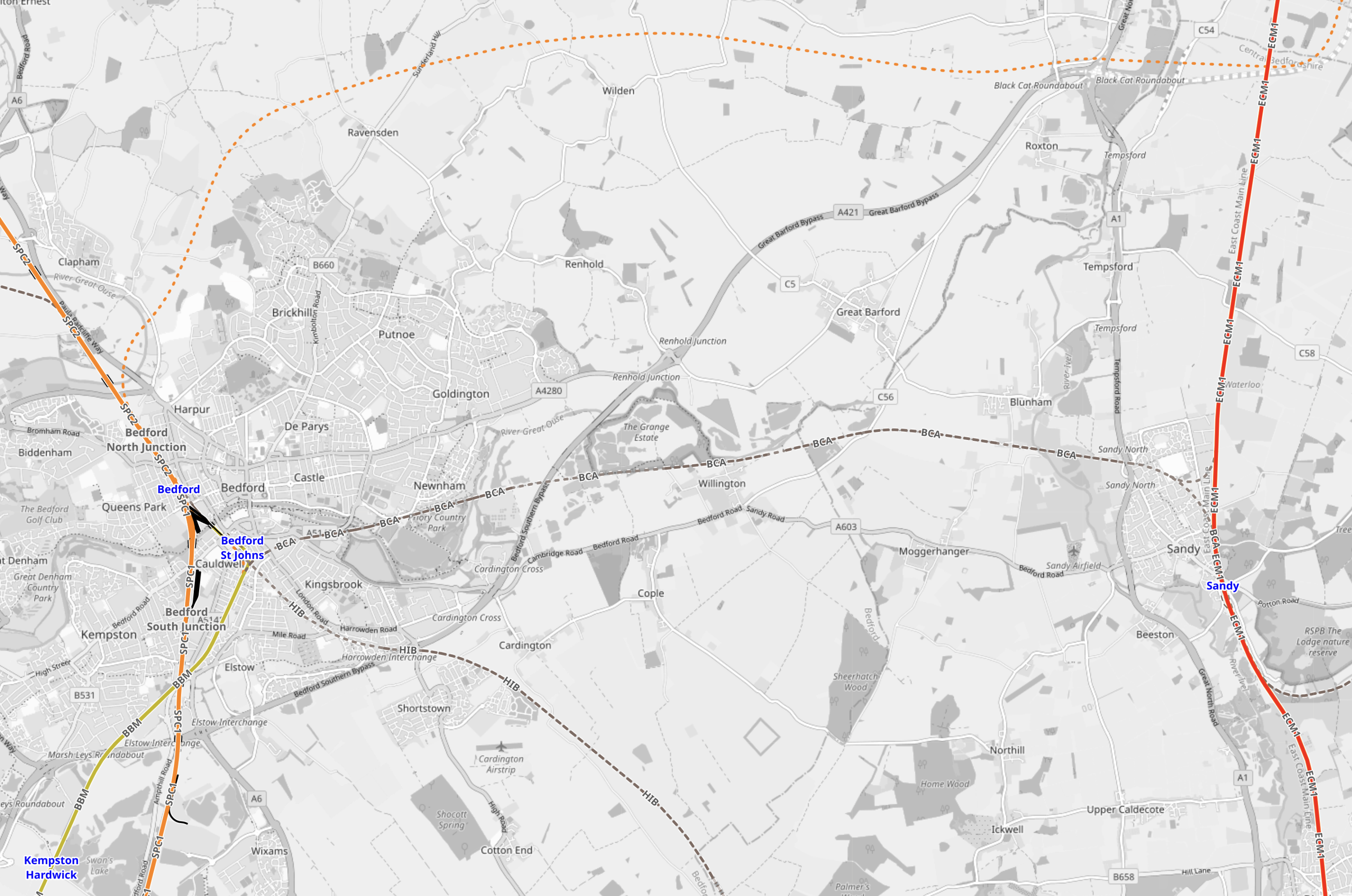
Note.
- Kempston Hardwick station is in the South-West corner of the map.
- The yellow track is the Marston Vale Line, which goes through Bedford St. Johns and Bedford stations.
- The red track on the West side of the map is the Midland Main Line.
- The red track on the East side of the map is the East Coast Main Line.
- The dotted red line across the top of the map will be the route of the East-West Rail.
- Tempsford station will be to the South-West of where the East Coast Main Line and East-West Rail cross in the North-East cornet of the map.
I hope the good people of Bedford are happier now!
Between Tempsford and Cambourne
I’ve now found that OpenRailwayMap has been updated between Bedford and Cambridge.
This second section shows the route between Tempsford and Cambourne stations.
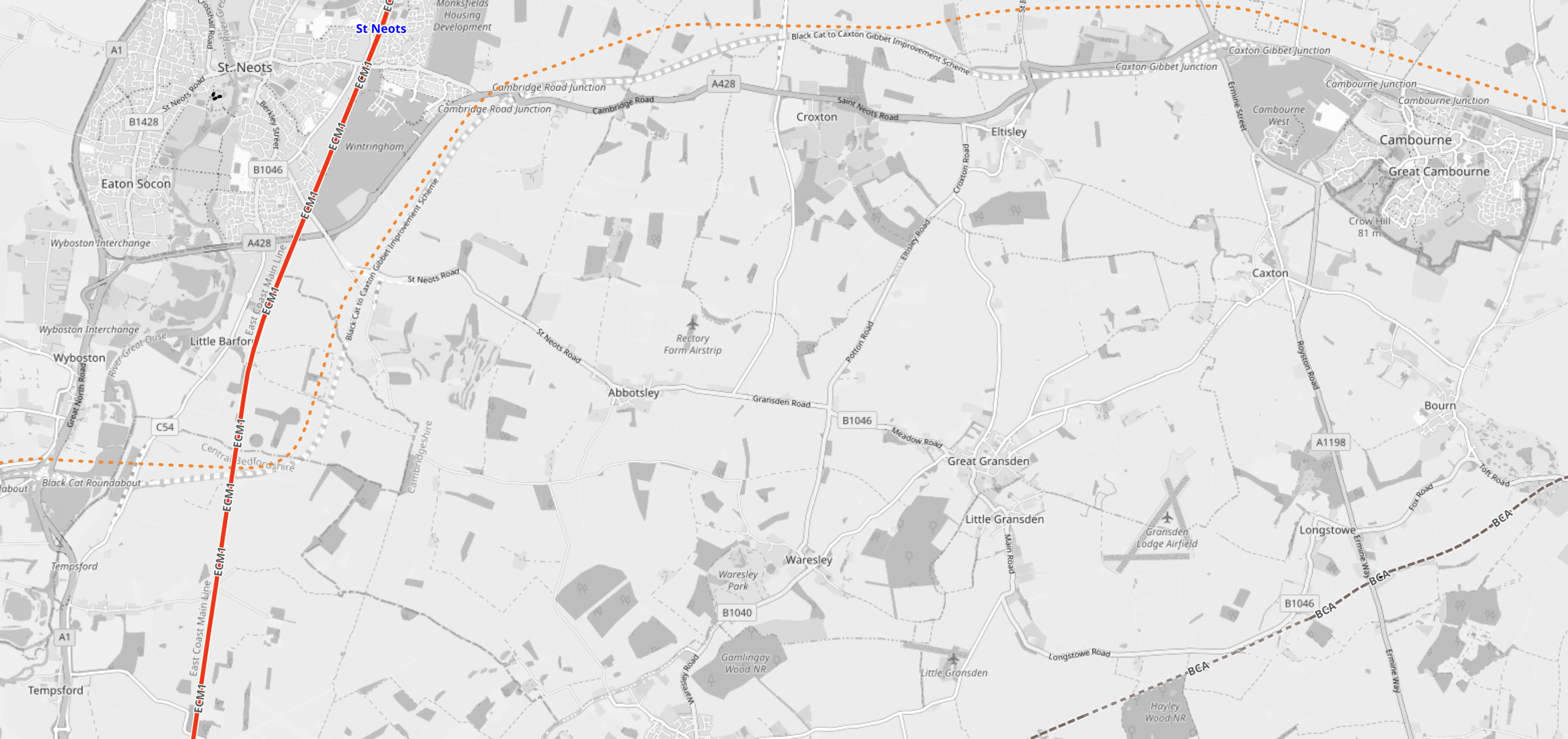
Note.
- The dotted red line across the top of the map will be the route of the East-West Rail.
- Tempsford station is in the South-West corner of the map on the route of the East-West Rail.
- The red track on the West side of the map is the East Coast Main Line.
- Cambourne is the village in the North-East corner of the map.
St. Pancras And Leicester Via Corby
This OpenRailwayMap shows the route between Kettering and Leicester via Corby.
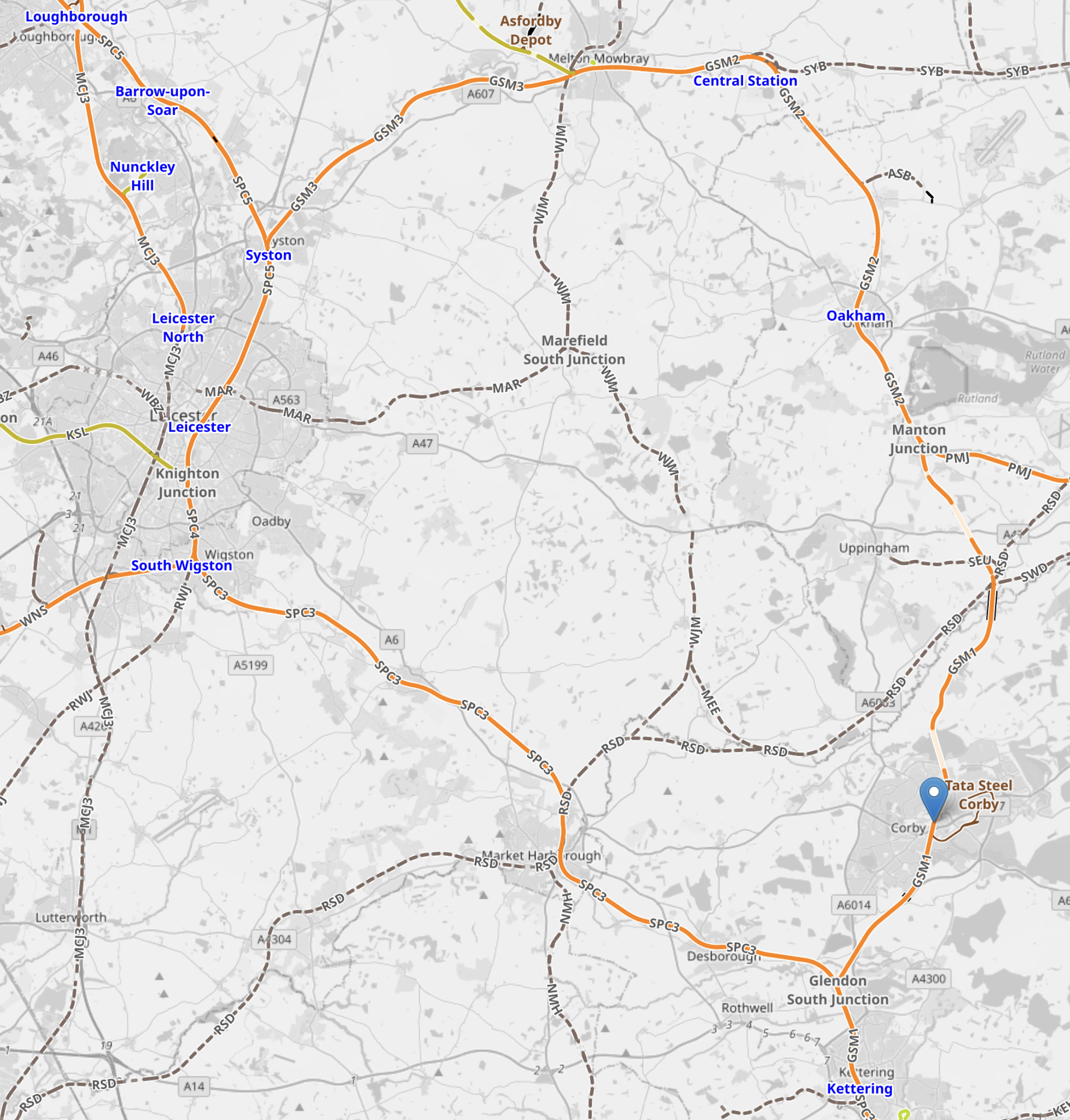
Note.
- Kettering station is in the bottom right corner of the map.
- Kettering is on the Midland Main Line from St. Pancras.
- North of Kettering the route splits into two.
- The Midland Main Line goes North-West through Market Harborough to Wigston junction and Leicester.
- The Midland Main Line is electrified to Wigston junction.
- The Corby branch goes North-East to Corby, which is indicated by a blue arrow.
- The Corby branch is electrified to Corby.
On Saturday, I went to Leicester and because there were engineering works at Market Harborough, the train went via Corby.
Over The Welland Viaduct
After Corby, the train went over the Welland Viaduct and I took these pictures.

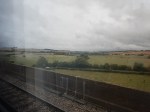
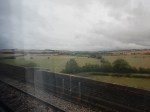

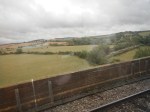
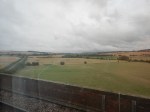


It is an impressive viaduct and is the longest viaduct across a valley in the United Kingdom.
I have some further thoughts.
Could The Corby Service Be Extended to Leicester?
Consider.
- Between Corby and Leicester is 40.8 miles of track without electrification.
- Trains could call at Oakham, Melton Mowbray and Syston stations.
- Oakham, Melton Mowbray and Syston stations, could be given an appropriate number of trains every day to Leicester, Corby, Kettering, Wellingborough, Bedford, Luton, Luton Airport Parkway and London St. Pancras International stations.
- No new infrastrructure would be needed.
- I suspect an hourly service would be sufficient.
I am fairly sure that a Class 810 train fitted with batteries could work the route.
Leicester, Oakham, Melton Mowbray And Syston Stations Would Get A Direct Connection To Luton Airport
Some travellers might find this very useful.
Leicester Station Would Have A Neat Passenger Drop-Off For Luton Airport
I wrote about this in Busiest UK Airports Raise Kiss-and-Fly Fees, Says RAC.
Every rail station needs a passenger drop-off as good and affordable as the one at Leicester station.
Council Opposes Six Track Plan For East West Rail
The title of this post, is the same as that of this article on the BBC.
This is the sub-heading.
Councillors have voted to oppose part of a major railway line being built through their district.
These four paragraphs add detail to the story
Bedford Borough Council wants the East West Rail (EWR) line to be made up of four tracks, rather than six, in the Poets area north of the town.
Thirty-seven homes would need to be demolished in order to accommodate the two additional tracks.
However, in their full-council meeting on Wednesday, members agreed to support other parts of the project, such as the relocation of Stewartby station and the closure of Kempston Hardwick.
An EWR spokesperson said it was committed to working with local communities.
This OpenRailwayMap shows the Midland Main Line and the East-West Rail through Bedford.
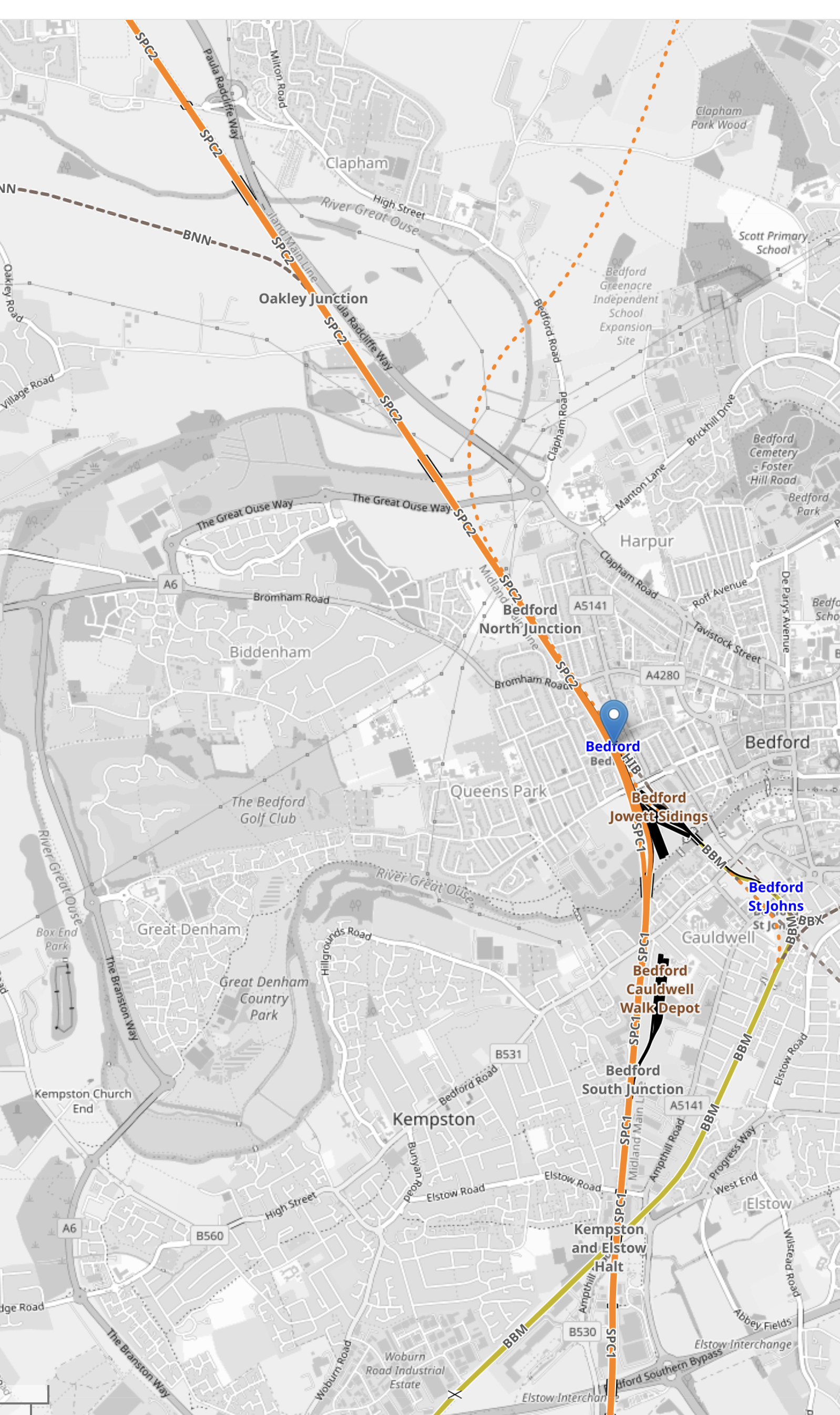
Note.
- The solid orange line running from the North-West corner of the map to its Southern edge is the electrified Midland Main Line.
- The blue arrow on this line indicates Bedford station.
- The blue lettering to the South-East of Bedford station, indicates Bedford St. Johns station.
- The yellow line connecting the two stations is the Eastern end of the Marston Vale Line, which connects Bedford and Bletchley stations.
- The Marston Vale Line will be taken over by the East-West Rail.
- Just North of Bedford station is Bedford North junction.
The East-West Rail branches away from Bedford North junction to the North-East on its way to Cambridge. It is shown as a dotted orange line.
This OpenRailwayMap shows Bedford station to a larger scale.
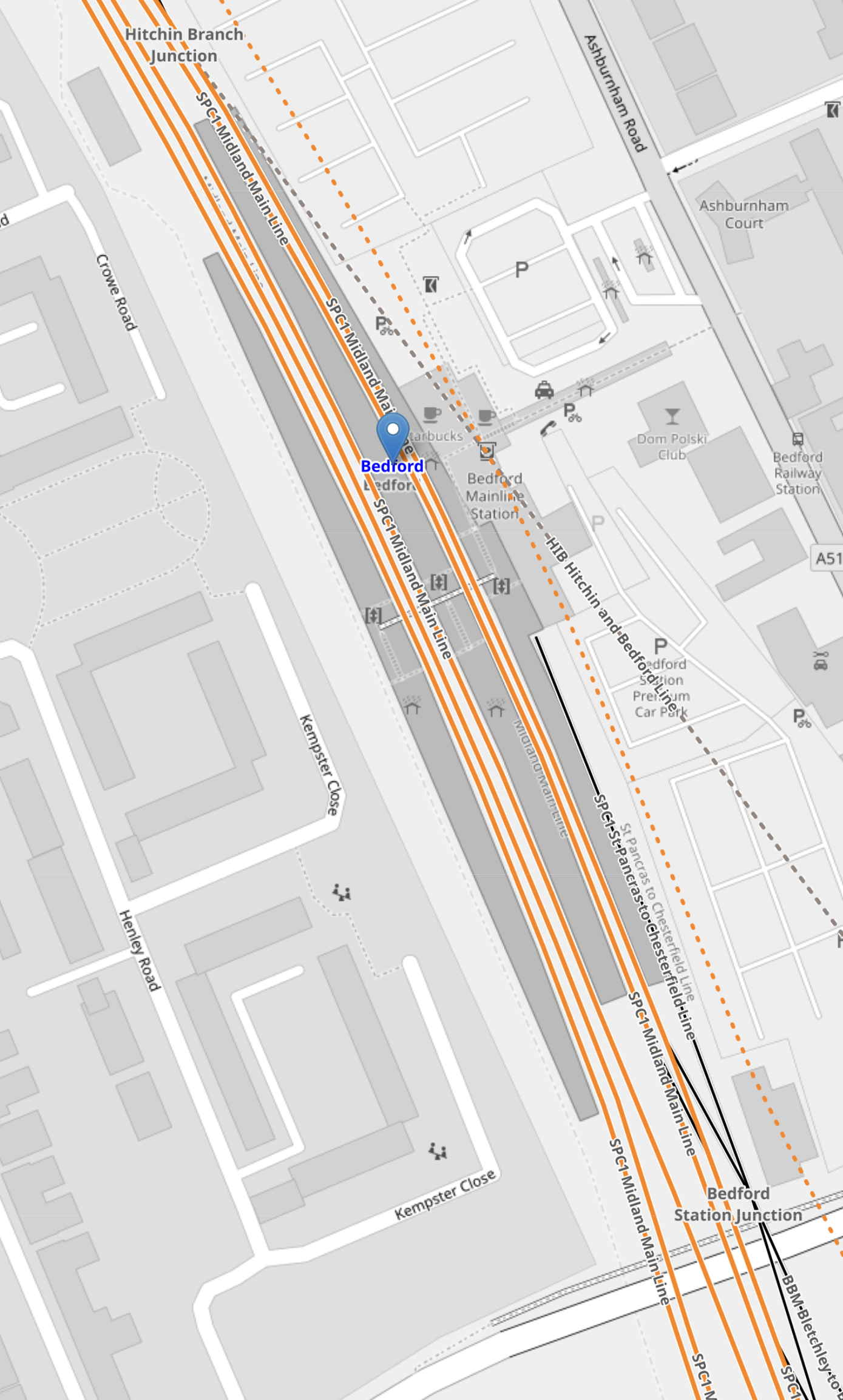
Note,
- The Western pair of orange lines are the current fast lines of the Midland Main Line.
- The Eastern pair of orange lines are the current slow lines of the Midland Main Line.
- To the East the orange dotted line shows indicates a proposed route of the East-West Rail.
- There appear to be crossovers that allow East-West Rail services to use Platforms 1 and 2 through Bedford station.
Between the Midland Main Line and East-West Rail platforms, the current Platform 1A used by the Marston Vale Line can be seen.
This picture show the current Marston Vale Line platform at Bedford station,
Note.
- The Marston Vale Line platform is on the left.
- It is numbered 1A.
- The platform is electrified, so can it be it used to terminate some Thameslink services.
It could also be used to terminate East-West Rail services from the West and if they were battery-electric trains they could be charged.
Oxford and Bedford is 51 miles or 82 kilometers, which is within range of a modern battery-electric train. Es[ecially, if it did a ‘splash and dash’ at Milton Keynes Central or Bletchley!
This OpenRailwayMap shows the lines to the North of Bedford station.

Note.
- The current four-track Midland Main Line running diagonally across the map.
- The East-West Rail running along on the East side and branching off to Cambridge.
- Crossovers between the Midland Main Line and East-West Rail.
It looks to me, that operation of East-West Rail trains through Bedford station will be as follows.
- Oxford to Cambridge trains will use the crossovers to call in the existing Platform 2 at Bedford station.
- Cambridge to Oxford to will use the crossovers to call in the existing Platform 1 at Bedford station.
- Trains that are not stopping could use the avoiding line along the East side of the station.
- Oxford to Bedford terminating trains, would stop in Platform 1A.
Because there would be a crossover between the Midland Main Line slow lines and the East-West Rail to the South and North of Bedford station, I suspect for operatuional reasons and safety Network Rail want a double track avoiding line.
Plans For Powering Trains And Details Of Our Upcoming Consultation
The title of this post, is the same as that of a news item on the East West Rail web site.
This is the sub heading.
We’re pleased to share plans for how we’ll power trains on East West Rail, as well as information and dates of our public consultation on latest proposals for the project.
These are the first two paragraphs.
As part of our latest proposals, which we’ll be sharing for public consultation from 14 November, we’re providing information on our preference for green traction power in the form of discontinuous electrification with hybrid battery-electric trains, after the Chancellor confirmed government support for the project in yesterday’s budget.
As well as reducing carbon emissions, discontinuous electrification would mean overhead lines would only need to be installed along some sections of the route, which would reduce disruption to existing structures and potentially reduce visual impacts in more sensitive locations on the new railway between Bedford and Cambridge. This option would also cost less than full electrification and would need less land for things such as mast foundations.
There is also a short video, which explains discontinuous electrification.
I feel that to use discontinuous electrification and hybrid battery-electric trains is the way to go on this railway between Oxford and Cambridge.
- It is a zero-carbon solution.
- There is electrification at Reading. Didcot, Bletchley, Milton Keynes, Bedford and Cambridge along the route, so grid connections will be already available.
- Sandy, where East West Rail crosses the East Coast Main Line, is fully electrified and must have a grid connection.
- A small article in the November 2024 Edition of Modern Ralways, says that Hitachi are developing a smaller battery for commuter and suburban trains.
- Didcot to Oxford could be electrified and there is already a grid connection at Didcot.
Discontinuous electrification could be used to extend East West Rail to Norwich, Ipswich and Colchester.
These are my detailed observations and thoughts.
Existing Electrification
This OpenRailwayMap shows the electrification between Oxford and Bedford.
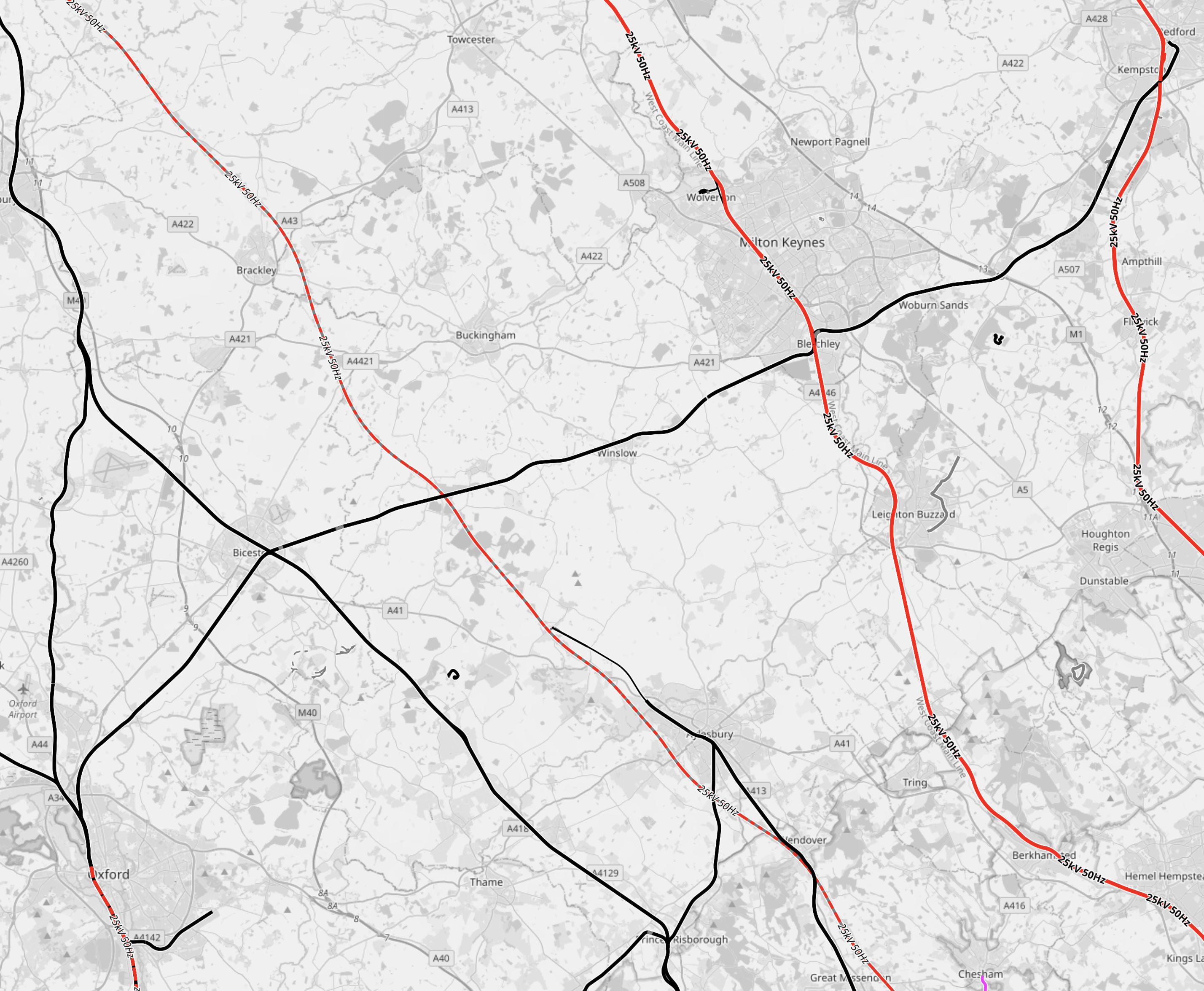
Note.
- Bold red lines are tracks electrified at 25 KVAC.
- Bold black lines are tracks without electrification.
- Oxford is in the South-West corner of the map.
- Bedford is in the North-East corner of the map.
- The bold black line of the Western section of the East West Rail connects the two cities.
- The lines through Oxford are shown as being electrified. The black stub pointing East to the South of Oxford is the Cowley Branch.
The rail lines crossing East West Rail from West to East are as follows.
- Chiltern Main Line – Not Electrified
- High Speed Two – Will Be Electrified
- West Coast Main Line – Electrified
- Midland Main Line – Electrified
I suspect all lines, except for the Chiltern Main Line, will be able to provide a grid connection for East West Rail.
This second OpenRailwayMap shows the electrification between Bedford and Cambridge.
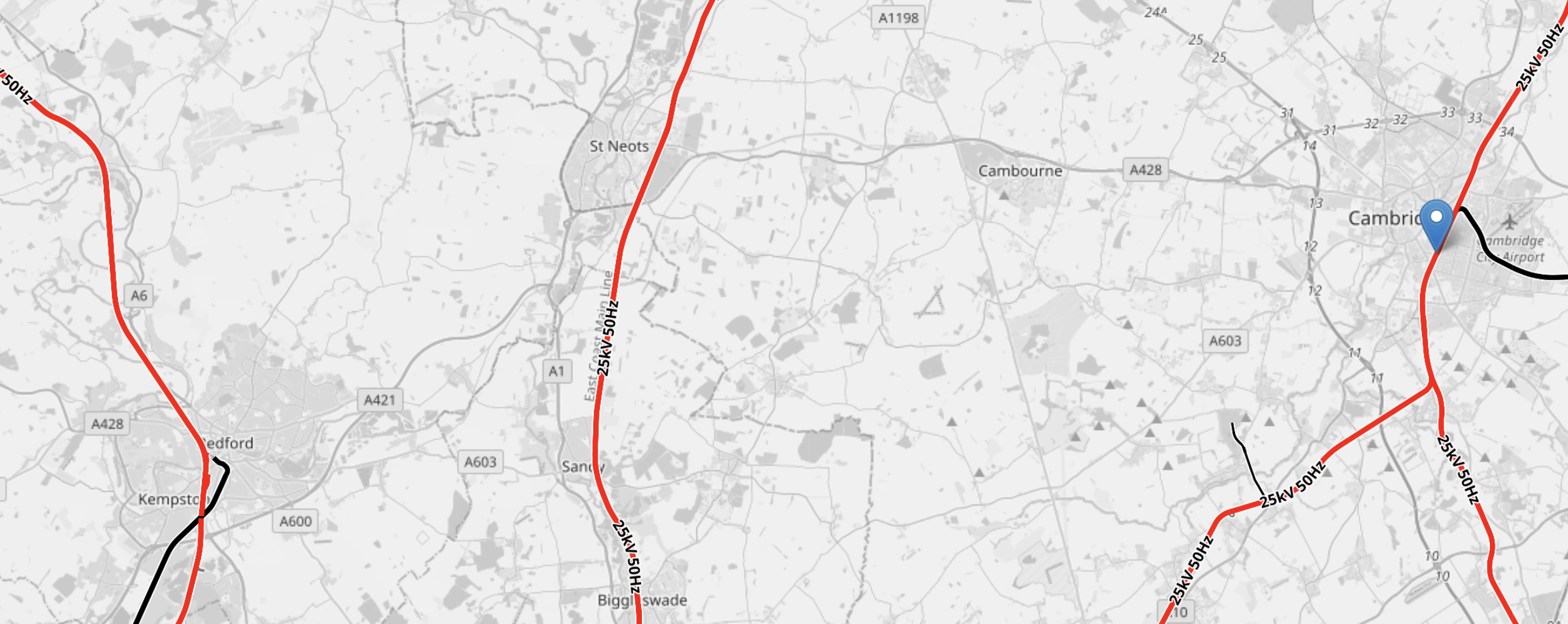
Note.
- Bold red lines are tracks electrified at 25 KVAC.
- Bold black lines are tracks without electrification.
- Bedford is in the South-West corner of the map.
- Cambridge is in the North-East corner of the map.
- The Eastern section of the East West Rail connects the two cities.
- Both maps are to the same scale
The rail lines crossing East West Rail from West to East are as follows.
- Midland Main Line – Electrified
- East Coast Main Line – Electrified
- West Anglia Main Line – Electrified
I suspect all lines will be able to provide a grid connection for East West Rail.
Distances Without Electrification
These sections are not electrified.
- Oxford and Bletchley – 47.2 miles
- Bletchley and Bedford – 16.5 miles
- Bedford and Cambridge – 29.2 miles
- Ely and Norwich – 53.7 miles
- Norwich and Great Yarmouth – 18.4 miles
- Cambridge and Haughley Junction – 41.3 miles
I am assuming that the East West Rail could extend past Cambridge on these two routes.
- Ely, Thetford, Norwich and Great Yarmouth.
- Newmarket, Bury St. Edmunds, Stowmarket, Ipswich, Manningtree and Colchester.
All sections have electrification at both ends, if Didcot Junction and Oxford is electrified, as is expected to happen.
Train Battery Range Needed
The route layout, I have proposed means that if you go for the battery-electric train with the longest battery range you can afford and it can’t handle Ely and Norwich, the existing electrification can be extended to bridge the gap.
Application Of Discontinuous Electrification To Greater Anglia And Chiltern Railways
If discontinuous electrification can be applied to East West Rail, it can surely be applied to Greater Anglia and Chiltern Railways, given the fact that the route networks of all three companies overlap and share tracks.
Greater Anglia already have a fleet of Class 755 trains, which are designed to be converted to battery-electric operation.
With batteries fitted, I believe that these trains could handle most of the current routes they do now.
The other routes would be handled with selective lengths of overhead electrification in terminal stations to charge the trains before return.
Electrification Between Oxford And Bicester Village Stations
Oxford station has two North-facing bay platforms, that are used by Chiltern and other services terminating at the station from the North.
Note.
- Chiltern Railways already run two trains per hour (tph) between these platforms and Marylebone.
- I would assume the platforms will be used by East West Rail services, that terminate at Oxford station.
- If discontinuous electrification is to be used, then these two platforms could be electrified to charge trains before they return.
- East West Rail have not published their proposed services yet, but it could be one tph to both Milton Keynes Central and Bedford stations.
I can see Chiltern buying battery-electric trains to run services between Marylebone and Oxford, and some other routes.
Marylebone and Oxford is 66.7 miles, which is probably two far for even Stadler’s remarkable battery-electric trains, but if say between Oxford and Bicester Village station were to be electrified, would it make it possible to run battery-electric trains between Marylebone and Oxford with charging at both end of the route.
In Chiltern Sets Out New Fleet Ambitions, I talk about Chiltern’s possible new fleet, as proposed by their MD in September 2023.
East West Rail To Hold Drop-In Events Ahead Of Statutory Consultation
The title of this post is the same as that of this article on RailUK.
These three paragraphs introduce the article.
East West Railway Company (EWR Co) has announced a series of information events in May to help people understand how the formal application process to build the railway works.
Nine information events will be held in May across the whole line of route between Oxford, Milton Keynes, Bedford and Cambridge.
These events are aimed at providing information about the statutory consultation process which will start in June. Details of the proposed design about the route will be shared when the statutory consultation begins.
These are the dates for the information events.
- Tuesday 7 May – Bedford Rowing Social Club, The Boathouse, Duck Mill Lane, Bedford, MK42 0AX, from 2pm-7pm.
- Wednesday 8 May – Cutteslowe Pavilion Hall, Cutteslowe Park, Oxford, OX2 8ES, from 2pm-7pm.
- Thursday 9 May – Weyland Hall, 8-10 North Street, Bicester, OX26 6ND, from 2pm-7pm.
- Friday 10 May – South Cambridgeshire Hall, Cambourne Business Park, Cambourne, CB23 6EA, from 2pm-7pm.
- Monday 20 May – Roxton Village Hall, High Street, Roxton, MK44 3EB, from 2pm-7pm.
- Tuesday 21 May – St Philip’s Church Centre, 185 Mill Road, Cambridge, CB1 3AN, from 2pm-7pm.
- Wednesday 22 May – Comberton Village Hall, Green End, Comberton, CB23 7DY, from 2pm-7pm.
- Thursday 23 May – Bletchley Masonic Centre, 263 Queensway, Bletchley, Milton Keynes, MK2 2BZ, from 2pm-7pm.
- Friday 24 May – Marston Moreteyne Community Centre, Great Linns, Marston Moreteyne, MK4 0DD, from 2pm-7pm.
They would appear to have the area covered.
I shall probably go to the Bedford event, as if I didn’t make it, I could go to another.
Bedford And Bletchley For £1.30 Return
I am not talking, rubbish, but that is the ticket price, I was charged to go between Bedford and Bletchley stations today.
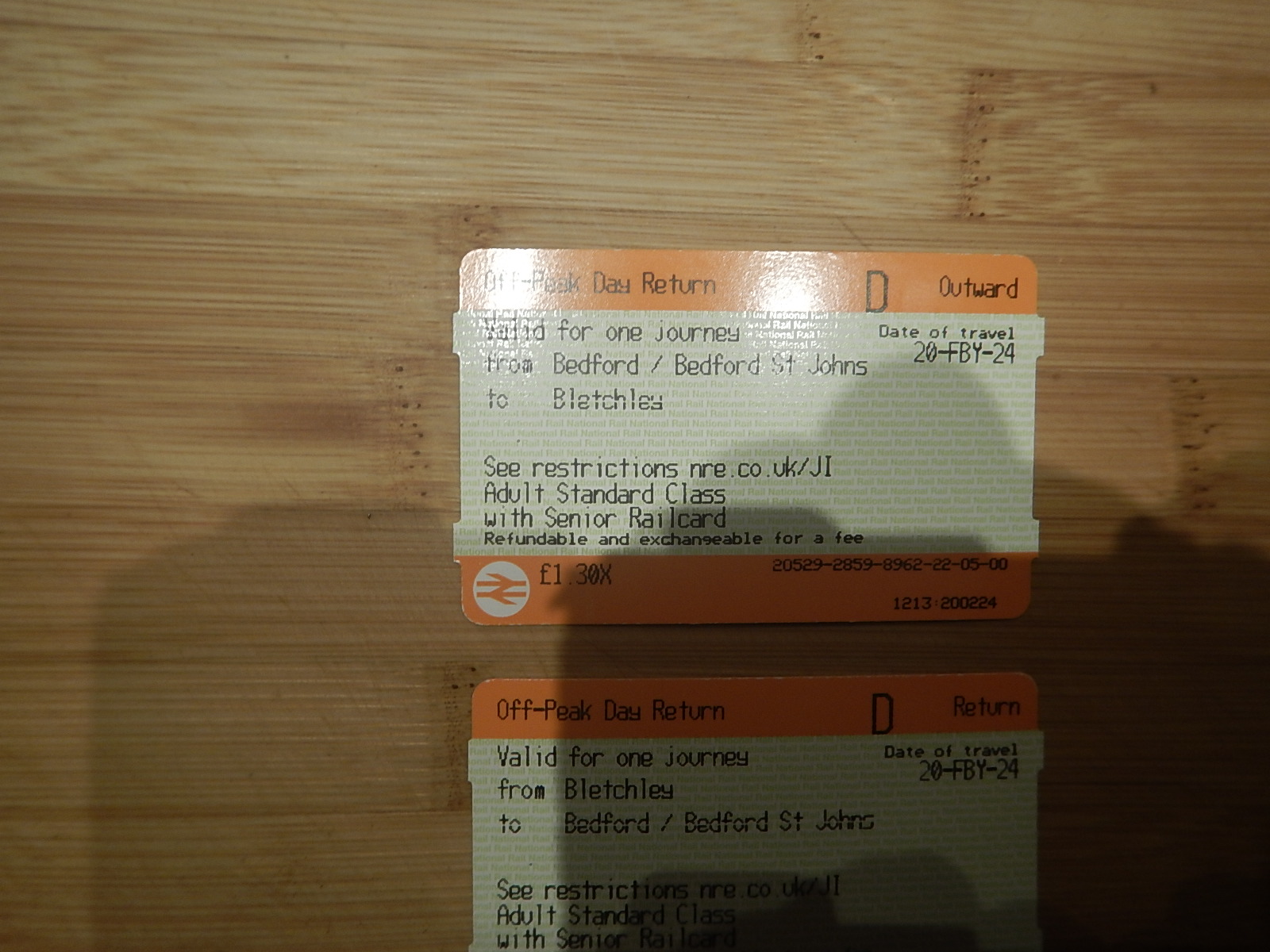
Note.
- I bought the two tickets from the machine at Bedford station.
- I did get £0.70 pence off for my Senior Railcard.
These are some more pictures I took along the route.
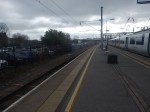
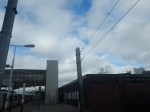
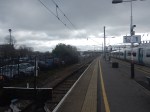
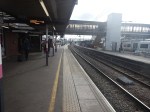
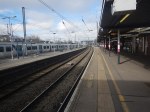
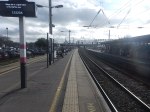
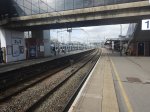
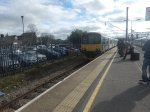
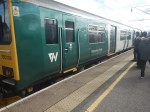
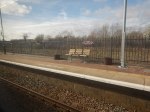
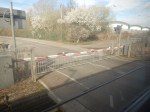
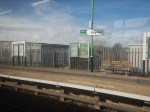
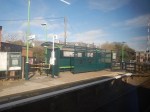
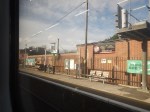
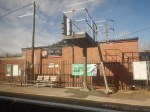
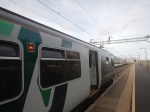
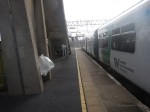
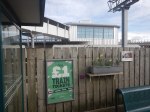

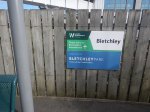
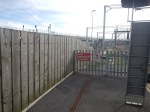
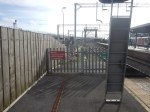
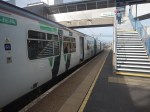
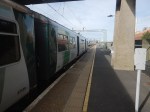
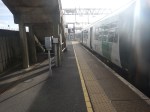
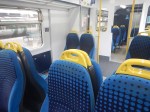
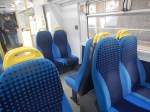
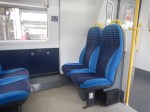
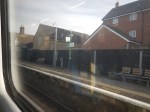

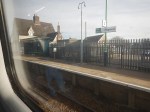
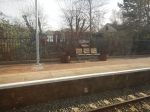
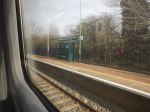
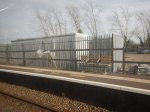
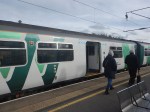
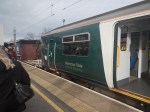
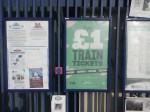
Note.
- Platform 1a at Bedford station is electrified.
- The train was a Class 150 train, that had had a quality refurbishment.
- The stations were neat and tidy.
- The flyover and the extra platforms at Bletchley station seemed ready for the East West Railway.
- There were several level crossings.
- Platform 6 at Bletchley station is electrified.
- Trains took over fifteen minutes to turn at both ends of the journey.
- Bedford and Bletchley is 16.2 miles
- The train was moderately full both ways.
This press release from London Northwestern Railway is entitled London Northwestern Railway: Full Timetable To Resume On Marston Vale Line As £1 tickets Launched.
This is an extract.
The full hourly train service will resume on Monday 19 February. To celebrate its return and encourage passengers to return to the route, LNR is also announcing a major ticket offer today. For three months from Monday, a single journey between any two stations on the Marston Vale Line will cost just £1 (50p for children). The promotion represents a discount of up to 90% on the usual fare, depending on the journey.
Jonny Wiseman, LNR customer experience director, said: “The return of the full timetable to the Marston Vale Line is fantastic news and marks the end of a frustrating period for our customers.
“Our focus now is on encouraging passengers to make full use of their local train service, which is why we have reduced the cost of a trip on the line to £1 for the next three months.
When were tickets between Bedford and Bletchley, last this price?
Will Bedford And Bletchley Be Electrified?
It is not a question of will, as the route already is.
- Platform 1a at Bedford is already electrified.
- Platform 6 at Bletchley is already electrified.
- The schedule gives battery-electric trains sufficient time to charge, whilst the driver changes ends at the two terminal stations.
- Bedford and Bletchley is just 16.2 miles.
- There is even electrified track from Platform 6 at Bletchley station to Bletchley depot, which is being extended.
All it needs is a small fleet of battery-electric trains, which have a 25 KVAC overhead capability.
These pictures show a Class 321 Renatus.
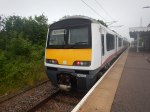
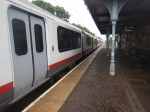
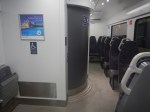
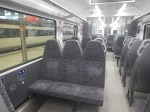

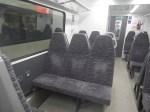
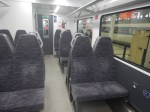

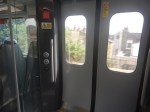
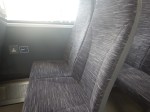
Note.
- The trains were recently refurbished by Greater Anglia.
- In Eversholt Rail And Vivarail To Develop Class 321 BEMU, I talked about how Eversholt Rail planned to get Vivarail to convert the Class 321 Renatus trains into battery-electric multiple units.
- The Class 321 train is a 100 mph four-car train.
- Four-car trains would future proof the route for many years.
- Thirty trains were converted to the Renatus specification.
These trains converted to battery-electric multiple units could certainly handle Bletchley and Bedford services.
Could Four-Car Battery Electric Multiple Units Handle The Next Phase Of East West Rail?
It is likely, when the East West Rail opens that this could be the service.
- Oxford and Milton Keynes – 2 tph – Calling at Oxford Parkway, Bicester Village, Winslow and Bletchley
- Oxford and Bedford – 2 tph – Calling at Oxford Parkway, Bicester Village, Winslow, Bletchley, Woburn Sands, Ridgmont and Bedford St Johns
- Bletchley and Bedford – 2 tph – Calling at Fenny Stratford, Bow Brickhill, Woburn Sands, Aspley Guise, Ridgmont, Lidlington, Millbrook, Stewartby, Kempston Hardwick and Bedford St Johns
Note.
- tph is trains per hour.
- I have assumed that the existing Bletchley and Bedford service is doubled in frequency.
- I estimate that Oxford and Milton Keynes Central is 41.6 miles.
- I estimate that Oxford and Bedford is 54.7 miles.
This would mean the following.
- Oxford and Bletchley would have a frequency of 4 tph.
- Bletchley and Bedford would have a frequency of 4 tph.
- Oxford station would have to charge and turn 4 tph.
- Bedford station would have to charge and turn 4 tph.
- Bletchley station would have to charge and turn 2 tph.
- Milton Keynes Central station would have to charge and turn 2 tph.
There would need to be some form of charging at Oxford.
But Oxford station has two North-facing bay platforms.
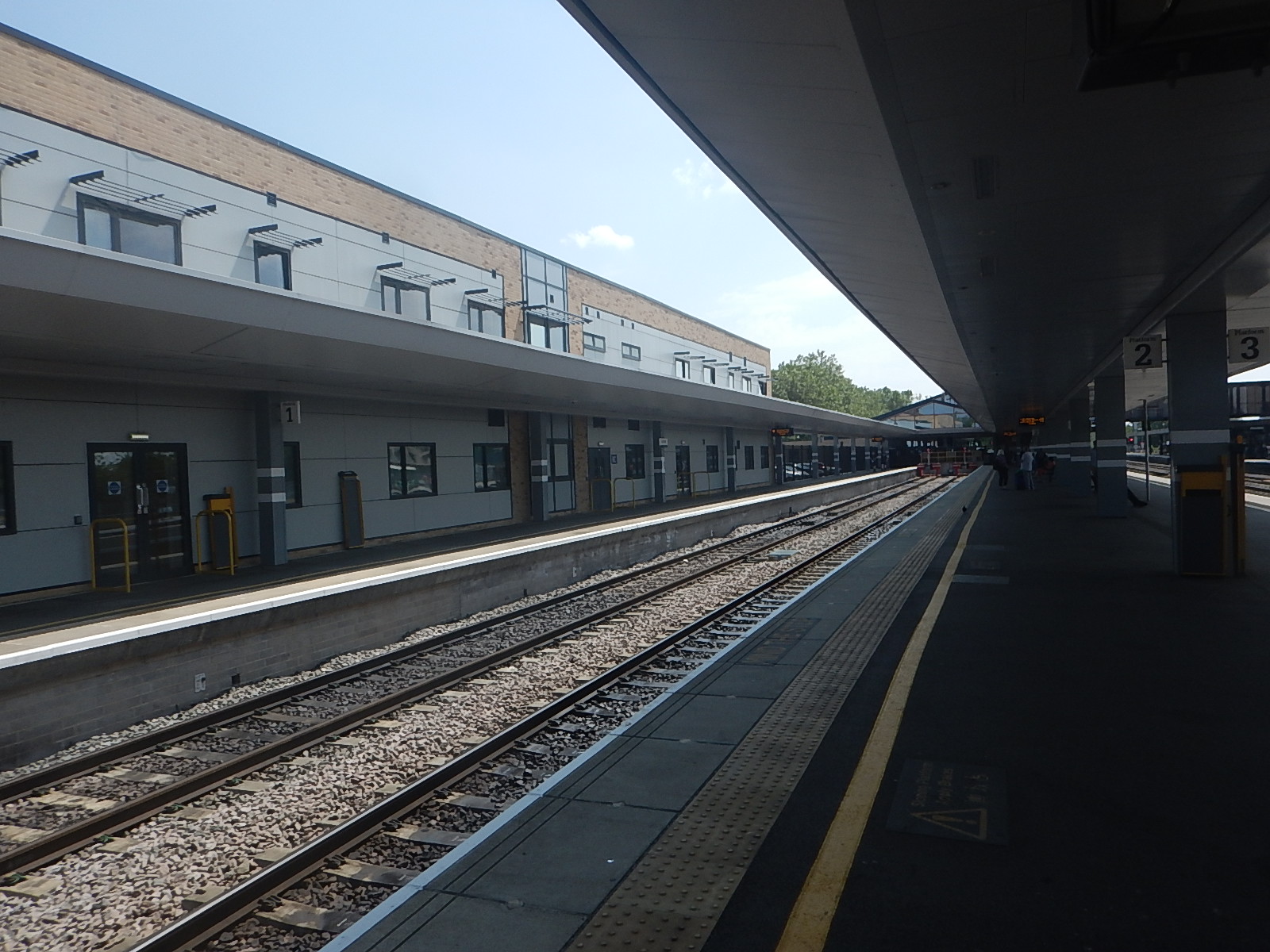
These platforms could be electrified or fitted with a Vivarail/GWR Fast Charger.
As it takes less than fifteen minutes to fully-charge a train, two platforms could charge eight tph.
East West Rail: Bedford Mayor Unveils Eight Alternative Routes
The title of this post, is the same as that of this article on the BBC.
This is the sub-heading.
The Mayor of Bedford has unveiled other potential routes for the East West Rail (EWR) project through the borough.
These four paragraphs outline the current plans and the result of the Mayor’s study.
EWR has already announced its preferred route, linking Oxford and Cambridge via a new track running through Bedford to the north.
Conservative Tom Wootton has defended spending £40,000 to commission consultants to explore alternative routes to the south.
Their report concluded that all options would boost the Bedford economy.
The mayor reflected: “While there is no definitive winner among the proposed routes, the economic potential of the project for Bedford is significant.”
This map from the article shows the current planned route.
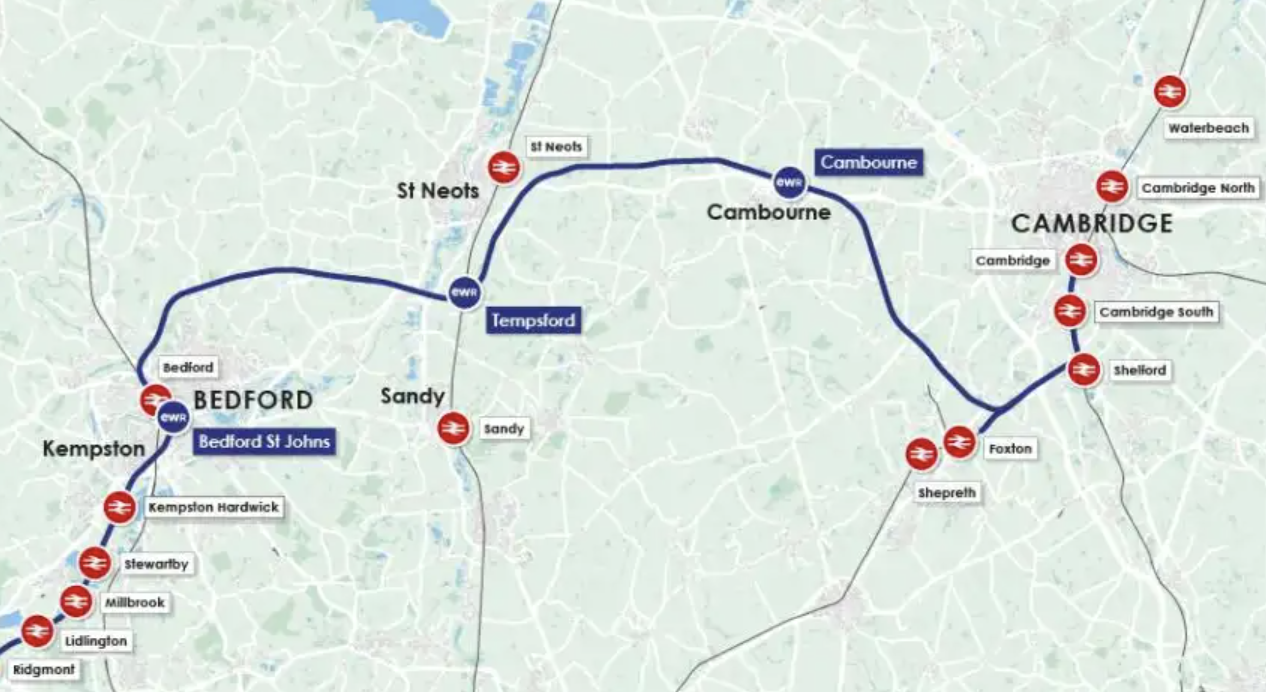
Note.
- Bedford St. Johns station will be rebuilt.
- Trains will go straight through Bedford station.
- Tempsford station will connect the East West Railway to the East Coast Main Line.
- The East West Railway will unlock the building of much-needed housing and commercial developments at Cambourne.
- Trains will go through Cambridge South, Cambridge and Cambridge North stations, and thus serve all important areas of the UK’s Eastern Powerhouse.
As there is no definitive winner among the proposed routes and the economic potential of the project for Bedford is significant, perhaps we should just get on and build the East West Railway’s preferred route.
Bedford Depot’s Massive Solar Roof Helps Thameslink On Way To Net Zero
The title of this post, is the same as that of this article on RailUK.
These four paragraphs give full details of the project.
Work has begun installing one of Bedford’s biggest solar arrays – on the roof of Govia Thameslink Railway’s (GTR’s) train depot, in Cauldwell Walk.
Almost 1,000 photovoltaic panels (932) will generate 322 MWh of electricity a year – enough to power 120 homes every year, saving more than 66 tonnes of CO2e. They form part of GTR’s commitment to become carbon ‘net zero’ for all its energy needs by 2050.
The solar roof – one of four at different depots across GTR’s vast 11 county network – is being installed by not-for-profit community climate action group Energy Garden.
When it comes online in the New Year, Energy Garden will sell half the solar electricity to GTR to power the depots and plough profits from selling what’s left over into community development projects – Energy Garden already works with more than 50 community groups.
This Google Map shows the location of Bedford Cauldwell Park TMD with respect to Bedford station.

Note.
Bedford station is at the top of the map.
Bedford Cauldwell Park TMD is marked by the red arrow.
This second map shows the depot to an enlarged scale.

Note.
- The map appears to show several roofs, that could be candidates for solar panels.
- At least one shed sells cars. Do they sell electric ones?
As the rail depot appears to be the largest building of its type in the centre of Bedford, in the future will it be serving as a advert for Energy Garden?
This project sounds like a good idea.
And I like the way it’s financed.
East West Rail: Could A New Rail Link ‘Tear Apart’ A Village?
The title of this post, is the same as that of this article on the BBC.
This is the sub-heading.
A new £5bn railway line connecting Cambridge and Oxford will transform much of the area between the two university cities. It could see one Bedfordshire village grow from a population of about 600 to more than 44,000. What would that change mean for people living there and how do they feel about it?
This Google Map shows the village.
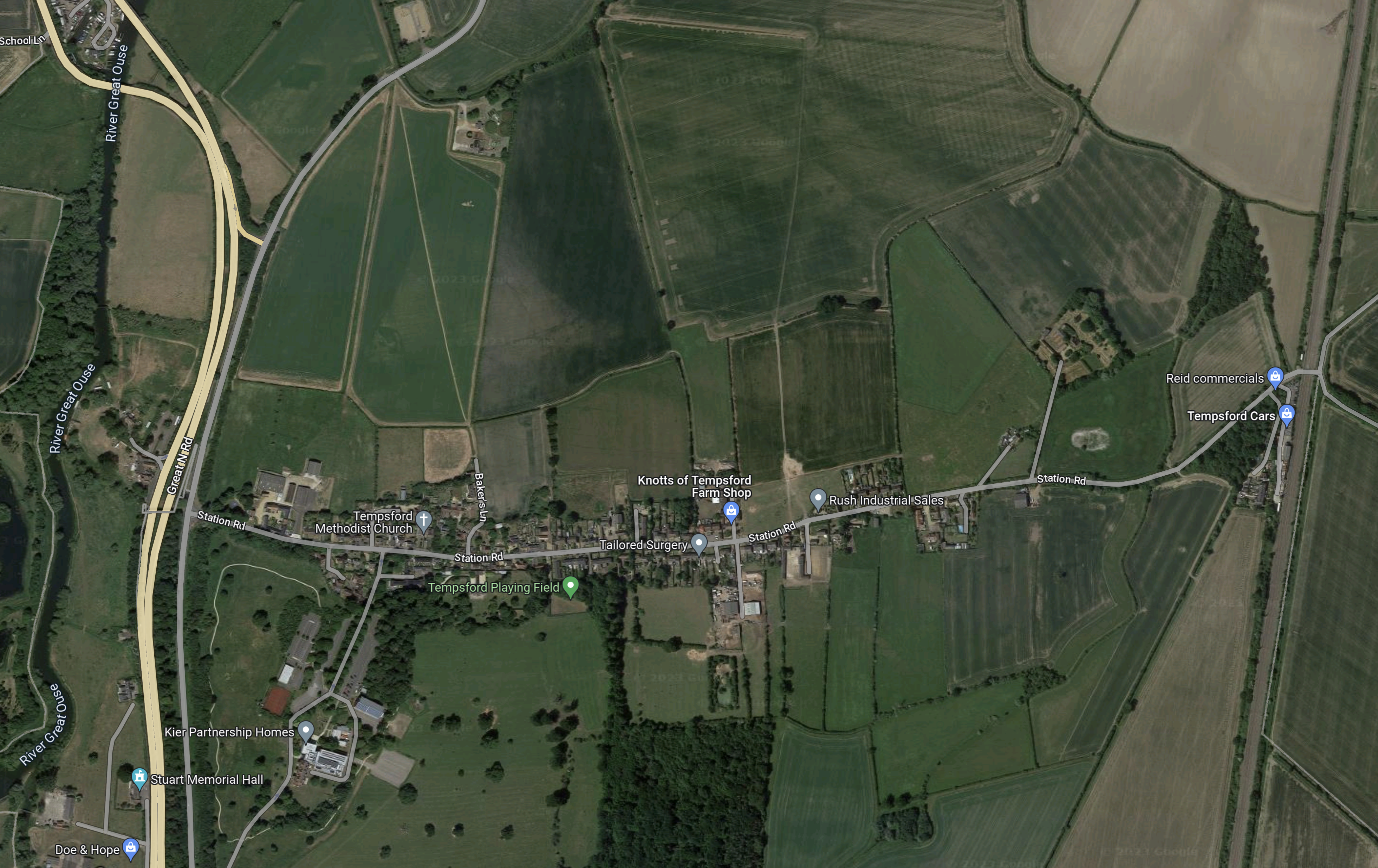
Note.
- On the West side of the map there is the Great North Road and the Great Ouse.
- On the East side of the Map, there is the electrified East Coast Main Line.
- The village is strung along the East-West lane in the middle of the map, which is inevitably named Station Road.
It appears to have a surgery, a playing field and a Methodist church, but not much else.
I have some thoughts.
Bedford And Tempsford
This Google Map shows Bedford and Tempsford.
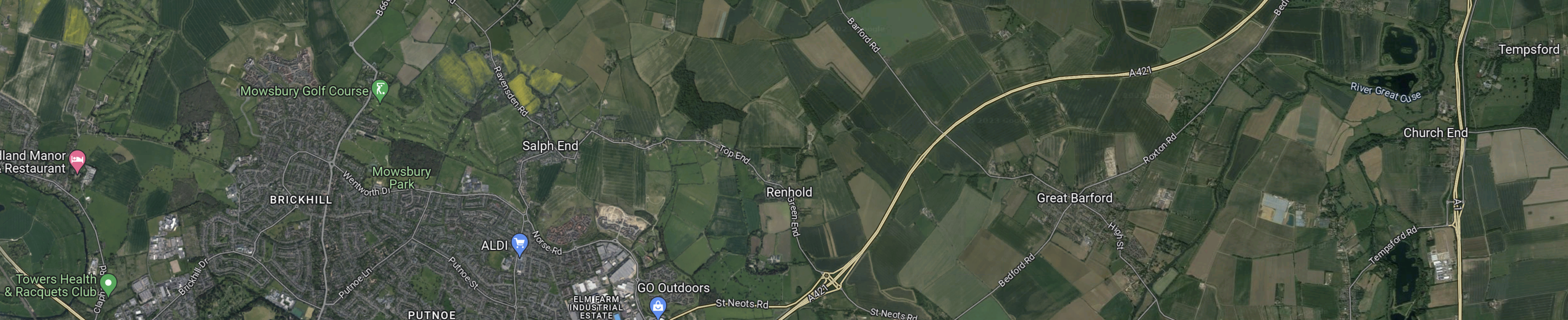
Note.
- Bedford is in the South-West corner of the map.
- Tempsford is in the North-East corner of the map.
I wouldn’t be surprised to see the East West Railway take an East West route to Tempsford, that skirted to the North of Bedford.
In East-West Rail: Through Bedford, I discuss how the East West Railway could branch away to the East from the Midland Main Line.
Tempsford And Cambourne
The next station to the East is Cambourne station.
This Google Map shows Tempsford and Cambourne.
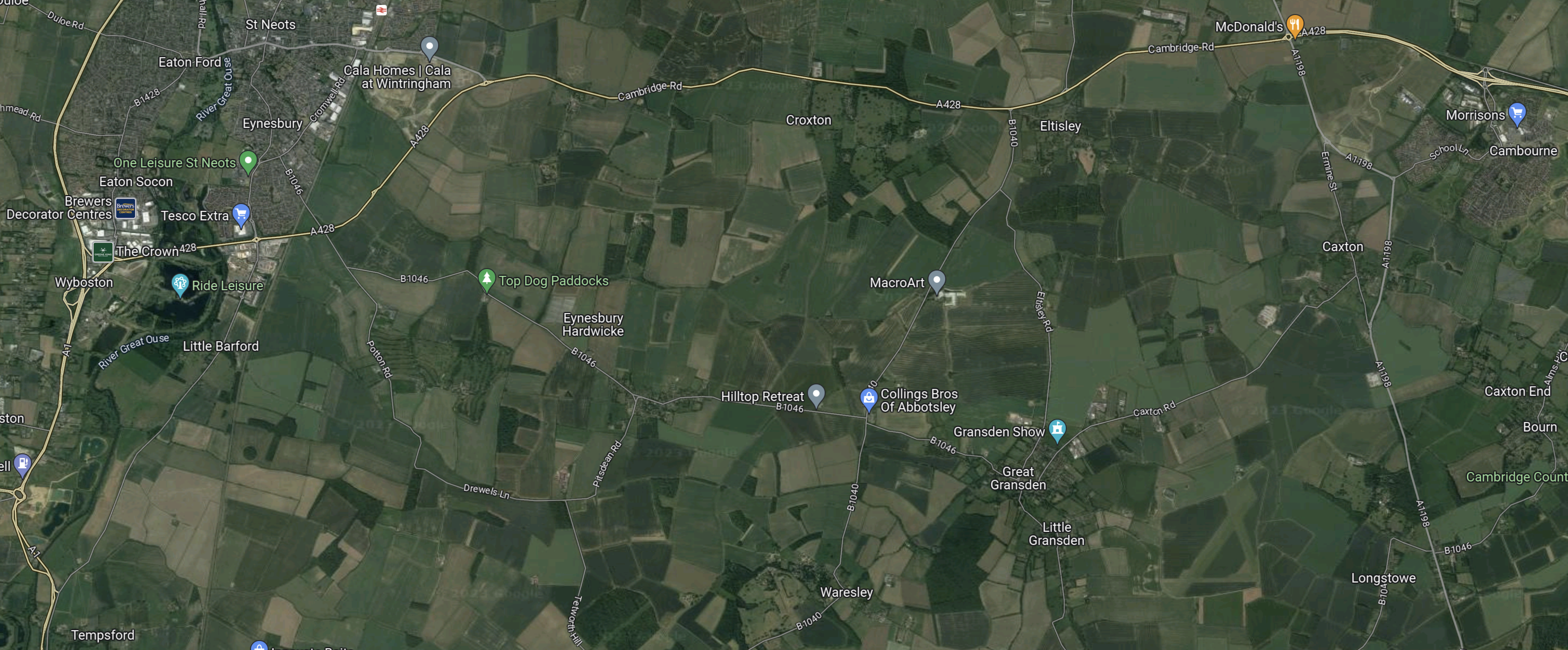
Note.
- Tempsford is in the South-West corner of the map.
- Cambourne is in the North-East corner of the map.
- St. Neots station can be picked out on the Northern edge of the map.
I wouldn’t be surprised to see the East West Railway take a North-Easterly route from Tempsford.
The Possible Station Site At Tempsford
This Google Map shows where Station Road crosses the East Coast Main Line.

Note.
- There are a few industrial businesses on what was probably the old station site.
- There doesn’t appear to be any housing.
I flew my virtual helicopter lower and took this image.
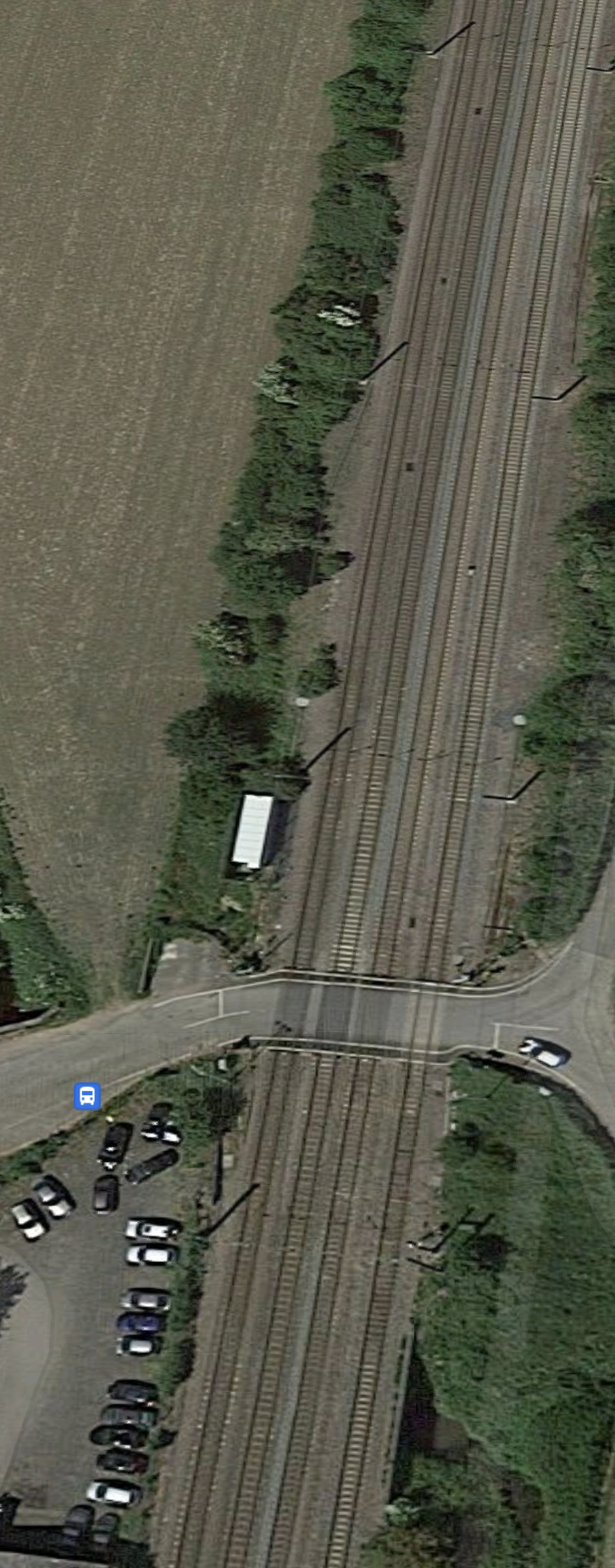
Note.
- It is a level crossing.
- There is a car waiting to cross on the Eastern side.
- There is also a bus stop on the Western side.
This must be an accident waiting to happen as the speed limit on the trains through here is 125 mph. Remember Upton Nervet, where seven were killed and sixty-six were injured!
Hopefully, the new design of Tempsford station will incorporate a combined rail and road bridge or tunnel.
The Route Of The Railway At Tempsford
I think it is more likely that the railway would go roughly East-West to the North of Station Road.
 The Anonymous Widower