From Moorgate To Imperial Wharf – 30th June 2022
I wanted to see the new entrance at Imperial Wharf station today, so after a full English breakfast on Moorgate, I took the Lizzie Line, Central and West London Lines across London.
I took this route.
- Lizzie Line – Moorgate to Tottenham Court Road
- Central Line – Tottenham Court Road To Shepherds Bush
- West London Line – Shepherds Bush To Imperial Wharf
I took these pictures along the route.
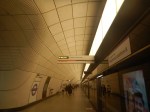
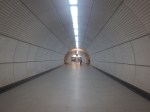
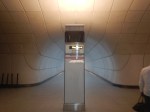

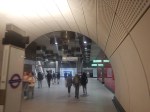
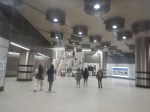




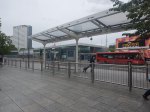
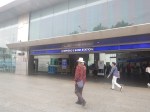

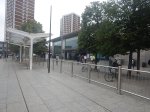
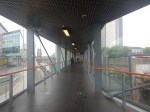
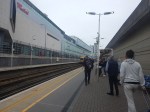
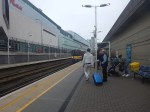
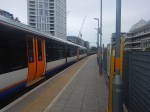
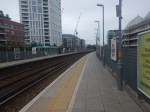
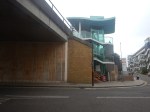

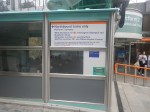
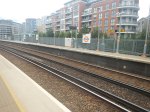
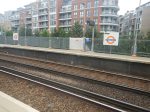
Note.
- The change at Tottenham Court Road station involves going up to the ticket hall and down again.
- The change at Shepherds Bush involves crossing the road between the Central Line and Overground station.
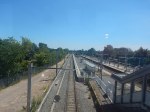
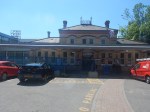
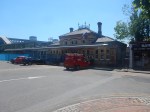
- The last few pictures show the new entrance at Imperial Wharf, which is for Northbound trains only.
When Bond Street station opens on the Lizzie Line, it should be easier to change there for the Central Line.
The Plans For A Connection Between The Lizzie And West London Lines?
This map from cartometro.com shows, where the Lizzie and West London Lines cross in the area of Old Oak Common.
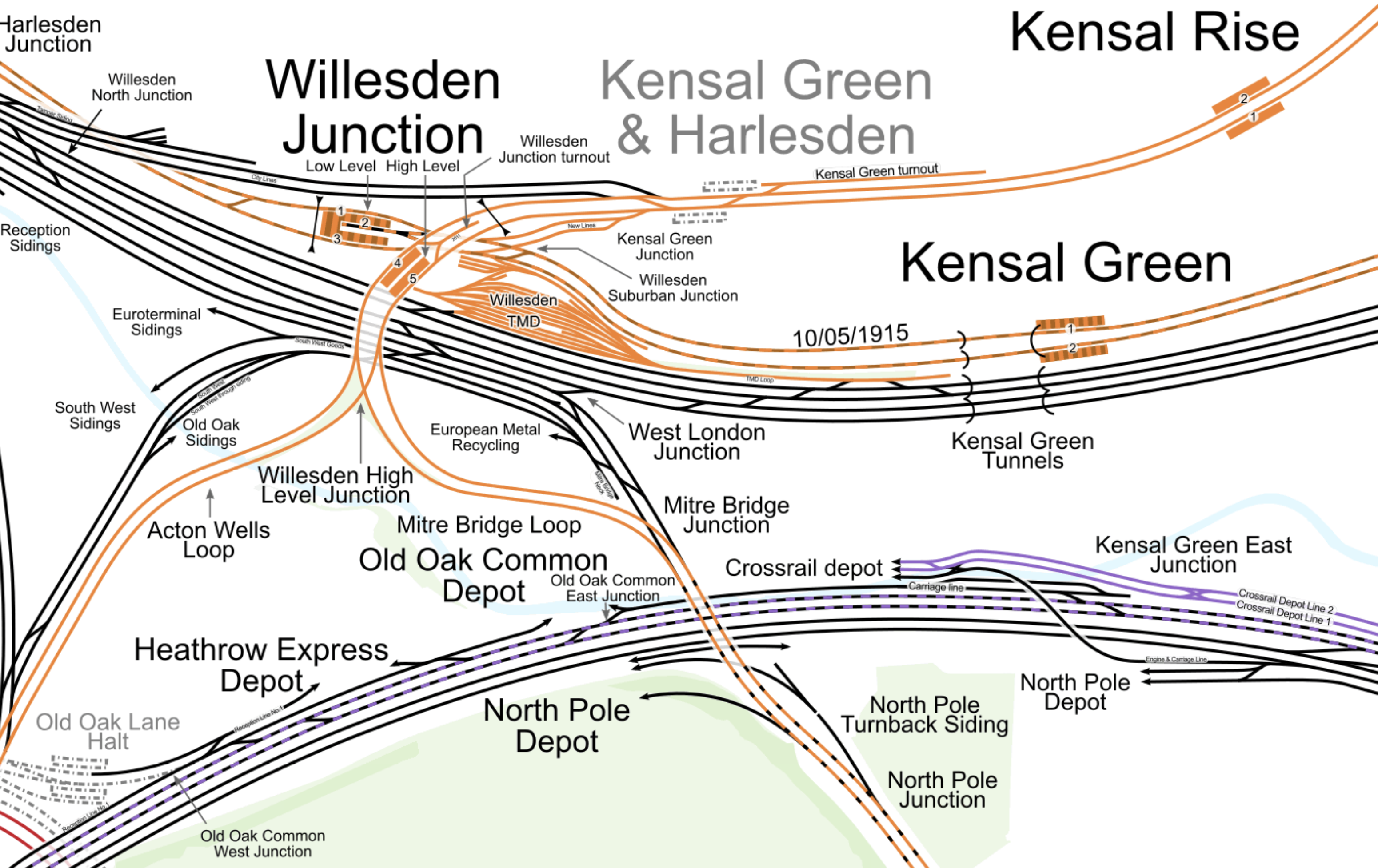
Note.
- The Overground is shown in orange and splits into the North and West London Lines South of Willesden Junction station.
- The Lizzie Line is shown in purple and black, as it goes across the map, as at this point it shares tracks with the Great Western Main Line.
This map shows how High Speed Two will change the lines.
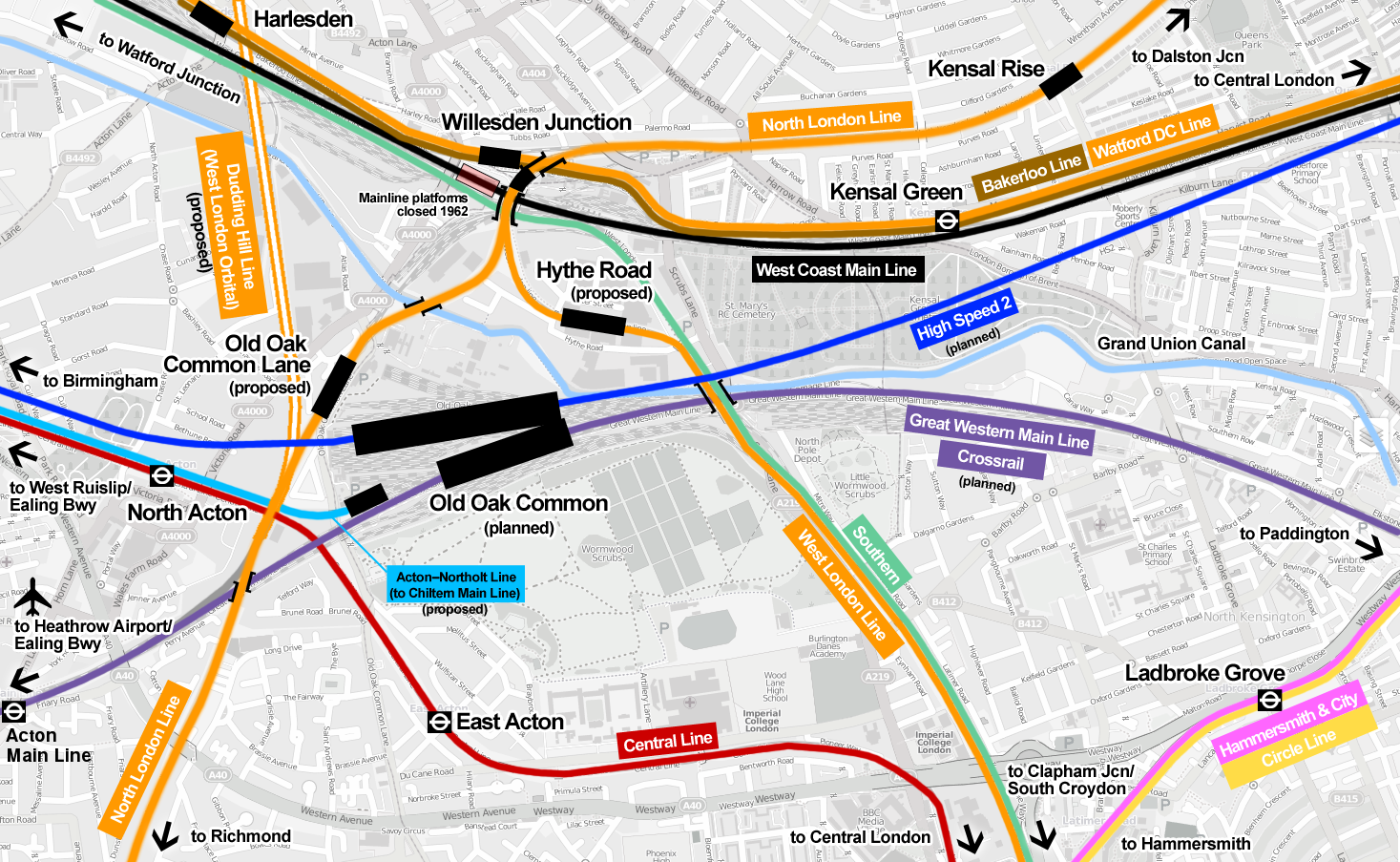
Note.
- Hythe Road station on the West London Line, which will have a walking route to High Speed Two and the Lizzie Line.
- Old Oak Common Lane station on the North London Line, which will have a walking route to High Speed Two and the Lizzie Line.
- The Dudding Hill Line, which is shown as an orange double-line and could be part of the West London Orbital passing North-South to the West of Old Oak Common Lane station.
- The Acton-Northolt Line, which is shown in blue and could give Chiltern Railways extra platforms at Old Oak Common with a walking route to High Speed Two and the Lizzie Line.
Wikipedia says that the status of the two Overground stations according to Transport for London is as follows.
Subject to funding being secured and further public consultation, we would seek permission to build and operate the proposals via a Transport and Works Act Order (TWAO). Funding remains a significant constraint in delivering these proposals. We are currently seeking to establish a package of funding that could enable the stations to be delivered by 2026 alongside the new HS2 and Elizabeth line station.
I suspect that with our current South London Mayor, we will see little progress on these connectivity schemes at Old Oak Common station, as with the possible exception of Hythe Road station, there’s little in it for South London.
Conclusion
Hythe Road station would certainly have made my journey easier yesterday.
Hopefully, though, if I do the journey again in the next year or so, Bond Street station will be open on the Lizzie Line and I’ll change to the Central Line there.
A Trip To Northfleet
Yesterday, I went to Northfleet station.
Partly, it was to have a drink with my old friend; Ian, but mainly it was to take some pictures to add to Elizabeth Line To Ebbsfleet Extension Could Cost £3.2 Billion.
Normally, when I go to see Ian I take the HighSpeed service out of St. Pancras.
But this service is expensive and as I was leaving from Moorgate, I decided to take the Elizabeth Line to Abbey Wood and get a train to Northfleet station instead.
I have a few thoughts on my journey.
Cost
I used my Freedom Pass to Abbey Wood and then bought an Off Peak Day Return between Abbey Wood and Northfleet for just £4.95 with a Senior Railcard.
Convenience
As you have to use one of the bridges at Abbey Wood to change to and from the Elizabeth Line, I used the one at the station end and popped through the barrier to buy my onward ticket from a machine.
Surely, Freedom Passes should be linked to a bank account, so if you want to stray outside Zone 6, you are automatically charged.
Elizabeth Line Messages On Southeastern
At Swanscombe station today, whilst waiting for my Thameslink train to take me back to Abbey Wood, I noticed that the displays were telling passengers to change at Abbey Wood for the Elizabeth Line.
You certainly wouldn’t use the dreadful Swanscombe station with heavy cases, but stations like Abbey Wood, Dartford, Gravesend and others would enable granny or grandpa to take a sensible-size wheeled case to Heathrow Airport with reasonable ease, once the Elizabeth Line becomes a fully-connected railway between Abbey Wood and Heathrow.
Onward Trains At Abbey Wood
There are two easy onward Thameslink tph at Abbey Wood, that run at sixteen and forty-six minutes past the hour.
You can also take the first Dartford train and then take the first train from there.
If you get the Thameslink train from Abbey Wood timings are as follows.
- Slade Green – 6 minutes
- Dartford – 11 minutes
- Stone Crossing – 16 minutes
- Greenhithe – 18 minutes
- Swanscombe – 21 minutes
- Northfleet – 23 minutes
- Gravesend – 27 minutes
- Higham – 33 minutes
- Strood – 39 minutes
- Rochester – 42 minutes
- Chatham – 45 minutes
- Gillingham – 50 minutes
- Rainham – 55 minutes
Note.
- There are also two Southeastern tph between Charing Cross and Gravesend, but they don’t serve Abbey Wood.
- The timings appeared sensible in my two trips; yesterday and today.
- Travellers also have a choice in that they can use the more expensive HighSpeed services to selected stations.
After just missing a Thameslink train today by a few seconds, and then had to wait thirty minutes for the next train, I am convinced that there needs to be a four tph service between Abbey Wood and Rainham.
Four tph Between Rainham And Abbey Wood
In Crossrail Ltd Outlines Plan To Complete The Elizabeth Line, I said this about Western branch services.
When Crossrail is fully open, the Western Branch frequencies are planned to be as follows.
- Reading and Abbey Wood – 4 tph in the Peak and 2 tph in the Off Peak
- Maidenhead and Abbey Wood – 2 tph all day
- Heathrow Terminal 4 and Abbey Wood – 4 tph all day.
- Heathrow Terminal 5 and Abbey Wood – 2 tph all day.
This includes 6 tph between Heathrow and Abbey Wood all day.
Crossrail To Ebbsfleet is proposing that the South-Eastern branch will terminate as follows.
- 4 tph – Abbey Wood
- 4 tph – Northfleet
- 4 tph – Gravesend
So will this mean that the six tph to Heathrow will be split equally between Abbey Wood, Northfleet and Gravesend, with two Heathrow tph terminating at each terminal?
The North Kent Metro
My naive mind thinks, why don’t the two Heathrow and Gravesend services terminate at Rainham?
This would give the following.
- The minimum four tph between Abbey Wood and Rainham.
- Rainham should be able to turnback for tph.
- Services would call at Belvedere, Erith, Slade Green, Dartford, Stone Crossing, Greenhithe, Swanscombe, Northfleet, Gravesend, Higham, Strood, Rochester, Chatham and Gillingham.
North Kent would have its own metro running under London Overground rules.
It could even start as soon as Class 345 trains are allowed to run to Rainham.
Airport Connect
Consider
- The Elizabeth Line service between Abbey Wood and Rainham could serve Heathrow at its Western end.
- The Thameslink service would serve Luton Airport Parkway.
- Both services would serve Liverpool Street for the Stansted Express and services to and from Southend Airport.
- Both services would serve Farringdon for services to and from Gatwick Airport.
- An extra station at Silvertown could serve London City Airport.
- In future, there could even be a connection to High Speed Two at Old Oak Common.
One service on the Elizabeth Line would connect all these together.
Elizabeth Line To Ebbsfleet Extension Could Cost £3.2 Billion
The title of this post, is the same as that of this article on Ian Visits.
These is the first paragraph.
A report looking at transport upgrades across the southeast of England suggests that extending the Elizabeth line into Kent would cost around £3.2 billion. The report, by Transport for the South East (TfSE) also supports the proposal and looks at how it could be funded.
This image from the Abbeywood2Ebbsfleet consultation, shows the proposal.
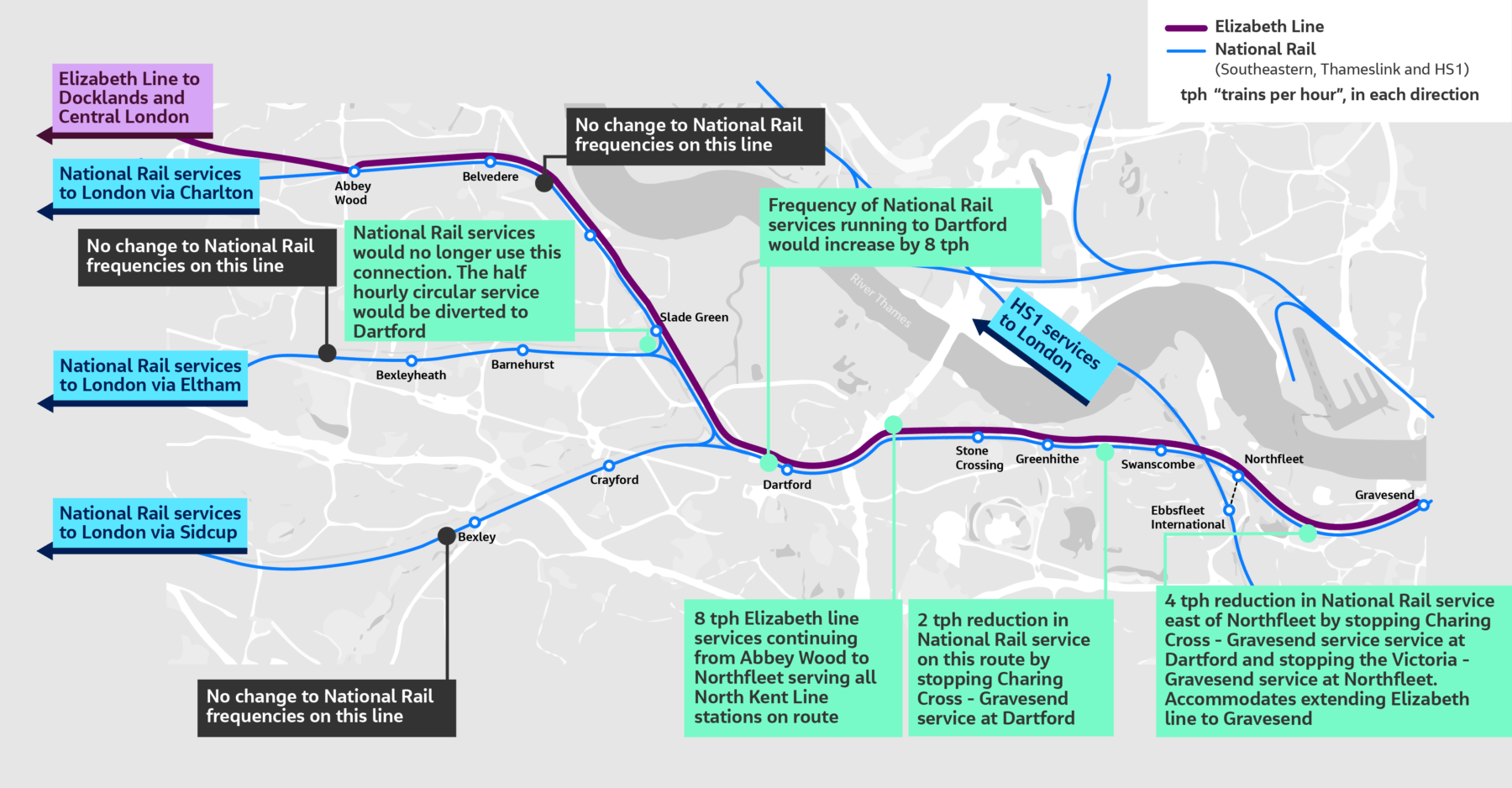
Note, that there doesn’t appear to be too much new infrastructure, except for a proper connection between Northfleet and Ebbsfleet stations. References on the Internet, say that the similar-sized Luton DART connection at Luton Airport, cost around £225 million.
As the quoted cost is £3.2 billion, I would assume, that installation of digital signalling on the North Kent Line and the trains that use it, is one of the major costs.
I have some thoughts.
Improvement Is Needed
There are endless jokes, which have a punchline something like, “If you want to go to X, I wouldn’t start from here.”
On Monday, I intend to go to visit my friend; Ian, who lives at Longfield in Kent. Abbey Wood is the nearest Elizabeth Line station to Longfield and it is only seventeen miles away from Abbey Wood, but the quickest way you can do it by train is 64 minutes with a change at Rochester or 79 minutes going back into London and coming out from Victoria.
As before, I leave London, I will be having breakfast with another friend in Moorgate, the Elizabeth Line to Abbey Wood will be a good place to start.
If I got the trains right, I can get between Moorgate and Northfleet in 41 minutes. Northfleet is just 5.5 miles from Longfield.
If Ian, wants to go to London, he usually drives to Ebbsfleet, where there is lots of parking and gets the Highspeed trains to Stratford or St. Pancras. Trains take 12 and 19 minutes to and from the two London termini, but go nowhere near to Canary Wharf, the City of London, Liverpool Street, Oxford Street, Paddington, West London and Heathrow.
I believe that for Ian and the other nearly million residents of West Kent, that the following should be done as soon as possible.
- Extend the Elizabeth Line to Gravesend, which would give 300,000 more people a local Elizabeth Line station.
- Build a people-mover between Northfleet and Ebbsfleet stations, which would create a high-capacity rail hub for North-West Kent, with connections to London, Heathrow and the Continent, and massive parking.
Heathrow and Northfleet would take under an hour and a quarter on a direct train.
Current Services Between Abbey Wood And Gravesend
Currently, these services run at some point on the North Kent Line between Abbey Wood And Gravesend stations.
- Southeastern – London Cannon Street and London Cannon Street – 2 tph – Via Abbey Wood, Belvedere, Erith and Slade Green.
- Southeastern – London Cannon Street and Dartford – 2 tph – Via Abbey Wood, Belvedere, Erith, Slade Green and Dartford.
- Southeastern – London Charing Cross and Gravesend – 2 tph – Via Dartford, Stone Crossing, Greenhithe, Swanscombe, Northfleet and Gravesend.
- Southeastern HighSpeed – London St Pancras and Ramsgate via Faversham – 1 tph – Via Ebbsfleet International and Gravesend.
- Thameslink – Luton and Rainham – 2 tph – Via Abbey Wood, Slade Green, Dartford, Stone Crossing, Greenhithe, Swanscombe, Northfleet and Gravesend.
Note.
- tph is trains per hour.
- I have only indicated stations, where trains stop between Abbey Wood and Gravesend stations.
Aggregating these trains gives the following totals for each station.
- Abbey Wood – 6 tph
- Belvedere – 4 tph
- Erith – 4 tph
- Slade Green – 6 tph
- Dartford – 6 tph
- Stone Crossing – 4 tph
- Greenhithe – 4 tph
- Swanscombe – 4 tph
- Northfleet – 4 tph
- Gravesend – 5 tph
As stations get at least four tph, with more important ones getting 5 or 6 tph, it appears to be a well-constructed timetable.
Effect Of Changing The London Cannon Street And London Cannon Street From The Erith Loop To A Dartford Service
This should make no difference to the numbers, as the service is now clear of the Elizabeth Line after Slade Green.
Effect Of Cutting Back The London Charing Cross and Gravesend Service To Dartford
This service between London Charing Cross and Gravesend has a frequency of 2 tph and calls at Dartford, Stone Crossing, Greenhithe, Swanscombe, Northfleet and Gravesend.
Cutting it back to Dartford adjusts the totals as follows.
- Abbey Wood – 6 tph
- Belvedere – 4 tph
- Erith – 4 tph
- Slade Green – 6 tph
- Dartford – 4 tph
- Stone Crossing – 2 tph
- Greenhithe – 2 tph
- Swanscombe – 2 tph
- Northfleet – 2 tph
- Gravesend – 3 tph
Some of the frequencies have halved.
Effect Of Adding Eight tph To Northfleet And Four tph To Gravesend On The London Charing Cross and Gravesend Service
The Elizabeth Line Extension is proposed to add the following trains to the service.
- 8 tph will continue from Abbey Wood to Northfleet.
- 4 tph will continue from Abbey Wood to Gravesend.
This adjusts the totals as follows.
- Abbey Wood – 6 tph
- Belvedere – 12 tph
- Erith – 12 tph
- Slade Green – 14 tph
- Dartford – 12 tph
- Stone Crossing – 10 tph
- Greenhithe – 10 tph
- Swanscombe – 10 tph
- Northfleet – 10 tph ( 4 tph – Terminating, 6 tph – Passing through)
- Gravesend – 7 tph ( 4 tph – Terminating, 3tph – Passing through)
Note.
- These surely are frequencies, that will satisfy the most picky traveller.
- There are freight trains running on the route.
- The tightest section would appear to be between Abbey Wood and Dartford, although Dartford and Northfleet is only two tph less.
- West of Northfleet it gets easier.
- But I do think though, that full digital signalling between Abbey Wood and Gravesend would be able to handle it.
- 14 tph is a frequency that is less than that of the central sections of the East London Line, the Elizabeth Line and Thameslink.
- I have flown my virtual helicopter along the line and there may be places to add a third track, which would add more capacity.
I believe that it is possible to achieve the passenger train frequencies in the last table.
Abbey Wood East Junction
This Google Map shows the track layout to the East of Abbey Wood station.
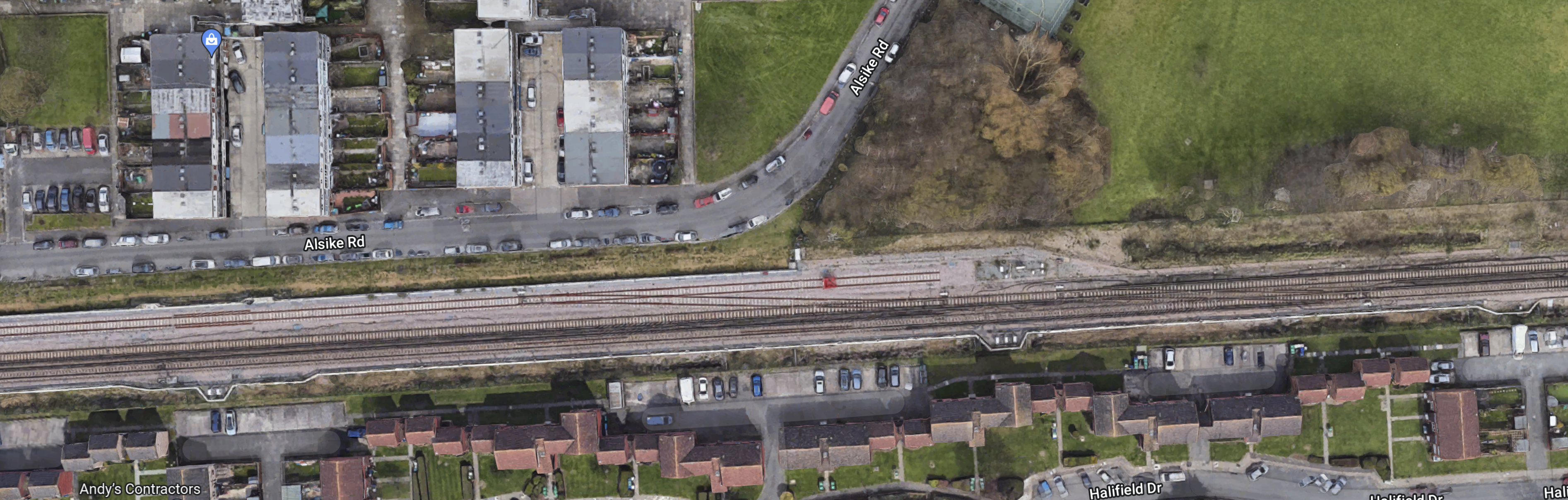
Note.
- There are crossovers so trains can run between the Elizabeth Line platforms on the North side of Abbey Wood station and the North Kent Line.
- There is space on either side of the railway.
- I have my doubts that the current track layout would be able to handle twelve Elizabeth Line, six North Kent Line and possibly a freight train in every hour, especially where flat junctions are involved.
I can see a flyover or dive-under being built in this area to handle the trains efficiently.
Abbey Wood Power Change-Over
Some thoughts.
- I will assume, that the change-over between 25 KVAC overhead and 750 VDC third-rail power will take place in or near Abbey Wood station.
- This would avoid any erection of electrification gantries to the East of Abbey Wood station.
- If the Office of Road and Rail refuse to allow any more third rail, I could see a Headbolt Lane solution being applied, where batteries are used to bridge the 1.4 mile gap between Abbey Wood station with its 25 KVAC overhead electrification and Belvedere station with its 750 VDC third-rail electrification.
- North Kent Line trains would take their existing route between Abbey Wood and Belvedere stations.
- Also, if a comprehensive and efficient track layout is used here, then there might be cost savings if the Elizabeth Line trains supplied their own power from batteries.
An efficient junction to the East of Abbey Wood station, coupled with well-thought out electrification could be key to successfully handling the nearly 20 tph at Abbey Wood station.
Belvedere, Erith And Slade Green Stations
Belvedere, Erith and Slade Green stations are on a double-track section of the line.
- The three stations are not step-free.
- There appear to be a lot of industrial sites, that could be developed for housing.
- There might be the possibility of adding an extra track in places.
- Luckily, there are no level crossings.
- There are some footbridges over the railway, that probably need updating to step-free
I suspect that developing the housing on this route will be most important.
Slade Green Depot
This Google Map shows Slade Green depot and the large triangular junction opposite the depot.
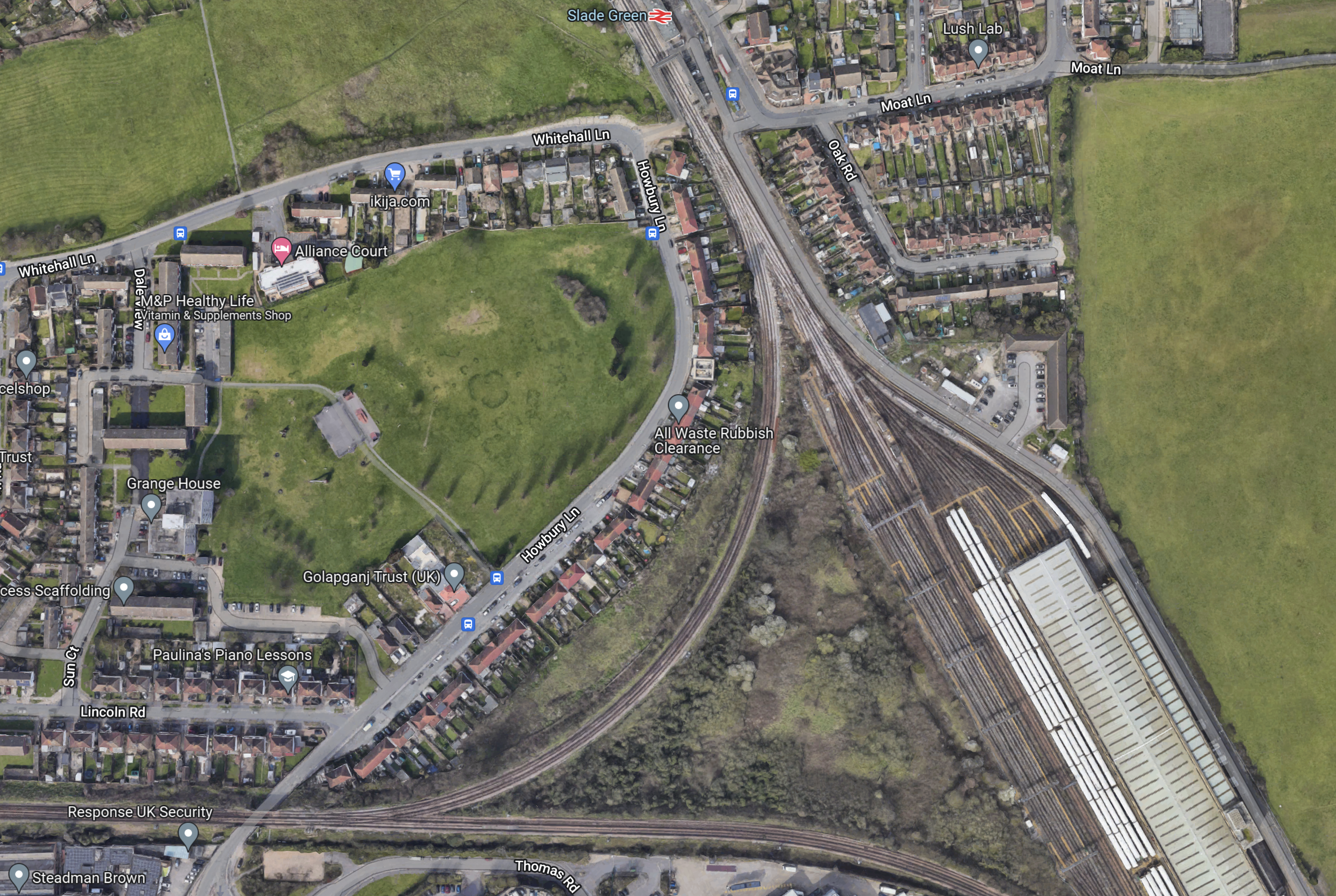
Note.
- Slade Green station is at the top of the map.
- Slade Green depot is in the South-East corner of the map.
- The West point of the junction leads to Bexleyheath.
- The West and North points of the junction are connected by the Erith Loop.
- The South point of the junction leads to Dartford.
There are rail capacity problems in this area.
- Slade Green depot is not big enough.
- One train service goes both ways on the Erith Loop between Slade Green and Bexleyheath every thirty minutes, which could be a block on increasing train frequencies between Abbey Wood and Dartford stations.
- The proposal is saying that the Slade Green and Bexleyheath service will go via Dartford station, where it will probably reverse.
I can see comprehensive redevelopment of the depot and the junction to remove the capacity problems and perhaps build a lot of housing.
- If the Erith Loop is not used could the centre of the junction be developed with a much-needed extension to the depot?
- The depot might be moved elsewhere or perhaps rebuilt with tower blocks on the top.
I think that moving the Slade Green and Bexleyheath service via Dartford could mean that the Erith Loop isn’t needed, so this might free up space to increase the size of the depot.
Dartford Station
This Google Map shows Dartford station and the area around the station.
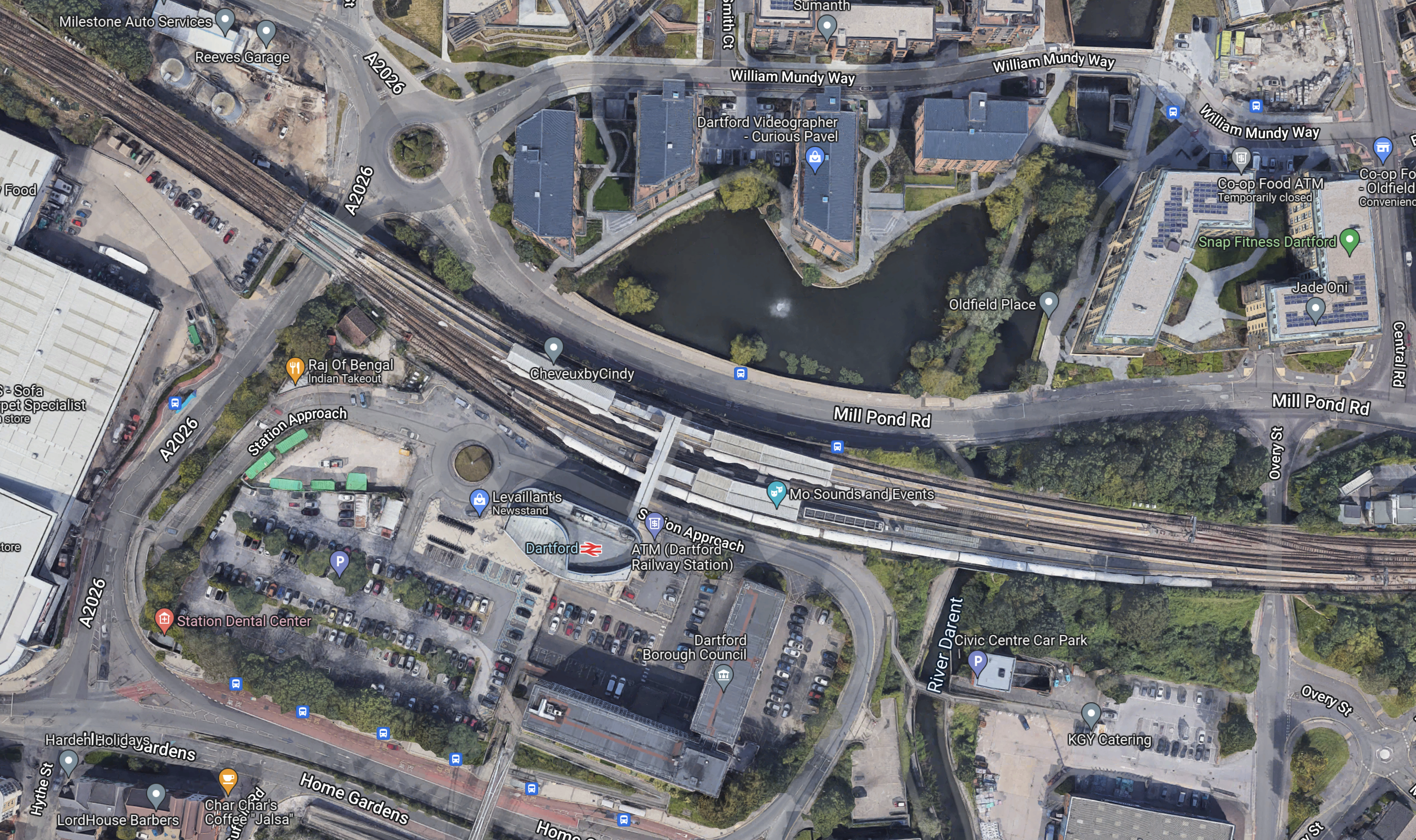
Note.
- The station has four long platforms.
- It should be able to handle the 12 tph in both directions.
- There is a lot of new developments by the station.
- The station is step-free.
- There are some pictures of Dartford station in Dartford Station – June 27th 2022.
But I do suspect that the station probably needs extra capacity and a substantial rebuild.
Stone Crossing, Greenhithe And Swanscombe Stations
Stone Crossing, Greenhithe and Swanscombe stations will be handling 10 tph.
- Greenhithe is a new station with full step-free access.
- But Stone Crossing and Swanscombe stations may need improvement to bring them up to Elizabeth Line standards.
- More details of Stone Crossing station are given in Stone Crossing Station – June 27th 2022.
- More details of Greenhithe station are given in Bluewater Shopping Centre By Train.
- More details of the current state of Swanscombe station are given in Swanscombe Station – June 27th 2022.
- The one level crossing in the area was closed in 2018.
- There may be scope to add an extra track at places in this section.
I feel that these three stations could be fairly easy to bring up to the required standards.
Northfleet Station
Northfleet station is a station, which in the words of estate agent; Roy Brooks, would have a lot of potential.
This Google Map shows the station.
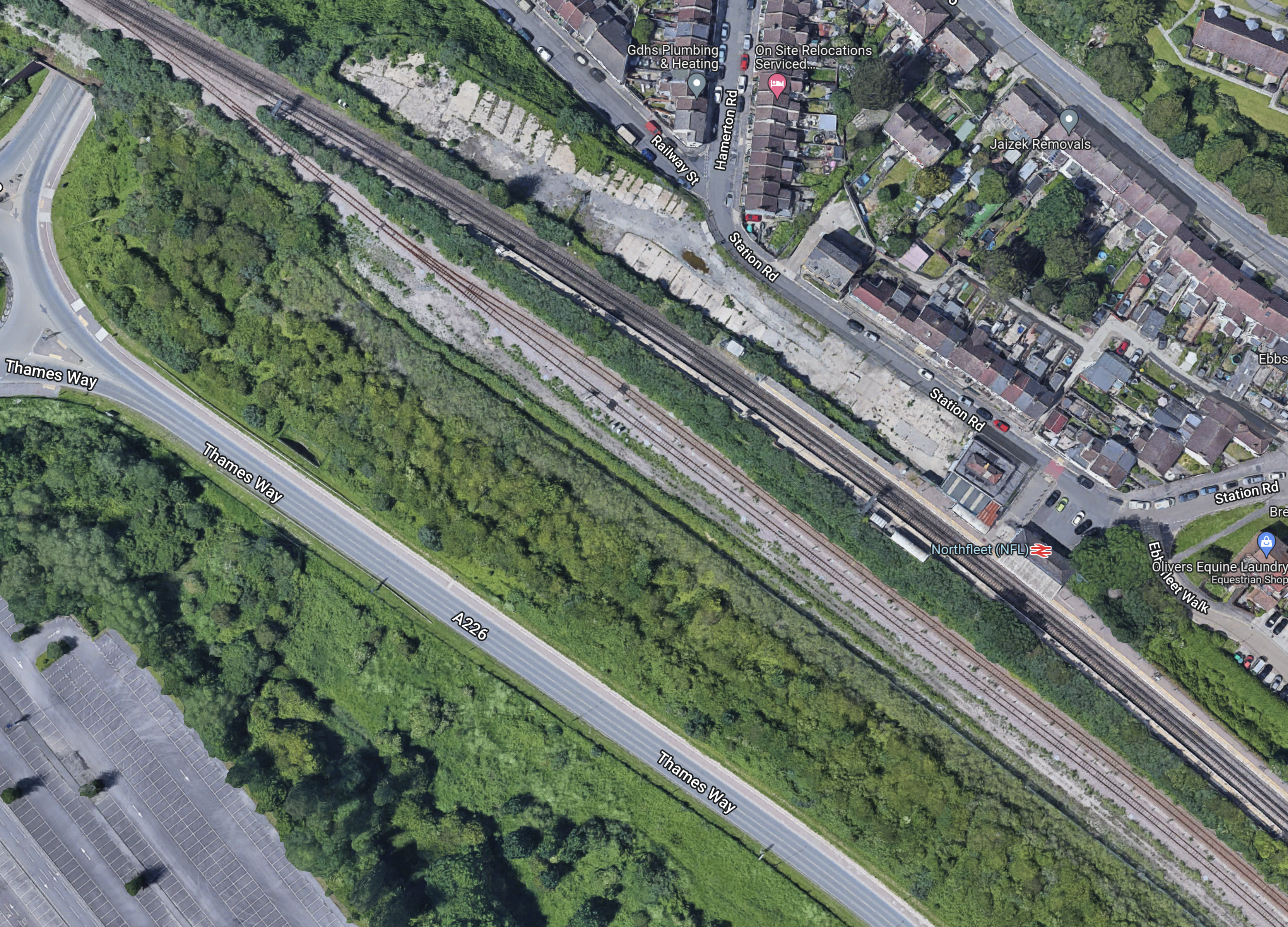
Note.
- The two tracks through the station are the North Kent Line.
- The other two tracks are freight sidings.
- The car-parks at Ebbsfleet station are in the South-West corner of the map.
- There appears to be a large cleared site to the North-West of the station.
These pictures show the station.
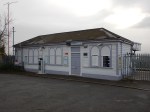
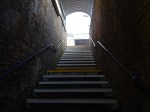
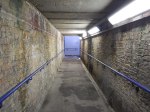
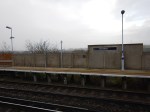
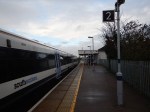
The requirements for the station will be as follows.
- The ability to handle 6 tph passing through.
- The ability to be able to handle 4 tph, that terminate at the station.
- Terminating four tph, will probably need two platforms for all eventualities.
- Full step-free access.
- An interchange with Ebbsfleet International station is also needed.
- Is car parking needed?
There is certainly enough space.
The Pedestrian Link Between Northfleet And Ebbsfleet Stations
This is part of the plan and is shown on the first map in this post.
This Google Map shows Northfleet and Ebbsfleet stations.
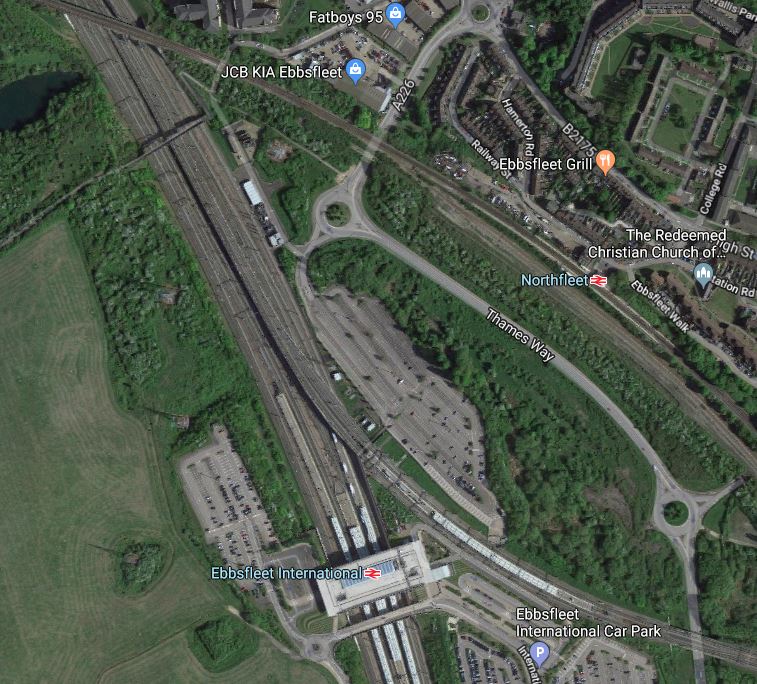
Note.
- The large Ebbsfleet International station towards the bottom of the map.
- Northfleet station on the North Kent Line in the North East corner of the map.
- The two stations are about five hundred metres apart as the crow flies.
There has been a lot of pressure in the past to build a pedestrian link between the two stations, as reported by the Wikipedia entry for Northfleet station.
The station is very close to Ebbsfleet International station (the NNE entrance is only 334 yards (305 m) from Northfleet’s station), but passengers (using public transport) will find it far easier to access Ebbsfleet International from Gravesend or Greenhithe, as these stations are more accessible and offer easy access to Fastrack bus services. The walking route between the two stations is 0.6 miles (1 km) or 0.8 miles (1.3 km) and a suitable pedestrian link has not been built because of funding issues and objections from Land Securities.
Why when Ebbsfleet International station was built in the early 2000s for opening in 2007, was a pedestrian link not built between the two stations?
How much did omitting the link save?
Luton Airport are building the Luton DART, which is a people mover to connect Luton Airport Parkway station with the airport.
- It is 1.4 miles long.
- It is fully automated.
- It might have an extra station serving the mid-stay parking.
- It appears to be taking three years to build.
All of this very comprehensive system appears to be costing around £200 million.
I doubt that a simple pedestrian link, like a bridge with travellators, would have cost more than a few tens of million pounds.
Will Northfleet/Ebbsfleet Become A Major Railway Hub?
If Northfleet station and the connection to Ebbsfleet is well designed,, I can see this station becoming a major railway hub.
- It would have Eurostar Continental services.
- It would have HighSpeed services to London and Kent.
- It would have Elizabeth Line services to London and Heathrow.
- It would have Thameslink and Southeastern services.
- The station would have lots of parking.
I also feel in the future that more Continental services will be developed.
- Adding extra platforms for Continental services could be easier than at St. Pancras.
- It could be an ideal terminus for sleeper trains to and from the Continent.
- I might be the ideal terminus for very long distance trains to and from the Continent.
Northfleet/Ebbsfleet has something that St. Pancras lacks – space.
Gravesend Station
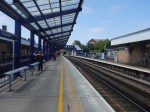
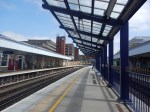
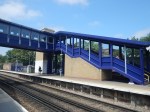
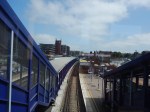
Gravesend station is a rebuilt step-free station with three platforms, as these pictures show.
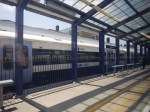
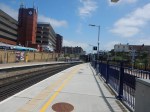
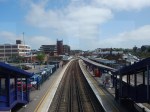
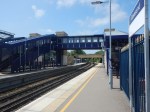
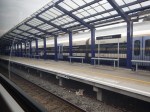
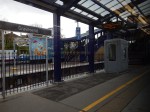
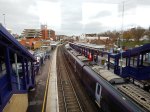
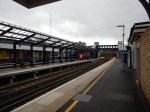
But is it the right station, for the end of the Elizabeth Line?
These points are in favour.
- There is a bay platform, that could handle 4 tph.
- The station is step-free.
- The station has had a recent refurbishment.
- It has HighSpeed services to London and East Kent.
- Gravesend is a town of 74,000 people.
- Passengers can change between through trains by just staying on the same platform.
But these points are against.
- The station is on a cramped site in the town centre.
- There is no train stabling nearby.
- Adding lots of car parking may be difficult.
- Suppose adding the Elizabeth Line to the town was very successful and it was felt more services were needed. Could Gravesend station cope?
These are the times for the various services.
- HighSpeed to St. Pancras – 25 minutes
- HighSpeed to Stratford – 17 minutes
- Southeastern to Charing Cross – 65 minutes
- Thameslink to Abbey Wood- 28 minutes
- Thameslink to London Bridge – 60 minutes
I estimate that the Elizabeth Line will take just over 50 minutes to Tottenham Court Road.
This last timing in itself is a good reason for the Elizabeth Line to serve Gravesend.
But I don’t think the Elizabeth Line has to start there.
I am worried that the Elizabeth will be too successful.
- It serves Central London, Paddington and Heathrow.
- It will have a frequency of four tph from and to Gravesend.
- It will have trains with a very large capacity.
- The trains will have wi-fi and 4G connections.
I don’t think the cramped Gravesend station will be able to cope with the needs of expansion.
- An extra platform.
- Handling trains that need to be turned back to London.
- More car parking.
Northfleet/Ebbsfleet will have the parking and eight tph on the Elizabeth Line, so surely the best solution is to have the actual Elizabeth Line terminal station to the East of Gravesend.
- Travellers to the West of Gravesend will use Northfleet/Ebbsfleet.
- Travellers in Gravesend will use Gravesend station by walking, cycling or using a local bus.
- Travellers to the East of Gravesend will use the new terminal station.
The Elizabeth Line extension is supposedly costing £3.2 billion, so it should serve as many potential passengers as possible.
The Elephant In The Garden Of England
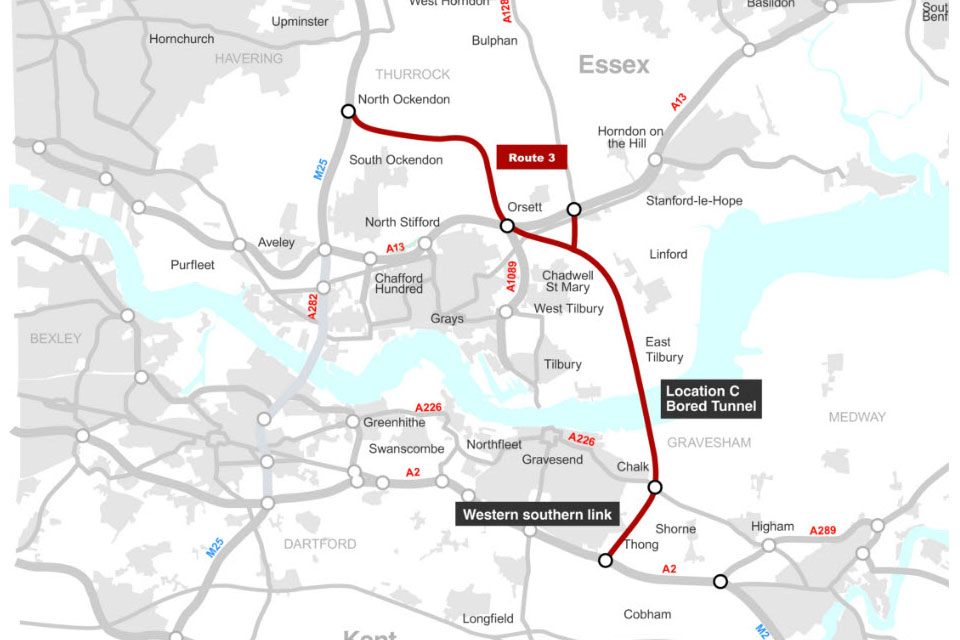
It is proposed that the new Lower Thames Crossing is built to the East of Gravesend.
This map from the Department of Transport, shows the route.
Note.
- The new crossing, which is shown in red, bypasses the Dartford Crossing on the M25.
- The A226 runs between Gravesend and Higham via a junction with the new crossing at Chalk.
- Northfleet is to the West of Gravesend.
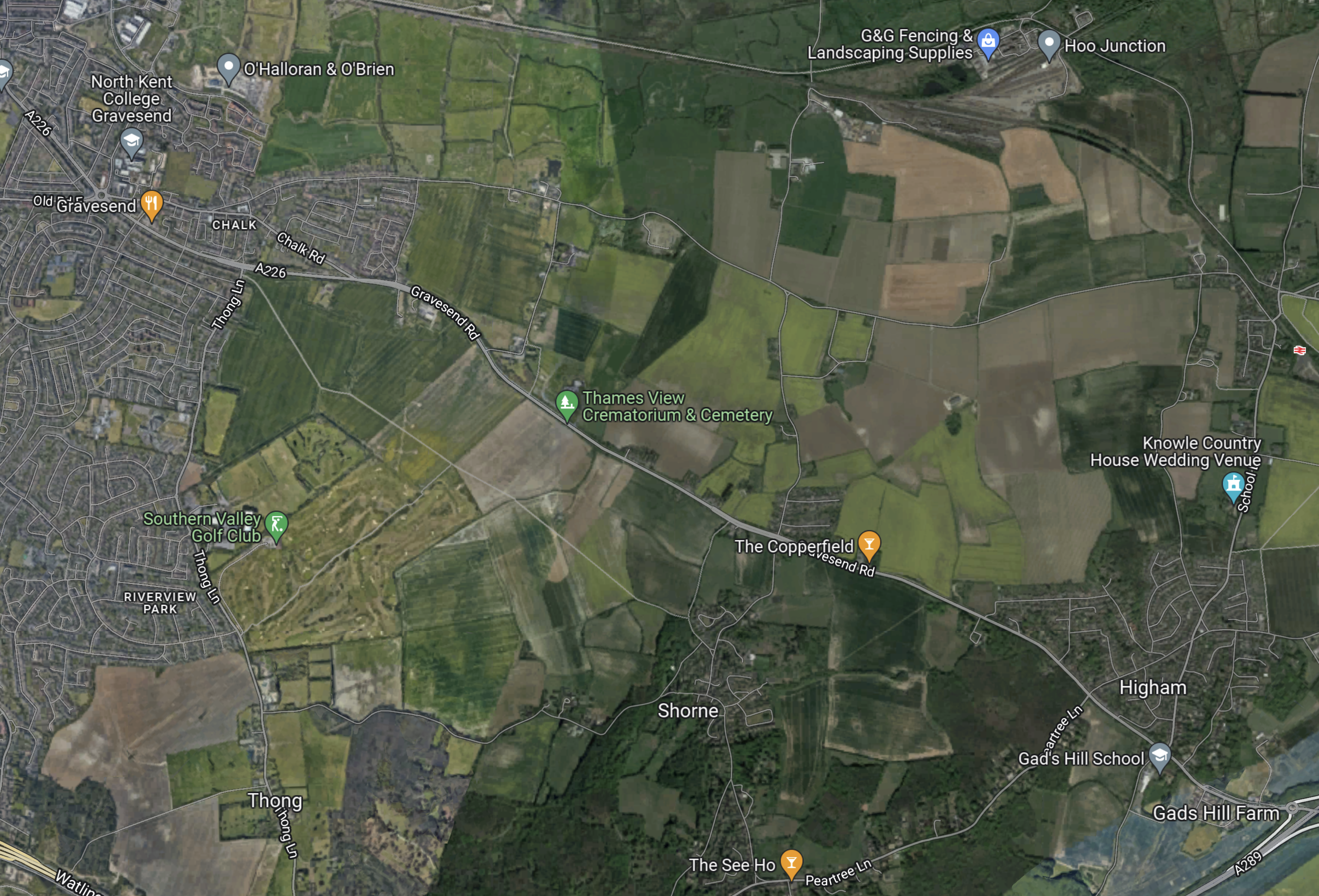
This Google Map shows the area between Chalk and Higham.
Note.
- Chalk in the North-West corner of the map.
- Higham in the South-East corner of the map.
- The A226 running between Chalk and Higham.
- Higham station on the North Kent Line about half-way up the East side of the map.
- The North Kent Line running across the top of the map between Gravesend and Higham stations via Hoo Junction.
The Lower Thames Crossing will run North-South across this map to the East of Chalk and according to the Department of Transport map to the West of Thong.
I should admit, that I don’t drive, so the Lower Thames Crossing will be of no use to me, but I have friends in Kent and most seem to be in favour of the new crossing.
Reopening The Hoo Branch To Passenger Trains
In Effort To Contain Costs For Hoo Reopening, I wrote about an article in the April 2022 Edition of Modern Railways with the same title.
This is the first paragraph of the Modern Railways article..
Medway Council is working with Network Rail and other industry players in an effort to make restoration of a passenger service to Hoo on the Isle of Grain branch feasible. The Council was awarded £170 million from the Housing Infrastructure Fund in 2020 to support schemes to facilitate building of 12,000 new houses in the area, with £63 million of the HIF money for reinstatement of services on the Hoo Branch.
The article mentions, this new infrastructure.
- A new station South of the former Sharnal Street station.
- Works to level crossings, of which there are six between Gravesend station and proposed site of the new Hoo station.
- A passing place at Hoo Junction, where the branch joins the North Kent Line.
- A passing place at Cooling Street.
It looks like we may have the smaller project of reopening the Hoo branch railway, whilst a major road and tunnel is built through the area.
This OpenRailwayMap shows the North Kent Line between Gravesend and Higham stations.
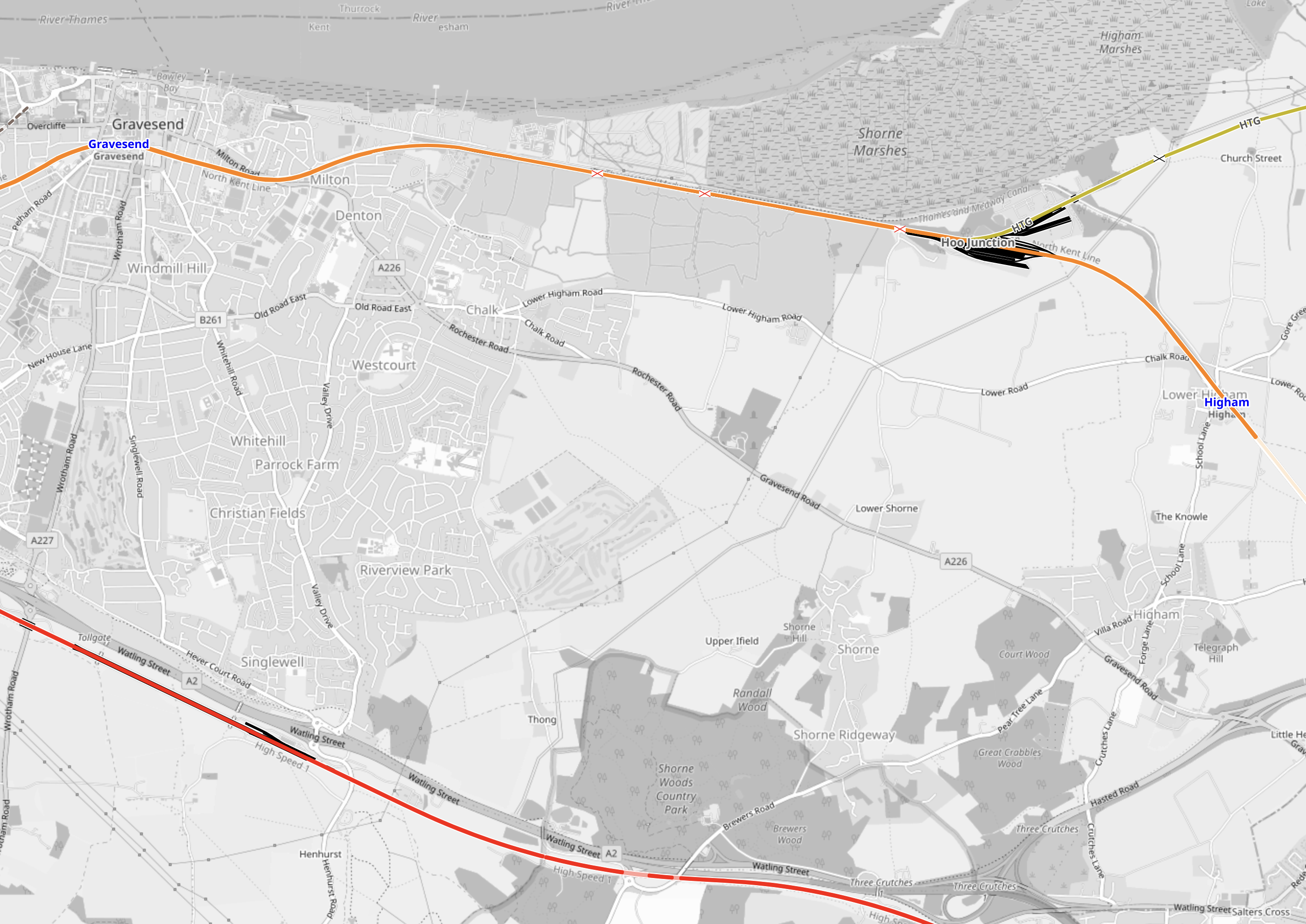
Note.
- Gravesend station is in the North-West corner of the map.
- Higham station is at the Eastern edge of the map.
- The railway shown in orange is the North Kent Line.
- The railway shown in yellow is the Hoo branch.
- The railway shown in red is the Channel Tunnel Rail Link.
It looks like the path of the new crossing could follow a similar path to the overhead power cable shown on this map.
According to Modern Railways, the main reason for reopening the Hoo Branch for passenger trains is to provide rail access for new housing on the Isle of Grain.
- Improving the Hoo branch will also help the freight services to the various docks and installations on the Isle of Grain.
- Will the builders of the new crossing, use the Isle of Grain for the supply of aggregates and the disposal of tunnel spoil?
- Remember that barges on the Thames were used to remove the tunnel spoil from London for both Crossrail and the Battersea extension to the Northern Line.
My knowledge of major projects is saying to me, that before the major works of the new crossing are started, this branch railway must be updated, otherwise it will cause problems in the future.
Could this be why, the Hoo branch reopening has been mentioned in both the April and July 2022 Editions of Modern Railways? Perhaps a sensible decision has been made, that means the Hoo branch will be improved first, to speed the construction of the new Lower Thames Crossing.
Could The Elizabeth Line Be Extended To The Proposed Hoo Station?
The proposed Hoo station is to be just South of the former Sharnal Street station.
- This is under ten kilometres from Hoo Junction, where the North Kent Line is electrified.
- A single platform could handle 4 tph, but provision for two platforms would be prudent.
- A couple of sidings could provide stabling.
- Services would join the North Kent Line at Hoo Junction.
- Services would use battery power between Hoo Junction and Hoo station.
- If charging were needed at Hoo station a short length of 25 KVAC overhead electrification would be needed.
- There is plenty of power available locally to power any electrification.
This Google Map shows the possible location of the station.
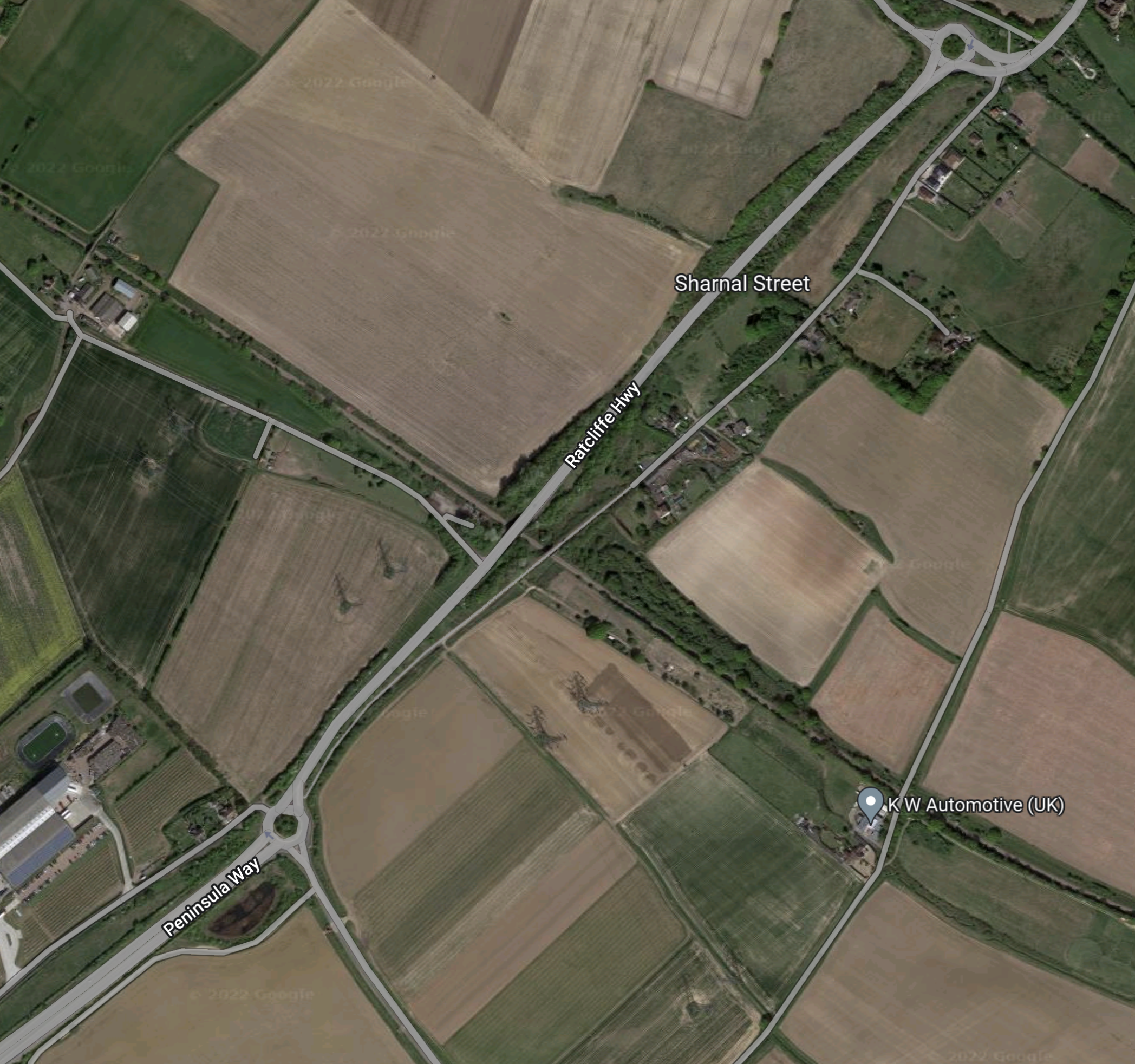
Note.
- The A 289 road running NE-SW across the map from a roundabout in the North-East corner of the map.
- The A 289 leads from the roundabout in the South-West corner of the map to the Medway Tunnel to Chatham.
- Sharnal Street is between the two roundabouts.
- The single-track railway crosses the A 289 at right-angles, about 500 metres South of Sharnal Street.
- There is even a high voltage power line going through the area to the South of the railway.
It seems to be an ideal place for a station with good road access, space and plenty of power to charge battery vehicles and trains.
I took these pictures of where the A289 crosses over the railway on June 27th 2022.
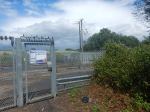
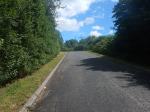
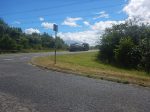
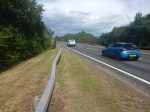
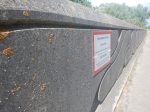
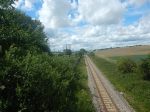
Note.
- The substation site, which is marked with Network Rail logos. It looks like power has been provided to the site.
- The high-voltage line passing to the South of the site.
- There were trucks carrying tunnel segments. Is there a factory on the Isle of Grain and will it produce segments for the Lower Thames Crossing?
- The Sharnal Street bridge over the railway.
It certainly looks like Network Rail have been planning a station there for some time.
Around The Isle Of Grain
I took these pictures of the Isle of Grain on June 27th 2022.










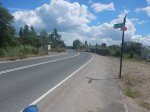






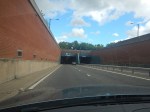


Note.
- There is a lot of housing planned on the island.
- Someone wants to build a theme park.
- The road past the station leads to the Medway Tunnel.
All these factors would add to the case for the station.
Battery-Electric Class 345 Trains
There would be a need to develop a third-rail battery/electric version of the Class 345 trains.
In this article in Global Rail News from 2011, which is entitled Bombardier’s AVENTRA – A new era in train performance, gives some details of the Aventra’s electrical systems. This is said.
AVENTRA can run on both 25kV AC and 750V DC power – the high-efficiency transformers being another area where a heavier component was chosen because, in the long term, it’s cheaper to run. Pairs of cars will run off a common power bus with a converter on one car powering both. The other car can be fitted with power storage devices such as super-capacitors or Lithium-ion batteries if required. The intention is that every car will be powered although trailer cars will be available.
Unlike today’s commuter trains, AVENTRA will also shut down fully at night. It will be ‘woken up’ by remote control before the driver arrives for the first shift
This was published over eleven years ago, so I suspect Bombardier have refined the concept.
A Simple Extension Of The Elizabeth Line
The branch to Hoo station could be a very simple extension of the Elizabeth Line.
- There appear to be no challenging engineering problems.
- Parking and cycling routes could be provided as required at the station.
- The centre of Gravesend would be under ten minutes from Hoo station.
- There would be a same-platform change for HighSpeed services at Gravesend station.
- The developers of the housing would be over the moon.
- Workers for the Lower Thames Crossing and the big energy projects on the Isle of Grain could reverse commute from London.
- The station would only be a few minutes more than an hour from Central London.
- The station could also double as a Park-and-Ride for Chatham and Gillingham.
- Buses could connect Hoo station to Chatham and Gillingham.
It could prove to be a very valuable station for the Isle of Grain and the Medway Towns.
The Contactless Ticketing Conundrum
This is said on the Transport for London website.
Contactless pay as you go is accepted throughout the Elizabeth line.
So it’s just a case of Have Card Will Travel!
So this will mean, that contactless ticketing will have to be accepted at all stations East of Abbey Wood.
Everybody will love that!
Are There Any Other Possible Elizabeth Line Destinations In Kent?
Train companies, since the days of British Rail have run Peak time commuter trains to bring workers into London in the morning and take them home in the evening.
There will be four tph passing through Gravesend and they don’t all have to go to and from Hoo station.
Digital signalling will give flexibility as to which stations the trains could serve.
Possibilities include.
Gillingham
Gillingham station may be a possibility.
Maidstone West
Maidstone West station may be a possibility.
Rainham
Rainham station has three platforms and is already served by two Thameslink tph to Luton through Central London, which use the bay Platform 0
Some might argue that two Elizabeth Line tph should extend from Abbey Wood to Rainham, to give a four tph service between Abbey Wood and Rainham.
This would be a North Kent Metro.
Rochester
Rochester station has three platforms and Platform 3 can turn trains back to London.
It is already used by Thameslink to turn Peak services.
Project Management
The project may be budgeted to cost £3.2 billion, but it is a small number of independent projects.
- Digital signalling
- Electrification changeover at Abbey Wood station.
- An efficient junction East of Abbey Wood.
- Rebuild Belvedere station with step-free access.
- Rebuild Erith station with step-free access.
- Rebuild Slade Green station with step-free access.
- Extend Slade Green depot.
- Upgrade Dartford station.
- Rebuild Stone Crossing station with step-free access.
- Upgrade Greenhithe station.
- Upgrade Swanscombe station.
- Rebuild Northfleet station with step-free access and two extra bay platforms.
- Install people mover between Northfleet and Ebbsfleet stations.
- Upgrade the Hoo Branch.
- Build Hoo station.
Note.
- Gravesend station would only need minimal updating.
- As I said before, I suspect the digital signalling will be the biggest cost.
- Choosing the optimal order is good project management!
- Projects that create fare revenue should be done early, especially if they don’t interfere with services on the railway.
The first projects, that I would develop would be these.
- Rebuild Northfleet station with step-free access and two extra bay platforms.
- Install people mover between Northfleet and Ebbsfleet stations.
- Upgrade the Hoo Branch.
- Build Hoo station.
As I said earlier, this project needs to be developed with the Lower Thames Crossing.
Conclusion
This seems an excellent plan.
Elizabeth/Central Line Interchange At Stratford – 23rd June 2022
During the rail strike yesterday, it was a good time to show how the interchange between the Elizabeth and Central Lines at Stratford station.


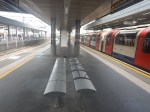
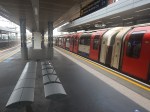

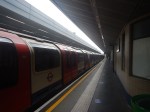
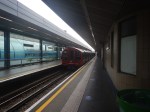
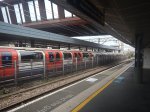

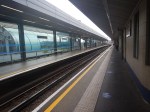


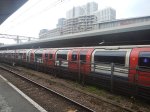

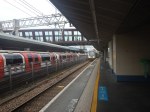


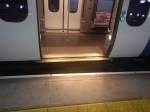
Note.
- I took these photographs from the London-bound platform.
- Platform 3 is the Central Line platform on the Southern side.
- Platform 3A is a second platform face to allow boarding of Central Line trains from both sides.
- Platform 5 is the Elizabeth Line platform on the Northern side.
- To the North of this pair of platforms, there is a second pair for Essex bound trains.
- Platform 6 is the Central Line platform on the Southern side.
- Platform 8 is the Elizabeth Line platform on the Northern side.
Due to the strike I only saw one Elizabeth Line train in the time I was there and I took that to Liverpool Street station.
Step-Free Access Between Train And Platform
These four pictures show the step between trains and platforms at the stations.
The step is bigger on the Elizabeth Line, but both sides could be improved.
This Is An Important Interchange
These two cross-platform changes at Stratford station form an important interchange on the Elizabeth Line and when the Elizabeth Line is fully operational, they will have the following trains.
- Elizabeth Line – Peak – 16 tph
- Elizabeth Line – Off-Peak – 12 tph
- Central Line – Peak – 35 tph
- Central Line – Off-Peak – 24 tph
Note.
- tph is trains per hour.
- These two double-sided platforms will be very busy.
- In the Peak, a train will arrive every seventy seconds.
I believe that this interchange will effectively make the Central Line stations, that are North-West of Stratford, a virtual extension of the Elizabeth Line.
A side-effect could be a rise in house prices near any of those Central Line stations.
Conclusion
This very important interchange, between the Underground and National Rail services was actually opened in October 1946.
It is surprising to me, that we don’t have more interchanges like this in the UK, between local and long-distance rail services.
West Drayton Station – 22nd June 2202
I passed through West Drayton station today and took these pictures.

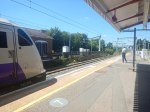
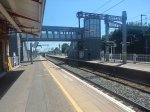

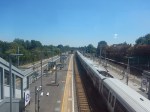







Note.
- The rebuilding of the station is almost finished.
- There are three platforms that can be used by the Elizabeth Line.
- The new Platform 5 is still to be completed
The station is fully step-free between street and platform, but not between train and platform.
Step-Free Provision On Elizabeth Line West Of Paddington
The stations may be step-free between street and platform, but West of Paddington, there does not appear to be step-free access between the platform and the train.
These pictures show a selection of stops.
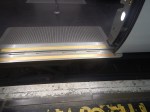
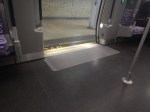

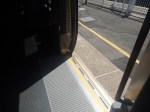
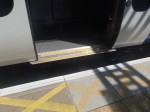
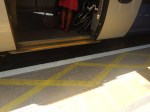
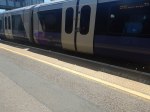
Compare these steps of a few inches, with those I showed in Step-Free Access Between Train And Platform On The Elizabeth Line.


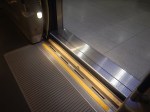
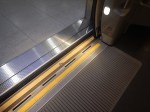
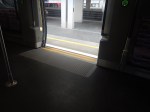


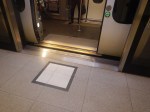
These pictures were taken between Woolwich and Paddington stations and show first class step-free access between train and platform.
The step-free access on the Western branch of the Elizabeth Line does not appear to be up to the standard expected of a world class railway.
Is The Current Arrangement Only Temporary?
I took these pictures at Padding Station today of a Class 345 train alongside Platform 10.
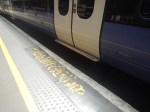
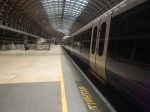
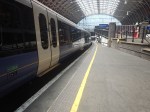
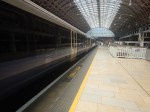
Note.
- There are large gaps.
- I had a chat with a station guy, who’d just unloaded two wheelchair passengers from the train using a ramp.
- He felt things could be improved.
- I feel that level access for the Elizabeth Line at Paddington is important.
But when the Elizabeth Line is fully connected, it will be connected to a series of Central London stations, including Paddington, that will have full step-free access between the train and the platform.
So the current arrangement will be improved dramatically in a few months.
The Visitor To London In A Wheel-Chair
The Central London section of the Elizabeth Line between Paddington and Whitechapel or Woolwich stations is step-free between street and train.
So a visitor to London in a wheel-chair might choose to stay in a hotel on this easy section of the Elizabeth Line to make the most of their stay.
But because of the lack of step-free access between train and platform outside of the Central London section, would they have trouble visiting places like Windsor, which would require a change of trains at Slough?
Would It Be Possible To Separate Elizabeth Line and Great Western Railway Services?
Consider.
- Great Western Railway services between Paddington and Didcot Parkway use the Elizabeth Line platforms at Ealing Broadway, Hayes and Harlington, West Drayton, Slough, Maidenhead, Twyford and Reading.
- In addition, some express trains stop at Slough and Ealing Broadway.
- There are also freight trains passing through.
It might be sensible to move the Paddington and Didcot Parkway service to the Elizabeth Line and adjust platform heights appropriately.
Crocheting On The Lizzie Line
I saw a lady crocheting on the Lizzie Line yesterday!
Extending The Elizabeth Line – Will There Be A Need For Long Distance Class 345 Train?
I wrote Crossrail To Heathrow, Reading And Southend in August 2017.
This was a section in that post.
The Long Distance Class 345 Train
Adding Oxford and/or Southend to Crossrail services, may need a sub-class of Class 345 train to be created, due to the length of the journey. Toilets would be the obvious addition.
As an example, the safeguarded Reading and Gravesend service would be eighty-three miles.
- A Reading and Paddington service takes fifty-seven minutes for the thirty-six miles.
- At that speed Reading and Gravesend would take two hours and eleven minutes.
- Even Reading and Shenfield will will take only nine minutes less than two hours.
Will all passengers be able to hold on for these lengths of time?
100 mph Capability
Greater Anglia’s Class 720 trains are 100 mph trains, but their sisters on the Elizabeth Line are only 90 mph trains.
So if the trains are to work perhaps to Gravesend, Oxford or Southend would a 100 mph capability be needed?
Conclusion
If the Elizabeth Line is extended, there may be a need for trains to be updated.
Extending The Elizabeth Line – An Extension To Southend Airport
The Wikipedia entry for Crossrail, has a section for an extension to Southend Airport, where this is said.
Stobart Aviation, the company that operates Southend Airport in Essex, has proposed that Crossrail should be extended beyond Shenfield along the Shenfield–Southend line to serve Southend Airport and Southend Victoria. The company has suggested that a direct Heathrow-Southend link could alleviate capacity problems at Heathrow. The extension proposal has been supported by Southend-on-Sea City Council.
I have written about extending Crossrail to Southend before in Council Launches Campaign To Extend Crossrail To Southend-on-Sea.
In that post, I gave these reasons.
- Extra capacity between London and Southend
- A more intensive service to Southend Airport
- A twenty-four hour service to Southend Airport
- Enabling housing
- Taking pressure from Liverpool Street
I came to the conclusion, that extending the Elizabeth Line to Southend could have a lot going for it.
Times Change
But that post was written nearly four years ago and times change and they will change more in the next few years.
The Elizabeth Line Trains Are Shorter Than The Liverpool Street And Southend Victoria Trains
This has also happened and the pair of five-car Class 720 trains, that Greater Anglia use for Southend Victoria services are over thirty metres longer than the Elizabeth Line’s nine-car Class 345 trains.
This would mean that there would be no need for platform lengthening along the route to Southend Victoria.
Zero-Carbon Aircraft Are Under Development
Zero-carbon aircraft like the Heart Aerospace ES-19 could be in service by 2027. These aircraft will probably have a limited range of around 400 km and a charge time of 40 minutes.
- Southend Airport’s position on the East side of London would enable the creation of zero-carbon flights to places like Amsterdam, Brussels, Lille, Paris and Rotterdam.
- A quick estimate indicates that aircraft like the ES-19 could fly from Southend to Amsterdam and recharge in around two hours.
- Intensively scheduled, these electric aircraft could make several round trips per day.
- Would almost silent electric aircraft be able to fly twenty-four hours per day?
These flights could seriously increase the number of passengers to Southend Airport before the end of the decade.
More Housing
I think more housing will be built between Shenfield and Southend, which will increase the need for more services past Shenfield.
The Great Eastern Main Line Will Have Full Digital Signalling
More and more trains will be running on the Great Eastern Main Line and like other main lines in the UK, it will receive full digital signalling, which would probably be applied to the Shenfield and Southend Line.
This would give the extra capacity to Southend Victoria, that running the Elizabeth Line to Southend Airport and Southend Victoria would need.
Possible Services
I think there are two main possible options, but there may be others.
- A long Elizabeth Line extension all the way to Southend Victoria.
- A short Elizabeth Line extension only as far as Southend Airport.
My feelings are as follows.
- The Greater Anglia service should remain as it is with three trains per hour (tph) calling at all stations to Shenfield, Stratford and Liverpool Street.
- Perhaps three or four Elizabeth Line tph would extend to Southend Victoria, calling at all stations.
- All Elizabeth Line trains would call at all stations to and from London, as they do now!
Full digital signalling would handle the extra trains.
Conclusion
I think it will be unlikely that the Elizabeth Line will be extended to Southend in the next few years, but before the end of the decade, I can certainly see limited Elizabeth Line services going all the way to Southend Victoria.
I’m Missing The Elizabeth Line Today
Today is a Sunday and because engineers are working on connecting the three sections of the Elizabeth Line, there are no trains in the central section between Abbey Wood and Paddington stations.
I have got used to the new line and generally use it if I stray farther than a couple of miles from home to the South. It’s just so handy, when you want to go in an East-West direction across London.
One of the draws to me of the Elizabeth Line is that it is air-conditioned and in the current heat-wave, it is much more pleasant to travel on the line compared to the Central and Northern Lines.
So for my journeys around Central London, I tend to stick to buses, the Overground, Elizabeth Line and Thameslink.
 The Anonymous Widower