Is Six Platforms Enough At Euston For High Speed Two?
In this article in The Times, which is entitled What Is The New HS2 Route? The UK’s High-Speed Rail Network Mapped, this is said.
Sunak said a new six-platform station at Euston would save £6.5 billion compared with HS2’s vision of an 11-platform scheme.
But would it be possible to operate a full service with just six platforms?
This graphic shows High Speed Two services, as proposed by HS2 after Phase 2b opens.
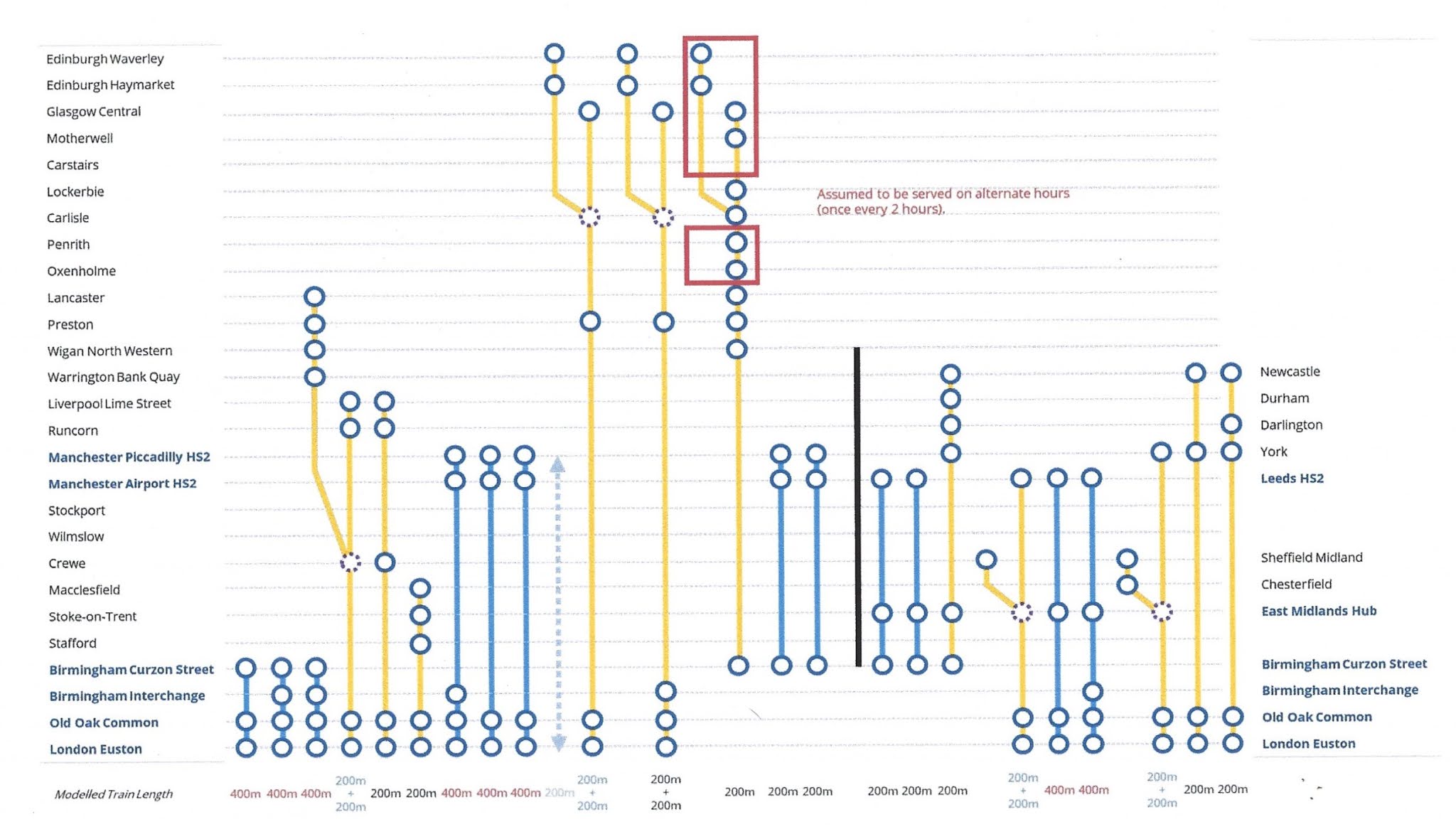
Note.
- Services shown in blue are run by High Speed Two Full Size trains.
- Services shown in yellow are run by High Speed Two Classic-Compatible trains.
- Each service will run once an hour.
- There are seventeen services that terminate at Euston in every hour.
- Eight are High Speed Two Full Size trains, which are 400 metres long.
- Four are single High Speed Two Classic-Compatible trains, which are 200 metres long.
- Five are pairs of High Speed Two Classic-Compatible trains, which are 400 metres long.
I have a few thoughts.
The Capacity of High Speed Two
High Speed Two has been designed to have a capacity of eighteen trains per hour (tph).
That means it should be able to handle the seventeen tph to and from Euston.
Six Platforms Would Mean That Each Platform Would Handle Three tph
That is just simple arithmetic.
But could each platform handle three tph?
There are several places in the UK, where a single platform handles three or even four tph.
But these are generally smaller stations handling smaller trains.
I believe that with passenger entry to the platforms from both ends, as there is at King’s Cross, London Bridge and Manchester Piccadilly, that twenty minutes between trains should be possible.
What Happens If It Goes Wrong?
Occasionally trains fail, platforms get blocked or something more serious happens, which in the case of the HS2 Euston station would reduce the number of platforms available to five.
One of these actions could be taken.
Some Trains Can Terminate At Old Oak Common Station
Old Oak Common station is proposed to have six high speed platforms, so four platforms could be used to terminate trains in cases of trouble.
Two Services Run Using Single High Speed Two Classic-Compatible Trains Could Share A Platform
This would work as the platforms are designed to accept a pair of these trains.
Platforms 17 And 18 At The Current Euston Station Could Be Used In An Emergency?
This map from OpenRailwayMap shows the tracks and platforms at Euston station.
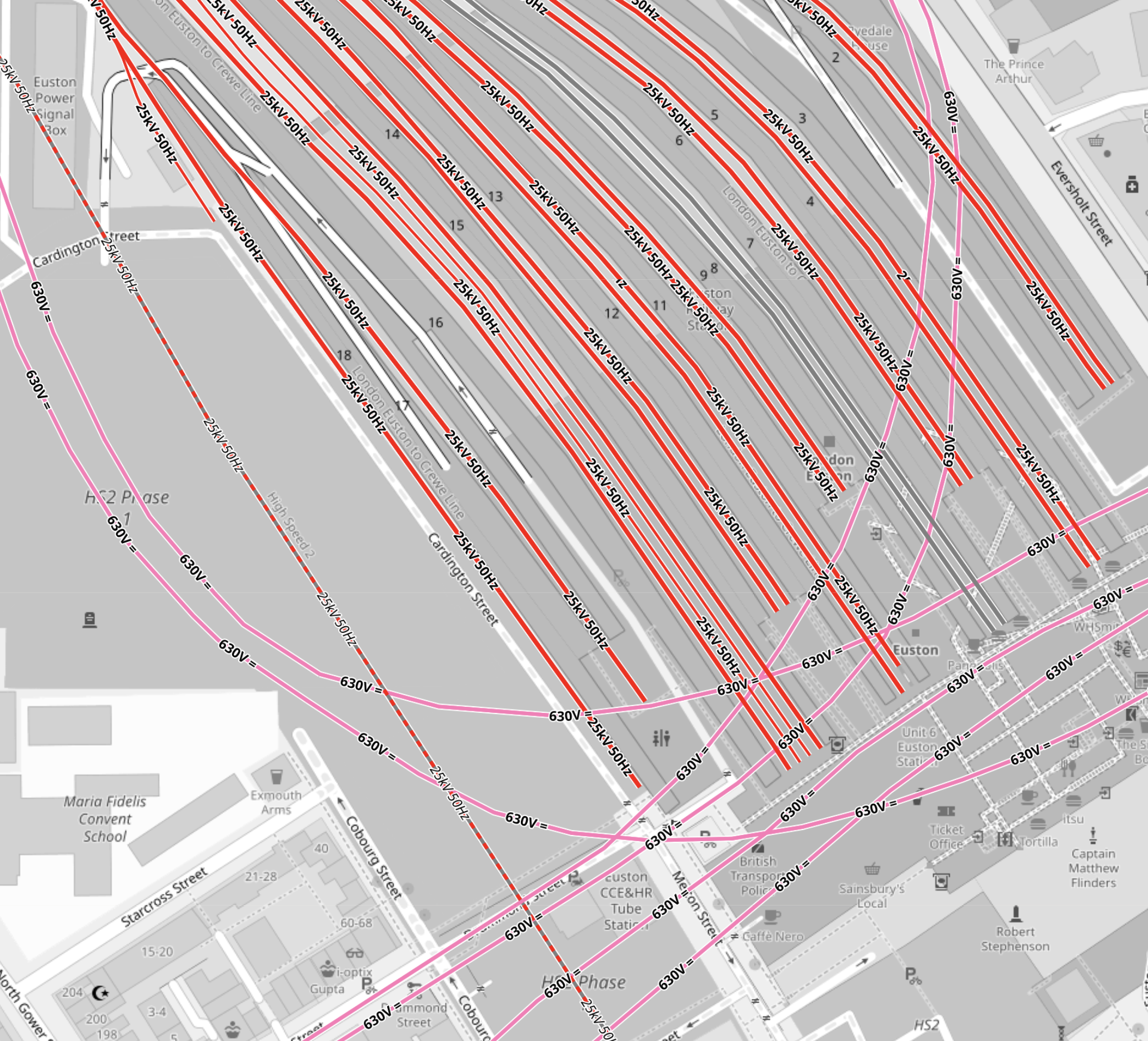
Note.
- Each red track is an electrified platform, with its number alongside.
- Platforms 17 and 18 are on the Western side.
- The pink tracks are London Underground lines.
- The dotted red and grey track down the Western side is the High Speed Two tracks.
Would it be possible to connect the High Speed Two tracks to Platforms 17 and 18 for use in an emergency?
I think it would be.
Conclusion
I believe that it’s possible to design a six-platform station to handle all the High Speed Two traffic at Euston.
Elizabeth Line Takes Fliers Away From Heathrow Express
The title of this post, is the same as that of this article on The Times.
These three paragraphs add details to the story.
The opening of the Elizabeth Line has eaten into the revenues of Heathrow Express, the country’s most expensive railway service per mile travelled.
Filings reveal that Heathrow Express, which offers a 15-minute service between London Paddington and Heathrow, has failed to recover to pre-pandemic levels despite flight volumes at the airport returning to near-normal. Heathrow said revenues from Heathrow Express in the first three months of the year were £22 million.
While that is 50 per cent more than in the same period last year, when Covid-19 travel restrictions were beginning to be relaxed, it is almost a third down on the £31 million of revenues in the first quarter of 2019.
Considering how air travel is on the upturn, Heathrow Express would not appear to be performing as the airport expects.
Remember, that First Group are paid by Heathrow Airport to run the service, which is owned by the airport.
In So Many Cases On A Train!, I wrote about a trip from West Ealing to Moorgate station. These were my opening sentences.
This afternoon about three, I went to West Ealing station to see what it was like to transfer between the Elizabeth Line Central Tunnel and the Western Branch at Paddington.
Coming back, I took an Elizabeth Line service that had started from Heathrow Airport and it was one of the busiest Lizzies, I’d ever ridden!
To get on the train at West Ealing station, I got in to probably coach 4 of 9, as that was in the dry and the back end of the train I needed for Moorgate station was certainly in the wet.
I then had to walk half the length of the train to get to the back of the train.
It was not easy, as the train was full of scores of passengers with large wheelie cases.
It certainly got me thinking about how passengers were getting to and from Heathrow and I came to this conclusion.
Lizzie will start a revolution in travel to and from Heathrow.
Judging by the title of the article in The Times, the revolution has already started.
Consider these reasons.
- Heathrow Express is overpriced.
- It doesn’t go where many passengers want to go.
- It’s not the best way to get workers to and from the airport.
- The ULEZ will discourage passengers and staff from driving to the airport.
In Effects Of The ULEZ In West London, I said this about journeys to and from the airport.
Heathrow Airport is one of the world’s busiest airports and 76,000 people work at the airport, with many more employed nearby.
The airport handled 61.6 million passengers in 2022, which is a few short of 170,000 per day.
If you consider that those that work at the airport do two trips per day and passengers generally do one, that means there are 322,000 trips per day to or from the airport.
But as it now so easy to get to the Airport using the Elizabeth Line will more people use the new line to meet and greet and say goodbye to loved ones or business associates. Since the Elizabeth Line opened, I’ve met a couple of friends at Heathrow, who were passing through.
I wonder, if that daily journey total of 322,000 could be nearer to 350,000 or even 400,000.
If the ULEZ charge makes some passengers and staff switch from their car to using a bus or train, this probably means that public transport to and from the airport, will need to be boosted by a substantial amount.
I can see airport workers lobbying for free tickets on Heathrow Express, but they probably live closer to the airport than Paddington or perhaps even in the Eastern areas of London served by the Elizabeth Line.
The Elizabeth Line Is Showing Signs Of Running Out Of Capacity
In the last few weeks, I’ve been on some very full Elizabeth Line trains.
Articles, like this one on Rail Advent, which is entitled Transport for London Looks Into Funding For Additional Elizabeth Line Trains, are also starting to appear.
These three paragraphs explain the problem.
Transport for London has announced that they are looking for confirmation from the Government regarding funding so that they can look into the possibility of purchasing additional Elizabeth Line trains.
The news from TfL comes after the recent announcement of delays to HS2 terminating at London Euston.
TfL says that without the extra trains, there is insufficient capacity on the Elizabeth Line (until HS2 is extended to Euston in the 2040s) for passengers looking to use HS2 and the Elizabeth Line to get into Central London.
Alstom also appear to want the space in the factory to build other trains.
So it appears that Transport for London must act soon.
Heathrow Express Needs To Be Repurposed
In Extending The Elizabeth Line – High Speed Trains On The Elizabeth Line, I talked about running faster trains through the Central Tunnel of the Elizabeth Line.
As any train would have to be compatible with the platform-edge doors in the central tunnel of the Elizabeth Line, the trains would have to be dimensionally identical to the current Class 345 trains.
- Nine cars
- Possibility of lengthening to ten cars.
- 204.73 metres long.
- 6 sets of doors per carriage
- Ability to run under full digital signalling.
- The trains would be designed for a higher speed of at least 110 or 125 mph, to enable running on the fast lines of the Great Western Main Line.
- The trains would have Heathrow Express branding and interior.
Services could be as follows.
- Heathrow Terminal 4 and Southend Victoria via Bond Street and Liverpool Street for the City and Stratford.
- Heathrow Terminal 5 and Ebbsfleet International via Bond Street and Liverpool Street for the City and Canary Wharf.
Note.
- Both services would be two trains per hour (tph)
- Traffic would determine, which Eastern terminal is paired with which Western terminal.
- Each route would also have two Elizabeth Line tph on the same route.
The Heathrow Express services would run as follows.
- Between Heathrow Airport and Paddington, they would run as now.
- I believe that by using the power of the digital signalling, they could be slotted into the queue of Elizabeth Line trains taking the Central Tunnel.
- They would run through the Central Tunnel, as just another Elizabeth Line train, stopping at all stations.
- Southend Victoria trains would stop at Stratford, take the fast lines to Shenfield, after which they would stop at all stations to Southend Victoria.
- Ebbsfleet International trains would stop at all stations from Abbey Wood to Ebbsfleet International.
Note.
- Trains would stop at Old Oak Common after it opened for High Speed Two and GWR.
- All ticketing would be contactless.
- Passengers using Heathrow Express to the West of Paddington, would pay an extra fee, but nothing like today’s price.
These Heathrow Express routes would have advantages.
- Southend Airport and Southend Victoria would get a direct fast train to Central London and High Speed Two.
- Heathrow would have a direct connection with Continental train services at Ebbsfleet International.
- Capacity could be increased by going to ten-car trains.
- Heathrow Express could release their platforms at Paddington.
- There would be two fast tph between Heathrow and Stratford.
- There would be two fast tph between Heathrow and Canary Wharf.
- There would be four fast tph between Heathrow and Bond Street for the shopping and Liverpool Street for the City of London.
- There would be four fast tph between Heathrow and Farringdon for Thameslink, Gatwick and Luton Airports.
Heathrow Express trains will be fifteen minutes faster to all destinations.
I don’t think there would be any major disadvantages.
Is There Progress On The West London Orbital Railway?
This short news item is being shown on Railnews under a sub-heading of Overground Plan.
The Mayor of London Sadiq Khan is reported to have predicted that a new London Overground route in west London could be open by the early 2030s. The link had been proposed by the Mayor in his 2018 Transport Strategy. It would run from Hounslow to Acton Central and the new HS2 station at Old Oak Common. From there it would continue to Acton Wells Junction and then along the Dudding Hill line, which is presently used only for freight, via the existing stations on the Euston-Watford Overground route at Harlesden and the Jubilee Line station at Neasden. Trains would continue from Neasden along the Midland Main Line in both directions to West Hampstead Thameslink and Hendon. It is understood that engineering consultants are being chosen to develop a detailed design.
So is there progress at last on what I feel is a much-needed and affordable addition to London’s railway network?
The West London Orbital Railway
In TfL Advances Plans For DLR And Overground Extensions, I said the following about the West London Orbital Railway.
I have written extensively about this railway and you can see my posts here.
This map from the Mayor’s Transport Strategy shows the route.
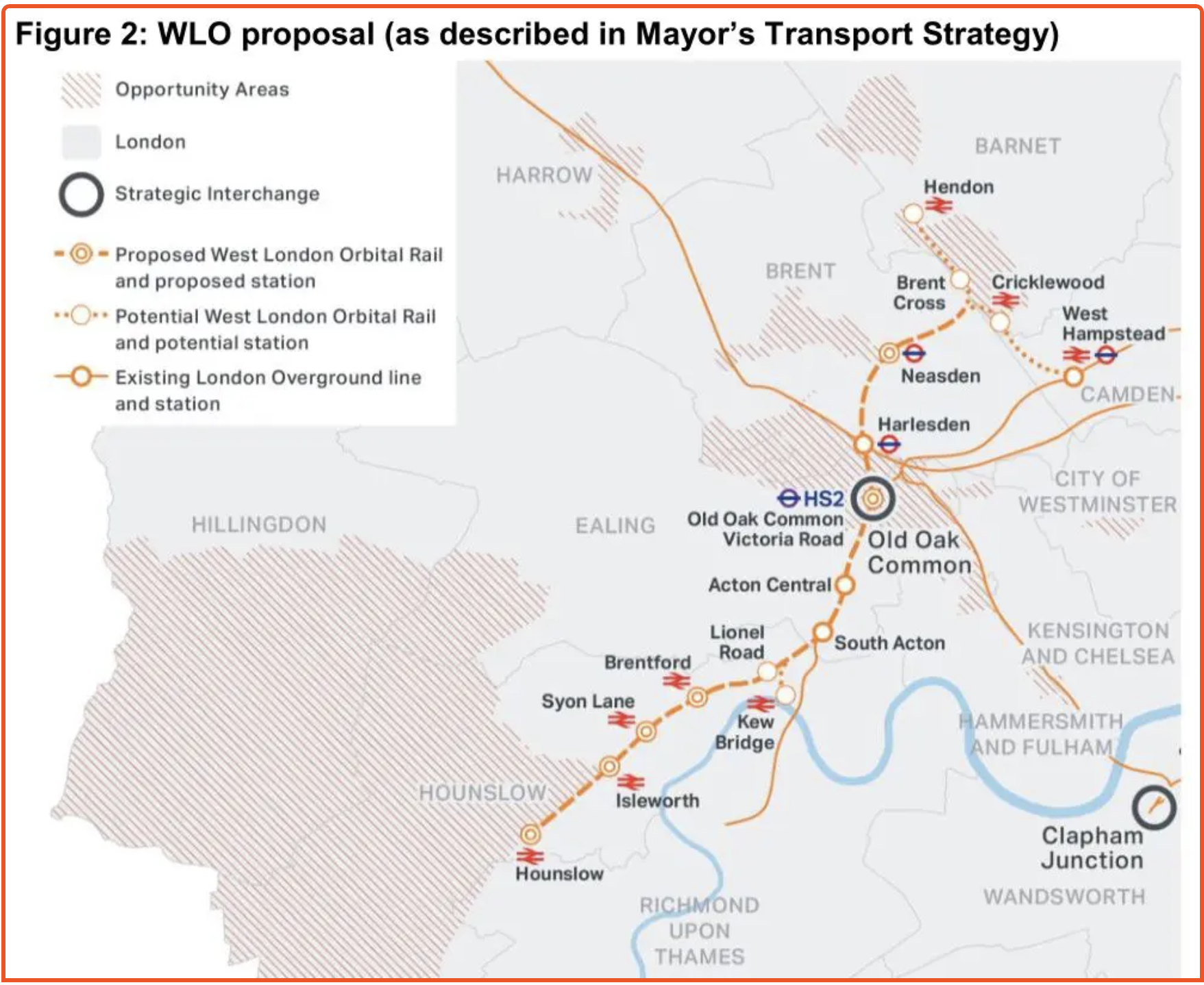
I believe this railway could do the following.
- Level-up much of North-West London.
- Provide better access to Heathrow.
- Link West London to High Speed Two and the Elizabeth Line.
It would also provide better links to Brentford’s new stadium.
The New Civil Engineer says this about funding.
TfL now confirms that the West London Alliance has commissioned feasibility work for the scheme. Meanwhile, TfL is considering options for a Borough Community Infrastructure Levy to help pay for it and has been investigating development opportunities on the route that could unlock funds via Section 106 planning obligations and Carbon Offset funding.
Conclusion
It does appear there are ways and means to fund these schemes, without expecting the rest of the UK to fund London’s transport network.
TfL Needs More Elizabeth Line Trains Because Of HS2 Delays At Euston
The title of this post, is the same as that of this article on Ian Visits.
This is the first paragraph.
Transport for London (TfL) is warning that delays to the HS2 railway may require it to buy more Elizabeth line trains to cope with the thousands of people dropped off at Old Oak Common needing to get into central London.
Given, the way they got the project management and the cost and schedule so wrong, I wonder if we can rely on this assertion.
I certainly find fault with this statement.
In an ideal world, TfL would be able to send some empty Elizabeth line trains stabled in a depot to the west of Old Oak Common station, but the location of the main depot rules that out.
The Wikipedia entry for the Elizabeth Line says this about the future service.
In May 2023, it is planned to allow trains to run from both eastern branches to west of Paddington. This will allow both more flexible, and higher frequency, services: 24 tph peak, 20 tph off-peak, and direct services between Shenfield and Heathrow. In the longer term, when Old Oak Common opens, all trains will serve Old Oak Common, with those not serving the Reading or Heathrow branches reversing there.
The service changes for 21 May 2023 were confirmed in February 2023. The peak timetable will increase to 24 trains per hour. Off-peak service level will remain at 16 trains per hour, with two Shenfield–Paddington trains extended to Heathrow Airport Terminal 5 and two Abbey Wood–Terminal 5 trains switching to Terminal 4.
Consider.
At present 8 trains per hour (tph), pass through the site of Old Oak Common station.
By reversing the trains at Old Oak Common, rather than Paddington, this will surely mean that after the 21st of May 2023, 24 tph in the Peak and 20 tph in the Off Peak will pass through Old Oak Common.
If eight tph, still go on to Heathrow, Maidenhead and Reading, 16 tph will be turned in the Prak and 8 tph in the Off Peak.
This would give more capacity, as more trains would be running between Old Oak Common and Whitechapel.
If TfL have collected the right statistics, I’m sure they can predict the number of trains needed.
It seems to me, that the most important thing that TfL can do is make sure they can turn all the trains they need to at Old Oak Common station.
How Are Trains Going To Be Reversed At Old Oak Common?
The Victoria Line can handle 33 tph between Brixton and Walthamstow Central and the Elizabeth Line could use a similar method to handle the 16 tph, it needs to turn at Old Oak Common.
A process called stepping-up is used on the Victoria Line.
- On arrival in the terminal platform, the driver shuts the train down and leaves the cab.
- A second driver gets in the cab at the other end of the train and readies the train for departure.
- When instructed by the signalling, the new driver initiates the process by which the train leaves the station.
The original driver of the train, walks to the other end of the platform, to get themselves ready to be called to step-up to another train, at an appropriate time in the future.
I suspect to use stepping-up at Old Oak Common for the Elizabeth Line will need four platforms; two through platforms for services beyond Old Oak Common and two adjacent bay-platforms for services to be turned.
In Crossrail Trains Cleared To Use The Heathrow Tunnel, I gave this detailed description from Ian of the Class 345 trains‘ Auto-Reverse feature.
Around half of westbound trains will terminate at Paddington, but to head back eastwards, once all the passengers are off, they carry on westwards to Westbourne Park, then return back to Paddington on the eastbound line.
Normally that means the train driver would drive to Westbourne Park, stop, walk through the train to the other end, then drive back. But with “auto-reverse”, as soon as the train leaves Paddington, the driver switches to automatic and starts walking through the train to the other end. By the time the train arrives at Westbourne Park sidings, the driver will be sitting in the drivers cab at the other end of the train ready to head back into Central London.
I suspect that the Elizabeth Line will use Auto-Reverse or some other nifty piece of automation at Old Oak Common.
High Speed Two – Old Oak Common – 28th March 2023
I took these pictures from an Elizabeth Line train, as it passed High Speed Two’s massive Old Oak Common site.
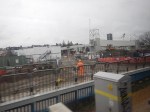
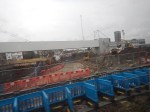
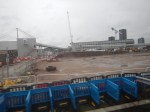

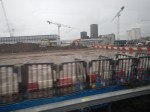


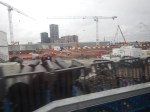
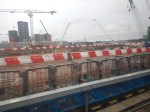
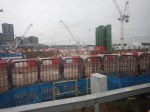
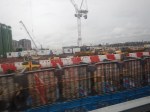
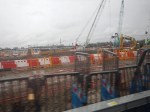

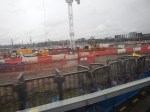
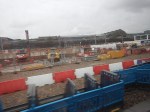

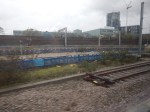
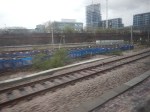
Note, the large conveyor in the first seven pictures is used to remove soil from the site.
TfL Considers Replacing Over Half Of London Overground Trains Within The Next 4 Years
The title of this post, is the same as that of this article on MyLondon.
This is the sub-heading.
The trains were specially built for the dimensions of the Overground network
This paragraph outlines, why the trains may be replaced.
The 57 Class 378 ‘Capitalstar’ trains which provide the majority of services on London Overground could disappear as soon as June 2027, as Transport for London (TfL) officials decide what to do with them as their leases expire. The five carriage walkthrough trains have helped revolutionise the Overground network, being built to special dimensions to fit the unique profile of the suburban routes they run on – notably the East London line, where trains use the narrow single-bore Thames Tunnels.
Note.
- The Class 378 trains, which I use regularly, still seem to be performing well!
- They could do with a lick of paint and a tidying up in places.
- Would it be too much to ask for power sockets and wi-fi?
- The other London Overground trains, the Class 710 trains can’t run through the Thames Tunnel on the East London Line, as they have no means to evacuate passengers in the tunnel in an emergency.
- More Class 378 trains are needed for the East London Line to increase services, but these can be obtained by transferring trains from the North London Line and replacing those with new Class 710 trains.
I live near the two Dalston stations on the London Overground and the thing we need most is more capacity.
I have some thoughts on London Overground’s future trains.
Increased Services On The Current Network
Plans exist to increase the frequency on various London Overground services and this graphic sums up what was planned a few years ago.
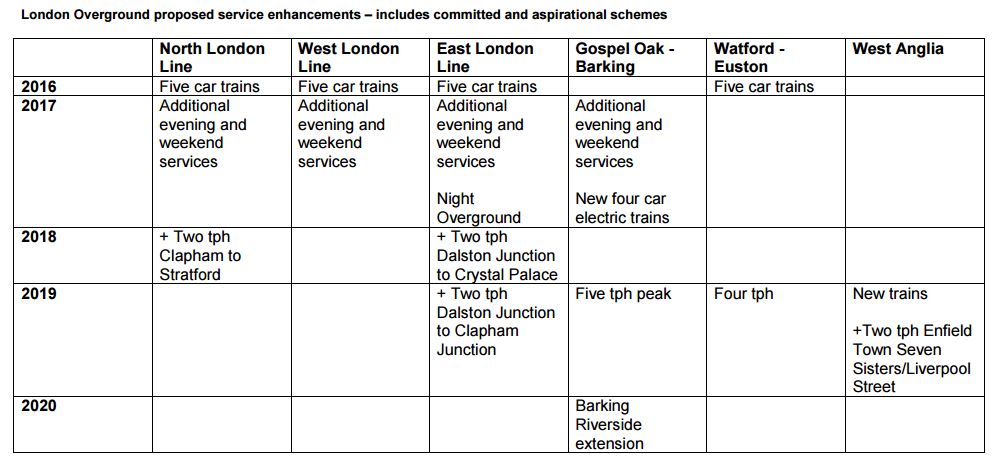
Note the extra two trains per hour (tph) between the following stations.
- Clapham Junction and Stratford
- Dalston Junction and Crystal Palace
- Dalston Junction and Clapham Junction
- Enfield Town and Liverpool St. via Seven Sisters
I think only Route 1 services have been increased.
I know signalling updates are holding up the extra trains on the East London Line, but are more trains needed to fully implement the extra services?
- Routes 2 and 3 services will need Class 378 trains because of the tunnel and these would be transferred from the North London Line.
- Route 4 would need Class 710 trains, as the service already uses them.
So there may be a need for more Class 710 trains.
West London Orbital Railway
The graphic doesn’t mention the West London Orbital Railway.
- There would be two routes between West Hampstead and Hounslow and Hendon and Kew Bridge using the Dudding Hill Line.
- The tracks already exist.
- Some new platforms and stations would be needed.
- The route would probably need improved signalling.
- Four tph on both routes would probably be possible.
- The West London Orbital Railway would connect to the Great Western Railway, the North London and Elizabeth Lines and High Speed Two at Old Oak Common station.
I believe it could be run by battery-electric versions of either the Class 378 or Class 710 trains. This would avoid electrification.
As some commentators have suggested that the West London Orbital Railway and the Gospel Oak and Barking Line would be connected, I would expect that new battery-electric Class 710 trains would be used.
Adding On-board Energy Storage To The Class 378 Trains
In Will London Overground Fit On-board Energy Storage To Class 378 Trains?, I asked whether it would be worthwhile.
I finished with these two sentences.
I have no idea how much electricity would be saved by regenerative braking on the London Overground, but various applications of regenerative braking technology talk of electricity savings of between ten and twenty percent.
I think it is only a matter of time before the technology is proven to be sufficiently reliable and the numbers add up correctly for the Class 378 trains to be fitted with on-board energy storage.
What would be the advantages from fitting on-board energy storage?
- There would be the savings of electricity by the use of regenerative braking to the batteries.
- Trains could be rescued from the Thames Tunnel, if there was a power failure.
- Hotel power would be maintained, if there was a power failure.
- Trains can be moved in depots and sidings without power.
- Trains would be able to move in the event of cable theft.
- Short route extensions might be possible.
- Could battery power be used to serve Euston during the rebuilding process for High Speed Two?
- Do Network Rail want to remove third-rail electrification from Euston station for safety or cost reasons?
There could be a saving in train operating costs.
We know the trains are coming up for a new lease.
Suppose the leasing company fitted them with new batteries and some other customer-friendly improvements like new seat covers, better displays, litter bins, power sockets and wi-fi.
- The leasing company would be able to charge more, as they have added value to the trains.
- TfL would be saving money due to less of an electricity bill.
- The passenger numbers might increase due to the extra customer-friendly features.
- Electrification might be removed from places where theft is a problem.
- Third-rail electrification could be removed from Euston station. It’s only 2.8 miles to South Hampstead station, where third-rail electrification already exists.
Get it right and passengers, TfL, Network Rail and the leasing company would all be winners.
Could The Giant Station At Bank, Liverpool Street, Monument And Moorgate Be Considered A Superhub?
In Is The City Of London Moving Towards One Giant Station?, I showed how the four stations were being drawn together and developed as one large station that served the heart of the City of London.
London is also developing other large interchange stations that could claim because of their connectivity could be classed as London superhub stations.
- Canary Wharf stations, which connect the Elizabeth and Jubilee Lines, and the Docklands Light Railway.
- Old Oak Common station, which could bring together the Central, Chiltern and Elizabeth Lines, the London Overground and High Speed Two.
- Stratford station, which connects the Central, Elizabeth and Jubilee Lines, the Docklands Light Railway, the London Overground, High Speed One and the Great Eastern Main Line.
- Whitechapel station, which connects the Circle, District, Elizabeth and Hammersmith & City Lines, and the London Overground.
But what are the characteristics of a superhub station?
A Lot Of Lines And Services
Obviously, it must have a lot of lines and services, so perhaps Clapham Junction station is the original superhub station.
All Lines Should Have Step-Free Access
This surely, goes without saying.
There Should Be Lots of Information
If the station is large it needs a lot of information and there’s probably the space to put it.
Helpful Staff
Should we have a fully-staffed kiosk at superhub stations, as there are at some main line stations?
Good Bus Connections
Bus connections at a superhub station must be comprehensive and probably connect to other superhubs.
There Should Be A Selection Of Shops For Travellers
I do my daily food and other shopping, as I travel around London. I’ll often use a station like Paddington with a good selection of shops.
Toilets
There are not enough public toilets in London.
Cash Machines
I know we’re using less cash, but a large station is a secure place to put a cash-machine.
Works Of Art
I also believe that railway stations are a secure place to put some of those large bronze sculptures and other works of art, that are currently locked away in the storerooms of galleries.
Regulator Approves New Grand Union Train Service From Carmarthen To London Paddington
The title of this post, is the same as that of this press release from the Office of Rail and Road.
This is the sub-heading of the press release.
The Office of Rail and Road (ORR) has opened up the Great Western Main Line to competition and enabled a significant increase in rail services between London and South Wales.
These points are made in the press release.
- The rail regulator has approved the introduction of new train services between London, Cardiff and South West Wales from the end of 2024.
- The services will be operated by a new open access operator, Grand Union Trains, bringing competition to the Great Western route out of Paddington.
- Passengers travelling between London, Bristol Parkway, Severn Tunnel Junction, Newport, Cardiff, Gowerton, Llanelli and Carmarthen will benefit from an extra five daily return services and greater choice of operator.
- The decision opens up the Great Western Main Line to competition for the first time, with potential benefits in terms of lower fares, improved service quality and innovation for all passengers using the route.
- The application, submitted to ORR in June 2022, was disputed by Network Rail due to concerns about capacity on the network. But following careful consideration and analysis, ORR has directed Network Rail to enter into a contract with Grand Union.
- Grand Union has committed to significant investment in new trains.
- As an ‘open access’ train operator, however, it will not get paid subsidies from public funds, unlike current operators along the route.
ORR supports new open access where it delivers competition for the benefit of passengers. In making this decision, the regulator has weighed this up against the impact on Government funds and effect on other users of the railway, both passengers and freight customers.
These are my thoughts.
The Company
Grand Union Trains have certainly persevered to get this approval.
- The company was created by Ian Yeowart, who previously created open access operators; Alliance Rail Holdings and Grand Central before selling both to Arriva.
- After multiple negotiations with the Office of Road and Rail (ORR), Yeowart must know how to get an acceptable deal.
- Grand Union Trains have a similar application for a service between Euston and Stirling with the ORR.
Grand Union Trains also have a web site.
The home page has a mission statement of Railways To Our Core, with this statement underneath.
At Grand Union we are passionate about Britain’s railways. We are committed to the traditional values of providing a high-quality customer service and a comfortable journey experience at a fair price.
I’ll go with that.
The Financial Backing Of The Company
All the UK’s open access operators are well-financed either by Arriva or First Group.
The ORR would not receive any thanks, if they approved an operator, which duly went bust.
So what is the quality of the financing behind Grand Union Trains?
This article on Railway Gazette is entitled RENFE Looks At Entering UK Rail Market Through Open Access Partnership, which starts with this paragraph.
Open access passenger service developer Grand Union Trains is working with Spain’s national operator RENFE and private equity firm Serena Industrial Partners on a proposed service between London and Wales.
That is fairly clear and would surely help in the financing of Grand Union Trains.
The Route
Trains will run between Carmarthen and London Paddington, with stops at Llanelli, Gowerton, Cardiff, Newport, Severn Tunnel Junction and Bristol Parkway.
A new station at Felindre will replace Gowerton at some time in the future.
There will be five trains per day (tpd).
I have some thoughts and questions about the route
Felindre Station
Felindre station is named in Wikipedia as the West Wales Parkway station, where it is introduced like this.
West Wales Parkway is a proposed railway station north of Swansea, near to the boundaries of the neighbouring principal area of Carmarthenshire, and the villages of Felindre and Llangyfelach. The station is proposed to be situated at the former Felindre steelworks, near Junction 46 of the M4 and A48, and near Felindre Business Park and Penllergaer Business Park. The project is in the planning stages, as part of a wider Department for Transport proposal to re-open the Swansea District line to passenger traffic.
This Google Map shows where, it appears the Felindre station will be built.
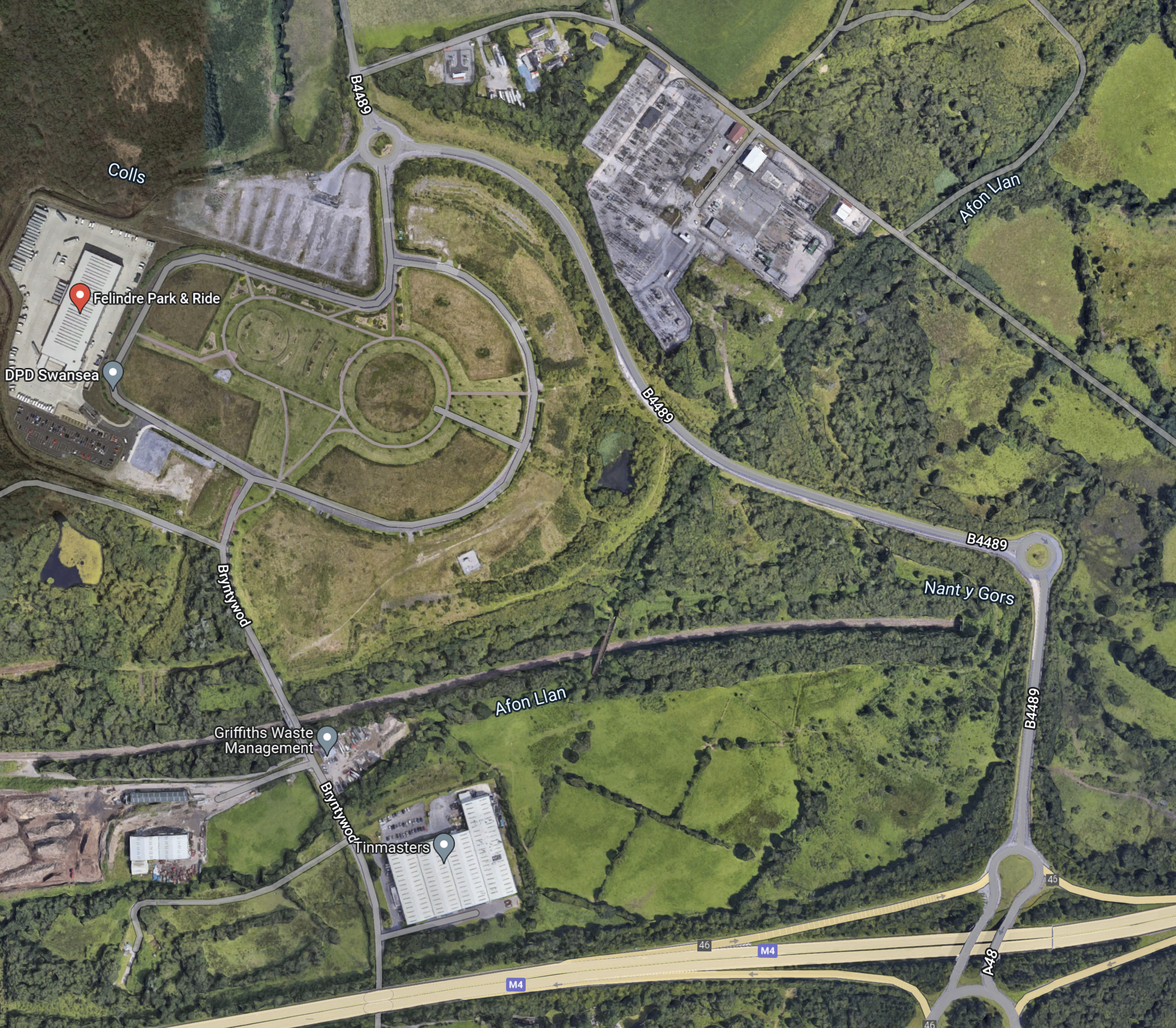
Note.
- The Felindre Business Park in the North-West corner of the map, with a Park-and-Ride.
- The M4 running across the bottom of the map.
- The Swansea District Line runs East-West between the motorway and the Business Park.
It looks that the new station could be located on the South side of the Business Park.
When High Speed Two Opens Will Trains Call At Old Oak Common?
When High Speed Two opens, all GWR trains will stop at Old Oak Common station for these connections.
- Chiltern for for Banbury, Bicester, High Wycombe and the West Midlands
- Elizabeth Line for Central and East London and the Thames Valley
- Heathrow Airport
- High Speed Two for Birmingham and the North
- Overground for Outer London
As Old Oak Common will be such an important interchange, I think they should.
Will The Platforms At Carmarthen Station Need Lengthening?
This Google Map shows Carmarthen station.
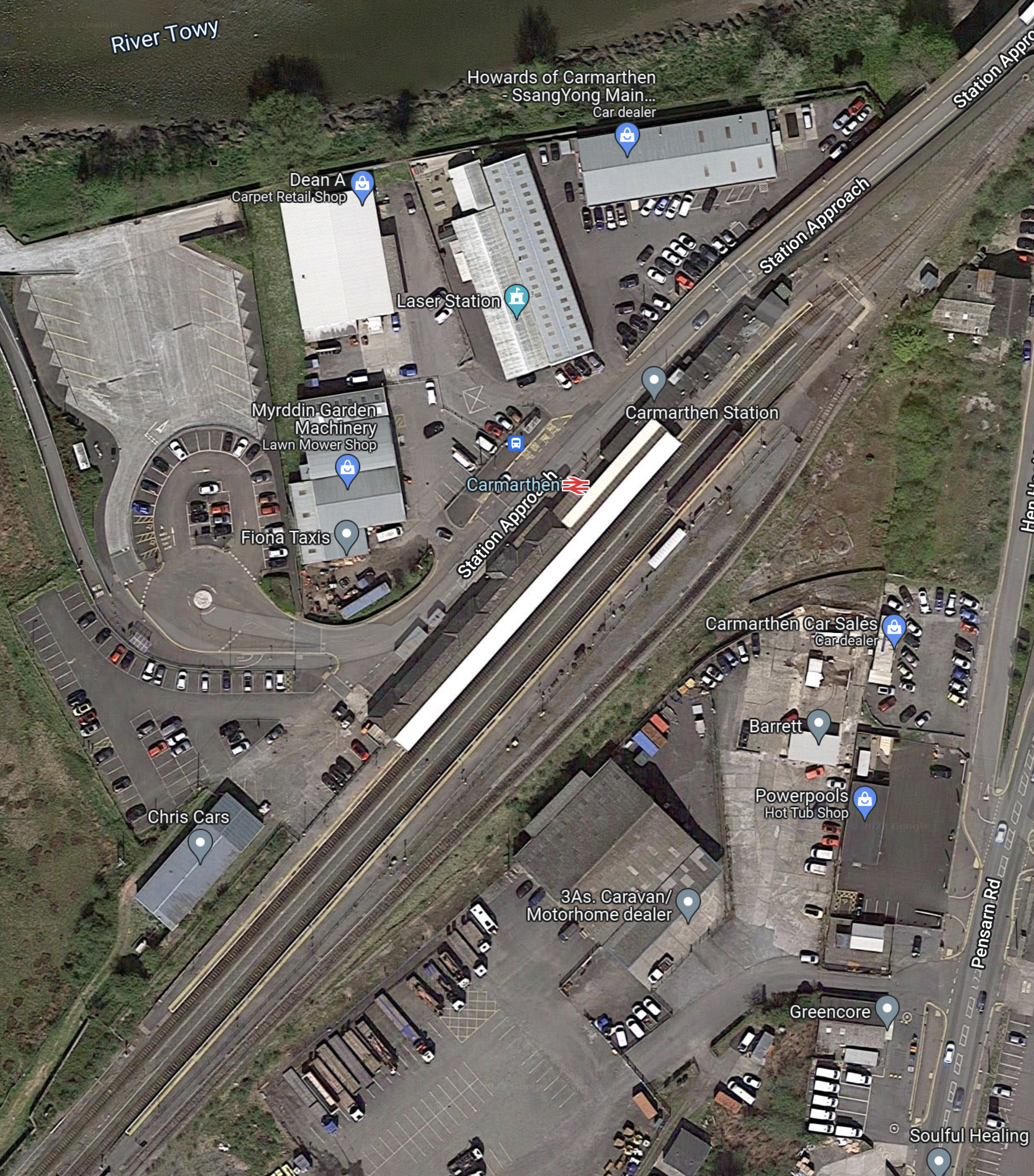
Note.
- The station has two platforms.
- There are certainly pictures of the station with an InterCity 125 in the station. There is a picture on the Wikipedia entry for Carmarthen station.
These pictures show the station.
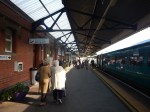
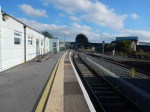

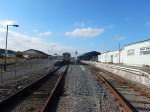


I suspect that the station will be upgraded to accommodate Grand Union Trains.
The Trains
An article in the June 2022 Edition of Modern Railways, which is entitled Grand Union Bids For London To Carmarthen, gives these details of the trains.
- Three classes.
- 2023 start for the service.
- Cycle provision.
- Vanload freight will be carried.
- Electric trains could start between London and Cardiff by 2023.
- In 2025, trains could be nine-car bi-modes.
- South Wales-based operation and maintenance.
- 125 full-time jobs created.
It certainly seems to be a comprehensive and well-thought out plan.
I have a few thoughts on the trains.
What Make Of Trains Will Be Procured?
Consider.
- Lumo’s Class 803 trains were ordered from Hitachi in March 2019 and entered service in October 2021.
- So if they ordered their version of the Hitachi trains by the end of 2022, the trains could be in service by July/August 2025.
- It would probably be easier, if the only fast trains on the Great Western Main Line between London and South Wales were all Hitachi trains with identical performance.
But the Spanish backers of Grand Union Trains may prefer Spanish-designed trains assembled in South Wales. So would a bi-mode version of CAF’s Class 397 trains be suitable?
On the other hand, the Carmarthen and Cardiff section of the route without a reverse at Swansea is only seventy-five miles.
This Hitachi infographic shows the Hitachi Intercity Tri-Mode Battery Train.

Consider.
- Charging could be provided at Carmarthen using a short length of electrification or one of Furrer + Frey standard chargers.
- Charging would also use the electrification between London Paddington and Cardiff.
- A nine-car Class 800 or Class 802 train has five engines and a five-car train has three engines.
- The Intercity Tri-Mode Battery Train was announced in December 2022.
- In the intervening two years how far has the project progressed?
- For the last twelve months, Lumo have been running trains with an emergency battery-pack for hotel power. How are the batteries doing, whilst being ferried up and down, the East Coast Main Line?
Can Hitachi configure a train with more than one battery-pack and a number of diesel engines, that has a range of seventy-five miles? I suspect they can.
I suspect that CAF also have similar technology.
There is also a benefit to Great Western Railway (GWR).
If GWR were able to fit out their Class 802 trains in the same way, they would be able to run between Cardiff and Swansea on battery power.
- It is only 45.7 miles.
- Charging would need to be provided at Swansea.
- GWR could still run their one tpd service to Carmarthen.
It looks like both train operating companies could be able to do as Lumo does and advertise all electric services.
What Could Be The Maxmum Range Of A Hitachi Train On Batteries?
This Hitachi infographic shows the Hitachi Regional Battery Train.

Consider.
- It has a battery range of 90 km or 56 miles on the single battery.
- I would expect that by a regional train, Hitachi mean a five car Class 800 or 802 train, like those that go to Cheltenham, Lincoln or Middlesbrough.
- A five-car Hitachi Regional Battery Train would have a battery that could contain power equivalent to 280 car-miles.
- Five-car Class 800 or 802 trains have three engine positions.
- These Hitachi trains have a very sophisticated control system, which I wrote about in Do Class 800/801/802 Trains Use Batteries For Regenerative Braking?
I believe the engineers at Hyperdrive Innovation have designed the battery-packs that replace the diesel engines as simulations of the diesel engines, so they can be a direct replacement.
This would mean that battery-packs could be additive, so the following could apply to a five-car train.
- Two battery packs could have a range of 112 miles.
- Three battery packs could have a range of 168 miles.
GWR generally runs pairs of five-car trains to Swansea, which would be 90 miles without electrification.
If five-car trains with two battery packs, could be given a range of 112 miles, GWR could run an electric service to Swansea.
They could also run to Carmarthen, if Grand Union Trains would share the charger.
What ranges could be possible with nine-car trains, if one battery pack is good for 280 car-miles?
- One battery-pack, gives a range of 280/9 = 31 miles
- Two battery-packs, give a range of 2*280/9 = 62 miles
- Three battery-packs, give a range of 3*280/9 = 93 miles
- Four battery-packs, give a range of 4*280/9 = 124 miles
- Five battery-packs, give a range of 5*280/9 = 155 miles
- Six battery-packs, give a range of 6*280/9 = 187 miles
- Seven battery-packs, give a range of 7*280/9 = 218 miles
Note.
- I have rounded figures to the nearest mile.
- There are five cars with diesel engines in a nine-car train, which are in cars 2,3,5, 7 and 8.
- Diesel engines are also placed under the driver cars in five-car Class 810 trains.
- For the previous two reasons, I feel that the maximum numbers of diesel engines in a nine-car train could be a maximum of seven.
- I have therefor assumed a maximum of seven battery packs.
These distances seem sensational, but when you consider that Stradler’s Flirt Akku has demonstrated a battery range of 243 kilometres or 150 miles, I don’t think they are out of order.
But, if they are correct, then the ramifications are enormous.
- Large numbers of routes could become electric without any infrastructure works.
- Grand Union Trains would be able to run to Carmarthen and back without a charger at Carmarthen.
- GWR would be able to run to Swansea and back without a charger at Swansea.
Prudence may mean strategic chargers are installed.
Rrenewable Energy Developments In South West Wales
In Enter The Dragon, I talked about renewable energy developments in South West Wales.
I used information from this article on the Engineer, which is entitled Unlocking The Renewables Potential Of The Celtic Sea.
The article on the Engineer finishes with this conclusion.
For now, Wales may be lagging slightly behind its Celtic cousin to the north, but if the true potential of the Celtic Sea can be unleashed – FLOW, tidal stream, lagoon and wave – it looks set to play an even more prominent role in the net zero pursuit.
The Red Dragon is entering the battle to replace Vlad the Mad’s tainted energy.
South West Wales could see a massive renewable energy boom.
Grand Union Trains will increase the capacity to bring in more workers to support the developments from South Wales and Bristol.
Barriers And Planters On The London Overground Platforms At Clapham Junction Station
To get home from Feltham station, after my visit this morning to see the new bridge, which I wrote about in The Completed Bridge At Feltham Station, I changed trains at Clapham Junction station.
I noticed that a barrier has been put up between the current two Overground platforms; 1 and 2.
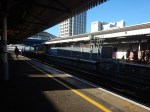
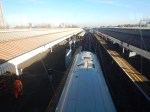
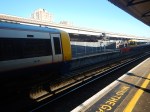
.I suspect it is for safety reasons, as it will certainly stop passengers falling off the platform.
I also noticed that planters had been placed where I suspect that the new Platform 0 will be built.
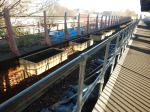

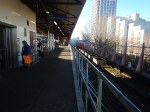
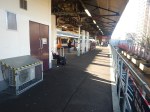
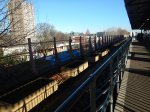
Note.
- If the track is to placed between the planters and the platform, the space could be a bit small.
- Or is the platform going to be rebuilt a bit narrower?
- It also looks like the platform won’t be long enough for the planned eight-car train.
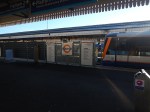
I also took these pictures of what looks to be a Fire Exit.
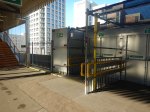
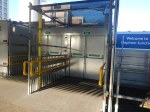
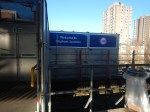
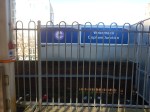
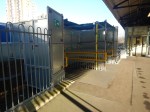
Could it be a temporary entrance, that will be used if there is a lot of work going on about the Grant Road entrance to create the new platform?
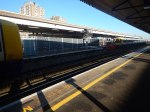
I also took these pictures of the Eastern end of the platform.

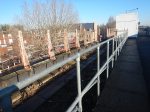
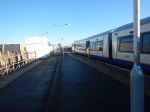

Considering, that the Class 378 train is five cars and an eight-car train would be sixty percent longer, it looks to me, that they will have to extend the platform, behind the temporary entrance or perhaps further towards the East.
Or could Network Rail have called up Baldrick, and asked him for one of his cunning plans?
Consider.
- Currently, there is a one train per hour (tph) between Milton Keynes and Clapham Junction stations, run by Southern.
- The service used to run between Milton Keynes and South Croydon stations.
- There surely is a need for a high-frequency service between the High Speed Two station at Old Oak Common and Clapham Junction station.
- Currently, there is no planned link between Crossrail and the West London Line.
Hythe Road station is planned to be on the West London Line and will serve the High Speed Two station at Old Oak Common.
This Transport for London map, shows the position of the proposed Hythe Road station with respect to High Speed Two and Crossrail.
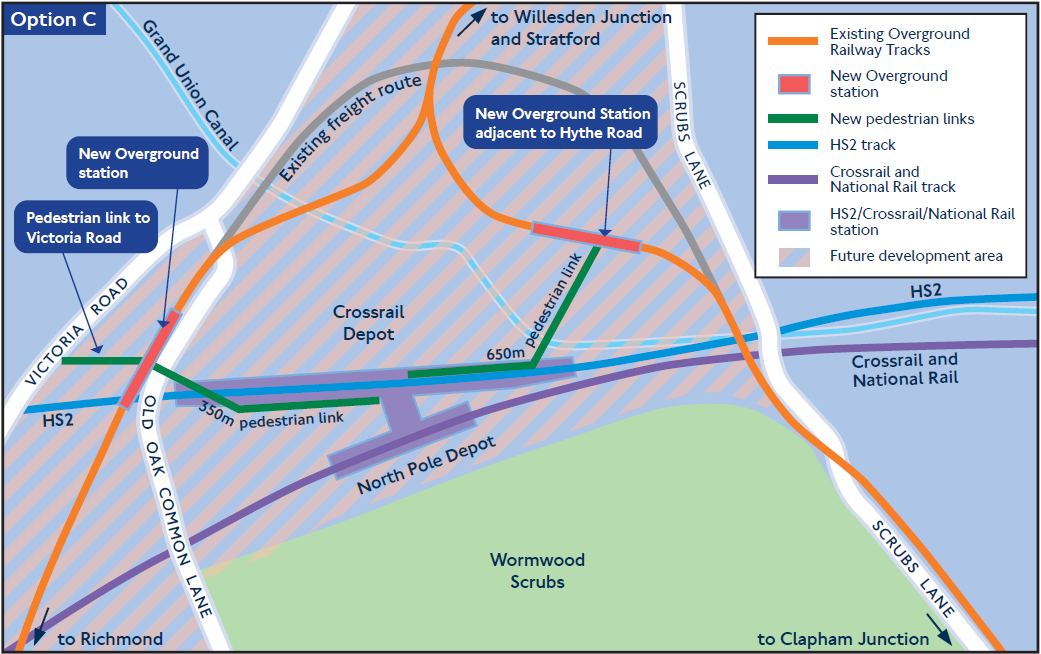
Note.
- The West London Line to and from Clapham Junction goes down the East of the map.
- The North London Line to and from Richmond goes down the West of the map.
- The current Milton Keynes and Clapham Junction service doesn’t go through the site of Hythe Road station, but somehow sneaks round on the freight line in the map.
Wikipedia describes the proposal for Hythe Road station like this.
Hythe Road railway station would be situated about 700 metres (770 yards) from the mainline Old Oak Common station. Construction work would involve re-aligning the track along a new railway embankment (built slightly to the north of the existing line) and demolishing industrial units along Salter Street, on land currently owned by a vehicle sales company (‘Car Giant’). The station structure will sit on a viaduct, with a bus interchange underneath. The station will incorporate 3 platforms, allowing through services between Stratford and Clapham Junction with an additional bay platform to accommodate terminating services from Clapham Junction.
I can envisage an eight tph service between Clapham Junction and Hythe Road stations, made up something like this.
- Four tph between Stratford and Clapham Junction stations
- One tph between Milton Keynes and Clapham Junction stations
- Three tph between Hythe Road and Clapham Junction stations
Note.
- Services would stop at Shepherd’s Bush, Kensington (Olympia), West Brompton and Imperial Wharf.
- Two platforms at Clapham Junction station could easily handle eight tph.
- The London Overground’s five car Class 378 trains would probably be long enough for the shuttle.
- There is even the possibility of running the Milton Keynes and Clapham Junction service with five car trains, to void the expense of creating an eight-car platform at Clapham Junction station.
It would be better if the Milton Keynes and Clapham Junction service could go through Hythe Road station. But this might be difficult to arrange.
Conclusion
An eight tph service through Old Oak Common could be a nice little add-on for both High Speed Two and Crossrail.
Would A Mutant Many-Parent Child Help To Solve London’s Transport Problems?
London needs to increase the capacity of its public transport system, as the City continues to get larger and larger.
Current Major Projects
There are only three major rail projects ongoing in London at the present time.
The Bank Station Upgrade
The Bank Station Upgrade appears to be progressing well, albeit perhaps it’s a bit late due to the pandemic.
It is a complex project and from what I have heard and observed, it has been well designed and planned.
The Barking Riverside Extension
As with the Bank Station Upgrade the Overground extension to the new Barking Riverside station, appears to be going reasonably well.
But compared to that project, it is a relatively simple project, built mainly in the open air, with no tunneling.
Crossrail
Crossrail is in trouble, after what many believe was a very good tunnelling phase of the project.
But then tunnels under London usually seem to go well. I can remember the Victoria Line tunnelling and many other under London since the 1960s and all of these tunnels seem to have been dug without trouble. As I write, there don’t seem to be any tunneling problems with the Thames Tideway Tunnel.
Crossrail now has been reduced to a series of station builds and rebuilds, some of which are as large as the Bank Station Upgrade, with other ongoing projects like the testing of trains and systems.
So why are some of these stations running late in their delivery?
If you walk along the route of Crossrail in the City of London and through Clerkenwell and the West End, it is one massive building side as developers raise massive clusters of new developments around and above the Crossrail stations.
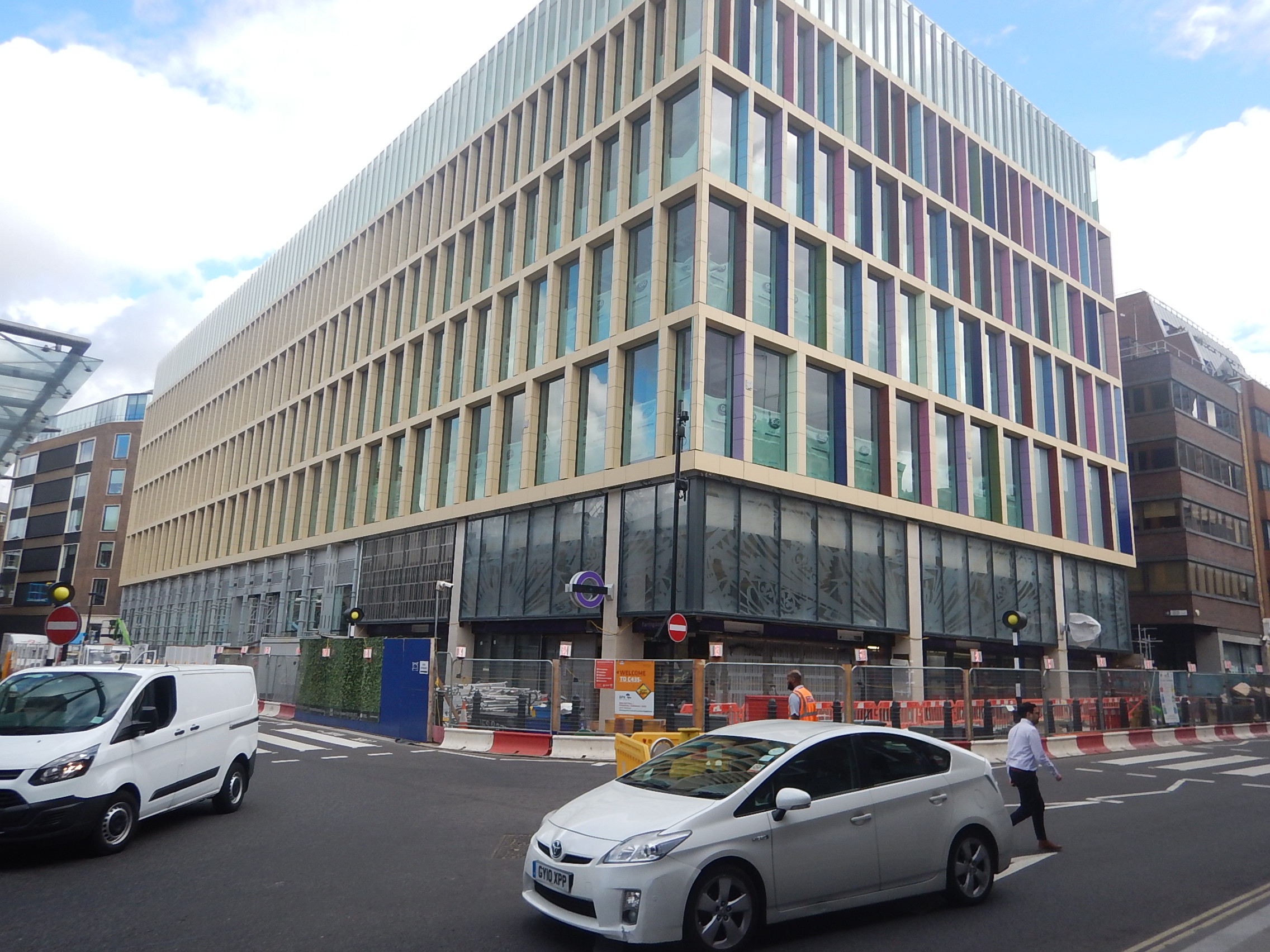
The picture shows Farrington station’s Eastern entrance, with a new development on top.
This one wasn’t a big one, but it went up in record time.
These buildings are often funded by Sovereign Wealth Funds, who want their buildings finished ASAP and as they have bottomless pockets, they are prepared to pay more to get the builders and tradesmen they need.
And where did they get the workers from? Other projects, including Crossrail.
This problem happened in Aberdeen at the height of the oil boom in the last century.
I also think that Brexit worsened the problem, as workers from mainland EU moved to large projects closer to home, like Stuttgart 21 and the new Berlin Brandenburg airport, that were both very much in trouble and could have been offering premium salaries as well!
The solution would have been to phase developments so that the limited pool of workers was not exhausted.
But that probably wouldn’t have suited the developers and politicians for all sorts of reasons.
- An uncompleted building doesn’t bring in money and jobs.
- Early completion must improve chances of letting the building.
- Delaying the building would probably have meant fewer holidays for politicians in exotic locations.
Hopefully, a comprehensive enquiry into the lateness of Crossrail will provide answers.
High Speed Two
High Speed Two is to my mind a London local project. But only in a secondary way!
- Rebuilding Euston station will improve Underground connections and interchange at Euston and Euston Square stations.
- It is claimed by High Speed Two, that the rebuilt Euston station will create 16000 jobs and 2200 homes.
- High Speed Two will enable massive development at Old Oak Common, with tens of thousands of homes and jobs.
- Old Oak Common station will be a very important rail hub in North-West London.
With seventeen trains per hour (tph) between Euston and Old Oak Common will High Speed Two attract local traffic?
- I suspect High Speed Two between Manchester Airport and Manchester Piccadilly and between Birmingham Interchange and Birmingham Curzon Street will also attract local traffic.
- I’ve used TGVs between Nice and Antibes.
- Tourists might visit, just like they did and still do at the Olympic Park.
- Many Londoners will join High Speed Two at Old Oak Common.
Some wag will suggest putting it on the Tube Map. But is it such a stupid idea?
Where Does London Need More Rail Services?
Having lived in London on and off for over seventy years, I feel the worst areas for rail links are probably.
- North West London
- South East London
- South Central London between Wimbledon and Croydon.
- South West London
Note.
- Over the years, there is no doubt that East and North London have improved considerably, with the development of the East London, North London and Gospel Oak to Barking Lines.
- Thameslink has been improved in North London and now it is being supported with improvements to the Northern City Line. Both routes now have new Siemens trains, which give a whole new dimension to using ironing-boards as seats.
- Crossrail will produce major improvements in West, East and South East London.
- Building of a new Penge Interchange station, which I wrote about in Penge Interchange could improve routes to and from South East London.
- Hopefully the work in recent years at Waterloo will improve suburban services out of Waterloo. In An Analysis Of Waterloo Suburban Services Proposed To Move To Crossrail 2, I showed that four tph could be run to Chessington South, Epsom, Hampton Court and Shepperton stations.
It looks like North West and South Central London are missing out.
How Can Services Be Improved In North West London?
There are radial routes from the centre of London to the suburbs.
Starting from the North and going to the West, there are the following lines.
- The High Barnet branch of the Northern Line
- The Mill Hill East branch of the Northern Line
- The Midland Main Line to St. Albans, Luton, Bedford and the East Midlands.
- The Edgware branch of the Northern Line
- The Jubilee Line to Stanmore
- The West Coast Main Line to Watford, Milton Keynes, the West Midlands, the North West of England and West Scotland.
- The Bakerloo Line to Harrow & Wealdstone.
- The Watford DC Line of the London Overground
- The Amersham, Chesham and Watford branches of the Metropolitan Line
- The Chiltern Route to Aylesbury.
- The Chiltern Main Line to High Wycombe, Banbury, Bicester, Birmingham and Oxford.
- The West Ruislip branch of the Central Line.
- The Uxbridge branch of the Metropolitan and Piccadilly Lines
When I used to live at Cockfosters as a child, to visit my many cousins in North West London, there was no alternative but to use a bus and take well over an hour each way.
There are now some circular rail routes in London but nothing in the North West of the capital.
The Dudding Hill Line And The West London Orbital Railway
But there is the little-used freight route called Dudding Hill Line.
- It runs between Cricklewood on the Midland Main Line and Acton Central on the North London Line.
- It is four miles of double-track railway.
This YouTube video shows a cab ride from Acton to Cricklewood.
Plans exist to turn it into the West London Orbital Railway, which will run two services.
- West Hampstead and Hounslow via Cricklewood, Neasden, Harlesden, Old Oak Common Lane, Acton Central, South Acton, Lionel Road, Brentford, Syon Lane and Isleworth
- Hendon and Kew Bridge via Brent Cross West, Neasden, Harlesden, Old Oak Common Lane, Acton Central, South Acton
Note.
- The proposed frequency of both services is four tph.
- There would be some stations to be built, but the track exists.
- There would be no new tunnels.
- The route is technically feasible.
- The route would connect West London to High Speed Two.
- There would be little disruption whilst it was built.
- The services could be run by dual-voltage battery-electric trains charged on the electrification at both ends of the route.
- The scheme represents a high value for money, with a benefit-cost ratio (BCR) of 2.2.
On the other hand, the scheme has two serious problems, as far as the current London Mayor is concerned.
- Transport for London has no money, partly because of London’s Fare Freeze.
- The project is not in South London.
This important and value-for-money project will not be built, whilst Sadiq Khan is still Mayor of London.
Harlesden Interchange
I believe that if we get the interchanges right on the West London Orbital Railway correct we can do things like.
- Increase the benefit cost ratio.
- Link the route to South London to make the Mayor a bit happier about the North London Scheme.
This Google Map shows Harlesden station.
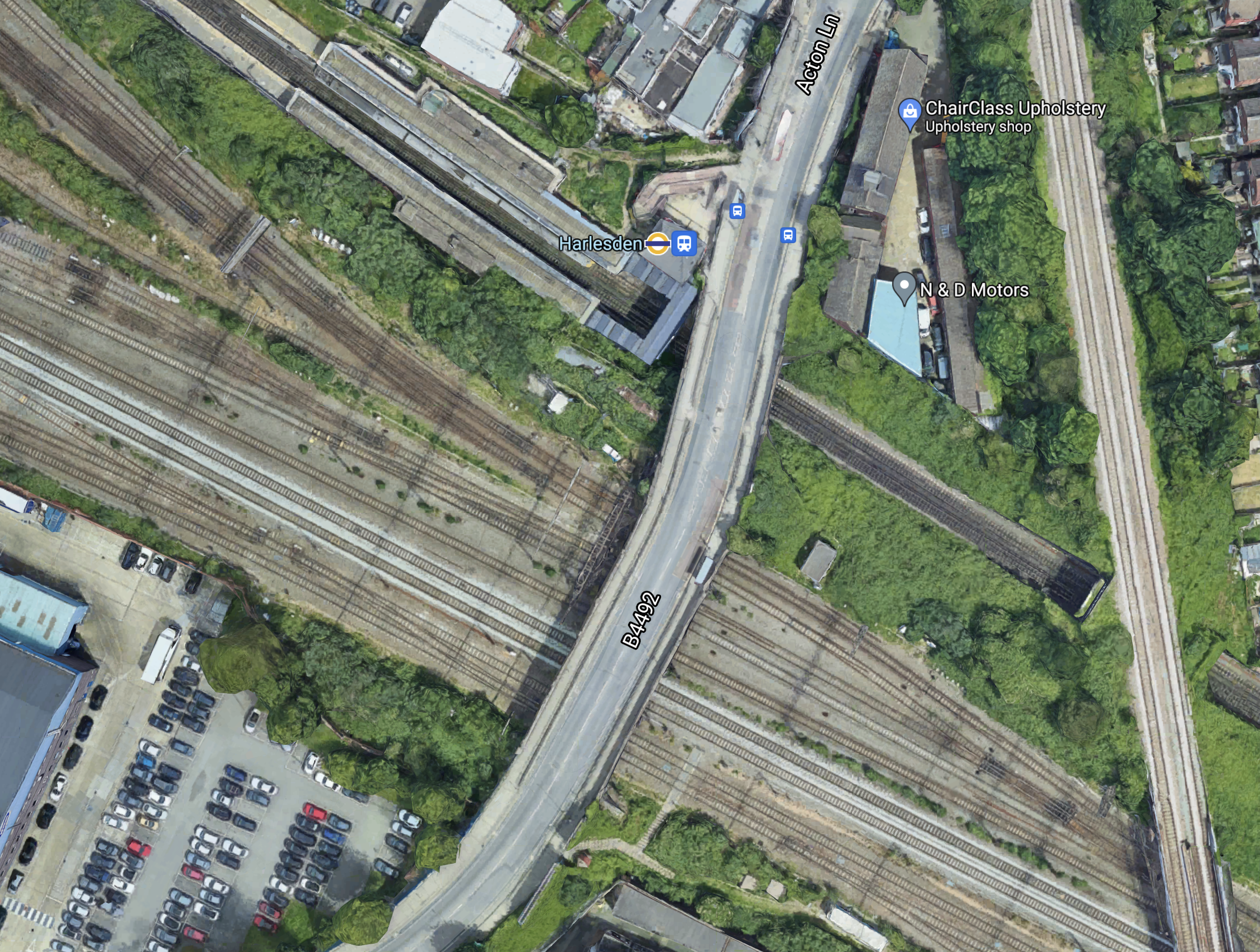
Note.
- The Bakerloo Line/Watford DC Line running North-West/South-East through Harlesden station.
- The West Coast Main Line in the Southern section of the map.
- The Dudding Hill Line running North-South across the map.
Platforms will be built on the Dudding Hill Line to connect that would probably be new or extended platforms in the current Harlesden station to enable interchange between the West London Orbital and the Watford DC Lines.
I also think there is a possibility that platforms could be added to the slow tracks of the West Coast Main Line, so that suburban services into London Euston can also connect to the West London Orbital Line.
It would also enable a connection between Southern’s Clapham Junction and Milton Keynes service and the West London Orbital Railway.
Looking at this from various angles, I think that an architect good at designing three-dimensional structures could develop a quality Harlesden Interchange station.
Neasden Interchange
Like Harlesden, Neasden is another possibility for a comprehensive interchange.
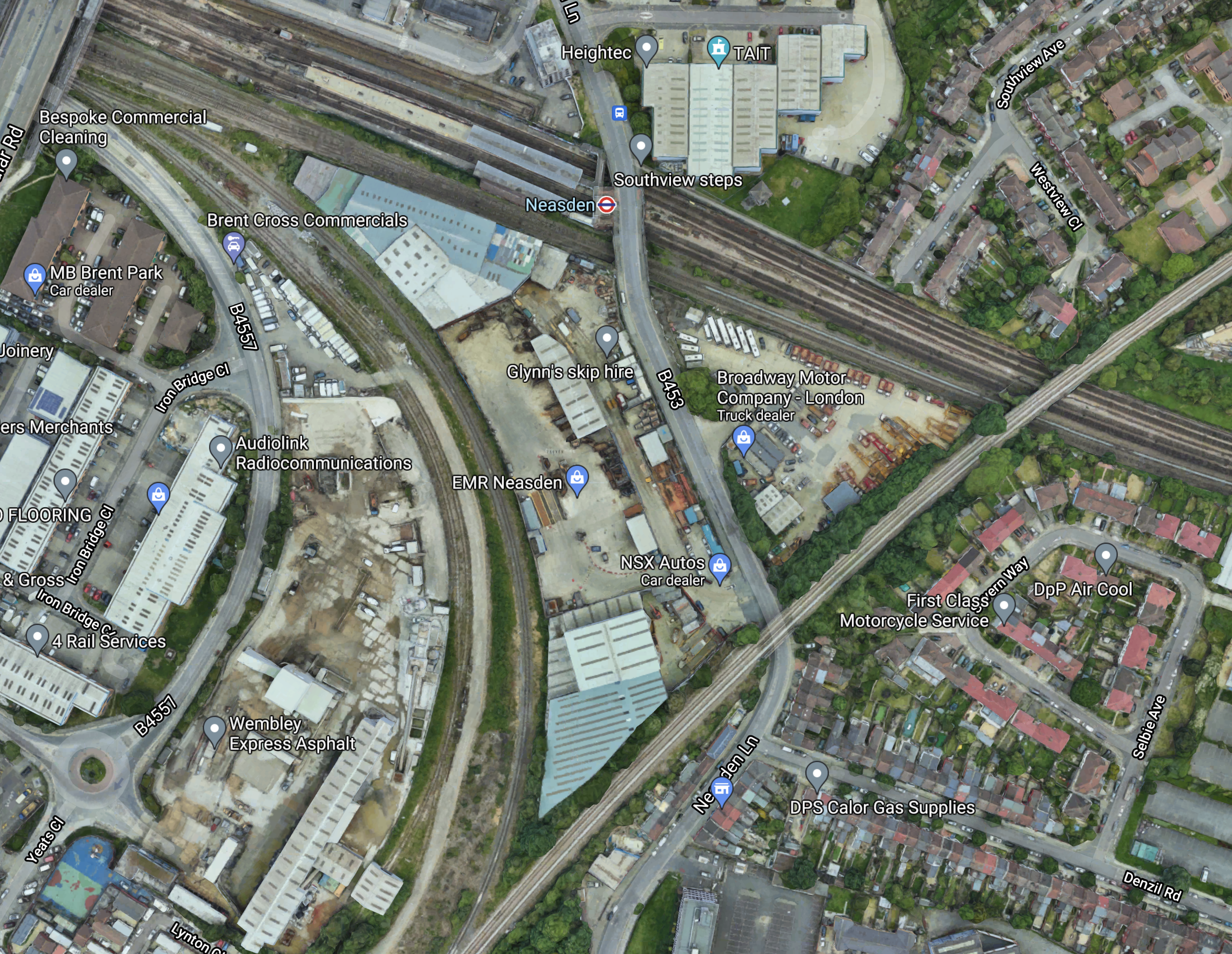
This Google Map shows Neasden station.
Note.
- There are a lot of lines going through Neasden station.
- The Dudding Hill Line goes across the South-East corner of the map.
- There is plenty of space in the area.
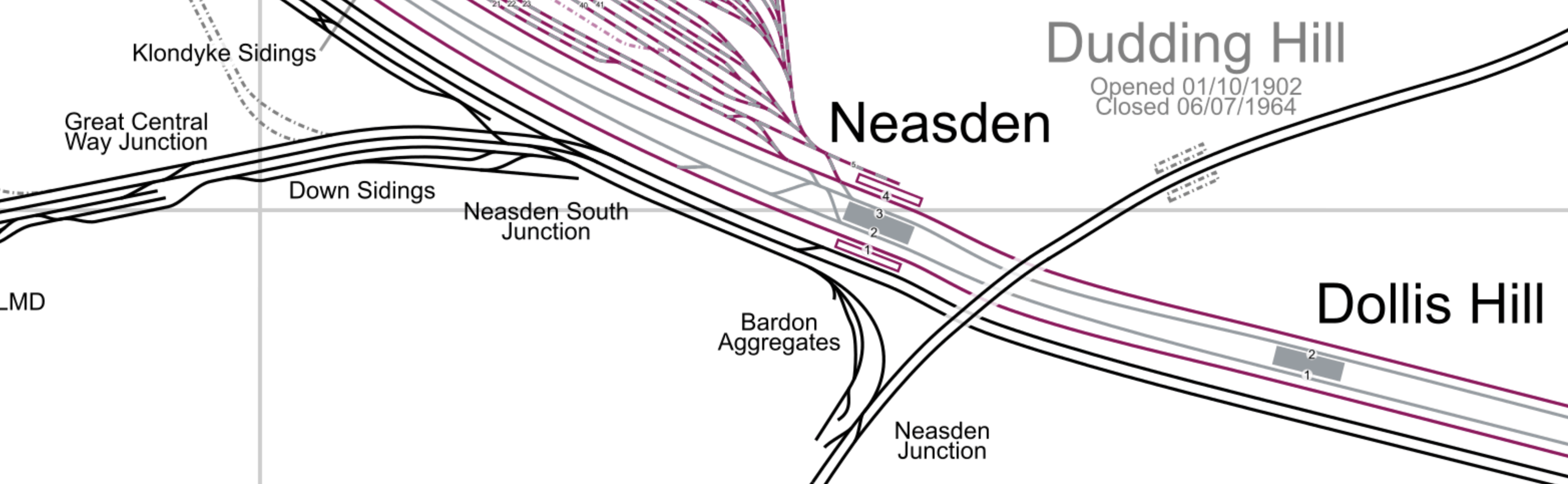
This map from cartometro.com shows the lines in the area.
Note.
- The Dudding Hill Line is indicated by the former Dudding Hill station.
- The red tracks are Metropolitan Line tracks.
- The silver tracks are Jubilee Line tracks.
- The Southerly pair of lines through Neasden and Dollis Hill stations are Chiltern’s lines into Marylebone.
- The Chiltern tracks divide to the West of Neasden station, with the Aylesbury line following the other tracks and the Chiltern Main Line diverging to the West.
- London’s largest Underground Depot at Neasden, lies to the North-West in an area of London noted for few merits with the North Circular Road passing through.
I wonder, if the station and the depot offers a unique opportunity to offer large scale additions to London’s housing stock over the top of a rebuilt station and depot.
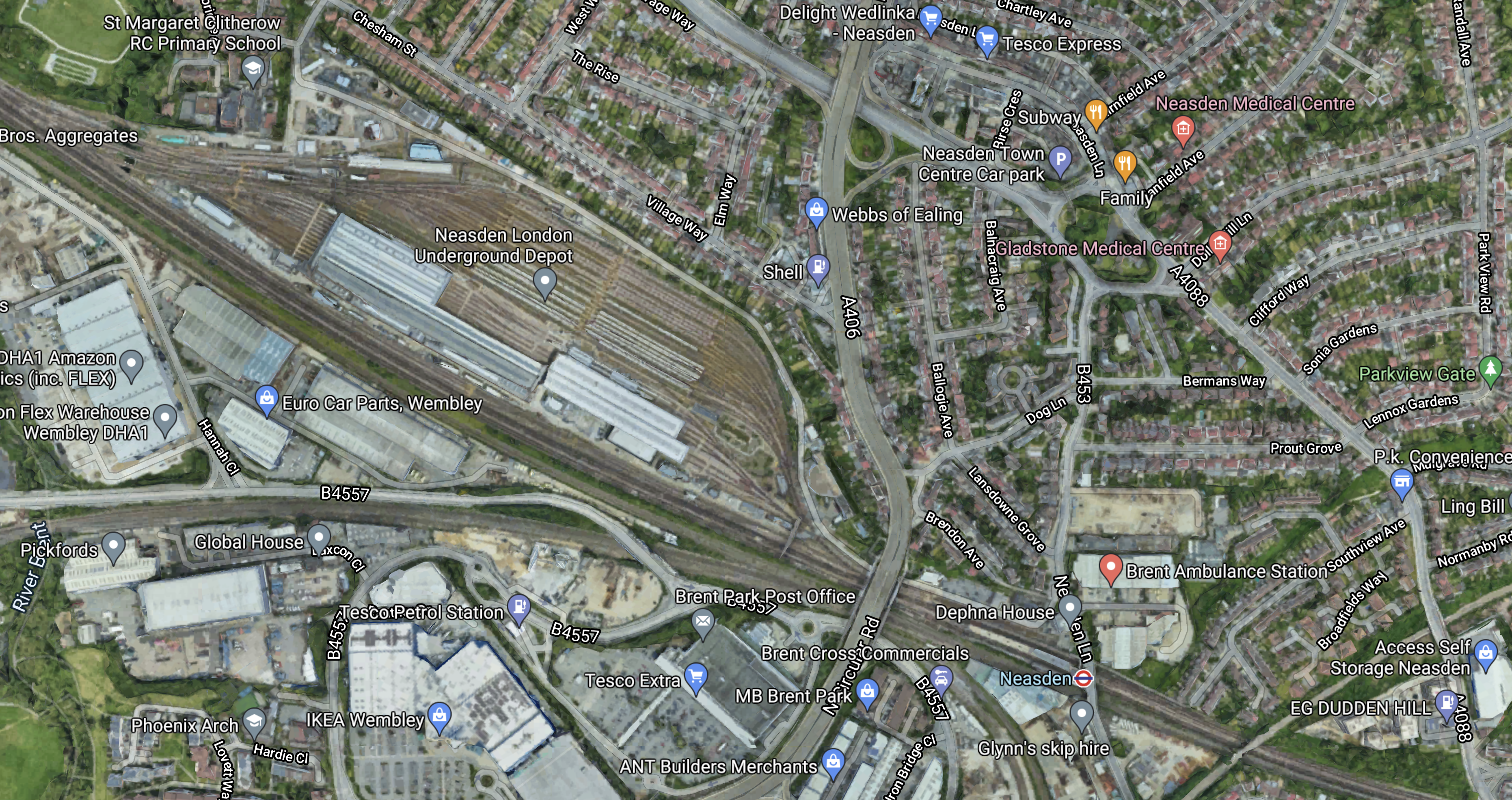
This Google Map shows the wider area.
Note.
- Much of the depot appears to be open-air stabling for trains.
- The North Circular Road passes North-South between the depot and Neasden station.
- The Dudding Hill Line cuts across the South-East corner of the map.
- This corner of the map is labelled as Dudden Hill.
- According to Wikipedia, Dudding Hill is considered a more genteel spelling of Dudden Hill and could be as old as 1544.
It looks as if it would be relatively easy to develop over the top of the depot to create housing, industrial or commercial properties.
But why stop there and cover both the North Circular Road and the six tracks through Neasden station?
Neasden station could be rebuilt into a station with platforms on the following lines.
- Metropolitan Line
- Jubilee Line
- Chiltern Lines
- Dudding Hill Lines
Note.
- I estimate that Chiltern has a train about every six minutes, so some could stop.
- There might be space for a bay platform for Chiltern.
Neasden could be a major housing and transport hub.
- There could be large amounts of parking.
- Road access would be good.
- It would have good rail connections.
- It could have a bus interchange.
- London needs housing.
It might even be an alternative to Chiltern’s plan for a West Hampstead Interchange.
The Mayor of London, Transport for London and the Borough of Brent need to be bold!
Improvements To Chiltern’s Routes
Chiltern Railways have some plans that could improve services in North West London.
Using The Acton-Northolt Line
Wikipedia says this about using the Acton-Northolt Line to access new platforms at Old Oak Common station.
Upgrading the Acton–Northolt line (formerly the “New North Main Line”) to new platforms at Old Oak Common. This upgrade will also extend to London Paddington to increase capacity on the Chiltern Main Line as there is no room to expand the station at Marylebone.
This scheme has merit.
- The platforms would be connected to the Chiltern Main Line along the route of a partly-disused railway.
- The route could be double-tracked.
- There must be space for at least two new platforms.
- The new platforms could easily handle four tph.
- There may be a case for some new stations.
The scheme could add valuable extra capacity for Chiltern.
A Chiltern Metro
Wikipedia says this about a proposed metro service between Marylebone and West Ruislip stations.
- The Metro would have a frequency of four tph.
- It would call at Wembley Stadium, Sudbury & Harrow Road, Sudbury Hill Harrow, Northolt Park and South Ruislip.
- The service would require a reversing facility at West Ruislip.
- There would need to be passing loops at Sudbury Hill Harrow, and Wembley Stadium.
Given that the Chiltern Metro was first proposed over a decade ago, perhaps the concept could be increased in scope.
- Housing and other developments along the route may suggest that a station further out like High Wycombe might be a better terminal.
- ERTMS in-cab digital signalling is likely to be installed at some time, which would decrease headways between trains and allow more services.
- Electrification is likely in some form before 2040 and this will improve train performance.
- If Neasden station were to be rebuilt, as a comprehensive transport and residential development, I believe that this Metro service should also call at Neasden, as it would complement the West London Orbital Railway.
I believe that a review of the Chiltern Metro may mean, that an improved version is worth building.
Improvements To The Milton Keynes And Clapham Junction Service
I feel that this service could be key in improving services between North London and South London via the West London Line and High Speed Two’s station at Old Oak Common.
Currently, this service is as follows.
- It runs between Milton Keynes and Clapham Junction stations.
- It has a frequency of one tph.
- It calls at Bletchley, Leighton Buzzard, Tring, Berkhamsted, Hemel Hempstead, Watford Junction, Harrow & Wealdstone, Wembley Central, Shepherd’s Bush, Kensington (Olympia), West Brompton and Imperial Wharf stations.
- The service used to extend to South Croydon via Wandsworth Common, Balham, Streatham Common, Norbury, Thornton Heath, Selhurst and East Croydon.
- It uses Class 377 trains.
- It shares parts of the route with the London Overground.
I also think it has various issues and questions with respect to the future.
- The Class 377 trains are only 100 mph units, whereas the outer suburban trains on the West Coast Main Line are 110 mph Class 350 trains, which will soon be replaced by 110 mph Class 730 trains. Do the slower trains cause timetabling problems?
- Is one tph enough?
- The route doesn’t serve High Speed Two at Old Oak Common station.
- Is the service run by the right operator?
- What is the ideal Southern terminal?
These are my thoughts on the various issues.
The Service As A North-South Link
A friend, who lives in South London has told me, that if you go to an event at Wembley stadium the route is busy.
On the other hand, I’ve used it at midday on a Tuesday and found the trains empty.
But developed properly it could connect the following.
- Milton Keynes Central
- Bletchley for the East West Rail Link
- Watford for the West Coast Main Line to the North
- Wembley Central for Wembley Stadium and other entertainments
- Willesden Junction for the North London Line
- Hythe Road for High Speed Two, Crossrail and the Great Western Railway
- Shepherd’s Bush for the shopping.
- Clapham Junction for most of South London and the South of England
It would be a very useful cross-London route to complement Thameslink and the East London Line.
The Frequency
The current Milton Keynes and Clapham Junction has a frequency of one tph.
This may be enough for some parts of the route, as other services also provide services.
But many would argue, that perhaps South of Watford Junction, the service needs to be increased to connect the area to Old Oak Common and Clapham Junction.
I feel that High Speed Two, Crossrail and the Great Western Railway give so much connectivity, that between Clapham Junction and Willesden Junction needs a frequency of at least eight tph.
As the North London Line and the Watford DC Line are working at a frequency of four tph, this could indicate that a four tph direct service Watford Junction and Clapham Junction be ideal. Perhaps, it could continue North to Milton Keynes with a frequency of two tph.
The Trains
I am absolutely certain, that the full service needs to be operated by dual voltage trains, that are capable of running at 110 mph.
The Class 350/1 trains of West Midlands Trains would probably be ideal for the full service.
- They are dual voltage trains.
- They are 110 mph trains.
- They have a long distance interior.
They are being replaced with new Class 730 trains, so would be available.
If some services were running only as far North as Watford Junction, these could be either Class 378 or Class 710 trains of the London Overground.
The Connection To The West London Line And High Speed Two
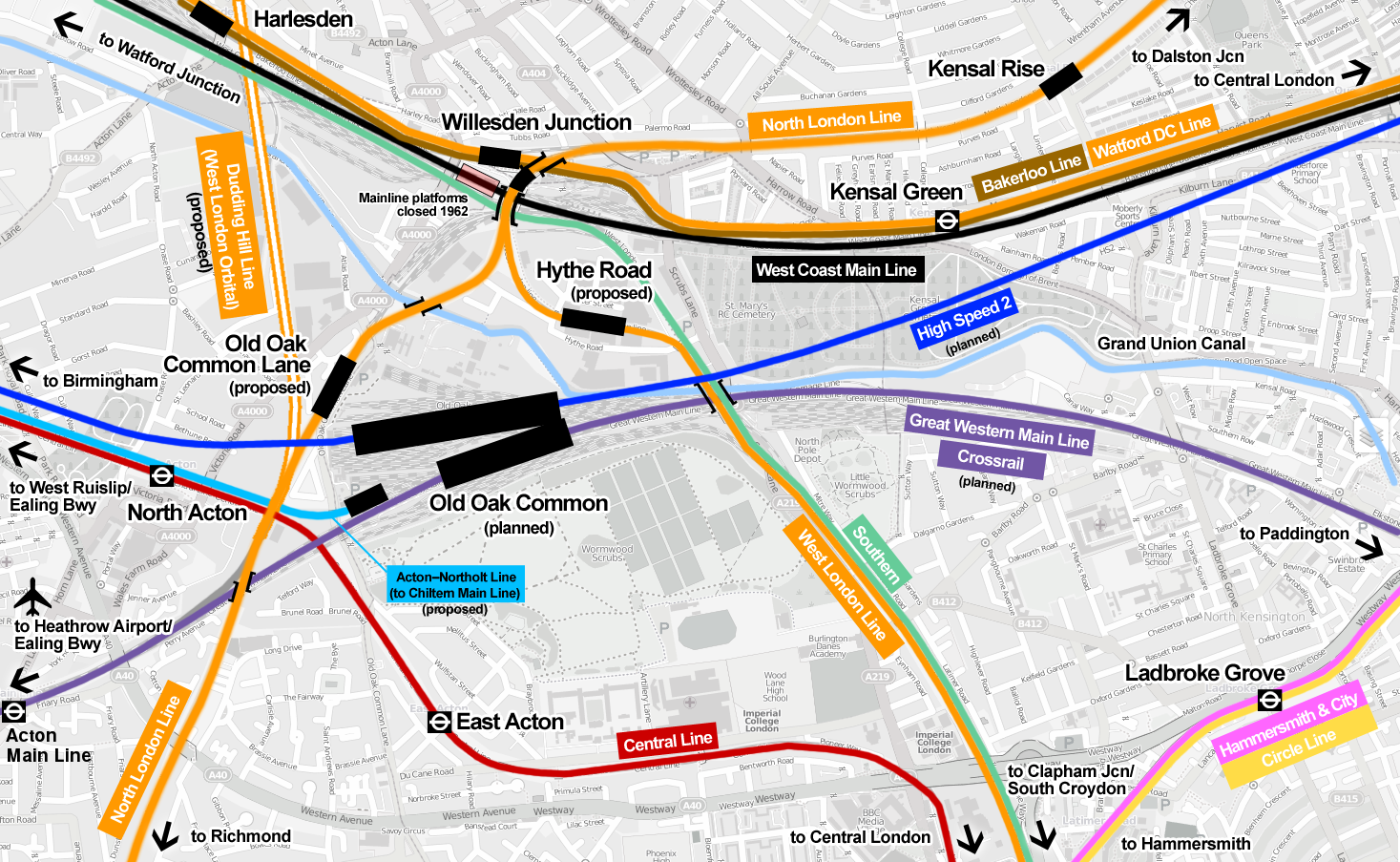
This map from Wikipedia by Cnbrb shows the latest iteration of the lines at Old Oak Common station.
Note.
- The green route is taken by the Milton Keynes and Clapham Junction trains.
- The bright blue is High Speed Two.
- The purple is Crossrail.
- The orange is the Overground
- Hythe Road station is proposed for the West London Line to connect to Old Oak Common station for High Speed Two.
- Hythe Road station will have a bay platform to turn trains from the South.
- Old Oak Common Lane station is proposed for the North London Line to connect to Old Oak Common station for High Speed Two.
But where is the connection between the Milton Keynes and Clapham Junction service and Old Oak Common station for High Speed Two?
- Access from the South is not a problem as the Overground can be used to Hythe Road station.
- Extra services from the South can be run to and from the bay platform at Hythe Road station.
- Access from the East is not a problem as the Overground can be used to Hythe Road station.
- How do passengers go between say Wembley Central and Heathrow?
In addition for access from the West is the Overground can be used to Old Oak Common Lane station.
But as things stand at the moment the Milton Keynes and Clapham Junction service bypasses Hythe Road station and the only ways to go from Milton Keynes to Old Oak Common station for either High Speed Two, Crossrail or the Great Western is to do one of the following.
- Change to the Watford DC Line at Watford Junction, Harrow & Wealdstone or Wembley Central and then change to the Overground at Willesden Junction for either Old Oak Common Lane or Hythe Road station.
- Continue South to Shepherd’s Bush station, cross over to the other platform and then come back to Hythe Road station.
- Go via Euston station. OK for High Speed Two, but not for Crossrail or the Great Western.
They cannot be serious!
I hope that there is a cunning plan to enable the Milton Keynes and Clapham Junction service to connect.
Whilst on the subject of connections at Old Oak Common, where is the promised connection of Crossrail to the West Coast Main Line?
Were all these connections just kicked into the long grass and quietly forgotten, as they were deemed too difficult and/or expensive?
I think serious questions need to be asked about the design of Crossrail and High Speed Two at Old Oak Common.
Why weren’t Crossrail and High Speed Two designed to connect directly to the London Overground at Willesden Junction station perhaps by the use of a North South people mover serving the following lines?
- Bakerloo, Watford DC, West Coast Main and West London Orbital Lines at a rebuilt Harlesden station.
- London Overground at the high-level Willesden Junction station.
- High Speed Two
- Crossrail and the Great Western Railway
- The new Chiltern platforms.
- Central Line at East Acton station.
Note.
- Hythe Road and Old Oak Common stations would not be needed.
- The Milton Keynes and Clapham Junction service would call additionally at the rebuilt Harlesden station.
The current design of Old Oak Common stinks like a horse designed by a committee!
The Northern Terminal
I suggested earlier that some trains use Watford Junction and others use Milton Keynes Central.
Both stations have the capacity and the connectivity.
The Southern Terminal
In the last ten years, South Croydon, East Croydon and Clapham Junction have been used as the Southern terminal.
Thameslink seems to have chosen its various terminals to satisfaction of the travelling public, so perhaps the same method or personnel should be used.
The Operator
The Gibb Report said that this service should be transferred to the London Overground and I wrote about this proposal in Gibb Report – East Croydon – Milton Keynes Route Should Be Transferred To London Overground.
This is one suggestion, but I do wonder, if it should be transferred to West Midlands Trains and run in conjunction with their West Coast Main Line services.
- The service needs 110 mph trains.
- Timetabling and operation should be easier.
- London Overground trains don’t have a long-distance interior.
On the other hand, trains running between Watford Junction and Clapham Junction would probably be better if they were London Overground trains.
Conclusion
I believe that by using the current network and some modern trains and signalling, the passenger services to the West of the capital can be substantially improved.

