The Story Of An O-Ring
I have a very unusual skin, as is partly shown by these pictures.
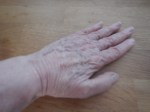
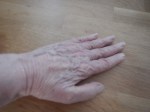

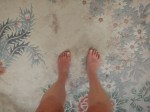
Note.
- There is a scar on the back of my left hand, where I cut it on the glass bathroom door in my bedroom.
- But with skillful gluing at the Royal London hospital and TLC and stern words from the practice nurse at my GP’s it healed perfectly.
- If I give blood samples or have an injection, I don’t need a plaster.
- My left foot is a deeper shade of red to the right. No-one has given me a reason for this.
- My previous now-retired GP, always took his own blood samples, when he needed them and had smiles all over his face. Perhaps, he was proving to himself, that it was happening?
- I wrote about my skin before in My Strange Skin, in 2020.
- One therapist said unusually for someone, who had a left-sided stroke, that my left leg is the stronger.
As my ancestry is part-Jewish and part-Huguenot could it just be that only the strongest genes survived from their poor living conditions my ancestors endured in the seventeenth and eighteenth centuries?
My Cardiologist And His Wife, Have Suggested I Use An Emollient In My Bath
I am now adding Oilatum Emollient to my bath water, which I get delivered by Ocado.
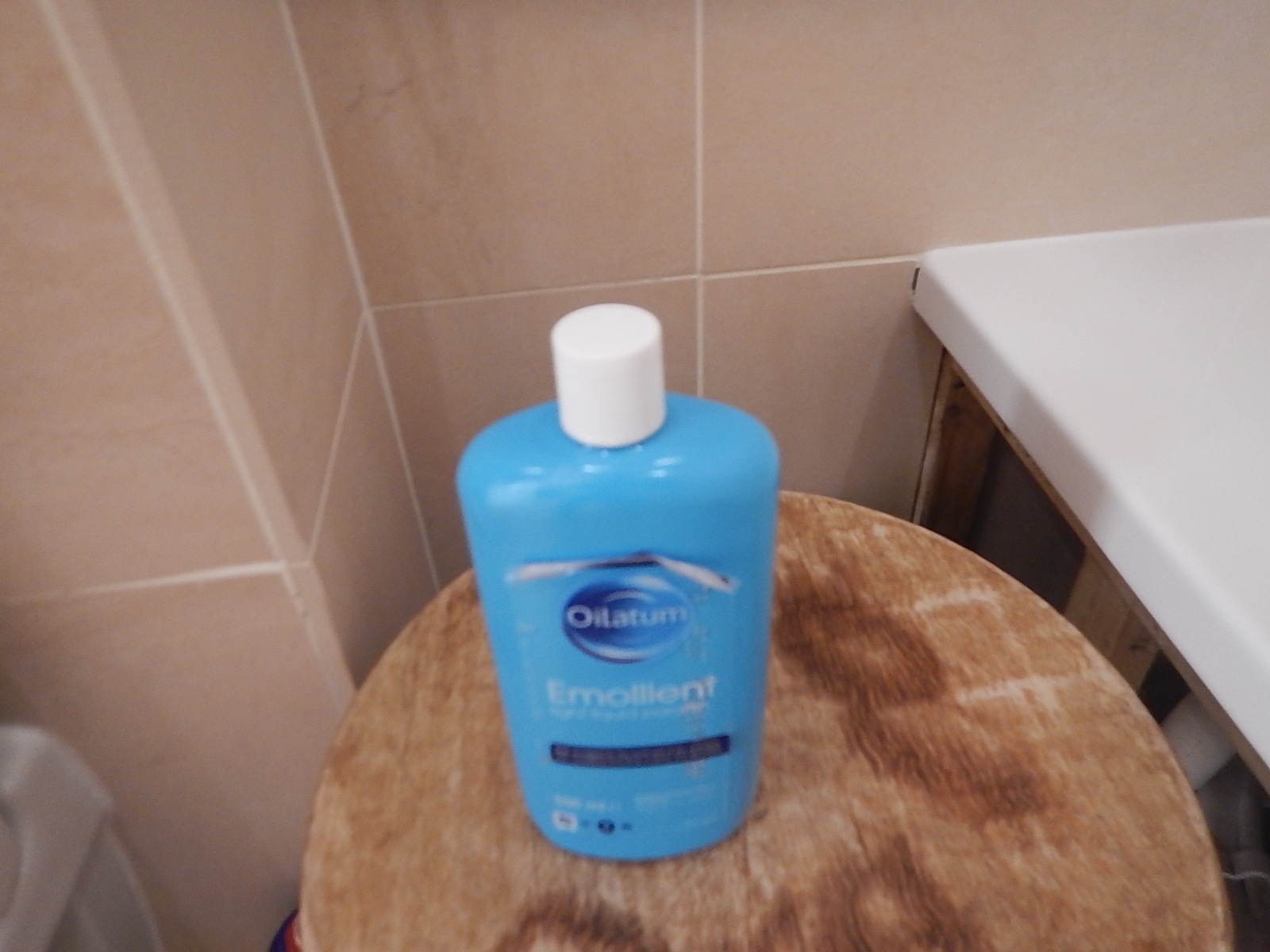
It is not cheap, but my feet are now more made for walking.
I put three cap-fulls in a bath and lie in it for about 10-20 minutes.
An O-Ring Failure On Bad Friday
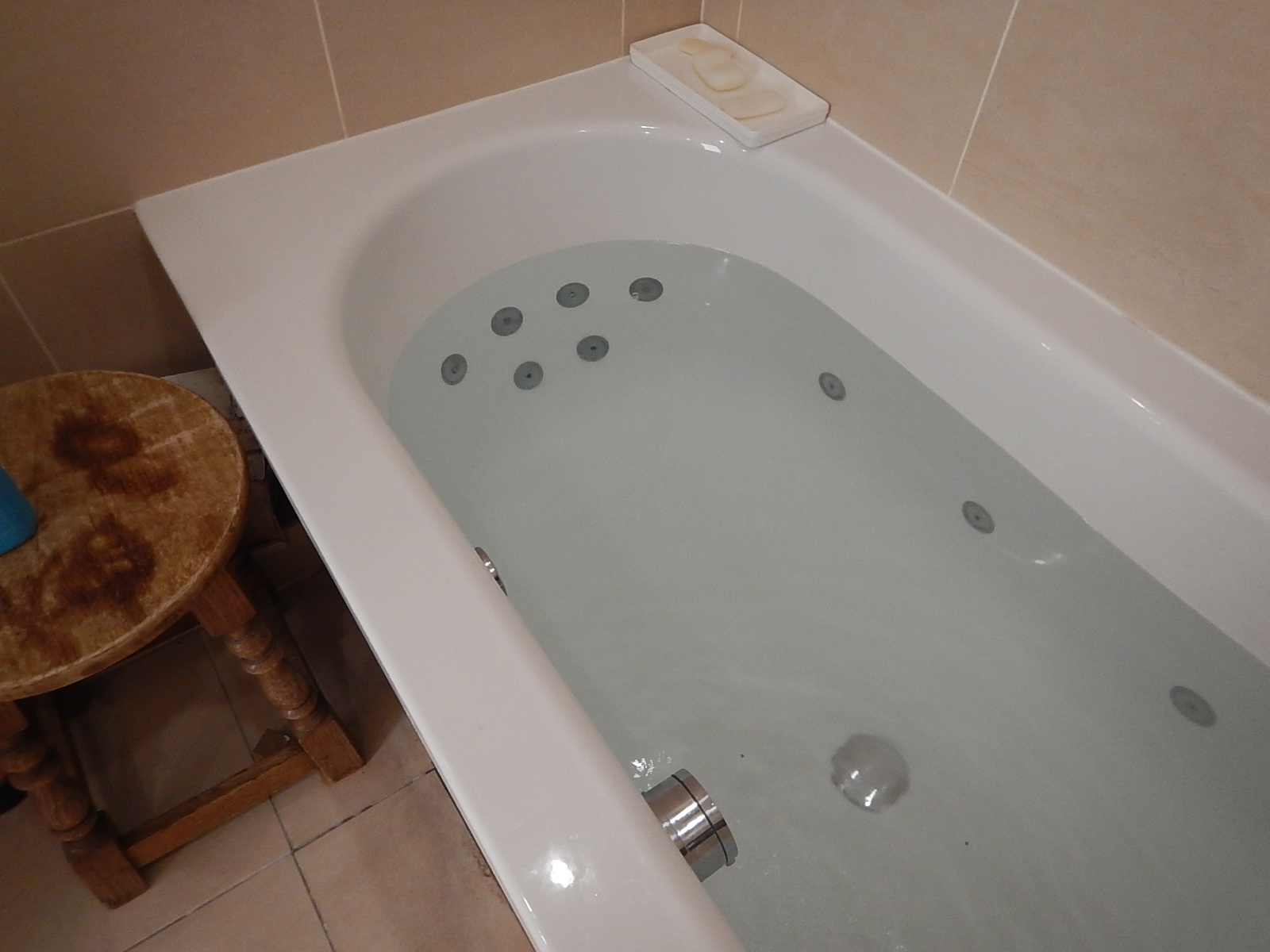
A rubber O-ring sitting in a groove on the plug, should keep the water in the bath, but as this picture shows the O-ring had seen better days.
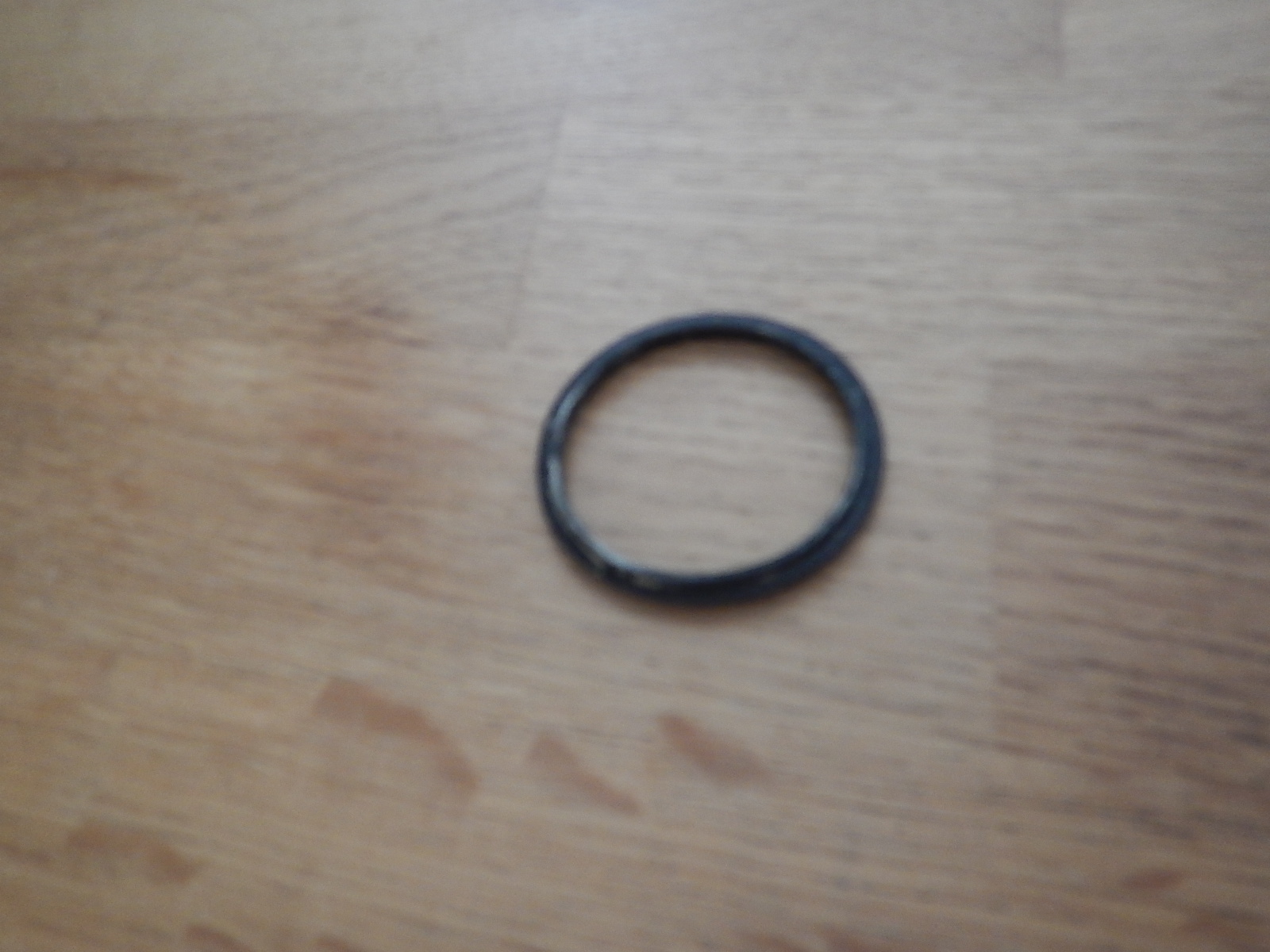
The picture of the new O-ring shows how it should look on the plug.
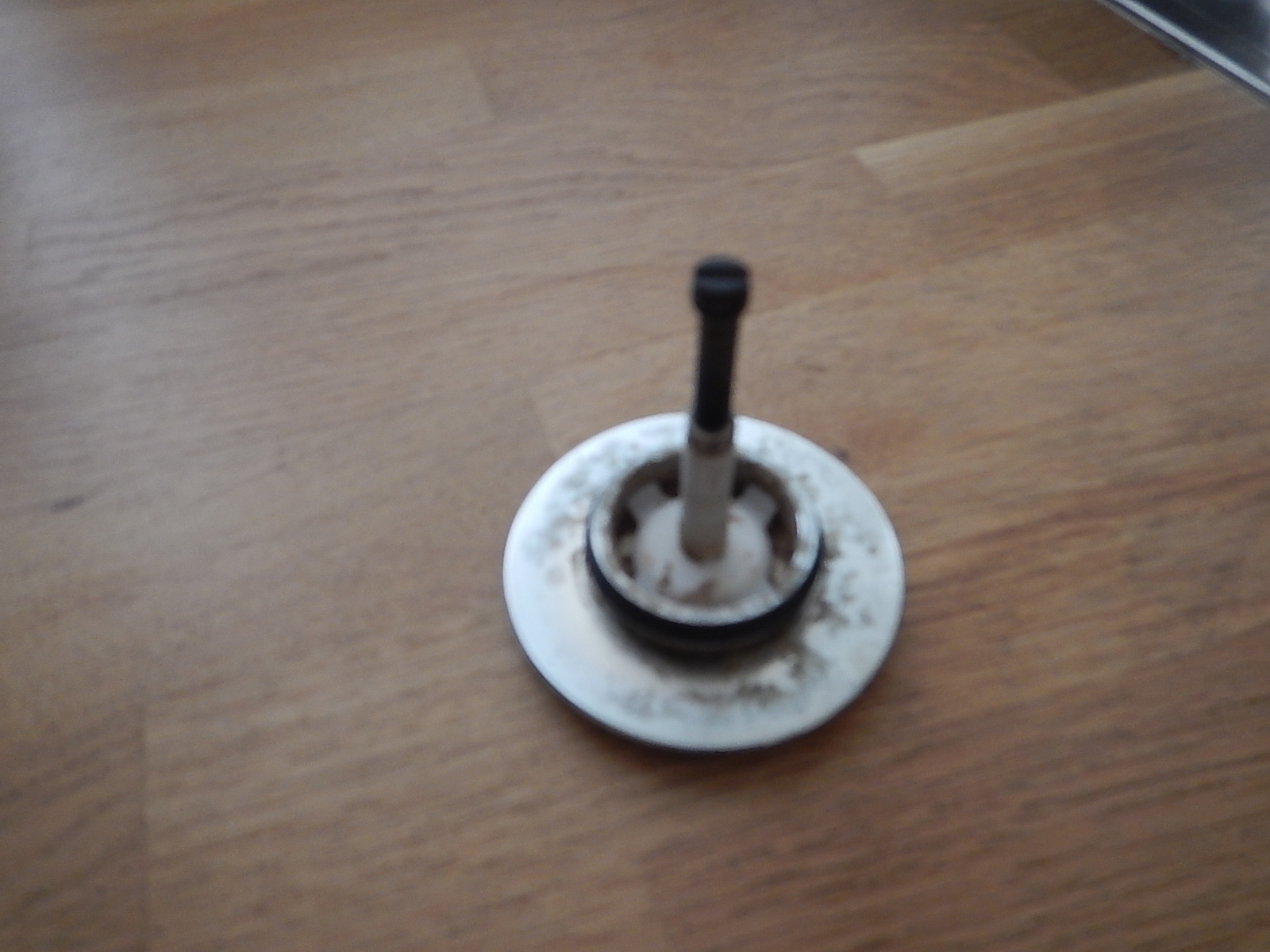
On Bad Friday, the O-ring finally gave up and any water put in the bath, went straight down the drain.
A Fruitless Bad Friday
Internet searches proved fruitless in my search for a shop that was open on Bad Friday.
So I vowed to try again today.
Searching For cp Hart At Waterloo
cp Hart, from whom I bought the original bath, appeared to be open at Waterloo, so after breakfast on Moorgate, I made my way to look for the branch of cp Hart at Waterloo.









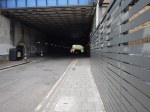
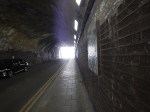
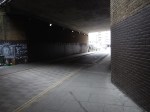
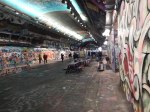
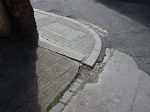
Note.
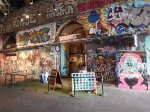
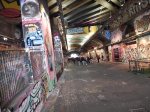
- Why does South London and its trains have to be covered in graffiti?
- Most of it, is not even good graffiti.
- In my view, the Bakerloo Line should not get new trains, until the graffiti has stopped.
- I wandered round Waterloo for about ninety minutes before I found cp Hart, with the help of two police constables.
- And when I finally found cp Hart, they didn’t do spares.
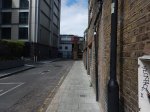
- I tripped over the uneven pavement in the last picture. But as I usually do, I retained my balance and didn’t fall. Is that all the B12 I take for coeliac disease?
My mother always used to say, that you shouldn’t go to South London without a posse.
Eventually, I had a coffee in Costa and took the 76 bus home.
Success At Last!
To get home on a 76 bus, I have to change in De Beauvoir Town and whilst I waited for the 141 bus to take me home, I checked out the local builders merchants.
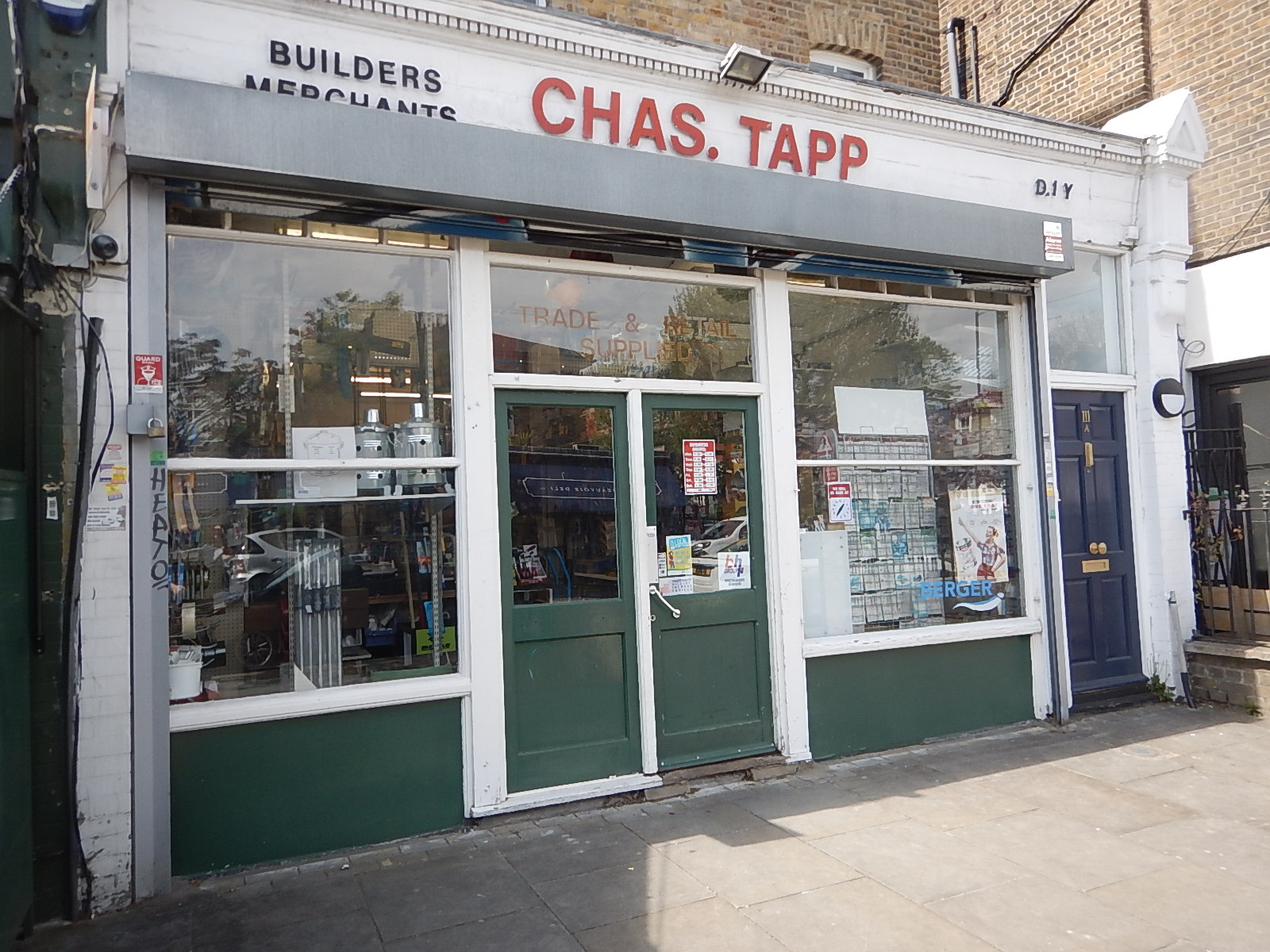
The owner was his usual self and fitted my plug with a free new O-ring.
I was now able to have a bath.
And watch the snooker.
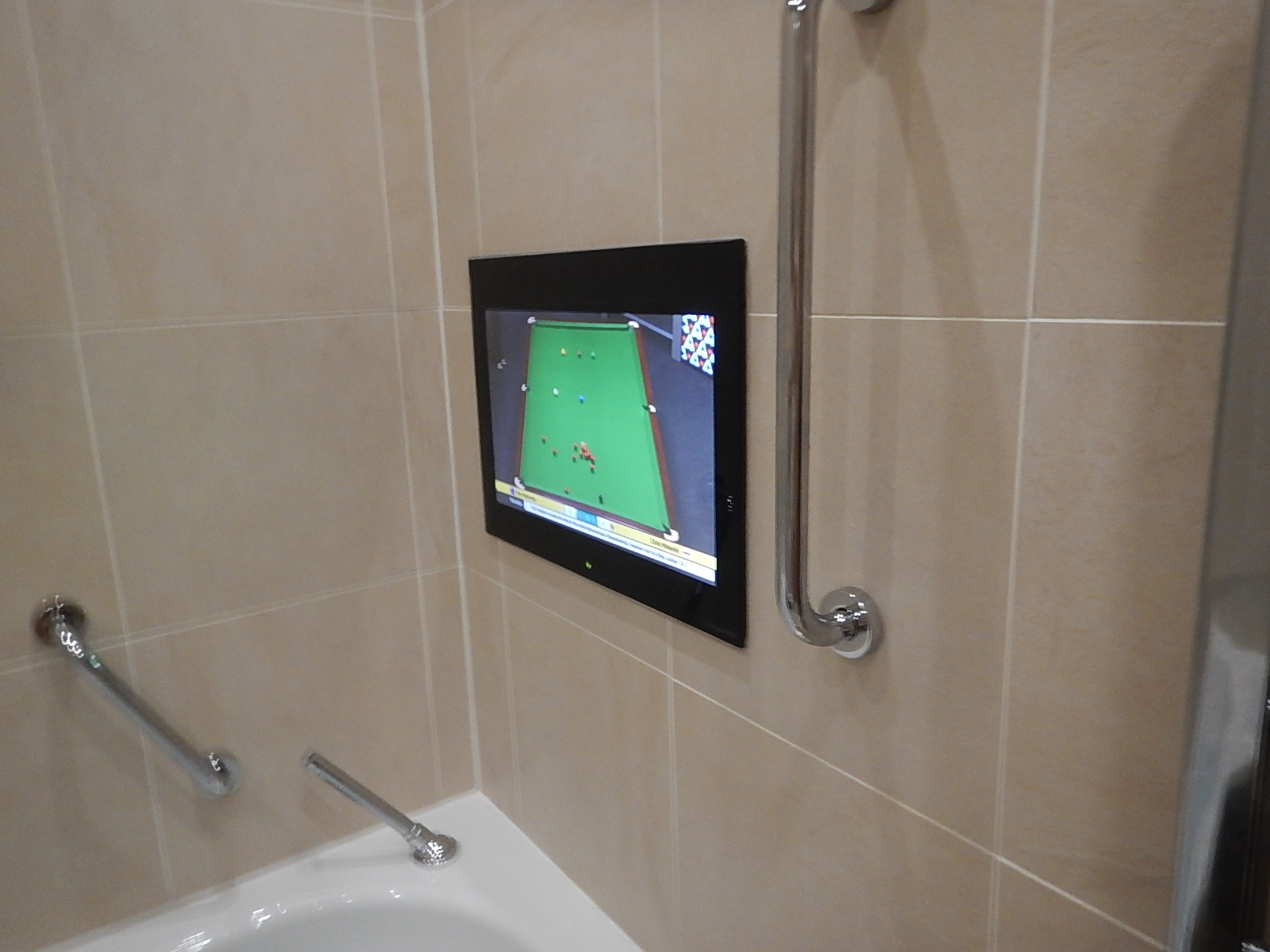
I can certainly recommend a television in your bathroom.
Note the vertical handrail, that allows me to step easily in and out of the bath.
First Commercial-Scale Seaweed Farm Between Wind Turbines Fully Operational In Netherlands
The title of this post, is the same as that of this article on offshoreWIND.biz.
This is the sub-heading.
The world’s first commercial-scale seaweed farm within the Hollandse Kust Zuid offshore wind farm in the Netherlands is fully operational.
These initial three paragraphs fill out the details.
According to the non-profit organisation North Sea Farmers (NSF), the final deployment step was completed one week ago by deploying the seeded substrate.
North Sea Farm 1, initiated by NSF with funding from Amazon’s Right Now Climate Fund, is a floating farm located in the open space between wind turbines where seaweed production can be tested and improved.
The seaweed farm is located within the Hollandse Kust Zuid wind farm, nearly 22 kilometres off the coast of Scheveningen. The 1.5 GW project is owned by Vattenfall, BASF, and Allianz.
I find this an interesting concept.
I can remember reading in the Meccano Magazine in the 1950s, about the production of alginates from seaweed in Scotland.
Surprisingly, Wikipedia has very little on alginates, except for this illuminating Wikipedia entry for alginic acid.
This is the opening paragraph.
Alginic acid, also called algin, is a naturally occurring, edible polysaccharide found in brown algae. It is hydrophilic and forms a viscous gum when hydrated. When the alginic acid binds with sodium and calcium ions, the resulting salts are known as alginates. Its colour ranges from white to yellowish-brown. It is sold in filamentous, granular, or powdered forms.
But it does appear that the Scottish production of alginates is very much of the past. Unless someone else can enlighten me!
Perhaps Scottish seaweed farming can be revived to produce alginates, which appear to have a surprising number of uses, as this section of the Wikipedia entry shows.
Alginates do appear to be remarkably useful.
These are a few uses.
- As of 2022 alginate had become one of the most preferred materials as an abundant natural biopolymer.
- Sodium alginate is mixed with soybean protein to make meat analogue.
- They are an ingredient of Gaviscon and other pharmaceuticals.
- Sodium alginate is used as an impression-making material in dentistry, prosthetics, lifecasting, and for creating positives for small-scale casting.
- Sodium alginate is used in reactive dye printing and as a thickener for reactive dyes in textile screen-printing.
- Calcium alginate is used in different types of medical products, including skin wound dressings to promote healing,
Alginates seem to have some rather useful properties.
Four years ago, I tripped over in my bedroom, which I wrote about in An Accident In My Bedroom. I wonder if the Royal London Hospital used calcium alginate skin dressings to restore my hand to its current condition.
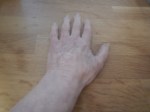
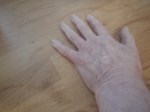
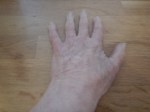
Paul Daniels would have said, “It’s magic!”
In the future these dressings may be produced from UK-produced seaweed.
Hospital Pioneers Cancer Service For Over 70s That Saves Lives And Money
The title of this post, is the same as that of this article in The Times.
This is the sub-heading.
Treatment is adapted to take into account age-related illnesses, such as heart disease, diabetes and dementia.
These three paragraphs outline, what the Christie Hospital is doing.
The Christie Hospital in Manchester is pioneering a specialist cancer service for elderly patients under plans to tackle a “silver tsunami” of cases.
More than 200 patients have been treated by the new team, which was set up to meet the more complex care needs of an ageing population.
The service has nearly halved the number of unplanned hospital admissions among older cancer patients, improving survival and quality of life.
But it’s the graph that follows that I find interesting.
It shows the cancer incidence rate (per 100,000 population) in 2020 by gender and age at diagnosis.
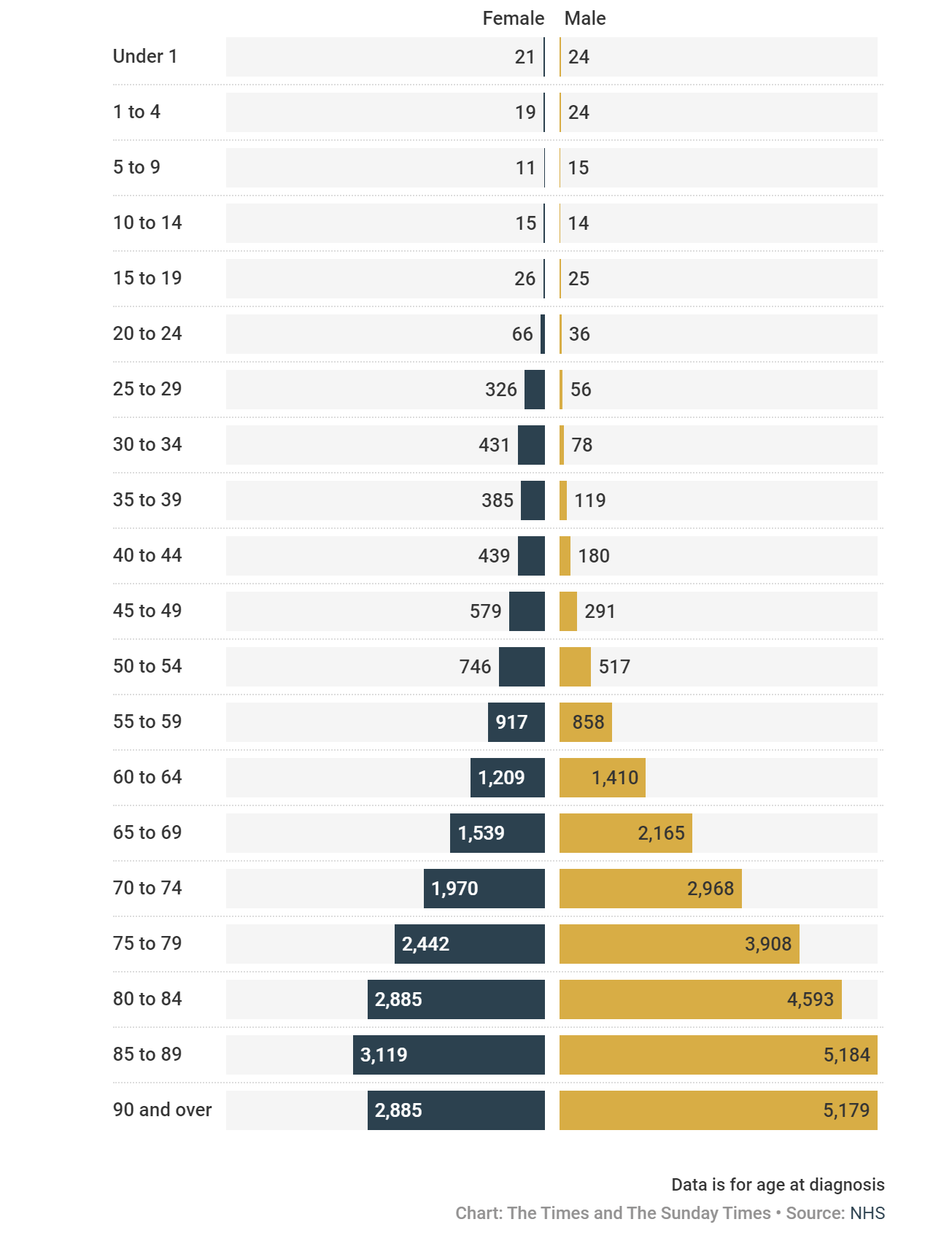
I am a control engineer and statistician and one of the most interesting things in a graph like this is the rate of increase or in this graph’s case the rate of decrease, as the graph effectively has the present at the top.
I have used an old trick and looked at the difference between the groups and the difference between the difference.
Note.
- It seems that the rate of increase of cancer diagnosis with age seems to increase with ages of 60-64 and 25-29.
- This would seem to correspond to those born before 1960 and those born before 1995.
- As a coeliac, I know that the first test for coeliac disease, which used endoscopy was introduced around 1960.
- The modern genetic test for coeliac disease was developed in the 1990s.
Is it coincidence, that the rate of increase of cancer diagnosis with age seems to increase, when a better diagnosis for coeliac disease was introduced?
These are my thoughts!
Coeliac Disease And Me
I am coeliac and I was born in 1947. I wasn’t diagnosed as coeliac until 1997.
I was an unhealthy child, with all sorts of avenues being chased, so in the end they just took my tonsils out.
- It should be remembered, that there was no test for coeliac disease in children until 1960.
- I’ve also only met one coeliac older than me and both her parents were GPs and she was diagnosed by food elimination.
- In fact, I never met a coeliac until I was about 25. He was the two-year-old son of one of C’s friends.
At fifty, an elderly locum gave me a present of a blood test to clear up my long-term health problems. The results showed that my body had very little Vitamin B12. Injections didn’t improve the level, so my GP sent me to Addenbrooke’s.
It was a Monday and all the consultant did was ask a nurse to take several vials of blood. He didn’t ask me any relevant questions or even touch me.
On the Wednesday morning, I got a letter from the hospital saying I was probably coeliac and it would be confirmed by endoscopy.
I must have been one of the first to have been diagnosed by a genetic test on a sample of blood.
Coeliac Disease And My Youngest Son
My youngest son was born in 1972 and after my diagnosis, my late wife felt he was coeliac, as physically he was so like me. But neither him nor our other two sons would get themselves tested.
I am now sure he was coeliac, as his daughter was born with a congenital hernia of the diaphragm and Swedish research says can happen with coeliac fathers. Luckily, she was born in the Royal London Hospital and thanks to heroic surgery at a few days old, she survived and is now in her first year at Southampton University.
Sadly my youngest son died of pancreatic cancer in 2011.
Coeliac Disease And Cancer
Nottingham University have shown that if you are coeliac and stick to a gluten-free diet, you are twenty-five percent less likely to suffer from cancer.
Cancer in the Over Sixties
The following is an extract from A Thought On Deaths Of The Elderly From Covid-19, which I wrote in April 2020.
How many undiagnosed coeliacs are there in those over seventy, who because they are coeliacs, have a compromised immune system?
I would be undiagnosed but for that elderly locum!
How many other coeliacs are there in the UK population?
- Age UK has a figure of twelve million who are over 65 in the UK.
- If 1-in-100, as stated by Coeliac UK, in the UK are coeliac, that is 120,000 coeliacs over 65, who are too old to have been diagnosed as a child, because no test existed.
Note that as of today 177,388 have been diagnosed with Covid-19.
Could the drop in the cancer rate of those born before 1960 be because of the availability of a test for coeliac disease, so that if they were a sickly child like me, they would be diagnosed? As I said earlier diagnosed coeliacs have a lower cancer rate than the general population.
Cancer in the Under Thirties
I was diagnosed in 1997 by a genetic blood test and there is no doubt that I have coeliac disease.
As the test is so simple, I wonder what proportion of coeliacs born since the Millennium have been diagnosed.
And how does this contribute to the drop in cancer cases?
More Research Needs To Be Done
It is obvious to me, that research needs to be done into the link between undiagnosed coeliacs and cancer.
It might be prudent to test every cancer patient for coeliac disease. My GP told me, that the test is not expensive and generally gives the right result.
Is There A Research Dermatologist Out There?
Consider.
- I have mused about my skin before in My Strange Skin.
- I have been feeling a bit odd because of Babet.
- I have had problems with my left humerus for a few days now and my left hand has not been very co-operative.
- Yesterday, I kept dropping my bag for a start.
- Last night, I needed to go to the loo in the middle of the night. I could hardly walk, because of pain in my right lower leg.
- But I’d forgotten to put the magic Udrate on my feet, before I went to bed. It does seem to stop the water leaking out of my skin.
This picture shows my left hand.
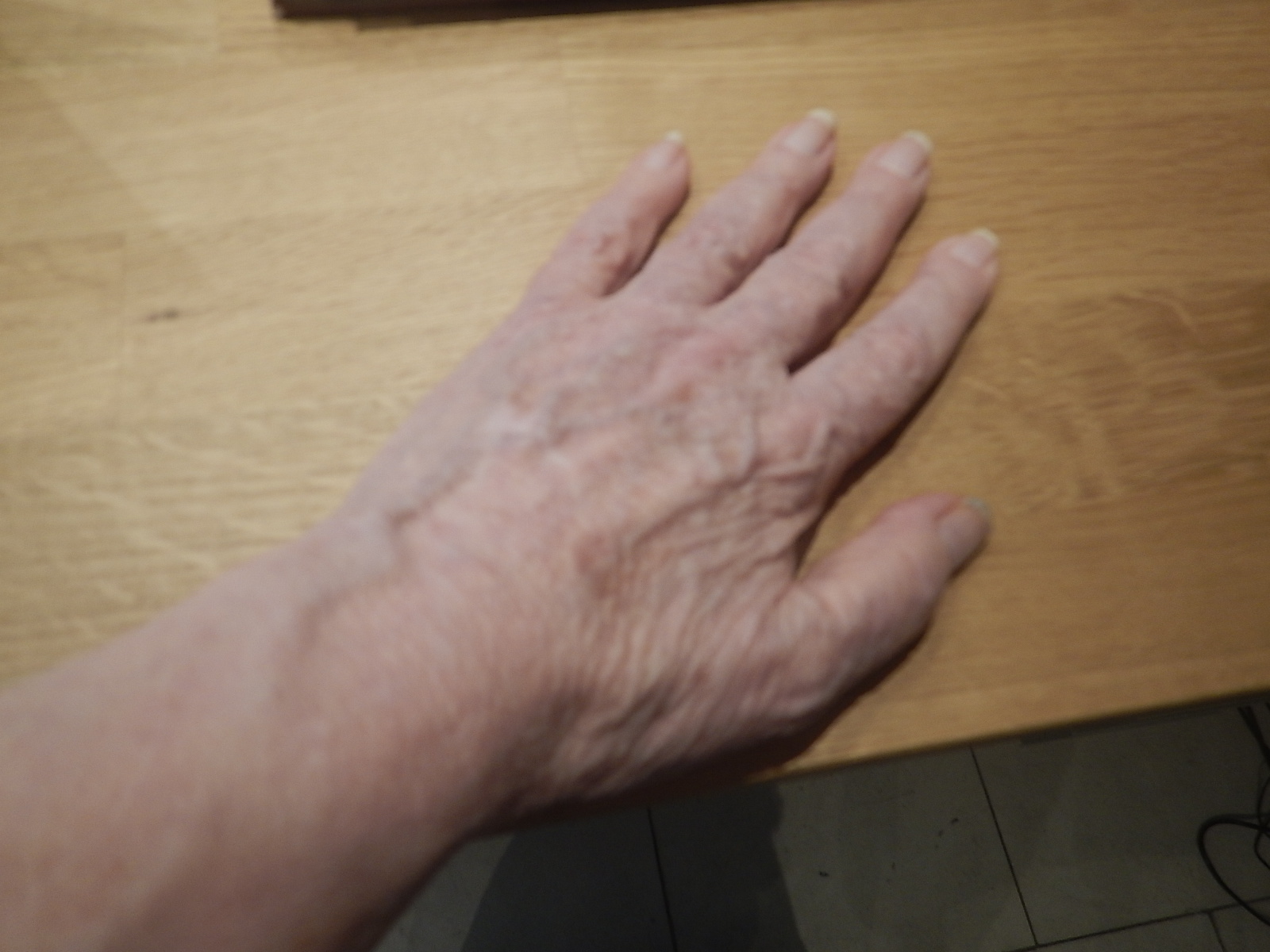
I damaged it badly in a fall, where I took the back off on the edge of a glass door. But with some glue from the Royal London and some TLC from the practice nurse, there are no scars. Surely, it shouldn’t mend that well.
As my ancestors include both Jews and Huguenots, did all those centuries in poor living conditions ghetto-harden my skin?
I hate mysteries and I suspect some of my questions could be answered by an experienced dermatologist.
A Funny Turn On Friday
Thursday, 3rd August
I’d slept with the window open, as I often do and woke up to a very damp bedroom. I suspect, that I’d had a similar incident to the one in My Strange Skin.
I measured my INR at 0800 and it was 2.4.
I had my usual bath and breakfast in Leon on Moorgate.
Afterwards, I just went home and added to this blog.
One thing I noticed was that my left leg was going dead, as I sat on the chair typing. but then that happens regularly. It was similarly to the incident in Saved By A Beer?.
Later I had a tremendous itch in my left foot which I treated with copious amounts of the Body Shop’s Hemp Foot Protector.
Friday, 4th August
I had intended to go to the section of the city wall, that has been put on display at City Wall At Vine Street.
But as I was bumping into people and street furniture, I thought there might be something wrong, so I diverted to the A & E at the Royal London Hospital. I was also dropping my brief-case, when I held it in my left hand.
After various tests, including a CT-Scan, I finally left at 21:30, after they’d found nothing serious.
They measured by INR and they said it was 1.9. As I’d not eaten or drunk, large amounts of food and drink, that would drop my INR, how did it drop by 0.5 in 24 hours?
I went home on the Overground and a bus.
Saturday, 5th August
I wasn’t feeling unwell at all.
I was in all day watching the sport.
I was drinking a lot. Perhaps it was 4-5 mugs of tea and a 500 ml. bottle of Adnams 0.5 % Ghost Ship.
Sunday, 6th August
Very much like Saturday, except that I had lunch with my granddaughter.
I had two bottles of 0.5 % beer.
Monday, 7th August
I measured my INR at 0800 and it was 2.8.
Never On Sunday
I am 75 and I can’t ever remember being called in for a hospital appointment on a Sunday.
But all will change next Sunday, as I have been called in to the Royal London Hospital for a US Doppler Liver/Portal System scan.
The doctors will see what they will see.
The Hour Change Has Completely Knocked Me Out
Last Saturday, the 29th of October, the clocks went back and I’ve not had a totally good week.
On Tuesday, I couldn’t get dressed, as my gammy left arm and hand didn’t work.
- I also felt a bit unsteady, as if I’d had a couple of whiskies. But then, I never drink anything more alcoholic, than 0.0% real ale.
- As there was no-one else, I dialled 999.
- An ambulance came and took me to the Royal London Hospital, where nothing was found.
- But as my body responded to the hospital’s superb air-conditioning, I was allowed to go home.
- T think the hospital thought I took a taxi, but in reality I took the Overground to Dalston Junction station.
They had suggested, that I should take my planned trip to Doncaster. Which I did!
- I took a Hitachi Class 800 train to the North.
- And I took an InterCity225 train home.
Both have air-conditioning that only affects me positively, unlike Class 390 trains, which have put me in hospital before.
On Thursday, I wrote up my trip, or at least the ticketing in An Affordable Trip To Doncaster.
On Friday, I fell asleep on the floor and missed a friend bringing round my washing.
On Saturday, I woke late, went out for lunch and then watched the television.
In the evening, I was tired so went to bed at nine, which is unusual for me.
I got up at nine and did my trip on the Elizabeth Line, which I wrote about in Taking A Train Between Abbey Wood And Ilford Stations On The Lizzie Line.
As a Control Engineer, I tend to believe that the loss of the hour a week ago, has been the cause of my erratic sleeping.
- I should also note, that as a child, I dreaded the clock changes.
- I was also a strong supporter of the Daylight Saving Bill and wrote a post called An Open Letter to my MP About Changing to Central European Time.
I’ve also got a strange skin that I wrote about in My Strange Skin.
How To Recycle A Hospital
The old Royal London Hospital is starting to emerge from its plastic chrysalis, as the new Whitechapel Civic Centre.




It is now eighteen years, since my granddaughter was born in the hospital with a congenital hernia of the diaphragm.
- There were twenty-three people in the delivery room.
- She was operated on within forty-eight hours by the incomparable Vanessa Wright.
- She left hospital many weeks later.
- Last year, she had her eighteenth birthday and entered the world of work.
A few years ago, I met one of the nurses, who’d looked after her in the hospital. On hearing of her successful life, she was exceedingly surprised. But also exceedingly happy!
But then success in life, is often down to those you meet! And my granddaughter happened to meet one of the best!
Life After Pancreatic Cancer
The London Marathon always throws up human stories.
This one from the Argus, which is entitled Youngest London Marathon Runner Raising Funds For Medics Who Saved Her Life, is one of the best I can remember.
These are the first two paragraphs.
The youngest runner in the London Marathon is undertaking the challenge to raise money for the medics who saved her life by carrying out surgery to remove a tumour from her gut the size of a large grapefruit.
Lucy Harvey, from Poole, Dorset, was admitted to Poole Hospital in January 2019 with appendicitis, but the pre-op scans identified a mass on her pancreas.
This story has really touched me.
- My son died at 37 from pancreatic cancer.
- His daughter, who is now eighteen, was born with a congenital hernia of the diaphragm and was saved by heroic surgery in the Royal London Hospital by Vanessa Wright.
- I support pancreatic cancer research at Liverpool University, where I met my late wife in the 1960s.
- I raised a little bit of money, for the pancreatic cancer study I talk about in There’s More To Liverpool Than Football And The Beatles!.
My granddaughter now lives a reasonably normal life!
 The Anonymous Widower