Could Extra Passenger-Handling Capacity Be Added At St. Pancras International Station?
This article in Railway Gazette International, which is entitled Start-Up Announces Amsterdam To London And Paris High Speed Train Ambitions, has this opening paragraph.
A proposal to launch high speed train services from Amsterdam to London and from Groningen to Paris has been announced by Dutch start-up Heuro, while Virgin founder Sir Richard Branson is also reported to be looking at competing with Eurostar on cross-Channel routes.
This other paragraph also gives more details of Branson’s plans.
Heuro’s announcement comes after Spanish start-up Evolyn announced plans in October for a Paris – London service, while on November 11 British newspaper The Daily Telegraph reported that Sir Richard Branson and Phil Whittingham, former head of Virgin Trains and Avanti West Coast, were also drawing up plans to compete with Eurostar and had held discussions with infrastructure managers.
As in the past, German and Italian rail companies have expressed interest in running services to London, I don’t think it will be long before capacity at St. Pancras International will need to be increased.
There are six International platforms at St. Pancras International station and as it generally accepted that one well-managed platform can handle four trains per hour (tph), this means that the station has a theoretical limit of twenty-four tph.
Currently, services into St. Pancras International include.
- Up to 19 trains per day between London and Paris.
- Up to 10 trains per day between London and Brussels.
- One train per day between London and Amsterdam.
If we assume that trains can leave between 05:00 and 20:00, that is only about two trains per hour (tph).
There would appear to be plenty of space for the proposed 16 trains per day, that Heuro have said they will run.
My worry is will Customs and Immigration be able to handle all the extra passengers?
This Google Map shows King’s Cross and St. Pancras International stations.
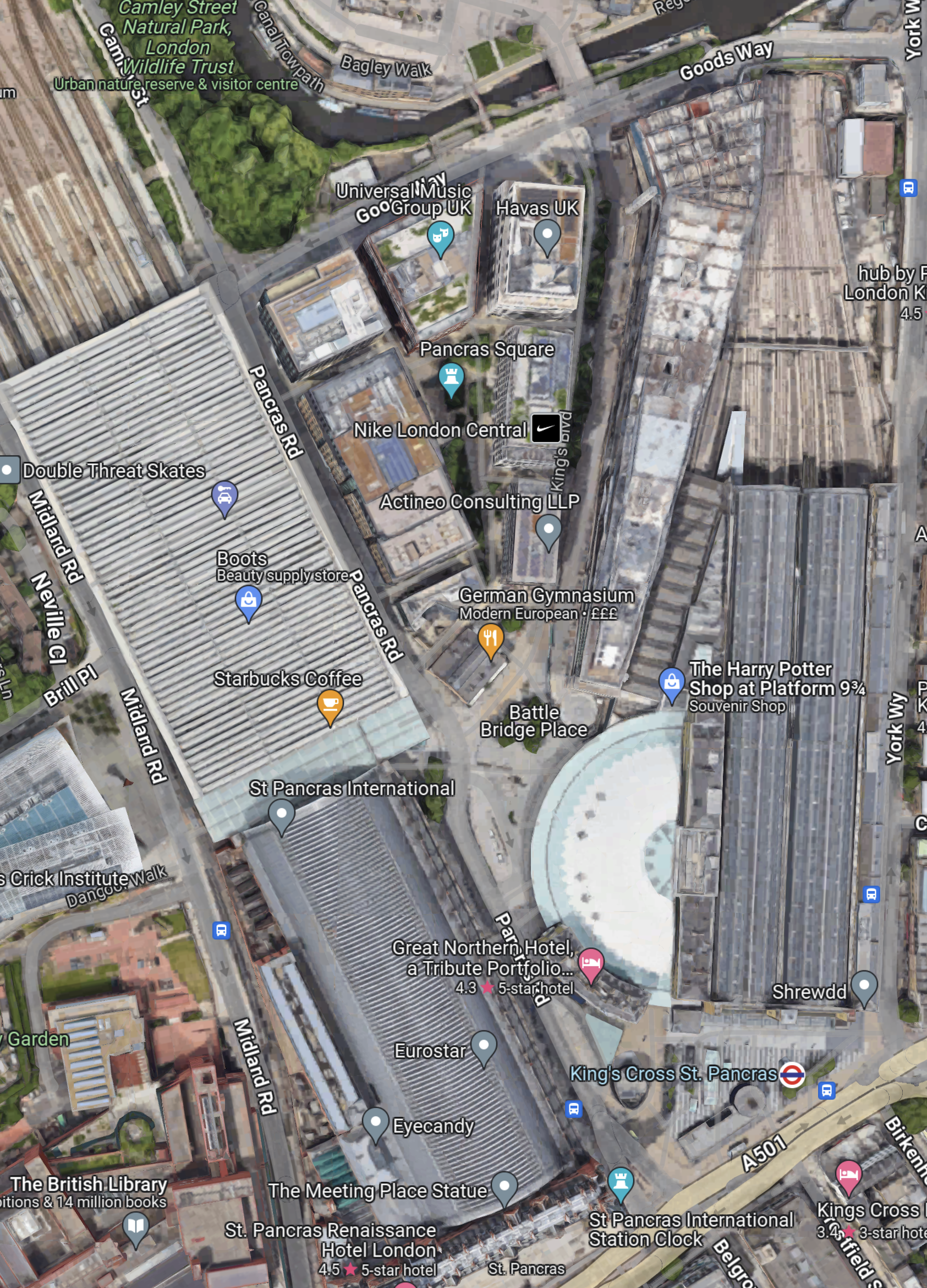
Note.
- St. Pancras International is the station on the left of the V.
- King’s Cross is the station on the right of the V.
- The new corrugated roof covers the Northern ends of the trains in the platforms at St. Pancras.
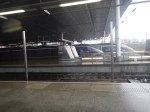
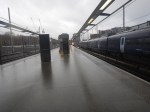
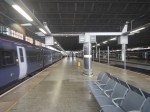
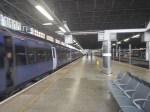
These pictures show the Northern end of the International and domestic HighSpeed platforms.

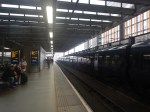
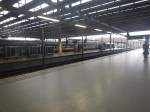
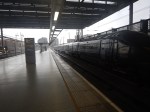



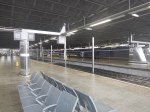
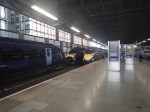



Note.
The pictures taken on the platforms were taken from the Southeastern HighSpeed platforms.
The Continental trains appear to be wholly in the dry either under the classic or the new roof.
The noses of the Continental trains appear to peek out from under the new roof by a few inches.
The air space above the platforms to the North of the new roof appears to be unobstructed.
This Google Map shows the Northern ends of the platforms at St. Pancras.
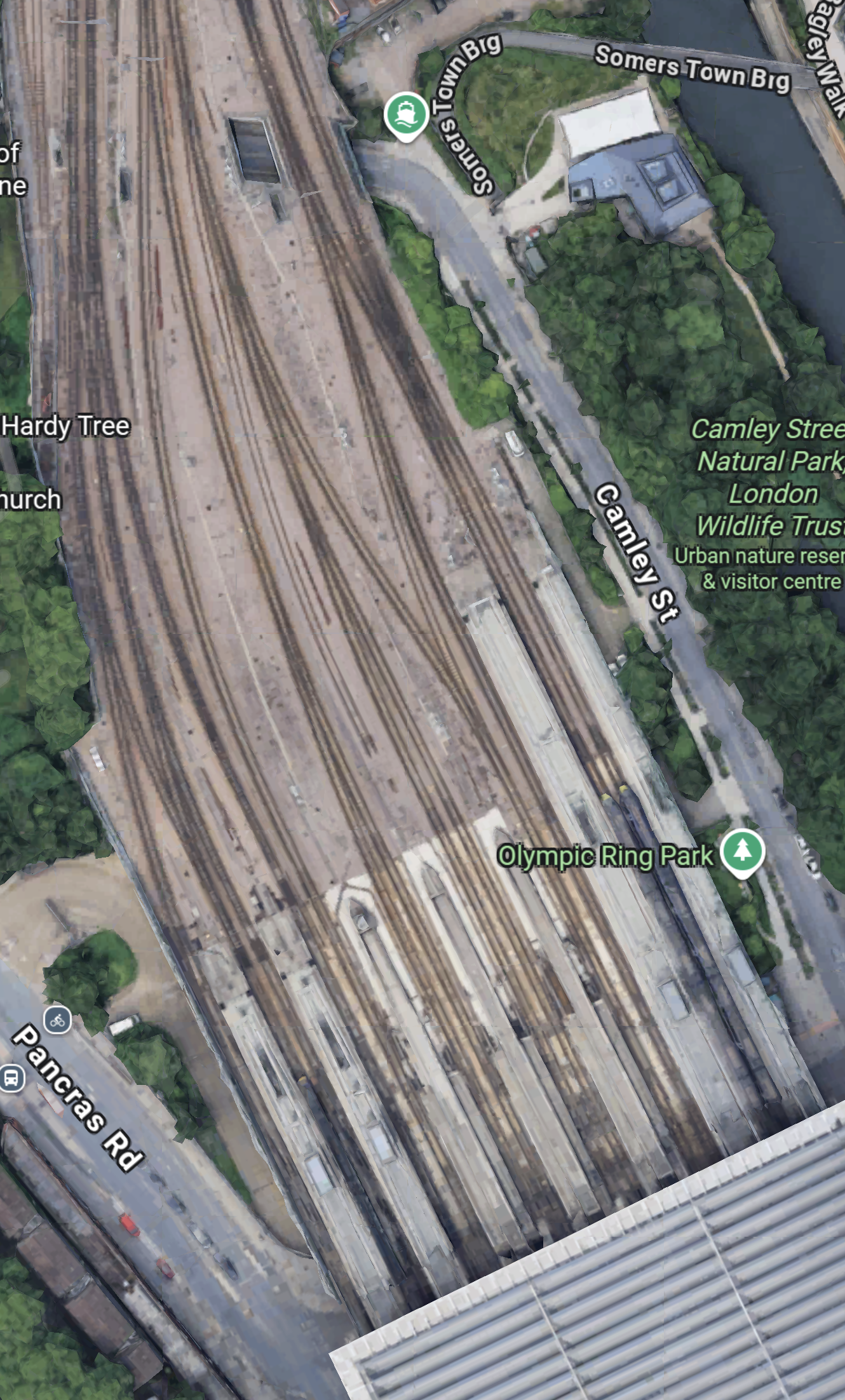
Note.
- The new roof is in the bottom-right of the picture.
- The platforms are numbered 1-13 from left to right.
- Platforms 1-4 are for East Midlands services, which are arranged in a 1-2-1 formation.
- Platforms 5-10 are for Continental services, which are arranged in a 1-2-2-1 formation.
- Platforms 11-13 are for Southeastern HighSpeed services, which are arranges in a 1-1-1 formation.
- Any trains in the station seem to be mainly under cover, although I think a couple of noses are just about visible.
- I am fairly certain, if more passenger-handling capacity were to be needed in the distant future, it could be built above the platforms.
I’ve never seen it said, but did the architects and structural engineers leave this space for future expansion of the station?
- The foundations could have even been designed to support a future vertical extension.
- But at least there is nothing of importance in the space above the exposed Northern ends of the station except a few pigeons.
- With two passenger-handling areas, one could be for departures and the other for arrivals.
- Escalators and lifts could give access to the three wide island platforms for Continental traffic.
Was this station designed to be expanded if required?
I also believe that that much of the work to add any new floors above the platforms could be carried out whilst train services were still running.
Alistair Lansley
According to his Wikipedia entry, the architect of the station was Alistair Lansley, who is not a well-known name or a celebrity architect, but an architect from British Rail’s Architect’s Department, who was also lead architect for Stratford and Ebbsfleet International stations.
So did he leave a space for the extension, that he knew from former experience would be needed?
Could A Mega-Station Be Built For The Channel Tunnel?
This article on Railway Gazette International, is entitled Start-Up Announces Amsterdam To London And Paris High Speed Train Ambitions.
It talks about how Dutch start-up; Heuro wants to run fifteen trains per day (tpg) between London and Amsterdam.
The article then has this paragraph, which details other operators, who are wanting to run services between London and the near Continent.
Heuro’s announcement comes after Spanish start-up Evolyn announced plans in October for a Paris – London service, while on November 11 British newspaper The Daily Telegraph reported that Sir Richard Branson and Phil Whittingham, former head of Virgin Trains and Avanti West Coast, were also drawing up plans to compete with Eurostar and had held discussions with infrastructure managers.
This leads me to the conclusion, that there will be a need for more capacity for trains and/or passengers at some time in the future.
- There are six International platforms at St. Panvcras International station, which can each probably handle four trains per hour (tph), so I suspect the station could handle 24 International tph.
- As a modern high speed train can carry over 500 passengers, that is 12000 passengers per hour.
- Visit St. Pancras station in the morning and it is often crammed with travellers coming from and going to Europe.
I suspect that the number of trains may not be a problem, but the number of passengers will.
We could always join Shengen, but then that would be an open door to all the would-be migrants to the UK.
This Google Map shows Stratford International station.
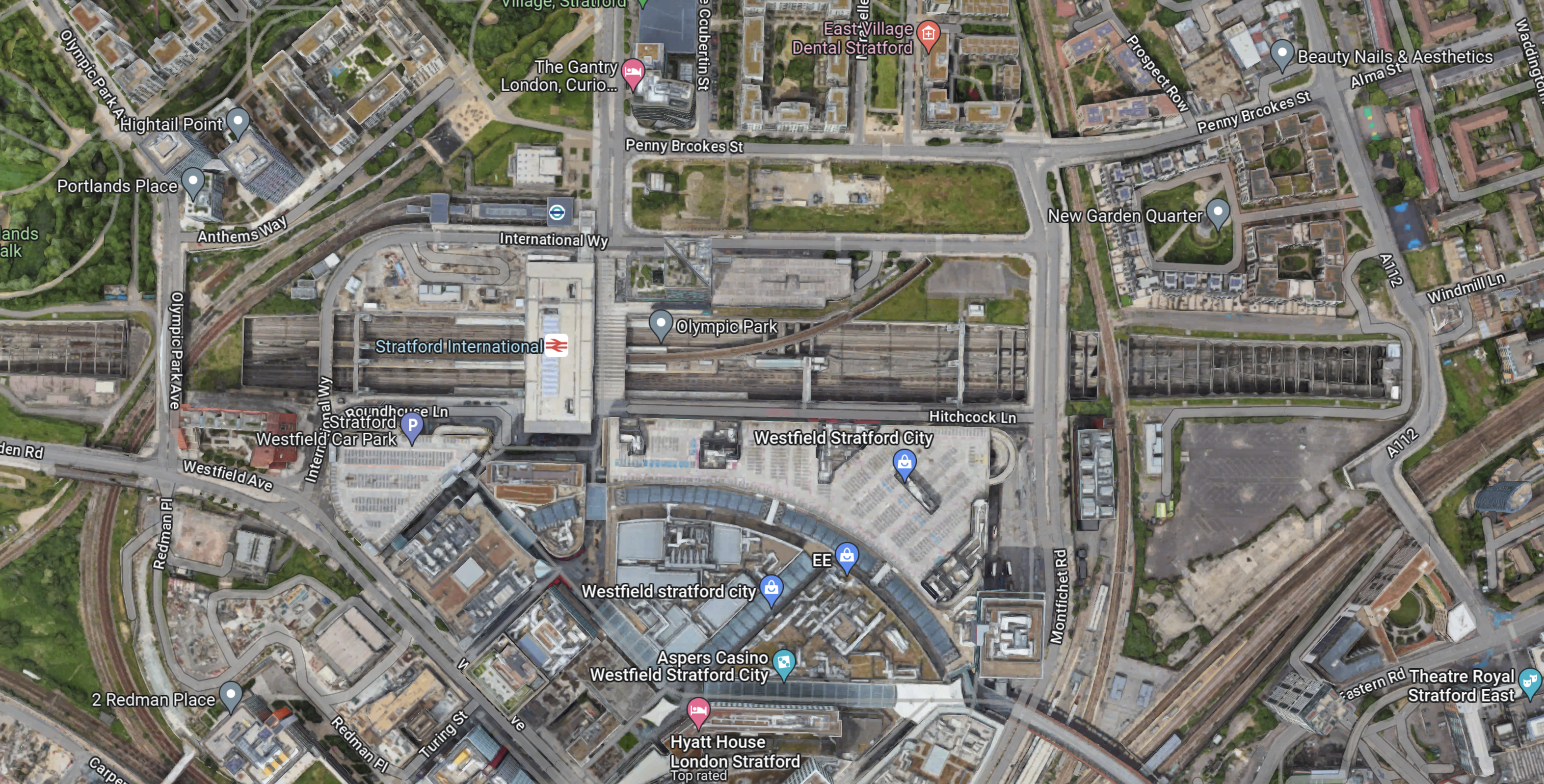
Stratford International station is in a soulless concrete cavern, that lies across the middle of the map.
In Platforms 1 And 4 At Stratford International Station, there are a lot of pictures of the station.
I think it would be extremely difficult to add extra platforms and passenger facilities to the station.
This Google Map shows Ebbsfleet International station.
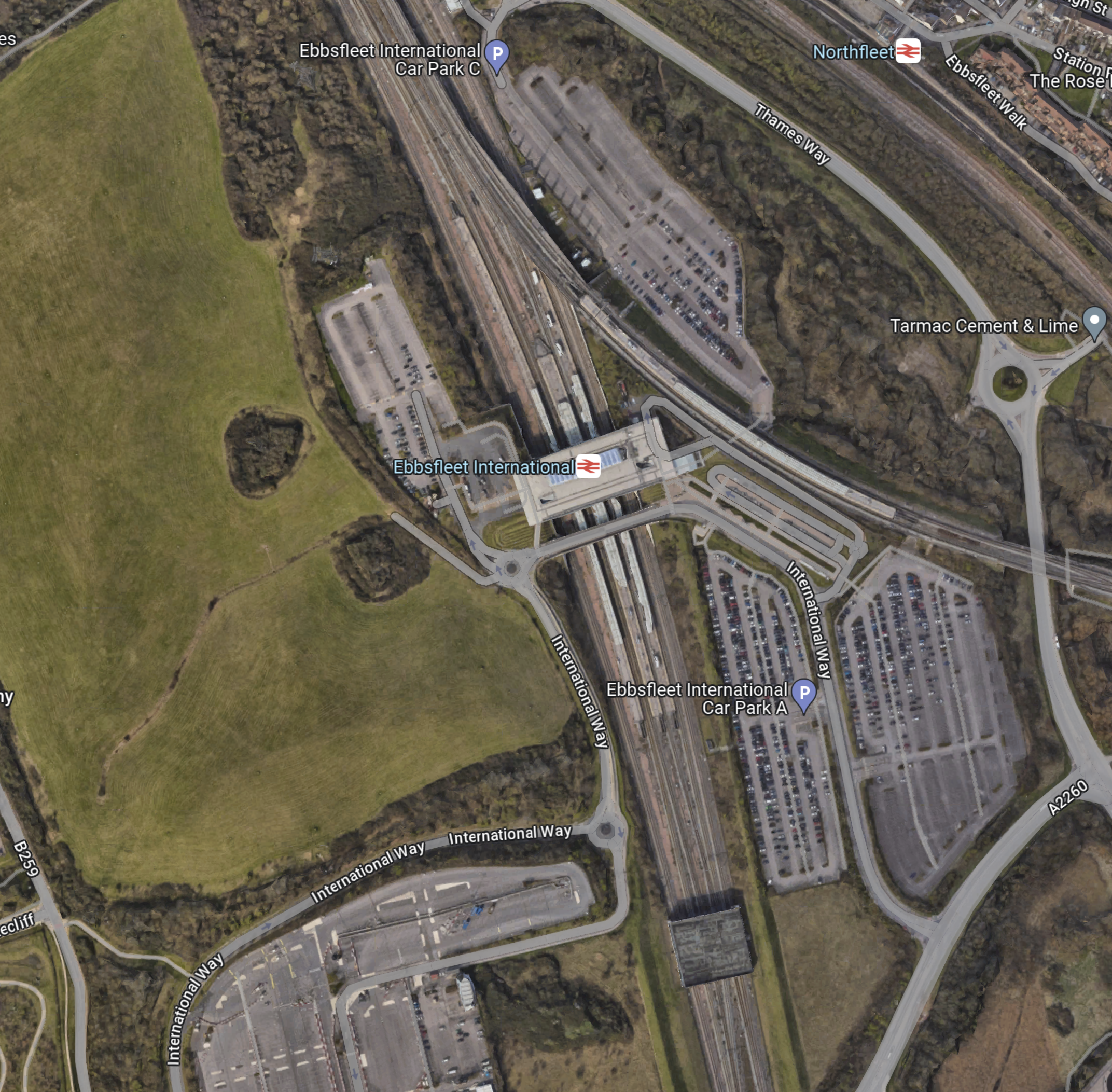
Note.
- Ebbsfleet International station, with its two International and four domestic platforms is in the middle of the map.
- The station is surrounded by car parks with a total of 5,000 spaces.
- Northfleet station is in the North-East corner of the map.
There is a lot of land, without any buildings on it.
These are my thoughts.
Enough Extra Bay Platforms To Handle The Additional Trains
There would appear to be space for perhaps two bay platforms to terminate trains.
But would passengers we happy being dumped outside Central London?
Would An Elizabeth Line Extension To Ebbsfleet Be Needed?
There are various plans to link the Elizabeth Line tp Ebbsfleet International.
In Elizabeth Line To Ebbsfleet Extension Could Cost £3.2 Billion, I showed this map from the Abbeywood2Ebbsfleet consultation.
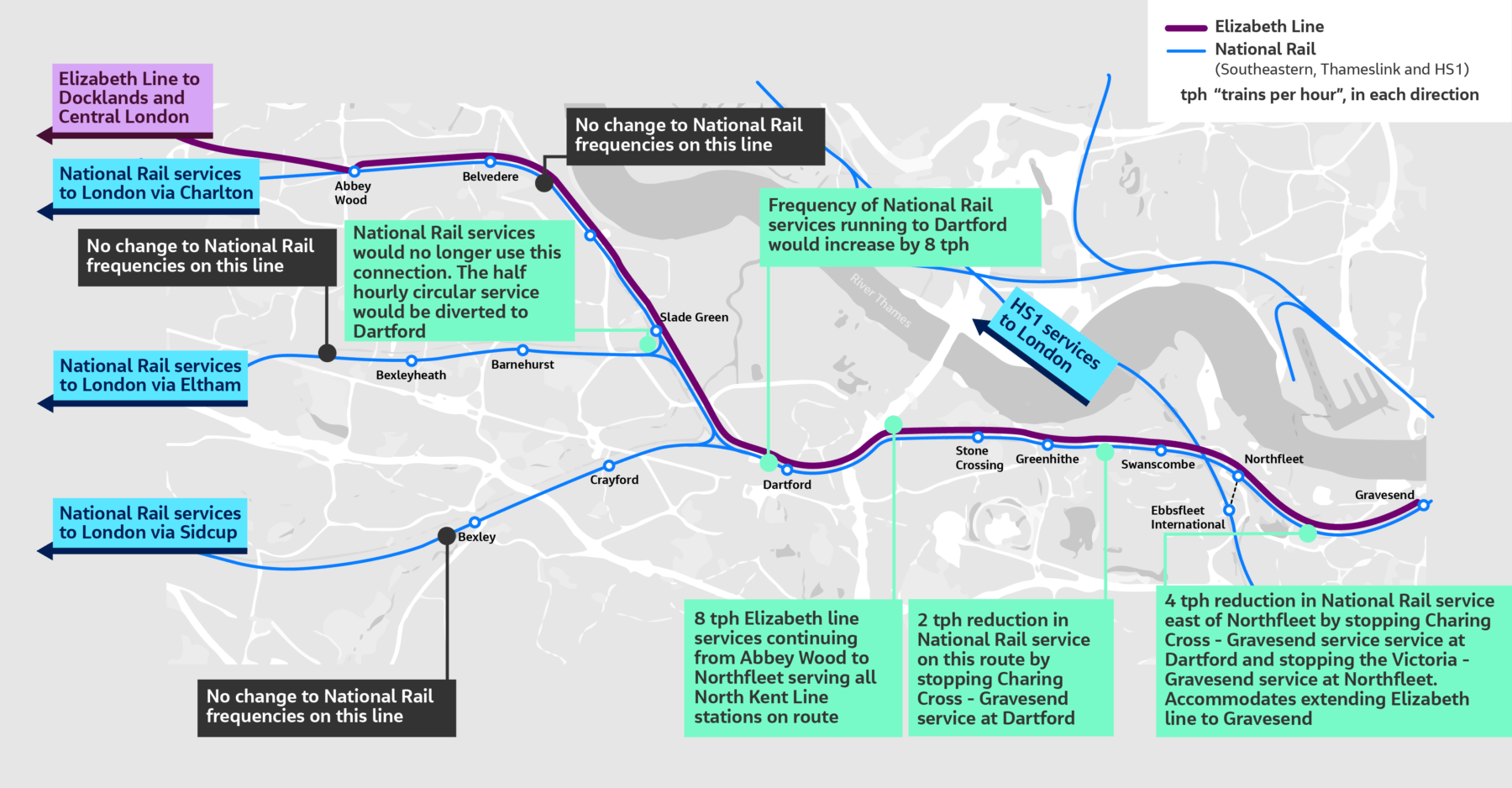
There doesn’t appear to be too much new infrastructure, except for a proper connection between Northfleet and Ebbsfleet stations. References on the Internet, say that the similar-sized Luton DART connection at Luton Airport, cost around £225 million.
The Elizabeth Line connects to the following.
- Bond Street
- Canary Wharf
- City of London
- Farringdon for Thameslink
- Heathrow Airport
- Old Oak Common for High Speed Two
- Liverpool Street station
- Oxford Street
- Paddington station
- Slough for Windsor
- Tottenham Court Road for the British Museum, Oxford Street, Soho, Theatreland and the Underground.
- West End of London
- Whitechapel for the Overground and Underground
For many people like me, the Elizabeth Line at Ebbsfleet will provide one of the quickest ways to get to and from European trains.
Ebbsfleet Has Space For A Bus Station
A bus station with comprehensive routes could be built at Ebbsfleet station, which I don’t think will be possible at St. Pancras.
It would also be possible to provide an easy route to Gatwick Airport along the M25.
Hotel Accommodation
This is surely necessary.
It would make an ideal base for tourists and business people, who wanted to visit several of the large cities connected to Ebbsfleet.
A Very Large Car Park
Consider.
- Heathrow Airport is looking at providing upwards of 50,000 car parking spaces.
- Some travellers are seriously allergic to public transport and will always use their car.
- Many travellers these days want to take a severely outside case with them, when they’re only having a weekend in Paris.
I feel that a mega-station for Europe will need upwards of 10,000 car parking spaces. All of them with vehicle-to-grid chargers.
A Very Large Storage Battery
According to this page on the E-on web site, the average size of the battery in an electric vehicle is 40 kWh.
If 5,000 car parking spaces were to be fitted with vehicle-to-grid charging (V2G), that would be 2 MWh of energy storage, that could be used by National Grid, to store surplus electricity.
Get V2G right and it could make a serious contribution to your parking costs.
Pictures Of Ebbsfleet Station
These are some pictures I took at Ebbsfleet station today.



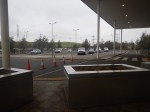




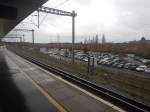
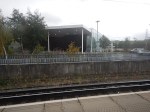
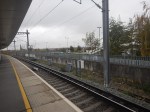

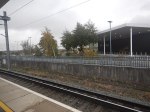
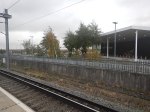
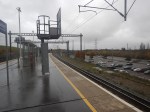
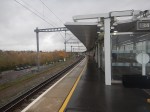
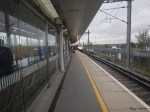
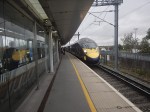
Note.
- The station is a fairly boring concrete, glass and steel construction.
- The SouthEastern HighSpeed services also go to St. Pancras, so they don’t offer any different connectivity towards the capital.
In addition, the SouthEastern HighSpeed Class 395 trains aren’t step-free at the platforms, as these pictures shows.

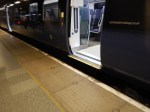
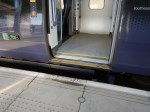
As I came back into St. Pancras International station, staff were struggling to load a wheelchair onto a train using a ramp.
Would A Two-Station Solution Increase Capacity?
High Speed Rail lines have high capacity trains and there are examples of more than one station at the end of a route.
- The London end of High Speed Two will have stations at Old Oak Common and Euston.
- The Manchester end of High Speed Two will have stations at Manchester Airport and Manchester Piccadilly.
- The Edinburgh end of the East Coast Main Line has stations at Waverley and Haymarket.
- The Amsterdam end of Eurostar and Thalys has stations at Rotterdam, Schipol Airport and Amsterdam.
A selection of stations gives choice and convenience for travellers.
Conclusion
I believe that selective development of Ebbsfleet International station could be used to take the pressure away from St. Pancras International station.
These developments could include.
- A comprehensive bus station
- Elizabeth Line to Northfleet
- Hotel Accommodation
- Lots Of Car Parking
Europe’s Next High-Speed Train Operator
I was alerted to Heuro Train, by this article in Railway Gazette International, which has this opening paragraph.
A proposal to launch high speed train services from Amsterdam to London and from Groningen to Paris has been announced by Dutch start-up Heuro, while Virgin founder Sir Richard Branson is also reported to be looking at competing with Eurostar on cross-Channel routes.
The Heuro Train web site was easily found and the title of this post, was part of their mission statement on the home page.
I have read the web site and have a few initial thoughts.
Technology-Driven Excellence
This is their first sub heading and this is the text.
In a world where technology defines possibilities, Heuro develops the latest innovations into every aspect of our service. From advanced train systems to intuitive in-seat features that cater to your needs, our technology is the driving force behind a seamless, state-of-the-art travel experience.
We’ve all written things like that in the past.
Meeting The Human Need
This is their second sub heading and this is the text.
Heuro emerged from human desires, informed by analyses from Marveltest.
There’s been a 32% annual increase in online interest for train travel over five years. High-Speed Trains are 98% full at peak times. Over half of Europeans prefer train travel under 2 hours as a greener option. Introducing High-Speed Operators in train monopolies boosts demand by 45%.
They appear to have done their research and those are interesting figures.
Lightning Speed Connectivity
This is their third sub heading and this is the text.
In our digital age, both work and leisure have found a substantial home on the internet for urban humans. Whether sealing a business deal, streaming a favorite show, or connecting with loved ones, online interactions have become integral to our daily lives. At Heuro, we don’t just commit—we guarantee the best internet experience.
This is actually irrelevant these days, as there will be a high standard of Internet experience on all modes of transport in a few years, although some will get it earlier than others.
Planned Routes
This is their sixth sub heading and this is the text.
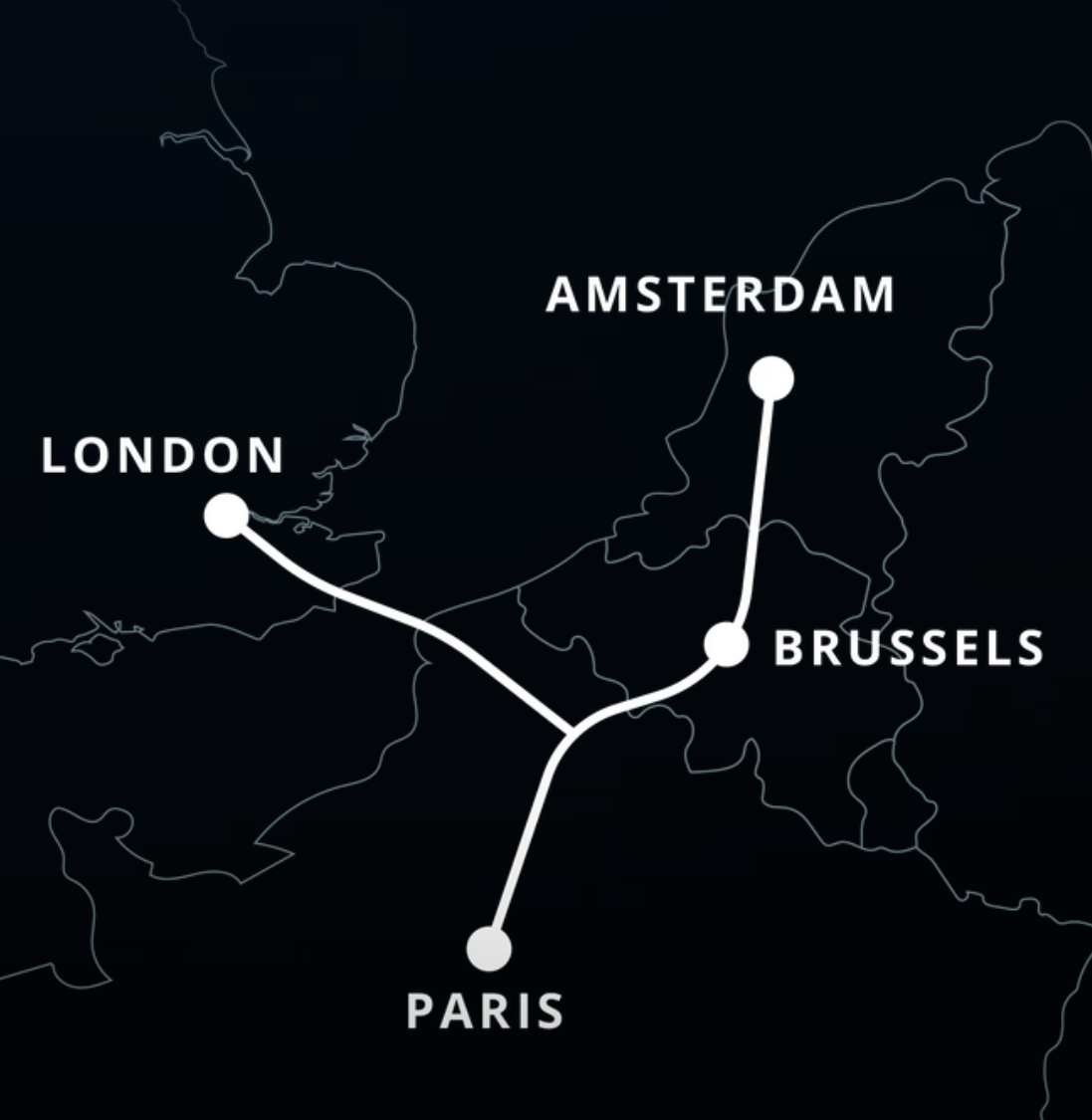
We will connect Amsterdam with Brussels, Paris, and London with intermediate stops at Schiphol Airport, Rotterdam Central, Antwerp Central & complimentary services to Groningen, Assen, Zwolle and Almere (continuing to Paris, 2 times per day)
This route map is shown.
Note.
- It is not a large network.
- It makes a lot of use of the Dutch high speed line; HSL-Zuid, that runs between Amsterdam and the Belgian border.
- I suspect it has been designed to be extended.
The Railway Gazette Article has these two paragraphs, which give more information on services and Heuro’s thinking.
On November 15 Heuro told Railway Gazette International that it aims to launch in 2028, offering 16 Amsterdam – Paris and 15 Amsterdam – London trains each day with intermediate stops at Schiphol Airport, Rotterdam Centraal, Antwerpen Centraal and Brussels. Two of the Paris trains would run to and from Groningen via Assen, Zwolle and Almere.
The company said ‘every day, 55 planes fly from Amsterdam to London, while only four trains make this journey. Heuro intends to change that, aiming for more trains to depart from Amsterdam than flights’.
With other train companies wanting to serve London, will St. Pancras International be able to incorporate another fifteen trains per day from Amsterdam?
Web Site Language
Everything is in English! It also appears to be English English.
Les français ne seront pas amusés.
Extensions From London
Much of Central and Eastern England, and Eastern Scotland can be reached from St. Pancras International station, by a hundred metre walk to change platforms.
There is even a signed walking route between St. Pancras International and Euston stations, that isn’t the most arduous of walks.
The St. Pancras International and Euston stations connection could also be handled by a frequent electric shuttle bus.
Extensions From Amsterdam
Heuro are already indicating their intention to extend to Almere, Zwolle, Assen and Groningen.
I have taken that route and extended it via Leer, Oldenburg and Bremen to Hamburg.
Could this be in Heuro’s long term thinking?
Extensions From Paris
The French probably have ideas.
Conclusion
I like Heuro’s philosophy and starter kit.
Evolyn To Launch Paris To London Route In Competition With Eurostar
The title of this post, is the same as that as this article on Rail Technology Magazine.
These first two paragraphs outline the plan.
A company aiming to operate services through the Channel Tunnel in competition with Eurostar has agreed to purchase 12 trains, it said.
Evolyn has stated that it is ready to invest £1 billion in its bid to start cross-Channel rail services in 2025.
It looks like the order will go to Alstom.
It will be interesting to see what sort of product is offered.
National Express Owner Plans To Launch Eurostar Rival
The title of this post, is the same as that of this article on the Financial Times.
I have documented a few attempts to start a competitor to Eurostar.
- Express London-Amsterdam Eurostar Service Being Explored
- Getlink Pushes Budget Train Service Between London And Paris To Rival Eurostar
- RENFE Aims To Compete With Eurostar On Paris – London Route
- Transmanche Metro
- The Wikipedia entry for Eurostar details German and Italian attempts to start a service.
Note.
- None of the proposals seem to have got past being announced.
- The only useful fact given in the article, is that the service will be called Evolyn.
Searches of the Internet reveal virtually no more facts, rehashes of the FT article and a lot of waffle.
These are my thoughts.
Would Eurostar Give Up And Slots At St. Pancras International?
I use slots deliberately, as British Airways don’t seem keen to ever give up slots at Heathrow or Gatwick.
And I suspect Eurostar would be the same!
St. Pancras International Doesn’t Have Enough Space
This article on Kent & Surrey Bylines, which is entitled Why Are There Such Queues At St Pancras For Eurostar?, is typical of many you can find on the Internet.
This is the sub-heading.
Eurostar no longer stops at Ebbsfleet or Ashford International, and the queues at St Pancras are becoming intolerable
This is the first paragraph.
Passengers are complaining. The queues at St Pancras are now intolerable. The lines stretch back into the main hall. It is like an airport with the slow shuffle towards the security kiosks. Then, once you are through that, you go to the departure lounge. However, there is not enough seating for the waiting passengers (see picture above taken this month). Because you have to check in 90 minutes before the train starts, one can be stuck standing in this waiting room for an hour. Unless, that is, one is white-haired and venerable, in which case one is usually offered a seat by someone younger and fitter.
It was written on the 9th of last month. But the problems have been bad for some years, as St. Pancras station is too small.
Could Ashford International Station Be Used As A Terminal?
The station has platforms on High Speed One, but the Financial Times says the service will be run between London and Paris.
I doubt even Ryanair would stretch it to say that Ashford was in London.
Could Ebbsfleet International Station Be Used As A Terminal?
It might be possible to say that Ebbsfleet was in London, but then it is not well-connected to Central London.
Does That leave Just Stratford International?
In Platforms 1 And 4 At Stratford International Station, I came to this conclusion.
I have come to these conclusions about Platforms 1 And 4 at Stratford International station.
- The platforms are designed to take the longest Eurostar trains.
- The access to Platforms 1 And 4, doesn’t appear to be designed for continuous heavy use.
- The diamond crossover at the Eastern end of the station would allow Stratford International station to be used as an emergency terminus.
The track layout at the London end of High Speed One appears to have been designed for all eventualities.
But I suspect that Stratford International station will need a lot of money spent to provide Customs and Immigration facilities.
Could Victoria Station Be Used As A Terminal?
National Express is primarily a coach company, so could they be planning a service to connect the long distance coach networks of London and Paris?
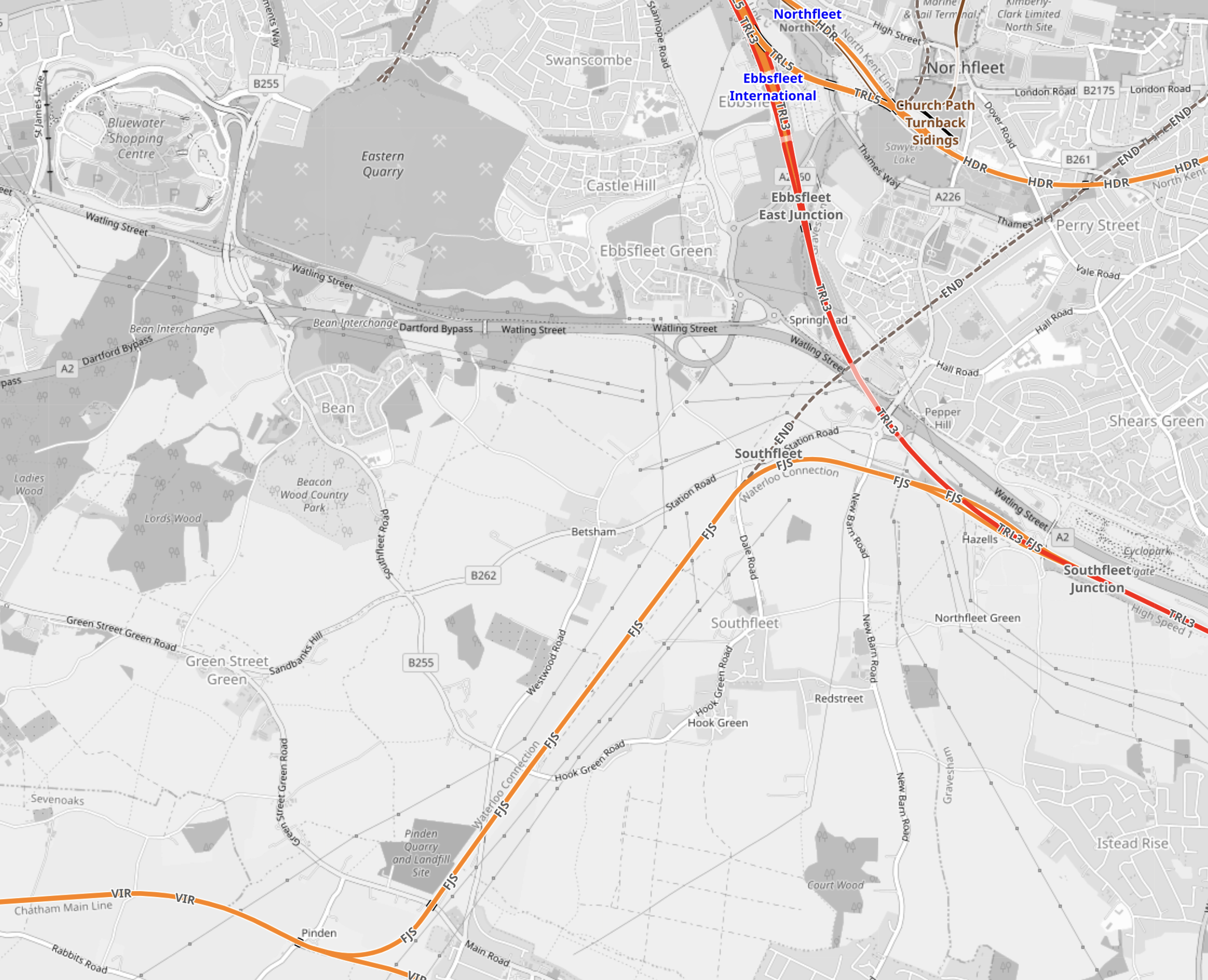
This OpenRailwayMap shows the link between High Speed One and the Chatham Main Line.
Note.
- Ebbsfleet International and Northfleet stations are at the top of the map.
- High Speed One is the red line going through Ebbsfleet International station.
- The orange line going across the South-West corner of the map is the Chatham Main Line between Victoria station and Chatham.
- The Chatham Main Line is connected to High Speed One, by the Waterloo Connection or the Fawkham Junction Link.
This route was the original route for Eurostar to Waterloo.
But it could just as easily go into Victoria.
- Southeastern’s Victoria and Dover service takes this route.
- The distance between Victoria and Fawkham junction is 22.6 miles.
- Trains take 28 minutes with a stop at Bromley.
- I wrote some more about the Fawkham Junction Link in Kent On The Cusp Of Change – Fawkham Junction Link.
- I also wrote some more about Victoria as a High Speed terminal in Kent On The Cusp Of Change – Victoria As A Highspeed Terminal.
Note that the two Kent On The Cusp Of Change posts were based on an article in the July 2017 Edition of Modern Railways.
I am convinced that Victoria could be used as a terminal for Continental trains.
Where Would The Service Terminate In France?
Everything I said about congestion also applies to Gare Du Nord, so would it be better to use Marne-la-Vallée–Chessy station that serves Disneyland Paris and Charles de Gaulle Airport, which used to be used by Eurostar.
There are certainly possibilities to do something different.
What Trains Would Be Needed?
The FT article says that the consortium have talked to Alstom, who build the Class 373 trains.
The trains would probably need a specification like this.
- Maximum speed of at least 200 mph, like Eurostar’s Class 374 trains.
- Ability to run on tracks with a UK loading gauge.
- Ability to use both 750 VDC third rail and 25 KVAC overhead electrification.
- Less than 240 metres long, which are the platform lengths at Victoria.
Would a High Speed Two Classic-Compatible Train be suitable?
- The trains will have a maximum speed of 224 mph.
- It has been designed for a UK loading gauge.
- The two partners in these trains; Alstom and Hitachi, have both built high speed trains capable of running at slower speeds using third rail electrification.
- The standard length of the trains are 200 metres.
I suspect they would do nicely.
Conclusion
I suspect that the National Express service could use High Speed Two Classic-Compatible Trains between Victoria and Marne-la-Vallée–Chessy stations.
- The trains would be standard with the ability to use third rail electrification
- They would use a single International platform at Victoria and Marne-la-Vallée–Chessy.
- Victoria station is well-connected to the Underground.
- Marne-la-Vallée–Chessy station is connected to Charles de Gaulle airport and Disneyland Paris.
I feel that there is a feasible service that can be designed.
Platforms 1 And 4 At Stratford International Station
This map from OpenRailwayMap shows the tracks through Stratford International station.

The tracks starting from the North side of the station are as follows.
- Platform 1 – Not used by normal services – Shown in black
- Fast Line for Eastbound through trains – Shown in red
- Platform 2 – Used by Eastbound stopping services – Shown in black
- Platform 3 – Used by Westbound stopping services – Shown in black
- Fast Line for Westbound through trains – Shown in red
- Platform 4 – Not used by normal services – Shown in black
Note.
- There are three Eastbound tracks, that connect together into a single track from St. Pancras and a single track to Ebbsfleet International station.
- An Eastbound train can use any of the three Northernmost tracks to pass though Stratford International station.
- There are three Westbound tracks, that connect together into a single track to St. Pancras and a single track from Ebbsfleet International station.
- A Westbound train can use any of the three Southernmost tracks to pass though Stratford International station.
- As Eurostar trains aren’t scheduled to stop at Stratford International station, they would normally take the fast lines through the station.
- Southeastern HighSpeed services usually stop in Platforms 2 or 3, as they pass through the station.
- There is a diamond crossover at the eastern end of the station.
It would appear that under normal circumstances Platforms 1 and 4 are not used.
These pictures show Platforms 1 and 4 at Stratford International station.

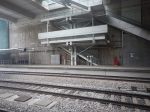
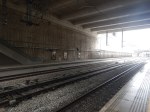
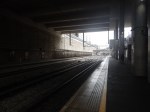
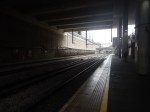

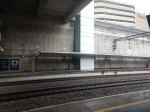
Note.
- Both Platforms 1 and 4 appear to have stairs, an escalator and a lift.
- I left from Platform 2, in a pair of Class 395 trains, which would have been 244 metres long.
- From the OpenRailwayMap, Platforms 1 and 4, appear to be longer than Platforms 2 and 3.
As Eurostar’s Class 374 trains are 390 metres long, it looks like Platforms 1 and 4 are designed to be able to handle these trains.
The Diamond Crossover At Stratford International Station
The diamond crossover at the Eastern end of the station could be used for unusual or occasional train movements.
- It could allow services to use St. Pancras station, when there was an inconvenient points failure.
- It might also allow a train to terminate before returning to the East in either Platform 1 or 4.
It could even allow Stratford International station to be used as a terminus during emergencies or engineering works.
An Escalator Problem At Stratford International Station
There was an escalator problem At Stratford International station today, which meant I had to walk down to the platform.
I took these pictures.

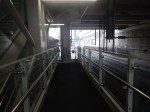
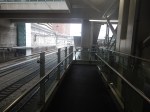

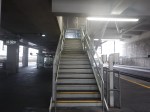
After walking down, I am fairly sure, that these stairs, which appear to be identical to those on Platforms 1 and 4, are for occasional use only.
Conclusion
I have come to these conclusions about Platforms 1 And 4 at Stratford International station.
- The platforms are designed to take the longest Eurostar trains.
- The access to Platforms 1 And 4, doesn’t appear to be designed for continuous heavy use.
- The diamond crossover at the Eastern end of the station would allow Stratford International station to be used as an emergency terminus.
The track layout at the London end of High Speed One appears to have been designed for all eventualities.
St. Pancras To Heathrow By Elizabeth Line
I ate breakfast in Le Pain Quotidien in St.Pancras station this morning and afterwards I took the Elizabeth Line to Heathrow.
I took Thameslink for one stop to Farringdon station and got a Elizabeth Line train direct to Terminal 2 and 3 at the Airport.





Note.
- The train I took was going to Gravesend. I suspect it was because of engineering work.
- An empty train passed through, whilst I waited. I’ve never seen that before on Thameslink in St. Pancras station.
- I travelled in the front of the Thameslink train for the one stop.
- The change at Farringdon station was very quick, as it was just down in the lift and the Heathrow train was waiting.
These are some notes on a fast change using the lifts between Southbound Thameslink and the Elizabeth Line at Farringdon station.
- Get the first lift of the two that arrives, if like me, you can use escalators.
- If it goes up, walk across the station at street level and get the two serial escalators down to the Elizabeth Line.
- If it goes down, take the lift to the Elizabeth Line.
If you can’t manage escalators, you have to wait for a lift going down.
I have some observations.
Meeting And Greeting At St. Pancras Station
From my position in Le Pain Quotidien, I was able to watch passengers leaving and arriving at the Eurostar terminal opposite.
There were quite a few people, who were meeting and greeting others.
In Effects Of The ULEZ In West London, I said this about meeting and greeting at Heathrow.
But as it now so easy to get to the Airport using the Elizabeth Line will more people use the new line to meet and greet and say goodbye to loved ones or business associates. Since the Elizabeth Line opened, I’ve met a couple of friends at Heathrow, who were passing through.
Will the Elizabeth Line increase the number of trips to the airport, by making meeting and greeting easier?
If it does, then it will put more pressure on the services to Heathrow Airport.
Seats In St. Pancras Thameslink Station
These pictures show some of the large number of seats in St. Pancras Thameslink Station.


Should there be more seats along the platform at stations on the Elizabeth Line, where passengers change trains?
My Train To The Airport Was Crowded
Ten in the morning on a Sunday, is not the time I’d expect to be busy, but I estimated it was about ninety percent full, judging by the few empty seats.
There Were Eight Trains Per Hour (tph) To And From Heathrow
From Real Time Trains, it looks like the following trains were running.
- Elizabeth Line – Abbey Wood and Terminal Four – 2 tph
- Elizabeth Line – Abbey Wood and Terminal Five – 2 tph
- Heathrow Express – Paddington and Terminal Five – 4 tph
My train to the Airport had been going to Terminal Four.
Is eight tph the maximum frequency, that can use the tunnel to the Airport?
Is The Elizabeth Line Diverting Passengers From Heathrow Express?
When I returned from the Airport, my Elizabeth Line train left about ten minutes after a Heathrow Express train.
- The Heathrow Express train wasn’t very full.
- The Elizabeth Line train was very full.
- Passengers got out at all stations.
- I got out at Tottenham Court Road.
It will be interesting to see the Heathrow Express passenger figures.
Which Is The Best Elizabeth Line Station For A Marks and Spencer?
Because their gluten-free food is so much better than other shops, this is important to me.
- There are larger stores at Ealing Broadway, Tottenham Court Road (West), Liverpool Street (West), Stratford and Ilford.
- There are food only stores at Heathrow, Paddington, Bond Street and Liverpool Street (East).
Today, I used the large store by the Western entrance at Tottenham Court Road station.
But, if you want to avoid walking, Stratford is probably the easiest.
Moorgate And Luton Airport Parkway
This morning I went by train from Moorgate to Luton Airport Parkway to have a look at the Luton DART.
I used the following route.
- Elizabeth Line – Moorgate to Farringdon.
- Thameslink – Farringdon to Luton Airport Parkway.
I came back from Luton Airport Parkway on a Luton Airport Express.
I took these pictures on the route.










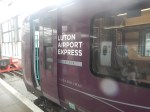
Note.
- The change at Farringdon station was very easy.
- You walk past toilets at the Farringdon change.
- There are two bridges, lots of escalators and lifts at Luton Airport Parkway station.
- I didn’t take the DART to the airport.
These are some detailed thoughts.
Luton Airport Parkway Station
It is a much improved station, but still has some work to do.
- There was a problem with one escalator.
- Some of the signage is not finalised.
- I had a problem with ticketing, as I was sold the wrong ticket.
- Staff probably need a bit more training.
But then the station has only been open three weeks.
Luton Airport Express
East Midland Railway’s St. Pancras and Corby service is now branded as Luton Airport Express.
- It has its own web site.
- Trains only stop at Luton Airport Parkway, Luton, Bedford, Wellingborough and Kettering.
- Trains take as little as twenty-two minutes between St. Pancras and Luton Airport Parkway.
- Class 360 trains are used.
- Trains run every thirty minutes.
As it serves the local area, I wonder how many airport employees, now use this train to get to work?
Could There Be An Elizabeth Line Extension To Grays?
This article on My London is entitled London Underground Tube Map: The Towns That Could Be Added To The Elizabeth Line As New Giant Loop Through London, Essex And Kent Is Proposed.
This paragraph described the proposal.
The proposal, which is part of its Vision 2050 local transport plan, would see the current Elizabeth line service from Romford take over the Overground branch to Emerson Park and Upminster, then join c2c services continuing via Chafford Hundred Lakeside to Tilbury. It would then head under a new tunnel beneath the Thames to Gravesend, connecting with the reintroduced Eurostar at Ebbsfleet International/Northfleet.
It’s certainly a bold idea and you can view the report to Thurrock Council here.
These are my thoughts.
The Frequency Of Trains
Currently, these services have a frequency of two trains per hour (tph) in both directions.
- Romford and Upminster.
- Upminster and Tilbury Town.
It would seem sensible that this frequency is preserved, thus giving every station on the loop four tph to and from the Eastern End of the Central Tunnel at Whitechapel station. Two tph would go via Romford and Stratford and two tph would go via Ebbsfleet and Abbey Wood.
What Would Be The Western Terminal?
It would probably be the two busiest terminals in the West.
I suspect that these will be Heathrow Terminal 4 and Heathrow Terminal 5
- Two tph would go between Heathrow Terminal 4 and Heathrow Terminal 5 via the loop.
- Two tph would go between Heathrow Terminal 5 and Heathrow Terminal4 via the loop.
- Two tph would go clockwise.
- Two tph would go anticlockwise.
I suspect the digital signalling can sort it out, just as it does the loop in Thameslink.
The Connection At Romford To The Romford and Upminster Line
Consider.
- The Romford and Upminster Line is single-track.
- A well-signalled single-track railway can handle two tph in both directions in an hour.
- Trains take five minutes to go between Romford and Emerson Park stations.
- Trains between Romford and Upminster will use Platform 5 at Romford station.
- Trains between Upminster and Romford will use Platform 4 at Romford station.
This map from cartometro shows the track layout at Romford station.
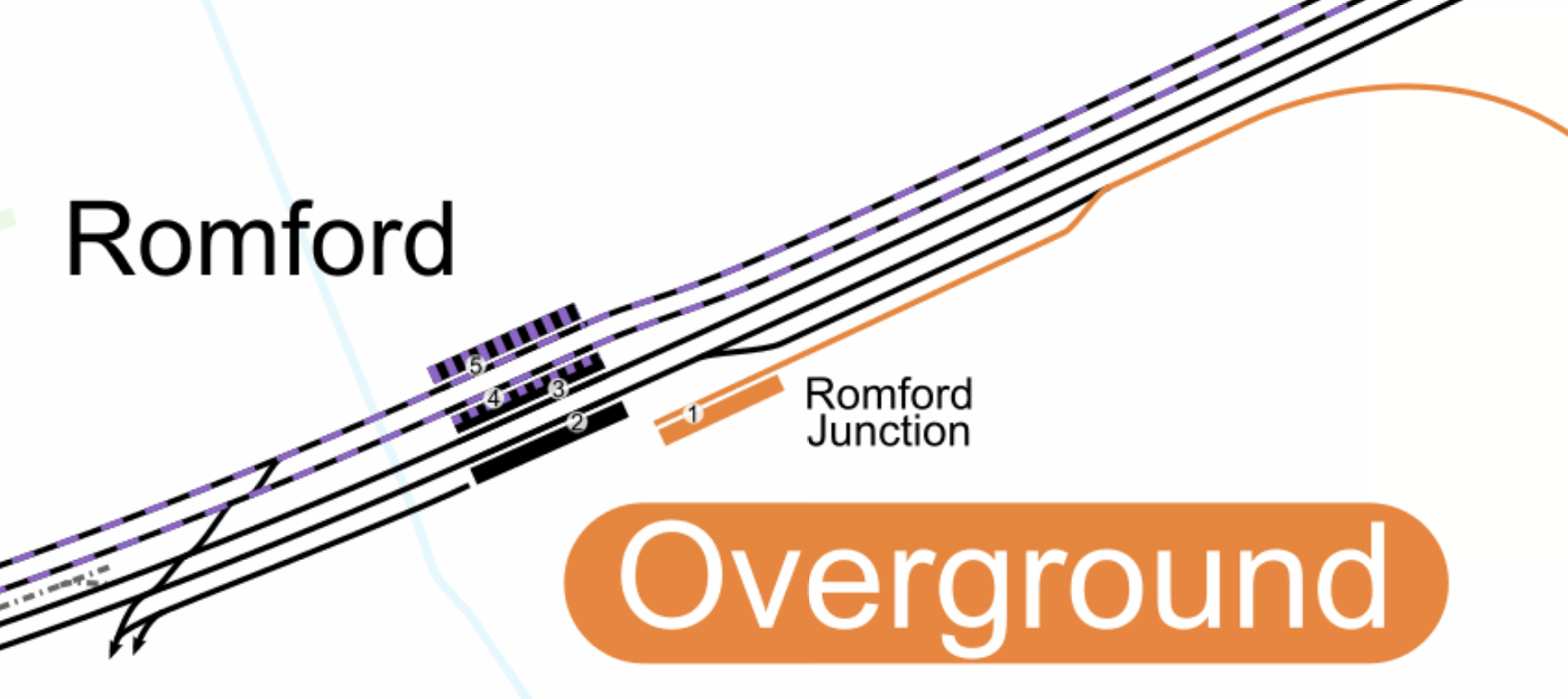
Note.
- The orange lines are the Overground tracks of the Romford and Upminster Line, which connects to Platform 1 in Romford station.
- The black and purple lines are the Elizabeth Line, which go through Platforms 4 and 5 at Romford station.
- The black lines are the fast lines of the Great Eastern Main Line, which go through Platforms 2 and 3 at Romford station.
- There is no connection between the Elizabeth Line and the Romford and Upminster Line.
I believe it is possible to build a single-track flyover or dive-under that connects both Platforms 4 and 5 at Romford station to the Romford and Upminster Line.
A similar double track flyover was built to connect the Barking Riverside branch to the main lines through Barking.
- But this track layout would only need to be single-track.
- I also suspect that there may not be enough space to put in a full double-track flyover.
- It would avoid the inconvenience and danger of using flat junctions to cross the fast lines of the Great Eastern Main Line.
As it only takes five minutes to go between Romford and Emerson Park stations, there is plenty of time to fit two tph in both directions in an hour.
Platform Extension In Platform 1 At Romford Station
Platforms 4 and 5 at Romford regularly take nine-car Class 345 trains, but I think that Platform 1 should be lengthened, to provide a bay platform on the route to help out when the service needs to recover.
Platform Extension At Emerson Park Station
The platform at Emerson Park station will need to be lengthened to take nine-car Class 345 trains.
Some commentators claim, that the passing loop at the station needs to be rebuilt. But I suspect, this isn’t needed as the expanded layout at Romford station effectively creates a passing loop.
The Connection At Upminster Between The Romford and Upminster Line And The Upminster And Tilbury Town Line
Consider.
- Both lines are single-track.
- But there is a passing loop at Ockenden station.
- There are three tracks between West Thurrock junction and Grays.
- Trains take five minutes to go between Emerson Park and Upminster stations.
- Trains take ten minutes to go between Upminster and Chafford Hundred stations.
- Trains take four minutes to go between Chafford Hundred and Grays stations.
- Trains take thirteen minutes to go between Upminster station and West Thurrock junction.
This map from cartometro shows the track layout at Upminster station.

Note.
- The orange lines are the Overground tracks of the Romford and Upminster Line, which connects to Platform 6 in Upminster station.
- The green lines are the District Line tracks that handle the services that terminate at Upminster station.
- The black lines are the c2c tracks between Fenchurch Street and Southend Central stations go through Platforms 1 and 2 at Upminster station.
- The Upminster and Tilbury Town Line leaves Upminster station in a South-Easterly direction.
- The Upminster and Tilbury Town Line connects to Platforms 1 and 2 at Upminster station.
I believe it is possible to build a single-track flyover or dive-under that connects both Platforms 1 and 2 at Upminster station to the Romford and Upminster Line.
This would connect the following.
- The Romford and Upminster Line to the the Upminster and Tilbury Town Line.
- The Romford and Upminster Line to the the Fenchurch Street and Southend Central Line.
Upminster station would be a much improved interchange.
Two tph Between Tilbury Town and Romford Stations
Consider.
- The route is fully electrified.
- The route is a mixture of single and double-track.
- There is a passing loop at Ockendon station.
- The platform at Emerson Park and possibly others may need to be extended to take nine-car Class 345 trains.
I believe single-track flyovers or dive-unders at Romford and Upminster stations would enable two tph on the route.
The only downside I can see, is that passengers going between Fenchurch Street and Chafford Hundred or Ockendon stations would need to change at Grays or Upminster stations.
Alternatively, they could take the Elizabeth Line, which would have a 4 tph direct service between the Central Tunnel of the line and Chafford Hundred and Ockendon stations.
Under The Thames
This map from OpenRailwayMap shows the lines on the North bank of the Thames.
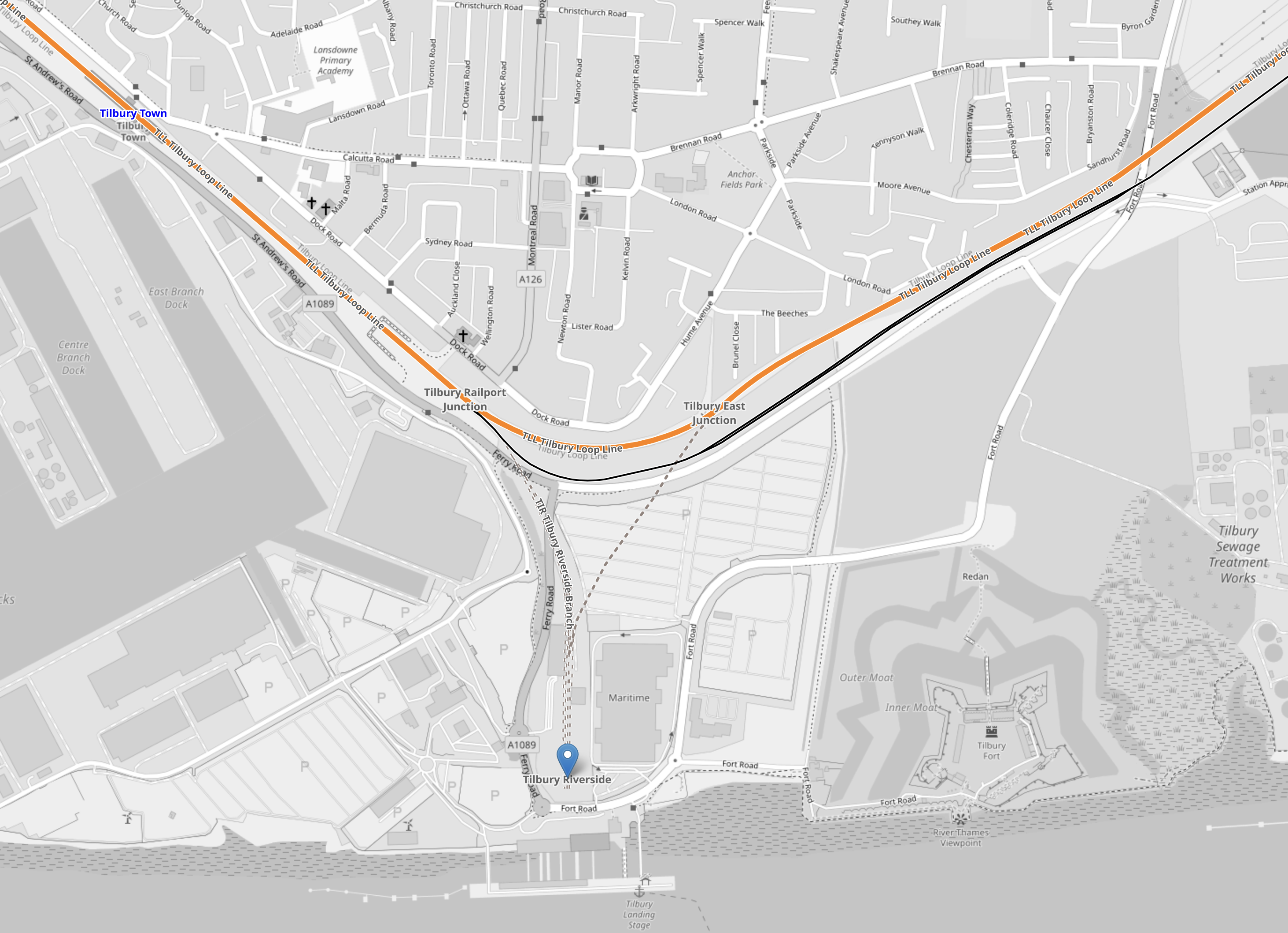
Note.
- The orange line is the double-track Tilbury Loop Line between Fenchurch Street and Southend Central stations.
- Tilbury Town station is in the North-West corner of the map.
- There is a proposal for a Tilbury Fort station in the North-East corner of the map.
- The blue arrow at the bottom of the map indicates the former Tilbury Riverside station, which is next to the London International Cruise Terminal.
I believe the North portal of the tunnel under the river could be at the site of the former Tilbury Riverside station.
Would it be an idea to rebuild the station and connect it to the cruise terminal, so that passengers on the cruise ships would have excellent access to Central London, Ebbsfleet International station for High Speed One and Heathrow Airport?
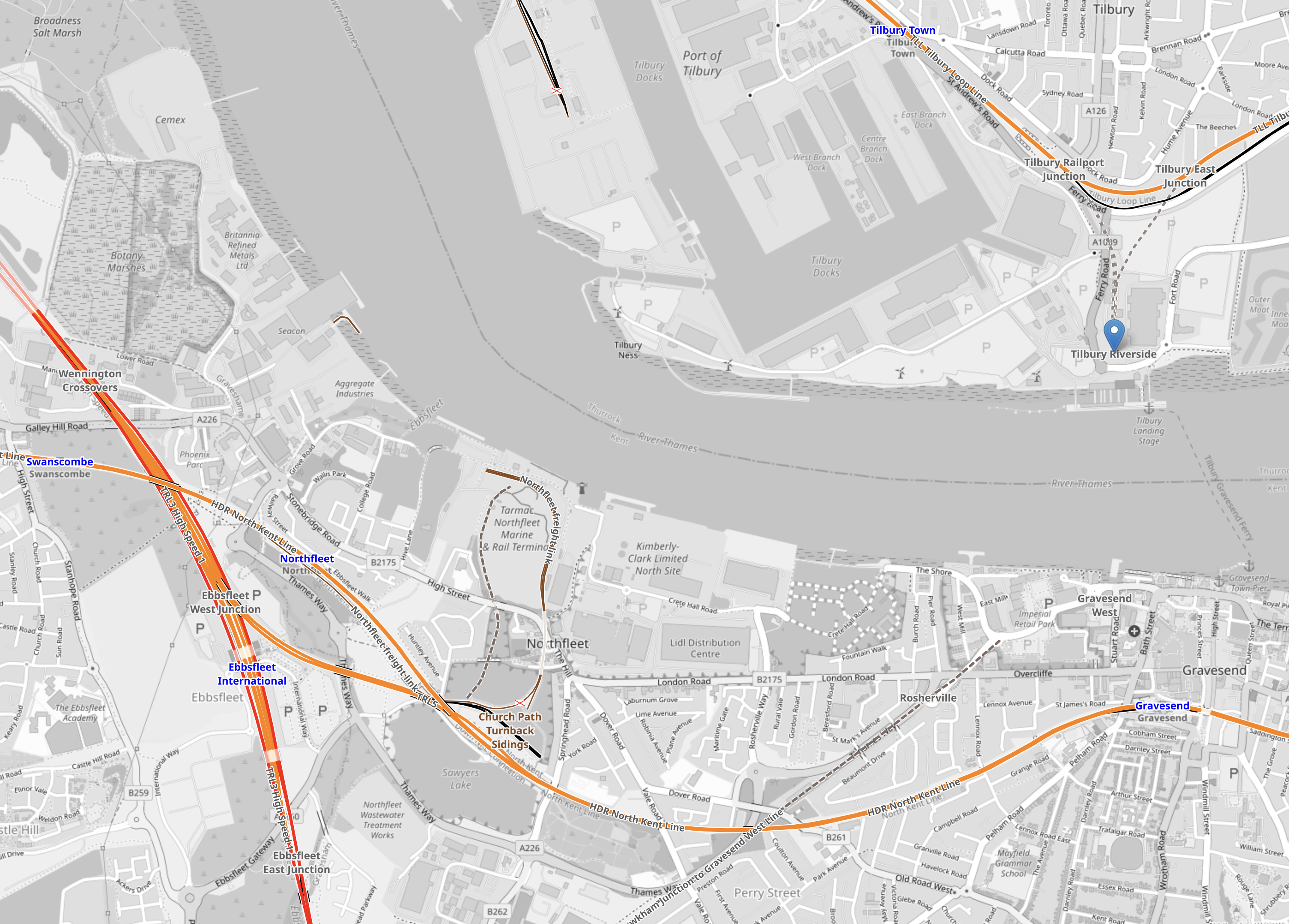
This map from OpenRailwayMap shows the lines on the South bank of the Thames.
Note.
- Tilbury Town station, the former Tilbury Riverside Riverside station and the Tilbury Loop Line are in the North-East corner of the map.
- Gravesend station is in the South-East corner of the map.
- The wide orange line going vaguely North-South at the Western side of the map is High Speed One going through Ebbsfleet International station.
- Connecting Gravesend and Ebbsfleet International stations is the North Kent Line.
I suspect it would be possible to bore a tunnel from Tilbury Riverside, that passed under Gravesend station and joined the North Kent Line to the West of the station.
How Would The River Crossing Connect To Gravesend Station?
The platform or platforms on the Elizabeth Line Loop would have to be underground, as there is not much space at Gravesend station as these pictures show.
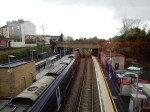
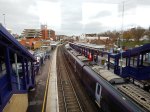
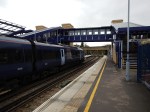
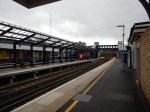
Note.
- Gravesend has SouthEastern HighSpeed services to St. Pancras International station and North-East Kent.
- The route to Gravesend has been safeguarded for the Elizabeth Line.
- The railway under the Thames could replace the Tilbury and Gravesend Ferry.
There also could be operational advantages in not terminating Elizabeth Line services at Gravesend.
Abbey Wood And Gravesend
In Elizabeth Line To Ebbsfleet Extension Could Cost £3.2 Billion, I looked at the Transport for the South East proposal for extending the Elizabeth Line to Kent.
This image from the Abbeywood2Ebbsfleet consultation, shows the proposal.
Note, that there doesn’t appear to be too much new infrastructure, except for a proper connection between Northfleet and Ebbsfleet stations. References on the Internet, say that the similar-sized Luton DART connection at Luton Airport, cost around £225 million, but we now know it was well upwards of that.
The TfSE proposal says that trains would terminate as follows.
- Abbey Wood – 4 tph
- Northfleet – 4 tph
- Gravesend – 4 tph
As space is limited at Gravesend and there is money for extending a railway service to a new Hoo station, I feel that proposing a two tph service to Hoo station would be a prudent action to take.
This would leave a handy two tph to take the loop back to Central London.
Could A Large Parkway Station Be Built Between Romford and Tilbury Riverside Stations?
Ebbsfleet International station, which is to the South-East of London, has 5,000 parking spaces and is the only large Park-and-Ride site around the capital.
Could another large Park-and-Ride site be opened on the Elizabeth Line North of the Thames?
One place could be at Chafford Hundred station and the nearby Lakeside Shopping Centre.
This Google Map shows the area.
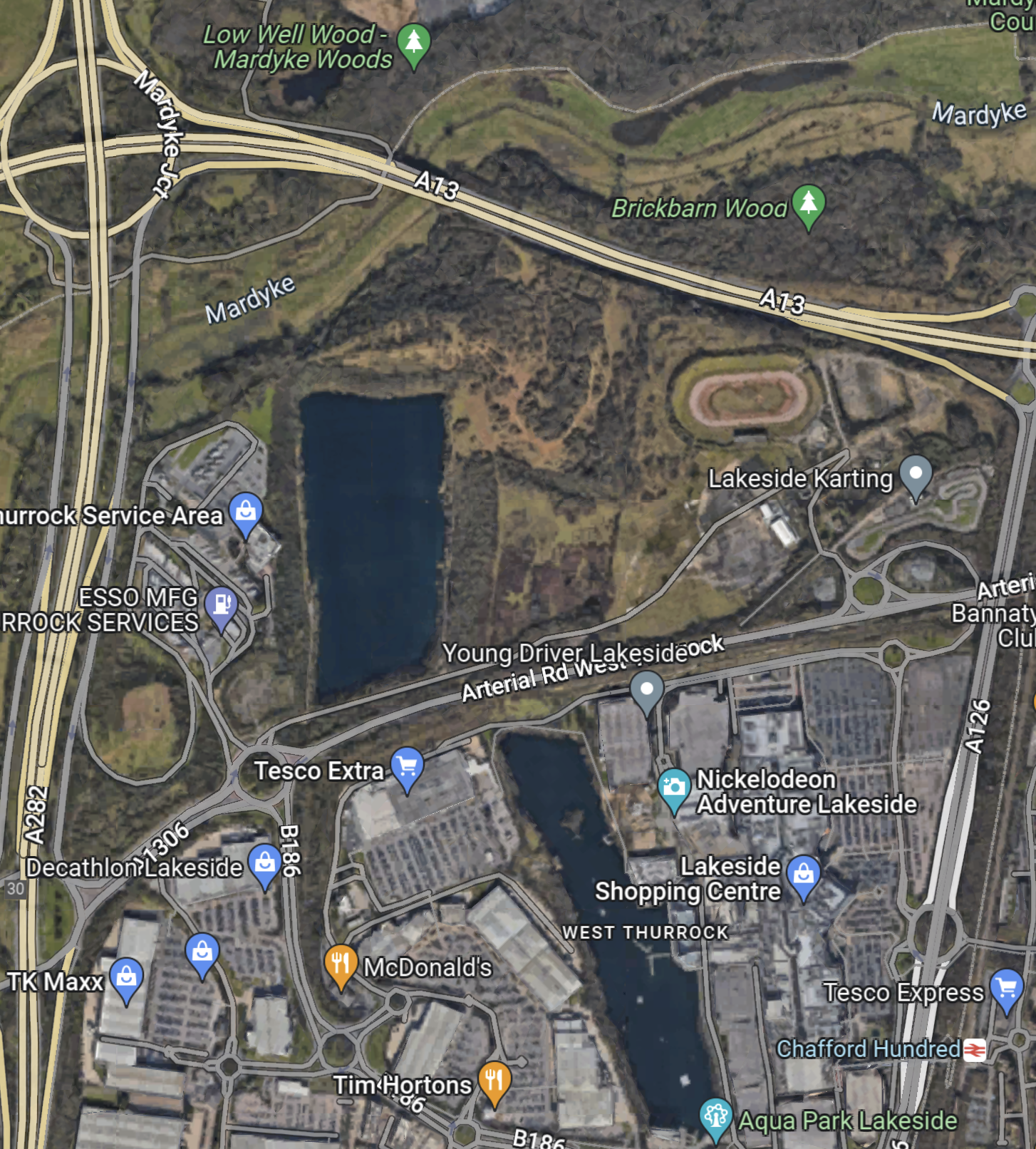
Note.
- The M25 runs North-South up the Western side of the map.
- Chafford Hundred station is in the South-East corner of the map.
- The shopping centre is next to the station.
Last time I went, Lakeside was looking tired.
Timings To And From Whitechapel
These are estimated timings to and from Whitechapel.
- Romford – 26 mins – 81 mins
- Emerson Park – 31 mins – 76 mins
- Upminster – 35 mins – 72 mins
- Ockendon – 41 mins – 66 mins
- Chafford Hundred – 45 mins – 62 mins
- Grays – 49 mins – 58 mins
- Tilbury Town – 52 mins – 55 mins
- Tilbury Riverside – 58 mins – 49 mins
- Gravesend – 62 mins – 45 mins
- Northfleet – 65 mins – 42 mins
- Swanscombe – 68 mins – 39 mins
- Greenhithe for Bluewater – 71 mins – 36 mins
- Stone Crossing – 73 mins – 34 mins
- Dartford – 81 mins – 26 mins
- Slade Green – 86 mins – 21 mins
- Erith – 88 mins – 19 mins
- Belvedere – 89 mins – 18 mins
- Abbey Wood – 92 mins – 15 mins
Note.
- The times between Tilbury Town and Gravesend are my best estimates.
- All other times are taken from current services.
- The first time is the time to Whitechapel via Romford.
- The second time is the time to Whitechapel via Abbey Wood.
It does appear that the best times from all stations are under an hour.
Thoughts On Extending The Northern Line To Clapham Junction
As I wrote in Northern Line Could Be Extended To Clapham Junction In Regeneration Plans, the extension of the newly-built extension to Battersea Power Station station could be further extended to Clapham Junction station.
Railways Between Battersea And Clapham
This map from OpenRailwayMap shows the tracks that run between the two stations.

Note.
- Battersea Power Station station is in the North-East corner of the map.
- The orange and yellow lines going North from that corner go to Victoria station.
- The orange and yellow lines going North-East from that corner go to Waterloo station.
- The yellow line going West is the West London Line to Shepherds Bush and Willesden Junction stations.
- Clapham Junction station is in the South-West corner of the map.
I estimate that the distance between Battersea Power Station and Clapham Junction stations is about three kilometres.
This map from OpenRailwayMap shows an enlargement of the tracks around Battersea.
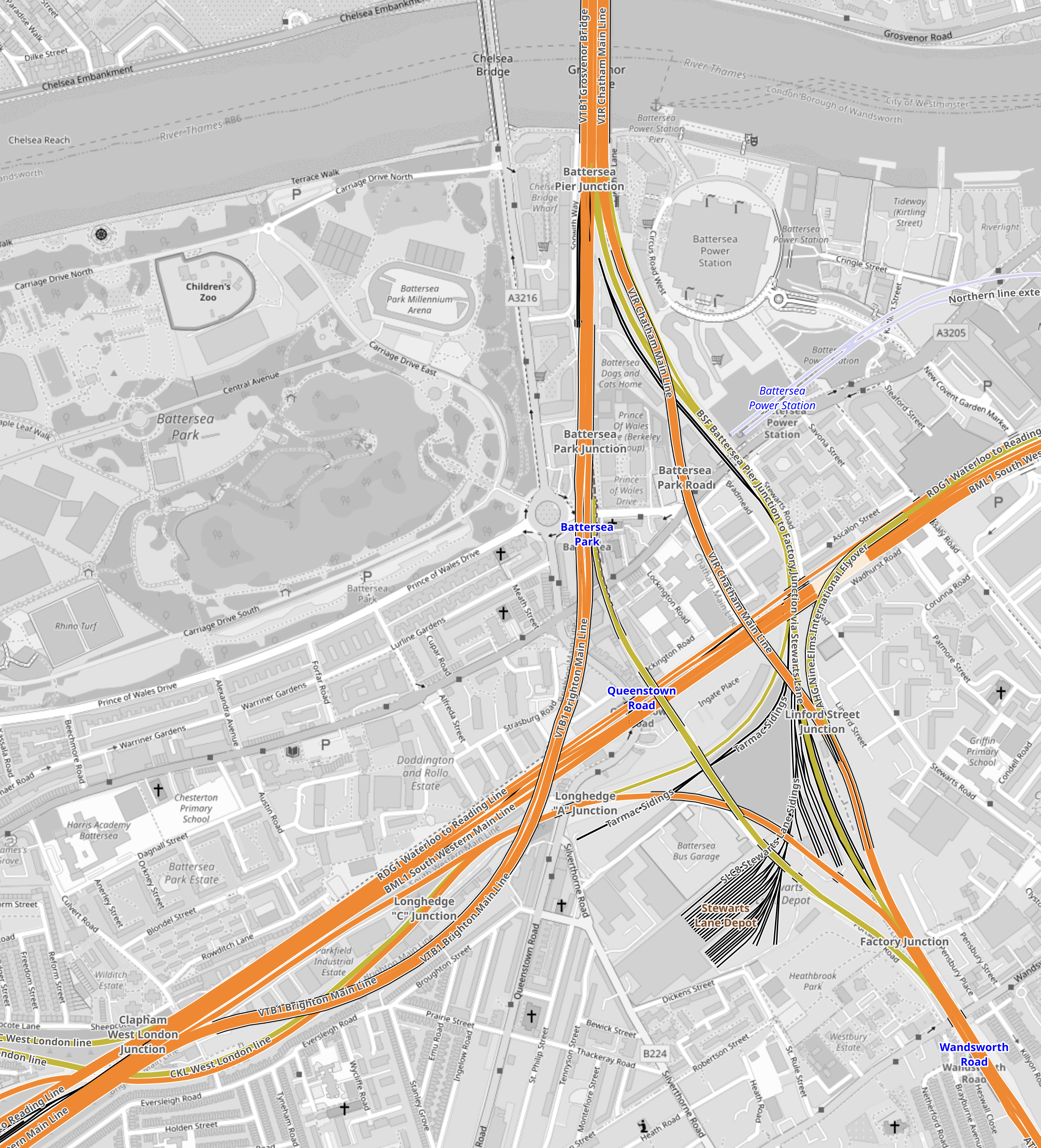
Note.
- The tracks going North over the River to Victoria station.
- The tracks going East to Waterloo station.
- The tracks going South West to Clapham Junction station.
- The tracks from Victoria pass over and then join the tracks from Waterloo to continue to Clapham Junction station.
Battersea Power Station station can be seen to the North-East of the junction.
This map from OpenRailwayMap shows an enlargement of the tracks around Battersea Power Station station.
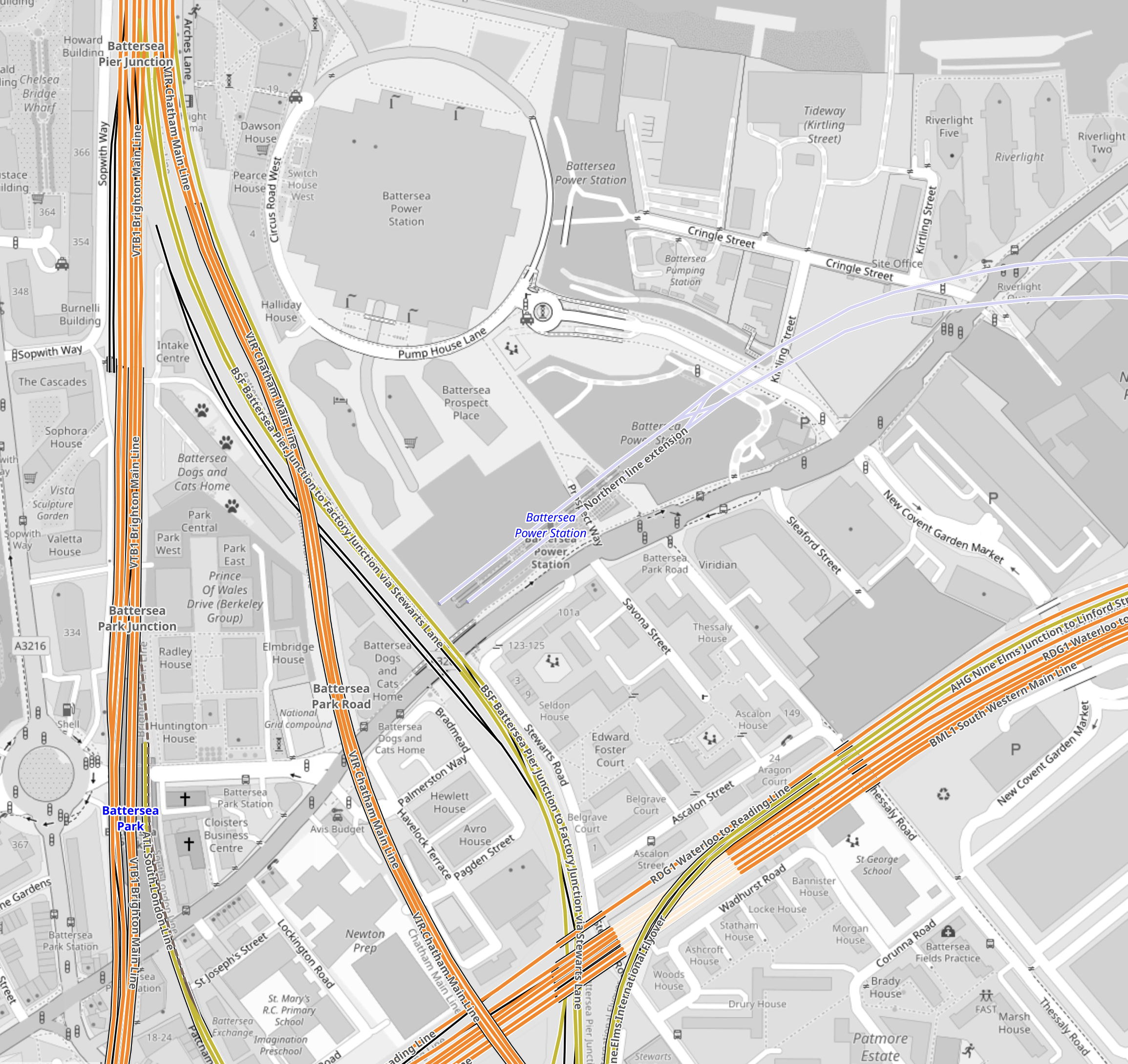
Note how the tracks go through Battersea Power Station station and terminate just before the lines into Victoria station.
It should also be noted that the platforms at Battersea Power Station station are reached using two sets of escalators, so they could be over forty metres below the surface. This would surely make the construction of tower blocks with deep foundations easier over the Northern Line.
But the depth would also enable an extended Northern Line to be below any existing or future construction.
This map from OpenRailwayMap shows the approaches to Clapham Junction station.
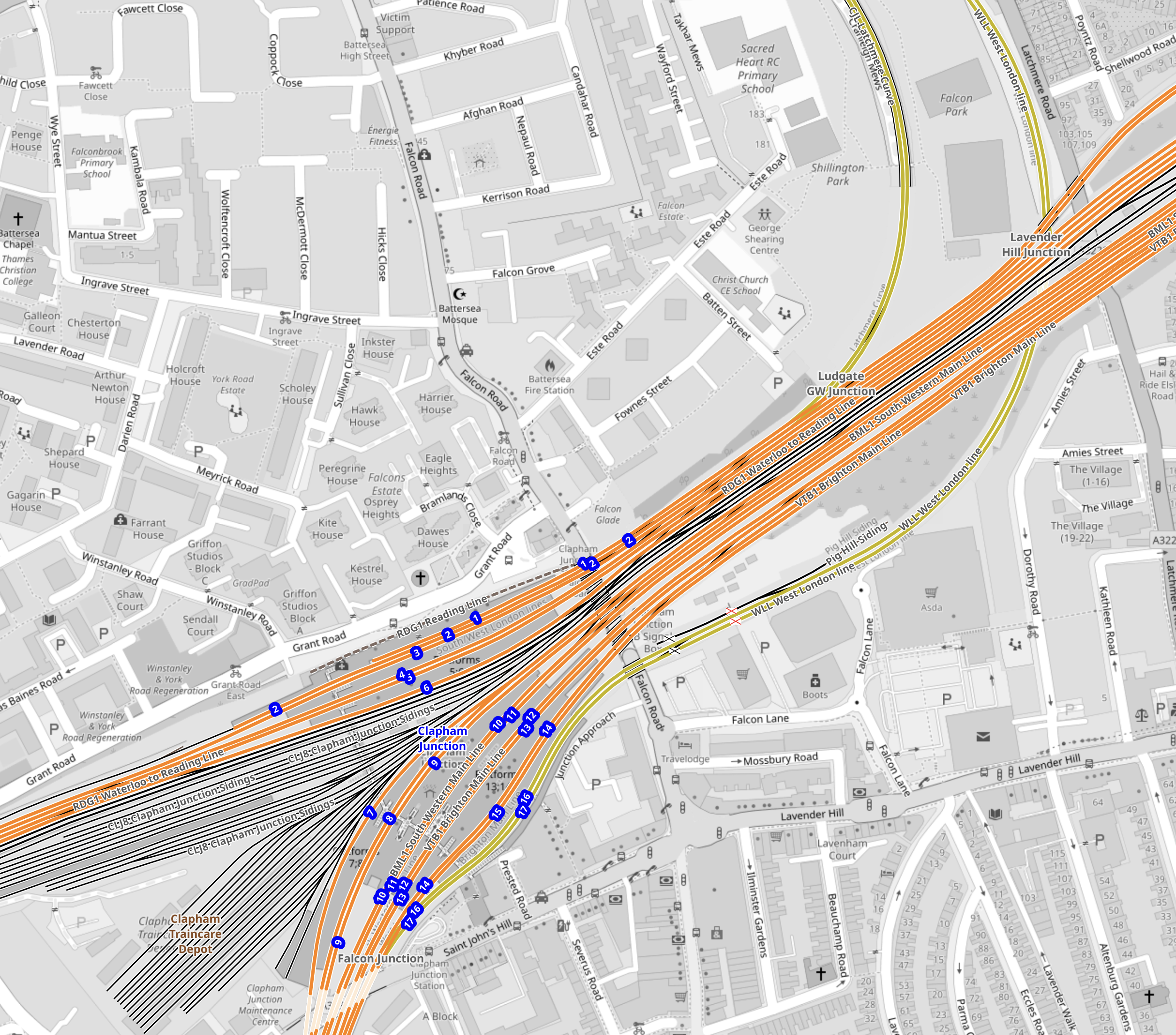
There are certainly a lot of tracks through Clapham Junction station.
Reasons For The Extension Of The Northern Line To Clapham Junction
These reasons come to mind.
To Enable Development In The Area
This is always a good reason.
In Network Rail To Outline Business Case For Clapham Junction Redevelopment, I said this.
The Rail Technology Magazine article talks of decking over the whole station and putting two million square feet of development on top. But it also cautions, it would be very expensive.
With that amount of development, there would be a need for as many transport links as possible.
To Improve Access To The Elizabeth Line For Passengers On Trains To And From Victoria
Victoria station does not have an Underground Line, that connects to easily the Elizabeth Line.
The best route to use is described in The Lizzie Line And Circle/District Line Interchange At Paddington – 1st July 2022, where you use the Circle to Paddington.
- To go to the West on the Elizabeth Line, take the Circle/District Line to Paddington.
- To go to the East on the Elizabeth Line, take the District Line to Whitechapel.
- To go to Liverpool Street take the Circle Line all the way.
Getting to the stations between Paddington and Liverpool Street means a change at either of those stations.
At Waterloo, you can use the Northern Line, which has a direct connection to Tottenham Court Road on the Elizabeth Line.
Connecting to the Northern Line at Clapham Junction will give Victoria-bound passengers, the advantages of those going to Waterloo.
An Alternative Way Of Connecting Victoria To The Elizabeth Line
The lack of an easy connection between the Victoria and the Elizabeth Line is a pain and I believe that it was a major omission in the design of the Elizabeth Line.
- Dear Old Vicky has a frequency of upwards of thirty trains per hour (tph)
- With some improvements at stations like Oxford Circus, Highbury & Islington and Walthamstow Central, the line could handle some more passengers.
- More step-free access would also help increase capacity.
- Engineers are a competitive bunch and I could see the day, when Vicky is running at 40 tph.
If Vicky was running at forty full tph, it would be moving 45120 passengers per hour.
This would mean that to match the passenger capacity of the older line, the Elizabeth Line would have to be running at a frequency of thirty tph.
As passengers at the ends of the line have difficulty getting to places like Paddington and Heathrow, a connection between the two Queens would really help.
Vicky was universe-class in the 1960s and now she needs updating to the 21st Century.
This map from cartometro shows the Lines through Bond Street and Oxford Circus stations.
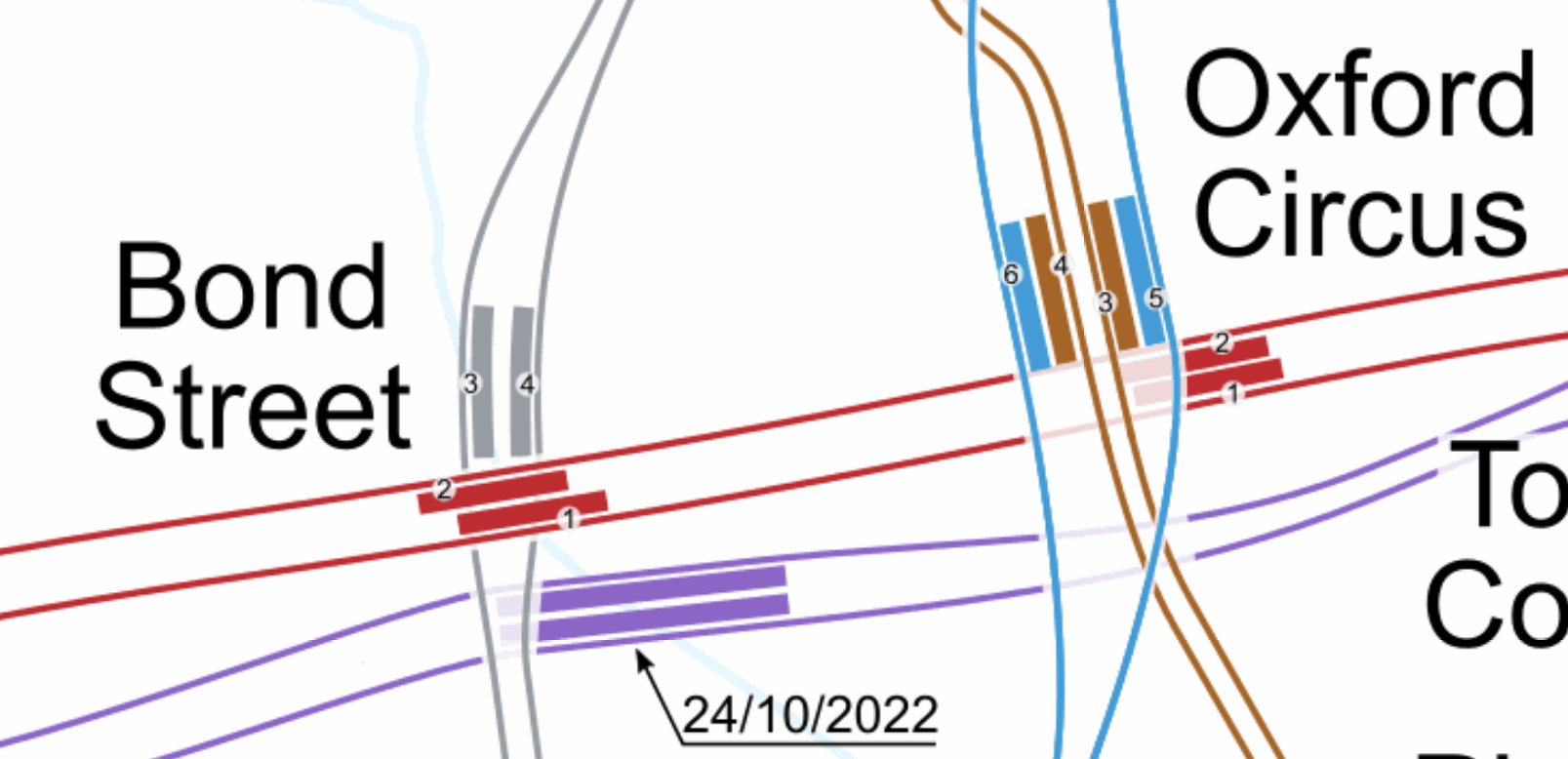
Note.
- The Bakerloo Line is shown in brown.
- The Central Line is shown in red.
- The Elizabeth Line is shown in purple.
- The Victoria Line is shown in light blue.
- The Elizabeth Line is the deepest line.
In addition, consider.
The Eastern exit of the Elizabeth Line at Bond Street station has three escalators and lifts. It also opens onto Hanover Square, so it won’t suffer from overcrowding problems outside.
- Hanover Square is just a garden, with no car park underneath, so pedestrian tunnels could pass under it
- I also suspect there are no existing or planned buildings between the two stations with deep foundations that would block a pedestrian tunnel.
- With the capability and ingenuity of three-D design software, I can see wide tunnels being created that would link Oxford Circus and the two Bond Street stations.
- The new wide tunnels at Bank station have opened up the station’s capacity and all the tunnels were dug traditionally.
- If it was felt to be needed, moving walkways could be added, just as they have been at Bank station.
I am absolutely sure, that by using the ideas and methods, that have worked so well in the upgrade of Bank station, that Oxford Circus and Bond Street stations could be turned into a London Superhub Station, that connects all the Underground lines together and has entrances all over the area.
The benefits of such a station would be.
- It would provide a high-capacity link between London’s two highest-capacity Underground Lines; Elizabeth and Victoria.
- It would provide a high-capacity link between the Elizabeth Line and Euston, St. Pancras and King’s Cross.
- It would provide a high-capacity link between the Elizabeth Line and Victoria.
- It would provide a high-capacity link between the Elizabeth Line and High Speed Two.
- Areas like Brixton, Haringey and Walthamstow would gain a much needed link to the Elizabeth Line for Heathrow and Paddington.
Wikipedia says this about the building of the Bank Station Upgrade.
As part of the development of the scheme, TfL worked with potential bidders to improve the design of the station from TfL’s original design. The design proposed in the winning bid by Dragados was 9.7% cheaper than the original design (saving TfL £60m), took 10 months less time to construct than the original design (the proposed closure of the Northern line was also 5 weeks shorter), and the layout of the station was more efficient. This substantially improved the benefit–cost ratio by 45% to 3.5:1.
The Mayor should be knocking on the door of Dragados and asking them for a price for a design and build for a West End Superhub station.
A Possible Route For The Extension Of The Northern Line To Clapham Junction
I suspect that the simplest route for the extension of the Northern Line would be to bore or dig a twin-track railway underneath the numerous other railways in the area.
It could terminate in two underground platforms at Clapham Junction station.
This is the first map of this post and it shows the tracks that run between the two stations.
Note.
- Battersea Power Station station is in the North-East corner of the map.
- Clapham Junction station is in the South-West corner of the map.
The Western of the pair of orange Lines going off the map in the North-East corner of the map is the Brighton Main Line.
It passes through Battersea Park station.
It passes over the South Western Main Line out of Waterloo.
It then loops to the West and joins the lines to Clapham Junction on the Southern side.
It serves four platforms at Clapham Junction; 12 and 14 are up platforms and 13 and 15 are down platforms.
This Google Map shows an overview of Clapham Junction station.
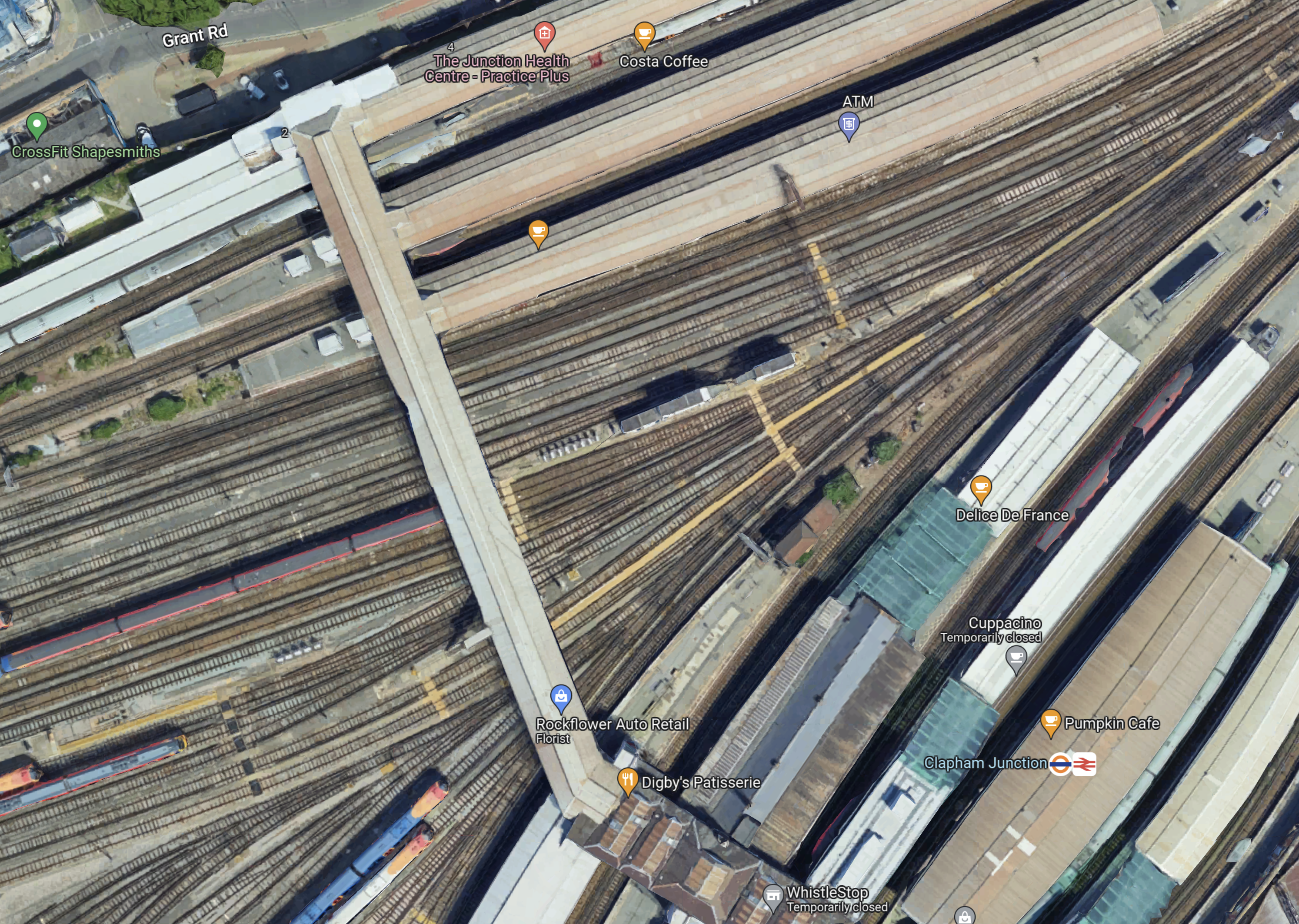
Note.
- Platforms 1 and 2 at the top of the map, handle London Overground services.
- Platforms 3 to 11 handle South Western Train services.
- Platforms 12 to 17 handle Southern services.
- Platforms 9 and 10 have a Delice de France cafe.
- Platforms 11 and 12 have a Cuppacino cafe.
- Platforms 13 and 14 have the logos.
- All platforms have full step-free access with lifts to the wide footbridge that connects all platforms.
The platforms don’t seem to be very wide and putting stairs and escalators down to underground platforms could be a difficult proposition.
This map from OpenRailwayMap shows shows the platforms at Clapham Junction station and the track layout to the West of the footbridge.
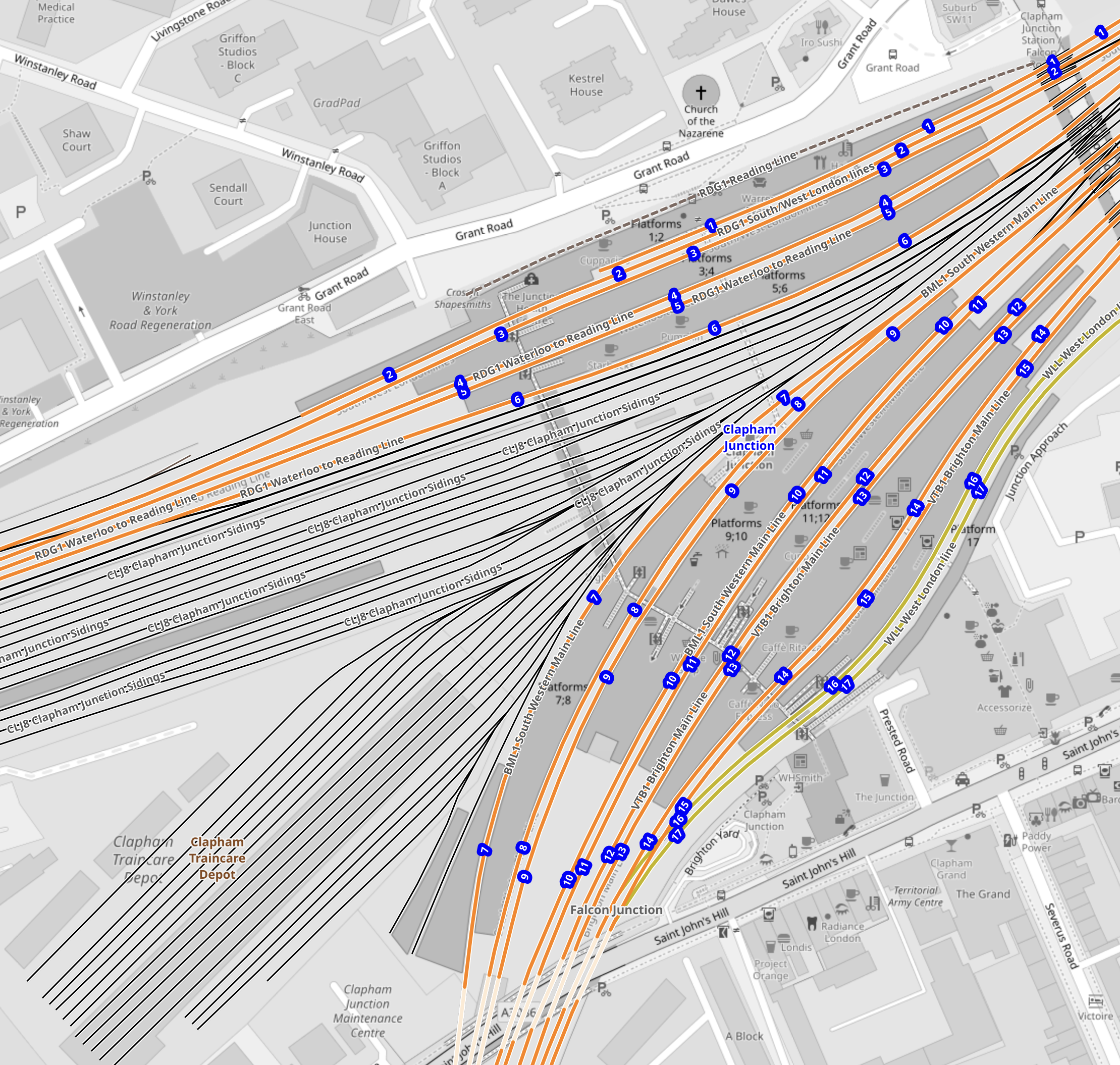
Note.
- The tracks through the platforms are shown in orange.
- The blue dots are platform numbers.
- The bridge connecting all the platforms is shown shaded in the middle of the map.
- To the West of the bridge are Clapham Junction Sidings and Clapham Traincare Depot.
These pictures were taken from the bridge.
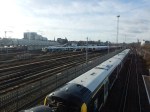
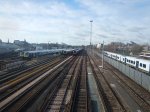
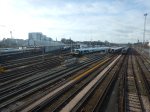
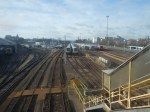
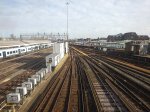
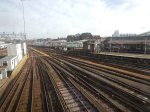
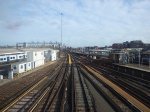
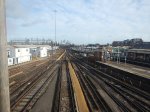
Note.
- The top row of pictures were taken looking West.
- The bottom row of pictures were taken looking East.
- Many of the tracks are electrified.
- There is a lot of space to park trains.
Will all the space be needed now, that a new depot has been built at Feltham.
Could Two New Surface Platforms Be Built For The Extension Of The Northern Line To Clapham Junction?
Consider.
- The step-free bridge across all the platforms at Clapham Junction station works well.
- It is connected to the streets around the station at both ends.
- Clapham Junction station will be redeveloped and surplus depot land could be used for housing.
- As the maps show, there is a large gap in the platforms between the South Western Railway and the Southern sides of the station.
- As Battersea Power Station station can turn services on the Northern Line with only two platforms, there would only need to be the same number of Northern Line platforms at Clapham Junction.
So could an extra pair of platforms be built under the bridge, with stairs and a lift similar to the existing platforms?
- The platform would have full step-free access.
- The platforms could be long enough for any future trains.
- There could be sidings for a few trains.
- The tunnels from Battersea Power Station would surface just outside the station.
- There would need to be a crossover or a turnback siding for operational reasons.
I also think, that once the depot and sidings at Clapham Junction have released the space, the new platforms and tracks could be installed without interrupting main line services through the station.
Would The Extension Of The Northern Line Be Electrified?
Consider.
- Merseyrail were not allowed to use third-rail electrification to Headbolt Lane station and had to use batteries.
- The Northern Line was extended to Battersea Power Station station using London’s four-rail electrified system.
- Clapham Junction station has third-rail electrification everywhere.
I think that the authorities would be very churlish not to allow electrification to Clapham Junction.
Conclusion
I believe it is possible to extend the Northern Line to two new surface platforms at Clapham Junction station.
But I also believe that using similar methods to those used in the Bank Station Upgrade, that a full interchange between the Elizabeth and Victoria Lines can be built at Oxford Circus and Bond Street.
.

