Heading North For Summer: Report Reveals £21bn Annual Visitor Spend Across The Region
The title of this post, is the same as that of this article on Transport for the North.
This is the opening paragraph.
Pan-regional figures reveal the full importance of the North of England visitor economy for the first time, with 25% of all England’s tourism spend taking place in the region.
The figures quoted are much larger than I would have expected.
Namibia Is Building A Reputation For The Cheapest Green Hydrogen
The title of this post, is the same as that of this article on Hydrogen Fuel News.
This paragraph explains the deal that Germany and Namibia have done.
Germany, the largest economy in Europe, has just closed a partnership with Namibia, for a supply of the cheapest green hydrogen. The Southern African country is aiming to produce its H2, made with renewable energy, for prices as low as $1.8/kg. The European nation intends to import massive volumes of what it believes will be the most affordable renewable H2 in the world. It has signed a deal with Namibia that steps up the worldwide scramble to secure the best options for H2 supply connected with substantial renewable installations.
Note.
- Namibia has the ability to produce large amounts of solar and wind energy.
- I suspect the hydrogen will be converted to liquid ammonia for shipment to Germany.
The Gremans are building a large hydrogen terminal at Wilhelmshaven, which I wrote about in Uniper To Make Wilhelmshaven German Hub For Green Hydrogen; Green Ammonia Import Terminal.
Although, Namibia has now been an independent country since 1990, from 1884 to 1915 it was the German colony of German South West Africa.
Hopefully, this deal will work out to the benefit of both Germany and Namibia.
Stadler FLIRT Akku Battery Train Demonstrates 185km Range
The title of this post, is the same as that of this article on Railway-News.
This is the first paragraph.
Stadler’s offering in the battery-powered rolling stock market, the FLIRT Akku has demonstrated a guaranteed range of 185km, even in energy-intensive conditions, it has been found following a three-year research period.
The range is very good and is over twice what Hitachi are claiming with the Hitachi Regional Battery Train.
I can’t find out many details of the size of a Flirt Akku train, but this article on the International Railway Journal has these details.
- A picture shows a three-car train.
- The trains have a 100 mph operating speed.
- Fifty-five two-car trains are on order for Schleswig-Holstein.
Stadler can also fit batteries into trains like Greater Anglia’s Class 755 trains.
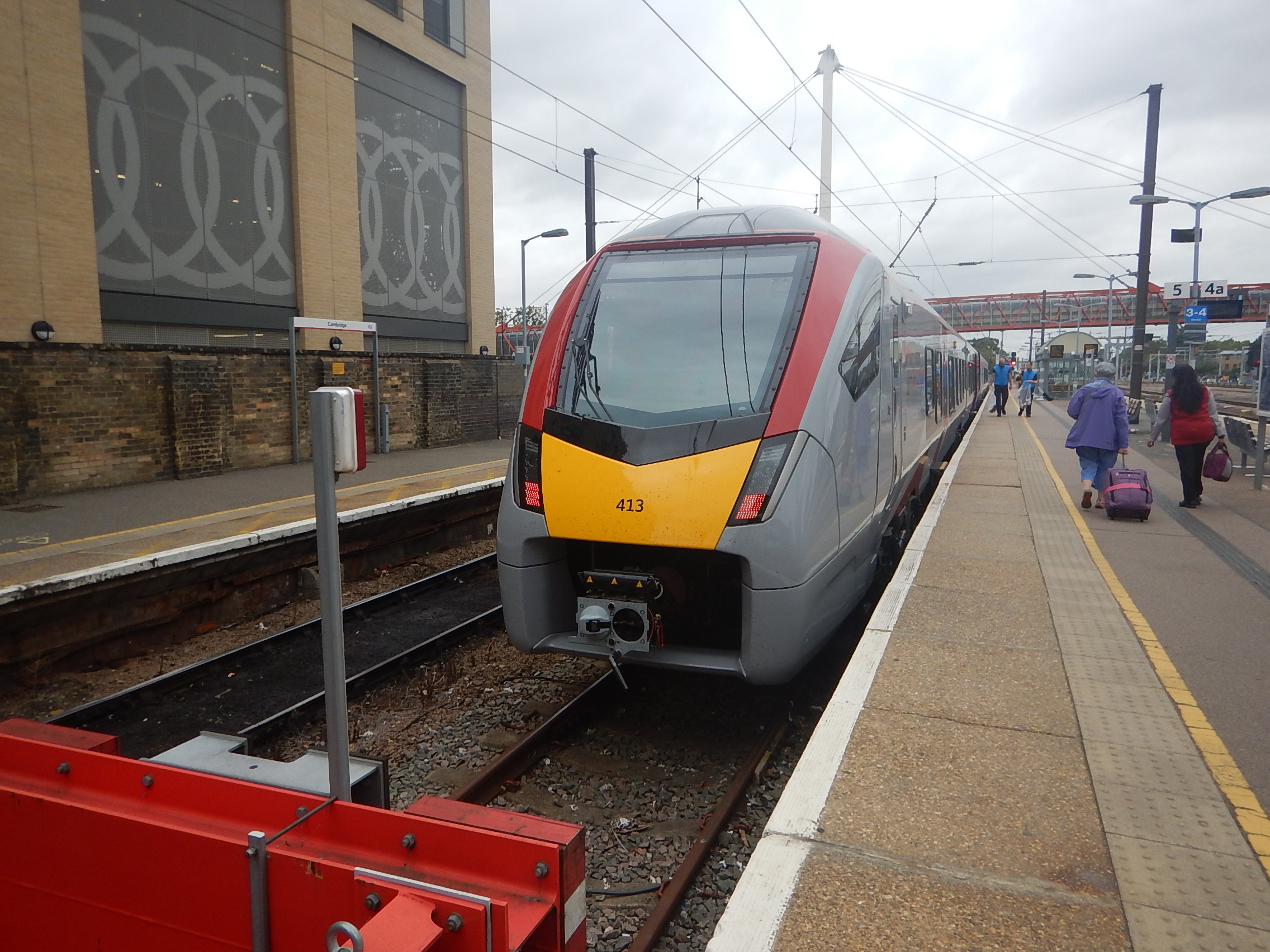
There have been reports of these trains being fitted with batteries in a couple of years to reduce carbon emissions.
CAF Selected For Major Battery Train Order
The title of this post, is the same as that of this article on Railway Gazette International.
This is the first paragraph.
CAF has been named as preferred bidder for what it says is the largest order to date for battery trains. This covers the supply and maintenance of more than 60 electric multiple-units which will be able to operate on non-electrified sections of the Niederrhein-Münsterland network.
On reading the rest of the article, it sounds like the trains are to a high standard, with all the features one could expect.
As in Bolton-Wigan £78m Rail Electrification Project Announced, I predicted that CAF could sell a number of battery-electric trains to Northern in the UK, it looks like CAF could be building a substantial number of battery-electric trains.
There could even be the possibility of some of the German trains being assembled in the CAF factory in Newport, as the logistics might be easier.
Increased Risk Of Atrial Fibrillation In Patients With Coeliac Disease: A Nationwide Cohort Study
I was looking for something else and found this medical paper on the web site of Professor Joe West at Nottingham University.
As I am coeliac, have atrial fibrillation and had a severe stroke from which have made a good recovery. I thought I would post the link, so that others might read what is said.
If my GP or myself had known of the link, my life would probably have been very different.
Bolton-Wigan £78m Rail Electrification Project Announced
The title of this post, is the same as that of this article on the BBC.
This is a small electrification project compared to many, but it still includes.
- 13 miles of electrification.
- 450 new overhead line equipment stanchions.
- Modifications to 17 bridges and two level crossings.
- Platform extensions at Westhoughton, Hindley and Ince stations, so that they can handle six-car trains.
Completion is expected to be 2025.
The numbers indicate it could be be a small project with quite a bit of work.
I have a few specific thoughts.
How Far Will The Electrification Go?
This document on the Government web site is entitled Green Light Given For Wigan To Bolton Electrification.
These are two paragraphs.
The track between Wigan North Western station and Lostock Junction near Bolton will receive a £78 million upgrade, targeted to complete in 2024/2025.
Through electrifying almost 13 miles of infrastructure and lengthening platforms, this investment will ensure that CO2 emitting diesel trains are replaced by electric rolling stock. As longer trains with additional capacity, these will provide passengers with greener, more comfortable and more reliable journeys.
Note.
- Lostock junction is on the Manchester and Preston Line which was electrified in 2019.
- As is typical, the electrification continues for a short distance from Lostock junction towards the Wigan stations.
- Wigan North Western station is a fully-electrified station on the West Coast Main Line.
- Wigan Wallgate station is not electrified.
- The distance between Lostock junction and Wigan Wallgate station is 6.9 miles.
- Lostock junction and Wigan Wallgate station is double-track all the way.
- My Track Atlas shows crossovers that allow trains to and from Lostock junction to access some platforms at Wigan North Western.
These facts lead me to these conclusions.
- As thirteen files of electrification would be 6.5 miles of double-track electrification, the new electrification would create a fully-electrified line between Lostock junction and Wigan Wallgate station.
- By electrifying the crossovers at Wigan Station junction, electric trains would to able to access both Wigan stations.
But this does mean, that electric trains can’t run past Wigan Wallgate station, as the wires seem to stop there.
Electrification At Wigan Wallgate Station
Mark Clayton has made this comment to this post.
Yes there is a single track connecting from the track through Hindley to the WCML and vice versa, however at Wallgate there are buildings straddling the line and the station itself. Maybe the track could be lowered, but it could well be a major engineering project to get the wires under Wallgate.
The best picture, that I can get of the tracks under Wallgate is this 3D image from Google Maps.
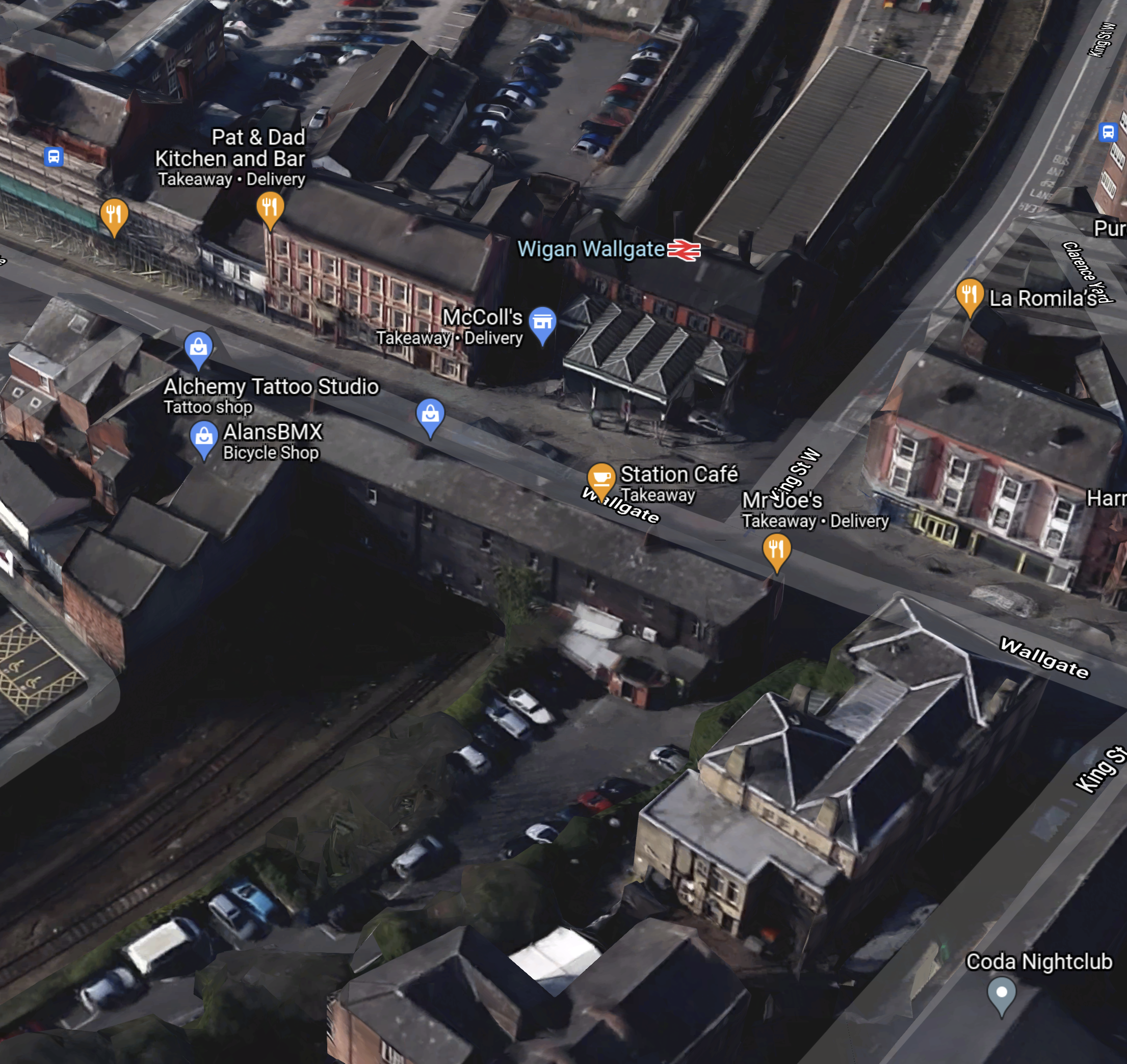
It does seem a bit tight in terms of height.
I have also looked at several videos of trains going trough the station and I suspect that the tracks may need lowering to get the wires through.
Or they could use some of the discontinuous tricks being used on the South Wales Metro.
It could be difficult, but I don’t think it will be impossible.
I do suspect though for operational reasons, Network Rail and the train operators would want the wires to extend to the station.
- Train operators probably prefer to raise and lower the pantograph in a station, in case anything goes wrong.
- If battery-electric trains should be used on the line, then if necessary, they could wait in the station to charge the batteries.
- If the station is wired, then the West-facing bay-platform can also be wired, so that it could be used for a battery-electric shuttle train to Kirkby or Southport.
It looks to me, that for lots of reasons, the engineers will have to find a way of getting the wires under the low bridge under Wallgate.
Services That Use All Or Part Of The Route Between Lostock Junction And Wigan
These services use all or part of the route.
- 1 tph – Southport and Alderley Edge via Ince (irregular), Hindley, Westhoughton and Bolton
- 1 tph – Southport and Stalybridge via Hindley, Westhoughton and Bolton
- 1 tph – Kirkby and Manchester Victoria via Ince (irregular), Hindley, Daisy Hill, Hag Fold, Atherton, Walkden, Moorside, Swinton and Salford Crescent.
- 1 tph – Wigan Wallgate and Blackburn via Hindley, Daisy Hill, Atherton, Walkden, Swinton and Salford Crescent.
- 1 tph – Wigan Wallgate and Leeds via Daisy Hill, Atherton, Walkden and Salford Crescent.
Note.
- tph is trains per hour.
- The two services that terminate at Wigan Wallgate sometimes terminate in Wigan North Western station.
- Wigan Wallgate station would appear to get up to five tph to Manchester, via a variety of routes.
I wonder how many of these services could be run by a battery-electric train, with a performance like the Hitachi Regional Battery Train, which is described in this Hitachi infographic.

Note 90 kilometres is 56 miles.
I will look at each route in detail.
Southport And Alderley Edge
The only section without electrification will be between Wigan Wallgate and Southport stations, which is a distance of 17.4 miles.
With a battery range of 56 miles, a battery-electric train should be able to run a return trip between Wigan Wallgate and Southport stations on battery power and have time for a leisurely turnround in Southport.
The batteries would be charged on the fully electrified section of the line between Wigan Wallgate and Alderley Edge stations.
Southport And Stalybridge
There are two sections without electrification.
- Wigan Wallgate and Southport stations – 17.4 miles
- Manchester Victoria and Stalybridge stations – 7.6 miles
With a battery range of 56 miles, a battery-electric train should be able to run a return trip on both sections without electrification.
The batteries would be charged on the fully electrified section of the line between Wigan Wallgate and Manchester Victoria stations.
Kirkby And Manchester Victoria
There are two sections without electrification.
- Wigan Wallgate and Kirkby stations – 12.1 miles
- Hindley and Salford Crescent stations – 13.4 miles
With a battery range of 56 miles, a battery-electric train should be able to run services on both sections without electrification.
The batteries would be charged on the two fully electrified sections of the line between Wigan Wallgate and Manchester Victoria stations.
Wigan Wallgate And Blackburn
There are two sections without electrification.
- Hindley and Salford Crescent stations – 13.4 miles
- Manchester Victoria and Blackburn stations – 39.4 miles
The first section could be easily run by a battery electric train, but the second section would need a charger at Blackburn station to return to Manchester Victoria station.
The batteries would be charged on the two fully electrified sections of the line between Wigan Wallgate and Manchester Victoria stations.
Wigan Wallgate And Leeds
There are two sections without electrification.
- Hindley and Salford Crescent stations – 13.4 miles
- Manchester Victoria and Leeds stations – 50.2 miles
The first section could be easily run by a battery electric train.
But the second section would be very much touch-and-go with a battery-electric train with a range of 56 miles, despite the fact that both Manchester Victoria and Leeds stations are electrified.
It should also be noted that Network Rail has plans in the TransPennine Upgrade to electrify the route between Leeds and Heaton Lodge junction between Mirfield and Brighouse stations. This would reduce the second section without electrification to a more manageable 37.1 miles.
I suspect that by the time the TransPennine Upgrade is complete, battery range would have improved to allow Manchester Victoria and Leeds stations to handle the route.
Battery-Electric Trains That Could Run The Services Through Wigan Wallgate Station
I have used the Hitachi Regional Battery Train as an example of a train that might run the services through Wigan Wallgate station.
- It has an operating speed of 100 mph.
- It could be based on a Class 385 train, which have three or four cars.
- It would have a battery range of 56 miles.
I suspect a demonstration train will run by 2025, which is the expected date of completion of the Lostock and Wigan electrification project.
But other manufacturers and rolling stock companies could also supply trains, with this specification.
- Alstom could create a battery-electric train based on an Electrostar, like a Class 379 or Class 387 train.
- CAF are developing a battery-electric train based on a Class 331 train.
- Porterbrook are developing a battery-electric train, based on a Class 350 train.
- Stadler could probably deliver a battery-electric Flirt based on a Class 755 train.
Competition would hopefully result in an excellent train, that would be suitable for many routes in the UK.
Northern’s Battery Plans And CAF
I suspect though that CAF could be the front runner as Northern already have forty-three Class 331 trains in service.
In Northern’s Battery Plans, I describe how CAF and Northern are planning to convert a number of three-car Class 331 trains into four-car battery-electric trains.
- The fourth car would contain batteries.
- Batteries would also be added to the PTS (pantograph) car.
I suspect that the battery range could be arranged so that all routes suitable for battery-electric operation could be handled.
In this article on Rail Magazine, which is entitled Northern Plans More New Trains After CAF Milestone, this is a paragraph.
A CAF source confirmed that a lot of work was ongoing with Northern, including the continued development of a battery EMU that is planned to be tested on the Oxenholme-Windermere route.
As the article dates from January 2021, things should be progressing.
Possible routes for battery-electric operation could be.
- Northumberland Line – Under construction
- Csrlisle and Newcastle – 61.5 miles between electrification at both ends
- Wigan Wallgate and Leeds via Dewsbury – 50.2 miles between electrification at both ends
- Manchester Victoria and Leeds via Hebden Bridge – 49.8 miles between electrification at both ends
- Leeds And Carlisle via Settle – 86.8 miles between electrification at both ends.
- Leeds and Morecambe – 37.8 miles between electrification.
- Manchester Airport and Barrow-in-Furness – 28.7 miles from electrification
- Manchester Airport and Windermere – 10.9 miles from electrification
Note.
- The distance is the longest section without electrification.
- Some routes have electrification at both ends.
- Some need an out-and-back journey at one end of the route.
I was surprised that the Settle and Carlisle Line could be included and as battery technology improves it certainly will be possible.
What a tourist attraction that line would be if worked by battery-electric trains.
Conclusion
This electrification of just 6.5 miles of double-track between Lostock junction and Wigan Wallgate station seems to be one of the smaller electrification projects.
But on closer examination, when linked to a fleet of battery-electric trains with a range of perhaps forty miles, the electrification enables battery-electric trains to run these services.
- Southport And Alderley Edge
- Southport And Stalybridge
- Kirkby And Manchester Victoria
With a charging station in Blackburn station, then the Wigan Wallgate And Blackburn service can be added.
It also looks that with the completion of the TransPennine Upgrade between Huddersfield and Leeds, that it might even be possible to run Wigan Wallgate and Leeds using battery-electric trains.
There will be a long list of stations, previously served by diesel trains, that will now only be served by electric or battery-electric trains.
- Appley Bridge
- Atherton
- Bescar Lane
- Burscough Bridge
- Daisy Hill
- Gathurst
- Hag Fold
- Hindley
- Hoscar
- Ince
- Kirkby
- Meols Cop
- Moorside
- New Lane
- Orrell
- Parbold
- Pemberton
- Rainford
- Southport
- Swinton
- Upholland
- Walkden
- Wigan Wallgate
- Westhoughton
That is a total of twenty-four stations.
Never in the field of railway engineering, has one small section of electrification delivered electric trains to so many stations.
No Trains Out Of Cornwall Until The Weekend After Lorry Hits Plymouth Bridge
The title of this post, is the same as that of this article on The Times.
A few points from the article.
- It was a Tesco truck.
- It took twenty-four hours to extract.
- The accident happened on Ashford Hill in Plymouth.
I found the bridge on Google Maps.
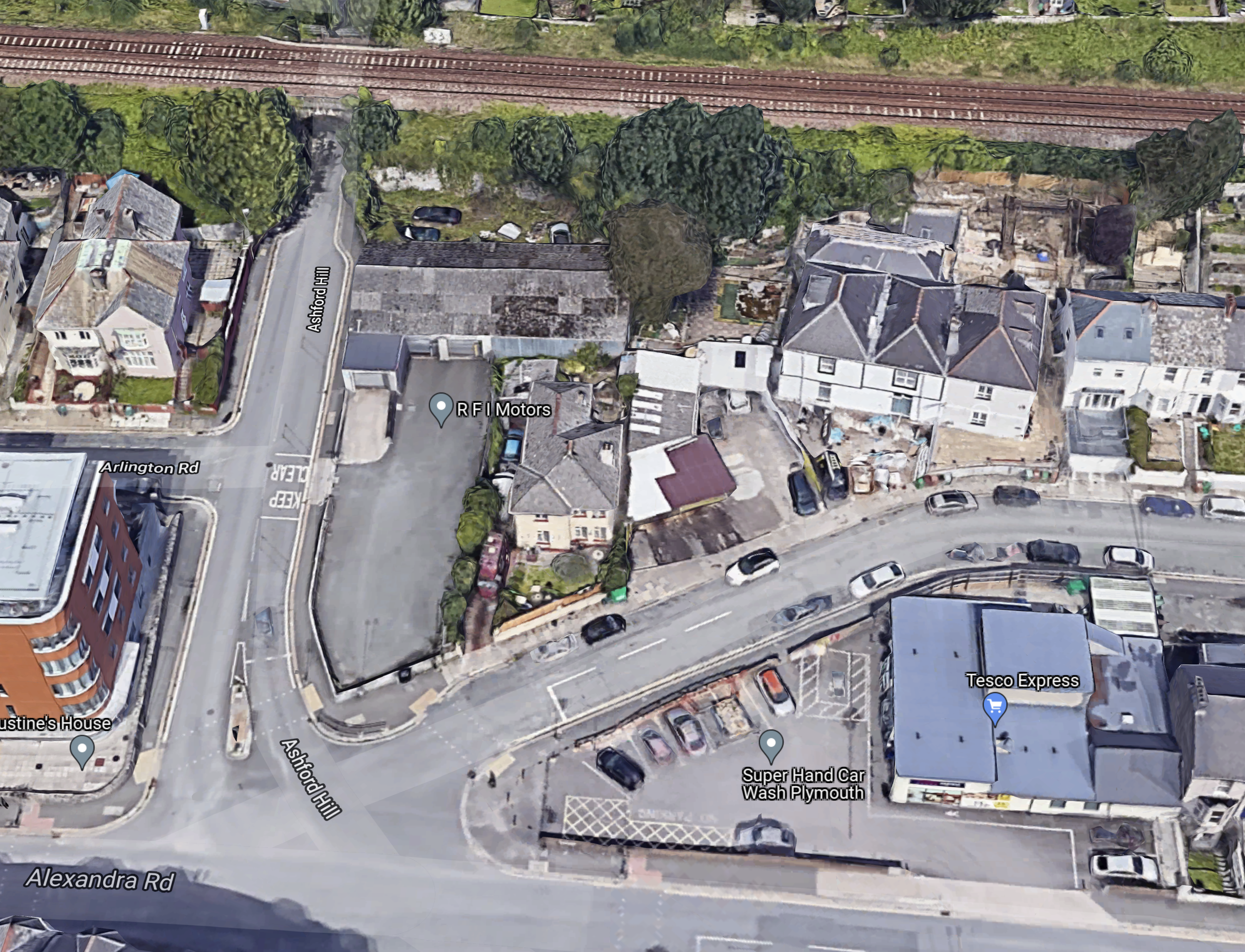
Note.
- The railway and the bridge are at the top of the map.
- My eyesight isn’t good, but I can see the warning signs on the bridge.
- There is a TescoExpress in the bottom right corner of the map.
It can’t be a lot more than a hundred metres between the bridge and the TescoExpress.
To make matters worse for the train operators, the accident site is to the East of Plymouth station, which means trains can’t run to Plymouth.
Will GWR Use Okehampton?
Network Rail have already re-laid the track to Okehampton, prior to opening an hourly service between Exeter and Okehampton later this year.
Okehampton station is close to the A30 and I suspect that GWR would have little difficulty running a five-car Hitachi train to Okehampton from London with a reverse at Exeter. At Okehampton, they could use coaches to serve Cornwall by running to Bodmin Parkway.
If I was the CEO of GWR, I’d see if it could be arranged, as what good publicity they’d get for the new Okehampton service.
Soham Station Aims For December 2021 Opening
This article on Rail Technology Magazine is entitled Soham Set To Benefit From New Station After 56 years Without.
Work only started on Soham station earlier this year, so this paragraph is a bit of a surprise.
The completion of the work means that from December, Greater Anglia’s Ipswich to Peterborough service will finally be able to stop at Soham once more, better connecting the population.
The work referred to is changes to the signalling to allow services to call at the new Soham station.
It certainly appears that the station is being built at a canter!
I have some thoughts on the station.
Station Location
This Google Map shows the town of Soham.
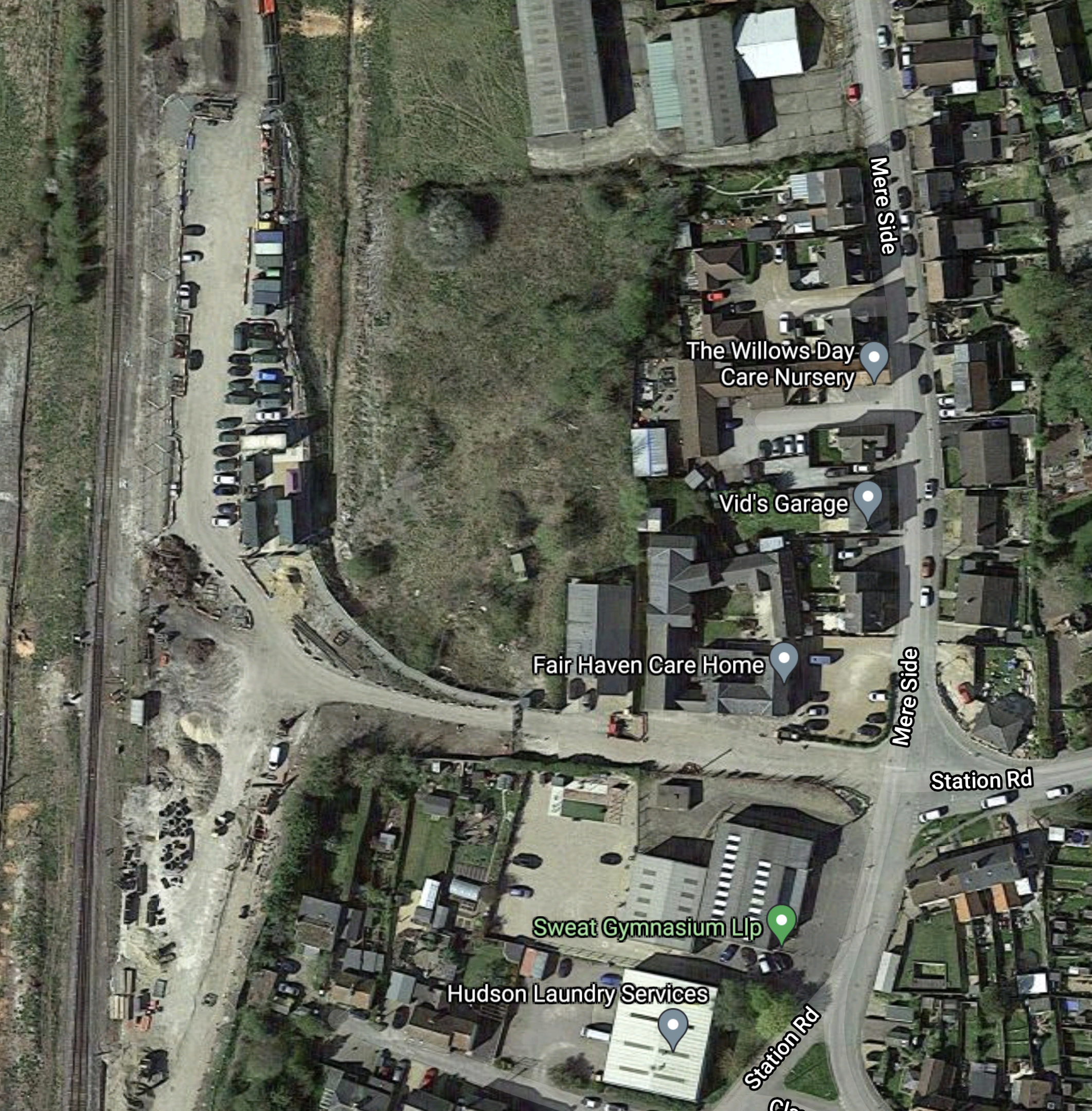
Note.
- The railway between Ely and Ipswich running North-South at the Western edge of the map.
- Station Road connecting the town centre to the railway.
- Looking at the map to a large scale, it certainly appears that construction has started, as dark green portacabins and red and white barriers ae visible.
This Network Rail visualisation shows the proposed station.
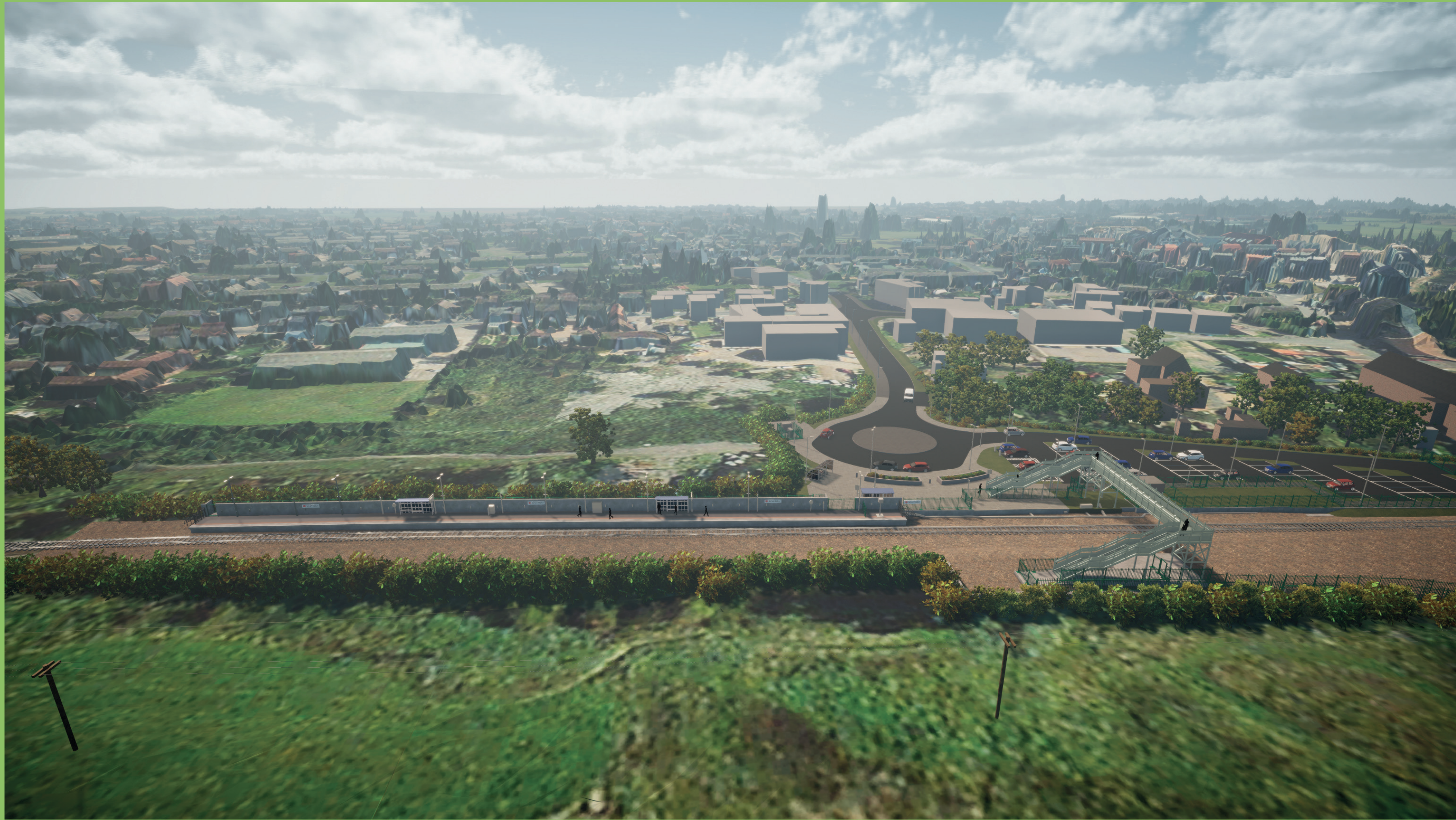
Note.
- The visualisation is looking to the East.
- Ely and Peterborough are to the left.
- Bury St. Edmunds and Ipswich are to the right.
- The footbridge is wide enough to cross a double-track, although the route is currently only single-track at this point.
- There is just a single platform on the town side of the track.
It appears to be a simple design, that possibly could speed the construction.
Station Design
This Network Rail visualisation is a closer view of the proposed station.
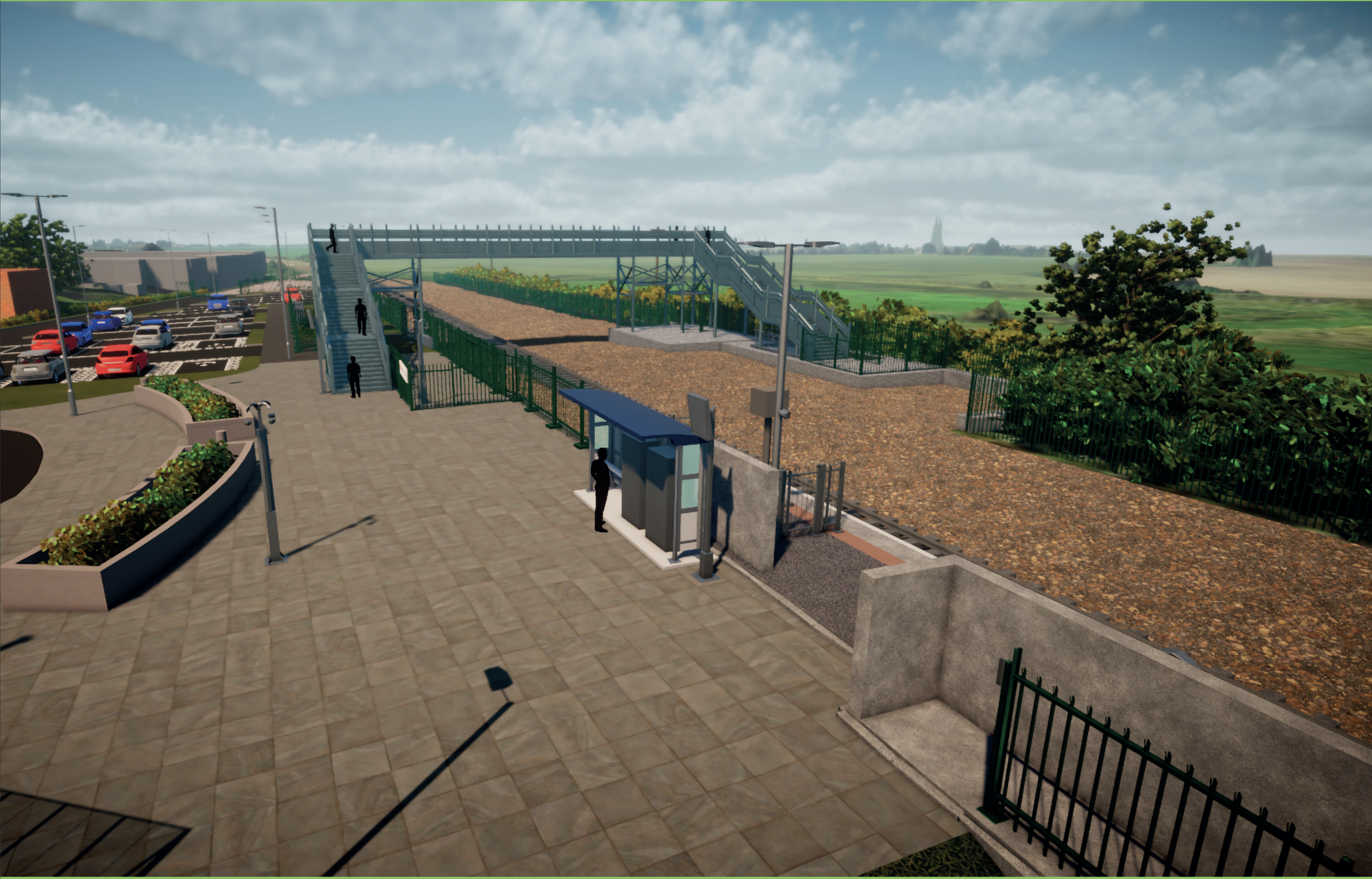
Note.
- The turning circle and the carpark on the town (Eastern) side of the station can be clearly seen.
- The single platform will be 100 metres long and will be able to accommodate a four-car Class 755 train, which is 80.7 metres long.
- It appears that there is a concrete wall at the back of the platform. Is this to protect passengers from the sometimes-biting winds of the Fens or the swirling air currents generated by passing freight trains.
The station and footbridge are future proofed for a possible second platform and lifts.
Services
Currently, Greater Anglia runs a train between Ipswich and Peterborough every two hours, although this was promised to be doubled in frequency at some time in the future.
Times to various stations are as follows.
- Ipswich – 48 minutes
- Bury St. Edmunds – 19 minutes
- Ely – 9 minutes
- Peterborough – 50 minutes
These times are from Real Time Trains, which already acknowledges the station.
Note that to get to the important city of Cambridge passengers will need to change at either Bury St. Edmunds or Ely.
In the future there are two ways that the connection between Soham and Cambridge can be improved.
Reinstatement Of The Warren Hill Junction and Snailwell Junction Chord
This Google Map shows the layout, where the Ely and Ipswich Line and the Cambridge Branch Line join to the North of Newmarket in a triangular junction.
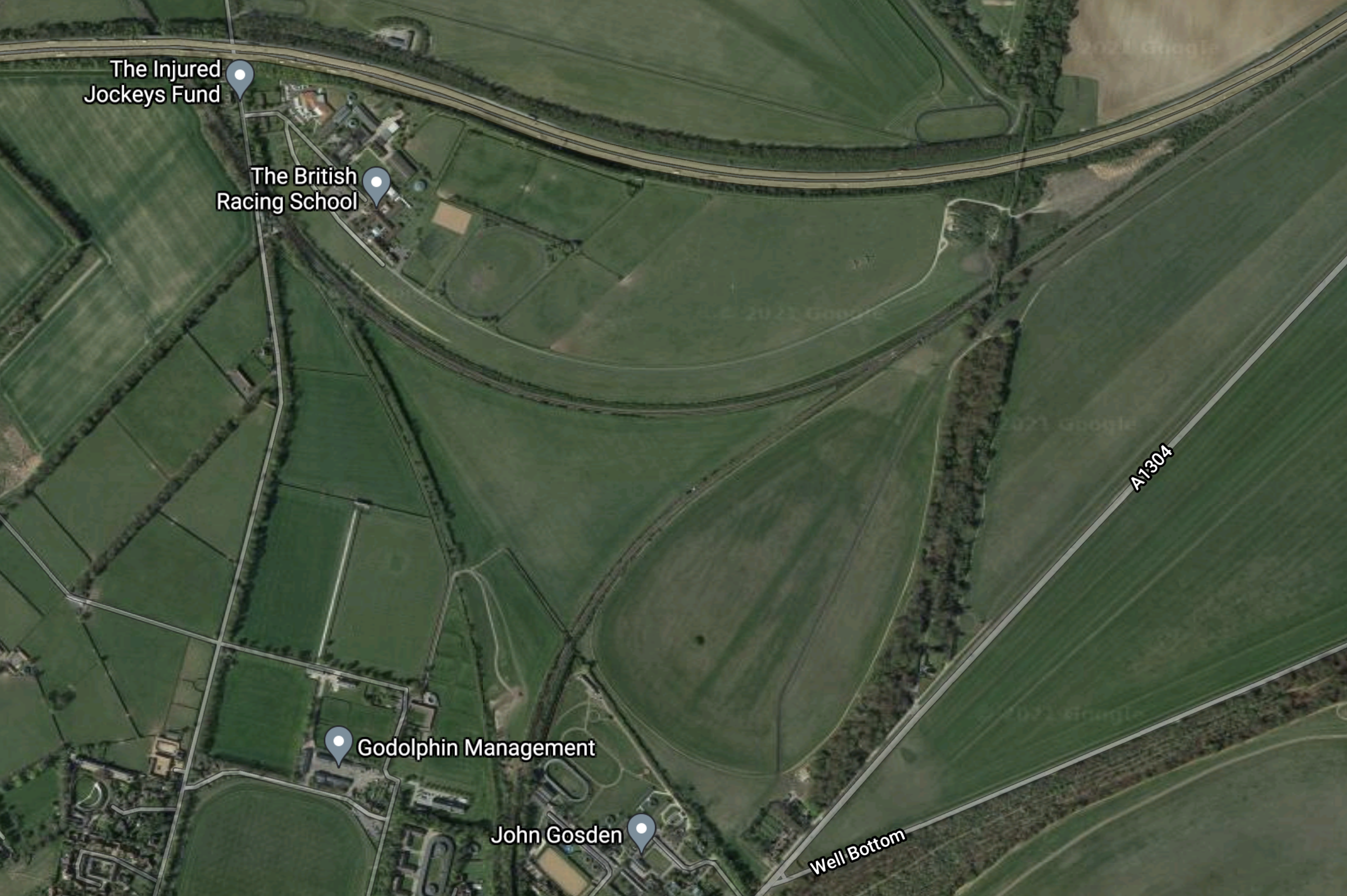
Note.
- The A14 runs across the top of the map.
- The Ely and Ipswich Line runs in a curve to the South of the A14 and the British Racing School.
- The former Snailwell junction was to the South of the British Racing School and was the Northern point of the triangular junction.
- Chippenham junction is the Eastern point of the triangular junction and is where the Ely and Cambridge lines join.
- The former Warren Hill junction was at the South close to the stables of Godolphin and John Gosden and was the Southern point of the triangular junction. From Warren Hill junction the railway runs through the Warren Hill tunnel to Newmarket station and ultimately to Cambridge.
If the chord were to be reinstated between Snailwell and Warren Hill junctions, it would be possible to run an hourly service between Soham and Cambridge via Dullingham and Newmarket.
The A14 Parkway Station
The A14 Parkway station is a proposal from the East West Railway.
- It would be just to the East of Chippenham junction and would be served by both Greater Anglia’s services between Ipswich and Cambridge and Ipswich and Peterborough.
- It would also be close to the major road junction, where the A11 and the A14 meet.
- It would be a Park-and-Ride station.
I believe it could be a major factor in cutting road mileage in East Anglia, as drivers going to Cambridge from Ipswich, Norwich, a large area of North-East East Anglia and North Essex could find that using the A14 Parkway station an easier and faster route. But the A14 Parkway would need a frequent service to the soon-to-be-three main Cambridge stations.
A Soham and Cambridge service could reverse at the A14 Parkway station or by careful timetabling, passengers would be able to change trains in a minute or two.
Two Trains Per Hour Between Newmarket and Cambridge
An hourly service between Soham and Cambridge would add an invaluable second hourly service between Newmarket and Cambridge.
It would also fit in with the regular proposals to reopen stations at Six Mile Bottom, Fulbourn and Cherry Hinton.
If We Have More Electric Cars Do We Need More Parkway Stations?
We are all being encouraged by carrot-and-stick methods to change to zero-carbon vehicles.
And it’s not just from Government and environmental activists!
I was recently asked on a train, if I drove an electric car, by the guy sitting opposite me at a table. He told me, that his ten-year-old BMW needed replacing and his daughters were pestering him to get an electric car.
- He had looked into it and said he could afford one.
- However like many, he was worried about the battery range.
- He also said charging at home would not be a problem, as he lived in a house with parking for three cars and could install his own grid-to-vehicle charger.
- I asked him what he did and like my late wife; C, he was a family barrister.
C would drive thousands of miles a year to Court from our house in Suffolk in her Porsche Boxster, to places like Bedford, Cambridge, Chelmsford, Colchester, Ipswich, Milton Keynes, Norwich, Southend and Yarmouth. Only when she went to London did she use a train from Whittlesford Parkway station.
There are a lot of people like family barristers, where their profession dictates that they travel long distances by car to a variable place of work.
Purchase of an electric car, for some drivers may turn out to be a worrying one, as will they always find a charger at the other end of their journey, to charge the vehicle to get home.
I can see parkway stations like Whittlesford developing into electric parkway stations, where most parking spaces have a charger.
- Parking could be booked, as in many railway car parks.
- Some stations could probably host one or more wind turbines.
- The vehicle batteries with the appropriate grid-to-vehicle technology could be used as grid storage.
Get the technology and the locations right and I can see more parkway stations being developed.
It might also be the sort of infrastructure project that a financial institution like L & G might finance.
Silicon Roundabout – 31st August 2021
The builders did it. Or at least these sections of the project.
- Getting the roads open.
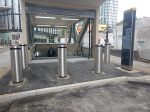
- Opening the Cowper Street entrance.
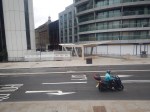
These pictures show the roads in the area at around 09:30 this morning.

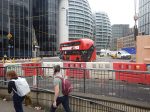
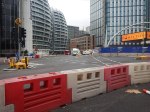

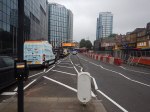

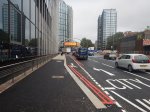
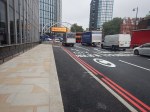
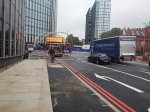

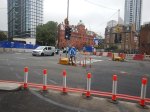
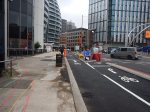


The traffic seemed to be moving freely, but there weren’t many cyclists.
This second gallery shows the new Cowper Street entrance to Old Street station.

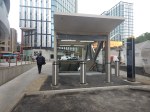


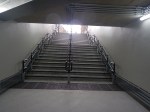




I was able to enter the station, through the new entrance.
 The Anonymous Widower