Network Rail Uses Tree Planting Initiative To Combat Graffiti Hotspot
The title of this post, is the same as that of this article on Rail Technology Magazine.
These two paragraphs introduce the article.
Network Rail has planted 35 trees, as part of its many sustainability initiatives, at a graffiti hotspot location in London with the hopes of acting as a vandalising deterrent whilst also improving the natural habitats within the area.
This action marks the first time that Network Rail have used ecological measures such as these to prevent graffiti and vandalism. The tree planting at the Bermondsey Dive Under – a junction where one set of rail lines tunnel under another – will not only create nicer visual stimulants for passengers and local residents but will also contribute to significant cleaning cost savings. It is estimated that the graffiti at the South-East London hotspot has cost taxpayers £150,000 in cleaning and rejuvenation works over the last 2 years.
I would expect that £150,000 buys a lot more than 35 trees.
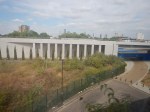
These pictures show the trees from a train going Between East Croydon and London Bridge stations.



I also wonder whether those that are caught for painting the graffiti, should be sentenced to a community service order to plant new trees to stop the vandalism.
York And Church Fenton Electrification
This news item from Network Rail is entitled Yorkshire’s First New Electric Railway In 25 Years Set To Cut Carbon And Slash Journey Times.
This section summarised the work
Work began on the York to Church Fenton electrification scheme in October 2019, and to date has delivered:
- 17 kilometres of new, more reliable track, ready to run faster trains
- An innovative 65-metre-wide under-track crossing
- 270 new steel masts, which carry the overhead electric wires
When the new wires are energised, they will allow more environmentally friendly hybrid trains to run along this section at speeds of up to 125mph – that’s 30mph faster than they currently run.
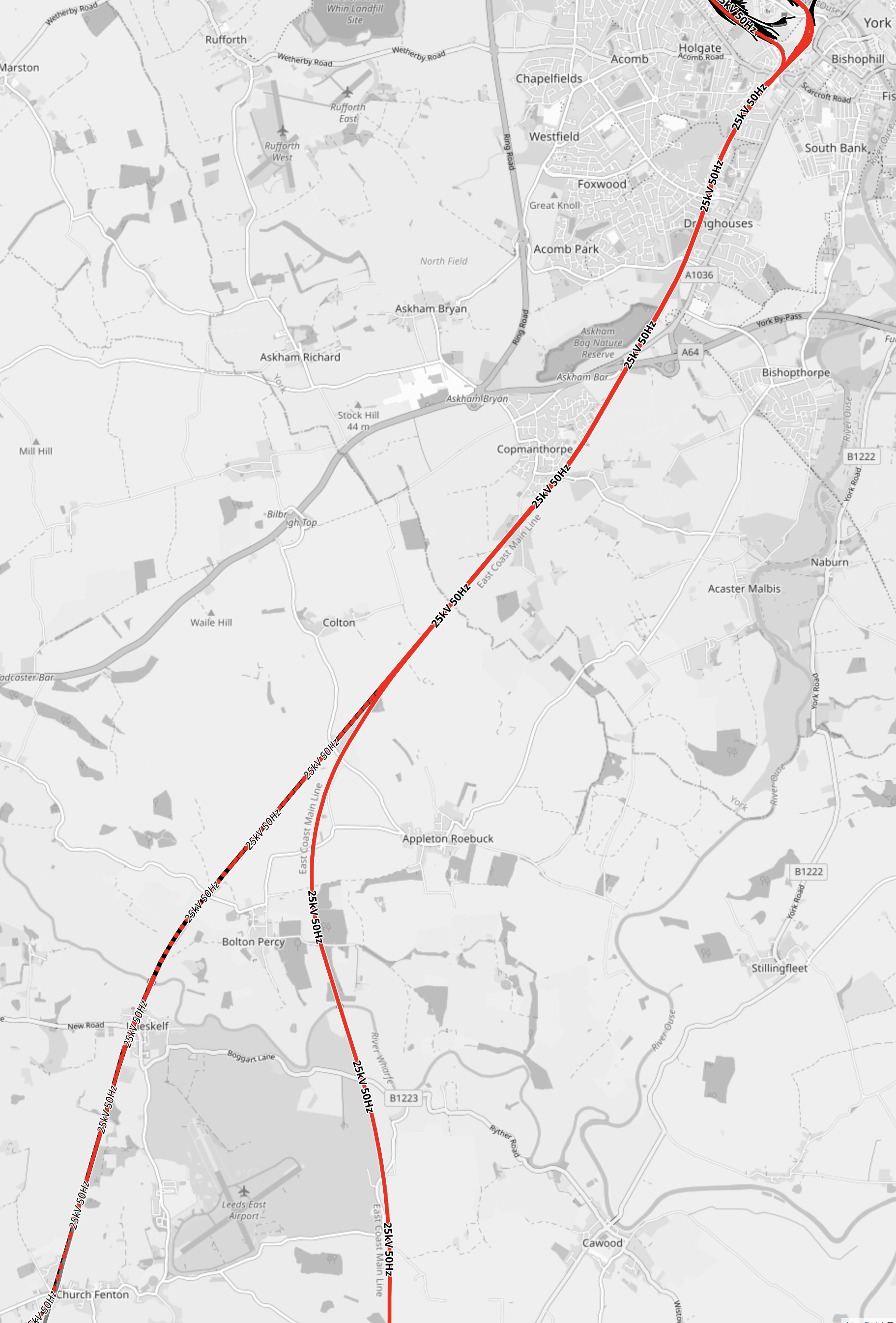
This OpenRailwayMap shows between York and Church Fenton.
Note.
red lines indicate 25 KVAC overhead electrification.
York is in the North-East corner of the map.
Church Fenton is in the South-West corner of the map.
The track marked in red going South is the Selby Diversion, which was built in 1983 to avoid the Selby coalfield. It joins the York and Church Fenton route at Colton Junction.
The Colton Junction and Church Fenton section is marked in red and black, indicating this section is being electrified.
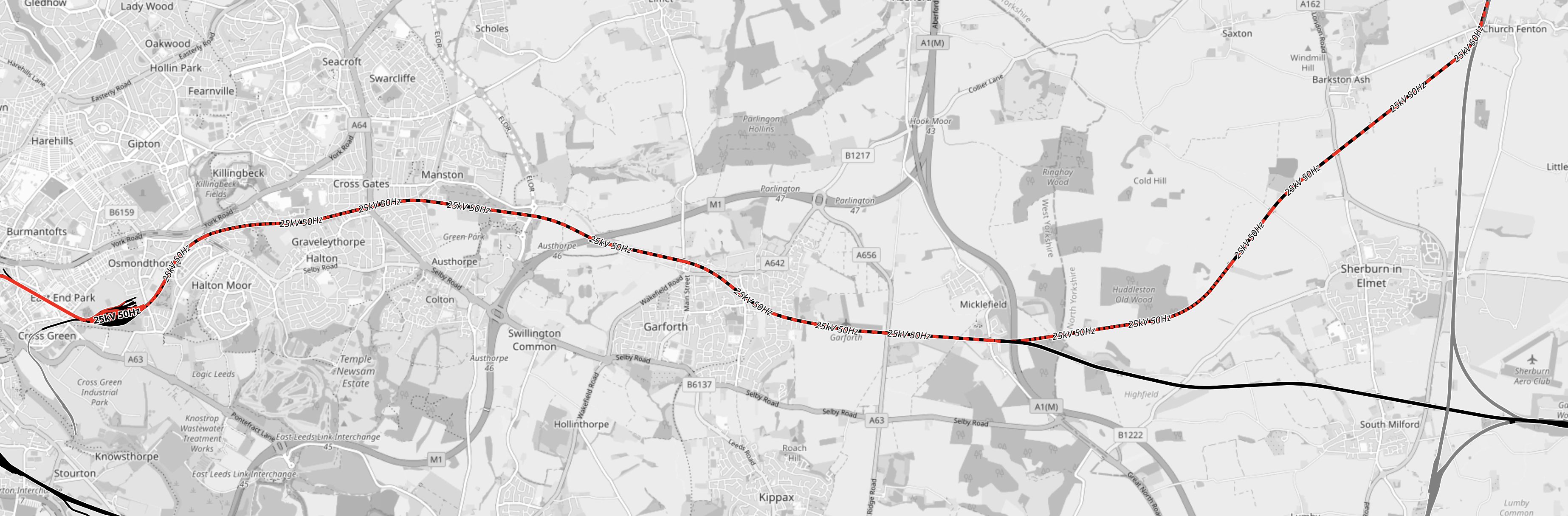
This second OpenRailwayMap shows between Church Fenton and Neville Hill TMD in the East of Leeds.
Note.
- Church Fenton is in the North-East corner of the map.
- Neville Hill TMD is the big black blob in the middle of the West edge of the map.
- The route marked in red and black will probably be the next to be electrified.
- Between Leeds and Neville Hill is electrified.
Electrification of Church Fenton and Neville Hill TMD means that the electrification between Leeds and York would be complete.
These services use this route between Leeds and York.
- TransPennine Express – 1 tph – Liverpool Lime Street and Newcastle
- TransPennine Express – 1 tph – Manchester Airport and Redcar Central
- CrossCountry – 1 tph – Plymouth and Edinburgh Waverley
In addition, the new electrified route will have other effects.
Electric trains will have direct electrified access to Neville Hill TMD from York.
Micklefield is only 42 miles from Hull and with charging at Hull, I suspect TransPennine’s Manchester Piccadilly and Hull service could go battery-electric.
Speed Limit To Be Lowered To 20mph In Wales
The title of this post, is the same as that of this article on the BBC.
These four paragraphs describe the policy.
Speed limits in built-up areas look set to be reduced from 30mph to 20mph in Wales from next year – a UK first that is controversial among some drivers.
Ministers say a 20mph speed limit will lower road collisions and traffic noise and encourage people to walk and cycle.
The slower limit has been divisive in areas where there have been trials with some motorists complaining of more congestion and journeys taking longer.
The proposed new law will be put before a Welsh Parliament vote on Tuesday.
I’m not sure that it will work.
I live in a 20 mph zone in Hackney.
But cars and motor bikes still speed through at up to 50 mph, as there is no visible enforcement.
Extending The Elizabeth Line – Improving The Route To Windsor & Eton Central Station
This post is now complete.
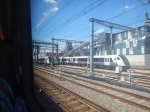
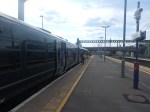
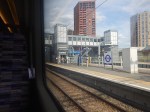
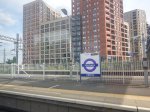
I took the Elizabeth Line to Slough station, for onward travel to Windsor & Eton Central station today and took these pictures along the route.




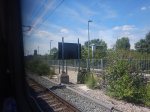
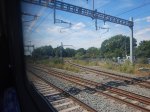



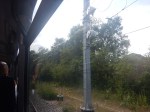


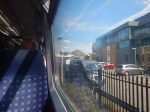

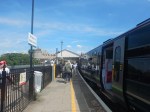



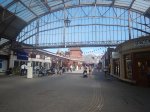




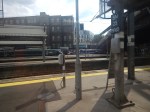
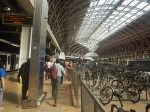
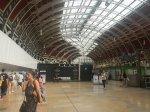
Note.
- I joined the Elizabeth Line at Moorgate station and took a train all the way to Paddington station.
- As a Freedom Pass holder, I use the Elizabeth Line for nothing.
- I changed between the Central and Western sections of the Elizabeth Line at Paddington.
- I also bought my Slough and Windsor & Eton Central ticket at Paddington from a machine, for the princely sum of £2.10. It was with a Senior Railcard.
- There is a lot of building going on along the route.
- The diesel train on the Slough-Windsor & Eton Line was a three-car Class 165 train.
I have some thoughts on how to improve the train service to Windsor.
What Do I Mean By Improving?
I don’t mean direct trains, as that would be impossible for various reasons.
- Platform length at Windsor & Eton Central station would be a problem.
- Flat crossing across the fast lines would slow the expresses.
- To make the running efficient, a flyover would need to be built. The disruption of building it and the cost would be immense.
What is needed, is a system, which means that getting from Central Elizabeth Line stations to Windsor & Eton Central station is as easily as possible.
Windsor Is One Of Our Premier Tourism Destinations
I suspect that on passenger numbers; Bicester Village, Cambridge, Oxford and Windsor are the four most visited tourist sites by rail from London.
I don’t think it’s a good idea to provide some of the services to these destinations, with the exception of Cambridge, with British Rail-era diesel multiple units.
Could A Four-Car Train Be Run On the Slough-Windsor & Eton Line?
I took this picture of the Slough end of the three-car Class 165 train in Windsor & Eton Central station.

It does appear that say a four-car Class 387 train could be fitted into the platform, with perhaps some adjustment to the platform and the track.
Would The Train Be Electric Or Battery-Electric Powered?
Consider.
- The Slough-Windsor & Eton Line is only 2.5 miles long.
- It is single-track.
- Trains take six minutes to do the trip.
- Modern electric trains with better acceleration could probably do the trip in four minutes.
- A battery-electric train will need charging.
This OpenRailMap map shows the electrification at Slough station.
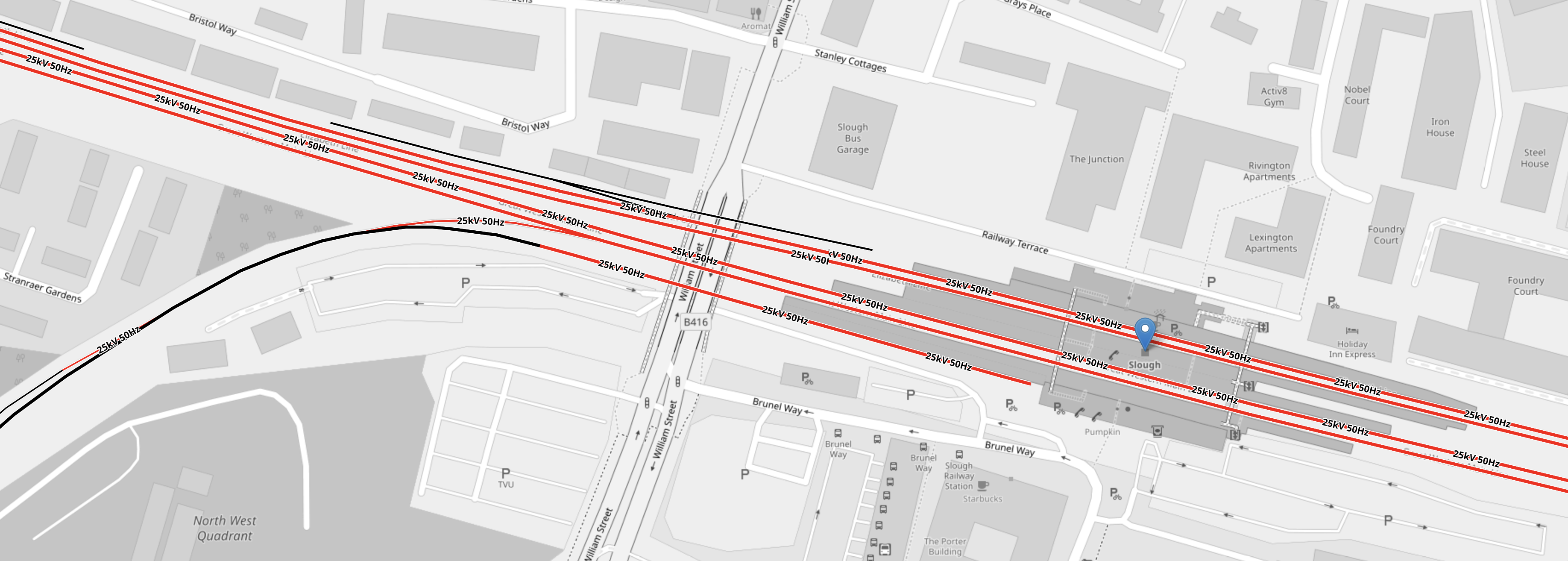
Note.
- 25 KVAC overhead electrification is shown in red.
- The Slough-Windsor & Eton Line leaves the map in the South-West corner of the map and runs into the electrified Bay Platform 1.
- The electrification in Platform 1 could be used to charge a battery-electric train.
- The Slough-Windsor & Eton Line appears to be partially electrified at the Slough end.
I wonder, if the simplest, most-affordable, least risky approach is to electrify the 2.5 miles with 25 KVAC overhead electrification, as it would allow a standard Class 387 train to work the route.
Operation Of The Shuttle
Currently, the Class 165 trains take six minutes between Slough and Windsor & Eton Central stations, which means that with turning the train at each end of the route, where the driver must walk seventy metres or so to change ends only a three trains per hour (tph) schedule is possible.
If I look at some of the station-to-station stops on the Elizabeth Line, I suspect that a well driven electric train could go between Slough and Windsor & Eton Central stations in perhaps four minutes. With a well-marshalled stop at either end of the route in perhaps two minutes, it could be possible to do a round trip in twelve minutes, which would allow a four tph service.
Capacity would go up from nine cars per hour to sixteen. or an over seventy percent increase in capacity.
There are several ways that, this shuttle could operate.
- As now, where the drivers have to be fit to change ends in the time.
- Two drivers are used with one in each cab.
- Drivers walk back on arrival at the terminal and then step-up into the next train. This is standard London Underground practice at stations like Brixton and Walthamstow Central.
- The train is fully-automated and the driver sits in either cab with an override, that allows him to take control, if say protestors or criminals get on the track.
As a Control Engineer, I certainly feel the fourth option is possible.
Intriguingly, I suspect the concept could be proved with two drivers in an existing three-car Class 165 train, to see if four tph are possible.
Ticketing
Ticketing is less of a problem now, than it was before March 28th 2022, as from that date Windsor & Eton Central station is now in the contactless area, so you could touch in with your bank card at any station in the London contactless area and touch out at that station.
It’s all explained on this page on the Great Western Railway web site.
I am a Freedom Pass holder, which gives me the ability to get free travel to and from anywhere on the Elizabeth line for free, so getting to and from Slough for nothing, is no problem, if I use the Elizabeth Line.
But I would need a ticket for the section between Slough and Windsor & Eton Central stations.
Before I got on the Elizabeth Line at Moorgate, I tried to buy an extension ticket between Slough and Windsor & Eton Central stations, from the ticket machines at Moorgate, but it was not possible, so in the end, I made a detour to the ticket office at Paddington and bought the ticket there. But when the Elizabeth Line is fully connected, there will have to be a rethink, as Freedom Pass holders from say Ilford would want a day out in Windsor.
Perhaps the Slough-Windsor & Eton Central line should become a fixed-fare line, where a bank card would be charged say a pound for each journey.
Note that I only paid £2.10 for a return ticket at Paddington with my Senior Railcard.
A Better Interchange At Slough
Currently, the Off Peak frequency of trains at Slough is as follows.
- Slough and Windsor & Eton Central – 3 tph
- Slough and Paddington – Elizabeth Line – 2 tph
- Slough and Paddington – Great Western Railway – 2 tph – Non-stop
- Slough and Paddington – Great Western Railway – 2 tph – Stopping
In TfL Confirms Details Of Reading Services, I wrote that the Elizabeth Line will have 4 tph to London in the Off Peak, with two extra services in the Peak.
This indicates to me, that the Slough and Windsor & Eton Central service needs four tph.
Birth Of A Station
Thanet Parkway station is under construction and should be opened in May next year.
Work is progressing as this Google Map shows.
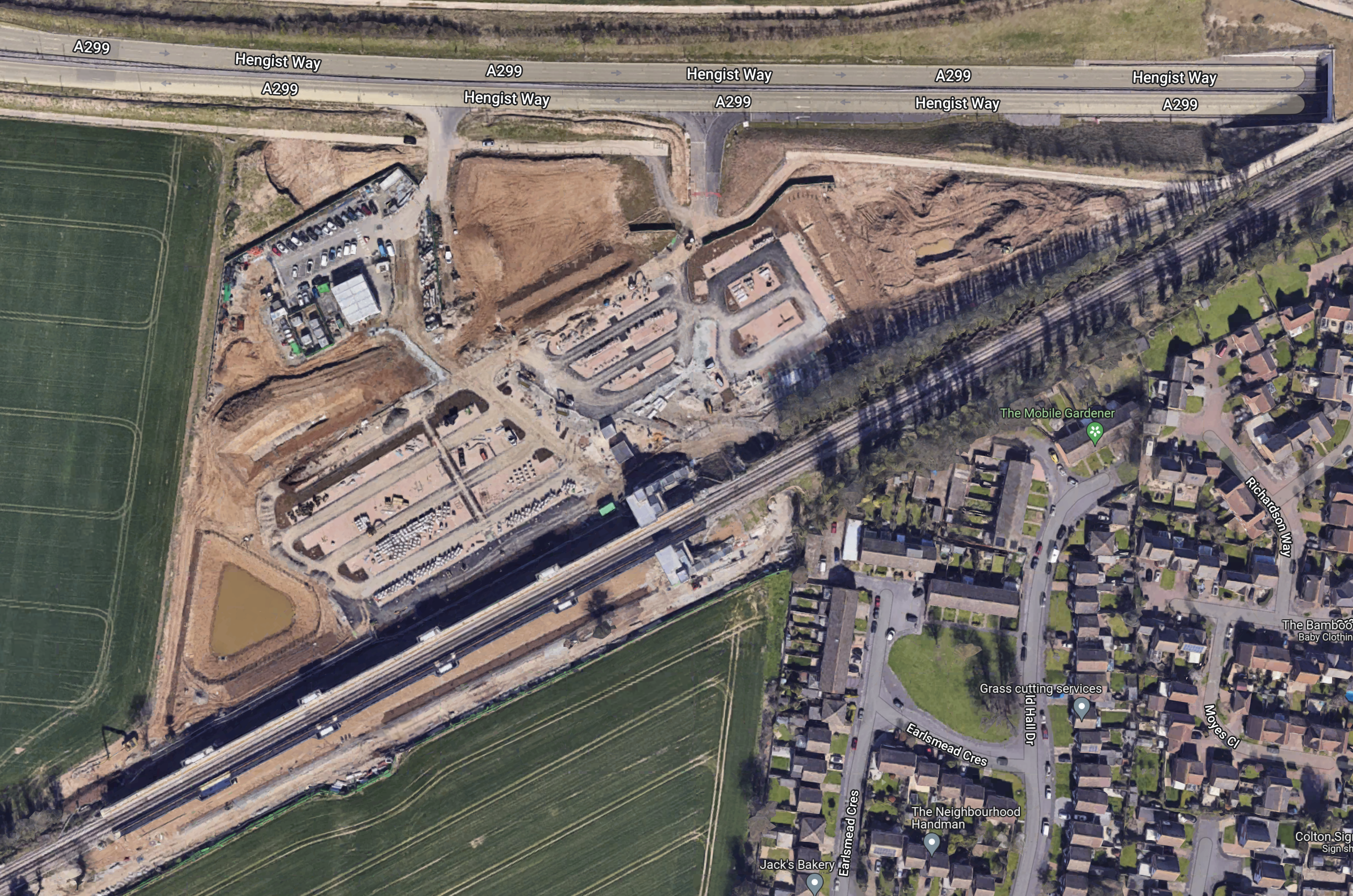
Note.
- The A299 goes across the top of the map.
- The Ashford – Canterbury – Ramsgate Line runs diagonally from South-West to North-East across the map.
- Ashford and Canterbury are to the South-West.
- Ramsgate is to the North-East.
The new Thanet Parkway station appears to be being built on the triangular site between the A299 and the railway.
- There appear to be two entrances/exits to the station from the A299.
- The pedestrian bridge over the railway is under construction.
- The roads and walkways around the station are being laid.
This video gives more details of the station.
Parking At Thanet Parkway
According to the video, there are nearly three hundred parking spaces, with a number of disabled spaces and spaces with charging for electric cars.
Is that going to be enough spaces?
But at least, there may be fields around the station, that could be used to provide additional parking.
Richborough Energy Park
This Google Map shows the area around the station and to the South towards Richborough.
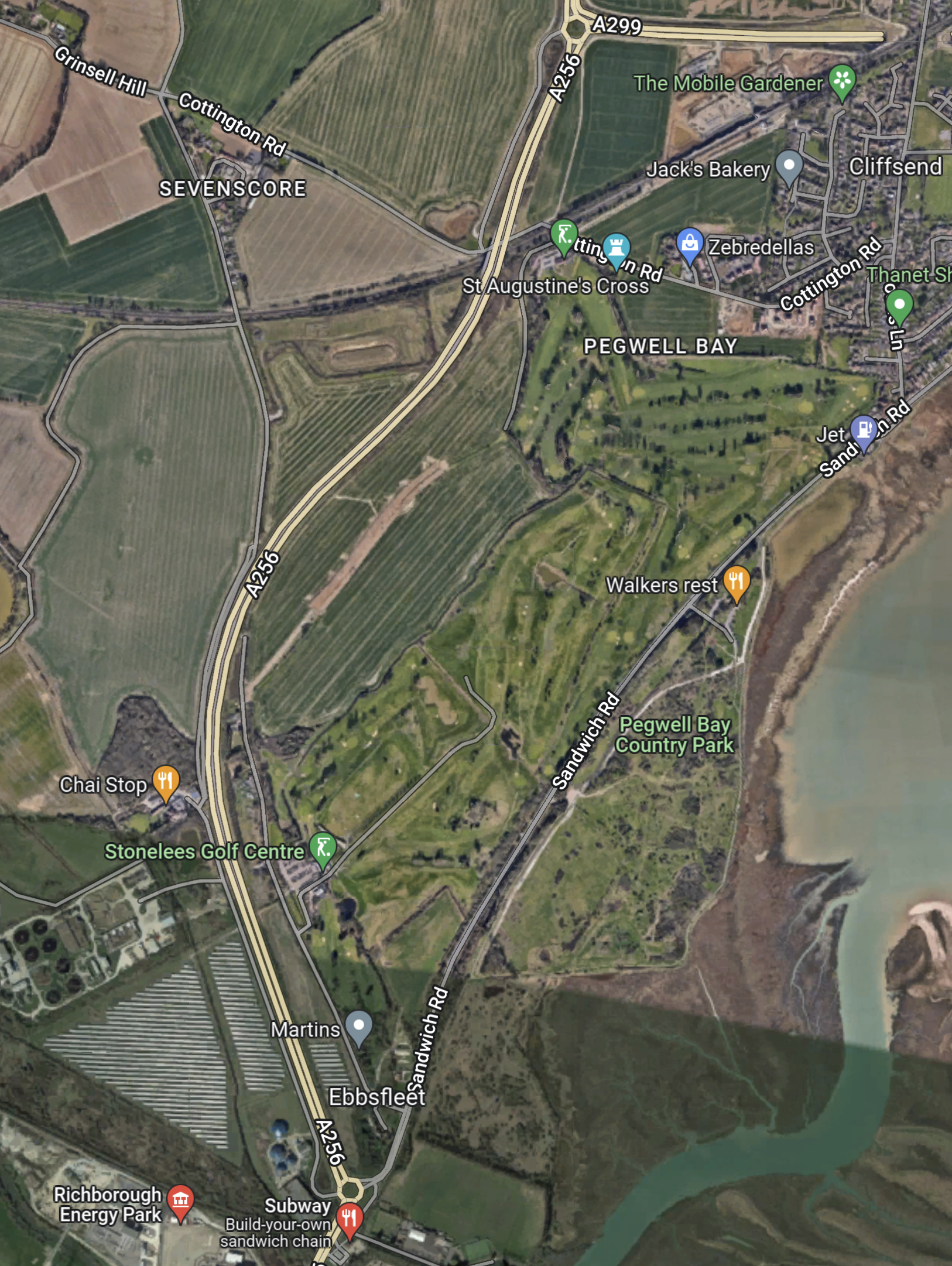
Note.
- The under-construction Thanet Parkway station is in the North-East corner of this map to the West of the village of Cliffsend.
- The dual-carriageway of the A256 runs North-South down the map to a roundabout.
- To the West of the roundabout is Richborough Energy Park.
This Google Map shows the are round the energy park and the roundabout in more detail.
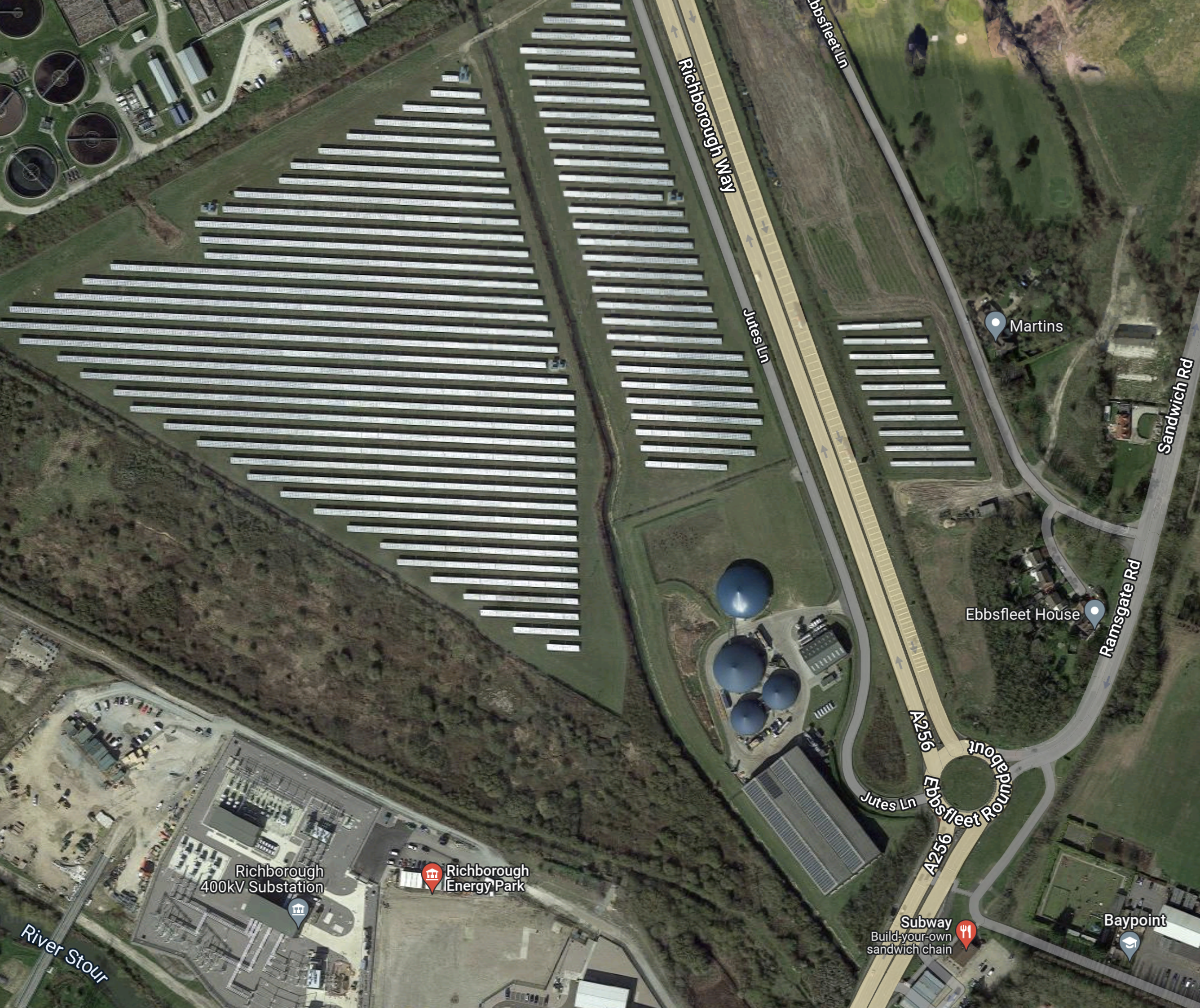
Note.
- The Richborough substation in the South-West corner of the map.
- The Richborough Energy Park sits to the East of the substation.
- The solar panels to the North of the roundabout are the 4.9 MW Ebbsfleet Solar Farm, which is part of Richborough Energy Park.
Richborough Energy Park is an ongoing project.
The national grid interconnector from the original power station is still in place, and is now the grid link for the 300 MW offshore Thanet Wind Farm.
It is the terminal for the NemoLink interconnector to Belgium.
Wikipedia says this about future plans.
The current owner of the site, BFL Management Ltd, plan to bring the site back into use as a £750 million green energy park. There are additional plans to create additional recycling and green energy facilities on site, including an anaerobic digester, a waste processing plant, a biomass combined heat and power generator, a pyrolysis plant and a peak demand 30MW diesel generator. When fully operational, the park could provide up to 1,400MW of power, employing 100 full-time equivalent, with up to 500 jobs in the construction phase.
I am surprised, that there is no mention of batteries or energy storage.
This press release from Network Rail is entitled Charge While You Travel With New Electric Vehicle Charging Points At Network Rail Stations.
This the body of the press release
Rail passengers with electric vehicles will be able to charge while they travel thanks to the introduction of 450 new electric vehicle charging points at Network Rail-managed car parks at railway stations.
The charging points, powered by guaranteed renewable energy, provide enough power to fully charge a vehicle in as little as 3-4 hours.
In this phase, Network Rail has powered: 160 charging points in Reading, 111 in Manchester, 84 in Edinburgh, 56 at Leeds and 41 in Welwyn Garden City.
Electric vehicle charging points will be installed across 10% of car parking spaces (approximately 779 spaces) at car parks managed by Network Rail by March 2024.
Rail is already the leading form of green public transport and this marks another milestone in Network Rail’s commitment to a low-emission railway – making sure rail is environmentally-friendly, resilient to climate change and able to provide an excellent service for years to come.
The new Compleo charging points are marked with green parking bays and passengers can pay for what they need quickly and easily via the APCOA Connect app.
Note, that there is no mention, if these are vehicle-to grid (V2G) chargers.
In Airport Plans World’s Biggest Car Parks For 50,000 Cars, I stated my belief that car parks, with hundreds or even thousands of vehicles could be turned into giant grid batteries.
- All electric vehicles, when they are parked would be plugged in to V2G chargers.
- The vehicle and the grid, would know your expected return time and how much power you would need. Probably from a parking app, assisted by AI!
- If the grid borrowed your electricity, whilst you were away, you wouldn’t know, until you received the payment for the loan.
- If your car runs on hydrogen, the parking could also handle the battery, that all hydrogen-powered vehicles have.
Thanet Parkway station would be an ideal station for such a parking system for electric vehicles.
Extending The Elizabeth Line – Linking To The Oxted Line
I believe that everybody in the South East of England needs the best access possible to the Elizabeth Line, by train from where they live.
- The Elizabeth Line serves the important places like Brick Lane, Canary Wharf, the City of London, Heathrow Airport, Liverpool Street station, the Olympic Park, Oxford Street and Paddington station directly.
- Because of its connection to Thameslink, the Elizabeth Line also serves important places like Bedford, Brighton, Cambridge, Gatwick Airport, Luton Airport and Tate Modern with a single change at Farringdon station.
- Using the Elizabeth Line, Thameslink and perhaps a bus, it is possible to get to most important places in Central London.
- The more passengers that use the Elizabeth Line and Thameslink, the more London’s businesses will thrive creating employment and tax revenues.
- It should also be remembered, that using a train to visit central London, probably cuts your carbon footprint.
- The Elizabeth Line also cost a fortune, so perhaps by using it, you will be getting some of your portion of what it cost you back.
This post is the first of several, where I discuss how to bring more passengers into the Elizabeth Line network.
The Oxted Line
The Oxted Line is a line with two branches; East Grinstead and Uckfield, which runs South from East Croydon station.
- The branch to East Grinstead is electrified, but the branch to Uckfield is not and is still run by diesel trains.
- Plans exist to run battery-electric trains on the Uckfield branch, but they always seem to be awaited,
- Network Rail are now saying that they will electrify the Uckfield branch with third-rail.
- All platforms on both branches can take ten-car trains, if not twelve.
- A reasonable amount of money has been spent on the Uckfield branch to improve it.
- Services on both branches are one train per hour (tph).
- London terminals of trains are London Bridge and Victoria, both of which have no easy connection to the Elizabeth Line.
The major faults of the current services are as follows.
- One tph is not enough.
- Victoria is an overcrowded terminal with no connection to the Elizabeth Line or Thameslink
- At London Bridge and East Croydon, there are tortuous step-free change to Thameslink.
- From London Bridge you can use the Northern Line to transfer to the Elizabeth Line, but it wouldn’t be the best route when taking a heavy case to Heathrow.
- From Victoria, you can use the Circle and District lines to the Elizabeth Line at Paddington.
The Oxted Line service needs to be improved.
I would do the following.
Move Uckfield Branch Services To Thameslink
This would mean that Uckfield services would call at East Croydon, London Bridge, Blackfriars, City Thameslink, Farringdon, St. Pancras and then terminate somewhere to the North.
- There would be a step-free change to the Elizabeth Line at Farringdon.
- East Croydon and London Bridge are still served.
- There are connections to the Circle, District, Hammersmith & City, Jubilee, Metropolitan, Northern, Piccadilly and Victoria Lines of the Underground.
- There will be no need for a terminal platform at London Bridge.
I believe that this gives much better connectivity.
Electrify To Uckfield
This is a long-debated question.
But as Thameslink trains are Class 700 trains, which are dual voltage, I’d electrify the Uckfield branch with 25 KVAC overhead electrification between Hurst Green and Uckfield.
Lightweight catenary could be used to reduce visual intrusion.
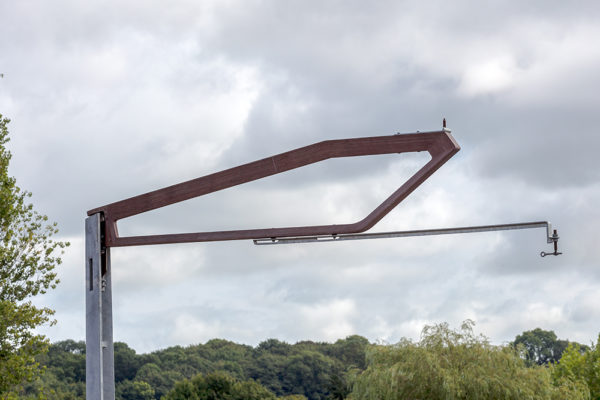
Note.
- The curved beam at the top of this overhead electrification gantry is laminated wood.
- Power changeover would take place at Hurst Green station.
Hopefully, the electric trains would offset any anger at overhead wires.
Run Two tph To Uckfield
I am fairly certain that when Network Rail lengthened the platforms on the Uckfield branch, that they arranged the track and signalling, so that two tph could use the branch.
Run An Hourly Shuttle Between Oxted And East Grinstead
This service would be as follows.
- It would terminate in the bay platform at Oxted station.
- This would give 2 tph on this route.
The existing hourly service between East Grinstead and Victoria would continue.
Conclusion
I believe that this simple scheme could give very good benefits to all stakeholders.
Extending The Elizabeth Line – Toilets On A Service Between Heathrow And Southend Airports
The Wikipedia entry for Crossrail, has a section about an extension to Southend Airport, where this is said.
Stobart Aviation, the company that operates Southend Airport in Essex, has proposed that Crossrail should be extended beyond Shenfield along the Shenfield–Southend line to serve Southend Airport and Southend Victoria. The company has suggested that a direct Heathrow-Southend link could alleviate capacity problems at Heathrow. The extension proposal has been supported by Southend-on-Sea City Council.
I think there could be a big problem, in that I estimate the journey will take a few minutes short of two hours. Surely, this will mean toilets will need to be fitted.
Extending The Elizabeth Line – Rebuilding Shenfield Station
I have a feeling that Shenfield station will become a bottleneck on the Great Eastern Main Line.
- I feel that both passenger and freight traffic will increase through the station in the next ten years.
- I also feel that there is a possibility that the Elizabeth Line will be extended to Southend/Airport/Victoria and/or Beaulieu.
- Yesterday, I changed between a Southend and a Lizzie Line service, which meant down in one lift and up in another.
- With more and more housing likely to be built in the area, I wouldn’t be surprised to see a lot more parking.
I wouldn’t be surprised to see the station needing to be rebuilt and expanded in the next few years.
Bluebell Heritage Railway Planning Western Extension
The title of this post, is the same as that of this article on Ian Visits.
This is the introductory paragraph.
The Bluebell Railway, a heritage railway that runs through Sussex has filed a pre-planning application as it seeks to extend the railway westwards along a partially disused railway alignment.
It seems to be a well-thought out plan.
- Part of the route is a freight line to bring aggregates out of the area.
- The Bluebell Railway appear to have been talking to Hanson Aggregates and the plan would not appear to affect Hanson’s business.
- The eventual destination is Haywards Heath station, where from maps and Wikipedia, it appears that not too much work would need to be done.
A Hayward’s Heath connection would surely be good for the finances of the Bluebell Railway.
I also suspect that Hanson Aggregates would come out of this with a certain amount of good publicity.
Do Network Rail Have A Plan To Increase Capacity South Of Oxted?
In Kent Railway Viaduct Set For £3.5m Makeover, I wrote about Network Rail giving a viaduct a makeover, that will last for the next fifty years.
Could a reason for the makeover, be that once the trains to Uckfield are zero-carbon, there is a possibility that the frequency of trains on the route could be doubled to two trains per hour (tph)? This would surely increase the stresses and strains on the viaduct. Especially, if two trains were timetabled to pass in Ashurst station, where the line is double-track.
This would increase the trains North of Oxted station in the Off Peak from one train to Victoria and one to London Bridge to one to Victoria and two to London Bridge. Once capacity at East Croydon has been increased, this would provide a fifty percent increase in trains between London and Oxted.
If the capacity is increased through East Croydon and into London, I can see more people using the trains into London from Oxted and the South.
But there are some missing links.
- Both London Bridge and Victoria don’t have easy connections to the Elizabeth Line.
- Getting between Heathrow and Oxted is a double-change.
- There doesn’t appear to be large amounts of parking, on the Oxted Line.
- It also doesn’t look like there are obvious places to add stations.
I also suspect that faster electric or battery-electric trains working the Uckfield branch will attract more passengers.
Various solutions must be possible after an increase in capacity at East Croydon station.
- As someone, who lives at the Northern end of the East London Line, we only have a connection to West Croydon station, rather than the much more useful East Croydon station. Will this change, after a remodelled East Croydon station?
- In Major Upgrade Planned For Norwood Junction Railway Station, I wrote about possible improvements at Norwood Junction station. This upgrade would surely allow better connection between Southern, Overground and Thameslink, with the latter two lines giving access to the Elizabeth Line.
- I also think that there could be more scope for trains to and from the South to stop at New Cross Gate station for interchange with the Overground.
It should also be noted that the Uckfield branch could become a twelve-car electrified branch.
Thameslink To Uckfield?
There has been talk of increasing the frequency of Thameslink through London from its current 20 tph. As Thameslink, already runs to Oxted and East Grinstead in the Peak, perhaps Thameslink could take over the Uckfield Branch?
- This would give direct access to the Elizabeth Line at Farringdon station.
- Services would still serve East Croydon and London Bridge.
- There would also be direct access to Eurostar services at St. Pancras.
Blackfriars, Cannon Street, Charing Cross, Euston, King’s Cross, Liverpool Street, Moorgate, Paddington, St. Pancras, Victoria and Waterloo would all be easy journeys, with no more than a single step-free change.
The service could even use the existing trains, if Hurst Green to Uckfield were to be upgraded with 25 KVAC overhead electrification. I would use lightweight catenary like this.
Trains would change over in Hurst Green station.
An East Grinstead And Oxted Shuttle
Could East Grinstead services be improved by adding a shuttle between East Grinstead and Oxted?
- It would use the bay platform at Oxted station.
- The timings would be arranged so there was an easy interchange.
- East Grinstead and Oxted is electrified.
- Oxted station is a step-free station.
- The current service takes seventeen minutes between East Grinstead and Oxted, so an hourly service would be possible, which would mean both Uckfield and East Grinstead branches had a two tph service.
Such a service could certainly have possibilities.
How Does This Help The Bluebell Railway?
This map from OpenRailwayMap shows the proposed extension.
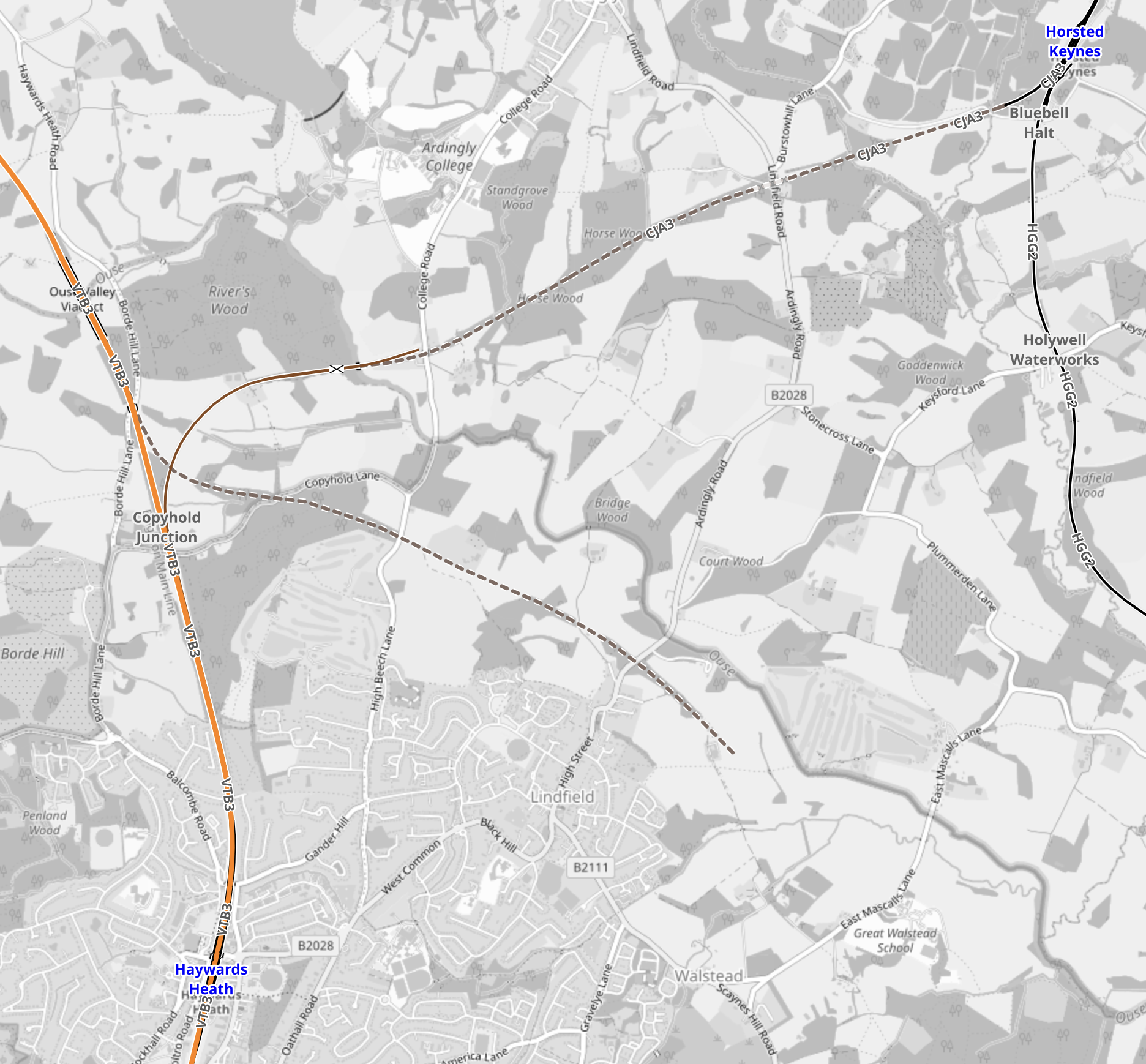
Note.
- Horsted Keynes station is in the North-East corner of the map.
- The Bluebell Railway runs North-South through this station.
- Haywards Heath station is in the South-West corner of the map.
- The Brighton Main Line runs North-South through this station.
- Copyhold junction, which is to the North of Haywards Heath station, is where a short branch line serves Hanson Aggregates.
The proposed extension will run between the Hanson Aggregates site and Horsted Keynes station.
In my view, the obvious service would be to run between Haywards Heath and Oxted.
- Haywards Heath station has been designed to turn trains.
- Oxted station has a bay platform.
- The route is electrified between Oxted and East Grinstead.
- Copyhold Junction and Haywards Heath is electrified.
- Only about thirteen miles of the route are not electrified.
- The route services Lingfield racecourse and of course the Bluebell Railway.
Passenger numbers are incredibly hard to predict, but I believe that an hourly service could be very useful to some.
What Trains Could Be Used Between Oxted And Haywards Heath?
I wrote The Future Of The Class 387 And Class 379 Trains in February 2022 and in that post, I mused about the future of two fleets of excellent Electrostars.
- In total, there are thirty Class 387 trains and a hundred and seven Class 387 trains.
- Some of these trains are just sitting in sidings, which isn’t very productive for their owners.
- One of the owners of some of the Class 387 trains, is Porterbrook, who are not afraid to innovate.
In the July 2022 Edition of Modern Railways, there is an interview with Southeastern Managing Director; Steve White, under a title of Southeastern Under The State.
This is said on page 75.
More positive is the outlook for restoration of passenger services on the Hoo branch, where 12,000 new houses are proposed and Medway Council is looking to build a new station halfway down the branch to serve them. As the branch is unelectrified, one idea that has been looked at is a shuttle with a Vivarail battery train or similar, turning round at Gravesend or another station on the main line.
Steve White worries that this could mean spending a lot of money on infrastructure work and ending up with what would be a sub-optimal solution. ‘Do people really want to sit on a train for 10 minutes before having to get out and change onto another train? I don’t think so. Ideally what you want is through trains to London, by extending the Gravesend terminators to Hoo.’
That would require a battery/third rail hybrid unit, but Mr. White thinks that is far from an outlandish proposal; with Networker replacement on the horizon, a small bi-mode sub-fleet could dovetail neatly with a stock renewal programme. Medway Council and rail industry representatives are working on coming up with a solution for Hoo that could do what it does best; facilitating economic regeneration in a local area.
One solution for the battery/third rail hybrid unit to Hoo, would be a battery/electric four-car Class 387 or Class 379 train, which could run in formations of four, eight or twelve cars.
These trains would also be ideal for the Marshlink Line and would surely be able to handle the thirteen miles without electrification on the route between Oxted and Haywards Heath.
The sooner, someone makes a decision about some four-car battery-electric trains, the sooner we can see if they are a useful solution.
Kent Railway Viaduct Set For £3.5m Makeover
The title of this post, is the same as that of this article on Rail Advent.
This 3D image from Google Maps, shows Ashurst station.
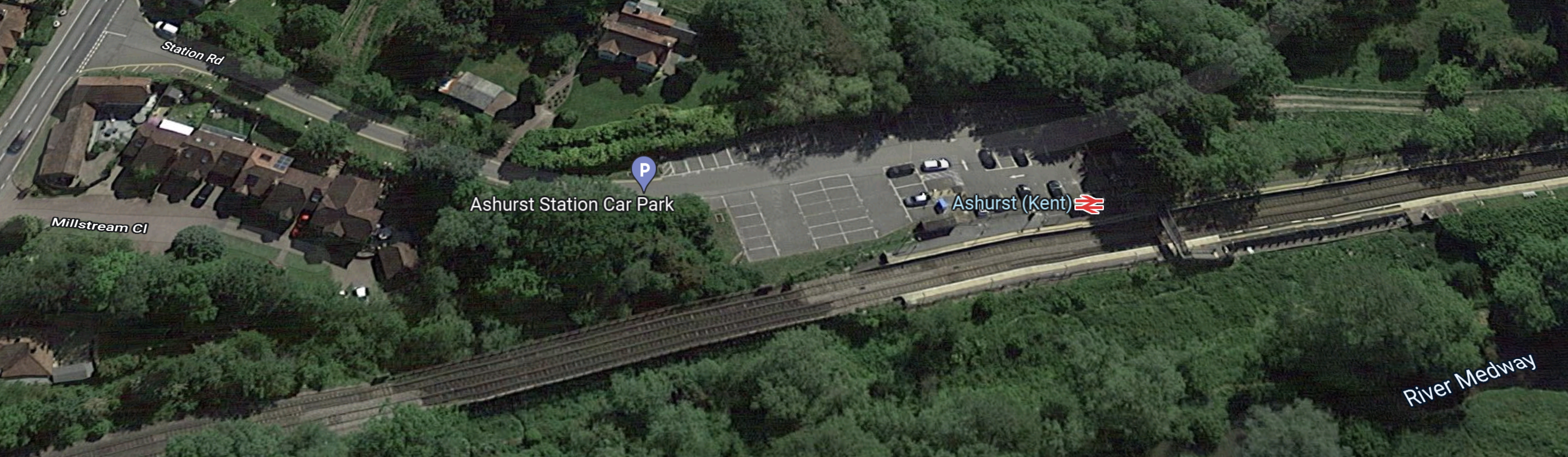
I think that the viaduct is to the left of the station.
This is a description of the work from Katie Frost, Network Rail’s route director for Sussex.
Our railway has a host of Victorian structures that underpin the millions of journeys passengers take with us every year and we have to take good care of them. Mill Stream Viaduct is made of metal, and we need to give it a thorough refurbishment to keep it strong for the future, blasting the old paint off, repainting and repairing the metal sections, replacing the decking, the track and the timbers that support the track too.
Certainly, £3.5 million would seem a lot, if it was just a simple repainting.
What About The Electrification?
Network Rail have been faffing about, deciding how they will get twelve car electric services to Uckfield.
However, in the April 2022 Edition of Modern Railways, there was a short article, which was entitled Uckfield Third Rail is NR Priority, where this was said.
Electrification of the line between Hurst Green and Uckfield in East Sussex and remodelling of East Croydon are the top Network Rail investment priorities south of the river, according to Southern Region Managing Director John Halsall. He told Modern Railways that third rail is now the preferred option for the Uckfield line, as it would allow the route to use the pool of third-rail EMUs in the area. This is in preference to the plan involving overhead electrification and use of dual-voltage units put forward by then-Network Rail Director Chris Gibb in his 2017 report.
NR has put forward options for mitigating the safety risk involved with the third-rail system, including switching off the power in station areas when no trains are present and section isolation systems to protect track workers. ‘The Office of Rail and Road hasn’t yet concerned third rail would be acceptable, but we ark working out ways in which it could be’ Mr Halsall told Modern Railways. He added that bi-mode trains with batteries were not a feasible option on this line, as the 10-car trains in use on the route would not be able to draw sufficient charge between London and Hurst Green to power the train over the 25 miles to Uckfield.
I feel that whatever method is used to get electric trains to Uckfield, there may well be some extra weight on the Millstream Viaduct at Ashurst. So giving the viaduct a makeover, is probably prudent.
I get the impression from the last few Editions of Modern Railways, that there will be a need for battery-electric multiple units in Kent and Sussex.
- Ashford and Ore is 25.4 miles – Electrified at both ends – Maximum trip – 25.4 miles.
- Oxted and Uckfield is 25 miles – Electrified at one end – Maximum trip – 50 miles.
- Hoo and Hoo Juncton is less than 10 miles – Electrified at one end – Maximum trip – 20 miles.
It would appear that the Uckfield trip will need bigger batteries or some form of charging at Uckfield.
Suppose though the following were to be done.
- Create a third-rail battery-electric multiple unit, with a range of thirty miles.
- These would be ideal for Ashford and Ore and the Hoo Branch.
- Install charging stations at Ashurst on both platforms and at Uckfield on the single platform. These would either work through a pantograph or third rail.
Operation of the service during a round trip between London Bridge and Uckfield would be as follows.
- London Bridge and Hurst Green – Uses electrification and charges batteries
- Hurst Green and Ashurst – Uses batteries for 11 miles
- Ashurst station – Tops up the batteries
- Ashurst and Uckfield – Uses batteries for 14 miles
- Uckfield station – Tops up the batteries
- Uckfield and Ashurst – Uses batteries for 14 miles
- Ashurst station – Tops up the batteries
- Ashurst and Hurst Green – Uses batteries for 11 miles
- Hurst Green and London Bridge – Uses electrification and charges batteries
Network Rail may use a different combination of chargers and battery size.
 The Anonymous Widower