Opening Date Announced For Dartmoor Line
The title of this post, is the same as that of this article on Railnews.
This is the first couple of sentences.
Full train services will return to the Dartmoor Line in Devon on 20 November. The Department for Transport said the DfT and its partners had ‘accelerated’ the reopening of the railway, because passenger services will now be launched only nine months since funding was approved.
It also says that the initial service between Exeter and Okehampton will be two-hourly, until May 2022, when it will be hourly.
I have looked up the Great Western Railway timetable and there are two sensible morning trains between Paddington and Okehampton on the 24th of November.
- 08:04 – Arrives at 11:18
- 10:04 – Arrives at 13:17
Returning there are two sensible afternoon/evening trains.
- 15:24 – Arrives at 18:24
- 18:20 – Arrives at 21:36
It looks like it would be possible to go from London and Okehampton and return in the same day.
Surbiton Station To Benefit From £6.7m Upgrade
The title of this post, is the same as that of this article on Rail Technology Magazine.
So I went to Surbiton station to take a few pictures.

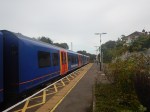
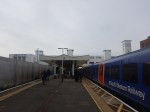
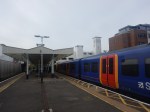
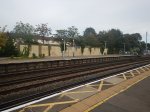

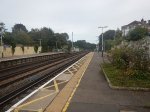
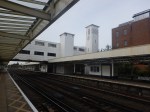



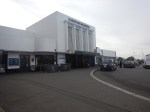



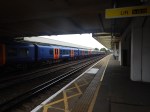
It has far too many steps for my liking, although it is a Grade II Listed Building, that opened in 1937.
Shetland Blasts Off Into Space Race As Britain’s First Rocket Launch Pad Skyrora
The title of this post, is the same as that of this article on The Times.
This second paragraph, explains what Skyrora are doing.
Skyrora, a technology company with its headquarters in Edinburgh, has agreed a deal for scores of rocket launches over the next decade from a site on Unst, the most northerly of the Shetland islands.
This Google Map shows the most Northerly part of Unst.
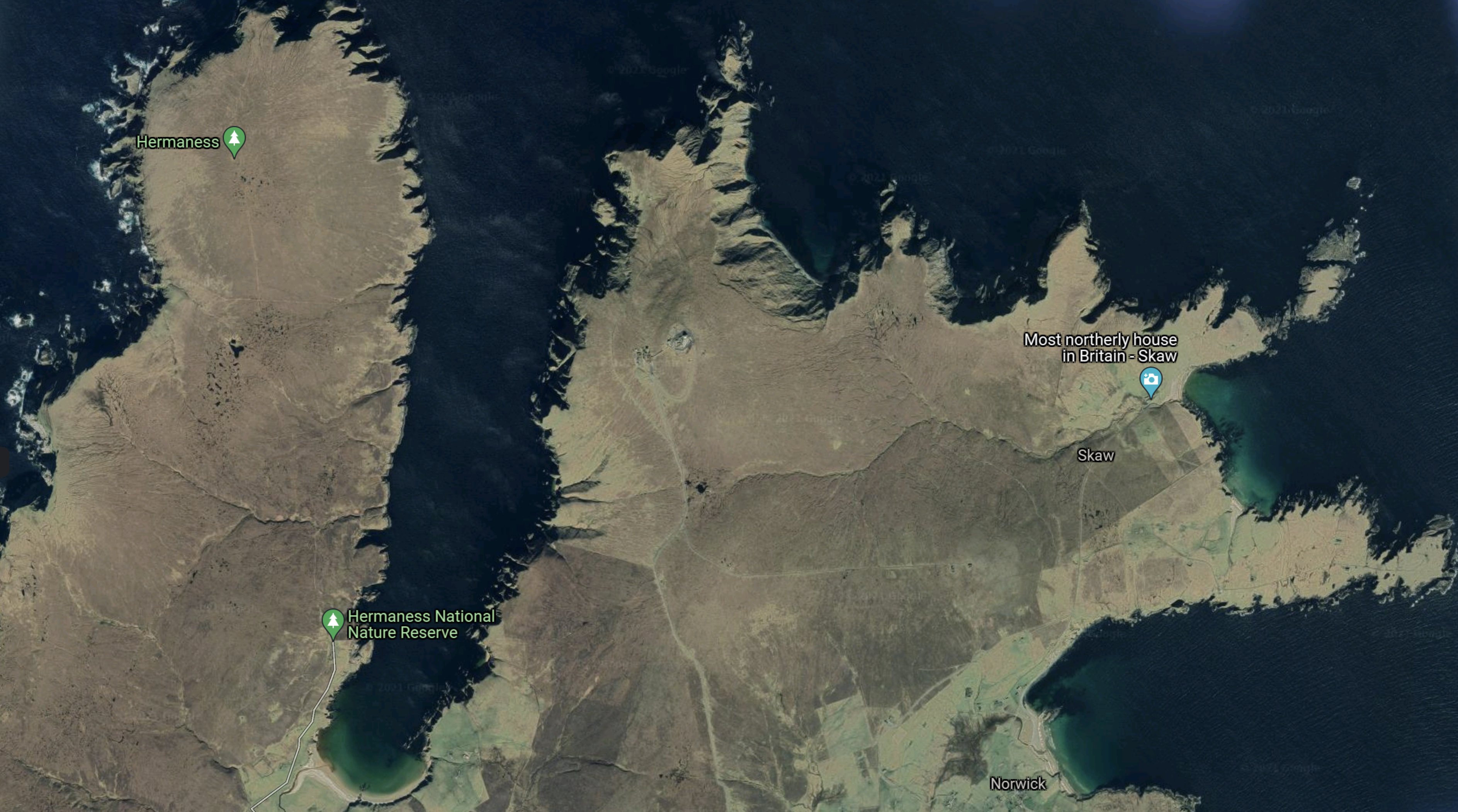
There’s not really much there, except birds, trees and the most northerly house in Britain.
Enlarging to the West of the house, gives this second Google Map.
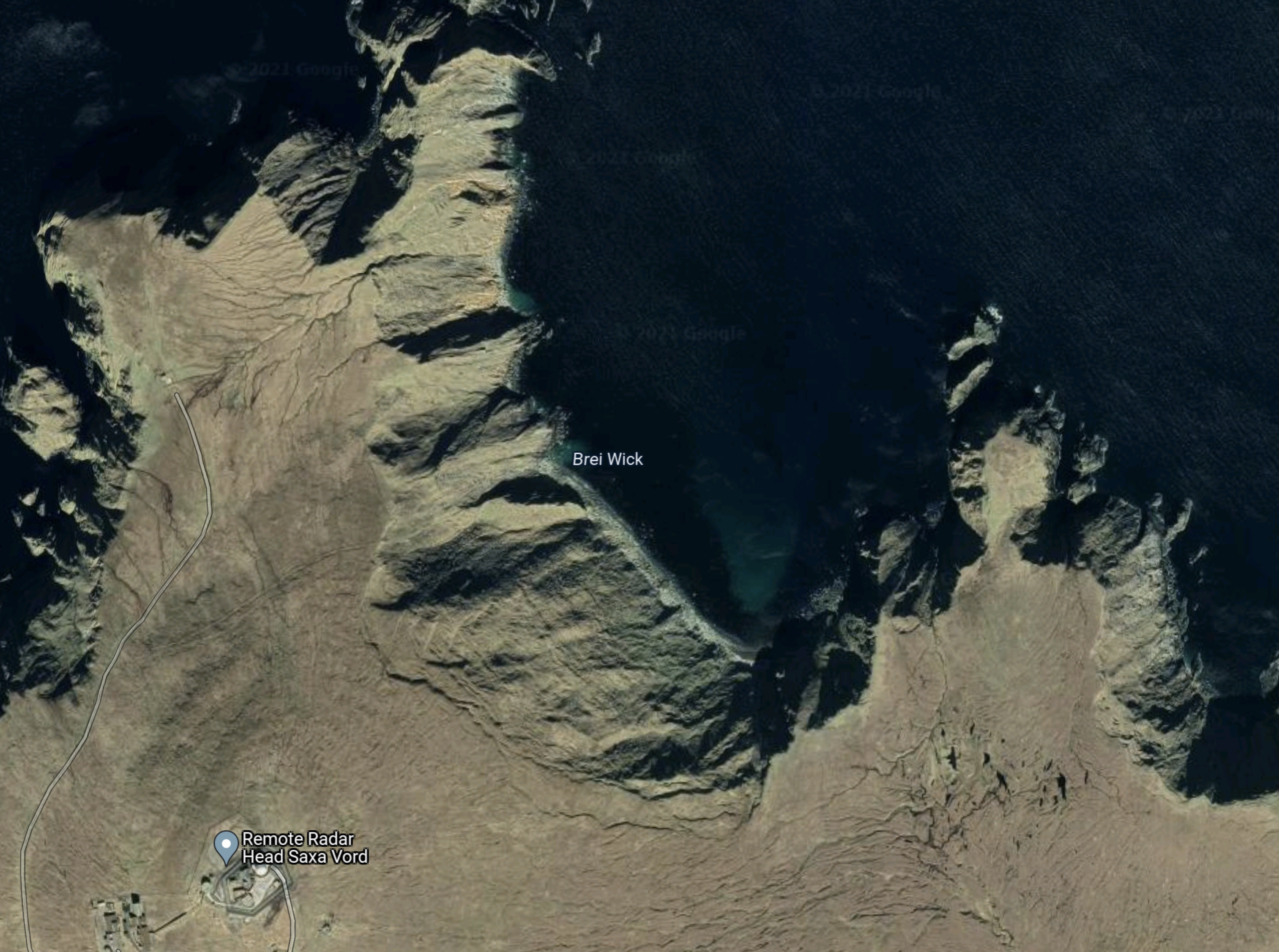
Note the Remote Radar Head Saxa Vord, which has a Wikipedia entry as RAF Saxa Voe.
- It is now a fully-operational radar station again, after closure in 2006.
- It is at the same latitude as St. Petersburg and Anchorage.
- In 1992, it measured a wind speed of 197 mph, before the equipment blew away.
The Wikipedia entry is worth a read, as it gives a deep insight into radar and its tracking of Russian intruders in the Cold War.
This third Google Map shows a 3D closeup of the radar.
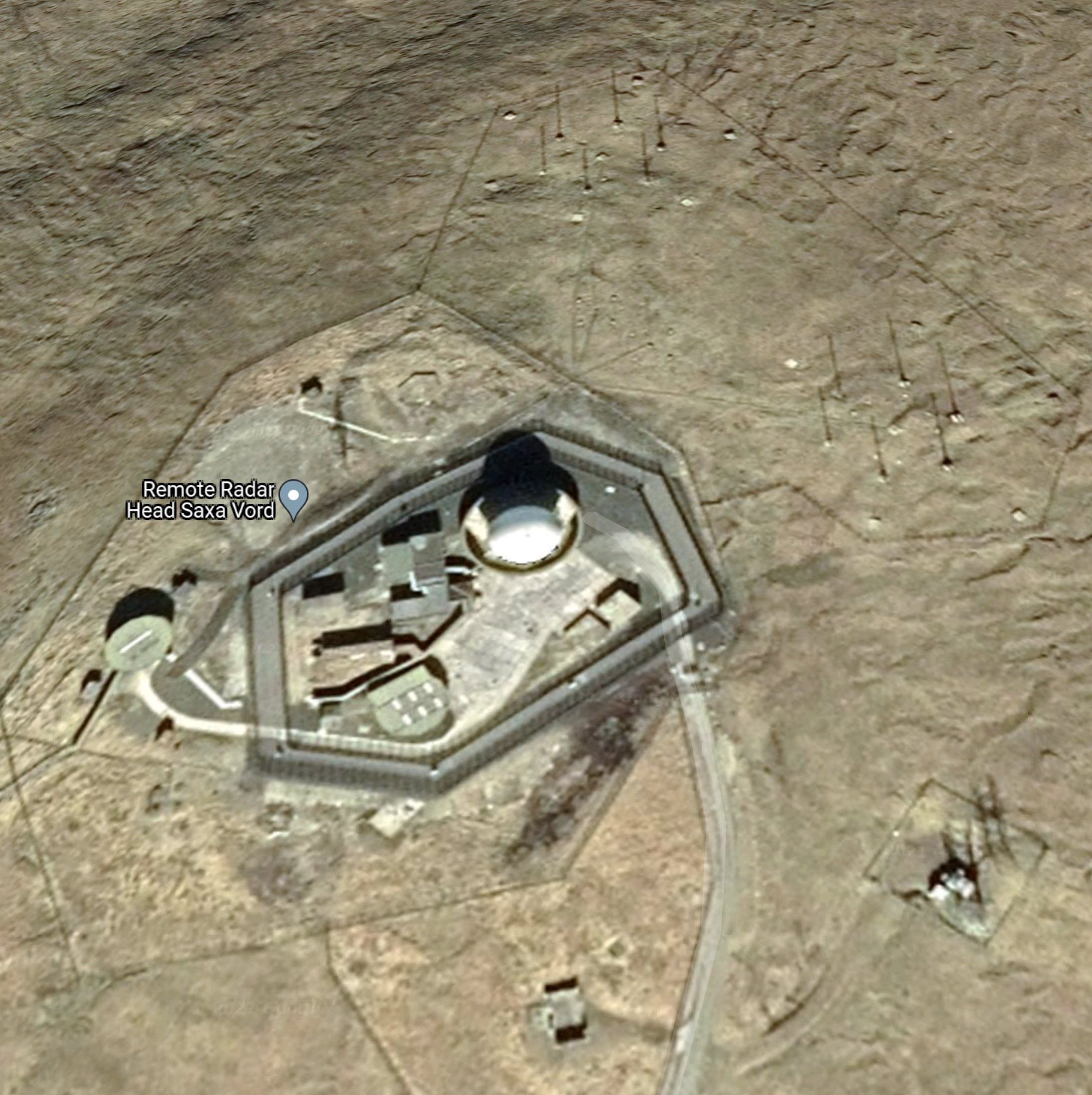
No staff are based at Saxa Vord, although maintenance staff do visit.
According to The Times, the space port will be at Lamba Ness, which is to the East of the most northerly house in Britain.
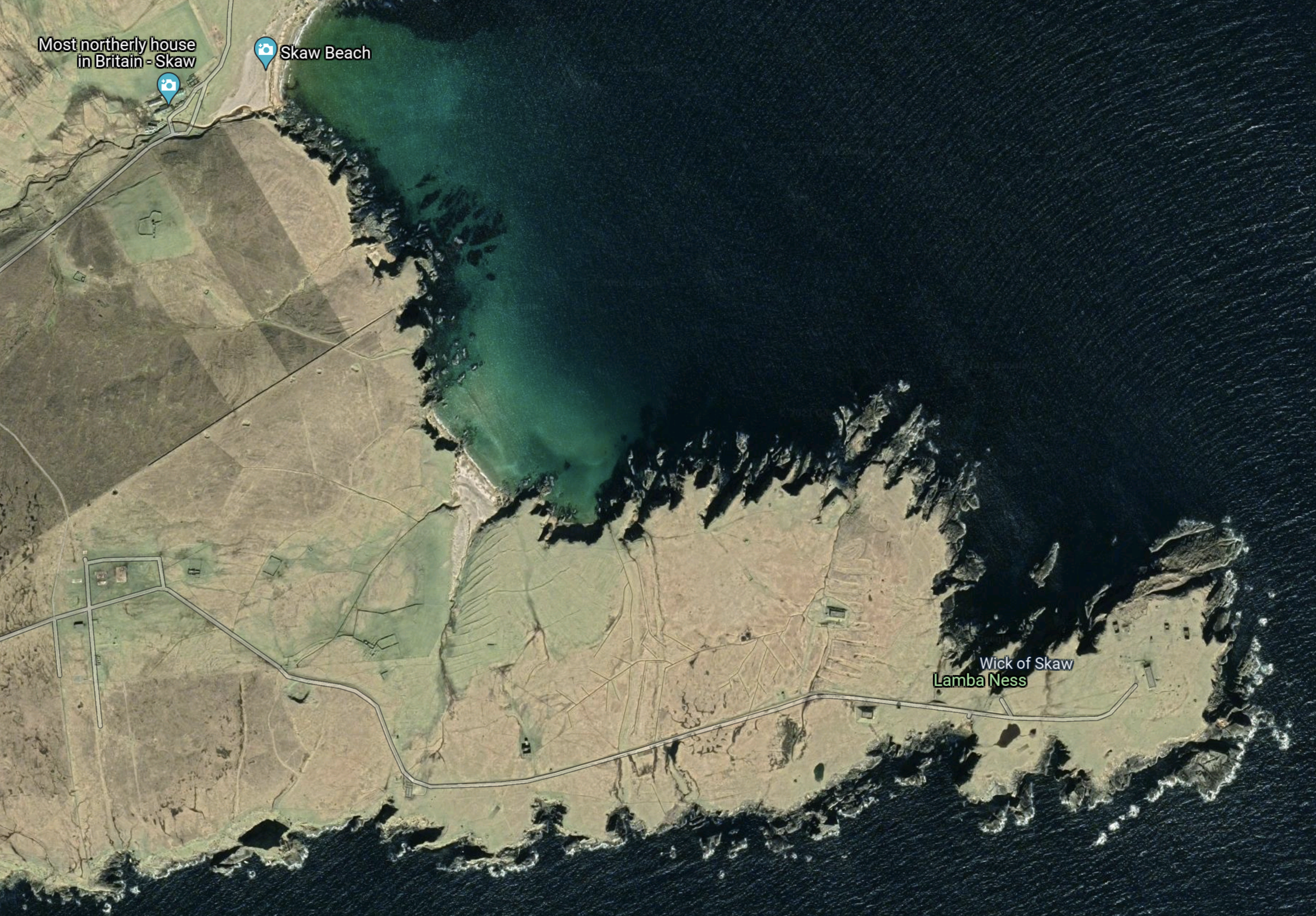
The peninsular in the South-East is marked Lamba Ness.
It may seem a very bleak place, but it could have one thing, that rocketry will need – rocket fuel!
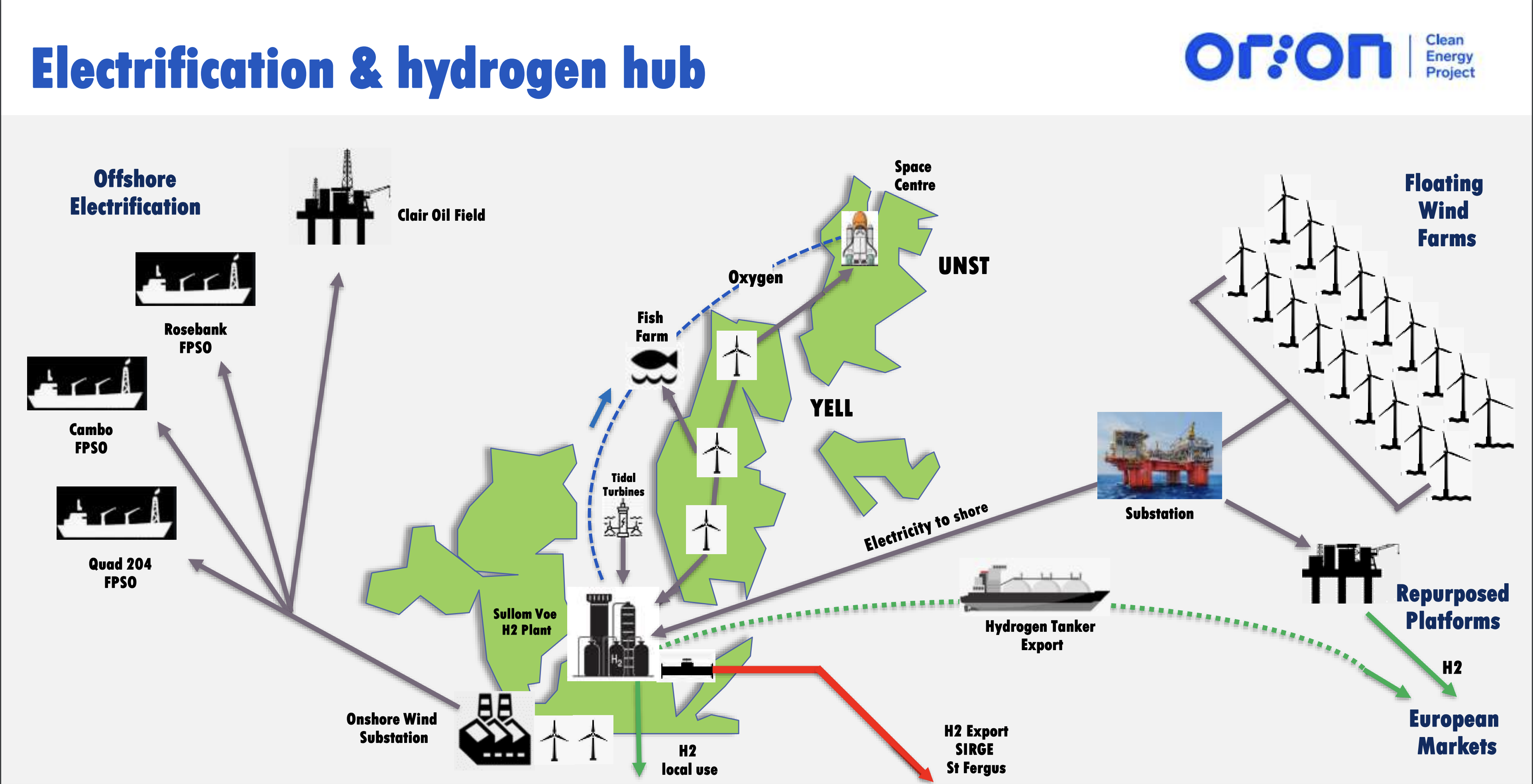
In Do BP And The Germans Have A Cunning Plan For European Energy Domination?, I introduced Project Orion, which is an electrification and hydrogen hub and clean energy project in the Shetland Islands.
The project’s scope is described in this graphic.
Note
- Project Orion now has its own web site.
- A Space Centre is shown on the Island of Unst.
- There is an oxygen pipeline shown dotted in blue from the proposed Sullom Voe H2 Plant to the Fish Farm and on to the Space Centre.
- I suspect if required, there could be a hydrogen pipeline.
The Space Centre on Unst could be fuelled by renewable energy.
Who Are Skyrora?
They have a web site, which displays this mission statement.
Represents a new breed of private rocket companies developing the next generation of launch vehicles for the burgeoning small satellite market.
The Times also has this paragraph.
At the end of last year, the company also completed trials of the third stage of its Skyrora XL rocket, including its orbital transfer vehicle which, once in orbit, can refire its engines 15 times to carry out tasks such as acting as a space tug, completing maintenance or removing defunct satellites.
The company seems to have big ambitions driven by innovation and a large range of ideas.
Conclusion
I shall be following this company.
The Dalston Junction Crossing At Night
This picture shows the diagonal light-controlled crossing at Dalston Junction station at night.

This Google Map shows the junction.

Note.
- The North-South Road is Kingsland High Street.
- The Road going East is Dalston Lane, where my grandmother was born on the North side of the road, about a hundred metres along.
- On the South side of Dalston Lane is Dalston Junction station, with a West-facing bus-stop in front.
- The Road going West is the Balls Pond Road of Beyond Our Ken and Round The Horne fame.
- The building at the West of the junction is the solicitors shown in the first picture.
- On the North side of the Balls Pond Road is an East-facing bus stop, which is paired with the one by the station. A bus at the stop can be seen in the first picture.
The diagonal light-controlled crossing can seen crossing between the two sides of the junction between the yellow meshes of the box junction.
The junction has had this layout for a few years now and it works.
- I live about a kilometre to the West of Dalston Junction and regularly take a bus to stop on the West side of the junction before crossing diagonally to catch the Overground.
- Coming home, I catch a bus from just outside the station
- As buses are generally about once every ten minutes, I generally don’t wait long.
- The crossing has made a big improvement to the junction, as it connects the two stations and the Kingsland Road.
How many other busy junctions could be improved by a similar diagonal crossing?
It should also be noted that since the crossing has been installed, Dalston has gained an Aldi, a Co-op. a Marks and Spencer Simply Food Spencer Simply Food, a Pret, a Premier Inn and several better fast food places.
The improvement of the walking routes has certainly brought more people up the junction and to the two stations.
Vivarail To Unveil 80mph Super-Class 230 At COP26
The title of this post, is the same as that as of this article on Rail Magazine.
This is the first paragraph.
Vivarail intends to show off a new design of battery-powered zero-emission Class 230 unit at next month’s COP26 climate change conference in Glasgow.
Features of the train include.
- 80 mph operating speed, as opposed to 60 mph of the mph of the current Class 230 train and 45 mph of the original London Underground D78 Stock.
- Two driver cars and a trailer car in between.
- Ten minutes to fully charge the batteries.
- The two driver cars have three battery packs.
I doubt the designers of the train at Metro-Cammell, envisaged this future development.
The Route Map Of The East West Main Line
This image shows a schematic map of the East West Main Line.

Note.
- There is a lot of detail at the Eastern end. Is that the East Anglia influence in the Partnership?
- Bury St. Edmunds has been missed out. Is that the Ipswich influence in the Partnership?
- Of the four new stations only Winslow is not in Cambridgeshire. Is that the Cambridge influence in the Partnership?
It should also be noted that there are two links at the East, to the two ports of Freeport East; Felixstowe and Harwich.
Conclusion
This map makes a bold statement.
Related Posts
Birth Of The East West Main Line
Today, the East West Rail Consortium has changed its name to the East West Main Line Partnership.
The home page on the new web site, is emblazoned with this headline.
Championing The Ambition For East West Rail
This mission statement is then given.
The East West Main Line Partnership (previously the East West Rail Consortium) is led by local authorities and works closely with sub-national transport bodies, LEPs, government and its agencies to realise the vision for an East West Main Line.
It is followed by six main areas of interest.
Delivery Of Oxford-Cambridge
The Partnership will continue to work with government and the East West Railway Company to support delivery of Oxford-Cambridge (including Aylesbury-Milton Keynes) at the earliest opportunity.
Coast-To-Coast Connectivity
For East West Rail to realise its full potential, direct services must extend beyond Oxford-Cambridge. Its potential should truly be ‘coast to coast’ – from Norfolk and Suffolk to Bristol and South Wales.
North-South Connectivity
It is important to recognise that East West Rail is not just about improving east-west connectivity: it is integral to improving connectivity across the country.
Interchange And Strategic Transport Hubs
The East West Main Line’s potential to connect to services on other main lines is significant. Frictionless interchange is required for onward rail journeys and to other modes.
A 21st Century Main Line
The East West Main Line should reflect the 21st century communities it serves. It must be an exemplar for its high-quality standards of design, construction and operation.
Freight
Greater use of rail for freight and logistics provides additional resilience for the business community, while also supporting the need to achieve net zero.
Conclusion
It has to be remembered that the original driving force for the East West Rail Consortium was Ipswich Borough Council.
This new direction is a bold vision and it has the spirit of East Anglia written all over it.
Related Posts
Anglesey Hydrogen Can Bridge UK’s Energy Gap Says Economics Expert
The title of this post, is the same as that of this article on the University of Bangor web site.
This is the sub title.
Anglesey can become a UK leader in hydrogen energy technology, cleaning up the transport sector and creating high quality jobs across North Wales, according to a leading Welsh economic expert.
The University of Bangor is a respected university, that goes back to the nineteenth century.
But for Liverpool giving me an unconditional offer, as Bangor was one of the universities on my UCCA form, I could have studied in the North-West corner of Wales.
After a resume of where we are with hydrogen in the world, Dr. Edward Jones of Bangor University outlines how North West Wales can be turned into a hydrogen hub, to join similar hubs at Deeside in Flintshire and at Milford Haven in Pembrokeshire.
This is a paragraph of the article.
Dr Jones believes hydrogen could also hold the key to powering transport in future through a Welsh invention from the 19th century (the hydrogen fuel cell was developed in Swansea by William Grove in 1842).
William Grove was an interesting lawyer and scientist.
Dr. Jones would appear to be very much in favour of using hydrogen to take Wales forward to being zero-carbon in 2050.
I have written a few posts about the transformation of Anglesey and North West Wales, as Wales moves towards this goal. I also have some other thoughts of my own.
Holyhead Hydrogen Hub
This is happening and I wrote about it in Holyhead Hydrogen Hub Planned For Wales.
High Speed Two To Holyhead
I believe this could be a way to create a zero-carbon route between London and Dublin in under five hours and I wrote about it in Could High Speed Two Serve Holyhead?.
- London and Holyhead in a battery-equipped High Speed Two Classic-Compatible train should be under three hours.
- A single High Speed Two Classic-Compatible train would run between London and Holyhead, with a passenger capacity of around five hundred. It would probably split and join with another service at Crewe.
- Discontinuous electrification would be provided along the North Wales Coast Line.
- The trains could call at Old Oak Common, Birmingham Interchange, Chester, Crewe, Llandudno Junction and Bangor.
A High Speed catamaran would speed passengers between Holyhead and Dublin in under two hours.
Hydrogen-Powered Catamarans From Holyhead
The dynamics of a diesel-powered high speed catamaran are well-proven, with some large craft transporting passengers and vehicles on sea crossings all over the world.
Type “hydrogen-powered high speed catamaran” into Google and you get several hits to research and development projects, but no-one appears to have taken a large high speed craft and converted it to hydrogen.
But I do believe that someone somewhere is developing a hydrogen-powered catamaran with something like the following specification.
- 200 passengers
- 100-mile range
- 60 knot operating speed.
The HSC Francisco is a high speed craft that plies between Buenos Aires and Montevideo carrying over a thousand passengers and a hundred cars at 58 knots. It is powered by gas-turbine engines running on liquified natural gas.
I believe I’m not asking for the impossible.
Anglesey Airport As A Zero-Carbon Airport
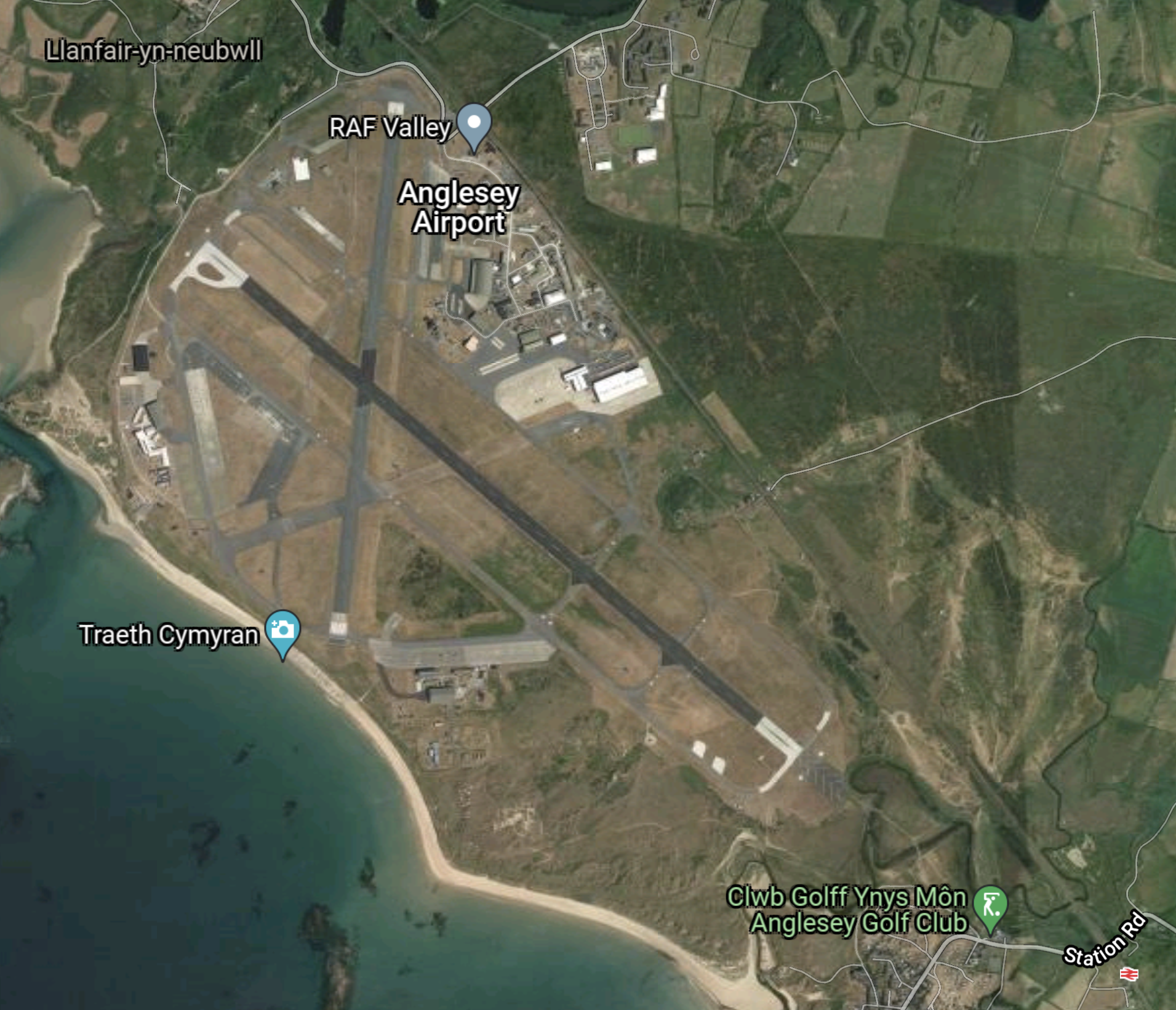
Anglesey Airport uses part of RAF Valley and has hosted services to Cardiff.
This Google Map shows the runways of RAF Valley.
Note.
- The longest runway 14/32 is over two thousand metres long.
- Rhosneigr station in the South East corner of the map.
- The facilities of Anglesey Airport to the North-East of the runways.
The railway forms the border of the airport, as this second Google map shows.
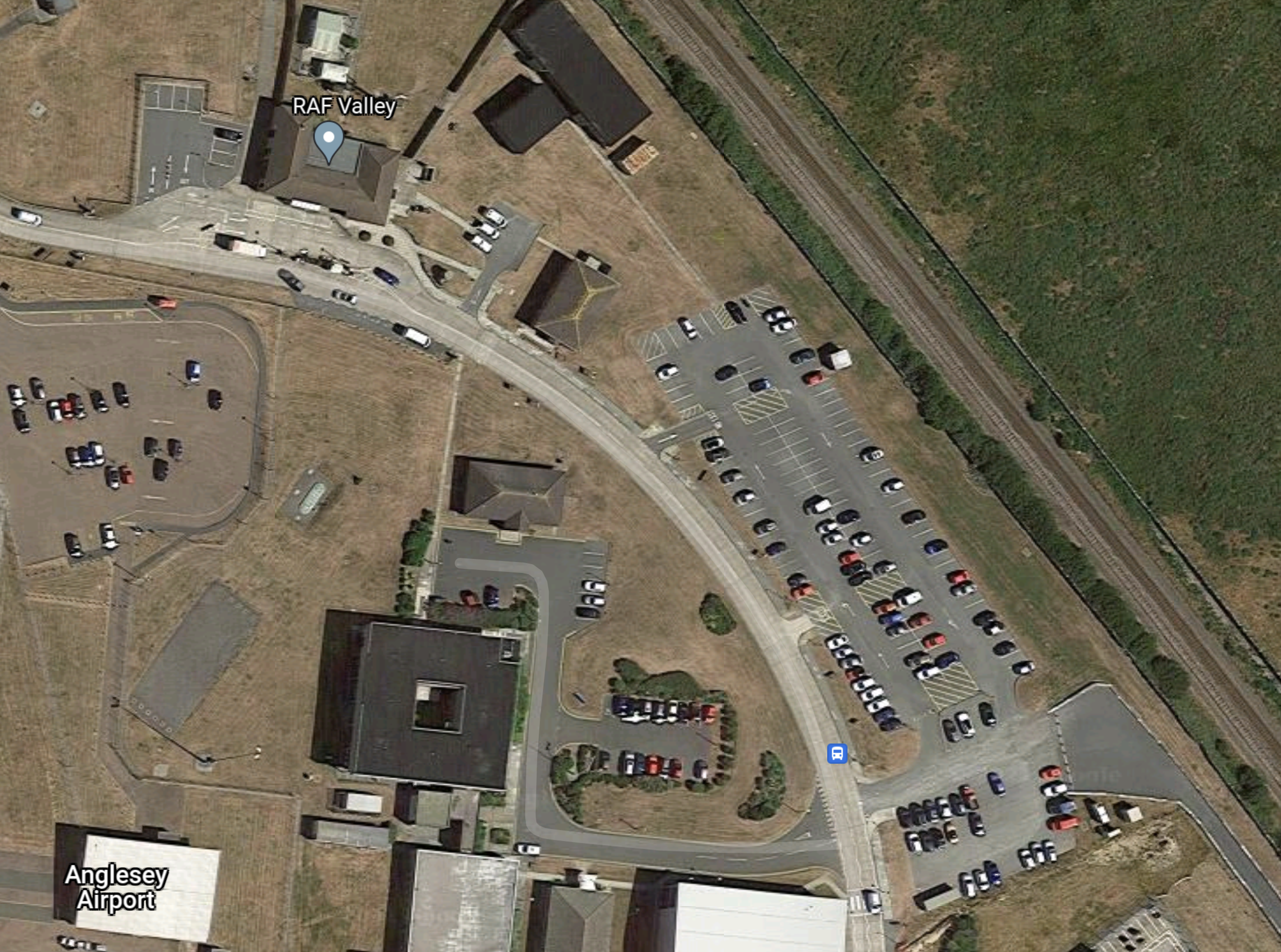
The railway is straight as it passes the Airport and there would be space for a two-hundred metre bi-directional step-free platform for passengers for the Airport.
Airbus are proposing a hydrogen-powered ZEROe Turbofan.

If you think it looks familiar, I believe that Airbus are proposing to develop the aircraft out of the current Airbus A320neo.
- The capacity will be up to 200 passengers.
- The range will be up to 2000 miles.
- Dublin and Anglesey Airports are just 71.5 miles apart.
- The cruising speed of Mach 0.78 would be irrelevant on this route, as it would probably fly a route to minimise noise.
The plane would probably be able to do several trips between Anglesey and Dublin without refuelling.
As the Port of Holyhead is developing a hydrogen infrastructure, I suspect that to provide hydrogen refuelling at Anglesey Airport would be possible.
I believe that by combining hydrogen-powered aircraft with battery-electric trains, some difficult sea crossings can be made carbon-free.
I believe that Anglesey Airport could be key to a zero-carbon London and Ireland service.
- Airbus are also proposing a 100-seat ZEROe Turboprop.
- Belfast, Cork, Derry and Shannon would also be in range.
Flights could also continue to and from Cardiff.
Reopening The Anglesey Central Railway
This has been proposed as a Beeching Reversal project.
I wrote about it in Reopening The Anglesey Central Railway.
It could be reopened as a zero-carbon railway.
Conclusion
There is a lot of scope to use hydrogen in North West Wales and Anglesey.
Why Do 21 And 141 Buses Always Come Together?
To get between my house and Moorgate station, I use either a 21 or a 141 bus.
During the day, both buses run at a frequency of about one bus every ten minutes.
As the buses take exactly the same route between Bank station and Newington Green, surely it would be logical, if the buses were timed on this section, so that the buses ran every five minutes.
But inevitably, a 21 and a 141 bus always turn up together, which generally means if you miss both, you have to wait ten minutes until another pair come along.
Surely, a bus every file minutes might encourage more people to use the buses.
 The Anonymous Widower