Ultra Safe Nuclear, Hyundai Engineering, SK Ecoplant Sign MOU For Clean Hydrogen Production
The title of this post, is the same as that of this press release from Ultra Safe Nuclear Corporation.
These are the first two paragraphs.
Ultra Safe Nuclear Corporation, the U.S.-based global leader in the deployment of fourth-generation gas-cooled microreactors, Hyundai Engineering (Representative Director Hong Hyun-sung) and SK ecoplant (Representative Director Park Kyung-il) are teaming up to conduct research and development for carbon-free hydrogen production. The three companies signed an MOU on Thursday, April 20th for the construction of a “Hydrogen Micro Hub” at the SK ecoplant headquarters in Seoul’s Jongno-gu.
The “Hydrogen Micro Hub” is a facility that produces hydrogen by applying a high-temperature electrolysis process of solid oxide electrolysis cells (SOEC) to the electricity and high-temperature steam generated by USNC’s Micro-Modular™ Reactor (MMR®). This is a carbon-free hydrogen production method that extracts hydrogen by decomposing water with electricity generated from nuclear power.
Ultra Safe Nuclear Corporation has a web site.
- Ultra Safe Nuclear Corporation, is a U.S. corporation headquartered in Seattle.
- Canada appears to be deeply involved.
- Innovate UK appears to have dished out a grant.
- They appear to have sold five of their MMRs.
The company could be a serious competitor in the market for small modular nuclear reactors.
Hail The Hercules
The title of this post was used on the front page to indicate an article in the Meccano Magazine about the arrival of the Lockheed Hercules in the mid-1950s.
The Wikipedia entry for the Hercules, starts with this sentence.
The Lockheed C-130 Hercules is an American four-engine turboprop military transport aircraft designed and built by Lockheed (now Lockheed Martin). Capable of using unprepared runways for takeoffs and landings, the C-130 was originally designed as a troop, medevac, and cargo transport aircraft.
The aircraft first flew in 1954 and nearly seventy years later they are still doing the same operations, they were designed for, with various reports of Hercules flying to the remote Wadi Seidna airstrip in Sudan.
This Google Map shows the airstrip.
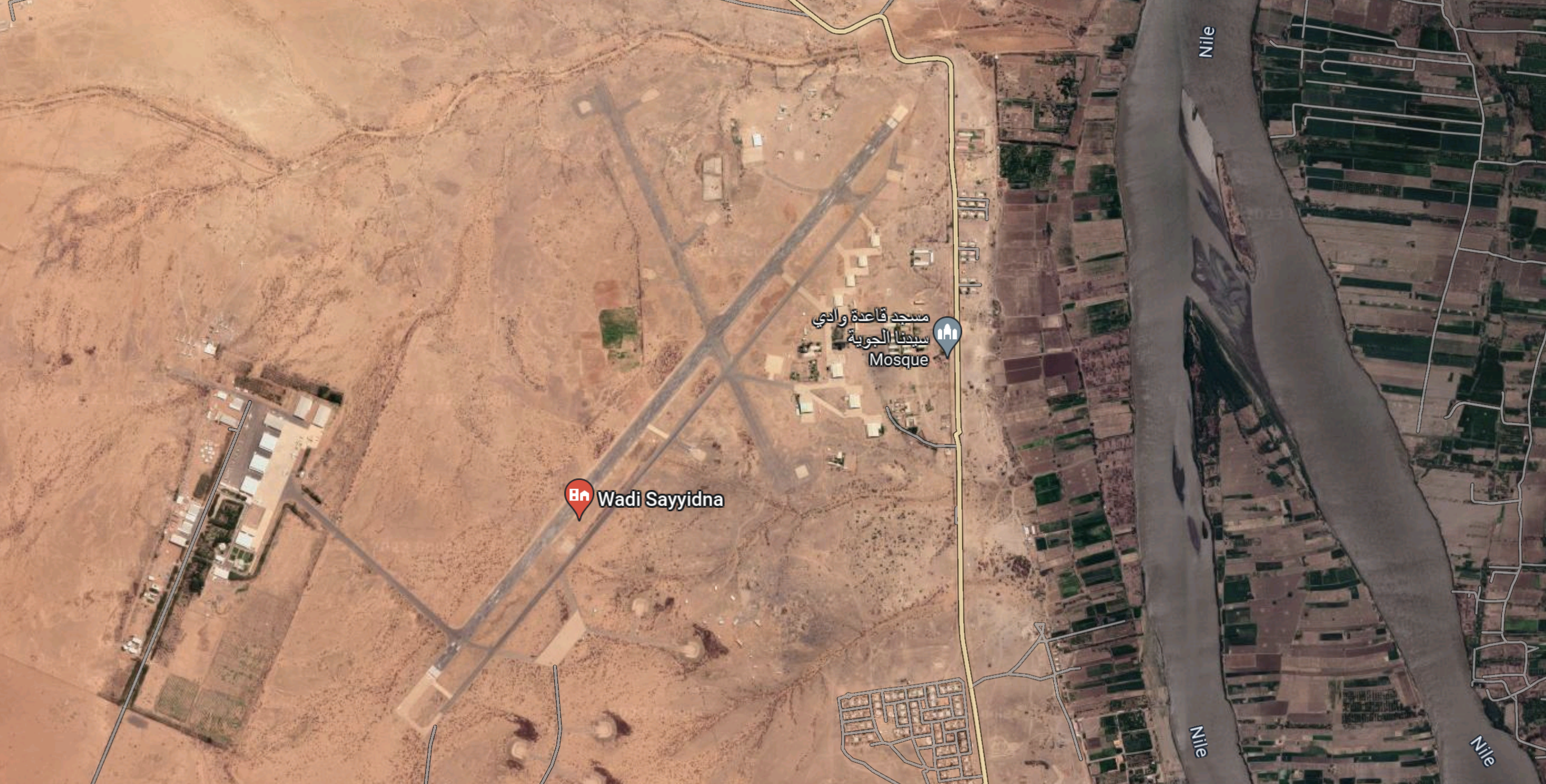
Note.
- There appears to be two runways and some form of operational building or terminal.
- The River Nile is at the East of the map.
It looks like an airfield, where Hercules are intended to be used, even in circumstances, where severe damage has been inflicted to the runway.
When Metier Management Systems and Artemis were sold to Lockheed, I had several conversations with senior people and the company was and probably still is rightly proud of its long-lived design.
EU Co-Legislators Agree On SAF Blend Targets For Aviation
The title of this post, is the same as that of this article on Renewables Now.
These are the first two paragraphs.
The European Council and the Parliament on Tuesday reached a provisional political agreement on the ReFuelEU Aviation proposal, which will set new rules requiring fuel suppliers to blend sustainable aviation fuels (SAF) with kerosene in increasing amounts from 2025.
The European Commission, which made the proposal, welcomed this outcome on Wednesday and noted that the measure is expected to reduce aircraft carbon dioxide (CO2) emissions by about two-thirds by 2050 versus a “no action” scenario. The ReFuelEU Aviation initiative is part of the “Fit for 55” package.
Measures include.
- Aviation fuel companies to make sure that at least 2% of the fuel they supply at EU airports in 2025 is SAF.
- This share is supposed to gradually increase and reach 70% in 2050.
- A minimum share of synthetic fuels will be required from 2030.
- Aircraft operators departing from EU airports will be required to carry only the volume of fuel they need for a particular flight in order to avoid further emissions associated with extra weight or carbon leakage caused by tankering practices.
- Airports to ensure that their fuelling infrastructure is fit for SAF distribution.
Note.
- I can see some airlines complaining about some of these measures.
- I can also see the fourth measure about tankering having negative effects on airline costs and ticket prices.
Michael O’Leary’s comments will be interesting.
Gazelle Wind Power Unveils Third Generation Floating Offshore Wind Platform Technology
The title of this post, is the same as that, of this press release from Gazelle Wind Power.
There is a visualisation in the press release and it looks very different.
This is the first paragraph.
Gazelle Wind Power (Gazelle), the developer of a modular floating offshore wind platform, is unveiling third generation technology this week at WindEurope 2023 in Copenhagen, Denmark. The company’s enhanced design further refines Gazelle’s solution to address the primary challenges facing the offshore wind industry—such as cost, supply chain bottlenecks, and sustainability—by providing a lightweight, cheaper design that minimizes the impact on fragile marine environments while using existing port infrastructure.
It looks like they’ve set themselves a tough set of objectives.
These are a few points from the press release.
- A one-gigawatt offshore wind farm using Gazelle’s solution would save 71 kt of steel and reduce emissions of approximately 100 kt of carbon dioxide.
- The company’s platform can be quickly and simply installed at project sites because it requires no specialist cranes or vessels.
- The platform’s unique geometry provides reduced draft in port, which means it floats higher in the water enabling the use of shallow ports.
- Through industrial innovation, the platform components can be adjusted to accommodate all forecasted offshore wind turbine sizes, including the current 15MW or greater capacities.
- Our platform can be produced anywhere in the world, supporting job creation through regionalized manufacturing.
When I look back on how offshore oil and gas platforms changed in the North Sea over a couple of decades, I’m not surprised to see this innovative design.
I wish the company the best of luck. But I don’t think they’ll need it!
Oceans of Energy To Build Offshore Solar Array At Hollandse Kust Noord Offshore Wind Park
The title of this post, is the same as that of this article on offshoreWIND.biz.
This is the sub-heading.
Oceans of Energy has been awarded the contract for installing and operating offshore solar farm inside the Hollandse Kust Noord offshore wind park being developed by CrossWind, a joint venture between Shell and Eneco.
This is the first paragraph.
This is set to be the first offshore solar farm in the world to be connected, installed, and operated within a wind farm in high wave conditions. The offshore solar farm will be realized in 2025, while the wind park will be operational by the end of 2023, according to Oceans of Energy.
These are some other points from the article.
- It looks like the solar will be floating.
- The wind/solar farm will have offshore battery storage.
- Green hydrogen will be generated offshore.
This wind/solar farm will be all things to all men and women.
Moray West First UK Round 4 Offshore Wind Project To Reach Financial Close
The title of this post, is the same as that of this article on offshoreWIND.biz.
This is the sub-heading.
Moray West Offshore Wind Farm, owned by Ocean Winds and minority shareholder Ignitis Group, has secured GBP 2 billion of non-recourse project finance and reached financial close, the developers announced on 21 April and said this was the first project from the UK’s Contract for Difference (CfD) Allocation Round 4 to reach this milestone.
This is the first paragraph.
The construction work for the wind farm has already started, with this phase of the project set to create 1,000 direct jobs in the UK. With financial close in place, the project will now move to secure the remaining elements of supply chain activity in preparation for offshore installation works later this year which will be fully completed by 2025, when the 882 MW Moray West is scheduled to be fully operational.
That sounds good for Scotland and electricity users in the UK.
But this paragraph is probably the most important.
According to its developers, the 882 MW offshore wind farm is the first in the UK to rely in majority on corporate power purchase agreements (CPPAs) for the commercialisation of its output. CPPAs were signed with long-term strategic partners, for more than 50 per cent of the project’s output, enabling the rapid progress of the project. The vital CPPAs were originated in partnership with ENGIE and represent the largest contracts of their kind implemented in the UK market to date, Ocean Winds said in a press release.
There’s not much point in making something that nobody wants to buy at the price you need for a profitable sale.
But with all those CPPAs, one of which is with Google, Moray West wind farm appears to be on his way.
Thor Offshore Wind Farm To Feature Siemens Gamesa’s Newly Launched GreenerTowers
The title of this post, is the same as that of this article on offshoreWIND.biz.
This is the sub-heading.
Siemens Gamesa has revealed its GreenerTower, a wind turbine tower made of more sustainable steel. The company already closed its first order with RWE to feature 36 of the GreenerTower units at the 1 GW Thor offshore wind project in Denmark.
This is the first paragraph.
Today, tower production accounts for more than one-third of all wind-turbine-related CO2 emissions, according to Siemens Gamesa.
Siemens Gamesa’s new GreenerTower will ensure a CO2 reduction of at least 63 per cent in the tower steel plates compared to conventional steel.
Siemens Gamesa also claim this.
If all towers installed by the company in one year were exchanged with GreenerTowers, it would be the same as removing more than 466,000 cars from the roads in Europe for a year.
The first supplier to be qualified is Salzgitter AG.
- I wrote about Salzgitter’s green steelmaking in WindH2 Hydrogen Project Commissioned In Germany.
- Only a maximum of 0.7 tonnes of CO2-equivalent emissions are permitted per tonne of steel while maintaining the same steel properties and quality.
- Salzgitter’s electric furnaces will be fed with green electricity produced by renewable energy sources.
- Salzgitter AG have recently signed a Power Purchase Agreement (PPA) with Iberdrola.
- It looks like Salzgitter AG are going both the electric and hydrogen route to green steel.
I suspect over the next few years, we’ll be seeing more steel products made with green steel.
In this case, I suspect that Siemens Gamesa could use the same production process with very little modification, which is a great advantage.
World’s Largest-Of-Its-Kind Power Line To Deliver Clean Power To 1.8m UK Homes And Boost Energy Security
The title of this post, is the same as that as this press release from the UK Government.
These are the three bullet points of the press release.
- LionLink power line between UK and Netherlands will deliver enough electricity to power more homes than Manchester and Birmingham combined.
- Agreement made as Grant Shapps leads delegation of leading businesses to key North Sea Summit.
- Part of renewed Government drive to work with business to help grow the economy.
These three paragraphs outline the project.
The world’s largest multi-use electricity power line will be built under the North Sea, boosting UK energy supplies with enough to power 1.8 million homes – more than Birmingham and Manchester combined.
The new LionLink will connect the UK and the Netherlands with offshore wind farms, providing clean affordable and secure energy to Britain which will help cut household bills and drive Putin’s Russia further out of the energy market.
The cross-border electricity line will be only the second of its kind in the world, with the first having been built by Germany and Denmark. However, it will be able to carry more than four times the amount of electricity as its predecessor – making it the largest of its kind in terms of capacity anywhere in the world.
Note.
- I suspect the LionLink will go via the Dogger Bank, where Danish, Dutch, German and UK territorial waters meet an we are already building 8 GW of fixed foundation offshore wind. The other countries are also active in the area.
- The press release doesn’t mention, where the LionLink will make landfall in the UK.
- Much of the connection will probably use the cables being laid for the Dogger Bank wind farms.
- There is also no mention of the North Sea Wind Power Hub, which could be an artificial island on the Dogger Bank.
There is also a press release on the National Grid web site, which is entitled National Grid And TenneT Collaborate On Proposed First-Of-A-Kind Anglo-Dutch Electricity Link, which gives more details.
- The capacity is stated to be 2 GW.
- Like the current BritNed interconnector, the project will be a cooperation between National Grid And TenneT.
- TenneT is a limited liability company owned by the Dutch government, that is a transmission system operator in the Netherlands and in a large part of Germany.
There is also a diagram, showing how the LionLink will work, which includes these components.
- On the Dutch side, there is an offshore AC>DC Converter Station, which is connected to the Dutch electricity grid and one or more offshore wind farms.
- Across the border between the Dutch and UK Exclusive Economic Zones, there will be a HVDC cable.
- The HVDC cable will terminate in an onshore DC>AC Converter Station in the UK, which will be connected to the UK electricity grid.
No details of the two landfalls have been given.
More information is given in this article on offshoreWIND.biz, which is entitled UK And Netherlands Unveil Multi-Purpose Interconnector Plans.
- This shows a map of the North Sea with an interconnector running in a straight line between possibly Rotterdam and Bacton in Norfolk.
- A wind farm is shown connected to this interconnector.
This paragraph describes the windfarm and the interconnector.
LionLink, a multi-purpose interconnector that was announced today at the North Sea summit, could connect a Dutch offshore wind farm with a capacity of 2 GW to both countries via subsea interconnectors.
If the wind farm has a capacity of 2 GW, I would assume it can supply up to 2 GW to the UK and The Netherlands.
This is a classic system, that can be optimised by the application of sound principles.
All electricity generated by the wind farm must be used, stored or converted into green hydrogen.
Electricity will be distributed as to need.
Energy storage or electrolysers could be sited at either end or even in the wind farm.
I would suspect that more wind farms could be connected to the interconnector.
The team, that write the control system for the grid will have a lot of fun!
BritNed
I have a feeling that National Grid and TenneT have taken a long hard commercial look at the electrical and financial performance of BritNed over the last year and decided, that a second connection would be to the mutual benefit of both companies, their customers and the UK and The Netherlands in general.
It would also be twice as difficult for terrorists sponsored by Putin to cut two cables.
Conclusion
This is a great leap forward for wind power in the North Sea and Europe.
Clapham High Street Could Gain Direct Overground Routes To Victoria Station
The title of this post, is the same as that of this article on the Clapham Nub News.
These two paragraphs introduce the article.
Local councillors and the Clapham Transport Users Group have been in discussions with Network Rail about the direct route once the current ‘Networker’ trains are replaced.
Clapham High Street lost its direct services to Victoria in December 2012 when the South London Line was withdrawn in favour of the London Overground to Clapham Junction.
This forces passengers onto the Northern Line, which through Clapham has two dangerous-looking stations; Clapham Common and Clapham North.
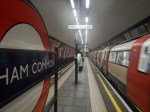


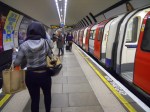
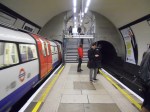
I have a few thoughts and observations.
Clapham High Street Station
These pictures show Clapham High Street station.

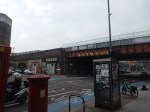
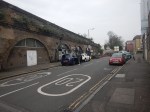


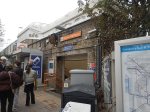

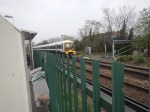
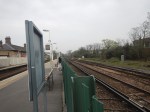
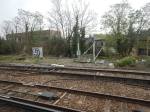
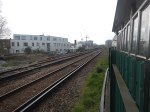
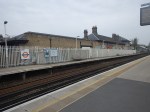
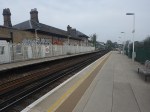
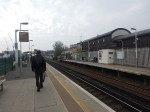
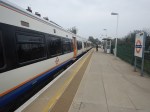
Note.
- The station is Grade II Listed.
- There are four tracks through Clapham High Street station.
- Only the lines used by the London Underground have platforms.
- I don’t think it will be difficult to add platforms to the other two tracks.
- The platforms will probably take five-car trains.
- Access to the platforms is by a subway, which could probably be extended to the other side of the tracks.
- A second entrance would be closer to Clapham North station.
- I suspect step-free access would not be too difficult to install.
- The tracks are over railway arches, which could be developed to add to the quality businesses in the area.
This Google Map shows the station.
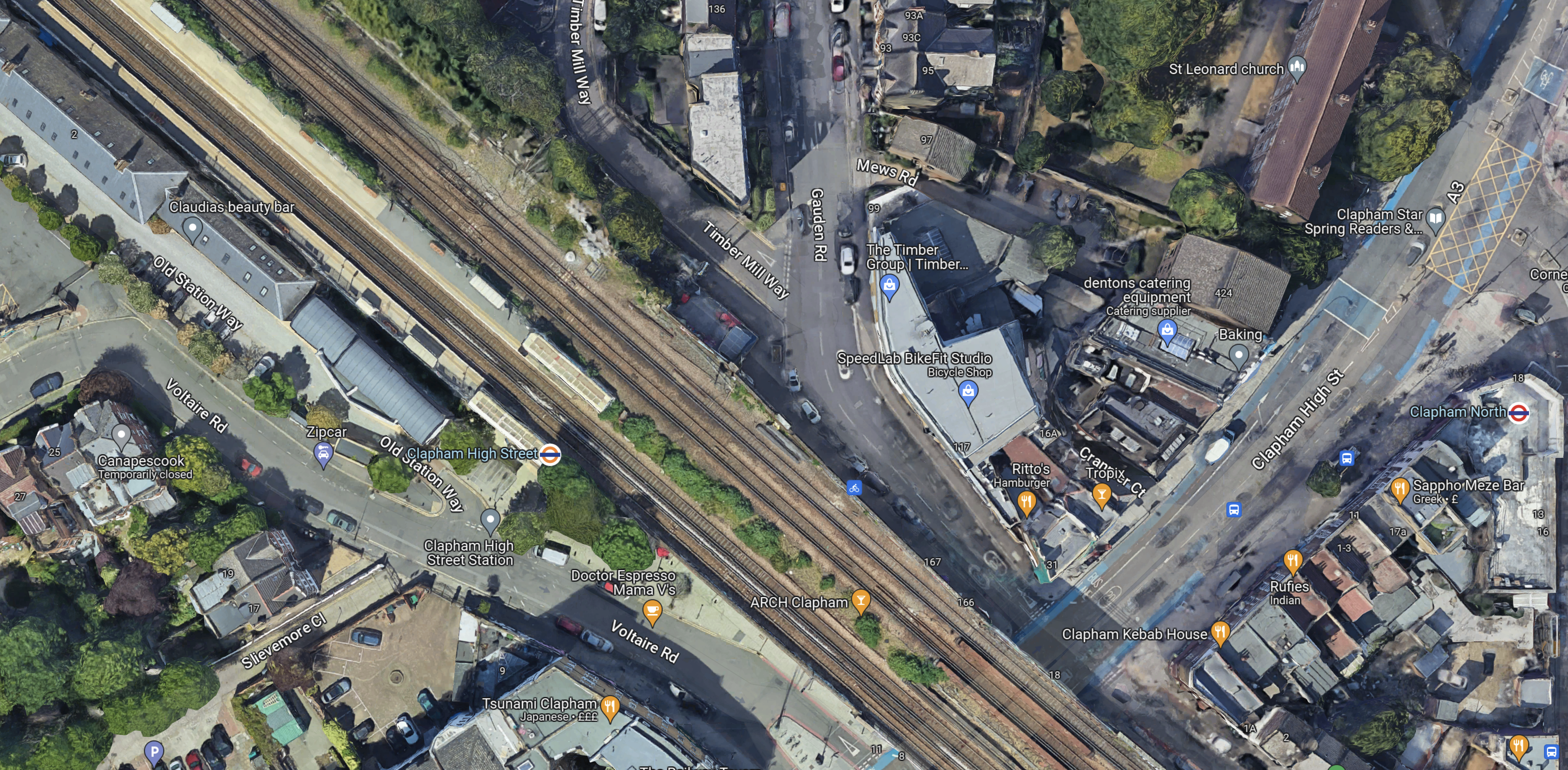
Note.
- Clapham High Street station is in the North-West corner of the map.
- Clapham North station is at the Eastern edge of the map in the middle.
- There seems plenty of space for two more platforms.
I think there is a lot of scope to improve this station.
Tracks Through Clapham High Street Station
This map from cartometro.com shows the tracks through Clapham High Street station.

Note.
- The Overground tracks are shown in orange and black.
- The fast lines, which are to the North of the Overground lines are shown in black.
- Shepherds Lane and Voltaire Road junctions allow trains on the fast lines to call in Clapham High Street station.
I suspect full digital signalling will be employed for efficiency of handling the junctions.
Services Through Clapham High Street Station
These services run through Clapham High Street station.
- London Overground – Dalston Junction and Clapham Junction – four tph – Goes via Denmark Hill and Peckham Rye
- Southeastern – London Victoria and Ashford International – one tph – Goes via Brixton, Herne Hill and West Dulwich
- Southeastern – London Victoria and Dartford – two tph – Goes via Denmark Hill, Peckham Rye, Nunhead and Lewisham
- Southeastern – London Victoria and Dover Priory – one tph – Goes via Brixton, Herne Hill and West Dulwich
- Southeastern – London Victoria and Gillingham – one tph – Goes via Denmark Hill, Peckham Rye, Nunhead and Bromley South
- Southeastern – London Victoria and Orpington – two tph – Goes via Brixton, Herne Hill and West Dulwich
- Southeastern – London Victoria and Ramsgate – one tph – Goes via Brixton, Herne Hill and West Dulwich
Note.
- tph means trains per hour.
- The London Overground services could be increased to 6 tph.
- Only the London Overground services stop in Clapham High Street station.
- The Dartford, Gillingham and Orpington trains are pathed for 90 mph trains.
- The Ashford International, Dover Priory and Ramsgate trains are pathed for 100 mph trains.
It is a comprehensive timetable.
Southeastern’s New Trains
In Battery EMUs Envisaged In Southeastern Fleet Procurement, I wrote about Southeastern’s proposed new trains.
Full details haven’t been announced yet, but I think we can be sure of the following.
- The first trains to be replaced will be the Networker trains, because they are the oldest and slowest.
- The new trains will have selected door opening (SDO), as this a feature of nearly all modern trains.
- I also suspect the trains will be capable of running at 100 mph and will be five cars long, with the ability to run in pairs.
This will enable the new trains to cross over from the fast lines to the Overground lines to stop in Clapham High Street station.
How Many Trains Would Stop At Clapham High Street Station?
Currently trains passing through the station are as follows.
- London Overground – 4 tph – Stopping
- Southeastern – 3 tph – 100 mph services to Ashford International, Dover Priory and Ramsgate – Non-stop
- Southeastern – 5 tph – 90 mph services to Dartford, Gillingham and Orpington – Non-stop
Note.
- It is likely that the London Overground service will go to 6 tph.
- Would 100 mph services always go through without stopping?
- In an ideal world would it be best if services alternated?
I suspect that a better service could be provided between Clapham High Street and Victoria with very little expenditure on infrastructure.
High Speed One Issues
An article in the July 2017 Edition of Modern Railways is entitled Kent On The Cusp Of Change.
The article suggests that Fawkham junction, could be used to allow Southeastern Highspeed services to access Victoria as a second London terminal, to increase capacity on High Speed One.
The route could be via Clapham High Street, Denmark Hill, Bromley South, St. Mary Cray, Swanley and Farningham Road.
The Arches Underneath
There are several railway arches underneath the tracks at Clapham High Street station.
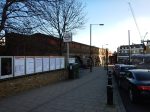
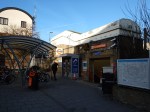
Some of the businesses look good and there are several other arches that are boarded up.
Railway arches are now generally owned by The Arch Co.
In Findlater’s Corner At London Bridge – 11th February 2023, I wrote about the company’s restoration of some arches at London Bridge station, which included these pictures.
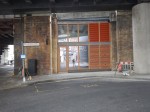
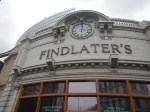


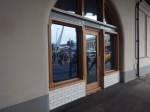
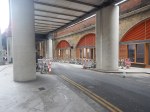
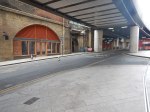
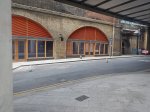
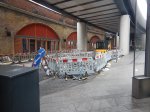
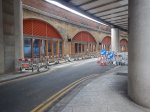
I suspect that a similar restoration in up-market Clapham could be a good investment for The Arch Co.
A Four-Platform Clapham High Street Station
Consider.
- There is space for two new platforms alongside the fast lines.
- The station entrance is in an arch, that goes right under the tracks.
- Putting lifts in an arch would not be the most challenging of tasks.
- A second entrance in Gauden Road would be nearer Clapham North Underground station.
- It should also be remembered that the Government is giving out levelling up funding.
- Hackney is to receive this type of funding and I wrote about it in Hackney Central Before Levelling Up.
I can see a fully-accessible four-platform station being built at Clapham High Street station.
Denmark Hill Station
Denmark Hill station is the next station to the East of Clapham High Street station and after a rebuild is now a high quality station, with these features.
- Four tracks and platforms.
- Frequent trains to Ashford International, Clapham Junction, St. Pancras, Victoria and Whitechapel.
- Full step-free access with lifts.
- A solar roof.
- A Grade II listing.
- King’s College and Maudsley Hospitals are next door.
- A pub.
I wrote about the station in Denmark Hill Station – 4th September 2021.
These are a few pictures.

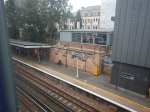


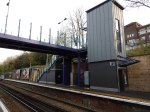
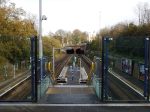

Note the solar roof. There’s more about the roof on this page of the BiPVco web site.
On the About page, there is a section called Our Story, where this is said.
BIPVco was established in April 2015 following five years of collaborative research between Tata Steel LCRI (Low Carbon Research Institute) and Swansea University with support from the Welsh government.
The research program developed ways of integrating thin-film CIGS PV cells directly onto the same substrates that make roofs and walls so that true BIPV functionality would become integral to the building envelope and could be achieved without having to resort to heavy on site mounting systems.
Our manufacturing processes were further enhanced to suit commercial production, and the products and procedures were tested and accredited before commercial launch.
Working with select partners, we designed and built many pilot PV integrated roofs between 2015 and 2017 in varying climates, including Nigeria, Canada, UAE and the UK, to demonstrate product suitability in all environments. The full commercial launch was effected in June of 2017.
They certainly seem to have taken solar panels to a new level.
I would also rate Denmark Hill station one of the finest suburban railway stations in the world!
Peckham Rye Station
The next station to the East of Denmark Hill station is Peckham Rye station.
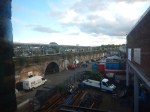
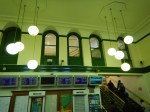
Like many other stations and buildings in London, including the original Denmark Hill station, Peckham Rye station was designed by Charles Henry Driver.
These are some pictures, I’ve taken over the years at Peckham Rye station.
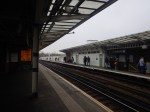
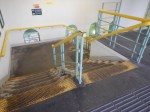
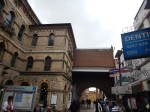

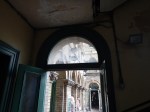
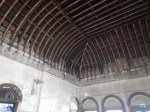
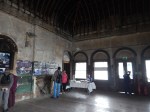

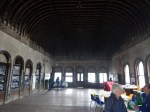
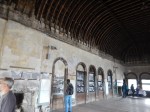
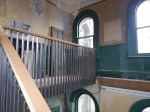
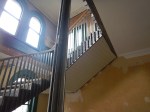
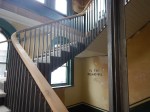

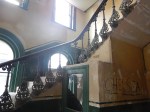



Note.
- It is a very busy station.
- I’ve read somewhere, that it is the busiest station in the UK, without any step-free access.
- It could be a magnificent station.
- One of the people driving this project is the architect; Benedict O’Looney.
This page on the Network Rail web site is entitled Peckham Rye Station Upgrade and it starts with this statement.
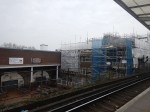
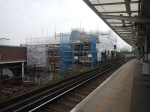
On 7th March 2022, we submitted Planning Permission and Listed Building Consent applications to upgrade Peckham Rye station to make it fully accessible with more capacity and better facilities for passengers.
It’s all a bit out of date, but these pictures, that I took this morning, indicate that something is progressing.
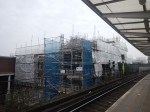
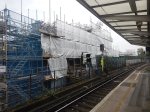
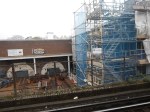


This article on IanVisits gives a few more details.
South London Crosslink
The South London Crosslink, doesn’t seem to have a website or a Wikipedia entry.
But it is mentioned in a question and answer to the London Mayor.
In response to this question.
Will you consider bringing the Victoria rail service back to Clapham High Street station and providing direct trains to Brixton, Herne Hill, and Bromley South?
The Mayor gave this answer.
The Department for Transport (DfT) is responsible for these services, as they run Southeastern railway as operator of last resort. Transport for London (TfL) is not opposed to the existing Southeastern services to and from Victoria making additional calls at Clapham High Street should the DfT, wish to take the idea forward.
There are however several practical issues that would need to be taken into consideration, and any changes to the service would be subject to cost-effective solutions being found to these.
The Clapham High Street platforms are too short for the eight-car trains used on the Victoria to Dartford and Orpington metro routes, and the existing rolling stock lacks a safety intervention called “Selective Door Opening” that enables trains to call at a station where the platform is shorter than the train. There are also technical restrictions, such as the frequent routing of these services along an adjacent pair of tracks which do not have any platforms, which would make implementation difficult using the existing railway infrastructure. Finally, there would need to be clear consideration on the wider capacity of the rail network and the robustness of the timetable. All of these concerns could affect the value for money of any proposal for these services to call at Clapham High Street station.
As I showed earlier, it looks like new trains will solve most of these problems. If they don’t, then the wrong trains have been ordered.
But there’s still not much about where the route will go after Peckham Rye, except for vague mentions of Dartford and Orpington.
I asked a friend and they said the South London Crosslink could possibly go to Bellingham.
This map from cartometro, shows the route between Denmark Hill and Crofton Park stations.
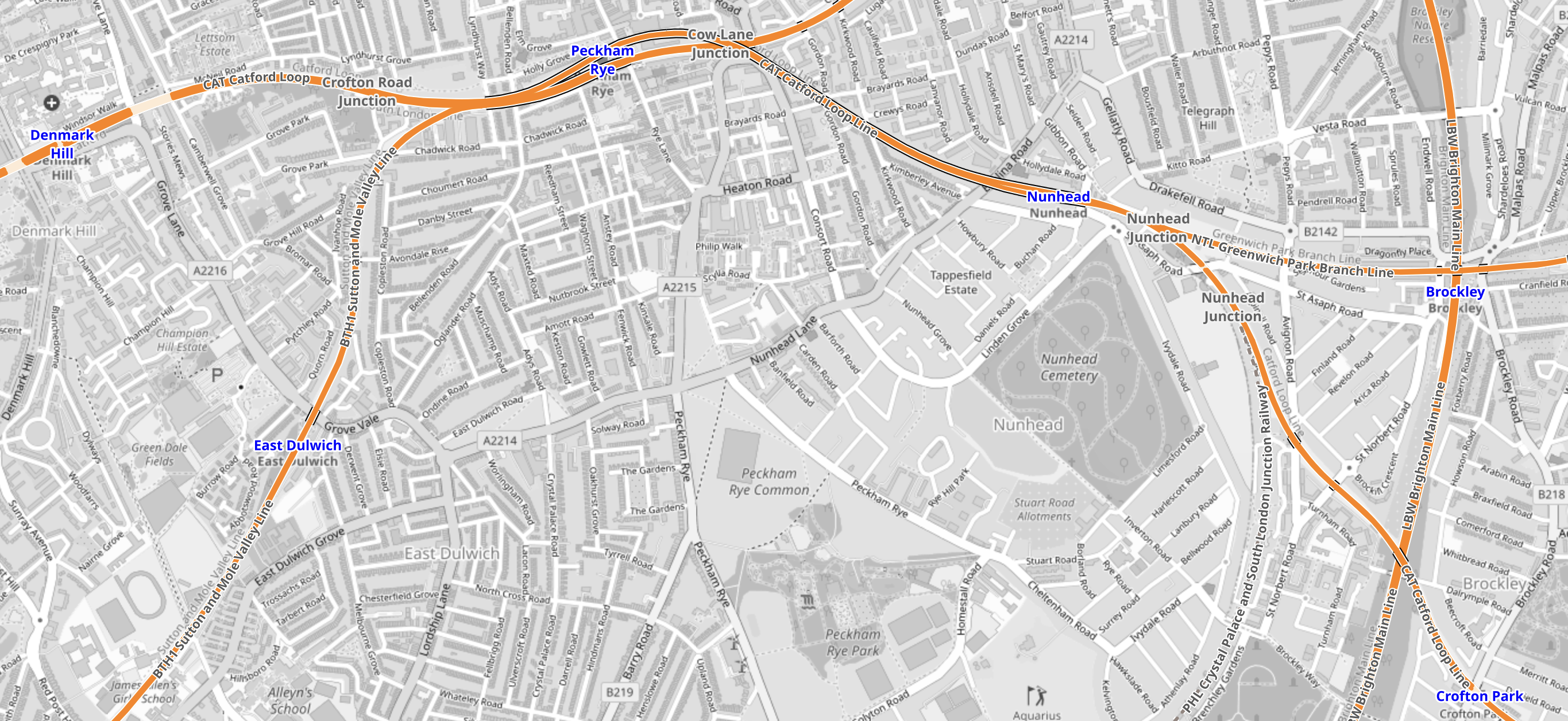
Note.
- Denmark Hill station is in the North-West corner of the map.
- Crofton Park station is in the South-East corner of the map.
- The route would be via Peckham Rye and Nunhead stations.
- It is not a very fast route with an operating speed of 50-60 mph.
- In Nunhead Junction Improvement, I wrote about improvements needed at Nunhead junction to the East of Nunhead station to improve capacity for freight trains.
This second map from cartometro, shows the route between Crofton Park and Bellingham stations.
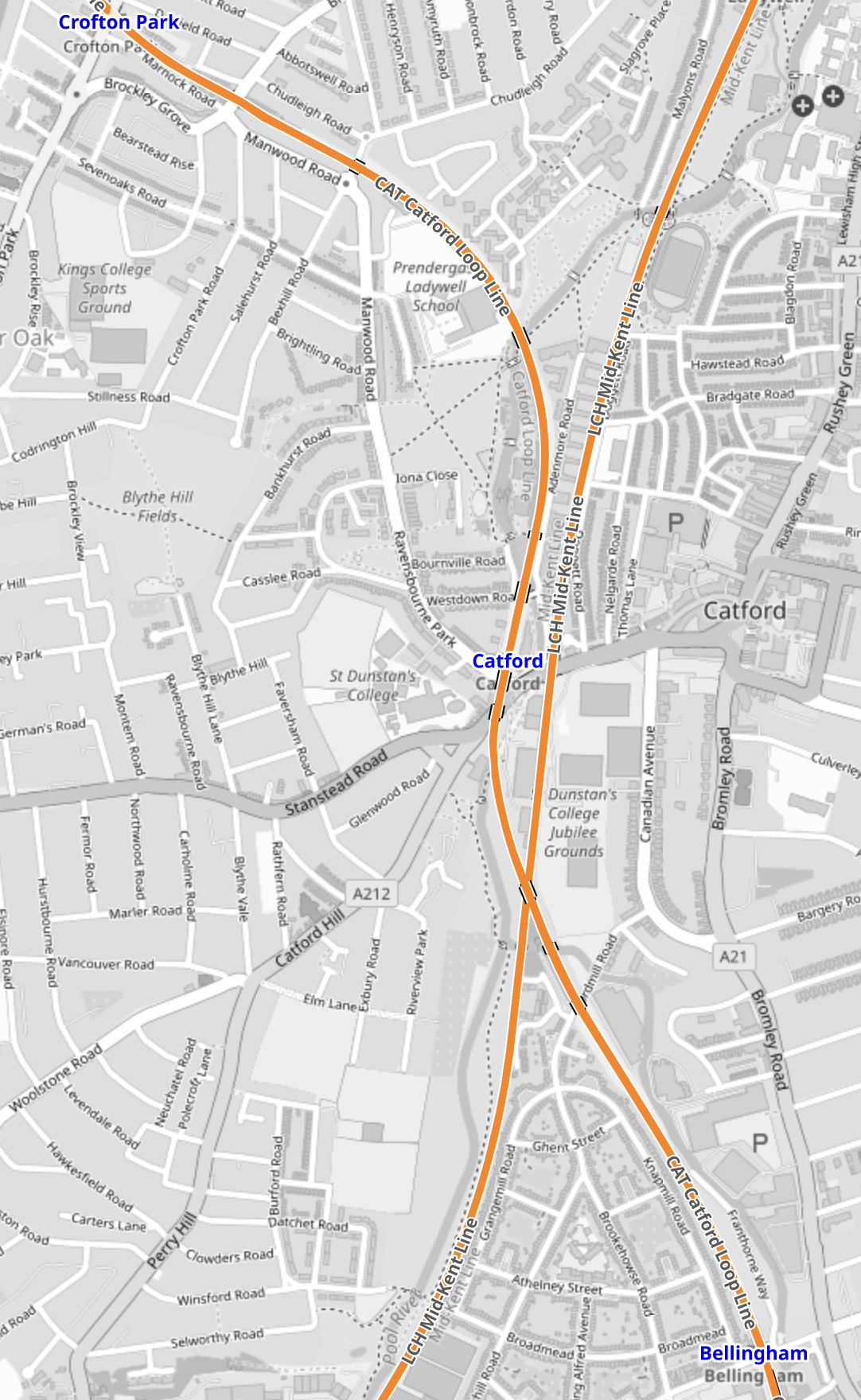
Note.
- Crofton Park station is in the North-West corner of the map.
- Bellingham station is in the South-East corner of the map.
- The line going diagonally across the map from North-East to South-West is the Hayes Line to Hayes.
- There are plans to create an interchange station at Catford.
This Google Map shows Bellingham station.
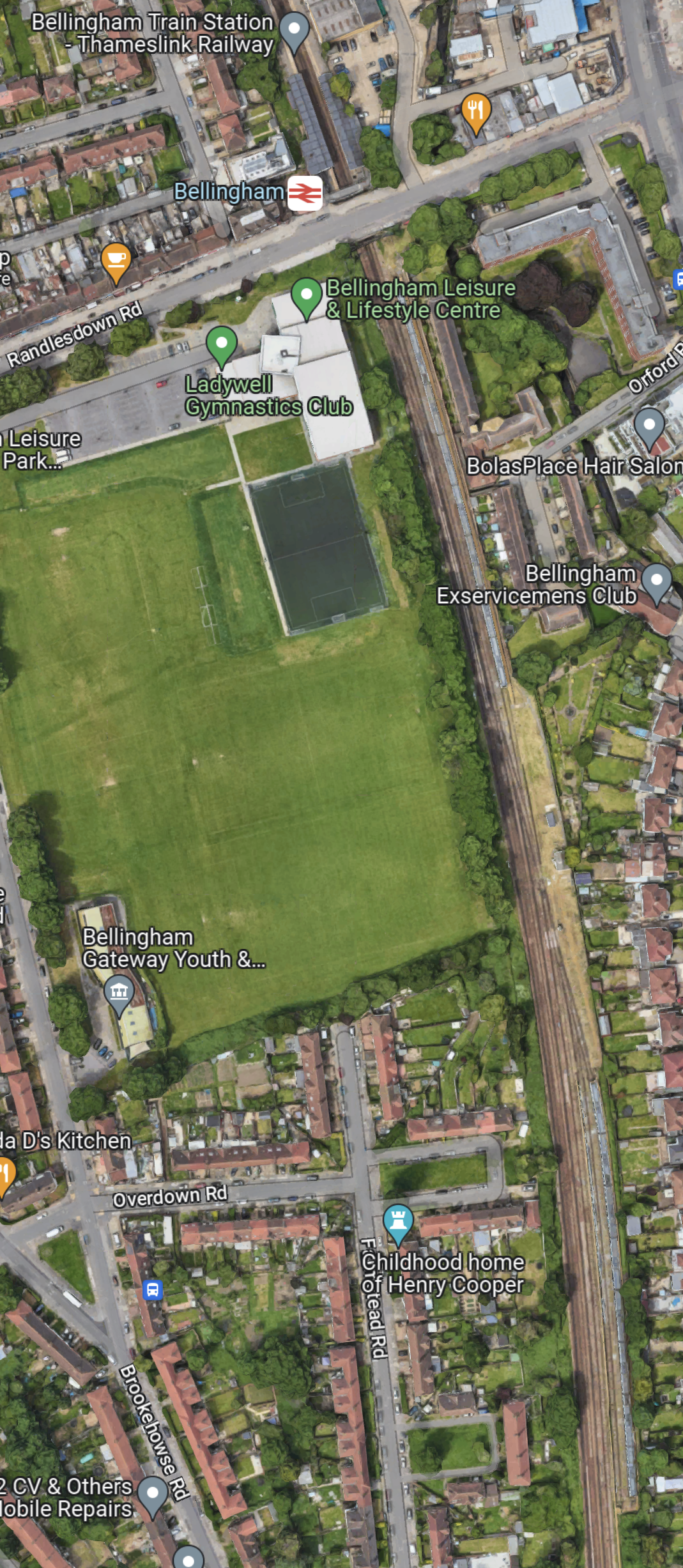
Note.
- Bellingham station is at the top of the map.
- Bellingham station is on the Catford Loop Line.
- South of Bellingham station are a series of sidings.
Is the reason, that Bellingham station was proposed as a terminus, that with a proper interchange at Catford, it creates a very efficient operational railway with some convenient sidings thrown in?
This map from cartometro, show the track layout at Bellingham station.
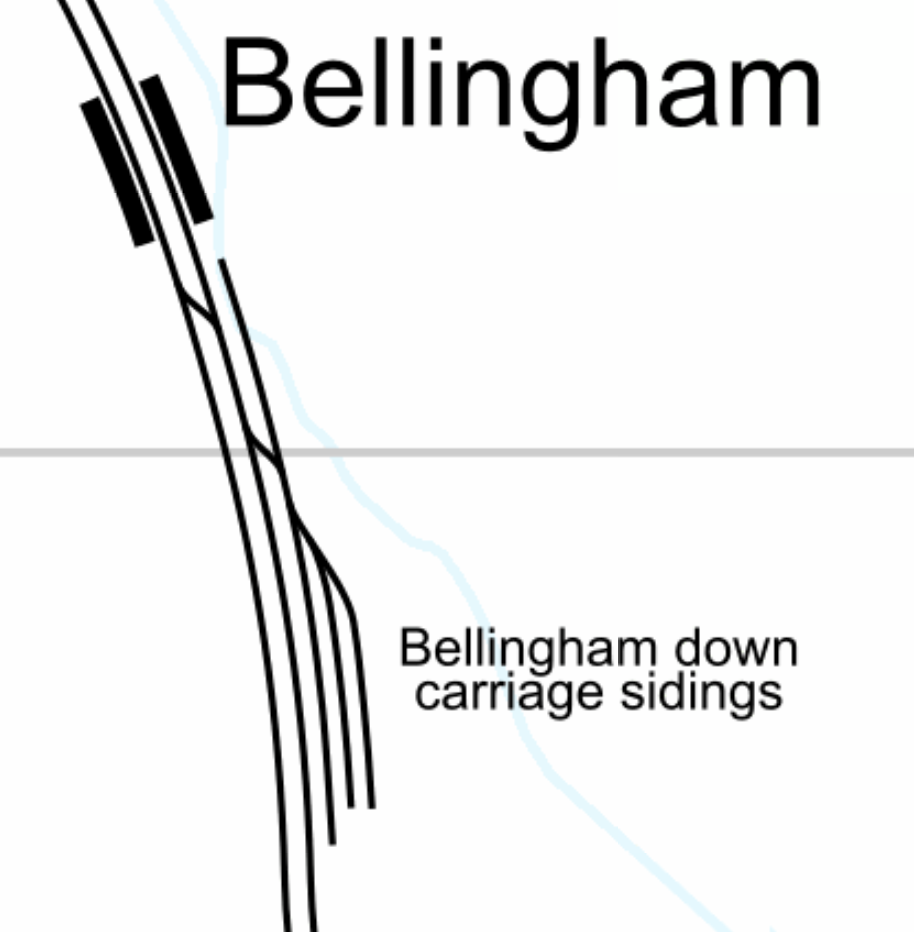
I believe that the sidings could be used as a turnback siding for trains from both directions.
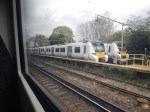
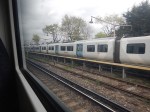
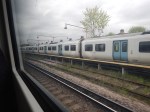
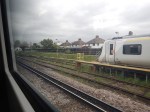
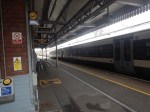
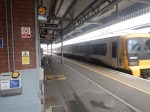
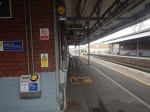
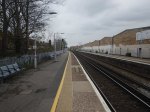
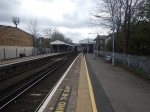
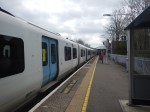
These pictures show trains in the sidings.
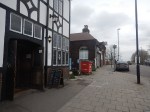
And these are of the station.
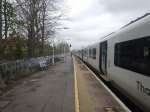
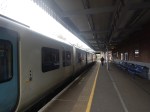
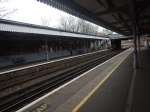

Note.
Lifting The Barriers To Refueling
The title of this post, is the same as that of this article on Railway Age.
It is a good summing up of Alstom’s problems of getting hydrogen for the iLint in Germany.
This paragraph from the article is puzzling.
Alstom’s task now is to clear external hurdles out of the way. Sprotte explains this using the Bremervörde project as an example: “The location is geographically favorable, almost in the middle of the regional transport network. If they were allowed to, Alstom and Linde could jointly supply several surrounding communities with ready-made hydrogen, for example for municipal commercial vehicles. But they can’t, and that’s because public funding for the project was only granted on the express condition that the filling station be used exclusively for rail transport.” This was met with incomprehension by the partners involved.
The Bremervörde project is to provide hydrogen for the Cuxhaven route that I wrote about in My First Ride In An Alstom Coradia iLint.
It strikes me that a certain amount of bureaucracy, is stopping the full deployment of the trains.
But then the London Mayor has a hydrogen policy of ignore it and it might go away.
 The Anonymous Widower