Bristol Temple Meads Station – 28th July 2020
I took these pictures of Bristol Temple Meads station, when I visited.

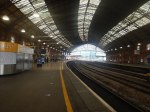
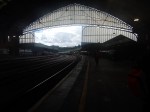
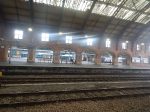
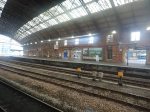



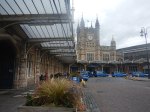





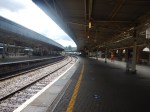
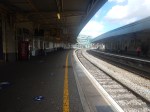

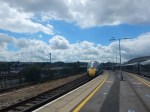
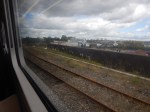
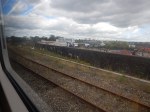
Note.
- The station is Listed to the highest level of Grade 1.
- London services seem to use Platforms 15 and 16.
- There is quite a fair bit of space between the tracks.
.Do Network Rail need all the hassle of full electrification of one of Brunel’s most famous creations?
Bristol Temple Meads Station And Trains With a Battery Capability
Hitachi’s Class 800 train with a battery electric capability or Regional Battery Train, is described in this infographic from the company.

The proposed 90 km or 56 mile range would even be sufficient take a train between Chippenham and Bristol Temple Meads stations on a return trip. So this means that one of these trains could work the London Paddington and Bristol Temple Meads stations service via Bath Spa using the electrification between London Paddington and Chippenham stations.
But where could trains reach, if they were able to leave Bristol Temple Meads station with a fully-charged battery?
- Bristol Parkway – 6 miles
- Cardiff Central – 5 miles to the electrified Great Western Main Line.
- Cheltenham Spa – 41 miles
- Filton Abbey Wood – 4 miles
- Gloucester – 39 miles
- Newport – 5 miles to the electrified Great Western Main Line.
- Severn Beach – 13.5 miles
- Taunton – 45 miles
- Westbury – 28.5 miles
- Weston-super-Mare – 19 miles
Note.
- Return trips to Bristol Parkway, Filton Abbey Wood, Severn Beach and Western-super-Mare would be possible.
- The other destinations will need charging facilities.
Other local destinations could be added as the Bristol Metro develops.
This Google Map shows the station.
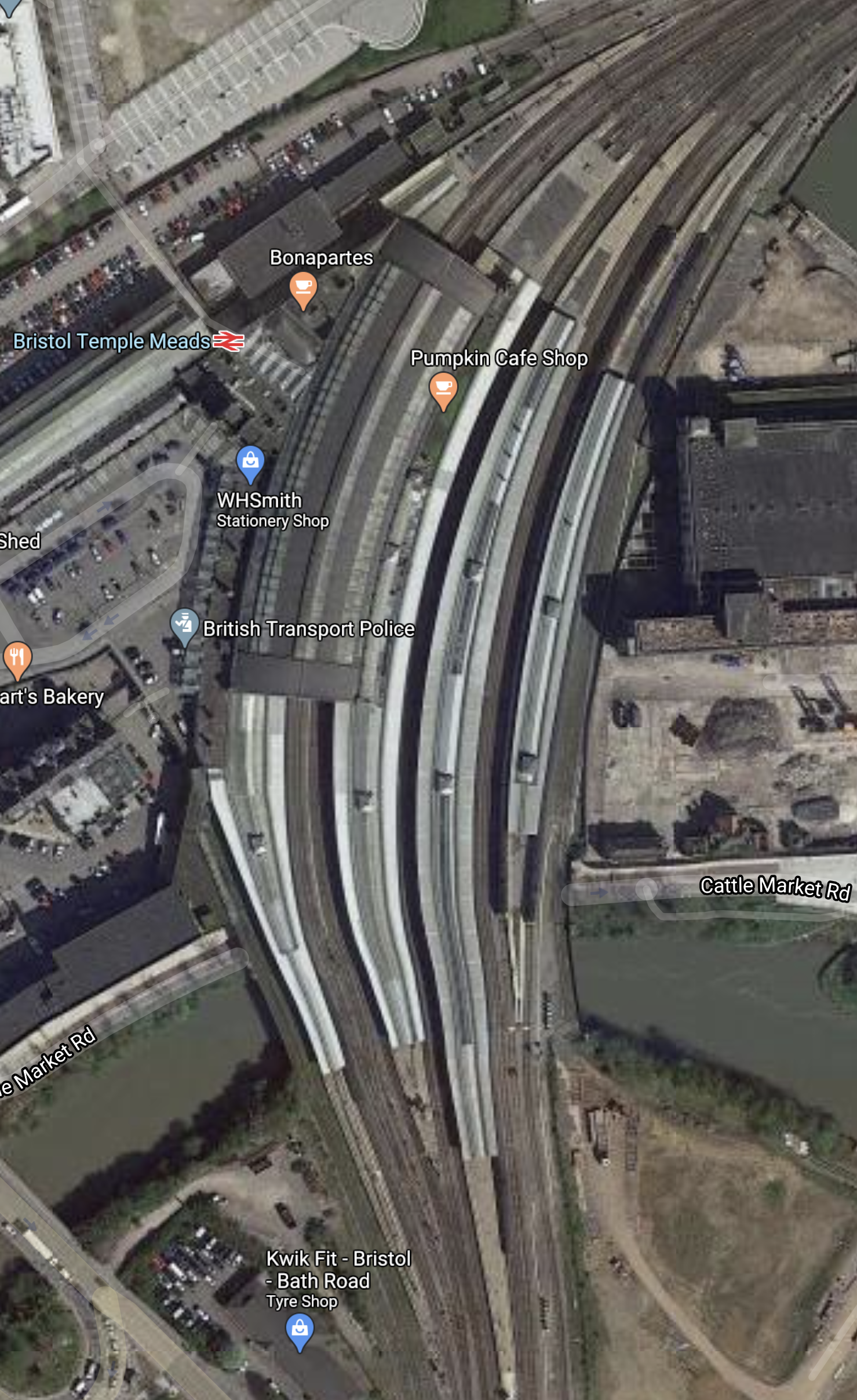
Note.
- The curving nature of the platforms doesn’t make 25 KVAC overhead electrification easy.
- Trains to and from London appear to use the two Eastern platforms 13 and 15.
- It might be possible to increase platform lengths to run longer trains to and from places like London.
I believe that there are three possible ways of charging the trains in Bristol Temple Meads station.
25 KVAC Overhead Electrification
This could be short length of standard 25 KVAC overhead electrification in platforms, that would be served by trains with pantographs like the Class 800 trains.
The driver would stop in the correct place in the platform and connect the pantograph, whilst waiting in the station.
Note that the Class 800 trains to and from London typically take 35-20 minutes to turn round, which is time enough for a full charge.
750 VDC Third-Rail Electrification
This could be short lengths of standard 750 VDC third-rail electrification in platforms, that would be used by standard third-rail shoes on trains.
The train would connect automatically and charging would take place, whilst waiting in the station.
A Specialist Charging Facility Like Vivarail’s Fast Charge System
Vivarail’s Fast Charge system is described in Vivarail Unveils Fast Charging System For Class 230 Battery Trains.
This extract from this Vivarail press release explains how the system works.
he concept is simple – at the terminus 4 short sections of 3rd and 4th rail are installed and connected to the electronic control unit and the battery bank. Whilst the train is in service the battery bank trickle charges itself from the national grid – the benefit of this is that there is a continuous low-level draw such as an EMU would use rather than a one-off huge demand for power.
The train pulls into the station as normal and the shoe-gear connects with the sections of charging rail. The driver need do nothing other than stop in the correct place as per normal and the rail is not live until the train is in place.
That’s it!
I believe that this system or something like it could be adapted to work with all trains with a battery capability in the UK.
I also believe that this system can be designed so that it is ultra-safe and doesn’t disrupt, the visual impact of the station.
Conclusion
Bristol Temple Meads station could be converted into a station, where a high proportion of trains ran solely on electricity.
VDE Study Finds Battery Trains 35% Cheaper Than Hydrogen
The title of this post, is the same as that of this article on the International Railway Journal.

This is the introductory paragraph.
A study of the cost-effectiveness of battery electric multiple units (BEMU) and hydrogen electric multiple units (HEMU) as alternatives to diesel found that BEMUs could be up to €59m (35%) less expensive to buy and operate compared with their hydrogen fuel cell equivalents.
It also says that they are more expensive than the diesels they replace over thirty years.
As it is a professional German study, we should take note of what is said.
How Would This Apply To The UK?
There will be differences between the UK and Continental Europe, which will affect costs!
- Our small loading gauge seems to be making the design of hydrogen-powered trains difficult.
- Passenger capacity in a UK train, will probably be reduced when compared to the diesel equivalent.
- Our hydrogen technology is world-class.
- More affordable batteries would benefit both types of trains.
- I believe that companies like Vivarail, will come up with very fast and efficient chargers for battery trains using our third-rail technology, which may not be suitable outside the UK.
On balance though, I suspect that the cost difference worldwide, will be similar.
Conclusion
Companies, developers and engineers will fight a keen battle for supremacy.
There will be some suprising winners and some big losers.
Beeching Reversal – South Fylde Line Passing Loop
This is one of the Beeching Reversal projects that the Government and Network Rail are proposing to reverse some of the Beeching cuts.
The Project
This project is described on this page on the web site of the Fylde MP; Mark Menzies, which is entitled Improving The South Fylde Rail Line.
The page lists that these improvements are needed.
Track And Stations
These improvements are listed for track and stations.
The bid involves laying around three miles of track between Lytham and St Annes stations, the creation of a new rail platform at Ansdell and Fairhaven Station, the installation of signalling along the line, and potential platform changes at Preston Station. There is scope for improvements to St Annes and Lytham Stations, should Network Rail decide it would rather include those stations within the passing loop – but that would be decided further along the process.
Services
The objective is to be able to run two trains per hour (tph) between Preston and Blackpool South stations.
Trains
Better trains are needed.
It certainly looks like the Pacers have already gone.
The Route
I shall describe the current route in this section.
Blackpool South Station
The Google Map shows Blackpool South station.
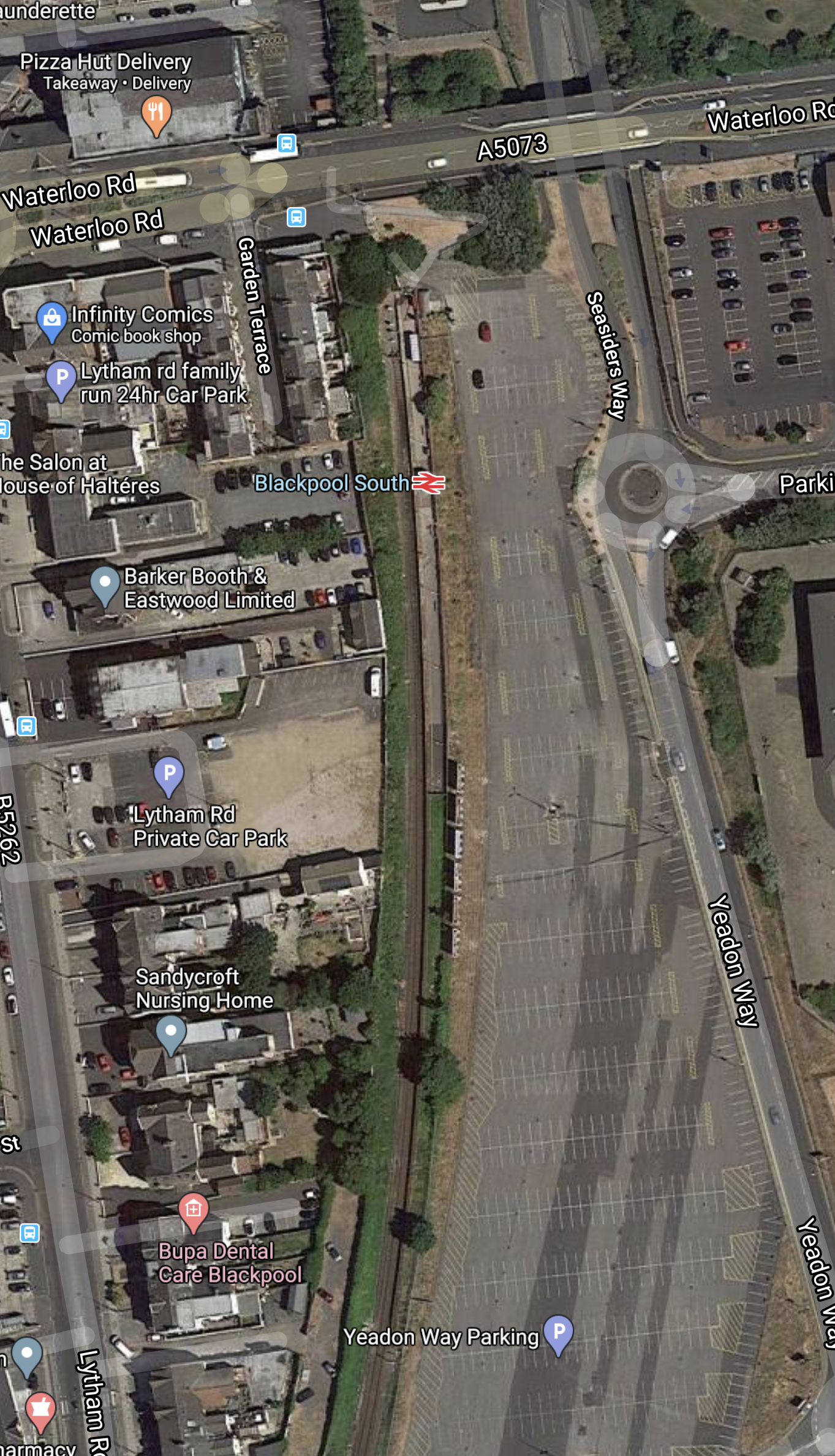
Note.
- Entrance to the station is from Waterloo Road, which runs East-West across the map.
- There are a pair of bus stops by the station entrance.
- There is a lot of car parking close to the station.
- I suspect that the single platform can hold a modern eighty-metre four-car train.
- This seventy-year-old has no difficulty waking to the football ground or the Blackpool trams from the station.
With two tph and some updated facilities, this would be a very useful station.
I suspect there is even space to add a second platform in the future, if that were felt to be necessary.
Blackpool Pleasure Beach Station
This Google Map shows Blackpool Please Beach station and the nearby Pleasure Beach.
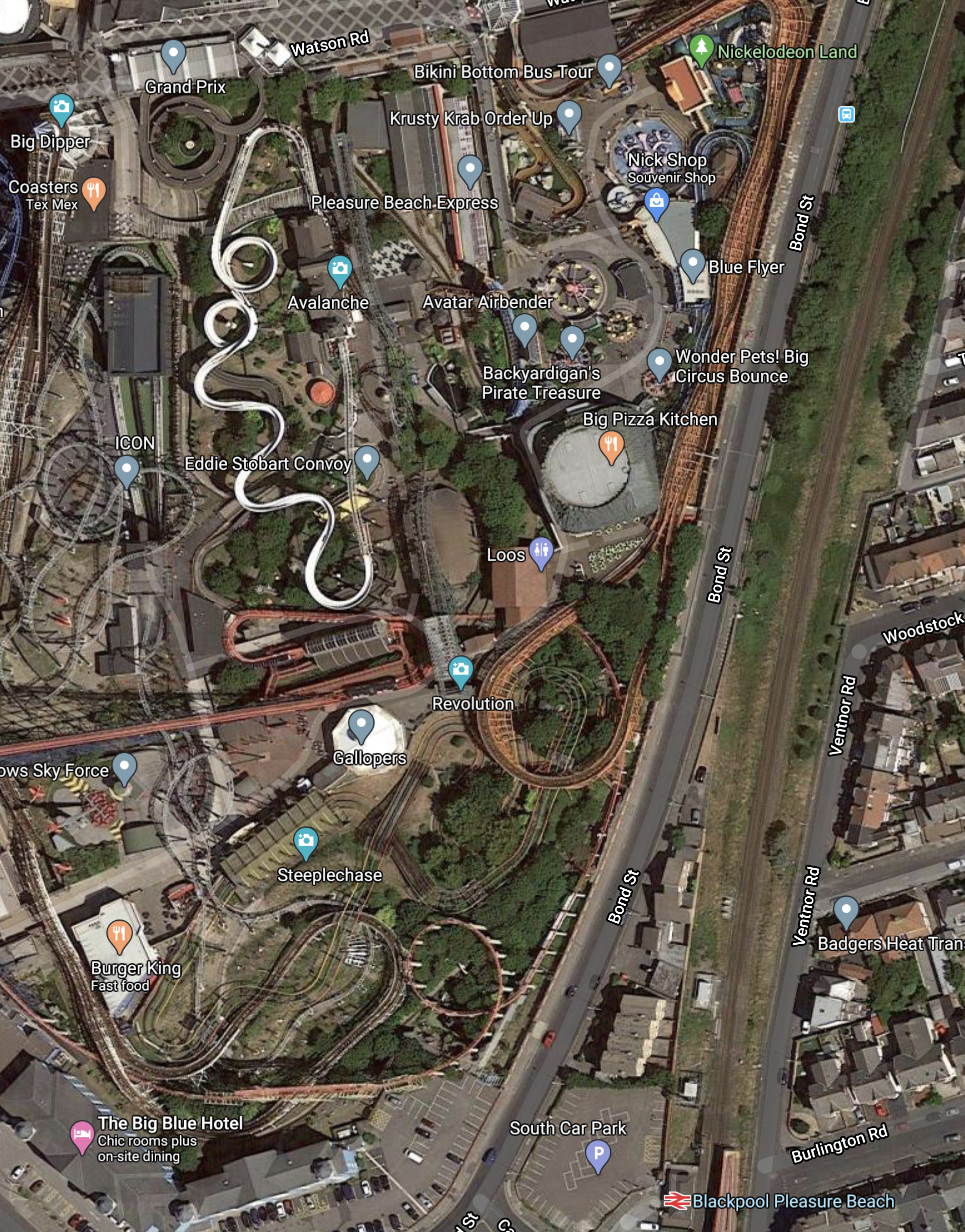
We shouldn’t underestimate the importance of this station. One beautiful late summer Saturday, I was going to see Ipswich play at Blackpool and out of curiosity I had explored the train to Colne station. In those days a decade ago, Colne and Blackpool South was one service and the train from Colne was full of families, by the time it got to Preston. A large proportion, left the train at the Pleasure Beach.
The conductor told me, that the crowds, I had witnessed weren’t untypical.
Squires Gate Station and Blackpool Airport
This Google Map shows Squires Gate station and the nearby Blackpool Airport.
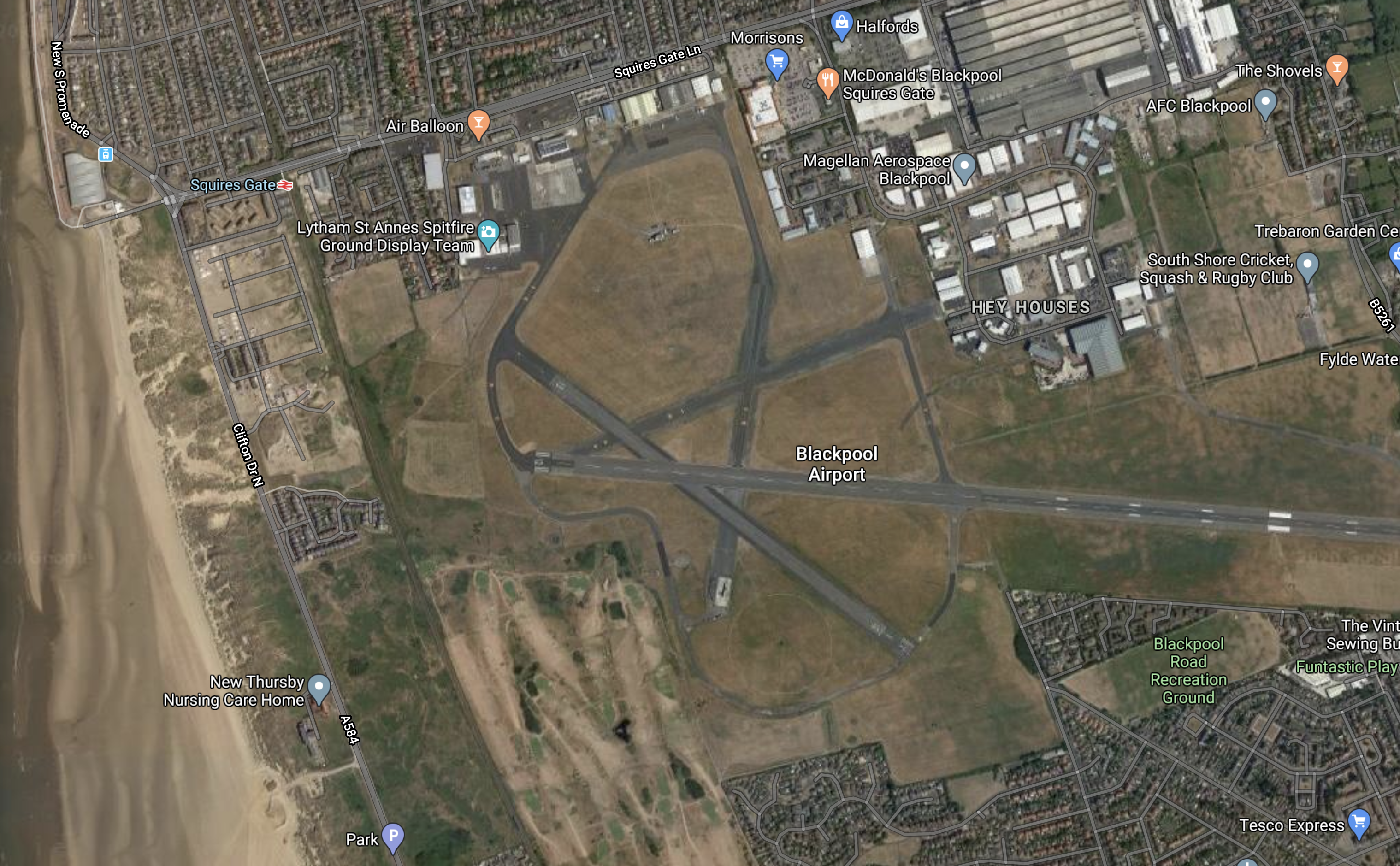
Blackpool Airport after a troubled few years seems to be finding a niche market, with a few business, commercial, offshore and training flights.
But I believe that airports like Blackpool in the future can develop another large niche – electric aviation.
Getting to places like Ireland, Northern Ireland, the Isle of Man and Wales by a nineteen-seat electric airliner will need the following.
- As short a flight as possible.
- Close to the coast would help.
- Good public transport links. Blackpool Airport has both tram and train.
- Space for aircraft to be parked, whilst charging.
- Plentiful supplies of renewable electricity. The over-300 MW Burbo Bank Wind Farm is not far away in Liverpool Bay and it will only be joined by more and larger wind farms.
- Frequent public transport.
Blackpool Airport could tick all these boxes, with a thick green marker.
Some example direct distances from Blackpool include
- Aberdeen – 238 miles
- Amsterdam Schipol – 340 miles
- Belfast City – 128 miles
- Cardiff – 165 miles
- Dublin – 134 miles
- Edinburgh – 150 miles
- Exeter – 211 miles
- Geneva – 661 miles
- Glasgow – 155 miles
- London Gatwick – 220 miles
- London Heathrow – 192 miles
- London Southend – 219 miles
- Newcastle – 89 miles
- Paris Orly – 422 miles
- Isle of Man Ronaldsway – 68 miles
- Southampton – 208 miles
These distances fit nicely with the range of the nine-seater Eviation Alice electric aircraft, which is predicted to be 620 miles.
St. Annes-on-the-Sea Station
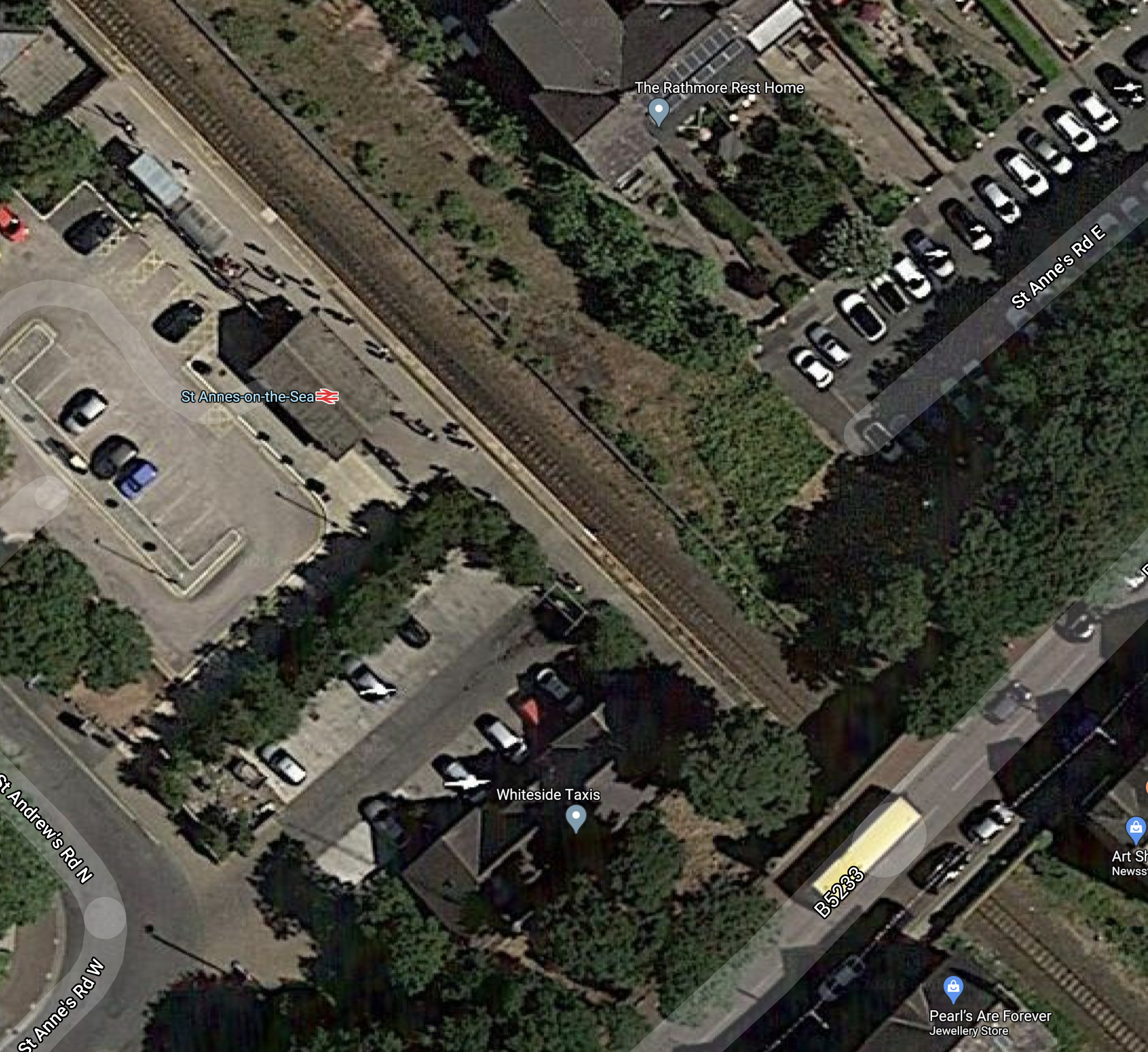
This Google Map shows St. Annes-on-the-Sea station.
Note.
- Blackpool is to the North-West and Preston is to the South-East
- St. Annes-on-the-Sea is one of those convenient single-platform stations, where you just walk in-and-out on the level.
- The passing loop would start on the Preston side of the bridge.
There would need to be no major infrastructure work at the station, although I would expect the facilities could do with a makeover.
Ansdell And Fairhaven Station
In Should The Blackpool South Branch Be Electrified?, I said this about improvements to Ansdell and Fairhaven station.
Ansdell and Fairhaven station is nearest to the course at Royal Lytham.
-
- The Open Championship is a very important event on the golfing calendar.
- Other important golfing events are also held on the course
- Royal Lytham and St.Annes, last held the Open in 2012 and 2001. So it might come back to Royal Lytham in the mid-2020s.
Ansdell and Fairhaven station used to have two platforms, as described in Wikipedia.
The station was set out as an island platform with tracks on both faces until the singling of the line in the 1980s. Trains now only use the southern face. A disabled access ramp now covers the northern part of the station.
So could a rebuild of the station do the following?
-
- Restore two platforms on an island at the station.
- Put in full disabled access.
- Create a passing loop.
- Longer platforms might be a good idea.
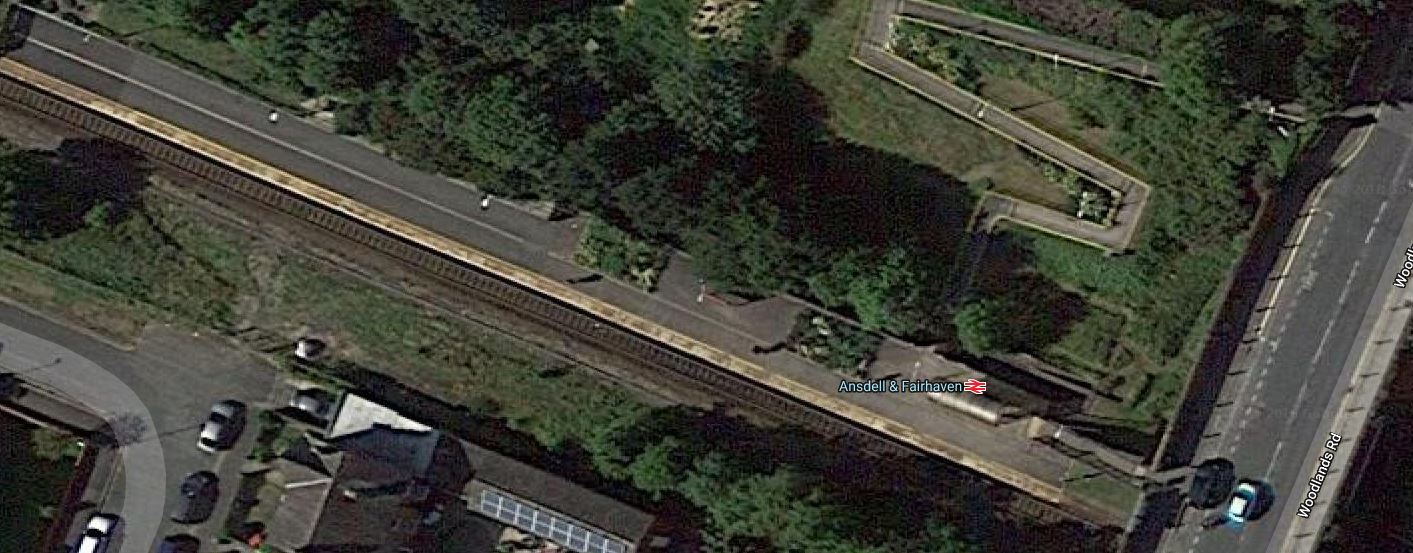
This Google Map shows the station.
Note.
-
- The disabled ramp winding away.
- The platform is probably about a hundred metres long.
- It would appear that there is space at the far end to extend the platform.
I suspect that an ambitious architect with vision, could design a station that met all objectives.
It could be the best Championship Golf Course railway station in the world.
Lytham Station
This Google Map shows Lytham station.
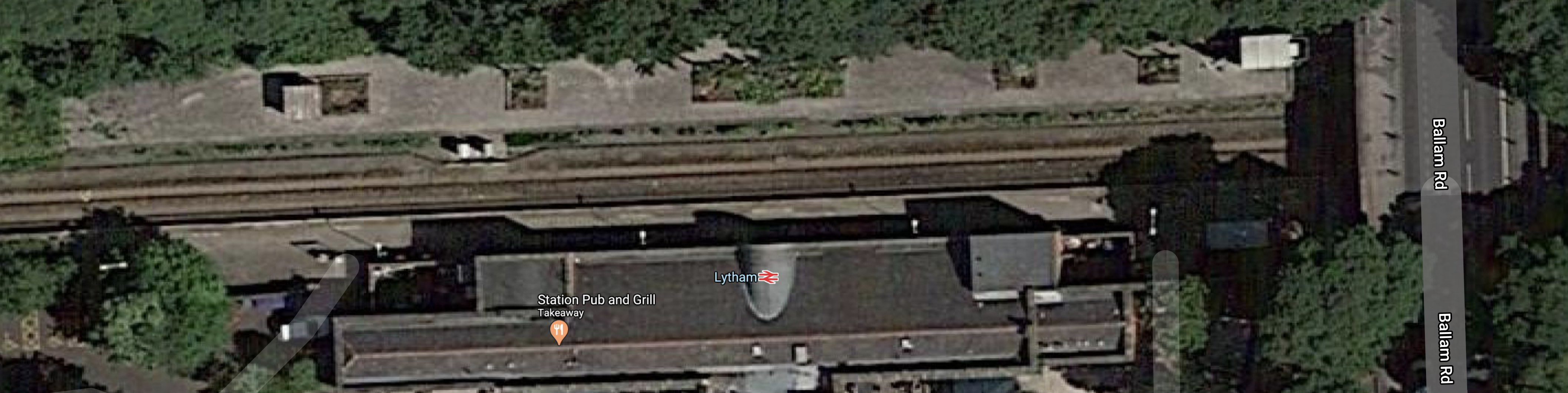
Lytham station will be the Eastern end of the loop and it is likely, that the single-track will change to double at the Western end of the station.
As with St. Annes-on-the-Sea station, I suspect that a good makeover, will be all that will be needed.
Moss Side Station
This Google Map shows Moss Side station.
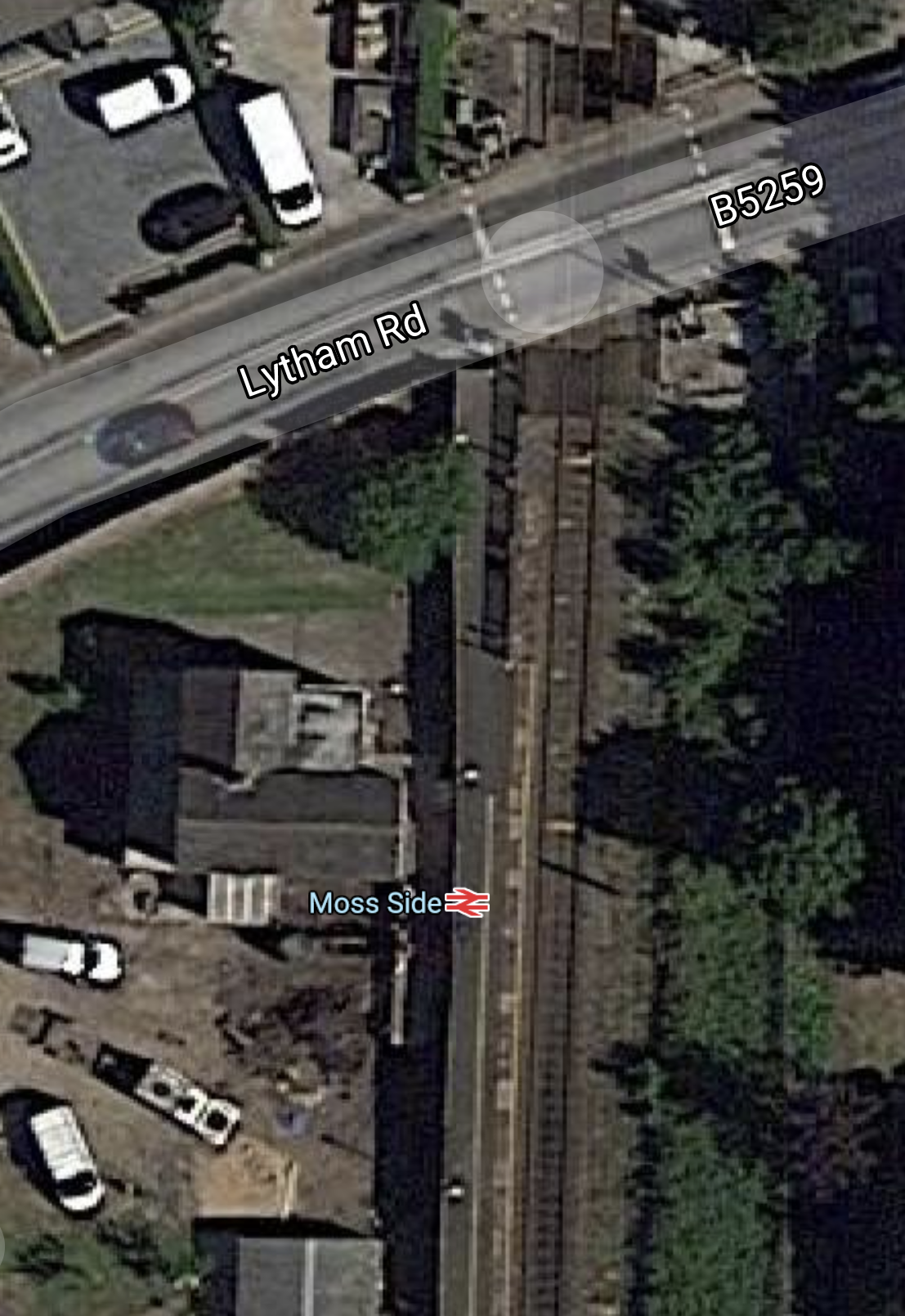
The only problem here is the level crossing, so do Network Rail want to remove it?
Kirkham And Wesham Station
This Google Map shows Kirkham and Wesham station.
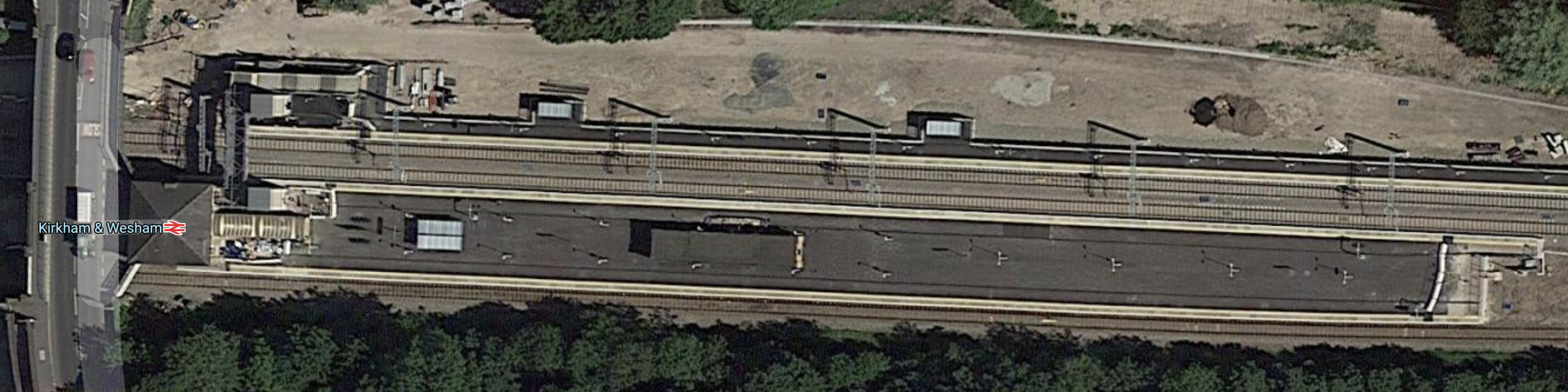
There are three platforms, which from bottom to top on the map are.
- Platform 1 – Trains to Blackpool South
- Platform 2 – Trains to Blackpool North
- Platform 3 – Trains to Preston
All platforms seem to be being electrified in these pictures. that I took during construction.
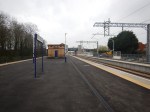


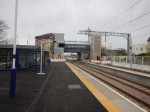
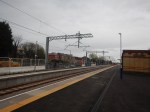
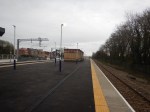
Note.
- It can’t be described as a station, built down to a small budget.
- In the captions to the pictures, I’ve numbered the platforms from left to right.
- The last picture looks down Platform 1 and there is an electrification gantry at the Preston end.
Could this comprehensive electrification be so that trains to Blackpool North can use both Platforms 1 and 2?
- This would allow overtaking of say a local train by a London express.
- Trains could also be turned back in Platform 1, before the end of its journey, if there was a problem.
- The electrification is also substantial enough for the longest Class 390 trains.
- It could even accommodate a classic compatible High Speed Two train.
So does the last point, mean that Blackpool North station is a possible High Speed Two destination? Provided, the platforms at Blackpool North station are long enough, I think it does!
This Google Map shows Kirkham West Junction, where trains to Blackpool North and Blackpool South stations diverge.
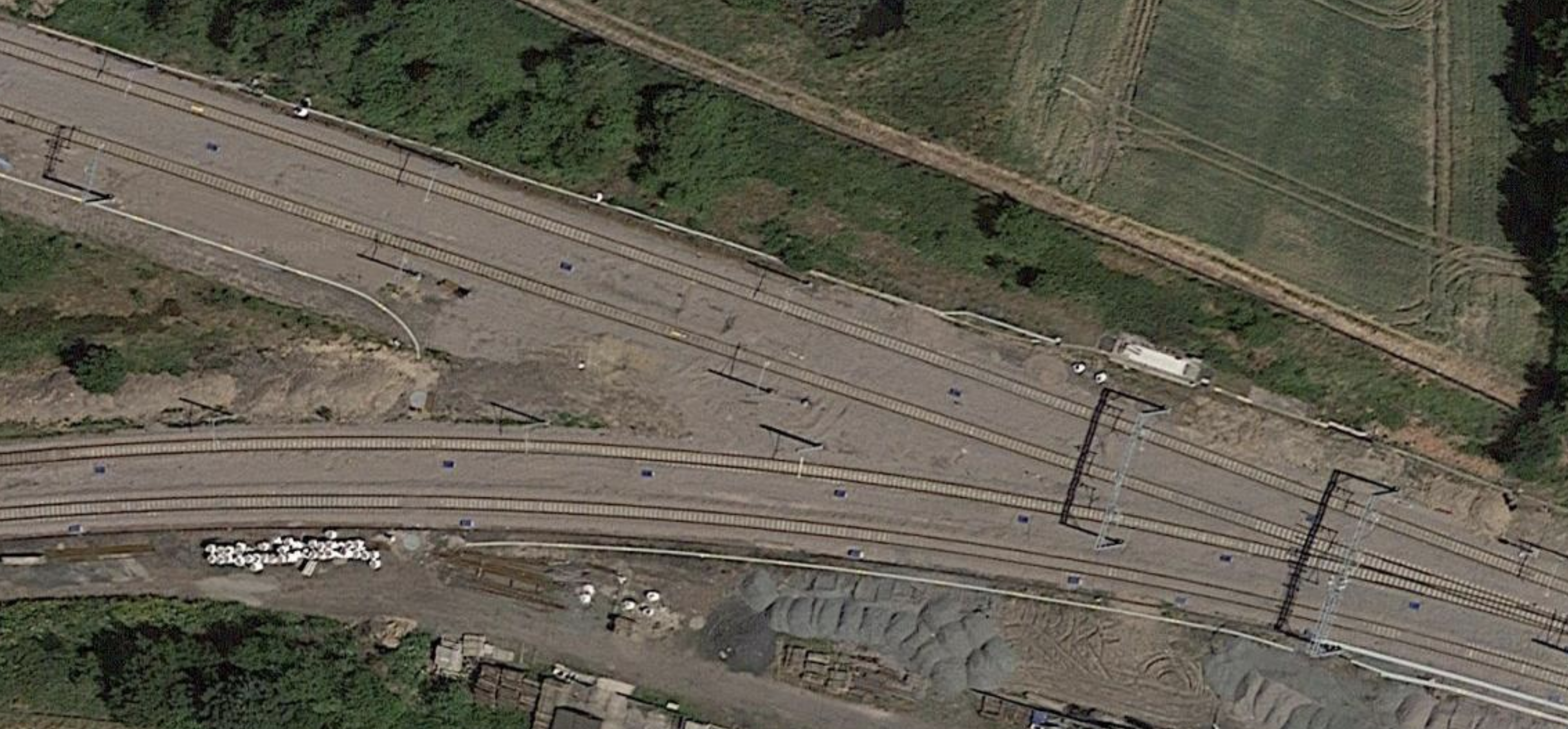
Note.
- The electrification gantries and their shadows can be seen.
- Preston is to the South-East and the route is fully-electrified.
- Blackpool North is to the North-West and the route is fully-electrified.
- Blackpool South is to the West. The double-track becomes single before Moss Side station.
This picture shows the route going off to Blackpool South.
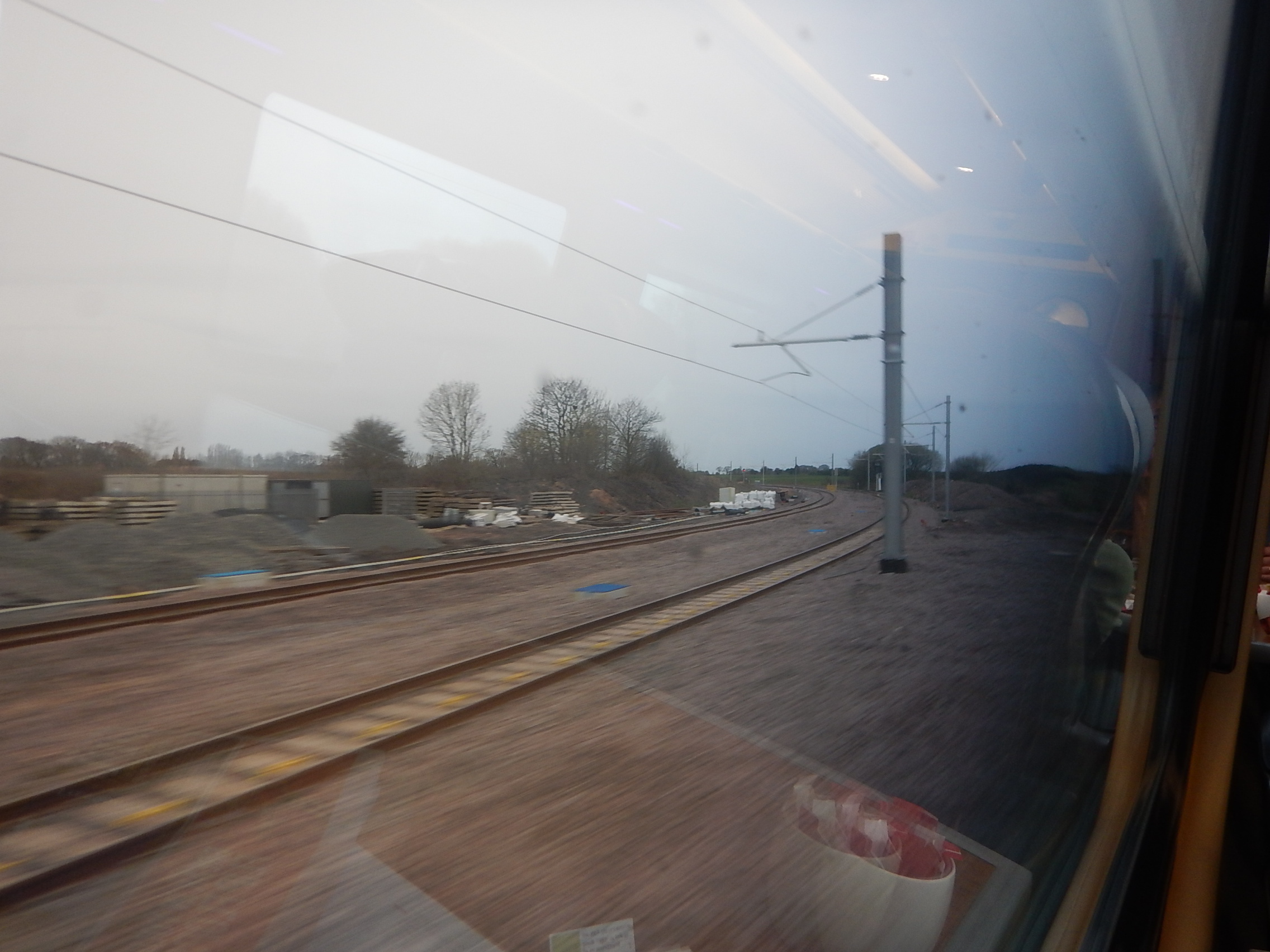
I took the picture from a train going to Blackpool North station.
So why are wires being run along the first few hundred metres of the Blackpool South Branch?
The Timetable
Currently, trains take the following times to do these journey legs.
- Run between Ansdell and Fairhaven and Blackpool South stations – 12 minutes
- Turnback at Blackpool South station – 3 minutes
- Run between Blackpool South and Ansdell and Fairhaven stations – 11 minutes
As the trains will be running every thirty minutes and the three legs total twenty-six minutes, that means there’s four minutes float.
So hopefully, it should be easily stainable, by an experienced rail timetable creator.
The Trains
I have remarked that I find the electrification at Kirkham & Wesham station, both comprehensive and slightly unusual.
Could The Electrification Have Been Designed For Battery Electric Trains To Blackpool South Station?
But there is one very plausible reason for the electrification layout – The Blackpool South Branch has been designed, so that services on the branch can be rum using battery trains.
- The distance between Kirkham & Wesham and Blackpool South stations is just over eleven miles.
- So for a round trip a range of perhaps twenty-five miles on battery power would suffice.
- There would also be a need for a few minutes of hotel power, whilst waiting at Blackpool South station.
These power needs are well within the capabilities of the average battery train.
- Trains could be charged on the nine minute run between Preston and Kirkham & Wesham stations.
- Changeover between electrification and battery power would take place in Kirkham & Wesham station.
An ideal train would surely be CAF’s four-car battery electric version of the Class 331 train, which I wrote about in Northern’s Battery Plans.
- According to an article in the March 2020 Edition of Modern Railways, with the same name, these trains will be working between Manchester Airport and Windermere.
- Class 331 trains without batteries will be running to and from Blackpool North station.
- Four-car trains are probably the right size for the route.
There would also probably be no need for a charging station at Blackpool South station, if trains could leave Kirkham & Wesham station with a full battery.
Where Would The Trains Terminate In The East?
These would be the obvious choices.
- Blackburn – Where there is a convenient bay platform.
- Colne – Where they used to terminate!
- Liverpool – Merseyrail has the trains and Liverpool has lots of punters and the imagination.
- Preston – Where they do now!
- Skipton – If the Skipton-Colne Link is built!
My money would be on Skipton, using a new Skipton-Colne Link, for the following reasons.
- Politicians of all colours and roses are in favour.
- Skipton has an electrified route to Leeds.
- Skipton-Colne would be a valuable by-pass route during the building of Northern Powerhouse Rail.
- Battery-powered trains would be ideal for Skipton-Colne.
Would A Battery Electric Train Be Feasible Between Blackpool South And Liverpool?
Consider.
- An all-stations service would complement the fast service between Liverpool Lime Street and Blackpool North stations via St. Helens, Wigan North Western and Preston.
- The service could either go between Liverpool and Preston via Ormskirk or Southport and a reinstated Burscough Chord.
- The Ormskirk route is 15 miles of unelectrified line and the Southport route is just four miles further.
- A service via Southport would need to reverse at Southport station.
- The service would be run using dual-voltage Class 777 trains fitted with batteries.
- 25 KVAC overhead electrification, is already installed between Preston and Kirkham & Wesham stations,
- Using existing electrification, trains would leave Kirkham & Wesham, Ormskirk, Preston and Southport stations with full batteries.
- A coastal service between Blackpool and Liverpool would surely attract visitors.
- Liverpool and Blackpool are the two biggest urban areas on the coast.
- There are several golf courses on the route, including three courses that have held the Open; Royal Birkdale, Royal Liverpool and Royal Lytham & St. Annes.
It may be a bit fanciful. But.
- Merseyrail will have the trains.
- Liverpool has the potential passengers.
- I believe the route could handle a two tph service.
- In Reopen Midge Hall Station, I showed that it was possible to run a two tph service between Liverpool and Preston, with one tph via each of Ormskirk and Southport.
Liverpool also has bags of ambition and imagination.
Would A Battery Electric Train Handle Preston And Skipton?
I estimate that this route is forty-one miles, with a stiff rise from Rose Grove to Colne station.
So would a battery electric train be able to handle this distance?
Hitachi are talking 56 miles for their Regional Battery Train, so I suspect CAF would want and need to be competitive with a similar specification.
Perhaps the logical service would be to run between Leeds and Blackpool South.
- The service would go via Preston, Blackburn, Burnley Central, Colne and Skipton.
- Leeds and Skipton is electrified.
- Preston and Kirkham & Wesham is electrified.
- No extra chargers for trains would be needed.
The only new infrastructure needed would be the Skipton and Colne Link.
Electrification Between Preston And Blackburn
Consider.
- In Colne – Skipton Reopening Moves Closer, I talked about the proposed Huncoat Rail Fright Terminal, that could be built North of Blackburn on the East Lancashire Line.
- Blackburn is a major hub for passenger services.
- An electrified Blackburn would allow Manchester and Clitheroe to be run by battery electric trains. Clitheroe is ten miles and Bolton is thirteen.
- An electrified Blackburn would allow Blackburn and Manchester Victoria via the Todmorden Curve to be run by battery electric trains. The whole route is 39.5 miles.
- It may be possible for battery electric trains to reach Leeds via Hebden Bridge, as it is only fifty miles away, which is within Hitachi’s range.
- As the Blackburn area grows, there will be more pressure for a daily London service.
- Some think, the Calderdale route should be electrified.
- Preston and Blackburn stations are just twelves miles apart.
- There is a multiple unit depot at Blackburn.
- I also feel that battery electric trains fanning out from Blackburn, wouldn’t do the town’s image any harm.
For all these reasons, I wouldn’t be surprised to see a short stretch of electrification added between Preston and Blackburn.
Conclusion
I like this proposal and it could be a big asset to trains across the Pennines.
Beeching Reversal – Reinstatement Of The Bodmin-Wadebridge Railway
This is one of the Beeching Reversal projects that the Government and Network Rail are proposing to reverse some of the Beeching cuts.
The basic outline of this Beeching Reversal project is described in the section called RailTrail Project in the Wikipedia entry for the Bodmin and Wenford Railway, where this is a simplified version of what is said.
The railway company is currently planning to extend beyond its western terminus at Boscarne Junction towards Wadebridge alongside the Camel Trail. Known as the RailTrail project, phase one would see the railway extended to Nanstallon Halt, phase two to Grogley Halt and phase three to Wadebridge Guineaport.
In areas where the width of the trackbed does not allow both a railway and a footpath side-by-side, short diversions are proposed. For example, at Grogley, the Camel Trail could be re-routed along a former “headshunt”, which was part of the original railway before it was replaced by a later deviation.
There is some controversy, over the reduction in width of the Camel Trail.
This Google Map shows the River Camel through Wadebridge, where the extension appears to be proposed to finish.
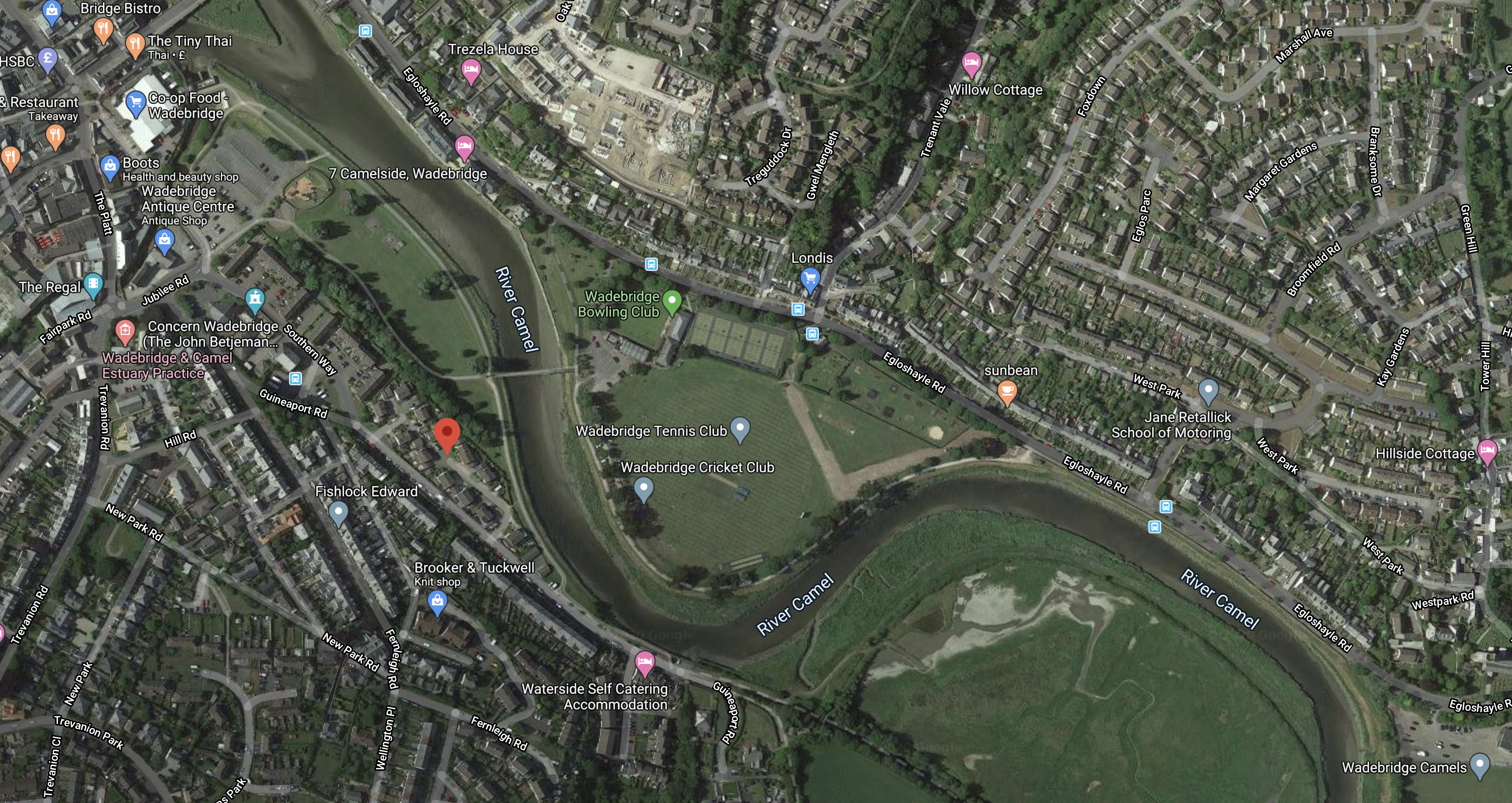
Note.
- The Guineaport area of Wadebridge is marked by a red arrow-dot.
- The Future Plans section of the Wikipedia entry for Wadebridge station, says that the new station will be beyond Guineaport.
- The Camel Trail is marked on Google Maps as a dotted line and it can be followed to where it meets the Bodmin and Wenford Railway at Boscarne Junction station.
This Google Map shows Boscarne Junction station.
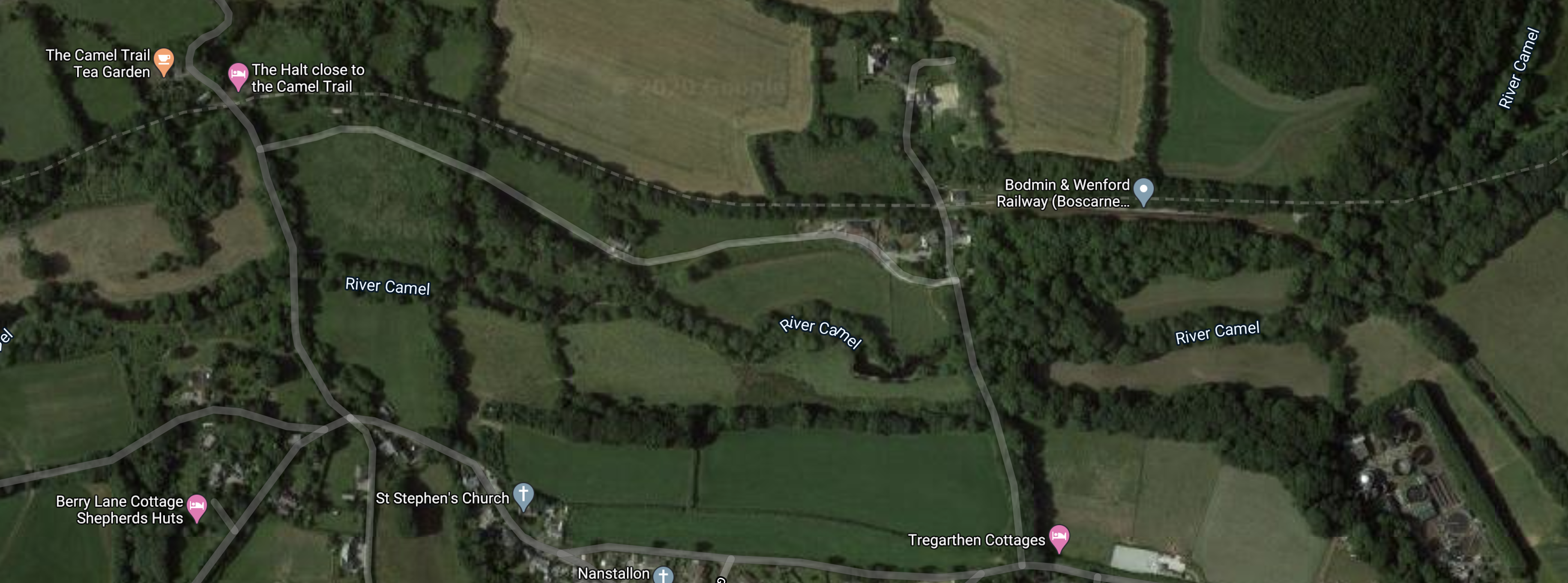
Looking from my helicopter, I am fairly sure that the RailTrail can be squeezed in with a footpath.
What Sort Of Railway Would It Be?
These are my thoughts.
Will It Be Double Or Single-Track?
It will be single-track, as there is not enough space for two.
I would suspect, they could use similar construction to these tram tracks in Blackpool.
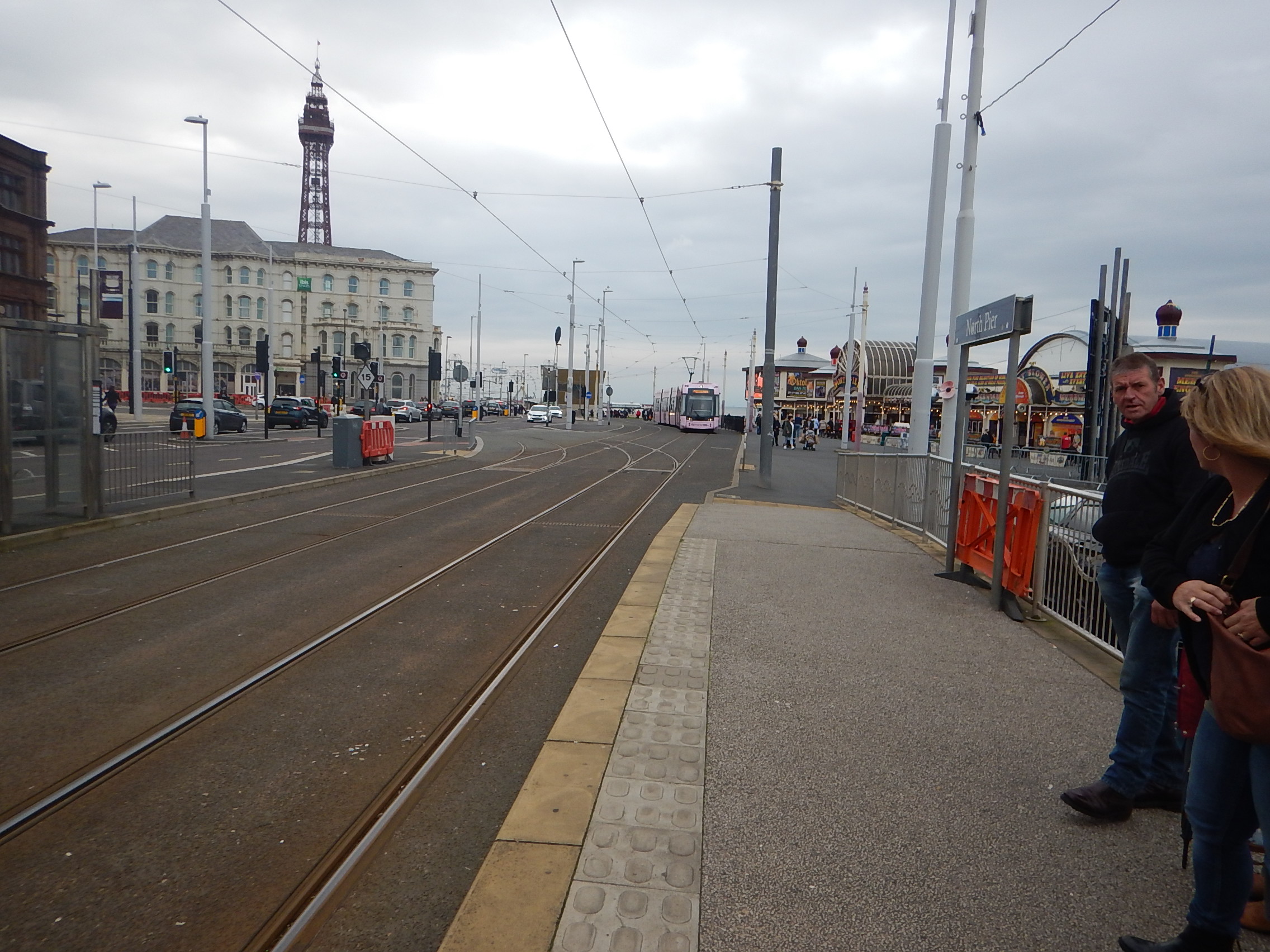
Effectively, the RailTrail could be a high-strength road, with a rail track set to one side, and appropriate markings, rails and safety signage.
How Long Will The New Track Be?
Google gives these distances.
- Padstow and Boscarne – 14.4 miles
- Padstow and Bodmin – 16 miles
- Wadebridge and Boscarne – 6 miles
- Wadebridge and Bodmin – 7.4 miles
I have added Padstow, as this town on the sea, used to be the rail terminus.
Should The Route Go To Padstow?
This Google Map shows the Padstow end of the Camel Trail.
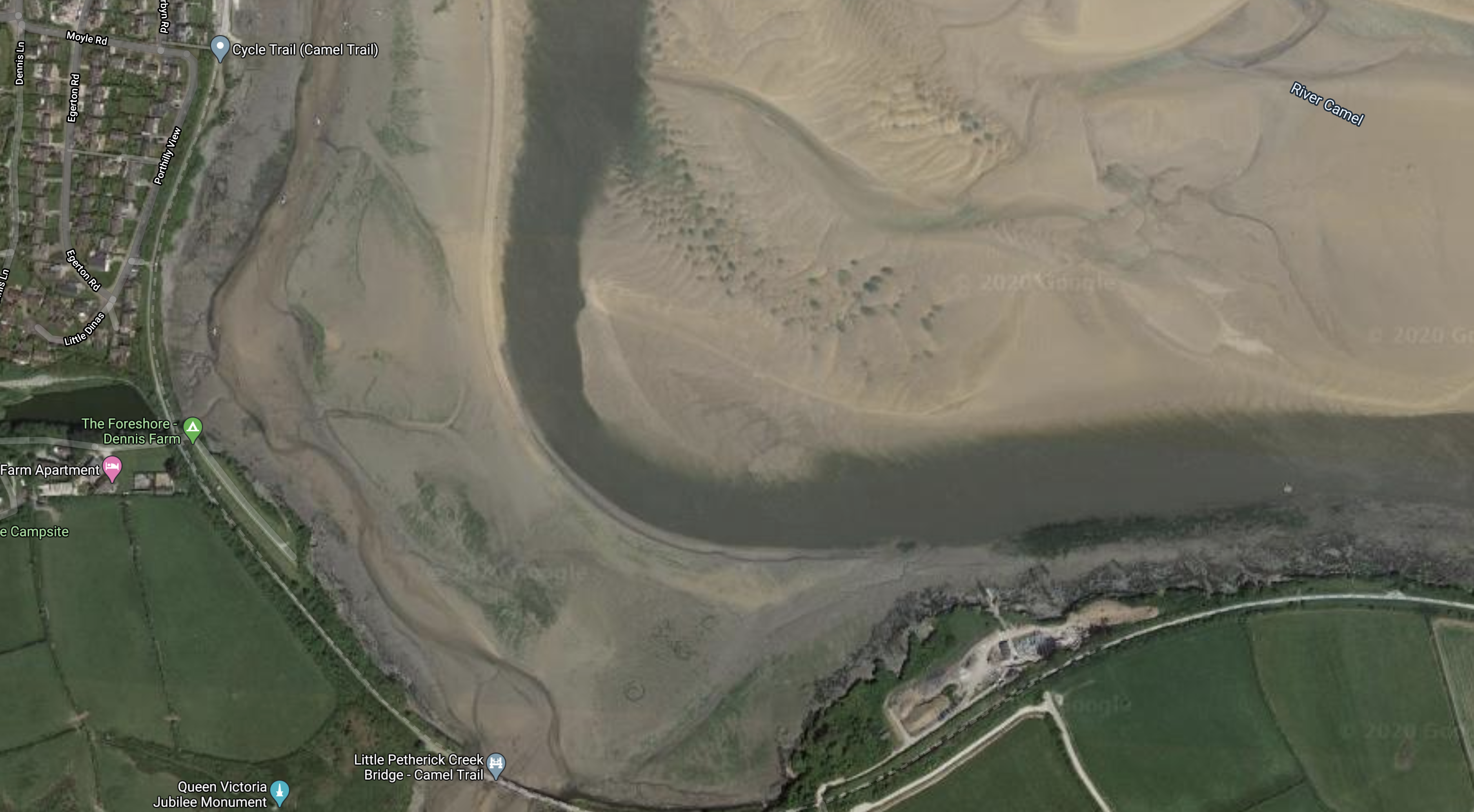
But there could be a major problem.
At the bottom of the map is the Little Petherick Creek Bridge.
- It’s probably OK for a cycle trail, but would it be strong enough for heavy rail use.
- On the other hand, is it past its replace date and Cornwall County Council might like to pass the responsibility to Network Rail?
There is also more land to build a station at Padstow.
It could even be built on the East side of the bridge, so that the heaviest thing it would carry would be pedestrians.
Would A Shared RailTrail Work?
One of the most interesting train systems, that I have seen is in Zwickau in the former East Germany, where instead of buying more trams to connect to other towns and cities, they devised a train-tram system using standard diesel multiple units.

The Zwickau system is more complicated than it would need to be in the UK, as the trains have to share tram-tracks of a different size, so there are three-railed tracks; two for the metre gauge trams and an extra one for the standard gauge trains.
I have never seen anywhere else, where rail vehicles of different gauges share rails.
The trains run under virtually the same rules as street running trams do in Birmingham, Blackpool, Croydon, Edinburgh, Manchester, Nottingham and Sheffield.
- You can cross the road all round them.
- Trains are limited to slow speeds.
- The trains are independently powered.
- The trains cross level crossings.
- There is no electric power for the trains.
- The trains are double-manned and the crew keep a good look out!
Note, in the pictures, that the trains have flashing orange warning lights.
Could a GWR Class 800 train run along the RailTrail?
- The train would be a five-car unit.
- The train would be fitted with environmentally-friendly battery power, so it would be emission-free and almost silent.
- There would be a charging facility in the platform at Bodmin General station to top up the battery, before the train ran on the RailTrail.
- As in Zwickau, the track would be buried in the ground. so it could be safely used by trains and not be a hazard to pedestrians.
- The train would have a slow speed crawling mode, so it could proceed along the RailTrail with extreme care.
With the right timetable, the modern trains could share with the Bodmin and Wenford’s heritage trains.
Could Wadebridge Get A Direct Service To London Paddington?
Why not?
Places like Bradford, Harrogate, Huddersfield and Skipton appear to be being added to LNER’s network, by joining and splitting Class 800 trains at Leeds.
I wouldn’t be surprised to see a five-car Class 800 train with a battery capability running from Wadebridge to Plymouth, where is joined with another train from Newquay, Penzance or Plymouth, before running as a ten-car train to London Paddington.
Conclusion
I like this scheme and it could be a prototype for other similar ones.
Battery Electric Class 800 Trains Between London Paddington And Bristol Temple Mead Stations
Hitachi have changed the rules on electrification, by the announcement of the development of battery electric trains in collaboration with Hyperdrive Innovation, which I wrote about in Hyperdrive Innovation And Hitachi Rail To Develop Battery Tech For Trains.
The proposed train is described in this Hitachi infographic.
It will have a range on battery power of 90 km or 56 miles.
Currently, services between London Paddington and Bristol Temple Meads stations are as follows.
- The frequency is two trains per hour (tph)
- Services call at Reading, Didcot Parkway (1tph), Swindon, Chippenham and Bath Spa.
- Services use the electrification between London Paddington and Chippenham.
- Services use diesel power between Chippenham and Bristol Temple Meads.
- Chippenham and Bristol Temple Meads are 24.5 miles apart.
It looks to me that a well-driven Class 800 train with Hyperdrive Innovation’s clever batteries replacing some or all of the diesel engines could run between Chippenham and Bristol Temple Meads stations and back without using a drop of diesel.
It might be a bit tight, but it would certainly be possible, if there were more electrification between Bath Spa and Chippenham stations.
- From this article on the BBC, which is entitled Box Tunnel Reopens After Network Rail Electrification Work, it appears that a lot of the pre-electrification work has been completed.
- This would reduce the distance without wires to perhaps 18-20 miles.
As the Class 800 trains have agile pantographs, I’m sure that it will be possible for battery electric Class 800 trains to run between London Paddington and Bristol Temple Meads stations.
Electrification At Bristol Temple Meads Station
This will surely happen and with full electrification, the following will be possible.
- Trains would be able to recharge before returning to Chippenham.
- Trains would be able to extend the service using battery power to Weston-super-Mare, which is only twenty miles away.
- Trains would be able to use the power whilst waiting in the station.
It appears that trains that run between London Paddington and Bristol Temple Meads station, use a selection of platforms in Bristol.
Would it be sensible to reduce the number of platforms used and electrify them first, so that battery electric trains could charge their batteries?
Could A Battery Electric Train Run Between Bristol Temple Means And Taunton Stations?
Consider.
- These two stations are 46 miles apart via Weston-super-Mare, so if there was charging at Taunton, this service might be possible.
- The direct route is a couple of miles shorter.
- A train with full batteries at Taunton, would reach well past Exeter.
Could a battery-electric service be of use in creating Great Western Railway’s timetable, as in the Peak services are extended to Weston-super-Mare and Taunton stations?
It would certainly be lower carbon. than a current journey.
Would The Railway Through Bath Need To Be Electrified?
This would depend on three main factors.
- There is a certain amount of opposition to electrification in the centre of Bath.
- Can all passenger trains through the city be made zero-carbon without electrification?
- Can all freight trains through the city be made zero-carbon without electrification?
I would feel that all passenger trains could be run by appropriate trains, but freight would be a problem under existing technology.
I wouldn’t be surprised, if no electrification was ever erected through Bath!
Beeching Reversal – Charfield Station
This is one of the Beeching Reversal projects that the Government and Network Rail are proposing to reverse some of the Beeching cuts.
Wikipedia says this about the Proposed Reopening of Charfield station.
Services between Bristol and Birmingham pass through Charfield. There have been discussions about the viability of reopening the station. The costs would be shared between Gloucestershire and South Gloucestershire councils since, although the station would be in South Gloucestershire, the nearby town of Wotton-under-Edge would be a principal beneficiary.
This Google Map shows the village with the Bristol and Birmingham Line passing through.
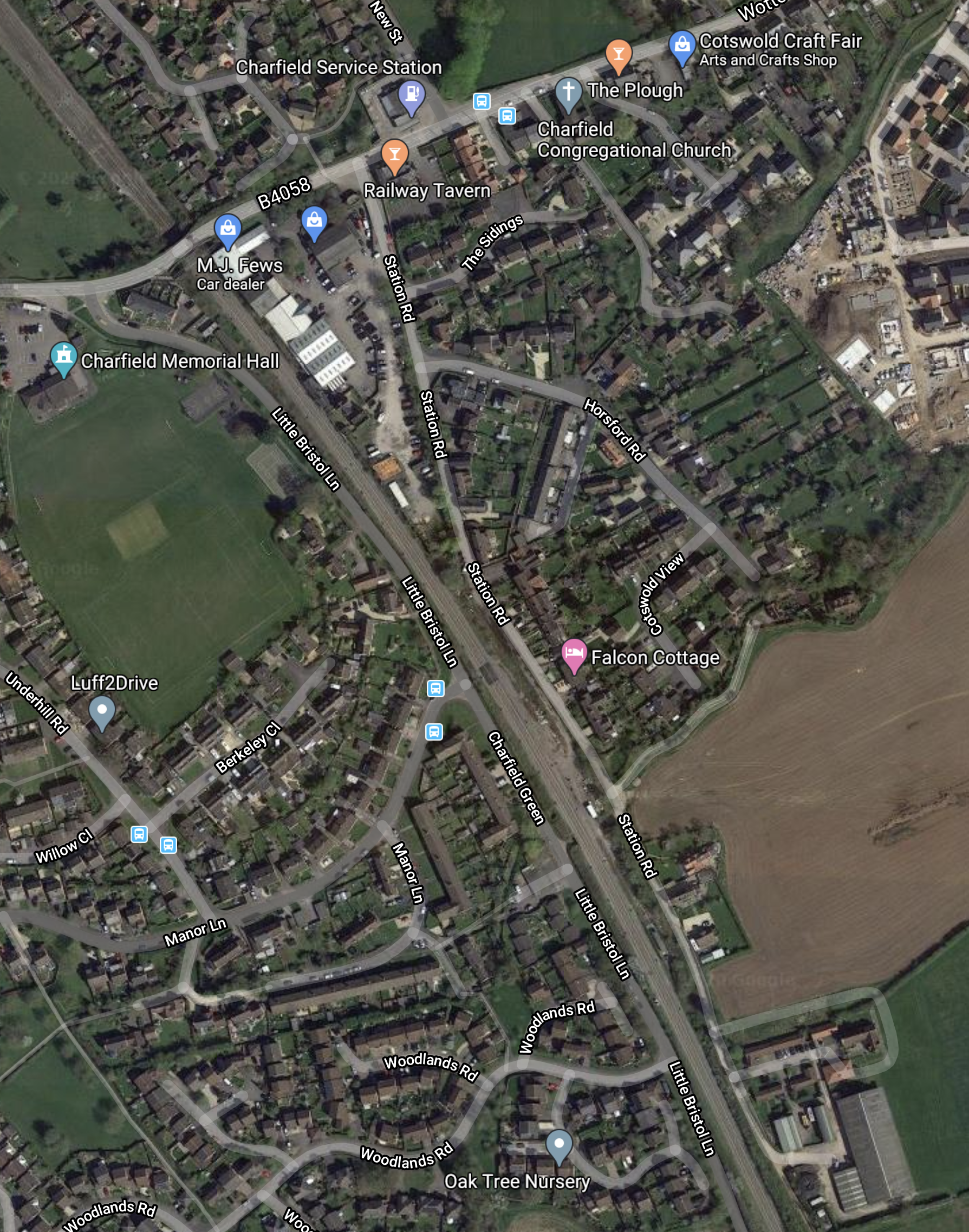
Note, that the road running down the East side of the railway is called Station Road.
There appear to be these services running through the location.
- CrossCountry – Plymouth and Edinburgh/Glasgow via Bristol Temple Meads, Bristol Parkway, Cheltenham Spa and Birmingham New Street
- CrossCountry – Exeter St. Davids and Manchester Piccadilly via Bristol Temple Meads, Bristol Parkway, Cheltenham Spa and Birmingham New Street
- GWR – Great Malvern and Westbury via Bristol Temple Meads, Bristol Parkway, Gloucester and Cheltenham Spa
Note.
All services appear to be hourly.
Bristol Parkway station is thirteen miles away by rail, so is an easy drive, but a very stiff walk or cycle.
Timings by rail from Charfield based on passing GWR trains include.
- Bristol Parkway – 15 minutes
- Bristol Temple Meads – 27 minutes
- Cheltenham Spa – 38 minutes
- Gloucester – 24 minutes
There may be a possibility of improving these times, as the current timetable might have been written for slow trains and a Class 158, Class 165 or Class 166 train can do better.
CrossCountry times include.
- Birmingham New Street – 68 minutes
- Bristol Parkway – 11 minutes
- Bristol Temple Meads – 23 minutes
- Cheltenham Spa – 17 minutes
- Worcestershire Parkway – 32 minutes
I would think, that Charfield station could receive one GWR stopping train and one fast CrossCountry train per hour.
Discontinuous Electrification Between Birmingham And Bristol
Hitachi have changed the rules on electrification, by the announcement of the development of battery electric trains in collaboration with Hyperdrive Innovation, which I wrote about in Hyperdrive Innovation And Hitachi Rail To Develop Battery Tech For Trains.
The proposed train is described in this Hitachi infographic.
It will have a range on battery power of 90 km or 56 miles.
Consider.
- Midlands Connect have ambitions see an extra hourly service between Birmingham and Bristol Temple Meads, with all services running five minutes faster. See Midlands Rail Hub.
- CrossCountry will likely be getting new trains, to replace their exclusively all-diesel fleet. They could be tri-mode trains to make the most of long stretches of electrification on their routes, batteries for short gaps of up to fifty miles and diesel power everywhere else.
- There are electrified stations at Bristol Parkway and possibly Bristol Temple Meads in a few years.
- There is full electrification between Birmingham New Street and Bromsgrove stations.
- Bromsgrove and Bristol Parkway are seventy miles apart.
- There is a possibility, that Cheltenham Spa station will get a charging facility so that London Paddington and Cheltenham Spa services could be run by Class 800 trains converted to battery electric operation.
I don’t think it is an unreasonable prediction to make that Hitachi and other train manufacturers like Stadler with their Class 755 trains, have the technology to run low-carbon services between Bristol Temple Meads and Birmingham New Street stations.
- Trains would leave Bromsgrove and Bristol Parkway with full batteries.
- Quick battery top-ups can be taken at Cheltenham Spa and Worcestershire Parkway stations.
- The fast acceleration of the electric trains will allow extra stops.
I think it would also be possible for GWR to use battery electric Class 387 trains between Great Malvern and Westbury.
Charfield could be an electric train-only station.
Conclusion
The reopening of Charfield station is really a simple station rebuilding and reopening and local passenger forecasts will probably make the decision.
But these forecasts must take into account, the likely partial decarbonisation of the route through the station, which would surely increase ridership.
The new station could also be built with provision for a possible charging facility, in case it might be needed in the future.
Beeching Reversal – Cirencester Community Railway
This is one of the Beeching Reversal projects that the Government and Network Rail are proposing to reverse some of the Beeching cuts.
It is also one of only a few of these projects, that has a very detailed plan.
- The plan has been written to the sort of standards, that would be expected of competent professionals from one of the large international rail consultancies.
- The plan is explained in detail on a comprehensive web site.
- The authors seem to have knowledge of recent developments in rail technology.
After a visit to Cirencester in November 2019, I wrote Could Cirencester Be Reconnected To The Rail Network?, which I started with this paragraph.
In Boris Johnson Vows New Life For High Streets And Axed Rail Lines, I laid out a list of rail lines that could be reopened by a future Conservative government.
Today, I’m going to Cirencester to have lunch with an old friend.
But, Cirencester does not have a rail connection, although there used to be a Cirencester branch line from Kemble station.
This was my conclusion.
With some clever and sympathetic engineering on the branch to handle the crossings, it could be a feasible reopening.
I also felt that a tram-train with batteries, could serve a two trains per hour (tph) service between Swindon and Cirencester via Kemble.
These are some details from the Cirencester Community Railway (CCR) plan.
The Route
In my post, I thought the last part of the route into Cirencester could be a problem.
The authors of the scheme have come up with an elegant solution.
- Between Kemble station and Parklease Farm, the route follows the previous route.
- Between Parklease Farm and the A433 Tetbury Road, the route runs North-South, possible along the route of an existing track.
- The route then follows the A433 into the town.
It is simple and there won’t be much major construction.
- A new bridge over the A429 will be needed.
- The track will need to cross the A433 on the level. It appears that this could be fitted in with major works to provide access to a new housing development.
All of the construction needed is laid out in the CCR report.
Single Or Double Track?
The report says that it will be built single track, which should be sufficient. Although there may be a need for a passing place around halfway to allow a more frequent service.
The Stations
Before detailing the stations, I will show this Google Map, which shows the route of the A433 Tetbury Road into Cirencester.
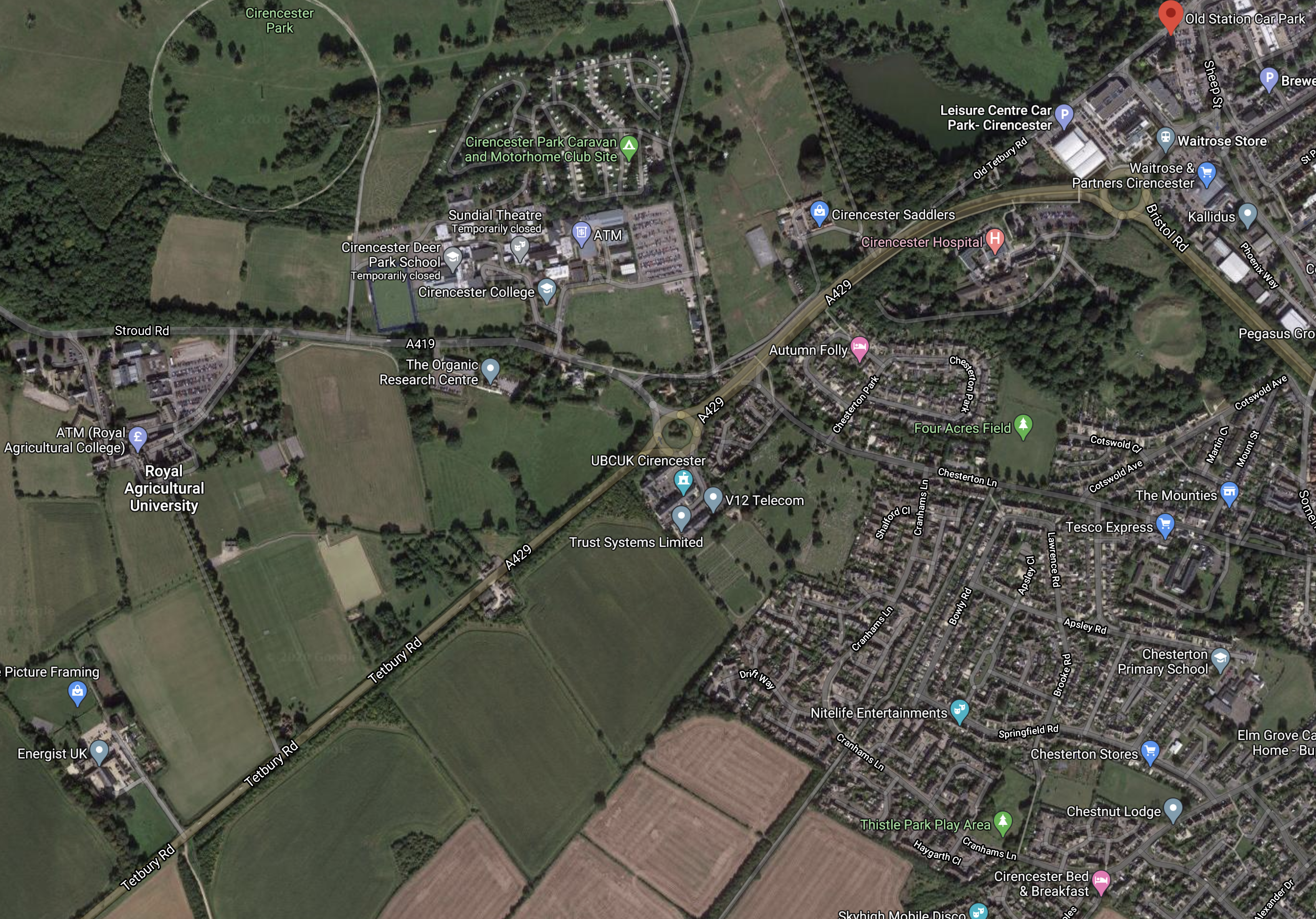
Note.
- The A 433 running SW-NE across the map.
- The Royal Agricultural University towards the West of the map.
- Cirencester College to the North-East of the University.
- The red arrow in the North-East corner of the map, which marks the Old Station Car Park.
The design envisages the following stations.
Parklease Farm
This station could be added, where the track changes direction, when it leaves the old route. It lies to the South of the Royal Agricultural University and off the map above.
It would probably be by request.
The University Station
This would be the main station on the route.
- It would serve the Royal Agricultural University.
- It would act as a Park-and-Ride station, with a large car park.
- Overnight stabling for the trains could be provided here.
If a passing loop is needed it could be added at this station.
The College Halt
This would be to the East of the roundabout on the map and would serve Cirencester College.
The Town Halt
This would be on the edge of the town centre, by the Old Station Car Park.
The Vehicles
The plan envisages using Very Light Rail vehicles.
- If these run on concrete tracks, as the report indicates, then effectively this means the the CCR will be separate from the UK rail network and through running will not be possible.
- In my post, I proposed battery tram-trains as these would allow extra local services between Kemble and Swindon, which might be needed if there was substantial housing development in the area.
- But then I like tram-trains and felt they would be a way to get to the centre of Cirencester. But the CCR’s route avoids the need for tram-trains.
I also wonder, if Very Light Rail would offer enough capacity. But it could probably offer a higher frequency easier than heavy rail.
Service Frequency
Nothing is said in the CCR report about service frequency.
As the University station doubles as a Park-and-Ride for the town, I think the frequency between the University station and the Town halt should be at least four tph.
Would this frequency apply to the whole of the CCR?
Great Western Railway’s Attitude
I can’t speak for Great Western Railway (GWR), but surely they would hope that the CCR would bring them a large number of passengers..
Currently, there is a two tph service between Swindon and Cheltenham through Kemble! Will this provide a good connection with the Cirencester service? Or will passengers find that they waste thirty minutes waiting for trains.
This was one of the reasons, I proposed tram-trains in my original post.
But this would not be a problem unique to the CCR, as the GWR has several branch lines with a similar problem.
So will GWR develop a company-wide solution to feed passengers in from branch lines?
Conclusion
The CCR have produced a well-thought out and detailed plan, but I think it can be improved. Especially, if GWR develop a company-wide solution for branch lines.
Beeching Reversal – Reopening Stratford-upon-Avon And Honeybourne-Worcester/Oxford (SWO) Railway Line
This is one of the Beeching Reversal projects that the Government and Network Rail are proposing to reverse some of the Beeching cuts.
I covered this route in RSC Urges GWR To Provide Stratford Improvements and came to these conclusions.
There are three ways to improve rail access to Stratford-upon-Avon.
-
- The relatively easy and quick, enhancement of the rail services in Warwickshire.
- Provide better one-change routes using Chiltern Railways.
- The more difficult re-connection of Stratford to the Cotswold Line at Honeybourne.
As the last project will take years to implement, I feel, it is important that services to Stratford from Birmingham, Coventry, Leamington Spa and the West Midlands are substantially increased.
I also believe that the responsibility of providing a local service between Leamigton Spa and Stratford should be given to West Midlands Trains.
The Case To Reconnect Stratford-on-Avon and Honeybourne Stations
In Where Is London Midland Going?, I wrote this section in July 2017.
The North Warwickshire Line
The North Warwickshire Line links Birmingham with Stratford-on-Avon and has an alternative name of the Shakespeare Line.
Plans exist to extend this line South to Honeybourne station on the Cotswold Line.
Under Possible Future Development in the Wikipedia entry for the Warwickshire Line, this is said.
The Shakespeare Line Promotion Group is promoting a scheme to reopen the 9 miles (14 km) of line south of Stratford to Honeybourne where it would link to the Cotswold Line. Called the “Avon Rail Link”, the scheme (supported as a freight diversionary route by DB Schenker) would make Stratford-upon-Avon station a through station once again with improved connections to the South, and would open up the possibility of direct services to Oxford and Worcester via Evesham. The scheme faces local opposition. However, there is a good business case for Stratford-Cotswolds link.
I think we’ll see something in the new franchise about developing this line, as there is a lot of potential for a train operator.
-
- Direct services between Stratford-on-Avon and Oxford, where there is a connection to Bicester Village. Tourists would love that!
- Connection of the housing development at Long Marston to Birmingham.
- Could Stratford-on-Avon or Honeybourne become the terminus of a service from Leamington, Coventry and Nuneaton?
It would also give DB Schenker, their freight diversion.
But we didn’t see anything in the new franchise and the project has turned up in the list of Beeching Reversal projects.
The Route Into Stratford-Upon-Avon
This Google Map shows Stratford-upon-Avon station.
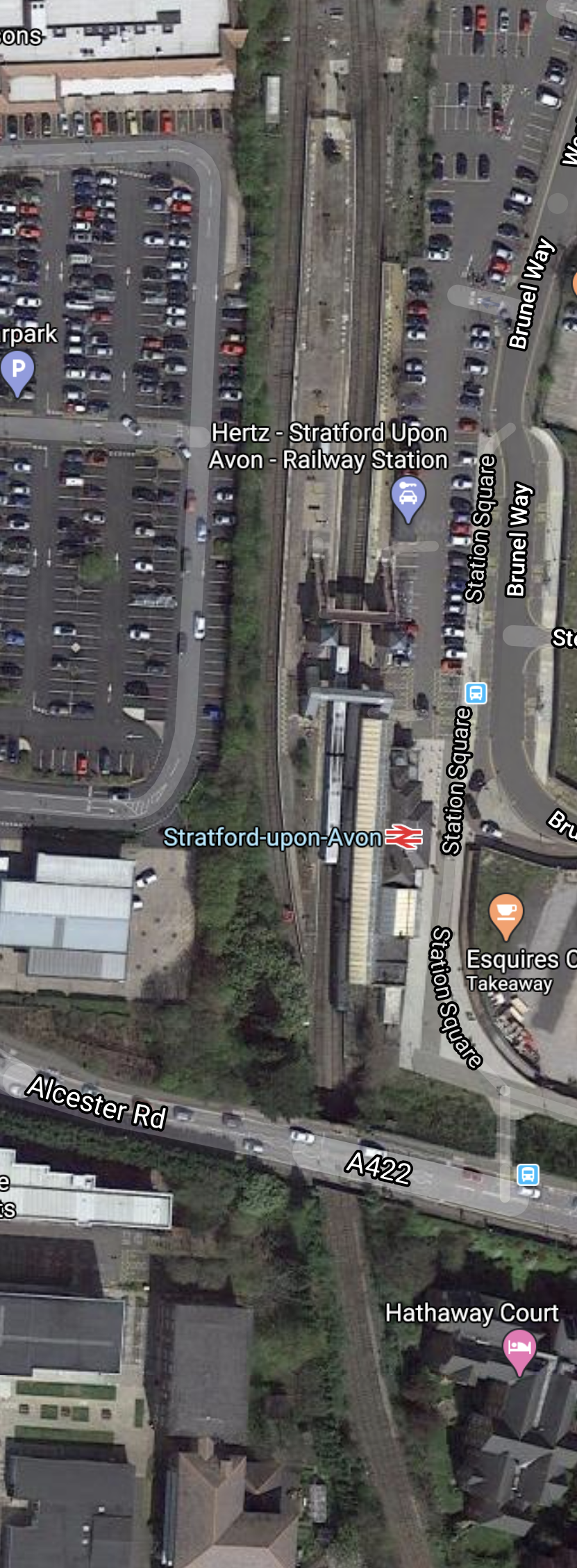
Note.
- The station is well-appointed with step-free access and three platforms.
- The bridge at the Southern end of the station to allow the railway to go South, appears to be intact.
This second Google Map shows the area of the town from the station to the racecourse.
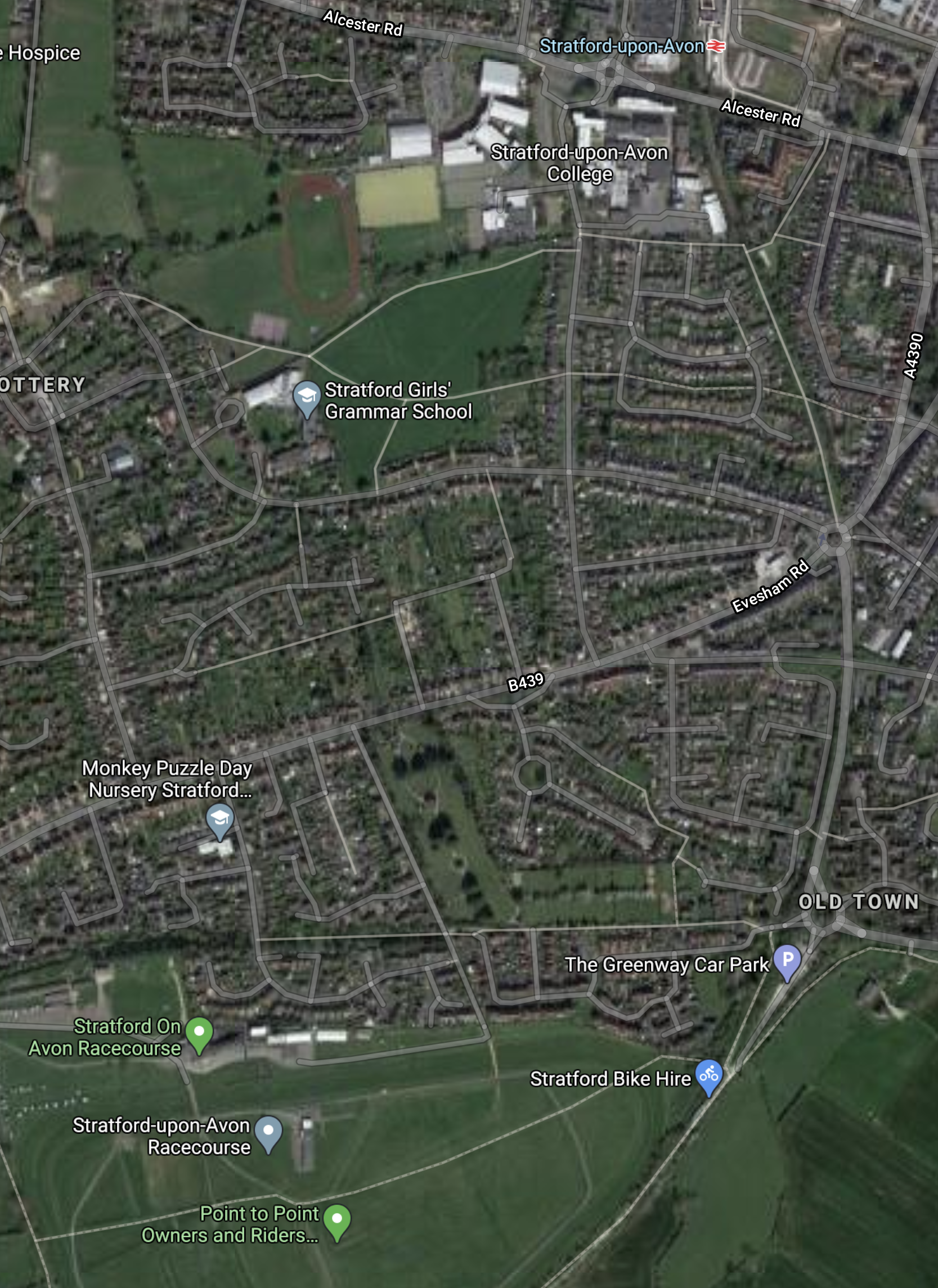
Note.
- Stratford-upon-Avon station at the top of the map.
- Stratford Racecourse at the bottom of the map.
The road curving between the station and the racecourse is the track of the former Stratford to Honeybourne railway.
My first reaction, when I saw this was that those, who want to rebuild this railway can’t be serious.
- Would you want one of DB Schenker’s noisy, smelly and polluting Class 66 locomotives running past your house?
- Would you want the line to be electrified, so they could use electric locomotives on this short stretch of railway? If so would DB Schenker be happy to change locomotives twice?
I have looked at new railways entering towns and cities all over the UK and Europe and feel there is only two possible solutions for Southern access to Stratford-upon-Avon station.
- A single-track passenger-only railway run by battery electric trains.
- A tunnel, which would probably be single-bore for cost reasons.
South of Stratford, the route is easier and it can be picked out on Google Maps until it reaches the Cotswold Line to the East of Honeybourne station.
This Google Map shows Honeybourne station and the junction.
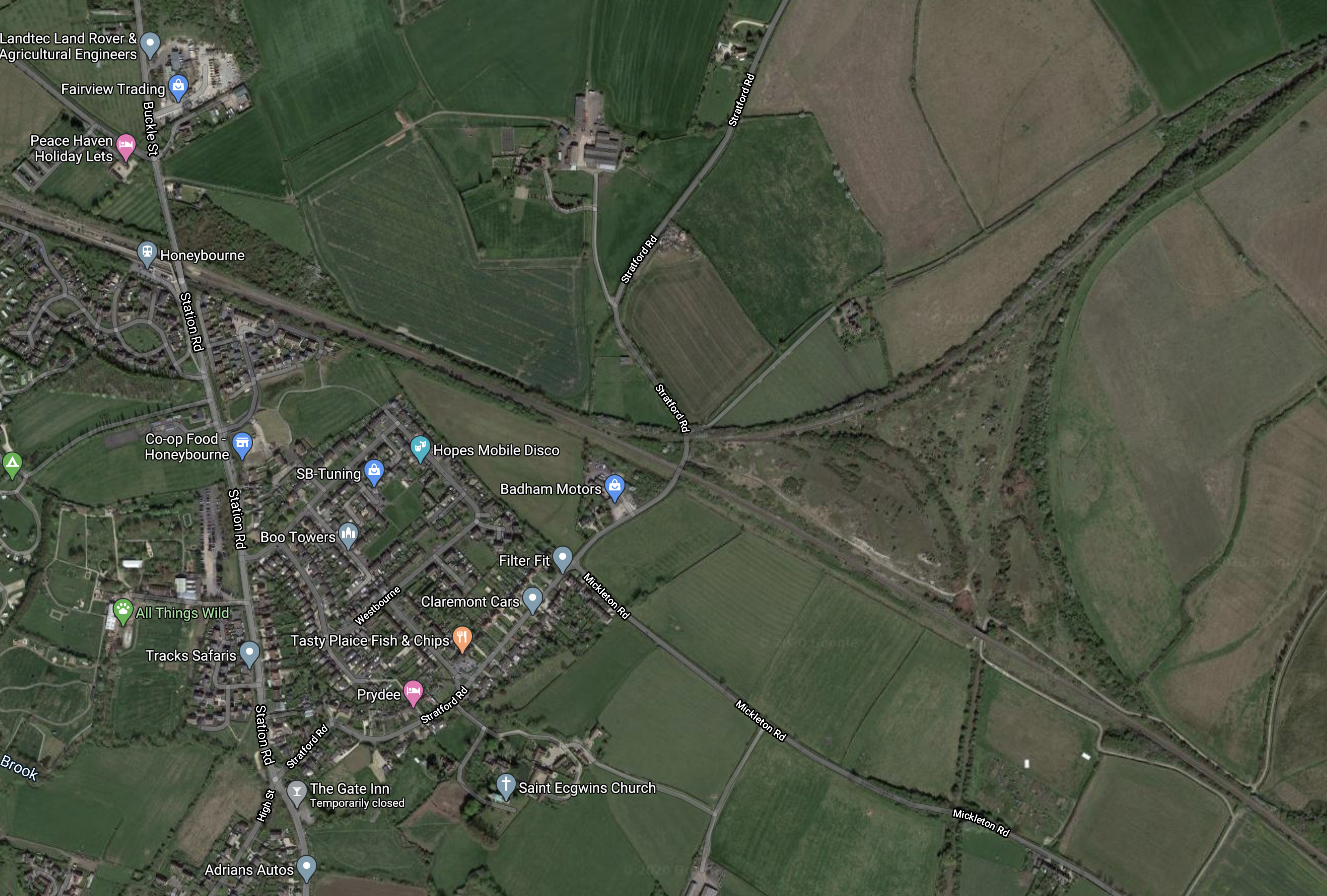
Note.
- The Cotswold Line running NW-SE across the map.
- The large triangular junction that connected the line to Stratford-upon-Avon station, which is to the North-East.
- Another track going South from the junction, can be picked out. This leads to the heritage Gloucestershire Warwickshire Railway at Broadway station, with onward connections to Cheltenham Racecourse.
Honeybourne station could be an important rail hub.
Honeybourne Station And Battery Electric Trains
Consider.
- Hereford and Honeybourne stations are 48 miles apart.
- Didcot East Junction, where trains switch to and from the Great Western Main Line electrification and Honeybourne stations are 48 miles apart.
- Trains to Hereford pass through Great Malvern, Worcestershire Parkway and Worcester Foregate Street.
- Stratford-up-on-Avon and Honeybourne stations would be less than thirty miles apart, if the two stations were to be reconnected by rail.
- Hitachi’s proposed battery electric trains will have a range of 56 miles on battery power.
If the means to charge battery electric trains were provided in the Honeybourne area, the following services could be run by battery electric trains.
- London Paddington and Worcestershire Parkway, Worcester Foregate Street, Great Malvern and Hereford.
- Honeybourne and Stratford-upon-Avon
The charging could be performed, by a ten minute stop at Honeybourne station or a section of electrified line centred on the station.
The two stations either side of Honeybourne are Evesham and Moreton-in-Marsh.
- They are fifteen miles apart.
- Trains take eighteen minutes between the stations.
- This would be enough time to charge the batteries.
- Trains could pan-up and pan-down in the two stations.
I believe modern low-visibility overhead electrification could be used.
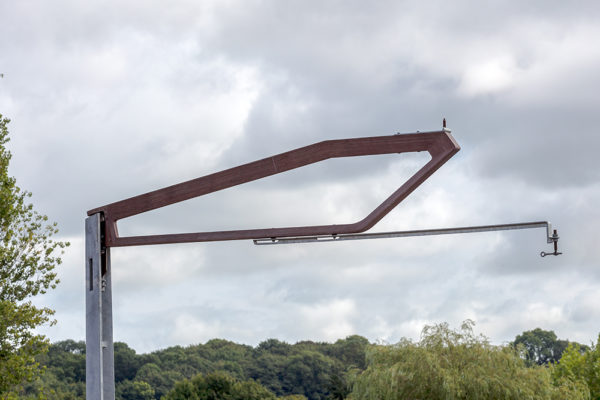
See Prototype Overhead Line Structure Revealed for more details on these gantries.
An Oxford And Stratford-upon-Avon Service
My estimates for the timings of the two sections of the route are as follows.
- Stratford-upon-Avon and Honeybourne – 20 minutes
- Honeybourne and Oxford – 46 minutes
Perhaps not the best for an efficient services, but I’m sure something could be arranged.
Conclusion
This will be a difficult project to get built.
If it is built, I suspect, it will be a passenger-only route using battery trains.
The Future Of West Midlands Trains’s Class 350 Trains
Currently, West Midlands Trains have four sub-fleets of Class 350 trains.
- Class 350/1 – 30 trains – Leased from Angel Trains
- Class 350/2 – 37 trains – Leased from Porterbrook
- Class 350/3 – 10 trains – Leased from Angel Trains
- Class 350/4 – 10 trains – Leased from Angel Trains
Note.
- All are 110 mph trains
- The trains are capable of being modified for 750 VDC third-rail electrification.
Under Future the Wikipedia entry for Class 350 trains says this.
West Midlands Trains announced that they would be replacing all 37 of their 350/2 units for Class 350/4 units cascaded from TransPennine Express and brand new Class 730 units which both can travel up to speeds of 110 mph.
In October 2018, Porterbrook announced it was considering converting its fleet of 350/2s to Battery electric multiple units for potential future cascades to non-electrified routes.
As West Midlands Trains have ordered 45 Class 730 trains for express services, it looks like they will be expanding services on the West Coast Main Line and around the West Midlands.
But it does appear that as many as thirty-seven trains will be returned to Porterbrook.
Class 350 Trains With Batteries
I believe that if fitted with batteries, these trains would meet or be very near to Hitachi’s specification, which is given in this infographic from Hitachi.
Note that 90 kilometres is 56 miles.
Could West Midlands Trains Run Any Services With Class 350 Trains With Batteries?
I think there are some possibilities
- Birmingham New Street and Shrewsbury – 30 miles without electrification between Shrewsbury and Wolverhampton – Charging facility needed at Shrewsbury.
- Birmingham New Street and Hereford via Worcester – 41 miles without electrification between Hereford and Bromsgrove – Charging facility needed at Hereford.
- Leamington Spa and Nuneaton via Coventry – 19 miles without electrification – Charging on existing electrification at Coventry and Nuneaton.
- The proposed direct Wolverhampton and Walsall service, that i wrote about in Green Light For Revived West Midlands Passenger Service.
There may also be some services added because of the development of the Midlands Rail Hub and extensions to London services,
Who Has Shown Interest In These Trains?
I can’t remember any reports in the media, about any train operator wanting to lease these trains; either without or with batteries.
Conclusion
It does all seem a bit strange to me.
- As a passenger, I see nothing wrong with these trains.
- They are less than twenty years old.
- They are 110 mph trains.
- They have 2+2 interiors, with lots of tables.
- They could be fitted with batteries if required.
But then, all of those things could be said about Greater Anglia’s Class 379 trains.
Midlands Rail Hub
On the Midlands Connect web site, they have a page, which is entitled Midlands Rail Hub.
This is the introductory paragraph.
The Midlands Rail Hub – our flagship project – is the biggest upgrade of our rail network for a generation.
The page contains this helpful map.

There is also a table of journeys and the improvements to be made.
- Birmingham – Nottingham – +1 tph – 72 minutes – 59 minutes
- Birmingham – Leicester – +2 tph – 66 minutes – 42 minutes
- Birmingham – Hereford – +1 tph – 85 minutes – 65 minutes
- Bitmingham – Worcester – +1 tph – 40 minutes – 35 minutes
- Birmingham – Derby – +2 tph – 38 minutes – 38 minutes
- Coventry – Leicester – +2 tph – 57 minutes – 38 minutes
- Coventry – Nottingham -+2 tph – 99 minutes – 63 minutes
- Birmingham – Bristol – +1 tph – 85 minutes – 80 minutes
- Birmingham – Cardiff – +1 tph – 117 minutes – 112 minutes
- Birmingham – Kings Norton – +2 tph – 18 minutes – 14 minutes
Note that the data by each route is the increase in frequency in trains per hour (tph), the current journey time and the future journey time.
I’ll now look at each route in more detail.
Birmingham And Bristol
Consider.
- Birmingham New Street and Bristol Temple Meads stations are 90 miles apart.
- Current service is two tph, which is provided by CrossCountry and goes via Worcestershire Parkway, Cheltenham Spa and Bristol Parkway.
- There is to be an increase of one tph.
- Current journey time is 85 minutes
- Future journey time is 80 minutes
As CrossCrountry’s Birmingham and Bristol service goes through to Edinburgh, Glasgow or Manchester Piccadilly, would it not be convenient, if the service could use High Speed Two to the North of Birmingham?
Birmingham And Cardiff
Consider.
- Birmingham New Street and Cardiff Central stations are 108 miles apart.
- Current service is two tph, which is provided by CrossCountry and goes via Worcestershire Parkway, Cheltenham Spa. Gloucester and Newport.
- There is to be an increase of one tph.
- Current journey time is 85 minutes
- Future journey time is 80 minutes
As CrossCrountry’s Birmingham and Cardiff service goes through to Nottingham, would it not be convenient, if the service could use High Speed Two between Birmingham and Nottingham?
It would appear that both Bristol and Cardiff services could benefit from a High Speed Two connection.
This map from High Speed Two shows the line’s route through the Water Orton area.
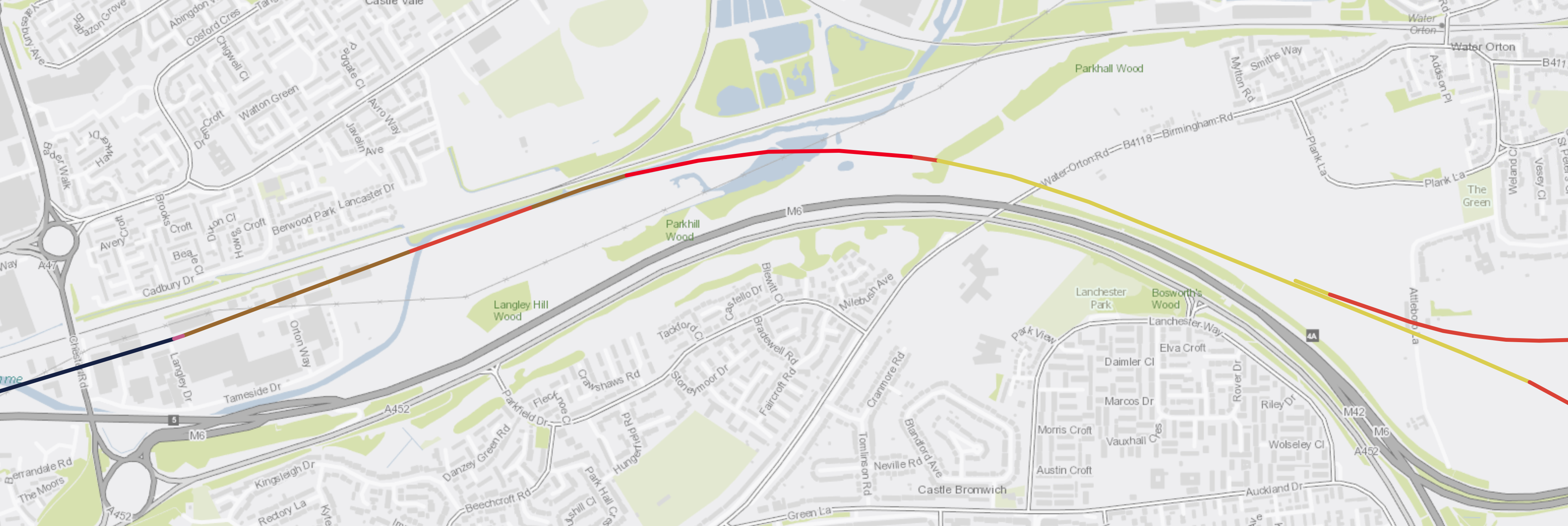
Note.
- High Speed Two is shown in various colours.
- High Speed Two splits at the Eastern edge of the map, with the Northern link going to Northern destinations and the Southern link going to Birmingham Interchange and London.
- Curving across the map beneath it, is the M6 motorway, with Spaghetti Junction off the map to the West.
- Water Orton station is in the North East corner of the map.
- The Birmingham and Peterborough Line, which connects Leicester and Birmingham New Street stations via Water Orton runs just tom the North of the route of High Speed Two shown on the map.
This Google Map shows the area.
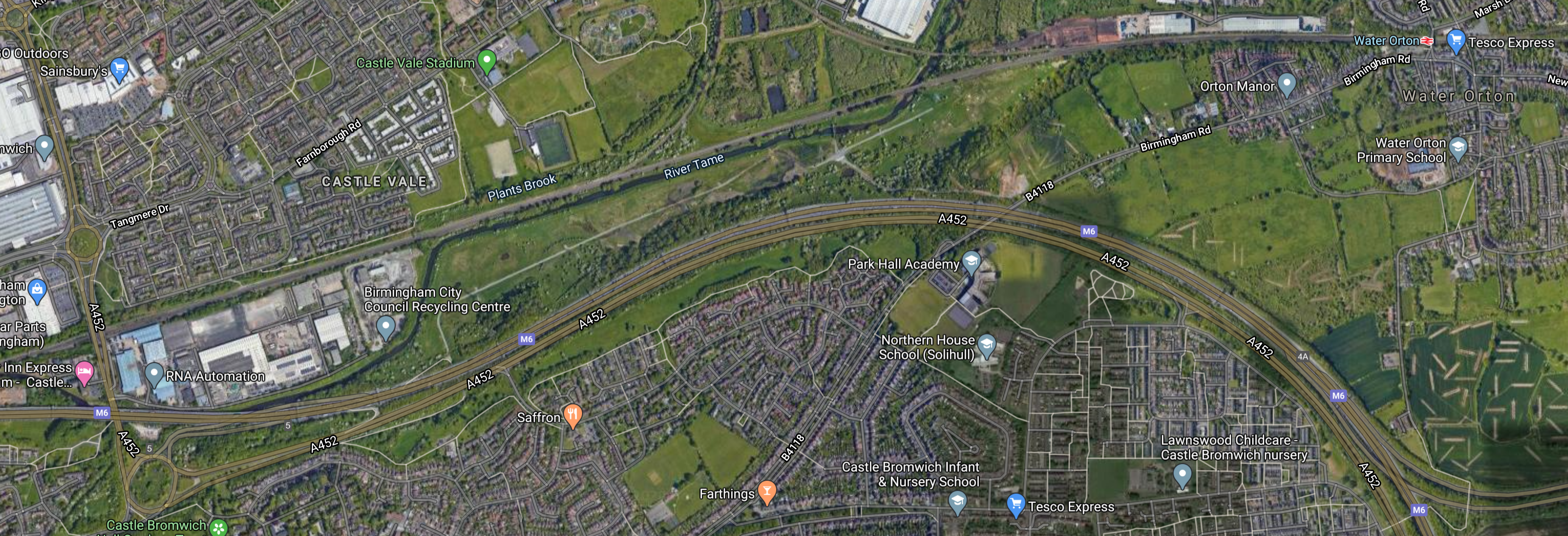
I wonder if it would be possible to provide links so that the following would be possible.
- Trains running East from New Street station could join High Speed Two to run to East Midlands Hub, Edinburgh, Glasgow, Leeds, Liverpool, Manchester, Newcastle, Sheffield and York.
- Trains from the North could run into New Street station and then continue to Bristol, Cardiff and Cheltenham.
The trains would have to be classic-compatible High Speed Two trains. These would fit into New Street station, as they are shorter than Class 390 trains and will have a aimilar height and width.
Time savings could be as follows.
- Bristol/Cardiff and Edinburgh – 110 minutes
- Bristol/Cardiff and Manchester Piccadilly- 50 minutes
- Bristol/Cardiff and Newcastle – 80 minutes
- Bristol/Cardiff and Nottingham – 45 minutes
All trains would be direct.
Birmingham And Derby
Consider.
- Birmingham New Street and Derby stations are 41 miles apart.
- Current service is two tph, which is provided by CrossCountry and goes via Wilnecote, Tamworth and Burton-on-Trent
- There is to be an increase of two tph.
- Current journey time is 38 minutes
- Future journey time is 38 minutes
- High Speed Two will run three tph between Birmingham Curzon Street and East Midlands Hub station in 20 minutes.
- Midlands Connect will run one tph between Birmingham Curzon Street and Nottingham Station in 30 minutes. See Classic-Compatible High Speed Two Trains At East Midlands Hub Station
Will passengers between Birmingham and Derby use High Speed Two services, which will be four tph or the current ones?
Birmingham And Hereford Via Worcester
Consider.
- Birmingham New Street and Hereford stations are 55 miles apart.
- Current service is one tph, which is provided by West Midlands Trains, and goes via Bromsgrove, Malvern Link and Great Malvern.
- There is to be an increase of one tph.
- Current journey time is 85 minutes
- Future journey time is 65 minutes
- The track between Bromsgrove and Birmingham is electrified.
- Hereford and Bromsgrove are 41 miles apart.
- Worcester and Bromsgrove are 13 miles apart.
With charging facilities at Worcester, this route would be an ideal one for battery electric trains.
Birmingham And Leicester
Consider.
- Birmingham New Street and Leicester stations are 40 miles apart.
- Current service is two tph, which is provided by CrossCountry and goes via Water Orton, Coleshill Parkway, Nuneaton, Hinckley and Narborough.
- There is to be an increase of two tph.
- Current journey time is 66 minutes
- Future journey time is 42 minutes
Birmingham – Nottingham
Consider.
- Birmingham New Street and Nottingham stations are 57 miles apart.
- Current service is two tph, which is provided by CrossCountry and goes via Tamworth, Burton-on-Trent and Derby.
- There is to be an increase of one tph.
- Current journey time is 72 minutes
- Future journey time is 59 minutes
- High Speed Two will run three tph between Birmingham Curzon Street and East Midlands Hub station in 20 minutes.
- Midlands Connect will run one tph between Birmingham Curzon Street and Nottingham Station in 30 minutes. See Classic-Compatible High Speed Two Trains At East Midlands Hub Station
Will passengers between Birmingham and Nottingham use High Speed Two services, which will be four tph or the current ones?
Coventry And Leicester
Consider.
- Coventry and Leicester are 28 miles apart.
- There is currently no direct train and a change is needed at Nuneaton
- There is to be an increase of two tph.
- Current journey time is 57 minutes
- Future journey time is 38 minutes
I suspect that a direct Coventry and Leicester service is being provided that does one of the following.
- Reverses in Nuneaton station.
- Takes a new flyover to cross the West Coast Main Line.
Would the Southern terminus of the route be Coventry, Leamington Spa or Stratford-on-Avon?
Coventry And Nottingham
Consider.
- Coventry and Nottingham are 55 miles apart.
- There is currently no direct train and a change is needed at Birmingham New Street or at both Nuneaton and Leicester.
- There is to be an increase of two tph.
- Current journey time is 99 minutes
- Future journey time is 63 minutes
Would this service be an extension of the Coventry and Leicester service?
As Leicester and Nottingham takes around thirty minutes, this could be the case.
Birmingham And Kings Norton Via The Camp Hill Line
The Midlands Rail Hub page, says this about the Bordesley Chords, which will connect Birmingham Moor Street station to the Camp Hill Line.
Construction of the Bordesley Chords, two viaducts creating new paths to the East Midlands and South West from Birmingham Moor Street Station.
This Google Map shows where they will be built.
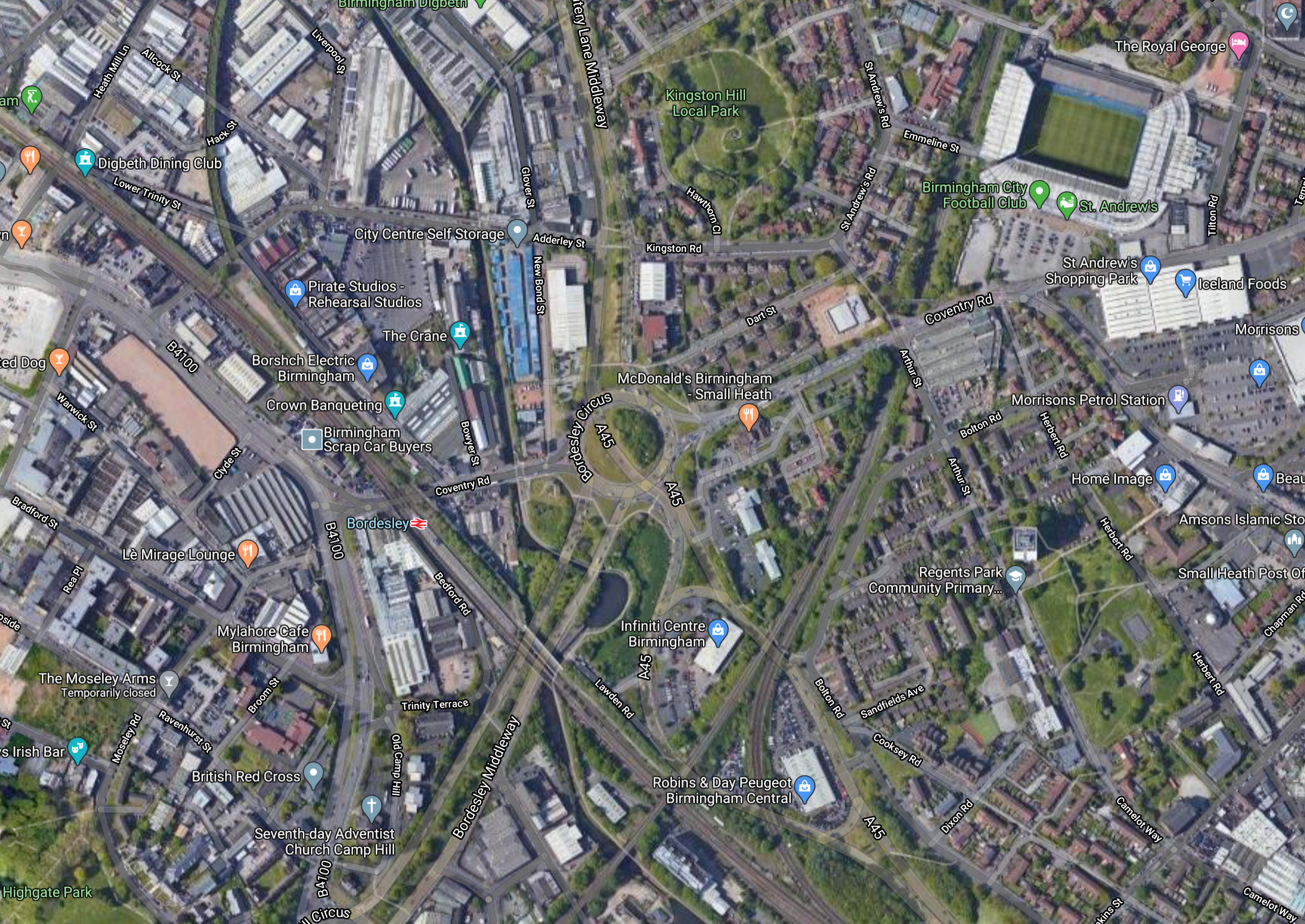
Note.
- The Football ground in the North-East corner of the map is St. Andrew’s, which is Birmingham City’s home ground.
- The rail line going North South across the map and passing to the West side of the ground is the Camp Hill Line, which leads to Water Orton station in the North and Kings Norton station in the South.
- The station in the middle of the map is Bordesley station.
- The rail line going NW-SE across the map through the station is the Chiltern Main Line into Birmingham Moor Street station, which is a couple of miles to the North-West.
The two Bordesley chords will be double-track chords linking the following routes.
- Moor Street station to the Camp Hill Line going South to Kings Norton via new stations at Moseley, Kings Heath and Hazelwell.
- Moor Street station to the Camp Hill Line going North to Water Orton station.
The initial service would appear to be two tph between Moor Street and Kings Norton stations.
CrossCountry Trains and Moor Street Station
Consider.
- Birmingham New Street station is very busy.
- Some CrossCountry trains take a Water Orton-Birmingham New Street-Kings Norton route across the city.
Could these trains go between Water Orton and Kings Norton, with a reverse in Moor Street station?
- Plymouth and Edinburgh Waverley
- Cardiff Central and Nottingham
And could these services terminate at Moor Street station?
- Birmingham New Street and Nottingham
- Birmingham New Street and Stansted Airport via Leicester
- Birmingham New Street and Leicester
It would seem there must be scope improve the operation of New Street station, by using Moor Street station and the Bordesley chords.
If all these trains used Moor Street station it would be a very busy station.
In an hour it would handle these trains via the Bordesley chords.
- CrossCountry – 1 tph – Cardiff Central
- CrossCountry – 1 tph – Edinburgh Waverley
- West Midlands Railway – 2 tph – Kings Norton
- CrossCountry – 2 tph – Leicester
- CrossCountry – 2 tph – Nottingham
- CrossCountry – 1 tph – Plymouth
- CrossCountry – 1 tph – Stansted Airport
That is a balanced five tph to the North and five tph to the South.
There would also be the existing services.
- Chiltern Trains – 2 tph – London Marylebone and Birmingham
- West Midlands Railway – 6 tph – Dorridge/Stratford-upon-Avon/Whittocks End and Stourbridge Junction
There would also be the proposed Moor Street and Oxford service.
Battery Electric Trains
If we assume that a battery electric train has a battery range equal to or longer than Hitachi’s quoted figure of 56 miles, these routes are possibilities for battery electric trains.
- Birmingham and Leicester with either electrification or charging at Leicester.
- Birmingham and Hereford with charging at Hereford
- Birmingham and Kings Norton
- Birmingham and Oxford with charging at Oxford and Banbury
- Coventry and Leicester
If the Midland Main Line is electrified in the Nottingham Area, then all services to Nottingham could be added.
CrossCountry And High Speed Two
Consider.
- There are up to half-a-dozen spare hourly paths on both the Northern legs of High Speed Two.
- Using High Speed Two tracks to the North of Birmingham can speed up services considerably.
- CrossCountry needs a new fleet of trains.
- Services could be run using classic-compatible High Speed Two trains.
- The trains might be shorter and would certainly have independent power sources.
It could be a large improvement in quality and journey times, with all current destinations served.
The only extra infrastructure needed would be a connecting junction near Water Orton station. A junction there would work, whether services used Moor Street or New Street station in Birmingham.
Cnnclusion
The concept of a Midlands Rail Hub is very sound.

