Did Plans For Crossrail Ever Include A Station At Holborn?
I have only one North-South bus route, where I live.
The 141 bus connects Palmers Green and London Bridge station.
- The 141 bus was the replacement for the 641 trolley bus, which was the main link between Wood Green, Turnpike Lane and Harringay, and the City of London, when I was a child.
- The vehicles are up to ten years old Wrightbus diesel hybrids.
- The route suffers badly from overcrowding as it connects, Bank and Moorgate stations in the City of London, with the outer reaches of the Piccadilly Line.
The overcrowding on the 141 bus route has got worse in the last couple of years because of the following.
- The rebuilding of London Bridge station brought more passengers to the 141 bus route.
- The opening of the new London Bridge bus station at London Bridge station has improved access to the buses at London Bridge station.
- The improvement of the connection of the buses to the Docklands Light Railway, Central Line and Northern Line at Bank station.
- The opening of the Battersea branch of the Northern Line, which brings more passengers to Bank station.
- The opening of the new Cannon Street entrance to Bank Underground station.
- The opening of the Elizabeth Line through Moorgate station.
- Recently, a new walking route between Moorgate and Liverpool Street was opened, which will bring more passengers to the buses on Moorgate.
- The rebuilding of Old Street station brought more passengers to the 141 bus route.
So what was the response of the Mayor and Transport for London, to all this increase of passenger numbers?
The 21 bus, which shadowed the 141 route, and doubled the number of buses through where I live, was moved to serve Holloway.
It was a big crime against mathematics and the wishes of our long-serving Labour MP; Meg Hillier.
So to handle many more passengers between London Bridge station and Newington Green through the City of London, the number of buses was halved.
I believe that the overcrowding will get worse because of the improvements, that Transport for London have planned.
- The Piccadilly Line will be getting new air-conditioned trains within a couple of years and these will inevitably attract more passengers to the line.
- On the other hand the air-conditioning may persuade passengers to use the Piccadilly Line more than they do now. Instead of changing to the 141 bus at Manor House station, passengers could change at Finsbury Park, King’s Cross St. Pancras or Holborn stations for other routes to the City of London.
- The third line to receive the new air-conditioned trains will probably be the Central Line, which would create another East-West air-conditioned line and bring more passengers to Bank station.
- The Central Line could give some relief for the buses through Bank, if an extra station was built on the Central Line to interchange with Shoreditch High Street station on the East London Line of the London Overground.
- The fourth line to receive the new air-conditioned trains will probably be the Waterloo and City Line, which would create another air-conditioned line and bring more passengers to Bank station.
- It is likely, that more services will be added to the Elizabeth Line, which will bring more passengers to Moorgate station.
- It is likely, that more services will be added to the Northern City Line, which will bring more passengers to Moorgate station.
- The Mayor is also planning to pedestrianise Oxford Street, which may fill up the Central Line with extra passengers.
It looks to me, that there will be a need for a large increase of bus capacity through the City of London on a North-South axis.
On the other hand, the City of London have stated that they will pedestrianise many of their streets.
So what can be done to avoid gridlock in the City of London?
Develop The Northern City Line At Moorgate
I use this route regularly to and from Moorgate station.
- It already has new Class 717 air-conditioned trains.
- The route is already digitally signalled in conjunction with the East Coast Digital Programme.
- It has two platforms at Moorgate station.
- Highbury & Islington station has interchanges with the Victoria Line and the North and East London Lines of the London Overground.
- Finsbury Park station has interchanges with the Victoria Line and National Rail services.
- Bowes Park station has an out of station interchange with Bounds Green station on the Piccadilly Line.
- Step-free access needs improving.
- The Victorians had plans to extend the line to Lothbury near Bank station.
If the Northern City Line could handle more passengers, would passengers get to all parts of the City of London by changing at Finsbury Park and walking from Moorgate or Old Street stations?
I regularly go between my house and Moorgate, by taking a bus to Essex Road station and using the Northern City Line.
I believe that with improvements on the Northern City Line, the line could be turned into a very valuable part of London’s rail infrastructure.
Connect The Central Line And The East London Line At Shoreditch High Street Station
I wrote about this proposal in Will Shoreditch High Street Be Connected To The Central Line?
The Elizabeth Line needed to be completed before this could be started.
Build The Western Extension Of The Docklands Light Railway
I wrote about this proposal in The Bank Station Upgrade And The Western Extension Of The DLR.
Rebuild Holborn Station
The interchange between Piccadilly and Central Line at Holborn station is difficult to say the least.
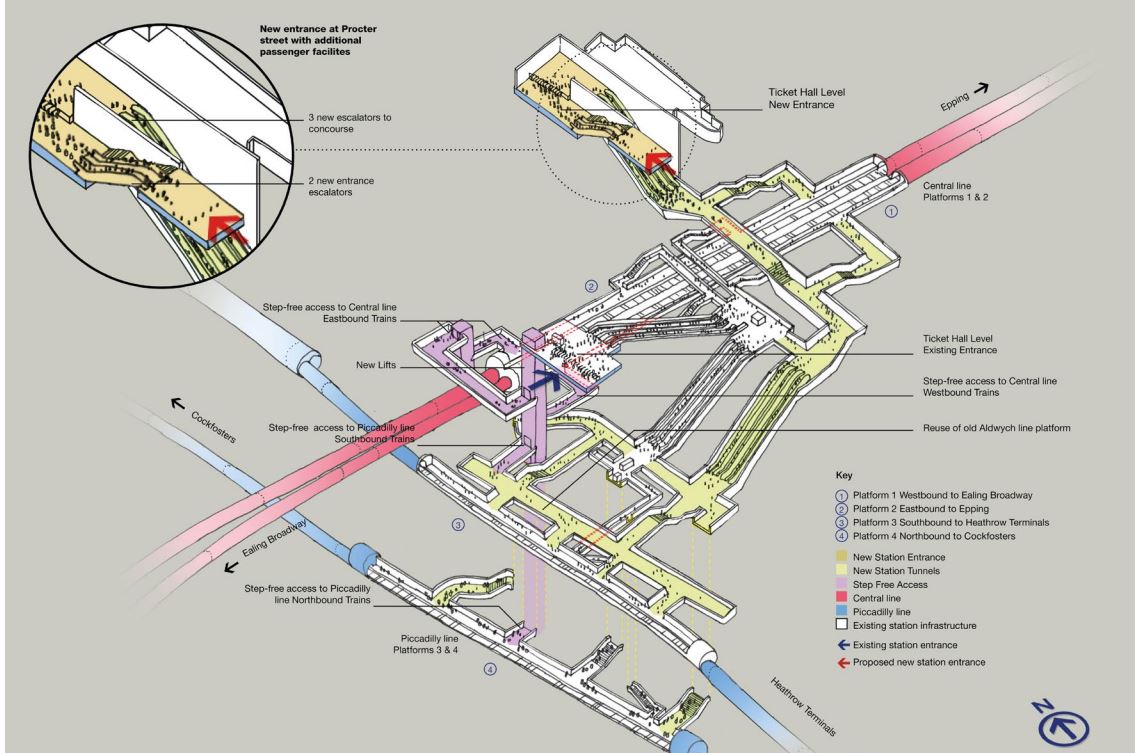
Holborn station is being extended with a new entrance. As with Euston, I suspect it has been designed with a feasible place for DLR platforms to be added.
This document on the TfL web site, gives more details of what is proposed at Holborn station.
I extracted this visualisation of the proposed station.
This map from carto.metro.free.fr shows the lines in the through and around the station.
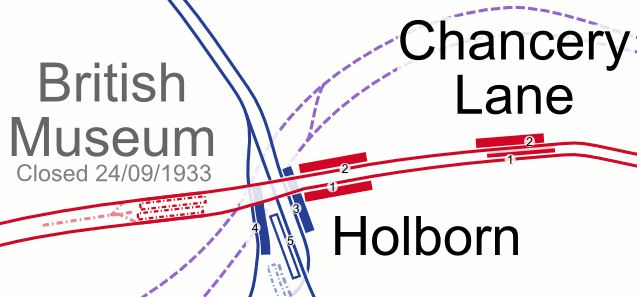
.Note, the Elizabeth Line, which is shown by dotted lines passes to the North of the station.
Conclusion
Not all these improvements need to be done, but each would improve transport in the City of London.
Silvertown Tunnel Easing Congestion, TfL Says
The title of this post, is the same as that of this article on the BBC.
This is the sub-heading.
Transport for London (TfL) has shared the first insights about the impact on traffic of the new Silvertown Tunnel, as part of commissioner Andy Lord’s latest report to the TfL Board.
These two initial paragraphs gives a summary of about three weeks traffic.
Analysis of data between 21 April and 11 May shows the Silvertown and Blackwall tunnels are being used by an average of about 88,000 vehicles on a typical weekday. Of these, about 20,000 are using the Silvertown Tunnel.
Before the tunnel opened on 7 April, about 100,000 vehicles used the Blackwall Tunnel on weekdays.
TfL are claiming that this 12,000 drop in traffic is helping to ease congestion.
Logically, a drop in traffic will ease congestion, but the BBC article also says this.
However, it said it was aware of some increased traffic volumes at other river crossings, including the Woolwich Ferry.
The only other river crossings in the area are the Rotherhithe Tunnel and the Woolwich Ferry, both of which are free to all users.
So is the drop in traffic through the Blackwall and Silvertown Tunnels, due to drivers objecting to paying a toll and taking a free route instead?
On The Buses
The BBC article says this about bus passengers.
Mr Lord’s report also provided ridership data about the three bus services that operate through both tunnels: the new Superloop SL4, the extended route 129 and the 108, which already ran through the Blackwall Tunnel before 7 April.
Across the routes there is a daily average of more than 20,000 passengers making use of these services, of which typically about 7,000 are crossing the river using one of the two tunnels. In March 2025, there were about 2,700 crossings a day made using route 108.
The increase in bus passengers is not surprising.
Before the opening of the Silvertown Tunnel, there was just this bus service through the Blackwall Tunnel.
- London Bus 108 – Stratford and Lewisham via North Greenwich.
This has now been joined by, these bus services through the Silvertown Tunnel.
- London Bus 129 – Great Eastern Quay and Lewisham via City Airport and North Greenwich.
- London Bus SL4 – Canary Wharf and Grove Park via East India, Blackheath and Lee.
Note how the buses call at rail stations, an airport and other important traffic interchanges.
In Could The Silvertown Tunnel Handle More Buses?, I asked if buses through the Silvertown Tunnel should be increased?
Given that traffic through the combined Silvertown/Blackwall complex has dropped by 12,000 vehicles per day, that must leave space for a few buses or coaches.
- Assuming, that one bus or coach takes up the space of four cars, that would be space for 3,000 buses/coaches per day.
- Also assuming the bus and coach services are run on a twenty-four hour basis, that would be 125 buses/coaches per hour.
If the bus and coach services ran every ten minutes, that would say, there is space in the tunnel for up to a dozen new bus or coach routes.
There could develop a virtuous circle and feedback loop, which drives the tunnel to a state of equilibrium, where traffic grows through the tunnels, until it is maximised.
Consider.
- Research shows a bus route from A to B through the tunnel would attract passengers.
- Drivers and their passengers decide that on balance a bus ride is more convenient, no slower and more affordable than driving.
- Congestion charges and other charges for non-electric vehicles will play their part.
- Green issues will also will play their part.
- Fewer cars will use the tunnels.
- Increasing tunnel charges will only drive more car users to the buses.
- More free space in the tunnel, will allow more bus and coach routes.
- More bus and coach routes will attract drivers from their cars.
Eventually, equilibrium will be reached.
A similar effect happens, when a new bypass is opened and as if by magic it fills up.
When it happens with train services I call it, London Overground Syndrome.
On Your Bike
The BBC article says this about cyclists.
There is also a cycle shuttle service, enabling cyclists to take their bikes free of charge on a bus through the Silvertown Tunnel. TfL said some 100-150 people were using it on a typical day.
While this is below its capacity, TfL believes usage will grow as cyclists adapt their routes to benefit from this safer crossing option.
When I used to cycle around London in the 1970s, I never cycled under the Thames, but I did generally cycle as fast as I could across the city. I wouldn’t have put my bicycle on a free bus.
So, is this why the cycle shuttle service is below capacity?
The BBC article says this.
TfL believes usage will grow as cyclists adapt their routes to benefit from this safer crossing option.
I believe, that if TfL should ever charge for the cycle shuttle service, they’d kill it.
In my opinion, they’d be better off providing secure bike parking, but even some of that seems lightly used.
Tunnel Performance
The BBC article says this about tunnel charging and performance.
TfL said it intended to publish quarterly factsheets on the operational performance of the tunnels’ toll scheme.
This will include information about how many people pay the charge, the compliance rates for vehicles using the tunnels and the number of Penalty Charge Notices that are issued.
The first of these factsheets will be published later this year, but initial data shows that compliance has steadily increased, with about 90% of motorists either paying a charge or benefiting from an exemption.
Surprisingly, so far, I haven’t met anybody who has driven through the Silvertown Tunnel, except for a couple of bus drivers.
New Routemasters As Advertising Hoardings
Increasingly, New Routemasters are appearing as advertising hoardings.


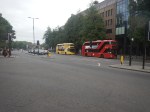
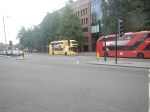
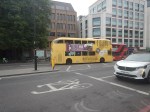
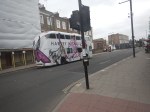
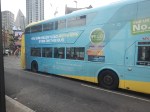
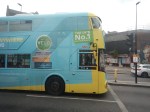
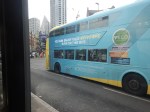
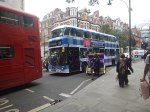
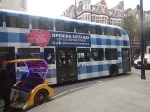
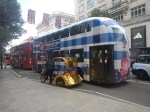

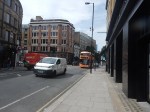
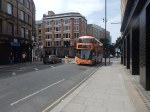
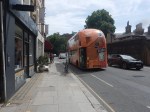

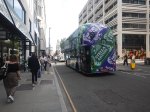


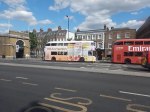

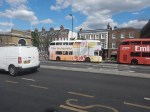
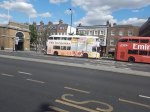
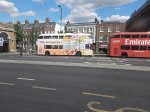


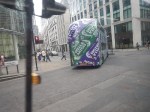
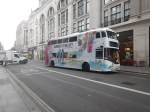
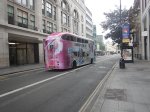
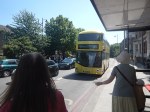
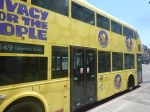


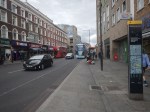
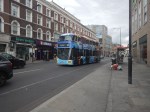
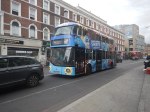

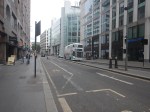
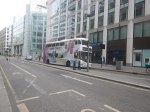
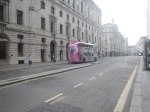
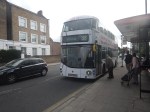

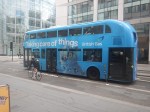
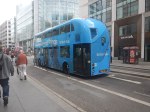
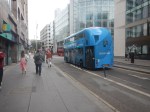
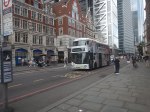
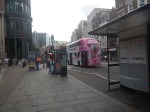
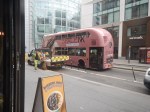
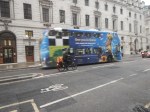
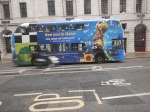
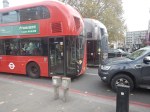
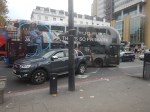
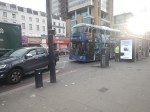
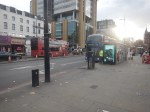
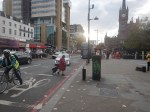
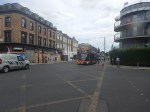
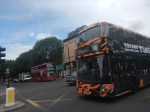
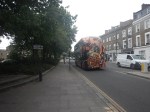
Note.
- I am unsure if some of the products should be advertised so prominently.
- The last picture is of a naked bus to fill the space.
- I shall be adding to this gallery.
In Could London’s New Routemaster Buses Be Converted To Hydrogen Power?, I came to this conclusion.
I believe from my knowledge of Cummins and the way they work, that they will come up with a hydrogen-based solution, that will replace the Cummins diesel in these buses with a zero-carbon engine.
If Cummins don’t then someone else will.
Whoever solves the problem of converting London’s new Routemasters to hydrogen will have one of the best adverts for their product, there has ever been.
After converting London’s thousand Routemasters, the engineers could move on to anything powered by a Cummins engine.
It would be a quick, easy and affordable way to create a thousand zero-carbon buses.
Minimum Age To Be A Train Driver Lowered To 18
The title of this post, is the same as that of this article on the BBC.
This is the sub-heading.
Eighteen-year-olds will be allowed to drive trains after the minimum age was lowered from 20 in a bid to tackle driver shortages.
These first three paragraphs add detail.
UK rail services are frequently disrupted due to a lack of drivers being available, and the problem is set to get worse with companies struggling to replace a growing number of people retiring with new recruits, the government said.
Transport Secretary Heidi Alexander announced the change as “bold action to improve train services and unlock thousands of jobs”.
Union Aslef said it would open up opportunities for school or college leavers, while the Rail Safety and Standards Board said its research found “18-year-olds are capable of safely becoming train drivers”.
This paragraph from Google AI, says you only have to be sixteen to join the British Army.
The minimum age to join the UK Army as a Regular Soldier is 16. However, you’ll be a Junior Soldier until you turn 18, at which point you can transition to a regular role. To join the Army Reserve, you need to be at least 18. The upper age limit for joining the Army Reserve as a soldier is the day before your 43rd birthday.
A similar age of sixteen, applies to the Royal Navy and the Royal Air Force, with eighteen applying for the Police.
How Does This Compare With Driving A Bus?
This paragraph from Google AI, gives the driving age for a bus.
The minimum age to become a bus driver in the UK is 18 years old. However, to drive a full-sized bus (Category D), you must be 24 years old, unless you are undergoing the Initial Driver CPC (Certificate of Professional Competence) qualification. For Category D1 (minibus), the minimum age is also 18.
Google AI gives this description of Category D1.
PSV (Public Service Vehicle) Class D1 licence, also known as a PCV (Passenger Carrying Vehicle) licence or a minibus licence, allows you to drive a minibus for hire or reward. This licence category applies to minibuses with up to 16 passenger seats and a maximum length of 8 meters, and can tow trailers up to 750kg. To obtain a D1 licence, you need to pass a medical check, a theory test, and a practical driving test.
I suspect that many eighteen-year-olds are capable enough to hold a PCV licence.
What sort of vehicle will someone with a PCV licence be able to drive?
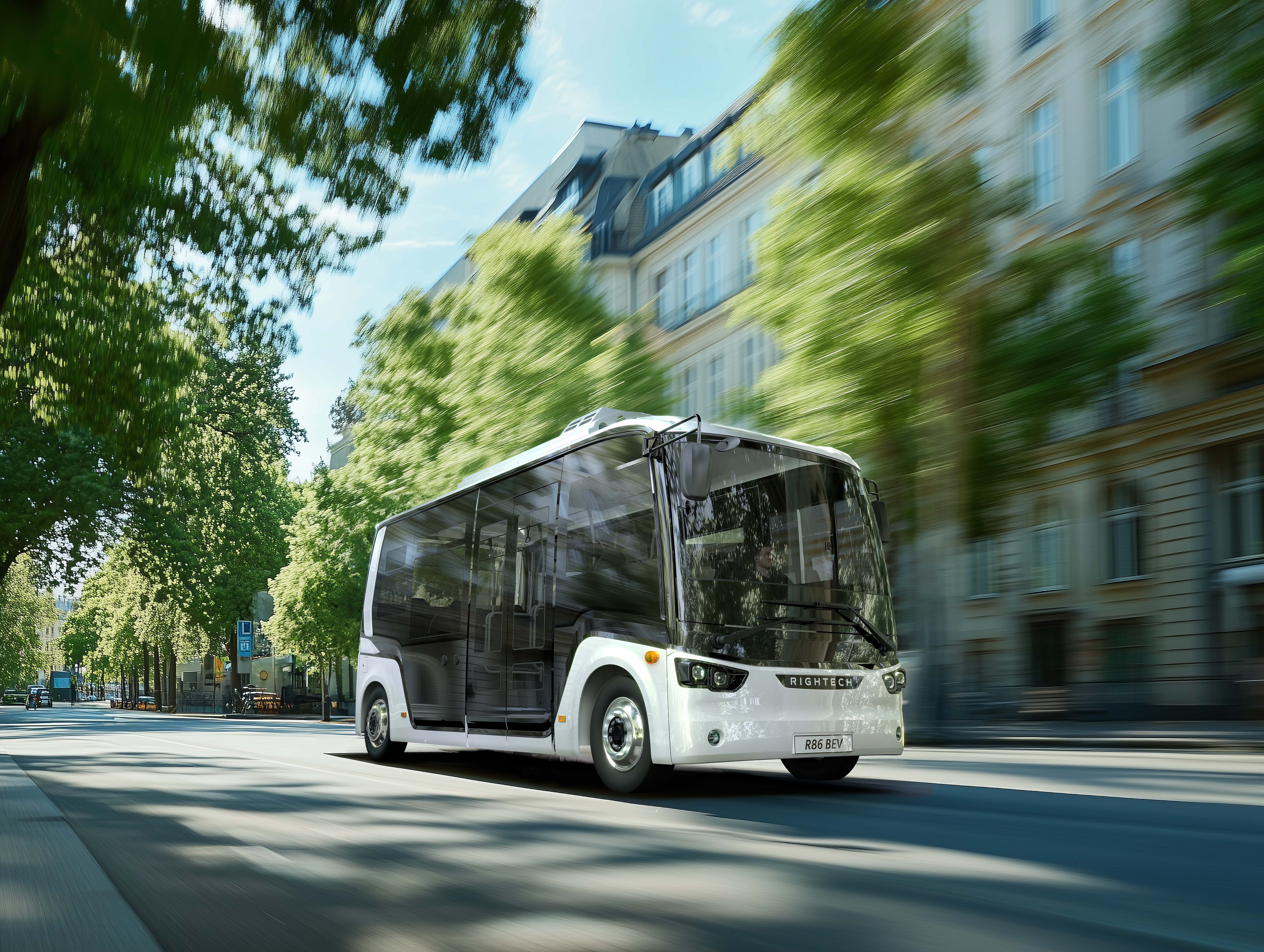
Wrightbus subsidiary ; Rightech has just released a suitable vehicle.
- It is battery-electric powered.
- It can seat up to twelve passengers.
- It is six metres long.
- It has a range of 112 miles.
It has a high-specification, which includes air-conditioning.
This image is courtesy of Rightech.
I can see bus operating companies, creating a career structure, that starts drivers on a PCV licence and progresses them upwards to the full PSV licence at 24.
Conclusion
I feel this could be a very sensible decision and like the age and competence structure for bus drivers, it creates worthwhile jobs for 18-24 year olds.
I Seemed To Have Improved My Left Knee
My left knee has always been weaker than my right.
- What really made it bad was living with C and our three children in a fourth floor walk-up flat with no lift.
- I usually carried the double-pushchair up the stairs a couple of times a day.
- It should also be born in mind, that my left humerus was broken by the school bully, when I was fifteen.
Our GP at the time, we were living in the flat, thought I should have an operation on the knee, but luckily I didn’t as another GP a few later gave me a set of exercises, that improved it to a certain extent.
Since my stroke and returning to London, I have relied on buses and trains, as I can’t drive and don’t even have a car.
My knee seemed to be getting worse and I reasoned it wasn’t being helped, by the high step in and out, you get on some trains and buses.
This picture shows the high step into a Northern Line train at Moorgate station.
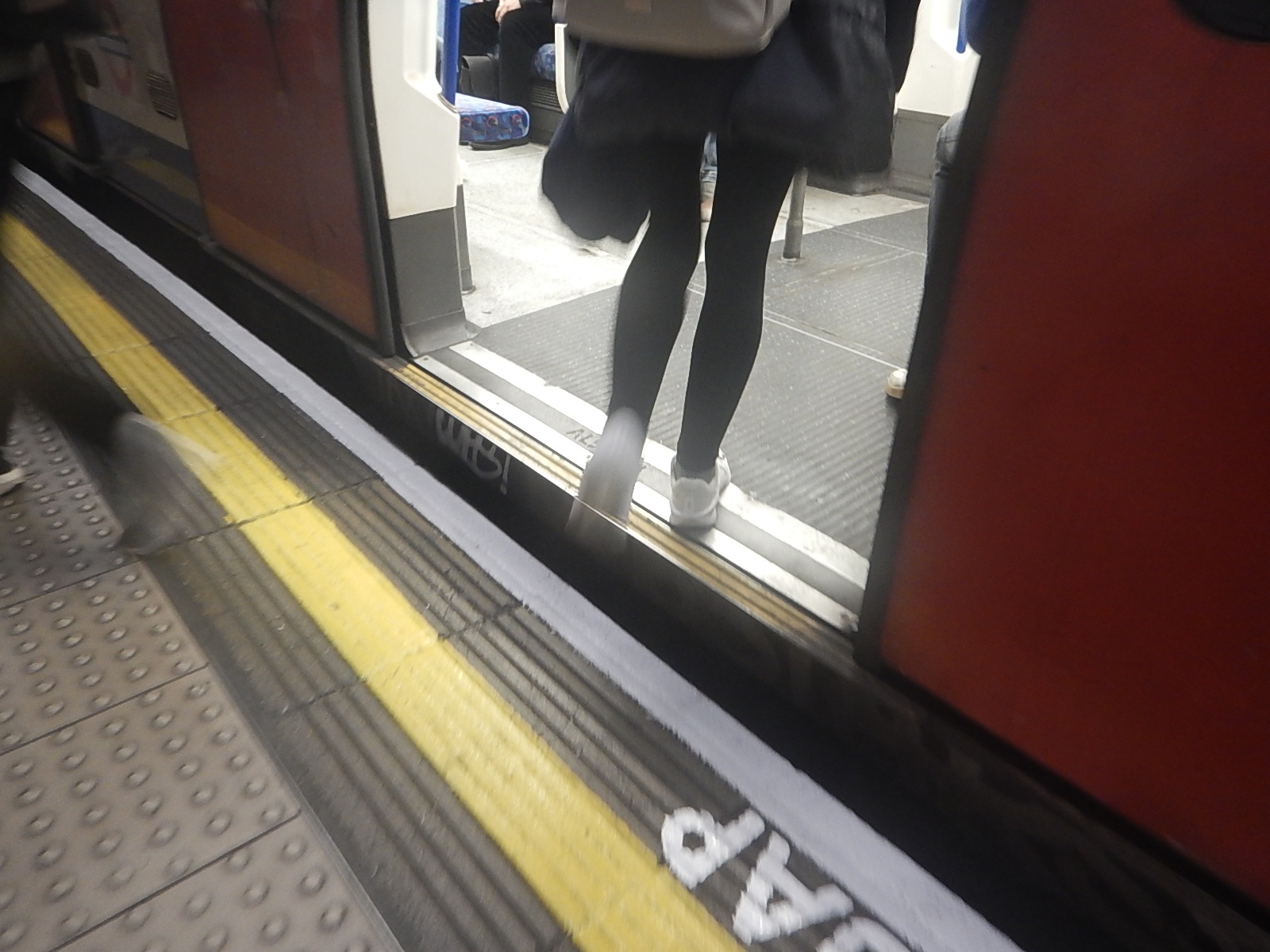
I found that the step-down here, gives a bang on my knee every time I get out of the train.
This second picture shows Bank station, which is a new platform and level.
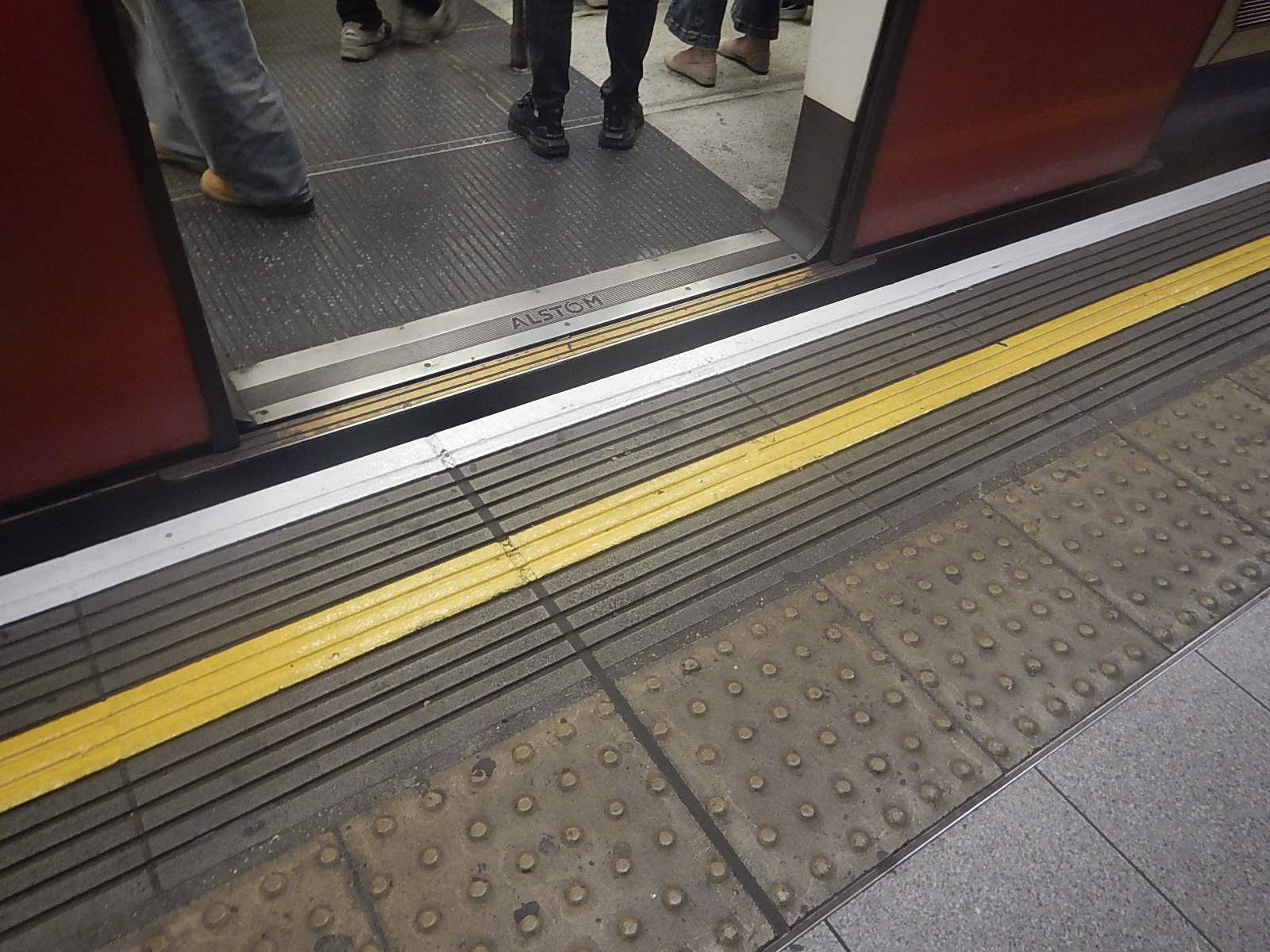
It’s surely very much a matter of GCSE mathematics and geometry, with a bit of money to get many more train and bus entries level.
So I have developed a maneuver to get out of the train or bus.
- Most doors have a vertical rail on either side. You can see one rail in the first picture.
- As I want to avoid hurting my left leg any more, I grab the rail on the left side of the door going out, with my left hand.
- I have my bag in my strong right hand. If I have two bags, one is usually My Faithful Servant, so I can hold them both in my right hand.
- I then swing around the vertical rail holding on with my left hand.
- So far, every time I’ve landed safely and lightly on my right foot.
My left knee seems to be improving.
Surprisingly, the extra pulls on my left arm don’t seem to harm it.
Between Walthamstow Central And Canning Town Stations On A 69 Bus
I have a feeling, that the 69 bus route, which currently runs between Walthamstow Central and Canning Town stations, could be usefully extended to become.
- A new route through the Silvertown tunnel.
- A formal connection between the Eastern ends of the Victoria and Jubilee Lines
- Part of Superloop
I took these pictures from the front of the top deck.
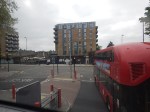
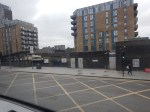
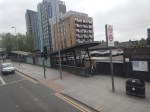
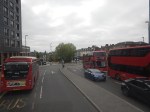
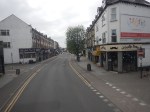
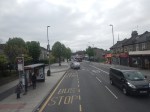
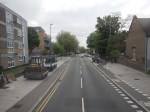
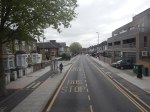
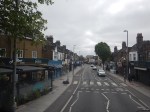
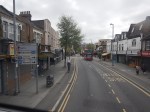
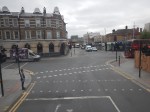
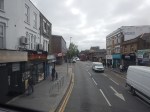
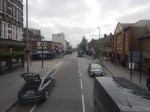
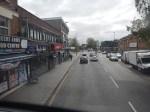
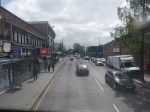
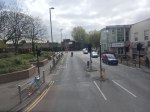
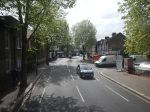
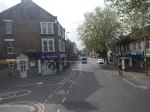
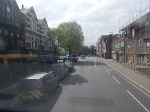
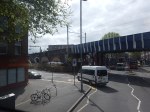
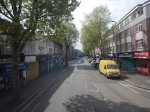
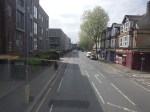

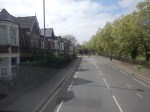
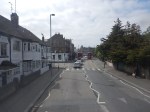
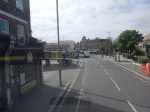
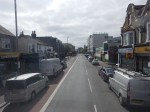
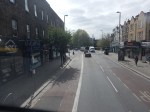
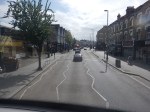
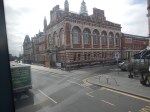
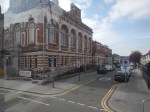
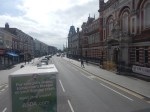
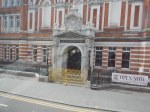

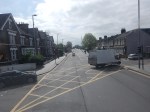
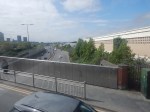
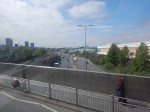
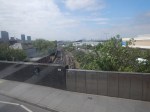
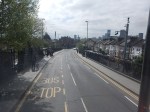
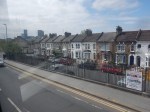
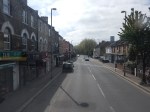
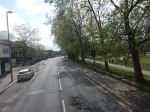
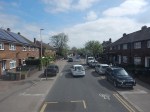
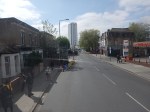
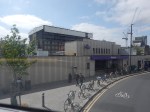
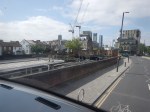

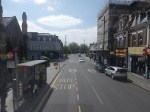



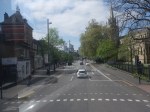

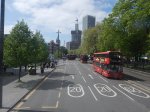
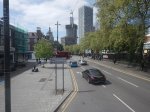

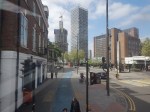
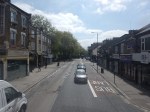
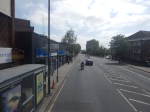
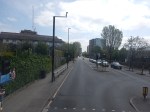
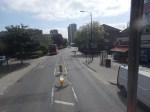
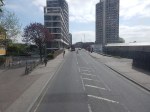

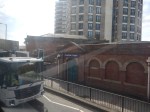
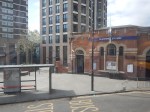
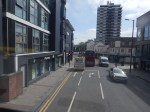
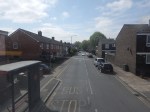
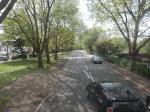
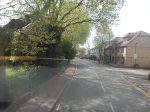
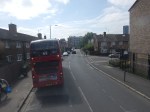
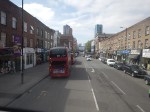
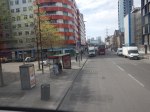
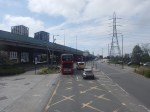
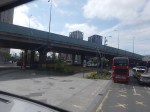
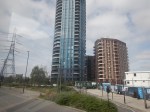

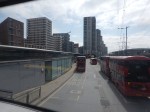
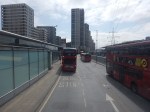
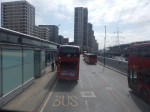
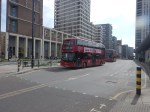
Note.
- I was sitting at the front of the bus on the right side of the top deck.
- Walthamstow Central station is served by the Victoria Line and the London Overground.
- The 69 bus runs every few minutes.
- Walthamstow Central station has a well-connected modern bus station.
- Leyton Midland Road station is on the Gospel Oak to Barking Line.
- The Leyton Engineer appears to be a beautifully restored pub.
- The six-lane A12 East Cross Route is crossed on a bridge just before Leyton station.
- Leyton station is on the Central Line.
- Maryland station is on the Elizabeth Line.
- The Great Eastern Main Line and the Elizabeth Line are crossed on a bridge at Maryland station.
- The prominent church is St. John’s, Stratford.
- Plaistow station is on the Metropolitan Line.
- Canning Town station is on the Jubilee Line and is a hub for the Docklands Light Railway.
- Canning Town station is suffering a degree of refurbishment at the moment and is a bit of a nightmare on foot at the moment.
The 69 bus route connects eight railway stations and at least eight railway lines.
The roads are generally wide and there are more trees than in other parts of London.
Wrightbus To Build 1,000 Zero-Emission Buses
The title of this post, is the same as that of this article on The Times.
This is the sub-heading.
Northern Ireland company to ramp up production by 40% and recruit hundreds more employees as it also develops the UK’’s first long-distance hydrogen coach
These are the first two paragraphs, which add more detail.
Wrightbus, the Northern Ireland bus manufacturer, could be supplying as many as 1,000 zero-emission vehicles to depots around the UK as it increases production by 40 per cent over a two-year period and takes on hundreds more workers.
The company, best known for the redesigned 21st century take on the Routemaster ordered by the former mayor of London Boris Johnson, also announced it is to spend £5 million developing the UK’s first long-distance hydrogen coach capable of travelling 1,000km (621 miles) on a single recharging of its fuel cells.
These two paragraphs describe their production and employment plans.
Jean-Marc Gales, the former senior Peugeot director who is Wrightbus’s chief executive, said production at its Northern Ireland plant would go from 1,000 vehicles last year to 1,200 this year and 1,400 in 2026.
Over the same period the company’s workforce will grow from 1,500 to 2,500.
Peter Kyle, the secretary of state for science, innovation and technology, said this.
The level of innovation at Wrightbus and their quality standards have been recognised.
That is surely rare praise for a private company from a Labour Minster.
I first wrote about Wrightbus’s new hydrogen coach in early March, when I wrote Wrightbus Goes Back To The Future As It Relaunches The Contour Coach, which was based on this Wrightbus press release, which has the same title.
I said this in my post.
Wrightbus is entering the coach market for the first time in more than 30 years with the launch of two new vehicles in the next 18 months.
The first vehicle to hit the market is the Contour, a low-emission 55-seater coach that was launched at a customer showcase event today (March 5).
It’s a case of back to the future for Wrightbus, which last produced a Contour coach in 1987 before retiring the vehicle.
The second vehicle, a zero-emission hydrogen coach – which is under development in Ballymena, Northern Ireland – will be added to the Wrightbus coach range within the next 18 months to help drive decarbonisation of the sector.
The low emission Contour has a lead time of just six months from order, which is considerably faster than the current one-to-two-year average wait customers have come to expect from the sector. Featuring a Cummins Euro 6 400BHP X11 engine and a ZF automatic gearbox, the modern-day Contour has been built with comfort in mind, with up to 55 reclining seats – each with its own USB port – alongside other modern safety features. Competitively priced and available with or without PSVAR compliance, there is also the option of the vehicle being ‘pre-prepared’, protecting the vehicle’s ‘second life’ and flexibility.
The coach has a range of bespoke options for customers to choose from and is designed to maximise luggage space and functionality.
The low emission Contour coach was to have been built in China.
But events have moved on fast in the last month, with Trump and China trading insults on tariffs almost daily.
From today’s article in The Times and a press release from the Government, which is entitled Science Secretary Hails Wrightbus As Company Pledges £25 million To Bolster UK’s Green Transport Revolution And Drive Growth, it appears that the Chinese coach has been dropped.
Could the plan now be something like this?
- The low emission Contour coach will either be dropped, built in Ballymena or perhaps even built on JCB’s site in Texas.
- It might possibly be advantageous to build the coach in the United States to balance the tariffs and target the North American market.
- I would feel, that North America could be a lucrative market for the larger thousand kilometre coach.
- With the low emission Contour coach, Cummins get a chance to show the United States their excellent hydrogen technology.
- Trump can claim, that he’s brought jobs back to the United States.
- If Wrightbus and/or JCB build the low emission Contour coach, they could probably create a better product and get it to market earlier.
I suspect we’ll learn more of Wrightbus’s plans in the next few weeks.
Could The Silvertown Tunnel Handle More Buses?
In A Return Journey Through The Silvertown Tunnel On A 129 Bus, I took these pictures inside the Silvertown Tunnel when the bus was coming North.
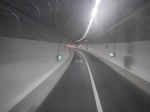
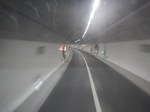
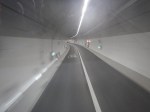
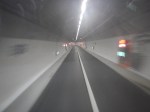
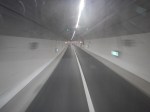
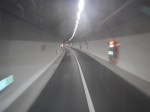
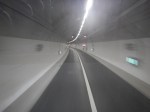
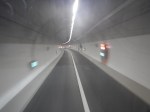
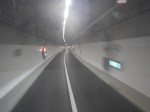
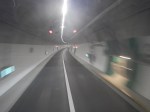
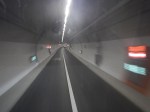
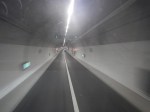
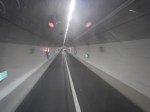
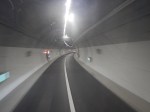
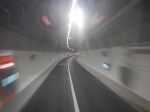
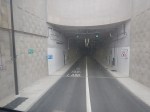
Note.
- The left lane is marked Bus Lane.
- Only one car is visible in the right lane.
- The tunnel seems well-lit.
I have some thoughts
Where’s The Traffic?
It does appear that two apparently empty lanes in each direction, don’t carry a large number of vehicles.
- Have the tolls and arguments frightened traffic away?
- Are the tolls too high?
- From the full set of pictures in the linked post, it would appear more vehicles were using the Blackwall Tunnel.
- Could it be that drivers are frightened of getting a speeding ticket?
- Are drivers frightened of sharing the tunnel with buses and heavy trucks?
Both bores of the Silvertown Tunnel seem to have similar traffic levels.
What’s The Capacity Of A Bus Lane?
In the Wikipedia entry for bus lane, this is said.
The busiest bus lane in the United States is the Lincoln Tunnel XBL (exclusive bus lane) along the Lincoln Tunnel Approach and Helix in Hudson County, New Jersey, which carries approximately 700 buses per hour during morning peak times an average of one bus every 5.1 seconds.[ In contrast, the Cross-Harbour Tunnel in Hong Kong carries 14,500 buses per day, or an average of about 605 an hour all day (not just peak times), but the bus lane must give way to all the other road users resulting in long queues of buses.
Perhaps a more realistic example of tunnel capacity from the UK, would be the Victoria Line, which handles thirty-six * eight-car trains per hour (tph) in both directions in two tunnels.
I would certainly expect that if Dear Old Vicky can manage 36 x 8-car trains per hour, then the Silvertown tunnel could handle thirty-six buses per hour.
Especially, if the buses had a distance keeping capability, as many trains do.
How Many Buses Per Hour Are Planned to Use The Silvertown And Blackwall Tunnels?
This handy map from Transport for London, shows the three bus routes passing through the Silvertown and Blackwall Tunnels.
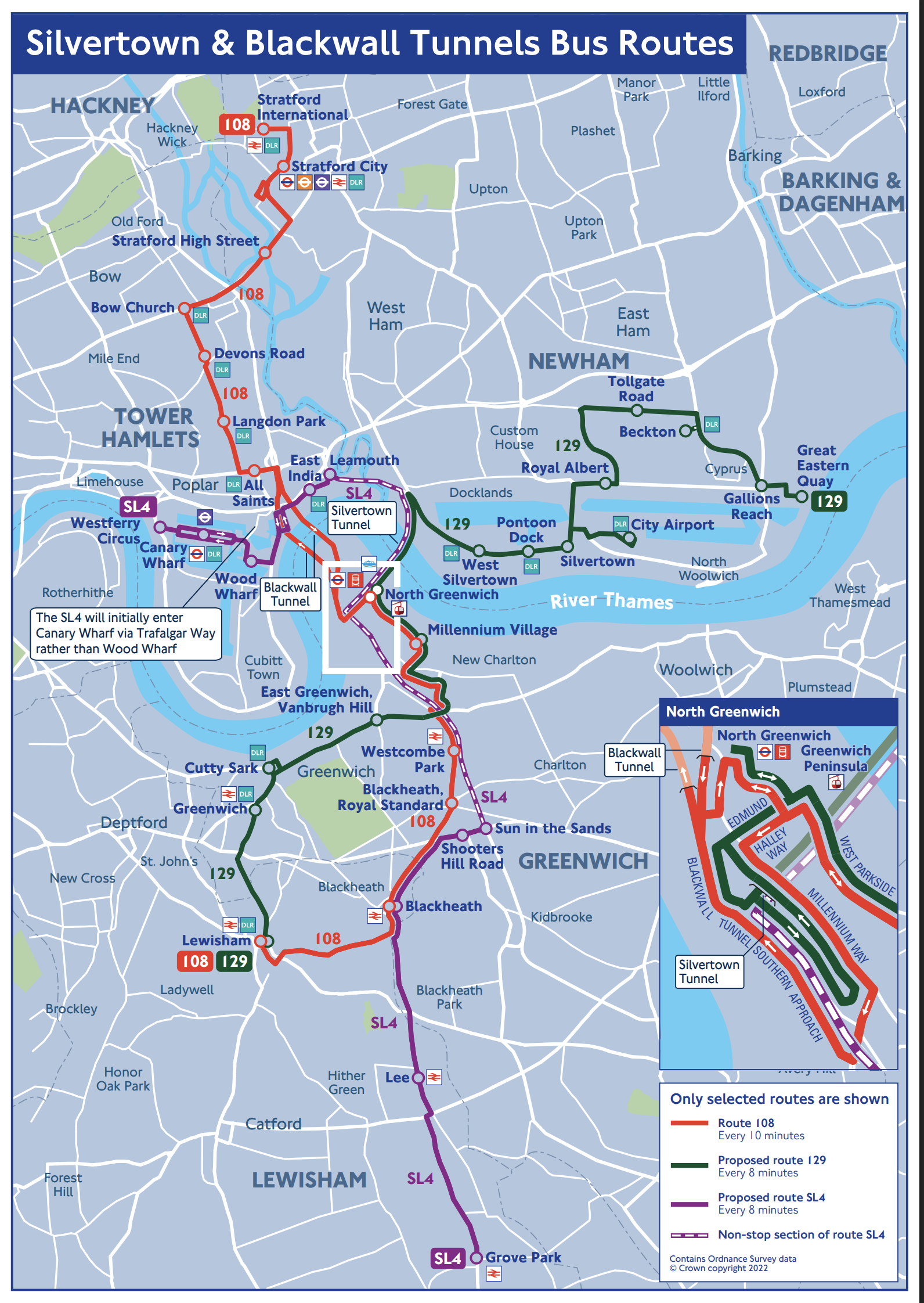
Click the map to show it to a larger scale.
The map gives these frequencies for the three bus routes using the tunnels.
Bus Route SL4
Operates once every 8 minutes or at seven buses per hour.
Bus Route 108
Operates once every 10 minutes or at six buses per hour.
Bus Route 129
Operates once every 8 minutes or at seven buses per hour.
Silvertown Tunnel Bicycle Shuttle
Google AI says this.
The Silvertown Tunnel cycle shuttle bus runs approximately every 12 minutes, operating daily from 6:30 am to 9:30 pm, except for Christmas Day, offering a safe and quick way for cyclists to cross the Thames.
This operates at five buses per hour.
Number Of Buses Through The Tunnels
There will be around nineteen buses per hour, through the Silvertown Tunnel and six through the Blackwall.
The Silvertown Tunnel looks like it has been designed to accept more buses.
One thing this means, is that if the Blackwall gets shut, then the 108 can use some of the spare capacity in the Silvertown Tunnel.
Could A Coach Station For Europe Use Some Of The Spare Capacity?
In Development To The West Of The North Entrance Of The Silvertown Tunnel, I displayed this.
This Google Map shows the site to the West of the North entrance of the Silvertown Tunnel.
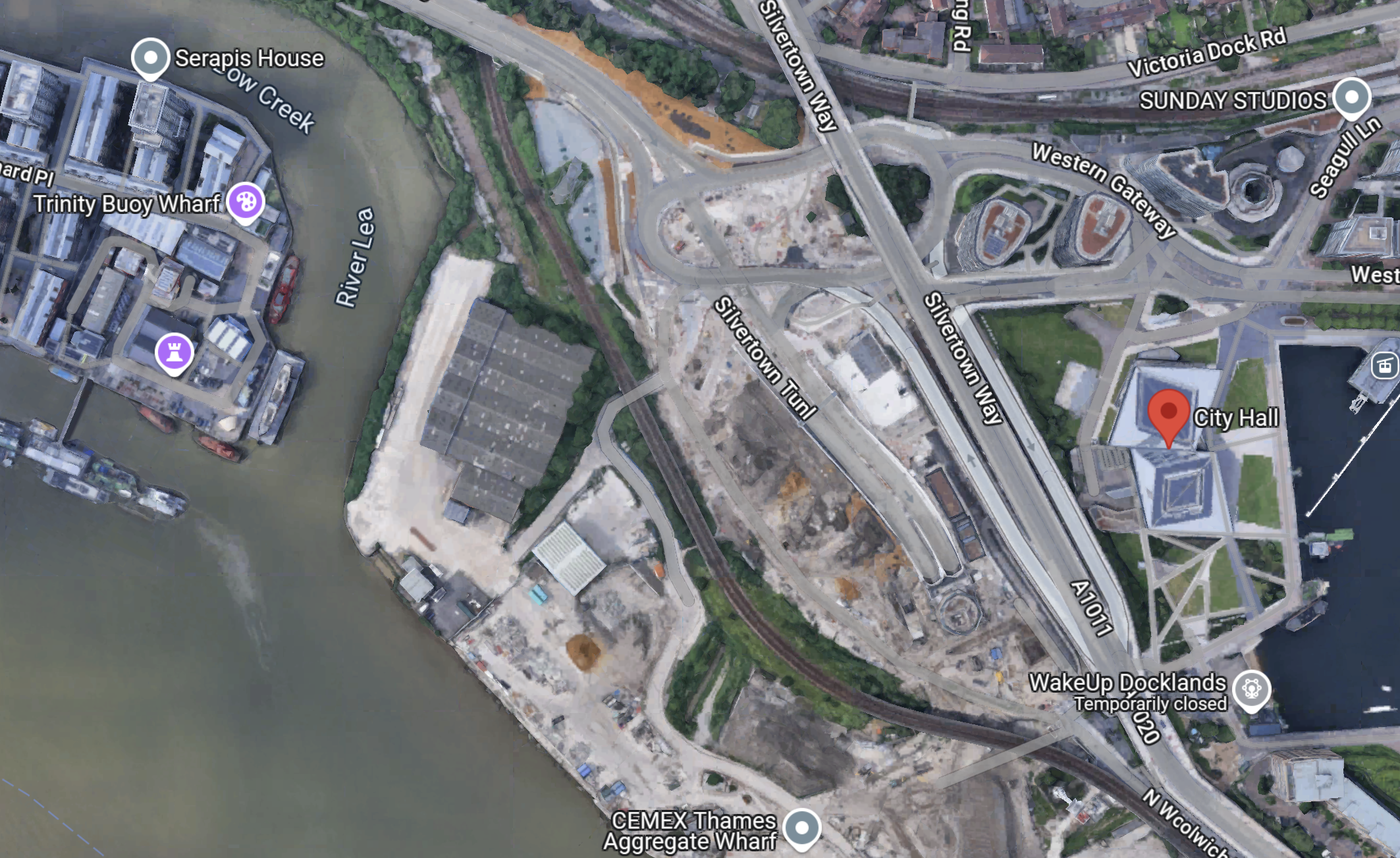
Note.
- The red arrow indicates City Hall.
- There is a large site between the DLR and the river.
- The Docklands Light Railway separates the site from the North entrance of the Silvertown Tunnel.
- The CEMEX Thames Aggregate Wharf seems to occupy part of the site.
This picture shows the North entrance of the Silvertown Tunnel from the cable-car.
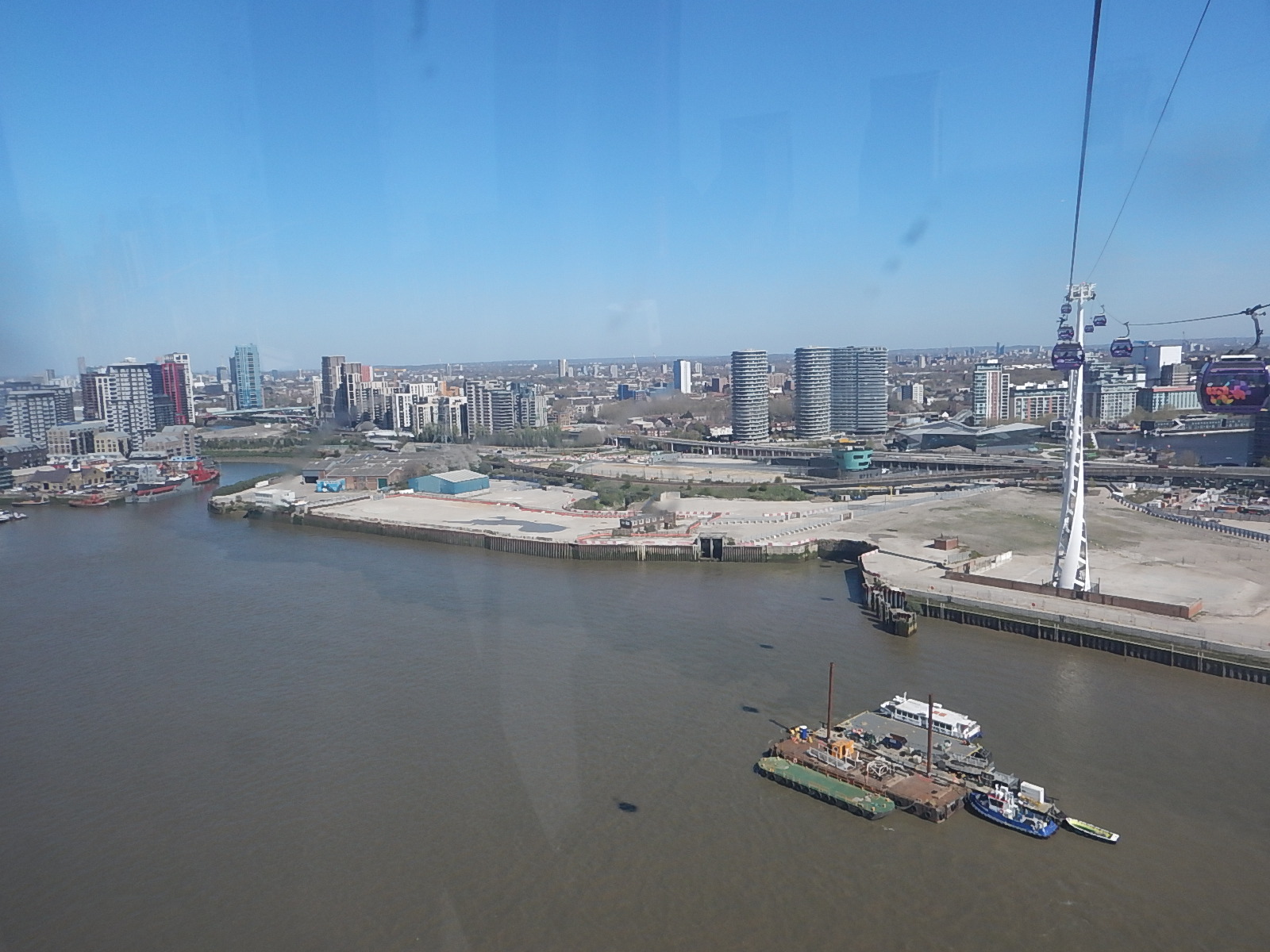
It is surely a site with development potential, as Roy Brooks would say.
It will probably be used for more tower blocks along the Thames.
But could it be used for a coach station to handle the increasing number of coaches between London and the Continent?
- A Docklands Light Railway station could be built to serve the site.
- Thames Clippers could also serve the site.
- Coaches could use the Silvertown Tunnel to start their journey out of the capital.
It is certainly a possibility.
Could The Silvertown Tunnel Be Used For Route-Proving For The Docklands Light Railway?
In TfL Considering Extending DLR As Far As Abbey Wood, I discussed extending the Docklands Light Railway to Thamesmead or Abbey Wood.
This map from Ian Visits shows the area.
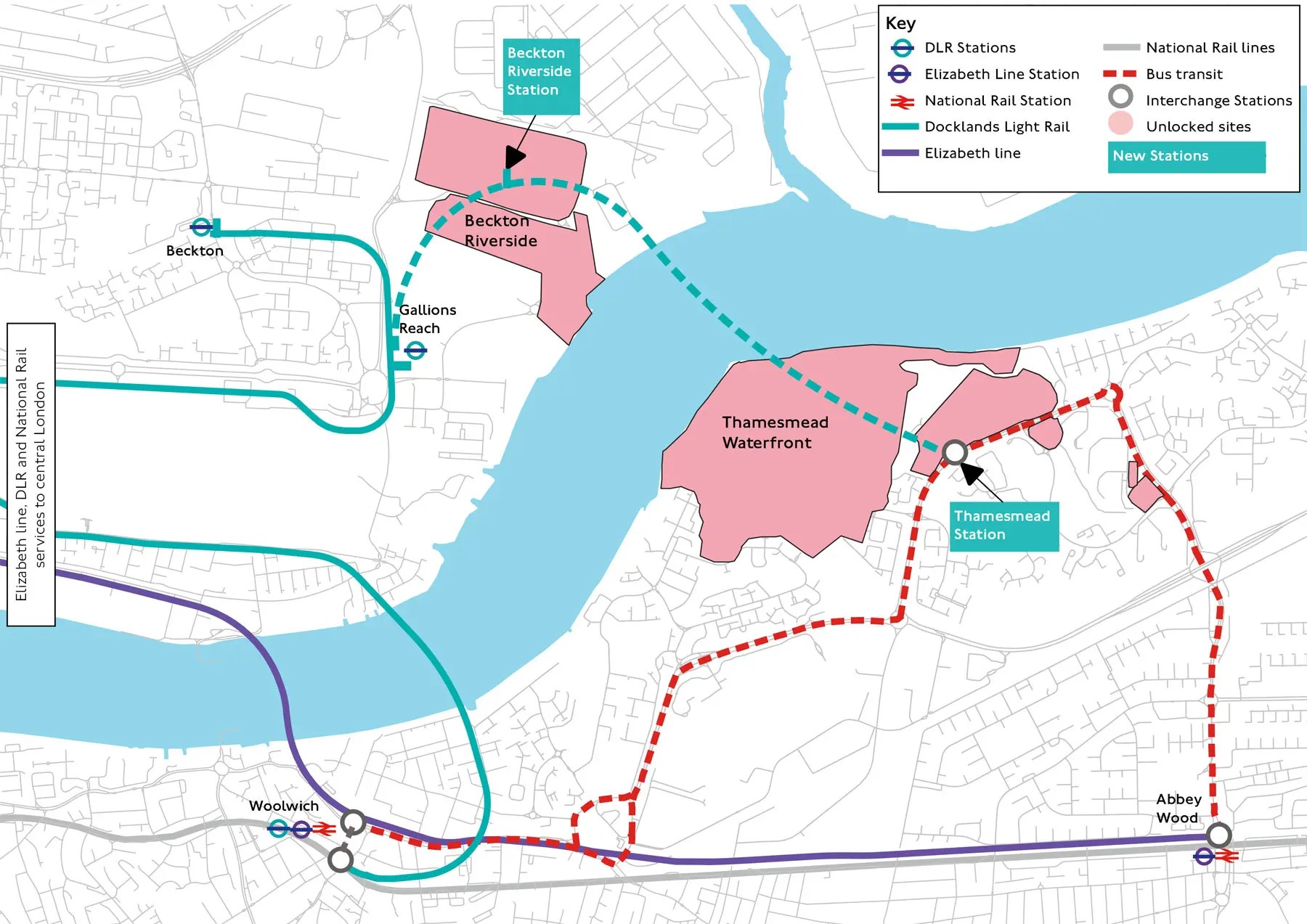
Running a four buses per hour service through the Silvertown Tunnel, would be an ideal way of proving what is the best route.
Extending The Docklands Light Railway To The West
No matter how the Docklands Railway is extended to the East, either by physical means like extra branches or by virtual means like connecting to bus routes, this will mean that there will need to be more terminal capacity in the West, to take the pressure off Bank and Tower Gateway stations.
In A Connection Between City Thameslink Station And The Docklands Light Railway, I described a proposal to extend the Docklands Light Railway to Euston, St. Pancras and Victoria.
In the Wikipedia entry for the Docklands Light Railway, there is a section describing a proposed Euston/St. Pancras Extension.
This is said.
In 2011, strategy documents proposed a DLR extension to Euston and St Pancras. Transport for London have considered driving a line from City Thameslink via Holborn north to the rail termini. The main benefit of such an extension would be to broaden the available direct transport links to the Canary Wharf site. It would create a new artery in central London and help relieve the Northern and Circle lines and provide another metro line to serve the High Speed line into Euston.
This map from Transport for London, shows the possible Western extension of the DLR.
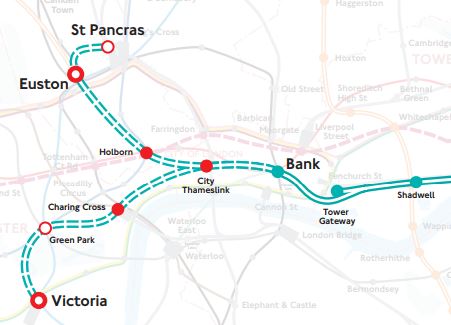
With all the problems of the funding of Crossrail 2, that I wrote about in Crossrail 2 Review Prompts Fresh Delays, could this extension of the DLR, be a good idea?
Consider.
- Victoria, Euston and St. Pancras are prosposed Crossrail 2 stations.
- It would link Canary Wharf and the City of London to Eurostar, Northern and Scottish services and High Speed Two.
- It would give all of the Docklands Light Railway network access to Thameslink.
- A pair of well-designed termini at Euston and St. Pancras would probably increase frequency and capacity on the Bank branch of the system.
- The DLR is getting new higher capacity trains.
- Bank station is being upgraded with forty percent more passenger capacity.
- Holborn station is being upgraded and hopefully will be future-proofed for this extension.
- One big advantage at City Thameslink, is that Thameslink and the proposed DLR extension will cross at right-angles, thus probably making designing a good step-free interchange easier.
- The Bank Branch of the DLR currently handles 15 tph, but could probably handle more, if they went on to two terminal stations at St Pancras and Victoria..
- Waterloo and City Line can run at twenty-four tph.
Cinderella she may be, but then she always delivers, when there is a desperate need, just as she did magnificently at the 2012 Olympics.
Something is needed to handle the extra passengers at Euston, that will be brought to London by High Speed Two. Cinderella is the only way to deliver a connection in a reasonable time.
The only problem with this extension of the DLR, is that compared to the rest of the system, the views will be terrible.
For myself and all the others living along the East London Line, with a step-free change at Shadwell, we would get excellent access to Euston, St. Pancras and Victoria.
But could the line still be called the Docklands Light Railway, as it spreads its tentacles further?
Level Boarding Included In Rail Innovation Funding Competition
The title of this post, is the same as that of this article in Railway Gazette.
This is the introductory paragraph.
Innovate UK has opened the latest calls for grant funding proposals under the First of a Kind programme, which supports the demonstration of innovative technologies to give them a better chance at being deployed by railway companies.
What annoys me about boarding trains (and some buses for that matter!), is how variable it is.
- Trains in East Anglia, Merseyside and Switzerland are particularly good, but then they have the common Stadler factor.
- Will the Newcastle Metro and the Glasgow Subway be as good?
- Some European countries, including Germany, could do much better!
- Once at Leipzig, I helped four hefty Germans lift a guy and his wheel-chair out of the bottom-deck of a double-deck train.
- In London, the Docklands Light Railway, the Elizabeth Line and some parts of the Overground are acceptable, but there is need for improvement.
- Southeastern, including the HighSpeed is particularly dodgy and I need help at some stations like Clapham Junction and Lewisham.
- Bank has a notorious platform on the Central Line.
- Perhaps the worst in London are some stations on theBakerloo Line, where it shares with the Watford DC Line.
All passengers on buses and trains deserve the best access that designers and bus and train manufacturers can devise.
In one incident, a slight, elderly Indian lady in a sari, was having difficulty getting down from an Overground train on the Watford DC Line at Willesden Junction station.
I was the only person on the platform, so I called out. “Can You Jump?”
Which she did and landed safely on her feet! I caught her and it was smiles all round!
I suspect she’d done that before.
So is one idea to give all passengers, lessons in jumping on and off buses and trains?
Seriously though, could Lego devise a large-scale engineering version of their product, that could be used to create steps and humps, which could be glued together for strength.
Alternatively, 3D printing could be used to create gap-fillers.
I think this challenge from Innovate UK will bring forward some good solutions.
A Step-Free Adventure Under The Thames Between Moorgate and Grove Park
I am assembling this post, as a number of sub-posts, so it will not make sense until it is finished.
From Moorgate Station To East India Station
I started this adventure from Moorgate, but I could have started it from any Central London location that is well-connected to Bank station.
As I had had a full English breakfast in a pot, at Leon on Moorgate, it seemed to be a good place to start.
My route started simple, in that I took the Northern Line to Bank station and then took the Docklands Light Railway to East India station.
This first gallery of pictures shows my journey until I caught the SL4 bus at East India station.
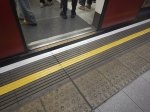

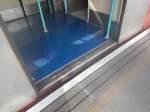
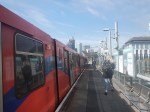
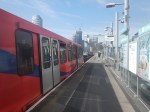
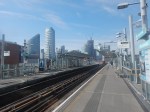
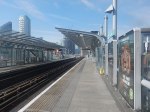
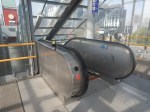
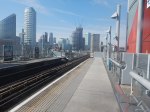
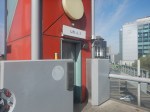
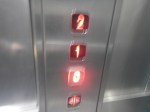


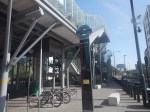
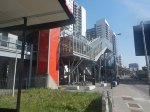
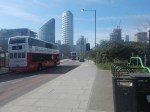

Note.
- The first few pictures show getting to East India station on the Docklands Light Railway.
- Moorgate station has a high step into the Northern Line train.
- All the others are more or less level.
- East India station is then shown in detail.
East India station is fully step-free with lifts.
Southbound Through The Silvertown Tunnel
This second gallery of pictures shows my Southbound journey approaching and through the Silvertown Tunnel.
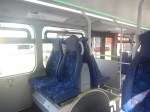


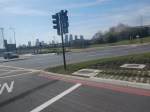
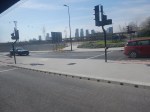
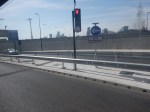
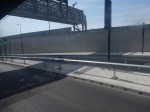












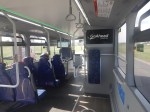
Note.
- The dual-carriageway leading to the tunnel wasn’t busy.
- The bus was in the inside lane all the way through.
- I don’t think anybody passed the bus.
- There appeared to be more traffic coming out of the Blackwall Tunnel.
The traffic from the two tunnels seemed to merging well.
Blackheath Station
This third gallery of pictures shows Blackheath station.
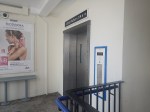

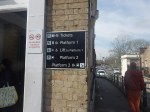
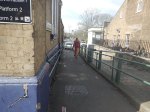
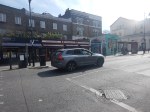
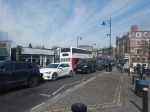
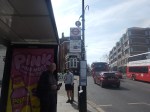
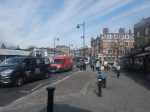
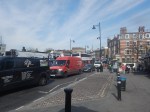
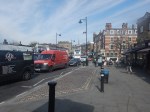
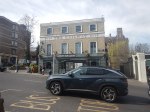
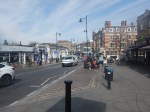
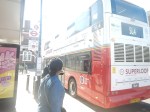
Note.
- Blackheath station has a good number of useful shops for a worthwhile pit-stop.
- There was even a fish and chip shop.
- Blackheath station has a lift to one platform and a ramp to the other.
- The bus stop I used was only a small step into the bus.
The transfer between bus and train would not be as easy as East India station, but I don’t think it would be difficult for say someone in a wheel-chair.
Lee Station
This fourth gallery of pictures shows Lee station.
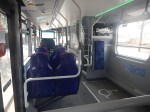
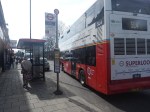
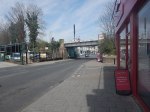
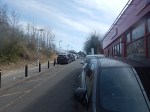
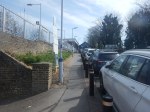
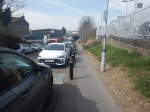
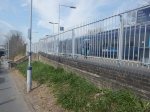
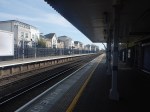
Note.
- The station was a stiff uphill walk from the bus stop.
- Both platforms had their own uphill walk.
If I was in a wheel-chair, I’d give this Lee station a miss.
Grove Park
The route ends at Grove Park bus station.
This fifth gallery of pictures shows, where the bus terminated.

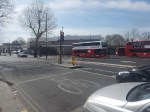
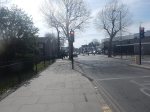

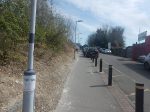
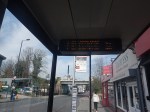
Note.
- It wasn’t the most interesting of places.
- I couldn’t even find a decent cafe for a coffee.
- In the fifteen minutes I was at Grove Park, I must have seen five SL4 buses.
- I’d hoped it would be near to Grove Park station, but I couldn’t see any signs to it and the two people I asked didn’t know where it was.
- In the end I had to walk about five hundred metres to get the SL4 back to Central London.
My mother always advised you take a posse with you, when you venture into South London. She was right!
When I got home, I looked up, where I’d been on Google Maps.
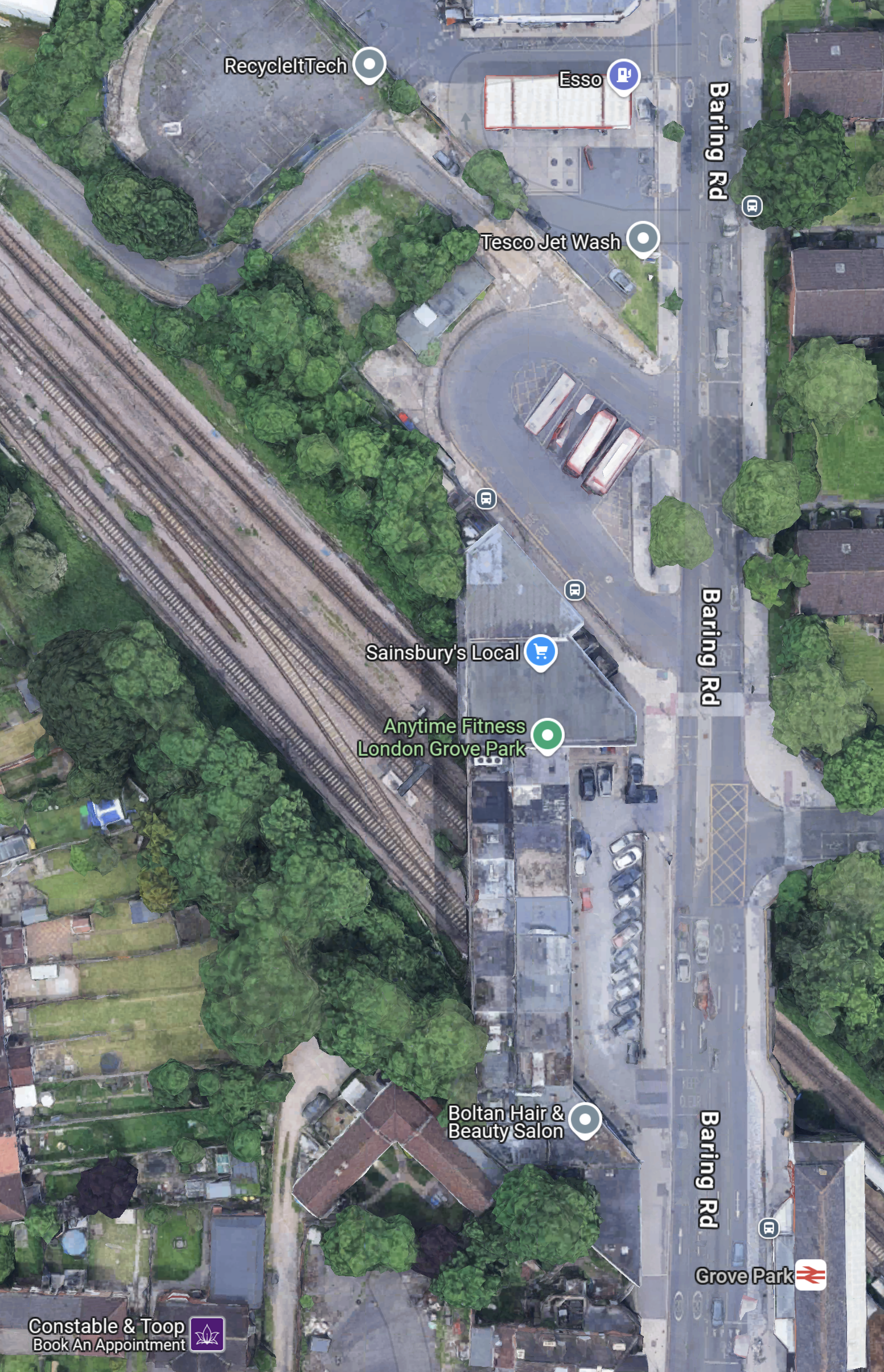
Note.
- Baring Road running North-South down the Eastern side of the map.
- The Esso filling station and the bus station are at the top of the map.
- Grove Park station is at the bottom of the map.
My mother would have said, this is why you need a posse.
Return To East India Station
This sixth gallery of pictures shows the run up the dual-carriageway approach and the run through the tunnel.




















Note.

