The Garden At 120 – 27th September 2025
The Wikipedia entry for Fen Court has this section, which has a brief description of The Garden At 120.
In 2019, a mixed use building of 15 storeys built by Generali Real Estate with Eric Parry Architects, called One Fen Court or 120 Fenchurch Street, opened alongside the east side of Fen Court. The building has a publicly accessible roof garden named The Garden at 120, and is 69 metres (226 ft) high. A pedestrian route parallel to Fen Court runs through an undercroft in One Fen Court, with a ceiling-mounted public artwork.
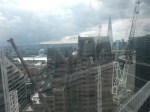
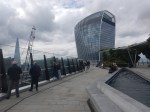
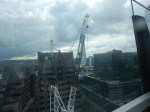
As the helpful man on the entrance to the Garden at 120, said that I could see the tower of All Hallows Staining, I went back today and took these pictures.














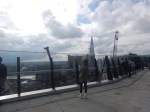
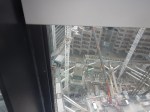
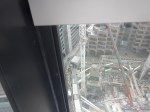







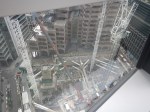









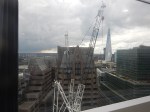

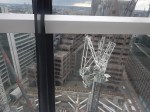
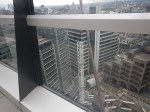

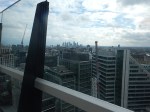

















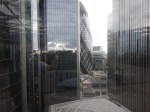






Note.
- The Shard, Guerkin and Walkie-Talkie can be easily identified.
- Canary Wharf, St. Paul’s Cathedral and the River Thames can be seen in the distance.
- Pictures 16-21 give views of the tower of All Hallows Staining.
I shall be taking more pictures as Fifty Fenchurch Street grows.
My First Trip Through The Silvertown Tunnel – 7th April 2025
These pictures show my first trip through the Silvertown Tunnel.





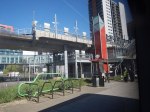





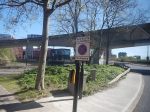







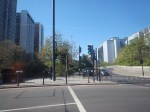

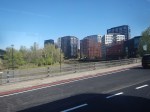


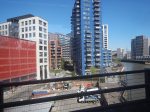



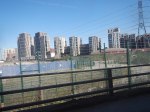

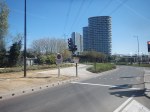







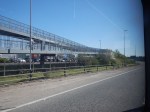

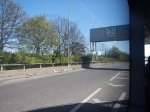






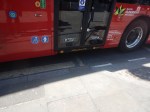
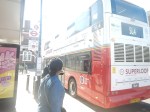
Note.
- The two S4 Bus Stops are not far from the Waitrose At Canary Wharf.
- I picked up the S4 Bus in the North Collonade At Canary Wharf at stop H.
- Coming North I would have been dropped at Stop J, which is close to the plaza of the famous clocks.
- Unfortunately, I was given bad information by station staff and I took a roundabout route to stop H, but a helpful security guard put me right.
- One of the first stops of the bus was East India station, which looks a good accessible interchange with the Docklands Light Railway.
I got out of the bus at Blackheath station, which was a short walk across the road from the bus stop.
I have some thoughts.
Who Chose The Chinese Buses?
On a prestige project like this it is a classic opportunity to show off, the best of British design and technology.
So undoubtedly, it was a mistake that the buses through the tunnel are Chinese.
I doubt the French, German or Spanish would have chosen Chinese buses on such a project.
Are There Enough Stops At Stations Close To The River?
There seem to be quite a few small hotels between the Silvertown Tunnel and Blackheath and I wondered if there were enough stops.
There also doesn’t appear to be a stop by Westcombe Park station.
Thirty mph Seems Fast Enough In The Tunnel
Everything seemed to be going smoothly in the tunnel.
Conclusion
I shall be writing more about the Silvertown Tunnel.
But from a first ride-through, it looks a well-built tunnel.
Could A Mega-Station Be Built For The Channel Tunnel?
This article on Railway Gazette International, is entitled Start-Up Announces Amsterdam To London And Paris High Speed Train Ambitions.
It talks about how Dutch start-up; Heuro wants to run fifteen trains per day (tpg) between London and Amsterdam.
The article then has this paragraph, which details other operators, who are wanting to run services between London and the near Continent.
Heuro’s announcement comes after Spanish start-up Evolyn announced plans in October for a Paris – London service, while on November 11 British newspaper The Daily Telegraph reported that Sir Richard Branson and Phil Whittingham, former head of Virgin Trains and Avanti West Coast, were also drawing up plans to compete with Eurostar and had held discussions with infrastructure managers.
This leads me to the conclusion, that there will be a need for more capacity for trains and/or passengers at some time in the future.
- There are six International platforms at St. Panvcras International station, which can each probably handle four trains per hour (tph), so I suspect the station could handle 24 International tph.
- As a modern high speed train can carry over 500 passengers, that is 12000 passengers per hour.
- Visit St. Pancras station in the morning and it is often crammed with travellers coming from and going to Europe.
I suspect that the number of trains may not be a problem, but the number of passengers will.
We could always join Shengen, but then that would be an open door to all the would-be migrants to the UK.
This Google Map shows Stratford International station.
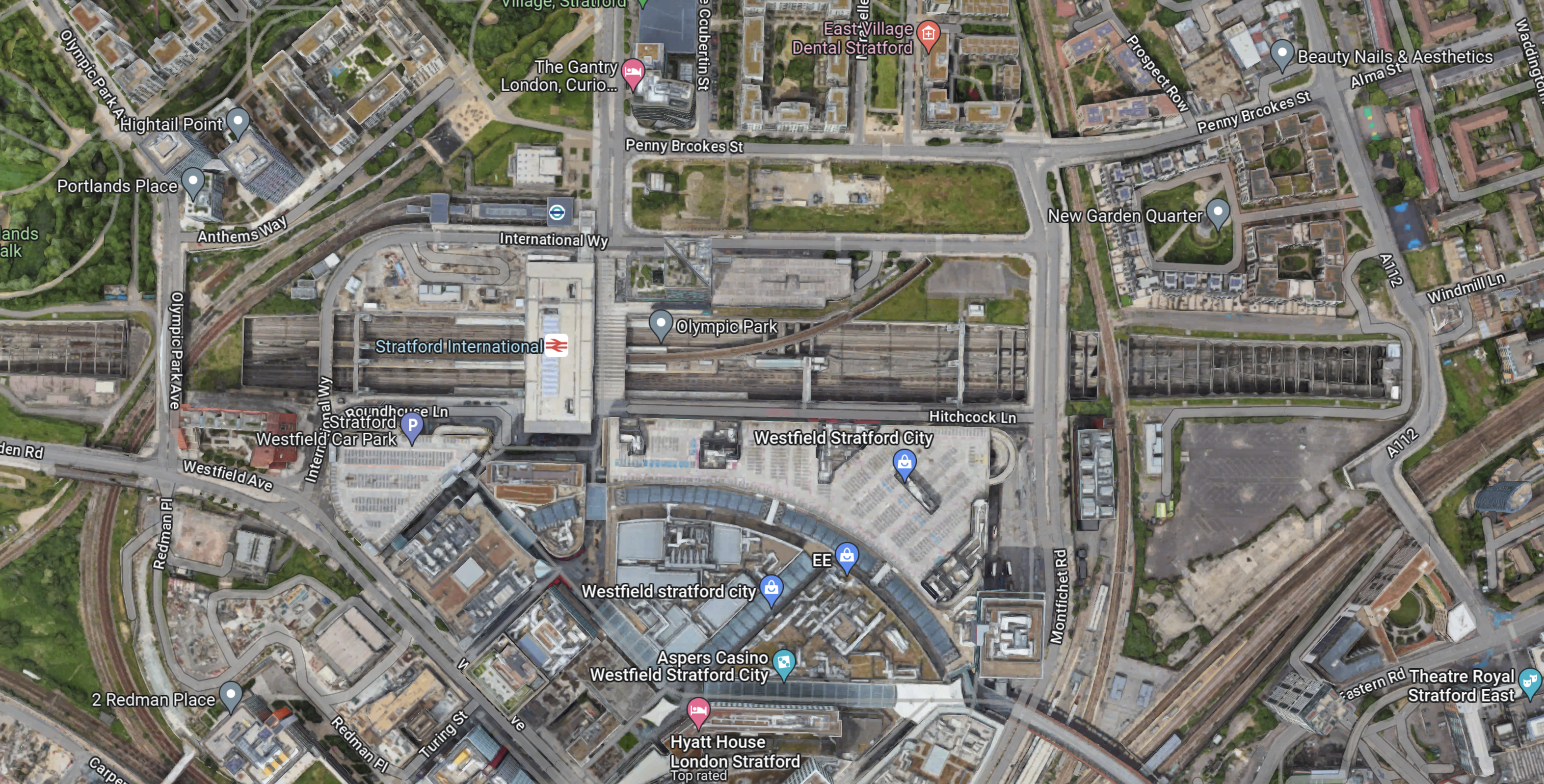
Stratford International station is in a soulless concrete cavern, that lies across the middle of the map.
In Platforms 1 And 4 At Stratford International Station, there are a lot of pictures of the station.
I think it would be extremely difficult to add extra platforms and passenger facilities to the station.
This Google Map shows Ebbsfleet International station.
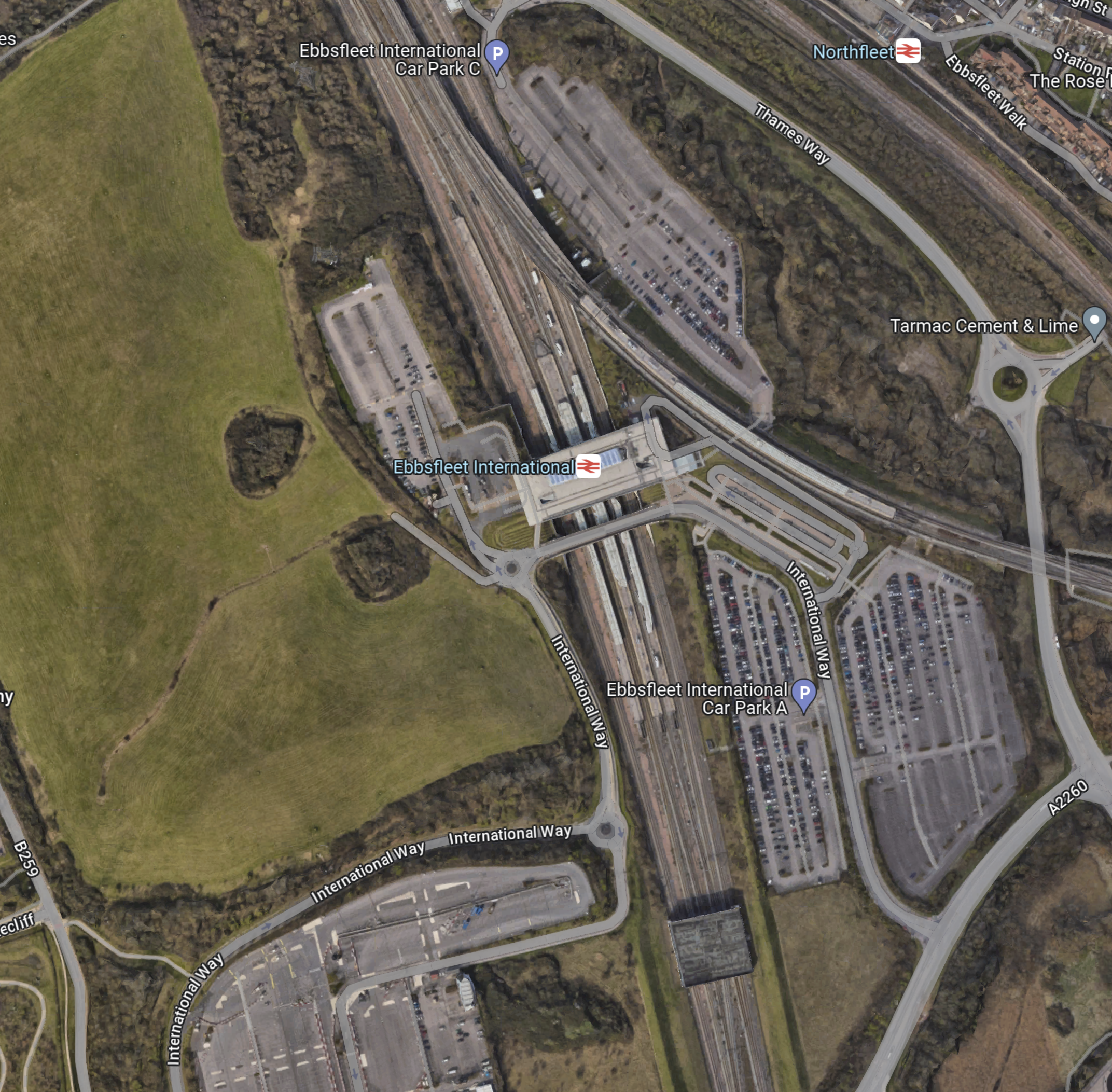
Note.
- Ebbsfleet International station, with its two International and four domestic platforms is in the middle of the map.
- The station is surrounded by car parks with a total of 5,000 spaces.
- Northfleet station is in the North-East corner of the map.
There is a lot of land, without any buildings on it.
These are my thoughts.
Enough Extra Bay Platforms To Handle The Additional Trains
There would appear to be space for perhaps two bay platforms to terminate trains.
But would passengers we happy being dumped outside Central London?
Would An Elizabeth Line Extension To Ebbsfleet Be Needed?
There are various plans to link the Elizabeth Line tp Ebbsfleet International.
In Elizabeth Line To Ebbsfleet Extension Could Cost £3.2 Billion, I showed this map from the Abbeywood2Ebbsfleet consultation.
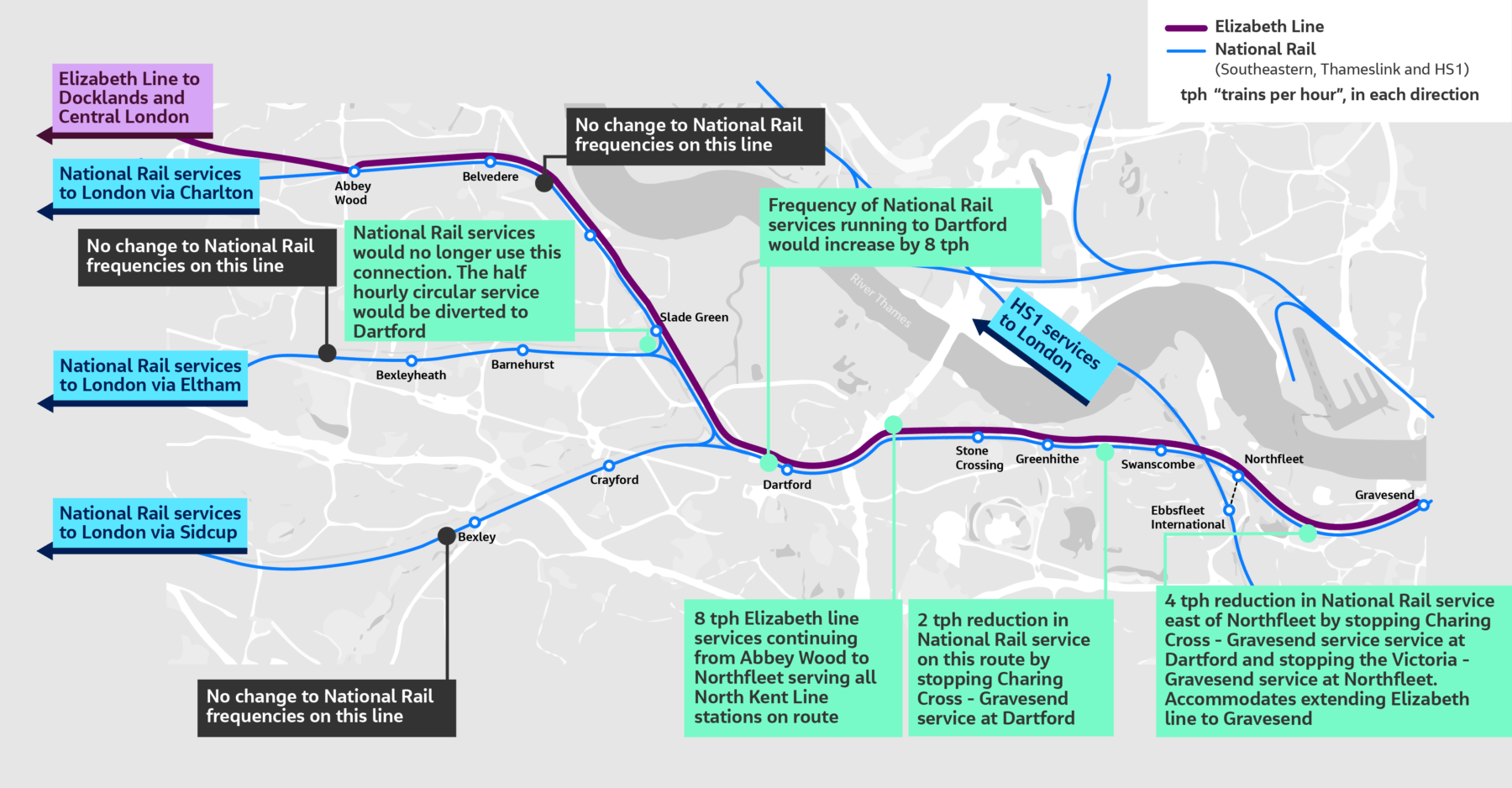
There doesn’t appear to be too much new infrastructure, except for a proper connection between Northfleet and Ebbsfleet stations. References on the Internet, say that the similar-sized Luton DART connection at Luton Airport, cost around £225 million.
The Elizabeth Line connects to the following.
- Bond Street
- Canary Wharf
- City of London
- Farringdon for Thameslink
- Heathrow Airport
- Old Oak Common for High Speed Two
- Liverpool Street station
- Oxford Street
- Paddington station
- Slough for Windsor
- Tottenham Court Road for the British Museum, Oxford Street, Soho, Theatreland and the Underground.
- West End of London
- Whitechapel for the Overground and Underground
For many people like me, the Elizabeth Line at Ebbsfleet will provide one of the quickest ways to get to and from European trains.
Ebbsfleet Has Space For A Bus Station
A bus station with comprehensive routes could be built at Ebbsfleet station, which I don’t think will be possible at St. Pancras.
It would also be possible to provide an easy route to Gatwick Airport along the M25.
Hotel Accommodation
This is surely necessary.
It would make an ideal base for tourists and business people, who wanted to visit several of the large cities connected to Ebbsfleet.
A Very Large Car Park
Consider.
- Heathrow Airport is looking at providing upwards of 50,000 car parking spaces.
- Some travellers are seriously allergic to public transport and will always use their car.
- Many travellers these days want to take a severely outside case with them, when they’re only having a weekend in Paris.
I feel that a mega-station for Europe will need upwards of 10,000 car parking spaces. All of them with vehicle-to-grid chargers.
A Very Large Storage Battery
According to this page on the E-on web site, the average size of the battery in an electric vehicle is 40 kWh.
If 5,000 car parking spaces were to be fitted with vehicle-to-grid charging (V2G), that would be 2 MWh of energy storage, that could be used by National Grid, to store surplus electricity.
Get V2G right and it could make a serious contribution to your parking costs.
Pictures Of Ebbsfleet Station
These are some pictures I took at Ebbsfleet station today.
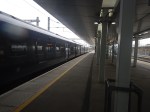
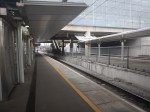


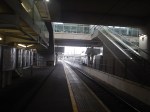


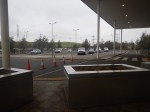





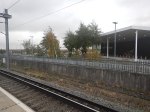
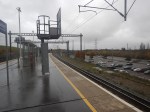
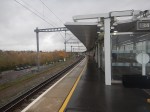
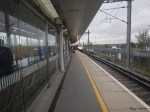
Note.
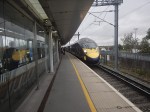
- The station is a fairly boring concrete, glass and steel construction.
- The SouthEastern HighSpeed services also go to St. Pancras, so they don’t offer any different connectivity towards the capital.
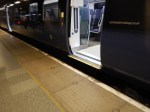
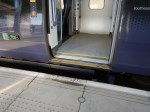
In addition, the SouthEastern HighSpeed Class 395 trains aren’t step-free at the platforms, as these pictures shows.

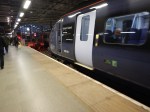
As I came back into St. Pancras International station, staff were struggling to load a wheelchair onto a train using a ramp.
Would A Two-Station Solution Increase Capacity?
High Speed Rail lines have high capacity trains and there are examples of more than one station at the end of a route.
- The London end of High Speed Two will have stations at Old Oak Common and Euston.
- The Manchester end of High Speed Two will have stations at Manchester Airport and Manchester Piccadilly.
- The Edinburgh end of the East Coast Main Line has stations at Waverley and Haymarket.
- The Amsterdam end of Eurostar and Thalys has stations at Rotterdam, Schipol Airport and Amsterdam.
A selection of stations gives choice and convenience for travellers.
Conclusion
I believe that selective development of Ebbsfleet International station could be used to take the pressure away from St. Pancras International station.
These developments could include.
- A comprehensive bus station
- Elizabeth Line to Northfleet
- Hotel Accommodation
- Lots Of Car Parking
Canary Wharf Move Means Expansion For Drug Trials Operator
The title of this post, is the same as that of this article on The Times.
These three paragraphs outline the story.
An Aim-listed company that tests infectious and respiratory disease products on volunteers is preparing to move its operations to Canary Wharf.
Amid booming demand for its services, hVIVO, which infects volunteers with safe doses of virus agents, then quarantines them before testing the efficacy of vaccines and antivirals — in so-called human challenge trials — will move from its clinics in Whitechapel, east London, to a new larger facility near by owned by Canary Wharf Group early next year.
Canary Wharf is aiming to attract businesses from the life sciences and health sectors in a drive to become a sciences hub and less reliant on the financial services industry.
This is the second story about life science companies moving to Canary Wharf after Canary Wharf Boosts Its Science Ambitions.
I have my thoughts.
Canary Wharf Is A Transport Hub
Canary Wharf is served by the following transport links.
- Buses
- Docklands Light Railway
- Elizabeth Line
- Jubilee Line
- Thames Clipper
It is very well-connected, which means that staff and volunteers can get there easily.
Canary Wharf Is A Leisure Destination
Canary Wharf is very much more than a collection of expensive offices.
There are shops, bars, restaurants, a museum and a cinema complex.
There Is A Shortage Of Lab-Rats
I volunteer for medical research and regularly, I’m called in to help with the recruitment of more volunteers.
I suspect, that many would prefer to volunteer at Canary Wharf, rather than some parts of London.
Conclusion
I suspect that we’ll see an expansion of medical research of all kinds at Canary Wharf.
Silvertown Tunnel Bus Network Proposals
This web page is the Silvertown Tunnel Bus Network Proposals.
These proposals are made.
- A new high frequency, limited stop service between Grove Park and Canary Wharf referred to in this consultation as route X239
- To extend route 129 (Lewisham – North Greenwich) north across the river to Great Eastern Quay via the Royal Docks development zone
- A minor change to route 108 so that it uses the new Millennium Way slip road to exit the Blackwall Tunnel southbound
- We are also seeking your views on route options for three sections of routes 129 and X239.
It looks like route 108 will continue to use the current stop.
The proposals include this map.
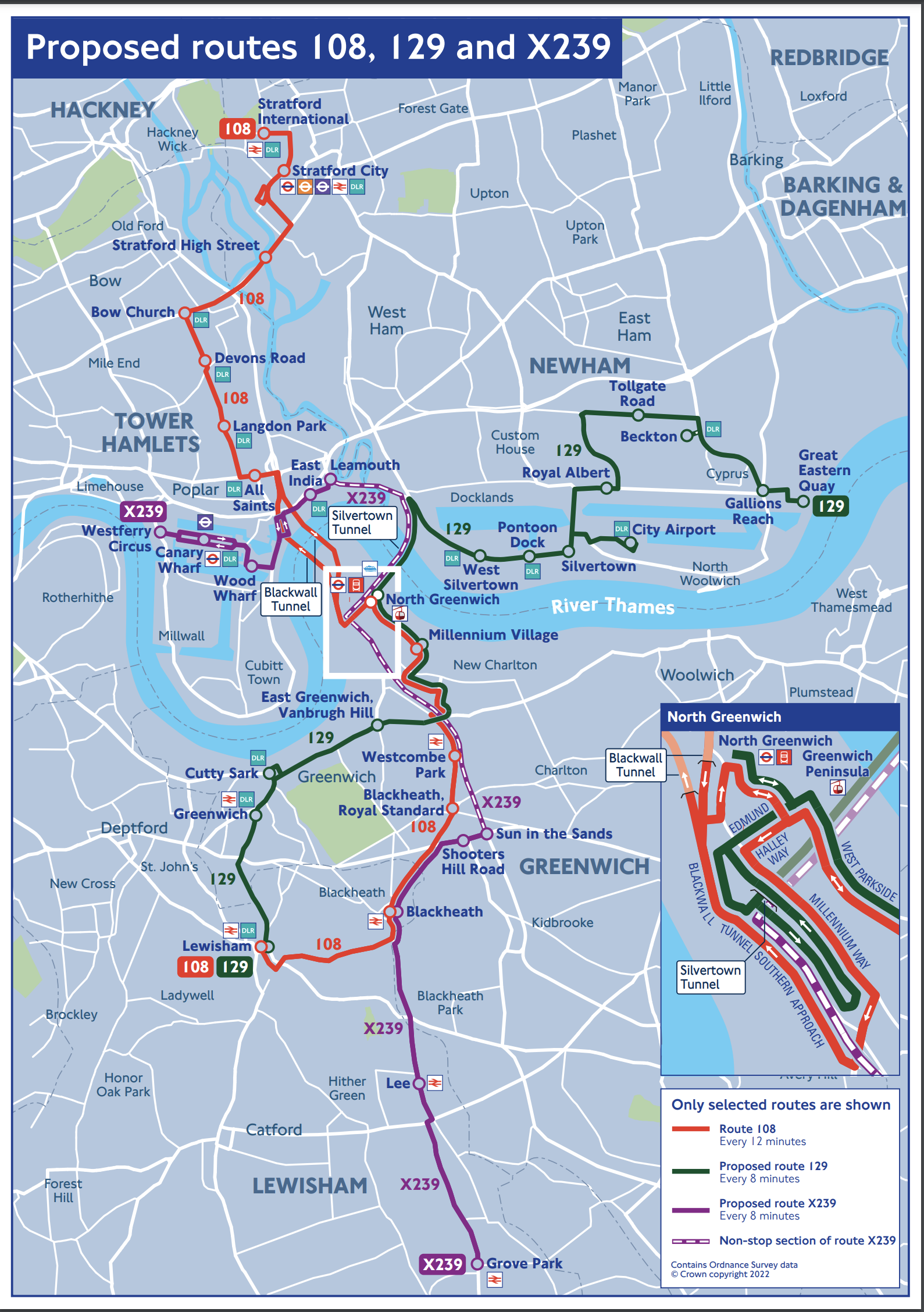
I copied this map from the TfL web site, as they don’t provide one for people who want or need to use it.
These are my observations.
The 108 Bus
The 108 seems to be more or less as now and will be continue to be run by a single-decker bus, as double-decker buses can’t use the Blackwall Tunnel.
North of the Thames, the 108 calls at these stations.
- Stratford International for DLR and National Rail.
- Stratford for DLR, Central, Elizabeth and Jubilee Lines, and National Rail.
- Bow Church for DLR
- Devons Road for DLR
- Langdon Park for the DLR
- Bazely Street (All Saints) for DLR
South of the Thames, the 108 calls at these stations.
- North Greenwich for the Jubilee Line.
- Westcombe Park for National Rail
- Blackheath for National Rail
- Lewisham for DLR and National Rail
Note.
- It is possible to go between Lewisham and Stratford on the DLR with a change at Canary Wharf.
- It is possible to go between North Greenwich and Stratford on the Jubilee Line.
- Westcombe Park station is on the Greenwich Line.
I would wonder, if many people use this bus route for long distances.
The 129 Bus
Note.
- The 129 appears to connect Lewisham and Greenwich to the City Airport and the Becton branch of the DLR.
- Many journeys on the 129 bus, might be easier using the DLR, with a change at Westferry or Poplar, which is probably what travellers do now.
- The 129 bus is shown on the map with a stop at Silvertown. Does that mean that it could connect with a Silvertown station on the Elizabeth Line?
- As the 129 bus will pass through the larger Silvertown Tunnel, it could be a double-decker route, instead of the current single-decker.
North of the Thames, the 129 calls at these stations.
- Gallions Reach for the DLR
- Beckton for the DLR
- Royal Albert for the DLR
- London City Airport for the DLR
- Silvertown
- Pontoon Dock for the DLR
- West Silvertown for the DLR
South of the Thames, the 129 calls at these stations.
- North Greenwich for the Jubilee Line.
- Cutty Sark for DLR
- Greenwich for DLR and National Rail
- Lewisham for DLR and National Rail
Would improvements and a frequency increase to the DLR and the building of Silvertown station, mean that changes to the 129 bus route, would not be so important?
The X329 Bus
Note.
- Canary Wharf must be served and starting at Westferry Circus is probably a good choice.
- But is Grove Park station, the ideal Southern terminal?
- Not stopping the X329 bus at North Greenwich is probably correct, as North Greenwich station is a large Jubilee Line and bus interchange close to the O2.
North of the Thames, the X329 calls at these stations.
- Canary Wharf for DLR and Elizabeth and Jubilee Lines
South of the Thames, the X329 calls at these stations.
- Blackheath for National Rail
- Lee for National Rail
- Grove Park for National Rail
Note.
- Blackheath station is on the Bexleyheath and North Kent Lines.
- Lee station is on the Dartford Loop Line.
- Grove Park station is on the South Eastern Man Line.
- Grove Park has a bus station, where there could be space for a battery charger for electric buses.
The X329 seems to have been partly designed on the premise, that an express bus should be run through the Silvertown Tunnel. But it does connect four of the rail lines going into London terminals to Canary Wharf.
Silvertown Station For London City Airport
Silvertown station would more than double the number of stations with easy routes to the London City Airport.
The Elizabeth Line would enable the direct connection that is needed to Canary Wharf, the City of London, Heathrow, Liverpool Street and Paddington stations and the West End.
- A single change at Abbey Wood, would give access to much of Kent.
- A single change at Farringdon, would give access to Thameslink services and Gatwick and Luton airports.
- Around 2030, a single change at Old Oak Common, would give access to High Speed Two services.
- A single change at Paddington, would give access to Wales and West services.
- A single change at Whitechapel, would give access to the great circle of the London Overground.
I believe the case for a Silvertown station with at least a good walking route to the London City Airport is strong, and the station would be a marvellous asset for Silvertown and the Airport.
Battersea Power Station – 14th October 2022
I went to Battersea Power Station today and took these pictures.

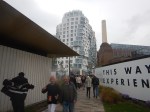













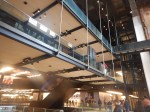

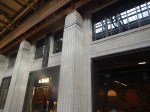



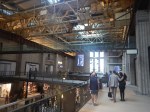






Note.
- The picture of my jacket was taken in the toilet. All male toilets should have a hook for jackets.
- The crane is still in place.
- There are a number of shops still to open.
- There was no food store, although a Marks and Spencer’s food store is coming soon.
- The only place to have a coffee and cake and sit down was Starbucks. But I never eat in an American cafe or eat American food, as I don’t trust their gluten labelling.
One guy I met described it as Dubai without the sand.
I have some thoughts.
Getting There
There are two main routes.
- Northern Line to Battersea Power Station station.
- Thames Clipper to Battersea Power Station pier.
I went by the Northern line, changing both ways at Tottenham Court Road station to and from the Elizabeth Line.
- This interchange is a short walk and step-free, if you use the lift.
- There are no trains to Battersea Power Station on the Bank branch of the Northern Line.
- There are five trains per hour (tph) to Battersea Power Station, with an extra two tph in the Peak.
- There are no Night Tube trains to Battersea Power Station.
I can see this service being improved.
Arriving At Battersea Power Station By Underground
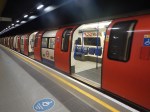

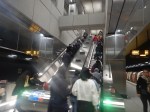

Punters were certainly arriving.
Gluten-Free Food
There was absolutely none, that I could find.
At least though a Gordon Ramsay restaurant is opening soon.
Signage
It wasn’t good. But then I have found several modern shopping centres work on this principle.
Conclusion
Canary Wharf is better.
- Partly because the shops are more useful and to my taste.
- But mainly because it is on the Elizabeth and Jubilee Lines, and the DLR.
- All rail lines go through Canary Wharf rather than terminate there.
Battersea Power Station might be better, when the Northern Line is extended to Clapham Junction station.
Canary Wharf Boosts Its Science Ambitions
The title of this post, is the same as that of this article on The Times.
This are the introductory paragraphs.
Genomics England is to move its headquarters to Canary Wharf in east London this year as the financial quarter aims to become a life sciences hub.
The government-run DNA sequencing group will move in the autumn into One Canada Place, where its neighbours will include Brookfield, a Canadian property fund, and Reach, publisher of the Daily Express and OK! magazine.
Owned by the Department of Health and Social Care, Genomics England sequences the genomes of people with rare diseases and cancers to help doctors to treat them more effectively. With consent, some of that data is passed to researchers trying to develop new drugs and treatments.
If you type “Canary Wharf Science Hub into Google”, you find some serious articles.
This article in the FT is entitled Canary Wharf Proposes £500mn Lab Project To Reinvent Financial Hub.
This is a good idea, as scientist friends are always complaining about a lack of lab space in Cambridge and Oxford. Because of the Elizabeth Line, both these cities are not much more than an hour from Canary Wharf.
It should also fill the cafes and shops with scientists and engineers, who would replace some of those working from home because of the pandemic.
I wonder whether this model will work elsewhere?
The New And Unusual Way Commuters Will Be Able To Get To Canary Wharf And Central London
The title of this post, is the same as that of this article on MyLondon.
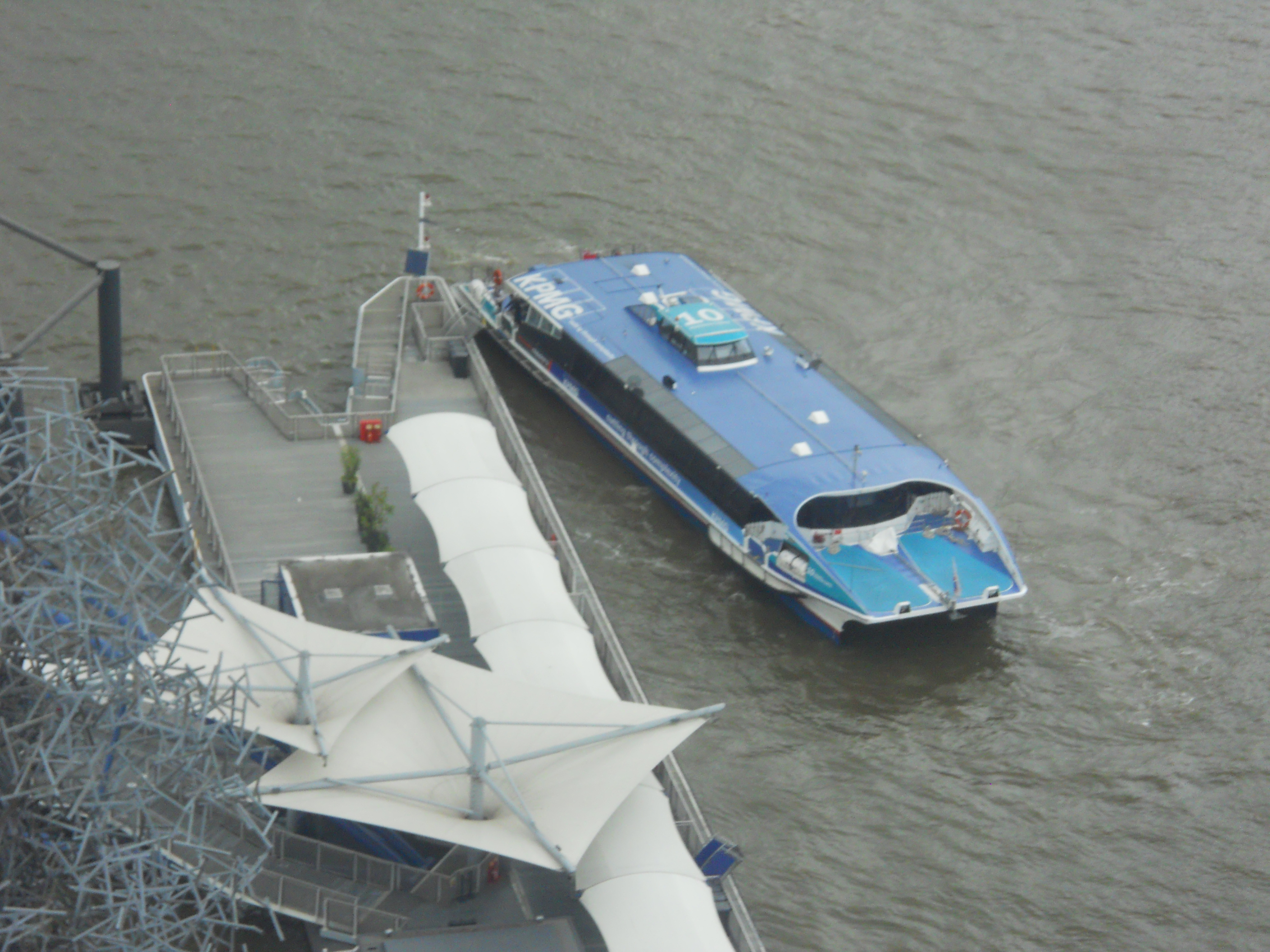
The image shows a Thames Clipper at Greenwich Pier.
A new pier for Thames Clippers is to be built at Barking Riverside, close to the new Barking Riverside station.
This will create a whole series of new routes to the East of Canary Wharf, Greenwich and the Thames Barrier.
Conclusion
I think the new pier will also be good for tourists, just as much as commuters.
I shall certainly use it to show visitors, the historic sites of the Thames.
It’s also good to see the Thames Clippers getting integrated with London’s more traditional public transport.
Cross City Connect Proposes HS1-HS2 Link
The title of this post is the same as that of an article in the January 2020 Edition of Modern Railways.
The article is only sketchy giving only a few details of the proposal.
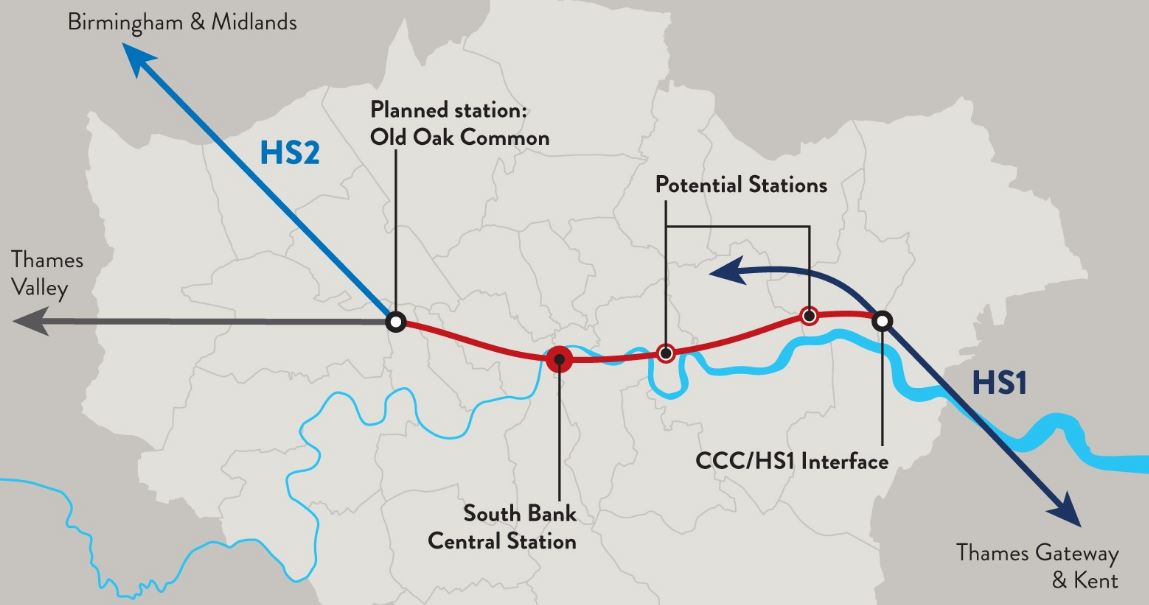
- The link would connect HS2 at Old Oak Common to HS1 at Rainham.
- HS2 would not connect to Euston.
- There would be intermediate stations at South Bank Central, Canary Wharf and Barking.
This map, that was posted in the RailUK forums, shows the route.
These are my thoughts on various points of the plan.
The Tunnel Route And South Bank Central Station
The proposed tunnel route is shown in red on the map.
These are my thoughts on the main tunnel.
Western Section – Old Oak Common To South Bank Central Station
This Google Map shows the area of London between Old Oak Common Elizabeth Line Depot and the South Bank.
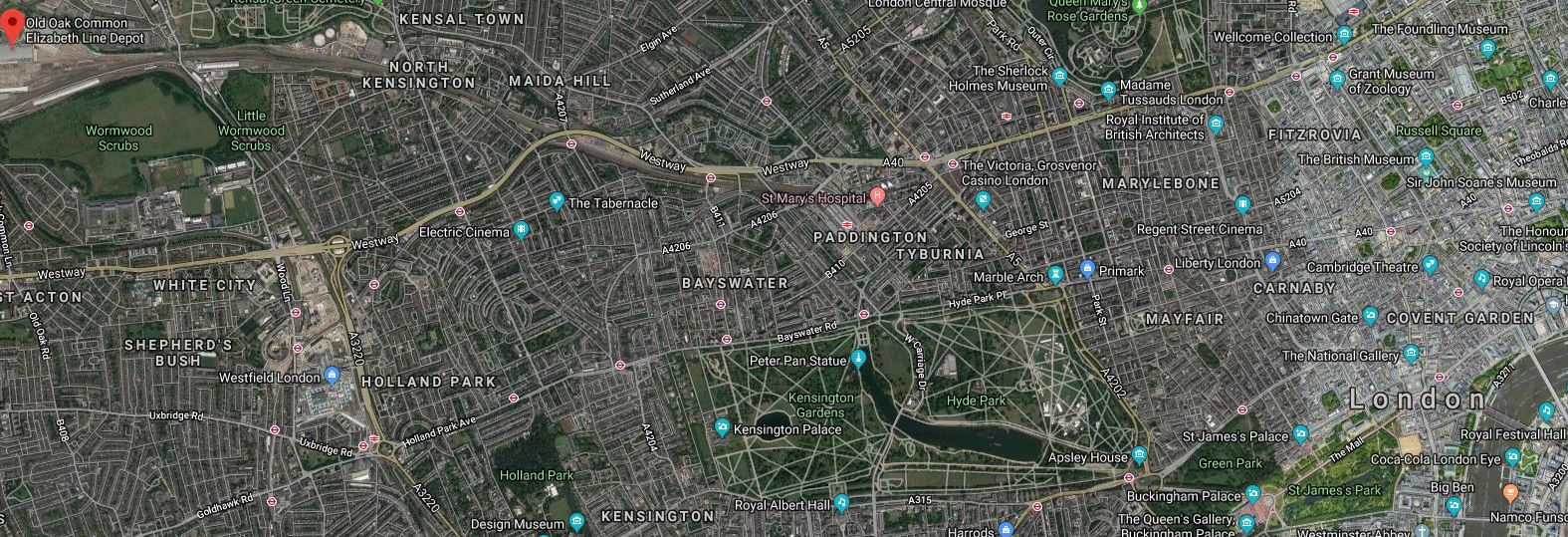
Note.
- The depot is in the North-West corner marked with the red arrow.
- The Thames as it curves around the South Bank is in the South East corner of the map.
- The Serpentine in Hyde Park can be picked out.
I think that the tunnel would go deep under the West London Line and Hyde Park before cutting away East to the Thames.
Note that when a similar tunnel was dug deep under East London for High Speed One, there wasn’t too much difficulty. But that was twenty-five years ago and tunnelling techniques have surely improved.
There is also all the knowledge, that has been accumulated by the boring of Crossrail and the Thames Tideway Tunnel.
South Bank Central Station
This second Google Map shows the Thames between the London Eye and Blackfriars station.
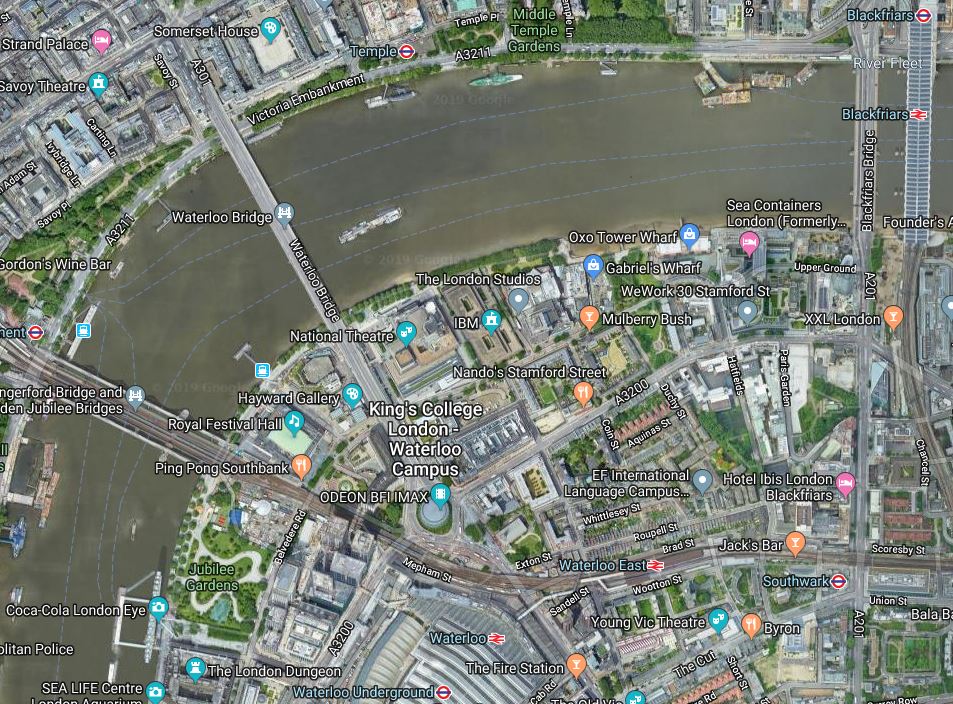
Blackfriars Bridge, Blackfriarts station, The Hayward Gallery. The National Theatre, The Royal Festival Hall, Waterloo bridge and Waterloo station can all be picked out.
This map from carto.metro.free.fr shows the various lines in the area.
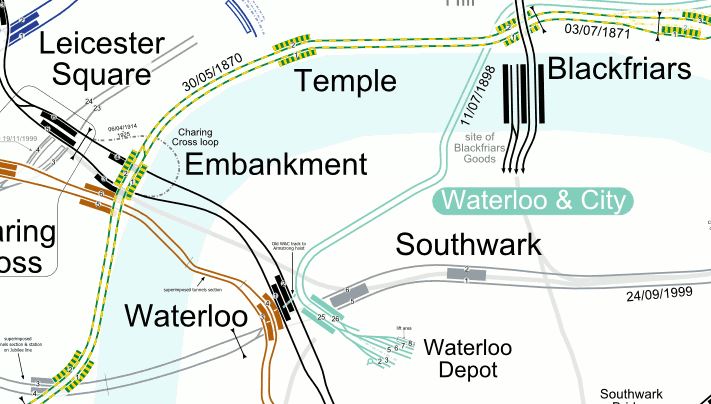
Note.
- There seem to be few lines by the Thames on the South Bank, with just the Bakerloo and Northern Lines crossing the area.
- The Waterloo & City Line crosses further to the East.
- I would suspect, that as most of the buildings in the area of the South Bank have been built since 1950, that detailed plans and surveys exist of the South Bank.
- Even Waterloo Bridge was built as recently as the Second World War, which is young for many of the bridges across the Thames.
This leads me to believe that a substantial station could be built under the South Bank.
- It would have long platforms roughly following the line of the Thames.
- It could be connected to Waterloo station at the South-Western end.
- Connections could surely be made to the Bakerloo and Northern Lines and possibly to the Jubilee Line.
- The Northern Line is being extended to Battersea Power station.
- The Bakerloo Line could be extended to South East London.
- There are possible plans to extend Charing Cross station over Hungerford Bridge, which could be connected as well.
- Could the station be connected to Blackfriars station at the North-Eastern end?
- Could tunnels be built under the Thames to connect the station to the North Bank?
It seems to me, that there are lots of possibilities to make the proposed Soiuth Bank Central station a very well-connected station.
This Google Map may offer a clue as to where the station could poke its head into the South Bank.
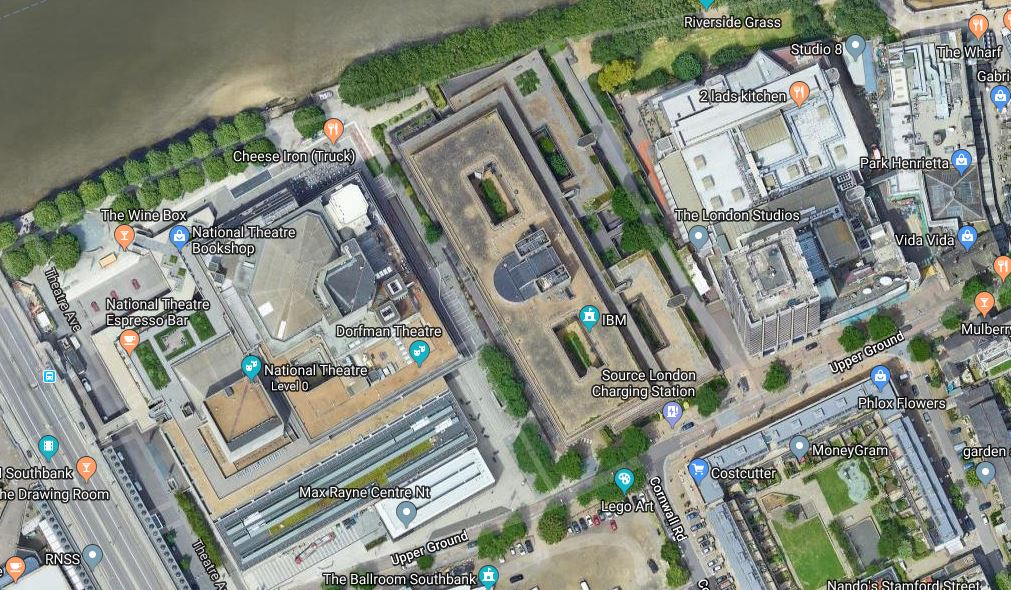
Going from West to East across the map, the following can be seen.
- The approach road to Waterloo Bridge.
- The National Theatre
- The IBM Building.
- The London Studios
The last is the interesting building, as it has been sold to Mitsuibishi Estates to be developed as luxury housing. It is also a large site of 2.5 acres and there used to be a tower on the site, so I suspect there could be space for a station in the basement and an entrance or two on the surface.
It would certainly be a wonderful location to arrive at in London.
- Walk to the West and you pass The Nation Theatre, the Hayward Gallery, the Queen Elizabeth Hall and the Festival Hall before arriving at Hungerford Bridge and the footbridges to the North Bank, Charing Cross station and Trafalgar Square.
- Walk further West and you pass the London Eye and come to Westminster Bridge, with The Palace of Westminster, Westminster Abbey and Parliament Square on the other side of the River.
- Walk to the East and you pass Blackfriars station, that sits above the river and the Tate Modern, before arriving at the Millenium Bridge that leads to St. Paul’s Cathedral.
- South Bank Central station could even have a pier for the Thames Clippers.
It would certainly be a Central station, worthy of the name.
In this post entitled Walking Between Blackfriars And Hungerford Railway Bridges, there are a series of pictures I took on the walk.
These pictures show the section around the studios.





Note thaty the river walk is a tree-lined boulevarde and there is an accessible beach.
It should also be noted that the Thames Tideway worksite locations are on the North side of the river at this point of the river, so this could leave space for the Cross City Connect tunnel to be towards the South Bank.
South Bank Central Station And Canary Wharf Station
This Google Map shows the route between the South Bank and Canary Wharf.

Note.
- The South Bank is in the North-West corner of the map.
- East Enders fans will be able to recognise the O2 at the Eastern side of the map.
- Canary Wharf is to the West of the O2 in the bend of the River.
I suspect that the tunnel could be bored roughly along the line of the River before passing under Canary Wharf, where there could be a deep-level station.
Potential Station – Canary Wharf
Canary Wharf station is only labelled as a potential station.
This Google Map shows the Canary Wharf Crossrail station.
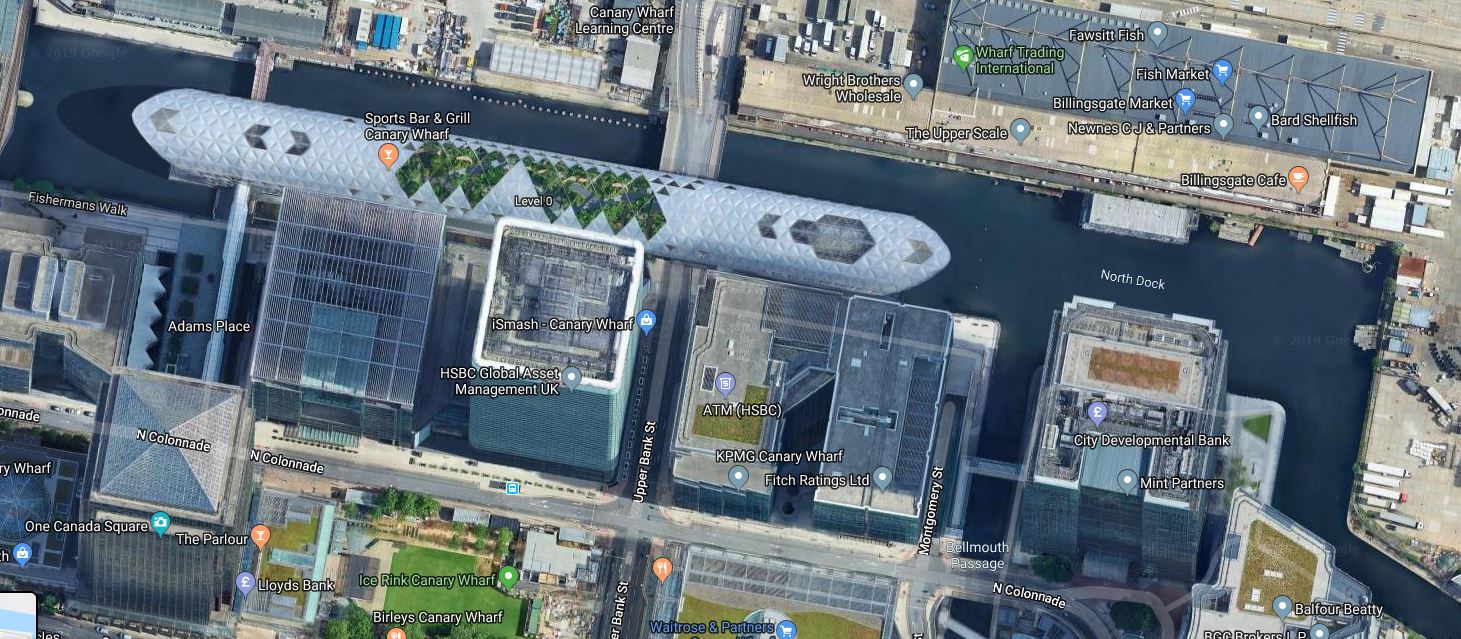
Is the design of the station such, that extra lines could be placed alongside or under the Crossrail tracks and connected to the existing station?
There certainly must be a suitable place for a potential station at Canary Wharf, otherwise it wouldn’t have been proposed.
The station would give access to Crossrail, the Docklands Light Railway and the Jubilee Line.
I also expect that the Canary Wharf Group would be very co-operative and could make a contribution to the cost of the station.
Canary Wharf Station To Barking And Rainham
This Google Map shows the final section from Canary Wharf to Rainham.
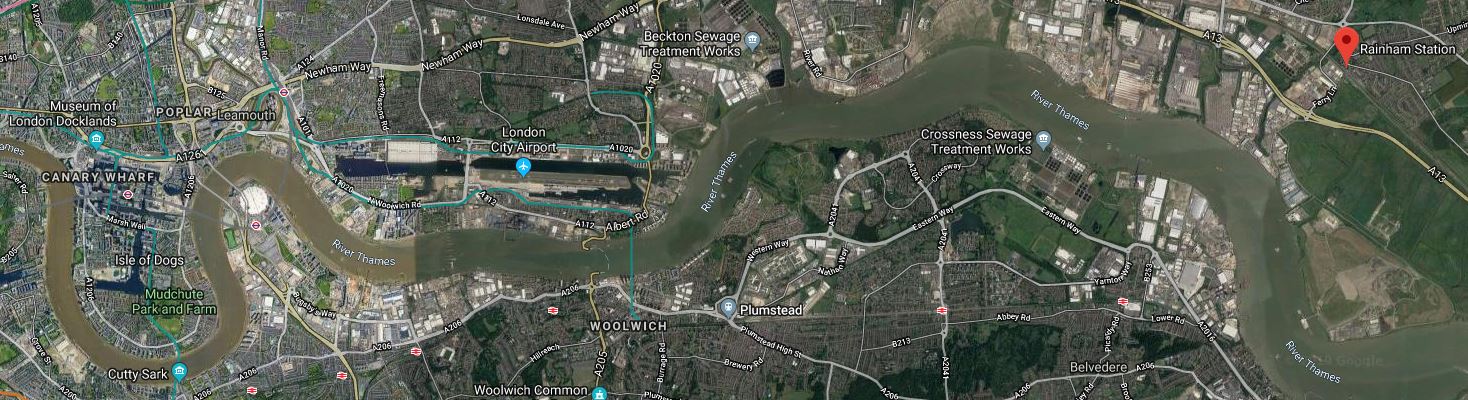
Note.
- Canary Wharf and the O2 at the West of the map.
- The London City |Airport to the East of the O2, with the water alongside the runway.
- Rainham station marked by a red arrow at the East of the map.
It would appear that the route of the tunnel could be under the River or the runway at the City Airport.
But it should be born in mind, that High Speed One was dug under Barking and there wasn’t too much trouble.
Potential Station – London City Airport
As the Cross City Connect tunnel could pass under the terminal building at the Airport, could a station be built here?
I suspect not!
- Passengers at the Airport go to many of the destinations of the rail service.
- I don’t think there will be enough passengers to justify the station.
- London City Airport is expanding the terminal and they probably wouldn’t want to change things now.
The Airport wants a Crossrail station and that is more likely.
Potential Station – Barking
Barking station is only labelled as a potential station.
The map from carto.metro.free.fr, shows another potential station at Barking.
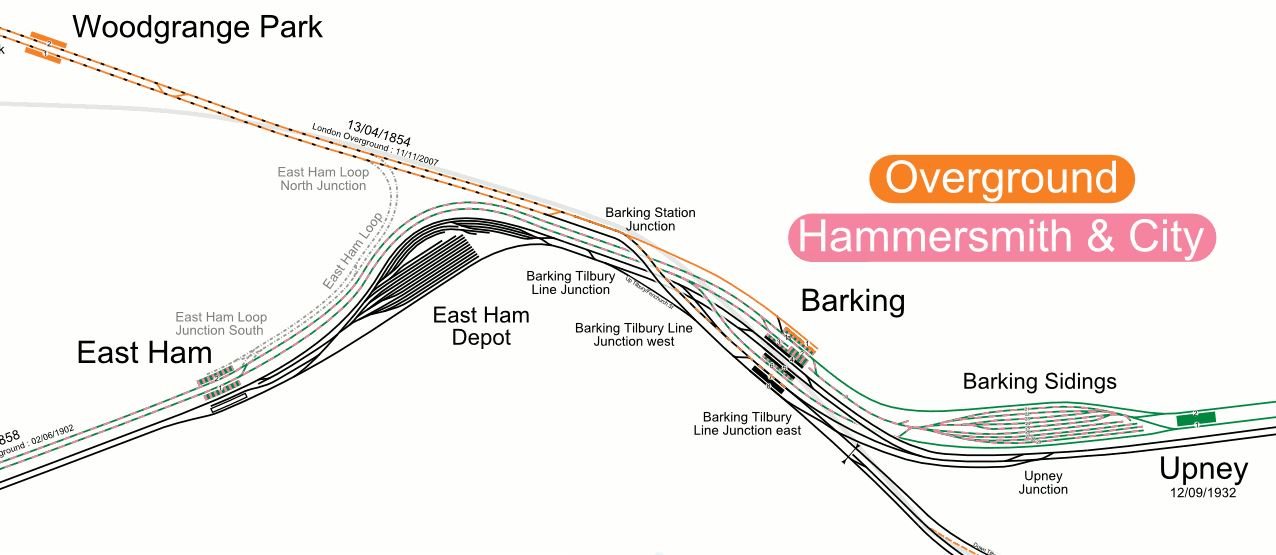
It is a well-connected station.
Could a two track high speed station with two-platforms per track, be built underneath the current station and connected to it by escalators and lifts?
It would probably not be a much more difficult station to design and build, than Whitechapel station on Crossrail.
CCC-HS1 Interface
This Google Map shows the rail lines and roads around Dagenham Dock station.
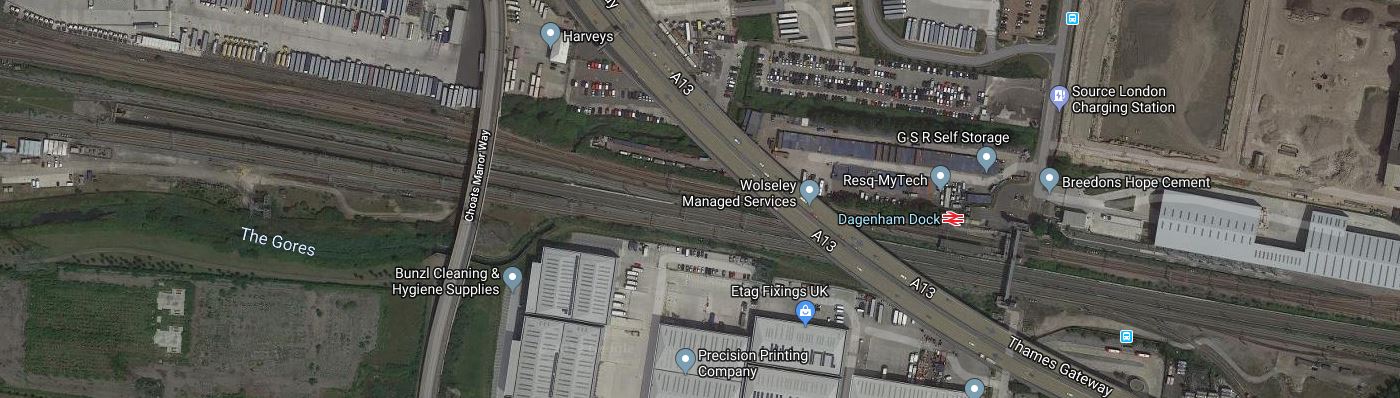
Stand on the London-bound platform and whilst waiting for a c2c train, Eurostars and Javelins speed by behind you.On the map, you can just see the Jigh Speed One tunnel portal to the West of the station.
The two pairs of tracks; c2c and High Speed One run parallel through Rainham station, until they split with the c2c tracks going towards the river and Purfleet and Grays station and High Speed One threading its way through the approaches to the Dartford Crossing and its tunnel under the Thames.
This Google Map shows the area to the South-East of Rainham station, which is in the North-West corner of the map.
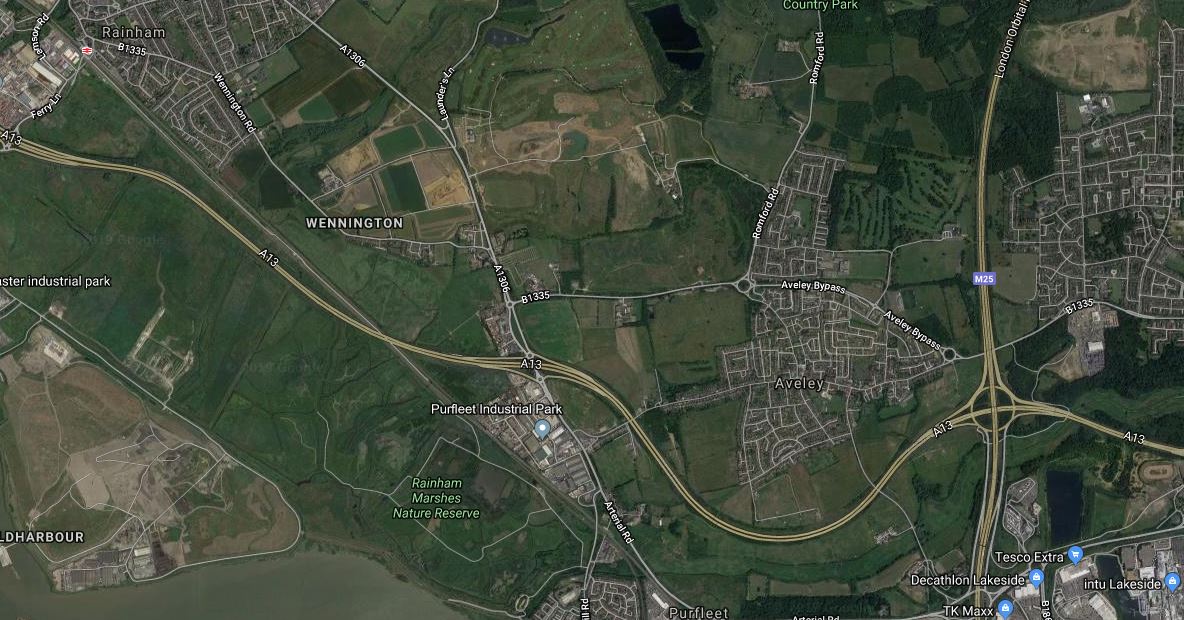
Note the A13 road linking East London to the junction with the M25 in the East, which is to the North of the Lakeside Shopping Centre.
This Google Map shows the North Western corner of the previous map.
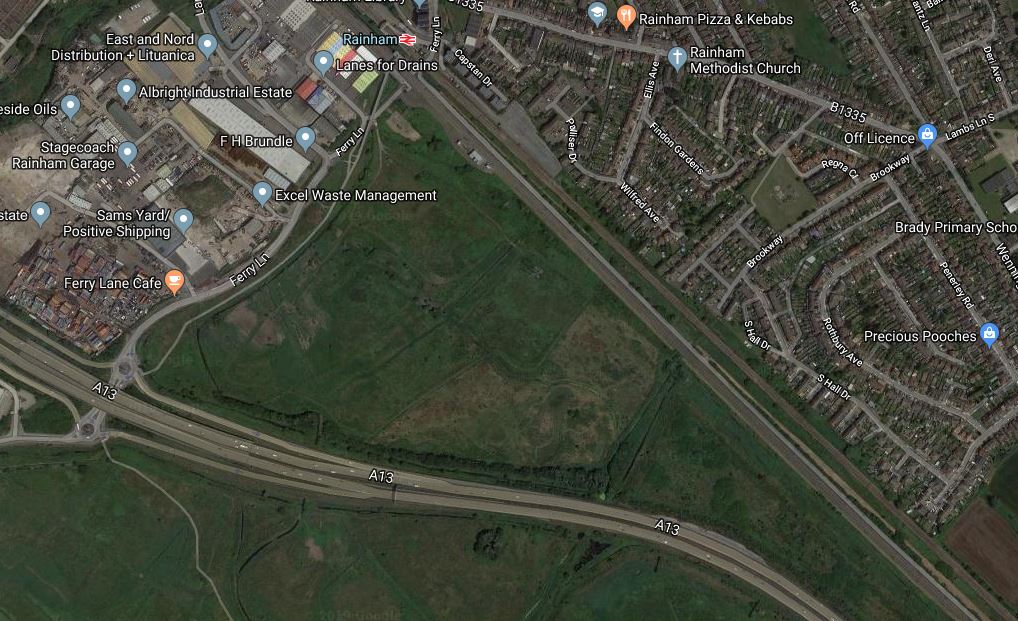
Note.
- Rainham station at the top of the map.
- The two c2c tracks running South East from the station.
- The two High Speed One alongside the c2c tracks.
- The dual carriageway of the A13 road.
There is a large empty triangular area of land between the road and the four railway tracks. As I’ll mention it several times, I’ll call it the Rainham triangular site in future.
I suspect that the Cross City Connect tunnel will break off from High Speed One to the South-East of Rainham station , with a portal in the Rainham triangular site.
A train between Paris and Birmingham or Manchester would do the following.
- Take High Speed One as now.
- After stopping as required at Ashford and/or Ebbsfleet stations, it would cross under the Thames.
- At Rainham it would take the Cross City Connect tunnel.
After stopping as required at South Bank Central and Old Oak Common stations, it would take High Speed Two for the North.
Boring The Tunnel
The Rainham triangular site could be the place from where to bore the tunnel. Or at least the Eastern part!
- There is a lot of space.
- Linings and other heavy materials and equipment, could be brought in by rail using High Speed One.
- Tunnel spoil could be conveyored to the river and taken away in barges.
Would tunnelling techniques have improved enough to go between Rainham and Old Oak Common in one continuous bore?
Would There Be A Station At Rainham?
All services going through the Cross City Connect tunnel would need to terminate somewhere.
Some would go all the way to the Continent and in the near future they could terminate at some of all of the following destinations.
- Amsterdam
- Bordeaux
- Brussels
- Cologne
- Frankfurt
- Geneva
- Paris
High Speed Two’s trains would be compatible with the Channel Tunnel, but ridership would be variable along say a Manchester and Paris route.
So some services would need to terminate in the London area.
As the line to Euston would be abandoned in the Cross City Connect plan, a new station will be needed to terminate trains.
There are two possibilities.
- Old Oak Common, which because of its connections to Crossrail, the Overground and the Great Western Railway will be the place of choice for many to catch High Speed Two.
- A new station at Rainham.
Both should be built.
Rainham High Speed station would be built in the Rainham triangular site.
- It has good road access to the UK’s motorway network.
- c2c services would call to give South Essex access to High Speed services
- Southeastern Highspeed services would call to give Kent access to High Speed services.
- Continental services would call to give access to alternative routes to or through London.
- Some High Speed Two services to and from the North would terminate at the station.
There is probably space for an extensive train depot on the site.
Consider a service between Geneva and Glasgow.
- Most travellers would fly on this route as it would be in the order of eight hours by train.
- I suspect though that London and Geneva at possibly six hours could attract more traffic.
A well-planned station at Rainham would probably cater for the masochists who wanted to do the long journey by High Speed Rail in a day.
But the interchange at Rainham would be invaluable for passengers travelling between the Continent and Canary Wharf or Westminster.
- Canary Wharf is served directly.
- Westminster is a short walk over the Thames or one stop on the Jubilee Line from South Bank Central station.
- Try going between St. Pancras International and Canary Wharf or Westminster quickly without changing trains or using a taxi.
- The proposed Crossrail 2 won’t make these journeys any easier.
- The Cross City Connect Route would be faster.
As Canary Wharf is connected to Crossrail and Old Oak Common to the Overground, access to the Greater London area would be much improved with a change at Rainham High Speed station.
Cross City Connect, also gives access to these services to places, that will not be served by High Speed Two.
- South Western Railway services from Waterloo, which will be close to South Bank Central station.
- Great Western Railway services will be available at Old Oak Common.
Travellers wanting classic service to the North would go as now, via St. Pancras.
The only thing missing is a connection to Crossrail, which would give direct access to Liverpool Street and Paddington.
I think that Rainham High Speed station would become a very important station.
Tunnel Size And Number
High Speed Two is being built to a loading gauge of UIC GC, which is similar to the Channel Tunnel. The Channel Tunnel bores are 7.6 metres in diameter.
The biggest tunnel under London will be the one currently being dug for the Thames Tideway Scheme.
- It will be 25 kilometres long.
- The diameter is 7.2 metres.
- It will be up to seventy metres below the surface.
For much of its route, it follows the Thames in a similar manner to the Cross City Connect tunnel.
Cross City Connect would need one tunnel of this size for each track.
Could two tracks share a single tunnel?
Theoretically, I think they could, but it could cause problems in station design.
Station Design
Would the Cross City Connect need four tracks and platforms at each station?
High Speed One stations at Stratford, Ebbsfleet and Ashford stations effectively have four tracks and platforms, due to the security need of separating domestic and International passengers.
But as all trains these days, including those on Eurostar and the Javelins working suburban services have doors on both sides, surely there is an engineering solution.
- South Bank Central and any other Central London stations would have platforms on both sides
- All platforms would have level access between train and platform and platform doors.
- Platform doors would be designed to work with all trains using the route. I have ideas how this could be done.
- The domestic platforms would be the two platforms between the two tunnels. This would mean domestic passengers could board and leave the trains with the minimum of fuss. They could also reverse direction if they should need.
- The International platforms would be on the outside and would have the extra security checks needed.
- International and domestic services would only open doors to the appropriate platform.
If a solution to the security problem can be found, then two tunnels would be sufficient.
Four tunnels would blow the budget.
Train Operating Speed In The Tunnel
Consider.
- High Speed Two has been designed with an operating speed of 225 mph.
- The Chanel Tunnel has a maximum operating speed of 100 mph.
- The Channel Tunnel track could possibly handle 120 mph.
- Crossrail has an operating speed of 90 mph.
It should also be noted that the faster the trains go, the greater the pressure on infrastructure like platform edge doors and the passengers waiting on the platforms outside the doors.
I would suspect that the maximum operating speed of trains in the Cross City Connect tunnel would not be hoigher than 100 mph, but with a possibility of increasing it up to 125 mph in the future.
Train Frequency
Note that the design frequency of High Speed Two is twenty-one trains per hour (tph).
If Thameslink and Crossrail have been planned for twenty-four tph, with an objective of going to thirty tph, I don’t see why, we shouldn’t see twenty-four tph or even thirty tph running through the Cross City Connect tunnel.
Summing Up The Tunnel Route And South Bank Central Station
These are my conclusions on the tunnel route.
- It uses London’s geography and the tunnelling-friendly clay soil to advantage.
- The designers of the scheme have found an easy place to build a well-connected station at South Bank Central.
- It also appears that the Eastern portal at Rainham, is on a site with plenty of space.
- Could the Eastern portal make a good site from where to build the tunnel.
Overall, it appears to be a very viable project.
Passenger Services
When Phase Two of High Speed Two, these services are currently planned to run into Euston.
- 3 tph – Birmingham Curzon Street – via Old Oak Common and Birmingham Interchange (2 tph)
- 2 tph – Liverpool – via Old Oak Common, Stafford (1 tph), Crewe (1 tph) and Runcorn
- 3 tph – Manchester – via Old Oak Common, Birmingham Interchange and Manchester Airport (2 tph)
- 1 tph – Preston – via Old Oak Common, Warrington Bank Quay and Wigan North Western
- 2 tph – Glasgow – via Old Oak Common, Birmingham Interchange (1 tph), Preston and Carstairs
- 2 tph – Edinburgh – via Old Oak Common, Birmingham Interchange (1 tph), Preston, Carstairs and Edinburgh Haymarket
- 3 tph – Leeds – via Old Oak Common, Birmingham Interchange, East Midlands Hub (1 tph), Chesterfield (1 tph) and Sheffield Midland (1 tph)
- 2 tph – Sheffield – via Old Oak Common, Birmingham Interchange, East Midlands Hub and Chesterfield (1 tph)
- 1 tph – York via Old Oak Common and Birmingham Interchange
- 2 tph – Newcastle – via Old Oak Common (1 tph) and Birmingham Interchange and York.
Adding these up gives a frquency of twenty-one tph between Old Oak Common and Birmingham Interchange.
The Dutch believe that five trains per day (tpd) will be viable between London and Amsterdam and it looks like this frequency will be running by the end of 2021.
Obviously, passenger numbers will be determined by where passengers want to go, but I think that there should be at least this minimum service between the Continent and the North.
- 3 tpd – Glasgow
- 3 tpd – Liverpool
- 3 tpd – Birmingham Curzon Street
- 3 tpd – Manchester
- 3 tpd – Leeds
I believe that High Speed Two and Northern Powerhouse Rail will be combined, as I described in Changes Signalled For HS2 Route In North.
This could result in a service between London and Hull that called at Old Oak Common, Birmingham Interchange, Crewe, Manchester Airport, Manchester, Huddersfield, Bradford and Leeds.
I estimated timings from London to various cities as follows.
- Birmingham – 49 minutes
- Liverpool – 66 mins
- Manchester – 66 mins
- Leeds – 92 mins
- Hull – 130 minutes
It looks like there could be a direct service between Paris or Brussels to the North in these times.
- Birmingham – Under three hours
- Liverpool – Under four hours
- Manchester – Under four hours
- Leeds – Around four hours
- Hull – Under five hours
Get the design of Rainham High Speed station right and the right timetable and timings would only be a few minutes longer with a cross-platform interchange at Rainham High Speed or Birmingham Interchange station.
The merging of High Speed Two and Northern Powerhouse Rail could enable services with these frequencies.
- 4 tpd – Paris or Brussels and Birmingham
- 4 tpd – Paris or Brussels and Glasgow
- 4 tpd – Paris or Brussels and Manchester, Huddersfield, Leeds and Hull.
- 4 tpd – Paris or Brussels and Liverpool
Note.
- These services would be pairs of trains, eith the two trains would splitting and joining at Lille. One train would go to and from Brussels and the other to and from Paris.
- The services would add one tph to traffic through the busy Channel Tunnel and to High Speed Two between Old Oak Common and Birmingham Interchange.
- There would be several extra services per day, with a change at Rainham High Speed station.
- Birmingham would get four tpd at Birmingham Curzon Street and another twelve tpd at Birmingham Interchange.
- The trains from Brussels could have Amsterdam, Cologne and Frankfurt as their terminus.
I could see these services giving the airlines a good kicking.
- Manchester and Paris has seven flights per day, but the route could have four direct tpd and three tph with a change at Rainham.
- Glasgow and Paris appears to have just two flights per day.
- A 200 metre long train could seat over 500, whereas an Airbus A320 seats around 200.
Would you fly between Paris and Birmingham, Liverpool or Manchester, if you could go by train in under four hours?
Freight Services
Why not? Especially at night!
Design the platform edge door correctly and freight trains would be able to pass through the Cross City Connect tunnel.
Much of the container traffic between the UK and Europe should go by rail, and this tunnel makes it possible.
Issues That Must Be Considered
There are a few issues that must be considered.
St. Pancras Station
I think that long-term St. Pancras station will have capacity and access problems for trains and passengers.
- The six Eurostar platforms are probably not enough, if more services want to use the station.
- The lounges and passport control need more space.
- At times, the station concourse is overcrowded.
- Crossrail 2 and/or better access to the Underground is needed now.
- Getting from St. Pancras to Canary Wharf, Euston and Westminster is not easy.
You also regularly hear Eurostar passengers moaning and say that they preferred Waterloo as the terminal.
Building Cross City Connect solves all the problems and effectively gives London five stations, that can be used for the Continent at Canary Wharf, Old Oak Common, Rainham, Saint Pancras and South Bank Central.
Southeastern’s HighSpeed Services
Southeastern’s HighSpeed services to and from Kent, only have two London destinations; Stratford and St. Pancras.
- Cross City Connect seem to be suggesting that some of these services take their new tunnel and go to Birmingham.
- They would connect the services to the new stations at Canary Wharf and South Bank Central.
- The current Class 395 trains are only 140 mph trains and might be to slow for the 225 mph High Speed Two.
- But their speed would be fine on an upgraded West Coast Main Line.
I’m sure that space could be found at Milton Keynes, Tring or Watford Junction for a platform to handle four tph through the Cross City Connect tunnel to Rainham and Kent.
London would get another Crossrail!
And talking of Crossrail, the services could take the Crossrail route to Reading and possibly Oxford.
There is great potential to use some of those paths through the Cross City Connect tunnel to link passengers to the major Continental interchange at Rainham High Speed station.
Stratford International Station
At present this station is really only a domestic station for Southeastern’s HighSpeed services between St. Pancras and Kent.
- Continental services do not stop.
- The only connections are to buses and the Docklands Light Railway.
- It is badly-connected to Crossrail, the Greater Anglia services and the Underground, at the main Stratford station.
- Underneath the station is the High Meads Loop, which is connected to the West Anglia Main Line and used to be used to terminate Stansted Expresses.
It is a design crime of the worst order.
But it could be so much better.
- A better connection with a travelator could connect the two Stratford stations.
- A Lea Valley Metro could be developed using the High Meads Loop as a terminus.
- Stansted Airport and Cambridge services could also use the High Meads Loop.
- Platforms could be added to the High Meads Loop, that would connect direct to the International station.
I also feel some Continental services should stop, as this would give them easy access to the important Crossrail.
Stratford could be the station, that ties London, East Anglia and South Essex together and gives them good links to the Continent.
A Future Thames Estuary Airport And Thames Barrier
I feel that in the next three decades, there is at least a fifty percent chance, that London will build an airport in the Thames Estuary.
The Airport would probably be some miles to the East, but the Cross City Connect tunnel and Rainham High Speed station could be valuable parts of the rail system serving that Airport.
Look at the section called Future in the Wikipedia entry for the Thames Barrier.
A new barrier will be needed in the next fifty years.
It could include rail and road crossings.
It could incorporate a large Airport.
There may even be tidal power generation.
As there will be extensive developments on both sides of the Thames, more transport infrastructure will be needed and the Cross City Connect tunnel and the Rainham High Speed station will play their part.
Immigration Control And Security
This could have a large effect on station design, as domestic and International passengers will need to be kept apart.
Cross City Connect are saying that four tracks might be needed; two for domestic services and two for International ones.
However, I believe that a four-platform station with just two tracks (and tunnels!), that kept domestic and International passengers apart could be built.
Earlier I said this.
- South Bank Central and any other Central London stations would have platforms on both sides
- All platforms would have level access between train and platform and platform doors.
- Platform doors would be designed to work with all trains using the route. I have ideas how this could be done.
- The domestic platforms would be the two platforms between the two tunnels. This would mean domestic passengers could board and leave the trains with the minimum of fuss. They could also reverse direction if they should need.
- The International platforms would be on the outside and would have the extra security checks needed.
- International and domestic services would only open doors to the appropriate platform.
I certainly think, there is a solution, that can be used with just two tracks.
Euston Station
If the Cross City Connect route is built, what happens at Euston?
Operationally, Euston may have problems with the number of platforms and their length, as many of London’s terminal stations do.
But Euston’s biggest problem is the connection to the Underground.
- It is a cramped station.
- It is not step-free.
- The Circle, Hammersmith & City and Metropolitan Lines call in the separate Euston Squiare station about two hundred metres away.
I understand that these problems were to be fixed with the rebuilding of the station.
So what happens now?
Will there be more demolition of the station and the surrounding buildings?
Conclusion
There’s more to this project, than meets the eye!
Could London Get A New Tube Line Between Canary Wharf And Euston?
The title of this post is the same as that as this article on CityMetric.
The article makes some interesting points.
- The line has been proposed by the owners of Canary Wharf.
- Getting to Canary Wharf from Euston, Kings Cross and St. Pancras is difficult.
- Property developers have always decided where London’s railways go.
- The plan would seem to have just one intermediate stop at Blackfriars station.
These new or improved services will be happening in the next ten years.
- More and faster services to/from the Midlands and the North West at Euston.
- High Speed Two services at Euston
- More and faster services to/from the East Midlands and Sheffield at St. Pancras.
- More Continental services at St. Pancras
- More and faster services to/from Yorkshire, the North East and Scotland at Kings Cross.
These lead me to the conclusion, that a new rail link is needed across London.
A Possible Western Extension To The Docklands Light Railway
In A Connection Between City Thameslink Station And The Docklands Light Railway, I wrote about a possible Western extension of the Docklands Light Railway.
his map from Transport for London, shows this possible Western extension of the DLR.
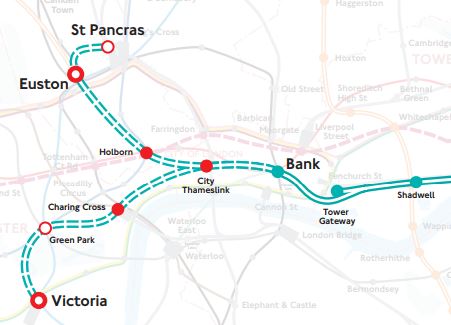
This was my analysis.
With all the problems of the funding of Crossrail 2, that I wrote about in Crossrail 2 Review Prompts Fresh Delays, could this extension of the DLR, be a good idea?
Consider,
- Victoria, Euston and St. Pancras are prosposed Crossrail 2 stations.
- It would link Canary Wharf and the City of London to Eurostar, Northern and Scottish services and High Speed 2.
- It would give all of the Docklands Light Railway network access to Thameslink.
- A pair of well-designed termini at Euston and St. Panras would probably increase frequency and capacity on the Bank branch of the system.
- The DLR is getting new higher capacity trains.
- Bank station is being upgraded with forty percent more passenger capacity.
- Holborn station is being upgraded and hopefully will be future-proofed for this extension.
- One big advantage at City Thameslink, is that Thameslink and the proposed DLR extension will cross at right-angles, thus probably making designing a good step-free interchange easier.
- The Bank Branch of the DLR currently handles 15 tph, but could probably handle more, if they went on to two terminal stations at St Pancras and Victoria..
- Waterloo and City Line can run at twenty-four tph.
Cinderella she may be, but then she always delivers, when there is a desperate need, just as she did magnificently at the 2012 Olympics.
The only problem with this extension of the DLR, is that compared to the rest of the system, the views will be terrible.
For myself and all the others living along the East London Line, with a step-free change at Shadwell, we would get excellent access to Euston, Saint Pancras and Victoria
But could the line still be called the Docklands Light Railway, as it spreads its tentacles further?
Will Cinderella come to the help of Canary Wharf for a second time?
I remember, when the Lewisham extension of the DLR was built without fuss, fanfare and cost and time overruns a couple of decades ago.
It was a triumph of sensible engineering.
 The Anonymous Widower