Newport To Swindon Via Gloucester – 14th June 2025
Because of engineering works, we came home from Newport via a diversion through Gloucester.
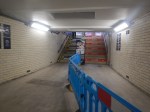
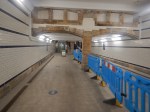
I took these pictures.
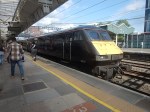
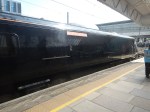
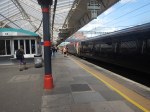
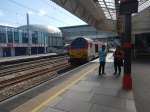
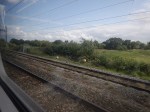
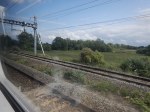
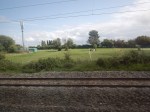
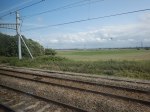
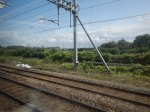
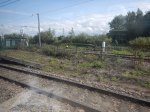
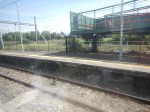

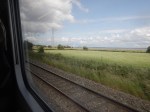
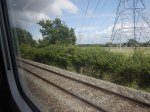
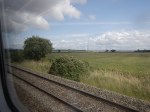
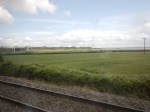
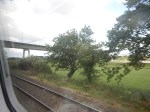
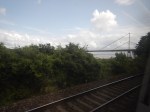

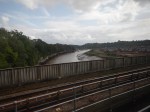






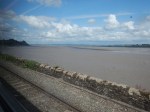

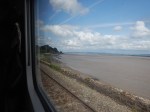





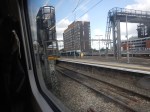
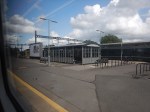
Note.
- I had sat on the right side of the train facing forward.
- We were accompanied my the thud, thud, thud of an underfloor diesel engine, as most of the route is not electrified.
- Newport and Gloucester is 44.8 miles.
- Gloucester and Swindon is 36.7 miles.
- Newport and Swindon is 81.5 miles.
- Newport and Swindon are fully-electrified stations.
- The first four pictures show Trains for Wales Premier Service.
- The Gloucester and Newport Line joins the South Wales Main Line at Severn Tunnel Junction station.
- As you travel towards Gloucester, the bridges over the Severn and the Wye can be clearly seen.
- There are two former nuclear power stations ;Berkeley and Oldbury, on the far bank of the River Severn.
- The large white wind turbine is close to Berkeley.
- Oldbury is further down the river.
As yesterday, the route is commonly used as a diversion route, when engineering works close the electrified main line through the Severn Tunnel.
I have some further thoughts.
Electrification Of Newport And Swindon
The distances involved are as follows.
- Newport and Gloucester is 44.8 miles.
- Gloucester and Swindon is 36.7 miles.
- Newport and Swindon is 81.5 miles.
As Hitachi’s Intercity Battery Trains are likely to have a range of around a hundred miles, they should be able to handle the diversion.
A short length of electrification could be erected in Gloucester station to charge any battery-electric trains, that needed a boost.
I believe full electrification is not needed.
London Bridge And West Croydon By London Overground
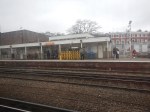
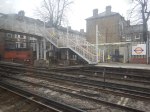
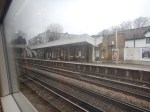
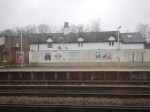
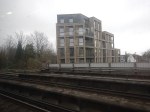
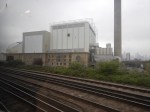
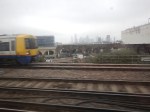
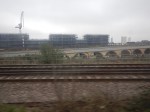
This morning, I took a London Overground train between London Bridge and West Croydon stations.
I took these pictures on the route.


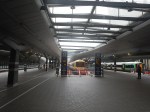
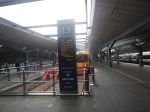
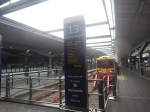
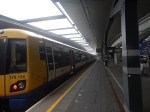
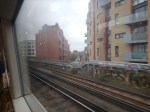

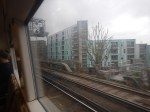




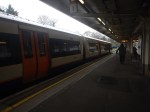
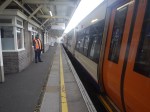
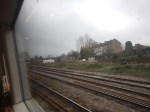

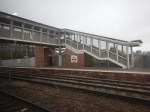

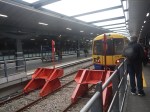
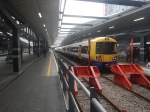
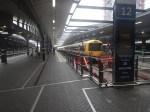
Note.
- It appears there are no London Overground services running through the Thames Tunnel.
- The only service in South London is two trains per hour (tph) between London Bridge and West Croydon stations.
- The service seemed to be working well, with no significant delays.
- The 10:24 from London Bridge wasn’t very busy, but the return at 11:03 was very crowded and there were no spare seats.
It was certainly better than a Rail Replacement Bus.
These are some further thoughts.
Could West Croydon Station Handle Six Trains Per Hour?
- West Croydon station has a bay platform 1, that handles all the London Overground services.
- Typically, a train leaves the platform about 8-9 minutes after it arrives.
- 6 x 8 is 48 minutes.
It would be tight, but possible.
Before the bay platform was extended, trains used to reverse using a turnback facility to the West of the station, which I described in How Trains Reverse At West Croydon. As this facility appears to be still there, it can probably act as a substitute bay platform for London Overground trains, if the service gets disrupted.
If in the future, it was decided to have a service, which ran say 4 tph to Highbury & Islington station and 2 tph to London Bridge station, I believe this would be possible.
Were Transport for London Training Drivers?
One or possibly both of the trains, that I rode had two drivers.
This is not unusual, but one of the drivers was wearing a Southern Day-glo vest.
So was he instructing the London Overground driver on the route, that the London Overground, doesn’t normally use?
Charging Battery-Electric Trains At London Bridge Station
This Google Map shows the roof of London Bridge station over platforms 10-15.

Note.
- The three gaps in the roof are above platforms 10-15.
- There are roof supports over the tracks.
- Platforms 10 and 11 are at the top, platforms12 and 13 are in the middle and platforms 14 and 15 are at the bottom.
My train used Platform 13 as these pictures show.
Note the roof supports over the tracks.
If the Uckfield or another service needed to be run by battery-electric trains, the trains might need to be charged at London Bridge station, as there may be issues charging using third-rail electrification.
These pictures show rigid overhead conductor rails over the Thameslink platforms at St. Pancras station.
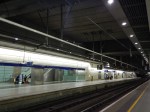
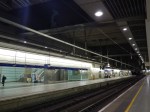
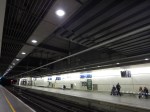
Could rails like these be installed over some or all of the bay platforms to London Bridge station, so that battery-electric trains could be charged?
- If the battery-electric trains were converted Class 377 or Class 387 trains, these are available as dual-voltage.
- Uckfield services use Platform 10 at London Bridge station.
- A round trip to Uckfield station is only 2 x 24.7 miles or 49.4 miles of unelectrified track.
- Short lengths of 25 KVAC overhead electrification could be installed at Uckfield station and the bay platform at Oxted station if needed.
A dual-voltage battery-electric train with a range of say just over 50 miles could handle Uckfield services.
Three New Battery-Only Revolution Very Light Rail Vehicles
This title of this post, is the same as that as this press release from Eversholt Rail Group.
These are the three bullet points.
- Eversholt Rail funding three brand-new Revolution Very Light Rail vehicles for passenger trials and ongoing operation.
- Manufactured in the UK by Transport Design International.
- Battery-only propulsion, providing zero-emissions operation.
These three paragraphs fill out the story.
Innovative new lightweight passenger trains that will help decarbonise Britain’s railways are to be trialled after a new deal was announced this week.
The new Revolution Very Light Rail vehicles will run entirely on battery power and could be carrying passengers within three years. A new system of lineside fast charging will mean the whole operation has zero emissions.
Some of Britain’s major rail operators are already showing interest in the RVLR vehicles as they seek to fulfil promises to make rail ‘cleaner’.
This is also said about looking for routes, to trial the new vehicles.
Eversholt Rail and TDI are working with key stakeholders across the UK rail industry to agree routes and services where operators can run passenger-carrying trials using these new vehicles. These trials will generate actual passenger demand data to support business cases for long-term deployment of RVLR vehicles as well as providing further passenger and operator feedback on their design and capabilities.
I have some thoughts and questions.
What Is The Top Speed?
A lot of questions like this are answered by this article on Rail Engineer, which is entitled Very Light Rail – A Revolution.
These can be ascertained from this comprehensive article.
- Top Speed – 65 mph
- Seats – 56
- Wheelchair space
- PRM TSI accessibility compatible
- Tare Weight – 24.8 tonnes
- USB Charging
For comparison these figures relate to a PRM-compliant Class 153 diesel train.
- Top Speed – 75 mph
- Seats – 59
- Tare Weight – 41.2 tonnes
This picture shows one of the Class 153 trains at Matlock Bath station.
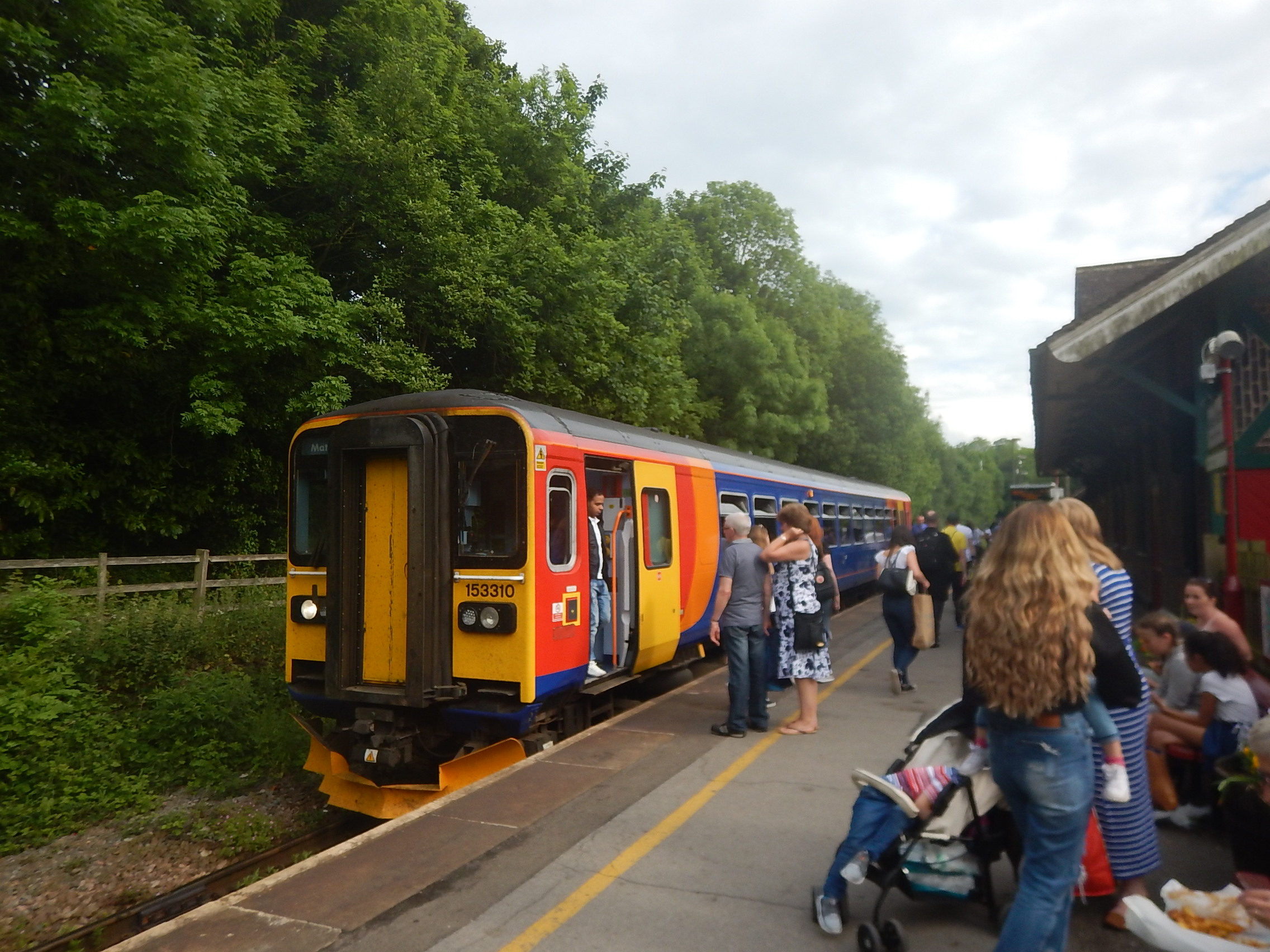
There are still around thirty in service in the UK.
Can Two Revolution VLRs Run As A Two-Car Train?
From the pictures on the web, the trains have buffers and space for a coupler, so until someone says they must always run as single units, I’ll assume they can at least run as a pair.
Can A Revolution VLR Recharge Its Batteries Using Conventional 25 KVAC Overhead Electrification?
One route, that is a possibility for running using Revolution VLR must surely be the Greenford Branch, which connects to the electrified Great Western Main Line at West Ealing station.
In this and at several other places on the network, it could be easier to charge the trains using the existing overhead electrification or an extension of it.
Another possibility; the Marston Vale Line is also electrified at both Bedford and Bletchley.
In New Mobile Rail Charging Facility For Long Marston, I talked about how Siemens are developing a mobile charger, which initially will be deployed at Long Marston.
It could be very useful for efficient operation, if the batteries on a Revolution VLR could be charged in a number of places, which included conventional electrification.
If charging only happened, whilst trains were stationary, a lightweight pantograph and appropriate electrical gubbins might be sufficient.
Can A Revolution VLR Replace A Class 153 Train?
I suspect on some routes this will be possible, but on others, the speed or hill-climbing requirements might be too stiff for the lightweight train.
But, if I was designing a train like the Revolution VLR, I’d make sure it fitted as many markets as possible.
The picture was taken at Matlock Bath station on the Derwent Valley Line, which is a single track with a fifty mph limit and an uphill climb. I suspect that the Revolution VLR would be designed to handle the uphill part of the route, but would the train be able to handle the speed of the Midland Main Line to Derby.
The Revolution VLR would probably attract more passengers, so it might be necessary to double up the service by running a pair.
Can A Pair Of Revolution VLRs Replace A Class 150 Train?
I don’t see why not!
Could The West London Orbital Use Revolution VLRs?
This might be a proposed route that could use Revolution VLRs.
The two routes would be.
- West Hampstead and Hounslow.
- Hendon and Kew Bridge.
Both services would use the Dudding Hill Line and serve Neasden, Harlesden, Old Oak Common and Acton, with a frequency of four trains per hour (tph).
Although this service could be run using conventional multiple units, it might be more affordable to use Revolution VLRs charged on sections of line that are already electrified.
Could the Greenford Branch Use Revolution VLRs?
The Greenford Branch would be a classic application and trains could be charged by fitting a charger in the bay platform at West Ealing station.
In An Automated Shuttle Train On The Greenford Branch Line, I did a rough calculation to see if an automated shuttle could achieve four tph.
Four tph might be too ambitious, but automatic trains shuttling along a branch line might be an affordable way to provide zero-carbon trains with an adequate capacity.
- The driver would drive the train using the sort of remote control used for drones.
- The driver would sit in a convenient place on the train, with CCTV to help them see everything.
- When the train was ready to leave, the driver would push a button to tell the train to move to the next station.
- On arrival at the next station, the doors will open.
- The process would repeat along the line.
If this method of operation sounds vaguely familiar, the Victoria Line has used it since 1067.
Although the Victoria Line drivers always sit in the front.
But on a line with no other trains running at the same time, all they need is a good view of the doors.
Branch lines that could be run in this way could include.
Bodmin Parkway and Bodmin General
Brockenhurst and Lymington Pier
Grove Park and Bromley North
Lancaster and Morecambe
Liskeard and Looe
Lostwithiel and Powey
Maidenhead and Marlow
March and Wisbech
Par and Newquay
Plymouth and Gunnislake
Romford and Upminster
Sittingbourne and Sheerness-on-Sea
Slough and Windsor Central
Southall and Brentford
St. Erth and St. Ives
Truro and Falmouth Docks
Twyford and Henley-on-Thames
Watford Junction and St. Albans Abbey
West Ealing and Greenford
Wickford and Southminster
Wymondham and Dereham
New Mobile Rail Charging Facility For Long Marston
The title of this post, is the same as that of this article from Rail Technology Magazine.
This is the sub-heading.
Porterbrook has signed a £1.7 million deal with Siemens Mobility to purchase an innovative Rail Charging Converter (RCC) for its Long Marston Rail Innovation Centre. The cutting-edge technology will make battery charging and 25kV power supply possible in areas of the UK railway where overhead line equipment is not currently available.
This first paragraph describes the system.
The RCC is a modular and containerised system that uses power electronics to provide a fully compliant, standard connection between the modern three-wire electricity grid and the single-wire railway. It essentially reduces the electrification infrastructure needed by being able to plug into existing power cables and deliver the ideal power supply for trains.
These two paragraphs describe how the RCC was designed and funded, and how it will be used in the future.
The original development of the RCC was supported by the Department for Transport through Innovate UK’s First of a Kind programme. The team will install the novel charging solution at Long Marston, enabling the charging of trains with batteries, fed from existing standard local power supply cables.
Compatible with all overhead line equipment powered trains, the small, low-cost design of the RCC enables the removal of diesel passenger train operation on routes without continuous electrification.
I suspect we’ll see other manufacturers like Hitachi ABB Power Grids and Furrer+Frey launch similar products.
This page gives full details of the award to Siemens Mobility.
Project Title: 25kV Battery Train Charging Station Demonstration
Lead Organisation: Siemens Mobility Ltd.
Project Grant: £59,910
Public Description:
The UK rail industry is committed to decarbonisation, including the removal of diesel trains by 2040.
Replacing diesel trains with electric, hydrogen or battery bi-mode rolling stock provides faster, smoother and more reliable journeys, as well as eliminating local pollution and greatly reducing carbon dioxide.
To enable clean, green electric bi-mode operation without continuous electrification requires enhancement of the power supply to existing electrification and novel charging facilities to support bi-mode trains.
No small, low-cost solution is currently available for charging facilities that are compatible with standard UK trains and locally available power supplies and space.
Siemens Mobility, working with ROSCO, TOCs and Network Rail, will deliver a novel AC charging solution enabling simple installation of small, low-cost rapid charging facilities fed from existing standard local power supply cables.
Compatible with all OLE-powered trains, the novel design enables the removal of diesel passenger train operation on non-electrified routes across the UK, while minimising land requirements and modifications required to existing station structures.
£59,910 seems to be good value for the helping with the design of a universal charging system for 25 KVAC battery-electric trains in the UK.
I have a few thoughts.
Will The Rail Charging Converter (RCC) Charge Third Rail Trains?
As new third-rail systems are effectively systems non grata, I suspect that third-rail trains will be charged by fitting a pantograph and the appropriate electrical gubbins.
Most modern third-rail electrical multiple units have a roof that is ready for a pantograph and can be converted into dual-voltage trains.
What Trains Will Be Able To Be Charged Using An RCC?
I suspect it will be any train with a battery, a pantograph and the appropriate electrical gubbins.
Battery-electric trains that could have a pantograph include.
- Alstom Electrostar and Aventra
- CAF Civity
- Hitachi Class 385 train
- Hitachi Class 800 train
- Siemens Desiro and Mireo
- Stadler Class 777 train
- Stadler Flirt and Akku
- Vivarail Class 230 train
I suspect it could charge all trains in the UK, where batteries have been proposed to be added.
What Is Meant By Mobile?
I suspect transportable and temporary would be a better description.
This gallery show Felixstowe station and a Class 755 train, which can be fitted with batteries.
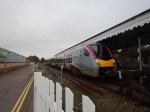

Suppose that testing was to be done at Felixstowe of a battery-electric Class 755 train.
- The containerised electrical system would be placed somewhere convenient.
- A short length of overhead wire would be erected in the platform.
- The system would then be connected together and to the electrical supply.
- After testing, it could be used to charge a train.
It would be very convenient for operation of the railway, if it could be installed and taken out overnight.
Conclusion
It looks a well-designed system.
25kV Battery Train Charging Station Demonstration
This project was one of the winners in the First Of A Kind 2022 competition run by Innovate UK.
In this document, this is said about the project.
Project No: 10037158
Project title: 25kV Battery Train Charging Station Demonstration
Lead organisation: SIEMENS MOBILITY LIMITED
Project grant: £59,910
Public description: The UK rail industry is committed to decarbonisation, including the removal of diesel trains by 2040.
Replacing diesel trains with electric, hydrogen or battery bi-mode rolling stock provides faster, smoother and more reliable journeys, as well as eliminating local pollution and greatly reducing carbon dioxide. To enable clean, green electric bi-mode operation without continuous electrification requires enhancement of the power supply to existing electrification and novel charging facilities to support bi-mode trains. No small, low-cost solution is currently available for charging facilities that are compatible with standard UK trains and locally available power supplies and space.
Siemens Mobility, working with ROSCO, TOCs and Network Rail, will deliver a novel AC charging solution enabling simple installation of small, low-cost rapid charging facilities fed from existing standard local power supply cables. Compatible with all OLE-powered trains, the novel design enables the removal of diesel passenger train operation on non-electrified routes across the UK, while minimising land requirements and modifications required to existing station structures.
My Thoughts And Conclusion
Consider.
- The solution works with all 25 KVAC trains.
- It looks like it is a compact overhead electrification system, which might have originally been designed for a European tram or German S-Bahn system.
- It is claimed to be low-cost.
- Siemens were not asking for a lot of money.
- ROSCO, TOCs and Network Rail are all involved, which must be good.
It looks to me, that someone at Siemens has raided the parts bin and found some small, low-cost overhead electrification, that can be installed in the UK gauge and powered by a fairly standard mains supply.
It strikes me, that this system would be ideal to install in a station like Marylebone, if services to the station were to be run by battery-electric trains.
Reopening The Darlington – Weardale Line To Passenger Services
On October 27th this Beeching Reversal Project was given £50,000 to build a case for reopening.
The current Weardale Railway is a heritage line, that extends the current National Rail service between Darlington and Bishop Auckland stations further up Weardale.
- It is a single track railway.
- The current operational length is 18 miles between Bishop Auckland West and Stanhope stations.
- The line could be extended a few miles to the site of the former Wearhead station.
- Thre is a station at the village of Stanhope which i has a castle, a community hospital and a population of 1,600.
- There is a station at the village of Frosterley which has a population of 700.
- There is a station at the village of Witton-le-Wear which has a population of 700.
- There seem to be lots of caravan parks along the river.
- From my virtual helicopter, the track looks in reasonable condition.
- There appear to be a couple of passing loops.
- There don’t appear to be any tunnels.
- The Weardale Railway has several bridges over the River Wear.
- I suspect the scenery is not bad.
To my untrained eye, this section of railway would appear to have possibilities for reopening, without any serious engineering problems.
These are a few of my thoughts.
The Connection To National Rail
This Google Map shows Bishop Auckland station, where the Weardale Railway connects to the National Rail network.
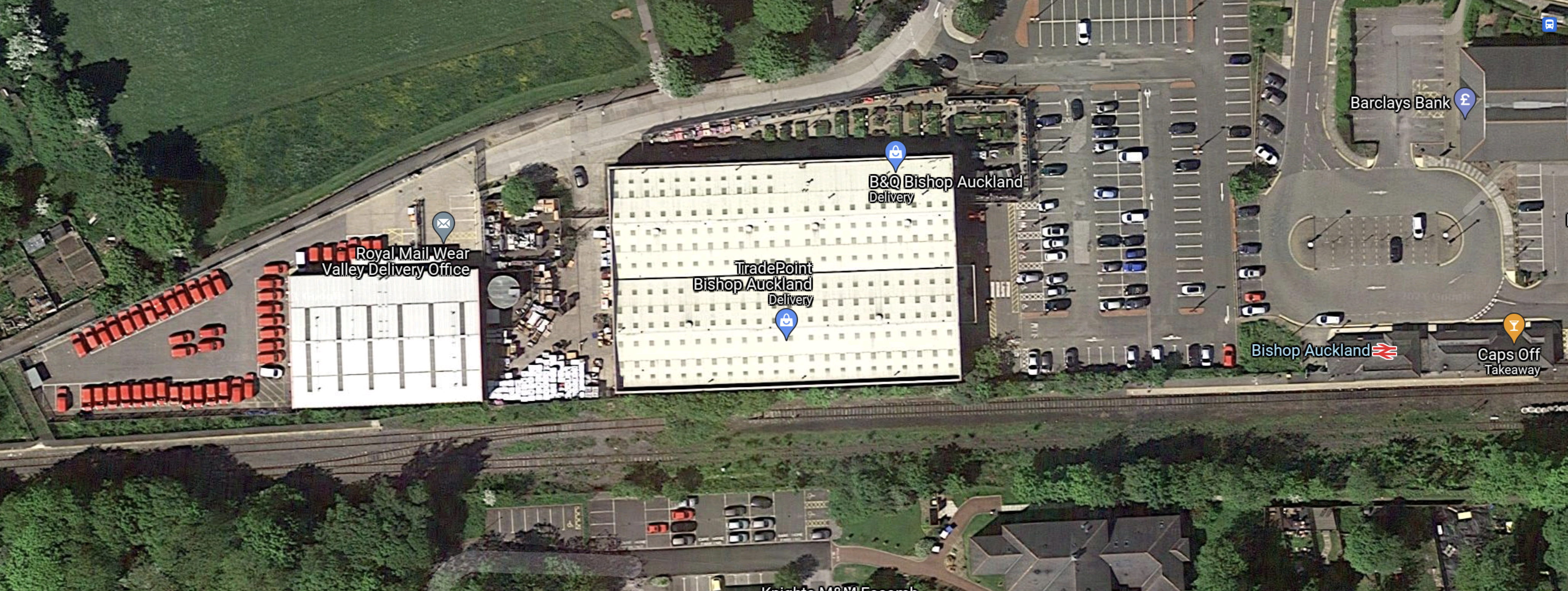
Note.
- The station appears to be well-placed in the town.
- There is plenty of space for tracks connecting the two systems.
I suspect that building a combined through and terminal station that would satisfy the needs of all stakeholders would not be the most challenging of tasks.
Could The Extended Line Have A Japanese Fairy Godmother?
Consider.
- Hitachi’s train factory at Newton Aycliffe is five miles to the South of Bishop Auckland.
- Hitachi have stated that they are developing battery-electric trains for lines without electrification.
- Developers of modern trains with complicated computer systems seem to go through many software versions.
I have to ask the question, if Hitachi would like to have a twenty-mile test track on their doorstep?
If they were testing trains that were agnostic about their power supply, the Weardale Railway would not need to be electrified, although there could be a couple of charging systems.
Would Access To The Quarries At Wearhead Be Needed?
The original Weardale Railway was built to access the quarries at Wearhead, but they switched to road transport some years ago.
This Google Map shows the Wearhead area.
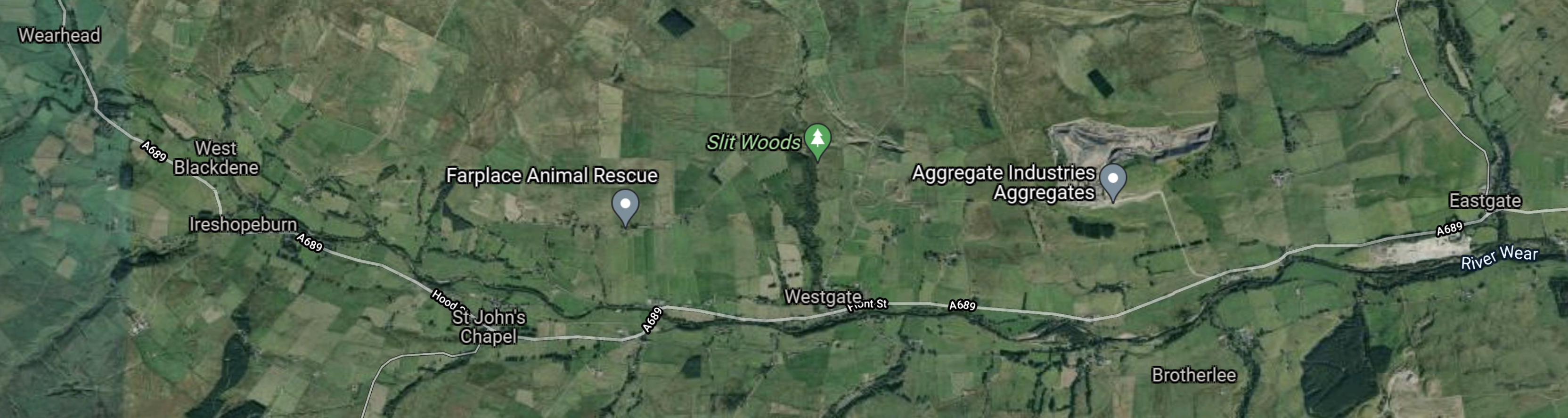
Note.
- Wearhead is in the North-West corner of the map.
- There is a quarry and there used to be a fluorspar mine.
- The white scar at the East of the map was a cement works.
Is there something, that could possibly be mined in this area, that could be taken out by train.
I think it should be born in mind, that mining and quarrying used to be a very dirty and carbon-intensive industry, but big mining companies are now embracing zero-carbon technology.
Could A Holiday Company Like Center Parcs Develop A Site In The Wear Valley?
I noticed a lot of caravans and chalets, as I examined the line.
Could a big operator like Center Parcs develop one of their holiday centres?
It could even be developed with a station.
Is New Housing Needed?
Does the local authority want to develop housing along the line?
What Rolling Stock Will Be Used?
There is no point in extending the line in these days of global warming without providing zero-carbon trains.
The Tees Valley Combined Authority is keen on hydrogen and there are good reasons.
- There is hydrogen available from chemical plants on Teesside.
- Hydrogen will give the trains a long range.
- The trains would probably only need refuelling once a day.
- In addition, Alstom are looking for an order for their Class 600 train, which is a conversion of a Class 321 train.
But I have my doubts about Alstom’s trains and Hitachi have doubts about hydrogen.
Consider.
- Do you really want to run hydrogen trains on a line where steam trains run?
- Darlington station is fully-electrified and it is also to be remodelled for more capacity and High Speed Two.
- Bishop Auckland and Darlington is just twelve miles.
- Darlington and Saltburn is just thirty miles.
With charging systems at Bishop Auckland, Saltburn and Stanhope, I am fairly sure Hitachi could develop an electric train for Teesside’s railways.
Conclusion
Hitachi could be key to the design of the reopening of the Darlington and Weardale Line.
Battery Train Fast Charging Station Tested
The title of this post, is the same as that of this article on Railway Gazette.
This is the first paragraph.
A prototype Voltap rapid charging station for battery trains has been tested under real-world conditions for the first time.
The Voltap system is from Furrer + Frey and this is the data sheet on their web site, which is entitled Voltap Charging Station For Battery Trains.
Looking at the pictures in the article, the system seems to consist of two components.
- An overhead conductor rail suspended from pantries on the platform.
- A container that contains all the power supplies and control systems.
It certainly looks to be a simple system to install and operate.
- Charging would appear to take place through the pantograph, with no cables to handle.
- It is claimed to be able to charge a train in an extremely short time.
- The system is designed for areas, where the electricity network is perhaps a bit weaker.
- It is available in 15 KVAC and 25 KVAC.
- The system is future-proofed.
I can see these being suitable for several stations in the UK.
Norfolk And Suffolk
As an example, it looks like all the branch lines in Norfolk and Suffolk could be made suitable for battery-electric trains with Voltap systems at Cromer, Felixstowe, Lowestoft, Sheringham, Sudbury and Yarmouth.
Note.
- The Class 755 trains would be converted to battery-electric trains.
- Some stations would need more than one platform to have a charger.
- There may be other chargers to ensure that services like Norwich and Stansted Airport could be run electrically.
These pictures show Class 755 trains in various East Anglian stations.

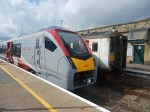
Felixstowe and some other stations may need a slightly different installation due to the narrow platforms, but I’m sure Furrer + Frey have installations for all platforms.
I think Great British Railways are going to need a lot of these chargers and the battery-electric trains to go with them.
The Uckfield Branch
The Uckfield Branch probably needs to have some form of charging at Uckfield station.

The picture shows the single long platform at Uckfield station.
Consider.
- Trains to work the branch will need to be able to use third-rail electrification between London Bridge station and Hurst Green junction.
- Hurst Green junction to Uckfield station and back is probably too far for a battery-electric train, so charging will be needed at Uckfield station.
- Third-rail charging could be used, but I suspect that Health and Safety will say no!
But using a dual-voltage train and a Voltap system at Uckfield station would probably be ideal.
Middlesbrough
From December the 13th, LNER will be running a new daily service between Middlesbrough and London, which I described in LNER’s Middlesbrough And London Service Starts On December 13th.
The route is fully electrified except for between Middlesbrough and Longlands Junction, where it joins the electrification of the East Coast Main Line, which is a distance of twenty-two miles.
Hitachi are developing a battery-train, which they call the Hitachi Intercity Tri-Mode Battery Train, which is described in this Hitachi infographic.

Note.
- LNER’s current Class 800 trains will probably be able to be converted to this train.
- Normally, these trains have three diesel generators.
- A range on battery power of upwards of forty miles would be expected.
If the range on battery-power can be stretched to perhaps sixty miles, this train should be capable of serving Middlesbrough without the need for any extra charging at the terminus.
I have just looked at the planned path of the first train on December 13th.
- The train comes from Heaton depot in Newcastle via Sunderland and Hartlepool.
- It passes through Middlesbrough station.
- It then reverses amongst the chemical and steel works to the East, before returning to Middlesbrough station.
Once back at Middlesbrough station, it waits for eight minutes before leaving for London.
It looks to me to be a safe route, to make sure that the train leaves on time. It also only occupies the platform at Middlesbrough station for less than ten minutes.
But it would also be possible to find space amongst the chemical and steel works to find space for a well-designed reversing siding with refuelling for the diesel-electric trains or a Voltap charging system for a battery-electric train.
Lincoln
I have been looking at the pattern of LNER’s London and Lincoln service today.
- There have been six trains per day (tpd) in both directions.
- Trains going North take up to seven minutes to unload passengers at Lincoln station before moving on to Lincoln Terrace C. H. S., which I would assume is a convenient reversing siding.
- Trains going South wait up to thirty-forty minutes at Lincoln station after arriving from Lincoln Terrace C. H. S., before leaving for Kings Cross.
It looks to me, that if London and Lincoln were to be run by a Hitachi Intercity Tri-Mode Battery Train, that the timings would be ideal for charging the batteries on the train in either the reversing siding or the station.
But surely, the charging system in the station would allow extension of the service to Grimsby and Cleethorpes, which has been stated as being part of LNER’s plans.
This picture shows Lincoln station.

I suspect that Swiss ingenuity could fit a Voltap charging system in the station.
These are a few distances from Lincoln station.
- Cleethorpes – 47.2 miles
- Doncaster – 35.4 miles
- Newark North Gate – 16.6 miles
- Peterborough – 56.9 miles
How many of these destinations could be reached by a battery-electric train, that had been fully-charged at Lincoln station.
Using Hitachi ABB Power Grids Technology At Uckfield Station
This post describes how the ABB Power Grids technology could be used to allow battery-electric trains to run between London Bridge and Uckfield stations.
The London Bridge And Uckfield Route
The London Bridge And Uckfield route has these characteristics.
- It is forty-six miles long
- The Southern section between Heald Green junction and Uckfield station is 24.7 miles and is not electrified.
- A service takes approximately eighty minutes.
- Trains run at a frequency of one train per hour (tph)
- The route has been upgraded to be able to handle twelve car trains.
- The route is currently run by Class 171 diesel trains.
- Govia Thameslink Railway is the operator.
It looks to me if you assume a ten minute turnround, then that gives a three-hour round trip.
This would mean the following.
- Trains would have ten minutes charging time at Uckfield.
- If twelve car trains were running on the branch then nine four-car trains would be required for an hourly service.
- Two tph would require twice as many trains.
It looks to me, that Network Rail have arranged the route and the timetables for a fleet of battery-electric trains.
The Battery-Electric Trains
There have been several hints in the rail media, that battery-electric Bombardier Electrostars will be used for the London Bridge and Uckfield route.
I wrote Battery Electrostars And The Uckfield Branch in September 2019.
- In the related post I suggested Class 377, Class 379 or Class 387 trains.
- All are four-car Bombardier Electrostars.
- All are 100 or 110 mph trains.
- The Class 387 trains are already dual voltage, but I suspect all trains could be converted to third-rail or dual-voltage.
- My choice would be Class 379 trains, as they are being made redundant by Greater Anglia and thirty quality trains are looking for a new home.
But all three types would be acceptable and Govia Thameslink Railway has both of the other types in its extensive fleet.
Charging The Battery-Electric Trains
This picture shows the single twelve-car platform at Uckfield station.
There would appear to be plenty of space on the side away from the platform.
There would appear to be two main methods of charging the trains.
A Length Of 750 VDC Third-Rail Electrification On The Side Away From The Platform
- The electrification would be long enough to charge a twelve-car train.
- It could even be made very safe, if an interlock were to be provided, that ensured that the third-rail were only to be live, when a train was in the station that needed charging.
This would be possible, but I suspect the Anti-Third-Rail Electrification Mafia will get this simple method stopped.
A Length Of 25 KVAC Overhead Electrification Powered By One Of Hitachi ABB Power Grids Containised Power Systems
The electrification would be long enough to charge a twelve-car train.
The driver or an automated system would raise the pantographs after the train stopped in the station.
Interlocks could be provided to increase safety.
The overhead electrification would be powered by one or more of Hitachi ABB Power Grids’s containerised power systems
Lightweight catenary could be used to reduce visual intrusion.
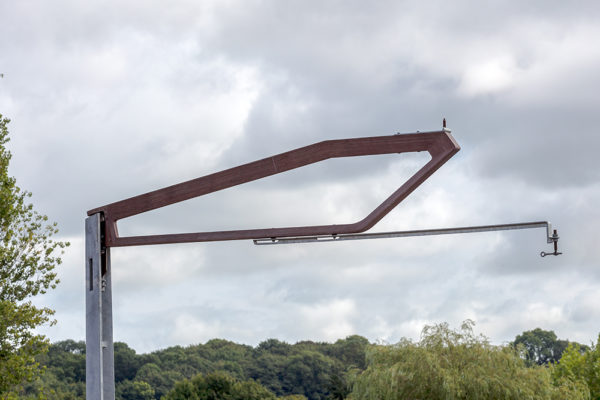
The curved beam at the top of this overhead electrification gantry is laminated wood.
Because of the higher voltage used, I suspect that the Hitachi ABB Power Grids could charge a twelve-car train in under ten minutes.
Charging The Batteries On An Intercity Tri-Mode Battery Train
There are several ways the batteries on an Intercity Tri-Mode Battery Train could be charged.
- On an electrified main line like the Great Western or East Coast Main Lines, the electrification can be used in normal electrified running.
- A short length of electrification at the terminal or through stations can be used.
- The diesel engines could be used, at stations, where this is acceptable.
Alternatively, a custom design of charger can be used like Vivarail’s Fast Charge system.
In Vivarail’s Plans For Zero-Emission Trains, I said this.
Vivarail Now Has Permission To Charge Any Train
Mr. Shooter said this about Vivarail’s Fast Charge system.
The system has now been given preliminary approval to be installed as the UK’s standard charging system for any make of train.
I may have got the word’s slightly wrong, but I believe the overall message is correct.
In the November 2020 Edition of Modern Railways, there is a transcript of what Mr. Shooter said.
‘Network Rail has granted interim approval for the fast charge system and wants it to be the UK’s standard battery charging system’ says Mr. Shooter. ‘We believe it could have worldwide implications.’
I hope Mr. Shooter knows some affordable lawyers, as in my experience, those working in IPR are not cheap.
I think it’s very likely, that Vivarail’s Fast Charge system could be installed at terminals to charge Hitachi’s Intercity Tri-Mode Battery Trains.
-
- The Fast Charge systems can be powered by renewable energy.
- The trains would need to be fitted with third rail shoes modified to accept the high currents involved.
- They can also be installed at intermediate stations on unelectrified lines.
Vivarail is likely to install a Fast Charge system at a UK station in the next few months.
These are my thoughts about charging trains at various stations.
Penzance station
This Google Map shows Penzance station.
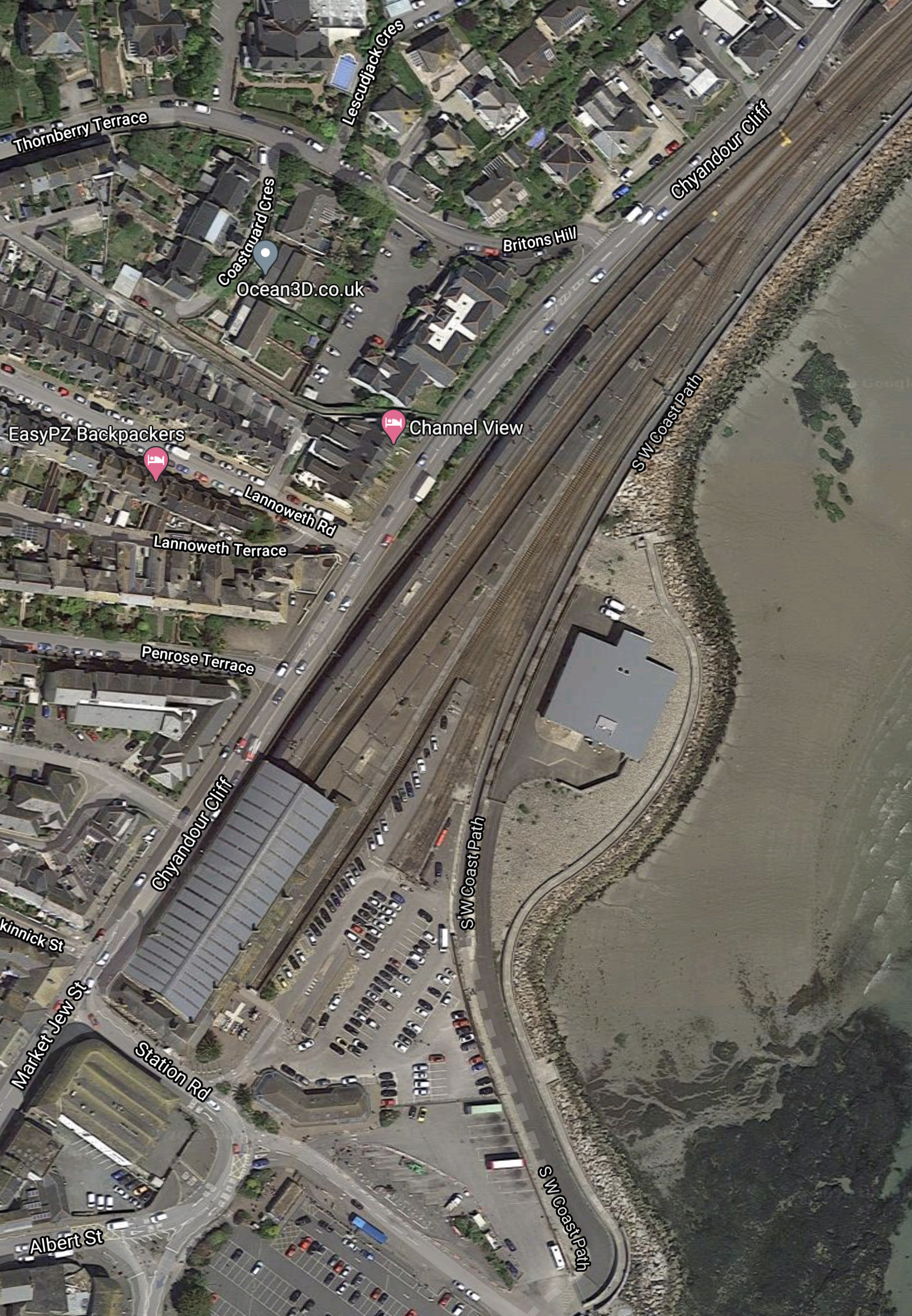
Penzance would be an ideal station to fully charge the trains, before they ran East.
- The station has four long platforms.
- There appears to be plenty of space just to the East of the station.
- Penzance TMD is nearby.
This picture shows Platform 4, which is on the seaward side of the station. The train in the platform is one of GWR’s Castles.
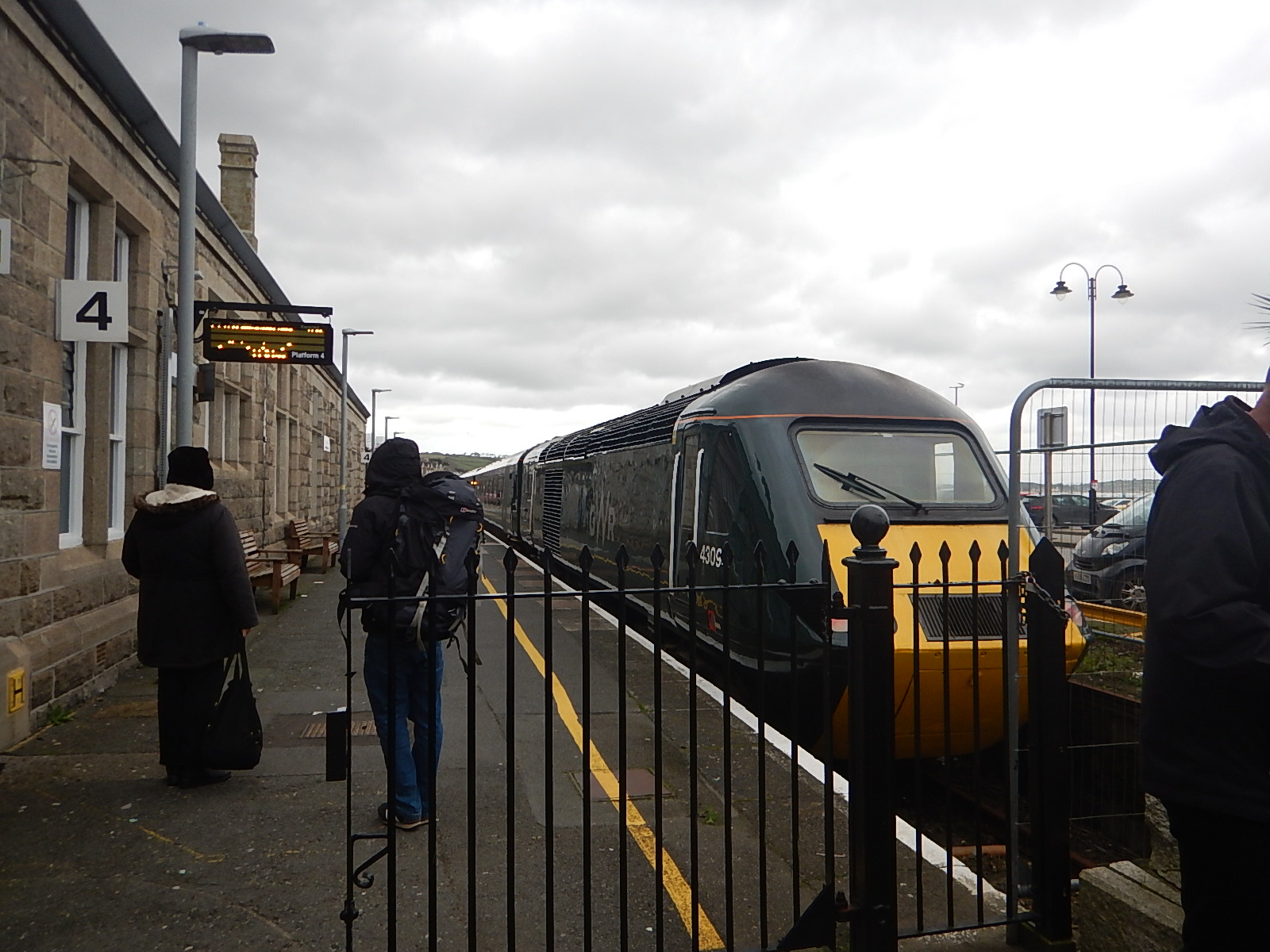
It is partly outside the main station, so might be very suitable to charge a train.
If trials were being performed to Penzance, it appears that the station would be a superb choice to charge trains.
My only worry, is would the location have enough power to charge the trains?
Plymouth Station
This Google Map shows Plymouth station.
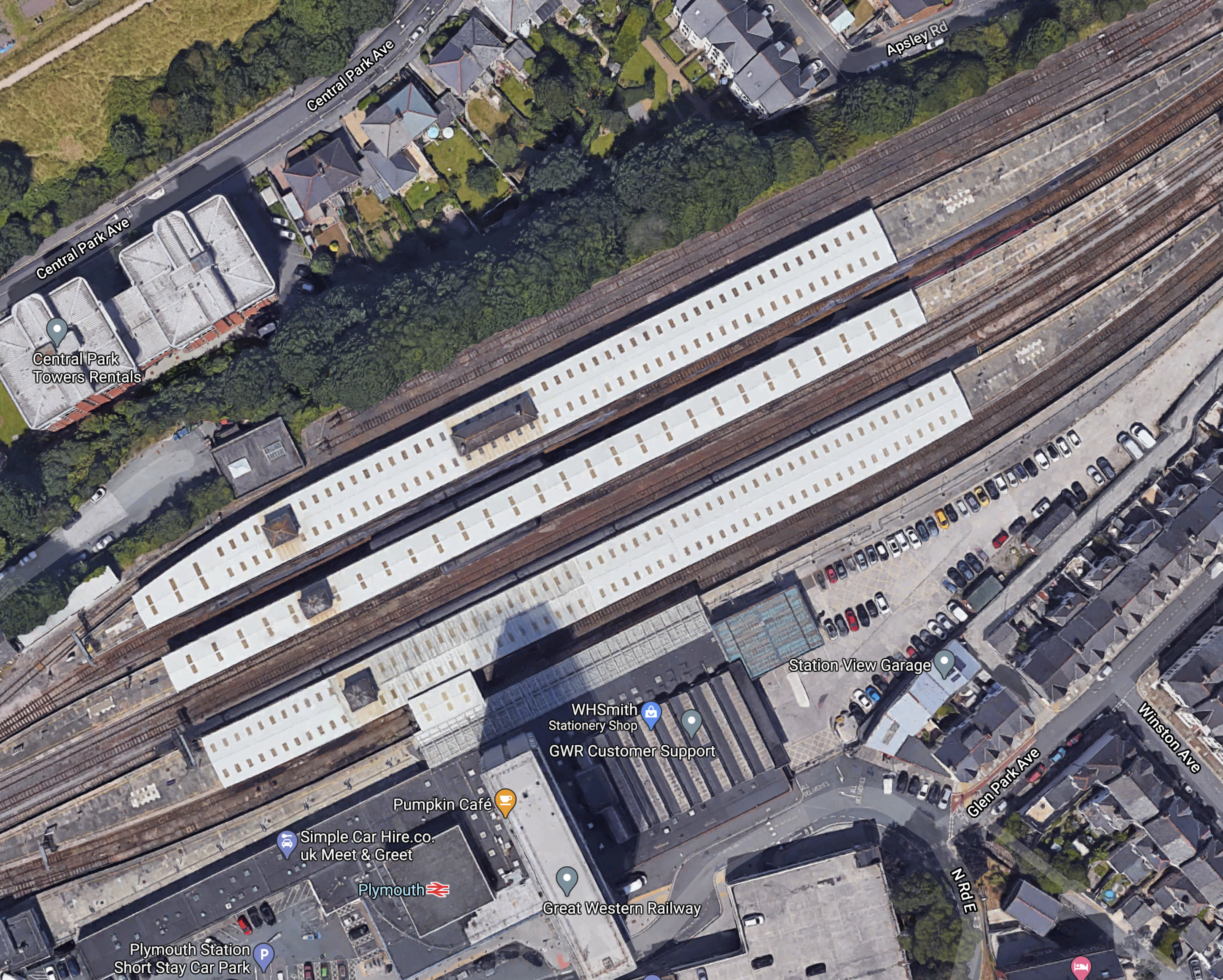
It is another spacious station with six platforms.
Chargers could be installed as needed for both expresses and local trains.
A Zero-Carbon Devon and Cornwall
If the battery trains perform as expected, I can see the Devon and Cornwall area becoming a low if not zero carbon railway by the end of this decade.
- The Castles would be retired.
- They would be replaced by battery electric trains.
- Charging would be available on all platforms at Penzance, Plymouth and possible some other intermediate stations and those on some branch lines.
It certainly wouldn’t hurt tourism.
Middlesbrough Station – 20th October 2020
I took These pictures at Middlesbrough station on my trip to Teesside.
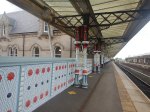
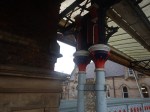
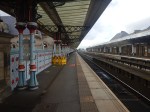
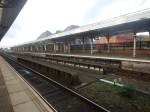
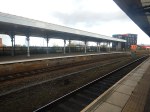
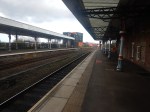
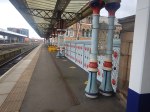



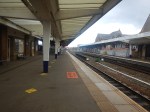
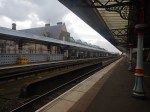
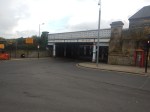
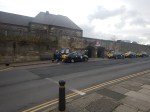
These are my thoughts on the station.
Station Track Layout
This Google Map shows the layout of the station.
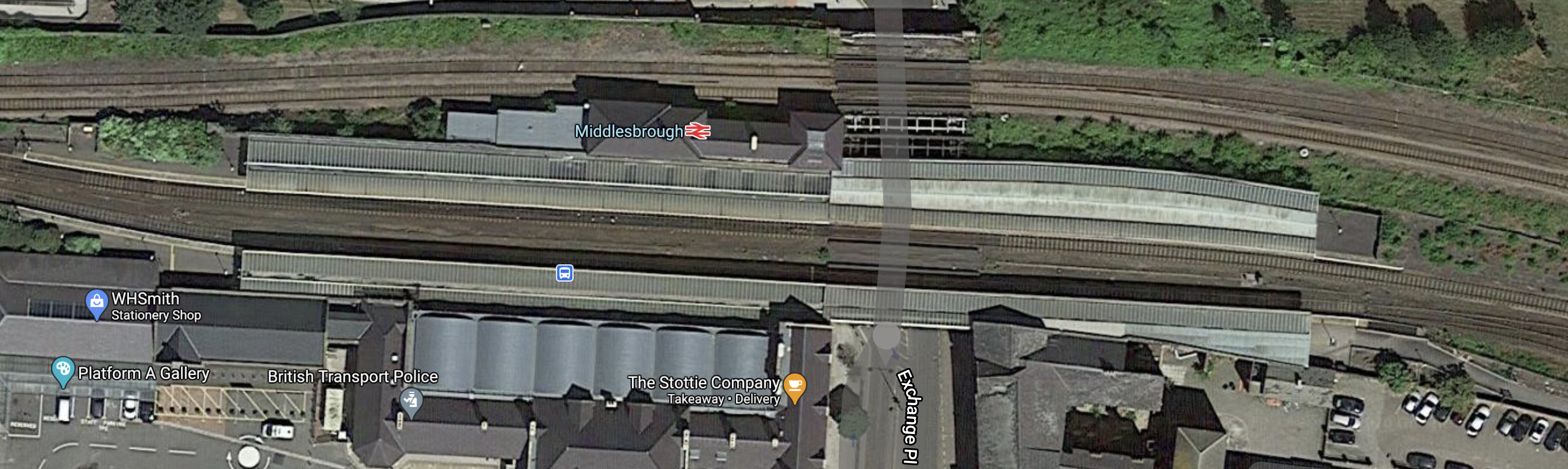
Note.
- The pair of freight lines passing around the North side of the station.
- Platform 1 is the Westbound platform on the South side of the tracks.
- Platform 2 is the Eastbound platform on the North side of the tracks.
Both platforms would appear to be about 150 metres long, which is long enough for a five-car Class 80x train, but not for a 234 metre long nine-car train.
Period Features
The station has a lot of period features, like cast-iron columns and brackets, and good Victorian stonework.
Much seems to have received good TLC.
Northern Entrance
I have seen comments about improving the Northern entrance on various web sites.
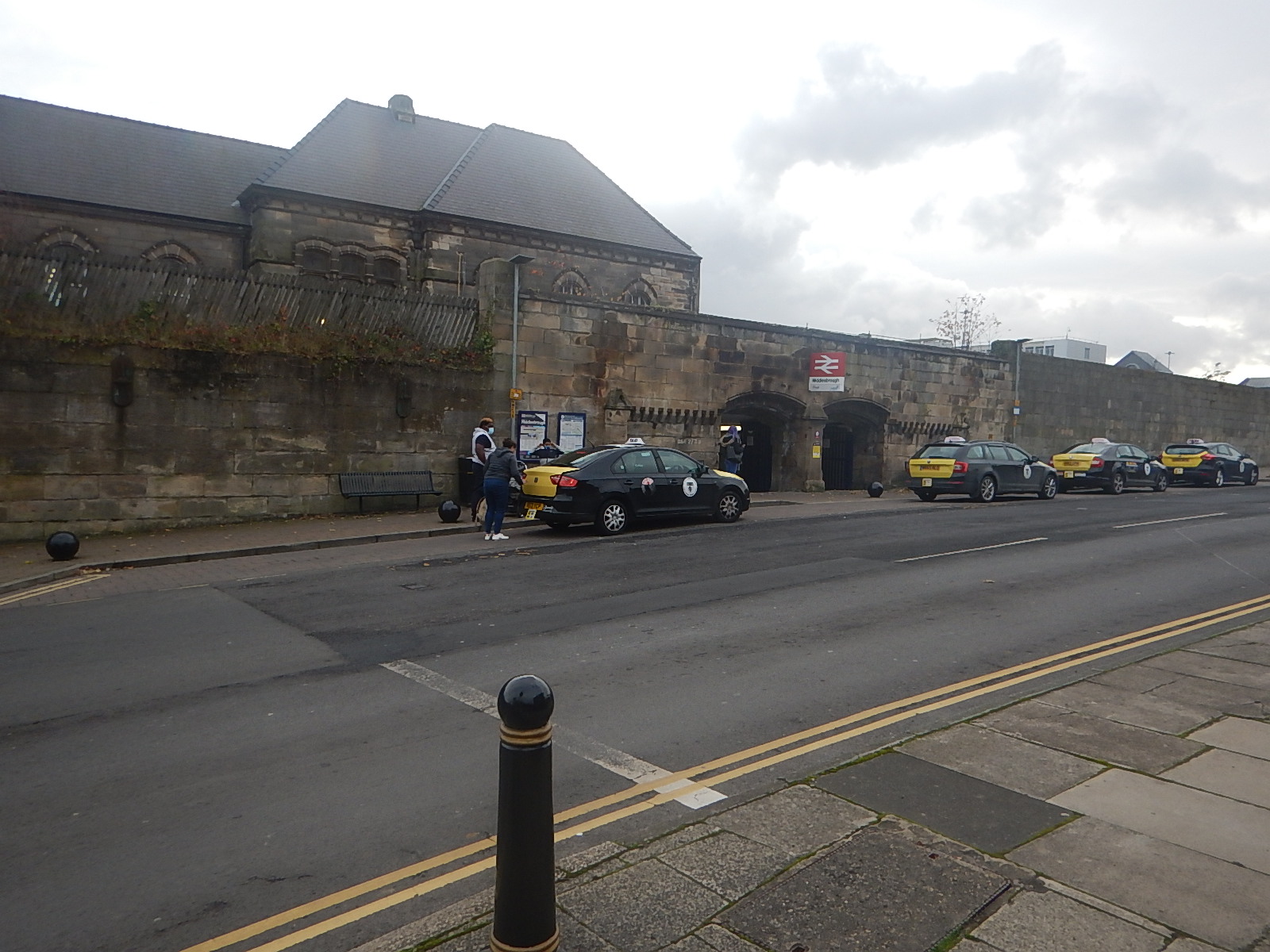
It certainly, isn’t in bad condition.
Improving The Station
In £35m Station Transformation Launched By Tees Valley Mayor, I wrote about the current plans to transform the station. I started with these paragraphs.
The title of this post, is the same as that of this article on Rail Technology Magazine.
This is the introductory paragraph.
Tees Valley Mayor Ben Houchen has announced (June 9th) a £35m transformation of Middlesbrough Station to transport more train services to the town, including the first direct rail link to London in decades.
The Rail Technology Magazine article indicates that Platform 2 at Middlesbrough station will be extended to handle Azuma trains. As the current platform looks to be around 150 metres long and this would be long enough for a five-car train, does this mean that in the future nine-car and ten-car Azumas will be able to run services to Middlesbrough?
Having seen since I wrote the related post, that Hull station has handled some nine-car Azumas, I feel that although five-car Azumas could probably use Middlesbrough station, it would seem prudent to make it possible for the longer trains to call.
Let’s suppose Middlesbrough, were playing a big London club in an important post-pandemic FA Cup match. LNER might want to run a nine-car Azuma to Middlesbrough to accommodate extra passengers.
Charging Battery Trains
LNER and TransPennine Express could be running battery electric Class 800 and Class 802 trains to Middlesbrough and/or Redcar Central stations.
This Hitachi infographic describes their Regional Battery Train, which can be created by adding batteries to the current trains.

With a range of 90 km. or 56 miles, these trains could be able to reach Middlesbrough from the electrification on the East Coast Main Line at Northallerton.
With most journeys, they should have sufficient energy in the battery to return without trouble.
But it would probably be prudent to have charging at Middlesbrough and/or Redcar Central to ensure a safe return.
These pictures were taken from the Eastern end of Platform 2, which is down to be lengthened.


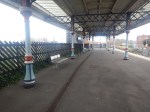

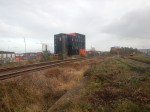

Note.
- The freight lines behind Platform 2.
- There is plenty of space beyond the end of Platform 2.
- There appears to be space for a reversing siding with a charger.
I am sure that a suitable form of charging can be provided on Platform 2 at Middlesbrough station.
Conclusion
Middlesbrough station could be turned into a big asset for the town.
 The Anonymous Widower