I’ve Just Glimpsed The Future Of Train Travel Across The North Of England And I Like It
Yesterday, I had an appointment at Liverpool Lime Street station at four o’clock, so as I hadn’t seen the works for the TransPennine Upgrade for some time, I decided to go the long way round with a change of train from LNER to TransPennine Express at Leeds.
These sections document my day.
London King’s Cross To Leeds In An InterCity 225
I took these pictures on the journey.
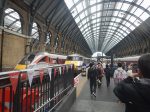
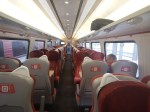
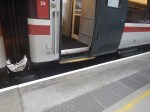
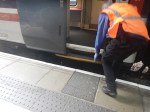
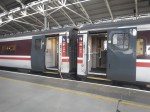
Note.
- The 31 InterCity 225 trains were built around 1990.
- They have a capacity of 535 seats, whereas the newer Hitachi Class 801 trains have a capacity of 611 seats. Both trains are nine cars with both First and Standard seats.
- There is more of a step-up and step-down when entering or leaving the trains, compared to the best of today’s trains.
- They are now being phased out in favour of ten new CAF tri-mode Class 897 trains, which should be entering service in 2027.
- No details are available of the seating capacity of these trains, but they could be between 650 and 700, so they could maximise capacity on any LNER route.
Yesterday, the InterCity 225 performed well, although the windows at the seat where I sat, were rather dirty.
Changing Trains At Leeds Station
I changed to TransPennine Exzpress at Leeds station.
- At least, Leeds station, is one of the few in the UK, with a ticket office behind the barrier. Reading station please note this.
- But, I did have to walk across the bridge from one side of the station to the other.
In the end, I caught the TransPennine Express with about thirty seconds to spare.
Between Leeds And Huddersfield Stations
I took these pictures between Leeds and Huddersfield stations.
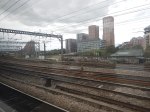



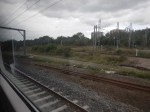
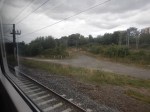
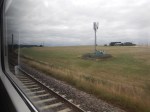

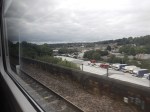
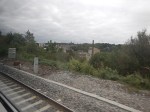
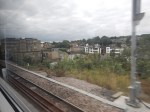
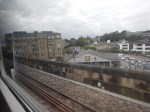
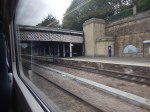
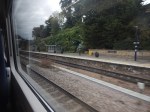
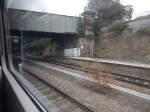
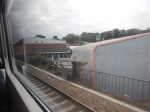
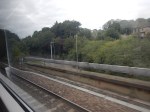

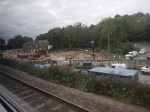
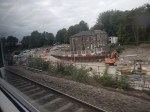
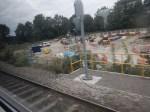
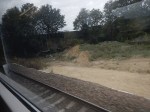
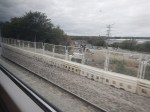
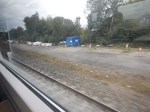
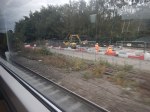

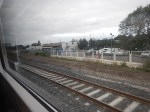
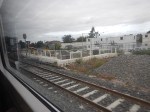

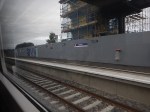

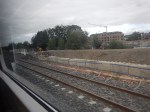
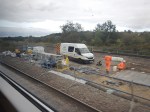
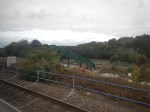
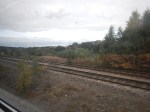


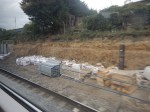
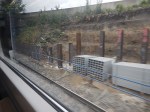
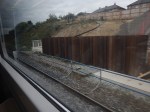
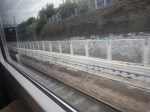
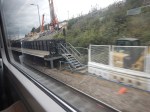
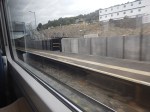
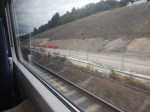
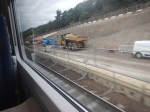
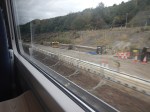
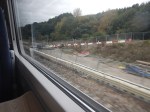
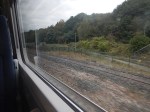
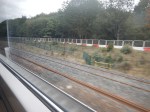
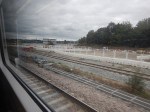
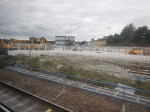
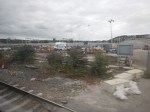
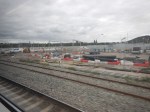
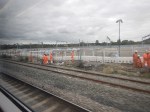
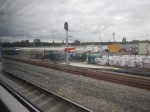
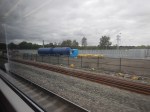
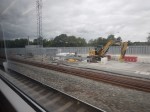
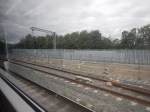
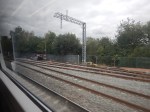
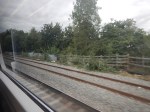
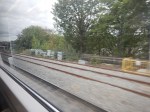


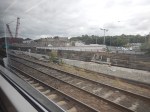
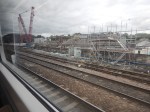
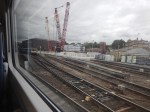
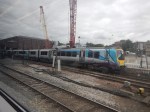
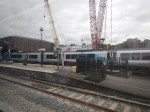
Note.
- Dewsbury and Huddersfield stations is about eight miles and takes about eight minutes.
- It is virtually a continuous building site, where extra tracks are being inserted.
- Three stations are being rebuilt.
- Overhead electrification is being installed. But except for approaching Huddersfield, there’s not much to be seen.
- OpenRailwayMap gives the maximum speed between Dewsbury and Huddersfield stations as between 60-75 mph.
The ride on my Class 803 train was very quiet and smooth. Was it on battery power or was I sitting in a coach without a diesel engine underneath?
Huddersfield Station
I took these pictures at Huddersfield station.
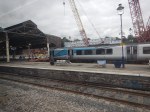
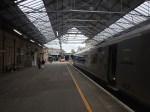
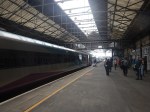

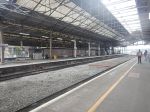
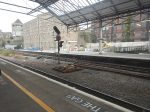
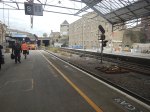

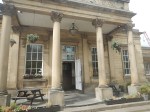










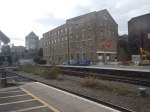
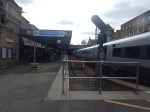
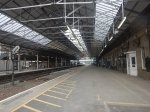
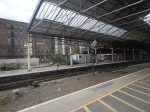
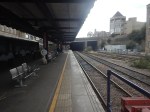
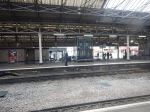

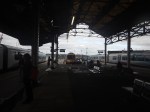
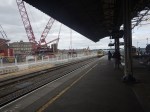
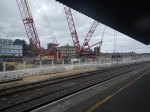
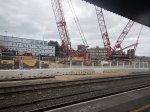
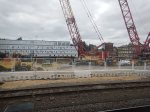
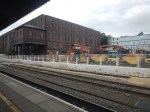
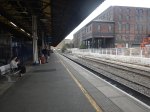
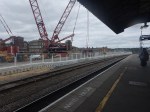

Note.
- Huddersfield station is Grade I Listed.
- There is a pub in each wing.
- I had a beer in the West Wing.
- There are currently three main through platforms and three bay platforms.
- Extensive works, which will be part of the TransPennine Upgrade, will include electrification, a new roof, a new footbridge, and two extra through platforms.
Huddersfield station will be the jewel in the Costa del Yorkshire.
The Platforms At Huddersfield Station
This OpenRailwayMap shows the platforms in Huddersfield station.
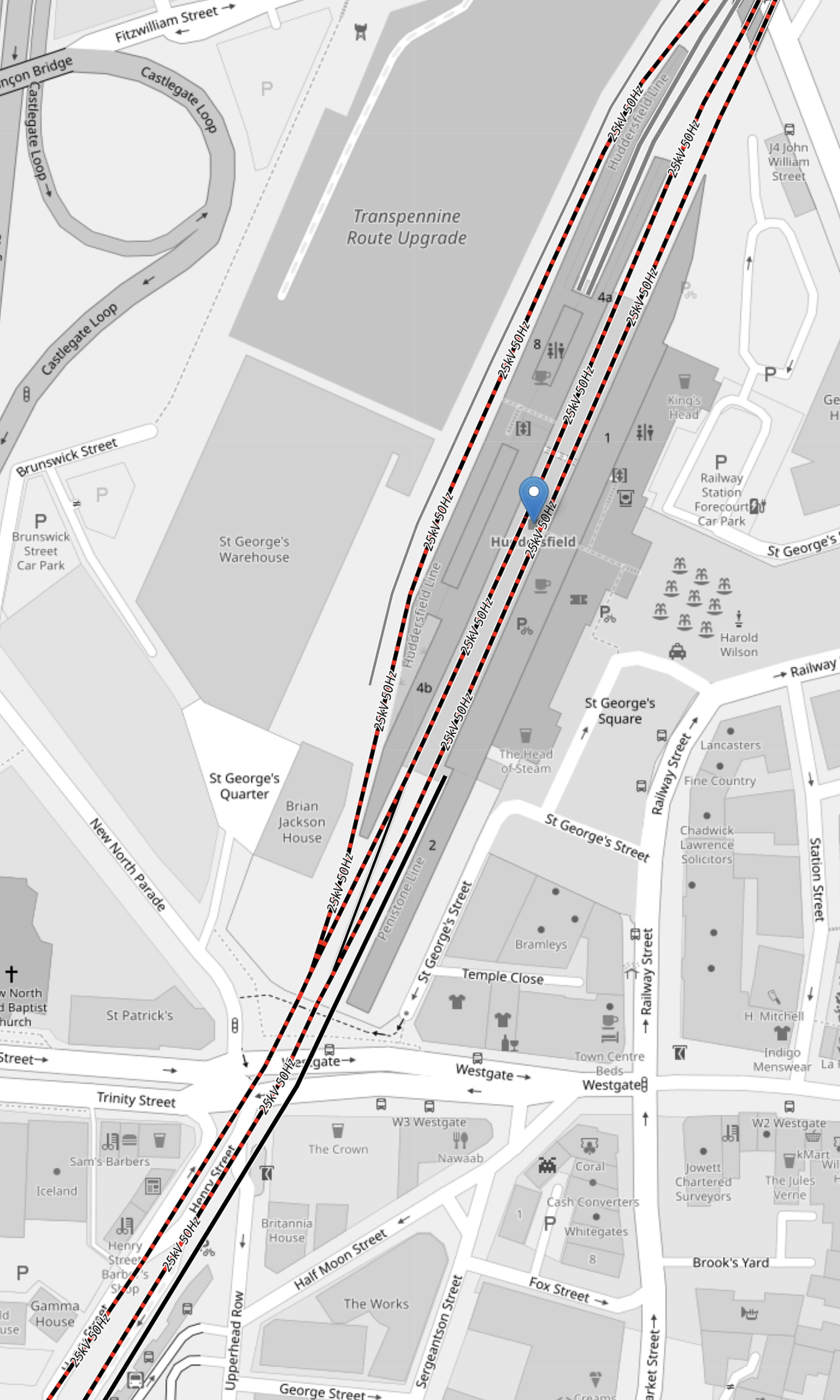
Note.
- The red and black tracks are being electrified.
- Of the current platforms, Platforms 1, 4 and 8 will be electrified.
- The two bay platforms; 5 and 6, will be converted into through platforms.
- Platform 2 is the bay platform in the South-West corner of the map, that is used by the shuttle train from Sheffield.
I am sure extra platforms could be electrified as required, as there must be a good electrical connection at Huddersfield station.
A Tram-Train Service Between Huddersfield And Sheffield Stations
This OpenRailwayMap shows platform 2 at Huddersfield station.
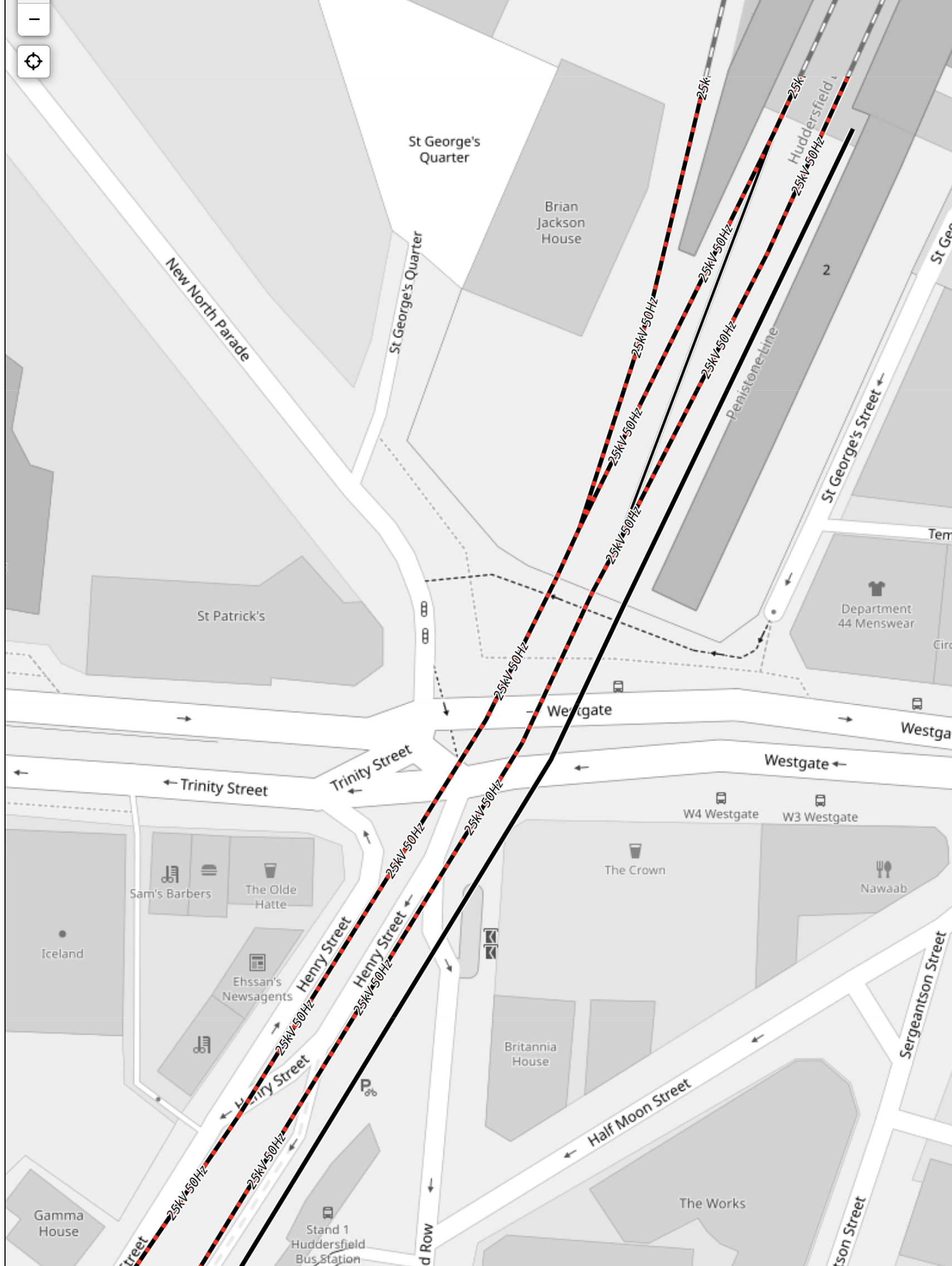
Note.
- Platform 2 is the black track at the right of the two through tracks, that are being electrified.
- Platform 2 is a bay platform close to the Head of Steam pub.
- I estimate that the platform is about 90 metres long.
- I suspect Platform 2 could be lengthened if required.
- Sheffield’s Class 399 tram/trains are 37.2 metres long, so a pair should fit in Platform 2.
- The Class 398 tram/trains can run on battery power and climb hills in South Wales.
- Platform 2 at Huddersfield station could be electrified to charge the tram/trains.
- There could be a significant height difference between Huddersfield and Sheffield stations of about 40 metres, which could be used to charge tram/trains on the way down.
- I feel with some track improvements, that a four trains per hour (tph) service could be run.
The service would call at Meadowhall, Chapeltown, Elsecar, Wombwell, Barnsley, Dodworth, Silkstone Common, Penistone, Denby Dale, Shepley, Stocksmoor, Brockholes, Honley, Berry Brow and Lockwood
The Pair Of Cranes In Huddersfield Station
These can’t be missed in the pictures. But why two massive cranes?
With an old roof to be taken down and a new roof and a footbridge to be lifted into place, I believe Network Rail have decided to bring in two of largest mobile cranes available in the UK, so that all the lifting doesn’t delay the project.
Between Huddersfield And Stalybridge Stations
I took these pictures between Huddersfield and Stalybridge stations.
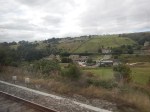
Note.
- The Class 802 train was running freely along a well-laid track.
- There are four stations between Huddersfield and Stalybridge; Slaithwaite, Marsden, Greenfield and Mossley(Manchester).
- The stations were in reasonable condition, but some needed new footbridges and a bit of refurbishment.
- There was virtually no signs of any foundations for electrification.
This map shows the route.
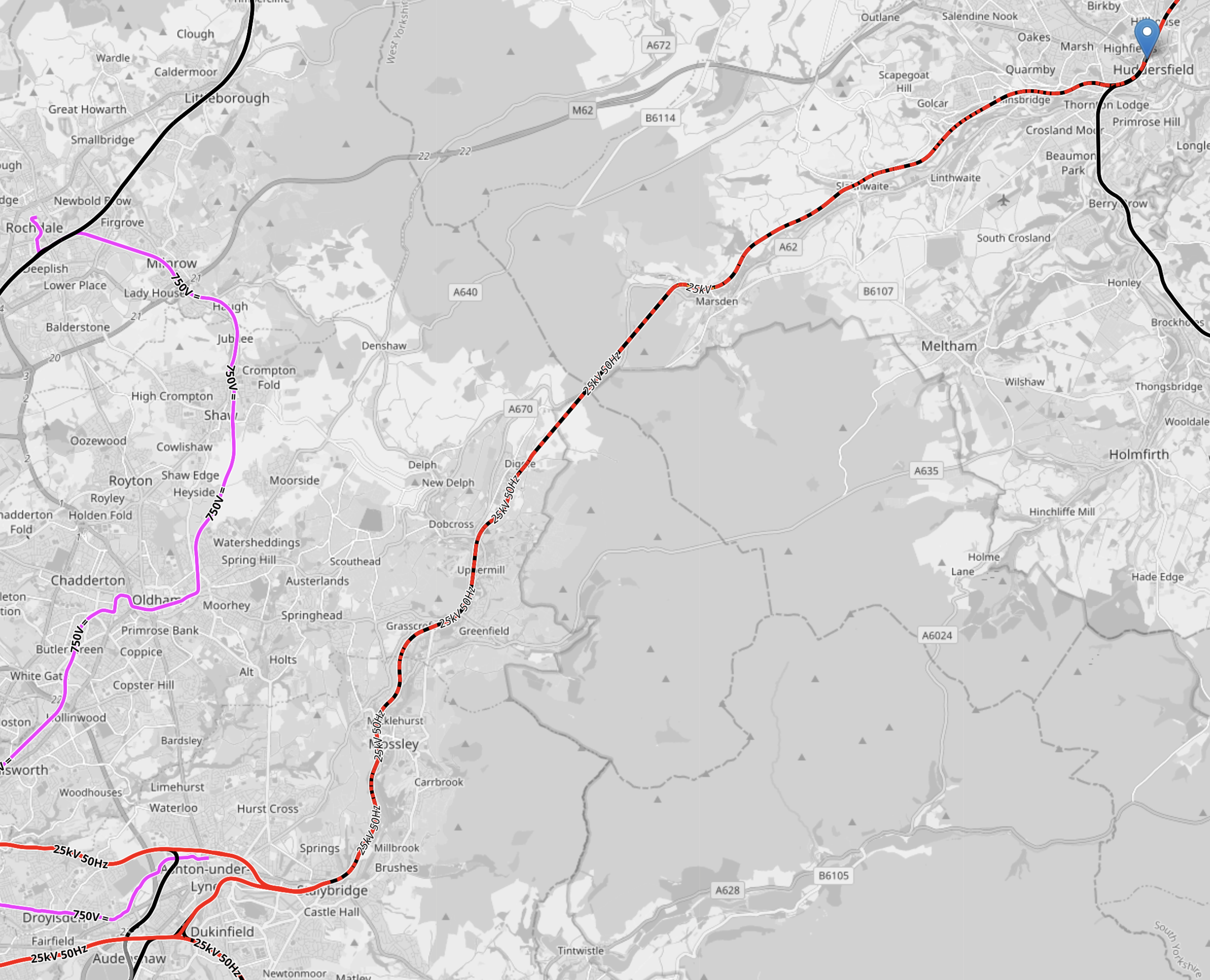
Note.
- The pink tracks are the Manchester Metrolink.
- The red tracks are electrified at 25 KVAC overhead.
- The red and black tracks are being electrified.
- Huddersfield is indicated by the blue arrow in the North-East corner of the map.
- Stalybridge station is in the South-West corner of the map.
- The pink track in the South-West corner of the map is the Manchester Metrolink branch to Ashton-under-Lyme.
- The route between Huddersfield and Stalybridge is shown as it will will be fully electrified.
- Huddersfield and Stalybridge is 18 miles.
- There are three short tunnels between Huddersfield and Stalybridge.
I wonder, if it would be more affordable to not put up wires between Huddersfield and Stalybridge and use battery-electric passenger trains and hydrogen freight locomotives?
Stalybridge Station
I took these pictures at Stalybridge station.

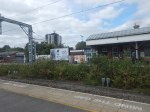
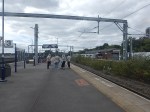
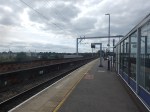
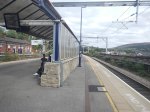
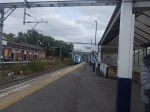
The station is fully-electrified and has direct services to Huddersfield, Hull, Leeds, Liverpool, Manchester Piccadilly, Manchester Victoria, Newcastlle, Wigan and York.
Will Liverpool Lime Street And Newcastle Be Fully Electrified?
Consider.
- Liverpool Lime Street and Newcastle stations is 180.8 miles.
- Newcastle and Church Fenton stations is 91.4 miles and is fully-electrified.
- Liverpool Lime Street and Stalybridge stations is 39.4 miles and is fully-electrified.
This means that the gap between Church Fenton and Stalybridge stations is just fifty miles.
Real Time Trains indicate that the current Class 802 trains on the route run on diesel between Stalybridge and York stations, which is 60.8 miles.
- Changing power in Stalybridge and York stations means if anything goes wrong passengers can be easily rescued.
- From what I saw on Thursday, it looks like electrification will be completed between Neville Hill depot and Huddersfield.
I wouldn’t be surprised, if they just electrified to the West of Stalybridge and the East of Huddersfield.
That would mean that the 18 miles between Stalybridge and Huddersfield would be run on batteries.
- But it would also avoid electrifying three tunnels.
- How much disruption would be saved, by not electrifying the tunnels?
- Freight trains would use something like a bi-mode Class 99 locomotive, but it would only need a range of 18 miles on diesel.
I can also see improvised bi-mode locomotives being used like this combination of a Class 66 and Class 90 locomotives.
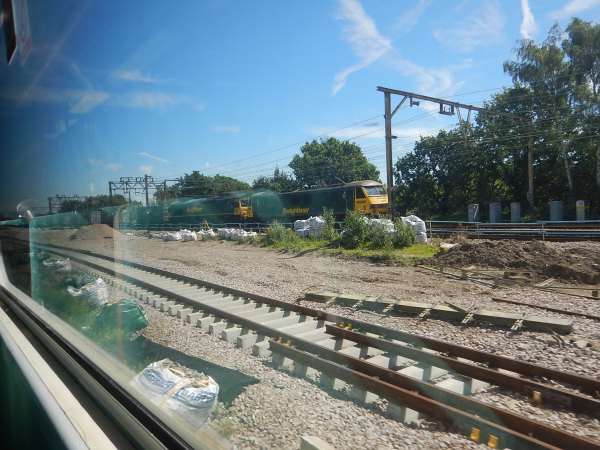
It was certainly doing its job, when I saw the combination at Shenfield.
Inside A Class 99 – The UK’s Most Powerful Locomotive
The title of this post, is the same as the title of this YouTube video.
This locomotive and its siblings, which can run on both electrification and diesel is the future of rail freight in the UK and GB Railfreight have ordered thirty of them.
Hopefully, by the end of the year, I’ll see one of these locomotives running along the North London Line, through Highbury & Islington and Dalston Kingsland stations.
At the present time, there are 480 Class 66 diesel freight locomotives in the UK. A substantial amount of carbon emissions would be saved, if as many as possible of Class 66 locomotives as possible were replaced by Class 99 locomotives.
These Class 99 locomotives will literally turn the rail freight business upside down.
Can These Locomotives Be Converted from Diesel To Hydrogen Power?
Stadler or Cummins have not said, but Cummins are decarbonising the company.
Already, large American trucks fitted with the latest Cummins engines can be converted to hydrogen. I write about this in Cummins Debuts Integrated HELM Drivetrain At IAA.
Cummins are also supplying Wrightbus with engines for the next generation of low-emission bus, as I wrote about in Wrightbus StreetDeck Ultroliner Next-Gen To Get Cummins Power.
Did Stadler fit a Cummins diesel engine in a Class 99 locomotive, as they know that every Class 99 locomotive or similar locomotives for other markets can be converted to hydrogen?
It is strange but very heartening, that when we have an American President, who thinks that climate change is fake news, one of the United States, largest and most iconic companies is leading the charge to decarbonisation.
Redundant Coal Wagons To Be Converted For Construction Traffic
The title of this post is the same as that of this article on Railway Gazette.
These three paragraphs describe the project.
WH Davis is to convert coal wagons owned by leasing company Porterbrook for use by Freightliner to transport aggregates.
’This is a fantastic opportunity to demonstrate what can be achieved by giving redundant fleets a purpose for the next 30-plus years’, said WH Davis Managing Director Andy Houghton on December 19. ‘It’s a truly sustainable option that also gives UK manufacturing a boost to enable the creation of UK jobs in the industry. I really can’t wait to see our latest box wagon design in traffic for Freightliner in 2025.’
Mark Wyborn, Head of Freight at Porterbrook, said freight volumes in the construction sector were expected to continue growing, and the deal ’highlights our commitment to investing in the long-term growth of rail freight while providing affordable, innovative and sustainable rolling stock for the UK railway’.
We need more recycling projects like these.
In the article, there is a picture of a Class 66 locomotive like this one.
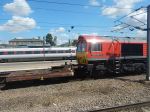
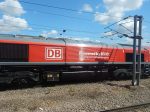
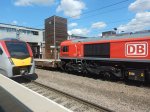
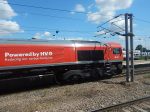
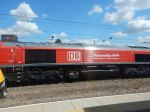
Except this one, which is named after Benjamin Gimbert GC, is different in that it is running on Hydrotreated Vegetable Oil (HVO). which is a more sustainable fuel.
Unfortunately, there is only so much second-hand vegetable oil from the likes of McDonalds and Burger King and it is also a component of Sustainable Aviation Fuel (SAF).
But in the UK, we have engineers at Cummins, JCB, Ricardo and a number of other companies, research organisations and universities, who could create a conversion for the American two-stroke diesels of the Class 66 locomotive so they could run on hydrogen.
These posts detail attempts to create a zero-carbon or dual-fuel locomotive in the UK and some of my thoughts.
- Dual-Fuel Class 37 And 66 Locomotive Concepts Unveiled
- Could Class 66 Locomotives Be Converted Into Battery-Electric Locomotives?
- Freightliner Secures Government Funding For Dual-Fuel Project
- Grants To Support Low-Carbon Technology Demonstrators
- Thoughts On A Battery/Electric Replacement For A Class 66 Locomotive
- A Hydrogen-Powered Locomotive
- Our Sustainability Journey
The Bi-Mode Class 99 locomotive is coming, but we need action now.
I estimate it would probably cost up to £2million to convert a Class 66 locomotive to hydrogen.
So why not have a competition with a prize of perhaps £10million to see who, can produce the best Class 66 or Class 68 locomotive conversion by the end of 2025?
Conclusion
We need urgent action to cut pollution, noise and emissions from heavy freight locomotives and market forces and government grants don’t seem to have produced a solution, so perhaps a competition with a big prize might do it.
It could even be televised,
Last Of The Many
I took a train to East Midlands Parkway station, this morning and took these pictures of the cooling towers of the last coal-fired power station to generate electricity in the UK.
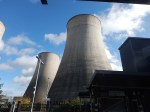
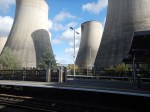
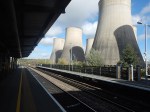
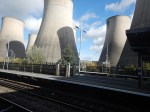
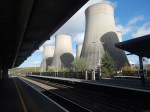
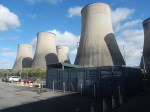
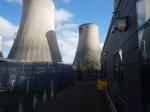
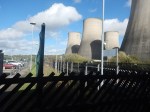
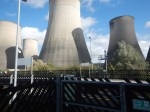
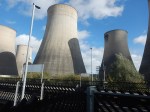
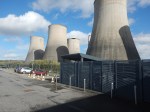
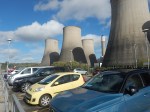
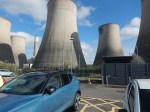
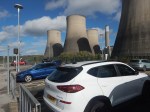
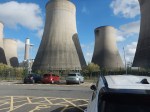
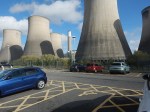
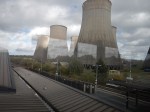
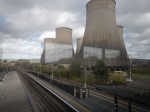
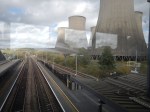
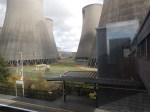
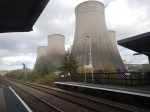
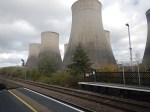
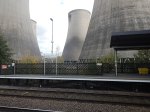
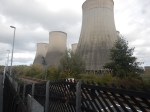
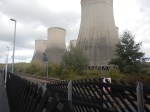
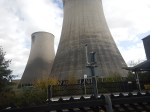
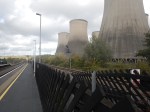
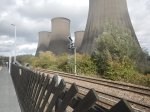
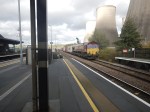
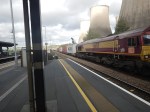
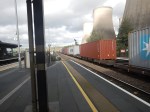
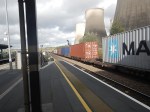
Note.
- The power station was commissioned in 1968.
- It has a nameplate capacity of 2.116 GW.
- Dogger Bank wind farm is intended to have a capacity of 3 GW
- There are eight cooling towers.The diesel locomotive hauling a freight train past the site is a Class 66 locomotive.
- These locomotives are likely to be scrapped in the next few years, to improve air quality in areas, where they run. Some will be replaced by electric or even hydrogen locomotives.
This Google Map shows a map view of the power station in 2024.
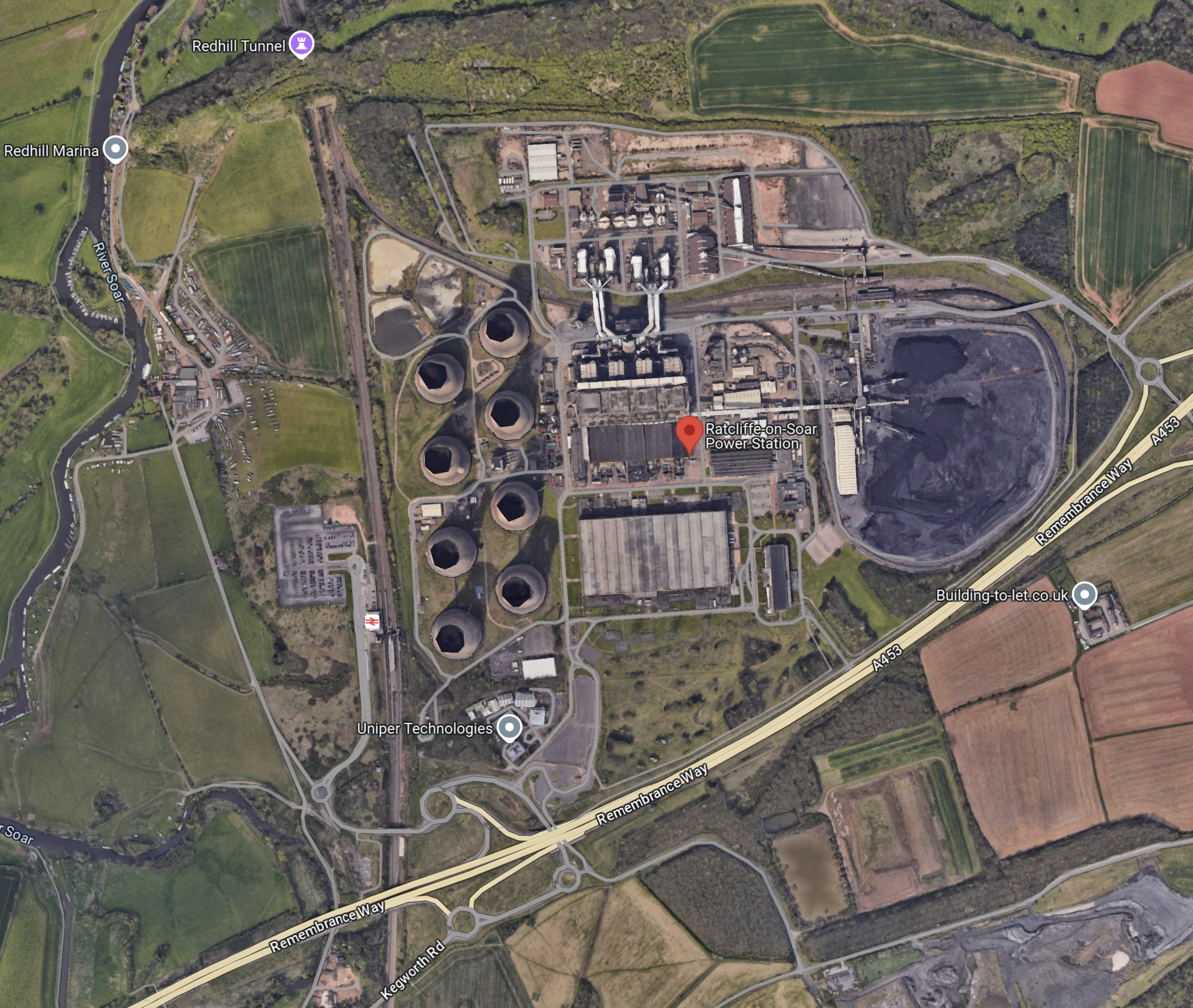
As the famous estate agent Roy Brooks would have said in the 1960s, it is a site with enormous potential.
Ensuring A Sustainable Future For A Coal-Fired Power Station Site Approaching Closure
The title of this section is that of an ARUP report on the future of the Radcliffe-on-Soar site.
This is the introductory paragraph.
Operating for more than 50 years, the Ratcliffe-on-Soar power station closed in September 2024. Its buildings, cooling towers and other structures will be decommissioned and demolished, making the site and surrounding land suitable to be redeveloped as a zero-carbon technology and energy hub for the East Midlands. Arup, working with Uniper, the site owner, supported Rushcliffe Borough Council to establish a Local Development Order (LDO) to make the most out of the potential development opportunities of the site.
ARUP’s report is a good start for one of the most important sites in the Midlands.
Battery-Electric Power Rides The Rails
The title of this post, is the same as that of this article on Power Progress.
These two introductory paragraphs, outline the project.
In late October 2023, transportation solution provider Wabtec and its launch customer Roy Hill, an Australia-based iron ore mining company, celebrated the debut of the FLXdrive locomotive – a production model unit that Wabtec described as the “world’s first 100% battery-powered, heavy-haul locomotive for mainline service.”
The debut was the culmination of more than a decade of R&D that started at a time when battery technology and density were far more limited. Rogerio Mendonca, president, Freight Equipment, Wabtec, labeled the company’s earliest project as “more of a science pilot than anything else.”
I feel that this conversion of a diesel locomotive to a 7MWh battery-electric locomotive will be a significant milestone in freight haulage.
In the UK, we have 480 Class 66 locomotives.
Not all are used for heavy freight and you regularly see a single locomotive hauling a load that a lowered-powered battery electric locomotive could handle.
I suspect that if Roy Hill find this a capable locomotive, that we’ll see some Class 66 locomotives converted to battery-electric operation.
The article is well worth a full read.
Wabtec And Roy Hill Unveil The First FLXdrive Battery Locomotive
The title of this post, is the same as that of this press release from Wabtec.
This is the sub-heading.
World’s first 100% battery-powered, heavy-haul freight locomotive for mainline service
This is the first three paragraphs.
Wabtec and its launch customer, Roy Hill, a leading iron ore miner majority owned by Australia’s most successful private company, Hancock Prospecting, have celebrated the debut of the FLXdrive battery locomotive, the world’s first 100% battery-powered, heavy-haul locomotive for mainline service. The ceremony unveiled the unique, striking pink-colored locomotive at Wabtec’s design and development center in Pennsylvania in front of employees, customer executives, and government and community officials.
“This FLXdrive locomotive represents a major step in the journey to a low-to-zero-emission future in the rail industry,” said Rafael Santana, President & CEO of Wabtec. “The FLXdrive is driven from within by our battery technology and the innovative spirit of our employees. Roy Hill is an ideal customer to partner with given their leadership and excellent operational record.”
Roy Hill’s FLXdrive battery-electric locomotive will feature an energy capacity of 7 megawatt hours (MWh). Based on the route and company’s rail operations, the FLXdrive is anticipated to provide a double-digit percentage reduction in fuel costs and emissions per train. Once Wabtec completes the final battery installations and track testing, the locomotive will begin its 17,000-kilometer (10,500-mile) journey in 2024 for delivery to its new home in the Pilbara region of Western Australia, one of the world’s premier mining precincts.
These further two paragraphs outline the operation of the locomotive.
The FLXdrive locomotive represents not only a first for the Pilbara, but a first for the mining industry. The technological smarts that have gone into the development of the loco makes it well suited for our rail network. By using regenerative braking, it will charge its battery on the 344 kilometer (214 mile) downhill run from our mine to port facility and use that stored energy to return to the mine, starting the cycle all over again. This will not only enable us to realise energy efficiencies but also lower operating costs.”
Today, Roy Hill uses four Wabtec ES44ACi “Evolution Series” diesel-electric locomotives in a consist to pull trains that are typically 2,700 meters (1.6 miles) in length carrying more than 33,000 tonnes of iron ore. The addition of the FLXdrive will form a hybrid locomotive consist with Wabtec diesel-electric locomotives, and recharge during the trip through regenerative braking. The FLXdrive manages the overall train energy flow and distribution through its state-of-the-art energy management software. It is also designed with a unique battery thermal management system using liquid cooling to withstand the Pilbara heat, where temperatures can reach 55°C (130°F).
I have some thoughts.
Could Class 66 Locomotives Be Converted Into Battery-Electric Locomotives?
I answered this question fully in Could Class 66 Locomotives Be Converted Into Battery-Electric Locomotives? a couple of years ago and came to this conclusion.
I am not a lover of the smelly, noisy and polluting diesel Class 66 locomotives, but it does look it could be possible to convert some into battery-electric locomotives.
I wouldn’t be surprised to see Wabtec convert some Class 66 locomotives into battery-electric locomotives.
I also believe, that conversion of Class 66 locomotives to battery-electric operation could be the most affordable way to help decarbonise rail freight.
Note.
- Class 68 locomotives could probably also be converted.
- The battery-electric locomotives would either be used singly or in conjunction with diesel-electric locomotives as Roy Hill propose to do.
After the launch of Wabtec’s first production locomotive, I wouldn’t be surprised to find that some of the UK’s freight operators are talking to Wabtec.
Could A Battery-Electric Class 66 locomotive Work With An Electric Locomotive?
This picture shows, what could be an experiment by Freightliner at Shenfield.
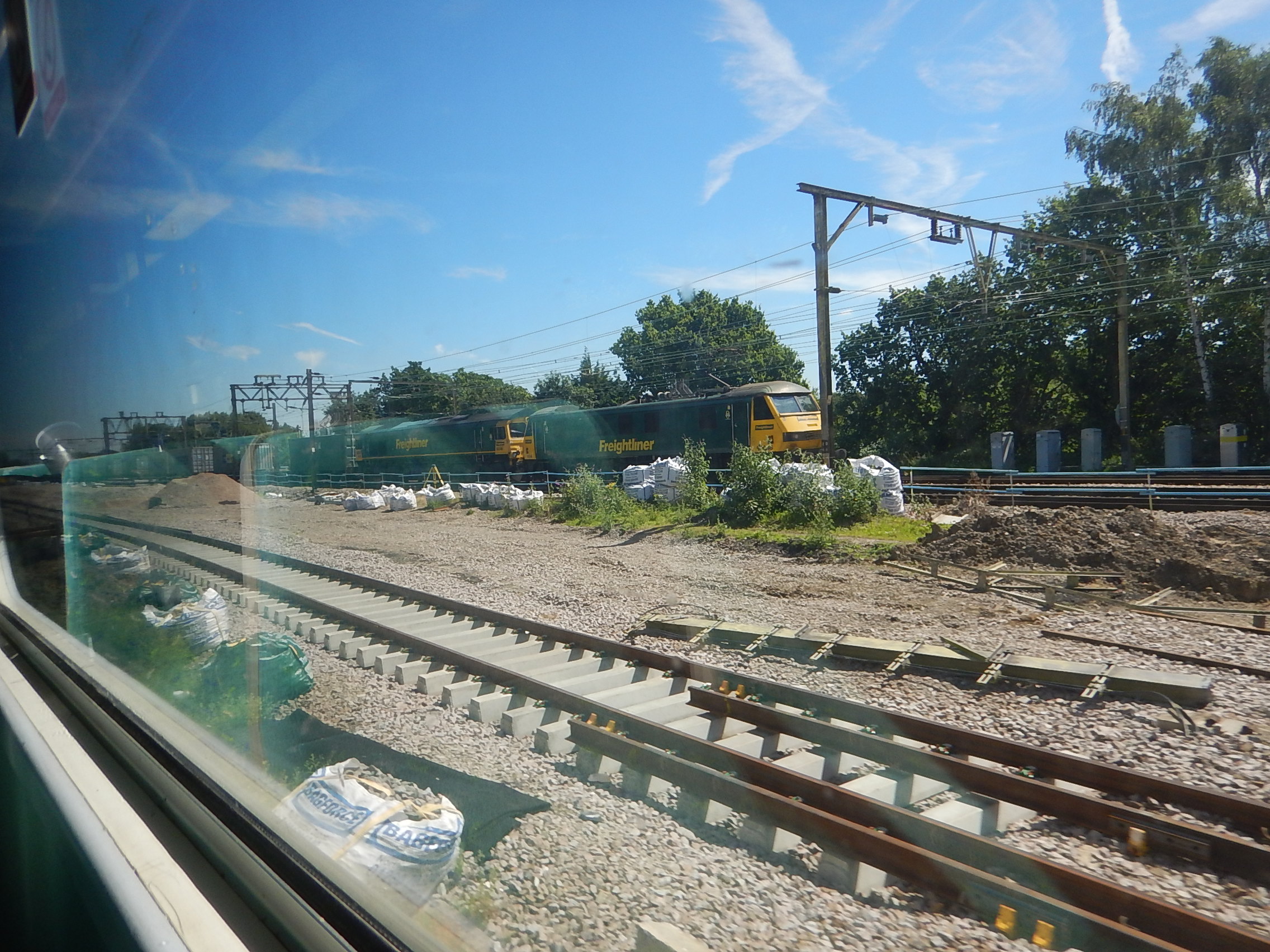
Unfortunately, I didn’t have a chance to ask the driver, if the Class 66 locomotive was running dead-in-train or helping the Class 90 locomotive with a very heavy load.
The picture shows, that the electric and diesel locomotives can work together, at the front of a train.
Consider.
- The battery-electric locomotive would be used, where there is no electrification.
- The battery-electric locomotive could be charged by the electric locomotive or regenerative braking.
It could be an interesting way to handle some freight routes in the UK.
Iarnród Éireann And Latvia’s DIGAS To Trial Europe’s First Retrofitted Hydrogen Freight Locomotive
The title of this post, is the same as that of this press release from Irish Rail.
This is the sub-heading.
Cleaner, cheaper and practical initiative towards decarbonisation goals
These are the first three sections.
Cleaner
Iarnród Éireann Irish Rail is providing a locomotive and will test a retrofitted hydrogen locomotive using a cleaner burning renewable fuel.
Cheaper
DIGAS will provide a cost-effective way how to introduce a hydrogen in the fleet of existing diesel locomotives by retrofitting diesel locomotives with a specialised internal combustion engine (ICE) hydrogen system.
Practical
The collaboration will demonstrate a practical path towards complete decarbonisation of the diesel locomotive fleet.
Note.
- The eighteen 071 Class locomotives were built in Canada by General Motors.
- Some date from as early as 1976.
- In the UK, there is a similar project to convert Class 66 locomotives to dual fuel, which I wrote about in Clean Air Power Adds Hydrogen To Class 66 Fuel Mix.
It does look that the technology is being developed to convert freight locomotives to hydrogen.
Freight Trains Through Lincoln Station
I must have spent nearly ninety minutes in total at Lincoln station yesterday and in that time, at least four long freight trains went through.
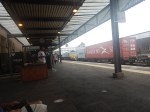
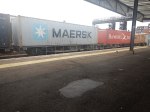
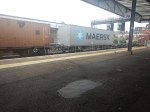
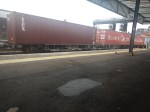
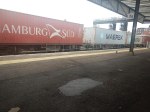

The reason is that Lincoln station lies on the Great Northern and Great Eastern Joint Line, which is a major freight diversion between Doncaster and Peterborough.
- It appears to me, that more freight trains are now using this route since the opening of the Werrington Dive Under.
- All were hauled by a noisy and polluting diesel Class 66 locomotive.
- Some were hauling as many as forty containers.
Articles like this one on Lincolnshire Live, which is entitled Who Had The Crazy idea to Let Trains Run Right Through Lincoln City Centre?, which contains this paragraph.
Then, you’re left with a decision over whether you take your own life in your hands by scuttling over the crossing as fast as you can before being trapped by the barriers, climbing the stairs of one of the two footbridges, or simply waiting at the barrier for the trains to pass (and God help you if it’s one of those freight trains with a seemingly endless amount of carriages).
New footbridges have been installed over the railway, as I wrote about in The Footbridges Over The Railway At Lincoln. But is that enough?
Diesel locomotives are not the most friendly of neighbours and the sooner we start to replace them with quieter locomotives the better.
Lincoln is not the only place, that is plagued by Class 66 locomotives.
- Near me, the North London and Gospel Oak to Barking Lines are regularly used by freight trains hauled by diesel locomotives, despite being electrified.
- Diesel locomotives regularly use the Castlefield Corridor through Manchester.
There must be other places, which suffer from these beasts.
Zero/Low-Emission Locomotive Global Roundup
The title of this post, is the same as that of this article on Railway Age.
This is the introduction.
By 2050, in accordance with the Paris Climate Agreement, zero-emission locomotives may have completely replaced conventional diesel-powered equipment on the railways of the world.
Current development of zero-emission switcher locomotives, combined with practical operating experience, increases this likelihood in the foreseeable future.
It will be increasingly possible to determine the optimal type or types of zero- or low- emission locomotives to replace conventional diesel units.
They then give a roundup, which includes American, Canadian Chinese, French, Indian and Polish locomotives.
There was no mention of Clean Air Power‘s conversion of a Class 66 locomotive to dual-fuel operation, that I wrote about in Clean Air Power Adds Hydrogen To Class 66 Fuel Mix.
Joule Battery Loco Unveiled Ahead Of Trial
The title of this post, is the same as that of this article on Railway Gazette.
These three paragraphs outline the trial and the locomotive.
Pacific Harbor Line has unveiled a Progress Rail EMD SD40JR Joule battery electric locomotive ahead of a one-year trial.
Anacostia Rail Holdings subsidiary PHL provides shunting services and dispatches all BNSF and Union Pacific trains within the ports of Los Angeles and Long Beach. It currently operates a fleet of EPA Tier 3 Plus and Tier 4 locomotives using 100% renewable diesel fuel.
The 3·2 MW six-axle SD40JR locomotive was rebuilt from a SD40-2. It has a lithium-ion battery, AC traction motors and individual axle control. It is charged using an EMD Joule Charging Station, and features regenerative braking.
I have some thoughts and more information.
Pacific Harbor Line – PHL
This map from OpenRailwayMap shows the area in the ports of Los Angeles and Long Beach, where it will be working.
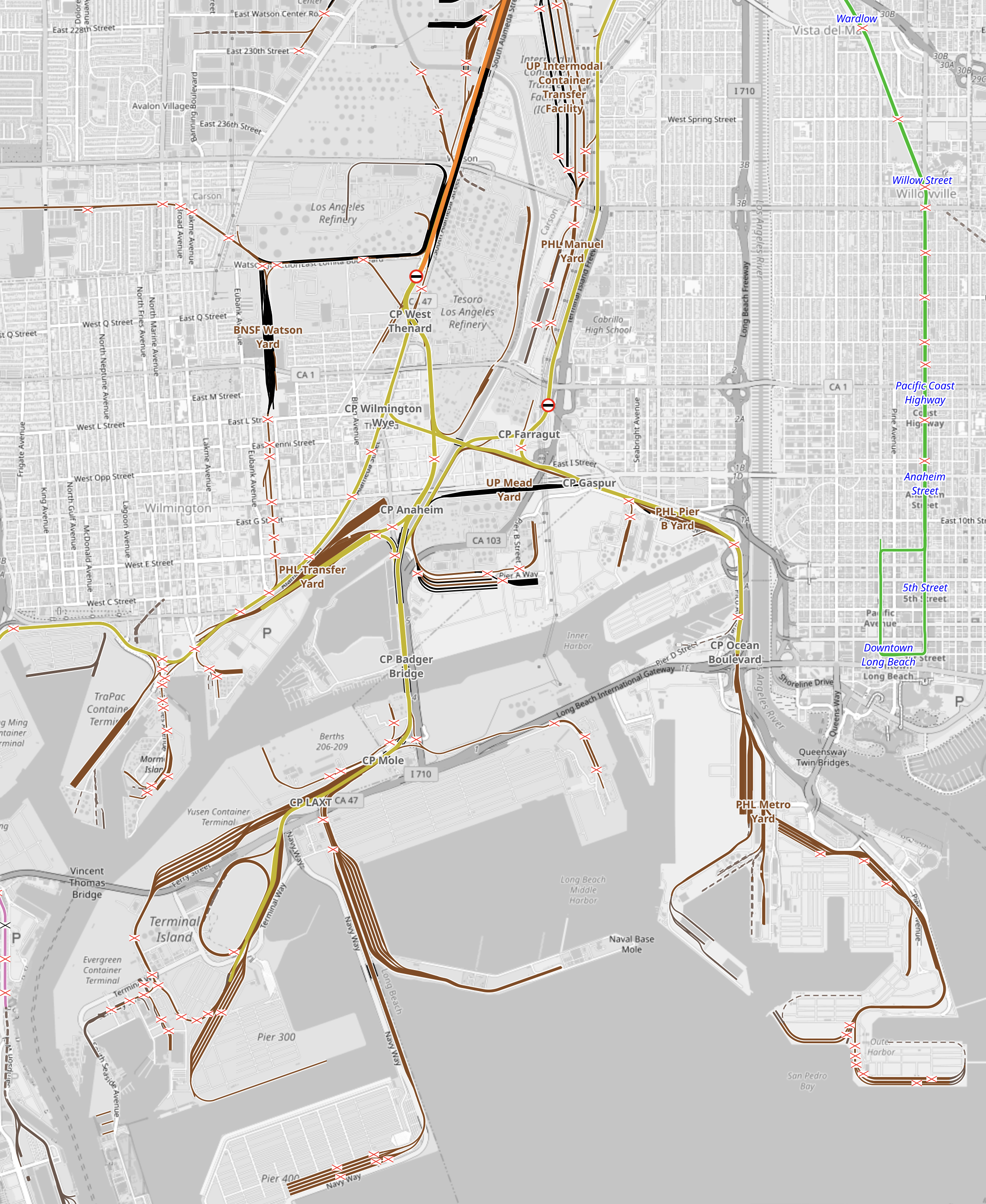
Note.
Los Angeles is to the West and Long Beach is to the East.
Most of the lines in brown are rail tracks, where PHL moves containers between ships and trains that bring them to and from the ports.
The Union Pacific Intermodal Container Transfer Facility is at the North of the map.
It is a very comprehensive system.
The Pacific Harbor Line web site gives more details and starts with this paragraph.
Pacific Harbor Line, Inc. (PHL) provides rail transportation, maintenance and dispatching services to both Ports of Long Beach and Los Angeles, which together form top intermodal gateways in the United States. Through its inception, PHL’s mission has been to offer neutral services to all its business partners: two ports, two Class I railroads, nine intermodal terminals and numerous carload customers. PHL connects with BNSF and UP.
It then gives these details.
- Location: Ports of Long Beach and Los Angeles
- Employees: 189
- Railroad Mileage: 19 route miles, 96 track miles
- Port Facility Served: Port of Los Angeles, Port of Long Beach
- Connecting Railroads: BNSF and UP
- Sustainability: Contact Pacific Harbor Line to discover the low carbon solutions we can provide for your freight needs.
- Number of Customers: 9 on-dock marine terminals, more than 30 carload customers
Later the web site states that PHL is proud of its role as an industry leader for environmental sustainability and as owner of the greenest locomotive fleet in the country.
The new locomotive would appear to fit fit that philosophy.
Progress Rail EMD SD40JR Joule Battery Electric Locomotive
This page on the Progress Rail web site gives more details of their Joule battery electric locomotives.
- The SD40JR locomotive has a power output of 2.1 MW and a 4 MWh battery.
- For comparison, a Class 66 locomotive, of which there are 480 in the UK, has a power output of 1.85 MW at the rail.
- Strangely, the UK locomotive is 1.7 metres longer.
As both locomotive classes were originally built by EMD, I do wonder how similar the components of the two locomotives are.
Would A Battery Electric Class 66 Locomotive Be Any Use?
If we assume that conversion of a Class 66 locomotive to battery power is possible would it find uses in the UK?
I am fairly certain, if you live in any of the villages on the Felixstowe branch line, you will sometimes get annoyed, at the streams of Class 66 locomotives passing with long freight trains between Ipswich and Felixstowe.
I have just looked at the 11:13 freight train from Felixstowe North to Trafford Park.
- It leaves Felixstowe North hauled by a Class 66 locomotive.
- Felixstowe North to Ipswich takes just 35 minutes.
- At Ipswich, the motive power is changed to an electric locomotive, which is probably a Class 90 locomotive.
- The train then uses an all-electric route to Trafford, where it arrives at 23:39.
A rough calculation based on the time running on electric, shows that the current hybrid method of operation, saves 95.3% of the carbon emissions compared to an all-diesel trip.
It would be carbon-free, if a battery-electric Class 66 locomotive could be developed. with sufficient range.
So that’s one application!
There must be other applications, where a battery can supply enough power for the journey.
Conclusion
Given the number of Class 66 locomotives to decarbonise or replace, a fleet of battery electric Class 66 locomotives could be a good start.
 The Anonymous Widower