FEV And Daimler Buses Create Hydrogen Coach Demonstrator
The title of this post is the same as that of this article on Automotive World.
This is the sub-heading.
Daimler Buses and engineering firm FEV have developed a hydrogen fuel cell-powered Setra coach, marking the first hydrogen demonstrator vehicle in the coach segment for the Daimler Truck subsidiary. The H₂ Coach technology demonstrator, which was handed over to Daimler Buses in summer 2025 following approximately two years of development and approval by German technical inspection authority TÜV, offers a range of at least 800 kilometres per tank filling and is intended for testing purposes.
The article also has a picture, which shows.
- A typical modern coach design with three axles.
- Setra H2 Coach branding.
- A Slogan of “Travelling Towards a Sustainable Future”
It looks very similar to images of Wrightbus’s three-axle Contour design. But that would mean, they could fit similar infrastructure.
But when I asked Google AI, when the Wrightbus three-axle hydrogen coach would enter passenger service, I received this answer.
Wrightbus’s three-axle hydrogen fuel cell electric coach is planned for launch in 2026. The company, which is developing the vehicle in Ballymena, Northern Ireland, has confirmed the project is aimed at decarbonising long-distance travel, with a projected range of up to 1,000 km.
It would appear that Wrightbus are ahead on range and timescale.
FirstGroup Adds Leeds-based J&B Travel To Growing Coach Portfolio
The title of this post, is the same as that of this article on Route One.
These two paragraphs add more detail.
J&B Travel of Leeds is the latest coach business to be acquired by FirstGroup.
The operator, which has been established for more than 40 years, has a fleet of 15 vehicles, with work including home-to-school, private hire and FlixBus contracts.
But in some ways, the most significant thing not mentioned is that FirstGroup have now acquired seven coach firms.
- AndersonTravel in London
- EnsignBus in London
- J & B Travel in Leeds
- Matthews Coaches in County Monaghan, Ireland
- Tetley’s Coaches in Leeds
- York Pullman in Harrogate, Hull, Leeds and York
Note.
- MatthewsCoaches are about halfway between Dublin and Belfast.
- Three of the English acquisitions are in Yorkshire and two are in London.
- Leeds isn’t far off being halfway between London and Central Scotland.
This looks like the first part of a master plan.
- Leeds and County Monaghan could be ideal refuelling points for zero-carbon coaches.
- Ferrybridge, just South of Leeds is getting a hydrogen-fired power station.
- Ferrybridge is a big site with a motorway service station on the M1.
- Wrightbus are building an electrolyser at Ballymena, which is 81 miles from Matthews Coaches.
- Wrightbus have said that Dublin and Cork would be an ideal route for a hydrogen coach.
- Wrightbus have said that Heathrow and Gatwick would be an ideal route for a hydrogen coach.
This plan could be built-on with routes to various cities and attractions.
I have some further sorts and questions.
Could The First Obvious Routes Be Run By Hydrogen Coaches?
From what Wrightbus have indicated, I would rate the obvious routes as.
- Dublin and Belfast – 103 miles or 206 miles round trip
- Dublin and Cork – 107 miles or 340 miles round trip
- Leeds and Glasgow – 224 miles or 448 miles round trip
- Leeds and Edinburgh – 222 miles or 444 miles round trip
- Leeds and London – 197 miles or 396 miles round trip
- Heathrow and Gatwick – 40 miles or 80 miles round trip
Note.
The longest route is 714.5 km.
It would appear that, if the hydrogen-powered coach had a range of 1,000 km. all routes would be possible.
How Far Would A Hydrogen Coach Get On A Tankful From London?
A thousand kilometres is 621.4 miles.
These are the distances from Scottish cities to London.
- Aberdeen – 537 miles
- Dundee – 472 miles
- Dunfermline – 430 miles
- Edinburgh – 410 miles
- Glasgow – 404 miles
- Inverness – 561 miles
- John O ‘Groats – 678 miles
- Perth – 451 miles
- Stirling – 418 miles
I’ve added John O’Groats for completeness, but all cities would be reached.
How Far Would A Hydrogen Coach Get On A Tankful Going West From London?
These are the distances from Western towns and cities to London.
- Aberystwyth – 236 miles
- Fishguard – 255 miles
- Holyhead – 289 miles
- Lands End – 310 miles
- Penzance – 307 miles
I’ve added Lands End for completeness, but all towns and cities would be reached.
John O’Groats And Lands End In A Hydrogen Coach
I asked Google AI how far the journey was and received this answer.
The distance from Land’s End to John o’ Groats varies by transport: about 837-874 miles (1347-1407 km) by road, roughly 600 miles (970 km) as the crow flies, and around 1,200 miles (1900 km) for an off-road walking route, with cyclists typically taking 10-14 days and walkers 2-3 months.
So it looks, like there will be a need for a refuel, but that would give 2,000 kilometres, which is more than the 1,347-1,407 kilometres needed.
Ferrybridge Could Be An Ideal Refuelling Point
I suspect, even in fifty years you could name the places in the UK, where you will be certain of refuelling any hydrogen vehicle on the fingers of one hand.
The list would include.
- Ferrybridge in Yorkshire, where SSE are building a hydrogen-fired power station.
- Felixstowe Docks in Suffolk, where there will be a need to fuel hydrogen trucks.
- Keadby in Lincolnshire, where SSE are building a hydrogen-fired power station.
- Kintore in Aberdeenshire, where an electrolyser is being built.
- Runcorn in Cheshire, where there was an electrolyser in 1968, when I worked there.
This web site lists all the UK hydrogen projects.
This Google Map shows the location of the Ferrybridge hydrogen-powered power station site in relation to Barnsley, Doncaster, Leeds and other towns and cities of Yorkshire.

Note.
- The red arrow indicates the former coal-fired power station site.
- Leeds is in the North-West corner of the map.
- Barnsley and Stocksbridge are in the South-West corner of the map.
- The city of Sheffield is to the South-West of Stocksbridge.
- Doncaster is in the South-East corner of the map.
Last September I wrote Visiting The Consultation For Ferrybridge Next Generation Power Station At Knottingley.
In that post, I wrote about supplying both the power station and the motorway services with hydrogen and felt that it could use one of two methods.
- A pipeline from the hydrogen storage in East Yorkshire.
- Some form of train from a hydrogen production site.
Recently, Network Rail have been conducting tests on the movement of hydrogen by train, which I wrote about in Network Rail’s Test Track Take Centre Stage As Hydrogen Is Delivered By Rail For The First Time.
The Ferrybridge Site Has most things needed.
This map shows the site.
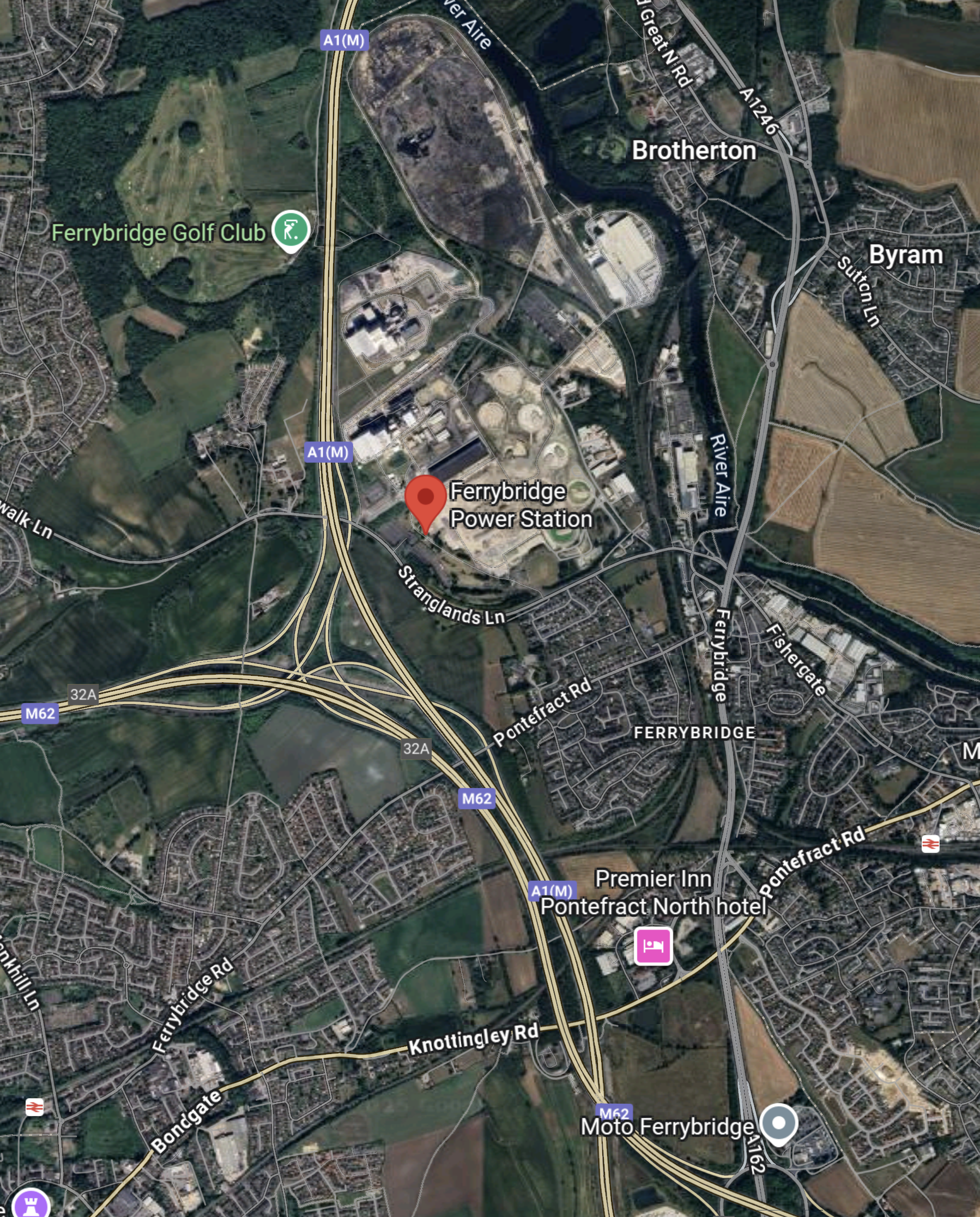
Note.
- The impressive motorway junction, where the North-South M1 crosses the East-West M62.
- Liverpool and Manchester are to the West.
- Leeds, Newcastle and Scotland is to the North.
- Hull is to the East.
- London is to the South.
- There is a Moto Services.
- There is a Premier Inn.
There is even two railway stations on the map.
This reply from Google AI gives the details of the distance between Ferrybridge and the South-West.
The driving distance from Ferrybridge, Yorkshire, to Land’s End is roughly 470 to 500 miles, taking about 8-9 hours, primarily via motorways like the M1, M5, and A30, though exact times and routes vary by real-time traffic and specific starting/ending points.
I am absolutely certain, that if you have a vehicle like a hydrogen coach and you want to go anywhere between A to B on the UK mainland, then if there is hydrogen-refuelling at Ferrybridge, you will be able too do the journey with a refuel at Ferrybridge.
The 73 Group
The 73 Group was a finance company, that I owed jointly with a guy named David Mann, who was an experienced provider of finance for cars, trucks and other vehicles and equipment.
- The company had been the idea of an accountant, I shared with David, named Graham Manning.
- David put in his expertise and I put in some of the money, I received from the sale of my share of the Artemis software.
- It operated mainly in the area around Ipswich in Suffolk.
- Many of the customers were owner/drivers, who ferried containers to and from the docks at Felixstowe, who had known David for some years.
- The company certainly gave a better return, than putting money on deposit.
- One of the things, I did was extensively model a book of loans for vehicles and this gave me an insight into the dynamics of money.
Sadly in the end, David became ill and we wound the company up.
It gave me an interesting insight into local finance and I believe, that local finance companies with good connections and the right systems and people can be profitable.
It also gave me a few good tales.
Coaches Are Good Business
A good top-of-the range coach is good business for operators, coach dealers and finance companies.
I remember spending one evening with David and a coach operator in a pub, when the operator had had a fabulous day stitching together coaches as Rail Replacement Buses for British Rail after a train derailment, between Ipswich and Colchester.
I learned a lot about operating coaches that night and it’s why I’m so keen on hydrogen-powered coaches, with their expected long range, quietness and smoothness.
Fairground Rides Are Good Business
Surprisingly, if you don’t mind being paid in fifty pence pieces on the Ipswich bypass at ten o’clock at night.
You Need A Good Collections Guy
Our’s was excellent.
Eurostar Orders First Double-Decker Trains
The title of this post, is the same as that of this article on the BBC.
This is the sub-heading.
Eurostar has revealed plans to run double-decker trains through the Channel Tunnel for the first time.
These three paragraphs add more details.
The cross-channel rail operator has confirmed it will order up to 50 trains from manufacturer Alstom, eventually increasing the size of its fleet by nearly a third.
The expansion plans would include investing heavily in a crucial London depot, it said.
But questions remain over whether the facility has enough space for both Eurostar and potential rival operators to use it.
This my solution to the problem outlined in the last paragraph.
Note, that I wrote the software that planned the building of the Channel Tunnel and the rail links to London and was also friends with the project manager of the 1960s attempt to build a Channel Tunnel.
We need more terminal platforms and depot space in the UK to handle Eurostar’s extra trains and the other companies who want to run to London.
We should split services into two groups.
Group 1 would terminate as now in an updated St. Pancras with more passenger handling capacity, which could probably be built over the tracks at the Northern end of the station. Trains would still be stabled at Temple Mills.
Group 2 would terminate at Ebbsfleet International, which would have extra platforms, a new depot, masses of car parking and a coach terminal.
Some trains from both groups could also stop at Ashford International.
To access Ebbsfleet from Central London and also create a Heathrow link to the Channel Tunnel, the Lizzie Line would be extended to Northfleet, where there is space to handle up to eight trains per hour in new platforms built in two disused sidings.
This OpenRailwayMap shows the location of Northfleet and Ebbsfleet stations.
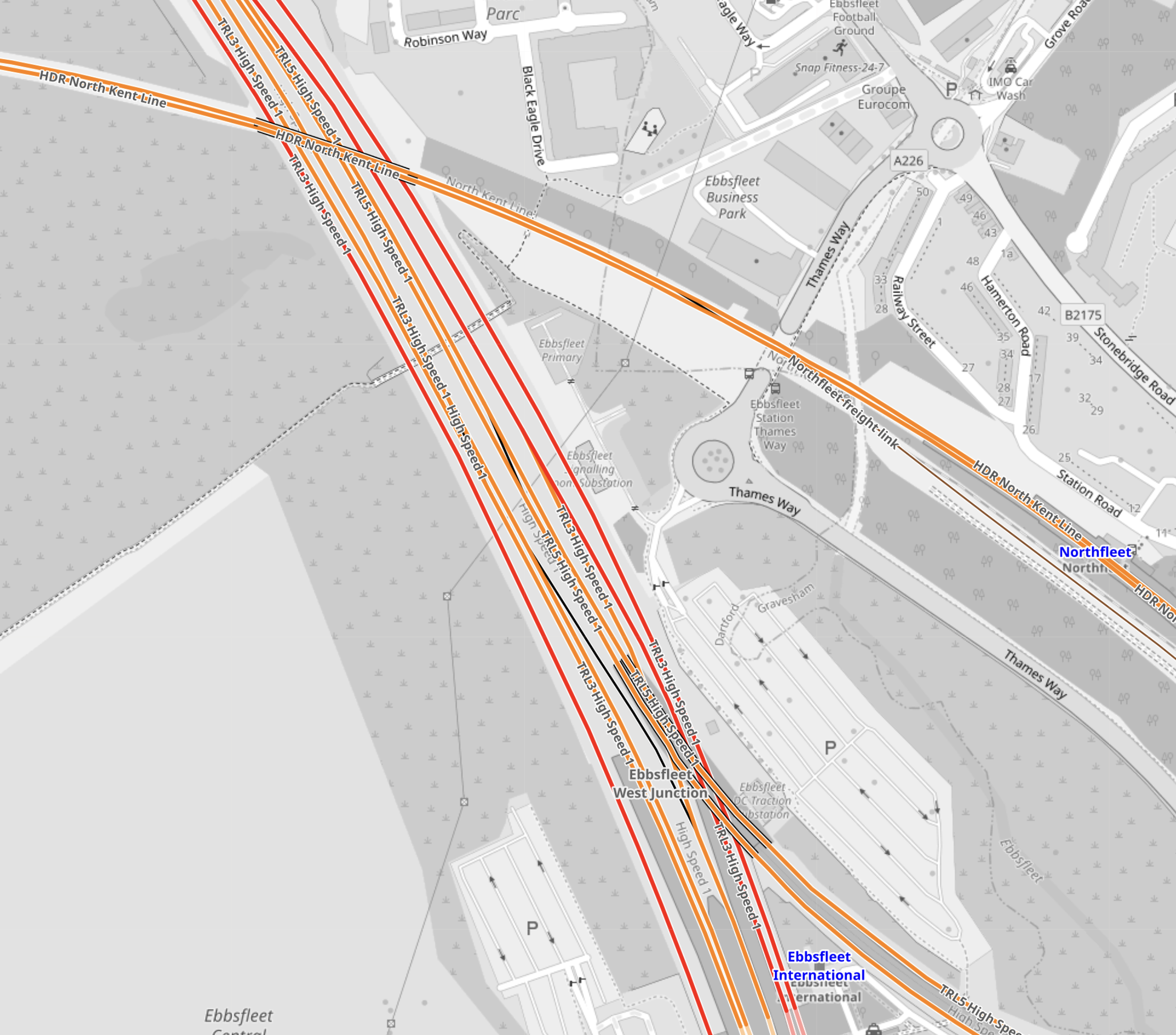
Note.
- Ebbsfleet International station at the bottom of the map.
- The red tracks are High Speed One.
- The orange tracks are third-rail electrified lines.
- The orange tracks going across the map is the North Kent Line.
- Northfleet station is at the right edge of the map on the North Kent Line.
- Northfleet and Ebbsfleet stations are less than a kilometer apart.
- Ebbsfleet has a lot of car parking spaces.
I believe a spectacular cable-car or other link would connect Northfleet and Ebbsfleet stations.
These are some other thoughts.
Ebbsfleet International Station Has Good Motorway Access
This Google Map shows the location of Ebbsfleet International station in relation to the motorways.
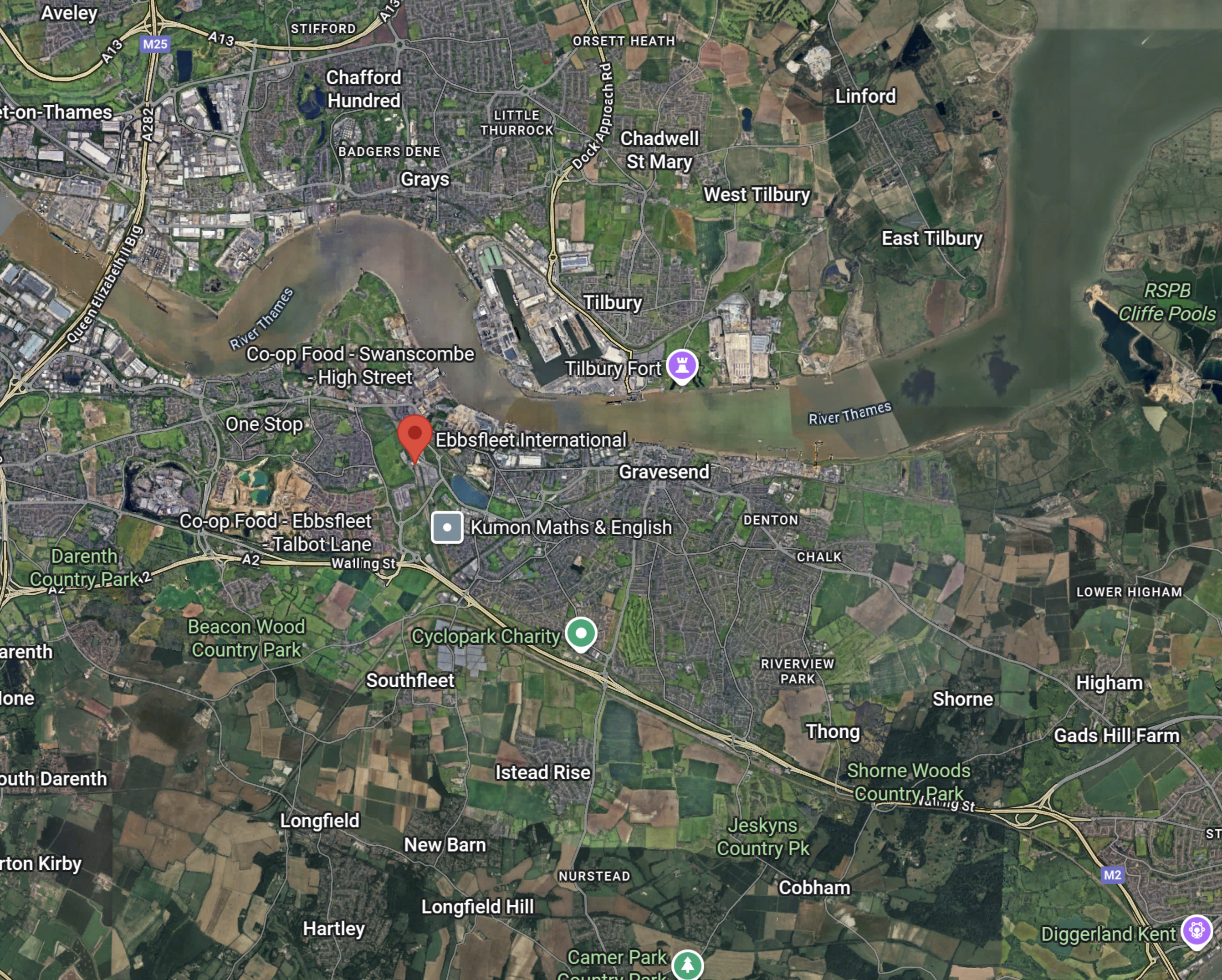
Note.
- The A2/M2 road runs across the bottom half of the map.
- The red arrow marks the position of Ebbsfleet International station.
- The Dartford Crossing is a few miles West of the station.
In my last few years, as an Ipswich season ticket holder, I regularly had a lift to Ebbsfleet International from a friend and the route to the station from the M25 and the A2/M2 wasn’t bad.
But it will be getting better.
This map from the Government’s consultation on the Lower Thames Crossing, shows the road layout in a few years.
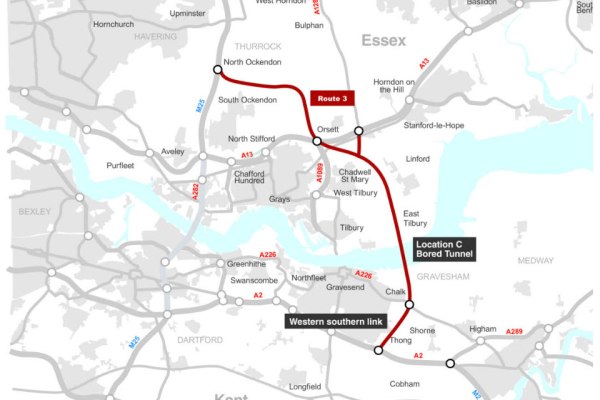
Note.
- The Lower Thames Crossing is shown in red.
- Ebbsfleet International station is about a mile South of Northfleet
- The new crossing will connect to the A2, a few miles East of the link road to the station.
Travellers from much of the East of and Middle England could use the new crossing to get to Ebbsfleet International station.
These are current times from Google.
- Birmingham – 2 hours and 41 minutes
- Cambridge – 1 hour and 17 minutes
- Edinburgh – 7 hours and 44 minutes
- Fishguard – 5 hours and 29 minutes
- Glasgow – 7 hours and 6 minutes
- Holyhead – 5 hours and 29 minutes
- Hull – 4 hours and 1 minute
- Ipswich – 1 hour and 29 minutes
- Leeds – 3 hours and 55 minutes
- Liverpool – 4 hours and 40 minutes
- Manchester – 4 hours and 28 minutes
- Milton Keynes – 1 hour and 37 minutes
- Newcastle 5 hours and 25 minutes
- Norwich – 2 hours 23 minutes
- Nottingham – 2 hours and 55 minutes
- Peterborough – 1 hour and 54 minutes
- Sheffield – 3 hours and 35 minutes
- Stoke-on-Trent – 3 hours and 25 minutes
- York – 4 hours and 16 minutes
Note.
- I would suspect that the opening of the Lower Thames Crossing will knock 10-15 minutes off these times.
- Edinburgh, Glasgow, Hull, Leeds, Newcastle, Nottingham, Peterborough, Sheffield and York would probably be quicker to Europe with a change to Continental train services at St. Pancras, rather than Ebbsfleet International.
- With improvements to rail services, more of these journeys will be quicker by train.
- High Speed Two should connect Birmingham, Liverpool, Manchester and Stoke-on-Trent to London, by the mid 2030s.
But there are some, who always feel their car is safer in a car park!
Ebbsfleet International Station Has A Large Amount Of Car Parking
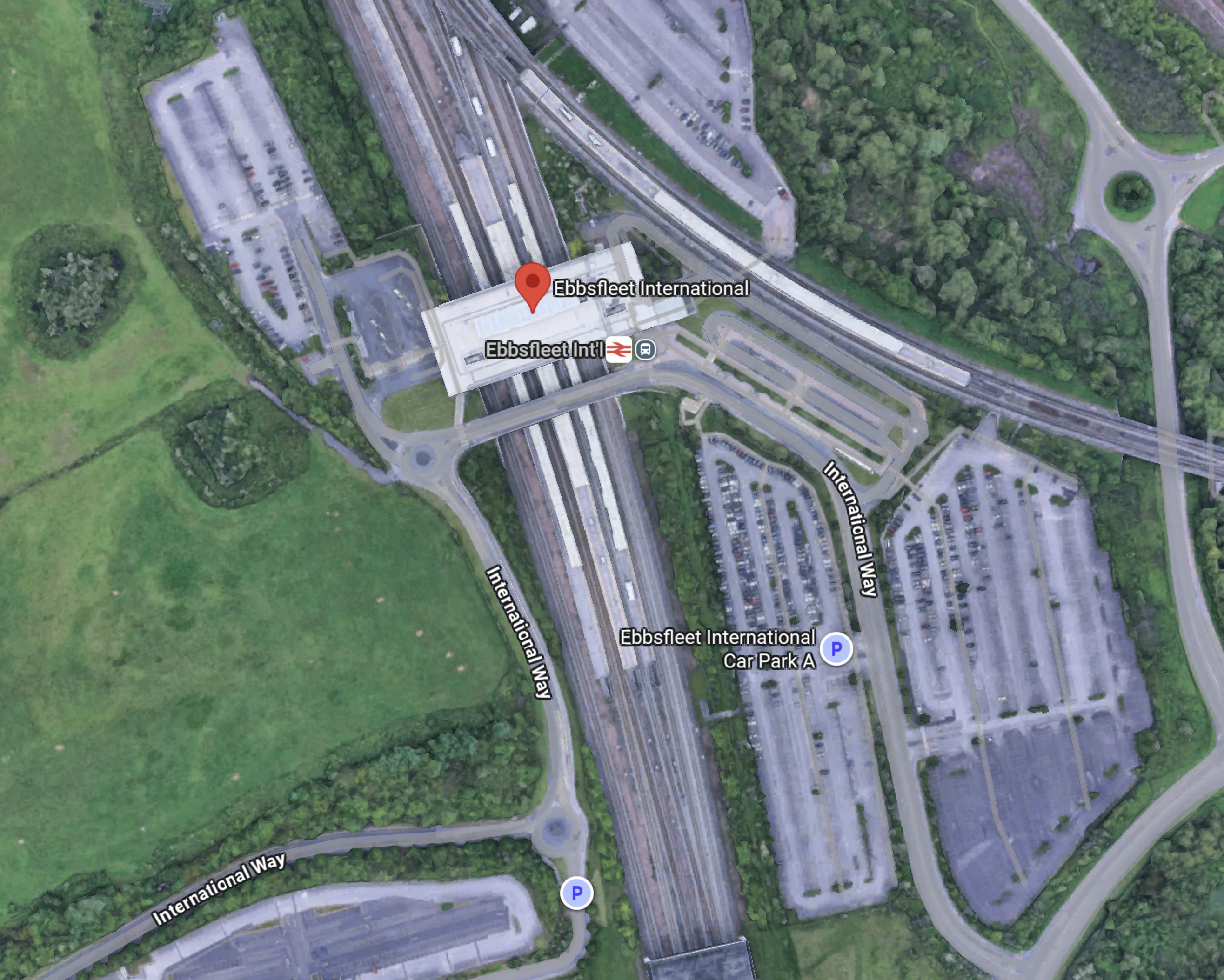
This map shows the car parks at Ebbsfleet International station.
Note.
- Some of the parking areas are marked with a P.
- It is easy to pick-up and drop passengers.
- The car parks could be double-decked to add more spaces if needed.
- According to the Ebbsfleet International web site, the station currently has 5225 parking spaces, 68 accessible car parking spaces.
For those that have a lot of luggage or a large family, taking the car to Ebbsfleet International may be the best option.
Ebbsfleet International Station Should Have A Coach Station
Consider.
- In the next few years, hydrogen-powered coaches with a thousand kilometre range will come to dominate the long distance coach market.
- Mercedes and Wrightbus are know to be developing long-distance hydrogen-powered coaches.
- Hydrogen-powered coaches will be able to reach all of England and Wales and a large part of Scotland from Ebbsfleet International.
- Ebbsfleet International is closely connected to the UK motorway network.
- Continental coaches using the Channel Tunnel, could use Ebbsfleet as a coach interchange with the UK.
- Ebbsfleet International could also handle customs services for Continental coach services, which would take the pressure off the Channel Tunnel and the ferries.
- Ebbsfleet International could also have a coach link to Gatwick Airport.
These and other reasons make me feel, that a coach terminal at Ebbsfleet International is essential.
A Green Connection Between The Two Halves Of The European Union For the Gretas Of This World
Consider.
- There is no zero-carbon route between the island of Ireland and Continental Europe.
- Eurostar is all-electric between London and Continental Europe, but only serves a limited number of destinations.
- Low- or zero-carbon ferries are being designed, that run on hydrogen.
- Trains between London and the Irish ferries are diesel-powered.
- The simplest solution would surely be to run hydrogen-powered coaches between Ebbsfleet International and Fishguard and/or Holyhead. Both journeys would take three and a half hours.
Hydrogen-powered coaches are under development by Wrightbus.
I also asked Google AI if anybody is planning zero-carbon ferries between the UK and ireland and received this answer.
Yes, there are plans for zero-carbon ferries between the UK and Ireland, with a specific “Green Corridor” feasibility study underway for the Holyhead to Dublin route, and a separate, separate commuter service project planned between Belfast and Bangor. The Belfast Maritime Consortium is developing the zero-carbon commuter service, and a separate “Green Corridor” feasibility study is assessing potential low-carbon pathways between Holyhead and Dublin
I believe the green connection is feasible, provided the following happens.
- Ebbsfleet International is reopened and developed as a station for Continental Europe.
- The zero-carbon ferries are developed.
- The busmasters from Ballymena deliver the ultimate hydrogen-powered coach.
- Hydrogen and other fuels are made available, where they is needed.
This could do wonders for the economy of the island of Ireland.
Out of curiosity, I did ask Google AI, what is the longest coach route in the UK and received this answer.
The longest scheduled coach journey in the UK is the Scottish Citylink route from Glasgow to Uig on the Isle of Skye (route 915 or 916), which is about 230 miles and takes around 7 hours and 50 minutes. Historically, there have been much longer international bus routes, such as the Penn Overland tour from London to Ceylon, but these were not regular, scheduled services.
So my proposal at five hours and 29 minutes is only a short hop.
I also believe that with good project management that the additional infrastructure could be built by 2030, with little or no disruption to existing services.
Silvertown Tunnel Easing Congestion, TfL Says
The title of this post, is the same as that of this article on the BBC.
This is the sub-heading.
Transport for London (TfL) has shared the first insights about the impact on traffic of the new Silvertown Tunnel, as part of commissioner Andy Lord’s latest report to the TfL Board.
These two initial paragraphs gives a summary of about three weeks traffic.
Analysis of data between 21 April and 11 May shows the Silvertown and Blackwall tunnels are being used by an average of about 88,000 vehicles on a typical weekday. Of these, about 20,000 are using the Silvertown Tunnel.
Before the tunnel opened on 7 April, about 100,000 vehicles used the Blackwall Tunnel on weekdays.
TfL are claiming that this 12,000 drop in traffic is helping to ease congestion.
Logically, a drop in traffic will ease congestion, but the BBC article also says this.
However, it said it was aware of some increased traffic volumes at other river crossings, including the Woolwich Ferry.
The only other river crossings in the area are the Rotherhithe Tunnel and the Woolwich Ferry, both of which are free to all users.
So is the drop in traffic through the Blackwall and Silvertown Tunnels, due to drivers objecting to paying a toll and taking a free route instead?
On The Buses
The BBC article says this about bus passengers.
Mr Lord’s report also provided ridership data about the three bus services that operate through both tunnels: the new Superloop SL4, the extended route 129 and the 108, which already ran through the Blackwall Tunnel before 7 April.
Across the routes there is a daily average of more than 20,000 passengers making use of these services, of which typically about 7,000 are crossing the river using one of the two tunnels. In March 2025, there were about 2,700 crossings a day made using route 108.
The increase in bus passengers is not surprising.
Before the opening of the Silvertown Tunnel, there was just this bus service through the Blackwall Tunnel.
- London Bus 108 – Stratford and Lewisham via North Greenwich.
This has now been joined by, these bus services through the Silvertown Tunnel.
- London Bus 129 – Great Eastern Quay and Lewisham via City Airport and North Greenwich.
- London Bus SL4 – Canary Wharf and Grove Park via East India, Blackheath and Lee.
Note how the buses call at rail stations, an airport and other important traffic interchanges.
In Could The Silvertown Tunnel Handle More Buses?, I asked if buses through the Silvertown Tunnel should be increased?
Given that traffic through the combined Silvertown/Blackwall complex has dropped by 12,000 vehicles per day, that must leave space for a few buses or coaches.
- Assuming, that one bus or coach takes up the space of four cars, that would be space for 3,000 buses/coaches per day.
- Also assuming the bus and coach services are run on a twenty-four hour basis, that would be 125 buses/coaches per hour.
If the bus and coach services ran every ten minutes, that would say, there is space in the tunnel for up to a dozen new bus or coach routes.
There could develop a virtuous circle and feedback loop, which drives the tunnel to a state of equilibrium, where traffic grows through the tunnels, until it is maximised.
Consider.
- Research shows a bus route from A to B through the tunnel would attract passengers.
- Drivers and their passengers decide that on balance a bus ride is more convenient, no slower and more affordable than driving.
- Congestion charges and other charges for non-electric vehicles will play their part.
- Green issues will also will play their part.
- Fewer cars will use the tunnels.
- Increasing tunnel charges will only drive more car users to the buses.
- More free space in the tunnel, will allow more bus and coach routes.
- More bus and coach routes will attract drivers from their cars.
Eventually, equilibrium will be reached.
A similar effect happens, when a new bypass is opened and as if by magic it fills up.
When it happens with train services I call it, London Overground Syndrome.
On Your Bike
The BBC article says this about cyclists.
There is also a cycle shuttle service, enabling cyclists to take their bikes free of charge on a bus through the Silvertown Tunnel. TfL said some 100-150 people were using it on a typical day.
While this is below its capacity, TfL believes usage will grow as cyclists adapt their routes to benefit from this safer crossing option.
When I used to cycle around London in the 1970s, I never cycled under the Thames, but I did generally cycle as fast as I could across the city. I wouldn’t have put my bicycle on a free bus.
So, is this why the cycle shuttle service is below capacity?
The BBC article says this.
TfL believes usage will grow as cyclists adapt their routes to benefit from this safer crossing option.
I believe, that if TfL should ever charge for the cycle shuttle service, they’d kill it.
In my opinion, they’d be better off providing secure bike parking, but even some of that seems lightly used.
Tunnel Performance
The BBC article says this about tunnel charging and performance.
TfL said it intended to publish quarterly factsheets on the operational performance of the tunnels’ toll scheme.
This will include information about how many people pay the charge, the compliance rates for vehicles using the tunnels and the number of Penalty Charge Notices that are issued.
The first of these factsheets will be published later this year, but initial data shows that compliance has steadily increased, with about 90% of motorists either paying a charge or benefiting from an exemption.
Surprisingly, so far, I haven’t met anybody who has driven through the Silvertown Tunnel, except for a couple of bus drivers.
Does Your Car Have A Large Capacity, Dash Mounted Refrigerator?
I suspect not, but Wrightbus’s new Contour Coach will have one for the driver and the lucky soul, who sits in the other front seat.
Wrightbus have now put the specification of the Contour coach on a page that is entitled Experience The Contour Difference.
This is the introduction.
Introducing the Wright Contour Diesel Coach, where luxury, innovation, and performance come together. Since 1946, Wright has been at the forefront of transportation innovation, shaping the future with its unwavering commitment to excellence. Today, as UK’s No.1 zero-emission bus manufacturer and one of Europe’s fastest growing brands, Wright is making a bold return to the luxury coach market with the all-new Contour Diesel Coach (available in UK and Europe). In the 1980s, Wright revolutionised the luxury coach industry with its innovative, high-end Contour models, setting new standards in design and comfort. On 5th March 2025, Wright makes a bold return to the coach market with the all-new Contour Diesel Coach, redefining performance, style, and efficiency, offering spacious interiors, advanced safety features, and a high-performance Cummins X11 Euro 6 engine delivering 400hp. With competitive pricing, reduced lead times, and full service support to ‘complete Vehicle OEM and operator support’ from Wright’s All Service One Network, the Contour is built to exceed expectations. Plus, with a 2-year or 200,000km warranty backed fully by Wright, it ensures reliability and peace of mind.
I asked Google AI if the Cummins X11 engine can be converted to hydrogen and was told this.
Yes, while not inherently designed for hydrogen from the factory, the Cummins X11 engine, like many Cummins diesel engines, can be converted to run on hydrogen fuel. This involves modifications, including changing the cylinder head and fuel system.
As I discussed in Wrightbus StreetDeck Ultroliner Next-Gen To Get Cummins Power, it appears Wrightbus are going the Cummins route, to open up the possibility of converting the vehicles to hydrogen at some point in the future.
Cummins have certainly seen a green vision. on the Road to Net Zero, which seems to go via their Darlington factory.
The coach specification includes.
- Premium reclining seats for all passengers.
- Adjustable armrests, and USB ports at every seat.
- Safety features like 3-point seat belts and ‘buckle up’ alerts.
- Powered doors to the lockers underneath.
- Reversing and rear-door cameras.
Wrightbus are also promising reduced lead times, which in my experience as a part-owner of a leasing company, that financed a large number of coaches, is very much to be welcomed.
Hydrogen Fuel Cell-Powered Coaches
Two trips convinced me, that hydrogen fuel cell coaches are the way to go.
In Riding Rail Air Between Reading Station And Heathrow Terminal 5, I did what it says in the title.
I was very disappointed.
The coach may have been a nearly-new top-of-the-range model, but my journey was to the accompanying thump-thump-thump of the diesel engine. There were also no USB ports, which these days many British Rail-era trains are sporting.
In Sutton Station To Gatwick Airport By Hydrogen-Powered Bus, I also did what it said in the title.
I was very impressed and it convinced me that hydrogen fuel cell-powered coaches could be an interesting proposition.
The power unit was mouse-quiet and the bus had more than adequate performance for the route, through the Surrey Hills.
It would be a very fruitful experiment, if say a twenty-mile route to say an airport, that is currently run by a traditional diesel coach, were to be replaced by a hydrogen fuel cell-powered bus, with a more luggage-friendly interior.
- Would passenger numbers increase?
- Would the number of airport workers using the service increase?
I believe that in a few years diesel coaches will be filed under Betamax.
Is There A Market For A Wrightbus Hydroliner FCEV-based Hybrid Coach?
A few years ago, there was a plan, to improve public transport to Heathrow, that would have seen the Elizabeth Line to Terminal 5 extended to Staines. I went to Staines and discussed this with one of the staff at the station.
He was all for this, as it would have given staff at the airport and in the airlines, an easy route to and from work, which would mean, they didn’t have to pay to take their car, especially, when they were working difficult shifts.
A Wrightbus Hydroliner FCEV, with a hybrid interior geared to both passengers with heavy luggage and passengers and airport and airline workers with just a carry-on size bag, might appeal to some operators.
Especially for some of the night bus routes operating to Heathrow.
Wrightbus To Build 1,000 Zero-Emission Buses
The title of this post, is the same as that of this article on The Times.
This is the sub-heading.
Northern Ireland company to ramp up production by 40% and recruit hundreds more employees as it also develops the UK’’s first long-distance hydrogen coach
These are the first two paragraphs, which add more detail.
Wrightbus, the Northern Ireland bus manufacturer, could be supplying as many as 1,000 zero-emission vehicles to depots around the UK as it increases production by 40 per cent over a two-year period and takes on hundreds more workers.
The company, best known for the redesigned 21st century take on the Routemaster ordered by the former mayor of London Boris Johnson, also announced it is to spend £5 million developing the UK’s first long-distance hydrogen coach capable of travelling 1,000km (621 miles) on a single recharging of its fuel cells.
These two paragraphs describe their production and employment plans.
Jean-Marc Gales, the former senior Peugeot director who is Wrightbus’s chief executive, said production at its Northern Ireland plant would go from 1,000 vehicles last year to 1,200 this year and 1,400 in 2026.
Over the same period the company’s workforce will grow from 1,500 to 2,500.
Peter Kyle, the secretary of state for science, innovation and technology, said this.
The level of innovation at Wrightbus and their quality standards have been recognised.
That is surely rare praise for a private company from a Labour Minster.
I first wrote about Wrightbus’s new hydrogen coach in early March, when I wrote Wrightbus Goes Back To The Future As It Relaunches The Contour Coach, which was based on this Wrightbus press release, which has the same title.
I said this in my post.
Wrightbus is entering the coach market for the first time in more than 30 years with the launch of two new vehicles in the next 18 months.
The first vehicle to hit the market is the Contour, a low-emission 55-seater coach that was launched at a customer showcase event today (March 5).
It’s a case of back to the future for Wrightbus, which last produced a Contour coach in 1987 before retiring the vehicle.
The second vehicle, a zero-emission hydrogen coach – which is under development in Ballymena, Northern Ireland – will be added to the Wrightbus coach range within the next 18 months to help drive decarbonisation of the sector.
The low emission Contour has a lead time of just six months from order, which is considerably faster than the current one-to-two-year average wait customers have come to expect from the sector. Featuring a Cummins Euro 6 400BHP X11 engine and a ZF automatic gearbox, the modern-day Contour has been built with comfort in mind, with up to 55 reclining seats – each with its own USB port – alongside other modern safety features. Competitively priced and available with or without PSVAR compliance, there is also the option of the vehicle being ‘pre-prepared’, protecting the vehicle’s ‘second life’ and flexibility.
The coach has a range of bespoke options for customers to choose from and is designed to maximise luggage space and functionality.
The low emission Contour coach was to have been built in China.
But events have moved on fast in the last month, with Trump and China trading insults on tariffs almost daily.
From today’s article in The Times and a press release from the Government, which is entitled Science Secretary Hails Wrightbus As Company Pledges £25 million To Bolster UK’s Green Transport Revolution And Drive Growth, it appears that the Chinese coach has been dropped.
Could the plan now be something like this?
- The low emission Contour coach will either be dropped, built in Ballymena or perhaps even built on JCB’s site in Texas.
- It might possibly be advantageous to build the coach in the United States to balance the tariffs and target the North American market.
- I would feel, that North America could be a lucrative market for the larger thousand kilometre coach.
- With the low emission Contour coach, Cummins get a chance to show the United States their excellent hydrogen technology.
- Trump can claim, that he’s brought jobs back to the United States.
- If Wrightbus and/or JCB build the low emission Contour coach, they could probably create a better product and get it to market earlier.
I suspect we’ll learn more of Wrightbus’s plans in the next few weeks.
Could The Silvertown Tunnel Handle More Buses?
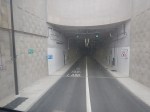
In A Return Journey Through The Silvertown Tunnel On A 129 Bus, I took these pictures inside the Silvertown Tunnel when the bus was coming North.















Note.
- The left lane is marked Bus Lane.
- Only one car is visible in the right lane.
- The tunnel seems well-lit.
I have some thoughts
Where’s The Traffic?
It does appear that two apparently empty lanes in each direction, don’t carry a large number of vehicles.
- Have the tolls and arguments frightened traffic away?
- Are the tolls too high?
- From the full set of pictures in the linked post, it would appear more vehicles were using the Blackwall Tunnel.
- Could it be that drivers are frightened of getting a speeding ticket?
- Are drivers frightened of sharing the tunnel with buses and heavy trucks?
Both bores of the Silvertown Tunnel seem to have similar traffic levels.
What’s The Capacity Of A Bus Lane?
In the Wikipedia entry for bus lane, this is said.
The busiest bus lane in the United States is the Lincoln Tunnel XBL (exclusive bus lane) along the Lincoln Tunnel Approach and Helix in Hudson County, New Jersey, which carries approximately 700 buses per hour during morning peak times an average of one bus every 5.1 seconds.[ In contrast, the Cross-Harbour Tunnel in Hong Kong carries 14,500 buses per day, or an average of about 605 an hour all day (not just peak times), but the bus lane must give way to all the other road users resulting in long queues of buses.
Perhaps a more realistic example of tunnel capacity from the UK, would be the Victoria Line, which handles thirty-six * eight-car trains per hour (tph) in both directions in two tunnels.
I would certainly expect that if Dear Old Vicky can manage 36 x 8-car trains per hour, then the Silvertown tunnel could handle thirty-six buses per hour.
Especially, if the buses had a distance keeping capability, as many trains do.
How Many Buses Per Hour Are Planned to Use The Silvertown And Blackwall Tunnels?
This handy map from Transport for London, shows the three bus routes passing through the Silvertown and Blackwall Tunnels.
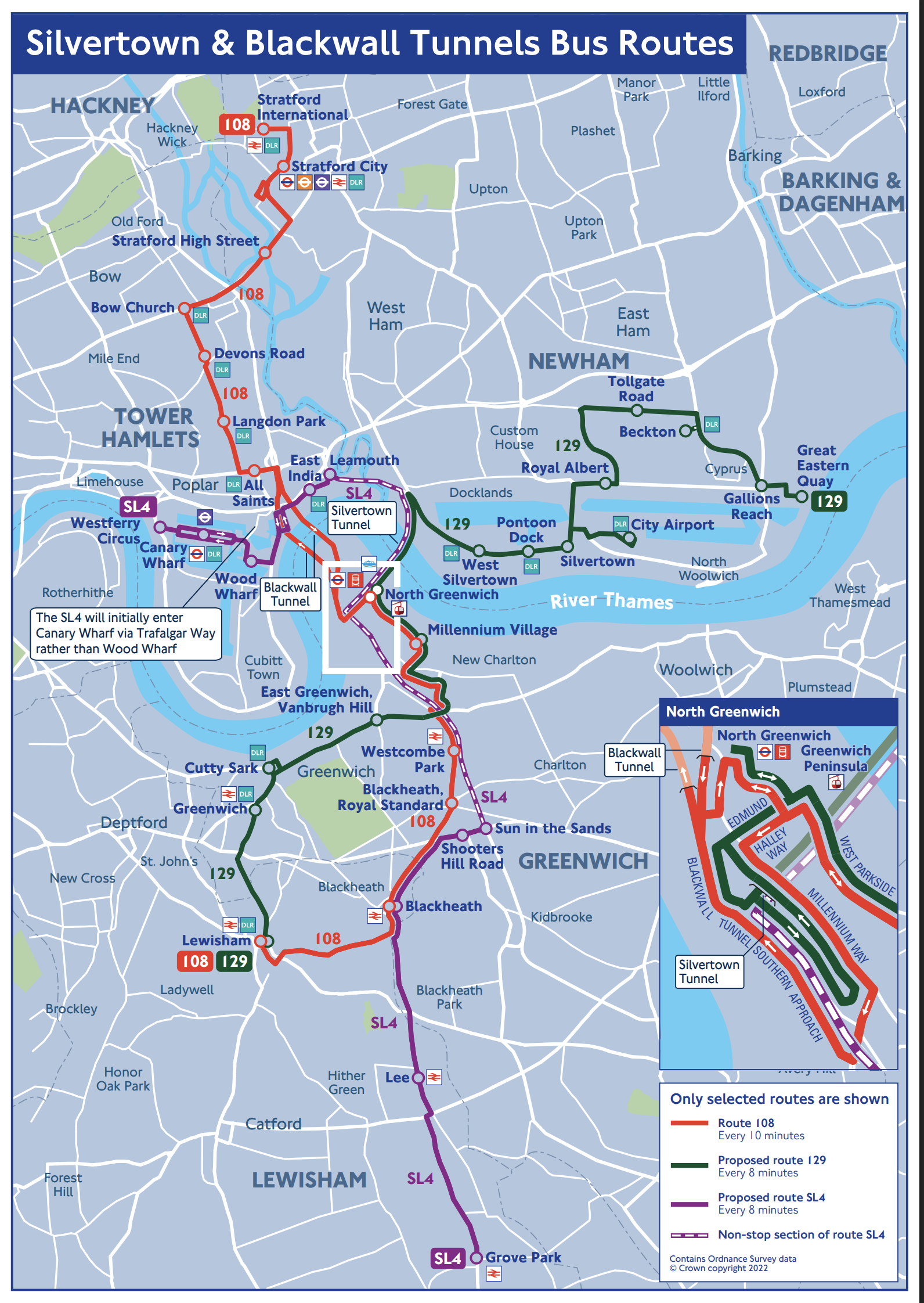
Click the map to show it to a larger scale.
The map gives these frequencies for the three bus routes using the tunnels.
Bus Route SL4
Operates once every 8 minutes or at seven buses per hour.
Bus Route 108
Operates once every 10 minutes or at six buses per hour.
Bus Route 129
Operates once every 8 minutes or at seven buses per hour.
Silvertown Tunnel Bicycle Shuttle
Google AI says this.
The Silvertown Tunnel cycle shuttle bus runs approximately every 12 minutes, operating daily from 6:30 am to 9:30 pm, except for Christmas Day, offering a safe and quick way for cyclists to cross the Thames.
This operates at five buses per hour.
Number Of Buses Through The Tunnels
There will be around nineteen buses per hour, through the Silvertown Tunnel and six through the Blackwall.
The Silvertown Tunnel looks like it has been designed to accept more buses.
One thing this means, is that if the Blackwall gets shut, then the 108 can use some of the spare capacity in the Silvertown Tunnel.
Could A Coach Station For Europe Use Some Of The Spare Capacity?
In Development To The West Of The North Entrance Of The Silvertown Tunnel, I displayed this.
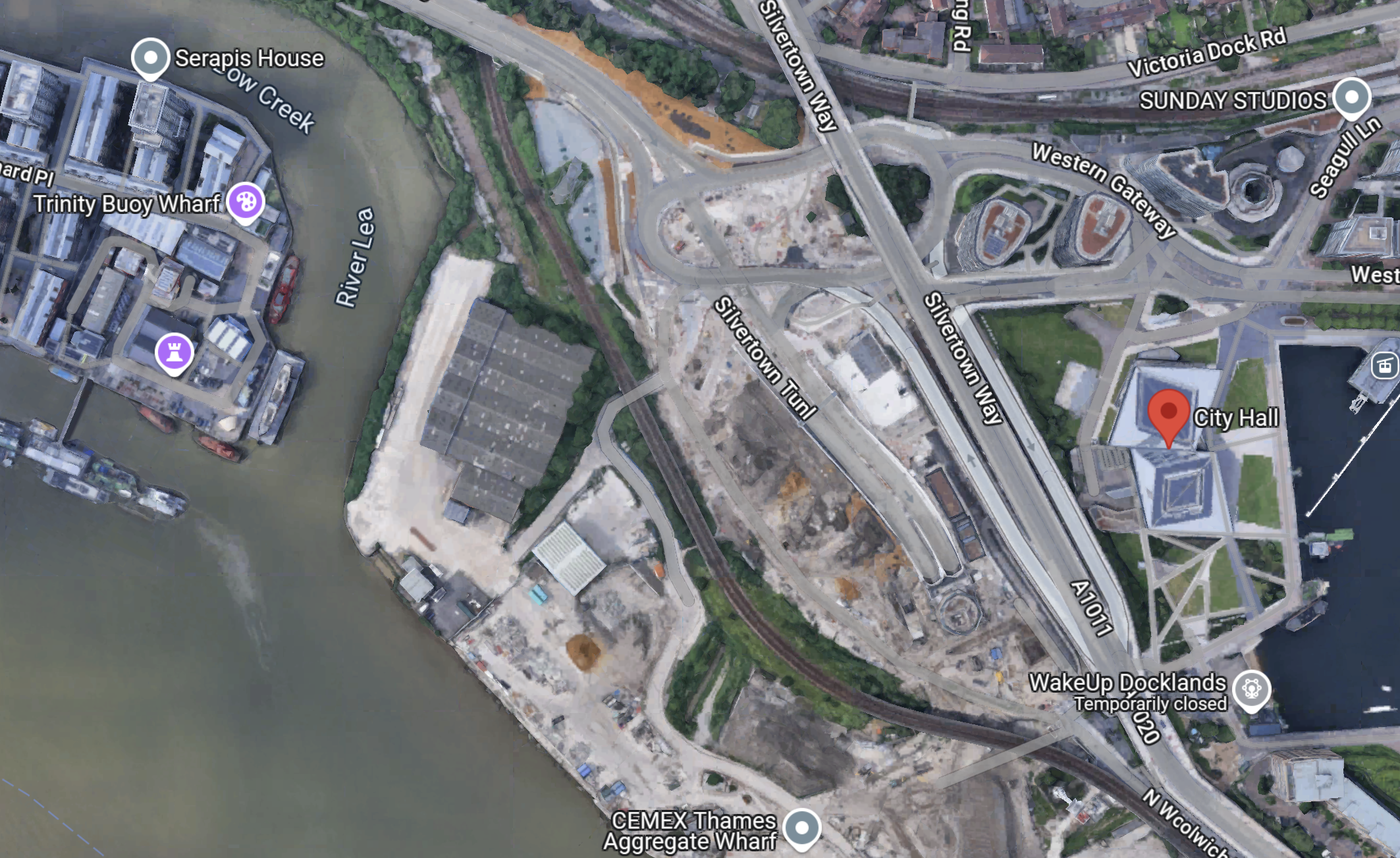
This Google Map shows the site to the West of the North entrance of the Silvertown Tunnel.
Note.
- The red arrow indicates City Hall.
- There is a large site between the DLR and the river.
- The Docklands Light Railway separates the site from the North entrance of the Silvertown Tunnel.
- The CEMEX Thames Aggregate Wharf seems to occupy part of the site.
This picture shows the North entrance of the Silvertown Tunnel from the cable-car.
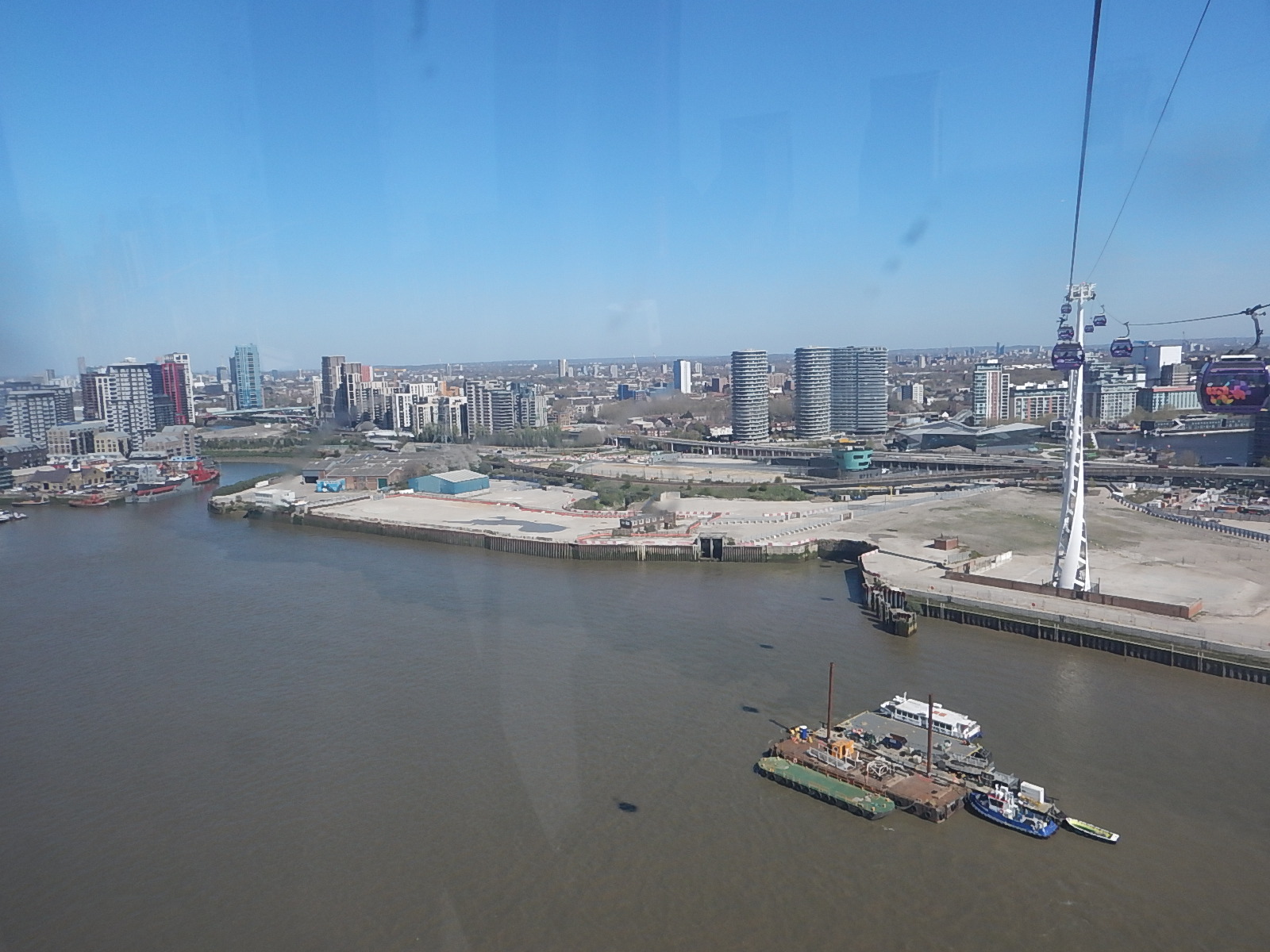
It is surely a site with development potential, as Roy Brooks would say.
It will probably be used for more tower blocks along the Thames.
But could it be used for a coach station to handle the increasing number of coaches between London and the Continent?
- A Docklands Light Railway station could be built to serve the site.
- Thames Clippers could also serve the site.
- Coaches could use the Silvertown Tunnel to start their journey out of the capital.
It is certainly a possibility.
Could The Silvertown Tunnel Be Used For Route-Proving For The Docklands Light Railway?
In TfL Considering Extending DLR As Far As Abbey Wood, I discussed extending the Docklands Light Railway to Thamesmead or Abbey Wood.
This map from Ian Visits shows the area.
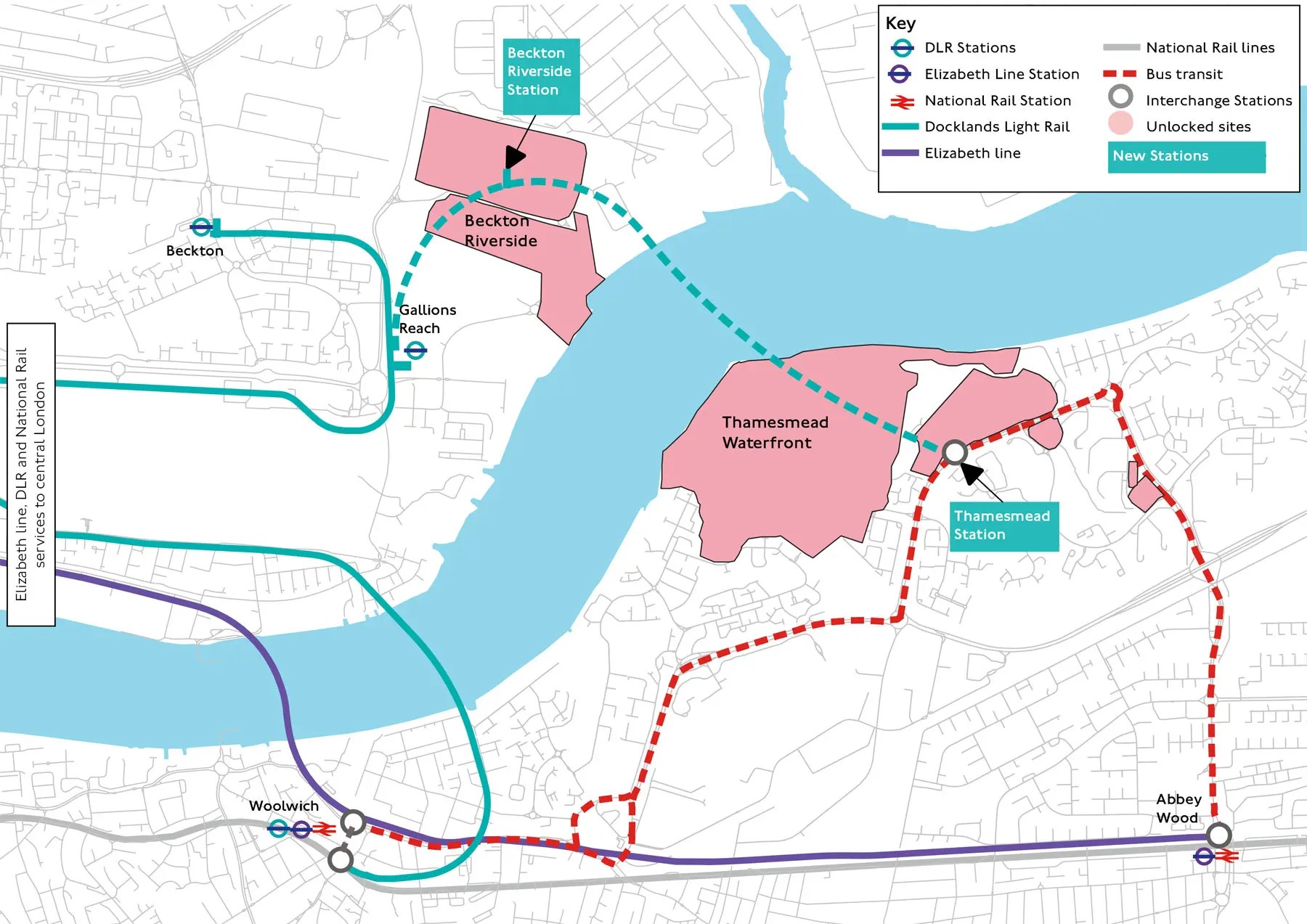
Running a four buses per hour service through the Silvertown Tunnel, would be an ideal way of proving what is the best route.
Extending The Docklands Light Railway To The West
No matter how the Docklands Railway is extended to the East, either by physical means like extra branches or by virtual means like connecting to bus routes, this will mean that there will need to be more terminal capacity in the West, to take the pressure off Bank and Tower Gateway stations.
In A Connection Between City Thameslink Station And The Docklands Light Railway, I described a proposal to extend the Docklands Light Railway to Euston, St. Pancras and Victoria.
In the Wikipedia entry for the Docklands Light Railway, there is a section describing a proposed Euston/St. Pancras Extension.
This is said.
In 2011, strategy documents proposed a DLR extension to Euston and St Pancras. Transport for London have considered driving a line from City Thameslink via Holborn north to the rail termini. The main benefit of such an extension would be to broaden the available direct transport links to the Canary Wharf site. It would create a new artery in central London and help relieve the Northern and Circle lines and provide another metro line to serve the High Speed line into Euston.
This map from Transport for London, shows the possible Western extension of the DLR.
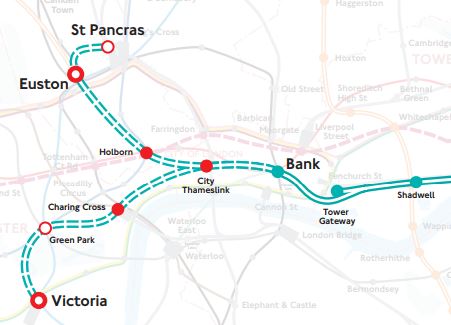
With all the problems of the funding of Crossrail 2, that I wrote about in Crossrail 2 Review Prompts Fresh Delays, could this extension of the DLR, be a good idea?
Consider.
- Victoria, Euston and St. Pancras are prosposed Crossrail 2 stations.
- It would link Canary Wharf and the City of London to Eurostar, Northern and Scottish services and High Speed Two.
- It would give all of the Docklands Light Railway network access to Thameslink.
- A pair of well-designed termini at Euston and St. Pancras would probably increase frequency and capacity on the Bank branch of the system.
- The DLR is getting new higher capacity trains.
- Bank station is being upgraded with forty percent more passenger capacity.
- Holborn station is being upgraded and hopefully will be future-proofed for this extension.
- One big advantage at City Thameslink, is that Thameslink and the proposed DLR extension will cross at right-angles, thus probably making designing a good step-free interchange easier.
- The Bank Branch of the DLR currently handles 15 tph, but could probably handle more, if they went on to two terminal stations at St Pancras and Victoria..
- Waterloo and City Line can run at twenty-four tph.
Cinderella she may be, but then she always delivers, when there is a desperate need, just as she did magnificently at the 2012 Olympics.
Something is needed to handle the extra passengers at Euston, that will be brought to London by High Speed Two. Cinderella is the only way to deliver a connection in a reasonable time.
The only problem with this extension of the DLR, is that compared to the rest of the system, the views will be terrible.
For myself and all the others living along the East London Line, with a step-free change at Shadwell, we would get excellent access to Euston, St. Pancras and Victoria.
But could the line still be called the Docklands Light Railway, as it spreads its tentacles further?
Development To The West Of The North Entrance Of The Silvertown Tunnel
This Google Map shows the site to the West of the North entrance of the Silvertown Tunnel.
Note.
- The red arrow indicates City Hall.
- There is a large site between the DLR and the river.
- The Docklands Light Railway separates the site from the North entrance of the Silvertown Tunnel.
- The CEMEX Thames Aggregate Wharf seems to occupy part of the site.
This picture shows the North entrance of the Silvertown Tunnel from the cable-car.
It is surely a site with development potential, as Roy Brooks would say.
It will probably be used for more tower blocks along the Thames.
But could it be used for a coach station to handle the increasing number of coaches between London and the Continent?
- A Docklands Light Railway station could be built to serve the site.
- Thames Clippers could also serve the site.
- Coaches could use the Silvertown Tunnel to start their journey out of the capital.
I added these pictures, that were taken of the site from the Docklands Light Railway, a day later.
































The site certainly has development potential.
Coach Chaos At The Finchley Road Coach Stop On A Sunday Lunchtime
I went to Finchley Road coach stop at lunchtime today and took these pictures.













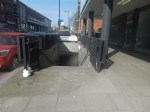













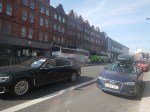























Note.
- Finchley Road coach stop is on the Finchley Road, just to the North of Finchley Road tube station.
- The Finchley Road coach stop is lavelled CL.
- Not all coaches stopped at the Finchley Road coach stop.
- I did see a double-deck coach taking visitors to the Harry Potter Attraction pass through ar Victoria Coach station and the Finchley Road.
- There is a pedestrian subway under Finchley Road.
- There is a second stop for Southbound coaches on the other side of the Finchley Road.
- There are a few tatty shops along the pavement selling snacks, coffee, tea and other travellers needs.
- In the early pictures note, the large number of travellers queuing along the pavement in front of those shops.
- It looks like a lot of those travellers, were waiting for the Flixbus.
- The Flixbus stayed parked for several minutes.
- Finchley Road tube station is not step-free.
- Finchley Road tube station is served by the Metropolitan and Jubilee Lines.
I took most of the pictures from the opposite site to the Northbound coach stop, as the pavement was rather crowded.
This Google Map shows Finchley Road, the tube station and the coach stop.
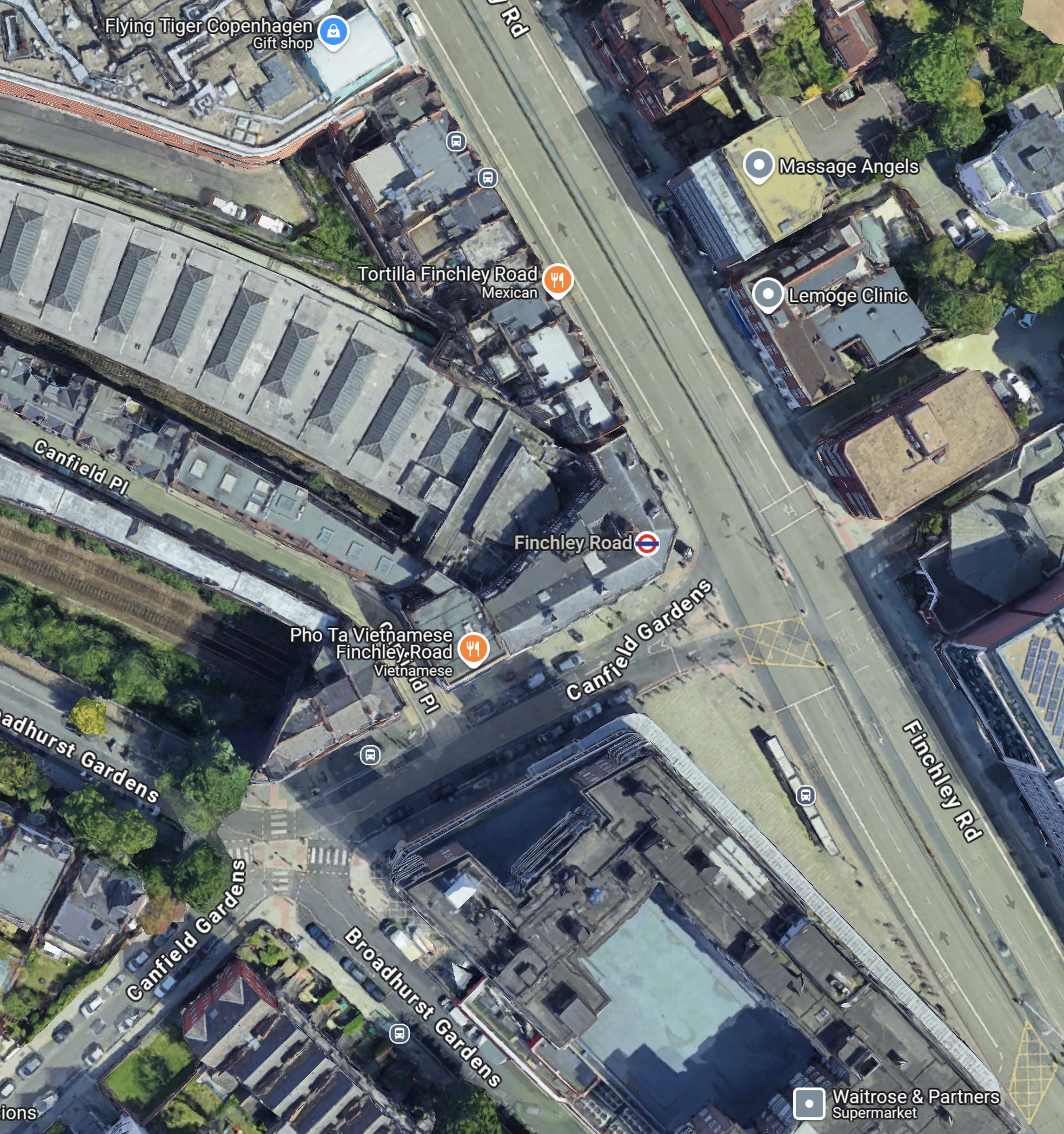
Note.
- The Finchley Road is the dual-carriageway road.
- The two grey dots at the Northend end of the Finchley Road, indicate the Coach stop and to its North a bus stop.
- The larger orange dot indicates the Tortilla restaurant, which is visible in several of the pictures.
- The London Underground roundel indicates Finchley Road tube station.
- The building curving away to the North-West is the train shed for the four platforms of Finchley Road tube station.
South of Finchley Road tube station, is a large Waitrose in the old John Barnes building.
This pictures show some of the Train to Street access at Finchley Road station.
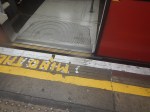
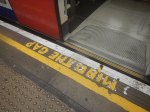
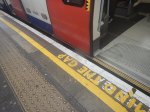
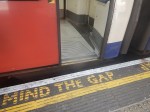
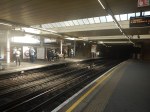
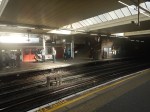

Note.
- There is a high step out of the Jubilee Line trains.
- The steps from platform to the street are steep with a heavy case or a baby in a buggy.
But it’s a long time, since I’ve done any travelling with a baby.
I have some further thoughts.
Travelling With Heavy Luggage, In A Wheelchair Or A Baby Buggy
It might be better to take a 13 or 113 bus to Finchley Road tube station, as the stop is just South of the station and no more than fifty metres from the Finchley Road coach stop.
You could even get the bus from Swiss Cottage station, which is the next station South from Finchley Road and has a complete set of traditional escalators with uplighters.





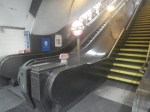
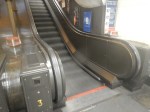
Note.
 The Anonymous Widower