East Midlands Railway To Leeds
This news story from the Department of Transport is entitled Yorkshire And The Humber To Benefit From £19.8 billion Transport Investment.
This is said about Leeds and Sheffield services.
The line between Sheffield and Leeds will be electrified and upgraded, giving passengers a choice of 3 to 4 fast trains an hour, instead of 1, with journey times of 40 minutes. A new mainline station for Rotherham will also be added to the route, which could give the town its first direct service to London since the 1980s, boosting capacity by 300%.
These are my thoughts.
A New Mainline Station For Rotherham
This page on Rotherham Business News, says this about the location of the Rotherham mainline station.
South Yorkshire Mayoral Combined Authority (SYMCA) and Rotherham Council have been developing a scheme to return mainline train services to the borough for the first time since the 1980s. A site at Parkgate is the frontrunner for a regeneration project described by experts as “a relatively straightforward scheme for delivery within three to four years.”
Various posts and comments on the Internet back the councils preference for a new station at Rotherham Parkgate.
- It would be at Rotherham Parkgate shopping centre.
- It connects to the tram-trains, which run half-hourly to Cathedral in Sheffield city centre via Rotherham Central.
- There appears to be plenty of space.
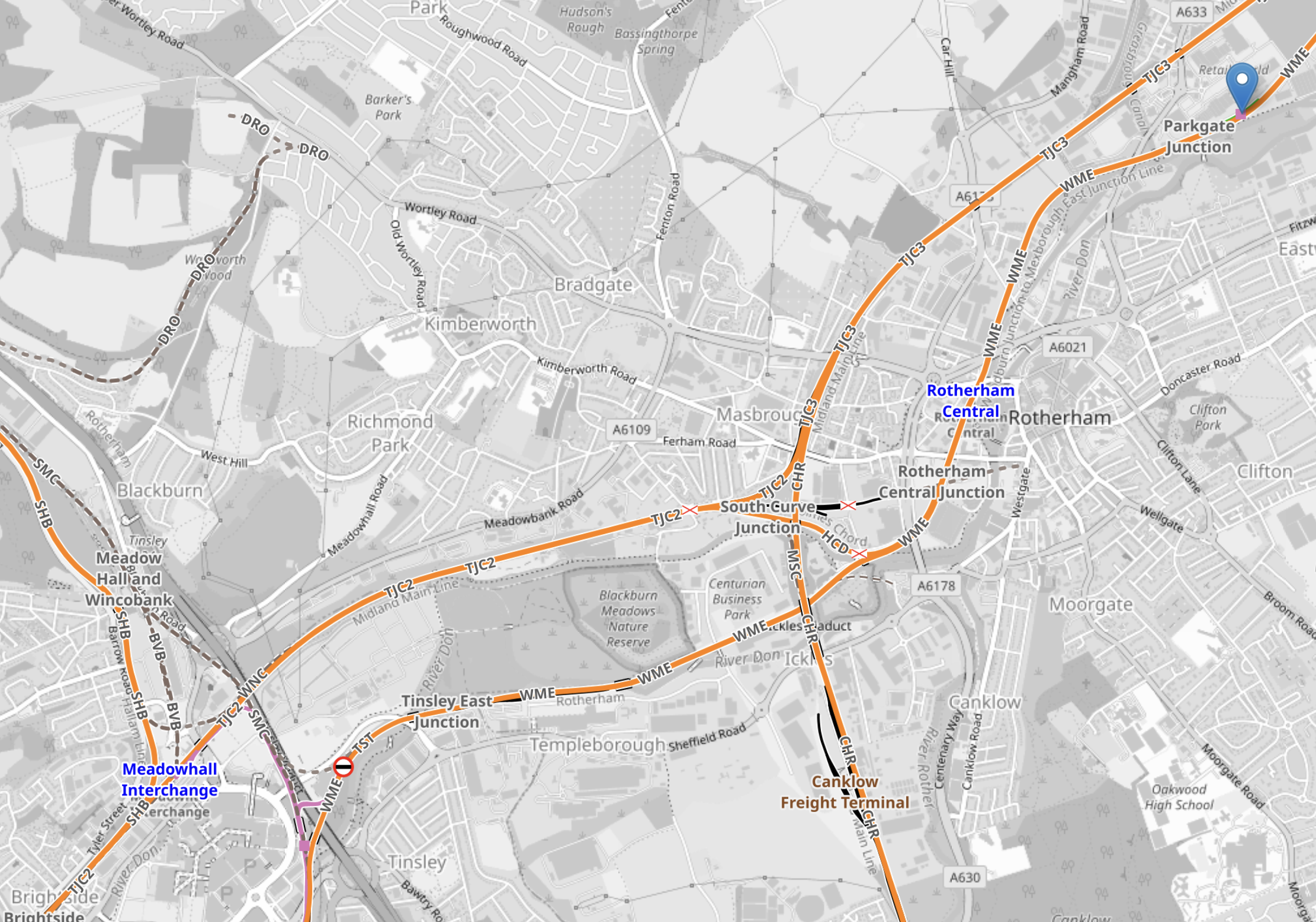
This OpenRailwayMap shows the tracks at the current Rotherham Parkgate tram stop.
Note.
- The orange lines are the main railway tracks.
- Rotherham Parkgate is indicated by the blue arrow in the North-East corner of the map.
- Trains would run between Sheffield and Rotherham Parkgate via Meadowhall Interchange and Rotherham Central.
- Trains and tram-trains would share tracks through Rotherham Central.
After passing Rotherham Parkgate trains would go to Swinton, and then on to Doncaster or Leeds.
Sheffield And Leeds Via Rotherham Parkgate
Currently, there is an hourly service between Leeds and Sheffield, that goes through the Rotherham Parkgate site.
- It calls at Outwood, Wakefield Westgate, Sandal & Agbrigg, Fitzwilliam, Moorthorpe, Thurnscoe, Goldthorpe, Bolton-upon-Dearne, Swinton, Rotherham Central, Meadowhall.
- The service takes one hour and thirteen minutes, but there are eleven stops.
- As the distance is 38.9 miles, that works out at an average speed of 32 mph.
I suspect this schedule was written for Pacers.
The Department of Transport is aiming for a forty minute journey, which is an average speed of 58.4 mph.
Consider.
- If you look at the maximum speeds of the route from Rotherham Parkgate to Wakefield Westgate, it is 21.8 miles of 100 mph track.
- About twenty miles to the South of Wakefield Westgate is electrified.
- Leeds and Wakefield Westgate is 10.1 miles of 75-85 mph track.
- LNER’s expresses leave Wakefield Westgate, eleven minutes after leaving Leeds.
- I can find a TransPennine Express that takes thirteen minutes to go between Sheffield and Rotherham Parkgate late at night on the way to the depot.
The eleven and thirteen minutes mean that leaves 16 minutes for Rotherham Parkgate to Wakefield Westgate, if Sheffield and Leeds are to be timed at forty minutes, which would be an average speed of 82 mph between Rotherham Parkgate and Wakefield Westgate.
I feel that for a forty minute journey between Leeds and Sheffield, the following conditions would need to be met.
- Very few stops. Perhaps only Meadowhall, Rotherham Parkgate and Wakefield Westgate.
- 100 mph running where possible.
- 100 mph trains
- Electric trains would help, as acceleration is faster. Battery-electric trains would probably be sufficient.
- Some track improvements might help.
But forty minutes would certainly be possible.
At present there are five trains per hour (tph) between Leeds and Sheffield.
- Northern – 2 tph – via Wakefield Kirkgate, Barnsley and Meadowhall – 58 minutes
- Northern – 1 tph – via Outwood, Wakefield Westgate, Sandal & Agbrigg, Fitzwilliam, Moorthorpe, Thurnscoe, Goldthorpe, Bolton-upon-Dearne, Swinton, Rotherham Central and Meadowhall – One hour and 13 minutes
- Northern – 1 tph – via Woodlesford, Castleford, Normanton, Wakefield Kirkgate, Darton, Barnsley, Wombwell, Elsecar, Chapeltown and Meadowhall – One hour and 19 minutes.
- CrossCountry – 1 tph – via Wakefield Westgate – 44 minutes
Note.
- Only the second service will go through Rotherham Parkgate.
- The CrossCountry service takes the more direct route avoiding Rotherham Parkgate.
- All trains go via Meadowhall, although the CrossCountry service doesn’t stop.
- If the CrossCountry service was run by electric trains, it might be able to shave a few minutes as part of the route is electrified.
The CrossCountry service indicates to me, that 40 minutes between Leeds and Sheffield will be possible, but a stop at Meadowhall could be dropped to save time.
Extending East Midlands Railway’s Sheffield Service To Leeds
Consider
- Sheffield station has two tph to London all day.
- The CrossCountry service looks like it could be timed to run between Leeds and Sheffield in forty minutes.
- An East Midlands Railway Class 810 train could probably be timed at 40 minutes between Leeds and Sheffield via Meadowhall, Rotherham Parkgate and Wakefield Westgate.
- The current Northern services could continue to provide connectivity for stations between Leeds and Sheffield.
Extending one tph of East Midlands Railway’s trains to Leeds would probably be sufficient to give two fast trains per hour between Leeds and Sheffield.
- The East Midlands Railway and CrossCountry services could provide a fast service between Leeds and Sheffield in forty minutes.
- If they were electric or battery-electric trains, I suspect that they could call at Meadowhall, Rotherham Parkgate and Wakefield Westgate.
- They could be backed up by the two tph through Barnsley, which could probably be speeded up to around fifty minutes by electrification or using battery-electric trains.
The East Midlands Railway service between London and Leeds would be under three hours.
- Rotherham would get an hourly train to London.
- ,London and Leeds in under three hours, would be slower than Leeds and King’s Cross.
- But the electrification of the Midland Main Line would speed it up a bit.
A fast Leeds and Derby service might compensate for the loss of the Eastern leg of High Speed Two.
Sheffield And Doncaster Via Rotherham Parkgate
At present there are three tph between Sheffield and Doncaster.
- Northern – 1 tph – via Meadowhall, Rotherham Central, Swinton, Mexborough and Conisbrough – 42 minutes
- Northern – 1 tph – via Meadowhall – 28 minutes
- TransPennine Express – 1 tph – via Meadowhall – 27 minutes
Note.
- The first Northern train continues calling at all stations to Adwick.
- The second Northern train continues calling at all stations to Scarborough.
- Both Northern services go through Rotherham Parkgate.
- The TransPennine Express service takes the more direct route avoiding Rotherham Parkgate.
- All trains go via Meadowhall.
These services would give good connectivity for a London train, with a change at Rotherham Parkgate.
Improving Tracks Between Doncaster, Leeds and Sheffield
Consider.
- About 65 % of the main routes between Doncaster, Leeds and Sheffield have a maximum operating speed of 100 mph.
- Doncaster and Leeds is electrified.
- Only 35 miles is without electrification.
- The Midland Main Line is in the process of being electrified to Sheffield.
- There are plans to extend the Sheffield tram-trains to Doncaster Sheffield Airport, that I wrote about in Sheffield Region Transport Plan 2019 – Doncaster Sheffield Airport.
There is also heavyweight electrification infrastructure through Rotherham Central for the Sheffield tram-trains.
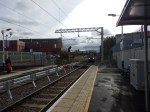

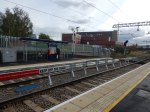

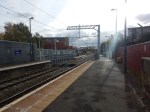
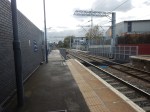
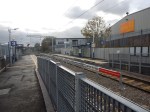
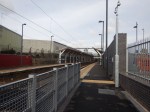

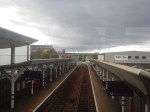


As it is only used by the tram-trains it may be only 750 VDC. But it can probably handle 25 KVAC.
- Could these routes be improved to allow faster running?
- Would it be cost-effective to electrify between Sheffield and the East Coast Main Line and the Doncaster and Leeds Line?
- Alternatively battery-electric trains could be run on the routes between Doncaster, Leeds and Sheffield, charging at all three main stations.
Any form of electric train should be faster, as acceleration and deceleration is faster in any electric train, be it powered by electrification, batteries, hydrogen or a hybrid diesel-battery-electric powertrain.
Conclusion
Could Train Services At Liverpool Lime Street Station Be Made Carbon-Free?
This map from OpenRailwayMap shows Liverpool Lime Street station.

Note.
- There are ten platforms, which are arranged in two sets of five.
- Electrified tracks are shown in red.
- The lilac track is the loop of the underground Wirral Line.
It would appear that the station is fully electrified.
Services To And From Liverpool Lime Street
These services currently run to and from Liverpool Lime Street station.
- Avanti West Coast – London Euston – 1 tph – Electric
- East Midlands Railway – Norwich – 1 tph – Diesel – Electrified to Liverpool South Parkway – 25.2 miles to electrification at Trafford Park.
- London Northwestern Railway – Birmingham New Street – 1 tph – Electric
- Northern – Blackpool North – 1 tph – Electric
- Northern – Manchester Airport – 1 tph – Electric
- Northern – Manchester Oxford Road – 1 tph – Diesel – Electrified to Liverpool South Parkway – 25.2 miles to electrification at Trafford Park.
- Northern – Warrington Central – 1 tph – Diesel – Electrified to Liverpool South Parkway – 12.7 miles to Warrington Central.
- Northern – Wigan North Western – 2 tph – Electric
- TransPennine Express – Cleethorpes – 1 tph – Electric – Electrified to Liverpool South Parkway – 25.2 miles to electrification at Trafford Park.
- TransPennine Express – Glasgow – 2 tpd – Electric
- TransPennine Express – Hull – 1 tph – Electric
- TransPennine Express – Newcastle – 1 tph – Electric
- Transport for Wales – Chester – 1 tph – Diesel – Electrified to Runcorn – 13.9 miles to Chester.
Note.
- tpd is trains per day
- tph is trains per hour
- There are nine electric services and four diesel services.
It looks to me, that by using battery-electric trains on the four diesel services, Liverpool Lime Street station can be made carbon-free.
Distances on battery power for each service would be as follows.
- East Midlands Railway – Norwich – Both ways – 25.2 miles between Liverpool South Parkway and Trafford Park with charging at both ends.
- Northern – Manchester Oxford Road – Both ways – 25.2 miles between Liverpool South Parkway and Trafford Park with charging at both ends.
- Northern – Warrington Central – Both ways – 12,7 miles between Liverpool South Parkway and Warrington Central with charging between Liverpool Lime Street and Liverpool South Parkway.
- Transport for Wales – Chester – Both ways – 13.9 miles between Runcorn and Chester with charging between Liverpool Lime Street and Runcorn.
Note the flexibility of battery-electric trains allows a variety of charging regimes.
Conclusion
Liverpool Lime Street Station can be made carbon-free
Could Sheffield Station Become A Battery-Electric Train Hub?
Promised Improvements To Train Services At Sheffield
This news story from the Department of Transport is entitled Yorkshire And The Humber To Benefit From £19.8 billion Transport Investment.
Sheffield station gets several mentions of improvement to these routes.
Sheffield And Hull
This is said about train services between Sheffield and Hull.
The number of trains between Hull and Sheffield will be doubled, to 2 per hour, with capacity also doubled.
These points describe typical current services.
- The route is 59.4 miles long.
- Modern Class 170 trains take 78 minutes.
- There are stops at Meadowhall, Doncaster, Goole and Brough.
- The maximum speed of the line is mostly around 70 mph, with one short section of 100 mph.
- The average speed is 45.7 mph.
- The train continues to Scarborough after a six-minute stop at Hull.
I believe that if this route were to be electrified, that a time around an hour would be possible between Sheffield and Hull.
Sheffield and Scarborough takes two hours and 45 minutes. With electrification, this time could be less than two hours and 30 minutes.
But it would be around 113 miles of new double-track electrification.
I believe that Sheffield and Hull is a route that could be run by battery-electric trains, that would be charged at both ends of the route.
Sheffield And Leeds
This is said about train services between Sheffield and Leeds.
The line between Sheffield and Leeds will be electrified and upgraded, giving passengers a choice of 3 to 4 fast trains an hour, instead of 1, with journey times of 40 minutes. A new mainline station for Rotherham will also be added to the route, which could give the town its first direct service to London since the 1980s, boosting capacity by 300%.
These points describe typical current services.
- The route is 41.1 miles long.
- Modern Class 195 trains take 56 minutes.
- There is a few miles of electrification at the Leeds end.
- There are stops at Meadowhall, Barnsley and Wakefield Kirkgate.
- The maximum speed of the line is mostly around 60-70 mph.
- The average speed is 44 mph.
I believe that if this route were to be electrified, that a time around fifty minutes might be possible between Sheffield and Leeds.
That is not really good enough, but if they went through a new mainline station for Rotherham, the trains would be able to use 100 mph tracks all the way to Leeds. There would also be electrification between South Kirby junction and Leeds.
I suspect forty minutes should be possible with 100 mph running between Rotherham and Leeds.
I believe that Sheffield and Leeds is a route that could be run by battery-electric trains, that would be charged at both ends of the route.
Sheffield And Manchester
This is said about train services between Sheffield and Manchester.
The Hope Valley Line between Manchester and Sheffield will also be electrified and upgraded, with the aim of cutting journey times from 51 to 42 minutes and increasing the number of fast trains on the route from 2 to 3 per hour, doubling capacity.
In Electrification Of The Hope Valley Line, I talked about electrification of the line and how the services on the line could be run by battery-electric trains.
This was my conclusion in the linked post.
I believe that full electrification of the Hope Valley Line is not needed, if battery-electric trains are used.
I also believe that battery-electric trains and the current improvements being carried out on the Hope Valley Line will enable a forty minute time between Manchester Piccadilly and Sheffield.
I believe that the Hope Valley Line could be speeded up, by the use of intelligent engineering, rather than expensive and disruptive electrification.
Don Valley Line
This is said about the Don Valley Line.
Communities will be reconnected through the reopening of lines and stations closed under the Beeching reforms of the 1960s. This will include the restoration of the Don Valley Line between Stocksbridge and Sheffield Victoria, and new stations at Haxby Station, near York, Waverley, near Rotherham, and the Don Valley Line from Sheffield to Stocksbridge.
I’ve talked about the Don Valley Line before in Reopening The Don Valley Section Of The Former Woodhead Line Between Stocksbridge and Sheffield Victoria To Passenger Services.
The Don Valley Line has a comprehensive Wikipedia entry, which is well worth a read.
Could the Don Valley Line be worked by battery-electric trains?
It would appear that these promised improvements to and from Sheffield could be worked by battery-electric trains.
Now that battery-electric trains are being developed, it could also have services, using these trains.
Could Battery-Electric Trains Improve Other Services At Sheffield?
These are some possibilities.
Chesterfield And Sheffield Victoria
This news story from the Department of Transport is entitled East Midlands To Benefit From £9.6 billion Transport Investment.
This news story also talks about the Stocksbridge Line and Sheffield Victoria, where this is said.
Funding will also be provided for the Barrow Hill Line between Chesterfield and Sheffield Victoria, with a new station at Staveley in Derbyshire.
I wrote about the Barrow Hill Line in Reinstatement Of The Barrow Hill Line Between Sheffield And Chesterfield.
In the related post, this was my conclusion.
This looks to be a very sensible project.
- It could be run with either trains or tram-trams.
- It should be electrified, so it could be zero-carbon.
- Tram-trains could be used to make stations simpler.
- It could give an alternative route for electric trains to Sheffield station.
- The track is already there and regularly used.
But surely the biggest reason to built it, is that it appears to open up a lot of South and South-East Sheffield and North-East Chesterfield for development.
Now that battery-electric trains are being developed, Chesterfield and Sheffield could also have services, using these trains.
Sheffield And Adwick
Nothing is said in the news story about train services between Sheffield and Adwick.
Consider.
- Sheffield and Adwick is 22.7 miles.
- Journeys take fifty minutes.
- There are seven intermediate stations.
- This is an average speed of 27.2 mph.
- Adwick and Doncaster is 4.4 miles and electrified.
- There are generous turn-round times at both ends of the route.
- There are rather unusual reversing arrangements at Adwick.
I wonder if electric trains on this route, would knock a few minutes off the journey time because of the better acceleration and deceleration of electric trains.
Could this route be another route from Sheffield suitable for battery-electric trains?
- The train could fully charge between Adwick and Doncaster and at Adwick.
- It is only a short route with a round trip under sixty miles.
I believe this route could be very suitable for battery-electric trains.
Sheffield And Huddersfield
Nothing is said in the news story about train services in the Penistone Line between Sheffield and Huddersfield.
Consider.
- Sheffield and Huddersfield is 36.4 miles.
- Journeys take one hour and nineteen minutes.
- There are fifteen intermediate stations.
- This is an average speed of 27.6 mph.
- Huddersfield is being electrified as part of the TransPennine Upgrade.
I wonder if electric trains on this route, would knock a few minutes off the journey time because of the better acceleration and deceleration of electric trains.
Could this route be another route from Sheffield suitable for battery-electric trains?
Sheffield And Lincoln
Nothing is said in the news story about train services between Sheffield and Lincoln.
Consider.
- Sheffield and Lincoln is 48.5 miles.
- All Sheffield and Lincoln services start in Leeds.
- Journeys take one hour and twenty-five minutes.
- There are nine intermediate stations.
- This is an average speed of 34.2 mph.
- There is no electrification.
- Turn-round time at Lincoln is 26 minutes.
- All trains terminate in Platform 5 at Lincoln.
I wonder if electric trains on this route, would knock a few minutes off the journey time because of the better acceleration and deceleration of electric trains.
Could this route be another route from Sheffield suitable for battery-electric trains?
- Platform 5 could be electrified at Lincoln.
- There may need to be a battery top-up at Sheffield and Leeds.
I believe this route could be very suitable for battery-electric trains.
Electrification Between Sheffield And London
Consider.
- The Midland Main Line electrification is creeping up from London.
- It should soon be installed between St. Pancras and Market Harborough.
- Sheffield and Market Harborough is 81.9 miles.
- The Class 810 trains that will run the Sheffield and London route can’t be far off entering service.
There might be scope for running battery-electric trains on the route, until the electrification is complete.
A Battery-Electric Train Hub At Sheffield
I believe that a fair proportion of services to and from Sheffield could be run using battery-electric trains or bog-standard electric trains.
This OpenRailwayMap shows the platforms at Sheffield.

Note.
- The lilac tracks are those of the Sheffield Supertram.
- The darker lines are the tracks in the station.
- Tracks could be electrified as required.
Eventually, Sheffield will be a fully-electrified station, because of the Midland Main Line electrification.
But why not do it sooner rather than later, so that by running new or refurbished battery-electric trains to places like Huddersfield, Hull, Leeds, Lincoln, London and Manchester?
- Services would be speeded up by around a minute or two for each stop.
- Faster journeys may attract more passengers.
- Routes would be creating less carbon emission and pollution.
- In some cases, routes would be zero carbon.
Some routes would need electrification at the terminal to charge the trains, but Leeds, London St. Pancras and Manchester are already fully electrified.
Charging Long Distance Battery-Electric Trains When They Stop In Sheffield
These long distance services stop in Sheffield.
- CrossCountry – Plymouth and Edinburgh
- CrossCountry – Reading and Newcastle
- East Midland Railway – London and Leeds
- East Midland Railway – Liverpool Lime Street and Norwich
- Northern – Leeds and Lincoln
- Northern – Leeds and Nottingham
- Northern – Sheffield and Cleethorpes
- TransPennine Express – Liverpool Lime Street and Cleethorpes
battery-electric trains could be given a top-up, as they pass through.
I am assuming that CrossCountry, East Midland Railway, Northern and TransPennine Express will be running suitable battery-electric trains.
Battery-Electric Train Hubs
To be a battery-electric train hub, a station probably needs to have all or nearly all of its platforms electrified.
- It should be able to fully-charge any battery-electric trains terminating in the station, provided that the turn-round time is long enough.
- It should be able to give a through battery-electric train a boost if required, so that it gets to the final destination.
It would appear that there are already several battery-electric train hubs in the England, Scotland and Wales.
This map from OpenRailwayMap shows Liverpool Lime Street station, with electrified tracks shown in red.
It would appear that the station is fully electrified and is an excellent battery-electric train hub.
This map from OpenRailwayMap shows Manchester Piccadilly station, with electrified tracks shown in red.

It would appear that the station is fully electrified, except for the Northernmost platform, and is an excellent battery-electric train hub.
This map from OpenRailwayMap shows Leeds station, with electrified tracks shown in red.
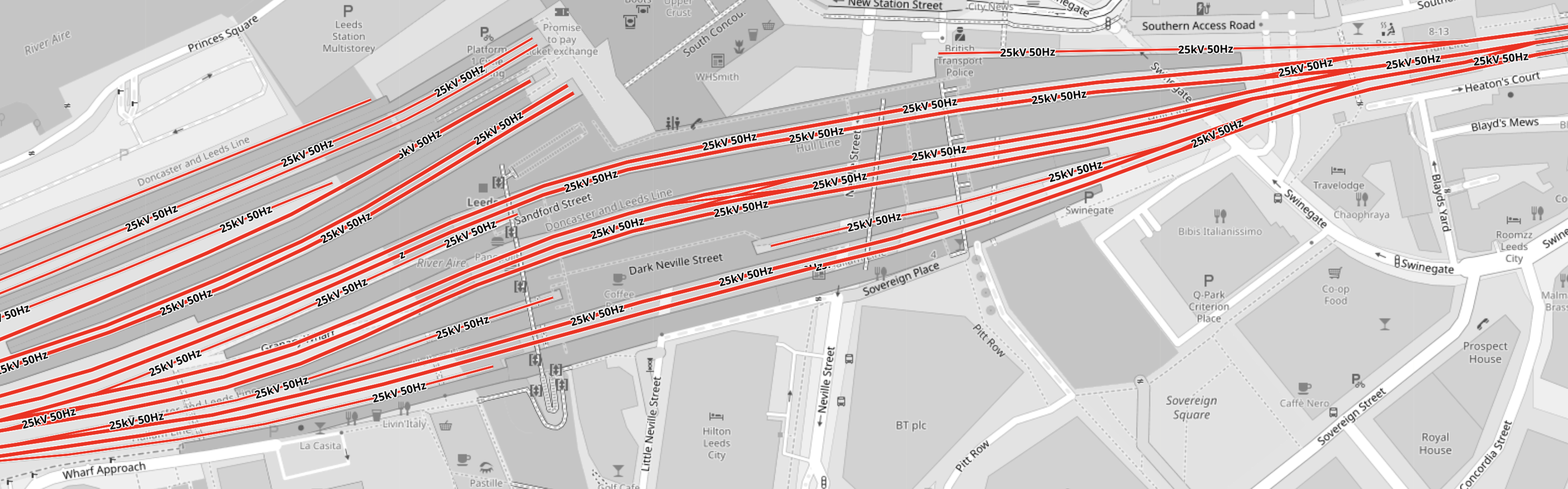
It would appear that the station is fully electrified and is an excellent battery-electric train hub, with twelve electrified bay platforms.
Conclusion
I can see a very comprehensive scheme being developed for Sheffield, based on a hub for battery-electric trains at Sheffield station.
Could East Midland Railway’s Leicester And Lincoln Service Be Extended To Burton On Trent?
After my trip to Lincoln and Cleethorpes earlier this week, I got to thinking about how train services could be improved in the area.
Cleethorpes As A Battery-Electric Train Hub Station
In Cleethorpes Station – 28th June 2023, this was my last sentence.
Cleethorpes station could be at the centre of its own battery-electric train network, with all trains powered by just 3.3 miles of single-track electrification.
Services running to Cleethorpes station could be.
- East Midlands Railway – Barton-on-Humber and Cleethorpes via Barrow Haven, New Holland, Goxhill, Thornton Abbey, Ulceby, Habrough, Stallingborough, Healing, Great Coates, Grimsby Town, Grimsby Docks and New Clee, which currently runs two-hourly, but probably should run hourly. Barton-on-Humber and Grimsby Town is not electrified and is 19.6 miles or 39.2 miles for a round trip.
- East Midlands Railway – Leicester and Cleethorpes via Syston, Sileby, Barrow-upon-Soar, Loughborough, East Midlands Parkway, Attenborough, Beeston, Nottingham, Newark Castle, Collingham, Swinderby, Hykeham, Lincoln, Market Rasen, Barnetby, Habrough and Grimsby Town which currently runs two-hourly, but probably should run hourly. Nottingham and Grimsby Town is not planned to be electrified and is 77.8 miles.
- LNER – London King’s Cross and Cleethorpes via Stevenage, Peterborough, Grantham, Newark Northgate, Lincoln, Market Rasen, Barnetby, Habrough and Grimsby Town, which would run at least two trains per day (tpd). Newark Northgate and Grimsby Town is not electrified and is 60.6 miles.
- TransPennine Express – Liverpool Lime Street and Cleethorpes via Liverpool South Parkway, Warrington Central, Birchwood, Manchester Oxford Road, Manchester Piccadilly, Stockport, Sheffield, Meadowhall, Doncaster, Scunthorpe, Barnetby, Habrough and Grimsby Town, which runs hourly. Hazel Grove and Grimsby Town is not electrified and is 101.4 miles.
Note.
- All services to Cleethorpes could be run using a battery-electric train, with the range of a Stadler FLIRT Akku, which is 139 miles.
- Cleethorpes station will soon have four terminal platforms. Could it be one platform for each service?
- The 3.3 miles of single-track electrification would be between Cleethorpes and Grimsby stations.
- I am assuming that all services should be at least hourly, except London King’s Cross.
- If the frequency of services to London King’s Cross, were to be increased, the extra services would take-over paths of the East Midlands Railway services between Lincoln and Cleethorpes.
- I am also assuming that the Midland Main Line electrification has been completed through Leicester to Nottingham, as is currently planned.
Cleethorpes will become a very well-connected station.
Collateral Benefits Of Cleethorpes As A Fossil Fuel-Free Station
If all services to Cleethorpes are run by battery-electric trains, then there will be collateral benefits.
- All passenger train services in North-East Lincolnshire will be zero-carbon.
- TransPennine Express’s Southern route between Liverpool Lime Street and Cleethorpes via Manchester, Sheffield and Doncaster will be zero-carbon.
- LNER’s services to London King’s Cross from Lincolnshire will be zero carbon.
Manchester and Sheffield will be linked by an hourly electric service, just as it was between 1953 and 1981.
The Ivanhoe Line
I wrote about the Ivanhoe Line in Reinstatement Of The Ivanhoe Line.
- There is a proposed reinstatement of passenger services between Leicester and Burton-on-Trent stations.
- I estimate it’s a distance of around 37 miles.
- There would be some new stations on the route.
In the Wikipedia entry for the Ivanhoe Line, there is a section called Future, where this is said.
The intermediate stations are capable of taking only a two-coach train, which has led to overcrowding on some services, especially now that the service is extended to Nottingham and Lincoln. The latest Route Utilisation Strategy for the East Midlands makes recommendations for platform lengthening.
East Midlands Parkway railway station has now been built on the route. The Borough of Charnwood’s local plan of 2004 anticipates a station at Thurmaston.
In 2022 the closed section of the line was one of nine schemes chosen to undergo a feasibility scrutiny by Network Rail as part of the government’s Restoring Your Railway programme. If approved, work could start in 2024 and the line reopened in 2026
Note.
- The first paragraph refers to the existing section of the Ivanhoe Line, to the North of Leicester.
- I went to Burton once for the football and it’s a difficult place to get to from North London by train.
- Burton-on-Trent station was fully refurbished in 2011.
- Burton-on-Trent station has hourly services from CrossCountry trains.
It seems that a creditable plan is emerging.
Service Frequency Between Burton-on-Trent And Leicester
As Burton-on-Trent station has hourly services, I suspect that this will be the initial frequency between Burton-on-Trent and Leicester.
But I could see this frequency being increased, if there were long waits during interchange at Burton-on-Trent.
Average Speed Of The Service And Estimate For A Time Between Cleethorpes And Burton-on-Trent
The current Grimsby Town and Leicester service is over a route of 105.3 miles and a direct service takes two hours and thirty-seven minutes.
This is an average speed of 40.24 mph.
I can now give an estimate for a Cleethorpes and Burton-on-Trent service.
The distance will be 105.3+3.3+37, which is 145.6 miles.
An estimate of the time using a speed of 40.24 mph is three hours and thirty-seven minutes.
But seeing that a good proportion of the route has a 110 mph operating speed, I suspect that a 100 mph train could do the trip faster.
Could Cleethorpes And Burton-on-Trent Be Worked By A Battery-Electric Train?
The route could be effectively four sections.
- Cleethorpes and Grimsby Town – 3.3 miles – Electrified
- Grimsby Town and Nottingham – 77.8 miles – Not Electrified
- Nottingham and Leicester – 27.5 miles – Being Electrified
- Leicester and Burton-on-Trent – 37 miles – Not Electrified
Note.
- In a round trip, there are two sections of 77.8 miles and two consecutive sections of 37 miles.
- Battery-electric trains would be charged on the electrified section of the route.
I am sure that a battery-electric train with a range of greater than 77.8 miles would handle the service.
Cleethorpes Station – 28th June 2023
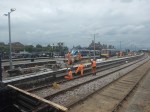
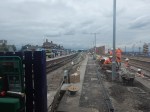
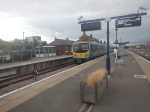
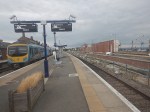
I took these pictures at Cleethorpes station yesterday.
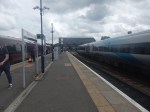
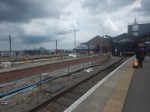
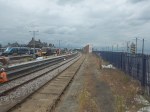
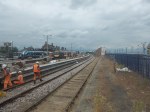
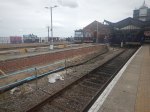
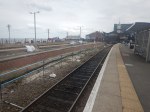
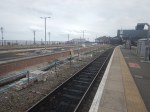
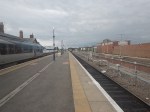
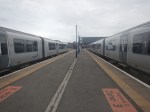
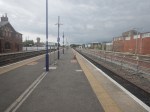
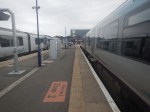
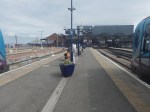
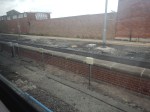
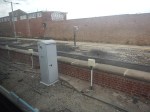
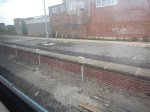
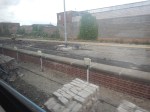
Compare them with this one taken three years ago.
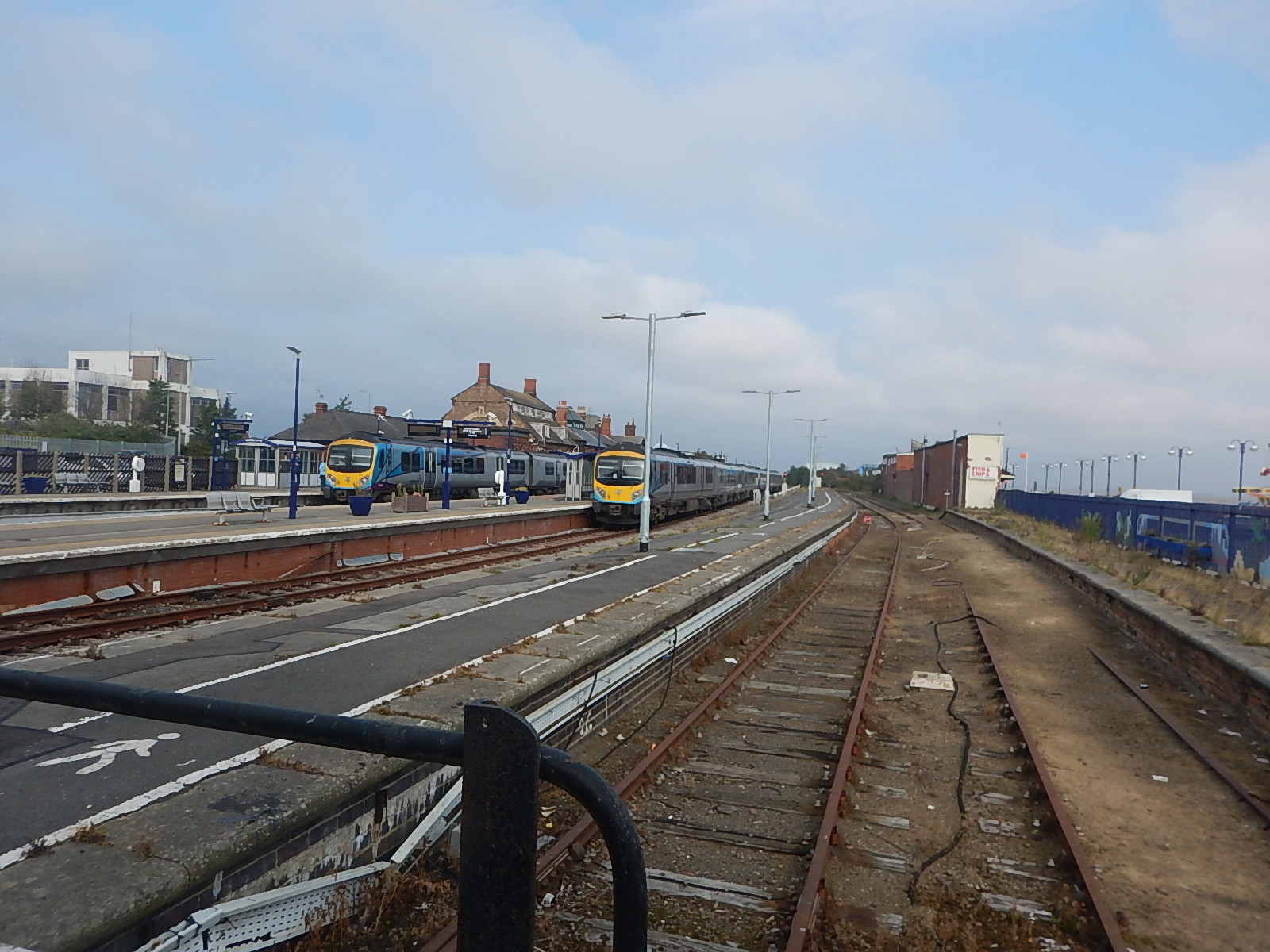
Note.
- It appears a Platform 4 has been created on the seaward side of the station.
- The track in Platform 4 in yesterday’s pictures appears to be newly-ballasted, whereas three years ago it had an air of dereliction.
- There is now a smart blue wooden fence separating the tracks from the station concourse.
- Strangely, the lighting between Platforms 3 and 4 had been installed three years ago.
- There are different types of lighting on the two islands. Could this be because Network Rail are looking for the lights that perform best in a seaside environment?
This Google Map shows Cleethorpes station.
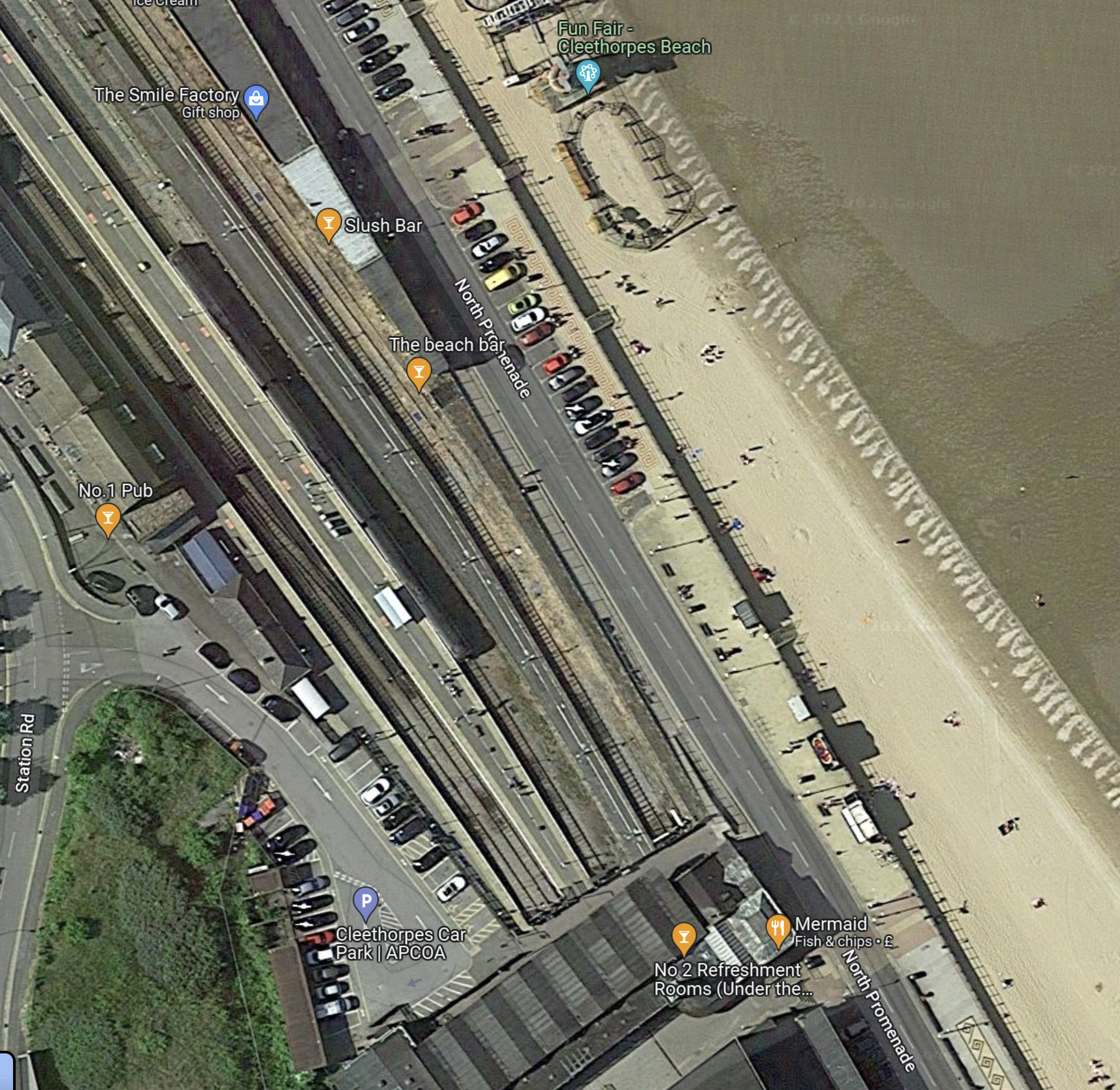
Note.
- The track in Platform 4 appears to be complete.
- The station is very handy for the beach.
In Azuma Test Train Takes To The Tracks As LNER Trials Possible New Route, I said this.
It looks like three platforms 2, 3 and 4 at Cleethorpes station were checked.
I think it is possible to say, that once Network Rail’s brickies and paviours have tidied up, that Cleethorpes station will be LNER-ready and could accept a service from London via Lincoln, Market Rasen, Barnetby and Grimsby Town.
What Will Be The Initial Service Of The London and Cleethorpes Service?
The Wikipedia entry for Cleethorpes station, says this about the London service.
In the 1970s Cleethorpes had a twice daily return service to London King’s Cross, typically hauled by a Class 55 Deltic.
Three people, I spoke to about the possible service, mentioned that two trains per day would be the frequency.
I certainly think, that this frequency, could be a sensible initial frequency.
If it worked in the 1970s, I can see why it might work in the 2020s.
- Kids still like to go to the seaside and the station is close.
- This area of North-East Lincolnshire, is getting increasingly important as an energy and hydrogen powerhouse.
- Cleethorpes station has the space to handle more train services.
- Cleethorpes station has a small depot nearby, which could ease train operations, by stabling a train overnight for an early start in the morning.
But there is one factor that could attract passengers to use the train between King’s Cross and Cleethorpes. I believe that the soon-to-be-announced Hitachi battery-electric Class 800 trains could be able to handle the route without using a drop of fossil fuel.
Running Battery-Electric Class 800 trains Between King’s Cross And Cleethorpes
Consider.
- Cleethorpes and Lincoln is 47.2 miles with three stops.
- Lincoln and Newark Northgate, where the electrification starts is 16.7 files.
- Cleethorpes and Newark Northgate is 63.9 miles, with an out-and-back trip being 127.8 miles.
- Battery-electric trains would do most of their charging between King’s Cross and Newark Northgate.
- Full or partial charging should be possible at both Cleethorpes and Lincoln.
- Battery-electric trains could give help, in cases of catenary failure on the East Coast Main Line.
- In What Will Be The Range Of A Hitachi Class 800 Battery Train?, I said that I believed a Class 800 battery train would eventually have a battery range in excess of the Stadler FLIRT Akku’s 139 miles, as no-one likes being second.
I believe these strategies are possible.
Charge A Round Trip At Cleethorpes
Consider.
- This is a range of just 63.9 miles.
- The service would use Platform 4 at Cleethorpes station.
- Charging at Cleethorpes could be by a short length of overhead electrification in Cleethorpes station or a specialist charger in the small depot.
- Charge time would be around 15 minutes.
- If charging were in the station, there would be no shunting of trains around.
This could be a simple and efficient way to run the service.
A Battery Round Trip To Cleethorpes
- This is a range of 127.8 miles.
- The service would use Platform 4 at Cleethorpes station.
- I believe that this service would need a simple charger at Cleethorpes station, as trains do get delayed and these delays on a battery-electric train, may increase the need for charging.
- Also what would happen in Grimsby Town were at home to a London club in the FA Cup?
This could be a reliable way to run the service, but I believe drivers need a charging facility at Cleethorpes as a fail-safe backup.
Electrification Between Grimsby Town And Cleethorpes
In Between Lincoln And Cleethorpes – 28th June 2023, I said this.
3.3 miles between Grimsby Town and Cleethorpes took just ten minutes.
All trains terminating at Cleethorpes would get at least twenty minutes of charging, every time, they turned round at the station.
Much of the route between Grimsby Town and Cleethorpes is only single-track, so this could be a very affordable option.
I don’t think there would be many objectors to electrifying between Grimsby Town and Cleethorpes.
An hourly train would use twenty minutes in ever hour between Grimsby Town and Cleethorpes, it looks like the limit would be three trains per hour terminating at Cleethorpes.
So could the three trains be the following?
- One train to Liverpool Lime Street.
- One train to Lincoln, with alternate trains continuing to Nottingham, Loughborough and Leicester and some trains to Kings Cross.
- One train to Barton-on-Humber.
Note.
- The Liverpool Lime Street train, would use batteries between Grimsby Town and Hazel Grove, which is 101.4 miles.
- A London King’s Cross train, would use batteries between Grimsby Town and Newark Northgate, which is 60.6 miles.
- A Leicester train, could use batteries between Grimsby Town and Leicester, which is 105.3 miles. Nottingham and Grimsby Town is 77.8 miles.
- Leicester and Nottingham services would need electrification at the Western end.
- King;s Cross, Leicester and Nottingham services would be arranged so Lincoln and Cleethorpes was an hourly service.
- A Barton-on-Humber train, would use batteries between Grimsby Town and Barton-on-Humber , which is 19.6 miles or 39.2 miles for a round trip.
Cleethorpes station could be at the centre of its own battery-electric train network, with all trains powered by just 3.3 miles of single-track electrification.
A Blue Peter-Style Repair To A Train Window
My train between Lincoln and Peterborough was delayed by a broken window.
These pictures show how it was repaired.

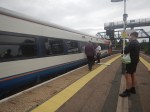
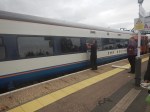
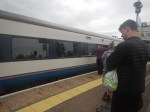
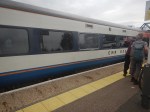
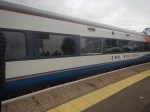
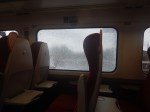
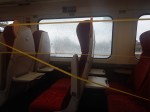
Obviously someone spent their childhood watching Blue Peter.
It’s amazing what you can do with sticky-back plastic and yellow tape.
The Lack Of Phone Charging On East Midlands Railways
I arrived at Lincoln station yesterday, after my trip from London, with a full battery on my phone, as LNER trains have charging points. But by the time I left Cleethorpes station to come home, my phone was dead, as I suspect the latest version of a news app, I use is a battery drainer.
There were also no charging points on TransPennine’s Class 185 trains or East Midlands Railways Class 170 trains.
Only, when I boarded a British Rail-era Class 158 train to get to Peterborough, was I able to recharge my phone.
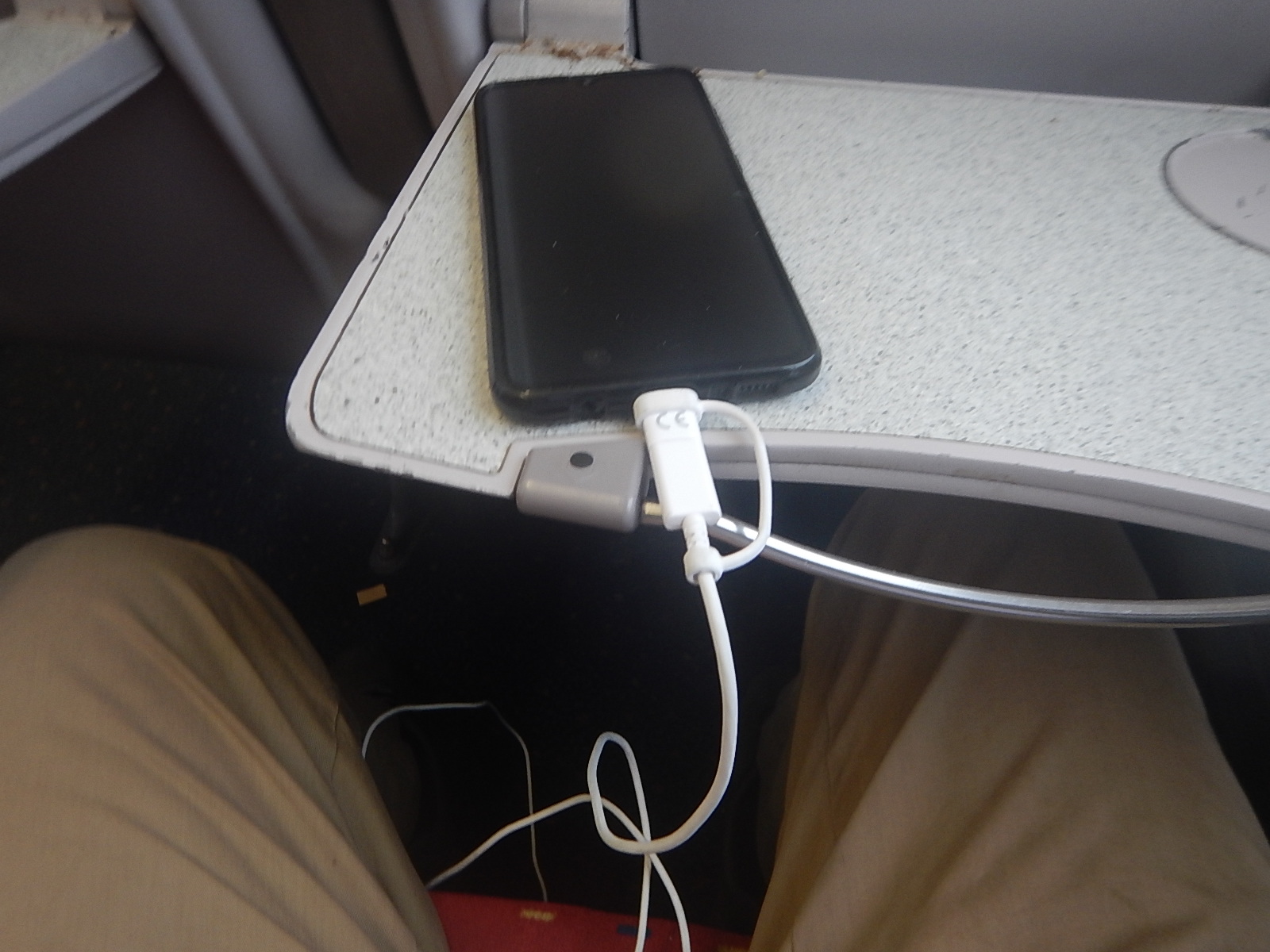
There is surely a need for phone chargers on every train.
Thoughts On The East Midlands Railway Timetable After Class 810 Trains Enter Service
East Midlands Railway will soon be replacing their diesel Class 222 trains with new bi-mode Class 810 trains.
- 32 trains will be replaced by 33 trains.
- 167 cars will be replaced by 165 cars.
- The current trains come in four, five and seven cars.
- The new trains come in five-cars only.
- The platforms at St. Pancras station can accept a pair of the new trains.
- Both Class 222 and Class 810 trains are genuine 125 mph trains.
- St. Pancras and Corby takes one hour and fifteen minutes
- St. Pancras and Nottingham takes hour and forty-five minutes
- St. Pancras and Sheffield takes two hours
The current services are as follows.
- St. Pancras and Corby via Luton Airport Parkway, Luton, Bedford, Wellingborough and Kettering
- St. Pancras and Nottingham via Kettering, Market Harborough, Leicester, Loughborough (1 tph), East Midlands Parkway (1 tph) and Beeston (1 tph).
- St. Pancras and Sheffield via Leicester, Loughborough (1 tph), East Midlands Parkway (1 tph), Long Eaton (1 tph), Derby and Chesterfield.
Note.
All services are two trains per hour (tph)
If all services were run by single trains, the following number of trains would be needed for each service.
- St. Pancras and Corby – 6 trains
- St. Pancras and Nottingham – 8 trains
- St. Pancras and Sheffield – 9 trains
Note.
- This means a total of twenty-three trains.
- I am assuming, that trains can turn round in fifteen minutes at each end of the journey.
- If pairs of trains run, then the numbers can be doubled to forty-six trains.
These are my thoughts.
Do The Luton Airport Express Services Need Pairs Of Trains?
The Corby service is now branded as the Luton Airport Express.
This picture shows a packed Luton Airport Express at Luton Airport Parkway station.

After seeing this, I believe that a pair of trains must run to Corby to pick up passengers, who want a fast service to and from Luton Airport.
Will The Class 810 Trains Replace The Class 360 Trains To Corby?
If all services are run by single Class 810 trains, the following would apply.
- The current service pattern would need 23 trains.
- All stations would get the same number of trains to and from St. Pancras.
- All East Midlands Railway out of St. Pancras would use the same 125 mph electric trains and services could probably be speeded up.
- The Class 810 train has 2.94 MW on diesel and the Class 360 train has 1.55 MW on electric, so I suspect that the Class 810 train has the faster acceleration.
- Bedford, Kettering, Luton, Luton Airport Parkway, Market Harborough and Wellingborough would have 125 mph electric commuter services to and from London.
- Corby and Luton Airport Parkway services would have marginally more seats, if Corby services were pairs of trains.
There would be ten spare trains, if the Class 360 trains were replaced or four spare trains, if pairs of trains ran to Corby.
Would Class 810 Trains Running On Electric Execute Stops Faster?
This document on Rail Engineer gives these figures for total power on electric of Class 802 trains.
- Five-car – 2712 kW
- Nine-car – 4520 kW
Note.
- These figures are based on a Hitachi figure of 226 kW for the power of a traction motor.
- The five-car train has twelve motors and the nine-car has twenty.
- As a five-car train has three powered cars and a nine-car train has five, it looks like each powered car has four traction motors.
- The document also says that the power to weight ratio on electric is thirty percent more than on diesel.
This document on the Hitachi web site provides this schematic of the traction system.

Note that four traction motors are confirmed.
Consider the power of the various trains, that run or will run on the Midland Main Line.
- Four-car Class 180 train has one 559 kW diesel engine per car.
- Four, five and seven-car Class 222 train has one 559 kW diesel engine per car.
- Four-car Class 360 train has 1.55 MW on electric – 387 kW per car.
- Five-car Class 810 train has 2.94 MW on diesel – 588 kW per car.
- Five-car Class 810 train has 2.94 MW on electric – 588 kW per car.
Note.
- The Class 810 train will out-accelerate the Class 360 train as it has at least 40 percent more power on electric.
- The Class 810 train has pantographs on both driving cars.
- The Class 810 train has two powered cars; numbers 2 and 4.
- I have assumed that if the Class 810 train can handle 2.94 MW on both diesel and electric.
- With eight traction motors, they would need to be 367.5 kW.
- The Class 810 train should out-accelerate the Class 180 train and Class 222 train as it has at five percent more power on both diesel and electric.
I think it is also relevant that the order for the Class 810 trains was placed in August 2019 and Hitachi announced their collaboration with Eversholt Rail Group to develop the battery-electric versions of the Class 802 trains only sixteen months later. As the Class 810 appears to be an revolution of the Class 802 train, I suspect that Hitachi were working hard on battery design, as this train’s design evolved.
These are the five cars of the Class 810 train.
- 1 – DPTS – Driver-Pantograph-Trailer-Standard with Generator Unit
- 2 – MS – Motored-Standard with Generator Unit
- 3 – TS – Trailer-Standard with Transformer
- 4 – MC – Motored-Composite with Generator Unit
- 5 – DPTF – Driver-Pantograph-Trailer-First with Generator Unit
Note.
- Generator Unit is a diesel generator.
- Motored means the car has four traction motors.
- Composite means a car with both First and Standard accommodation.
- Cars 1-2, and 4-5, form two power units with two generator units, four traction motors and a pantograph, at each end of the train. Cables would connect them to the transformer in car 3.
It looks a neat solution, which probably has high reliability.
I can envisage the two generator units under cars 2 and 4 could be replaced by battery packs.
- The battery packs would mimic the function of the generator units.
- Noise in cars 2 and 4 would be reduced.
- Carbon emissions would be reduced.
- The battery packs would be charged, when running under the wires or possibly from chargers or short length of overhead wires at terminal stations.
- The battery packs would handle regenerative braking.
- Adding battery packs would allow the trains to jump gaps left in the electrification.
At some point in the future, the other two generator units could be removed or replaced with battery packs, depending on whether full electrification happens on the Midland Main Line.
These meanderings convince me that the Class 810 trains will be able to save time in the stops on the Midland Main Line.
Because of these savings, I can see East Midlands Railway, reorganising stops on the electrified section of the route, as although the stop will add a minute or two, this lost time will be picked up on savings at existing stops and by more 125 mph running.
Could The Nottingham And Sheffield Services Be Combined?
These are the current services to Nottingham and Sheffield.
- St. Pancras and Nottingham via Kettering, Market Harborough, Leicester, Loughborough (1 tph), East Midlands Parkway (1 tph) and Beeston (1 tph).
- St. Pancras and Sheffield via Leicester, Loughborough (1 tph), East Midlands Parkway (1 tph), Long Eaton (1 tph), Derby and Chesterfield.
Note.
- Both services call at Leicester , Loughborough and East Midlands Parkway.
- Some trains call at Luton Airport Parkway, Luton, Bedford, Wellingborough, Kettering and Market Harborough on the section of the Midland Main Line, which is currently being electrified between Kettering and Wigston.
- A lot of money has been spent on the Luton DART and it only has two fast trains from St. Pancras. Four tph would be ideal.
Suppose the Sheffield and Nottingham trains operated like this.
- A pair of Class 810 trains would leave St. Pancras.
- South of Leicester, they would call at one or two stations, as defined in the timetable.
- They would then call at Leicester , Loughborough and East Midlands Parkway.
- At East Midlands Parkway, the two trains would split.
- One train would go to Sheffield and the other would go to Nottingham, stopping as defined in the timetable.
Note.
- Because of the trains superior performance, they would be doing quicker calls at stations, which should allow the existing timetable to be maintained or even improved.
- Hitachi trains can split and join in around two minutes.
- These trains would call at Luton Airport Parkway, to give that station four tph from St. Pancras, Luton and Bedford.
I calculated earlier that a 2 tph Sheffield service would need nine trains. So if it served both Nottingham and Sheffield it would need another nine trains. This would give a total of eighteen trains.
- If the St.Pancras and Corby service were to be run by pairs of Class 810 trains, this would require twelve trains.
- Adding the two services together would require thirty trains. Would three trains be enough for backup and in maintenance?
I suspect splitting and joining at East Midlands Parkway could be beneficial.
Could Four tph Be Run To Nottingham And Sheffield?
Consider.
- Bristol, Cardiff, Edinburgh, Leeds, Liverpool, Manchester, Newcastle, Norwich, Southampton and York all get two tph from London.
- Some closer stations like Birmingham, Cambridge, Ipswich, Leicester, Oxford and Reading get more.
- Most of these routes are electrified and run modern trains.
I wouldn’t say never, but adding two tph to both Nottingham and Sheffield services would require.
- Two more hourly train paths on both between St. Pancras and Nottingham, and St. Pancras and Sheffield.
- Eighteen extra trains.
But as a sub-two hour service would be running on both routes, it would probably be possible to accurately predict, when more trains were needed.
Electrification Through Leicester
As more electrification is added, this should result in faster journeys, that reduce carbon emissions.
OpenRailwayMap is now showing the electrification as dotted lines on the Midland Main Line.
This map shows the electrification scheme through Leicester.
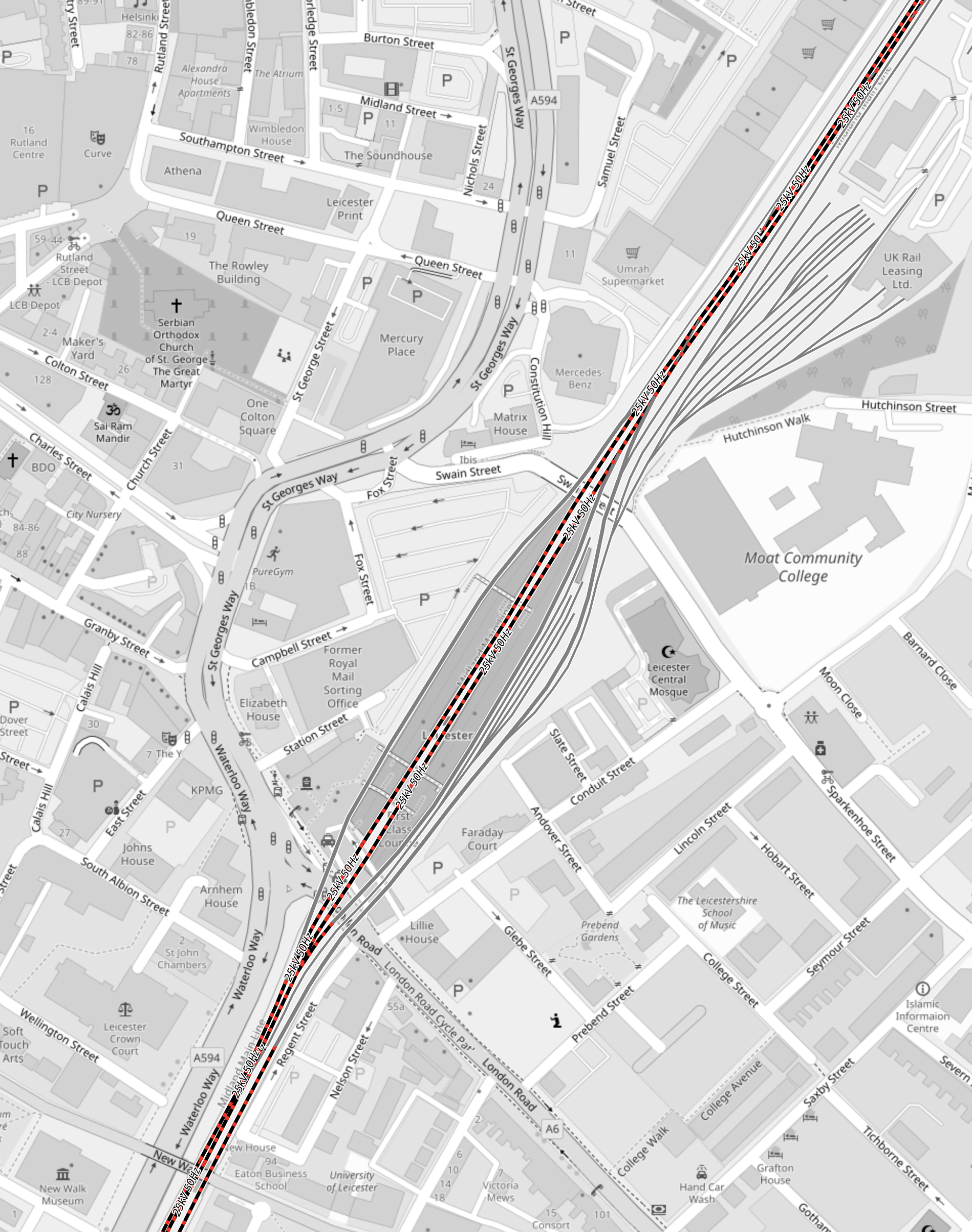
Note.
- Only the two main lines in the centre of the station seem to be going to be electrified.
- These lines are used by East Midlands Railway’s through trains and surprisingly some freight trains.
- Terminating services from places like Birmingham, Grimsby and Lincoln seem to stop in the outer platforms.
This picture shows the platforms from the Northern footbridge.

This picture shows the platforms from the Northern footbridge.
At the Southern end of the station, the tracks go under the London Road bridge. This map shows the tracks there.

Note.
- The two main tracks of the Midland Main Line appear that they will be electrified.
- But the lines at each side are not electrified.
Some years ago I came back to London from Leicester with a group of drivers. At one point, the conversation turned to electrification and they said that they had met a Network Rail engineer, who had told them, that the bridge was rather low for electrification and the track couldn’t be lowered because Leicester’s main sewer was underneath the railway.
It looks like Network Rail have found a way to squeeze two electrified tracks through the middle of the bridge and then use diesel, battery or other self-powered trains on lines without electrification on either side.
125 mph Upgrade For MML OLE South Of Bedford
The title of this post, is the same as that of an article in the June 2023 Edition of Modern Railways.
This is the sub-heading.
Targeted Investment Benefits From Project SPEED Approach
The main objective was to upgrade the 1980s electrification between Bedford and St. Pancras, so that it could support 125 mph running by East Midlands Railway’s new Class 810 trains.
Originally, a total replacement was envisaged, but in the end a more selective approach will be carried out.
This paragraph indicates the benefits of the approach.
The proposal for wholesale replacement of the OLE South of Bedford would have cost several hundreds of millions of pounds, whereas the approved scheme comes in at just £84 million, around one-third of the previous cost – testament to the application of SPEED principles.
I have a couple of thoughts.
Network Rail’s Project Management
If I go back to the 1970s and 1980s, when we were developing and selling the project management system; Artemis to the world, we sold very few systems to the UK Government and none to British Rail or the NHS. Later Artemis was used on the Channel Tunnel and the Rail Link to London, the Jubilee Line Extension, sections of the Docklands Light Railway and railways in Australia and Hong Kong.
So it is good to see, Network Rail getting to grips with managing the electrification upgrade of the Midland Main Line with some good project management.
An Encounter With A Group Of Drivers
It might have been five years ago, when I travelled with a group of drivers from East Midlands Trains positioning to St. Pancras.
- One of the observations they had was that the Class 700 trains coming into service were not fast enough as they were only 100 mph trains, whereas their Class 222 trains were capable of 125 mph.
- Since then the Class 360 trains have been introduced on Corby services. These trains have been uprated from 100 to 110 mph.
- We now have the situation, where Class 810 trains capable of running at 125 mph will replace the Class 222 train.
If you look at the traffic at West Hampstead Thameslink station, you can see that Both Thameslink and East Midlands Railway are using the fast lines, through platforms 3 and 4.
The fast lines have a maximum speed of 125 mph North of Luton and generally 100-110 mph between Luton and West Hampstead Thameslink station.
Would it help the timetabling of services on the Midland Main Line, if the Thameslink services were capable of running faster, when they were using the fast lines?
I feel the drivers may have a point.
Moorgate And Luton Airport Parkway
This morning I went by train from Moorgate to Luton Airport Parkway to have a look at the Luton DART.
I used the following route.
- Elizabeth Line – Moorgate to Farringdon.
- Thameslink – Farringdon to Luton Airport Parkway.
I came back from Luton Airport Parkway on a Luton Airport Express.
I took these pictures on the route.






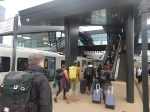
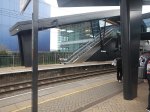


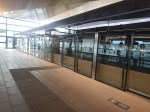
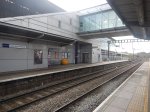
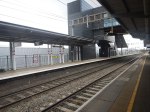
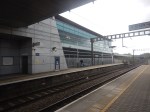
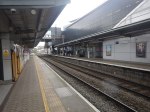

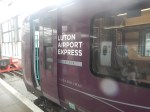
Note.
- The change at Farringdon station was very easy.
- You walk past toilets at the Farringdon change.
- There are two bridges, lots of escalators and lifts at Luton Airport Parkway station.
- I didn’t take the DART to the airport.
These are some detailed thoughts.
Luton Airport Parkway Station
It is a much improved station, but still has some work to do.
- There was a problem with one escalator.
- Some of the signage is not finalised.
- I had a problem with ticketing, as I was sold the wrong ticket.
- Staff probably need a bit more training.
But then the station has only been open three weeks.
Luton Airport Express
East Midland Railway’s St. Pancras and Corby service is now branded as Luton Airport Express.
- It has its own web site.
- Trains only stop at Luton Airport Parkway, Luton, Bedford, Wellingborough and Kettering.
- Trains take as little as twenty-two minutes between St. Pancras and Luton Airport Parkway.
- Class 360 trains are used.
- Trains run every thirty minutes.
As it serves the local area, I wonder how many airport employees, now use this train to get to work?
 The Anonymous Widower