Longer Duration Energy Storage Demonstration Programme, Stream 1 Phase 1: Details Of Successful Projects
The title of this post, is the same as that of this document from the UK Government.
This is the introduction.
Stream 1 aims to accelerate commercialisation of innovative longer duration energy storage projects through to actual demonstrations. During Phase 1, projects will be expected to mobilise their proposed technologies to prepare for potential deployment on the UK energy system.
These are the projects.
Ballylumford Power-to-X
This is the description of this project in Northern Ireland.
B9 Energy Storage will receive £986,082 to mobilise a 20MW membrane free electrolyser green hydrogen project. Using otherwise curtailed wind power, hydrogen produced will be stored in local underground salt caverns for later use as a fuel in transport and electricity sectors, creating a full-cycle hydrogen economy (production, storage, distribution and usage) on site.
Note.
Ballylumford power station is a 600 MW gas-fired power station, that provides half of Northern Ireland’s electricity.
A 20 MW electrolyser will produce just under nine tonnes of hydrogen per day.
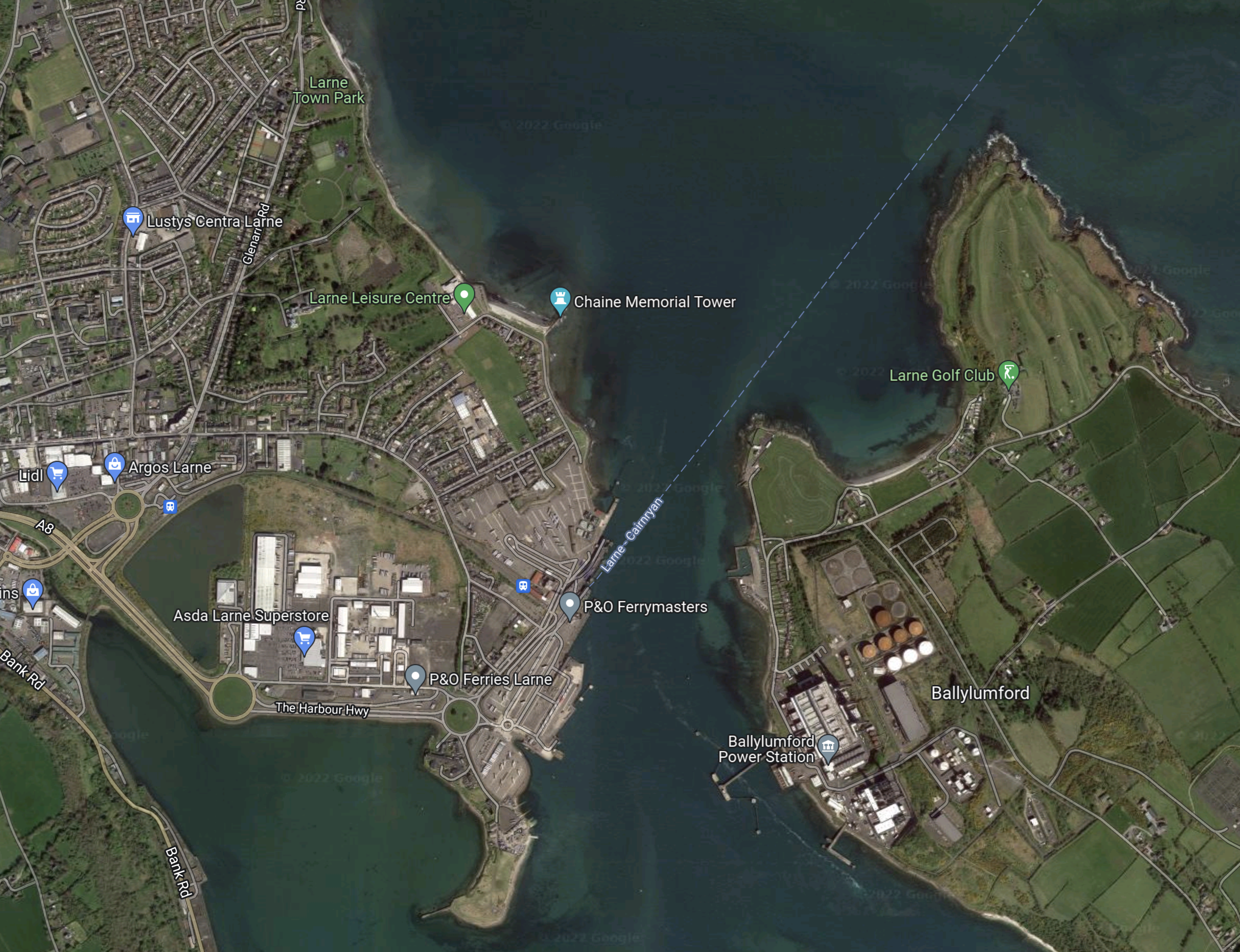
This Google Map shows the location of the power station opposite the port of Larne.
Note.
Ballylumford power station is clearly visible to the East of the channel towards the bottom of the map.
Ballylumford is also the Irish end of the HVDC Moyle interconnector from Scotland, which has a capacity of 500 MW.
Ballylumford would appear to have enough power for a large electrolyser.
Salt Beds In Northern Ireland
This document on the British Geological Survey web site is entitled Geological Storage In Northern Ireland.
The document discusses Irelands energy needs and gives a good description of using compressed air energy storage in salt caverns.
Then these two paragraphs describe the salt bed in Northern Ireland compare them to other deposits under Great Britain.
Thick halite deposits, found both onshore in Northern Ireland and immediately offshore in the North Channel, offer potential for salt cavern storage facilities. The salt deposits occur as bedded deposits with minor halokinesis (geological movement of salt) forming salt swells rather than pillows or domes so that the height of any cavern may be restricted by bed thickness. Pure salt beds tend to be thin (approximately 100-250 metres maximum thickness) compared to those used elsewhere and the presence of significant insoluble impurities and minor intrusive dolerite dykes or sills may reduce their suitability.
The Larne and Carrickfergus area of County Antrim is the only part of the whole island where thick salt beds occur. Elsewhere in the UK parts of Cheshire, Lancashire, Teesside, Humberside and Dorset have similar, or thicker, developments of salt beds and gas storage facilities are either in construction, or are already in operation.
It would appear that the thick salt beds in the Larne and Carrickfergus area could be suitable for gas storage.
Ballylumford might actually be on top of the salt beds, as Carrickfergus is a few miles to the South.
On a personal note, I used to work for ICI Mond Division and during that time and immediately afterwards, I met many people, who had been into the salt mines and worked with boreholes extracting the salt and the one thing everybody said about the salt mine, was that water must not get in.
Membrane-Free Electrolysis
I saw this in operation when I worked at ICI Mond. Most of their hydrogen and chlorine was produced using the main Castner-Kellner process at Castner-Kellner works in Runcorn. That is a nasty process that uses a lot of mercury, which got into the air and plant operators’ bodies.
But ICI also had a much smaller plant, where they used simple electrolysers, that had a metal cell, with a concrete top, with the anode and cathode going through the concrete into the brine. I seem to remember that its main purpose was to provide mercury-free hydrogen, chlorine and sodium hydroxide. I can remember seeing workers rebuilding the cells, as was done on a regular basis.
These were membrane free electrolysers and had been running successfully for many years.
Searching the Internet for “membrane free electrolyser” I found a company in Doncaster called CPH2.
The home page on their web site declares
Clean Power Hydrogen are the manufacturers of the unique Membrane-Free Electrolyser
Turning to the About page, this is said.
Being passionate about hydrogen as clean energy for the future, we wanted to find an alternative to PEM electrolysers as these had barriers to adoption. We realised that the cleanest way to produce hydrogen was by membrane-free water electrolysis, and in doing so, it would be a less expensive and more robust technology.
Dr. Nigel Williamson and Joe Scott established CPH2 (Ireland) in 2012 with the ambition to help clean up the environment for our children and future generations. Entering the green technology sector; a high growth and profitable market, they developed a Membrane-Free Electrolyser™ to produce hydrogen faster, more reliably, and more cost-effectively than other electrolysers.
They also have the ambition to be leading developer and manufacturer of green hydrogen technologies and an Irish connection.
My experience says that their technology will work. Especially, with the application of modern materials.
Have the Government backed the Ballylumford Power-to-X project, as they can back two promising technologies with one grant?
GraviSTORE
This is the description of this project.
Gravitricity Limited will receive £912,410.84 to design their multiweight energy store demonstrator project, which will store and discharge energy by lifting and lowering multiple weights in a vertical underground shaft.
Note.
- I like the Gravitricity concept and have invested through crowdfunding.
- The project will be based on a brownfield site in Northern England.
- Gravitricity’s current demonstrator in Edinburgh, which I wrote about in Gravitricity Celebrates Success Of 250kW Energy Storage Demonstrator, only uses a single weight, but this project talks about multiple weights.
According to other sources on the Internet, the demonstrator will have a storage capacity of 4 MWh and will be built on a brownfield site.
Will we see Gravitricity coming to a disused deep coal mine near you?
Long Duration Offshore Storage Bundle
This is the description of this project.
Subsea 7 Limited and FLASC B.V. will receive £471,760.00 to further develop the Long Duration Offshore Storage Bundle which will store energy as a combination of pressurised seawater and compressed air, using an innovative hydro-pneumatic technology.
Note.
- Subsea 7 Limited are a subsea engineering, construction and services company serving the offshore energy industry, domiciled in Luxembourg with headquarters in London.
- According to their web site, FLASC B.V. is a spin-off of the University of Malta, established in The Netherlands in 2019.
On the page on the FLASC web site, which is labelled The Technology, this is said.
FLASC is an energy storage device that can be integrated directly into a floating offshore platform. Energy is stored using a hydro-pneumatic liquid piston, driven by a reversible pump-turbine.
Charging Mode: electricity is used to pump water into a closed chamber containing pre-charged air.
Discharging Mode: the pressurised water is released through a hydraulic turbine to generate electricity.
FLASC leverages existing infrastructure and supply chains, along with the marine environment itself as a natural heatsink, resulting in a safe, reliable and cost-effective solution.
There is also this video.
The news page on the FLASC web site is a comforting read.
My knowledge of modelling vessel systems for chemical plants, tells my brain to like it.
Vanadium Flow Battery Longer Duration Energy Asset Demonstrator
This is the description of this project.
Invinity Energy Systems will receive £708,371 to demonstrate how a 40 MWh Vanadium Flow Battery could deliver long duration storage-enabled power on demand from UK-based solar generation.
Note.
- I wrote about Invinity Energy Systems in UK’s Pivot Power Sees First Battery On Line By 2021.
- Invinity Energy Systems was formed by a merger of RedT and Avalon Battery.
- The project appears to be located at Bathgate in Scotland.
This picture from EdF shows a large vanadian flow battery.
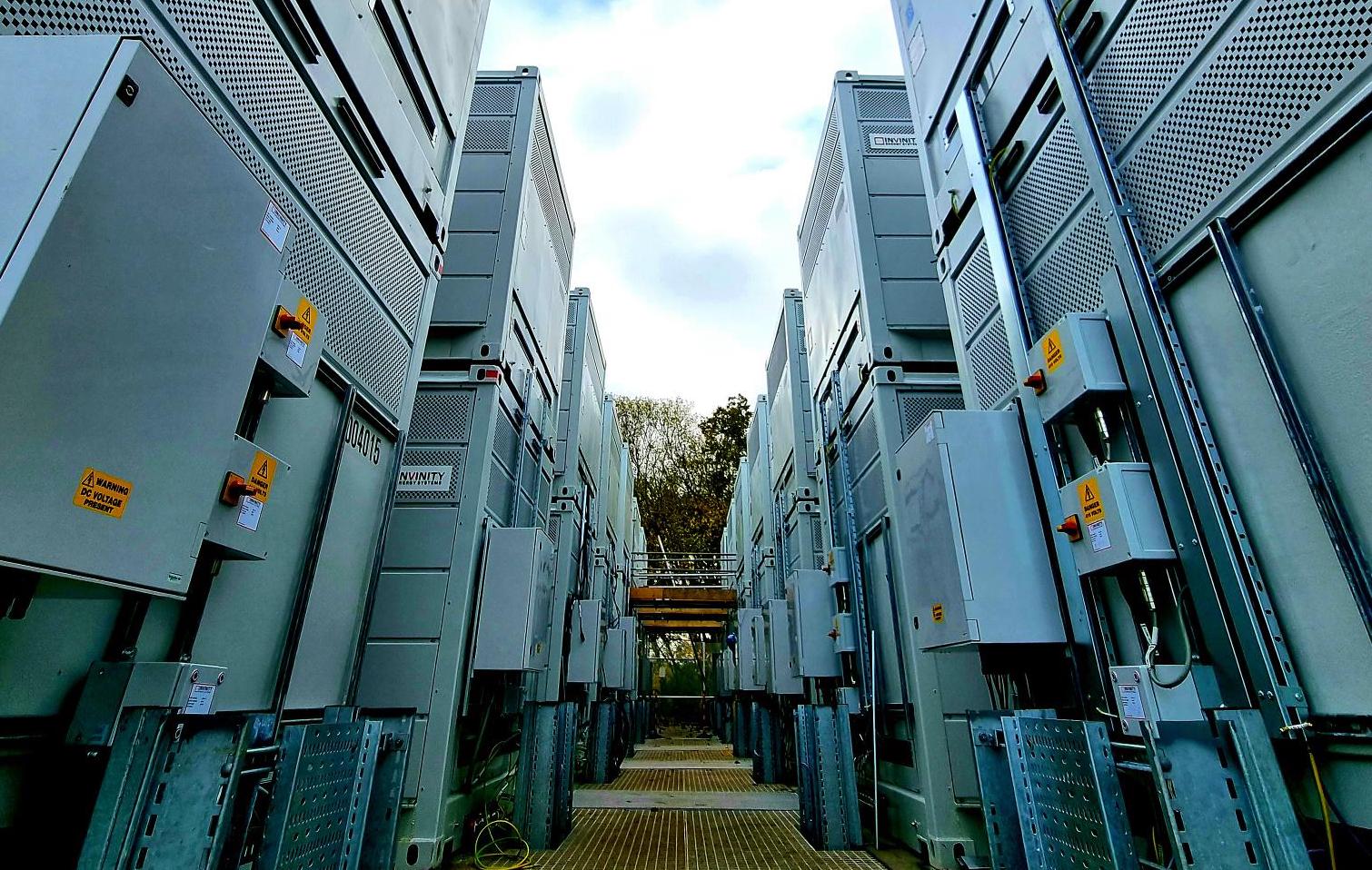
Invinity Energy Systems flow battery at Energy Superhub Oxford
If this project works out, vanadium flow batteries would be a good replacement for lithium-ion batteries.
Cheshire Energy Storage Centre
This is the description of this project.
io consulting will receive £1 million to enable its consortium to develop an electricity storage facility which could use mothballed EDF gas cavities in Cheshire utilising Hydrostor’s Advanced Compressed Air Energy Storage technology
Note.
- This is another project based on salt caverns.
- I wrote about Canadian company; Hydrostor in Gigawatt-Scale Compressed Air: World’s Largest Non-Hydro Energy-Storage Projects Announced.
- Hydrostor have received at least one large order for their system.
I have put Hydrostor on my list of tecnologies that should make it.
Conclusion
This is a well-balanced list of projects.
I would rate success as follows.
- Ballylumford Power-to-X – 60 %
- GraviSTORE – 80 %
- Long Duration Offshore Storage Bundle – 60 %
- Vanadium Flow Battery Longer Duration Energy Asset Demonstrator – 70 %
- Cheshire Energy Storage Centre – 80 %
But then all these projects are a bit of a gamble
Is There A Need For A Norfolk-Suffolk Interconnector?
The coast of East Anglia from the Wash to the Haven Ports of Felixstowe, Harwich and Ipswich is becoming the Energy Coast of England.
Starting at the Wash and going East and then South, the following energy-related sites or large energy users are passed.
Bicker Fen Substation
Bicker may only be a small hamlet in Lincolnshire, but it is becoming increasingly important in supplying energy to the UK.
Nearby is Bicker Fen substation, which connects or will connect the following to the National Grid.
- The 26 MW Bicker Fen onshore windfarm.
- The 1,400 MW interconnector from Denmark called Viking Link.
- The proposed 857 MW offshore wind farm Triton Knoll.
This Google Map shows the location of Bicker Fen with respect to The Wash.
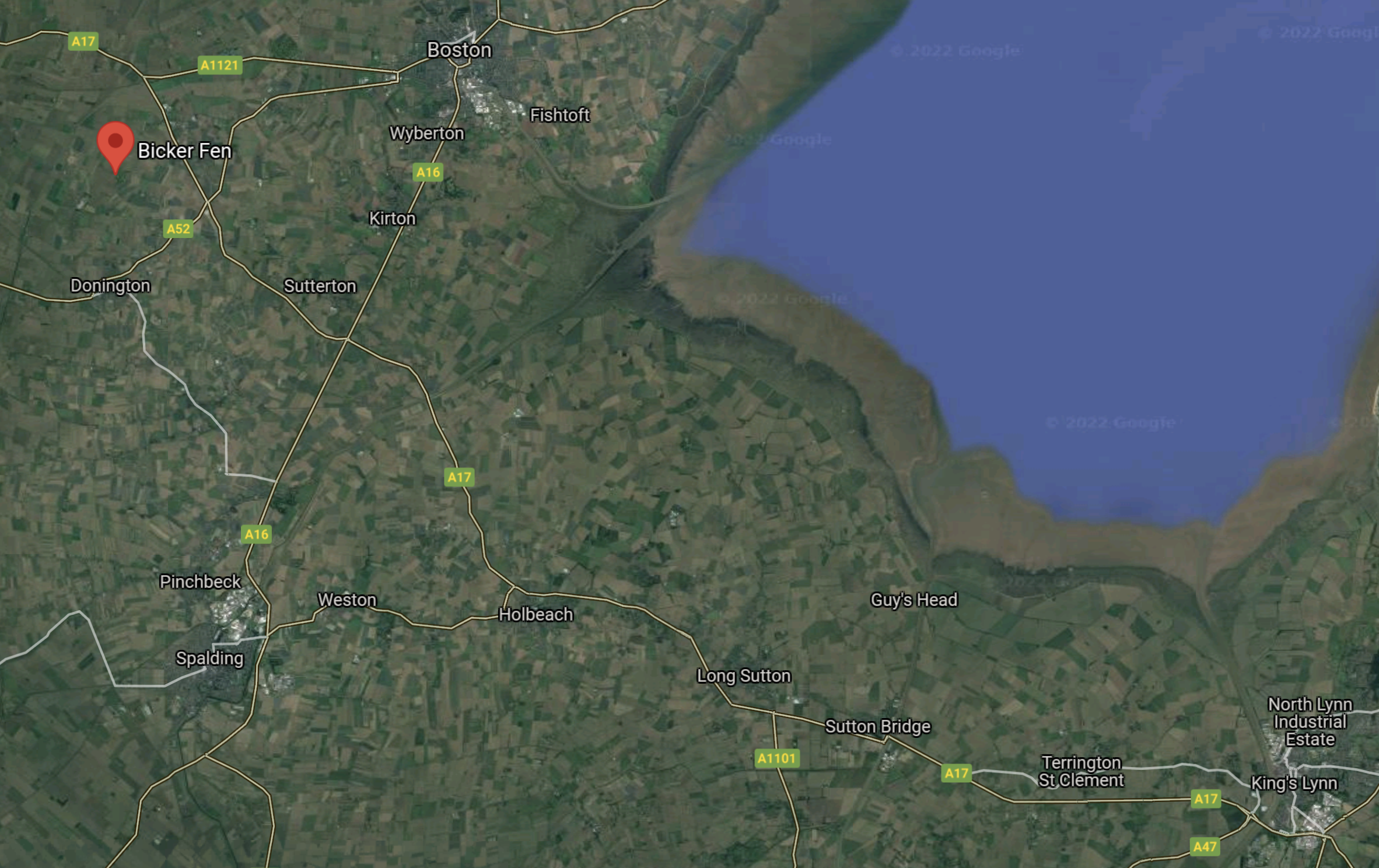
Bicker Fen is marked by the red arrow.
The Google Map shows the substation.
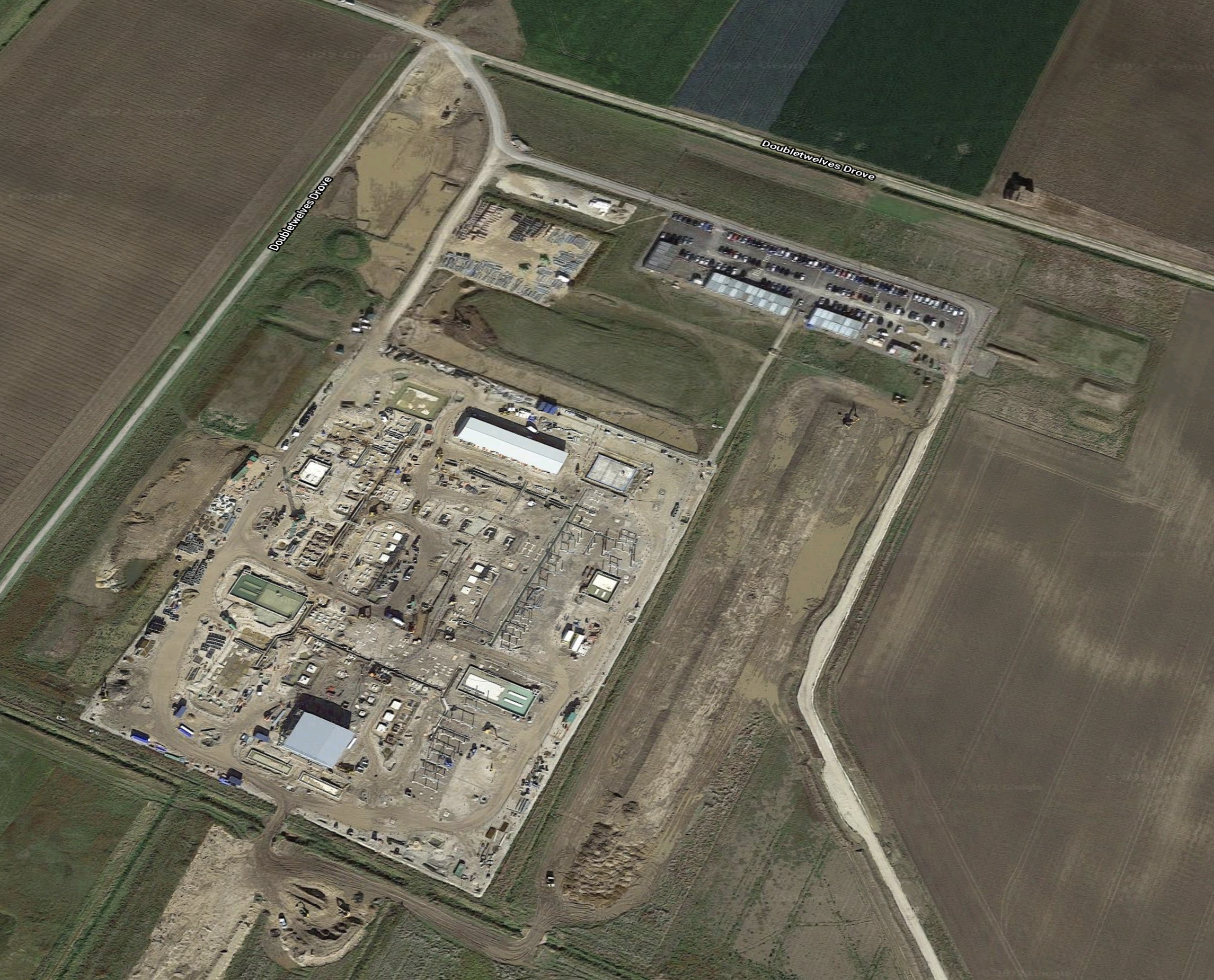
It must be sized to handle over 2 GW, but is it large enough?
Dudgeon Offshore Wind Farm
The Dudgeon offshore wind farm is a 402 MW wind farm, which is twenty miles off the North Norfolk coast.
- It has 67 turbines and an offshore substation.
- It is connected to the shore at Weybourne on the coast from where an underground cable is connected to the National Grid at Necton.
- It became operational in Oct 2017.
- Equinor and Statkraft are part owners of the windfarm and this is the home page of the wind farm’s web site.
- Equinor is the operator of the wind farm.
This Google Map shows the location of Weybourne on the coast.
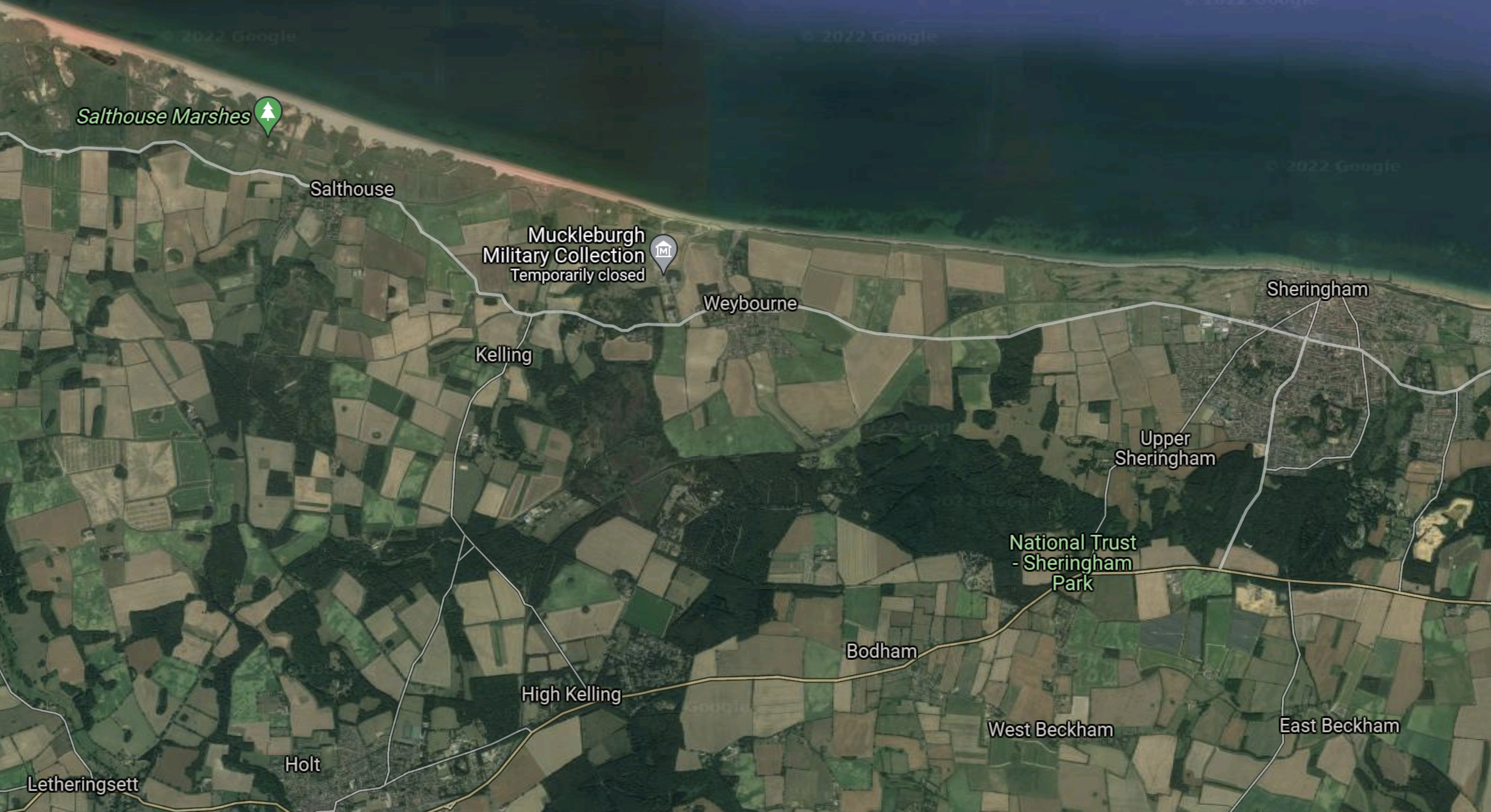
Note.
- Weybourne is in the middle on the coast.
- Sheringham is on the coast in the East.
- Holt is on the Southern edge of the map almost South of Weybourne.
This second map shows the location of the onshore substation at Necton, with respect to the coast.
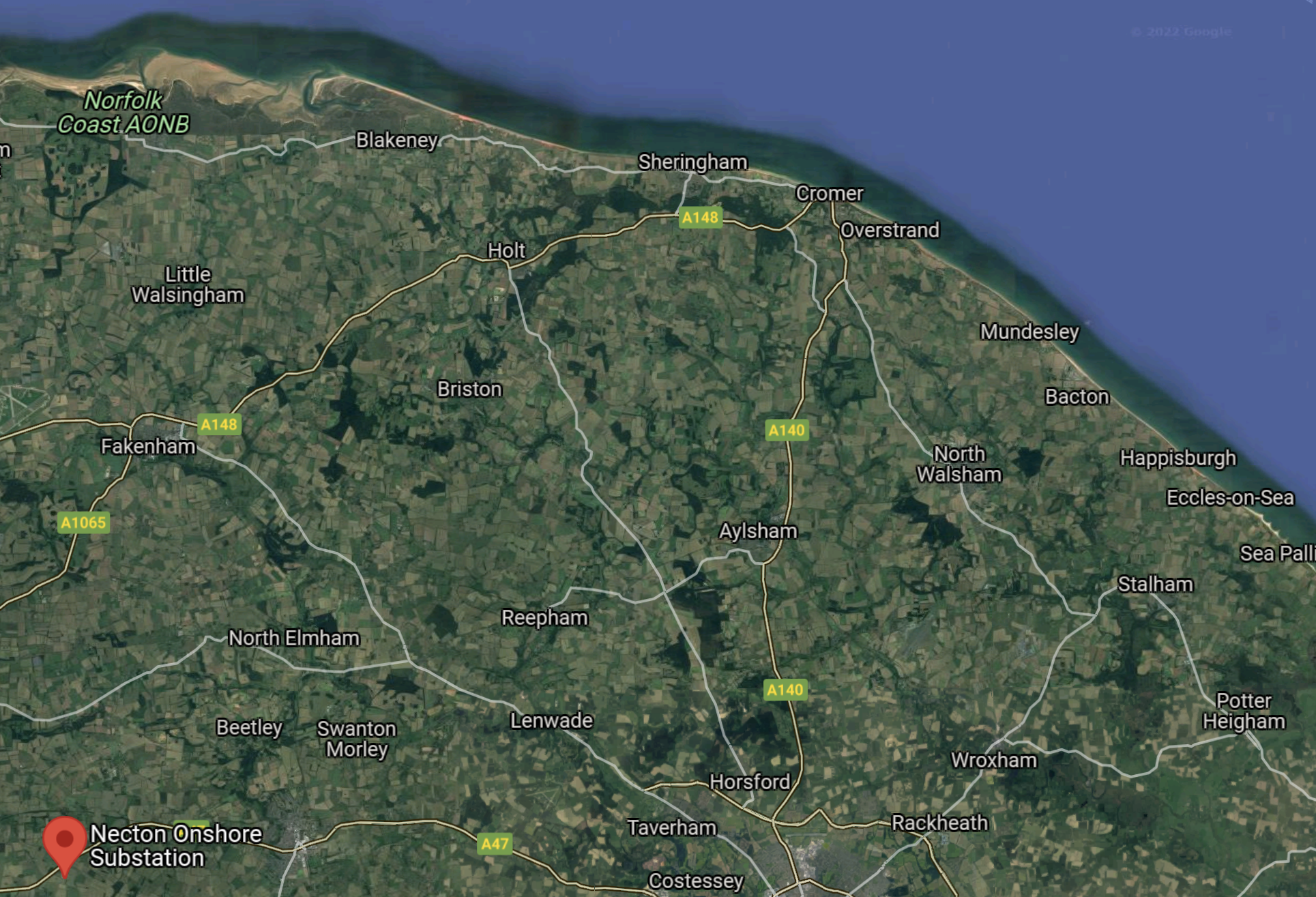
Note.
- The Necton substation is marked by a red arrow.
- Holt and Sheringham can be picked out by the coast in the middle.
- Weybourne is to the West of Sheringham.
- Necton and Weybourne are 35 miles apart.
Digging in the underground cable between Necton and Weybourne might have caused some disruption.
Looking at Weybourne in detail, I can’t find anything that looks like a substation. So is the Necton substation connected directly to Dudgeon’s offshore substation?
Sheringham Shoal Offshore Wind Farm
The Sheringham Shoal offshore wind farm is a 316.8 MW wind farm, which is eleven miles off the North Norfolk coast.
- It has 88 turbines and two offshore substations.
- As with Dudgeon, it is connected to the shore at Weybourne on the coast.
- But the underground cable is connected to an onshore substation at Salle and that is connected to the National Grid at Norwich.
- It became operational in Sept 2012.
- Equinor and Statkraft are part owners of the windfarm and this is the home page of the wind farm’s web site.
- Equinor is the operator of the wind farm.
This second map shows the location of the onshore substation at Salle, with respect to the coast.

Note.
- The Salle substation is marked by a red arrow.
- Holt, Weybourne and Sheringham can be picked out by the coast in the middle.
- Weybourne is to the West of Sheringham.
- Salle and Weybourne are 13.5 miles apart.
Could the following two statements be true?
- As the Sheringham Shoal wind farm was built first, that wind farm was able to use the shorter route.
- It wasn’t built large enough to be able to handle the Dudgeon wind farm.
The statements would certainly explain, why Dudgeon used a second cable.
Extending The Dudgeon And Sheringham Shoal Wind Farms
Both the Dudgeon And Sheringham Shoal web sites have details of the proposed join extension of both wind farms.
This is the main statement on the Overview page.
Equinor has been awarded an Agreement for Lease by the Crown Estate, the intention being to seek consents to increase the generating capacity of both the Sheringham Shoal Offshore Wind Farm and the Dudgeon Offshore Wind Farm.
They then make three points about the development.
- Equinor is proposing a joint development of the two projects with a common transmission infrastructure.
- As part of the common DCO application, the Extension Projects have a shared point of connection at the National Grid Norwich Main substation.
- These extension projects will have a combined generating capacity of 719MW which will make an important contribution to the UK’s target of 30GW of electricity generated by offshore wind by 2030.
This statement on the Offshore Location page, describes the layout of the wind farms.
The Sheringham Shoal Offshore Wind Farm extension is to the north and the east of the existing wind farm, while its Dudgeon counterpart is to the north and south east of the existing Dudgeon Offshore Wind Farm site. The proposed extension areas share the boundaries with its existing wind farm site.
They then make these two important points about the development.
- Equinor is seeking to develop the extension project with a joint transmission infrastructure. A common offshore substation infrastructure is planned to be located in the Sheringham Shoal wind farm site.
- The seabed export cable which will transmit the power generated by both wind farm extensions will make landfall at Weybourne.
There is also this map.

Note.
- The purple line appears to be the UK’s ten mile limit.
- The Sheringham Shoal Extension is outlined in red.
- The Dudgeon Extension is outlined in blue.
- The black lines appear to be the power cables.
I suspect the dotted blue lines are shipping routes sneaking their way through the turbines.
This statement on the Onshore Location page, describes the layout of the offshore and onshore cables.
A new seabed export cable will bring the electricity generated by both the Sheringham Shoal and Dudgeon Offshore Wind Farm extensions to shore at Weybourne, on the coast of Norfolk.
They then make these two important points about the development.
- From there a new underground cable will be installed to transmit that power to a new purpose built onshore substation, which will be located within a 3km radius of the existing Norwich main substation, south of Norwich. This will be the National Grid network connection point for the electricity from both wind farm extensions.
- The power will be transmitted from landfall to the substation using an HVAC system which eliminates the need for any relay stations along the onshore cable route.
There is also this map.
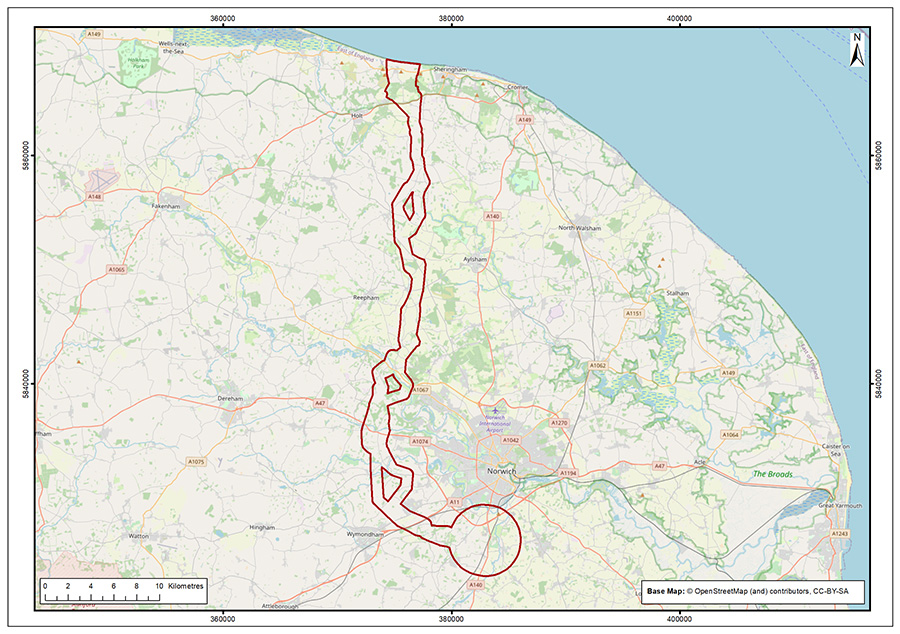
It will be a substantial undertaking to build the underground cable between Weybourne and South of Norwich.
Bacton Gas Terminal
The Bacton gas terminal is a complex of six gas terminals about ten miles East of Cromer.
- It lands and processes gas from a number of fields in the North Sea.
- It hosts the UK end of the BBL pipeline to The Netherlands.
- It hosts the UK end of the Interconnector to Zeebrugge in Belgium.
- The Baird and Deborah fields, which have been developed as gas storage, are connected to the gas terminal. They are both mothballed.
This Google Map shows the location of the terminal.
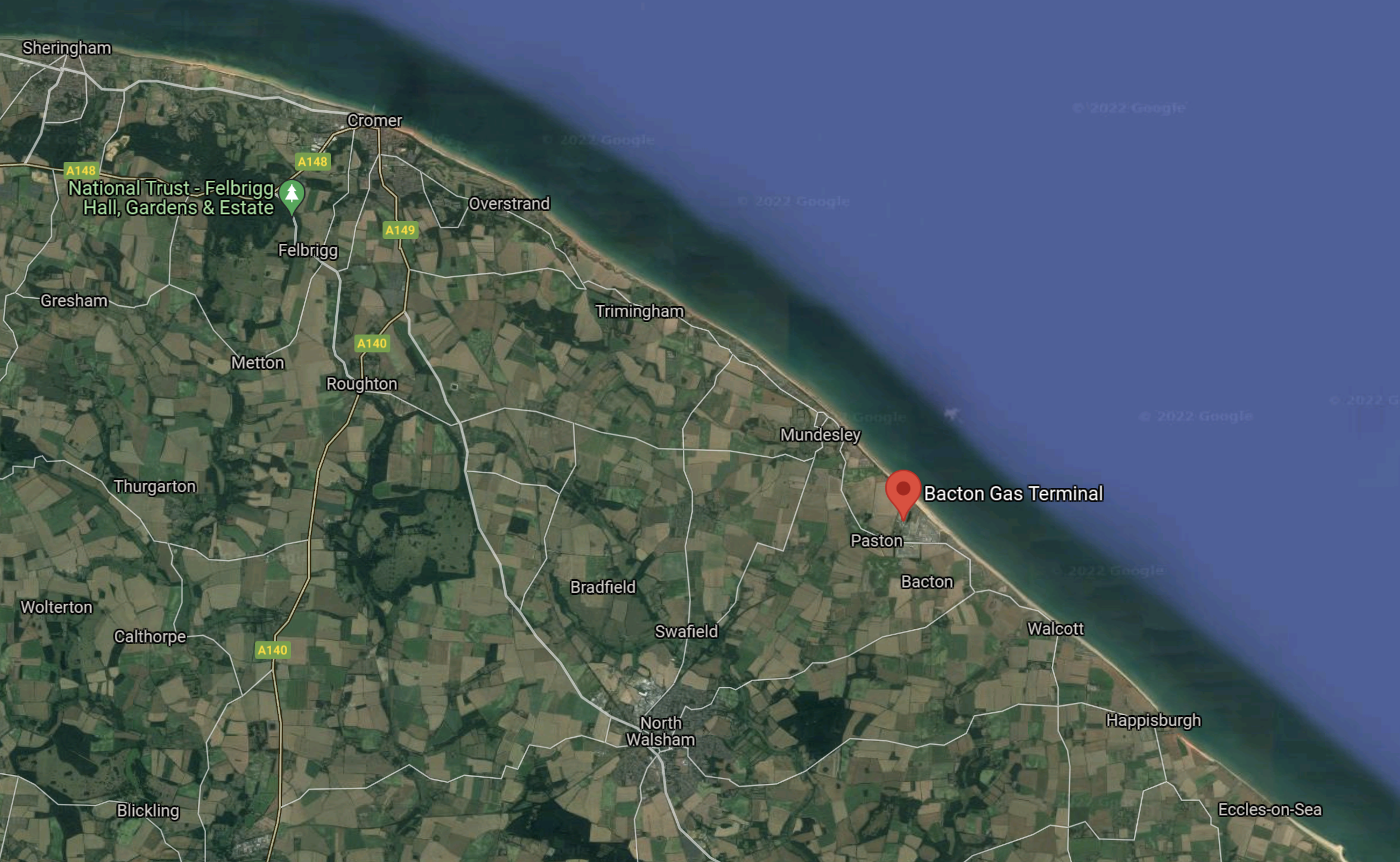
Note.
- The Bacton gas terminal is marked by a red arrow.
- Sheringham is in the North West corner of the map.
- Cromer, Overstrand, Trimingham and Mundesley are resort towns and villages along the coast North of Bacton.
This second map shows the Bacton gas terminal in more detail.
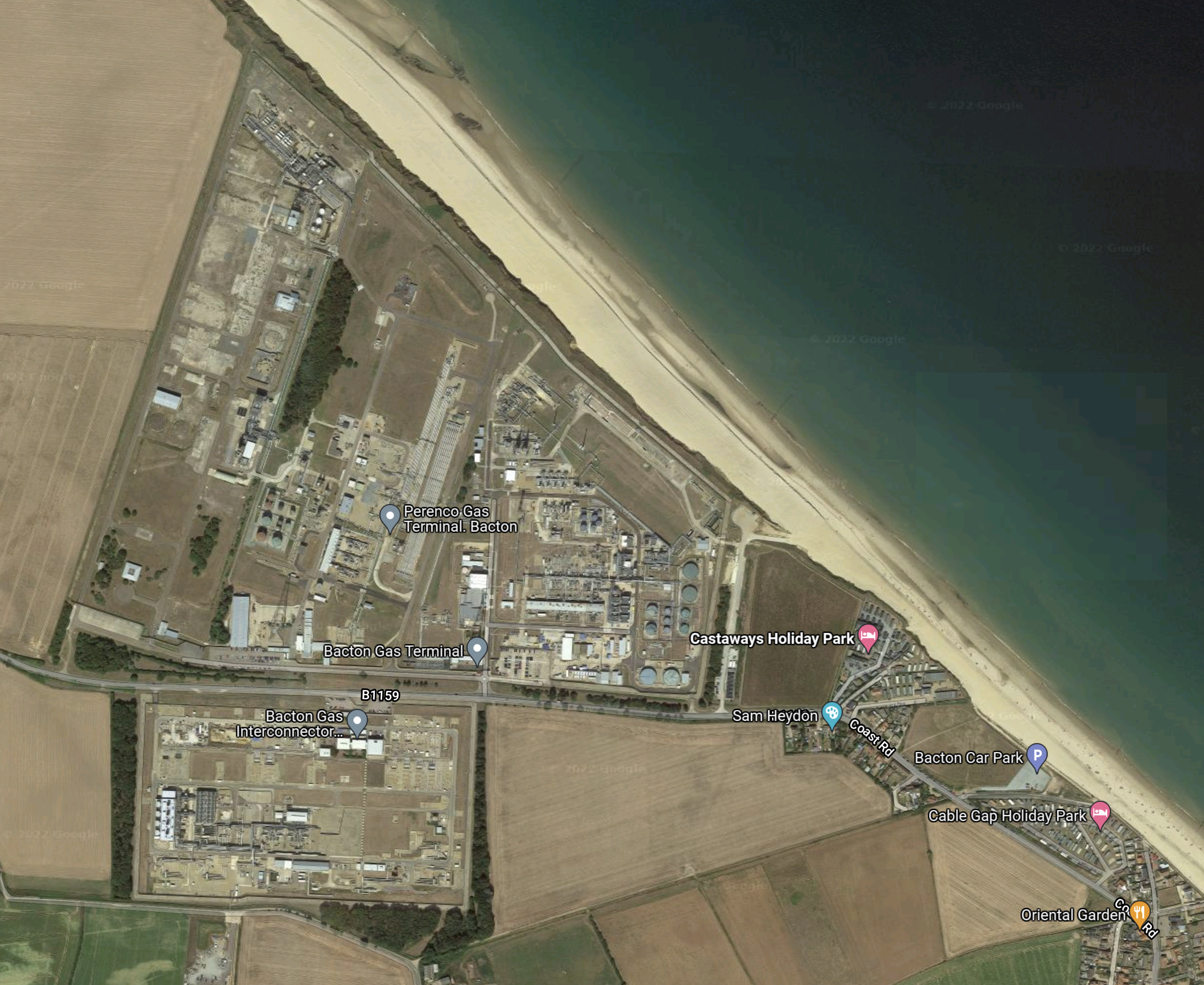
Would you want to have a seaside holiday, by a gas terminal?
Norfolk Boreas And Norfolk Vanguard
Norfolk Boreas and Norfolk Vanguard are two wind farms under development by Vattenfall.
- Norfolk Boreas is a proposed 1.8 GW wind farm, that will be 45 miles offshore.
- Norfolk Vanguard is a proposed 1.8 GW wind farm, that will be 29 miles offshore.
This map shows the two fields in relation to the coast.
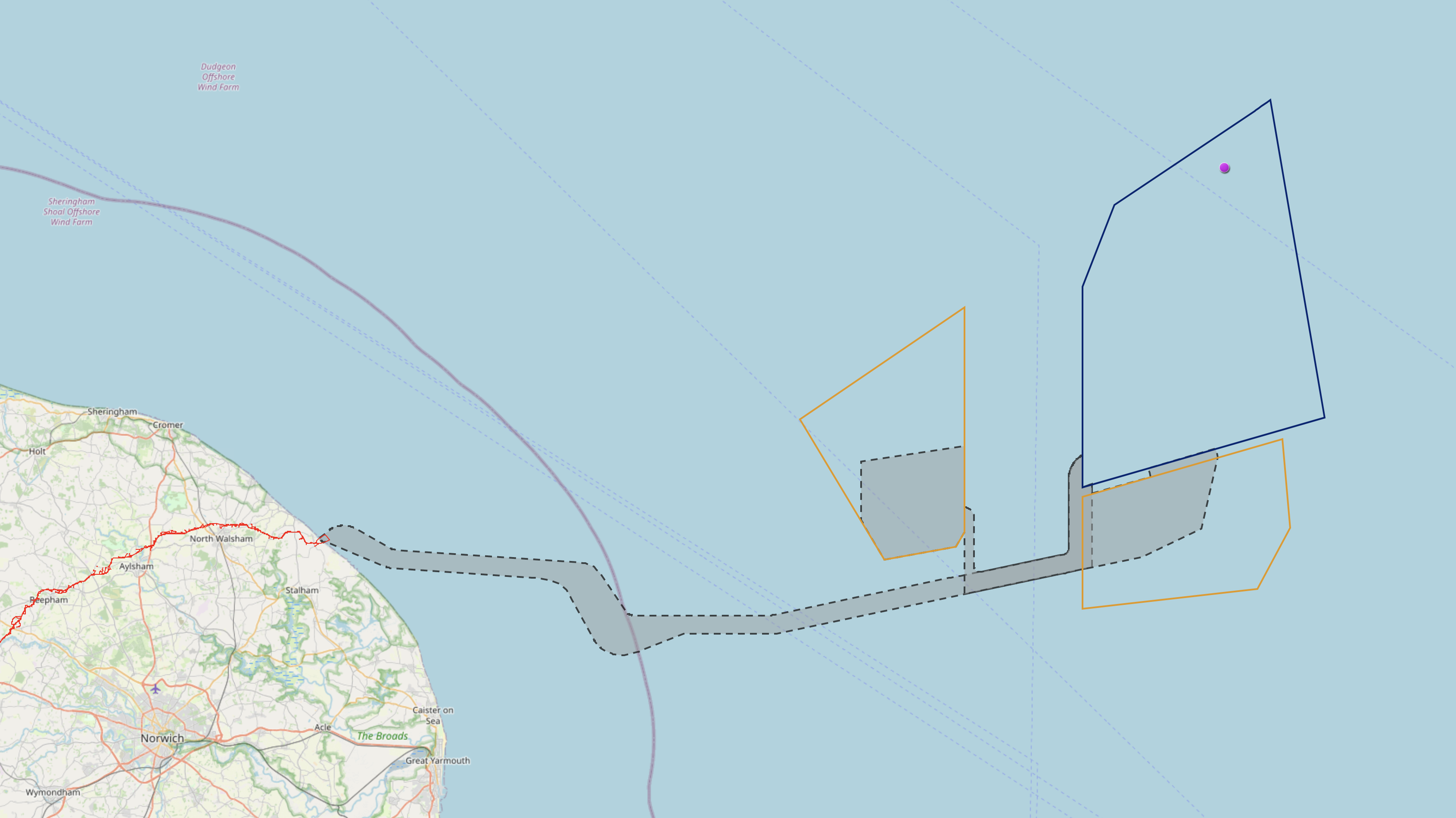
Note.
- The purple line appears to be the UK’s ten mile limit.
- Norfolk Boreas is outlined in blue.
- Norfolk Vsnguard is outlined in orange.
- Cables will be run in the grey areas.
This second map shows the onshore cable.
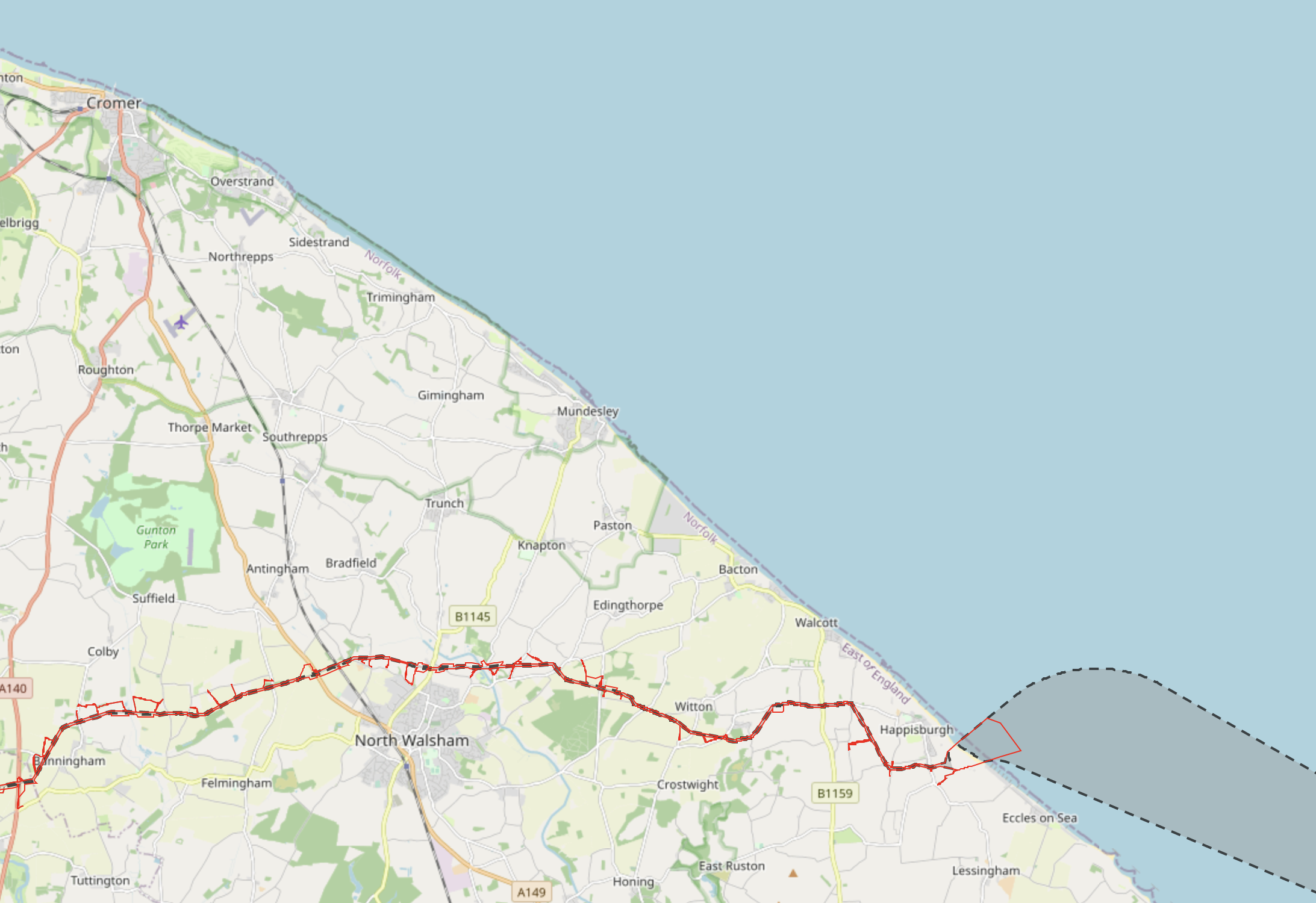
Note.
- The cables are planned to come ashore between Happisburgh and Eccles-on-Sea.
- Bacton gas terminal is only a short distance up the coast.
- The onshore cable is planned to go from here across Norfolk to the Necton substation.
But all of this has been overturned by a legal ruling.
This article on the BBC is entitled Norfolk Vanguard: Ministers Wrong Over Wind Farm Go-Ahead, Says Judge.
These are the first four paragraphs.
A High Court judge has quashed permission for one of the world’s largest offshore wind farms to be built off the east coast of England.
The Norfolk Vanguard Offshore Wind Farm was granted development consent in July by the Secretary of State for Business, Energy and Industrial Strategy (BEIS).
But Mr Justice Holgate overturned the decision following legal action from a man living near a planned cable route.
A Department for BEIS spokeswoman said it was “disappointed by the outcome”.
I bet the spokeswoman was disappointed.
Vattenfall and the BEIS will go back to the drawing board.
But seriously, is it a good idea to dig an underground cable all the way across Norfolk or in these times build a massive overhead cable either?
Perhaps the solution is to connect the Norfolk Boreas And Norfolk Vanguard wind farms to a giant electrolyser at Bacton, which creates hydrogen.
- The underground electricity cable across Norfolk would not be needed.
- Bacton gas terminal is only a few miles up the coast from the cable’s landfall.
- The UK gets another supply of gas.
- The hydrogen is blended with natural gas for consumption in the UK or Europe.
- A pure hydrogen feed can be used to supply hydrogen buses, trucks and other vehicles, either by tanker or pipeline.
- Excess hydrogen could be stored in depleted gas fields.
The main benefit though, would be that it would transform Bacton gas terminal from a declining asset into Norfolk’s Hydrogen Powerhouse.
Great Yarmouth And Lowestoft
Great Yarmouth Outer Harbour and the Port of Lowestoft have not been the most successful of ports in recent years, but with the building of large numbers of wind farms, they are both likely to receive collateral benefits.
I wouldn’t be surprised to see the support ships for the wind farms switching to zero-carbon power, which would require good electrical connections to the ports to either charge batteries or power electrolysers to generate hydrogen.
Sizewell
Sizewell has only one nuclear power station at present; Sizewell B, but it could be joined by Sizewell C or a fleet of Small Modular Reactors (SMR).
The Sizewell Overhead Transmission Line
Sizewell also has a very high capacity overhead power line to Ipswich and the West.





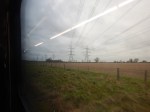
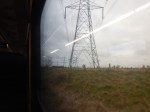
I doubt, it would be possible to build an overhead transmission line like this today.
Sizewell And Hydrogen
EdF, who own the site are involved with Freeport East and may choose to build a large electrolyser in the area to create hydrogen for the Freeport.
East Anglia Array
The East Anglia Array will be an enormous wind farm., comprising up to six separate projects.
It will be thirty miles offshore.
It could generate up to 7.2 GW.
The first project East Anglia One is in operation and delivers 714 MW to a substation in the Deben Estuary, which connects to the Sizewell high-capacity overhead power line.
Most projects will be in operation by 2026.
Freeport East
As the Freeport develops, it will surely be a massive user of both electricity and hydrogen.
Problems With The Current Electricity Network
I don’t believe that the current electricity network, that serves the wind farms and the large energy users has been designed with the number of wind farms we are seeing in the North Sea in mind.
Every new windfarm seems to need a new connection across Norfolk or Suffolk and in Norfolk, where no high-capacity cables exist, this is stirring up the locals.
There is also no energy storage in the current electricity network, so at times, the network must be less than efficient and wind turbines have to be shut down.
Objections To The Current Policies
It is not difficult to find stories on the Internet about objections to the current policies of building large numbers of wind farms and the Sizewell C nuclear power station.
This article on the East Anglia Daily Times, which is entitled Campaigners Unite In Calling For A Pause Before ‘Onslaught’ Of Energy Projects ‘Devastates’ Region is typical.
This is the first paragraph.
Campaigners and politicians have called on the Government to pause the expansion of the energy industry in Suffolk, which they fear will turn the countryside into an “industrial wasteland” and hit tourism.
The group also appear to be against the construction of Sizewell C.
I feel they have a point about too much development onshore, but I feel that if the UK is to thrive in the future we need an independent zero carbon energy source.
I also believe that thousands of wind farms in the seas around the UK and Ireland are the best way to obtain that energy.
Blending Hydrogen With Natural Gas
Blending green hydrogen produced in an electrolyser with natural gas is an interesting possibility.
- HyDeploy is a project to investigate blending up to 20 % of green hydrogen in the natural gas supply to industrial and domestic users.
- Partners include Cadent, ITM Power, Keele University and the Health and Safety Executive.
- Natural gas naturally contains a small amount of hydrogen anyway.
- The hydrogen gas would be distributed to users in the existing gas delivery network.
I wrote about HyDeploy in a post called HyDeploy.
Thje only loser, if hydrogen were to be blended with natural gas would be Vlad the Poisoner, as he’d sell less of his tainted gas.
An Interconnector Between Bicker Fen And Freeport East
I believe that an electricity interconnector between at least Bicker Fen and Freeport East could solve some of the problems.
My objectives would be.
- Avoid as much disruption on the land as possible.
- Create the capacity to deliver all the energy generated to customers, either as electricity or hydrogen.
- Create an expandable framework, that would support all the wind farms that could be built in the future.
The interconnector would be a few miles offshore and run along the sea-bed.
- This method of construction is well proven.
- It was used for the Western HVDC Link between Hunterston in Scotland and Connah’s Quay in Wales.
- Most wind farms seem to have existing substations and these would be upgraded to host the interconnector.
Connections en route would include.
Dudgeon Offshore Wind Farm
The interconnector would connect to the existing offshore substation.
Sheringham Shoal Wind Farm
The interconnector would connect to the existing offshore substation.
Dudgeon and Sheringham Shoal Extension Offshore Wind Farms
These two wind farms could be connected directly to the interconnector, if as planned, they shared an offshore substation in the Sheringham Shoal Extension offshore wind farm.
Bacton Gas Terminal
I would connect to the Bacton Gas Terminal, so that a large electrolyser could be installed at the terminal.
The hydrogen produced could be.
- Stored in depleted gas fields connected to the terminal.
- Blended with natural gas.
- Exported to Europe through an interconnector.
- Supplied to local users by truck or pipeline.
After all, the terminal has been handling gas for over fifty years, so they have a lot of experience of safe gas handling.
Norfolk Boreas And Norfolk Vanguard
These two wind farms could be connected directly to the interconnector, if they shared an offshore substation.
It would also help to appease and silence the objectors, if there was no need to dig up half of Norfolk.
Great Yarmouth And Lowestoft
It might be better, if these ports were supplied from the interconnector.
- Either port could have its own electrolyser to generate hydrogen, which could be.
- Used to power ships, trucks and port equipment.
- Liquefied and exported in tankers.
- Used to supply local gas users.
- Hydrogen could be supplied to a converted Great Yarmouth power station.
Both Great Yarmouth and Lowestoft could become hydrogen hub towns.
Sizewell
This site has a high-capacity connection to the National Grid. This connection is a big eyesore, but it needs to run at full capacity to take electricity from the Energy Coast to the interior of England.
That electricity can come from Sizewell B and/or Sizewell C nuclear power stations or the offshore wind farms.
East Anglia Array
There would probably need to be a joint offshore substation to control the massive amounts of electricity generated by the array.
Currently, the only wind farm in operation of this group is East Anglia One, which uses an underground cable connection to the Sizewell high-capacity connection to the Bullen Lane substation at Bramford.
Freeport East, Ipswich And Bullen Lane Substation
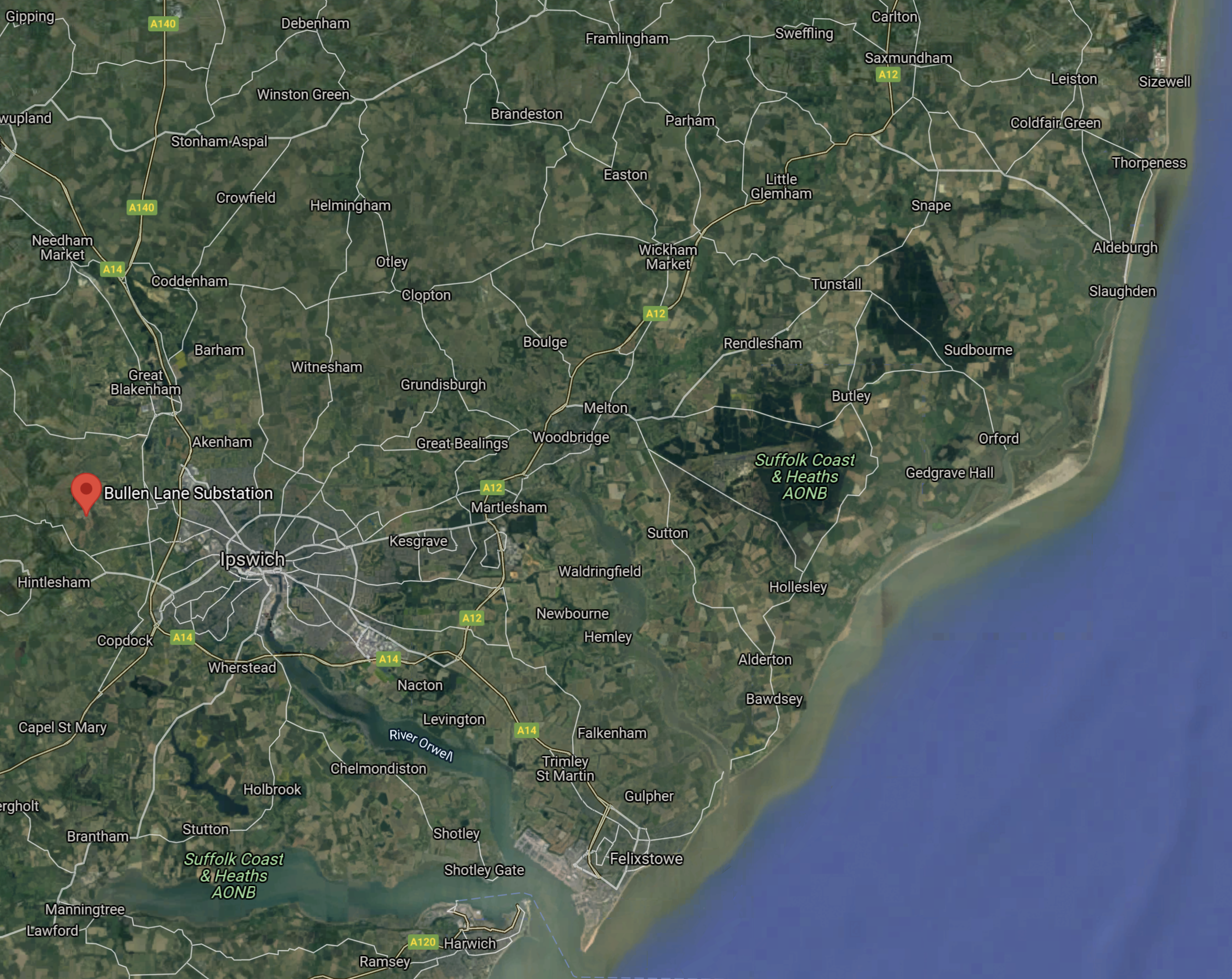
This Google Map shows the area between Ipswich and the coast.
Note.
- Sizewell is in the North-East corner of the map.
- Felixstowe, Harwich and Freeport East are at the mouth of the rivers Orwell and Stour.
- The Bullen Lane substation is to the West of Ipswich and shown by the red arrow.
I would certainly investigate the possibility of running an underwater cable up the River Orwell to connect the Southern end of the interconnector Between Bicker Fen And Freeport East.
This Google Map shows the Bullen Lane Substation.
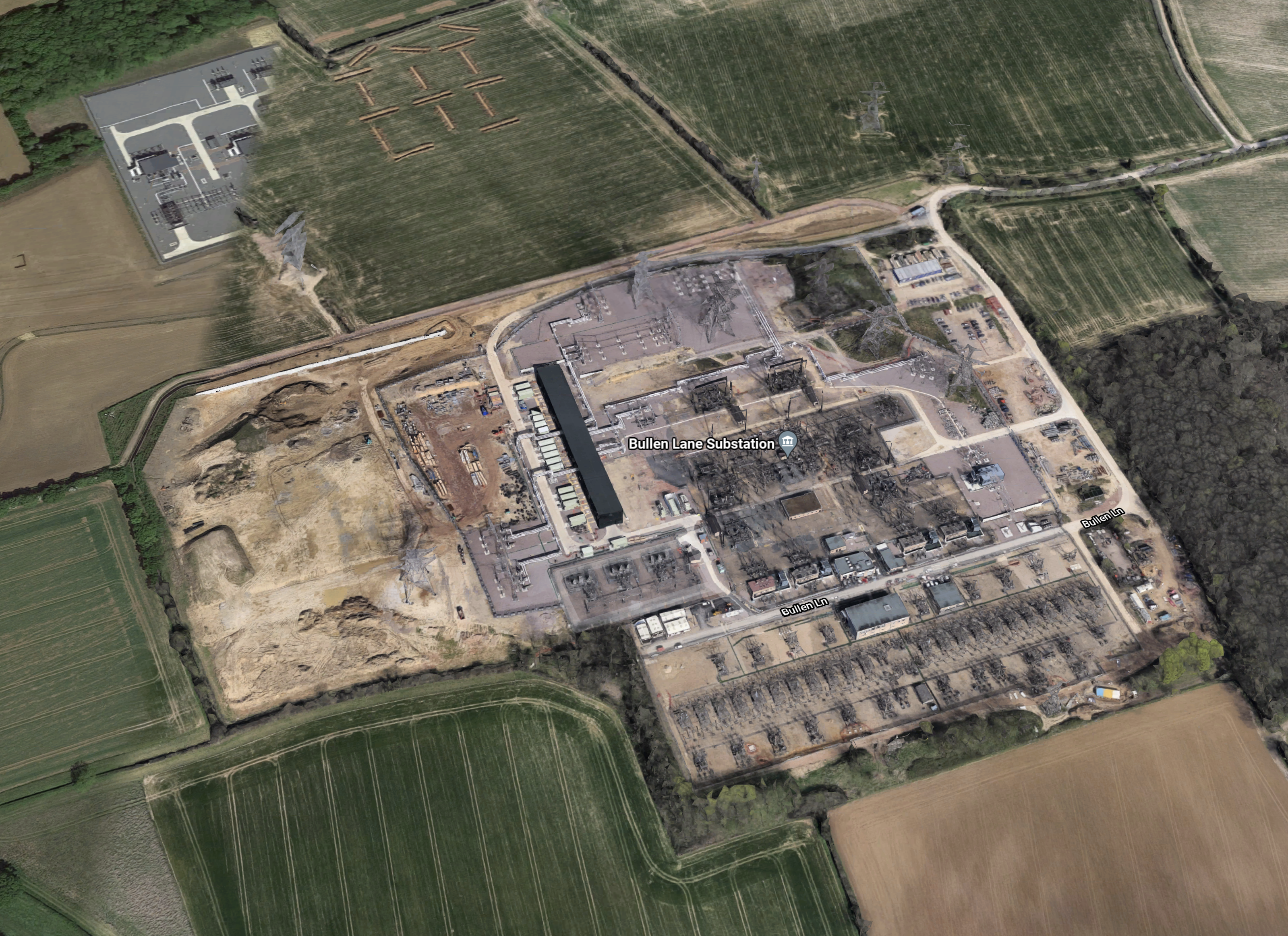
It looks impressive, but is it big enough to handle all the electricity coming ashore from the offshore wind farms to the East of Suffolk and the electricity from the power stations at Sizewell?
Conclusion
I believe there are a lot of possibilities, that would meet the threeobjectives, I stated earlier.
- Avoid as much disruption on the land as possible.
- Create the capacity to deliver all the energy generated to customers, either as electricity or hydrogen.
- Create an expandable framework, that would support all the wind farms that could be built in the future.
In addition, simple mathematics says to me, that either there will need to be extra capacity at both Bicker Fen and Bullen Lane substations and onward to the rest of the country, or a large electrolyser to convert several gigawatts of electricity into hydrogen for distribution, through the gas network.
Hydrogen Train Refuelling Standard To Be Developed
The title of this post, is the same as that of this article on Railway Gazette.
This is the first paragraph.
A agreement to optimise hydrogen refuelling equipment for passenger trains and define an international standard has been signed by Alstom and the Hynamics hydrogen subsidiary of French energy group EDF.
This can only be a good thing.
Felixstowe And Harwich Ports Submit Bid For ‘Freeport’ Status
The title of this post is the same as this article on the BBC.
These are the first three paragraphs.
A bid for “freeport” status for two existing ports has been submitted after the project was approved by a council.
East Suffolk Council unanimously backed the bid for the Port of Felixstowe and Harwich International to become one of 10 freeport facilities across the UK.
Freeport East would see owners Hutchison operate a single custom zone covering both coastal ports.
I think, some will think this a bit cheeky, but I think it is a product of the characters of the counties of Essex and Suffolk.
I was conceived in Suffolk and have probably spent half my life in the county.
It’s a county that thinks big.
- Is there another woman, who as Boudica did, assembled an army of hundreds of thousands and attempted to throw an unwelcome invader out of her country?
- The history of her tribe; the Iceni is closely tied, according to some historians, to the development of the thoroughbred racehorse at New Horse Market or Newmarket as it is known today!
- Newmarket is to horse racing as St. Andrews is to golf.
- The town is home of about 3,500 horses and is a major centre for horse and animal health.
- Newmarket Heath is a Site of Special Scientific Interest and is to be the largest area of mown grass in the world.
- Suffolk sheep are one of the most numerous sheep breeds in the world, having been exported all over the world.
- Suffolk is the only county in England with its own breed of sheep, cattle (Red Poll) and horse (Suffolk Horse)
- Bury St. Edmunds Abbey was one of the largest churches in England.
When I was about seven, the Port of Felixstowe was just a small dock exporting grain and now it the busiest container port in the UK and the eighth in Europe.
It is no surprise to me, that Felixstowe and Harwich want to be a Freeport, so they can expand further.
There have already been related news and media reports.
Freeport East Web Site
The Freeport East web site is at www.freeporteast.com.
Read these sections.
It is an ambitious vision. As someone, who believes we must innovate, this paragraph from the Innovation section strikes the right tone.
Beyond the energy sector, Freeport East will also contribute to wider innovation in the technology sector. Hutchison Ports is already working with Cambridge University and Three UK to develop innovative 5G applications. Hutchison Ports is also working with the New Anglia LEP, Tech East and BT’s research centre at Adastral Park on new telecommunications infrastructure. Freeport East will embed these technological innovations at its heart and help to make the UK a world leader in technological innovation
The web site, also talks about the ports becoming major centres for the development and servicing of renewable energy in the North Sea.
A Little Help From Their Friends
I notice that in some reports, they have joined forces with the University of Cambridge. As Cambridge colleges are big local landowners, this can only be to the benefit of the concept.
A Hydrogen Freeport
This article on the Eadt Anglian Daily Times is entitled Top Ports Could Be Powered By Hydrogen In Major Project.
The project is well-described in the article with this infographic, that shows how nuclear power from Siewell and wind power from the North Sea can come together to decarbonise shipping and the port.
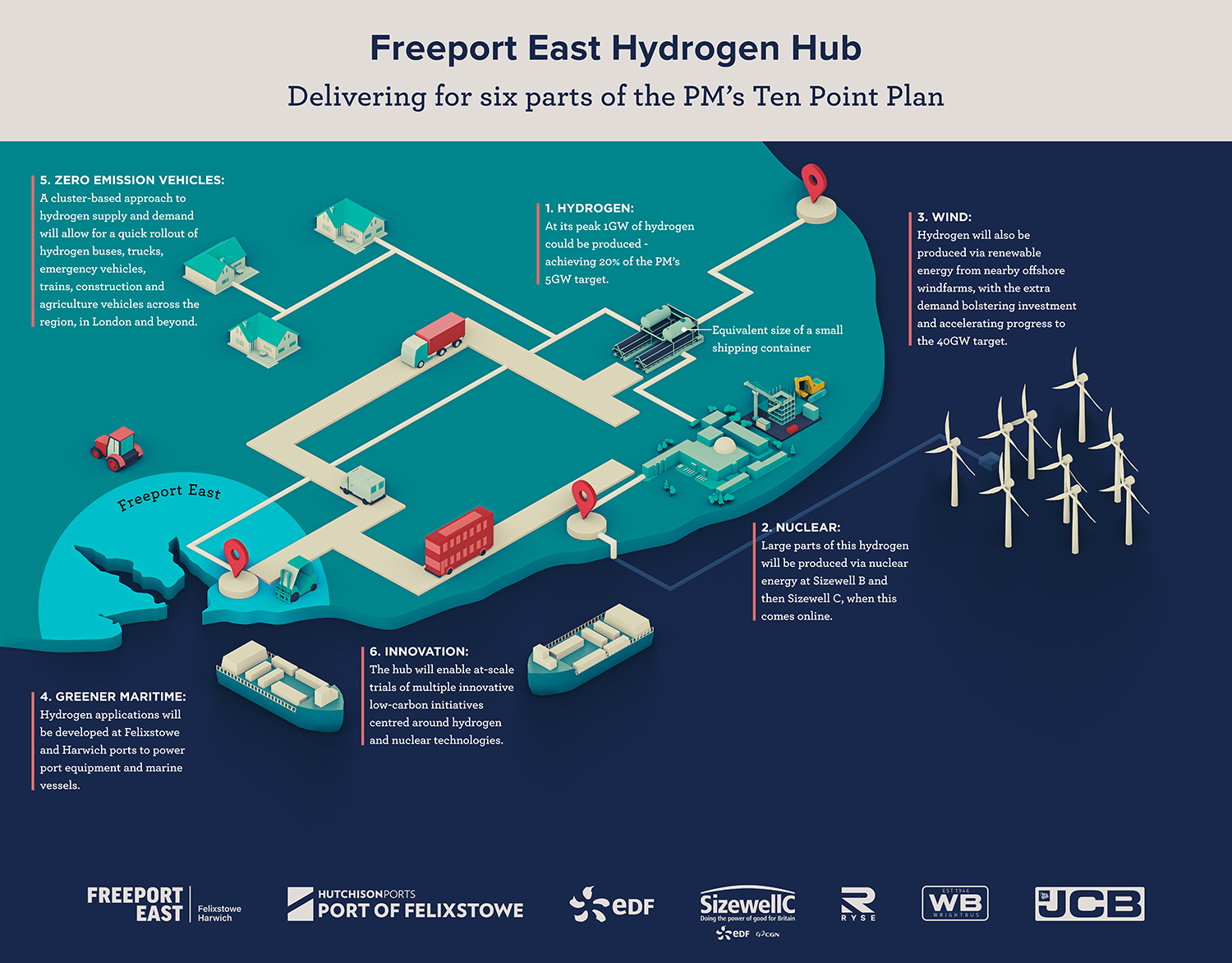
This paragraph sums up the hydrogen project.
At its peak, the power project, which will be delivered in partnership with Ryze-Hydrogen and EDF, developers of the proposed Sizewell C nuclear power station, will produce 1GW of hydrogen – 20% of the 5GW target in the Prime Minister’s Ten Point Plan for a Green Industrial Revolution.
Suffolk is thinking big again!
It certainly does appear, that several ports are following the hydrogen route. On this blog I have mentioned Antwerp, Holyhead and Portsmouth recently.
So what will the hydrogen be used for?
The East Anglian article says this.
The clean fuel would be used to power port equipment, ships, trucks and trains.
Port Equipment
I think the interesting one is port equipment.
- The chairman of JCB is Anthony Bamford.
- His son; Jo Bamford owns Ryze Hydrogen.
- JCB have recently released a hydrogen-powered digger.
- JCB is mentioned on the infographic.
Could we be seeing a range of hydrogen-powered port equipment, that has been developed by JCB?
Other companies like Hyster are certainly developing hydrogen-powered port equipment.
Ships
Decarbonisation of ships is difficult, as they need a lot of power and it usually comes from that most noxious of fuels; bunker oil.
The Wikipedia entry for bunker oil, has a section called Environmental Issues, where this is said.
Emissions from bunker fuel burning in ships contribute to air pollution levels in many port cities, especially where the emissions from industry and road traffic have been controlled. The switch of auxiliary engines from heavy fuel oil to diesel oil at berth can result in large emission reductions, especially for SO2 and PM. CO2 emissions from bunker fuels sold are not added to national GHG emissions. For small countries with large international ports, there is an important difference between the emissions in territorial waters and the total emissions of the fuel sold.
A lot of work is being done to power ships with hydrogen.
Provide refuelling for hydrogen-powered ships and you’ll get the business.
Trucks
Diesel trucks hauling goods to and from ports contribute to the pollution in the port, but if they are powered by hydrogen, the pollution for workers and neighbours is less.
I can see some freight terminals adopting a policy of No Hydrogen – No Load, with hauliers.
In Holyhead Hydrogen Hub Planned For Wales, I talked about a hydrogen hub at Holyhead. Will the ports of Dover, Felixstowe and Immingham need to have hydrogen refuelling facilities to handle hydrogen trucks hauling goods between the island of Ireland and Europe?
Trains
It is my belief, that hydrogen freight locomotives will be developed, so Felixstowe will need facilities to fuel the trains.
Imagine two highly-automated ports at Felixstowe and Holyhead, both with large supplies of hydrogen.
- A hydrogen-powered freight train would link the two ports.
- Hydrogen-powered handling equipment would load and unload the containers.
How many trucks would that take off the roads between Holyhead and Felixstowe?
Conclusion
The Port of Felixstowe is going to use hydrogen to become more efficient and zero-carbon, and make it more attractive to shippers wanting to pay more than lip-service to decarbonisation.
The EU have constantly accused Boris of turning the UK into Singapore-on-Thames!
But here we are creating Singaport-on-the-Haven.
The EU has freeports, so I guess it’s OK.
EDF Determined To Play ‘Major Role’ In UK Flexibility As It Signs 50MW Battery Optimisation Deal
The title of this post is the same as that of this article on Energy Storage News.
This is the opening two paragraphs.
EDF is set to optimise Gresham House Energy Storage Fund’s 50MW Wickham Market lithium-ion battery site.
The French energy giant will use its Powershift platform to optimise the asset to deliver optimal value and minimise battery degradation at the site in Suffolk, England.
This is a paragraph from the article.
Recently, EDF has signed a number of agreements with battery storage owners, including to optimise SWGT‘s 30MW utility-scale battery earlier in December. The company is also working to build up its own battery portfolio, investing in cleantech startup PowerUp to support its 10GW of storage by 2035 ambition.
Note.
- I suspect in this section of the article, whoever wrote it, doesn’t know a MW from a MWh or a GW from a GWh. Storage or capacity should be measured in GWh not GW.
- SWGT would appear to be Still Waters Green Technology, who are building the 30 MW battery near Swindon.
- EDF purchased Pivot Power in June 2020.
It seems to me that EDF Energy are moving fast into both building and optimising energy storage.
Conclusion
Brexit seems to making little difference to EDF’s plans to invest in the UK.
But then we have the potential for the generation of Gigawatts of offshore wind, that is less of a resource for France.
France, Denmark Eye Hydrogen Future
The title of thid post is the same as that of this article on Energy Reporters.
A few points from the article.
- EDF has launched a hydrogen production and distribution company called Hynamics.
- EDF is now the largest shareholder in McPhy, a electrolyses, hydrogen storage and charging station provider.
- European gas-fired power stations will run on twenty percent hydrogen.
- Hydrogen will be used to decarbonise the gas network by 2050.
- Hynamics said it was planning 40 projects in France, Belgium, Germany and Britain.
- In Denmark, Ørsted, is working on plans to convert electricity from its wind turbines into hydrogen.
The article is a must-read.
EDF Energy Targets Solar Homes With Discounted Battery Offer
The title of this post, is the same as that of this article on Solar Power Portal.
The title shows the way things are going. Although, I doubt, I would use EDF, as they are one of the companies who have ripped us off for a long time.
I have said that I will fit a battery in this house to go with the solar panels on my roof. I will also fit an electric car charging point in the garage, so that when I sell the house in a few years, the house will have more buyer appeal.
At around seven thousand pounds, the 8.2 kWh battery mentioned in the article, would be within my price range, but I suspect that price will decrease.
 The Anonymous Widower