Latest Northumberland Line station Set To Open
The title of this post, is the same as that of this article on Place North East.
This is the sub-heading.
Newsham Station in Blyth will be up and running on Monday, 17 March, allowing passengers to travel to Newcastle in 21 minutes.
These four paragraphs add detail.
It follows on from the reopening of the line in December, when Ashington and Seaton Delaval were brought back into action.
The line has been closed to passengers for almost 60 years, although freight still ran along the tracks.
Morgan Sindall Infrastructure-Rail is the main contractor on the almost £300m project.
Figures released by Northern, which operates the services, show around 50,000 passenger journeys were made on the line in the first month, a figure that has now surpassed 110,000.
Those passenger numbers seem very good and I suspect we’ll see London Overground Syndrome arriving.
It’s already starting to look like the project has been £300 million well spent and we should be looking for more similar projects.
Onward To Newbiggin-by-the-Sea For The Northumberland Line?
This is the headline on the Chronicle Live.
Plans Underway To Extend Northumberland Line To Newbiggin-by-the-Sea
And this is the heading on the Northumberland Gazette.
Plans Underway To Extend Northumberland Line To Newbiggin
Both articles say council officers have been asked to look at extending the line from its current terminus at Ashington.
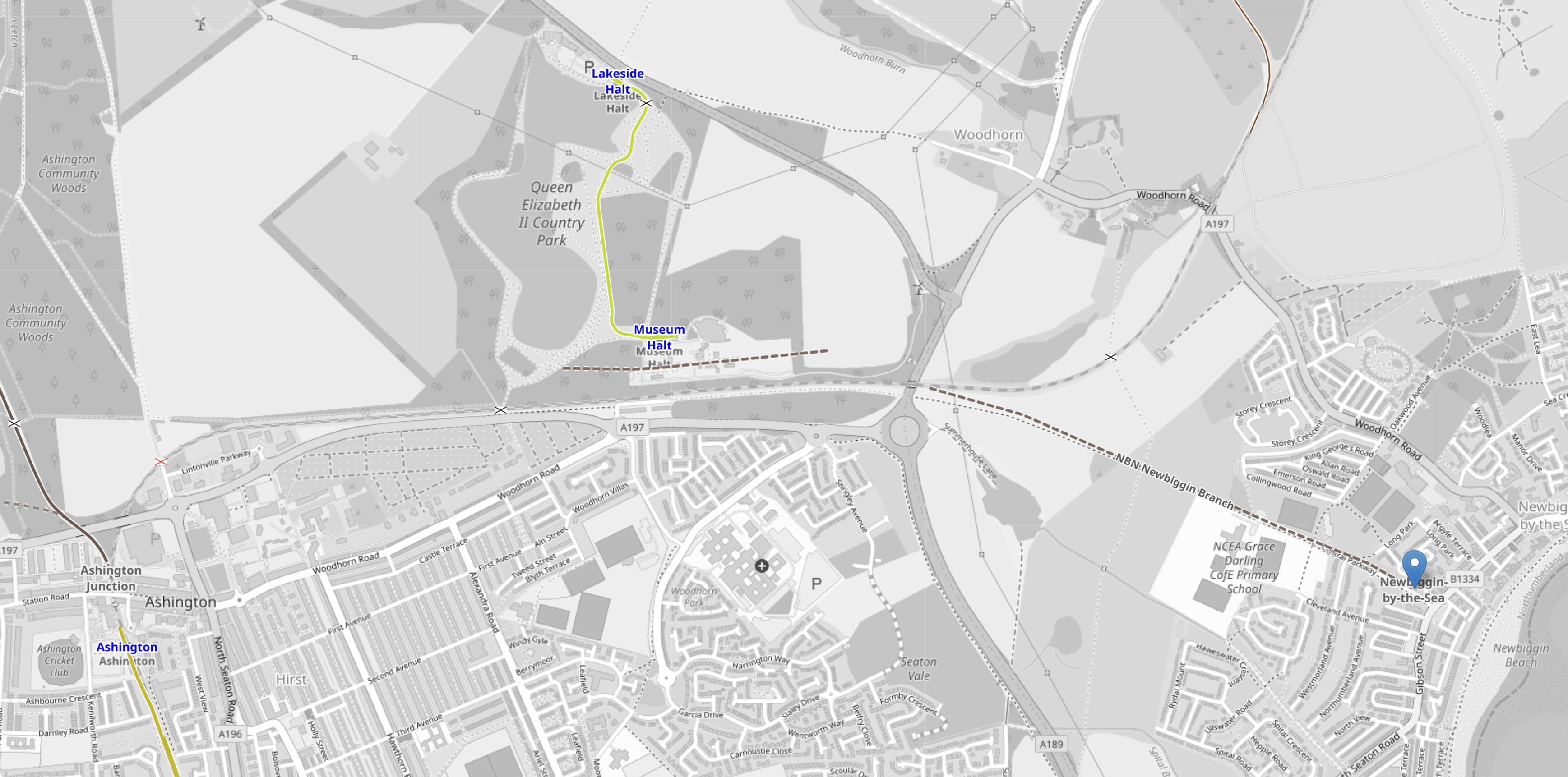
This OpenRailwayMap shows the route onwards from Ashington to Newbiggin-by-the-Sea.
Note.
- Ashington station is in the South-West corner of the map.
- The yellow track is the route of the new Northumberland Line to Newcastle.
- The possible site of the proposed Newbiggin-by-the-Sea station is marked by the blue arrow.
- The route of the railway between Ashington and Newbiggin-by-the-Sea is marked by a dotted line on the map.
- There appears to be a country park and a museum complex with a railway about halfway between Ashington and Newbiggin-by-the-Sea.
There also appears to be other disused colliery rail lines going to other closed collieries, that may be worth developing.
At a first look, it doesn’t appear that extending the Northumberland Line to a new station at Newbiggin-by-the-Sea would be the most difficult of railway projects.
Woodhorn Museum, Woodhorn Colliery And The Queen Elizabeth II Country Park
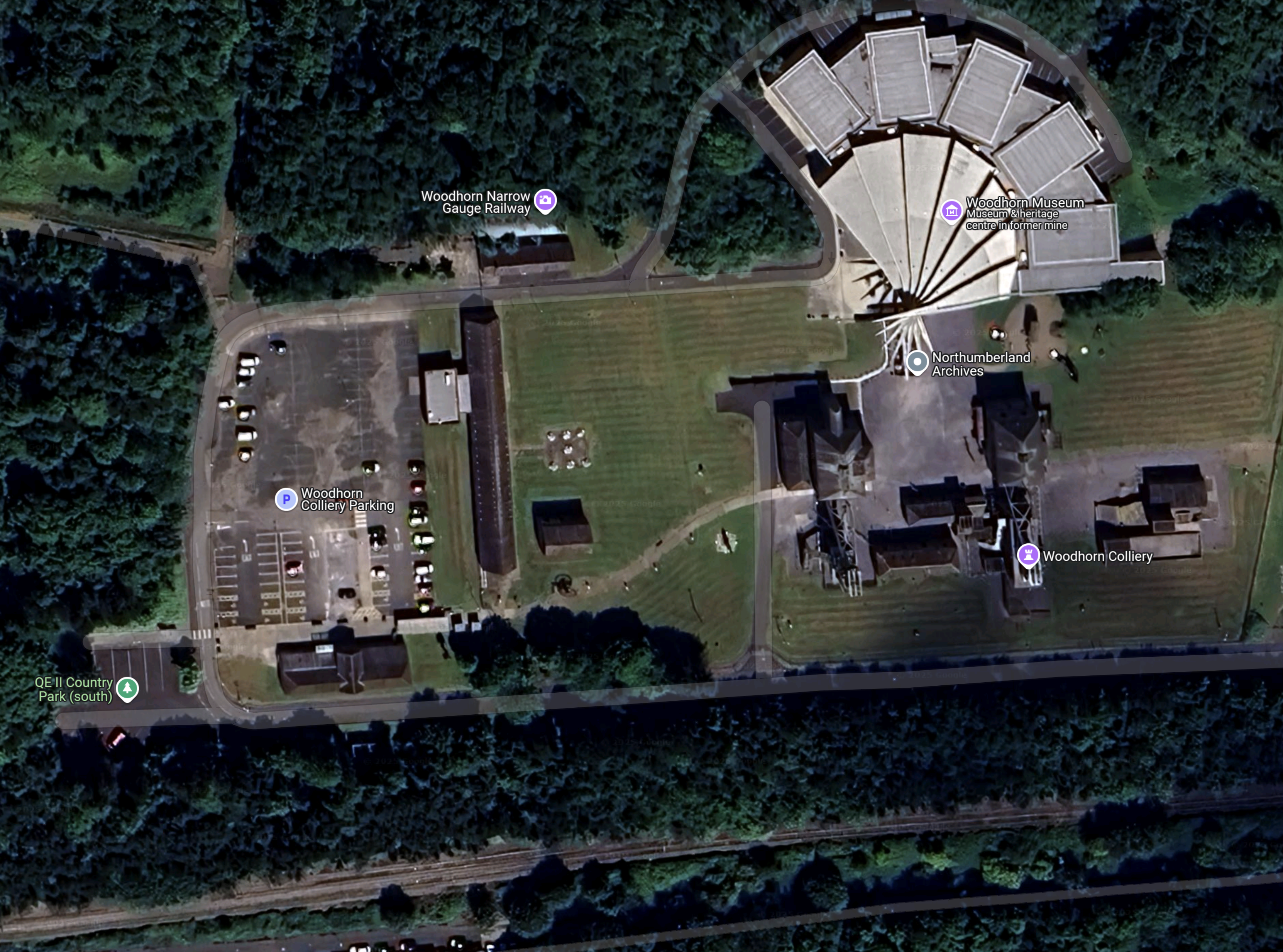
This Google Map shows this attraction in detail.
Note.
- Woodhorn Museum is the fan-shaped building in the North-East of the map.
- Woodhorn Colliery is part of the museum and is to the South of the main museum building.
- The Northumbrian Archives are also on the Woodhorn site.
- The Woodhorn Narrow Gauge Railway is indicated by the lilac arrow in the North of the map.
- The Queen Elizabeth II Country Park is indicated by the green arrow in the West of the map.
- Across the bottom of the map, there appears to be a double-track railway, which appears to connect to the new Ashington station.
This is the sort of attraction, that is crying out to have its own railway station.
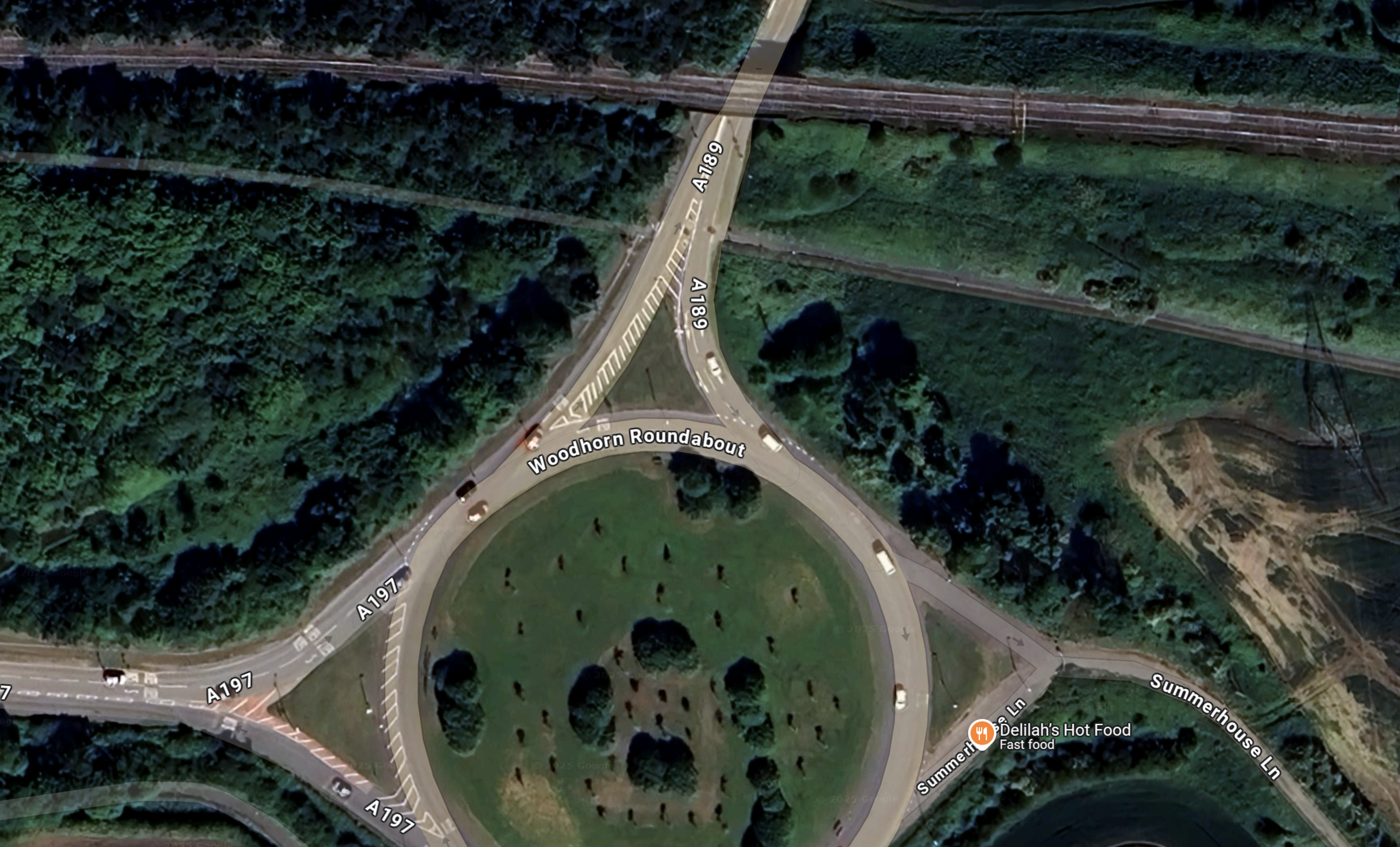
This Google Map shows the Woodhorn Roundabout on the A 189 to the South-East of the Woodhorn Museum
Note.
- The road to the North is the A 189 which leads to Lynemouth power station, which is fueled by biomass.
- The double-track railway across the top of the map, also goes to Lynemouth power station. Note it has a bridge over the A 189.
- The single-track railway to the South of the double-track can be followed almost to the centre of Newbiggin-by-the-Sea. It looks like it goes under the A 189.
It looks to me, that a single-track could easily handle two trains per hour to a single-platform at Newbiggin-by-the-Sea station.
Great British Railways And Private Sector To Compete For Ticket Sales
The title of this post, is the same as that of this article on Railway Gazette.
This is the introductory paragraph.
The Department for Transport has announced that the future Great British Railways will sell tickets online, while retaining a ‘thriving’ private sector market where third party ticket retailers can compete in an ‘open and fair’ manner.
I would certainly like to see more innovation in the selling of rail tickets.
A few things I would like to see in ticketing include.
Ticketing Machines At Busy Interchanges
When, I wrote My First Trip On The Northumberland Line – 18th December 2024, I bought my Lumo ticket between Kings Cross and Newcastle at King’s Cross and needed to buy my ticket for Ashington at Newcastle station.
There is no ticket machine on the long walk between where Lumo trains arrive and leave and the Northumberland Line.
This is a common problem and someone needs to design a ticketing machine for interchanges to simplify the changing of trains for passengers.
Stations that need such a machine include.
- Clapham Junction on the bridge.
- Ipswich on the central platform.
- Leeds on the bridge.
- Reading on the bridge.
It should be noted, that in some cases train staff will sell you a ticket, which gets round the problem. But other train companies are getting tough on revenue enforcement.
These ticket machines could be provided by Great British Railways or a private company.
Automatic Freedom Pass Extension
If I don’t want to buy a physical ticket for Gatwick Airport, I can use my Freedom Pass to East Croydon. Then I exit the station and come back in using a credit card or my phone. I then exit at Gatwick, using the method I used to reenter at East Croydon.
But wouldn’t it be so much easier, if I could link a credit card to my Freedom Pass, so that the charge for East Croydon and Gatwick Airport was automatically charged to my credit card.
Collection Of Tickets
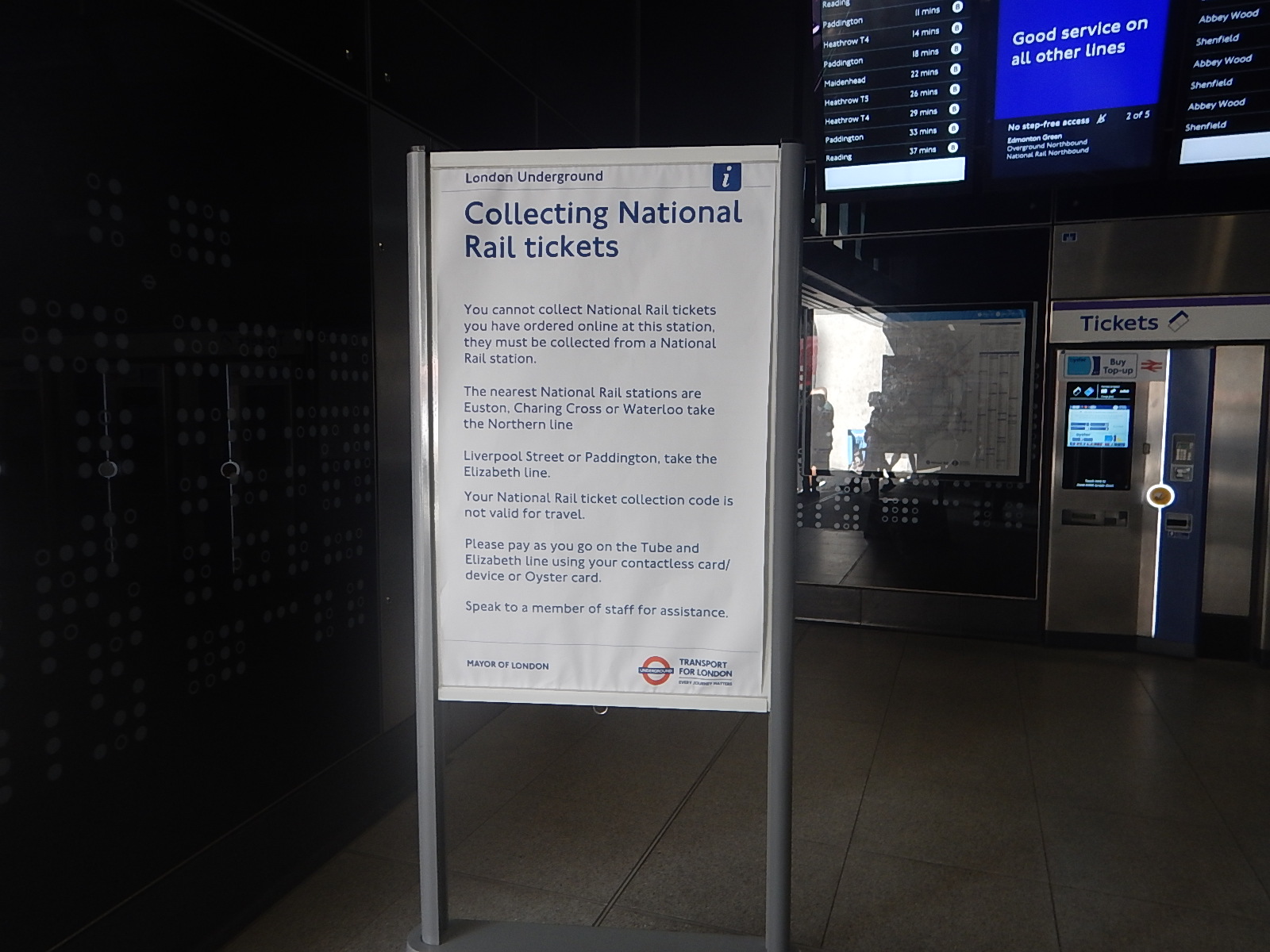
In Collecting National Rail Tickets, I had a moan at Transport for London about their unwillingness to provide facilities for passengers to pick up National Rail tickets.
This was their unfriendly notice at Tottenham Court Road station.
Facilities should be provided in many more places, where passengers can pick up rail tickets bought on-line.
These ticket collection machines could be provided by Great British Railways or a private company.
My First Trip On The Northumberland Line – 18th December 2024
Yesterday, I took Lumo to Newcastle and took my first ride to Ashington on the Northumberland Line.
These are some of the pictures I took.
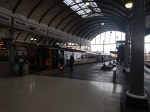
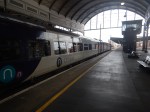






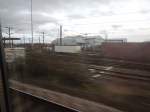
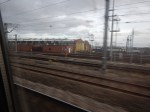


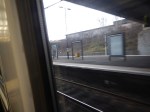
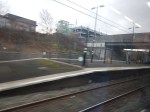


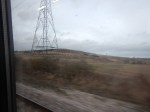


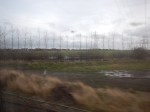
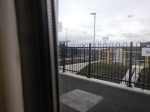
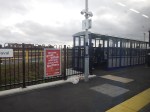
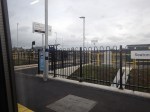

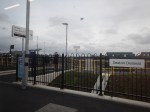
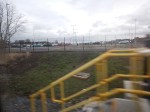




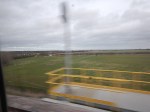





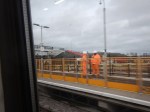
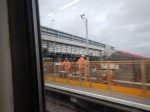






























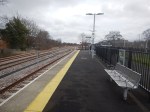
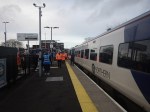
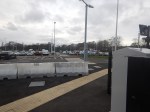



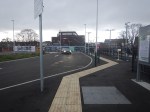
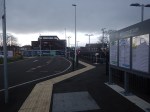



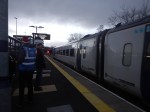
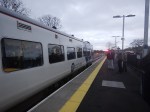
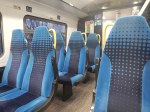











Note.
- Much of the route is double-track.
- Bridges over the tracks indicate, that some stations will have two platforms.
- I suspect some stations could take a five-car train.
- One guy said that there is a lot of landscaping to do.
- The standard is very similar to the Borders Railway.
I have some other thoughts.
The Blyth Valley Is Well Supplied With Electricity
Several high-capacity connections to wind farms and Norway are planned to come ashore at Blyth and it appears from the pictures that the area is well connected to the grid.
This must have nudged Britishvolt to put their battery plant at Blyth.
But no matter for those jobs, as with a rail service to Greater Geordieland and lots of electricity, there must be other energy-hungry businesses like datacentres or small modular reactor factories, who would want the site.
The Long Platforms
I am fairly sure that some of the platforms have been sized to take a five-car Hitachi Class 80x train, which are only 130 metres long and can carry around 400 passengers.
This must enable the ability to use the Northumberland Line as a diversion for the East Coast Main Line.
Some services could perhaps stop at Blyth for the large factories and/or Northumberland Park for the Metro.
It looks to me, that the Northumberland line was designed for large factories or businesses with lots of workers, that needed lots of electricity.
Development North Of Ashington
This OpenRailwayMap shows the area North of Ashington.
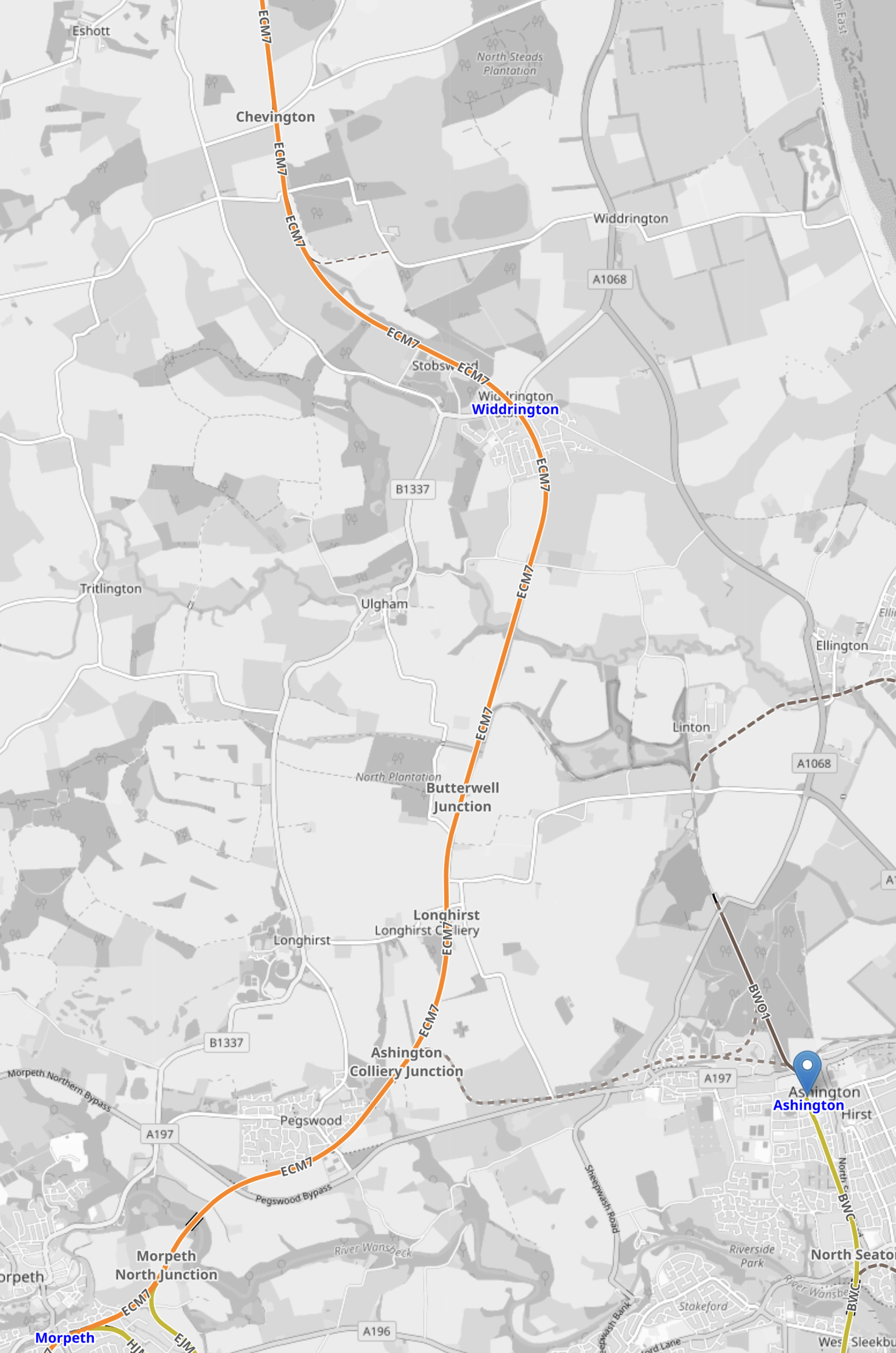
Note.
- The orange line going up and down the map is the East Coast Main Line.
- Morpeth station is in the South-West corner of the map.
- Ashington station is in the South-East corner of the map.
I think there might be scope to develop this area to make the heavy components needed for wind farms and small modular reactors,
London And Newcastle In A Day By Lumo
On Monday, the weather for yesterday in the North-East seemed set fair, I was able to get tickets on Lumo both ways for a reasonable price and the new Northumberland Line had opened.
So I decided to go for it.
My outward journey was on the 10:45 and the return was on the 17:52, which gave me more than enough time to take a train to Ashington and back.
I took these pictures as I arrived in and changed cmy trains at Newcastle.



















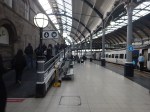
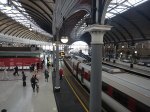
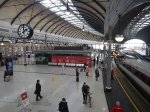
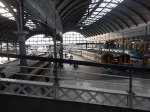
Note.
- The weather in Geordieland was gorgeous.
- Is there another station in the UK, with an approach with such a large number of bridges over a large river.
- I took the bridge pictures from the lobby of the train.
- The blue railway bridge is on the East side of the train.
- The modern road bridge is on the West side of the train.
- In The Bridges of Newcastle, there are more pictures of Newcastles’s bridges.
- To change trains, I had to cross from one side of the station to the other on a stiff bridge without lifts.
- The Northumberland Line trains run every thirty minutes.
These are some further thoughts on Newcastle station, which I will write later.
Timings Going North
The train left Kings Cross at 10:45½, which was just thirty seconds late.
It arrived in Newcastle at 13:48, which was four minutes late.
The journey time had been three hours and two and a half minutes.
Timings Going South
The train left Newcastle at 17:52, which was on time.
It arrived in Kings Cross at 21:17, which was thirty-three minutes late.
The thirty-three minute delay, must raise the possibility of delay repay.
It does!
Three Hours London Newcastle?
These timings must raise the possibility of a sub-three hour time. on the train, between London King’s Cross and Newcastle stations.
The digital signalling that is currently being installed, with perhaps a few timetable tweaks should do it for both Lumo and LNER.
Could The Trains Absorb The Airline Passengers?
Consider.
- In 2023, 437,735 passengers flew between London Heathrow and Newcastle airports.
- This is just 1,200 passengers per day.
- A five-car Class 803 train has 403 seats.
It would appear that a few extra trains and some targeted marketing, could convert London and Newcastle into an all-electric train route.
Seats
Train seats are a bone of contention to many rail passengers these days.
I first rode on Lumo to Scotland in 2021 and wrote about it in London To Edinburgh On Lumo, where I was fairly complimentary about the seats.
They certainly are better than some train seats I have ridden in.
Am I Tired Today?
Not particularly! But I wasn’t very energetic during my four hours in the North.
Tickets For Onward Journeys
The main purpose of my trip was to ride the Northumberland Line to Ashington.
I made the mistake of not buying my ticket for the second train in London, as I hadn’t realised that my train from London and the Ashington train used different sides of the station.
- It was a stiff walk for me between trains.
- In order to buy a ticket, you need to pass through the barriers twice to get to the ticket office or a machine.
- There was no ticket facilities on the far side of the station, where the Lumo train arrived.
- The ticket machines didn’t accept contactless cards.
- Information was lacking.
The outcome was that I nearly missed my train to Ashington.
So to be sure of catching your connection, if you are changing trains at Newcastle, make sure you buy your tickets before you leave your first station.
Thoughts On Tram-Trains In Manchester
The State Of Public Transport In the North
Over the last few years plans have been put in place to improv the state of the public transport of the major cities of the North and progress has started to happen, with new trains, trams and light rail systems being planned and in some cases coming into service.
Birmingham, Coventry And The West Midlands
A lot of investment has been made and it is continuing.
- Birmingham New Street station has been rebuilt.
- Coventry and Wolverhampton stations have been remodelled.
- Two new stations were built in Birmingham for the Commonwealth Games.
- A large number of new Class 730 local trains are being brought into service.
- Birmingham stations are being updated for High Speed Two.
- The West Midland Metro has been extended at both ends and a second line is under construction.
Transport in the wider West Midlands has been greatly improved.
Derby, Nottingham, Sheffield And The East Midlands
The major investment in this area is the electrification of the Midland Main Line and the provision of new Hitachi electric Class 810 trains.
In addition the following has been done.
- The Hope Valley line between Manchester and Sheffield has been improved.
- Derby station has been improved.
- The local trains have been refurbished.
- The power supply has been improved.
- An application for an Open Access service to Sheffield has been made.
The improvements in the East Midlands, will not be on the same scale as in the West Midlands, but they will make a difference.
Leeds, Bradford And West Yorkshire
For decades, West Yorkshire and especially Bradford has lagged behind the rest of the North.
But at least things are stirring.
- Plans have been laid to create a through station in Bradford.
- Leeds station has been refurbished.
- An extra platform is being added at Bradford Forster Square station.
- The TransPennine Upgrade is underway to electrify between Huddersfield and York.
- Hitachi have developed a battery-electric high speed train for the TransPennine route.
- Bradford is installing a hydrogen electrolyser, so that the city can have hydrogen buses to cope with the hills.
- Plans are now being developed to create a metro for Leeds and Bradford.
West Yorkshire is closing the gap to the rest of the North.
Liverpool And Merseyside
Again, a lot of investment has been made.
- The approaches to Liverpool Lime Street station have finally been sorted, with more tracks and new signalling.
- Liverpool Lime Street station has been improved and is now one of the finest stations in Europe.
- Trains are now approaching High Speed Two times between Crewe and Liverpool.
- More services between London and Liverpool can now be planned, with the arrival of new Class 807 trains.
- Some new stations have been built and more are planned.
- A large number of new Class 777 local trains are being brought into service.
Transport in the wider Merseyside has been greatly improved.
Newcastle, Tyneside And Northumberland
The area is getting investment, but not as much in proportion as others.
- The Metro trains are being replaced and the Metro itself, is getting a major update.
- The East Coast Main Line has received improvements to power supplies, signalling and some bottlenecks.
- The Northumberland Line to Ashington is being brought back into operation.
It’s a start, but if the Northumberland Line is a success, I can see a call for more line re openings.
Manchester And Greater Manchester
If you look at each of the areas, they generally have one or more large projects.
- Birmingham, Coventry And The West Midlands – Birmingham New Street station, Class 730 Trains, High Speed Two, West Midland Metro
- Derby, Nottingham, Sheffield And The East Midlands – Midland Main Line, Class 810 Trains, Hope Valley Line, Open Access To Sheffield
- Leeds, Bradford And West Yorkshire – Leeds station, Bradford improvements, TransPennine Upgrade, Battery-Ekectric Trains, Leeds Metro
- Liverpool And Merseyside – Liverpool Lime Street Improvements, Class 807 Trains, Class 777 Trains
- Newcastle, Tyneside And Northumberland – Metro upgrade with New Trains, Northumberland Line
So what improvements are in the pipeline for Greater Manchester?
This Wikipedia entry is entitled Proposed Developments Of Manchester Metrolink.
The proposed developments include in the Wikipedia order.
- New Metrolink Stop: Stop to serve new housing development proposed at Elton Reservoir on the Bury Line.
- New Metrolink Stop: Stop to serve new housing development proposed at Sandhills on the Bury Line.
- New Metrolink Stop: Stop to serve new housing development proposed at Cop Road on the Oldham and Rochdale Line.
- Airport Line extension to Terminal 2: A short extension of the Airport Line from the current Manchester Airport station to the site of the expanded Terminal 2.
- Airport Line extension to Davenport Green: An extension of the Airport Line from Roundthorn to the site of the proposed Manchester Airport High Speed station on the HS2 high speed network.
- Oldham–Heywood via Rochdale tram-train pathfinder: A tram-train service utilising the heavy rail Calder Valley line to connect Oldham to Heywood through Rochdale railway station.
- Manchester Airport–Wilmslow via Styal tram-train pathfinder: A tram-train service operating on the southern section of the heavy rail Styal Line between Manchester Airport and Wilmslow in Cheshire.
- South Manchester–Hale via Altrincham tram-train pathfinder: An extension of Metrolink’s Altrincham Line using tram-train to reach Hale on the heavy rail Mid-Cheshire line.
- Improved Metrolink frequency between Piccadilly and Victoria stations: Increasing capacity to provide a direct service from Rochdale and Oldham to Manchester Piccadilly.
- Interventions to improve Metrolink capacity and reliability: Includes improvements to turnback facilities and double-tracking currently single-track sections.
- Further interventions to improve Metrolink capacity and reliability: Includes longer vehicles, a third depot and double-tracking currently single-track sections.
- Manchester–Stalybridge extension: An extension of the East Manchester Line from Ashton-under-Lyne to Stalybridge.
- Manchester–Middleton extension: A proposed spur from the Bury Line connecting to the town of Middleton.
- Oldham–Middleton extension: A spur from Oldham to Middleton.
- MediaCityUK–Salford Crescent: A line connecting the MediaCityUK tram stop to the Salford Crescent railway station interchange. Further new Metrolink.
- Connections between Salford Crescent, Inner Salford and the City Centre: Extension of the MediaCityUK–Salford Crescent line into the regional centre.
- Completion of the Airport Line (Wythenshawe Loop): Completion of the Wythenshawe Loop by connecting the Metrolink lines between the Davenport Green and Manchester Airport Terminal 2 extensions.
- Port Salford/Salford Stadium extension: Extending the Trafford Park Line from the Trafford Centre to a proposed container terminal at Port Salford.
- Glossop tram-train: A tram-train service utilising the Glossop line between Manchester and Glossop in Derbyshire.
- Marple tram-train: A tram-train service utilising the Hope Valley line branches north of Marple towards Manchester.
- Manchester–Wigan via Atherton tram-train: A tram-train service utilising the Atherton section of the Manchester–Southport line between Manchester and Wigan.
- Manchester–Warrington tram-train: A tram-train service utilising the southern route of the Liverpool–Manchester lines between Manchester and Warrington.
- Stockport–Hazel Grove tram-train: A tram-train service between Stockport and the suburb of Hazel Grove.
- Stockport–Manchester Airport tram-train: A tram-train service between Stockport and Manchester Airport.
- Rochdale–Bury via Heywood tram-train: Extension of the Oldham–Heywood tram-train pathfinder from Heywood to Bury.
- Manchester Airport–Mid Cheshire tram-train: A tram-train service from Manchester Airport using a proposed Western Link rail line to the Mid-Cheshire line.
- Stockport–Ashton via Denton and Reddish tram-train: A tram-train service utilising the Stockport–Stalybridge line from Stockport to Ashton.
- Cornbrook–Manchester Airport via Timperley tram-train: A tram-train service from Cornbrook using the Altrincham line to Timperley, the Mid Cheshire line to Baguley, then the Wythenshawe Loop to Manchester Airport.
- Regional centre metro tunnel: Providing capacity for more services on the network.
- Oldham–Greenfield via Grotton extension: A Metrolink spur from Oldham town centre to Greenfield railway station on the Huddersfield line.
- Oldham–Royton extension: A Metrolink spur from the Oldham and Rochdale line to the town of Royton.
Note.
- The number of times that tram-trains are mentioned.
- But with its numerous rail and tram lines, Greater Manchester is ideally suited for conversion to tram-trains.
- There are three pathfinder routes for tram-trains, which will be converted first to prove the technology.
These are my detailed thoughts on tram-trains in Greater Manchester,
All Routes Could Be Run By Identical Tram-Trains
If this can be arranged, it is surely preferable from the operator, staff and passengers point-of-view.
Tram-Trains Can Run On Secondary Routes Like The Calder And Hope Valley Lines
In Manchester, this would enable some routes to be swapped from the rail to the tram network.
It would also allow trams to run between networks, so you could have a direct tram service between say Stockport and Sheffield on the Hope Valley Line.
Tram-Trains Can Be Faster
Tram-trains can be faster, when running on rail lines, so they don’t hold up expresses.
What Do Tram-Trains Look Like?
This is one of Sheffield’s Class 399 tram-trains at Rotherham Parkgate.
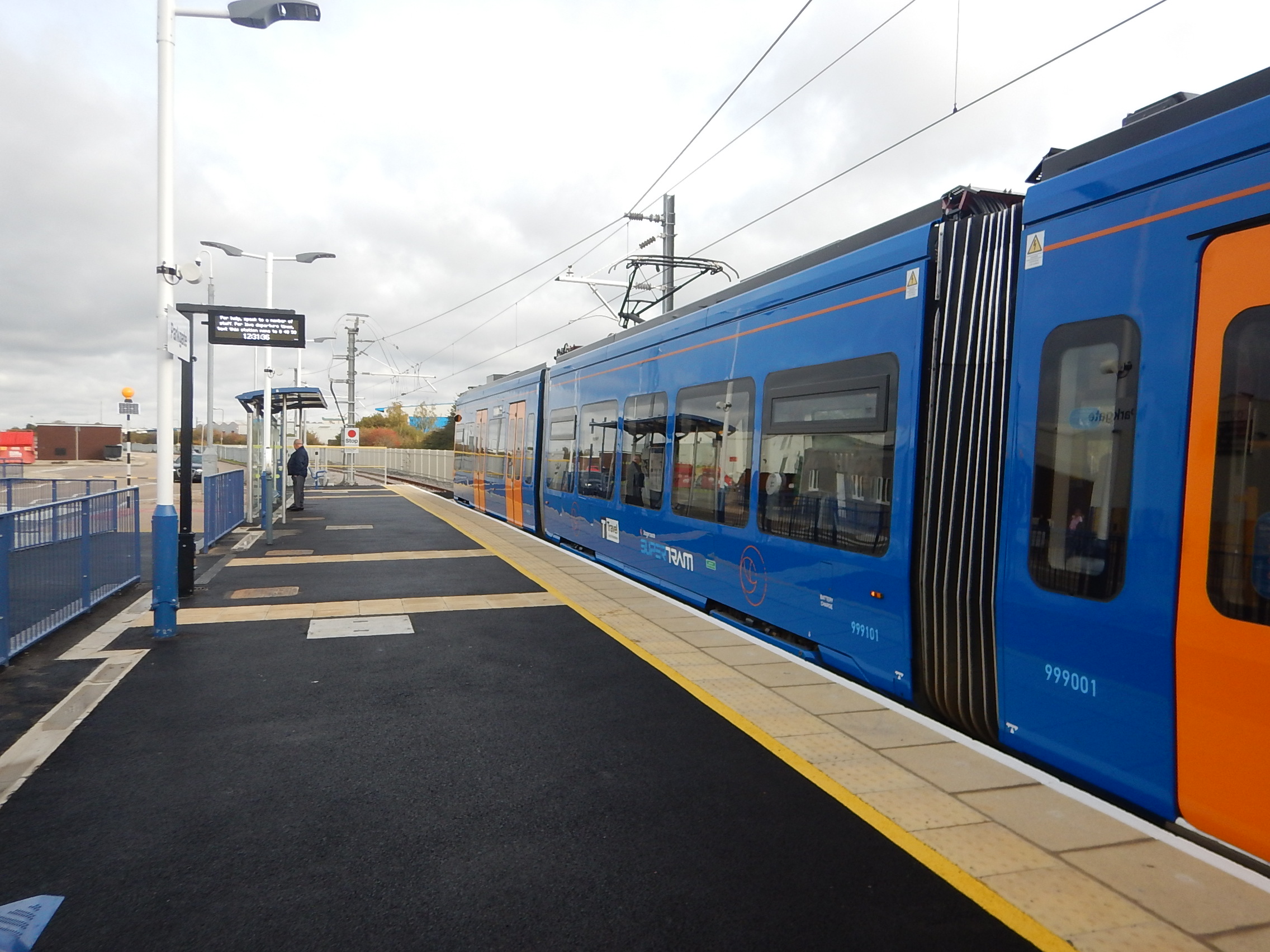
Note.
- This tram-train is a member of the Stadler Citylink family.
- this version can be powered by either 750 VDC or 25 KVAC.
- The Welsh version will also have battery-power.
- It is a three-car tram train.
- There is step-free access.
The Wikipedia entry for the Stadler Citylink has lots more details.
Stadler have just launched a new smaller one- or two-car tram-train.
This image from the press release shows the prototype hydrogen-powered one-car RS ZERO.
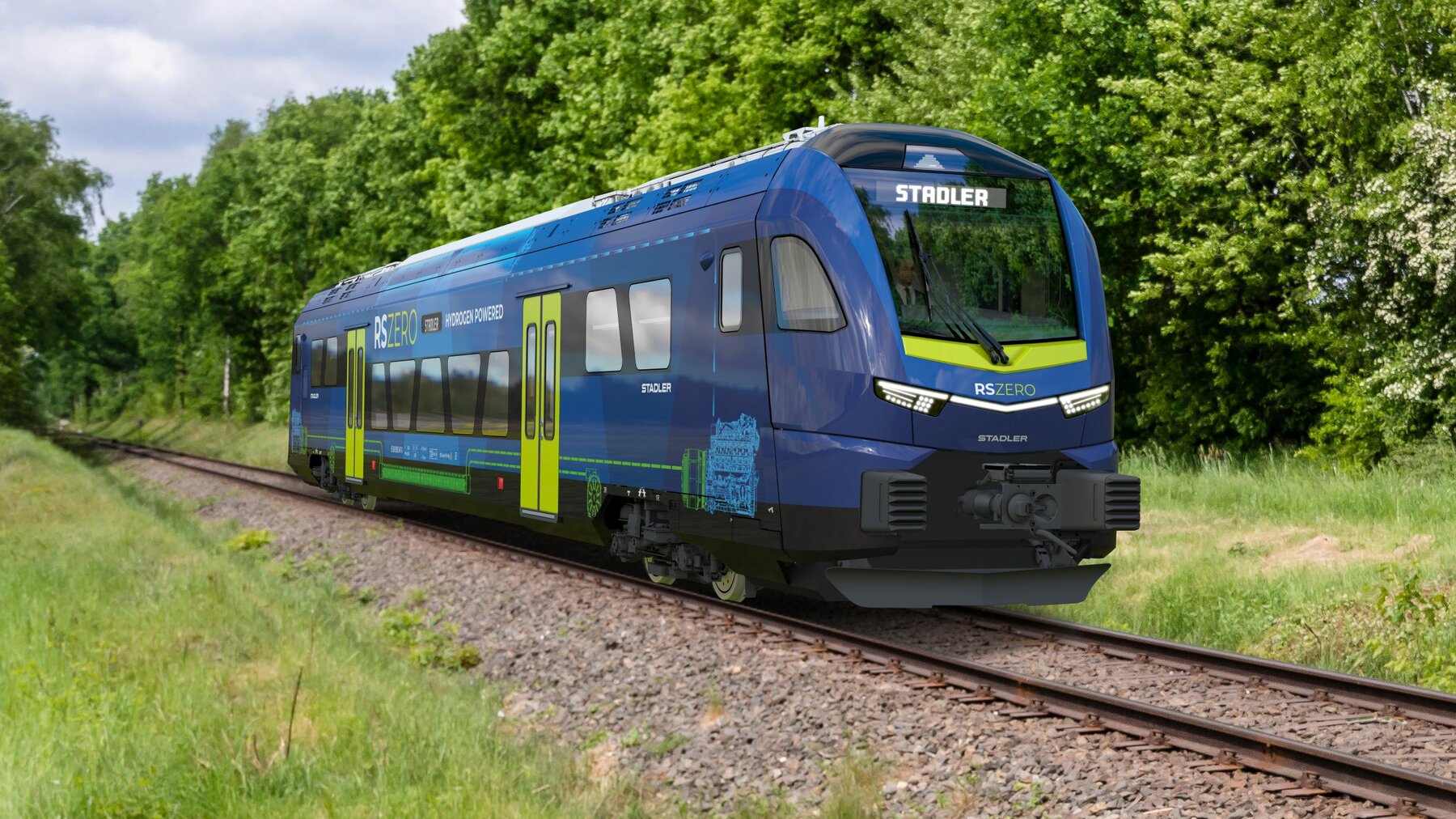
Note.
- The Regio-Shuttles can run as up to seven car trains.
- These RS ZERO are powered by overhead electrification, battery or hydrogen power.
- They can carry 170 passengers at 75 mph.
- They can run as train-trams using the Chemnitz model on compatible tram networks.
- The interiors are very flexible.
- An RS ZERO can be fitted with toilets for the posher parts of Manchester.
- Typically, a one-car RS ZERO handles a similar passenger load to a one-car Metrolink vehicle.
The more I compare the RS ZERO with the Metrolink’s trams, the more it looks like Stadler’s design has a Metrolink order firmly in its sights.
A Simple Tram-Train Example
The Altrincham Line of the Metrolink, runs between Altrincham and Deansgate-Castlefield in Central Manchester.
- Tram-trains would be capable of sharing the tracks with the current trams.
- Initially, they would run an identical service to the same destinations in the North.
- At either Navigation Road or Altrincham stations, they would switch to the heavy rail track.
- They would then travel to Hale or whatever station is determined to be the terminus.
Tram-trains would be a simple way of extending a tram service along a heavy eail line.
The Range Of The RS ZERO
This article on the Railway Gazette is entitled Prototype RS Zero Hydrogen Or Battery Railcar For Secondary Lines Unveiled At InnoTrans, has this paragraph.
The hydrogen powered RS Zero has a range of more than 700 km in the single car version, and a two-car version would offer more than 1 000 km. Battery trains will offer ranges of 80 to 110 km or 90 to 180 km. The maximum speed is 120 km/h.
As Chester and Manchester is only 45 miles or 72.4 kilometres, ways and means of running the battery versions on the route should be possible.
In fact, as Stockport and Manchester Piccadilly is already electrified at 25 KVAC and a return trip to Manchester Piccadilly from Stockport probably takes about twenty-five minutes, I would envisage that an RS ZERO would leave Stockport for Chester with a full battery. As Stockport and Chester is only 39.2 miles or 63 kilometres, the RS ZERO should do the trip if it started with a full battery and had a short length of electrification at Chester to top up the battery, if needed.
Other Possible Tram-Train Routes From Stockport
It is indicated the Metrolink would like to run other tram-train routes from Stockport.
- Ashton – Not sure of the route
- Buxton – 31.8 km
- Hazel Grove – 5 km – Electrified
- Manchester Piccadilly – 9 km – Electrified
- Manchester Airport – Not sure of the route
- Sheffield – 59 km – Will be electrified at Sheffield
Note.
- This would speed up Sheffield services.
- Buxton would be an interesting route and would probably use Newton’s friend to help on the return.
I suspect that nearly all local services from Manchester through Stockport could be run by battery-electric or hydrogen tram-trains.
The Glossop Line Could Be Converted To Tram-Train
It’s already electrified so why not?
Conclusion
It strikes me, that a lot of Manchester’s suburban rail network could be converted to RS ZERO tram-trains.
The RS ZERO tram-trains could also be used on existing tram routes to convert them to tram-train operation and extend them.
As a bonus Manchester’s trains would be substantially decarbonised.
Matchday Travel Made Easy With Lumo
The title of this post, is the same as that as this new item from Gateshead FC.
These three paragraphs outline the partnership between Lumo and Gateshead FC.
Lumo, our official rail partner, continues to offer Gateshead fans the perfect means for travelling to London and back on away days.
Operating exclusively electric trains, Lumo’s fleet run at times convenient for football matches, allowing fans to travel to London from Newcastle train station in just under 3 hours and vice versa. Lumo is committed to delivering sustainable travel without compromising on comfort, convenience, or cost.
Discover the tips and offers from Lumo below to make planning your next trip to t Capital easier, more affordable, and completely hassle-free.
Two tips and offers are listed.
- Plan Ahead – Tickets Available Until Spring 2025.
- Stay Flexible With LumoFlex
I have a few thoughts and observations.
Lumo Is Faster Than AI
According to the September 2024 Edition of Modern Railways, Lumo holds the record of two hours and 33 minutes from King’s Cross to Newcastle.
- Google’s AI-enhanced search engine gives three minutes longer.
- Looks like a stupid computer to me.
If Lumo could keep their record pace going to Edinburgh, they’d be in the Scottish Capital in three hours 43 minutes after leaving King’s Cross.
There Are Eleven Teams In The Same Division Of The National League As Gateshead, That Can Be Reached Easily From London
The teams are.
- Aldershot Town – Train from Waterloo
- Barnet – Underground and Bus
- Braintree – Train from Liverpool Street
- Dagenham & Redbridge – Underground and Bus
- Eastleigh – Train from Waterloo
- Ebbsfleet United – Thameslink
- Maidenhead – Elizabeth Line
- Southend United – Train from Liverpool Street
- Sutton United – Thameslink
- Wealdstone – Underground
- Woking – Train from Waterloo
Note.
- Maidenhead and Sutton United are probably the easiest.
- Woking could be the most difficult.
- Thameslink and the Elizabeth Line are useful.
If Lumo bring a train-full of passengers to London, that is 400 passengers per train at £18 each way, if all supporters get the best price.
So each train could produce £14,400, if it was full. If Lumo can run ten-car instead of five-car trains, that doubles the revenue to £28,800.
I think Lumo see this as a nice little earner and they are going for it.
Conclusion
Train companies could support fans a lot better than they do.
Northumberland Line ‘Phased Reopening’ By Summer
The title of this post, is the same as that as this article on the BBC.
These are the first three paragraphs.
The Northumberland Line will partially reopen this summer days after it was announced it would not be in service until the end of 2024.
Conservative county council leader Glen Sanderson said there had been “challenges” with the project, but when fully reopened the rail line would be a “game changer” for travellers.
The stations due to be open in the summer are Seaton Delaval, Ashington and Newsham.
In my lifetime, the Victoria, Jubilee and Elizabeth Lines in London, have opened on a phased manner.
So why shouldn’t the Northumberland Line?
In fact given the route, it could be opened with a shuttle between Ashington and Newcastle stations, to train drivers and test the concept.
- The intermediate stations could be added over a couple of years.
- I would add a station with lots of parking early.
- If the views live up to the pictures, a lot of passengers will have a day out for the views.
- I’m sure enthusiasts and locals, especially with their kids will be exploring this short railway in droves.
To me, this is definitely a line, that will suffer from London Overground Syndrome.
This OpenRailwayMap shows the railways to the North of Newcastle.
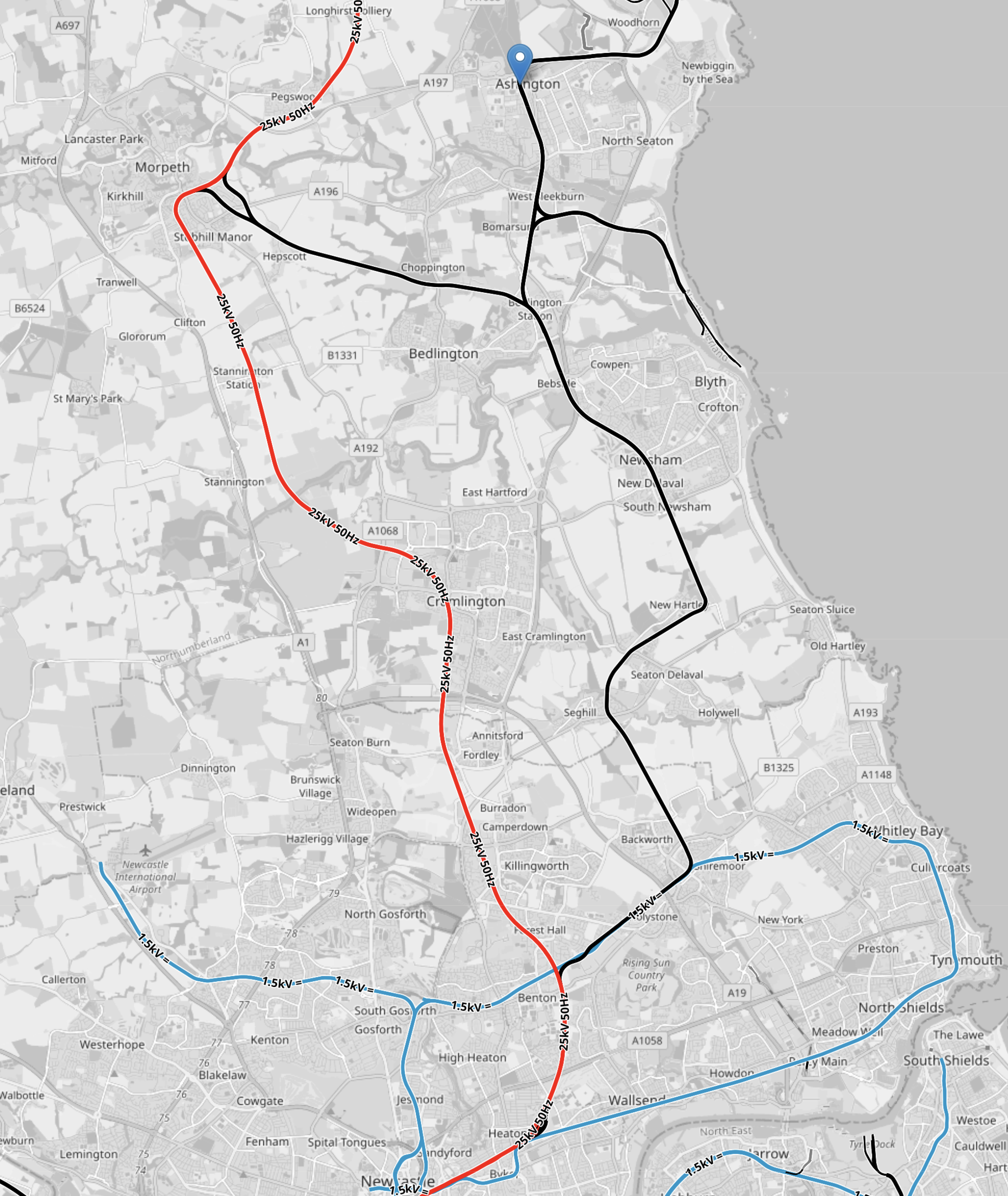
Note.
- The red track is the electrified East Coast Main Line.
- Ashington station is at the top of the map and is marked by a blue arrow.
- The blue track is the Tyne and Wear Metro.
- Newcastle station is where the Metro crosses the East Coast Main Line at the bottom of the map.
- The black trackrunning North-South to the East of the East Coast Main Line is the Northumberland Line.
This OpenRailwayMap shows the railways to the North of Ashington.
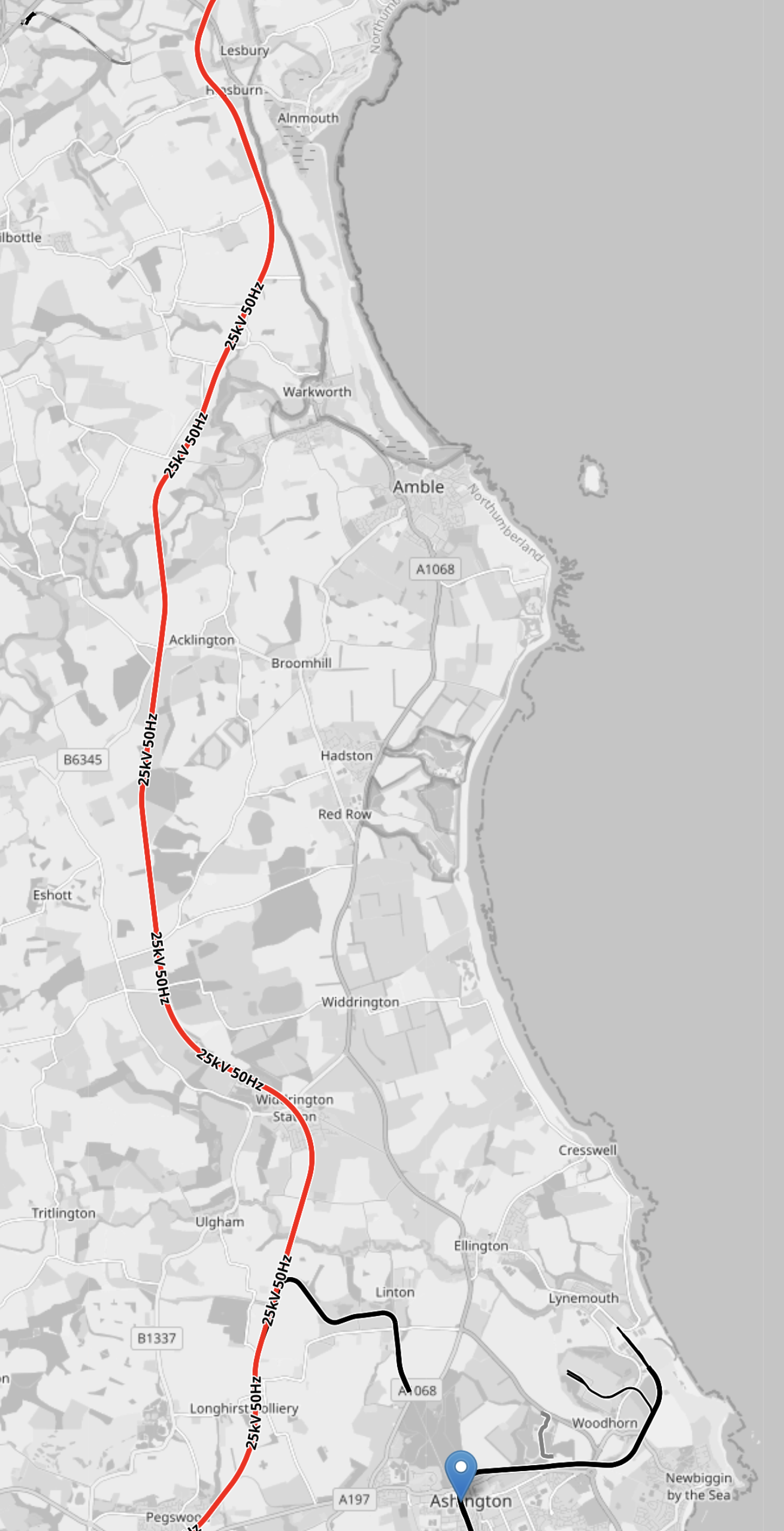
Note.
- The red track is the electrifed East Coast Main Line.
- Ashington station is at the bottom of the map and is marked by a blue arrow.
- There are a few disused colliery lines to the North of Ashington.
I believe that these railways to the North of Newcastle could and should be developed.
The East Coast Main Line Is Congested
Consider.
- The East Coast Main Line has only two tracks.
- It is one of only two rail routes between England and Scotland.
- It carries local services as well as long distance express services.
- In recent years more services have been added by Lumo and TransPennine Express.
It is my belief that applying digital signalling between Newcastle and Edinburgh via Berwick, should be a high priority project to increase the capacity of the East Coast Main Line.
Local Services Can Be Extended
The Northumberland Line opens up possibilities for extension, where track already exists..
- From Ashington to Newbiggin-on-Sea and Lynemouth.
- From Bedlington to Morpeth and the East Coast Main Line.
- From Bedlington to North Blyth.
It would appear that it might be possible to run a new line North from Ashington to connect with the East Coast Main Line.
Distances Are Short
Consider.
- Ashington and Newcastle is 20.6 miles
- Newcastle and Morpeth is 16.6 miles
- Newcastle and Berwick is electrified.
- In The Data Sheet For Hitachi Battery Electric Trains, I stated that Hitachi’s battery-electric express trains have a range of 43.5 miles on one battery. A slower commuter train would certainly achieve this distance.
I have a feeling that a passenger-friendly network of battery-electric trains can be developed along and around the Northumberland Line and the East Coast Main Line.
Northumberland Council To Campaign For Better Rural Train Services
The title of this post is the same as that of this article on Rail Advent.
These are the first three paragraphs.
In response to the reduction in the number of trains serving Morpeth and Berwick in the new East Coast Main Line timetable, Northumberland County Council has pledged to continue campaigning hard for improved rail services for communities along the line and beyond.
Councillor Glen Sanderson said the new timetable “Sacrifices the North east’s rail connectivity in order to improve it for the rest of the country.”
The new timetable was due to be introduced last May 2023, but was deferred after the North East Joint Transport Committee said that it was wholly unacceptable. However, the new timetable shows very little improvement from the original. Although more frequent trains will operate between London and Edinburgh, not all of them will stop at Morpeth or Berwick, which are the services the council has been fighting hard for as they are key population centres.
The problems are that between Newcastle and Edinburgh are.
- The railway is only double-track all of the way, with a passing loop South of Berwick.
- The maximum speed is 125 mph for about 40 % of the track, 100/110 mph for another 30 %, with the rest slower.
- Berwick, Morpeth and the new stations at East Linton and Reston are only two platform stations.
The capacity needs to be increased, so that more trains can use the line.
These are my thoughts.
Install Digital Signalling
It has been claimed that digital signalling will add another train per hour (tph) between Stevenage and Doncaster.
So if it was able to do the same between Newcastle and Edinburgh, it might be the first solution to try.
All Passenger Trains Capable Of Running At 125 mph
In Call For ETCS On King’s Lynn Route, I outlined the problem with fast services to Cambridge, Ely and Kings Lynn, where the rains will need 125 mph capability to keep out of the way of LNER’s Azumas on the East Coast Main Line.
There will be a similar problem between Newcastle and Edinburgh.
Improve The Tracks
This would improve more sections of 125 mph running and perhaps better turnbacks at Morpeth and Berwick.
Conclusion
Quite a bit of work will need to be done to get the timetable to the standard the customers require.
Are LNER Going To Take On The Airlines?
Nine years ago, I wrote Edinburgh – Plane Or Train?, after a trip to Scotland, where I took easyJet up and came back in First Class by train.
- Both trips were about five hours door-to-door.
- The flight was about six quid more,
- But I got free food and drink on the train.
- Security on the plane was a pain.
- I had to take my passport for identification at Stansted.
I haven’t flown internally in Great Britain since, although, I have flown to Belfast.
For shorter flights the market is going towards rail, as these posts seem to suggest.
- 2.7M Tonnes Of Co2 Could Be Saved Per Year If UK Domestic Flights Went Electric
- Air Travellers To Be Hit By Carbon Charge On All Tickets
- Climate Change ‘May Curb Growth In UK Flying’
- France Bans Short-Haul Flights To Cut Carbon Emissions
- KLM Replaces Plane With High Speed Train
- Lumo Carbon Data Shows Its Trains Are 22 Times Greener Than Flying
- Next Time I’ll Go By Train
- Ryanair One Of Europe’s Top Polluters, EU Data Suggests
- Stop Taking Internal Flights And Go Green, Says Lib Dem Contender Davey
The climate seems to be turning against flying short-haul.
This is a paragraph, in this press release from LNER, which is entitled First Tri-Mode Long Distance Trains For The East Coast Main Line.
This new fleet of trains will keep LNER on track to reduce its emissions by 67 per cent by 2035 and be net zero by 2045. LNER has already reduced carbon emissions by 50 per cent compared with 2018/19. Per mile, LNER trains produce 15 times less carbon emissions than a domestic flight.
Are LNER building a number of climate-based sticks, with which to beat the airlines on the routes, where they compete?
These are my thoughts on the various routes, where LNER compete with airlines.
Newcastle
Newcastle is an interesting one.
- Newcastle station is in the city centre and is on the Tyne and Wear Metro.
- London King’s Cross is one of London’s major Underground hubs.
- There are lots of buses and local trains within walking distance of both stations.
- There are three trains every two hours and an additional eight trains per day (tpd) between the two London King’s Cross and Newcastle stations.
- Lumo also run five tpd on the route.
- There are generally no security delays at rail stations.
- London King’s Cross is laid out to maximise passenger flows. If it gets busy, everybody just walks out into King’s Cross Square.
- I’ve never had a problem at Newcastle station with overcrowding.
Perhaps, if you live near one of the airports, flying is more convenient.
LNER’s weapons against the airlines between London King’s Cross and Newcastle will be convenience and journey times.
Convenience is all about the location of the stations, their excellent local transport networks and good walking routes around the station.
Journey times will only get better, as the magic of digital in-cab signalling, allows the Azumas, the new CAF tri-mode long distance trains and the few remaining InterCity 225s to show what they were designed to do.
Dalton-on-Tees, where the first phase of the digitally signalling will end, is 39.8 miles South of Newcastle, so once the Newcastle train is passes Dalton-on-Tees on the East Coast Main Line, it will be a digital-signalled electrified railway all the way to Woolmer Green.
- Dalton-on-Tees is 39.8 miles South of Newcastle
- Woolmer Green is 244.8 miles South of Newcastle.
- Dalton-on-Tees and Woolmer Green is 205 miles.
- Newcastle and Dalton-on-Tees takes 37 minutes.
- Woolmer Green and King’s Cross takes 18 minutes
- Trains take typically an average three hours and nine minutes between London and Newcastle.
- A typical train time by LNER between Dalton-on-Tees and Woolmer Green is two hours and 14 minutes.
- This is an average speed of 91.8 mph between Dalton-on-Tees and Woolmer Green.
- Between London King’s Cross and Newcastle is fully-electrified.
I can build a table of timings and savings at various average speeds.
- 120 mph – 103 minutes – two hours and 38 minutes – 31 minutes
- 125 mph – 98 minutes – two hours and 33 minutes – 36 minutes
- 130 mph – 95 minutes – two hours and 30 minutes – 39 minutes
- 135 mph – 91 minutes – two hours and 26 minutes – 43 minutes
- 140 mph – 88 minutes – two hours and 23 minutes – 46 minutes
Note.
- The first field is the average speed between Dalton-on-Tees and Woolmer Green.
- The second field is the time between Dalton-on-Tees and Woolmer Green.
- The third field is the time between London and Newcastle.
- The fourth field is the saving over current timings.
- The London and Newcastle time is calculated by adding the times for the three sections together.
I have regularly timed trains at a very constant 125 mph, so with digital signalling, I suspect an average of 130 mph is possible.
This would mean, times of a few minutes under two hours and thirty minutes could be possible between London and Newcastle.
Edinburgh
Edinburgh builds on the improvements South of Newcastle.
Edinburgh station Waverley is a well-connected station.
- There are lots of buses, local trains and the Edinburgh Tram within walking distance of Edinburgh Waverley station.
- There are three trains every two hours and an additional seven tpd between the London King’s Cross and Edinburgh Waverley stations.
- Lumo also run five tpd on the route.
- Trains take typically an average four hours and thirty minutes between London and Edinburgh Waverley.
- Any savings because of the digital in-cab signalling between London and Newcastle can be applied to London and Edinburgh Waverley services.
As my calculations showed that averaging 130 mph between Dalton-on-Tees and Woolmer Green could save 39 minutes on journey times, I am fairly sure than a sub-four hour journey time will be possible between London and Edinburgh Waverley.
It should also be noted that that the power supply has been improved between Newcastle and Edinburgh Waverley.
- The distance between Newcastle and Edinburgh Waverley is 124.2 miles
- Newcastle and Edinburgh Waverley takes around one hour and 30 minutes.
- This is an average speed of 82.8 mph between Newcastle and Edinburgh Waverley.
- Between London King’s Cross and Edinburgh Waverley is fully-electrified.
As the record time for between London King’s Cross and Edinburgh Waverley was set by an InterCity225 train in 1993 at three hours and twenty-nine minutes, I suspect that with more digital signalling and some track improvements, that there are more journey time improvements to be squeezed out.
I certainly believe that a time of three hours and fifty minutes between London and Edinburgh Waverley will be regularly achieved. This is a journey time saving of around forty minutes.
Dundee
Dundee has an airport and a station on the East Coast Main Line.
Trains between London King’s Cross and Dundee take around five hours and 45 minutes.
LNER run three trains per day to and from London King’s Cross and one tpd to and from Leeds.
CrossCountry also run services.
Loganair has two flights per day to Heathrow.
Aberdeen
Aberdeen builds on the improvements South of Edinburgh.
The four direct tpd between London and Aberdeen take around seven hours and ten minutes.
This should come down to around six hours and thirty minutes with the journey time savings between London King’s Cross and Edinburgh Waverley.
Will this tempt travellers from the airlines?
Battery-Electric Trains To Dundee And Aberdeen
One thing that will help, is that Edinburgh and Aberdeen is to be partially electrified.
InPiling Work To Get Underway To Electrify Line To Fife, I included this Network Rail map of the electrification.
This map has been downloaded from the Network Rail web site.
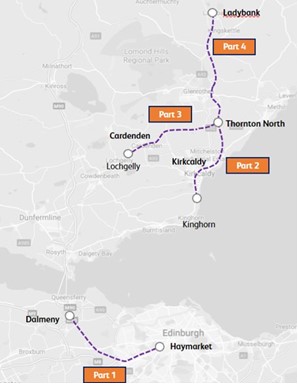
The electrification is split into four phases.
- Haymarket and Dalmeny – 25 km
- Kirkcaldy and Thornton North – 25 km.
- Lochgelly and Thornton North – 20 km.
- Thornton North and Ladybank – 34 km.
Note.
- The last three phases of electrification connect to Thornton North.
- The new rail link to Leven will also be electrified. and connected to Thornton North.
- The Forth Bridge is not to be electrified.
As Ladybank station is just 91.4 miles from Aberdeen, I suspect LNER will use Hitachi Intercity Battery Hybrid Trains to serve Aberdeen.
If these trains haven’t got the range, then I suspect LNER’s new CAF Tri-Mode Trains could handle the route.
Inverness
Inverness has a problem.
Zero-carbon trains will be unlikely to get to the city without full electrification of the Highland Main Line.
- Dunblane is the nearest electrified station to Inverness, but it is 146.2 miles away over a route with lots of steep climbs.
- I doubt that a battery-electric train could handle that route.
One solution would be for LNER to run the new CAF Tri-Mode Trains to Inverness using HVO or biodiesel.
Glasgow
Glasgow is the only other Scottish city with an airport and good rail connections to the South.
I am sure that Avanti West Coast will target airline passengers, if LNER prove it is a successful policy.
Other Factors
These are other factors, that will come into a traveller’s choice.
First Class
Some travellers like a bit more comfort and service.
Ability To Work
Some travellers like to work on a train.
You Don’t Get Tables On a Plane
I like to open a paper or magazine flat, which is difficult on a plane.
Views Tend To Be Better On a Train
Providing you get a window!
Parking Tends To Be Better At An Airport
But it may be more expensive!
Security Is Less Hassle On A Train
At the moment!
You Don’t Need To Prove Your Identity On A Train
Not in the UK! Yet!
Conclusion
It looks like LNER can offer the airlines to four of our major Northern cities serious zero-carbon competition.
 The Anonymous Widower