Selling Office Space
I took these pictures of the hoarding around the new 101 Moorgate office block, that is being built outside Moorgate station.











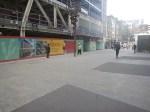
101 Moorgate is certainly easy for the Elizabeth Line and other public transport.
It will be interesting to see, when the building is let!
Biarritz And My Family
I am coeliac and I am fairly sure, my father was too, as he had all the wind, I had at fifty, which was something that led to my being diagnosed as coeliac.
But as my father was born in 1904, there was not really any tests for the disease.
I was one of many, who were diagnosed at Addenbrooke’s Hospital in the 1990s, where I am certain, they were testing out, the genetic test for the disease.
How else could I go in on a Monday and have a very short chat and give some blood for testing and then get a letter on the Wednesday saying I was probably coeliac and it would be confirmed by endoscopy.
I never met my paternal grandfather, as he died in 1929 at around fifty.
My father told me a lot about his father. He had been very affected by his father’s heavy drinking and alcoholism. I suspect, it was part of his plan to make sure, that I didn’t go the way of his father.
In fact now at 76, I am virtually teetotal, although I do drink a lot of bottles of 0.5 % alcohol real ale. But this doesn’t affect my gut or my INR.
I know little about my grandfather’s health, but he did suffer from asthma and that was what killed him.
Was he coeliac? From my father’s descriptions of his father, it was highly likely.
My grandfather had a profitable printing business, which even in the 1920s had around a hundred employees according to what my father told me.
My father also remembered going to see Spurs at White Hart Lane in a pony and trap. That at least showed a certain status.
My paternal grandparents also used to go to Biarritz for at least part of the winter.
My father did say a couple of times, that it did improve my grandfather’s health.
But when I went to Biarritz ten years ago, it certainly made me feel better.
I wrote Would I Go Back To Biarritz Again?.
Alstom And VMS Present New Battery-Powered Train
The title of this post, is the same as that of this article on Rail Technology Magazine.
This is the sub-heading.
Alstom and the Central Saxony transport authority, Verkehrsverbund Mittelsachsen (VMS) in Germany have unveiled a new battery-powered train developed by Alstom.
These first four paragraphs are very information rich.
A total of eleven Coradia Continental battery-electric trains have been ordered by VMS. These trains will enter service in 2024 on the Chemnitz-Leipzig line.
The Coradia Continental battery-electric train has a range of up to 120 kilometres and can be operated under catenary as well as on non-electrified sections of line. The three-car trains are 56 metres long and can seat up to 150.
The new train can also reach maximum speeds of 160 km/h in battery mode. The capacity of the high-performance lithium-ion batteries is calculated to guarantee catenary-free operation on the Chemnitz-Leipzig line without sacrificing performance.
Müslüm Yakisan, president of Alstom Region DACH, said: “Alstom’s ambition is to be the global leader in sustainable mobility, reducing emissions and pollution in catenary-free operation. The presentation of the first battery-powered train developed by Alstom is an important step in this direction.
These seem to be a very useful battery-electric train.
- Battery or catenary operation
- Three-cars of 19 metres
- Fifty seats per car
- 100 miles per hour
A three-car Class 730 train has the following characteristics.
- three cars of 20 metres
- 199 seats.
- 90 miles per hour
Can we have a battery version soon? Please!
Cunning Electrification On The North London Line
I took a trip on the North London Line from Highbury & Islington station to Richmond station.
I took various pictures on the way.
25 KVAC Overhead Electrification
East of Acton Central station, typical 25 KVAC overhead electrification is used.
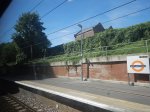
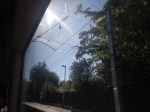



It may need to be beefed up, if more large electric locomotives haul freight trains along the North London Line.
Gunnersbury Station
Gunnersbury station is a two-platform station with London Underground four-rail electrification.

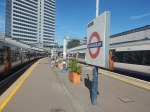

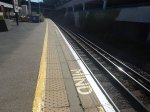
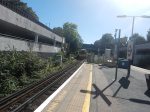
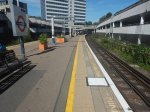
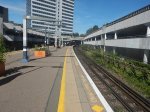
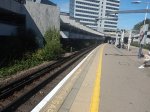
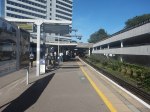
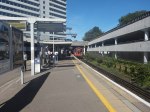

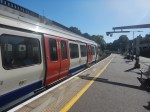
It can be used by London Underground S-Stock and London Overground Class 378 trains.
It must help that both trains were built by Bombardier in Derby.
Kew Gardens Station
Kew Gardens station is a two-platform station with London Underground four-rail electrification.
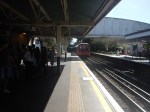

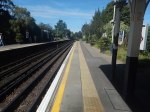
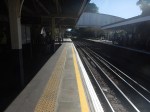
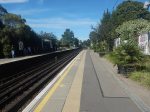


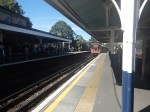
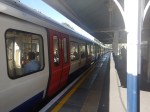
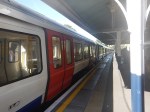
As with Gunnersbury station, both types of train can use both platforms.
Richmond Station
Richmond station is both a through and terminal station.

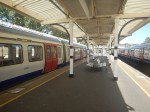
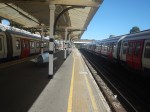

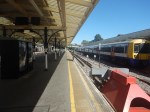
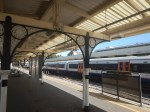
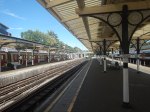
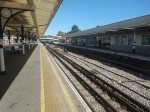
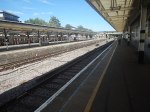
Note.
- Platforms 1 and 2 are through platforms for South Western main line services.
- Platforms 3 to 7 are for terminating London Underground and Overground services.
- Platforms 1 to 3 have traditional third-rail electrification.
- Platforms 4 to 7 have London Underground four-rail electrification.
- If needed, it may be possible to add another platform between platforms 3 and 4.
It looks like a lot of flexibility has been built in.
I have a few general thoughts.
Getting The Voltages Right
London Underground’s system used to use 630 VDC for its four-rail system, whereas Network Rail’s system uses 750 VDC.
I wouldn’t be surprised to find out that both trains use quality power electronics that can work on a range of voltages. This would enable London Underground to up their voltage to the same 750 VDC as used by Network Rail.
In Chiltern Sets Out New Fleet Ambitions, I talked about how Chiltern Railways could use London Underground’s four-rail electrification between Harrow-on-the-Hill and Amersham stations to charge the batteries.
As an electrical engineer, I don’t think this is outrageous.
World’s Largest Floating Offshore Wind Farm Officially Opens
The title of this post, is the same as that of this article on offshoreWIND.biz.
This is the sub-heading.
Norwegian energy major Equinor, together with its partners, will inaugurate today the world’s largest floating offshore wind farm, Hywind Tampen
The story is according to Reuters.
This page on the Equinor web site, outlines the project.
Hywind Tampen is the world’s first floating wind farm built specifically to power offshore oil and gas installations, and is now supplying electricity to Equinor’s oil and gas fields Snorre and Gullfaks in the Norwegian North Sea.
With a system capacity of 88 MW it is also the world’s largest floating offshore wind farm and an important step forward in industrialising solutions and reducing costs for future offshore wind power projects.
With Hywind Tampen now operational, Equinor is now operating nearly half (47 percent) of the world’s offshore floating wind capacity.
This floating wind farm powering oil and gas fields will be the first of many.
Chiltern Sets Out New Fleet Ambitions
The title of this post is the same as that of an article in the September 2023 Edition of Modern Railways.
These are the first three paragraphs.
Chiltern Railways deserves to be the next operator to order new trains, its Managing Director Richard Allan has told Modern Railways.
On 7 August the operator published a tender notice seeking proposals for the supply of between 20 and 70 new or converted low-emission trains. This followed the unveiling on 19 July of its ‘RightRoute’ vision setting out the case for investment in new trains, which was presented to stakeholders and parliamentarians in Westminster.
Chiltern is prioritising replacement of its Class 165 DMU fleet, which comprises 89 vehicles. It carried out a pre-market engagement exercise last Autumn, and Mr. Allan said the view is that a battery train would be suitable for the Marylebone to Aylesbury route, either operating solely on battery power or additionally picking up power from the London Underground four-rail system South of Amersham.
These are my thoughts.
Electrification At Amersham
This OpenRailwayMap shows the electrification at Amersham station.
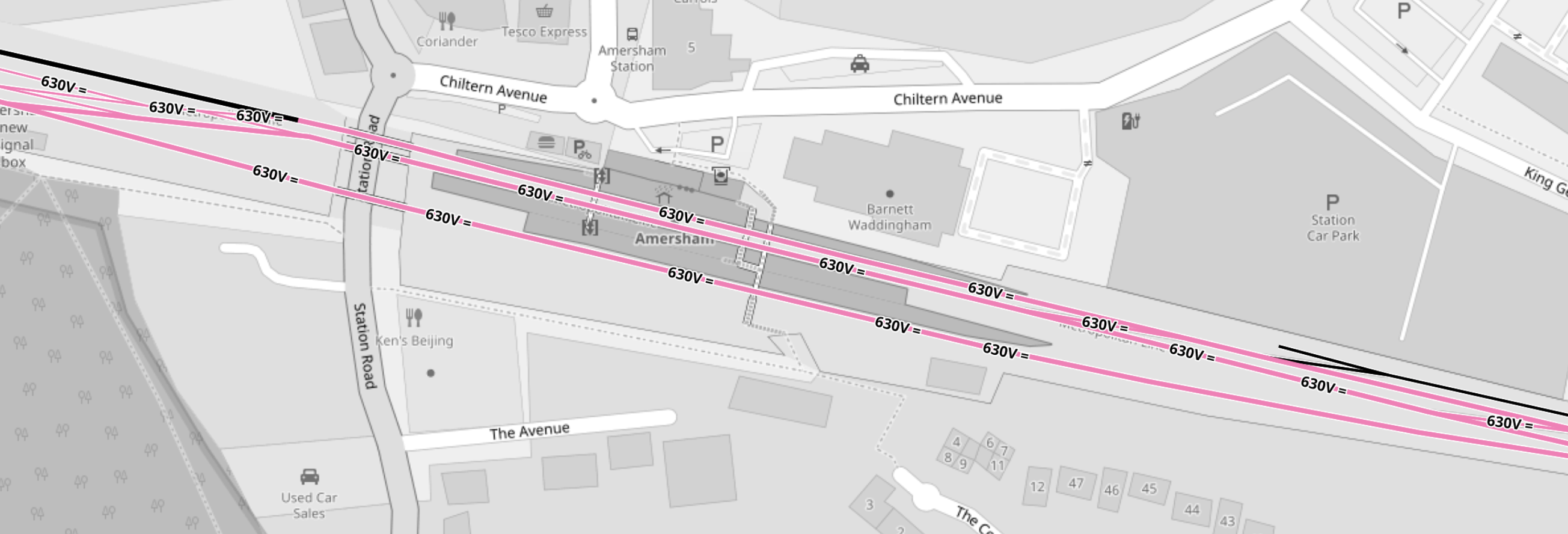
Note.
- Tracks shown in pink are electrified with the London Underground four-rail system.
- Tracks shown in black are not electrified.
- All three platforms are electrified.
The track layout allows both Chiltern and London Underground trains to pass through Amersham station on electrified lines.
Electrification Between Amersham And Harrow-on-the-Hill
This OpenRailwayMap shows the electrification at Northwood station.
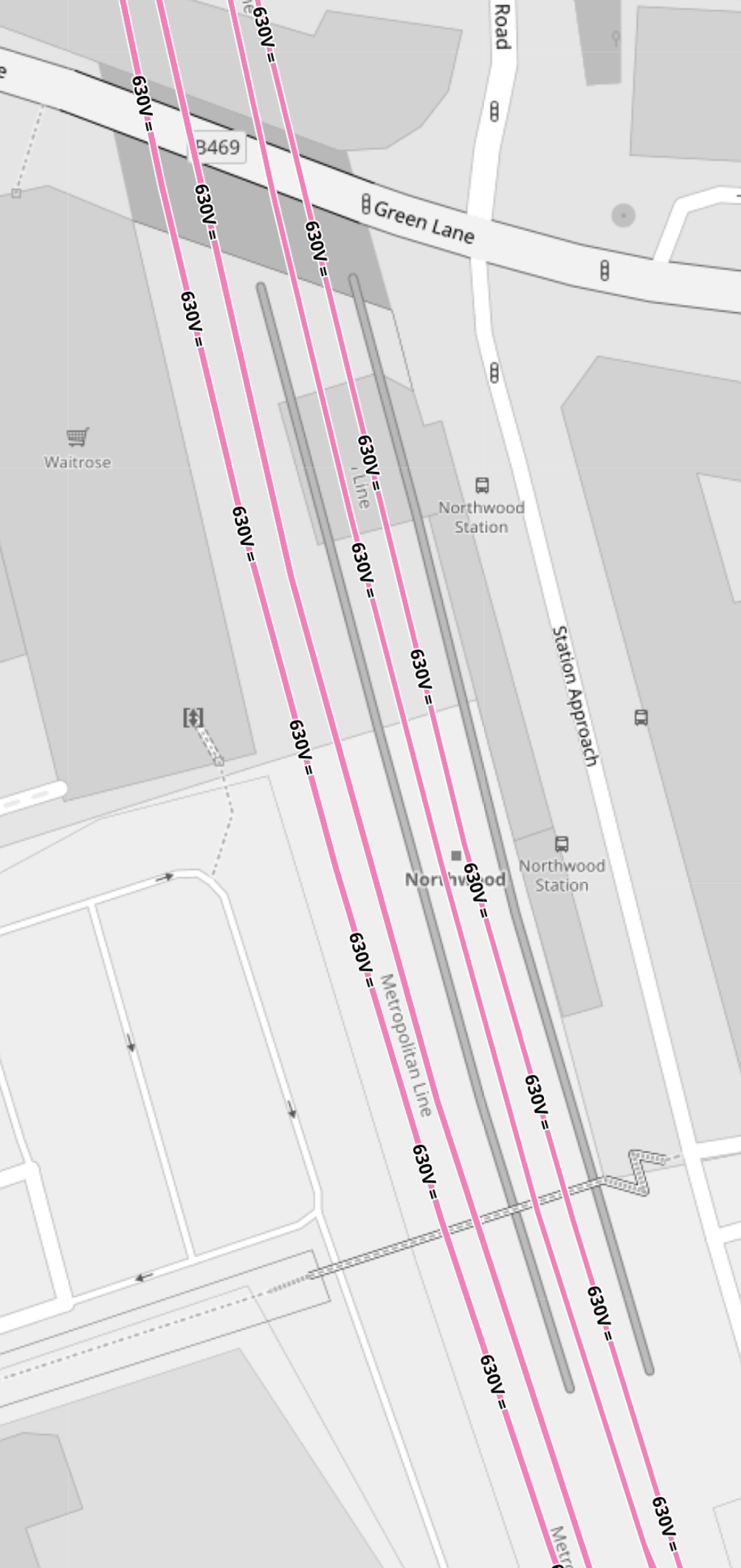
Note.
- Tracks shown in pink are electrified with the London Underground four-rail system.
- All four platforms are electrified.
- Some sections are only double-track.
All tracks between Amersham And Harrow-on-the-Hill stations are electrified.
Electrification At Harrow-on-the-Hill
This OpenRailwayMap shows the electrification at Harrow-on-the-Hill station.
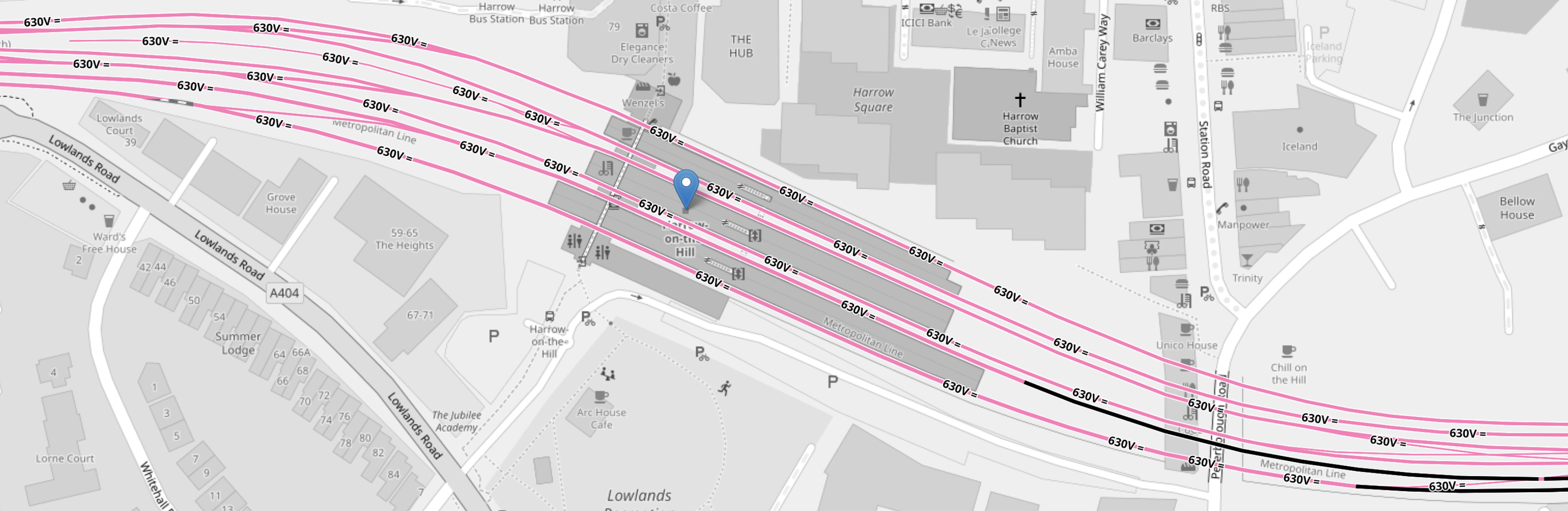
Note.
- Tracks shown in pink are electrified with the London Underground four-rail system.
- Tracks shown in black are not electrified.
- All six platforms are electrified.
The track layout allows both Chiltern and London Underground trains to pass through Harrow-on-the-Hill station on electrified lines.
Electrification Between Harrow-on-the-Hill And Finchley Road
Willesden Green station is typical of the stations on this section
This OpenRailwayMap shows the electrification at Willesden Green station

Note.
- Tracks shown in pink are electrified with the London Underground four-rail system.
- Tracks shown in black are not electrified.
- The two tracks South of the station are the Chiltern tracks.
- All Chiltern Trains along this route use these two separate tracks, that are not electrified.
Stations with this layout include Northwick Park, Preston Road, Wembley Park, Neasden, Dollis Hill, Willesden Green, Kilburn and West Hampstead.
The Chiltern Tracks Alongside The Metropolitan Line
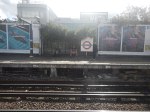
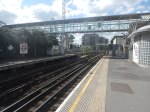
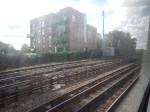
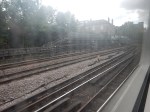
I took these pictures as I journeyed from West Hampstead to Harrow-on-the-Hill.
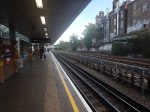

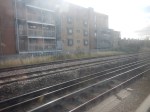
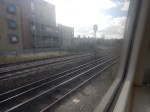
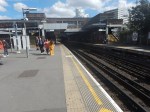



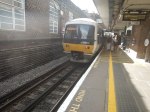
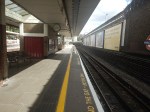
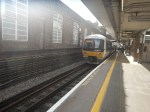
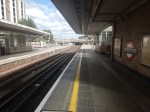
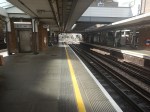
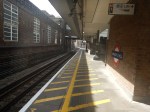


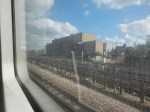

Note.
- The Chiltern Tracks are those farthest from the train without electrification.
- There also seemed a lot of graffiti, where the tracks weren’t electrified.
- Platforms 1 and 2 at Harrow-on-the-Hill station are electrified and used by Chiltern’s diesel trains.
Finding a Jubilee or Metropolitan Line train with clean enough windows for photography was difficult.
Distances Between Stations
These are the distances, times and electrification, between selected stations, between Marylebone and Aylesbury Vale Parkway.
- Marylebone and Harrow-on-the-Hill – 9.2 miles – 13 minutes – Not Electrified
- Harrow-on-the-Hill and Amersham – 14.3 miles – 24 minutes – Electrified
- Amersham and Aylesbury – 15.3 miles – 23 minutes – Not Electrified
- Aylesbury and Aylesbury Vale Parkway – 2.3 miles – 7 minutes – Not Electrified
Note.
- The 24 minutes between Harrow-on-the-Hill and Amersham, should be enough to fully-charge the batteries.
- Harrow-on-the-Hill to Marylebone and return is 18.5 miles.
- Amersham to Aylesbury Vale Parkway and return is 35.2 miles.
As Merseyrail’s Class 777 trains have achieved 83.9 miles on battery power, I am fairly sure that Marylebone and Aylesbury Vale Parkway could be achieved by a battery electric multiple unit, that has been designed for the route.
Rolling Stock
Bombardier built the Class 378 Electrostar train, so that it would run on the London Underground four-rail system to Richmond. so I’m sure that Alstom could build Aventras, that could use the Underground electrification.
I’m also sure that other UK trains manufacturers and suppliers like CAF, Hitachi, Siemens and Stadler have the expertise.
The article mentions between twenty and seventy trains. The number probably depends on the train length.
I think we’ll see some interesting bids.
Train Charging Issues
The main charging will be done between Harrow-on-the-Hill and Amersham using the London Underground four-rail system already installed for the Metropolitan trains between London and Amersham and Chesham.
As the electrification will be powering six trains per hour in both directions between Harrow-on-the-Hill and Amersham and charging the batteries on the Chiltern trains, I wouldn’t be surprised to find, that the power system will be uprated.
I also suspect, that the trains could have the ability to use 25 KVAC overhead electrification, as this could allow short lengths of electrification to be used to charge the trains at terminal stations.
Speed Issues
If you look at the speeds and times, you get the following.
- Current Chiltern Class 165 trains are 75 mph trains.
- Current Underground S Stock trains are 62 mph trains.
- Chiltern take 33 minutes between Amersham and Marylebone.
- Trains in both services run every half hour.
- There is also an every half hour service between Chesham and Aldgate, which means there are six trains per hour between Chalfont & Latimer and Harrow-on-the-Hill.
- I suspect Chiltern set the timetable, by going through first with the slower Amersham and Chesham services following.
- This means that if the new Chiltern trains are 100 mph trains, it shouldn’t make much difference to the operation of the trains.
But the faster Chiltern trains could knock eight minutes off the time between Amersham and Harrow-on-the-Hill stations.
In an ideal world, where TfL had more money, faster Underground trains would allow more services to the area.
Leamington Spa Services
Chiltern Railways run two local services from Leamington Spa station.
- One service goes to Stratford-on-Avon, which is a distance of 15.3 miles.
- The other service goes to Birmingham Moor Street, which is a distance of 22.7 miles.
- Both services are run by Class 165 diesel trains.
- Both services have a frequency of one train per two hours.
I suspect that these services could be run using battery-electric trains with charging at Leamington Spa.
Timescale
This is said about timescale.
Under the plans set out in its ‘RightRoute’ prospectus, Chiltern wants to agree scope and funding for new trains this year and launch the first new trains by 2027 between London and Aylesbury, and upgrade infrastructure and trains on the West Midlands route between 2028 and 2035.
West Midlands Route
This is said about the West Midlands route.
Mr Allan said that after ‘165’ replacement consideration would be given to the best solution for the main line between London and the West Midlands, including whether this would involve partial or full electrification, with a rolling stock solution to succeed the Class 168 DMUs and loco-hauled sets to be devised accordingly. Chiltern’s Interim Engineering & Safety Director Tim Sayer told Modern Railways one potential option the Government and Network Rail are keen on is third party funding of electrification, which could be built into a manufacturer’s contract for new stock.
Note.
- I must admit that I like the idea of bundling rolling stock and electrification in one contract.
- After all, rolling stock and maintenance have been bundled together for some years and it seems to work.
- I disclose some of Hitachi’s thinking in Solving The Electrification Conundrum, which is based on an article in Modern Railways.
I wonder if Hitachi will come up with a solution something like this.
- A number of five-car battery-electric trains.
- High quality interiors.
- They would serve Birmingham Moor Street, Oxford and Stratford-on-Avon.
- Short lengths of electrification in terminals and perhaps at strategic locations in the middle. Banbury?
- Automation as needed.
It could be a service that’s a viable alternative to High Speed Two for some passengers.
Charging At London Marylebone Station
I recently took these pictures at Marylebone station.
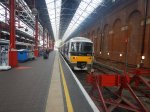

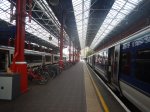
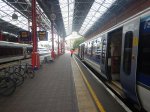


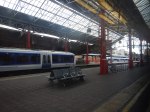
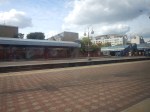


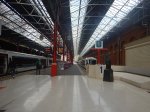
Note.
- It is a surprisingly spacious station and I feel that Furrer+Frey or some other specialist company could add some form of charging to the platforms.
- In its simplest form it would be a short length of 25 KVAC overhead electrification.
- Charging would be performed using the train’s pantograph.
It appears that the turnround time in Marylebone is typically twelve minutes or more, which should be adequate to fully charge a train.
Charging At Oxford Station
These pictures show the bay platforms at Oxford station, where Chiltern services terminate.
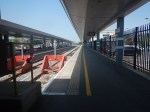
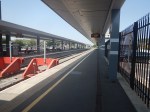

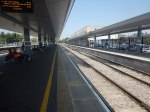
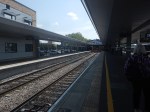
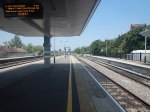
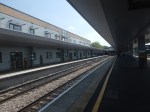
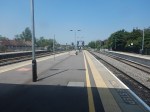
I wouldn’t be surprised, if these two platforms were designed for future 25 KVAC overhead electrification.
Marylebone And Oxford Services
Marylebone and Oxford are only 66.7 miles apart and I believe that a battery electric train would be able to shuttle between the two terminals, charging as required after each journey.
Charging At Birmingham
These pictures show the bay platforms at Birmingham Moor Street station, where some Chiltern services terminate.
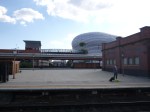
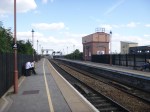
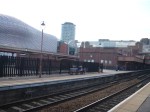

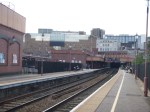



Note.
- Currently, Birmingham Moor Street station has two through platforms and two bay platforms.
- None of the platforms are electrified.
- Some plans include adding two more bay platforms to the station.
- Electrifying the bay platforms 3 and 4, would allow the charging battery electric trains from London.
The two through platforms could also be electrified to help Birmingham’s local trains decarbonise and allow London services to reach Birmingham Snow Hill station.
Marylebone And Birmingham Services
Consider.
- Marylebone and Birmingham Moor Street are only 111.7 miles apart.
- Birmingham Moor Street and Birmingham Snow Hill stations are only 0.6 miles apart.
- Birmingham Moor Street and Birmingham Snow Hill stations could be easily connected by an electrified line.
- Stadler are talking of battery-electric trains having a range of over 125 miles.
- It might be sensible to electrify Banbury to give the batteries a top up.
I believe that a battery electric train would be able to shuttle between Marylebone and Birmingham, charging as required after each journey.
Conclusion
It seems a sound plan!
Thoughts On The Lucy Letby Case
I was 76 last week and I can recall few cases as horrific as the Lucy Letby case.
In East Kent Maternity Deaths: Babies Might Have Survived With Better Care, I put forward my views about how we can identify systematic problems in healthcare, whether it is down to serious malpractice or just incompetence.
Is This The Way We’ll Drive Hydrogen-Powered Vehicles?
In Hydrogen Business Model / Net Zero Hydrogen Fund: Shortlisted Projects Allocation Round 2022, I listed all the hydrogen electrolyser projects on the shortlist for Government funding, if they pass the due diligence.
One project is from two companies H2 Energy and Trafigura, who are building a business model in West Wales, where you lease a hydrogen-powered truck for the same price as a diesel truck. You only pay for the miles you drive.
Their business model is explained in this must-watch Youtube video.
Consider.
- Hydrogen-powered vehicles have a long range.
- Fuelling time would be short compared to charging an electric truck.
- Are hydrogen-powered vehicles easy and low-cost to service?
- Cost of driver would be the same for operators.
- Would it be easier to recruit drivers for a hydrogen fuel-cell truck?
- Would cleaning costs be less for a hydrogen fuel-cell truck?
- Do the trucks come with sophisticated route planning software to cut mileage?
But as the video states, the upfront cost of the vehicle is higher.
I suspect the companies have driven the prices down, so that everybody gets an acceptable deal.
I wish the two companies all the best in their venture.
As I used to be half-owner of a vehicle leasing company, I feel that if the two companies can make a success of this hydrogen-powered truck leasing business, then I feel the model could be applied to the leasing of hydrogen-powered cars and other vehicles.
It could be a new way to buy your car.
 The Anonymous Widower