Covid: Genes Hold Clues To Why Some People Get Severely Ill
The title of this post, is the same as that of this article on the BBC.
This is the opening paragraph.
Why some people with coronavirus have no symptoms and others get extremely ill is one of the pandemic’s biggest puzzles.
It is now less of a puzzle, thanks to research led by the University of Edinburgh.
These paragraphs explain the methodology.
Scientists looked at the DNA of patients in more than 200 intensive care units in UK hospitals.
They scanned each person’s genes, which contain the instructions for every biological process – including how to fight a virus.
Their genomes were then compared with the DNA of healthy people to pinpoint any genetic differences, and a number were found – the first in a gene called TYK2.
One of the other genes mentioned is IFNAR2, where this was said.
Variations in a gene called IFNAR2 were also identified in the intensive care patients.
IFNAR2 is linked to a potent anti-viral molecule called interferon, which helps to kick-start the immune system as soon as an infection is detected.
It’s thought that producing too little interferon can give the virus an early advantage, allowing it to quickly replicate, leading to more severe disease.
I know a bit about interferon and I must admit I’ve made a bit of profit on shares in Synairgen, which are linking interferon with an inhaler.
I then typed “coeliac disease and interferon” into Google and found this article on The Lancet, which is entitled Onset Of Coeliac Disease and Interferon Treatment.
My medical knowledge is very limited, but it does appear that if you are coeliac on a gluten-free diet, you don’t get any problems, with interferon.
The plot thickens!
Not for nothing, do some doctors call coeliac disease, the Many-Headed Hydra.
Nippon Steel Pledges To Be Carbon Neutral By 2050
The title of this post, is the same as that of this article on NikkeiAsia.
These are the first two paragraphs.
Nippon Steel has set a goal to reach net-zero emission by 2050, Nikkei learned on Thursday, a move that could nudge other manufacturers to try to meet Prime Minister Yoshihide Suga’s pledge to achieve carbon neutrality across the country by the same year.
Nippon Steel, Japan’s biggest steelmaker, will introduce a new way of steelmaking using hydrogen which can reduce carbon emissions by up to 80% compared with conventional methods of production. The steelmaker’s new green target will be unveiled in a business plan it is currently drafting which will be published by March 2021.
To my mind, hydrogen is the way to go!
This Material Can Store The Sun’s Energy For Months, Maybe Even Years
The title of this post, is the same as that of this article on Anthropocene.
This is the sub-title.
Thin coatings of the material could soak up sun in summer months and provide heat to buildings in winter, all without using fuel or electricity.
This sounds like something to file under Too Good To Be True.
But the research does come from the University of Lancaster and uses a type of material called a metal-organic framework.
Conclusion
Increasingly, it seems to me, that we’re seeing lots of outstanding chemistry coming to the fore.
Restoring Your Railway: Successful Bids
As of the 26th of November, this is the list of successful bids, which are detailed on this page of the Government web site.
To Reinstate The Passing Loop Between St Albans Abbey And Watford Junction (Abbey Line)
See Reinstatement Of The Abbey Line Between St Albans Abbey And Watford Junction
To Re-open The Meir station between Stoke-On-Trent And North Staffordshire
See Reopening Meir Railway Station Between Stoke-On-Trent And North Staffordshire
To Reintroduce Passenger Services On The Leicester To Burton (Ivanhoe) Line
See Reinstatement Of The Ivanhoe Line
Reopened Lines And New Passenger Services, Melton Mowbray – Nottingham
Reopened Lines And New Passenger Services, Alfreton – Ashfield (Maid Marian Line)
See Beeching Reversal – Reconnecting Ashfield Communities Through The Maid Marian Line
Reopened Lines And New Passenger Services, Stratford Upon Avon – Honeybourne – Worcester/Oxford
Reopened Lines And New Passenger Services, Consett-Newcastle
See Beeching Reversal – Consett-Newcastle Connection
New Station At Ferryhill, Ferryhill – Stockton-on-Tees
See Beeching Reversal – Ferryhill Station Reopening
To Reinstate The Bury-Heywood-Rochdale Lines
See Reinstatement Of The Bury-Heywood-Rochdale Lines
To Reintroduce Passenger Services Between Clitheroe and Hellifield And Explore Freight Options
See Reinstatement Of The Clitheroe To Hellifield Railway Line
Enhanced Existing Passenger Services, Preston – Blackpool South
See Beeching Reversal – South Fylde Line Passing Loop
Reopened lines And New Passenger Services, Bolton-Radcliffe / Bolton-Bury
See Beeching Reversal – Reinstatement of Bolton-Radcliffe / Bolton – Bury
New Station At Beeston Castle And Tarporley, Crewe – Chester
See Beeching Reversal – Reinstating Beeston Castle And Tarporley Station
To reinstate Branch Lines On The Isle of Wight
See Reinstatement Of Branch Lines On The Isle Of Wight
To Introduce Passenger Services On The Totton-Fawley (Waterside) Line
See Special Train Offers A Strong Case For Reopening Fawley Line
To Re-open Of Wellington and Cullompton Stations
See Reopening Of Wellington and Cullompton Stations
To Reinstate Rail Access To Devizes Via A New Station At Lydeway
See Reinstatement Of Rail Access To Devizes Via A New Station At Lydeway
New Station At St Anne’s Park, Bristol Temple Meads – Bath Spa
See Beeching Reversal – St Anne’s Park Station
Enhanced Existing Passenger Services, Truro – Falmouth
New Station At Langport And Somerton, Castle Cary – Taunton
Reopened Lines And New Passenger Services, Kemble – Cirencester
See Beeching Reversal – Cirencester Community Railway
Reopened Lines And New Passenger Services, Wareham – Swanage
See A Visit To The Swanage Railway
To Reintroduce Passenger Services On The Barrow Hill Line Between Sheffield And Chesterfield
See Reinstatement Of The Barrow Hill Line Between Sheffield And Chesterfield
Reopened Lines And New Passenger Services, Gainsborough – Barton
See Beeching Reversal – Restoring A South Humber Link
New Station At Waverley, Sheffield – Chesterfield
See Beeching Reversal – A New Station At Waverley In Sheffield
Summarising The Bids
In total, there are twenty-five successful bids.
Stations
There are nine possible new or rebuilt station projects.
- Beeston Castle And Tarporley – Rebuilt – Closed in 1966
- Cullompton – Rebuilding – Closed in 1964
- Ferryhill – Rebuilding – Closed in 1967
- Langport And Somerton – Rebuilt – Closed in 1964
- Lydeway – New
- Meir – Rebuilt – Closed in 1966
- St Anne’s Park – Rebuilt – Closed in 1970
- Waverley – New
- Wellington– Rebuilt – Closed in 1964
Note.
- Only two are in new locations.
- None seem to be challenging sites and some seem to have the remains of previous stations.
- I am fairly sure, that all stations are on double-track railways.
- Cullompton and Wellington stations could be a single project.
These are typical costs from the last few years for typical two platform stations on a double-track railway.
- Horden – £10.5 million
- Kenilworth – £11.3 million
- Lea Bridge – £5.6 million
- Maghull North – £13 million
- Robroyston – £14 million
- Warrington West – £20.5 million
Meridian Water, which was a large four-track station cost £46 million.
Line Reopenings
There are thirteen lines that could be reopened for passenger services.
- Barrow Hill Line
- Bolton-Radcliffe / Bolton-Bury
- Bury-Heywood-Rochdale Lines
- Consett-Newcastle
- Gainsborough – Barton
- Isle of Wight Branch Lines
- Ivanhoe Line
- Kemble – Cirencester
- Maid Marian Line
- Melton Mowbray – Nottingham
- Stratford Upon Avon – Honeybourne – Worcester/Oxford
- Wareham – Swanage
- Waterside Line
Note.
- Several of the tracks are already in place and used for freight.
- Full electrification is not involved in any proposed scheme.
- Few, if any bridges and no tunnels are needed.
- Some will share lines with well-run heritage railways.
There will probably be some new stations. As examples, I would suggest Cirencester, Consett and intermediate stations on the Ivanhoe Line.
Enhanced Passenger Services
There are four bids, to enhance passenger services.
- Abbey Line
- Clitheroe and Hellifield
- Preston and Blackpool South
- Truro – Falmouth
Note.
- Small amounts of new infrastructure may be needed.
- Some extra trains may be needed.
None should be challenging.
Conclusion
The successful bids are a sensible collection of ones to progress.
None are outrageously difficult.
Beeching Reversal – Consett-Newcastle Connection
This is one of the Beeching Reversal projects that the Government and Network Rail are proposing to reverse some of the Beeching cuts. There used to be a direct line between Newcastle and Consett, which was the Derwent Valley Railway, which connected Consett to the Tyne Valley Line.
I would assume that the basis of the plan, is to reinstate this route and build a new station at Consett.
The Former Route
I will show the route starting from the Tyne Valley Line.
Connection To The Tyne Valley Line
This Google Map shows the MetroCentre with the Tyne Valley Line running along its North side.

Note.
- The River Tyne running along the North side of the map.
- MetroCentre station on the Tyne Valley Line is by the North-East corner of the MetroCentre.
- The River Derwent meanders its way to the River Tyne, to the West of the MetroCentre.
- The Derwent Valley Line used to come through this area to join the Tyne Valley Line.
I have a feeling that much of the route of the Derwent Valley Line lies under the new roads.
This map clipped from the Wikipedia entry for the Derwent Valley Line, shows how, the line connected to the Tyne Valley Line.

This Google Map shows the area.

Note.
- The Scotswood Railway Bridge is the dark-coloured bridge in the North-West corner of the map.
- The Tyne Valley Line runs East-West across the map.
- Swalwell station must have been in the area of the junction on the A1.
As the old route appears to be blocked, another route must be found to connect to the Tyne Valley Line.
Perhaps there would be enough space to squeeze a railway line alongside the River Derwent.
Between Swalwell And Nine Arches Viaduct
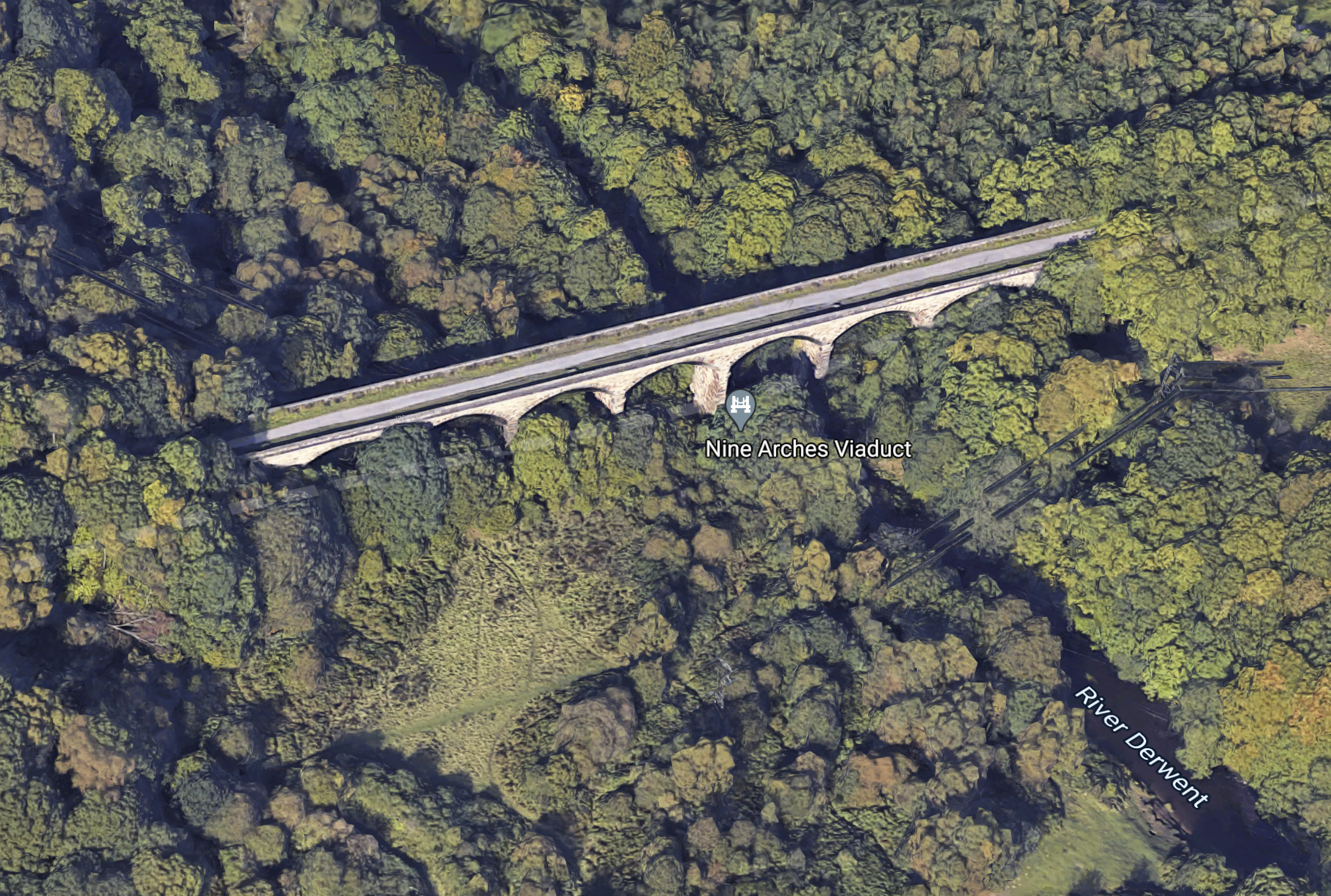
The Nine Arches Viaduct is an iconic feature of the line. This image of the bridge was taken from a Google Map.
This second image shows it as a map.
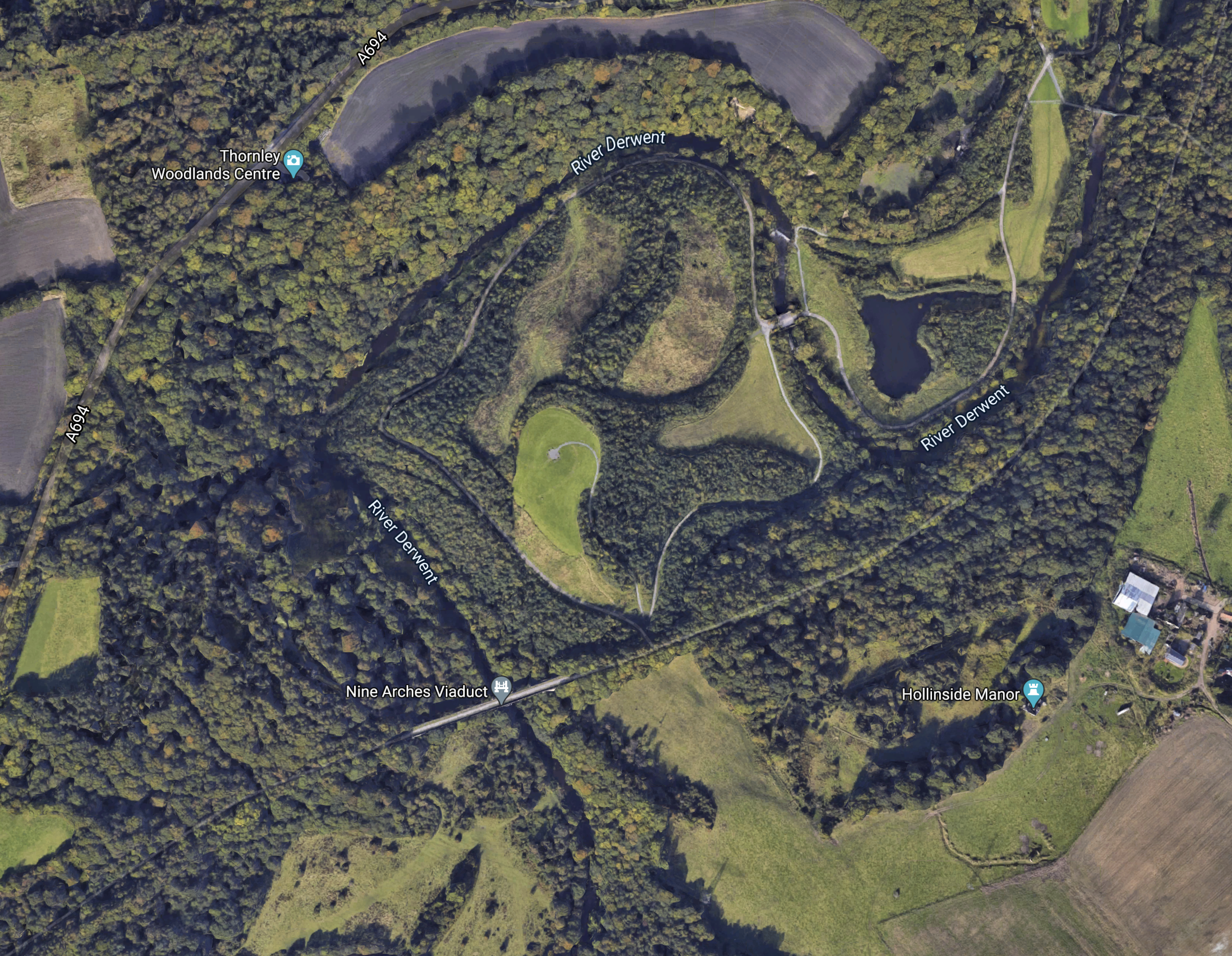
Note that I have arranged the map, so that the path that uses the route of the Derwent Valley Line runs between the South-West and North-East corners of the map.
This third Google Map has the Nine Arches Viaduct in the South-West corner and Swalwell in the North-East corner.

Note the tadpole-shaped green space by the bridge.
Between Nine Arches Viaduct and Lintz Green
This Google Map shows this section.

Note.
- The Nine Arches Viaduct is in the North-East corner.
- Lintz Green is in the South West corner.
On the Derwent Valley Railway, there were stations at Lintz Green and Rowlands Gill.
The History section in the Wikipedia entry for the Derwent Valley Railway, explains why a more direct route wasn’t taken in this area.
Between Lintz Green And Ebchester
This Google Map shows this section.

Note.
Lintz Green is at the Eastern edge of the map.
Ebchester is in the South-West corner.
On the Derwent Valley Railway, there were stations at High Westwood and Ebchester.
Between Ebchester and Consett
This Google Map shows this section.
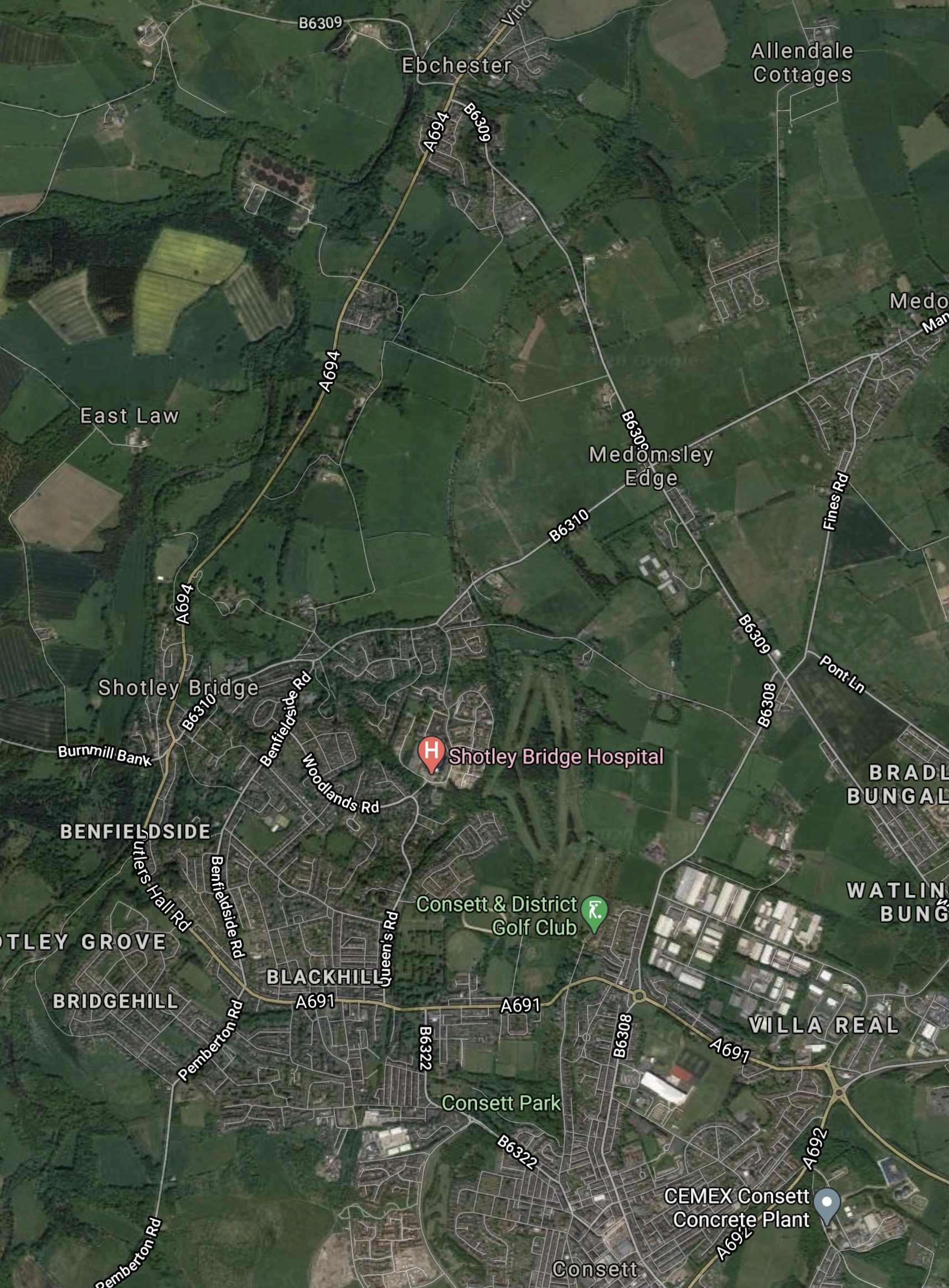
Note.
- Ebchester is at the Northern edge of the map in the centre.
- Consett is in the South of the map.
- Shotley Bridge Hospital is an NHS hospital.
On the Derwent Valley Railway, there were stations at Shotley Bridge, Blackhill and Consett.
Consett Station
A new station would have to be built in Consett.
Consett is a town of around 25,000 and is shown in this Google Map.

Note that the red arrow shows the rough location of the original station near Annfield Plain. The station and the tracks were demolished in the 1980s to make way for new roads.
How thinking on transport has changed in forty years!
Is This Route Feasible?
Google gives the distance between the Metrocentre and Consett as 11.5 miles and Wikipedia says that Consett is about 900 feet above sea level.
To put the altitude into perspective, this is higher than Merthyr Tydfil, but not as high as Buxton, so I feel that trains could ascend to Consett, as steam trains did in far-off Victorian days, when they carried over half a million passengers every year, according to Wikipedia.
I would say, that although restoring the route could be challenging, it would not be filed under Impossible.
These are a few other thoughts.
Would The Route Carry Freight?
If we’re talking about long freight trains with lots of containers or many trucks of coal, the answer is probably a negative.
But rail freight is changing, I can see many towns in the UK getting a high speed parcels service using modified electric multiple units.
- Rail Operations Group and others are planning to experiment with this type of service.
- With on-line shopping, 25,000 residents can generate a lot of deliveries and returns.
- The average guy on the Consett omnibus, is getting more worried about carbon emissions.
But trains like these could fit in with the passenger service on the route and could even unload at a well-designed passenger terminal in Consett.
The route would also have to be able to take maintenance and construction trains, just like the London Underground and the Tyne and Wear Metro do!
Would The Route Be Single- Or Double-Track?
Consider.
- The original Victorian route was double-track.
- The more trains on the route, the greater the need for a full double-track railway.
- Would the Nine Arches Viaduct accommodate a double-track.
- Single-track railways are easier to construct and more affordable.
Hopefully a serious study, will give an answer.
How Would Trains Go Between MetroCentre and Newcastle Stations?
Currently, there are three trains per hour (tph) between MetroCentre and Newcastle stations.
The Tyne and Wear Metro generally runs on the principle of five tph, so a one or two tph service between Consett and Newcastle would fit in well with the Tyne and Wear Metro, even if it was not their service.
This Google Map shows MetroCentre station.

Could a third platform be fitted here to run a shuttle service to Consett?
Trains between MetroCentre and Newcastle stations, go via Dunston station, Norwood Junction and the King Edward VII Bridge.
Note.
- Norwood Junction also allows trains to go between The Tyne Valley Line and the East Coast Main Line in both North and South directions.
- The comprehensive track layout to the South of Newcastle allows access to everywhere.
The Consett trains could even be run on a Back-to-Back basis to Ashington and Blyth, which is now being called the Northumberland Line in the media.
Would The Line Be Zero-Carbon?
I feel strongly, that all new or reopened railways should be zero-carbon.
But whether it should be electrified is another matter and depends on the rolling stock.
Battery Electric Trains To Consett
If the route to Consett is to be zero-carbon, then the obvious choice for the route are battery electric trains.
- To run these successfully, there would probably need to be some electrification along the Tyne Valley Line, as far as the junction with the new Derwent Valley Line, so trains started the climb to Consett with full batteries.
- If necessary, some parts of the Derwent Valley Line could be electrified, to assist the trains up the hill.
- Coming down from Consett, they could use Newton’s friend, with regenerative braking charging the batteries.
- Intriguingly, between MetroCentre and Hexham is under twenty miles, so why not run these services using similar battery electric trains.
I also think, that if the electrification were to be 25 KVAC, then it could enable battery electric trains like Hitachi’s Regional Battery Train or CAF’s proposed battery-electric Class 331 train, to run between Newcastle and Carlisle stations.
The Tyne And Wear Metro’s New Trains
I believe that the new trains being built by Stadler for the Tyne and Wear Metro, will be very similar to the Class 777 trains for Merseyrail.
The Class 777 trains are known to have this features.
- A capacity of 484 passengers.
- An operating speed of 75 mph.
- A weight of 99 tonnes.
- Ability to use 750 VDC third-rail electrification.
- A small battery to be used for hotel power, when there is no electrification.
- Some will be fitted with batteries to allow route extension on unelectrified lines, like between Ormskirk and Preston, which is 15.3 miles.
- In the future, they will be able to use 25 KVAC overhead electrification.
The new Tyne and Wear trains appear to be different to the Class 777 trains in the following ways.
- A different length, with five cars instead of four.
- Ability to use 750 VDC overhead instead of 750 VDC third-rail electrification.
- Longitudinal instead of transverse seating.
These facts should also be born in mind.
Stadler built the Class 399 tram-trains for Sheffield, that can use both 750 VDC and 25 KVAC overhead electrification from the same pantograph.
Parts of the Tyne and Wear Metro use tram-train operation under the Karlsruhe model, which is also used in Sheffield.
Could The Tyne And Wear Metro’s New Trains Work Between Newcastle And Consett Stations?
I feel if the following conditions were to be met, that the Tyne And Wear Metro’s new trains, would be able to work the route.
- Batteries with sufficient range to work the route were fitted.
- Ability to use both 750 VDC and 25 KVAC overhead electrification.
- Sufficient electrification were erected to power the train and charge the batteries on their journey between Newcastle and MetroCentre stations.
It is my view, that the trains could be ideal for the route.
They could also work between Newcastle and Hexham, with slightly larger batteries than their Liverpool cousins.
What Size Batteries Would Be Needed For A Service To Consett?
I will do a calculation based on the Class 777 train figures.
- The train weight is 99 tonnes.
- Each of 484 passengers weighs 80 Kg with baggage, bikes and buggies.
- This adds up to 38.7 tonnes giving a train weight of 137.7 tonnes.
Using Omni’s Potential Energy Calculator gives a value of 103 kWh to lift the full train the 900 feet to Consett.
In an article in the October 2017 Edition of Modern Railways, which is entitled Celling England By The Pound, Ian Walmsley says this in relation to trains running on the Uckfield Branch, which is not very challenging.
A modern EMU needs between 3 and 5 kWh per vehicle mile for this sort of service.
The new Tyne and Wear Metro trains have five cars, so assuming 3 kWh per vehicle mile, would need the following energy to power the train to Consett.
5* 3 * 11.5 = 172.5 kWh
I wouldn’t be surprised to see a 400 kWh battery on the train.
On the flat, it would do about twenty-seven miles, which would mean the train could provide a service between Newcastle and Hexham.
Incidentally, the distance between Newcastle and Ashington is under twenty five miles of which a couple of miles are electrified.
Conclusion
Newcastle and Consett would appear to be an ideal route to reopen.
It would require.
- A dozen miles of new track. much of which would be on an dismantled alignment.
- An appropriate number of new stations.
- Some electrification between Newcastle and MetroCentre stations.
- A number of the new Stadler trains for the Tyne and Wear Metro to be fitted with batteries.
A service of one or two tph could be provided.
In addition, the following could be possible.
- The Newcastle and Hexham service could be run by the same battery electric trains.
- The Consett and Newcastle service could be run Back-to-Back with the proposed Newcastle and Ashington service.
This scheme has collateral benefits.
magniX, Sydney Seaplanes And Dante Aeronautical Partner For World’s First All Electric Cessna Caravan STC Program
The title of this post, is the same as that as this article on Cision.
This sub-title defines their objective.
Global leader in electric propulsion technology to work with leading charter and integrator companies in Australia and the South Pacific to provide electric aircraft.
Note.
- An STC is a Supplemental Type Certificate, which is added to the aircraft’s type certificate, to allow it to be flown, after a major modification, such as a different power plant or a structural modification, such as a cargo door or aerodynamic modification.
- In the case of the Cessna Caravan, the gas turbine engine is being replaced by an electric motor and batteries.
- Over 2, 600 Cessna Caravans have been built.
This picture shows the Cessna Caravan in which I flew in Kenya.
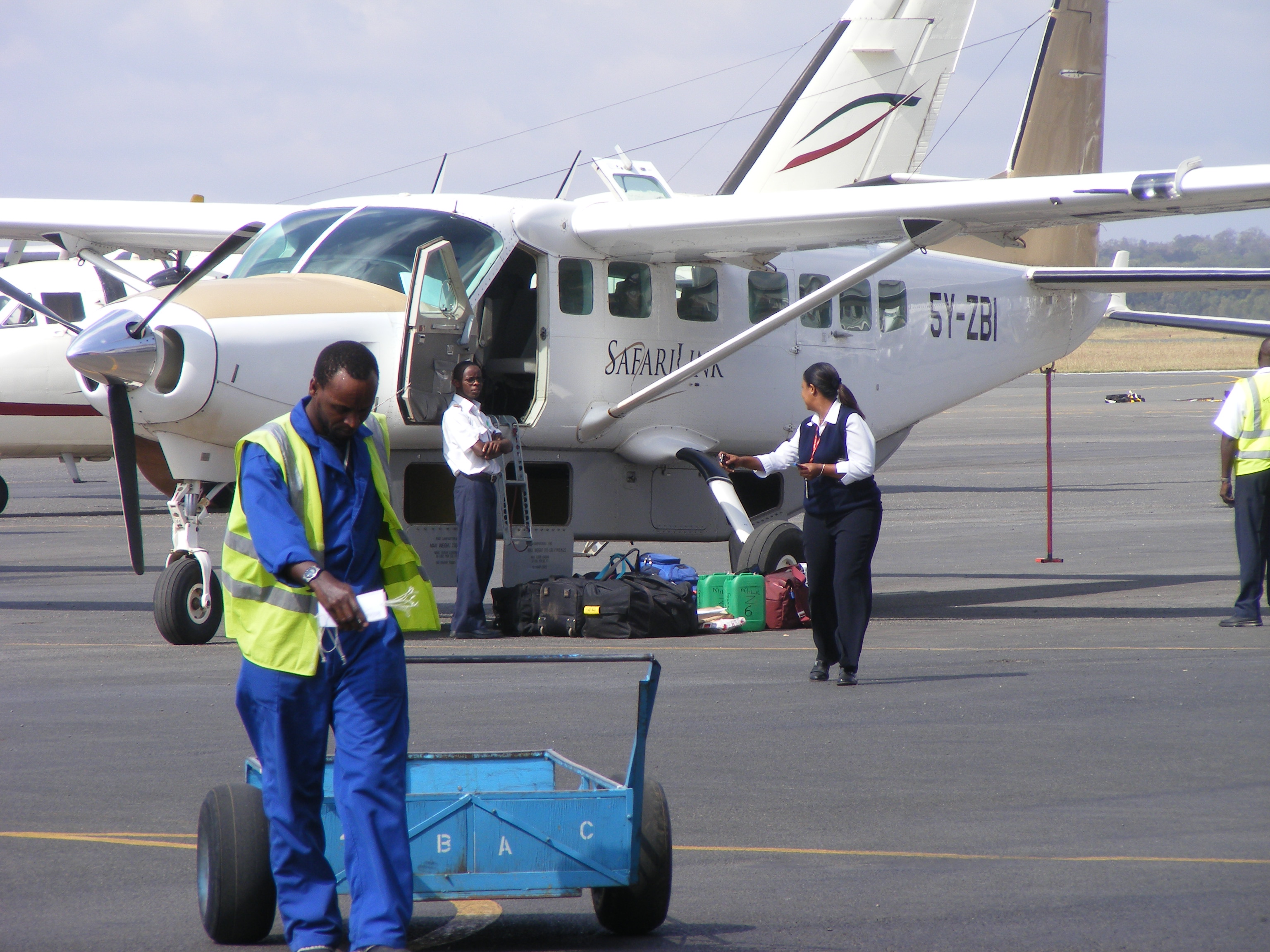
I look forward to flying in an electric Caravan!
Network Rail Invest In A New Footbridge For Goring-by-Sea
The title of this post, is the same as that of this article on Rail Technology Magazine.
It describes work being done at Goring-by-Sea station, which includes.
- Platform lengthening.
- Refurbishment of the footbridge.
This Google Map shows the station.

Note the footbridge, by the level crossing, at the Western end of the station.
It would appear, that the platform lengthening is being done to support a new timetable, whilst Gatwick Airport station is upgraded.
I wouldn’t be surprised to see the Arundel Chord built, as has been proposed as a Beeching Reversal project, which I wrote about in Beeching Reversal – Arundel Chord.
I visited on the 8th of December 2020 and took these pictures.
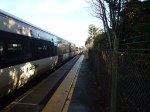
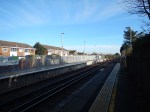
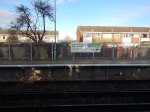
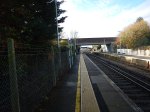
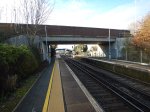


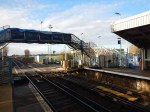

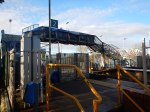
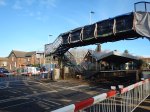

Note.
- It appears the Eastbound platform has been extended.
- From what I could see of the footbridge, it is certainly showing its age and needs a make-over.
- Whilst I was there, the level crossing by the station, was shut for thirteen minutes.
Are Network Rail going to do something about the level crossing?
Feltham Station – 7th December 2020
The step-free bridge to the South-West of Feltham station, appears to be almost complete.
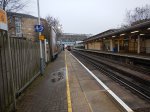
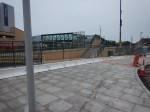
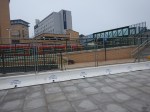
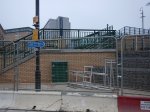
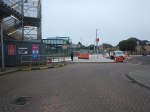
Note.
- The temporary bridge is still in place.
- The platform extensions are complete.
The builders appeared to be clearing up, when I passed through.
Syon Lane Station – 7th December 2020
The step-free footbridge at Syon Lane station has been completed and open for some time now.
I took these pictures today.
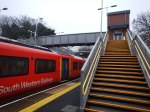
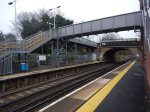
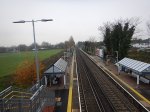
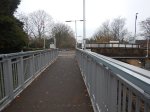
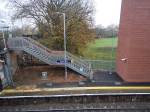
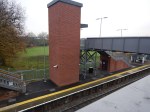
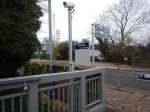
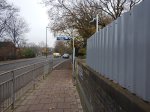
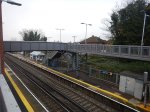
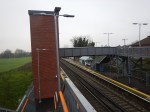
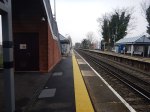
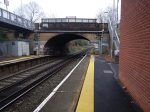
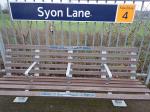
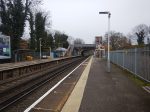
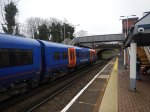
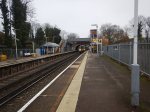
Note.
- The footbridge only has one lift on Platform 2.
- The step-free route to Platform 1 is a level footpath, which leads to the bus stop.
- There are three sets of stairs, two to Platform 2 and one to Platform 1.
- There is also a seat designed for Covid-19.
My first post on this project was Syon Lane Station To Go Step-Free, which was posted on April 30, 2019.
These smaller rail projects must be built in a more timely manner.
Is The Eastern Leg Of High Speed Two Under Threat?
This page on the High Speed Two web site is entitled HS2 Phase 2b Eastern Leg.
These are the opening three paragraphs.
Earlier this year the government made clear in its response to the Oakervee Review its commitment to Phase 2b of HS2, ensuring we boost capacity, improve connectivity between our regions and share prosperity.
As part of this, the government plans to present an Integrated Rail Plan for the North and Midlands by the end of the year, informed by an assessment from the National Infrastructure Commission, which will look at how to deliver HS2 Phase 2b, Northern Powerhouse Rail, Midlands Rail Hub and other rail programmes better and more effectively.
In the meantime, the government has asked HS2 Ltd to pause work on the Eastern Leg. We recognise that this causes uncertainty and our Eastern Leg community engagement teams remain in place to support you.
The page then says that the work on the Western Leg should proceed, with the aim of a Western Leg Bill in early 2022.
In Northern Powerhouse Rail – Significant Upgrades Of The East Coast Main Line From Leeds To Newcastle (Via York And Darlington) And Restoration Of The Leamside Line, I showed that the current and future upgrades to the East Coast Main Line, required by the East Coast Main Line, Northern Powerhouse Rail and High Speed Two, will greatly reduce the times on services from London Kings Cross to Doncaster, Yorkshire, the North East and Scotland.
I said this on timings on the East Coast Main Line.
- London Kings Cross and Doncaster could be around an hour.
- London Kings Cross and Leeds could be around one hour and thirty minutes, using the current Doncaster and Leeds time, as against the one hour and twenty-one minutes for High Speed Two.
- London Kings Cross and York could be around one hour and twenty-three minutes, using the current Doncaster and York time, as against the one hour and twenty-four minutes for High Speed Two.
- Timings between York and Newcastle would be the same fifty-two minutes as High Speed Two, as the track will be the limitation for both services.
- High Speed Two’s timing for York and Newcastle is given as fifty-two minutes, with York and Darlington as twenty-five minutes.
- London Kings Cross and Darlington could be around one hour and forty-nine minutes
- London Kings Cross and Newcastle could be around two hours and sixteen minutes.
- London Kings Cross and Edinburgh would be under three-and-a-half hours, as against the proposed three hours and forty-eight minutes for High Speed Two.
LNER’s Azuma cavalry will hold the fort for as long as is needed.
I’ll now look at how various stations, will be affected if the Eastern Leg of High Speed Two is not built, until a couple of decades in the future.
Leeds
Current Long Distance Services At Leeds Station
Leeds station has the following long distance services in trains per hour (tph)
- CrossCountry – 1
- LNER – 2
- TransPennine Express – 5
It is a bit thin compared to say Birmingham or Manchester.
Northern Powerhouse Rail And Leeds
Northern Powerhouse Rail has plans for Leeds with these services to other Northern cities.
- Hull – two tph in 38 minutes
- Manchester – six tph in 25 minutes
- Newcastle – four tph in 58 minutes
- Sheffield – four tph in 28 minutes.
From what they have written, the following could also be possible.
- Bradford – six tph in a few minutes
- Liverpool – four or more tph in 51 minutes
- Manchester Airport – four or more tph in 35 minutes
It is an ambitious plan.
High Speed Two And Leeds
High Speed Two is planning to run the following trains to Leeds in every hour.
- Birmingham Curzon Street and Leeds – 200 metre train
- Birmingham Curzon Street and Leeds via East Midlands Hub – 200 metre train
- London Euston and Leeds via Old Oak Common and East Midlands Hub – 200 metre train
- London Euston and Leeds via Old Oak Common and East Midlands Hub – 400 metre train
- London Euston and Leeds via Old Oak Common, Birmingham Interchange and East Midlands Hub – 400 metre train
Timings will be as follows.
- Birmingham Curzon Street and Leeds – 49 minutes.
- London Euston and Leeds – One hour and 21 minutes.
There will be about 1000 seats per hour between Birmingham Curzon Street and Leeds and 2500 seats per hour Between London Euston and Leeds.
High Speed Two And Leeds Via Manchester
This report on the Transport for the North web site, is entitled At A Glance – Northern Powerhouse Rail.
This map shows Transport for the North’s ideas for connections in the West linking Crewe, Liverpool, Manchester, Manchester Airport, Warrington and Wigan.

A black line goes East from Manchester to link it to Leeds via Huddersfield and Bradford.
- This is proposed as a route shared between High Speed Two and Northern Powerhouse Rail.
- High Speed Two are promising that London Euston and Manchester will be timed at one hour and eleven minutes.
- London Euston and Manchester will have a frequency of three tph and will all be 400 metre High Speed Two Full Size trains, with about a thousand seats.
- Northern Powerhouse Rail have an objective of a twenty-five minute journey time between Manchester and Leeds.
I would also build the Manchester and Leeds route with the following characteristics.
- As a full-size tunnel capable of taking High Speed Two Full Size trains and the largest freight trains.
- Intermediate and underground stations at Huddersfield and Bradford.
- It could be built as a base tunnel, like the similarly-sized Gotthard base tunnel in Switzerland.
- The Swiss tunnel has a maximum operating speed for passenger trains of 125 mph.
If it can be built for a reasonable cost and in a reasonable time-scale, it could be a way of doing the following.
- Creating a straight 150 mph plus route across the Pennines, with a capacity of 18 tph.
- Running high-capacity fast trains between London Euston and Leeds via Manchester Airport and Manchester.
- Running freight trains between the two sides of the Pennines.
- Creating a high frequency route between Liverpool and Hull via Manchester Airport, Manchester, Huddersfield and Bradford and Leeds.
The passenger service between Liverpool and Hull could be the world’s first high speed metro.
If the London Euston and Manchester trains, were to be extended to Leeds, London Euston and Leeds would take one hour and thirty-six minutes, which would only be fifteen minutes slower, than is promised for the route going via the Eastern Leg of High Speed Two.
London Kings Cross And Leeds
When the in-cab digital signalling is complete between London Kings Cross and Leeds, I am fairly confident that with a few other improvements and more zoom from the Azumas, that a London Kings Cross and Leeds time of one hour and fifty minutes will be possible.
But will two nine-car or pairs of five-car trains per hour (tph), be enough capacity? Especially, as pairs of five-car trains will split and join to serve a wider catchment area, which will harvest more passengers.
LNER will in a couple of years have an extra path every hour into Kings Cross.
I would feel that best use of this path would be to run between London Kings Cross and Edinburgh via Leeds and Newcastle.
- Leeds and Newcastle could be the only intermediate stops.
- Leeds would be the ideal place to change to Northern Powerhouse Rail for anywhere in the North of England.
- My estimates, say it could run between London Kings Cross and Edinburgh in around three-and-a-half hours.
- It would run non-stop between London Kings Cross and Leeds, Leeds and Newcastle and Newcastle and Edinburgh.
It would increase capacity, between the four major destinations on the route; London Kings Cross, Leeds, Newcastle and Edinburgh.
It could start running, once the digital signalling and current improvements to the East Coast Main Line are complete.
London St. Pancras And Leeds
I discussed, Northern Powerhouse Rail’s plan for Sheffield and Leeds in Northern Powerhouse Rail – Connecting Sheffield To HS2 And On To Leeds.
This could see the following new infrastructure.
- Electrification between Clay Cross North Junction and Sheffield station of the route shared by the Midland Main Line and High Speed Two.
- Electrification through Sheffield and on to Leeds, via the Wakefield Line
- New stations for High Speed trains at Rotherham and Barnsley Dearne Valley.
I could see East Midlands Railway taking advantage of this route, with their new Class 810 trains and running a regular Leeds and St. Pancras service.
- It would call at Wakefield Westgate, Barnsley Dearne Valley, Rotherham and Meadowhall. between Leeds and Sheffield stations.
- It would take twenty-eight minutes between Leeds and Sheffield, if it met Northern Powerhouse Rail’s objective.
- Perhaps one of the two tph between London St. Pancras and Sheffield could be extended to Leeds.
As the current time between London St. Pancras and Sheffield, is a few minutes under two hours, I can see a time of comfortably under two-and-a-half hours between London St. Pancras and Leeds.
A Summary Of Journey Times Between London And Leeds
I can summarise my estimates, between London and Leeds.
- High Speed Two – Direct via Eastern Leg – One hour and twenty-one minutes.
- High Speed Two – via Manchester – One hour and thirty-six minutes.
- East Coast Main Line – via Doncaster – One hour and thirty minutes.
- Midland Main Line – via Derby and Sheffield – Two hours and twenty minutes.
The direct High Speed Two route is the fastest., but others could be viable alternatives for some passengers.
Bradford
Consider.
- Under current plans Bradford won’t be getting any high speed service from High Speed Two.
- The best it can get under current plans is several direct services per day, between Bradford Forster Square and London Kings Cross in perhaps two hours.
- The layout of the city and its two stations doesn’t give good connectivity.
Bradford, Harrogate, Huddersfield and Skipton could probably be served by trains to and from London Kings Cross that join and split at Leeds.
But if Northern Powerhouse Rail goes for a tunnel between Manchester and Leeds with Bradford as an underground station, it could be served by High Speed Two services going between London Euston and Leeds via Manchester.
I would estimate that if London Euston and Leeds via Manchester took around one hour and thirty-six minutes, London Euston and Bradford could take around an hour-and-a-half.
Darlington
I can summarise my estimates, between London and Darlington.
- High Speed Two – Direct via Eastern Leg – One hour and forty-nine minutes.
- High Speed Two – via Manchester and Leeds – Two hours and six minutes.
- East Coast Main Line – via Doncaster – One hour and forty-nine minutes.
Improvements on the East Coast Main Line, needed to enable and speed-up High Speed Two services to York, Darlington and Newcastle; will speed up East Coast Main Line services to Darlington.
Edinburgh
I can summarise my estimates, between London and Edinburgh.
- High Speed Two – Direct via Western Leg – Three hours and forty minutes.
- High Speed Two – via Manchester and Leeds – Three hours and forty-eight minutes.
- East Coast Main Line – via Doncaster – Three hours and thirty minutes.
Improvements on the East Coast Main Line, needed to enable and speed-up High Speed Two services to York, Darlington and Newcastle; will speed up East Coast Main Line services to Newcastle.
Harrogate
Consider.
- Under current plans Harrogate won’t be getting any high speed service from High Speed Two.
- The best it can get under current plans is several direct services per day, between Harrogate and London Kings Cross in perhaps two hours.
Bradford, Harrogate, Huddersfield and Skipton could possibly be served by trains to and from London Kings Cross that join and split at Leeds.
Huddersfield
- If Huddersfield is served by underground platforms beneath the current Huddersfield station, a lot of what I said for Bradford would apply to Huddersfield.
- The timings would probably be around an-hour-and-a-half from London Euston.
Bradford, Harrogate, Huddersfield and Skipton could possibly be served by trains to and from London Kings Cross that join and split at Leeds.
Hull
Hull is an interesting destination.
- Reaching Hull from the current High Speed Two network will need a change at Leeds or another station.
- Using Northern Powerhouse Rail’s objectives on timings, London Euston and Hull via Manchester on High Speed Two, would be a few minutes under two-and-a-half hours.
- I strongly feel, that London Kings Cross and Hull via Selby could be reduced to below two hours.
Hull would also make a superb Eastern terminal station for both Northern Powerhouse Rail and a High Speed Two service from London via Manchester and Leeds.
You pays your money and takes your choice.
Middlesbrough
Reaching Middlesbrough from the proposed High Speed Two network will need a change at York or another station.
But a time of two hours and twenty minutes, should be possible using the East Coast Main Line via Doncaster.
Improvements on the East Coast Main Line, needed to enable and speed-up High Speed Two services to York, Darlington and Newcastle, will speed up East Coast Main Line services to Middlesbrough.
Newcastle
I can summarise my estimates, between London and Newcastle.
- High Speed Two – Direct via Eastern Leg – Two hours and seventeen minutes.
- High Speed Two – via Manchester and Leeds – Two hours and thirty-four minutes.
- East Coast Main Line – via Doncaster – Two hours and sixteen minutes.
Improvements on the East Coast Main Line, needed to enable and speed-up High Speed Two services to York, Darlington and Newcastle; will speed up East Coast Main Line services to Newcastle.
Nottingham
I will compare average speeds on the Midland Main Line between London St. Pancras and Nottingham and on the East Coast Main Line, between London Kings Cross and Leeds.
Currently.
- London St. Pancras and Nottingham services, over the 126 mile route, take one hour and fifty minutes. which is an average speed of 69 mph.
- London Kings Cross and Leeds services, over the 186 mile route, take two hours and thirteen minutes, which is an average speed of 94 mph.
Note.
- The two routes are of similar character and are fairly straight with large sections of 125 mph running and quadruple tracks.
- The East Coast Main Line to Leeds is fully electrified, whereas the Midland Main Line is only partially electrified.
- Both routes have a small number of stops.
- In a few years time, services on both routes will be run by different members of the Hitachi AT-300 train family.
I don’t feel it would be unreasonable to assume that a London St. Pancras and Nottingham service could be run at an average speed of 94 mph, if the Midland Main Line were upgraded to the same standard as the East Coast Main Line.
This could mean a time of around one hour and twenty-one minutes between London St. Pancras and Nottingham, or a saving of twenty-nine minutes.
Is that possible?
- The new Class 810 trains, will have four engines instead of the normal three for a five-car AT-300 train. Will they be able to be closer to the 125 mph line-speed on diesel power, where it is available on the Midland Main Line.
- The trains will be able to use electrification between London St. Pancras and Market Harborough.
- There have been hints, that more electrification may be installed on the Midland Main Line.
- Hitachi have announced a battery electric version of the AT-300 train called an Intercity Tri-Mode Battery Train, where one or more of the diesel engines are replaced by battery packs.
- The new trains will be ready to accept in-cab ERTMS digital signalling, so they could be able to run at up to 140 mph, if the track were to be upgraded.
I certainly feel, that substantial time savings could be possible between London St. Pancras and Nottingham.
Eighty-one minutes would be very convenient, as it would comfortably allow a three hour round trip, which would mean just six trains or more likely pairs of trains would be needed for the current two tph service.
Eighty-one minutes would not be the fifty-two minute service promised by High Speed Two!
But!
- The new trains are planned to be introduced from 2023.
- Who knows, when High Speed Two will arrive at the East Midlands Hub station?
- They won’t need any new substantial infrastructure to replace the current trains.
I also suspect the new trains will have more seats, but, the capacity of the Class 810 train, has not been published.
Nottingham could also be served by a high speed service from London Kings Cross via Grantham, which I estimate would take about one hour and twenty minutes.
Sheffield
A lot of what I said for Nottingham can be applied to Sheffield.
- Currently, London St. Pancras and Sheffield services, over the 165 mile route, take two hours, which is an average speed of 82.5 mph.
- High Speed Two is promising a journey time of one hour and twenty-seven minutes.
- An average speed of 90 mph, would mean a journey time of one hour and fifty minutes.
- This would allow a four hour round trip, which would mean just eight trains or more likely pairs of trains would be needed for the current two tph service.
It would be very convenient for the operator.
It looks like if pairs of trains were to be run on both the Nottingham and Sheffield routes, that twenty-eight trains would be needed to run both services.
This fits well with a fleet size of thirty-three trains.
The only caveat, is that to get the required journey times, it might be necessary to rebuild and electrify the tracks, between Sheffield and Clay Cross North Junction.
- These tracks will be shared with the future Sheffield Branch of High Speed Two.
- It would only be 15.5 miles of double-track to rebuild and electrify.
- It could be rebuilt to allow 140 mph running. Several minutes could be saved!
The electrification could allow Hitachi’s Intercity Tri-Mode Battery trains to be able to run the Sheffield service.
These trains would certainly be a way of avoiding the tricky electrification of the Derby and Clay Cross section of the route, which goes through the World Heritage Site of the Derwent Valley Mills.
Sheffield could also be served by a high speed service from London Kings Cross via Doncaster, which I estimate would take about one hour and thirty minutes.
Skipton
Consider.
- Under current plans Skipton won’t be getting any high speed service from High Speed Two.
- The best it can get under current plans is several direct services per day, between Skipton and London Kings Cross in perhaps two hours.
Bradford, Harrogate, Huddersfield and Skipton could possibly be served by trains to and from London Kings Cross that join and split at Leeds.
Sunderland
Reaching Sunderland from the proposed High Speed Two network will need a change at York or another station.
But a time of two hours and thirty minutes, should be possible using the East Coast Main Line via Doncaster.
Improvements on the East Coast Main Line, needed to enable and speed-up High Speed Two services to York, Darlington and Newcastle, will speed up East Coast Main Line services to Sunderland.
York
I can summarise my estimates, between London and York.
- High Speed Two – Direct via Eastern Leg – One hour and twenty-four minutes.
- High Speed Two – via Manchester and Leeds – One hour and forty-two minutes.
- East Coast Main Line – via Doncaster – One hour and twenty-four minutes.
Improvements on the East Coast Main Line, needed to enable and speed-up High Speed Two services to York, Darlington and Newcastle; will speed up East Coast Main Line services to York.
I believe strongly, that York would be about as fast from London, by either of the direct routes, but both would serve different intermediate destinations.
Conclusion
My first conclusion is a surprising one, but the promised timings from High Speed Two and the current timings in the timetable make it clear.
To achieve the required timings for High Speed Two, major improvements must be made to existing track and these improvements will mean that existing services will be competitive with High Speed Two on time.
These improvements fall into this category.
- Improving the East Coast Main Line between York and Newcastle, will make East Coast Main Line services to York, Darlington, Durham and Newcastle competitive with High Speed Two services.
- Improving the East Coast Main Line between York and Newcastle, may also mean that London Kings Cross and Edinburgh will be faster than the High Speed Two service between London Euston and Edinburgh.
- Electrifying the route shared between Sheffield and Clay Cross North Junction, will speed up London St. Pancras and Sheffield services and make them more competitive with High Speed Two.
I suspect there may be similar mutual improvements on the Western leg of High Speed Two.
Other smaller conclusions from my analysis of the improvements include.
- These improvements will create some extra capacity on the East Coast and Midland Main Lines, by removing bottlenecks and improving line speeds.
- Electrification, even if it is only partial or discontinuous, will improve services on the Midland Main Line.
- Some places like Harrogate, Middlesbrough and Skipton will never be served directly by High Speed Two, but are easily served by East Coast Main Line services from London Kings Cross.
- Northern Powerhouse Rail is very much part of the North-South capacity for England.
- In-cab ERTMS signalling will play a large part in increasing capacity and line speeds.
Perhaps in our planning of High Speed Two, we should plan all the routes in the North and Midlands in a much more holistic way.
If we look at the capacity between London and the North, I feel that with the addition of Phase 1 of High Speed Two to Birmingham in 2029-2033 and hopefully Phase 2a soon afterwards, that Phase 2b will not be needed for reasons of speed and capacity until years later.
So, I would pause most construction of the Eastern Leg of High Speed Two until Phase 1 and Phase 2a are complete.
I would make exceptions for the following.
- Improvements to the shared section of the East Coast Main Line and High Speed Two, between York and Newcastle.
- Building a high speed connection between Leeds and York for the use of Northern Powerhouse Rail and the East Coast Main Line.
- Rebuilding and electrification of the shared section of the Midland Main Line and High Speed Two, between Clay Cross North Junction and Sheffield.
- Improve and electrify the route between Sheffield and Leeds.
But I would continue with the design, as I feel that East of Leeds is very much sub-optimal at the present time.
The route of the Eastern leg of High Speed Two would be safeguarded.
But the biggest problem with the Eastern Leg of High Speed Two to Leeds, is that however it is built travellers to and from Leeds, York and further North will not see any improvements for some years, but improving the East Coast Main Line wouldn’t exactly see jam tomorrow, but tons of it by 2024.
 The Anonymous Widower