Hydrogen Is A Trillion Dollar Bet On The Future
The title says it all on this article on Bloomberg.
Read it!
Strangely, it doesn’t mention the Shell Blue Hydrogen Process, that I wrote about in Shell Process To Make Blue Hydrogen Production Affordable.
Talgo Unveils Plan To Have Vittal-One Hydrogen Train Operational By 2023
The title of this post, is the same as that of this article on Hydrogen Fuel News.
This is the most important paragraph of the report.
The company explained that the fuel cell technology it designed for its train is modular. In this way, the tech can be installed on any type of existing train. In this way, the transition away from diesel and into hydrogen fuel. That said, Talgo did underscore that its Vittal platform was the primary reason for which the H2 solution was designed. The company is hoping to win several Spanish tenders, as well as those in other countries, for this regional and commuter train.
Talgo hopes to start testing their train next year.
They certainly seem to have got their skates on, or whatever the Spanish say!
A Hydrogen Train For Scotland
Consider.
- Scotland has a major need for a large number of zero-carbon trains to decarbonise routes outside the Central Belt, which is extensively electrified.
- Talgo are building a factory at Longannet in Scotland.
- Talgo’s Vittal-One train has a modular hydrogen traction system, but the train is designed for European standards.
- This page on the Talgo web site, describes the design philosophy behind the Talgo Vittal. After reading that page, I feel Talgo could build a version of the train for the UK. There are already standard gauge versions in Germany and they’d just need to make a different body, that was about a 100 mm. narrower.
- The Talgo Vittal is a 100 mph train, which is what Scotland needs.
So I feel that Talgo have the technology to build a hydrogen-powered regional train for the UK. And the island of Ireland, which uses a 1600 mm track gauge, which is not far from the Iberian gauge of 1668 mm gauge!
The question has to be asked about, when Talgo chose the location for the factory, were there any nods and winks with the Scottish Government about the country’s future train needs?
It certainly appears that Scotland has the need and the hydrogen, and Talgo has the technology, to decarbonise the railways North and South of the Central Belt in Scotland.
Diesel-Battery Hybrid TER Train To Be Tested Next Year
The title of this post, is the same as that of this article on Railway Gazette International.
These are the two introductory paragraphs.
Testing of a Coradia Polyvalent electro-diesel regional trainset fitted with a battery hybrid traction system is to begin early next year and passenger services are planned for 2022, Alstom has announced.
Two of the trainset’s four diesel engines are to be replaced by lithium-ion batteries, which will be used to recover and store braking energy for reuse. It is hoped that this will reduce energy consumption and greenhouse gas emissions by 20%, as well as reducing operating and maintenance costs.
Other points from the article.
- Testing is planned for 2021, with service entry, the year after.
- There are 300 of these Polyvalent trains in service.
- TER trains will stop using diesel by 2030.
- France intends to run its last diesel train in 2035.
It looks like Alstom are using a similar approach to that of Hitachi in the UK.
It looks like the French are ahead of us in the decarbonisation timetable for rail.
Northern Powerhouse Rail – Significant Upgrades Of The East Coast Main Line From Leeds To Newcastle (Via York And Darlington) And Restoration Of The Leamside Line
In this article on Transport for the North, which is entitled Northern Powerhouse Rail Progress As Recommendations Made To Government, one of the recommendations proposed for Northern Powerhouse Rail is significant upgrades to the East Coast Main Line and reopening of the Leamside Line.
Northern Powerhouse Rail’s Objective For The Leeds and Newcastle Route
Wikipedia, other sources and my calculations say this about the trains between Leeds and Newcastle.
- The distance between the two stations is 106 miles
- The current service takes around 85 minutes and has a frequency of three trains per hour (tph)
- This gives an average speed of 75 mph for the fastest journey.
- The proposed service with Northern Powerhouse Rail will take 58 minutes and have a frequency of four tph.
- This gives an average speed of 110 mph for the journey.
This last figure of 110 mph, indicates to me that a faster route will be needed.
These are example average speeds on the East Coast Main Line.
- London Kings Cross and Doncaster – 156 miles – 98 minutes – 95.5 mph
- London Kings Cross and Leeds – 186 miles – 133 minutes – 84 mph
- London Kings Cross and York – 188.5 miles – 140 minutes – 81 mph
- London Kings Cross and Hull – 205.3 miles – 176 minutes – 70 mph
- York and Newcastle – 80 miles – 66 minutes – 73 mph
I also predicted in Thoughts On Digital Signalling On The East Coast Main Line, that with full digital in-cab ERTMS signalling and other improvements, that both London Kings Cross and Leeds and York would be two-hour services, with Hull a two-and-a-half service.
- London Kings Cross and Leeds in two hours would be an average speed of 93 mph.
- London Kings Cross and York in two hours would be an average speed of 94.2 mph.
- London Kings Cross and Hull in two-and-a-half hours would be an average speed of 94.2 mph.
I am fairly certain, that to achieve the required 110 mph average between Leeds and Newcastle to meet Northern Powerhouse Rail’s objective of four tph in under an hour will need, at least the following.
- Full digital in-cab ERTMS signalling
- Completion of the electrification between Leeds and York.
- Ability to run at up to 140 mph in places.
- Significant track upgrades.
It could also eliminate diesel traction on passenger services on the route.
High Speed Two’s Objective For The York and Newcastle Route
At the present time, High Speed Two is not planning to run any direct trains between Leeds and Newcastle, so I’ll look at its proposed service between York and Newcastle instead.
- Current Service – 80 miles – 66 minutes – 73 mph
- High Speed Two – 80 miles – 52 minutes – 92 mph
Note.
- High Speed Two will be running three tph between York and Newcastle.
- Northern Powerhouse Rail have an objective of 58 minutes for Leeds and Newcastle.
High Speed Two and Northern Powerhouse Rail do not not have incompatible ambitions.
Current Direct Leeds And Newcastle Services
These are the current direct Leeds and Newcastle services.
- TransPennine Express – 1 tph – Liverpool Lime Street and Edinburgh
- TransPennine Express – 1 tph – Manchester Airport and Newcastle.
- CrossCountry – 1 tph – Plymouth and Edinburgh
Timings appear to be between 81 and 91 minutes.
What Would A Leeds And Newcastle In Under An Hour Do For London Kings Cross And Edinburgh Timings?
This question has to be asked, as a 58 minute time between Leeds and Newcastle will mean that timings between York and Newcastle must reduce.
York And Newcastle at various average speeds give the following times.
- 73 mph (current average) – 66 minutes
- 80 mph – 60 minutes
- 90 mph – 53 minutes
- 92 mph – 52 minutes (High Speed Two promise)
- 100 mph – 48 minutes
- 110 mph – 44 minutes
If any speed over 90 mph can be averaged between York and Newcastle, this means that with a London and York time of under two hours the following times are possible.
- London Kings Cross and Newcastle in under three hours. – High Speed Two are promising two hours and seventeen minutes.
- London Kings Cross and Edinburgh in under four hours. – High Speed Two are promising three hours and forty minutes.
Consider.
- An InterCity 225 achieved a time of under three-and-a-half hours between London and Edinburgh. in 1991.
- That record journey was at an average speed of 112 mph.
- There must be opportunities for speed improvements North of Newcastle.
- Train and signalling technology is improving.
- High Speed Two is promising three hours and forty minutes between London and Edinburgh.
I can see a fascinating rivalry between trains on High Speed Two and the East Coast Main Line, developing, about who can be faster between London and Edinburgh.
Current Projects Between Leeds And Newcastle
These projects are in planning or under way on the section of the East Coast Main Line between Leeds and Newcastle.
Phase 2 Of The East Coast Main Line Power Supply Upgrade
Phase 1 between London and Doncaster should have been completed, if the covids allowed and now work can be concentrated on Phase 2 to the North of Doncaster.
This page on the Network Rail web site describes the project. These paragraphs are the introduction to Phase 2.
Phase 2 of the project will involve the installation of feeder and substations along the route, capacity upgrades, new 132kv connection at Hambleton junction and upgrades to existing power supply connections.
The second phase of the project is currently in design stages and dates for carrying out the work are still being finalised.
Phase 2 will be delivering upgraded power to the East Coast Mainline railway between Bawtry and Edinburgh.
This project may not improve speeds on the railway, but it will certainly improve reliability and reduce the use of diesel power.
I do wonder, that as the reliability of the East Coast Main Line increases, this will reduce the need for the electric Class 801 trains, to have diesel engines for when the power supply fails.
It is known, that the Class 803 trains, that are under construction for East Coast Trains, will have only a small battery for emergency use.
A sensible weight saving would surely improve the acceleration and deceleration of the trains.
York to Church Fenton Improvement Scheme
This page of the Network Rail web site, describes the project. These paragraphs introduce the project.
Our work between York and Church Fenton is in preparation for the Transpennine Upgrade, which will provide more capacity and faster journeys between Manchester Victoria and York, via Leeds and Huddersfield.
The five mile stretch between Church Fenton and Colton Junction – the major junction where trains from Leeds join the East Coast Main Line towards York – sees over 100 trains each day, with up to one freight or passenger train passing through every five minutes. This is one of the busiest stretches of railway in the North.
The work will include.
- Modernising the signalling.
- Replacing about five miles of track between Holgate (York) and Colton Junction.
- Completing the eleven miles of electrification between York and Church Fenton stations.
I estimate that when the project is completed, there will be only around thirteen miles of track without electrification between Church Fenton station and Neville Hill TMD in Leeds.
The route between Church Fenton and Garforth stations, is shown in this map clipped from High Speed Two.
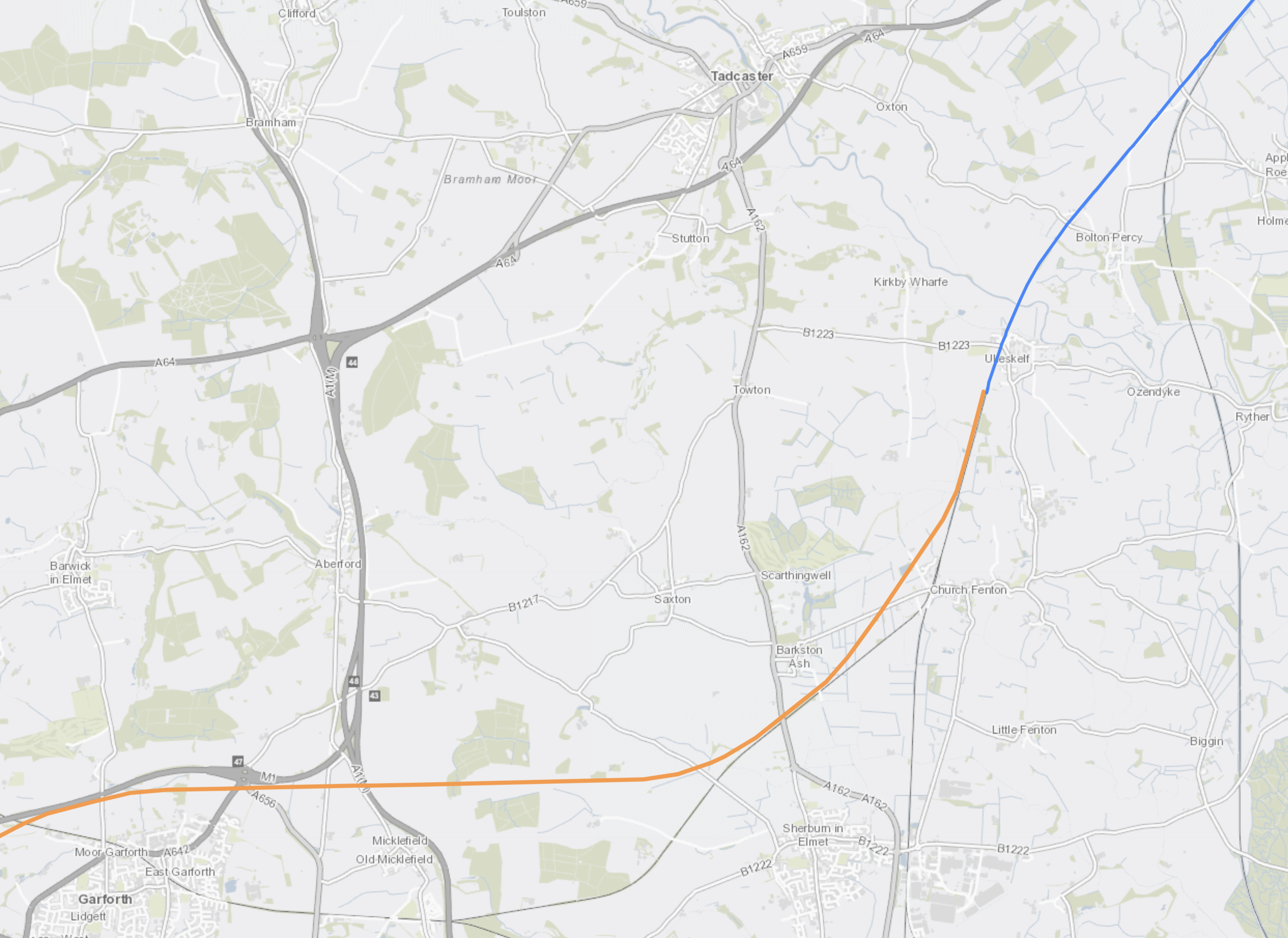
Note.
- York is just off the North-East corner of the map.
- Garforth is in the South-West corner of the map.
- Shown in orange is the new route of High Speed Two from East of Leeds towards York.
- Shown in blue is existing tracks, that will be used to take High Speed Two Trains to York and further North.
- The rail line running North-South on the edge of the map is the Selby Diversion, which opened in 1983 and was built to avoid possible subsidence from the Selby coalfield.
- The pre-Selby Diversion route of the East Coast Main Line goes South from the join of the blue and orange sections of High Speed Two.
- At Church Fenton station, this route splits, with one route going West through Micklefield, East Garforth and Garforth stations to Neville Hill TMD and Leeds.
- The main road going North-South is the A1 (M).
It seems to me, that High Speed Two’s and Northern Powerhouse Rail’s plans in this area, are still being developed.
- There has been no decision on the electrification between Church Fenton and Neville Hill TMD.
- How do Northern Powerhouse Rail trains go between Leeds and Hull?
- How do Northern Powerhouse Rail trains go between Leeds and York?
- How do High Speed Two trains go between Leeds and York?
I suspect, when the full plans are published, it will answer a lot of questions.
Darlington Station Remodelling
A remodelling of Darlington station is under consideration.
I outlined this in £100m Station Revamp Could Double Local Train Services.
This was my conclusion in the related article.
I think that this will happen.
-
- The Tees Valley Line trains will be greatly improved by this project.
- Trains will generally run at up to 140 mph on the East Coast Main Line, under full digital control, like a slower High Speed Two.
- There will be two high speed platforms to the East of the current station, where most if not all of the High Speed Two, LNER and other fast services will stop.
- There could be up to 15 tph on the high speed lines.
With full step-free access between the high speed and the local platforms in the current station, this will be a great improvement.
It will create a major interchange, where high speed trains from High Speed Two, LNER and Northern Powerhouse Rail will do the following.
- Approach at 140 mph or more.
- Perform a controlled stop in the station.
- Drop and pick-up passengers.
- Accelerate back up to linespeed.
The station stop will be highly-automated and monitored by the driver.
One of the objectives would be to save time for all fast trains.
Capacity And Other Problems Between Leeds And Newcastle Listed In Wikipedia
These problems are listed in a section called Capacity Problems in the Wikipedia entry for the East Coast Main Line.
The North Throat Of York Station Including Skelton Bridge Junction
I describe this problem and my solution in Improving The North Throat Of York Station Including Skelton Bridge Junction.
Use Of The Leamside Line
Wikipedia says this about capacity to the South of Newcastle.
South of Newcastle to Northallerton (which is also predominately double track), leading to proposals to reopen the Leamside line to passenger and freight traffic.
I could have included it in the previous section, but as it such a important topic, it probably deserves its own section.
Looking at maps, reopening is more than a a possibility. Especially, as reopening is proposed by Northern Powerhouse Rail and mentioned in the title of this post.
I discussed the Leamside Line in detail in Boris Johnson Backs Station Opening Which Could See Metro Link To County Durham, which I wrote in June this year.
These are some extra thoughts, that update the original post.
Ferryhill Station
I was prompted to write the related post, by something Boris Johnson said at PMQs and it was mainly about Ferryhill station.
In the latest copy of this document on the Government web site, which is entitled Restoring Your Railway: Successful Bids, a new station at Ferryhill has been successful. Another bid in the same area to restore rail services between Consett and Newcastle has also been successful.
This map shows the East Coast Main Line as it goes North South between Durham and Darlington.
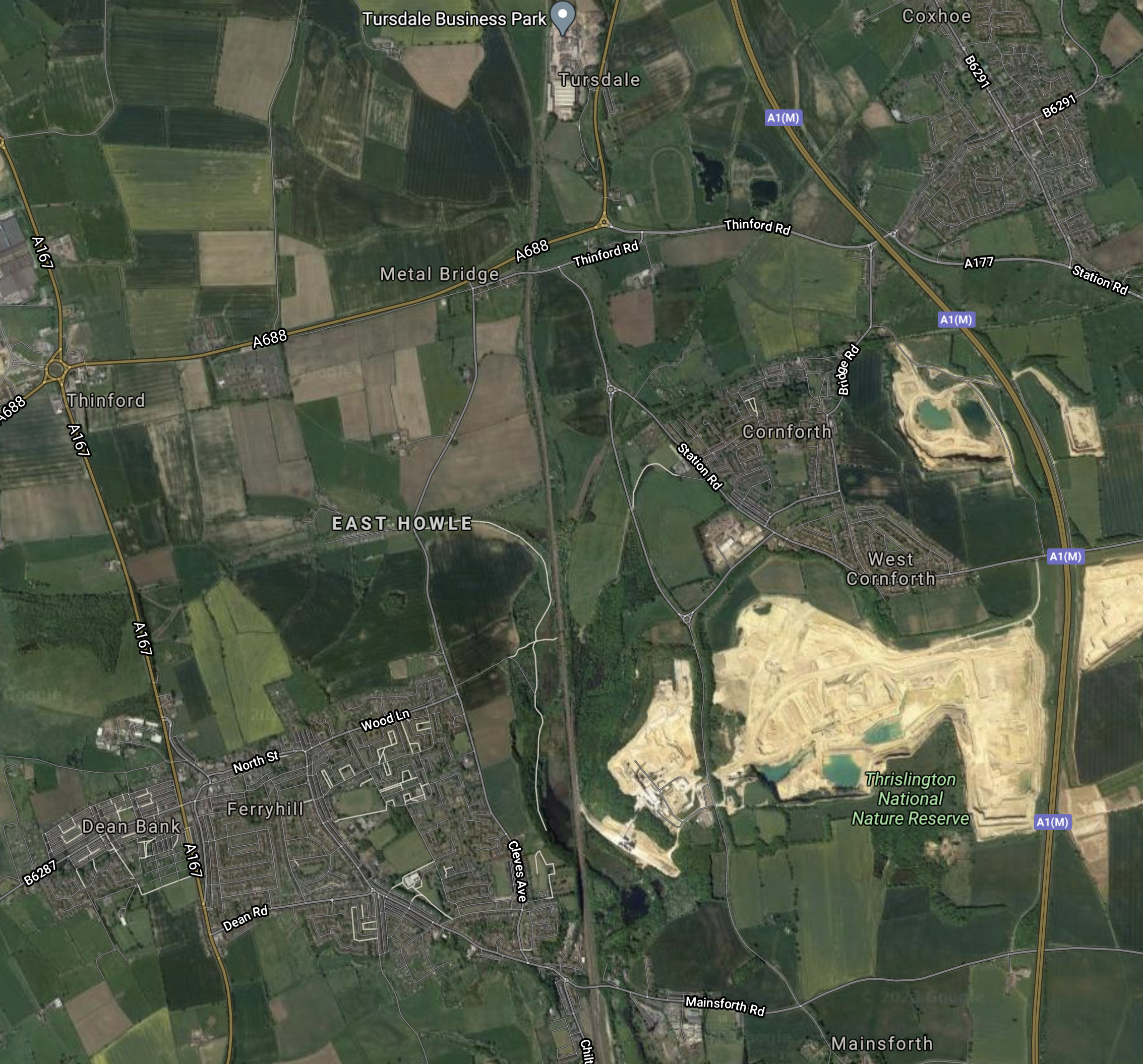
Note.
- Ferryhill is in the South-West of the map opposite the sand-pits in the South-East
- The East Coast Main Line runs North-South between the village an d the sand-pits.
- Follow the railway North and you come to Tursdale, where there is a junction between the East Coast Main Line and the Leamside Line.
- The East Coast Main Line goes North-Westerly towards Durham and Newcastle.
- The Leamside Line goes North to Washington and Newcastle.
- There is also the Stillington Freight Line going South-Easterly to Sedgefield and Stockton from Ferryhill.
Could Ferryhill be a useful interchange to local services connecting to Newcastle, Sunderland and Washington in the North and Hartlepool, Middlesbrough and Stockton in the South?
The Leamside Line As An East Coast Main Line Diversion
I didn’t discuss using the line as a diversion for the East Coast Main Line in my original post, but if the infrastructure is to the required standard, I don’t see why it can’t take diverted traffic, even if it is also used for the Tyne and Wear Metro.
It should be remembered, that to create extra capacity on the East Coast Main Line between Peterborough and Doncaster, the route of the Great Northern and Great Eastern Joint Railway, was upgraded. I first wrote about this line six years ago in Project Managers Having Fun In The East and the route seems to be working well. It is now being augmented by the addition of the £200 million Werrington Dive Under. See Werrington Dive-Under – 8th November 2018, for more details of this project, which will speed up all trains on the East Coast Main Line.
After the undoubted success of the upgrade of the Great Northern and Great Eastern Joint Railway, surely the team responsible for it, should be given the task of devising a similar plan for the Leamside Line, to take pressure off the East Coast Main Line between Newcastle and Northallerton.
Sharing The Leamside Line
The Tyne and Wear Metro also has its eyes on the Leamside Line for an extension.
It should be noted that the Extension To Wearside, uses the Karlsruhe Model to allow the Metro trains to share with freight and other passenger trains.
The new Stadler trains will probably make this even easier, so I wouldn’t be surprised to see a reopened Leamside Line handling a varied assortment of trains of all types.
The Sunderland Example
Sunderland station is a station, which has both Metro and mainline services from the same platforms.
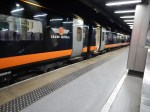
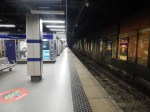
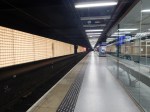
Could a station at Washington be built to similar principles, so that some long distance services to Newcastle used this station?
A Terminal Station On The Leamside Line
Newcastle station may be a Grade One Listed station, but it is built on a curve and would be a nightmare to expand with more platforms.
Sunderland station is already used as a terminal for London trains, so would it be sensible to provide a terminal at somewhere like Washington?
My Final Thought On The Leamside Line
Reopen it!
A Few Random Final Thoughts
This post has got me thinking.
Newcastle Station Capacity
I have seen reports over the years that Newcastle station, is lacking in capacity.
- There could be extra services, as High Speed Two is proposing two tph from London Euston stations and one tph from Birmingham Curzon Street station.
- There may be extra services because of Northern Powerhouse Rail, which has an objective of four tph from Leeds station.
- There may be extra services because of new services to Ashington and Blyth.
- There may be extra services because of new services to Consett.
Note.
- The first two services could use two hundred metre long trains.
- Some platforms can accept 234 metre long Class 800 trains.
- The last two services might use the Metro platforms.
As the station has twelve platforms, I feel with careful operation, that the station will have enough capacity.
This Google Map shows the station.
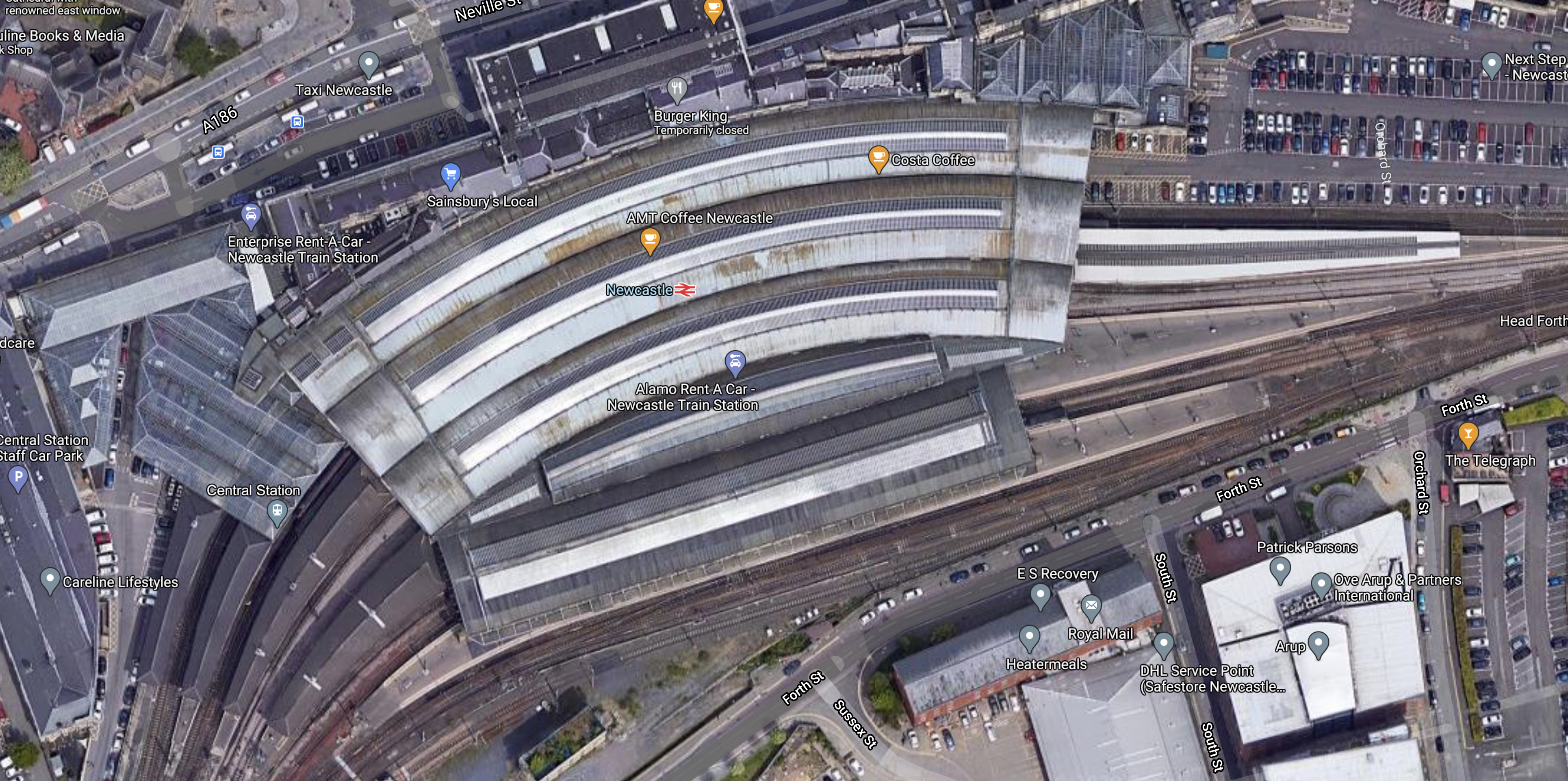
And this second Google Map shows the station, its position with relation to the Tyne and the lines rail routes to and from the station.

Note.
- Trains from the South arrive over the King Edward VII Bridge and enter Newcastle station from the West.
- Trains from England to Scotland go through the station from West to East and then go straight on and turn North for Berwick and Scotland.
- Next to the King Edward VII Bridge is the blue-coloured Queen Elizabeth II Bridge, which takes the Tyne and Wear Metro across the Tyne, where it uses two platforms underneath Newcastle station.
- The next bridge is the High Level Bridge, which connects the East end of the station to the rail network, South of the Tyne. It connects to the Durham Coast Line to Teeside and the Leamside Line.
History has delivered Newcastle a comprehensive track layout through and around Newcastle station.
- Services from the East can be run back-to-back with services from the West.
- The Metro and its two underground platforms removes a lot of traffic from the main station.
- There are seven through platforms, of which at least three are over two hundred metres long.
- There are four West-facing bay platforms and one facing East.
But most intriguingly, it looks like it will be possible for trains to loop through the station from the South, by perhaps arriving over the King Edward VII bridge and leaving over the High Level bridge. Or they could go the other way.
Could this be why reoopening the Leamside Line is important?
LNER’s Extra Paths
The sentence, from an article entitled LNER Seeks 10 More Bi-Modes, in the December 2020 Edition of Modern Railways indicates that more capacity will be available to LNER.
Infrastructure upgrades are due to prompt a timetable recast in May 2022 (delayed from December 2021) from which point LNER will operate 6.5 trains per hour, out of Kings Cross, compared to five today.
I suspect that LNER could use the half path to run a one train per two hour (tp2h) service to Hull.
- Currently, London Kings Cross and Hull takes a few minutes under three hours.
- Currently, Doncaster and Hull takes around 55 minutes.
- I have estimated that once full digital in-cab signalling is operational, that London Kings Cross and Hull could take a few minutes under two-and-a-half hours.
The full path to Hull could be shared with Hull Trains to provide an hourly service between London Kings Cross and Hull.
LNER could do something special with the full extra path.
Consider.
- Some train operating companies have said, that they’ll be looking to attract customers from the budget airlines.
- There could be a need for more capacity between London Kings Cross and all of Edinburgh, Leeds and Newcastle.
- Faster services would be attractive to passengers.
- York and Leeds will be fully electrified or trains could be fitted with batteries to bridge the thirteen mile gap in the electrification.
A limited-stop service between London Kings Cross and Edinburgh via Leeds could be an interesting addition.
- The train would only stop at Leeds and possibly Newcastle.
- One objective would be a time under three-and-a-half hours between London Kings Cross and Edinburgh.
- What time could be achieved between London Kings Cross and Leeds?
It would certainly give High Speed Two a run for its money!
A New Elizabethan
I can remember The Elizabethan, which was a steam-hauled non-stop express between London and Edinburgh between 1953 and 1961.
I have laid out my ideas for a modern express train of the same name in A New Elizabethan.
It could be an interesting concept, to increase capacity between London and Edinburgh.
As I indicated in the previous section, LNER certainly have a path, that could be used to their advantage.
High Speed Two
The East Coast Main Line and High Speed Two have a lot in common.
- The two routes will share tracks between a junction near Ulleskelf station and Newcastle station.
- High Speed Two Classic Compatible trains could be based on Hitachi AT-300 train technology.
- High Speed Two Classic Compatible trains would probably be able to run on the East Coast Main Line between London Kings Cross And Edinburgh.
- Trains from both routes will share platforms at York, Darlington, Durham and Newcastle stations.
- I would hope that the signalling systems on both routes are compatible.
From a project management point of view, this commonality means that in an ideal world the new route of both High Speed Two and Northern Powerhouse Rail, and the upgrades to the East Coast Main Line should be planned together.
I believe there are still details on the design of the joint route, that have not been disclosed, or perhaps not even decided.
- Will between Church Fenton station and Neville Hill depot be electrified?
- How will Northern Powerhouse Rail connect Leeds and Hull stations?
- How will Northern Powerhouse Rail connect Leeds and York stations?
- Will High Speed Two connect Leeds and York stations?
- What will be the operating speed of the joint section of the East Coast Main Line?
- What will be the capacity in trains per hour of the joint section of the East Coast Main Line?
- Will Newcastle station need an extra platform to handle three High Speed Two tph from London Euston
Two projects have been discussed in this post.
- The unlocking of the bottleneck at Skelton Bridge.
- The reopening of the Leamside Line.
I feel that these projects are important and will probably be needed for efficient operation of High Speed Two.
Other early projects could include.
- Upgrading and electrification of the chosen route between Leeds and Hull,
- Installation of the chosen system of in-cab ERTMS digital signalling on the route.
- Electrification between Church Fenton station and Neville Hill depot.
I would deliver these and other joint projects early, so that travellers see a positive benefit from High Speed Two before the main work has even started.
High Speed East Coast
I wonder what is the maximum speed of the Class 80x trains, that are the backbone of services on the East Coast Main Line.
Consider.
- It is known, that with in-cab digital ERTMS signalling, these trains will be capable of 140 mph, but could they go even faster.
- High Speed Two Classic Compatible trains will be capable of 225 mph.
- Will Hitachi’s offering for these trains, be based on the Class 80x trains?
I would think, that it is fairly likely, that the existing Class 80x trains could be updated to an operating speed in the range of 150-160 mph.
In Thoughts On Digital Signalling On The East Coast Main Line, I said this.
The combined affect of both track and signalling improvements is illustrated by this simple calculation.
-
- As Dalton-on-Tees is North of Doncaster, the route between Woolmer Green and Doncaster should be possible to be run at 140 mph
- Woolmer Green and Doncaster stations are 132.1 miles apart.
- Non-stop York and London Kings Cross trains are currently timed at 70 minutes between Doncaster and Woolmer Green stations.
- This is an average speed of 113.2 mph.
If 140 mph could be maintained between Doncaster and Woolmer Green, the section of the journey would take 56.6 minutes, which is a saving of 13.4 minutes.
I can do this calculation for higher speeds.
- 150 mph would take 52.8 minutes
- 160 mph would take 49.5 minutes
- 170 mph would take 46.6 minutes
- 180 mph would take 44 minutes
- 200 mph would take 39.6 minutes
Note.
- Eurostar’s latest Class 374 trains are capable of operating at 200 mph.
- A Class 395 train, which is closely related to the Class 80x trains, has attained a record speed of 157 mph.
There may be worthwhile time savings to be made, on some of the straighter sections of the East Coast Main Line.
Other improvements will also be needed.
- A solution to the Newark crossing problem, which could be solved by the use of in-cab ERTMS digital signalling. See Could ERTMS And ETCS Solve The Newark Crossing Problem?
- Some extra four-tracking of the route.
- Upgrading of Cambridge and Kings Lynn services for faster running. See Call For ETCS On King’s Lynn Route.
Note, that I am assuming, that the Digswell Viaduct section would not be updated, as it would cause too much disruption.
I also believe that by using selective joining and splitting at Edinburgh, Leeds and perhaps Doncaster, Grantham, Newark or York, that a very comprehensive network of direct trains to and from London can be built from Grantham Northwards.
Beverley, Bradford, Cleethorpes, Glasgow, Grimsby, Harrogate, Huddersfield, Hull, Lincoln, Middlesbrough, Nottingham, Perth, Redcar, Sheffield, Skipton, Sunderland and Washington could all be served at an appropriate frequency.
- Some like Bradford, Glasgow, Harrogate, Hull, Lincoln and Middlesbrough would have several trains per day.
- Others might have a much more limited service.
What sort of timings will be possible.
- London Kings Cross and Doncaster could be around an hour.
- London Kings Cross and Leeds could be around one hour and thirty minutes, using the current Doncaster and Leeds time, as against the one hour and twenty-one minutes for High Speed Two.
- London Kings Cross and York could be around one hour and twenty-three minutes, using the current Doncaster and York time, as against the one hour and twenty-four minutes for High Speed Two.
- Timings between York and Newcastle would be the same fifty-two minutes as High Speed Two, as the track will be the limitation for both services.
- High Speed Two’s timing for York and Newcastle is given as fifty-two minutes, with York and Darlington as twenty-five minutes.
- London Kings Cross and Darlington could be around one hour and forty-nine minutes
- London Kings Cross and Newcastle could be around two hours and sixteen minutes.
- London Kings Cross and Edinburgh would be under three-and-a-half hours, as against the proposed three hours and forty-eight minutes for High Speed Two.
High Speed East Coast would be a serious and viable alternative to High Speed Two for the Eastern side of England and Scotland.
Conclusion
This is an important joint project for Northern Powerhouse Rail, High Speed Two and the East Coast Main Line.
Project Management Recommendations
This project divides neatly into several smaller projects..
- Upgrade the power supply on the East Coast Main Line.
- Finish the York to Church Fenton Improvement Scheme
- Remodel Darlington station.
- Install of in-cab ERTMS digital signalling.
- Complete the electrification between Neville Hill TMD and York.
- Solve the problem of Skelton Bridge and its complicated track layout.
- Reopen the Leamside Line.
Most of these projects are independent of each other and all would give early benefits to the East Coast Main Line.
When complete, we’ll see the following timing improvements.
- Leeds and Newcastle will drop from 85 minutes to 56 minutes, with an increase in frequency from three to four tph.
- York and Newcastle will drop from 57-66 minutes to 52 minutes.
- There could be ten minutes savings on Edinburgh services.
Passengers and operators would welcome this group of projects being started early.
What Has Gone Wrong In Kent?
The population of the county is 1.855 million, as opposed to Greater Manchester’s 2.822. So its population is about two-thirds of that of Greater Manchester.
Over the last few days Kent has had around 500-700 new cases of the covids per day as opposed to about 150 per day in Greater Manchester. Liverpool is less than 100.
Northern Powerhouse Rail – Significant Upgrades And Electrification Of The Rail Lines From Leeds And Sheffield To Hull
In this article on Transport for the North, which is entitled Northern Powerhouse Rail Progress As Recommendations Made To Government, one of the recommendations proposed for Northern Powerhouse Rail is significant upgrades and electrification of the rail lines from Leeds and Sheffield to Hull.
Northern Powerhouse Rail’s Objective For The Leeds and Hull Route
Wikipedia, other sources and my calculations say this about the trains between Leeds and Hull.
- The distance between the two stations is 51.7 miles
- The current service takes around 57 minutes and has a frequency of one train per hour (tph)
- This gives an average speed of 54.4 mph for the fastest journey.
- The proposed service with Northern Powerhouse Rail will take 38 minutes and have a frequency of two tph.
- This gives an average speed of 81.6 mph for the journey.
This last figure of nearly 82 mph, indicates to me that a 100 mph train will be able to meet Northern Powerhouse Rail’s objective.
Northern Powerhouse Rail’s Objective For The Sheffield and Hull Route
Wikipedia, other sources and my calculations say this about the trains between Sheffield and Hull.
- The distance between the two stations is 59.4 miles
- The current service takes around 80 minutes and has a frequency of one tph.
- This gives an average speed of 44.6 mph for the fastest journey.
- The proposed service with Northern Powerhouse Rail will take 50 minutes and have a frequency of two tph.
- This gives an average speed of 71,3 mph for the journey.
This last figure of over 70 mph, indicates to me that a 90 mph train will be able to meet Northern Powerhouse Rail’s objective.
Services From Hull Station
Hull station is a full interchange, which includes a large bus station.
- Currently, the station has seven platforms.
- There appears to be space for more platforms.
- Some platforms are long enough to take nine-car Class 800 trains, which are 234 metres long.
- There are some good architectural features.
If ever there was a station, that had basic infrastructure, that with appropriate care and refurbishment, could still be handling the needs of its passengers in a hundred years, it is Hull.
- It would be able to handle a 200 metre long High Speed Two Classic-Compatible train, tomorrow.
- It would probably be as no more difficult to electrify than Kings Cross, Liverpool Lime Street, Manchester Piccadilly or Paddington.
- It would not be difficult to install charging facilities for battery electric trains.
These are some pictures of the station.
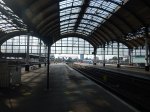
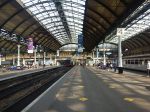




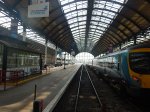

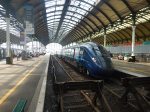

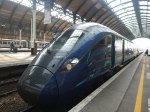
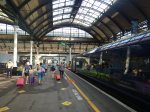
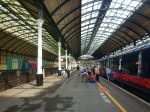
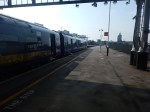
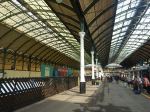
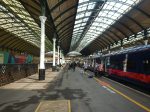
Currently, these are the services at the station, that go between Hull and Leeds, Selby or Sheffield.
- Hull Trains – 7 trains per day (tpd) – Hull and London via Brough, Selby and Doncaster.
- LNER – 1 tpd – Hull and London via Brough, Selby and Doncaster.
- Northern Trains – 1 tph – Hull and Halifax via Brough, Selby, Leeds and Bradford Interchange.
- Northern Trains – 1 tph – Hull and Sheffield via Brough, Gilberdyke, Goole, Doncaster, Rotherham Central and Meadowhall.
- Northern Trains – 1 tph – Hull and York via Brough and Selby.
- Northern Trains – 1 tph – Bridlington and Sheffield via Hull, Brough, Goole, Doncaster and Meadowhall.
- TransPennine Express – 1 tph – Hull and Manchester Piccadilly or Manchester Airport via Brough, Selby, Leeds, Huddersfield and Stalybridge.
Note.
- I have included services through Selby, as the station is on the way to Leeds and is a notorious bottleneck.
- All services go through Brough.
- All trains work on diesel power to and from Hull.
- Hull Trains and LNER use Hitachi bi-mode trains, that work most of the route to and from London, using the 25 KVAC overhead electrification.
- Northern use a variety of diesel trains only some of which have a 100 mph operating speed.
There would also appear to be freight trains working some of the route between Hull and Brough stations.
Upgrading The Tracks
I very much believe that to meet Northern Powerhouse Rail’s objectives as to time, that the lines to Hull from Leeds and Sheffield must have a 100 mph operating speed.
Hull And Leeds And On To London
This Google Map shows a typical section of track.
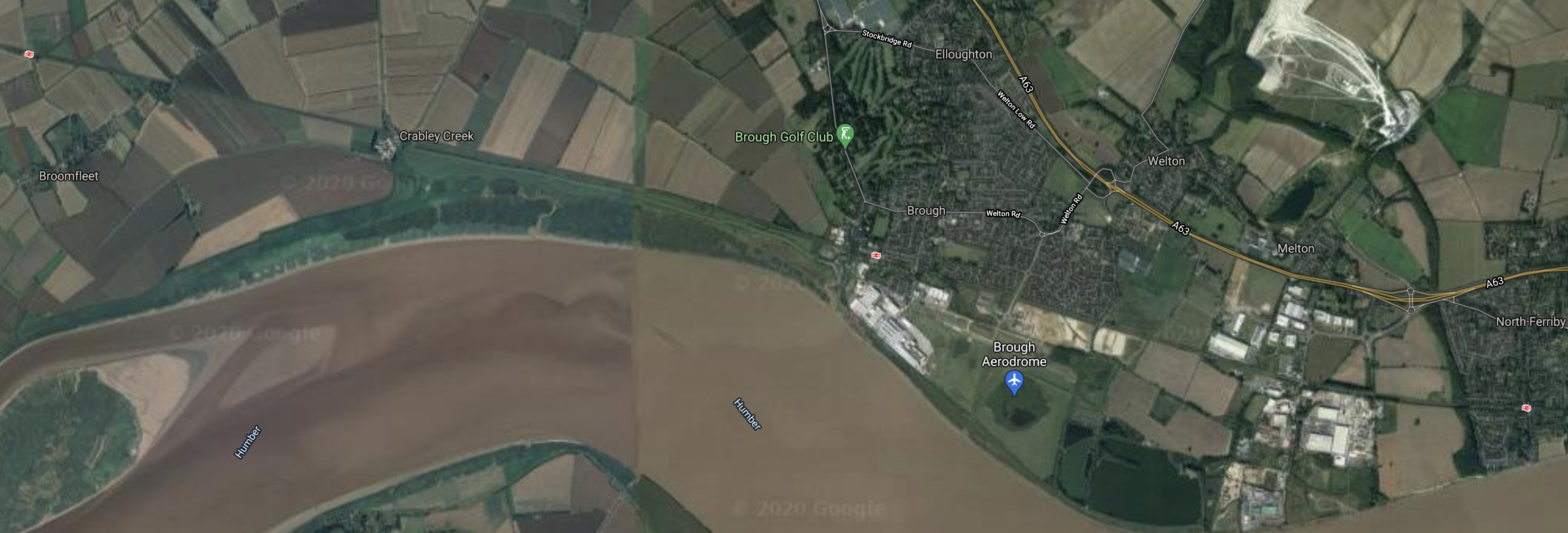
Note.
- Broomfleet station is in the North-West corner of the map.
- Brough station is just to the East of the middle of the map.
- Ferriby station is in the South-East corner of the map.
The Hull and Selby Line is fairly straight for most of its route.
The Selby Swing Bridge
The main problem is the Selby swing bridge, which is shown in this Google Map.
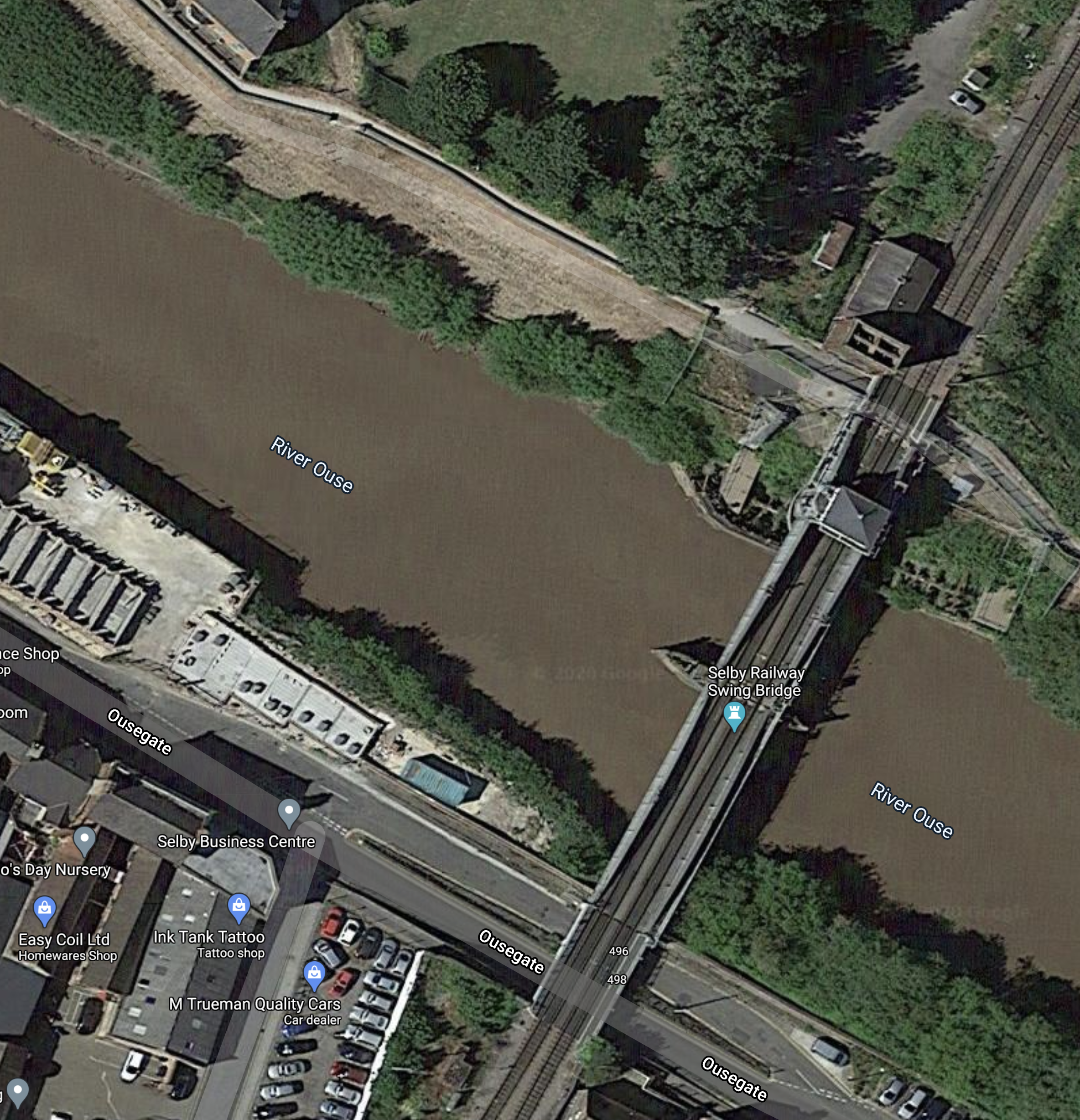
Note.
- The bridge was opened in 1891.
- It is a Grade II Listed structure.
- It is a double-track bridge.
- It swings through ninety degrees to allow ships to pass through.
- It has a low speed limit of 25 mph.
- The bridge regularly carries the biomass trains to Drax power station.
This page on the Fairfield Control Systems web site, describes the major refurbishment of the bridge.
- The bridge structure has been fully refurbished.
- A modern control system has been installed.
- The page says the bridge glides to an exact stop.
Network Rail are claiming, it will be several decades before any more work needs to be done on parts of the bridge.
It looks to me, that Network Rail have decided to live with the problems caused by the bridge and automate their way round it, if possible.
Level Crossings
One general problem with the route between Hull and Selby is that it has around a dozen level crossing, some of which are just simple farm crossings.
The main route West from Selby goes to Leeds and it is double track, fairly straight with around a dozen level crossings.
West from Selby, the route to the East Coast Main Line to and from London is also double track and reasonably straight.
But it does have level crossings at Common Lane and Burn Lane.
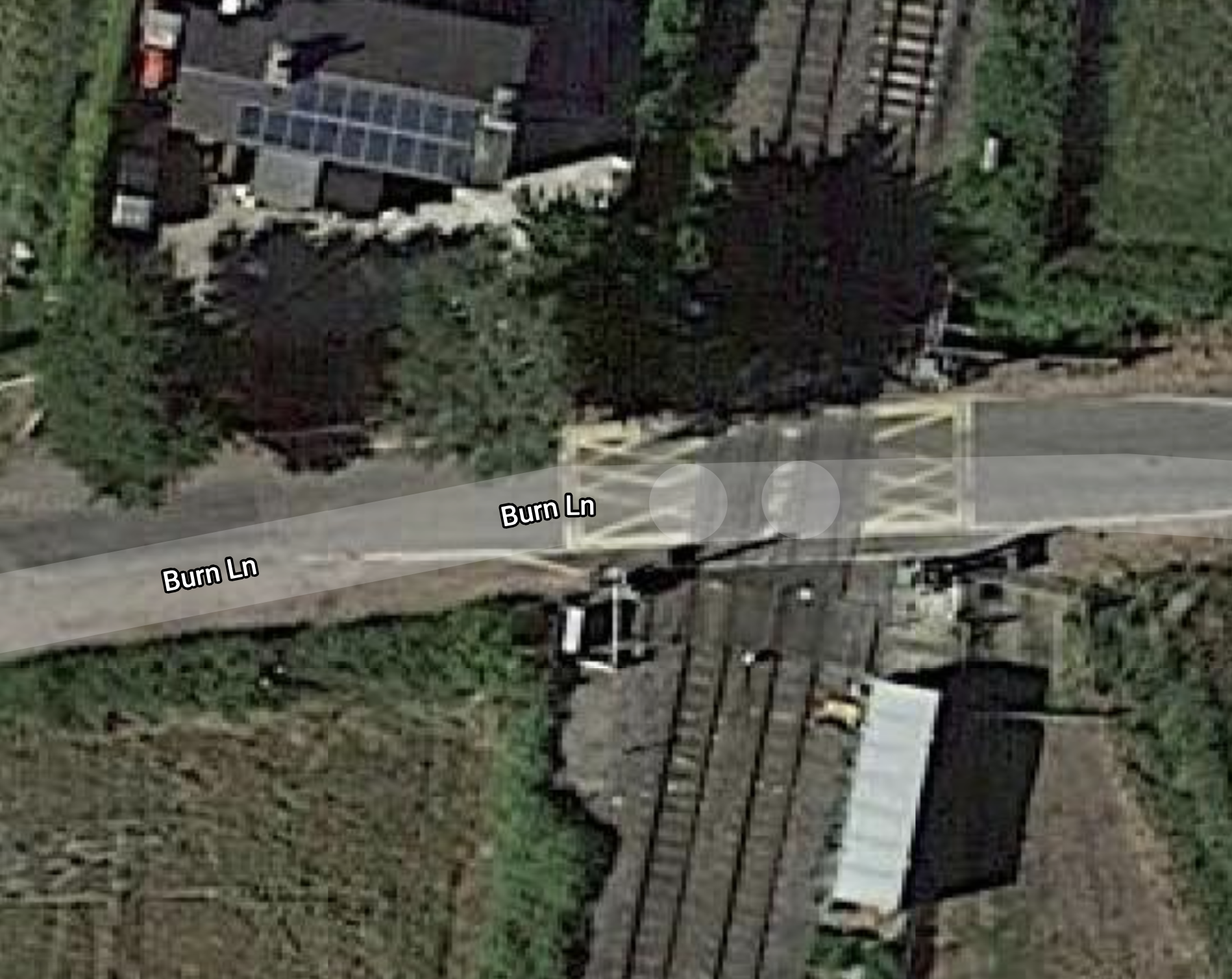
The Google Map show Burn Lane level crossing, which is typical of many in the area.
Hull And Sheffield
The other route West from Hull goes via Goole and Doncaster.
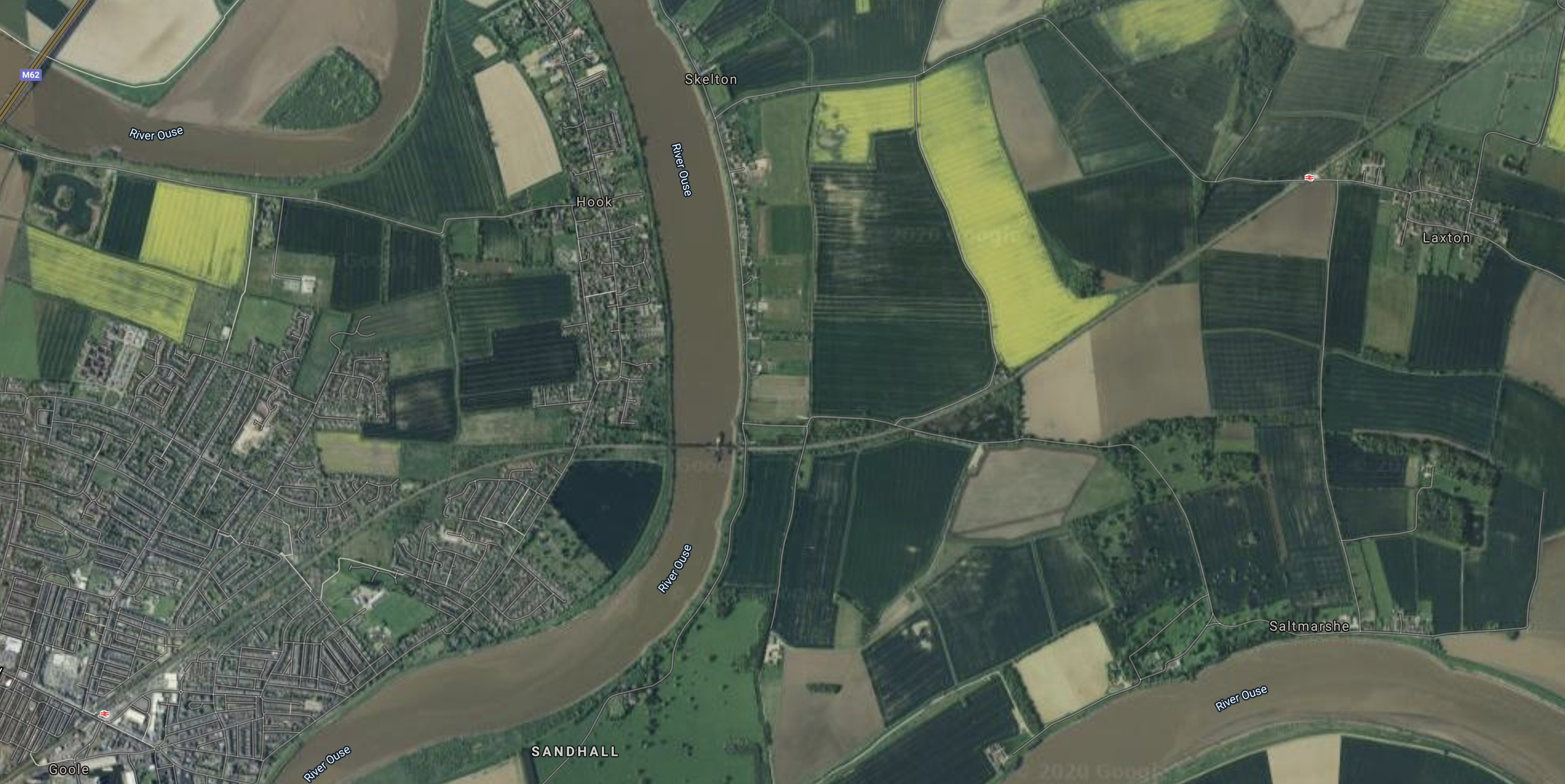
This Google Map shows the Hull and Doncaster Branch between Goole and Saltmarshe stations.
Note.
- The Hull and Doncaster Branch runs diagonally across the map.
- Goole and its station is in the South West corner of the map.
- The Hull and Doncaster Branch goes leaves the map at the North-East corner and then joins the Selby Line to the West of Gilberdyke station.
This Google Map shows that where the railway crosses the River Ouse there is another swing bridge.
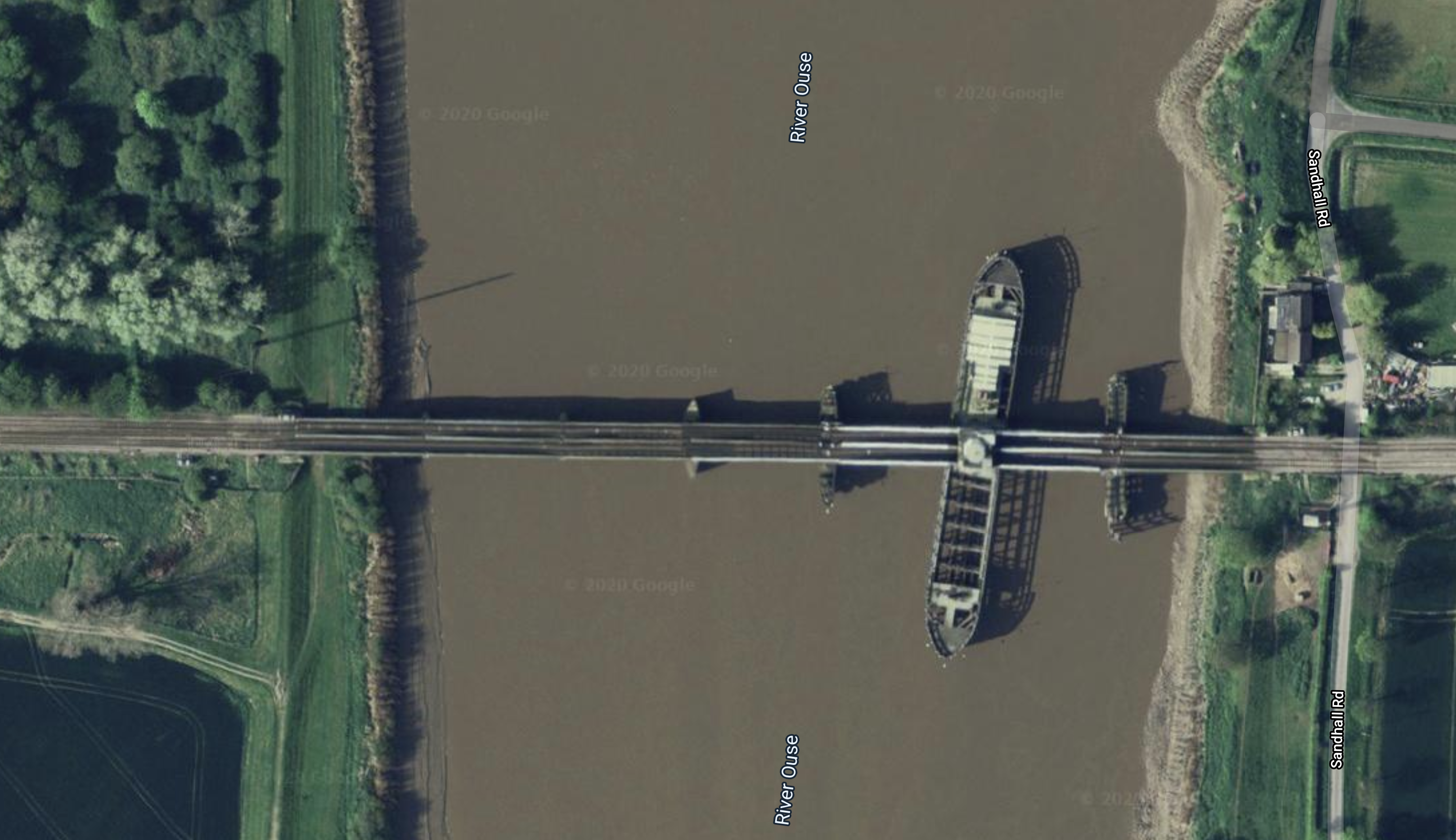
This is the Goole Railway Swing Bridge.
- The bridge was opened in 1869.
- The maximum speed for any train is 60 mph, but some are slower.
- It is a Grade II* Listed structure.
- In the first decade of this century the bridge was strengthened.
- It appears to carry a lesser number of freight trains than the Selby bridge
As with the Selby bridge, it appears to be working at a reasonable operational standard.
I’ve followed the line as far as Doncaster and it is fairly straight, mostly double-track with about a half-a-dozen level crossings.
Updating To 100 mph
It looks to my naïve eyes, that updating the lines to an operating speed of 100 mph, should be possible.
But possibly a much larger problem is the up to thirty level crossings on the triangle of lines between Hull, Leeds and Sheffield.
Full ERTMS In-Cab Digital Signalling
This is currently, being installed between London and Doncaster and will allow 140 mph running, which could save several minutes on the route.
The next phase could logically extend the digital signalling as far as York and Leeds.
Extending this signalling to Hull and Sheffield, and all the lines connecting the cities and towns of East Yorkshire could be a sensible development.
It might even help with swing bridges by controlling the speed of approaching trains, so that they arrive at the optimal times to cross.
Electrification
Eventually, all of these routes will be fully electrified.
- Hull and Leeds via Brough, Selby and Garforth.
- Hull and Scarborough via Beverley and Seamer.
- Hull and Sheffield via Brough, Goole, Doncaster and Rotherham.
- Hull and York via Brough and Selby.
- York and Scarborough via Seamer.
But there are two problems which make the electrification of the routes to Hull challenging.
- The Grade II Listed Selby swing bridge.
- The Grade II* Listed Goole Railway swing bridge.
There will be diehard members of the Heritage Lobby, who will resist electrification of these bridges.
Consider.
- Both bridges appear to work reliably.
- Adding the complication of electrification may compromise this reliability.
- Train manufacturers have developed alternative zero-carbon traction systems that don’t need continuous electrification.
- Hitachi have developed battery electric versions of the Class 800 and Class 802 trains, that regularly run to and from Hull.
- Other manufacturers are developing hydrogen-powered trains, that can use both hydrogen and overhead electrification for traction power.
My Project Management experience tells me, that electrification of these two bridges could be the major cost and the most likely cause of delay to the completion of the electrification.
It should also be noted that Network Rail are already planning to electrify these routes.
- Huddersfield and Dewsbury on the TransPennine Route, which might be extended to between Huddersfield and Leeds.
- York and Church Fenton
There is also electrification at Doncaster, Leeds and York on the East Coast Main Line, which would probably have enough power to feed the extra electrification.
Hitachi’s Regional Battery Trains
Hitachi and Hyperdrive Innovation are developing a Regional Battery Train.
This Hitachi infographic gives the specification.

Note.
- The train has a range of 90 kilometres or 56 miles on battery power.
- It has an operating speed of 100 mph on battery power.
- Class 800 and Class 802 trains can be converted to Hitachi Regional Battery Trains, by swapping the diesel engines for battery packs.
When running on electrification, they retain the performance of the train, that was converted.
Discontinuous Electrification
I would propose using discontinuous electrification. by electrifying these sections.
- Hull and Brough – 10.5 miles
- Hull and Beverley – 13 miles
- Doncaster and Sheffield – 20 miles
- Selby and Leeds – 21 miles
- Selby and Temple Hirst Junction – 5 miles
- Seamer and Scarborough – 3 miles
This would leave these gaps in the electrification in East Yorkshire.
- Brough and Doncaster – 30 miles
- Brough and Selby – 21 miles
- Brough and Church Fenton – 31 miles
- Seamer and Beverley – 42 miles
- Seamer and York – 39 miles
A battery electric train with a range of fifty miles would bridge these gaps easily.
This approach would have some advantages.
- There would only need to be 72.5 miles of double-track electrification.
- The swing bridges would be untouched.
- TransPennine services terminating in Hull and Scarborough would be zero-carbon, once Huddersfield and Dewsbury is electrified.
- LNER and Hull Trains services to London Kings Cross would be zero-carbon and a few minutes faster.
- LNER could run a zero-carbon service between London Kings Cross and Scarborough.
But above all, it would cost less and could be delivered quicker.
Collateral Benefits Of Doncaster and Sheffield Electrication
The extra electrification between Doncaster and Sheffield, would enable other services.
- A zero-carbon service between London Kings Cross and Sheffield.
- Extension of Sheffield’s tram-train to Doncaster and Doncaster Sheffield Airport.
- A possible electric service along the Dearne Valley.
As plans for Sheffield’s rail and tram system develop, this electrification could have a substantial enabling effect.
Hydrogen
This map shows the Zero Carbon Humber pipeline layout.

Note.
- The orange line is a proposed carbon dioxide pipeline
- The black line alongside it, is a proposed hydrogen pipeline.
- Drax, Keadby and Saltend are power stations.
- Easington gas terminal is connected to gas fields in the North Sea and also imports natural gas from Norway using the Langeled pipeline.
- There are fourteen gas feels connected to Easington terminal. Some have been converted to gas storage.
I can see hydrogen being used to power trains and buses around the Humber.
Conclusion
Discontinuous electrification could be the key to fast provision of electric train services between Leeds and Sheffield and Hull.
If long journeys from Hull were run using battery electric trains, like the Hitachi Regional Battery Train, perhaps hydrogen trains could be used for the local services all over the area.
Project Management Recommendations
I have proposed six sections of electrification, to create a network to allow all services that serve Hull and Scarborough to be run by battery electric trains.
Obviously with discontinuous electrification each section or group of sections to be electrified is an independent project.
I proposed that these sections would need to be electrified.
- Hull and Brough – 10.5 miles
- Hull and Beverley – 13 miles
- Doncaster and Sheffield – 20 miles
- Selby and Leeds – 21 miles
- Selby and Temple Hirst Junction – 5 miles
- Seamer and Scarborough – 3 miles
They could be broken down down into four sections.
- Hull station, Hull and Brough and Hull and Beverley
- Doncaster and Sheffield
- Selby station, Selby and Leeds and Selby and Temple Hirst Junction.
- Scarborough station and Scarborough and Seamer.
I have split the electrification, so that hopefully none is challenging.
Equinor and SSE Renewables’ Dogger Bank Wind Farm Reaches Financial Close
The title of this post, is the same as that of this article on Energy Global.
It is a very matter of fact article to record the fact that SSE and Equinor have raised three billion pounds for the first two sections of their 3.6 GW wind farm on the Dogger Bank, in the middle of the North Sea.
Wikipedia indicates, they will be operational around 2023-2025.
All very boring! But we’ll see a lot more deals like this.
Fuel Cell Mireo Plus H To Be Trialled In Baden-Württemberg
The title of this post, is the same as that of this article on Railway Gazette.
This is the opening paragraph.
Deutsche Bahn and Siemens Mobility are to trial a fuel cell powered regional trainset in revenue service between Tübingen, Horb and Pforzheim in 2024, along with a green hydrogen fuelling plant.
These two paragraphs describe the train.
Siemens Mobility is to supply a two-car Mireo Plus H trainset derived from its Mireo Plus regional multiple-unit family, equipped with a newly developed hydrogen fuel cell drive and a lithium-ion battery.
The 1·7 MW traction power rating is expected to offer a comparable performance to the electric version, with an acceleration rate of 1·1 m/s² and a maximum speed of 160 km/h. Sufficient hydrogen will be stored onboard to give an operating range of up to 600 km, with the promoters envisaging that a three-car variant could have a range of 1 000 km.
The article doesn’t say anything about, whether the train can use electrification, but as the train is based on a conventional electric train, I would assume it is possible.
Italian Operator Orders Hydrogen Fuel Cell Trains
The title of this post, is the same as that of this article on Railway Gazette.
This is the introductory paragraph.
Alstom is to supply Ferrovie Nord Milano with six hydrogen fuel cell multiple-units for use by the Lombardia regional operator’s Ferrovienord subsidiary on the non-electrified Brescia – Iseo – Edolo line from 2023.
The trains will be based on the Alstom Coradia Stream train, with technology coming from the Alstom Coradia iLint
Talgo: Our Hydrogen Train Will Be Ready In 2023
The title of this post, is the same as that of this article on Railway News.
This sentence from the opening paragraph, gives and explains the name.
The train will be called Talgo Vittal-One, which Talgo says is a reference to hydrogen’s atomic number.
It appears to be a commuter and regional train.
 The Anonymous Widower