Dutch Province To Introduce Regular Hydrogen Services
The title of this post, is the same as that of this article on the International Railway Journal.
This is the introductory paragraph.
The regional transport authority in the Dutch province of Groningen has announced plans to introduce hydrogen trains for its regional concession following a successful test earlier this year.
In March 2019, I went to Groningen and explored the railways in the area, where Stadler GTW trains are used for the train services.

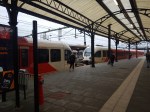
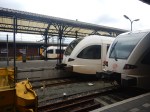

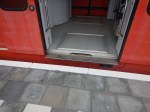
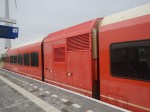
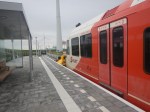
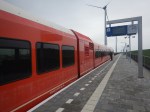
These trains are a smaller version of Greater Anglia’s Class 755 trains.
In The Train Station At The Northern End Of The Netherlands, I describe a visit to Eemshaven station to the North of Groningen.
I said this.
At the turnround at Eemshaven with the driver, he indicated that there had been speculation about battery and hydrogen trains in the North of The Netherlands.
It appears the driver was right.
The Bridge Over The Ems
The article also indicates that the bridge over the River Ems, that I wrote about in From Groningen To Leer By Train, could be opening soon.
This video shows what the new bridge will look like.
And this Google Map shows the current state of the bridge.
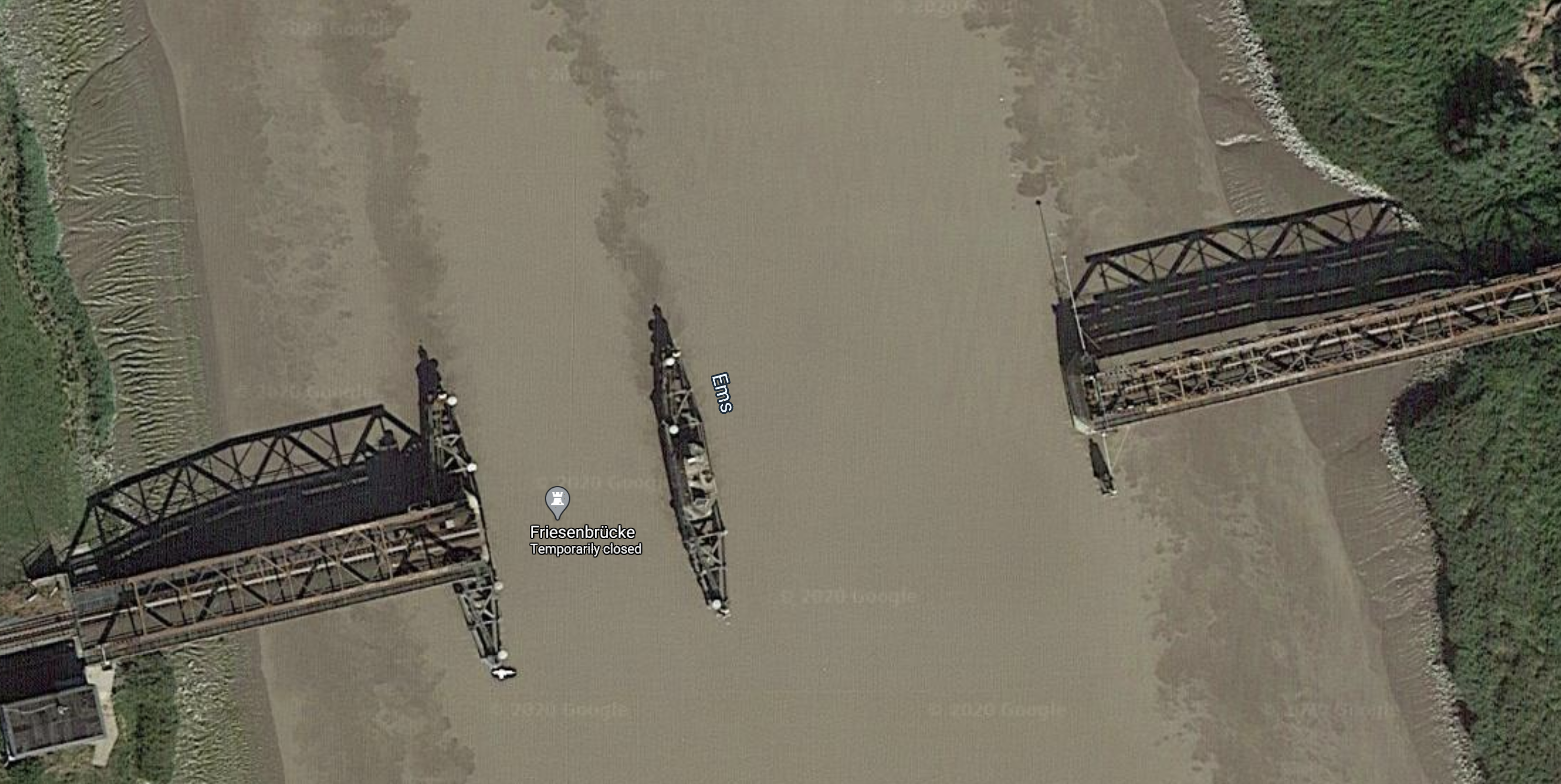
I’m not sure of the date of the picture, but there still appears a lot of work to do.
Daimler Unveils Electric Bus With 441 kWh Solid-State Battery Pack
The title of this post, is the same as that of this article on electrek.
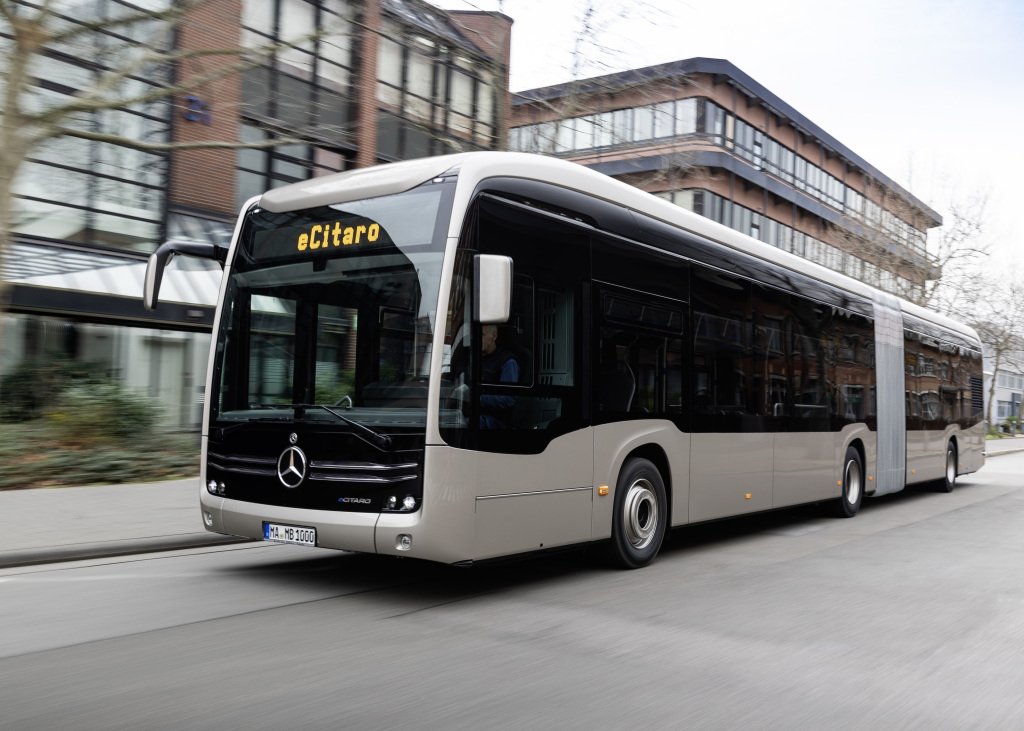
This is the introductory paragraph.
Daimler has unveiled an electric bus equipped with a solid-state battery pack — probably becoming the first planned production EV with a solid-state battery.
What is meant by solid-state battery, is not stated.
But at 441 kWh it is not a small battery!
This article on the Daimler Global Media Site gives these extra details.
In general, vehicles with solid-state batteries as standard were not expected until the middle of this decade. Mercedes-Benz is faster: the new eCitaro G is the first series production city bus in its category anywhere in the world to be equipped with solid-state batteries. They have a very high energy density which is around 25 percent greater than the coming generation of traditional lithium-ion batteries with liquid electrolyte. The result is an impressive energy content of 441 kWh for the new eCitaro G. This battery technology is also free of the chemical element cobalt and therefore especially environmentally friendly in the manufacture of the components.
The long life of the solid-state batteries is particularly striking. Therefore, when purchasing an eCitaro with solid-state batteries, a basic guarantee for the high-voltage battery for up to 10 years or up to 280 MWh energy throughput per battery pack is standard.
They sound impressive.
Daimler Trucks Presents Technology Strategy For Electrification – World Premiere Of Mercedes-Benz Fuel-Cell Concept Truck
This title of this post, is the same as that of this article on the Daimler Global Media Site.
These are the opening bullet points.
- Mercedes-Benz GenH2 Truck, a fuel-cell truck with a range of up to 1,000 kilometers and more for flexible and demanding long-haul transport – customer trials in 2023, start of series production in second half of this decade.
- Mercedes-Benz eActros LongHaul, a battery-electric truck with a range of about 500 kilometers for energy-efficient transport on plannable long-haul routes – projected to be ready for series production in 2024.
- Mercedes-Benz eActros, a battery-electric truck with a range of well over 200 kilometers for heavy urban distribution to go into series production in 2021.
- ePowertrain global platform architecture offers synergies and economies of scale.
Judging by the spelling, this media copy, is from the bad spellers of Trumpland.
It looks to be a case of Daimler have called up the heavy brigade.
The best way to learn more is to search for “Mercedes-Benz GenH2 Truck”
There’s some good YouTube videos.
From this video, I ascertained the following.
- The truck has a stainless steel tank for liquid hydrogen on either side between the front and rear wheels.
- There are two 150 kW fuel cells, which appear to be of an inhouse Mercedes design.
- There is a 70 kWh battery between the two liquid hydrogen tanks low down in the middle of the truck.
- The battery can supply 400 kW, if needed.
This screen capture shows a cutaway from the video.
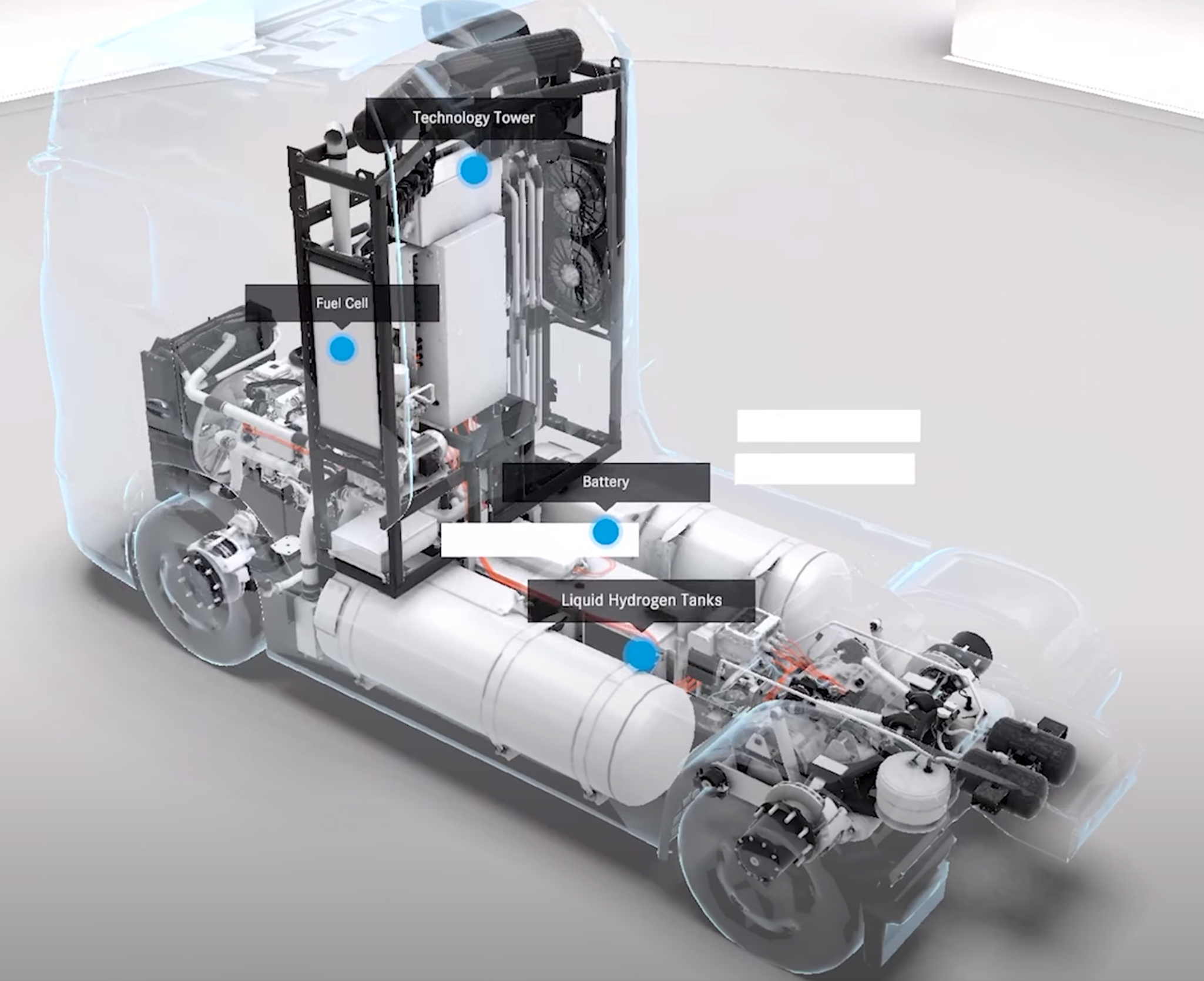
I am impressed by the design.
- Everything is fitted neatly in the small space.
- The design doesn’t seem to intrude into the load space, so I would assume, it would work with all existing trailers and bodies.
- The battery position must help stability and driveability.
- It looks like a design, that would be friendly to cyclists, as the hydrogen tanks act as a round safety barrier.
I shall look at the operation.
Consider.
- The current Actros trucks have engines with a power of up to 500 HP or 400 kW.
- The 70 kWh battery can provide 400 kW for about 10 minutes.
- Regenerative braking to the battery must be possible.
- There’s probably a well-programmed computer between the driver and the electric transmission.
I wouldn’t be surprised that the truck is more of a battery-hydrogen hybrid, than a pure hydrogen truck.
Suppose, it was hauling a heavy load from Felixstowe to Manchester.
- Will the truck charge the battery before it leaves Felixstowe? It could use the fuel cells or be plugged in to a high-performance charger. 70 kWh, is not the biggest of batteries compared to say those on a train.
- Once on the A45 (Sorry! A14), it would accelerate quickly to the cruising speed, probably using mostly battery power.
- It would then cruise mainly using hydrogen and the fuel cells to the destination. The truck would be optimised for an economic cruise.
- During any deceleration, regenerative braking to the battery would be used.
- Battery power might be called upon on any inclines or after a stop.
Intriguingly, a range of 1000 kilometres or 620 miles would allow many out-and-bank journeys in the UK, France, Germany or Italy to be performed without refuelling.
Leeds, Liverpool, Manchester and Newcastle are all under 300 miles from the Suffolk port.
Conclusion
I used to part-own a company, that financed trucks, moving loads into and out of Felixstowe in the 1980s.
From what I learned then of the heavy truck market, hydrogen-powered heavy trucks are going to be a winner, especially, if most journeys are out-and-back from one end.
The Small Sign That Means So Much To A Coeliac
I’ve bought Marks & Spencer’s mackerel pate for any years.

It’s the first time, I’ve noticed the packaging has the gluten-free symbol.
More please! My eyesight needs glasses to read the allergies!
A Useful Tool
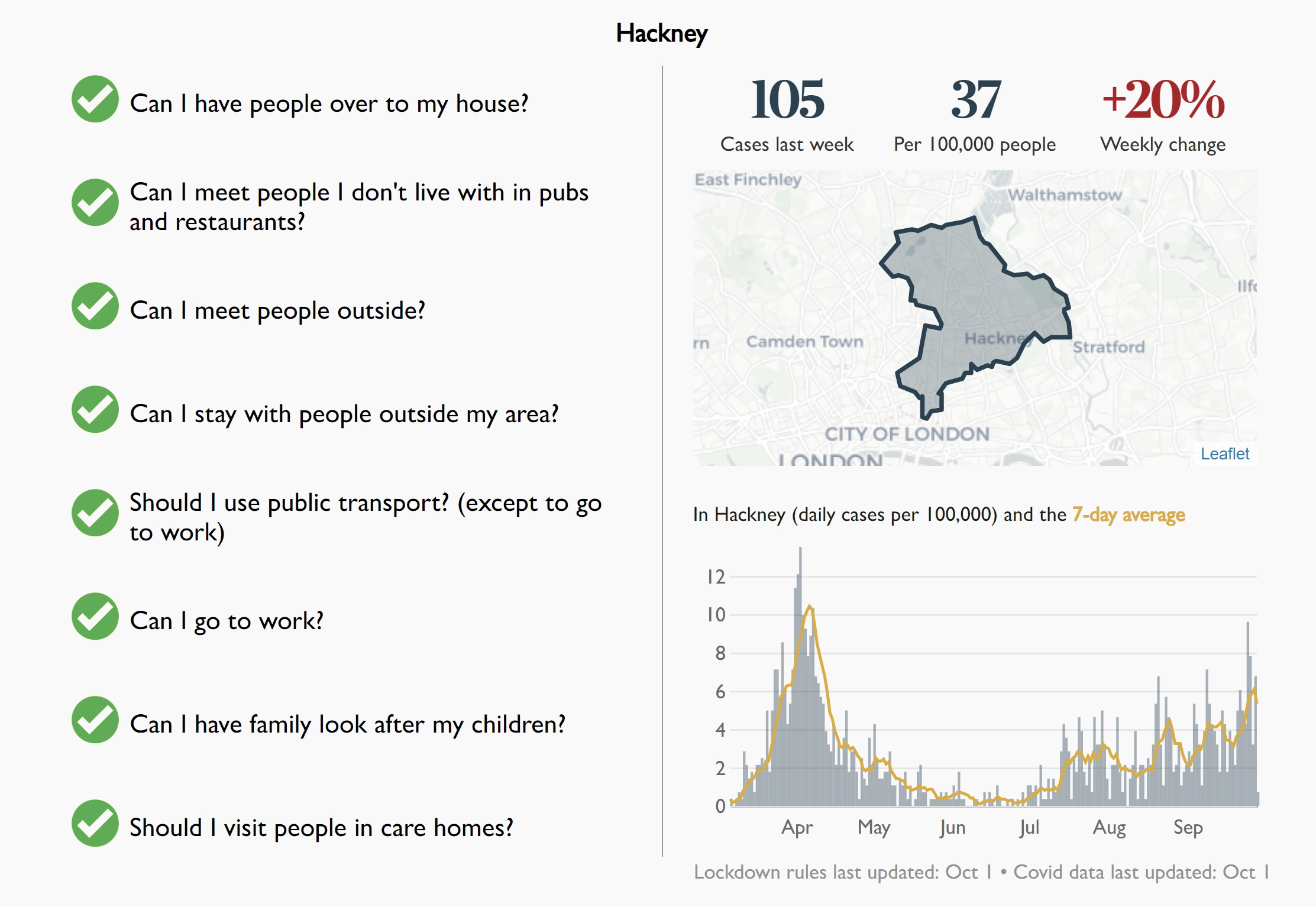
The Times has added a useful tool to its web site, which shows the latest figures for the covids, according to a particular post code. It also shows the rules that apply.
This is the display for Hackney, where I live.
And this is the one for Liverpool, where I go regularly, although, I’ve only been once since March.
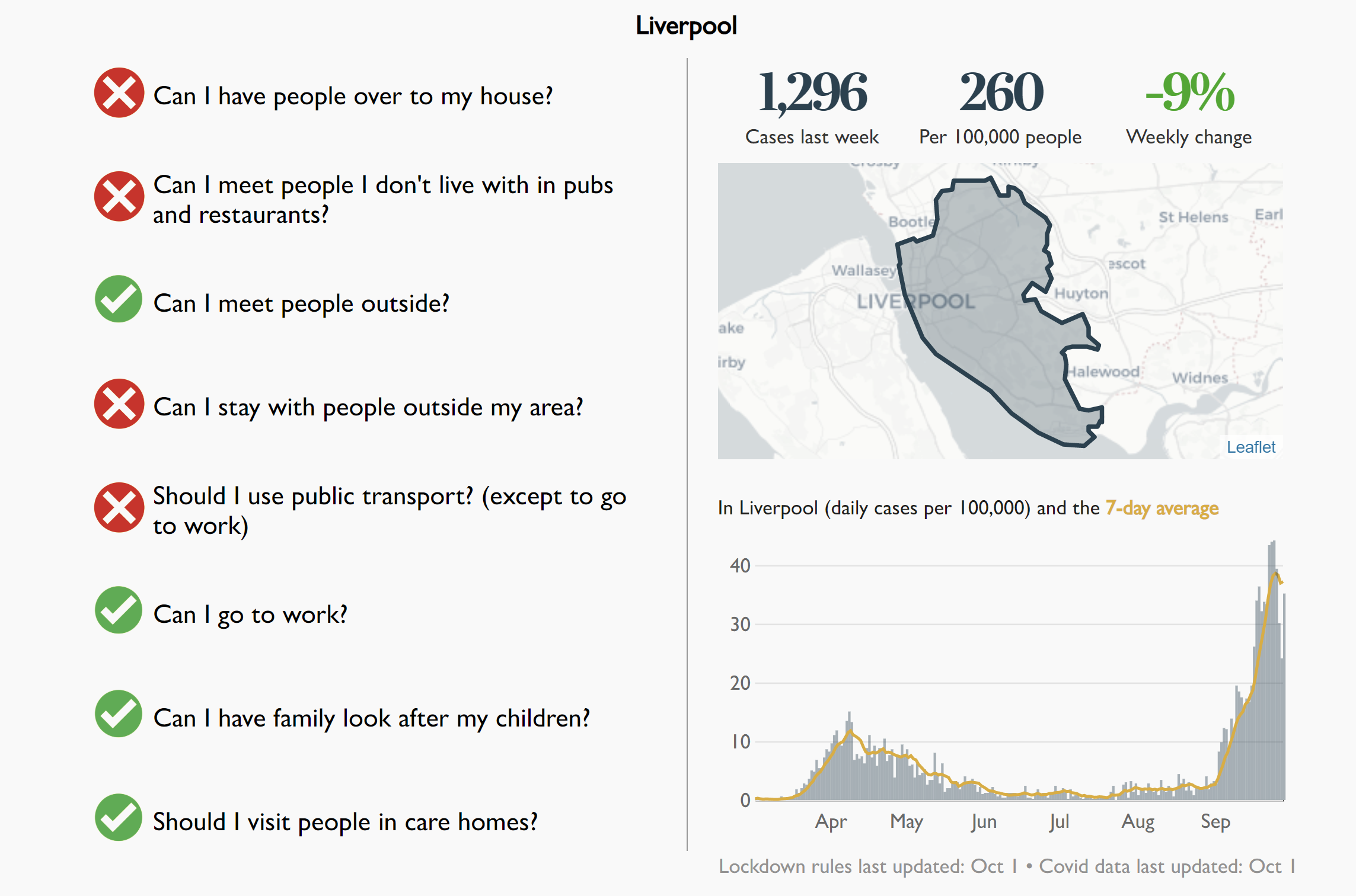
I shall use these displays to check before I travel.
Perhaps, The Times or another organ, should do something of a similar ilk for countries and places, we might want to visit.
Hydrogen-Powered Train Makes UK Maiden Journey
The title of this post, is the same as that of this article on the BBC.
This is said in the article.
A hydrogen-powered train has travelled on Britain’s rail network for the first time.
The prototype, called the Hydroflex, made a 25-mile round trip through Warwickshire and Worcestershire, reaching speeds of up to 50 mph.
Its next phase is to move the hydrogen tanks, fuel cell and battery out of a carriage and stash them underneath the train.
The aim is for the train to start carrying paying passengers by the end of 2021.
Note that the article contains a broadcast-quality video.
There are now two hydrogen-powered trains in development in the UK.
- This Class 799 train by Birmingham University and Porterbrook, which has been converted from a Class 319 train.
- The Class 600 train by Alstom, which is being converted from a Class 321 trains.
Both the trains being converted are British Rail trains based on the Mark 3 coach design.
- They were built originally in the 1980s and 1990s.
- They were built for commuting over medium distances.
- They are 100 mph trains.
- They will keep their pantographs, so running using 25 KVAC overhead electrification.
Both trains could be fitted with quality interiors.
But from what has been disclosed the designs will be quite different.
- The Class 799 train will be four cars, as opposed to three cars of the Class 600 train.
- The Class 600 trains will have large hydrogen tanks inside the train, whereas the Class 799 train will have smaller ones underneath the train.
- I would expect the Class 600 train to have a longer range between refuelling.
- The Class 799 train will also be a tri-mode train, with the ability to use 750 VDC third-rail electrification.
As there are nearly over a hundred Class 321 trains and nearly ninety Class 319 trains, if the hydrogen conversion is successful, we could be seeing a lot of hydrogen trains on the UK rail network.
Thoughts On COVID-19 On Merseyside
Merseyside is in trouble with the covids.
These are the number of lab confirmed cases per 100,000 population for local authorities in the area, as of the 1st October 2020.
- Halton – 1108.1
- Knowsley – 1388
- Liverpool – 1244.5
- Sefton – 1037.6
- St. Helens – 1230.4
- Wirral – 1185.5
My London Borough of Hackney, which is demographically, a bit like poorer parts of Liverpool, has a rate of 524.3.
But the gold standard to my mind is Cambridge, which has a rate of only 380.6.
Oxford, which is a very similar city to Cambridge has a much higher rate of 799.5,
Why Is Cambridge Doing So Well?
I was diagnosed as a coeliac at Addenbrooke’s Hospital in Cambridge, twenty-three years ago.
According to my consultant in the City at the time, Cambridge has a VERY high level of diagnosed coeliacs.
He told me, that he had more coeliac patients, than any other gastroenterologist in the UK.
So why is the number of coeliacs so high in Cambridge?
I feel it is because Cambridge had a Whack-a-Coeliac policy in the 1990s, where they attempted to diagnose as many coeliacs as they could find.
I was certainly diagnosed at that time and judging by the speed they did the initial diagnosis, I suspect, they were using one of the first genetic tests. They were also doing endoscopies without anaesthetic to increase throughput!
Coeliacs, Cancer And The Covids
Diagnosed coeliacs on a gluten-free diet have a strong immune system, which helps protect them from cancer, as has been shown by Joe West at Nottingham University.
I should also add, that none of my coeliac acquaintances have had a severe dose of the covids.
So does our stronger immune systems give us protection from the covids?
This could explain, why an area like Cambridge has a lower level of the covids than Oxford.
Why Is Merseyside In Trouble?
The Irish, because of historic famine, have higher levels of coeliac disease.
Comedians from the City have joked about Liverpool being the capital of Ireland for decades.
Could it be that there is a high percentage of undiagnosed coeliacs on Merseyside?
If this is true, could these undiagnosed coeliacs, with poorer immune systems, be easy pickings for the covids?
Conclusion
These actions should be taken.
- Merseyside needs a Whack-a-Coeliac policy, if it doesn’t have one! It would certainly, improve cancer rates!
- Every in-patient with the covids, should be given a quick blood test for coeliac disease.
- Other research needs to be done to find out the any link between coeliac disease and the covids!
Not for nothing is coeliac disease regularly called the Many-Headed Hydra by some doctors and researchers.
Trump and Biden – First Encounter
I once saw John Major operate in a ninety minute speech to the Cambridge Chief Executives Club, who were a radical bunch and probably not very attuned to the Tory Party.
He gave a masterful performance, that was both serious and entertaining, as would many top flight politicians, from all round the world.
Neither Trump nor Biden hardly made a serious point and they certainly weren’t entertaining. It was almost like a boxing match, where the referee won!
Walking Along Moorgate – 30th September 2020
I took these pictures as I walked from North to South along Moorgate today from the bus stop by Finsbury Square.

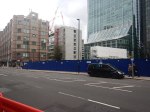
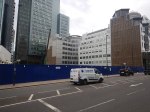







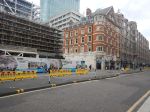
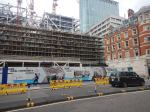
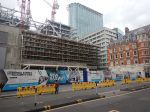

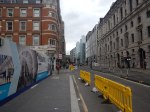
Note.
- I did cross the road three times.
- The building site behind the blue hoardings in some of the first pictures, looks like it could be another tall building.
- The tower looming in the background of several of the pictures is Citypoint, which was originally built in 1967 and refurbished in 2000.
- The new looking building, with the Barclays branch at street level, is not new but another refurbished building, that has been finished in the last few months.
- The older red and white building is Moorgate station. There is nothing to indicate that this building will be rebuilt.
- The odd shaped building to the South of the station is Moor House.
- A large new entrance to the station, with an office block on top is being built between the original station entrance and Moor House.
- Between the new station entrance and Moorgate, 101 Moorgate is being built.
There is certainly, a lot of all types of property development going on at Moorgate station, which after Crossrail opens will become the Western entrance to the Crossrail station at Liverpool Street station.
This 3D Google Map shows Moorgate.
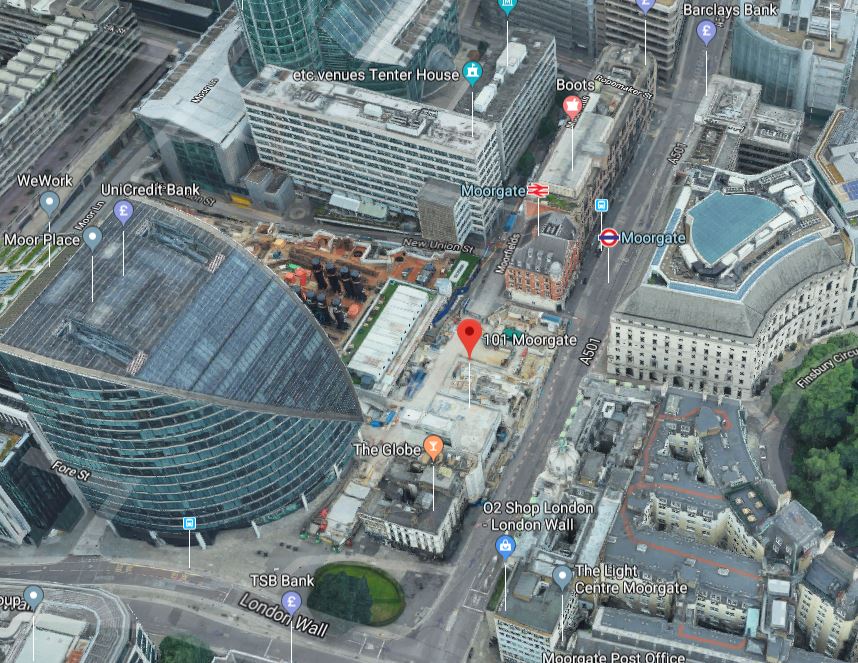
101 Moorgate is marked with a red arrow.
A Crossrail Video Of Liverpool Street Station
This video shows the design of Crossrail’s Liverpool Street station.
This screen-capture from the video shows a possible future Moorgate.
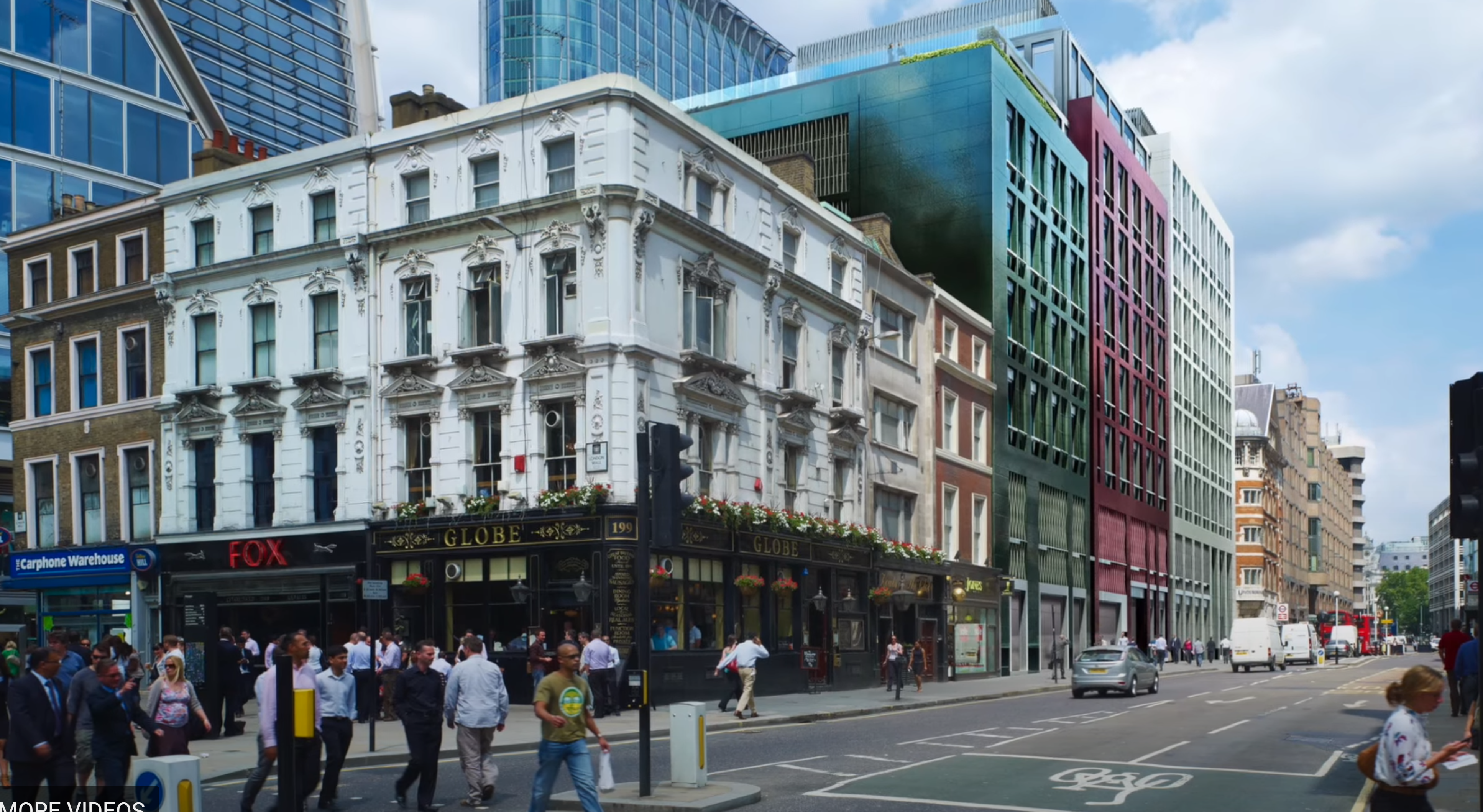
Note the new buildings at 101 Moorgate and the current Moorgate station.
These are related posts on the design of the Crossrail station at Moorgate and Liverpool Street.
- London’s First Underground Roller Coaster
- Moorgate Is Being Refurbished In Readiness For Crossrail
- Has The Possibility Been Created For A Pedestrian Tunnel Between Bank And Moorgate Stations?
The station could become the major one for the City of London.
Extending the Northern City Line To The South
This was intended by the builders of the Northern City Line and they intended to take the route to just North of Bank station at Lothbury.
In the Wikipedia entry for Moor House, this is said.
Completed in 2004, it was the first building to be designed for the forthcoming Crossrail, with a ventilation shaft to the station underneath the building. When built, it had the deepest foundations in London, which reach down 57 metres (187 ft) and are specifically designed to withstand further tunneling below it in the future.
I suspect that could mean that Moor House won’t get in the way of any further railway development.
In the Wikipedia entry for the Northern City Line, this is said about possible developments planned after World War 2.
After the war there were proposals to extend the Northern City Line north and south. The London Plan Working Party Report of 1949 proposed several new lines and suburban electrification schemes for London, lettered from A to M. The lower-priority routes J and K would have seen the Northern City Line extended to Woolwich (Route J) and Crystal Palace (Route K), retaining the “Northern Heights” extensions to Edgware and Alexandra Palace. The lines would have run in small-diameter tube tunnels south from Moorgate to Bank and London Bridge. The “K” branch would have run under Peckham to Peckham Rye, joining the old Crystal Palace (High Level) branch (which was still open in 1949) near Lordship Lane. Nothing came of these proposals, and the Edgware, Alexandra Palace and Crystal Palace (High Level) branches were all closed to passengers in 1954. As a result, the Northern City Line remained isolated from the rest of the network.
Note.
- The proposed J branch to Woolwich has been covered by Crossrail calling at both Moorgate and Woolwich.
- The proposed K branch to Peckham Rye and Crystal Palace has been covered by Crossrail and the London Overground with a change at Whitechapel.
So why bother to open up the possibility by designing Moor House for more tunnels to be bored?
As the London Plan Working Party Report of 1949 indicated several more lines and electrification were proposed.
Also during the war several deep-level shelters were built under Underground stations. Wikipedia says this about the background to the shelters.
Each shelter consists of a pair of parallel tunnels 16 feet 6 inches (5.03 m) in diameter and 1,200 feet (370 m) long. Each tunnel is subdivided into two decks, and each shelter was designed to hold up to 8,000 people. It was planned that after the war the shelters would be used as part of new express tube lines paralleling parts of the existing Northern and Central lines. Existing tube lines typically had 11-foot-8.25-inch (3.56 m) diameter running tunnels and about 21 feet (6.4 m) at stations; thus the shelter tunnels would not have been suitable as platform tunnels and were constructed at stations the new lines would have bypassed. However, they would have been suitable as running tunnels for main-line size trains. (One existing tube, the Northern City Line opened in 1904, used a similar size of tunnel for this reason, although in fact main-line trains did not use it until 1976.)
Shelters were planned on the Northern Line at Belsize Park, Camden Town, Goodge Street, Stockwell, Clapham North, Clapham Common, and Clapham South on the Northern Line. Did London Transport do a full survey of the Northern Line before the war and leave documents saying where an express Northern Line could be easily built.
My mother told me about these plans and as her best friend worked in Personnel at London Transport, she probably knew more than the average suburban housewife, who worked part-time for my father as a book-keeper.
After Crossrail opens and Moorgate station and the Bank station Upgrade are completed will it be possible to bore two new full-size tunnels underneath the Northern Line and Moor House and other buildings on the route to create a Northern Line Express service?
Consider.
- The tunnels would be very deep and suitable for full-size trains.
- Moorgate, Bank and London Bridge stations will have all been rebuilt in the last twenty years, so hopefully, they have been built to allow tunnels for a Northern Line Express service to pass through.
- The Northern Line Express would take the pressure off the City Branch of the Northern Line?
- Initially, the line might terminate under London Bridge station in perhaps a two platform station.
- Modern digital signalling would allow up to 24 trains per hour (tph) on the section between London Bridge and Alexandra Palace station and 12 tph on the Welwyn Garden City and Stevenage branches
It would be a lot easier to build than Crossrail 2 and would give some of the benefits.
An Extension To North Cheam?
The Wikipedia entry for Morden station has this paragraph.
A post-war review of rail transport in the London area produced a report in 1946 that proposed many new lines and identified the Morden branch as being the most overcrowded section of the London Underground, needing additional capacity. To relieve the congestion and to provide a new service south of Morden, the report recommended construction of a second pair of tunnels beneath the northern line’s tunnels from Tooting Broadway to Kennington and an extension from Morden to North Cheam. Trains using the existing tunnels would start and end at Tooting Broadway with the service in the new tunnels joining the existing tunnels to Morden. The extension to North Cheam would run in tunnel. Designated as routes 10 and 11, these proposals were not developed by the London Passenger Transport Board or its successor organisations.
Perhaps, the solution would be to bore two new deep full-size tunnels from Moorgate to Tooting Broadway.
- The Northern Line Express trains couldn’t continue to Morden, as they would be too big for the existing tunnels.
- So they would have to turn back at Tooting Broadway station.
- The stations between Kennington and Morden, that are in need of improvement could be updated.
- I would design the interchange between Northern Line Express and Northern Line trains at Tooting Broadway station as a step-free cross-platform interchange.
The Wikipedia entry for North Cheam station, describes the extension to the station.
- It would have been in tunnel from Morden.
- There would be an intermediate station at Morden South station.
- It didn’t think much of the economics.
- I would suspect that the tunnel would run under the A 24.
- The tunnel would be just under three miles long.
I wonder, if the extra distance, made operation of the line easier.
I estimate that a train could go from Morden to North Cheam stations and back in under ten minutes.
- This would allow 6 tph with a single tunnel and track between the two stations.
- The two new stations; North Cheam and Morden South could be single platform.
- The signalling could be simplified.
The extension could be more affordable.
Romford Station – 14th September 2020
I took these pictures at Romford station, a couple of weeks ago.




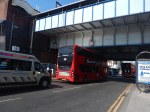


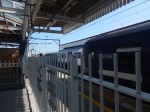
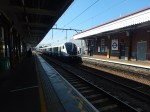


Note.
- The rebuild isn’t as extensive as at Ilford station.
- It appears to be mainly cosmetic and adding step free access.
- There would appear to be an ambitious reconstruction next to the station.
- The station has a marble entrance hall, which is a bit small, by modern standards.
Romford station must have one of the least spectacular entrances on Crossrail.
 The Anonymous Widower