Work Underway At Motspur Park Station In South London
The title of this post, is the same as that of this article on Rail Business Daily.
These two paragraphs outline the project.
Network Rail has announced that £8.9 million is being invested in new lifts and walkways installed among other upgrades at Motspur Park station in south London.
Network Rail is working with South Western Railway and the London Borough of Merton Council to install a step free footbridge as part of the Government’s Access for All programme, funded by the Department for Transport (DfT).
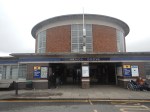
I visited the station this morning and took these pictures.
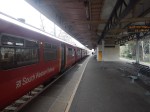
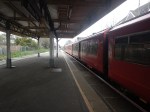

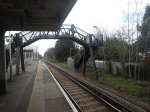
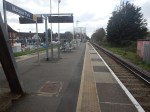
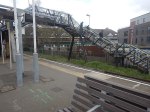
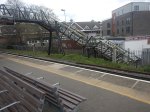
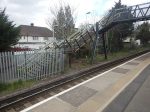
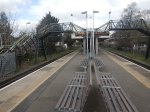
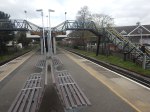
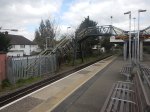
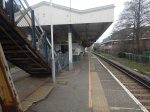
Note.
- When Motspur Park station was built in 1925, I must assume that there were no persons of restricted mobility.
- According to some commentators, it sounds like Network Rail and its partners are going for a complete rebuild.
- Did the Woodworm Preservation Society protest at the new design?
- Some new trains to serve the station would surely help too!
It should open in early 2024.
I shall be interested to see how the new station alters passenger numbers.
Was Baldrick An Essex Man?
I have been looking at Network Rail’s page for Beaulieu Park station.
This is the heading.
Network Rail and Essex County Council are working together to develop proposals for the first railway station to be built on the Great Eastern main line for over 100 years.
These two paragraphs outline the project and where the finance is being obtained.
The new station is part of a wider regeneration of the Beaulieu Park estate in Chelmsford with new road infrastructure and up to 14,000 homes.
Essex County Council, in partnership with Chelmsford City Council, successfully secured £218m of funding from the Government’s Housing and Infrastructure (HIF) fund together with £34m contributions from the South East Local Enterprise Partnership and the developers of Beaulieu, Countryside and L&Q.
These features of Beaulieu Park station are listed on the page.
- Three platforms with a central loop line and new tracks to enable stopping services to call at the station while allowing fast trains to pass through unimpeded
- Step free access to all platforms via 2 lifts
- Accessible toilets, baby change facilities, waiting area and space for retail/catering
- Ticketing facilities, with ticket vending machines and a gate line
- Pedestrian and cycle access routes to the station
- 500 spaces for cycle parking and storage
- A bus interchange including bus stands for local services
- Pick up and drop off area with dedicated taxi bays
- Parking for over 700 cars, 5% of which to be designated Blue Badge bays, and motorcycle spaces, as well as dedicated parking for station staff, emergency services, and a dedicated space for service access.
Note.
- How many other parkway stations, other than Ebbsfleet International station have 700 parking spaces?
- The parking at Whittlesford Parkway can only hold 377 vehicles.
- How many other parkway stations have an overtaking loop for faster trains?
Beaulieu Park is not your average parkway station!
I have a few thoughts.
Which Of The Current Services Will Call?
The Network Rail page says this about services.
It will provide additional access to the railway with regular connections to the capital (only 40 minutes from London Liverpool Street station) and other destinations in the east of England. New tracks will enable stopping services to call at the station while allowing fast trains to pass through unimpeded.
Note.
- Trains between London and Hatfield Peverel station typically take under forty minutes.
- Two fast trains per hour (tph) between Liverpool Street and Norwich via Colchester, Ipswich and Stowmarket pass through.
- Only one of the fast trains stops at Chelmsford.
- Four stopping tph, one to each of Braintree, Clacton-on-Sea, Colchester Town and Ipswich pass through.
If all the stopping trains stopped, Beaulieu Park would have the following services.
- Braintree – 1 tph
- Chelmsford – 4 tph
- Clacton-on-Sea – 1 tph
- Colchester – 3 tph
- Colchester Town – 1 tph
- Hatfield Peverel – 1 tph
- Ingatestone – 2 tph
- Ipswich – 1 tph
- Kelvedon – 2 tph
- London Liverpool Street – 4 tph
- Marks Tey – 2 tph
- Romford – 1 tph
- Shenfield – 3 tph
- Stratford – 4 tph
- Witham – 4 tph
All trains are new Class 720 electric trains.
I also feel, that Network Rail could be being cunning.
Suppose, the Liverpool Street and Norwich express, that doesn’t stop at Chelmsford, stopped instead at Beaulieu Park.
- This would give an hourly express service between Beaulieu Park and Norwich, which stopped at Colchester, Manningtree, Ipswich, Stowmarket and Diss.
- It would also enable two tph between Beaulieu Park and Ipswich.
The 700 parking spaces at Beaulieu Park now start to make sense.
- Both Ipswich and Norwich stations are within walking distance of the town centres and the football grounds.
- Ipswich station has a shuttle bus service to the town centre and the hospital.
- Both stations have several local train services.
Beaulieu Park station appears to have been designed as a Park-and-Ride station for the Great Eastern Main Line and all its branches.
Services To And From Lowestoft
In Making Sense Of The New East Anglia Franchise, I looked in detail at Greater Anglia’s promises.
In a section, which is entitled London – Lowestoft – Yarmouth Services, I said this.
There are going to be four direct services between London and Lowestoft each day. This probably initially means two trains to London in the morning peak and two trains back in the evening one.
When, I first moved back to Suffolk in the 1970s, I regularly caught a diesel-hauled train from Wickham Market to London for the day.
This is all motherhood and apple pie for those in Lowestoft wanting to go to London, but I suspect it isn’t the easiest service for a train operator to schedule efficiently and make money.
Would a train operator really want to start a full train at Lowestoft at say six in the morning and then have it wait around all day in London before returning in the evening?
The service hasn’t started.
Services To And From Cambridge Or Peterborough
At some time in the last decade, one of the predecessors of Greater Anglia, used to run a service to Peterborough via Colchester and Ipswich, so that travellers in Essex could catch trains to the North.
Given too that Cambridge has an employment problem, if a service was run, it might attract passengers.
The Class 755 trains Could Serve Bury St. Edmunds, Cambridge, Lowestoft, Newmarket, Peterborough And Yarmouth
Consider.
- A pair of Class 755 trains would leave Liverpool Street.
- They would use electric power to run to Ipswich.
- The trains would run in one of the paths of the current hourly Ipswich service.
- Like their all electric siblings; the Class 745 trains, they would probably run most of the journey at near 100 mph.
- At Ipswich the trains would split.
- One train would go to on to Lowestoft and Yarmouth and the other would go to Cambridge and Peterborough.
If passenger numbers felt it was a good idea, I’m certain, it could be timetabled.
The Chelmsford Avoiding Line
In Will The Chelmsford Avoiding Line Be Rebuilt?, I described the avoiding line, that used to be between the two tracks at Chelmsford station.
It probably saved a few minutes, by allowing fast expresses to pass stopping trains.
Effectively, a new avoiding line is being built at Beaulieu Park, a few miles from the original position at Chelmsford.
So will the fast expresses save a few minutes?
Could The Elizabeth Line Run To Beaulieu Park?
Consider
- The end sections of the Elizabeth Line seem to be busy, as I wrote in Very Busy Lizzie.
- The City of Chelmsford is between Shenfield and Beaulieu Park.
- Paddington and Reading is 35.9 miles.
- Liverpool Street and Hatfield Peverel is 35.9 miles.
So Beaulieu Park is actually closer to London than Reading.
Perhaps, at some time in a few years, passenger traffic between Beaulieu Park and Shenfield will be such, that the Elizabeth Line will be extended to Beaulieu Park.
The ideal service from Beaulieu Park would surely be two tph to Heathrow, as getting to Heathrow from East Anglia by train needs a change at Liverpool Street.
The only drawback is that to work effectively on the Great Eastern Main Line, a sub-variant of the Class 345 trains will be needed with a 100 mph operating speed. I wrote about these trains in Extending The Elizabeth Line – High Speed Trains On The Elizabeth Line.
But they may have the advantage of being able to take the fast lines between Shenfield and Stratford.
Conclusion
Beaulieu Park may just look like any other station to serve a housing development.
But it’s a lot more than that!
- It’s a Park-and-Ride for the whole Great Eastern Main Line and London.
- It should speed up expresses between London and Colchester, Ipswich or Norwich.
- It should improve local connectivity.
- It could take a lot of traffic off the nearby A12.
- It could give the City of Chelmsford its own local metro.
- It could give Heathrow a direct link to much of Essex.
- How much carbon will be saved by passengers?
We need many more well thought out Park-and-Ride stations.
Riding The 34 Bus Between Arnos Grove Station And Walthamstow Bus Station
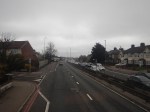
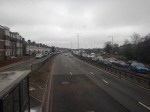
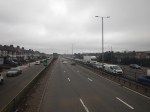
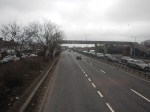
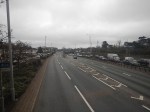
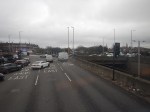
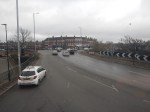
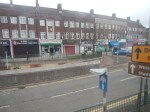
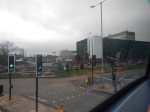
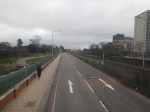
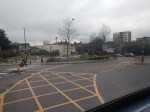
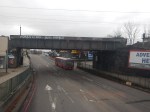
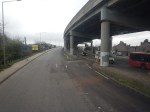
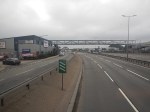
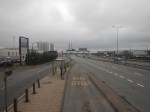
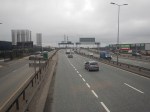
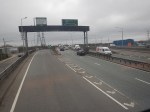
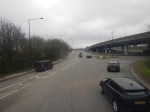
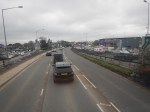
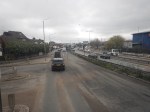
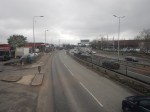
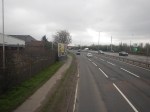
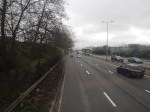
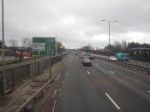
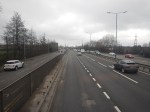
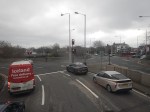
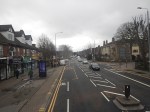
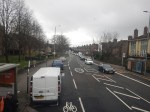
To continue on the route of the Superloop, I needed to get to North Walthamstow bus station, so I took a 34 bus from Arnos Grove station to Walthamstow bus station. I took these pictures.
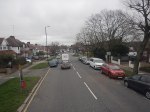
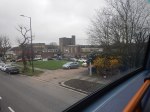
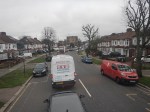

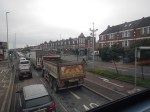
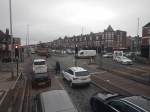
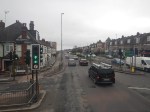
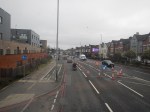




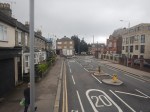

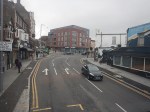
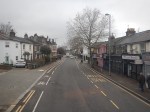
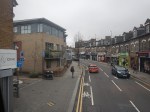
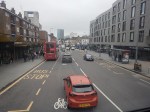
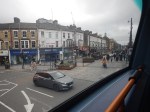
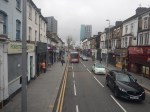
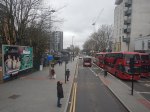
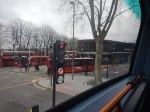
Note.
- The route was along the North Circular Road and then into Walthamstow from the Crooked Billet roundabout.
- The North Circular Road was grade separated but quite congested.
- The North Circular Road has a 40 mph speed limit.
- There was only one station on the route; Silver Street, by the North Middlesex Hospital.
- Walthamstow bus interchange is by Walthamstow Central station and has reasonable amounts of space.
The journey took about 67 minutes.
I have two thoughts.
The Route Of The Bus 34 Could Be Part Of The Superloop
I feel my journey today, proved that this would be part of a feasible Superloop leg between North Finchley and Walthamstow Central bus stations.
This Google Map shows the route between North Finchley bus station and Arnos Grove Underground station.
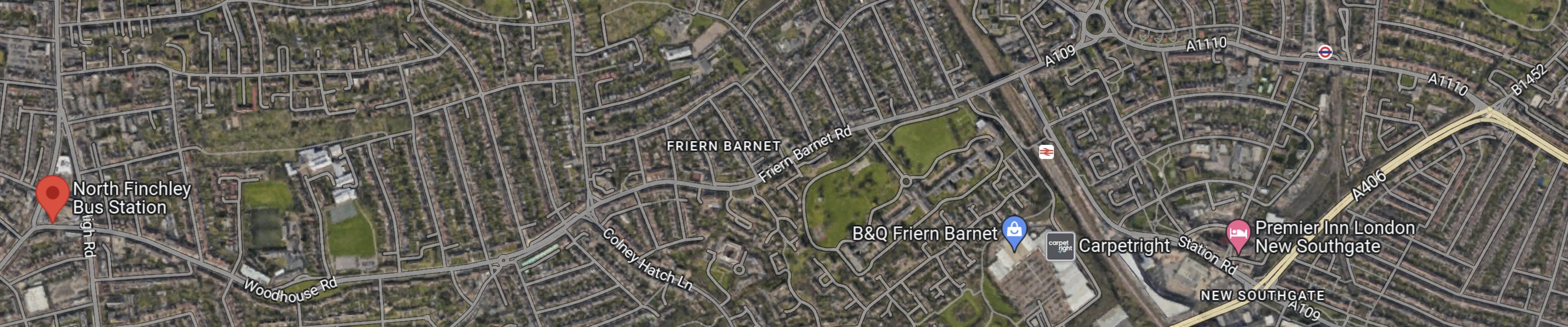
Note.
- North Finchley bus station is shown by the red arrow!
- Arnos Grove Underground station is shown by an Underground roundel in the North-East corner of the map.
- The light yellow road at the East side of the map is the North Circular Road.
There would appear to be a road connecting North Finchley bus station and Arnos Grove Underground station, that runs across the top of the map.
The road passes to the North of New Southgate station, which could be one of the Northern termini of Crossrail 2.
Edmonton
This Google Map shows the North Middlesex University Hospital.
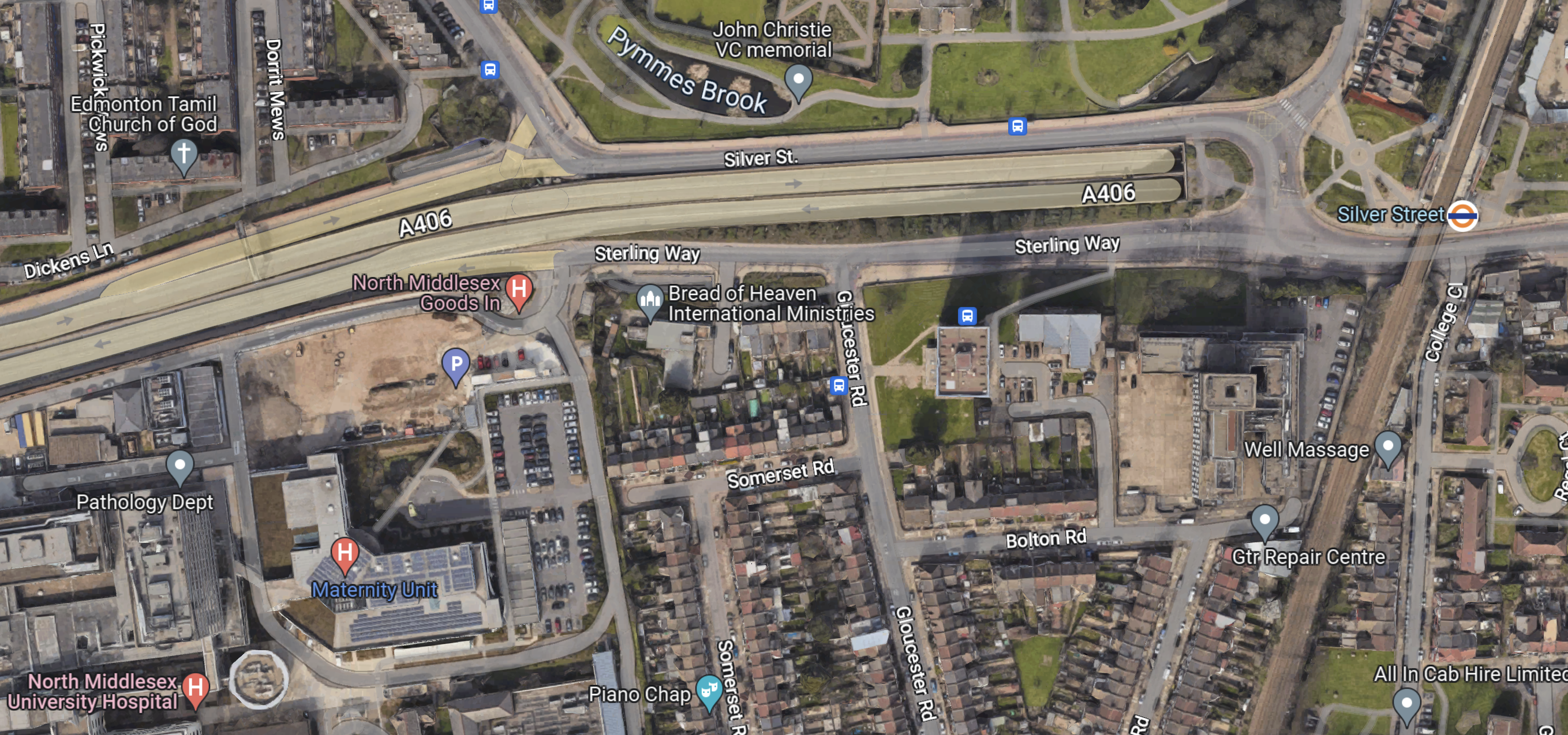
Note.
- The North Circular Road running across the map.
- The North Middlesex University Hospital in the South-West corner of the map.
- The London Overground and Silver Street station in the East of the map.
- There are several bus stops in the area.
This area could be turned into a comprehensive and very useful transport interchange.
Conclusion
The Superloop leg between North Finchley and Walthamstow Central bus stations has possibilities.
Adding Rose Hill Marple And Manchester Piccadilly To The Bee Network
This article on the Railway Gazette has a list of the lines, that will be transferred between Northern Rail and the Bee Network.
Included in the list is this line.
Rose Hill Marple And Manchester Piccadilly
I think this route would be the following.
- The Eastern terminus would be Rose Hill Marple.
- The Western terminus would be Manchester Piccadilly.
- Intermediate stations would be Romiley. Woodley, Hyde Central, Hyde North, Guide Bridge, Fairfield and Gorton.
- The route is partially-electrified with 25 KVAC overhead between Hyde North and Manchester Piccadilly.
- Most of the route has a range of operating speeds, up to 90 mph.
- The distance is 13.3 miles
- Trains take 34 minutes
- Trains are often two-car Class 156 trains.
The route is the same as the current Northern Trains service.
This is my thought.
Trains
This route is a classic for battery-electric trains, as only 6.8 miles at the Marple end is not electrified.
Merseyrail’s Class 777 trains or something similar would surely do nicely.
There would be no need for charging at the Marple end.
Adding Glossop/Hadfield And Manchester Piccadilly To The Bee Network
This article on the Railway Gazette has a list of the lines, that will be transferred between Northern Rail and the Bee Network.
Included in the list is this line.
Glossop/Hadfield And Manchester Piccadilly
I think this route would be the following.
- The Eastern termini would be Glossop and Hadfield.
- The Western terminus would be Manchester Piccadilly.
- Intermediate stations would be Dinting, Broadbottom, Hattersley, Godley, Newton for Hyde, Flowery Field, Guide Bridge and Ashburys.
- The route is fully electrified with 25 KVAC overhead.
- Most of the route has a range of operating speeds. up to 75 mph.
- The distance is 14.8 miles
- Trains take 41 minutes
- Trains are often three-car Class 323 trains.
The route is the same as the current Northern Trains service.
This is my thought.
Trains
The Class 323 trains could be easily replaced with a 25 KVAC overhead version of Merseyrail’s Class 777 trains.
Adding Buxton And Manchester Piccadilly To The Bee Network
This article on the Railway Gazette has a list of the lines, that will be transferred between Northern Rail and the Bee Network.
Included in the list is this line.
Buxton And Manchester Piccadilly
I think this route would be the following.
- The Southern terminus would be Buxton.
- The Northern terminus would be Manchester Piccadilly.
- Intermediate stations would be Dove Holes, Chapel-en-le-Frith, Whaley Bridge, Furness Vale, New Mills Newtown, Disley, Middlewood, Hazel Grove, Woodsmoor, Davenport, Stockport, Heaton Chapel and Levenshulme.
- he route is fully electrified with 25 KVAC overhead between Hazel Grove and Manchester Piccadilly.
- Most of the route has a range of operating speeds. up to 90 mph.
- The distance is 19 miles
- Trains take 62 minutes
- Trains are often two-car Class 150 trains working as a pair.
- The Buxton Line is one of the stiffest routes on the UK rail network.
The route is the same as the current Northern Trains service.
This is my thought.
Trains
I think there are three choices.
- Electrify the line fully and use 100 mph electric trains like Class 331 trains.
- Use 100 mph battery-electric trains, with large enough batteries to climb to Buxton.
- Use 100 mph hydrogen-electric trains, with enough power on hydrogen to climb to Buxton.
Note.
- The current diesel trains could be used until a zero-carbon solution is delivered.
- 100 mph trains would be needed because of the 90 mph section around Stockport.
- The stiffness of the line makes the choice difficult.
- Regenerative braking would allow trains to coast down the hill.
- Battery-electric trains would not need charging at Buxton.
I’m sure that the deal that will be setting up the Bee Network, would have a plan for the Buxton Line.
Adding Alderley Edge And Manchester Piccadilly To The Bee Network
This article on the Railway Gazette has a list of the lines, that will be transferred between Northern Rail and the Bee Network.
Included in the list is this line.
Alderley Edge And Manchester Piccadilly
I think this route would be the following.
- The Southern terminus would be Alderley Edge.
- The Northern terminus would be Manchester Piccadilly.
- Intermediate stations would be Wilmslow, Handforth, Cheadle Hulme, Stockport, Heaton Chapel and Levenshulme.
- The route is fully electrified with 25 KVAC overhead.
- Most of the route has a range of operating speeds. up to 110 mph.
- The distance is 13.6 miles
- Trains take 29 minutes
- Trains are often three-car Class 331 trains.
The route is the same as the current Northern Trains service.
This is my thought.
Trains
As the route is fully-electrified, electric trains are needed.
Any 110 mph trains would probably be ideal, to keep out of the way of the expresses.
Riding The 112 Bus Between Brent Cross And North Finchley Bus Station
To continue on the route of the Superloop, I needed to get to North Finchley bus station, so I took a 112 bus from Brent Cross to North Finchley. I took these pictures.







Note.
- The bus was only a single-decker.
- The route was along the North Circular Road and then North on the A1000.
- The North Circular Road was grade separated but quite congested.
- The North Circular Road has a 40 mph speed limit.
- Strangely, we didn’t pass a train, Underground or Overground station.
- Both Brent Cross and North Finchley bus interchanges have reasonable amounts of space.
The journey took about 20 minutes.
I have one thought.
Creating A Route Between Harrow And North Finchley Bus Stations
This would not appear to be difficult.
- Between Harrow bus station and Brent Cross, the route would be a simplified version of the 182 route, that I wrote about in Riding The 182 Bus Between Harrow Bus Station And Brent Cross. A more direct route would be taken between Wembley stadium and Brent Cross.
- The bus would just pop in to the large bus interchange at Brent Cross and then go straight back onto the North Circular Road.
- The North Circular Road is two lanes both way.
- The A1000 from the North Circular Road to North Finchley didn’t seem too crowded.
I suspect little work will need to be done to allow Superloop to run successfully between Harrow And North Finchley bus stations.
BAE To Produce Batteries For Electric Passenger Plane
The title of this post, is the same as that of this article on The Times.
This is the first paragraph.
BAE Systems is stepping back into the world of passenger aircraft manufacturing by partnering with a Swedish electric planemaker.
I must admit, that I’m not surprised about BAE Systems’s decision.
Aviation needs batteries for many purposes including drones, starting aircraft and auxiliary power sources, so I wouldn’t be surprised that BAE Systems know their batteries.
In The Big Beast In Your Electric Bus, I described the company’s involvement in providing batteries for electric buses in the United States.
As a former private pilot, I’m watching electric aviation with interest.
I am also an applied mathematician and control engineer and feel that electric aviation will always be playing catch up against planes powered by hydrogen and sustainable aviation fuel.
Look at some of Airbus’s ZeroE designs, which use hydrogen fuel.

Discover the three zero-emission concept aircraft known as ZEROe in this infographic. These turbofan, turboprop, and blended-wing-body configurations are all hydrogen hybrid aircraft.
Although saying that there are large numbers of orders for electric airliners like this Swedish design and the Eviation Alice.
Riding The 182 Bus Between Harrow Bus Station And Brent Cross
I did this journey, which could be part of the Superloop, in good weather, and was able to take these pictures.






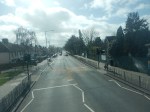
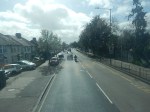
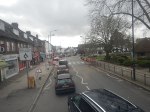

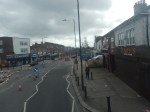
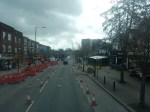
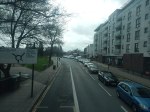
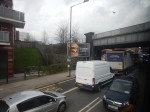
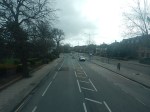
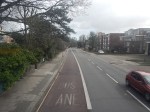



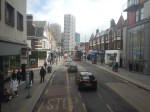
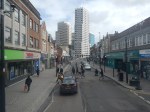
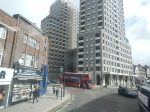
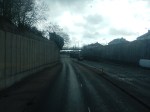
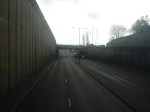
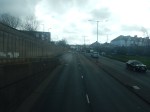
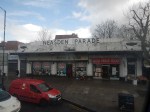

Note.
- The roads were not bad and were partly two lanes each way, with large roundabouts at junctions.
- I suspect the bus was going at between 30 and 40 mph most of the way.
- There was still quite a lot of traffic.
- It is a distance of about 7 miles.
- The timetable says that buses run every 10-13 minutes.
- Harrow-On-The-Hill station is next to Harrow Bus station.
- Harrow-On-The-Hill connects to the Metropolitan Line and Chiltern
- Northwick Park Hospital is on the route.
- Sudbury and Harrow Road station connects to Chiltern.
- South Harrow station connects to the Piccadilly Line.
- Wembley Central station connects to the Bakerloo and Watford DC Lines and National Rail.
- Wembley Stadium station connects to Chiltern.
- Wembley Park station connects to the Metropolitan and Jubilee Lines.
The journey took about 70 minutes, mainly because of the traffic at the road works.
I have a few thoughts.
The Route Of The Bus 182 Could Be Part Of The Superloop
I feel my journey today, proved that this would be part of a feasible Superloop leg between Harrow and North Finchley bus stations.
A Chiltern Metro
Wikipedia says this about a proposed metro service between Marylebone and West Ruislip stations.
- The Metro would have a frequency of four tph.
- It would call at Wembley Stadium, Sudbury & Harrow Road, Sudbury Hill Harrow, Northolt Park and South Ruislip.
- The service would require a reversing facility at West Ruislip.
- There would need to be passing loops at Sudbury Hill Harrow, and Wembley Stadium.
Given that the Chiltern Metro was first proposed over a decade ago, perhaps the concept could be increased in scope.
- Housing and other developments along the route may suggest that a station further out like High Wycombe might be a better terminal.
- ERTMS in-cab digital signalling is likely to be installed at some time, which would decrease headways between trains and allow more services.
- Electrification is likely in some form before 2040 and this will improve train performance.
- If Neasden station were to be rebuilt, as a comprehensive transport and residential development, I believe that this Metro service should also call at Neasden, as it would complement the West London Orbital Railway.
I believe that a review of the Chiltern Metro may mean, that an improved version is worth creating.
 The Anonymous Widower