Solar Canals Already Competitive With Ground-Mounted PV
The title of this post, is the same as that of this article on PV Magazine.
This is the introductory paragraph.
U.S. researchers have assessed the technical and economic feasibility of solar canals in California and have found that their LCOE is already close to that of ground-mounted solar plants. Three different project configurations were analyzed for eight different sites across the California network of canals.
It is a fascinating concept and is already been tried in India.
But apparently, California has the world’s largest network of canals.
Unlike the French system of Floatovoltaics, which I wrote about in Understanding Floatovoltaics, they don’t float the panels on the water, but suspend them with cables or trusses.
But like the French system, they do cut down evaporation.
Beeching Reversal – Reopening Sawston Station
This is one of the Round 3 bids of Beeching Reversal projects that the Government and Network Rail are proposing to reverse some of the Beeching cuts.
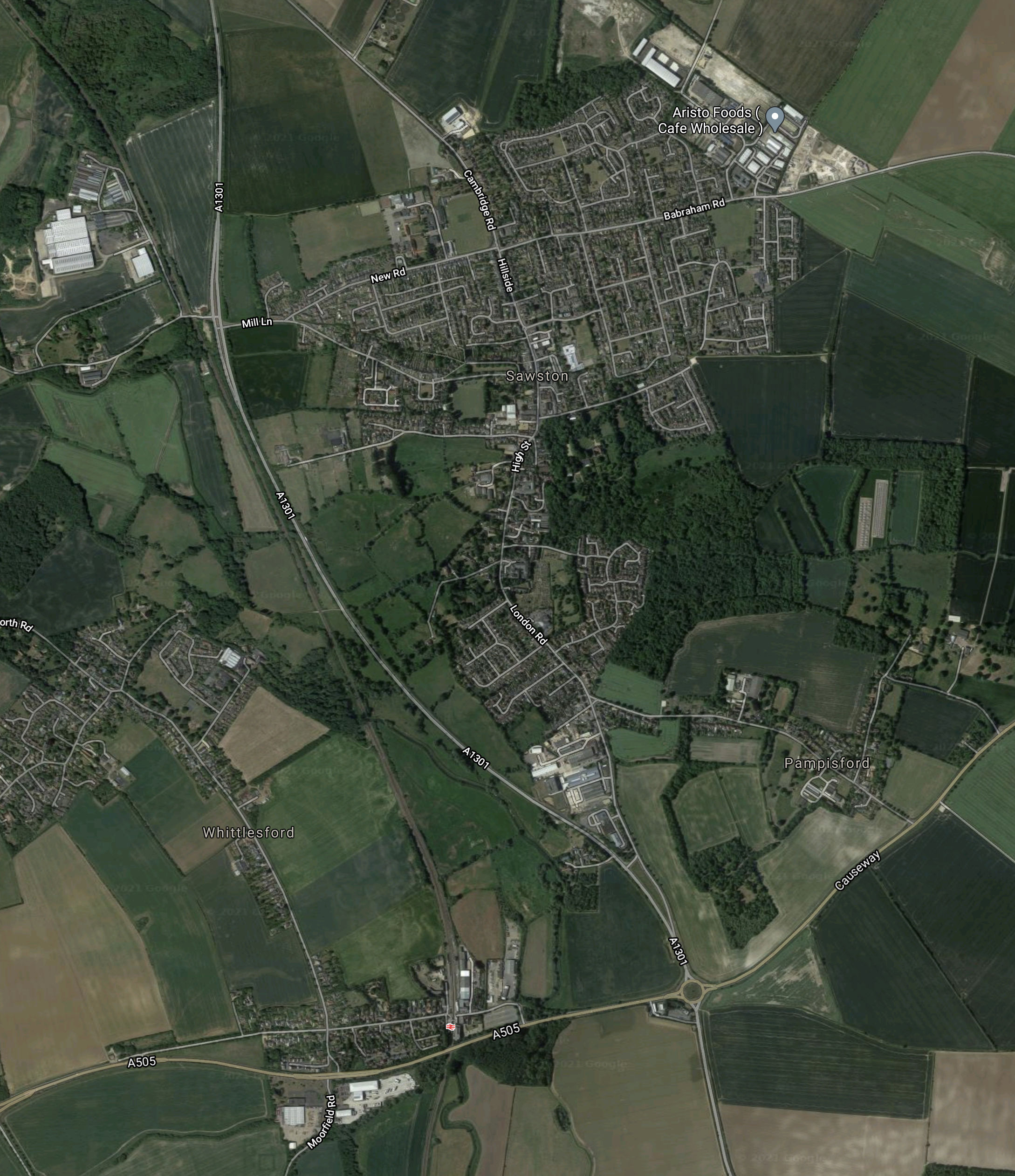
Sawston is a village in South Cambridgeshire, which is shown in this Google Map.
Note.
The West Anglia Main Line and the A1301 road both run North-South to the West of the village.
The railway calls at Whittlesford Parkway station at the bottom of the map.
The A505, which is a main route between West Suffolk and the M11 and the A1 (M) runs across the bottom of the map.
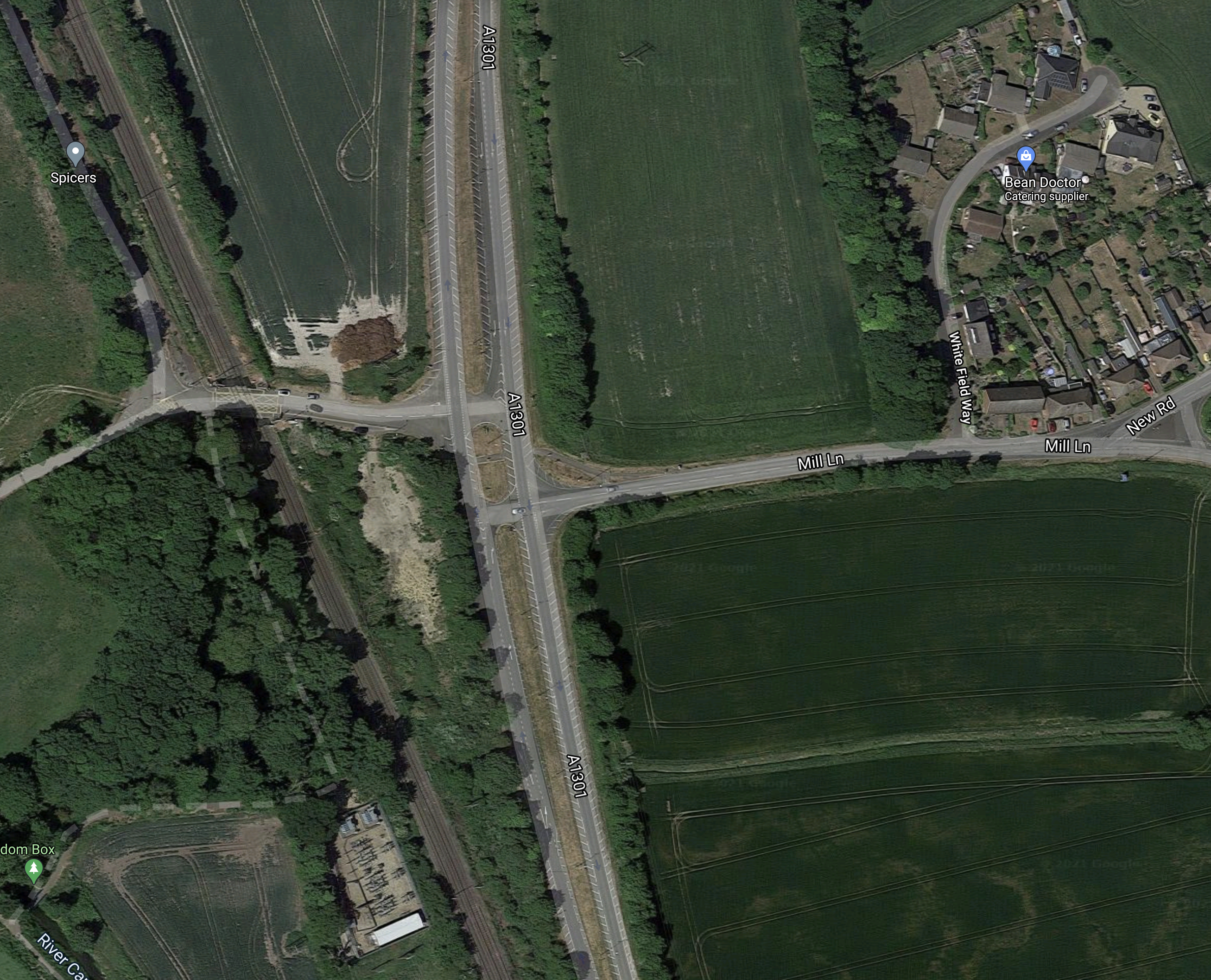
The new Sawston station is proposed to be in Mill Lane close to the old Spicers factory.
This second Google Map shows the area of the proposed station.
Note.
- There would appear to be space for a station.
- The site is not far from the Western edge of the village.
- There is already a comprehensive road junction, that would serve the station.
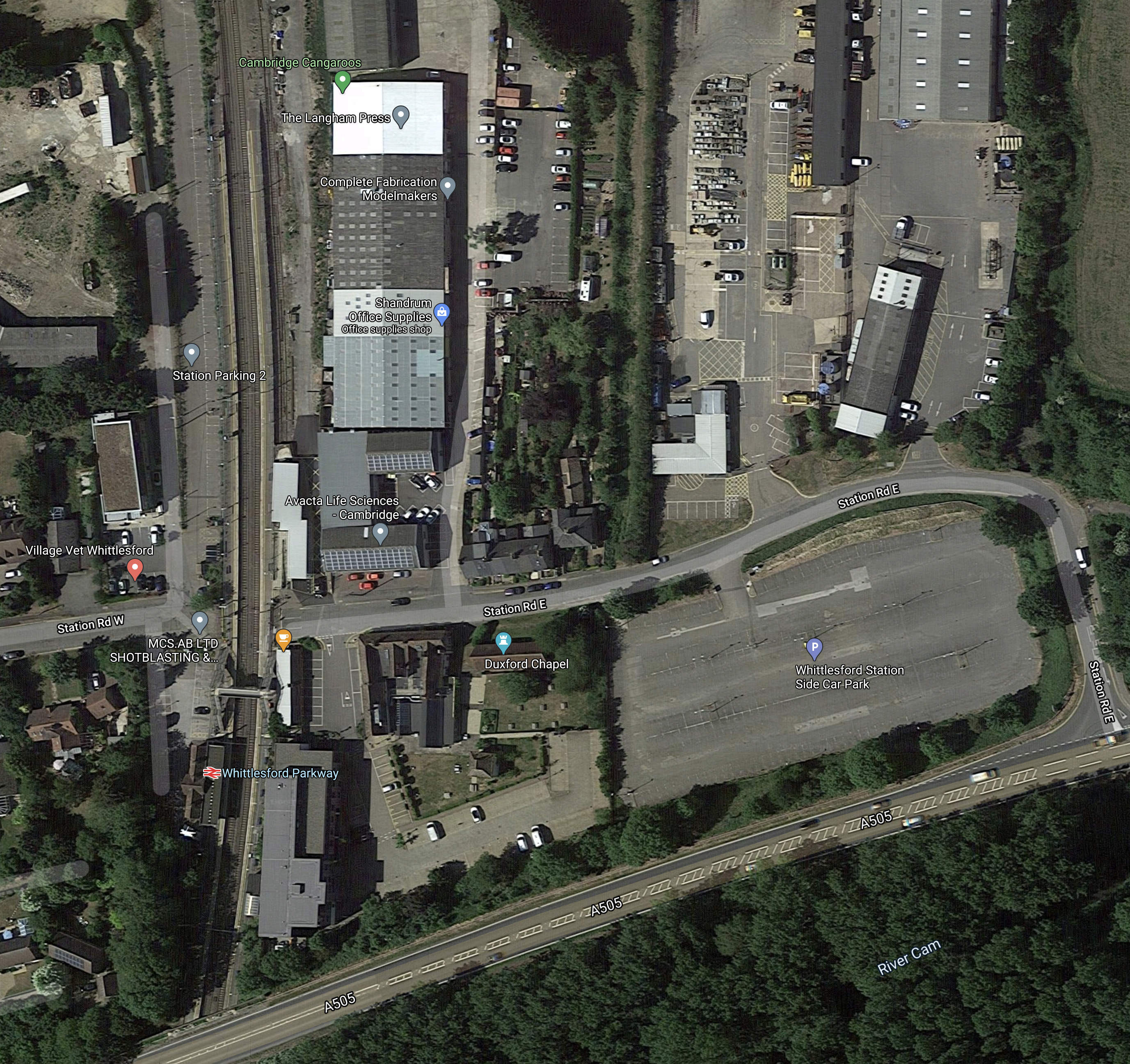
This third Google Map shows the area of the Whittlesford Parkway station.
Note.
- The station running North-South towards the West of the map.
- The large car-park to the East of the station.
- The smaller car-park to the West of the station.
- The station has a Holiday Inn hotel.
I have used the station hundreds of times and I believe that it could be made into a first class transport hub for commuters and visitors to Cambridge.
- It has good road connections to North Hertfordshire, West Suffolk and North West Essex.
- It has large amounts of car parking, that ten years ago was rarely full.
- A step-free footbridge with lifts, needs to be added.
- There needs to be better bus connections to local villages.
- There needs to be a bus connection to the Imperial War Museum Duxford.
I don’t believe massive amounts of money would be needed to realise the full potential of this station.
Services through Whittlesford Station And The Proposed Site Of Sawston Station
Currently, the following services run through Whittlesford station in the Off Peak.
- Greater Anglia – 2 tph – Liverpool Street and Cambridge North
- Greater Anglia – 1 tph – Stansted Airport and Norwich
- CrossCountry – 3 tpd – Stansted Airport and Birmingham New Street
Note.
- tph is an abbreviation for trains per hour.
- tpd is an abbreviation for trains per day
- All Greater Anglia services call at Whittlesford Parkway, Cambridge and Cambridge North stations and will probably call at Cambridge South station, when it opens.
- The CrossCountry service only calls at Audley End station between Stansted Airport and Cambridge.
I believe that the minimum services should be as follows to provide an adequate service, after the opening of Cambridge South station.
- 4tph – Whittlesford Parkway and Cambridge North stopping at Cambridge South and Cambridge.
- 2 tph – Liverpool Street and Cambridge North stopping at Whittlesford Parkway, Cambridge South and Cambridge.
- 1 tph – Stansted Airport and Norwich stopping at Whittlesford Parkway, Cambridge South, Cambridge and Cambridge North.
- 1 tph – Stansted Airport and Birmingham New Street stopping at Whittlesford Parkway, Cambridge South, Cambridge and Cambridge North.
There could even be a Cambridgeshire Metro serving all stations between Stansted Airport and Ely.
- All services could be run by electric or bi-mode trains.
- Possible stops would be Elsenham, Newport, Audley End, Great Chesterford, Whittlesford Parkway, Shelford, Cambridge South, Cambridge, Cambridge North and Waterbeach.
- As they do now some fast services would skip smaller stations.
- More important stations like Audley End, Whittlesford Parkway, Cambridge South and Cambridge North would get a 4 tph service to Cambridge
- Other stations would get an appropriate service.
- I would also like to see two fast tph between Cambridge and King’s Lynn, Liverpool Street, Norwich, Peterborough and Stansted.
I think that such a timetable would be possible, if the performance of Greater Anglia’s new trains were to be used to the full.
Could An Extra Stop Be Added At The Proposed Site Sawston Station?
Each extra stop adds extra time to the timetable.
Consider.
- The faster Liverpool Street and Whittlesford Parkway takes sixty minutes with six stops.
- The slower Liverpool Street and Whittlesford Parkway takes seventy-four minutes with twelve stops.
- Greater Anglia’s trains through Whittlesford Parkway and the proposed Sawston station will probably be 100 mph Class 720 trains.
I think it would be reasonable to assume that every extra stop would add 120-150 seconds to the journey time.
As Cambridge South station will be added anyway, will passengers mind up to five minutes added to the timetable?
I doubt with the faster accelerating trains, that there would be a problem about an extra stop at Sawston, but the lengthening of journey times between Cambridge and London may be a problem.
A Possible Alternative Solution
Could there be a possible alternative solution based on improving facilities and services at Whittlesford Parkway station?
- The service at Whittlesford Parkway station would be increased to 4 tph to Cambridge North, with stops at Shelford, Cambridge South and Cambridge.
- The service at Whittlesford Parkway station would be increased to 2 tph to Stansted Airport, with stops at Audley End.
- A step-free bridge with lifts must be installed.
- An improved bus-service between Sawston and Whittlesford Parkway is needed.
- An improved bus-service between the Imperial War Museum Duxford and Whittlesford Parkway is needed.
- Both bus services could be back-to-back and probably should be run every fifteen minutes.
- As it serves a museum, why not run some heritage buses in the Summer?
- There should be good cycling provision between Whittlesford Parkway station and Sawston and other surrounding villages.
I very much feel, that improving Whittlesford Parkway station, may be a better value solution, than building a new station at Sawston!
Conclusion
Building a new station at Sawston may not be the best way to improve public transport in the area.
Jaw Jaw Is Better Than War War!
There is an article in The Times today with a title of Britain Ready To Share Dutch-Made Vaccine With EU.
It talks of compromise and how Boris Johnson has effectively told his ministers to cool it.
I feel that Boris is right to seek a compromise. As Churchill said “Jaw, jaw is better than war-war!”
I wouldn’t be surprised that we have a lot to offer the EU about other things than making the vaccine.
Vaccination
There have been several examples published in this newspaper and other media outlets, about how we have squeezed extra doses out of the Pfizer vaccine and made sure we have potential recipients on hand, so that nothing goes to waste.
Perhaps we have a suitable brigadier, doctor, mandarin or project manager, who could put some drive and organisation into the EU’s flagging effort.
If it is a big loss of face to some EU politicians so be it.
AstraZeneca’s Problem
If AZ do have problem, it appears to be in the manufacture.
After all it is AZ’s first vaccine.
This surely, is a problem, that can be solved, even if it upsets AZ a bit on how it is done!
European Vaccine Reluctance
But I do think the EU’s vaccination is not helped by the population’s reluctance to have a jab.
We had Tom Jones and the US had Dolly Parton, amongst others who backed vaccinations.
Have stars of similar standing backed the vaccination in the EU?
Help From The Yanks
As usual, the Americans have arrived late to bolster the efforts.
Lets hope that their data published today persuades more EU citizens to take the jab and even one from the UK!
But surely any vaccine that gives you 100 % protection from severe disease, as the Yanks say that the AZ does, can’t be all bad!
Conclusion
I believe that as the UK and the EU share a common will to defeat the virus, that a good compromise can be developed over the next few days.
Let’s hope it goes better than the last time, we told the French what to do in a serious situation.
My father told me about Churchill’s dash to Paris in 1940 to offer union with France to try and save the country.
Read all about it in this article on the London School of Economics web site, which is entitled June 1940: Britain’s Forgotten Attempt To Build A European Union.
What Churchill Actually Said
In trying to find when Churchill used the title of this post, I found this page on the International Churchill Society web site, which is entitled Quotes Falsely Attributed To Winston Churchill.
The actual quote was “Meeting jaw to jaw is better than war” and it was misquoted later by Harold Macmillan.
Does meeting Zoom to Zoom count?
Plans Submitted To Build Railway Station At Bebside In Northumberland
The title of this post, is the same as that of this article on ITV.
There is a picture of a double-track railway line with this caption.
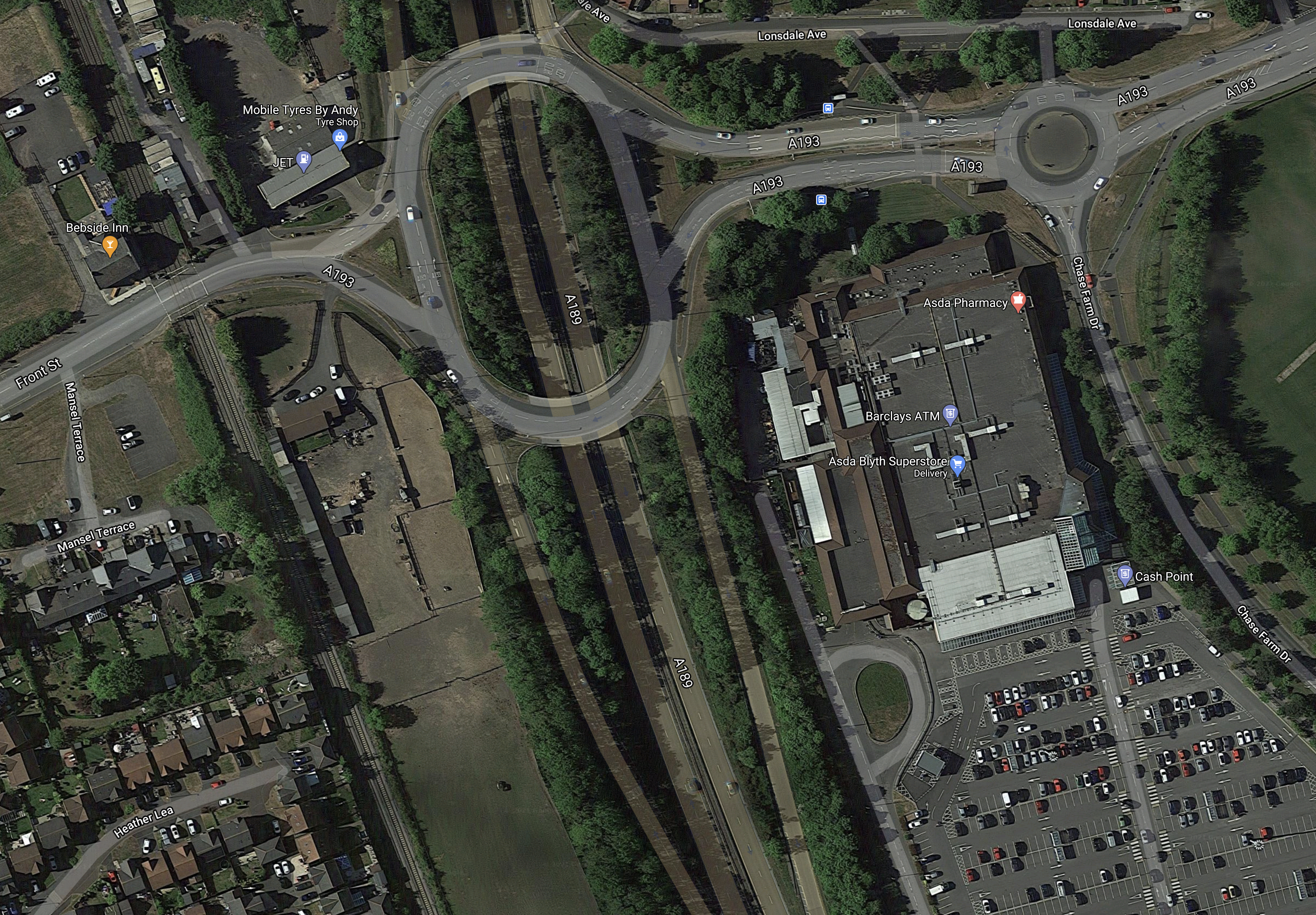
The proposal includes a two-platform railway station, lifts, parking and a pedestrian and cycle footbridge over the A189 Spine Road to connect the station to Blyth next to Asda.
This Google Map shows the location.
Note.
- The A189 dual-carriageway road running North-South.
- The Asda Blyth Superstore to the East of the road.
- The Northumberland Line running down the Western side of the map.
If you click on the map to show it in a large size, you’ll see the Bebside Inn in the North-West corner, next to the railway and a level crossing.
The station appears to be being built South of the level crossing.
It looks to be a very suitable place for a new station.
Beeching Reversal – Reopening Harston Station
This is one of the Round 3 bids of Beeching Reversal projects that the Government and Network Rail are proposing to reverse some of the Beeching cuts.
Harston is a Cambridgeshire village, which is shown in this Google Map.
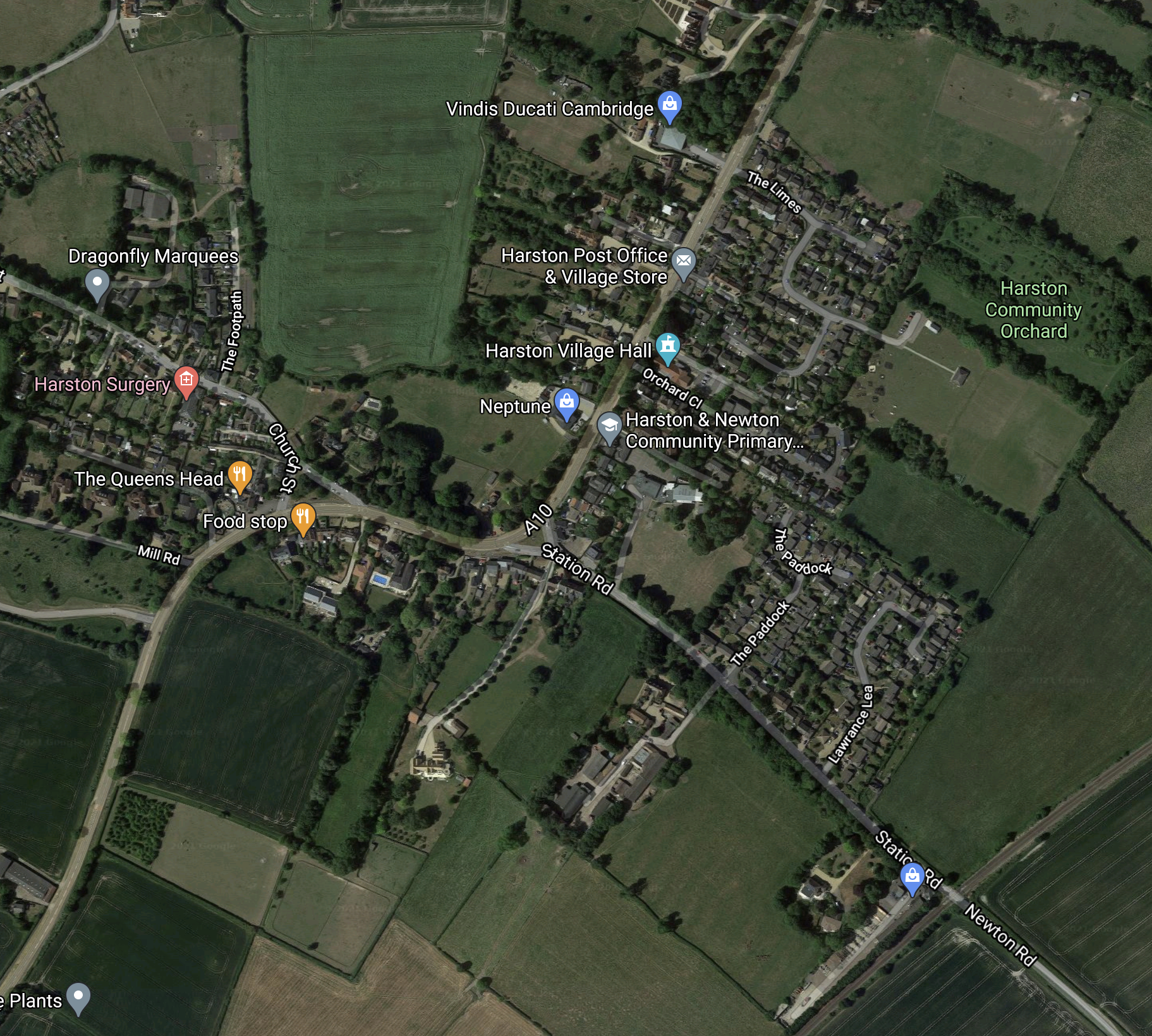
Note.
- The A10 winding its way North and South through the village.
- Cambridge is five miles to the North.
- The triangular road junction in the middle of the village with Station Road leading off to the South East.
- The Cambridge Line crosses the South-East corner of the map, at a right angle to Station Road.
This Google Map shows the former station site at an enlarged scale..
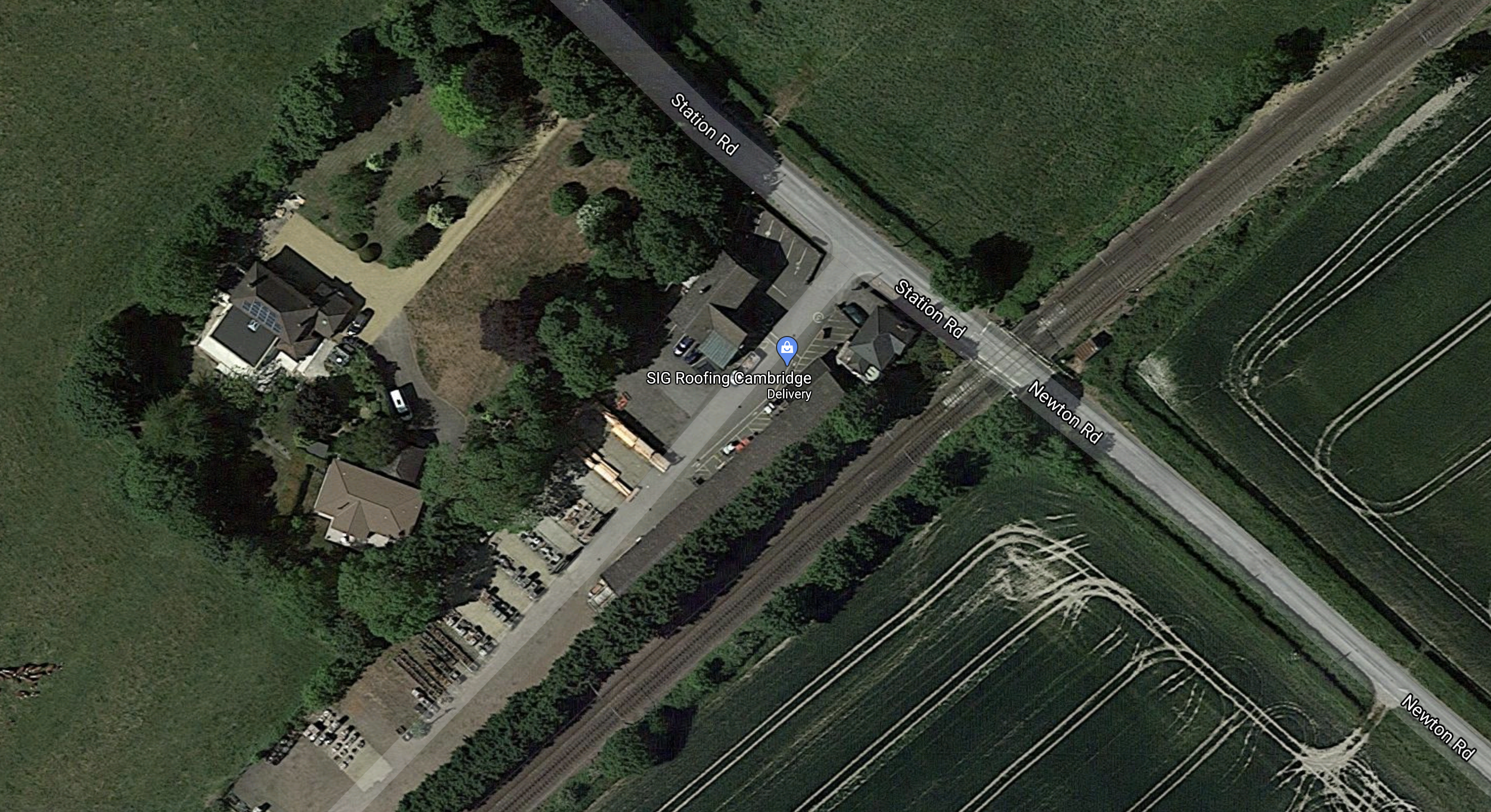
Note.
- There is plenty of space.
- There is a level crossing.
- The railway is double-track.
There’s even a Harston History page for the station, so if the architect’s decide to go retro, they can visit it for design inspiration.
My initial thoughts are that compared to some of the proposals for Beeching Reversal this one is practical and not over ambitious.
These are some of my thoughts.
Car Parking
Currently, there are the following stations between Cambridge and Hitchin.
Note.
Only Royston station has more than minimal parking provision.
The addition of Harston and Cambridge South stations will probably mean, that a lot of thought will be given to parking at all the stations between Cambridge and Hitchin.
Cambridge South like Cambridge North will probably have extensive parking to also serve Addenbrooke’s Hospital and Cambridge Bio-Medical Campus.
Whittlesford Parkway station on the line between Cambridge and Liverpool Street has very adequate parking provision.
I wouldn’t be surprised to see Harston station having a couple of hundred parking spaces.
East West Railway
In Looking At The East West Railway Between Bedford And Cambridge, I looked at the route of the East West Railway as it approaches Cambridge.
I very much doubt that this new railway will go through Harston station.
But Harston station will beef up the capacity on the Cambridge Line to bring more workers to one of the science and engineering capitals of the world.
Cambridgeshire Autonomous Metro
There are also plans for the Cambridgeshire Autonomous Metro.
This map shows the proposed layout of the Cambridgeshire Autonomous Metro.
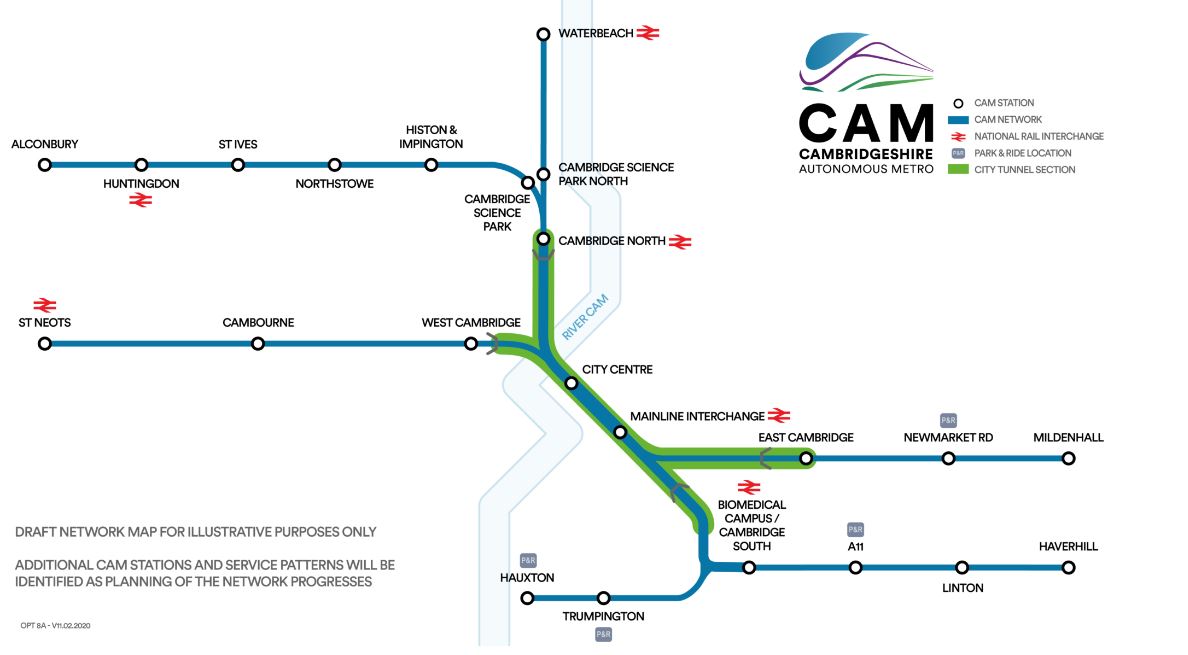
Note that the green section will be in tunnel.
I doubt that the Cambridgeshire Autonomous Metro will run to Harston, as it most likely will run on rubber-tyred wheels and probably wouldn’t mix well with heavy rail.
Train Service
Currently, the current trains run through the station in the Off Peak.
- Thameslink – 2 tph – Cambridge and Brighton
- Thameslink – 2 tph – Cambridge and King’s Cross
- Great Northern – 1 tph – King’s Cross and Ely
- Great Northern – 1 tph – King’s Cross and King’s Lynn
Note.
- tph is an abbreviation for trains per hour.
- All trains are fast services, except for the Cambridge and King’s Cross service, which stops at all stations.
- When Cambridge South station opens, I suspect nearly all services will stop at that station.
- The Great Northern services also stop at Cambridge North station.
- In Call For ETCS On King’s Lynn Route, I talked of the possibility of running 125 mph trains on Great Northern services between King’s Cross, Cambridge, Cambridge North, Ely and King’s Lynn.
I suspect that it will be likely only the Thameslink stopping train will call at Harston station, just as it is the only service that calls at Foxton, Shepreth and Meldreth stations.
- But is two tph enough for a Park-and-Ride station?
- Whittlesford Parkway station already has three tph to and from Cambridge.
- I suspect there will be a second Stansted and Cambridge service which mean Whittlesford Parkway station gets four tph to Cambridge,
I suspect Hartston station needs four tph to give a Turn-Up-And-Go service.
Barrington Quarry And Landfill
This Google map shows the location of the Barrington Quarry and Landfill, with respect to Harston.
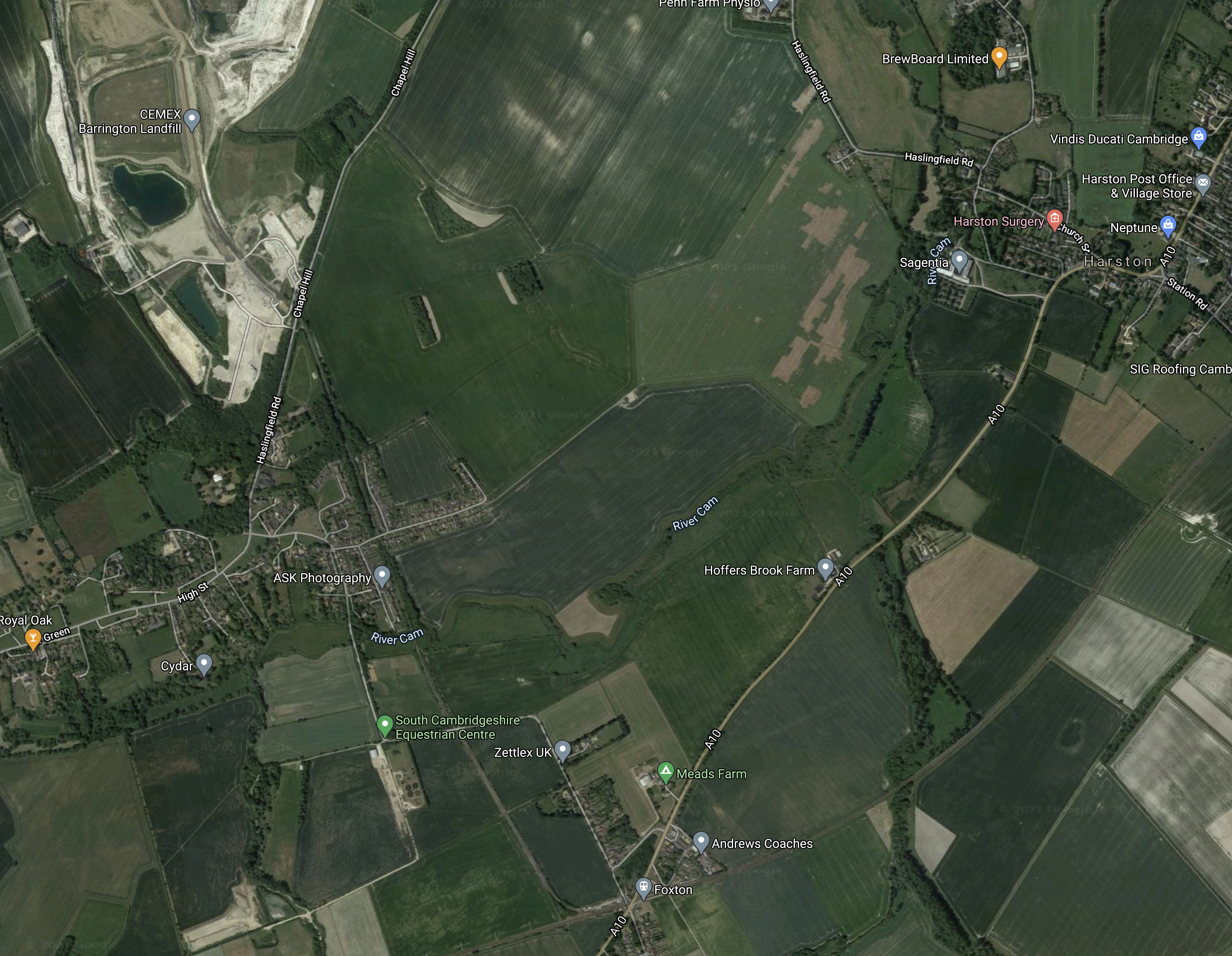
Note.
- Barrington Quarry and Landfill is in the North-West corner of the map.
- Harston is in the North-East corner of the map.
- The A10 road runs South-West from Harston to Foxton station, where there is a level crossing, where the Cambridge Line crosses the road.
- Foxton station has a freight-only line linking it to the quarry.
This second Google Map shows Foxton station in detail.
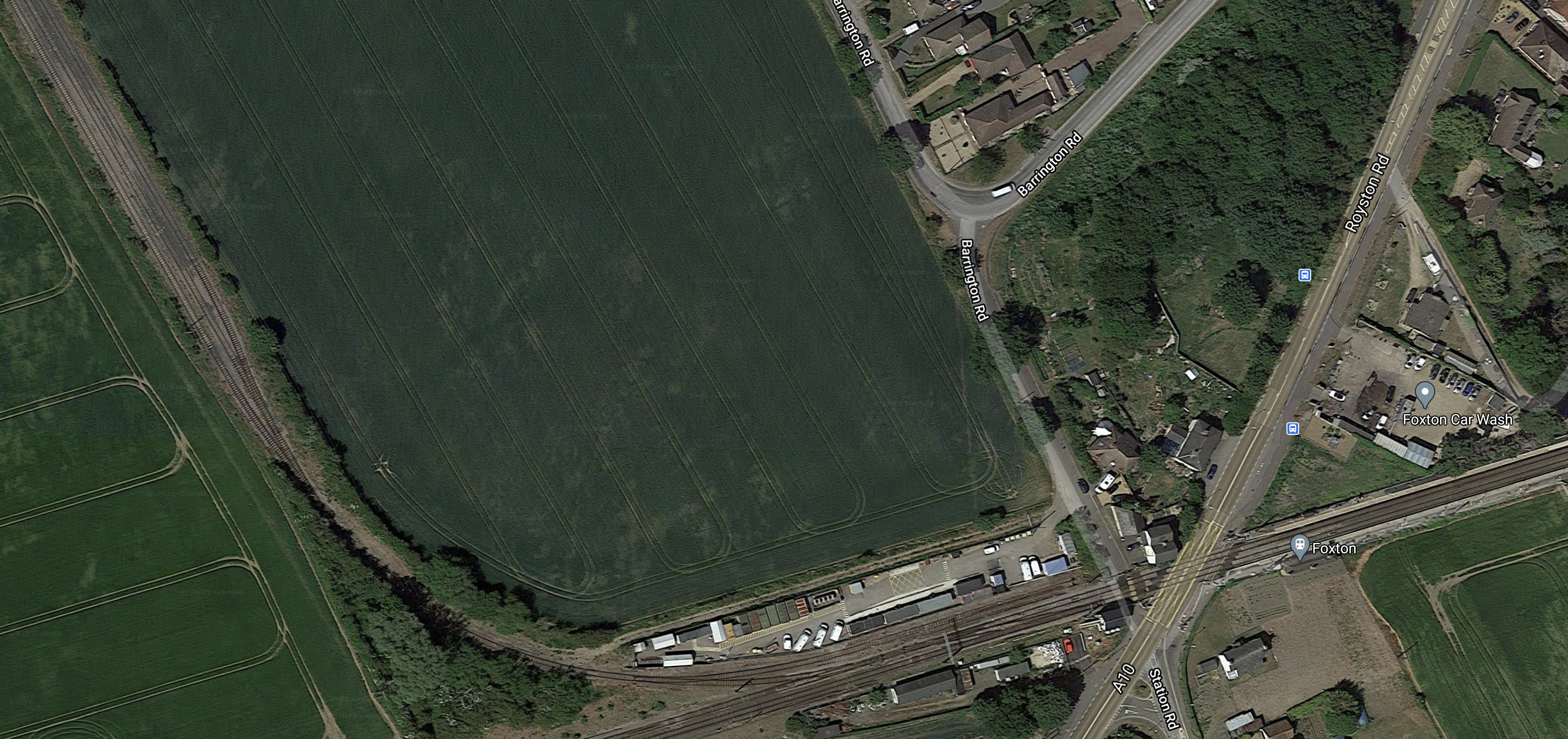
Note the rail line to Barrington curving away to the North West.
This document from CEMEX is entitled Barrington Quarry – Restoration Project.
It appears that the quarry will be restored and some of the land will be used for new homes.
As all the track is already in place, would it be possible to run a 2tph service between Barrington and Cambridge North station?
- It could call at Harston, Cambridge North and Cambridge stations.
- Harston station would get a four tph service.
- Cambridge gets more much-needed housing connected to the city.
It could also be run using battery-electric trains that would be charged using the electrification between Foxton and Cambridge North stations.
Conclusion
Taking everything together, it appears to me, that Harston station could improve the rail network to the South West of Cambridge.
UK’s Largest Mobile Crane Swings Into Action In Barking
The title of this post, is the same as that of this article on the Barking And Dagenham Post.
This is the first two paragraphs.
The largest mobile crane in the country has swung into action to help extend a railway line.
The Gottwald AK680 – which has the capacity to lift 1,200 tonnes – installed steel beams for the remaining viaduct spans as part of the Barking Riverside extension (BRE) project.
This crane certainly seems to get about.
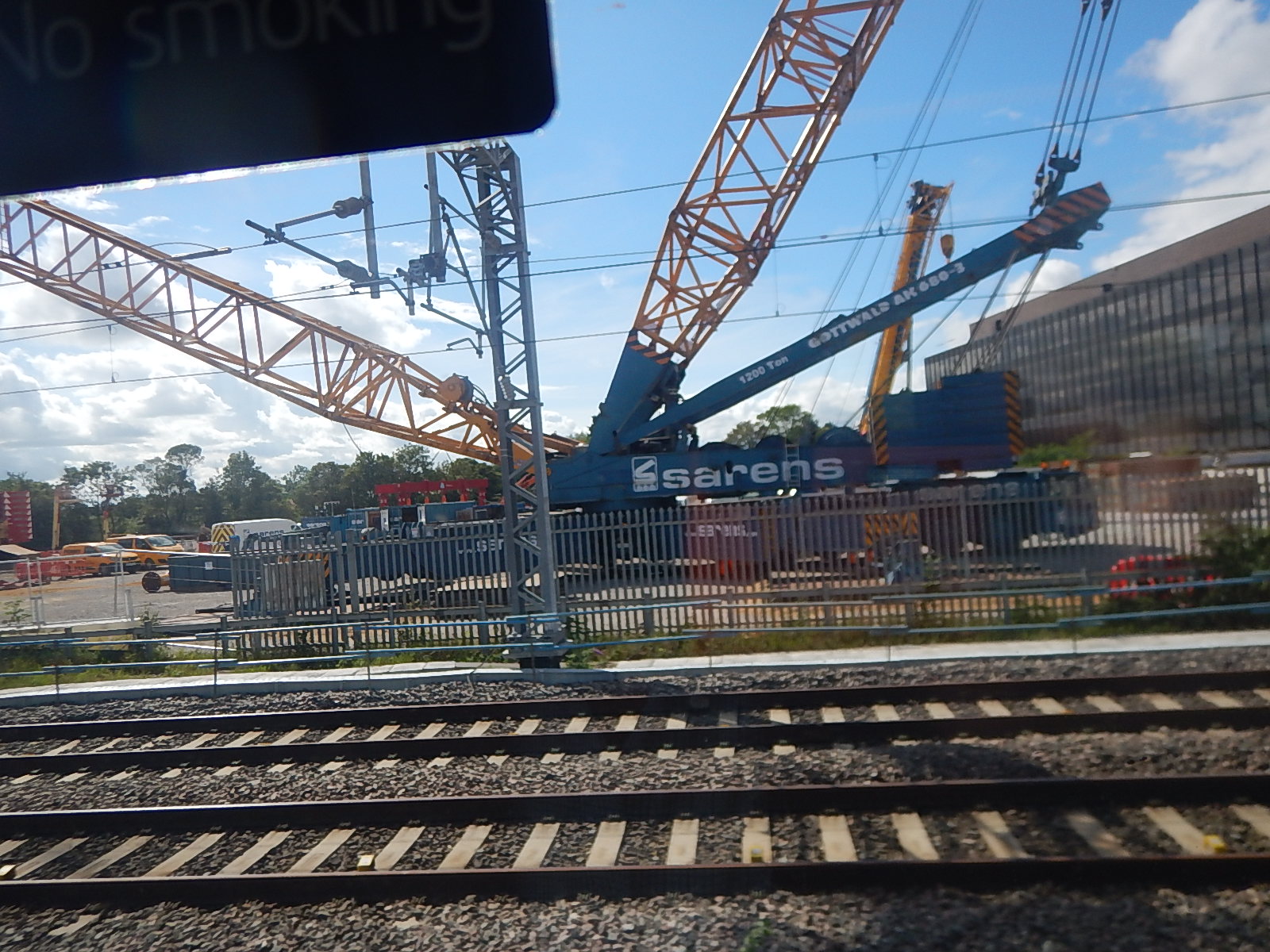
I think this picture shows the same crane in action at Bletchley in August. It was certainly claimed as the UK’s largest mobile crane.
Perhaps we need a rail-mounted version!
I always remember, a North Sea Oil project manager telling me, that as cranes got large it eased and speeded up construction.
This article on Vertikal gives more details of the crane in action.
Acton Main Line Station Goes Step-Free With New Ticket Office
The title of this post, is the same as that of this article on Ian Visits.
The title says it all.
It is top of the list of places that I need to visit.
These are some pictures, I took from the outside on the 21st March 2021.




Unfortunately, the station was closed on this Sunday and I could hear work going on behind the hoardings.
I took these pictures behind the hoardings a few days later.
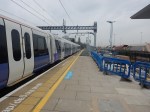


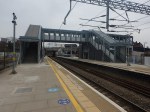
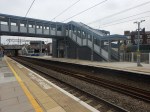

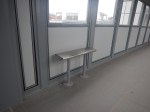

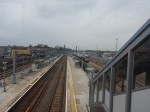
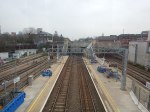



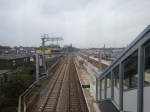



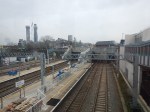

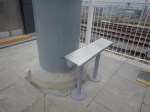
Note.
- There are several nice details like seats by all the lifts.
- There are toilets, where you ask the staff to unlock them.
- There is still work to do, but nothing crucial for the operation of the station.
Will the two old sets of stairs be demolished?
Conclusion
I like it! And so did the staff, I spoke to!
Hydrogen: Can The Lightest Gas Turn Heavy Industry Green?
The title of this post, is the same as that as this article on the FT.
It is an excellent summary of how we will decarbonise heavy industries like steel, cement and chemicals using hydrogen.
If you don’t read anything else this morning, then read this article.
Dartmoor Rail Service Reopens This Year In Reversal Of Beeching Cuts
The title of this post is the same as that of this article on The Times.
This is the introductory paragraph.
A largely redundant Victorian railway line will be reopened this year as part of plans to resurrect routes closed in the infamous Beeching cuts.
This line was always likely to be one of the first to reopen, as there is a terminal station at Okehampton, with a bus interchange and other facilities, that has been hosting a service from Exeter on summer Sundays for some years.
The BBC have a reporter there this morning and the station looks in better condition, than some I could name.
This paragraph from The Times describes works to be done.
Network Rail said engineers would start a range of works including improvements to drainage, fencing by the trackside, rebuilding embankments and upgrading Okehampton station. Some 11 miles of track will also be replaced. It is envisaged that test trains will run later this year before it fully reopens to passengers.
Some of the BBC footage, showed a great pile of new track by the station, so it looks like Network Rail are starting to relay the track.
It is hoped to run a one train per two hour service by the end of the year, which could go hourly next year.
In Okehampton Railway Return ‘Clear Reality’ After £40m Commitment In Budget, I said more about this reopening project and I speculated that both Okehampton and Barnstaple services will terminate at Exmouth Junction, as the Barnstaple services do now.
Barnstaple has roughly an hourly service from Exeter and to run two hourly services between Exeter and Coleford Junction, where the two routes divide, may need extra work to be done, so that trains can pass each other at convenient points.
This extra work probably explains, why the service won’t be hourly until next year.
I do wonder, if this reopening also enables other improvement and possibilities.
Meldon Quarry
Meldon Quarry used to be an important source of track ballast for British Rail and it is situated a few miles past Okehampton.
This Google Map shows Meldon Quarry and Okehampton.
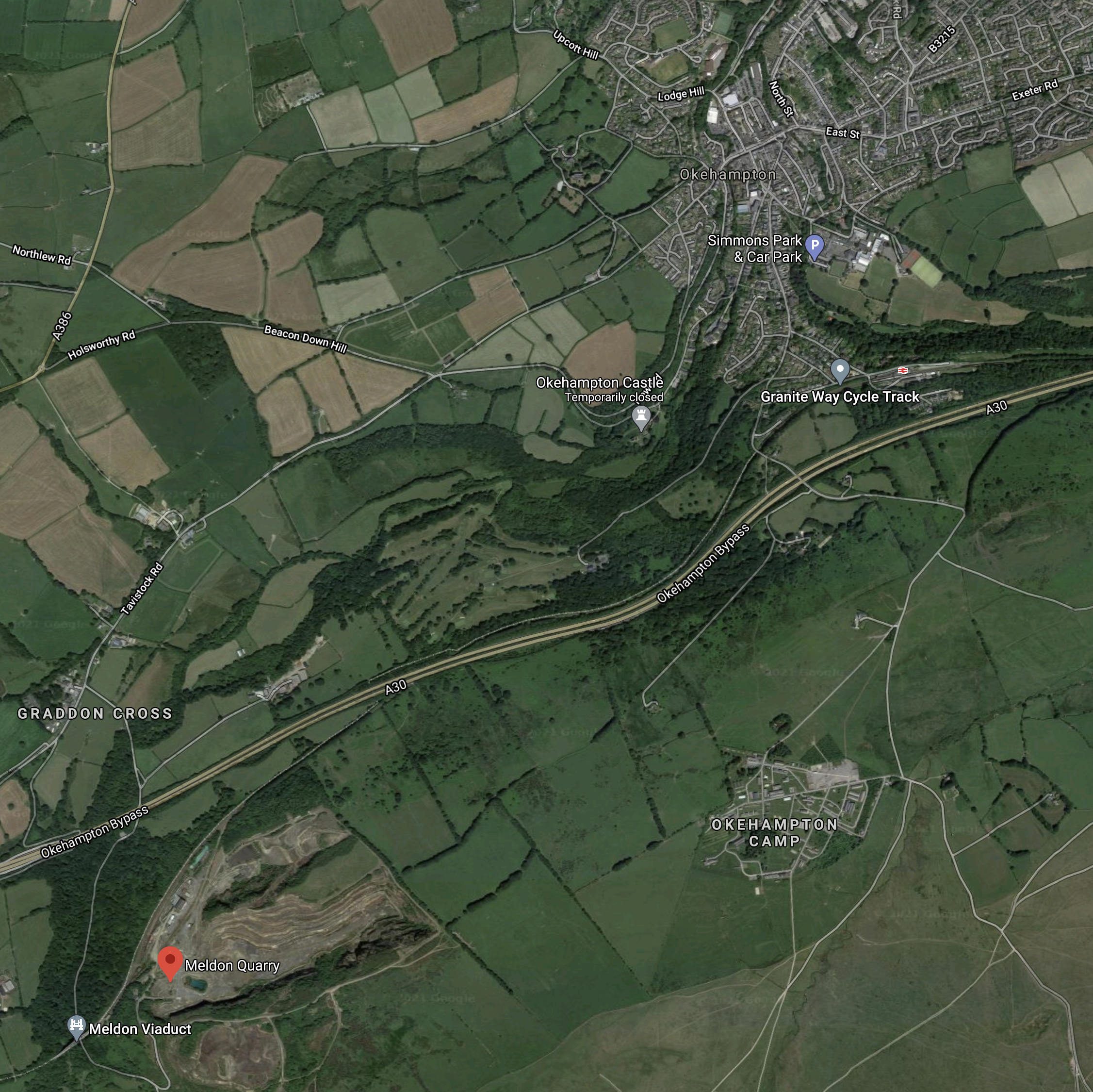
Note.
- Meldon Quarry is in the South-West corner of the map marked by a red marker.
- To its West is Meldon Viaduct, which is part of the old railway line between Okehampton and Plymouth, which is now a walking and cycling route.
- The town of Okehampton is in the North-East of the map.
- Okehampton station is in the South-East of the town close to the A 30.
I wouldn’t be surprised to find, that Network Rail are upgrading the line to Okehampton, so that if they need to obtain quality track ballast from Meldon Quarry, it would not require upgrades to the track East of Okehampton.
Okehampton Camp
Note Okehampton Camp to the South of Okehampton.
Many Army bases like this one need heavy vehicles to be transported to and from the base.
Have Network Rail future-proofed the design of the route to Okehampton, so that heavy vehicles can be transported to the area?
A Railhead For North Devon And North Cornwall
There are two main roads between Exeter and Cornwall.
- The A30 goes to the North of Dartmoor and via Launceston
- The A38 goes to the South of Dartmoor and then via Plymouth
In the past, I’ve always driven to and from Cornwall via the Northern route and I describe one journey in Dancing with Hippopotami.
This Google Map shows the A30, as it passes Okehampton.
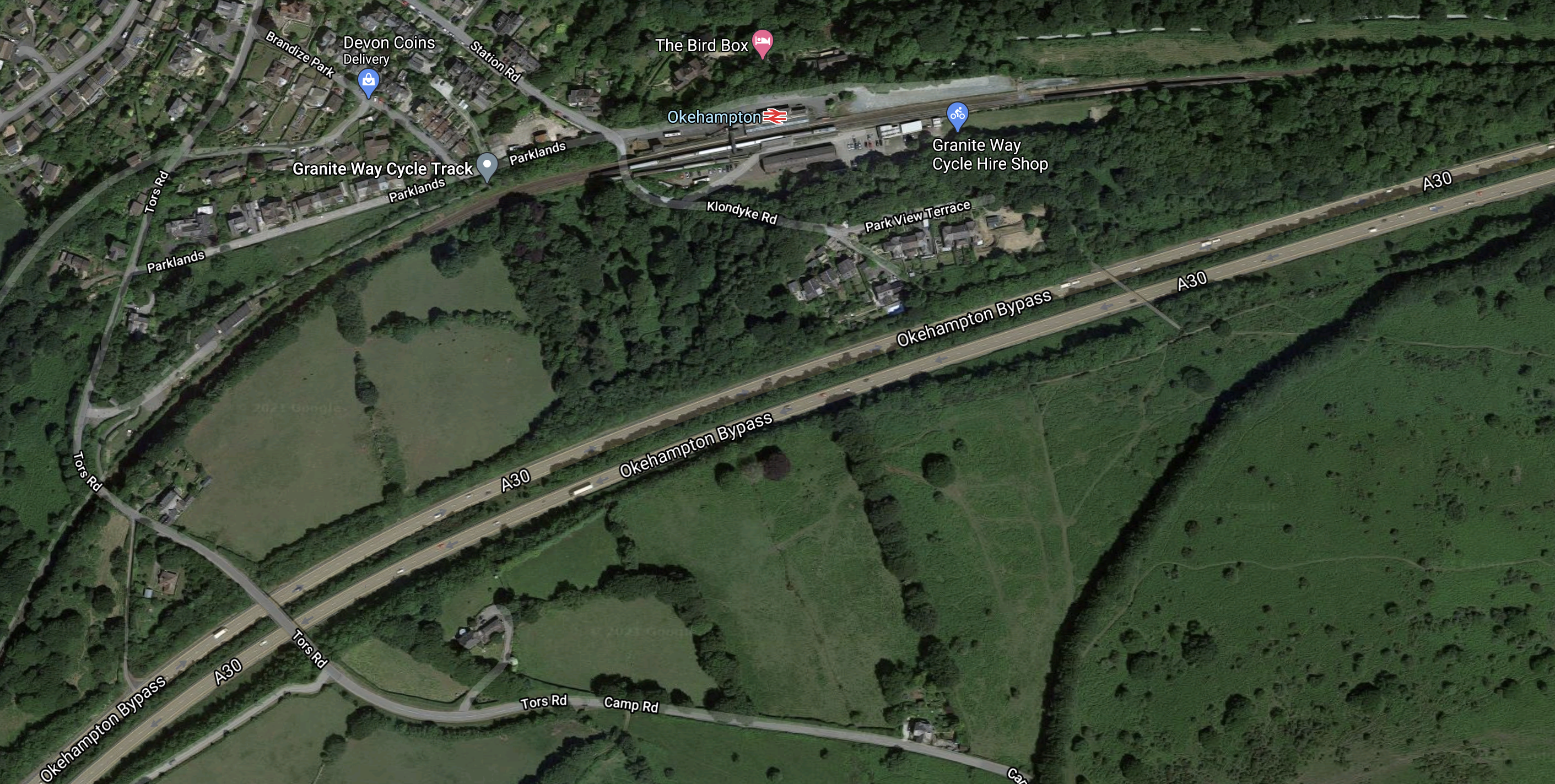
Note that although the station and the A30 are physically close, there would be a few minutes to drive between the two.
But I do feel there is scope to create an appropriate transport interchange between.
- Trains to and from Exeter.
- Buses and coaches to North Cornwall and North Devon.
- Cars on the A30.
It could effectively become a parkway station.
An Alternative Route In Case Of Trouble Or Engineering Works At Dawlish
Bodmin Parkway and Okehampton stations are about 43 miles apart and I suspect a coach could do the journey in around fifty minutes.
Would this be a sensible alternative route in times of disruption?
- It is dual-carriageway all the way.
- Okehampton station can certainly handle a five-car Class 802 train and could probably be improved to handle a nine- or even ten-car train.
- Trains from London could get to Okehampton with a reverse at Exeter St. Davids.
I don’t know the area well, but it must be a possibility.
Could Okehampton Have A London Service?
As I said in the previous section, it looks like Okehampton station can handle five-, nine- and possibly ten-car Class 802 trains and there are many pictures of Great Western Railway’s InterCity 125s or HSTs at Okehampton station in years gone by.
I think it would be feasible to run a small number of services between Okehampton and London.
- The service would have to reverse at Exeter St. Davids station.
- As one service every two hours runs between London Paddington and Exeter St. Davids stations, a service to Okehampton could be run as an extension to the current Exeter service.
- It could also stop at Crediton station.
There must also be the possibility of running a pair of five car trains from Paddington, that split at Exeter St. Davids, with one service going to Okehampton and the second one to Paignton.
- Exeter St. Davids and Paignton are 26.3 miles apart and a fast train takes 34 minutes
- Exeter St. Davids and Okehampton are probably a slightly shorter distance.
I suspect that a sensible timetable could be devised.
The specification of the Hitachi InterCity Tri-Mode Train is given in this Hitachi infographic.

Note.
- It is intended to run these trains to Exeter, Plymouth and Penzance.
- The range of the train on batteries is not given.
These trains could use a mixture of diesel and battery power to travel to and from Okehampton and Paignton.
But I also believe that as Hitachi develop this train and batteries have an increased capacity, that it will be possible for the trin to do a round trip from Exeter to Okehampton or Paignton without using diesel, provided the train can leave Exeter with a full battery.
According to Hitachi’s infographic, the train will take 10-15 minutes to fully charge at a station like Exeter. But that would add up to fifteen minutes to the timetable.
I feel if the roughly thirty-five miles of track between Exeter St Davids station and Cogload Junction, which is to the North of Taunton, were to be electrified, then this would mean.
- Trains would be fully charged for their excursions round Devon.
- Trains would be fully charged for onward travel to Plymouth and Penzance.
- Trains going to London would leave Taunton with full batteries to help them on their way on the ninety mile stretch without electrification to Newbury.
- Trains going between Exeter and Bristol could take advantage of the electrification.
Eventually, this section of electrification might even help to enable trains to run between London and Exeter without using diesel.
As the railway runs alongside the M5 Motorway, this might ease planning for the electrification.
The gap in the electrification between Cogload Junction and Newbury could be difficult to bridge without using diesel.
- Cogload Junction and Newbury are 85 miles apart.
- I’ve never seen so many bridges over a railway.
- I actually counted twenty-one bridges on the twenty miles between Westbury and Pewsey stations.
- I suspect some will object, if some of the bridges are replaced with modern ones.
- There would be a lot of disruption and expense, if a large proportion of these bridges were to be replaced.
- Currently, Great Western Railway run expresses to Exeter, Plymouth and Penzance via Taunton and Newbury.
I think, there needs to be some very radical thinking and low cunning to solve the problem.
- Battery technology and the best efforts of engineers from Hitachi and Hyperdrive Innovation may stretch the battery range sufficiently.
- It might be possible to extend the electrification at the Newbury end to perhaps Bedwyn, as there are only a few bridges. This would shorten the distance by up to thirteen miles.
- It may also be possible to extend the electrification at the Taunton end.
- I would expect some bridges could be dealt with using discontinuous electrification techniques.
But I believe that full electrification between Newbury and Cogload junction might be an extremely challenging project.
There must also be the possibility of using lightweight overhead line structures, where challenges are made about inappropriate overhead gantries.
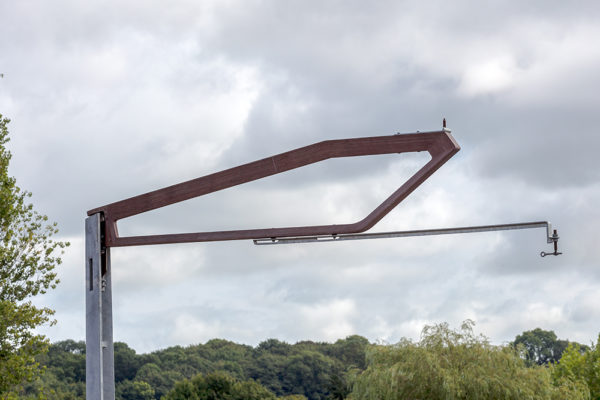
There is also a video.
Note.
- Electrification doesn’t have to be ugly and out-of-character with the surroundings.
- The main overhead structure of this gantry is laminated wood.
These gantries would surely be very suitable for the following.
- Electrifying secondary routes and especially scenic ones.
- Electrifying single lines and sidings.
- Electrifying a bay platform, so that battery electric trains could be charged.
Innovative design could be one of the keys to more electrification.
Will A British Bioelectric Hybrid Plane Really Take Off?
The title of this post, is the same as that of this article on The Guardian.
The article is a serious look from a serious newspaper at the Faradair BEHA.
- It will have a capacity of 18 passengers.
- It will have a cruising speed of 230 mph
- It will have a service ceiling of 14,000 feet.
The aircraft is a tri-plane based on a lightweight carbon-composite structure like many current Airbus designs and the Boeing 787 Dreamliner.
This image is copyright Faradair.

Note.
- The triple wing with the winglets.
- The conventional fuselage.
- The pusher fans at the rear of the fuselage.
It is not conventional.
Power
Power comes from a hybrid power unit consisting of a battery and the auxiliary power unit (APU) of an Airbus A 350 XWB. I wrote about the hybrid power unit in Honeywell Introduces Power Source For Hybrid-Electric Aircraft.
The power unit will run on sustainable aviation fuel produced from something like food, household or industrial waste.
As an experienced pilot and an experienced engineer and taking a few clues from the Guardian article, I believe the aircraft will fly a unique, but very sensible flight profile.
Many years ago, I wanted to fly my Cessna 340 A from Southend Airport to Naples Airport.
- I loaded as much fuel, as the tanks would take.
- I taxied to the runway,
- A fuel bowser followed me down and added extra fuel to make up what I’d used in taxiing.
- Take-off was on full power and I climbed at maximum rate to as high as I was allowed.
- Once over France, I climbed to Flight Level 195 (19,500 ft), which was the highest level allowed in a light aircraft in full visibility without a full instrument rating.
- The French Air Traffic Control handed me over to Italian Air Traffic Control at the same height.
- I flew down the West coast of Italy at around 200 mph.
- North of Naples, I descended slowly, trading height for speed and turned to come straight in to Naples airport.
Note.
- It had taken me six hours and forty minutes to fly around 1350 miles.
- What I had done in UK and French airspace was totally legal, but I suspect I broke the law in Italy.
- But the French ATC felt I was competent, so they just handed me over.
Sadly, I didn’t have a camera with me, as the views of Rome and the Italian coast were spectacular.
I believe that the Faradair BEHA will use a similar flight profile to that, which I used between Southend and Naples.
- The plane will leave the terminal or apron with a full battery.
- Before take-off, the hybrid power unit will make sure that the battery is full.
- Take-off will be on full power and the lift of three wings will be used to lift off quickly and climb at maximum rate to the service ceiling of 14,000 feet.
- The aircraft will build up speed to 230 mph using power in the battery or some extra power from the hybrid power unit.
- The aircraft would execute a low power approach at the destination.
Note.
- Unlike in my flight to Naples, an autopilot will probably fly the aircraft to the maximum range profile.
- The plane will be very aerodynamically efficient and I suspect fuel consumption will be very low in the cruise.
- The higher you go, the less the air resistance.
- Fuel consumption would be almost nothing in the descent, as just as I did in my Cessna potential energy would be converted into kinetic energy to keep the plane at the necessary flying speed.
Faradair have not disclosed the range, but I feel with development, it could be a thousand miles.
Conclusion
By 2030, many of us will be flying around a thousand miles in weird looking airliners with up to twenty-five seats.
The 317 miles between Stansted and Edinburgh will be a piece of cake!
Everybody should read the excellent Guardian article.
 The Anonymous Widower