Whitelee Green Hydrogen Facility To Power Public Transport
The title of this post, is the same as that of this article on the BBC.
Some points from the article.
- It will be the country’s largest electrolyser. Is that Scotland or the UK?
- The facility is being built by Scottish Power, ITM Power and BOC.
- Friends of the Earth think it’s wrong and the electricity should be used immediately.
In ScottishPower’s Green Hydrogen Project Looks To Build UK’s Largest Electrolyser, the title says that the Whitelee project will be the UK’s largest electrolyser.
Shetland Blasts Off Into Space Race As Britain’s First Rocket Launch Pad Skyrora
The title of this post, is the same as that of this article on The Times.
This second paragraph, explains what Skyrora are doing.
Skyrora, a technology company with its headquarters in Edinburgh, has agreed a deal for scores of rocket launches over the next decade from a site on Unst, the most northerly of the Shetland islands.
This Google Map shows the most Northerly part of Unst.
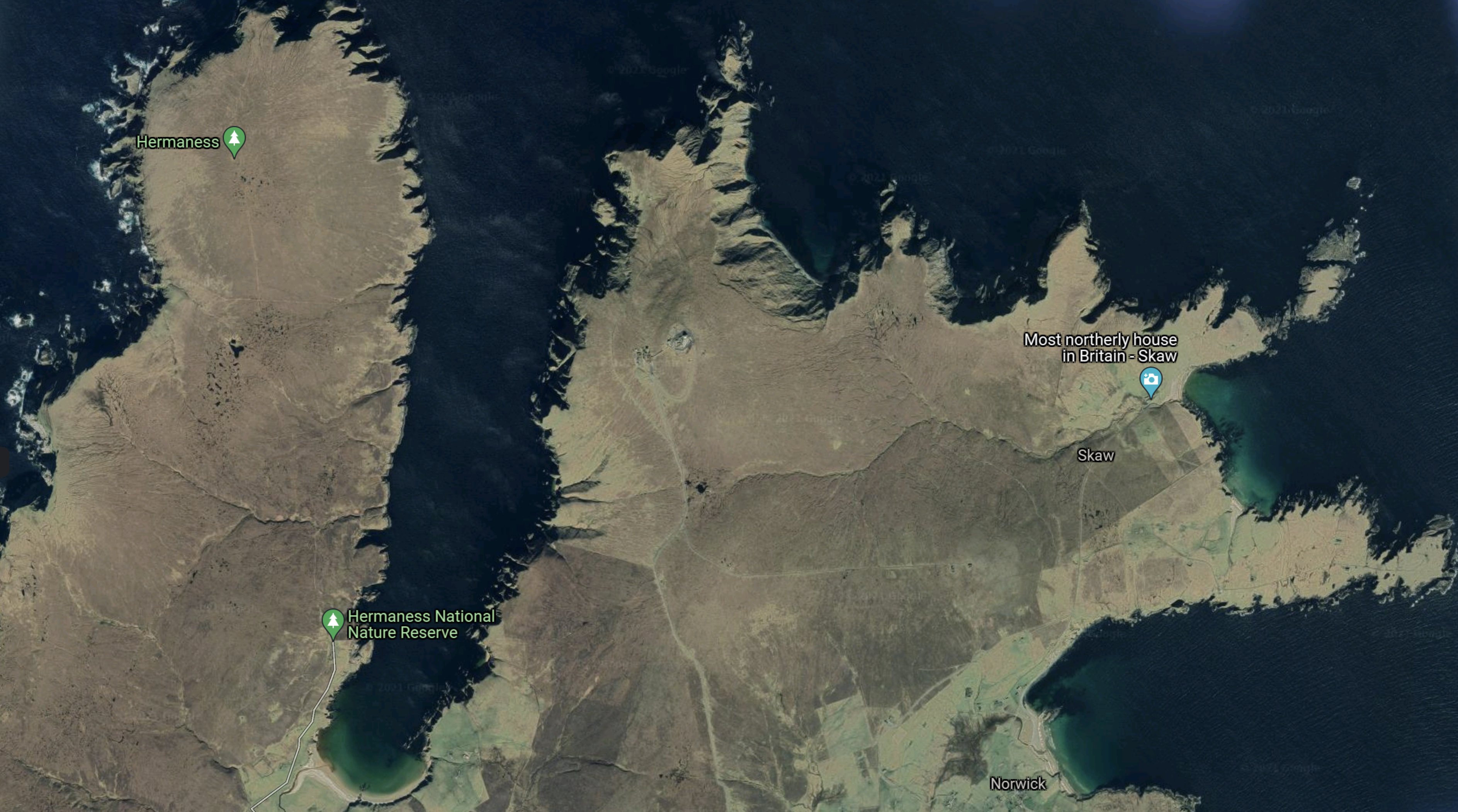
There’s not really much there, except birds, trees and the most northerly house in Britain.
Enlarging to the West of the house, gives this second Google Map.
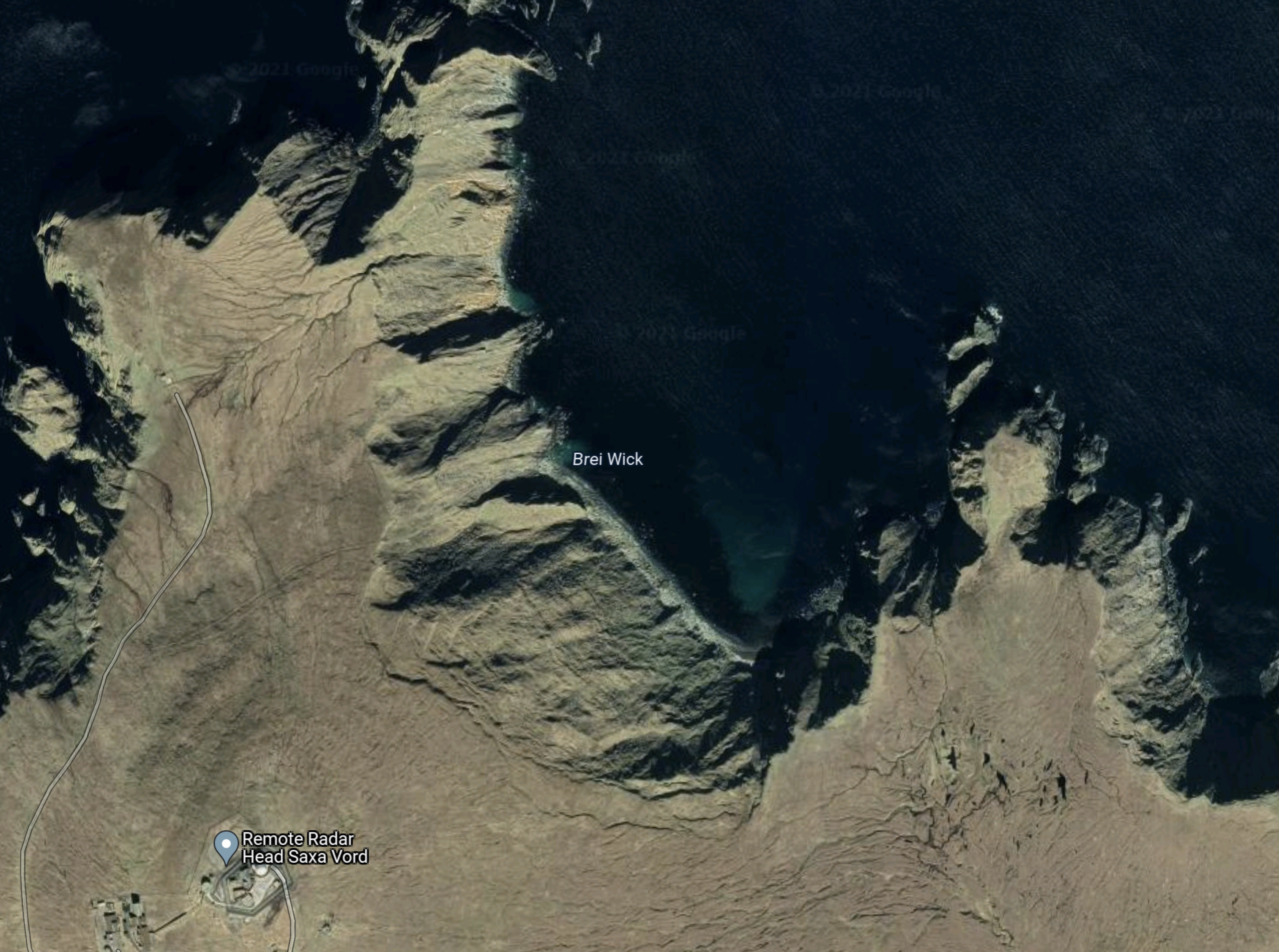
Note the Remote Radar Head Saxa Vord, which has a Wikipedia entry as RAF Saxa Voe.
- It is now a fully-operational radar station again, after closure in 2006.
- It is at the same latitude as St. Petersburg and Anchorage.
- In 1992, it measured a wind speed of 197 mph, before the equipment blew away.
The Wikipedia entry is worth a read, as it gives a deep insight into radar and its tracking of Russian intruders in the Cold War.
This third Google Map shows a 3D closeup of the radar.
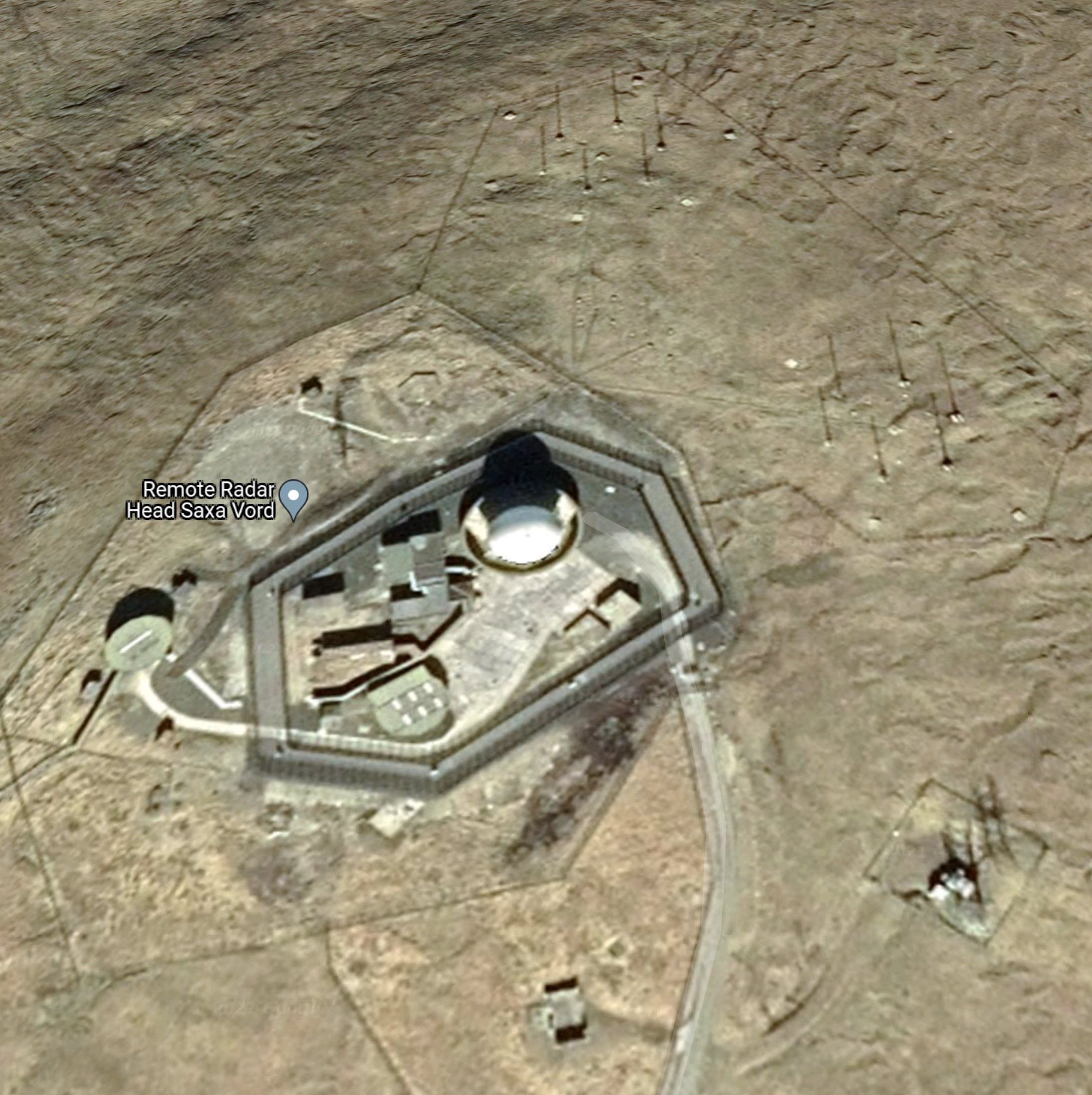
No staff are based at Saxa Vord, although maintenance staff do visit.
According to The Times, the space port will be at Lamba Ness, which is to the East of the most northerly house in Britain.
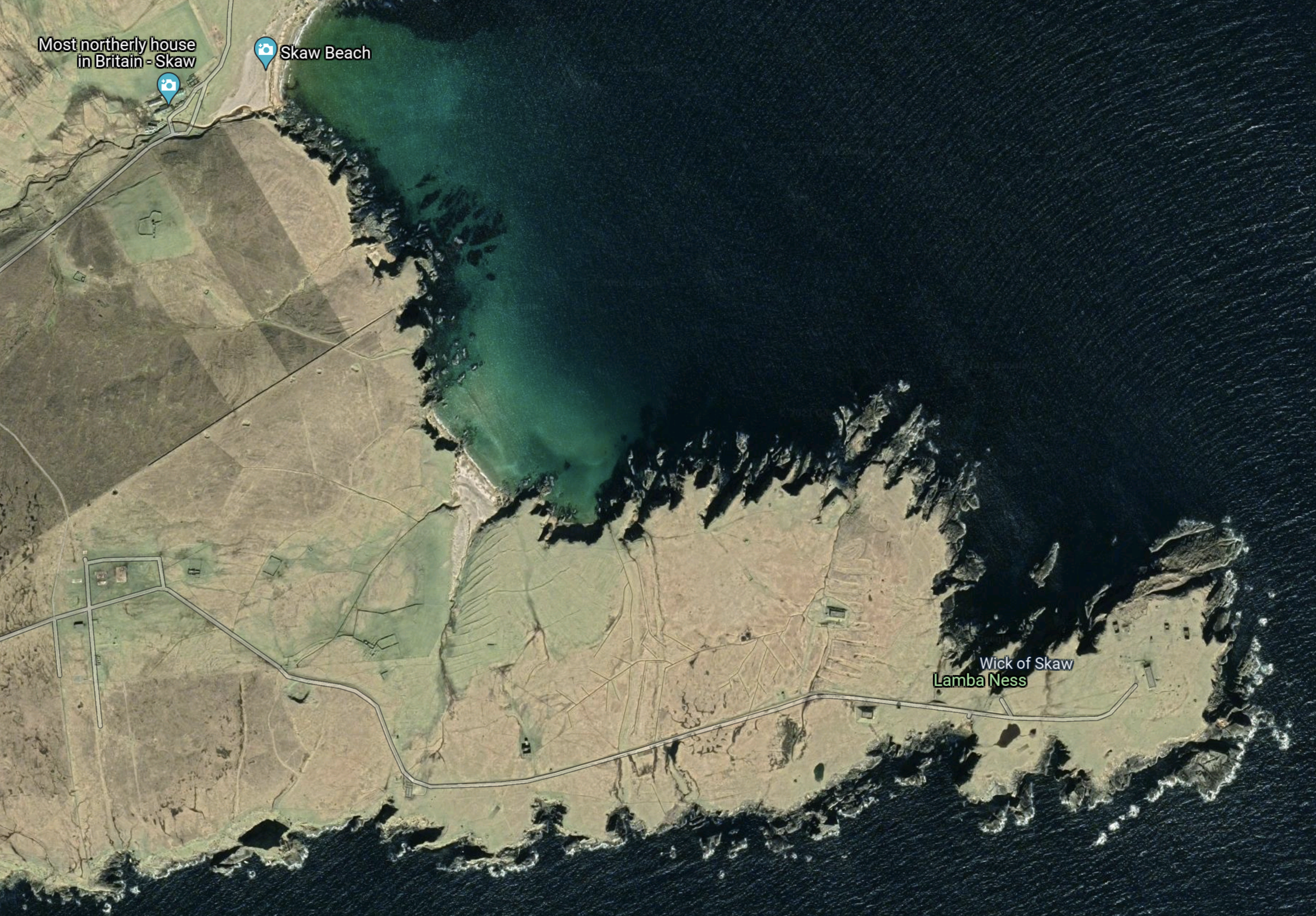
The peninsular in the South-East is marked Lamba Ness.
It may seem a very bleak place, but it could have one thing, that rocketry will need – rocket fuel!
In Do BP And The Germans Have A Cunning Plan For European Energy Domination?, I introduced Project Orion, which is an electrification and hydrogen hub and clean energy project in the Shetland Islands.
The project’s scope is described in this graphic.
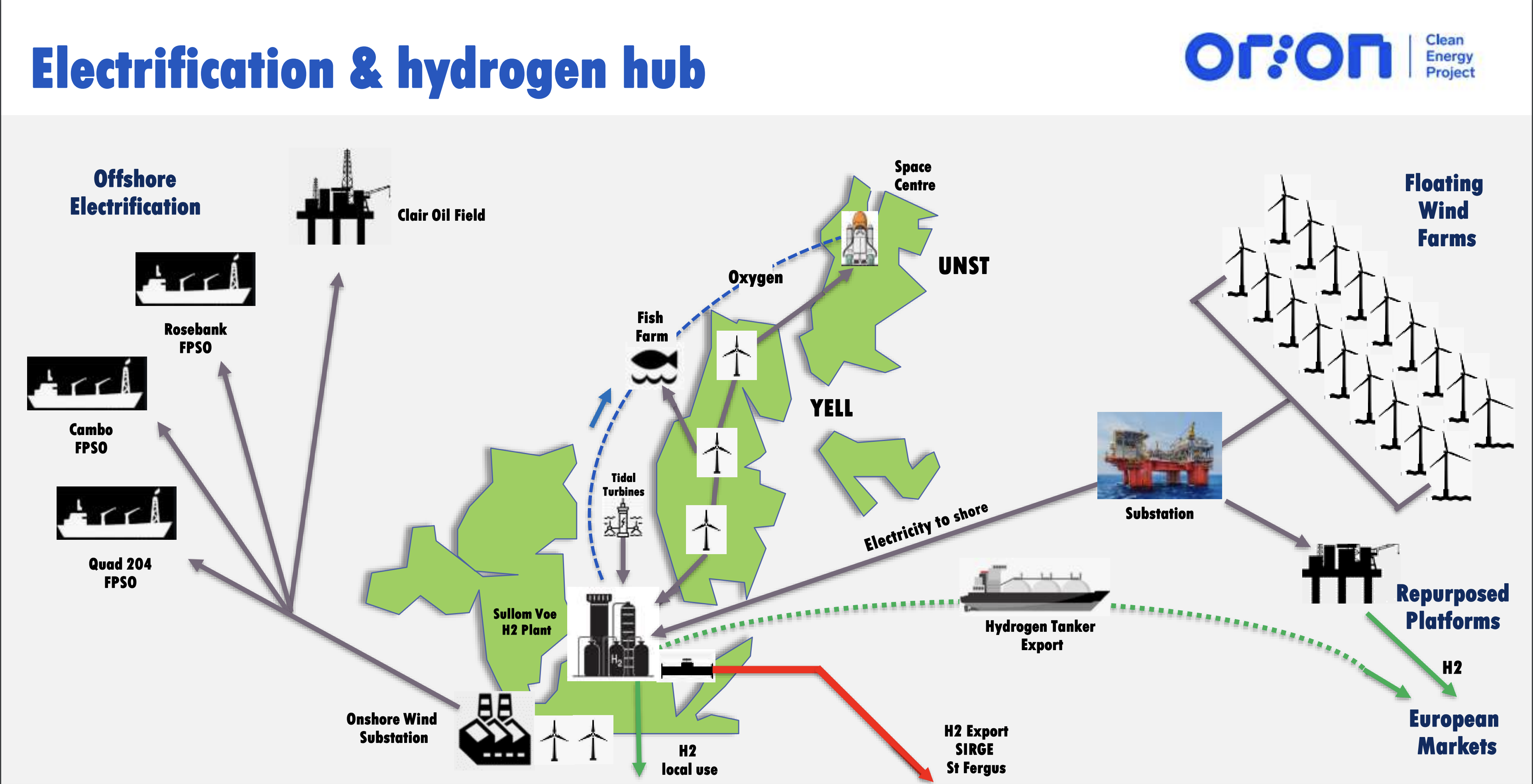
Note
- Project Orion now has its own web site.
- A Space Centre is shown on the Island of Unst.
- There is an oxygen pipeline shown dotted in blue from the proposed Sullom Voe H2 Plant to the Fish Farm and on to the Space Centre.
- I suspect if required, there could be a hydrogen pipeline.
The Space Centre on Unst could be fuelled by renewable energy.
Who Are Skyrora?
They have a web site, which displays this mission statement.
Represents a new breed of private rocket companies developing the next generation of launch vehicles for the burgeoning small satellite market.
The Times also has this paragraph.
At the end of last year, the company also completed trials of the third stage of its Skyrora XL rocket, including its orbital transfer vehicle which, once in orbit, can refire its engines 15 times to carry out tasks such as acting as a space tug, completing maintenance or removing defunct satellites.
The company seems to have big ambitions driven by innovation and a large range of ideas.
Conclusion
I shall be following this company.
Could The Morocco-UK Power Project Be Developed Into A Western Europe And Africa Interconnector?
This page on the Xlinks web site, describes the Morocco-UK Power Project, which is proposed to generate solar and wind power in Morocco and deliver it to the UK.
- The plan envisages 10.5 GW of electricity being generated.
- There will be a 5GW/20GWh battery in Morocco.
- They will export 3.6 GW of electricity to the UK for at least twenty hours per day.
- The electricity will be exported to the UK by an Interconnector that skirts to the West of Spain, Portugal and France.
- The interconnector will be 3,800 kilometres long.
I described the project in detail in Moroccan Solar-Plus-Wind To Be Linked To GB In ‘Ground-Breaking’ Xlinks Project.
This Google Map shows Western Europe And North Africa.

Note.
- The light blue of the Continental Shelf
- The darker blue of deeper water.
- The Southern end of the Morocco and the UK interconnector will at Guelmim Oued Noun in the South of Morocco, which is indicated by the red arrow.
- The UK end of the cable will be at Alverdiscott between Barnstaple and Bideford in North Devon.
- Southern Morocco and Algeria look to be mainly in the Sahara Desert.
If we look at the route of the cable, it connects a lot of possible renewable energy sources.
- Morocco – Solar and wind
- Spain – Solar and wind
- Portugal – Solar and wind
- France – Nuclear, tidal and wind
- UK – Nuclear and wind.
Could the UK and Morocco interconnector be developed into a bigger power project?
- Solar and wind power from Algeria could be added.
- Tidal power from a Severn Barrage could be added.
- Connections could be added to Gibraltar, the Irish Republic and Wales.
I believe that there could be a large amount of electricity developed on the Western costs of Europe and Africa.
An interconnector would move it to where it is needed.
Moroccan Solar-Plus-Wind To Be Linked To GB In ‘Ground-Breaking’ Xlinks Project
The title of this post, is the same as that of this article on Current News.
This is the first paragraph.
New solar and wind under development in Morocco is to be linked with Britain, with developer Xlinks also seeking to develop a cable manufacturing industry.
It looks to be a very challenging project.
- The HVDC cable will be 3,800 km long.
- The plan envisages 10.5 GW of electricity being generated.
- There will be a 5GW/20GWh battery in Morocco.
- They will export 3.6 GW of electricity to the UK for at least twenty hours per day.
- The electricity will be exported to the UK by a cable that skirts to the West of Spain, Portugal and France.
- The UK end of the cable will be at Alverdiscott in Devon.
All except the last are pushing current technology to the limit.
There is more information on the Morocco-UK Power Project page on the Xlinks web site.
- The company claims, that it can supply renewable energy, that acts like baseload power.
- When complete, it could supply eight percent of the UK’s energy needs.
These are my thoughts.
The 3,800 km. HVDC Link
This paragraph on the project web page describes the HVDC link.
Four cables, each 3,800km long form the twin 1.8GW HVDC subsea cable systems that will follow the shallow water route from the Moroccan site to a grid location in Great Britain, passing Spain, Portugal, and France.
It appears that would be 15200 kilometres of cable.
The longest HVDC link in the world is 2375 km. It’s overland and it’s in Brazil.
I can’t think otherwise, than that this will be a very challenging part of the project.
This Google map shows the area of Morocco, where the energy will be generated.
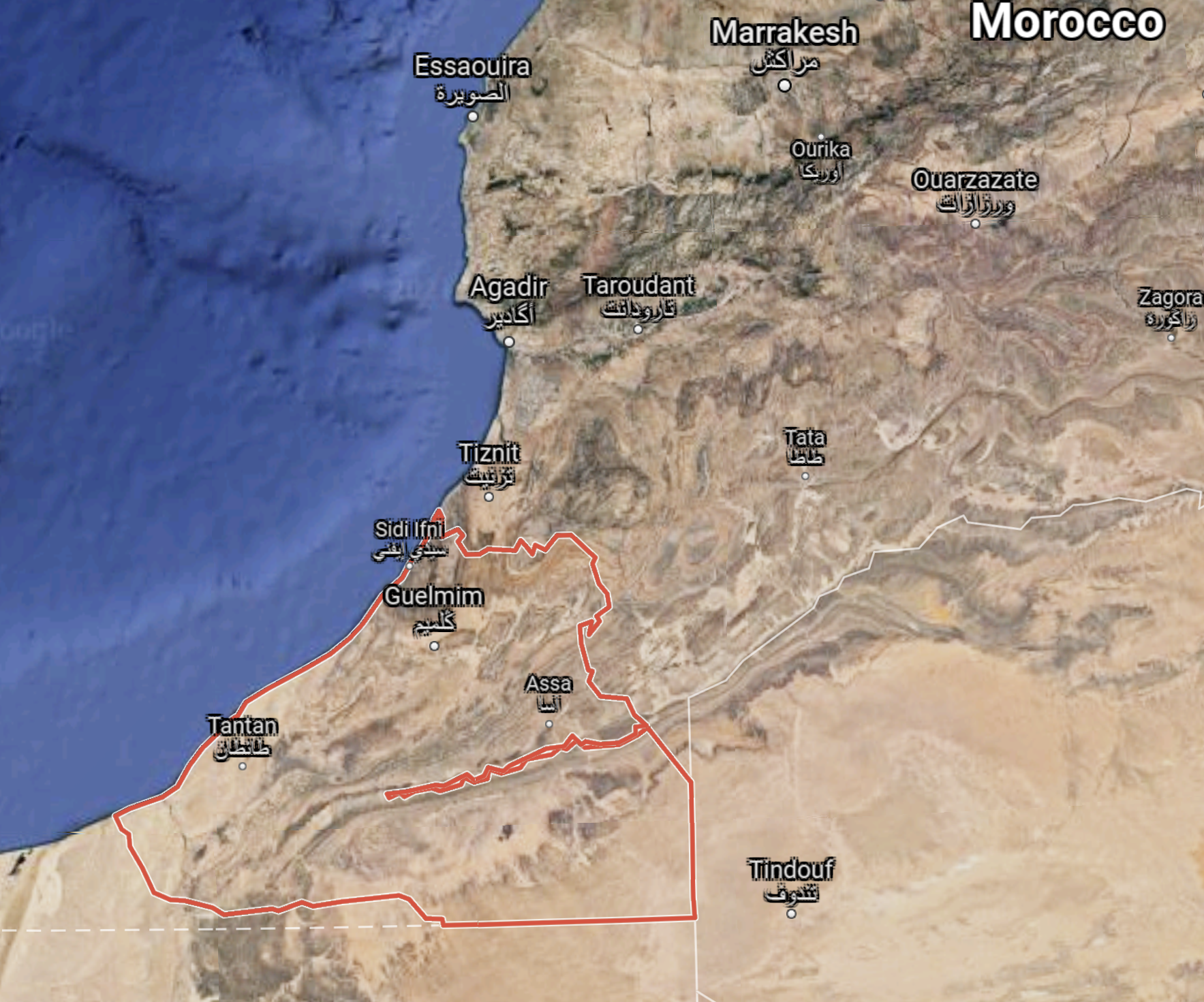
Note.
- Guelmim Oued Noun is outlined in red.
- The Canary Islands are just off the map to the West.
At least the project will be able to have convenient access to the sea.
This second Google Map shows the <Moroccan, Portuguese and Spanish coasts from Guelmim Oued Noun to the Bay of Biscay.

Note.
- The light blue of the Continental Shelf
- The darker blue of deeper water.
- Guelmim Oued Noun is outlined in red.
- The Canary Islands in the Atlantic Ocean to the West of Guelmim Oued Noun.
- Could the cable bring power to Gibraltar?
- There are other large cities on the route in Morocco, Portugal and Spain.
This third Google Map shows the Bay of Biscay.
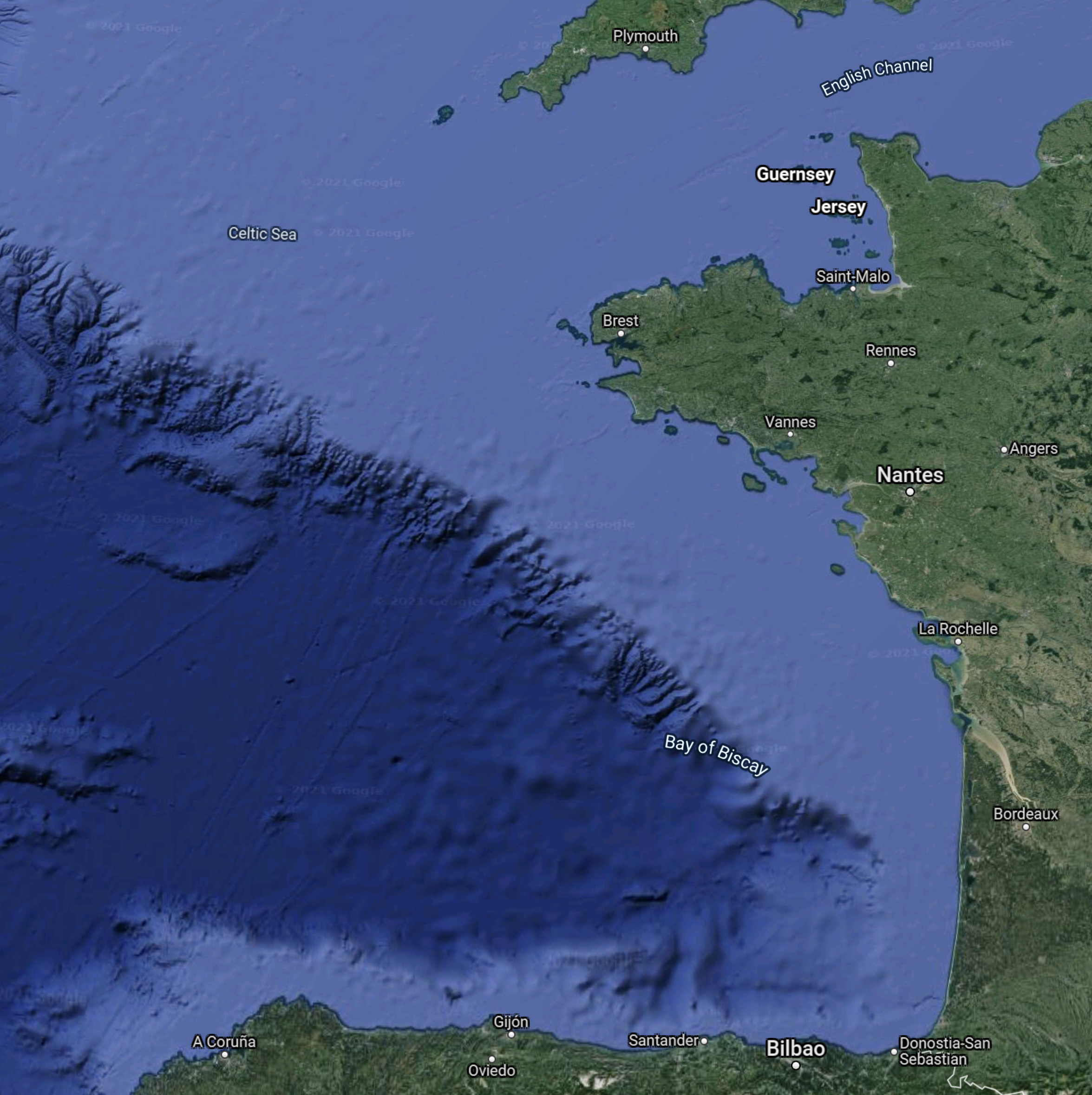
Note.
- The light blue of the Continental Shelf
- The darker blue of deeper water.
- There are a series of islands off the Spanish and French coasts.
- Could these islands be used as stepping stones for the cable?
This fourth Google Map shows the Western Approaches to the UK.
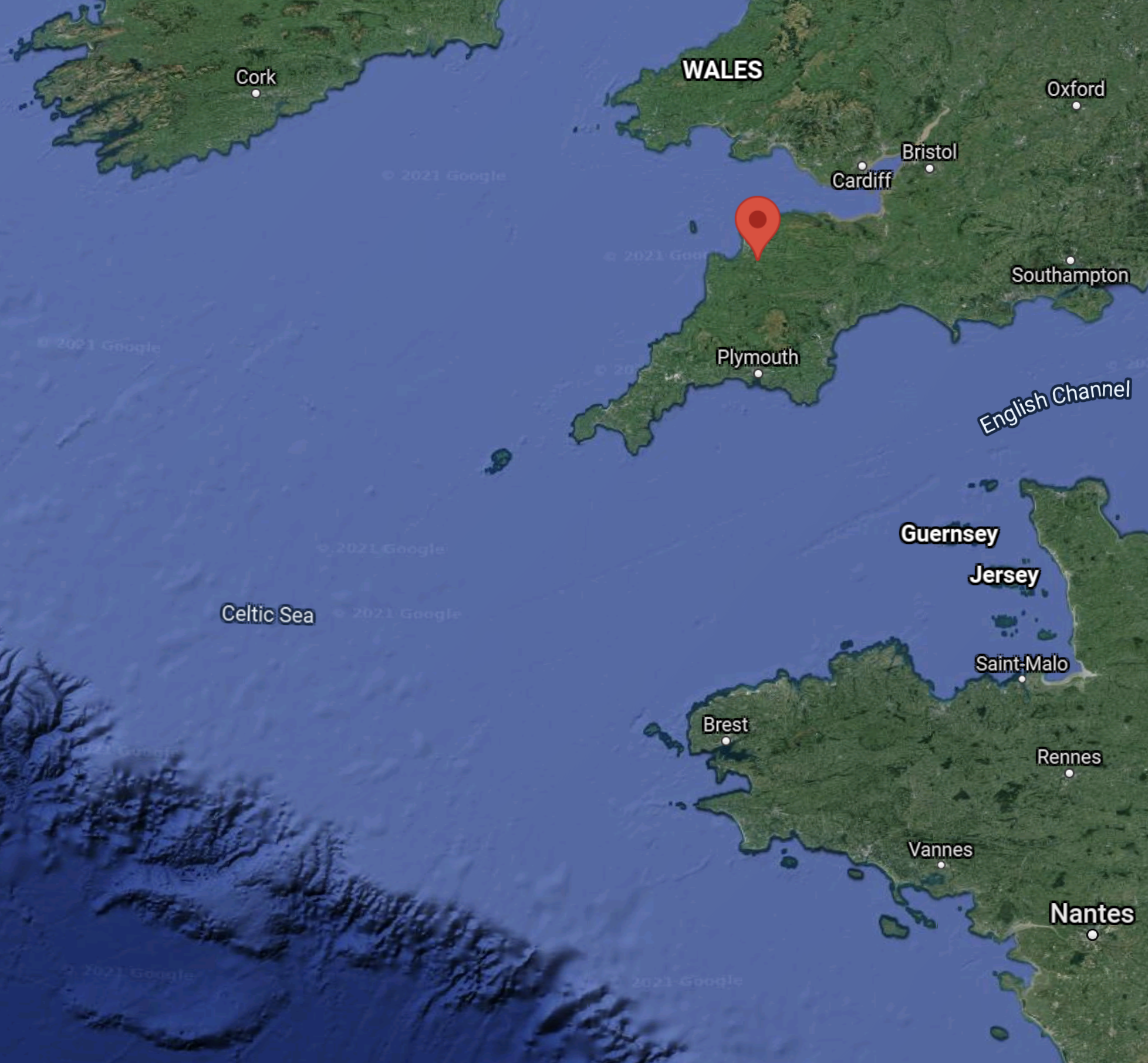
Note that the prominent red arrow indicates Alverdiscott, where cable connects to the UK National Grid.
This fifth Google Map shows Alverdiscott to Lundy Island.
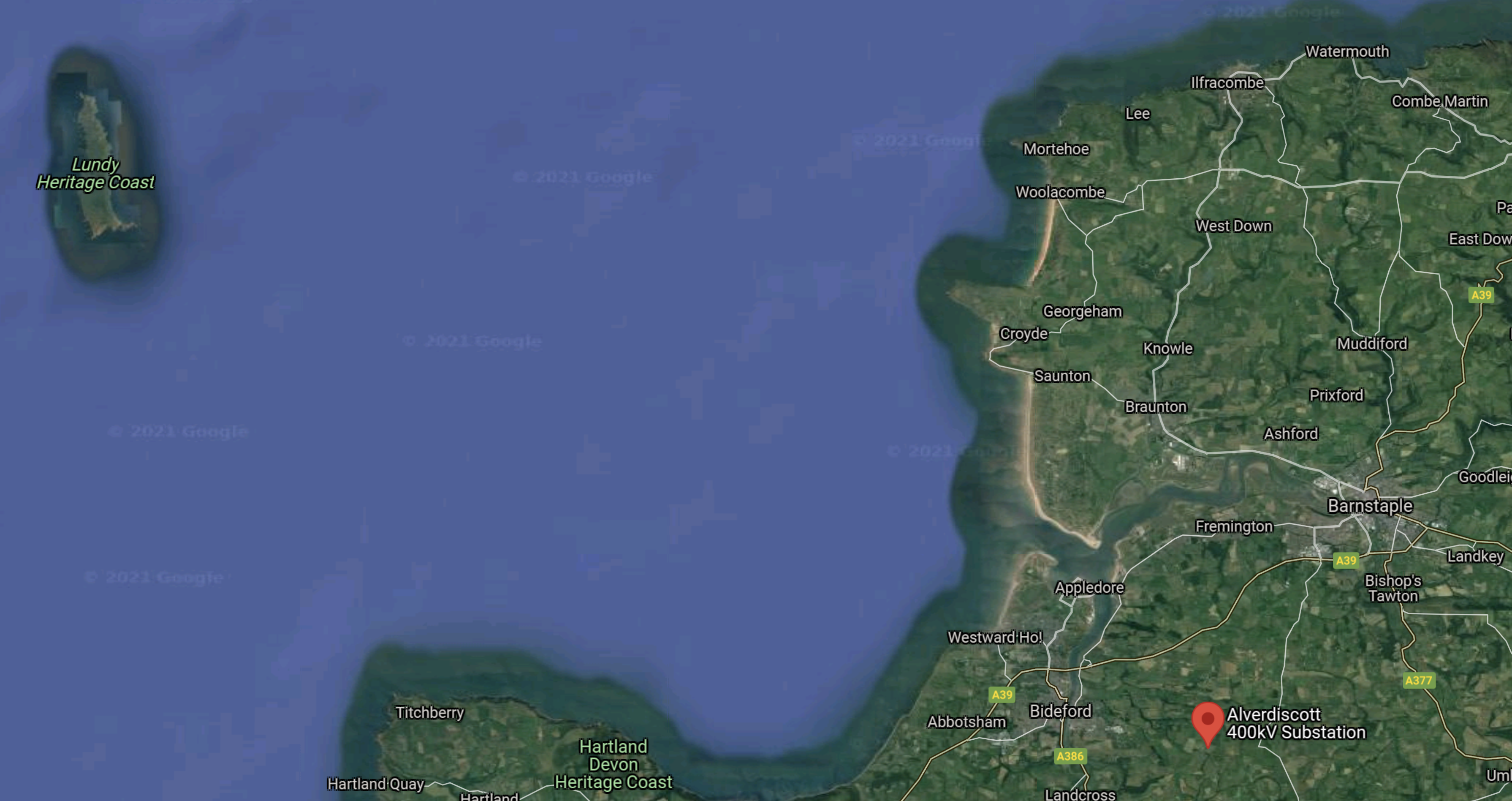
Alverdiscott substation is indicated by the red arrow.
This sixth Google Map shows the Alverdiscott substation in relation to the town of Bideford.
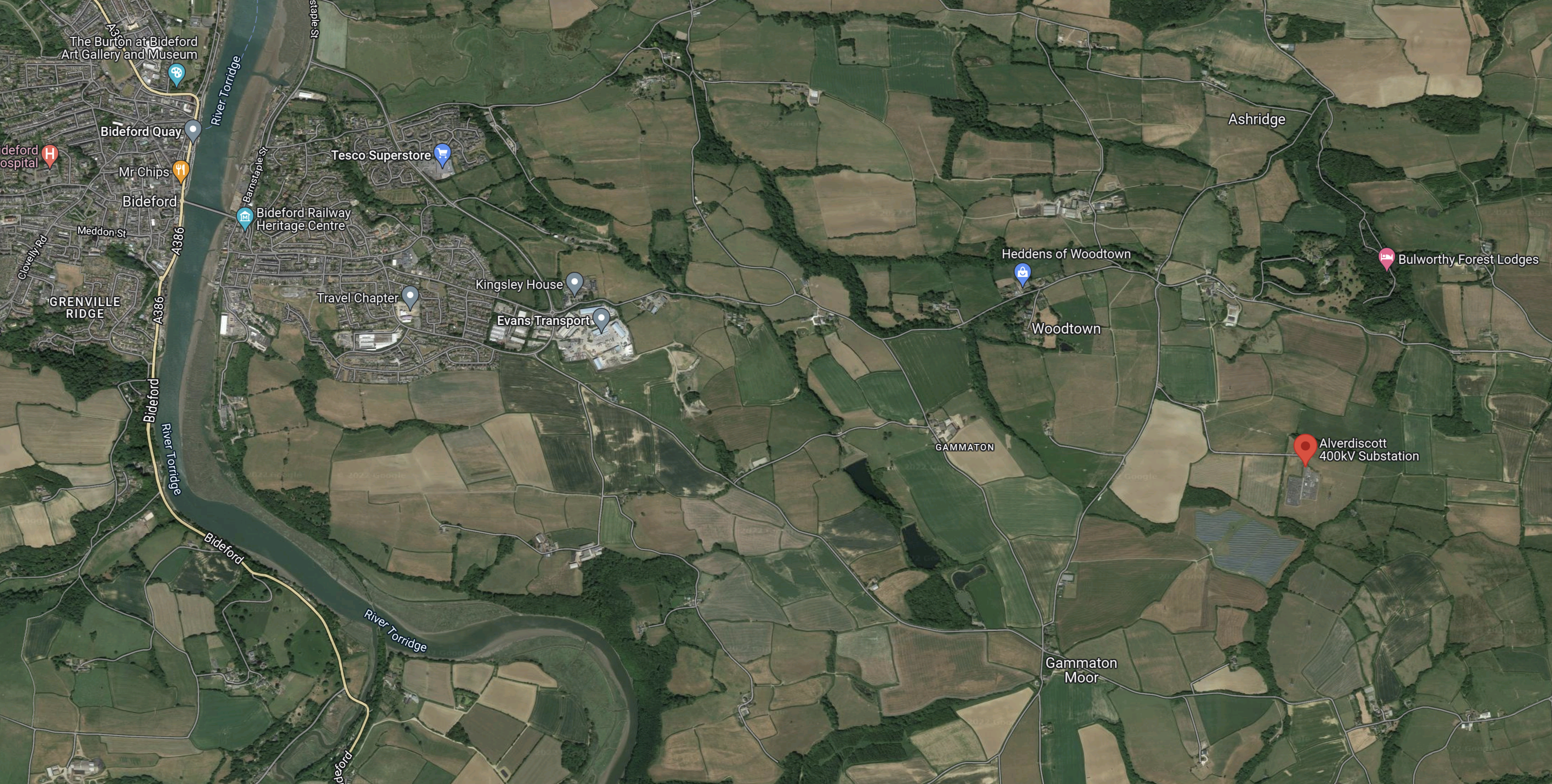
Note.
- Bideford is in the North-West corner of the map.
- The red arrow indicates the Alverdiscott substation.
- The River Torridge runs through the town of Bideford.
Could the river be used to bring the cables from Morocco to the substation?
This seventh Google Map shows the Alverdiscott substation
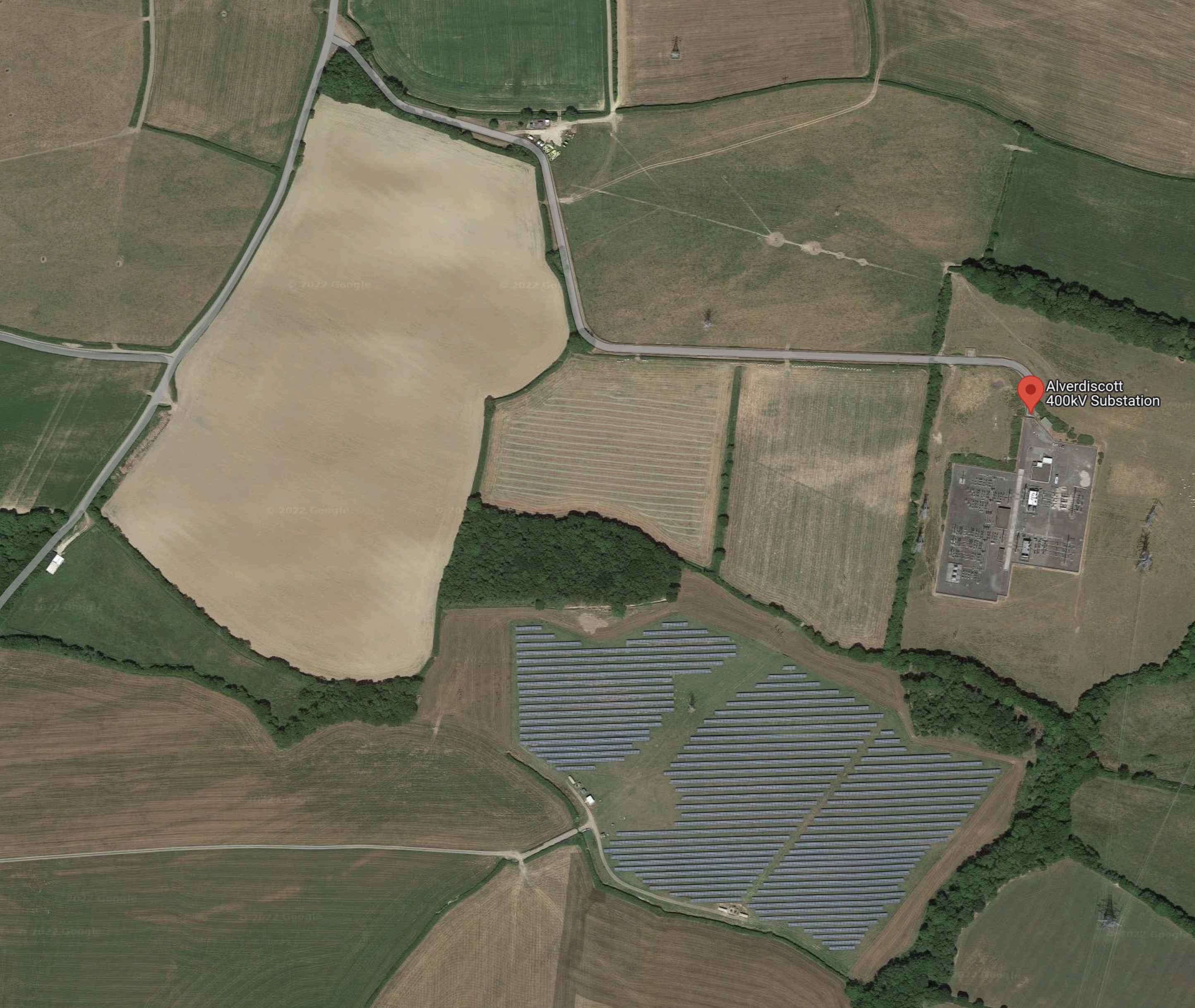
Note the solar farm to the South of the substation.
HVDC Cable
The article also says that they may be building their own cable-manufacturing facility. Does this indicate that there is a shortage of HVDC cable?
Judging by the number of proposed interconnectors proposed for UK waters, it might be a prudent move to improve cable-manufacturing capacity.
10.5 GW Of Zero-Carbon Electricity
This sentence on the project web page describes the power generation.
This “first of a kind” project will generate 10.5GW of zero carbon electricity from the sun and wind to deliver 3.6GW of reliable energy for an average of 20+ hours a day.
It appears that they will be providing a baseload of 3.6 GW to the UK for over twenty hours per day.
Consider.
- Hinckley Point C has an output of 3.2 GW.
- As I write this around midnight, the UK is generating 22.2 GW of electricity.
This paragraph from their web site describes the advantages of Morocco.
Most importantly, Morocco benefits from ideal solar and wind resources, required to develop renewable projects that could guarantee suitable power production throughout the year. It has the third highest Global Horizontal Irradiance (GHI) in North Africa, which is 20% greater than Spain’s GHI and over twice that of the UK. Furthermore, the shortest winter day still offers more than 10 hours of sunlight. This helps in providing production profiles that address the needs of the UK power market, especially during periods of low offshore wind production.
It is not a small power station in the wrong place.
The 5GW/20GWh Battery
That is a massive battery.
The world’s largest lithium-ion battery is Gateway Energy Storage in California. It has a capacity of 250 megawatts for one hour.
The proposed battery in Morocco is eighty times as large.
If I was choosing a battery for this application, I believe the only one that has been demonstrated and might work is Highview Power’s CRYOBattery.
I wrote about Highview’s similar type of application to Morocco in Chile in The Power Of Solar With A Large Battery.
But that installation only will only have storage of half a GWh.
But I believe Highview and their partner; MAN Energy Solutions can do it.
Conclusion
I wish the company well, but I have a feeling that there’s a chance, that this will join the large pile of dead mega-projects.
But I do feel that the solar and wind power station in Morocco will be developed.
And like the project in Chile it will have a large Highview CRYOBattery.
Namibia Is Building A Reputation For The Cheapest Green Hydrogen
The title of this post, is the same as that of this article on Hydrogen Fuel News.
This paragraph explains the deal that Germany and Namibia have done.
Germany, the largest economy in Europe, has just closed a partnership with Namibia, for a supply of the cheapest green hydrogen. The Southern African country is aiming to produce its H2, made with renewable energy, for prices as low as $1.8/kg. The European nation intends to import massive volumes of what it believes will be the most affordable renewable H2 in the world. It has signed a deal with Namibia that steps up the worldwide scramble to secure the best options for H2 supply connected with substantial renewable installations.
Note.
- Namibia has the ability to produce large amounts of solar and wind energy.
- I suspect the hydrogen will be converted to liquid ammonia for shipment to Germany.
The Gremans are building a large hydrogen terminal at Wilhelmshaven, which I wrote about in Uniper To Make Wilhelmshaven German Hub For Green Hydrogen; Green Ammonia Import Terminal.
Although, Namibia has now been an independent country since 1990, from 1884 to 1915 it was the German colony of German South West Africa.
Hopefully, this deal will work out to the benefit of both Germany and Namibia.
Could West Africa Become A Green Energy Powerhouse?
I ask this question, because I have just read this article on Hydrogen Fuel News, which is entitled Green Hydrogen Potential Causes Germany to court West African countries.
The article has this sub-title.
Nations in that part of Africa have the capacity to meet 1500 times Germany’s 2030 H2 demand.
That would appear to be a massive amount of hydrogen.
This extract from the article, talks about energy production.
Initial results for the 15 West African Economic Area (ECOAS) countries revealed that a massive three quarters of West African land is appropriate for wind turbines. Moreover, the electricity production from wind energy in the region costs about half the amount it would in Germany.
Additionally, solar power systems can also be economically operated on about one third of the West African region.
Add in a few large electrolysers and you have the hydrogen.
The hydrogen can be transported to Germany by tanker, either as hydrogen or ammonia.
The German strategy is to be underpinned by education, as this extract explains.
In support of developing West African green hydrogen production, a new master’s graduate program on clean H2 technology will begin in September. The purpose of the program will be to train local green hydrogen scientific specialists. The first three waves of the program are expected to train about 180 students attending four universities in Côte d’Ivoire, Togo, Senegal, and Niger.
Perhaps the Commonwealth should do something similar in West African countries like Gambia, Ghana, Nigeria and Sierra Leone.
After all many parts of Australia have very similar climate and population densities and probably energy generation potential to large parts of West Africa.
The Geographical Advantage
It should also be noted that geographically West Africa is close to Europe by ship.
There are no pinch points like the Suez Canal
As the European hydrogen gas network grows, the journey will get shorter.
Does anybody know how long it would take a tanker to go between say Accra in Ghana to Rotterdam?
Conclusion
I would see four main benefits coming to West Africa.
- Electricity for all.
- Employment to support the new industries.
- Hydrogen to power transport.
- The value of all those exports.
Hopefully, the standard of living of all those in West Africa would improve.
WindH2 Hydrogen Project Commissioned In Germany
The title of this post, is the same as that as this article on Chemical Engineering.
This is the introductory paragraph.
Salzgitter AG, Avacon and Linde have taken an important step on the path to decarbonizing the steel industry. With the commissioning of “Wind Hydrogen Salzgitter – WindH2”, Germany’s only cross-sector project, green hydrogen will be produced in future with electricity generated by wind power on the site of the steelworks in Salzgitter.
This sentence describes the hydrogen production.
Avacon, a member of the E.ON Group, operates seven newly built wind turbines with an output totaling 30 megawatts on the premises of Salzgitter AG. Salzgitter Flachstahl GmbH has installed two Siemens 1.25 megawatt PEM electrolyzer units on its plant site that are capable of producing around 450 m3 per hour of ultra pure hydrogen.
It appears that Salzgitter AG are initially using hydrogen to cut their carbon footprint.
To get an impression of the size of the steelworks, look at this Google Map.
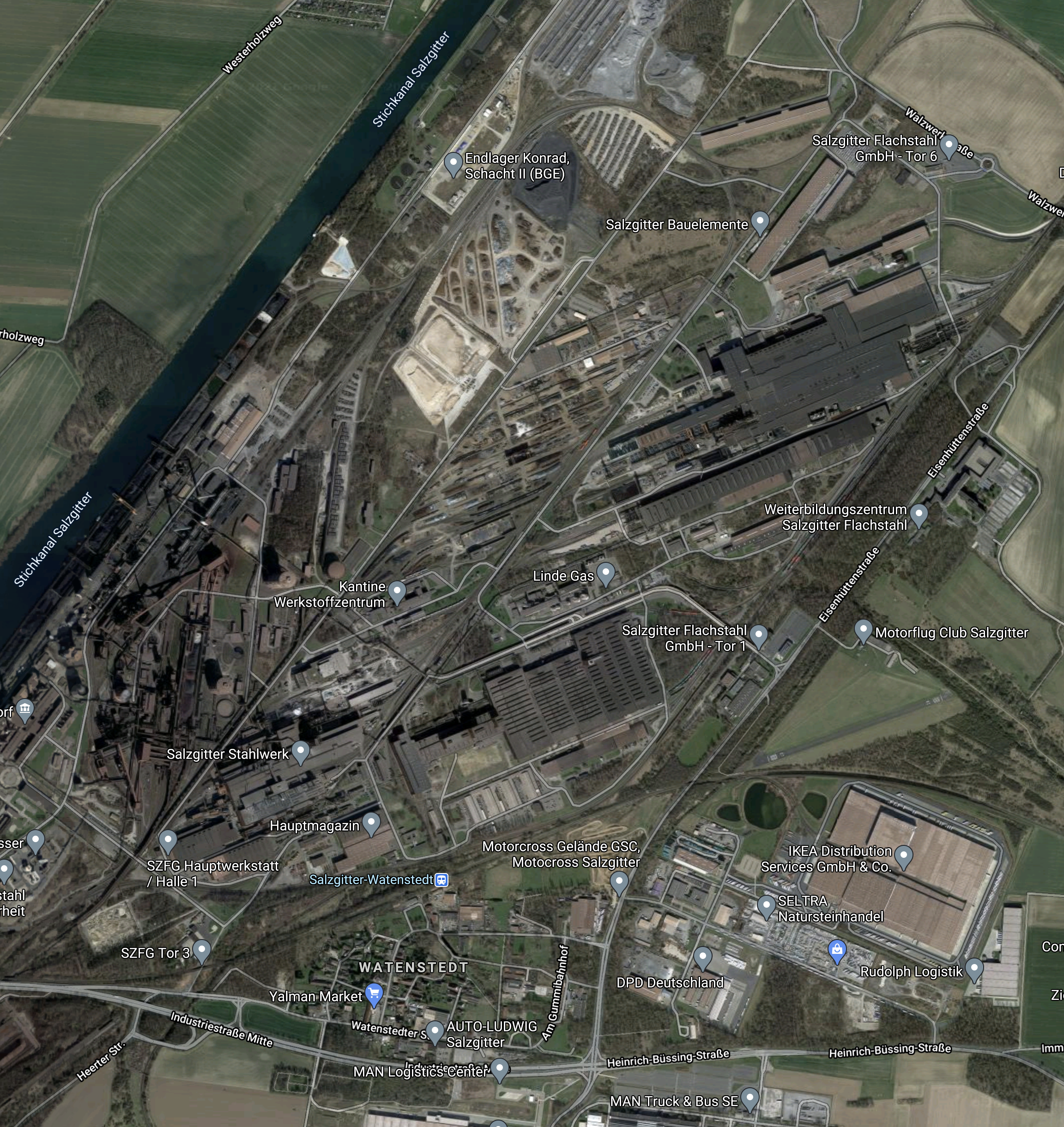
Note that if you click on the map to show it in a large scale, stahl is German for steel.
The article is certainly worth a read.
Morocco Could Produce Up To 4% Of World’s Green Hydrogen By 2030
The title of this post, is the same as that of this article on Morocco World News.
This is the first paragraph.
Morocco could produce up to 4% of the global demand for green hydrogen by 2030, according to the German Ministry of Economic Cooperation and Development.
They are aiming to produce 10,000 tonnes of hydrogen per year by 2025.
Wikipedia has an informative topic called Energy Policy in Morocco, which indicates the following.
- The country has little oil and gas reserves. Although it does have some oil shale, that could be developed.
- Wind, solar and hydro power are being developed.
- They could install a nuclear power station East of Rabat.
It sounds, that they could have an electricity structure, that would be ideal for the production of green hydrogen.
Conclusion
Morocco could be joining an ever growing club, which includes Australia, Saudi Arabia and Spain, who will produce hydrogen for export to countries like Germany, Japan and South Korea.
North Dakota Coal Country Backlash Against Wind Energy Is Misguided, Wind Advocates Say
The title of this post, is the same as that of this article on Inforum.
This is the introductory paragraph.
Two counties in North Dakota coal country have passed policies aimed at banning wind power development — but federal studies show that abundant natural gas is chiefly to blame for the closure of coal-fired power plants.
It appears that the closure of 1151 MW Coal Creek power station in 2022, will cost almost a thousand jobs.
This is the downside of decarbonisation.
These two paragraphs give a flavour of the argument.
Coal country officials have said they’re not against wind power, but said the economic benefits of wind can’t begin to compare to the contributions, in jobs and tax revenues, to coal-fired power plants and the mines that supply them. Most jobs involving a wind farm come during construction.
“There will be a limited number of permanent jobs after the tower is up, if and when that happens,” said Buster Langowski, the Mercer County economic development director. Wind farms need only four or five employees to operate. “That’s not a lot of folks.”
It appears that the changeover needs to be better managed.
Work Begins On New Substation For World’s Longest Electricity Cable Between Denmark and Lincolnshire
The title of this post, is the same as that, of this article on Lincolnshire Live.
This is the sub-title.
Britain and Denmark will be able to share enough clean energy to power 1.5 million homes.
The Viking Link is a 1400 MW at 525 KV electricity interconnector between Bicker Fen in Lincolnshire and Revsing in Jutland, Denmark.
This Google Map, shows the location of Bicker Fen, about halfway between Boston and Sleaford.

This second map shows an enlarged view of the Bicker Fen area.
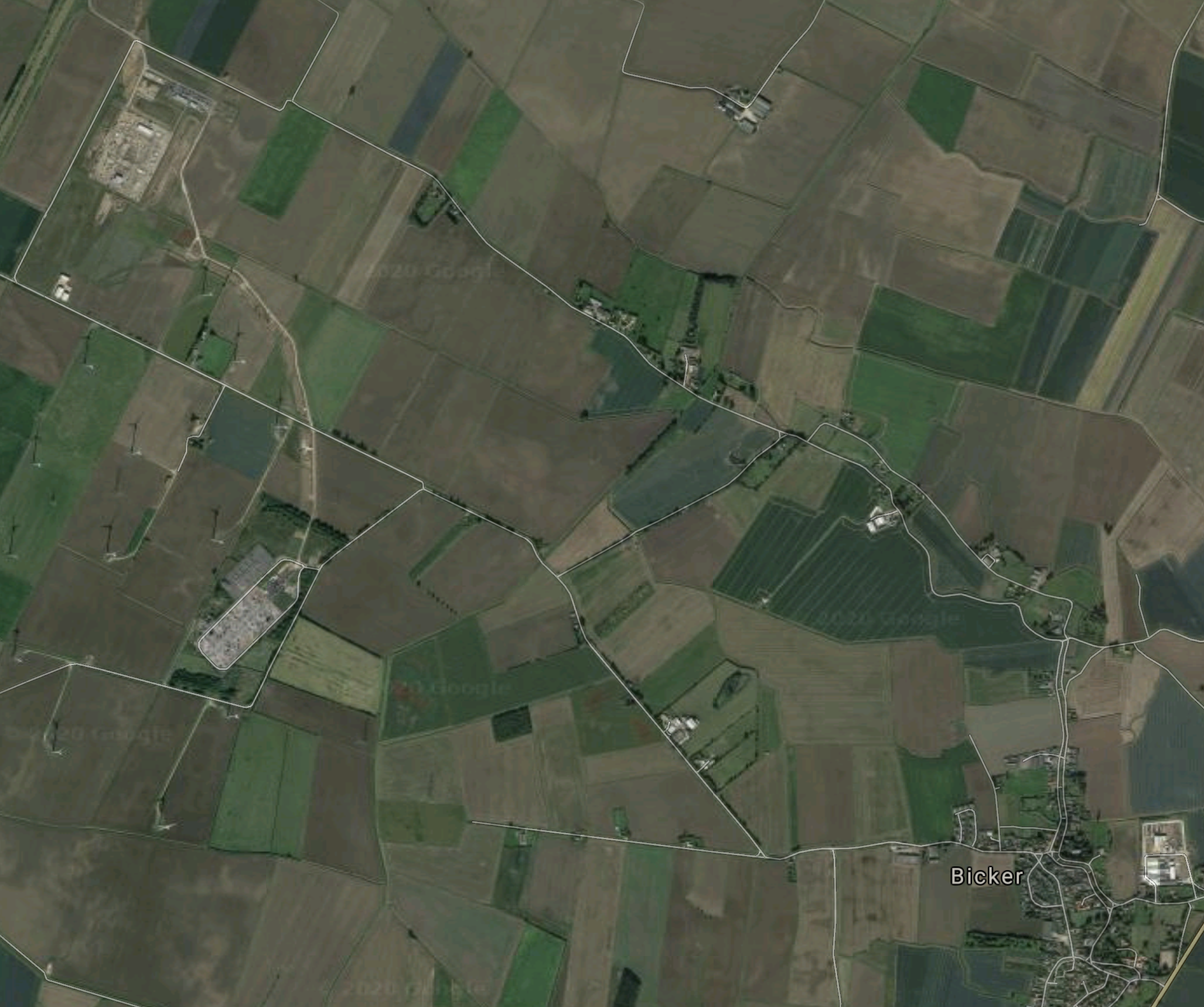
Note.
- The village of Bicker in the South-East corner of the map.
- In the North-West corner of the map is Bicker Fen Wind Farm.
This third map shows the wind farm.
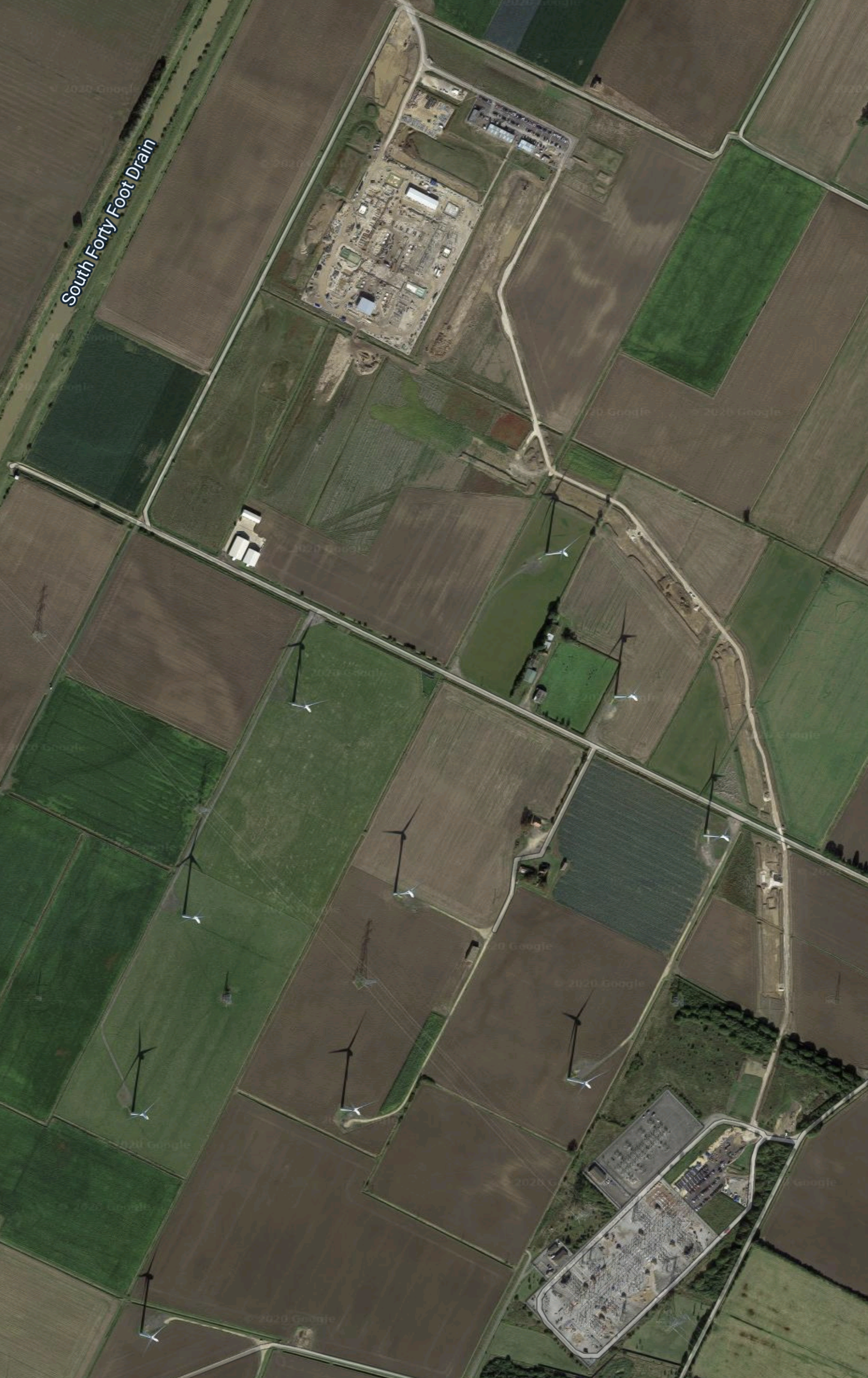
Note the thirteen wind turbines between the two sub-stations full of wo electrical gubbins.
This sentence from the Wikipedia entry for Bicker, gives more details of the wind farm and the future plans for the area.
North of the main line of 400 kV pylons is the Bicker Fen windfarm consisting of 13 turbines producing 26 MW (2 MW each), enough for 14,000 homes. The construction of the windfarm met some local objection. The windmills sit north from Poplartree Farm and were built in June 2008 by Wind Prospect for EdF. They are of the type REpower MM82, made in Hamburg. Bicker Fen substation is also the proposed landing site for a 1,400 MW power cable from Denmark called Viking Link, as well as the proposed offshore wind farm Triton Knoll.
Triton Knoll is a big wind farm, with a planned capacity of 857 MW and should start producing electricity in the next couple of years.
Conclusion
The Viking Link and Triton Knoll are obviously a good fit, as the UK will be able to exchange energy as required.
But it would appear that there’s one thing missing from this setup – energy storage.
I wouldn’t be surprised to see a large battery built at Bicker Fen. Something, like one of Highview Power‘s CRYOBatteries might be ideal.
 The Anonymous Widower