There is an article in The Sunday Times today, which is entitled Google Signs Nuclear Deal To Power AI Data Centres.
These are the first three paragraphs of the article.
Google has struck a deal with a nuclear power start-up to provide low-carbon energy for its data centres and AI operations, marking a world-first in the tech industry.
The California-based company said the agreement to buy energy from multiple small modular reactors developed by Kairos Power could help spur a nuclear revival in America.
The first reactor is scheduled to come online in America by 2030, followed by additional deployments through 2035.
I am not against nuclear-powered data centres, but could Liverpool build a massive zero-carbon data centre?
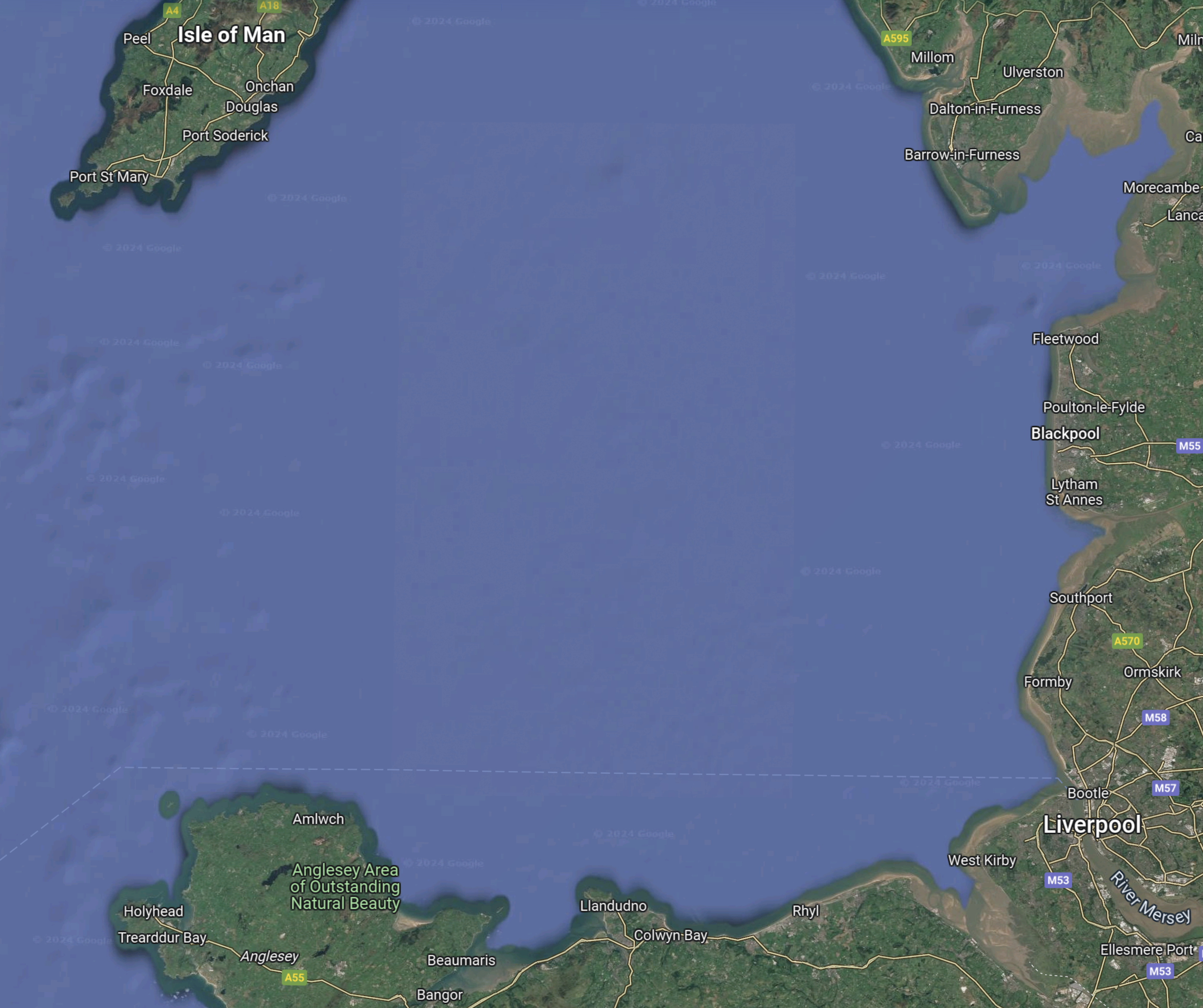
This Google Map shows Liverpool Bay, which is a vast expanse of water that stretches along the North Wales coast to Anglesey and all the way to the Isle of Man.
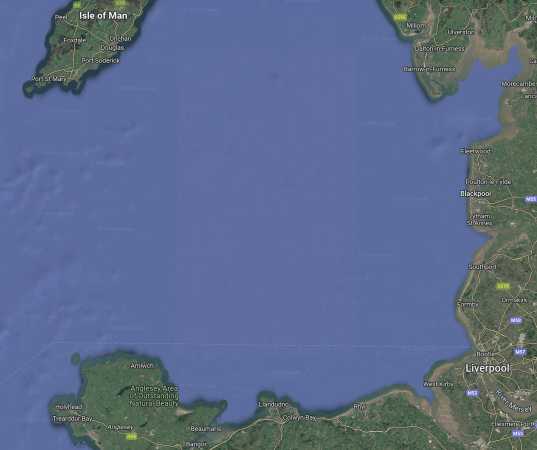
Note.
- The Isle of Man in the North-West corner.
- Liverpool, Birkenhead and the River Mersey in the South-East corner.
- Anglesey in the South-West corner.
- Blackpool with Morecambe Bay to its North in the North-East corner.
Liverpool Bay could be one of Europe’s zero-carbon energy powerhouses.
Wind Farms In Liverpool Bay
At the present time, these wind farms are producing electricity or planned in Liverpool Bay.
- Barrow – 90 MW – Commissioned in 2006
- Burbo Bank – 90 MW – Commissioned in 2007
- Burbo Bank Extension – 258 MW – Commissioned in 2017
- Gwynt y Môr – 576 MW – Commissioned in 2015
- North Hoyle – 60 MW – Commissioned in 2003
- Ormonde – 150 MW – Commissioned in 2012
- Rhyl Flats – 90 MW – Commissioned in 2009
- Walney – 367 MW – Commissioned in 2010
- Walney Extension – 659 MW – Commissioned in 2018
- West if Duddon Sands – 389 MW – Commissioned in 2014
- Awel y Môr – 500 MW – Planned
- Morecambe – 480 MW – Planned
- Mona – 1500 MW – Planned
- Morgan – 1500 MW – Planned
Note.
- 2509 MW has been commissioned.
- 3980 MW is being planned.
- That is a total of 6489 MW
I suspect more space in Liverpool Bay could be developed with wind farms.
Mersey Tidal Power
The Mersey Tidal Power project has a web site.
If it is built, it will probably be built by the South Korean company; K-Water and use some of the design principles of the Sihwa Lake Tidal Power Station.
It will likely have an output of around 1 GW and take ten years to build.
In the 1970s, I did some project management consultancy for Frederick Snow and Partners, and they showed me their plans for a Severn Barrage.
Their futuristic vision for the Severn Estuary was never built, as the Prime Minister of the time; Harold Wilson, felt coal was the future. See Last Of The Many!
I suspect that the Mersey Tidal Power project will be another variation on a proven theme.
Morecambe Bay Bridge And Tidal Barrage Proposal
In the Wikipedia entry for Morecambe Bay, there is a proposal for a bridge and tidal barrage across the bay, where this is said.
In 2004, a proposal was made to build a bridge across the bay flanked by wind turbines and using tidal power. Proposals from Northern Tidal Power Gateways in 2019 outlined a tidal barrage with a road running along on top.
If the Mersey Tidal Power project is a success, then why wouldn’t one across Morecambe Bay, be one too?
500 MW of zero-carbon tidal power would do nicely!
Nuclear Sites At Calder Hall, Heysham And Wylfa
These three nuclear stations have supplied electricity to the North-West of England.
- Calder Hall was the original Magnox site, which the Wikipedia entry says had a nameplate capacity of 240 MW and was decommissioned in 2003, after running for 47 years.
- Heysham is a powerful site which the Wikipedia entry says has a nameplate capacity of 2452 MW and will be decommissioned in 2028.
- Wylfa is an older, smaller Magnox site which the Wikipedia entry says had a nameplate capacity of 1190MW and was decommissioned in 2015.
As the sites are cleared, I am sure that we’ll see more nuclear power stations built on the sites.
How Much Electricity Does A Data Centre Use?
I found this paragraph in an NESO document.
Regardless of this, if we were to use existing market data and modelling projections, this could point to annual data centre electricity consumptions of between 3.6 TWh in 2020 to as much as 35 TWh by 2050.
Dividing by the hours in a year, indicates that an individual data centre could use between 0.4 and 4 GW of electricity.
Using my rough figures here from wind, tidal and nuclear, I suspect that the power on the Mersey will generate enough power for at least one data centre.
Liverpool Is On The Right Side Of The Country For Cables To North America
Cables will go straight out of Liverpool Bay, pass to the North of Ireland and across the Atlantic to somewhere like Puget Sound.
Liverpool has a superb location for a Transatlantic data centre, that connects to networks on both sides of the pond.
Could Underwater Data Centres Be Developed In Liverpool Bay?
This page on the Microsoft web site is entitled Microsoft Finds Underwater Datacenters Are Reliable, Practical And Use Energy Sustainably
These three paragraphs detail the research.
Earlier this summer, marine specialists reeled up a shipping-container-size datacenter coated in algae, barnacles and sea anemones from the seafloor off Scotland’s Orkney Islands.
The retrieval launched the final phase of a years-long effort that proved the concept of underwater datacenters is feasible, as well as logistically, environmentally and economically practical.
Microsoft’s Project Natick team deployed the Northern Isles datacenter 117 feet deep to the seafloor in spring 2018. For the next two years, team members tested and monitored the performance and reliability of the datacenter’s servers.
I would assume that Microsoft have continued the research, as with something like this you can’t be too careful.
But it would appear, that data centres and their servers could be submerged under the waters of Liverpool Bay.
London And Liverpool Will Be Under Two Hours By Train Within A Year
New Class 807 trains, which will be delivered within a year, will improve the train service between the two cities.
- Train times will be brought to around or even below two hours.
- , The extra trains will allow a second hourly service to be added.
- The extra service will additionally stop at Liverpool South Parkway station, for the airport.
- High Speed Two is claiming one hour and fifty minutes, between London and Liverpool.
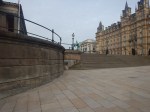
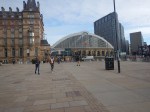
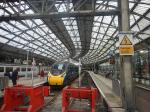
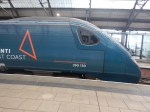
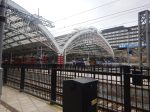
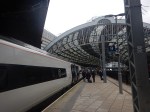
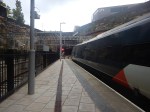
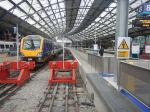
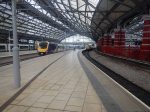
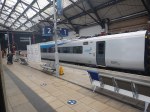
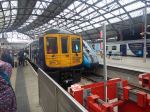
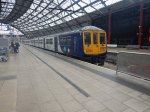
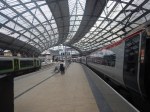
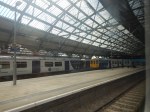
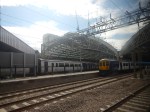
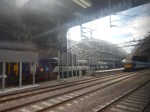
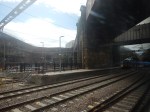
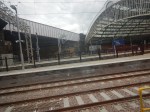
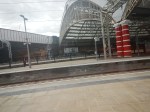
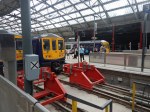
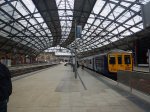
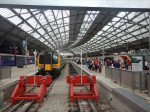
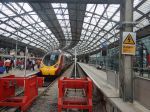
Liverpool already has one of the best rail terminals in the North of England, as these pictures show.
With these service improvements, it will have a service to London and the South, that will be second to no other Northern station.
Liverpool Has A Refurbished Partly-Underground Suburban Railway With New Trains
Liverpool’s Metro is one of the best in Europe for a medium-sized city.
The Metro is also expanding with new routes and stations.
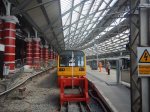
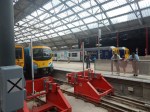
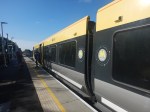
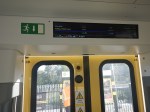
These pictures show the new Headbolt Lane station, which is swerved by the UK’s first battery-electric trains.
Liverpool Has Easy Access To Two International Airports
There are two international airports close by; Liverpool John Lennon and Manchester International.
- For Liverpool Airport, it’s a bus from Liverpool South Parkway station or an express bus from Liverpool city centre.
- For Manchester Airport, it’s a train from Lime Street station.
I am fairly sure, that a hydrofoil could connect Liverpool’s Waterfront and the Tidal Barrier to the airport.
North-West England Has A Rich University Tradition
Liverpool, Manchester and the surrounding area has several world-class universities and research establishments.
Some like The Pandemic Institute would be able to find uses for all the computing power and artificial intelligence on offer at a powerful data centre.
Liverpool Is A World City
Liverpool is a World City, where there is plenty of sport, entertainment and things to do.
Conclusion
Liverpool is installing the power infrastructure for a very large data centre, that will be able to handle the world’s largest and most difficult problems.
October 21, 2024
Posted by AnonW |
Artificial Intelligence, Computing, Energy | Anglesey, Blackpool, Calder Hall Nuclear Power Station, Class 807 Train, Data Centre, Frederick Snow, Google, Heysham Nuclear Power Station, High Speed Two, Isle Of Man, K-Water, Kairos Power, Korea, Liverpool, Liverpool Airport, Liverpool Bay, Liverpool South Parkway Station, Manchester Airport, Mersey Tidal Power, Microsoft, Morecambe Bay, Nuclear Power, Nuclear-Powered Data Centre, Offshore Wind Power, Research, Severn Barrage, Sihwa Lake Tidal Power Station, Tidal Power, Wind Power, Wylfa Power Station |
8 Comments
In the 1970s, I was doing a small project management consultancy job at Frederick Snow and Partners.
They had developed a plan to barrage the River Severn and use the tides to generate about ten percent of the UK’s required electricity.
Harold Wilson’s government turned the idea down, as they felt large coal-fired power stations like Drax and Fiddlers Ferry were the future.
I was shown the plan for the River Severn and thought it had merit and still believe that one day it will be built.
Starting at the beginning of October, Liverpool will be showing their plan for the world’s largest tidal barrier.
These are the dates.
- Museum of Liverpool, Mann Island, Liverpool L3 1DG – Thursday 3 October – 3pm to 7pm
- Delamere Community Centre, Delamere Avenue, Eastham, Wirral CH62 9ED – Friday 11 October – 2pm to 7pm
- The Gateway, 85-101 Sankey Street, Warrington WA1 1SR – Saturday 12 October – 10am to 4pm
- The Lake House, Cambridge Road, Waterloo, Liverpool L22 1RR – Monday 14 October – 2pm to 7pm
- Floral Pavilion Theatre, Marine Promenade, New Brighton, Wirral CH45 2JS – Thursday 17 October – 2pm to 7pm
- The Florrie, 377 Mill Street, Dingle, Liverpool L8 4RF – Saturday 19 October – 10am to 4pm
- Shakespeare North Playhouse, Prospero Place, Prescot L34 3AB – Saturday 26 October – 10am to 4pm
- Ellesmere Port Civic Hall, Civic Way, Ellesmere Port CH65 0AZ – Monday 4 November – 2pm to 7pm
- Totally Wicked Stadium, McManus Drive, St Helens WA9 3AL – Tuesday 5 November – 2pm to 7pm
- Runcorn Masonic Hall, York Street, Runcorn WA7 5BB – 10am to 4pm
I shall post on this page, when I will be in the city to look at the event.
September 23, 2024
Posted by AnonW |
Design, Energy, World | Frederick Snow, Harold Wilson, Liverpool, Mersey Tidal Power, Project Management, River Mersey, River Severn, Severn Barrage, Tidal Power |
Leave a comment
In the 1970s, for a few weeks, I did a project management consultancy on the new Belfast international Airport.
I am sure they felt I was more experienced than I was, because they gave me a report on their proposal to barrage the River Severn and asked me to comment.
As consultant engineers, who had designed Gatwick Airport, the main feature of the barrage, was a central spine in the River with a major two-runway airport on top.
- The runways would have pointed into the prevailing wind, which would have made take-offs and landings, efficient and safe.
- A few minutes and perhaps five percent of fuel would have been saved on flights to the West.
- The central spine would have divided the river into two parallel lakes; a high lake and a low one.
- I seem to remember, that the high lake was on the Welsh side.
At the Western end of the lake and the spine, there would have been a barrage.
- Sluice gates would have controlled the water flows into and out of the two lakes.
- The barrage would have also served as the Second Severn Crossing.
- The barrage would have been designed to reduce flooding along the River Severn.
- There would have been a lock on the English side, to allow ships to pass through the barrage.
The turbines would have been under the airport.
- They would have generated power by transferring water from the high to the low lake.
- About ten percent of England’s power could have been generated.
- I feel, that if the system were to be built now, pumped storage could be incorporated.
The sequence of operation of the power station would have been as follows.
- On an incoming tide, the sluices in the barrage to the high lake would be opened.
- Water would flow into the high lake.
- So long as the water level in the high lake was high enough and the water level in the low lake was low enough, electricity would be generated.
- On an outgoing tide, the sluices in the barrage to the low lake would be opened.
- Water would flow out from the low lake.
I believe that because the water levels can be precisely controlled, this tidal power station, would have been able to provide the power needed.
One of their engineers told me, that Harold Wilson’s government had turned the project down, as the Government believed that large coal power stations were the future.
Can you imagine, Canada, Japan, Korea, Norway, Spain, Sweden, Switzerland or many other companies even in the 1970s, taking such a short-sighted decision?
Over the years of this blog, I make no apology about returning to the subject of the Severn Barrage, with these posts.
I still feel strongly, that it was a tragedy for this country, that the Severn Barrage was never built in the last century.
Conclusion
Any engineer, who trained in the 1960s after the Aberfan Disaster knew that coal had no future.
But nobody had seemed to have convinced Harold Wilson of this fact.
So instead of the clean power from the Severn Barrage, we got more polluting coal-fired power stations.
May 21, 2024
Posted by AnonW |
Energy, Energy Storage | Aberfan Disaster, Coal, Coal-fired Power Stations, Frederick Snow, Gatwick Airport, Harold Wilson, Hydroelectricity, Pumped Storage Hydroelectricity, Severn Barrage, Tidal Power |
4 Comments
I first learned about tidal power, when I worked for a few months at Frederick Snow and Partners and one of their engineers briefed me about their plans for the Severn Barrage.
That was in about 1973 and it should be remembered, that I didn’t see my first large wind turbine until the last few years of the last century at Swaffham in Norfolk.
I suspect that an engineer revisiting the Severn Barrage would design it differently now.
The Wash Tidal Barrier Corporation
This company is proposing the Wash Barrier, which has a web site.
The name suggests they will generate tidal power.
The home page has a picture of wind turbines, which could be lined up on the barrier.
It also has this introduction to the project.
Sea level rise and climate change are major threats to the Wash coast and fenland environment. Sea level is predicted to rise by at least one metre by 2100 and sea temperatures, already 1°C higher, are increasing by 0.4°C each decade. Storm surges sufficient to overwhelm the Wash coastal defences are becoming ever more likely.
Raising the height of existing coastal defences would not only be prohibitively expensive, but also have a major impact on marginal habitats such as salt marsh, inter-tidal mudflats and sandbanks.
A tidal barrier across the Wash will provide us with the opportunity to manage the tide height and range within the Wash. The Barrier also offers a number of additional benefits – in particular, the generation of a large and reliable amount of green electricity and flood protection for more than 500,000 people, 300,000 hectares of grade 1 agricultural land and billions of pounds’ worth of assets.
The Wash Tidal Barrier Corporation plc is a private company, founded by Cambridgeshire-based entrepreneur Peter Dawe specifically to promote and build a barrier.
The proposed barrier will span the Wash from Hunstanton in Norfolk to just south of Skegness in Lincolnshire, a distance of approximately 18km, with an additional 5km of barrier in Lincolnshire in order to reach high ground.
Following are many of the design considerations we need to assess.
If you click on the Next button, you are led though a few pages that describe the barrier and the issues it raises.
I feel it is a comprehensive outline of what could be done.
It’s also quite old, as it suggests completion in 2012.
These are my thoughts.
Transport Across The Barrier
Some of the world’d barrages across rivers and estuaries have either road or rail links on the top.
Frederick Snow’s original plans for the Severn would have carried a Second Severn Crossing.
In Thoughts On Belgium’s Coastal Tram, I said this.
Along The North Norfolk Coast
This is a route, that could be developed, to ease the traffic problems in the area.
It could connect Kings Lynn and Sheringham stations.
And why shouldn’t it be extended to Skegness?
If the Dutch can put a road across the IJsselmeer, why can’t we put a road across the Wash.
Flood Protection
One of the things I remember from my chat at Frederick Snow and Partners fifty years ago was someone saying, that if you build a barrage, then make sure it sorts out any flooding.
The Wash Barrier web site, says this about flood protection.
The Barrier will provide flood protection for more than 500,000 people, 300,000 hectares of grade 1 agricultural land and billions of pounds’ worth of assets. While building higher significantly adds to the cost, the probability of the Barrier being overwhelmed is greatly reduced.
The promoter of this project would be in deep trouble, if after completion, it didn’t solve the flooding problems, as they said it would.
This article from the Eastern Daily Press, is entitled Norfolk’s Darkest Night: Remembering The 1953 Floods.
No-one wants something like that to happen again.
Electricity Generation
As I said earlier there are possibilities for both wind and tidal power in the project.
As an experienced mathematical modeller, I would be surprised if the power generation and costs of a project like this couldn’t be predicted to a reasonable degree of accuracy by an expert.
Planning Permission
Given the problems that have been associated with building electricity substations and their power cables in Norfolk recently, I would be surprised if planning permission for a Wash Barrage was a piece of cake.
It Could Be One For The Accountants
Once a project like this has been defined, I believe it should be possible to go through the standard financial procedures to see if it was worthwhile to proceed.
I
March 5, 2023
Posted by AnonW |
Energy, Finance & Investment | Floods, Frederick Snow, North Sea Flood Of 1953, Severn Barrage, Swaffham, The Wash, Tidal Power, Wash Barrier, Wind Power |
Leave a comment
The title of this post, is the same as that of this article on the Liverpool Echo.
This is the sub-heading.
With a major agreement on the project reached this week, we take a look at what it all means.
There is a section, which is called So What Is A Mersey Tidal Project?, where this is said.
The idea is to build a huge damn structure in the River Mersey with turbines that can harness energy from the tides of the river and convert it into clean power. The city region combined authority is hopeful that this could power up to 1 million homes and create thousands of local jobs
The city region has one of the country’s largest tidal ranges so it is seen as a perfect opportunity to explore a tidal project here. It is hoped such a project could generate a ‘plentiful, reliable supply of clean, green energy for generations to come.
In the 1970s, I did a small project management consultancy at Frederick Snow and Partners in London. They showed me their ambitious plans for a Severn Barrage, which was a tidal scheme, that would have created a tenth of our electricity and would have cost around a billion pounds.
But Harold Wilson, who was Prime Minister at the time, felt that the money would be better spent on building massive coal-fired power stations, rather than building a clean power station, that would last centuries.
A second section is called What Happened This Week?, where this is said.
This week the Liverpool City Region signed an agreement with the company behind the current world’s current largest tidal project with a view to learning lessons.
The Sihwa Lake tidal range power plant, which is operated by Korea Water Resources Corporation, generates 552GWh of clean, green energy every year, replacing the equivalent of 862,000 barrels of oil a year.
Jeong Kyeong Yun, Vice President of Korea Water Resources Corporation, known as K-water, was in Liverpool this week to sign an historic Memorandum of Agreement with Mayor Rotheram. It is hoped the agreement will pave the way for close co-operation between the two tidal power projects, through reciprocal visits and information sharing.
Note.
- The Liverpool Echo is still making spelling mistakes, like damn instead of dam. In the 1960s, Fritz Spiegl used to give us all pleasure by writing about them.
- 552 GWh would keep the UK powered up for nearly a month.
- The Sihwa Lake Tidal Power Station has a comprehensive Wikipedia entry.
- The Sihwa dam has a road over the top.
- Unlike Frederick Snow’s scheme for the Severn, Sihwa only generates power, on the incoming tide. But it does generate 254 MW.
As ever, Liverpool is thinking big and getting the experience from those, who know what they are doing.
This last paragraph, gives the thoughts of the Mayor.
Mayor Rotheram said that with the right support, he hopes the project could be generating clean, renewable power by the end of this decade.
I would go along with that.
The Mersey Tidal Project And The Mersey Gateway Bridge
Frederick Snow’s plans for the Severn could have incorporated a new road and rail crossing of the estuary.
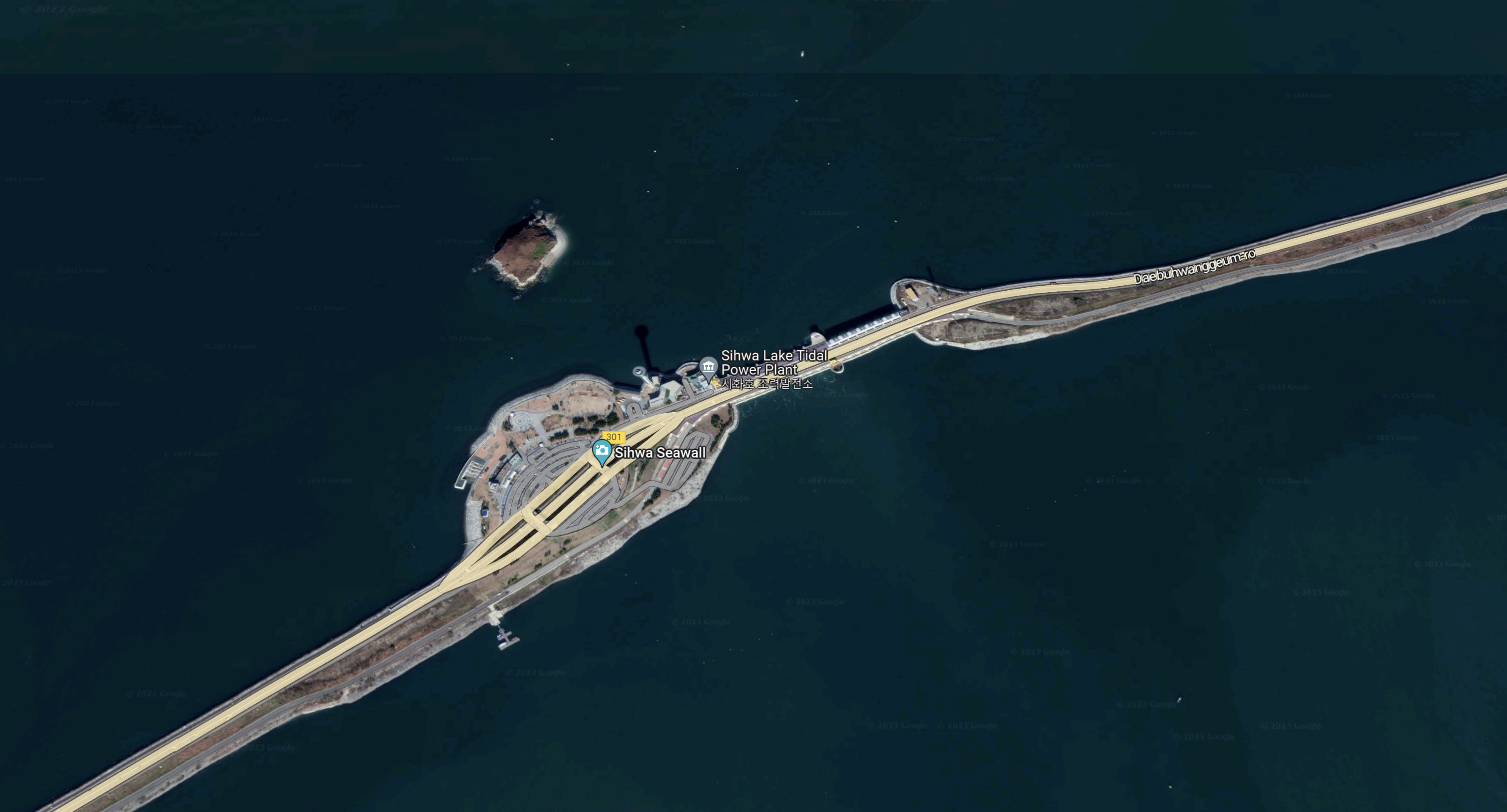
This Google Map shows the the Sihwa Lake Tidal power station.
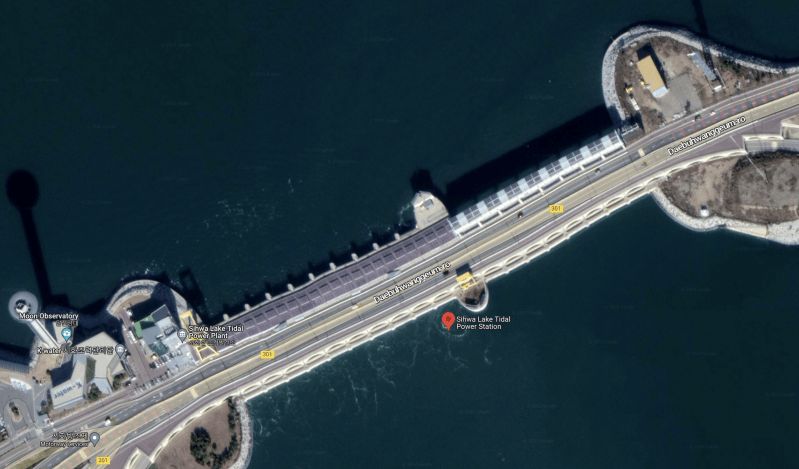
The road over the dam is clearly visible.
I took these pictures of the Mersey Estuary as I came back from Liverpool on Tuesday.
This Google Map shows the Mersey Estuary.
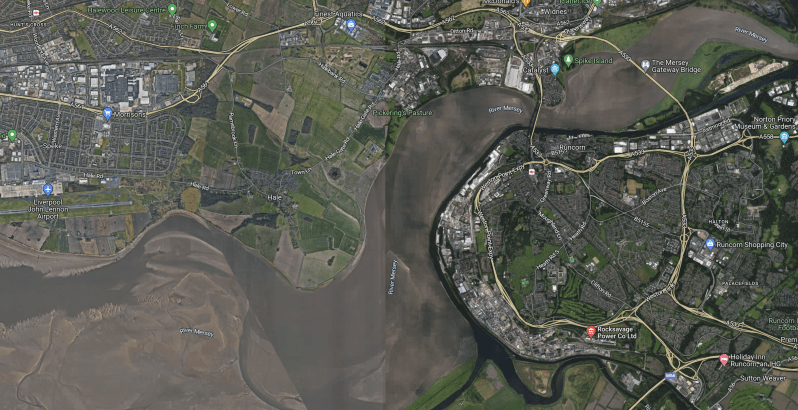
Note.
- The River Mersey flowing from the North-East corner of the map to the South-West corner.
- On the South Bank of the Mersey, there is the deep-water channel of the Manchester Ship Canal.
- The bridge in the North-East corner of the map is the Mersey Gateway Bridge.
- Then there is the pair of bridges at Runcorn; the Silver Jubilee Bridge and the Runcorn Railway Bridge.
I am fairly sure, that the Mersey Tidal Project would be built downstream of the pair of bridges at Runcorn.
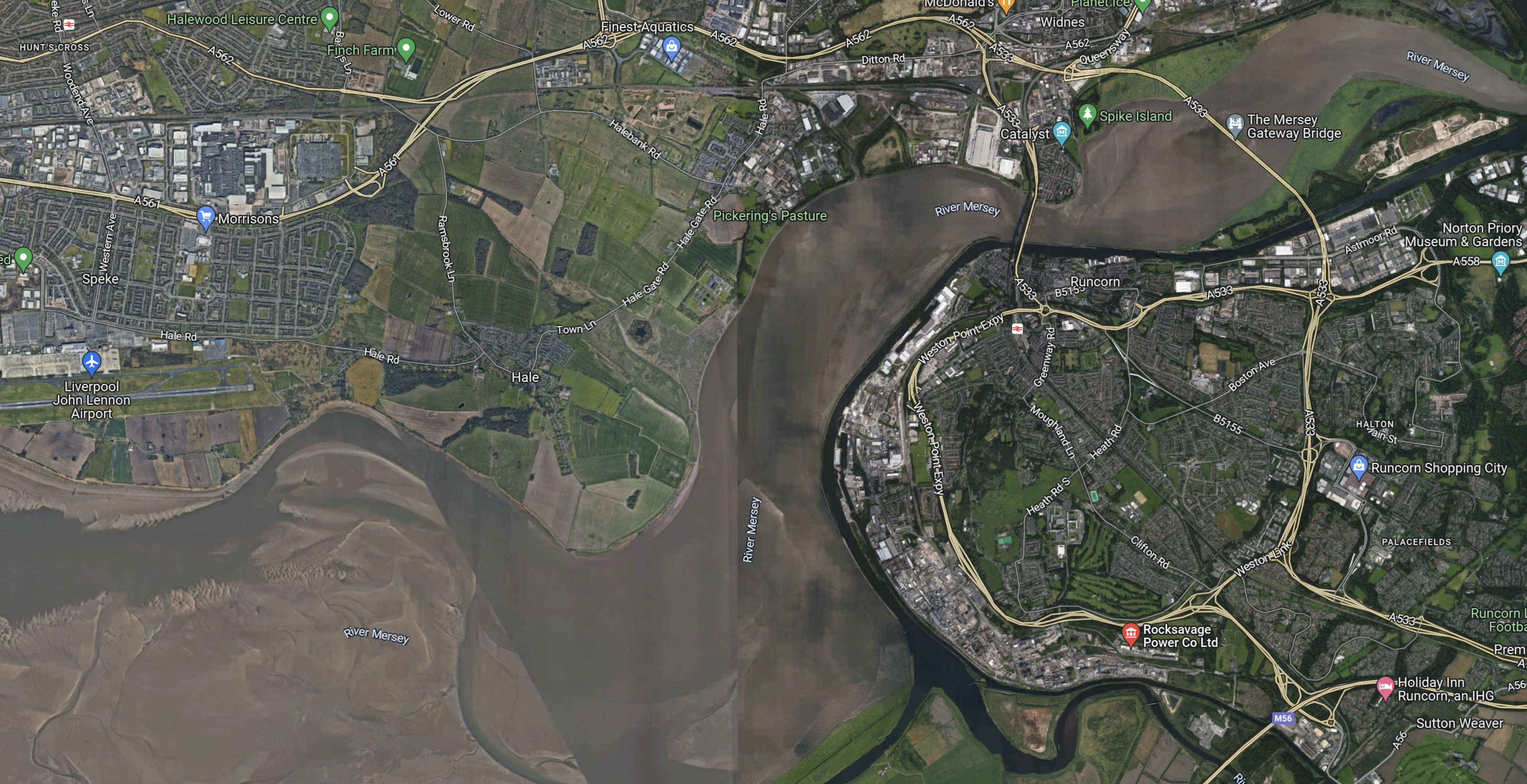
This Google Map shows the Mersey Estuary from the Runcorn Bridges to the mouth of the Manchester Ship Canal.
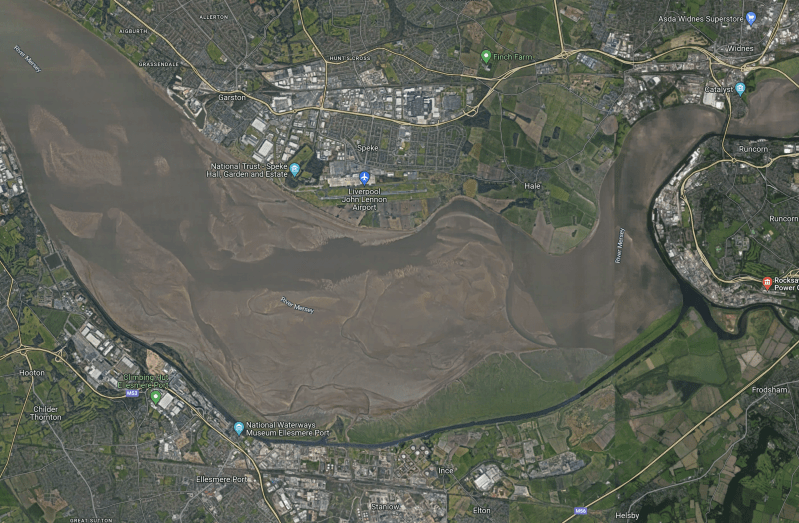
Note.
- The Mersey Gateway Bridge and the two Runcorn bridges are in the North-East corner.
- The route of the Manchester Ship Canal is clearly visible.
- Liverpool John Lennon Airport is on the North Bank of the Mersey.
- The M56 and M53 Motorways run East-West across the map to the South of the River.
This map leads me to the conclusion, that a tidal barrage with a road on top could link Liverpool to the M56.
I have some thoughts.
Rail Access To Liverpool
There is an electrified railway between Liverpool and Ellesmere Port.
- The railway can be picked out running across the bottom of the map.
- In Liverpool’s Vision For Rail, I talked about Liverpool City Region’s plan to expand this service to Helsby, Frodsham and Runcorn East.
- Helsby and Frodsham are shown on the map.
I wouldn’t be surprised to see a new Park-and-Ride station, where the M56 and the railway cross.
Ship Access To Manchester And Other Ports
Barrages usually have to provide access for ships to pass through to any ports behind the barrage.
But the Mersey Tidal Project already has that access. – It was built in the 1893 and is called the Manchester Ship Canal.
There is probably strong protection between the Mersey and the Canal between the mouth of the Canal and Runcorn, which may impact positively on the costs of the barrage.
The Simple Barrage
Sihwa Lake Tidal power station is a simple barrage with a bridge over the power station in the middle.
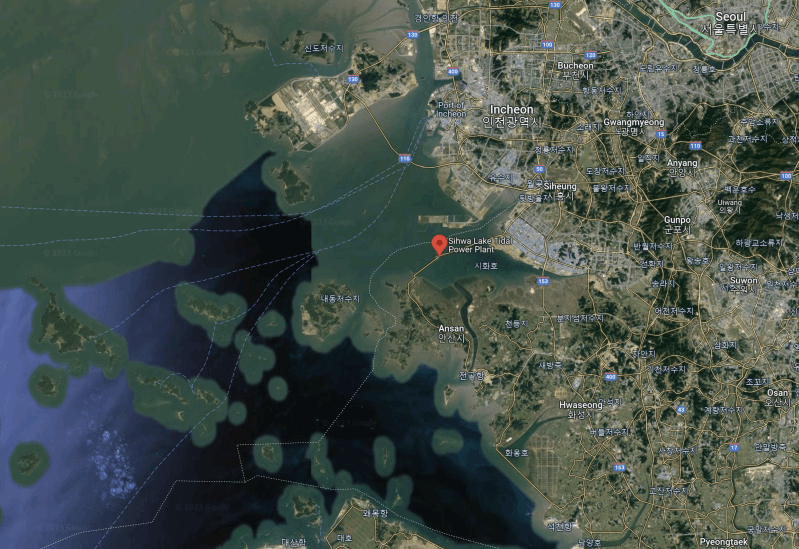
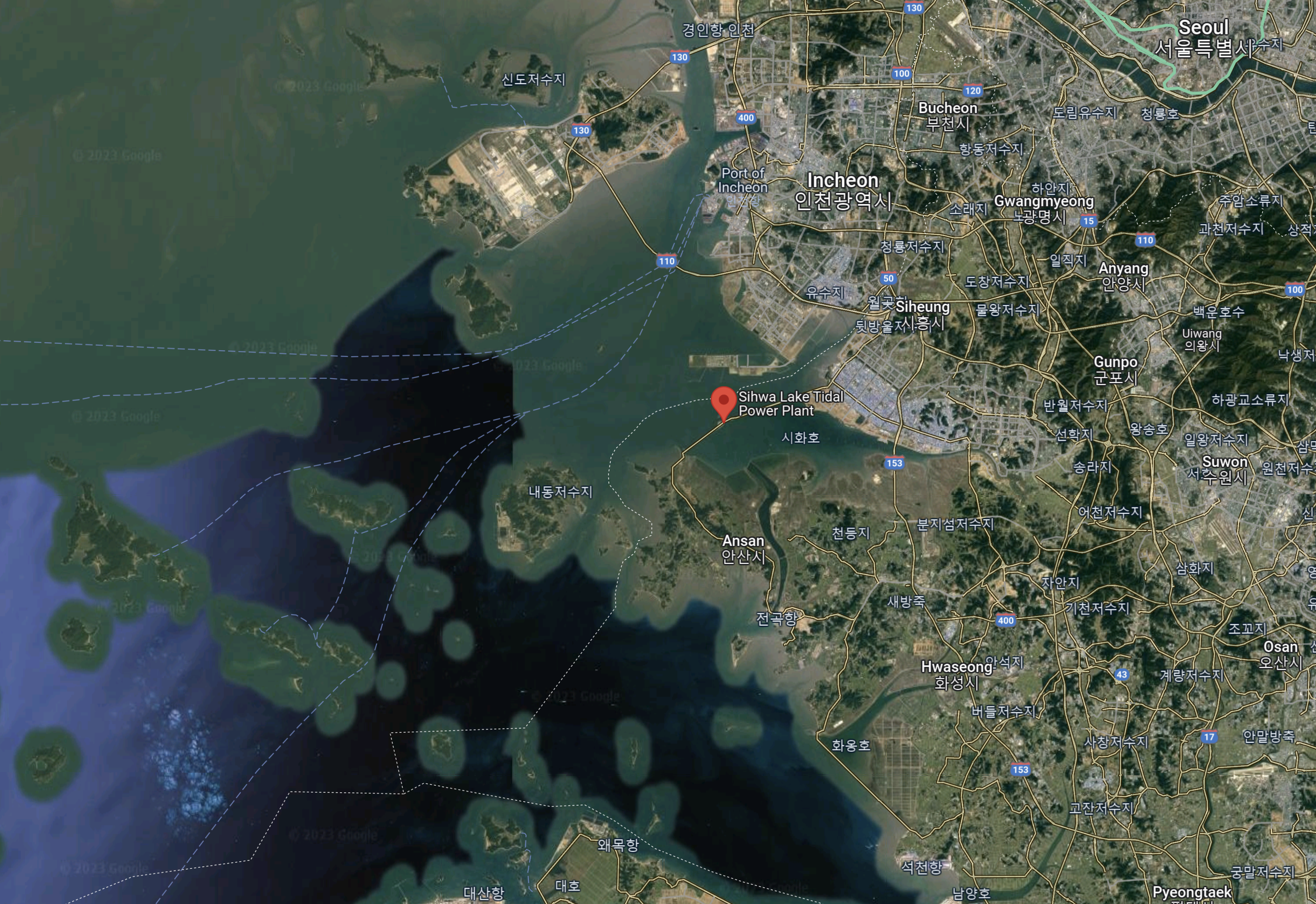
This Google Map shows the location of the power station.
Note.
- Seoul is in the North-East corner of the map.
- The Sihwa Lake Tidal power station is marked by the red arrow.
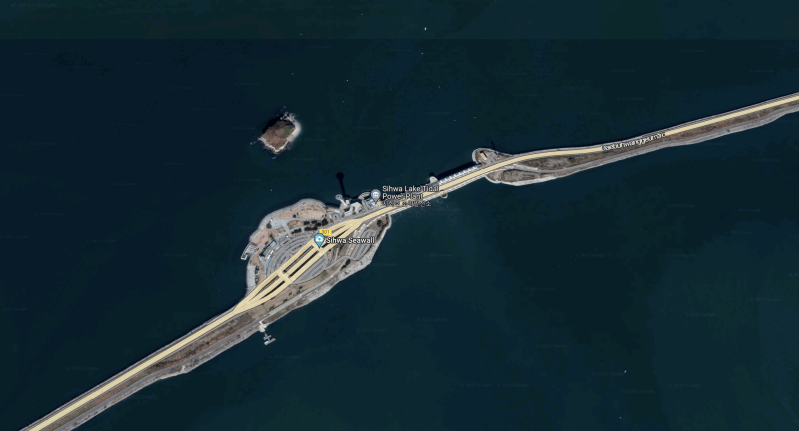
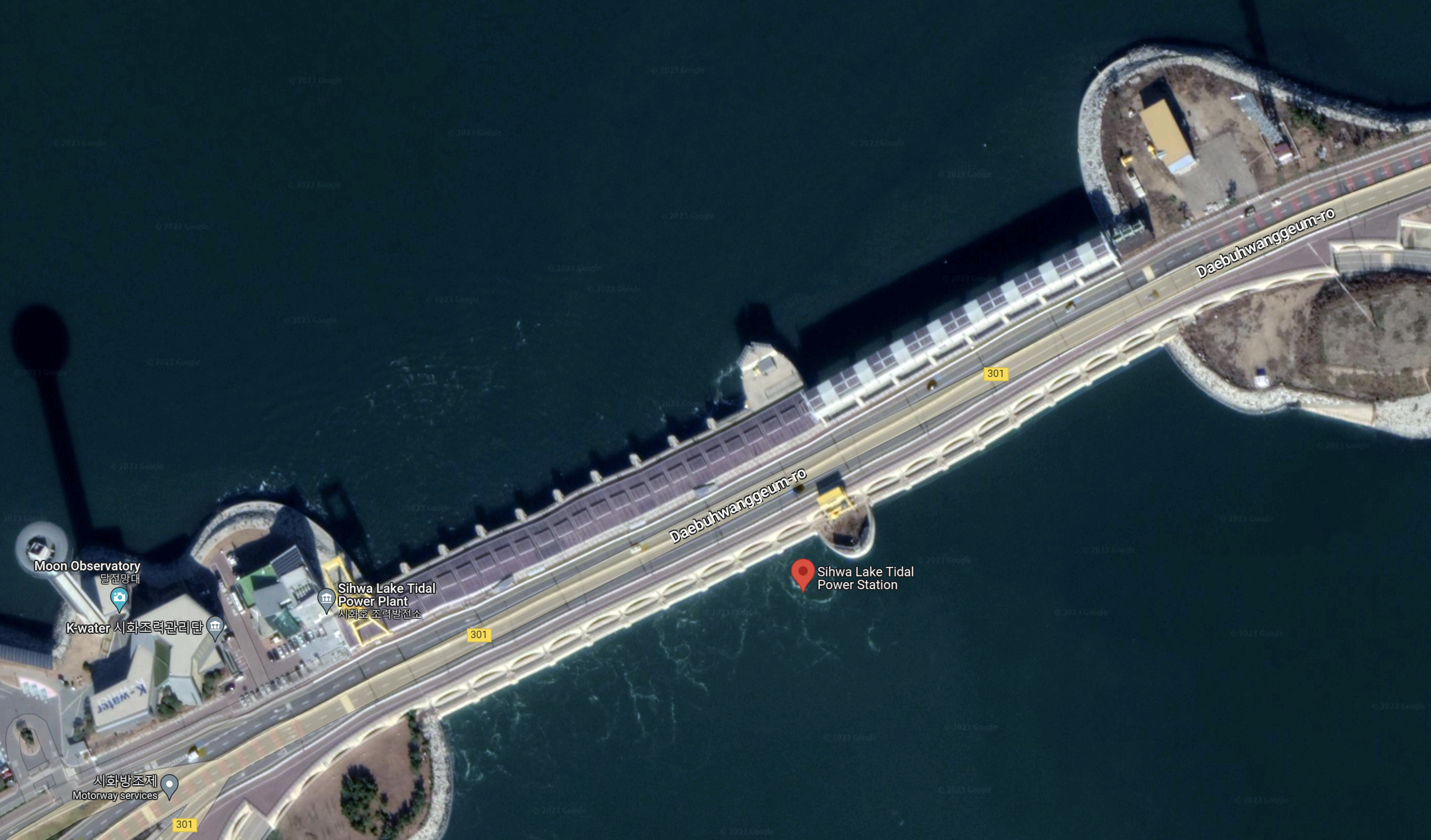
This Google Map shows a close-up of the power station.
Note.
- The ten turbines appear to be in the gap.
- There appears to be a road on top of the barrage.
- The area to the West of the power station is marked as a rest area.
- A Moon Observatory is marked.
- It has bus stops, showing that it is served by the 123 and 123-1 buses.
It is an impressive structure.
I’m sure that this type of barrage would work over the Mersey.
- A road could be built on top.
- It may only be able to generate electricity,from an incoming tide, like Sihwa.
- It could incorporate a rest area.
I do suspect though Liverpudlians would add a few unique touches of their own. Perhaps some liver birds or superlambananas.
The Frederick Snow Solution
The Severn is a wide river and he proposed that there would be a dam across the river, with a spine running East along the middle of the river.
- The spine would divide the river into two lakes.
- On the incoming tide, sluices would open and allow water to flow into the Northern or high lake from the Mersey estuary.
- On the outgoing tide, sluices would open and allow water to flow out of the Southern or low lake into the Mersey estuary.
- Water would flow between the high and low lake through turbines to generate electricity.
- I have assumed that the high lake is on the North side, but if the geography is more suitable, the high and low lakes could be reversed.
In the design for the Severn Barrage, an International airport would have been built on the spine.
But Liverpool already has a nearby International airport, so perhaps it could be much better to install a large electrolyser and hydrogen storage on the spine.
February 10, 2023
Posted by AnonW |
Energy, Hydrogen | Coal-fired Power Stations, Frederick Snow, Harold Wilson, Korea, Liver Bird, Liverpool Airport, Liverpool City Region, Manchester Ship Canal, Mersey Gateway Bridge, Mersey Tidal Power, River Mersey, Severn Barrage, Sihwa Lake Tidal Power Station, Silver Jubilee Bridge, Tidal Power |
4 Comments
The title of this post, is the same as that of this article on Renewable Energy Magazine.
This is the first paragraph.
Ocean energy pioneer Sustainable Marine has successfully harnessed the enormous tidal currents in Canada’s Bay of Fundy, delivering the first floating in-stream tidal power to Nova Scotia’s grid.
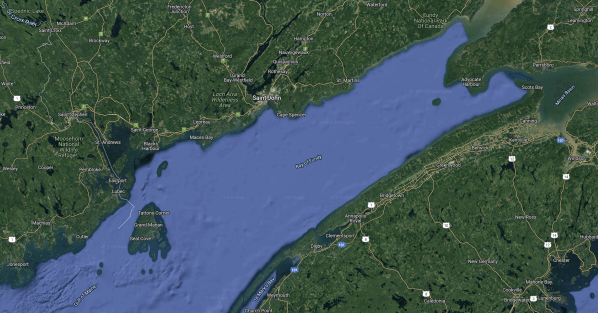
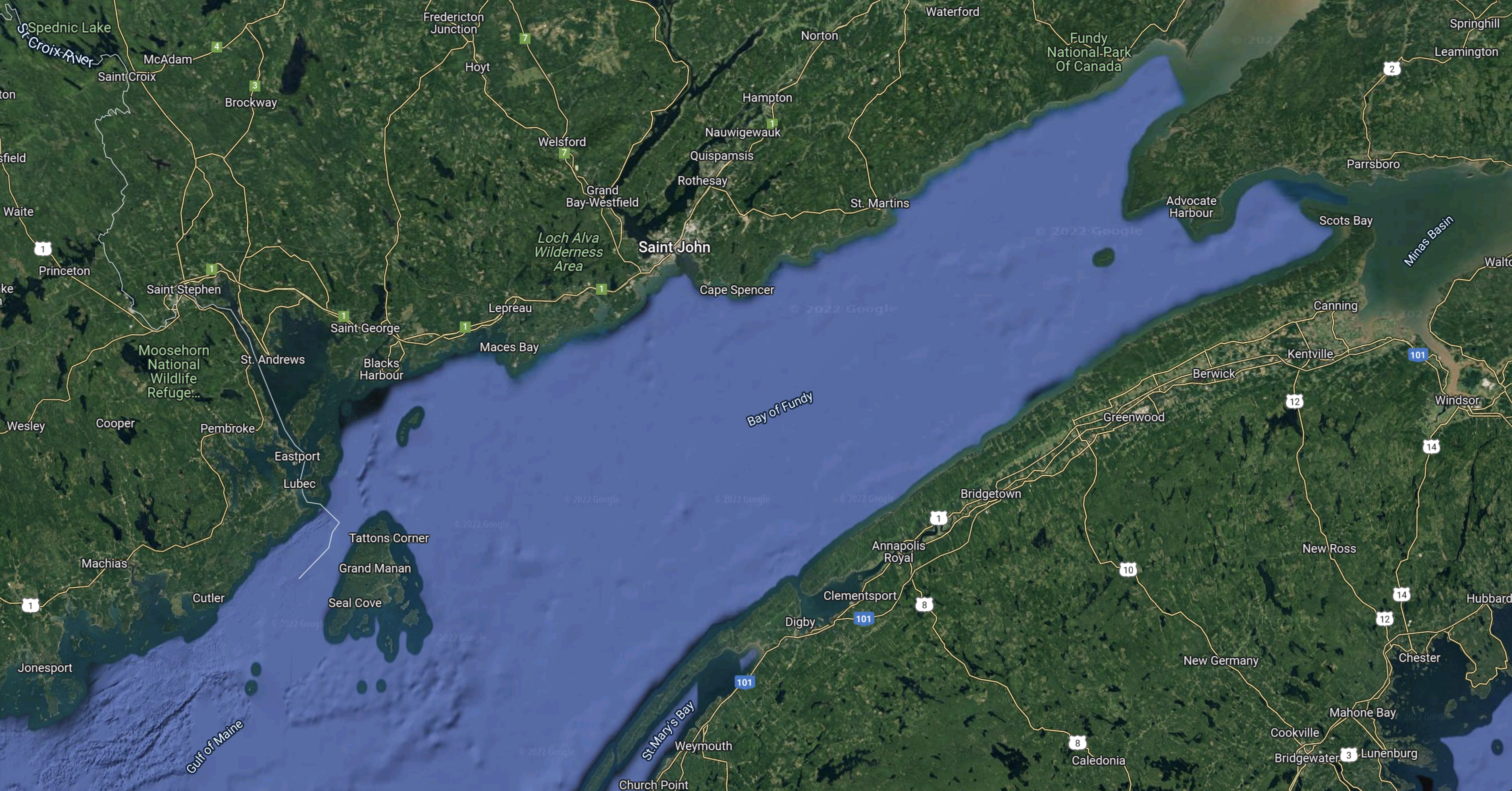
This Google Map shows the Bay Of Fundy.
Note.
- The hydrology of the Bay of Fundy has the highest tidal range in the world of sixteen metres, against a worldwide average of about a metre.
- According to the Renewable Energy Magazine article, Nova Scotia has allocated circa 30MW of capacity via demonstration permits.
- The article also indicates that up to 2.5 GW of clean and predictable energy for Canada could be generated.
- By comparison Hinckley Point C nuclear power station will generate 3.26 GW.
The Bay of Fundy would be the largest tidal power station in the world.
But this list in Wikipedia gives these proposed tidal power stations.
There are another two Russian proposals and a South Korean one.
Note.
- There are some large numbers.
- There are also some huge ambitions and massive budgets.
But will we ever see large scale tidal power stations?
May 12, 2022
Posted by AnonW |
Energy | Bay Of Fundy, Canada, Nova Scotia, Severn Barrage, Tidal Power |
Leave a comment
This page on the Xlinks web site, describes the Morocco-UK Power Project, which is proposed to generate solar and wind power in Morocco and deliver it to the UK.
- The plan envisages 10.5 GW of electricity being generated.
- There will be a 5GW/20GWh battery in Morocco.
- They will export 3.6 GW of electricity to the UK for at least twenty hours per day.
- The electricity will be exported to the UK by an Interconnector that skirts to the West of Spain, Portugal and France.
- The interconnector will be 3,800 kilometres long.
I described the project in detail in Moroccan Solar-Plus-Wind To Be Linked To GB In ‘Ground-Breaking’ Xlinks Project.
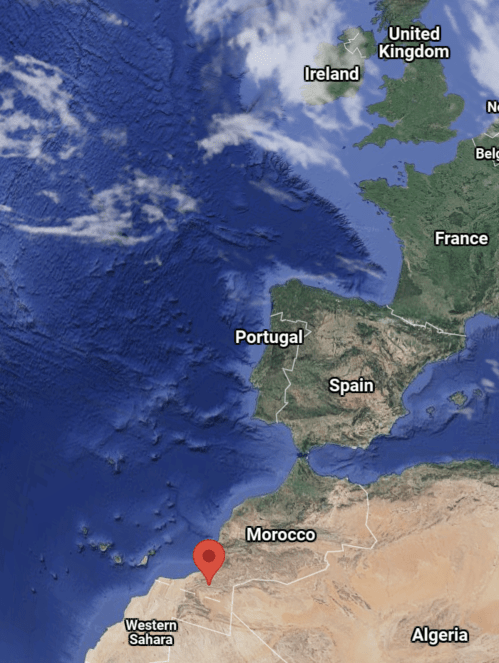
This Google Map shows Western Europe And North Africa.
Note.
- The light blue of the Continental Shelf
- The darker blue of deeper water.
- The Southern end of the Morocco and the UK interconnector will at Guelmim Oued Noun in the South of Morocco, which is indicated by the red arrow.
- The UK end of the cable will be at Alverdiscott between Barnstaple and Bideford in North Devon.
- Southern Morocco and Algeria look to be mainly in the Sahara Desert.
If we look at the route of the cable, it connects a lot of possible renewable energy sources.
- Morocco – Solar and wind
- Spain – Solar and wind
- Portugal – Solar and wind
- France – Nuclear, tidal and wind
- UK – Nuclear and wind.
Could the UK and Morocco interconnector be developed into a bigger power project?
- Solar and wind power from Algeria could be added.
- Tidal power from a Severn Barrage could be added.
- Connections could be added to Gibraltar, the Irish Republic and Wales.
I believe that there could be a large amount of electricity developed on the Western costs of Europe and Africa.
An interconnector would move it to where it is needed.
September 29, 2021
Posted by AnonW |
Energy, World | Africa, England, Europe, France, Morocco, Morocco-UK Power Project, Nuclear Power, Onshore Wind Power, Portugal, Republic Of Ireland, Severn Barrage, Solar Power, Spain, Tidal Power, Wales, Wind Power, Xlinks |
6 Comments
The title of this post, is the same as that of this article on the South Wales Argus.
This is the introductory couple of paragraphs.
Railway works to improve the line between Newport and London will allow for more frequent and quicker journeys, said to the boss of Network Rail.
Electrification works have now been completed on the Severn Tunnel, meaning the line from Cardiff and Newport to London Paddington is now fully electric.
The article also states that the Sudbrook pumping station, which pumps fourteen million gallons of water out of the Severn Tunnel every day is to be replaced.
The Severn Tunnel has been a project, which has involved lots of heroic engineering.
When I read articles like the one in the South Wales Argus, I am drawn back to the briefing I had from engineers at Sir Frederick Snow and Partners about their plan for a Severn Barrage, in the early 1970s.
It was a One-Design-Solves-Everything project and their plan, included a high speed railway and a motorway crossing between England and Wales.
June 7, 2020
Posted by AnonW |
Transport/Travel | Engineering, Severn Barrage, Severn Tunnel |
Leave a comment
The title of this post, is the same as that as this article on the BBC.
A few points from the article.
- It will provide enough electricity for six million homes.
- It will create 25,000 jobs during construction.
- Sizewell C will be a near replica to Hinckley Point C.
- It will generate 3.2 GW of electricity.
- It will be low-carbon electricity.
As a well-read and experienced engineer, I am not against the technologies of nuclear power.
But I do think, by the time it is completed , other technologies like wind and energy storage will be much better value. They will also be more flexible and easier to expand, should we get our energy forecasts wrong.
- We will see higher power and more efficient wind farms, further out in the North Sea.
- Massive energy storage systems, based on improved pumped storage technology and using new technology from companies like Highview Power, Zinc8 and others will be built.
- Wind and solar power an energy storage are much easier to fund and financial institutions like L & G, Aberdeen Standard and Aviva have invested in the past for our future pensions.
- If you want to go nuclear, small modular reactors, look to be much better value in the longer term.
- I also don’t like the involvement of the Chinese in the project. History tells me, that all pandemics seem to start in the country!
It is my view that the biggest mistake we made in this country over energy was not to built the Severn Barrage.
My preferred design would be based on the ideas of Sir Frederick Snow.
There would have been a high and a low lake, either side of a central spine, behind an outer barrage.
- Reversible turbines and pumps between the lakes would both generate and store electricity.
- When proposed in the 1970s, it would have generated ten percent of the UK’s electricity.
- A new road and rail crossing of the Severn, could have been built into the outer barrage.
- A lock would have provided access for shipping.
- It would have controlled the periodic, regular and often devastating flooding of the River Severn.
Some versions of the original design, even incorporated an international airport.
- The runways would be in the right direction for the prevailing wind, with regard to take-off and landing.
- Take-off would be over open sea.
- High speed trains could speed travellers to and from London on an updated Great Western Railway.
I believe a modern design could be even better.
- The central spine and the outer barrage would be the foundations for a large wind farm.
- There would also be a large number of powerful floating wind turbines to the West of the outer barrage in the Severn Estuary.
- A giant electrolyser on the central spine would produce hydrogen, that could be used to decarbonise the UK’s gas network.
- A power interconnector could be built into the outer barrage to connect Wales to the nuclear power stations at Hinckley :Point.
- A cluster of small nuclear reactors could be built on the central spine.
- In the intervening fifty years, we have probably learned how to build a barrage like this, so that it can benefit birds and other wildlife.
I believe, it will never be too late to build a Severn Barrage.
May 27, 2020
Posted by AnonW |
Energy Storage, Transport/Travel | Engineering, Highview Power, Hinkley Point C, Interconnectors, Nuclear Power, Offshore Wind Power, Pumped Storage Hydroelectricity, Severn Barrage, Severn Crossing, Sizewell C Nuclear Power Station, Small Modular Nuclear Reactor, Wind Power |
4 Comments
The title of this post, is the same as that of this article on the BBC.
This is two of the introductory paragraphs.
Until First Minister Mark Drakeford cancelled it, despite the conclusions of a planning inspector.
After months of studying the evidence in a public inquiry, Bill Wadrup said there was a “compelling case” to build the relief road.
I have read a lot about this relief road and something definitely needs to be done to ease the problems of going between England and South Wales.
On the one hand my environmental and non-driving thoughts, lead me to conclude that the road shouldn’t be built and more transport should be transferred to rail.
But on the other hand, my economic thoughts say that it should be built.
What Happens Now?
In this second article on the BBC, this is said about the stance of the various politicians.
The plans have proved politically divisive too – there has been significant opposition in Labour and some ministers are thought to oppose the scheme.
Plaid Cymru is firmly against, while the newly-formed Brexit Party is backing the road.
Some Labour Newport politicians – particularly those from the Newport West constituency – have lobbied for the road to be built.
Labour AM Jayne Bryant said: “Air pollution is a serious public heath issue because of the congestion on the M4.
“The vast amount of traffic on the M4 around Newport is not local to Newport – that’s why public transport alone will not solve it.”
Plans for the scheme were revived in 2013 after the UK government offered borrowing powers that would allow for the upgrade.
Former Prime Minister David Cameron called the Brynglas tunnels “a foot on the windpipe of the Welsh economy” – and the UK government remains a supporter of the scheme.
Economics could mean that a new Welsh Government, will change their mind. Especially, if the M4 relief road becomes an election issue.
As I write this, news is expected of the closure of Ford’s Bridgend factory.
I doubt this is down to the state of the M4, but getting trucks to and from South Wales will become an increasing logistics nightmare. It may mean, that businesses thinking of setting up a Welsh factory will look elsewhere.
The Railway Must Be Key
The only alternative to the M4 is to make more use of the railway.
The Welsh Government is planning the following.
- An extensive South Wales Metro, with new routes, trains and some new stations.
- More Park-and-Ride stations on the South Wales Main Line.
- Extension of Cardiff station.
But is it enough?
Probably not!
- Does the double-track Severn Tunnel have enough capacity for all the trains to and from a hopefully-expanding Welsh economy?
- Can freight trains get easily to and from the Channel Tunnel, Felixstowe, Liverpool, London and Southampton?
- Is the rail route for travellers between South Wales and Heathrow an incentive to drive?
- Are services between South Wales and Birmingham and Manchester a joke?
A lot of money needs to be spent!
And much of it in England not Wales!
Frederick Snow Was Right
In The Severn Barrage, I wrote about Frederick Snow’s plan for a tidal power station and airport in the Severn Estuary, based on a barrage.
I believe that if the Severn Barrage had been build correctly in the 1970s, that a new Southern M4 and rail route could have been built on top of the barrage.
Conclusion
It’s a mess!
In my view the most likely solution will be that traffic on the M4 gets so bad, that travellers and freight will move or get moved to rail.
I
June 6, 2019
Posted by AnonW |
Transport/Travel | M4 Relief Road, Roads, Severn Barrage, South Wales Metro, Wales |
4 Comments

























































 The Anonymous Widower