Travelling Between London Stations
When I came home from Moorgate this morning, I took my usual 141 bus.
I sat next to a lady about forty, who from her bags looked like she’d just arrived by plane at Gatwick Airport.
After a couple of attempts at conversation, it became obvious, that we didn’t have a common language.
She then produced her phone and indicated that she needed Liverpool Street station.
The 141 bus doesn’t serve Liverpool Street station, but it does serve the Western entrance to Liverpool Street station on the Elizabeth Line.
It looks to me, that she had been told by a human being, an app or the Internet, that the easiest way from London Bridge bus station to Liverpool Street station was to take the 141 bus from in front of the station and walk across to Liverpool Street station from Moorgate.
But.
- The Western entrance to Liverpool Street station has no information to indicate, that it gives access to Liverpool Street station.
- The bus information system indicates Moorgate station.
- The bus information system does not announce, that for Liverpool Street station, you should alight at Moorgate station.
Perhaps, the bus information system should indicates Moorgate/Liverpool Street station.
Conclusion
How many other transfers between London stations are similarly confusing?
How Not To Organise A Piss-Up In A Brewery
This afternoon, I wanted to get some lunch and buy my food for the weekend.
I live close to the junction of Southgate Road, Mildmay Park and the Balls Pond Road.
From the four bus stops there, I can get buses to the stopping centres of Angel, Dalston Kingsland, Hackney Central and Moorgate.
But not today, as all the bus stops had been closed!
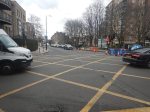
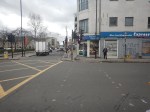
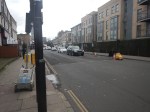
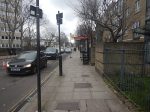
As my leg was playing up, there was no way, I could have walked to the next stop.
In the end I created a fuss and a kind driver let me on a 141 bus to get to Moorgate.
Coming back, I got another 141 bus, which got stuck in the traffic jam, that the part-closure of the junction was creating.
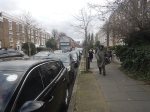
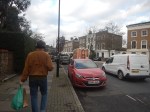
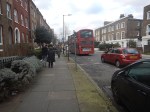
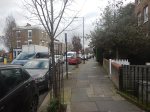
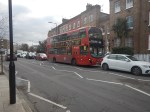
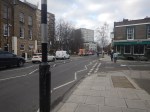
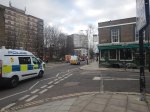
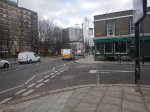
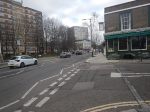
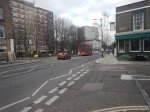
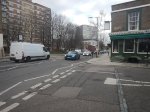
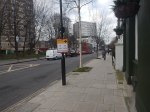

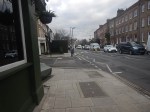
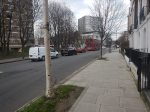

Note.
- The 141 bus took five minutes to pass through the junction.
- Luckily, the driver was sensible and he let a lot of us out.
- As I live South of the Balls Pond Road, it was very convenient.
Obviously, the driver knew more about customer service, that the idiots who organised this megashambles.
I have a few thoughts.
Where Was The Publicity?
I use the 141 bus most days and I didn’t see anything at the bus stops and didn’t get any leaflets through the door.
The Traffic Lights At Southgate And Balls Pond Roads Are Unreliable
They were even worse, when I moved here and Transport for London replaced them a few years ago.
But they seem to have got more unreliable.
Where is John Cleese to give them a good thrashing?
The Silvertown Tunnel Effect
Consider.
- I asked a regular delivery driver, what is the gossip about the Silvertown Tunnel and he felt that it will gum up East London.
- This is my feeling, as before my stroke, I had driven all over the East End trying to save time and knew it well.
- I also feel, that a lot of heavy traffic will end up on the Balls Pond Road, trying to get to and from the M1 and A1, especially, when the Dartford Crossing is closed.
I am fairly certain, that at certain times the junction at Southgate Road, Mildmay Park and the Balls Pond Road is going to get very congested.
The Non-Availability Of Taxis
One of the reasons, I chose to live where I do, is that I am just off the route which taxis use to go back to Liverpool Street station.
But the number of taxis in the area has decreased substantially in the last few years.
- Islington’s Low Traffic Neighbourhoods are scaring taxis away.
- Many drivers are giving up.
- Taxis are expensive.
Consequently, I rarely use a taxi. I never saw one today, when it was needed.
The Junction Is Busy For Pedestrians
Crossing the junction is dangerous, as cyclists only consider the lights optional.
If I’d had a pound for every time, I’d nearly been hit by a cyclist or car on this junction, I could pay for a year’s electricity.
Mildmay Park Station
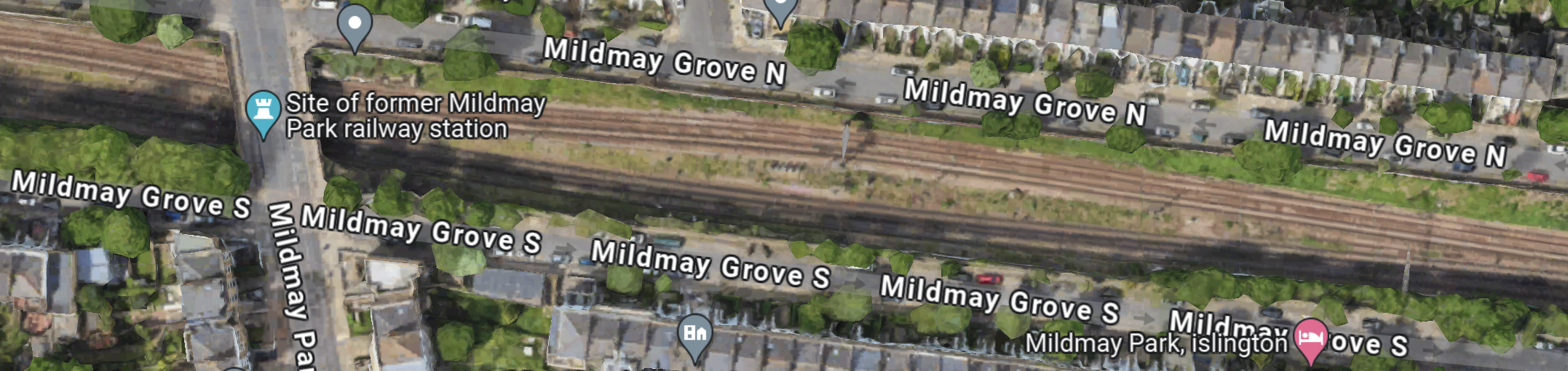
The area used to have its own station at Mildmay Park about 120 metres to the North of the junction.
This Google Map shows the site of the station.
Note.
- The railway is the North London Line.
- Highbury & Islington station is to the West.
- Dalston Kingsland station is to the East.
Mildmay Park station is marked by the blue arrow on the bridge over the railway.
It would be a very handy Coming-Home station, as its downhill all the way, from the station to my house.
Conclusion
Reopening Mildmay Park station would be good for the price of my house, by I doubt that anything will be done.
The Long Platforms At Liverpool Street Station
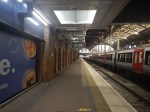
I was on Liverpool Street station today and I took these pictures.

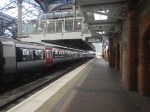
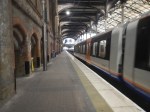

It got me thinking.
- I was standing On Platform 1 and on Platform 2 was a pair of five-car Class 720 trains coupled together.
- The pair of five-car Class 720 trains would be 244 metres long, which mean that the platforms could handle nine-car Class 800 or Class 345 trains.
- There would appear to be plenty of platform space in Liverpool Street station.
- In Azuma Test Train Takes To The Tracks As LNER Trials Possible New Route, I talked about how LNER were checking an Azuma train could use the route to Cleethorpes.
- In London North Eastern Railway Runs Trial Train To Liverpool Street, I talked about how LNER had ran a train into Liverpool Street.
The general consensus seems to be, that points 3 and 4, are about several things.
Adding Grimsby and Cleethorpes to LNER’s list of destinations.
Possibly adding Spalding, Sleaford, Market Rasen and Barnetby to LNER’s list of destinations.
Providing a faster service between London and Grimsby/Cleethorpes.
Providing a diversion route because of engineering or blockades on the East Coast Main Line.
Nearly twenty years ago, I used to play real tennis, with a guy, who was on a committee, that planned the future of the Cambridge region.
- One of the things he said was that Cambridge was full and there is not enough lab space, factories and housing.
- He felt that Peterborough would make an excellent satellite for Cambridge.
- However, transport links and especially the trains are not the best between Cambridge and Peterborough.
- I wonder, if Cambridge’s overcrowding is spreading the Cambridge Effect into Lincolnshire and the number of rail passengers between Lincoln and Cambridge is growing.
So have LNER taken the bull by the horns and are planning to run a London Liverpool Street and Cleethorpes service via Cambridge?
- It might perhaps run at least six trains per day (tpd) in both directions.
- Stops could include Stratford, Cambridge South, Cambridge, Cambridge North, Ely, March, Peterborough, Spalding, Sleaford, Lincoln, Market Rasen, Barnetby and Grimsby Town.
- Trains could be a five-car Class 800 train.
- The route is fully-electrified between London and Ely.
Note.
- The London King’s Cross and Lincoln service could be discontinued.
- Connection between Cambridge and Lincolnshire is much improved.
- The developing energy powerhouse in North-East Lincolnshire gets a connection to Cambridge and London.
- There could be same-platform interchange at Peterborough for passengers between Cambridge and the North.
- By going via Cambridge, one less train needs to use the bottleneck over the Digswell viaduct.
LNER are trying to get the most out of the new December 2024 East Coast Main Line timetable and I do wonder if a London Liverpool Street and Cleethorpes servce is part of that exercise.
That Was Close!
I took this picture in Liverpool Street station on the Elizabeth Line.
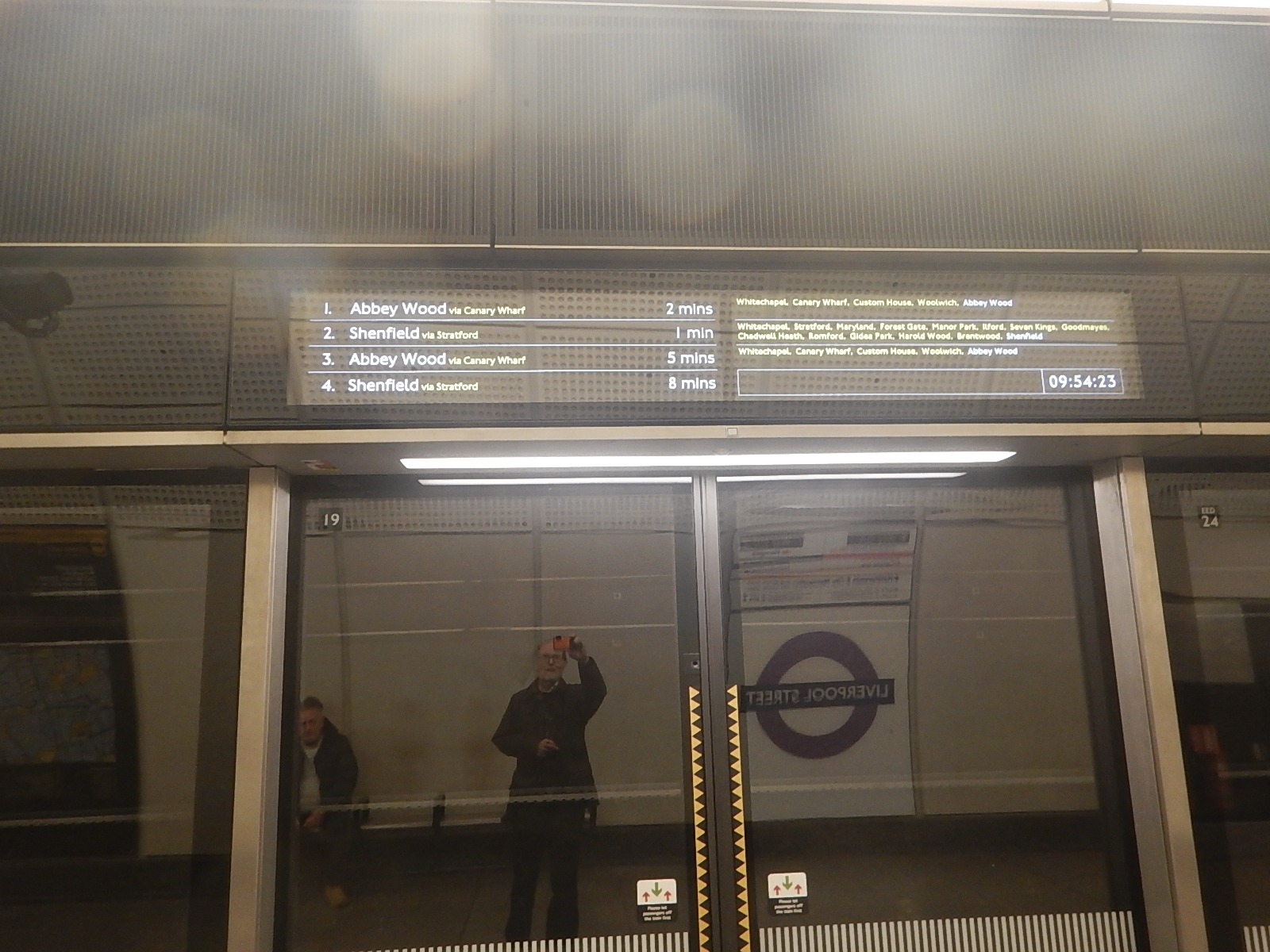
Note.
- The timings of the first two trains.
- The Shenfield train did arrive before the one for Abbey Wood.
How did it manage that? It looks like a another Fujitsu moment in the display to me!
Development Around Liverpool Street Elizabeth Line Station
After my Full English breakfast in Leon this morning, I walked around the area between the two entrances to Liverpool Street station on the Elizabeth Line, before entering the station at the Liverpool Street entrance.
I took these pictures as I walked.
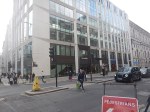


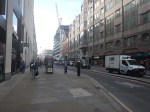
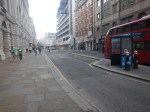
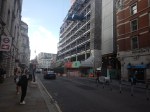
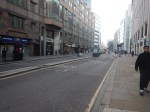
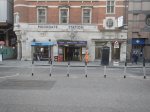
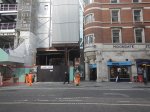

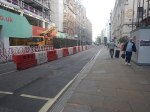
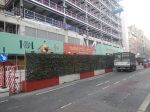
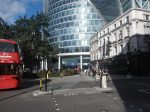
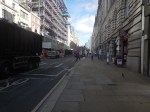
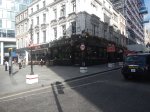

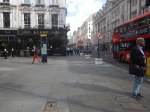



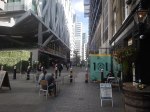
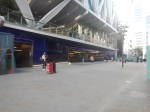
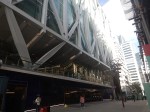

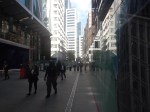
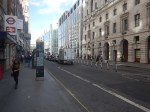


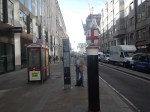
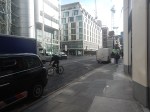
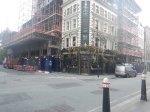
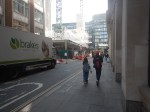
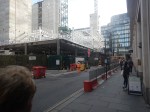
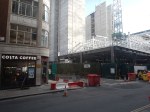
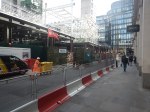
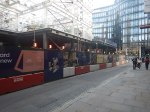
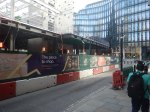
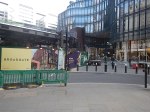
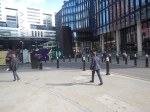
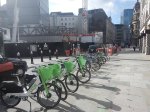



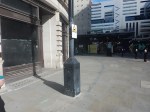
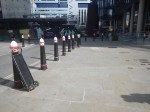
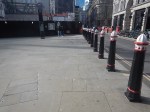
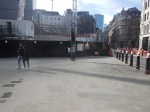
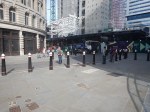

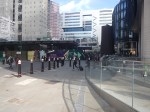
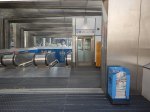
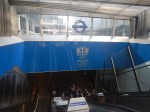
Note.
- The large development with the naked concrete towers is the Western extension to Broadgate.
- The old entrance to Moorgate Underground station and two pubs are squeezed in between the modern buildings.
- The cylindrical building behind the Globe pub, is Moor House.
- Some buildings are brand new and others are older ones, that have been refurbished and/or reskinned.
There is hardly any space left to put in a dog kennel.
London North Eastern Railway Runs Trial Train To Liverpool Street
The title of this post, is the same as that of this article on Rail Advent.
These two paragraphs, describe why this was done.
In an effort to mitigate the effect on passengers during disruption to services, London North Eastern Railway (LNER) ran one of its Azuma trains from Finsbury Park to London Liverpool Street during the early hours of this morning, Friday, 14th July.
The trial run took place to determine the long-term feasibility of diverting services during periods of planned disruption or when significant engineering works were taking place.
There doesn’t seem to have been any problems.
- The route in from Finsbury Park station went through Canonbury, Dalston Kingsland, Hackney Central, Homerton, Hackney Wick, Stratford and Bethnal Green stations, which was a distance of 9.6 miles.
- The route out to Finsbury Park station went through Bethnal Green, Cambridge Heath, London Fields, Dalston Kingsland and Canonbury, what was a distance of 5.8 miles.
Note.
- Two different routes were checked.
- The Class 800 train had five cars.
- Platform 4 at Liverpool Street station was used, which is normally used by London Overground and Cambridge services.
As this comes so soon after the test run to Cleethorpes, that I wrote about in Azuma Test Train Takes To The Tracks As LNER Trials Possible New Route, I wonder if Network Rail and the train operating companies are planning for some worst case scenario, where the two or more of the West Coast Main Line, Midland Main Lone and East Coast Main Line are blocked.
LNER and Network Rail have shown the following.
- Azumas can use Cleethorpes station.
- Azumas can use Liverpool Street station.
We also know that Cleethorpes has a direct TransPennine train service across the North of England to Doncaster, Sheffield, Manchester and Liverpool.
So if say Euston has to be shut for perhaps fourteen days during the construction of High Speed Two, a service between Liverpool Street and Cleethorpes via Colchester, Ipswich, Cambridge, Peterborough and Lincoln could be used to get some passengers to and from the North.
The other big problem is the removal of the problems of the Newark Crossing, which if it results in a long blockade of the East Coast Main Line, might need services to go into an alternative London terminal.
The Powerhouse In The East
Consider.
- The importance of Cambridge to the economy of the UK is growing fast.
- The city suffers from a shortage of commercial premises, housing and staff at all levels.
- I have just looked at the non-passenger traffic on the West Anglia Main Line for all of yesterday and there were just six freight trains through Bishop’s Stortford.
I wonder, if it would be possible to run a Liverpool Street and Cleethorpes service via Cambridge, Ely, Peterborough, Spalding, Sleaford, Lincoln, Market Rasen, Barnetby and Grimsby Town?
- The service avoids the East Coast Main Line, except through Peterborough, where it would use the separate Werrington lines.
- Liverpool Street is in the heart of one of the world’s major financial centres.
- Liverpool Street is on the Elizabeth Line.
- The service could call at Stansted Airport, but a reverse would be needed.
- Peterborough is sometimes promoted in Cambridge as a city, that could be developed, to provide support for Cambridge.
- A reverse would be needed at Lincoln.
- Lincoln is developing as a university city with character.
- Grimsby and Cleethorpes are close to the fast expanding Humberside renewable energy and hydrogen cluster.
The service could be paired with a Liverpool Street and Norwich service, via Ely, Thetford, Attleborough and Wymondham.
The services could alternate every half hour or perhaps leave London as a pair and split and join at Cambridge.
Platform Availability At Kings Cross And Liverpool Street
Consider.
- Digital signalling on the East Coast Main Line will increase the number of possible trains between London and the North.
- LNER have said they want to increase services to the North and have identified a possible service to Cleethorpes.
- Grand Central would like to increase services to Bradford.
- Lumo have started services to Newcastle and Edinburgh from Kings Cross.
- The Elizabeth Line now runs less services into Liverpool Street station.
- The Elizabeth Line connects to Liverpool Street, but doesn’t connect to King’s Cross.
- Liverpool Street is to undergo a major refurbishment, which should increase the overall passenger capacity of the station.
Would it be sensible to move a small number of services from King’s Cross to Liverpool Street?
Surely, the logical service to move to Liverpool Street would be the new Cleethorpes service.
- It would route via Cambridge, Cambridge North, Ely, Peterborough, Spalding, Sleaford, Lincoln, Market Rasen, Barnetby and Grimsby Town.
- It would use the Werrington Lines through Peterborough.
- It would not need a path on the East Coast Main Line.
- The service would provide a much needed direct link between Cambridge and Lincoln via Peterborough.
- The service could also be hourly or two-hourly.
I also believe that a Liverpool Street and Cleethorpes service could be run by a battery-electric Azuma.
- The route is electrified between Liverpool Street and Ely and through Peterborough.
- Ely and Peterborough is 30 miles.
- Peterborough and Lincoln is 56.9 miles.
- Lincoln and Cleethorpes is 47.2 miles.
- There would need to be a charging station or a few miles of electrification at Cleethorpes.
- There may be 134.1 miles of unelectrified track, but there can be a Splash and Dash at Peterborough.
A Stadler Akku would be able to handle this route, so I suspect that a similar-sized battery-electric Azuma should also be able to handle the route.
Elizabeth Line: More Than 100 Million Journeys On Elizabeth Line, Says YouGov
The title of this post, is the same as that of this article on the BBC.
These three paragraphs introduce the article.
More than 100 million journeys have been made on London Underground’s new Elizabeth Line since it opened last May, according to a survey.
The YouGov poll suggested 45% of the capital’s residents had also used the line from Reading, Berkshire, to Abbey Wood and Shenfield in Essex.
Transport for London (TfL) said on 1 February it had completed about 600,000 daily journeys.
That is all well and good, but to me, this is the most significant paragraph.
TfL said the railway was “on track to break even” based on operating costs by the end of the 2023/24 financial year.
So it looks like that the planners got the modelling of the operation of the railway correct.
From my experience of project management, I believe that the Elizabeth Line project could have been considered as five main projects.
- The boring of the Central Tunnel
- The updating of the existing branches to Abbey Wood, Heathrow, Reading and Shenfield
- The building of the Class 345 trains
- The signalling
- The fitting out of the stations in the Central Tunnel
Delivery though was a bit patchy!
These are my thoughts on each sub-project.
The Boring Of The Central Tunnel
I was told, that early on, it was realised by the contractors that they didn’t have enough workers, who were certified to work underground.
So the Tunneling and Underground Construction Academy or TUCA in Ilford, was built to train more workers.
This helped the Central Tunnel to be completed on time.
Since then, two more tunnels; the Thames Tideway and the London Power Tunnel have been successfully completed on time and on budget, thus vindicating the building of TUCA.
The Updating Of The Existing Branches To Abbey Wood, Heathrow, Reading and Shenfield
There were a few hiccups, but generally the branches were updated and were operating into Paddington and Shenfield before the line opened.
The Building Of The Class 345 Trains
This wasn’t perfect and Bombardier’s financial state didn’t help, but the trains had good tests running out of Liverpool Street and Paddington.
The Signalling
A lot of commentators have said the signalling was too complicated. But eventually, it all seems to be working.
Was enough testing done away from the Elizabeth Line?
My feeling is that a new UK test track should have been built in the early 2010s, so that some testing could have been done professionally away from London.
The Fitting Out Of The Stations In The Central Tunnel
This was certainly a cause of late handover of stations like Bond Street, Farringdon, Whitechapel and others.
I heard tales, where other projects in London, were offering more money, so consequently workers were moving with the money, thus delaying the completion of stations.
I certainly heard a tale, where all the electricians on one station project moved en masse to complete the new Tottenham Hotspur stadium.
Some of the projects were office projects, paid for by sovereign wealth funds with bottomless projects, so they could make sure their project finished on time.
There were also the problems caused by Brexit, the pandemic and major projects running late in Germany and Europe.
It is my view that Elizabeth Line should have been given more priority, by delaying commercial projects, so that the pool of available labour wasn’t exhausted.
Some of the forest of projects around Elizabeth Line stations, should have been given planning permission, that meant they couldn’t start until Elizabeth Line was finished.
In the 1960s, there was certainly a similar labour problem in Aberdeen. I was told, that the oil majors, who nearly all used the project management system; Artemis, that I had written, talked to each other to make sure the situation didn’t get any worse.
I wonder, if someone was watching the labour shortage problems in City Hall?
Conclusion
I believe that if Elizabeth Line had been given the priority it should have been, that it would have been opened earlier and just as it is now, it would be showing a sensible cash flow.
Now it is a question of catching up financially.
Extending The Elizabeth Line – Connection To Southeastern High Speed One Services
The Two Stratford Stations
In this post, Stratford station is the station handling Greater Anglia and London Overground, Underground and Docklands Light Railway services, with Stratford International station handles High Speed services.
The Elizabeth Line And The Great Western Railway Services
One of the most important stations on the Elizabeth Line is Paddington, where it connects to the London terminus of the Great Western Railway.
I would expect that quite a few passengers going to the West and Wales on the Great Western Railway, will be transported to Paddington by the Elizabeth Line.
The Elizabeth Line And Greater Anglia Services
Another of the important stations on the Elizabeth Line is Liverpool Street, where the station is the London terminus of the Greater Anglia.
I would expect that quite a few passengers going to East Anglia on the Greater Anglia, will be transported to Liverpool Street by the Elizabeth Line.
Southeastern High Speed One Services
Southeastern runs some High Speed services on High Speed One to provide Kent with an improved service to London.
Current services are
- London St Pancras International to Ramsgate via Faversham.
- London St Pancras International to Ramsgate via Dover Priory.
- London St Pancras International to Margate via Canterbury West.
Note
- All trains are one train per hour (tph).
- All trains stop at Stratford International and Ebbsfleet International.
- All trains are run by 140 mph Class 395 trains.
There has also been talk of running a fourth service to Hastings and Eastbourne via Stratford International, Ebbsfleet International and Ashford International.
St. Pancras Station
All of these trains terminate in three platforms; 11 to 13 at St. Pancras International station.
St. Pancras is not the ideal terminal for the Southeastern High Speed services.
- St. Pancras is not on the Elizabeth Line.
- St.Pancras doesn’t have good connections to Heathrow.
- All connections to the Underground are a long walk.
- Eurostar services are a longer walk.
- East Midland services are also a longer route, with stairs and escalators for good measure.
St. Pancras station was designed by a committee, as a museum to Victorian architecture, rather than as a working station.
Ebbsfleet International Station Must Be The Largest Parkway Station In The UK
It holds nearly five thousand cars and it is served by Southeastern High Speed Services.
Thanet Parkway Station Will Open This Year
Thanet Parkway station is under construction.
- It will have nearly three hundred parking spaces.
- It will be served by Southeastern High Speed Services.
- It should open in May 2023.
This station will need a good connection to London.
Could An Interchange Between The Elizabeth Line And Southeastern High Speed Services Be Provided At Stratford?
Such an alternative interchange would be popular with passengers.
- The Elizabeth Line from Stratford currently serves the West End, the Northern section of the City of London, East London, Liverpool Street, Paddington and the West End directly.
- The Elizabeth Line from Stratford currently serves Canary Wharf, Cannon Street, Charing Cross, Euston, Heathrow, King’s Cross. Reading, St. Pancras and Victoria with a change at Whitechapel.
- The Central Line, which shares platforms with the Elizabeth Line serves Bank and the West End directly.
- The Overground is easily accessed for travel across North London to Richmond.
- The Jubilee Line is easily accessed for travel to London Bridge, Waterloo and Westminster.
It would be connected to two large parkway stations and lots of parking all over Kent.
I believe that Stratford must be promoted as an alternative terminus for Southeastern High Speed Services.
Today, I walked both ways between two Stratford stations.
These pictures show the route I took between Stratford and Stratford International stations, through the Eastfield Shopping Centre.
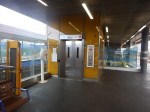
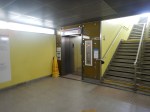
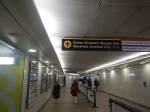
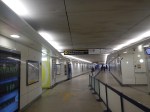

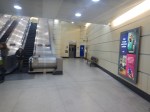
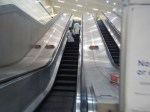
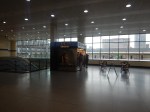
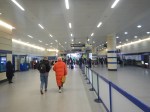
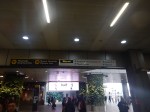




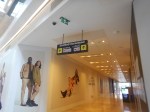



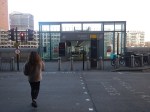
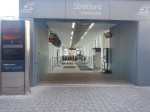
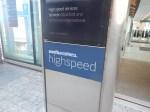
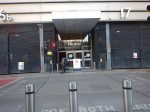
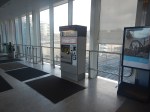
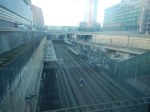
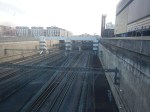
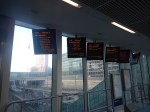
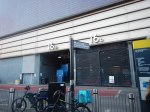
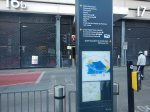
Note.
- I went through the Shopping Centre.
- I passed Marks & Spencer’s large food hall, excellent toilets and a Food Court.
- By the Food Court is an exit that leads to an entrance to Stratford International station.
- The walk took about 10 minutes.
- It was vaguely level.
- Lifts by-passed the escalators.
- One thing that makes the journey to London easier, is to travel in the Eastern end of the train, as the lifts and escalators at Stratford International station, are at that end.
It does need some better signage, but they were doing a bit of refurbishment, so that may already be underway.
It could be a very high quality interchange and it is already better than St. Pancras.
Coming back I took the longer route outside the Shopping Centre.
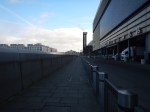

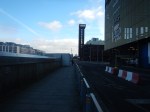
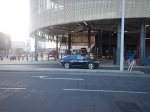
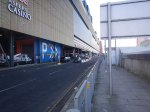
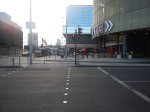
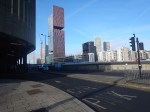
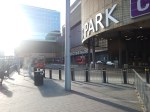
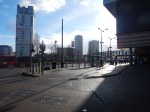
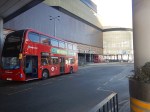

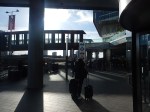
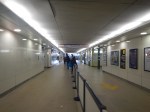
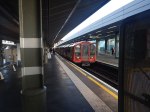
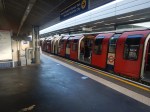
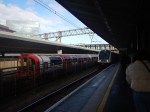
Note.
- I just turned left out of the entrance, walked along the road and turned right past the bus station.
- If the weather had been colder or wetter, I’d have gone back via the Shopping Centre.
- The walk took about 12 minutes.
I think normally, I’d go back through the Shopping Centre, as there’s a Marks and Spencer Food Hall on the route and it’s slightly quicker and often warmer.
Could Stratford Station Be A London Superhub Station?
When you consider the stations connected to Stratford in London, East Anglia and Kent, it has an excellent collection.
- Airports – Gatwick, Heathrow, Luton, Southend and Stansted
- Cities – Cambridge, Canterbury, Chelmsford, Colchester, Ipswich, Norwich and Southend-on-Sea
- London Main and Terminal Stations – Cannon Street, Charing Cross, Clapham Junction, Euston, Farringdon, King’s Cross, London Bridge, Liverpool Street, Marylebone, Moorgate, Paddington, Victoria and Waterloo
- Major Areas – Canary Wharf, City of London, Hampstead, Olympic Park and West End
- Ports – Dover, Felixstowe, Folkestone and Harwich
You can even get a train to Slough, with a change at Whitechapel.
I would think it already is a London Superhub Station.
Could The Giant Station At Bank, Liverpool Street, Monument And Moorgate Be Considered A Superhub?
In Is The City Of London Moving Towards One Giant Station?, I showed how the four stations were being drawn together and developed as one large station that served the heart of the City of London.
London is also developing other large interchange stations that could claim because of their connectivity could be classed as London superhub stations.
- Canary Wharf stations, which connect the Elizabeth and Jubilee Lines, and the Docklands Light Railway.
- Old Oak Common station, which could bring together the Central, Chiltern and Elizabeth Lines, the London Overground and High Speed Two.
- Stratford station, which connects the Central, Elizabeth and Jubilee Lines, the Docklands Light Railway, the London Overground, High Speed One and the Great Eastern Main Line.
- Whitechapel station, which connects the Circle, District, Elizabeth and Hammersmith & City Lines, and the London Overground.
But what are the characteristics of a superhub station?
A Lot Of Lines And Services
Obviously, it must have a lot of lines and services, so perhaps Clapham Junction station is the original superhub station.
All Lines Should Have Step-Free Access
This surely, goes without saying.
There Should Be Lots of Information
If the station is large it needs a lot of information and there’s probably the space to put it.
Helpful Staff
Should we have a fully-staffed kiosk at superhub stations, as there are at some main line stations?
Good Bus Connections
Bus connections at a superhub station must be comprehensive and probably connect to other superhubs.
There Should Be A Selection Of Shops For Travellers
I do my daily food and other shopping, as I travel around London. I’ll often use a station like Paddington with a good selection of shops.
Toilets
There are not enough public toilets in London.
Cash Machines
I know we’re using less cash, but a large station is a secure place to put a cash-machine.
Works Of Art
I also believe that railway stations are a secure place to put some of those large bronze sculptures and other works of art, that are currently locked away in the storerooms of galleries.
Is The City Of London Moving Towards One Giant Station?
Bank and Monument Stations
When I was growing up in the 1950s and 1960s, there used to be an anomaly shown on Harry Beck’s iconic London Tube Map, that stood out as a bit different.
It was between Bank and Monument stations and was marked as an Escalator Connection, which connected the Northern Line at Bank to the District and Circle Lines at Monument.
This link was opened in 1933 and has its own section in Wikipedia labeled Monument Link, 1933.
This link has been joined by more tunnels, lifts and escalators over the last eight decades.
- In 1960, the Waterloo & City Line was connected to the main entrance of Bank station by two moving walkways.
- In 1991, the Docklands Light Railway was extended to the complex, with escalators to both the Bank and Monument entrances to the station complex.
- In November 2018, the new Bloomberg or Wallbrook entrance to the station opened, and I wrote about it in The Bank Station Walbrook Entrance Opened Today.
Bank and Monument stations have been developing as a pair of twin stations for eighty years.
The latest phase of the Bank Station Upgrade has added the following to the complex.
- A new and much large Southbound platform for the Northern Line.
- A moving walking between the Northern Line at Monument station and the Central Line at Bank station.
- Escalators between the Central Line and the Bank station end of the new moving walkway.
- Escalators between the Northern Line and the Docklands Light Railway.
The upgrade will be completed by a new entrance to the station complex on Cannon Street.
This Google Map shows the area of the station.
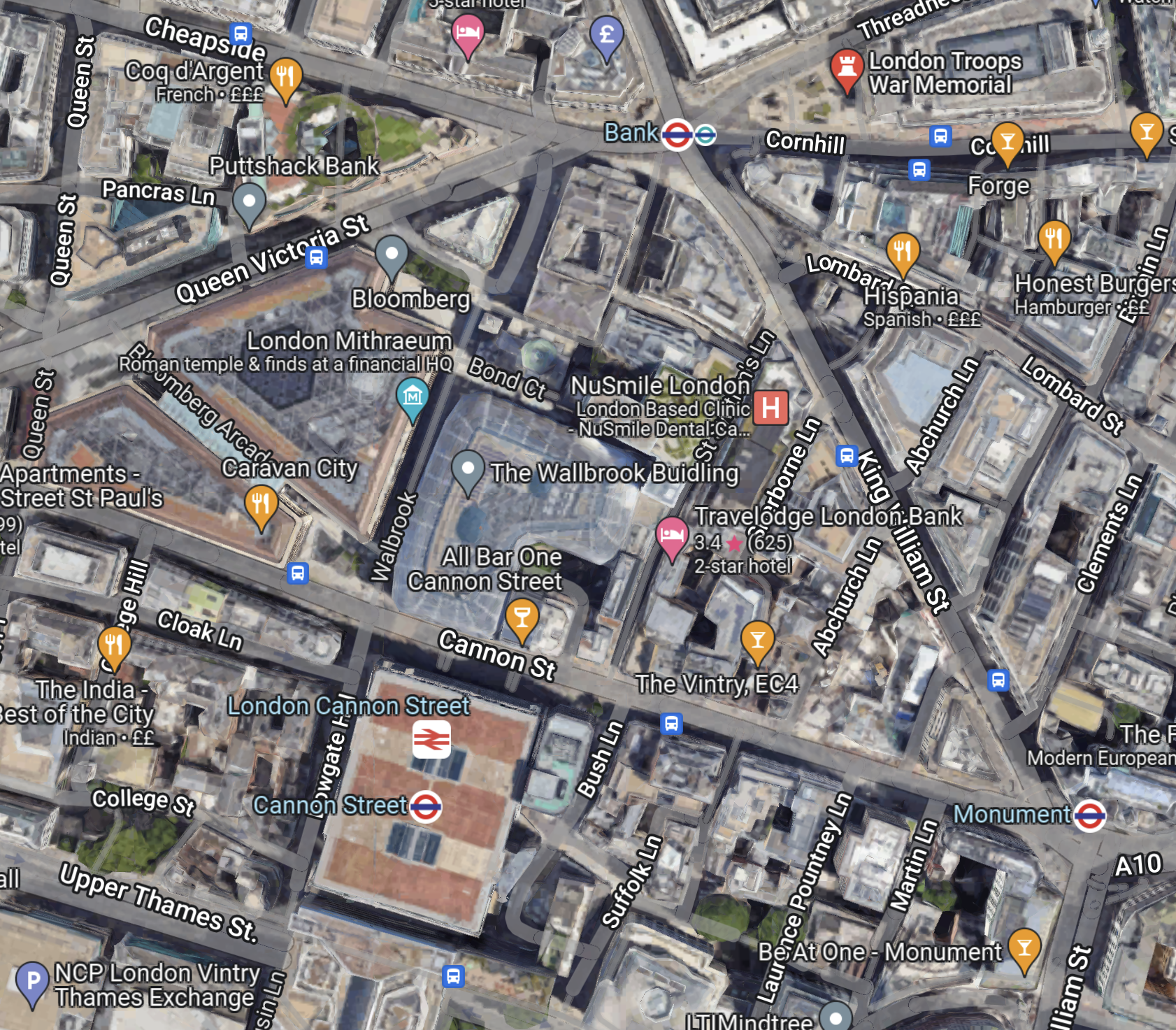
Note.
- The main Bank station entrance the top of the map, by the Bank of England with multiple entrances to the station.
- The main Monument entrance in the South-East corner of the map.
- The Cannon Street entrance will be in the triangle formed by Abchurch Lane, Cannon Street and King William Street.
- The Wallbrook entrance is under the Wallbrook Building.
The station has spread over a wide area, and I wouldn’t be surprised to see more entrances in the future.
Liverpool Street And Moorgate Stations
This Google Map shows Liverpool Street and Moorgate stations.
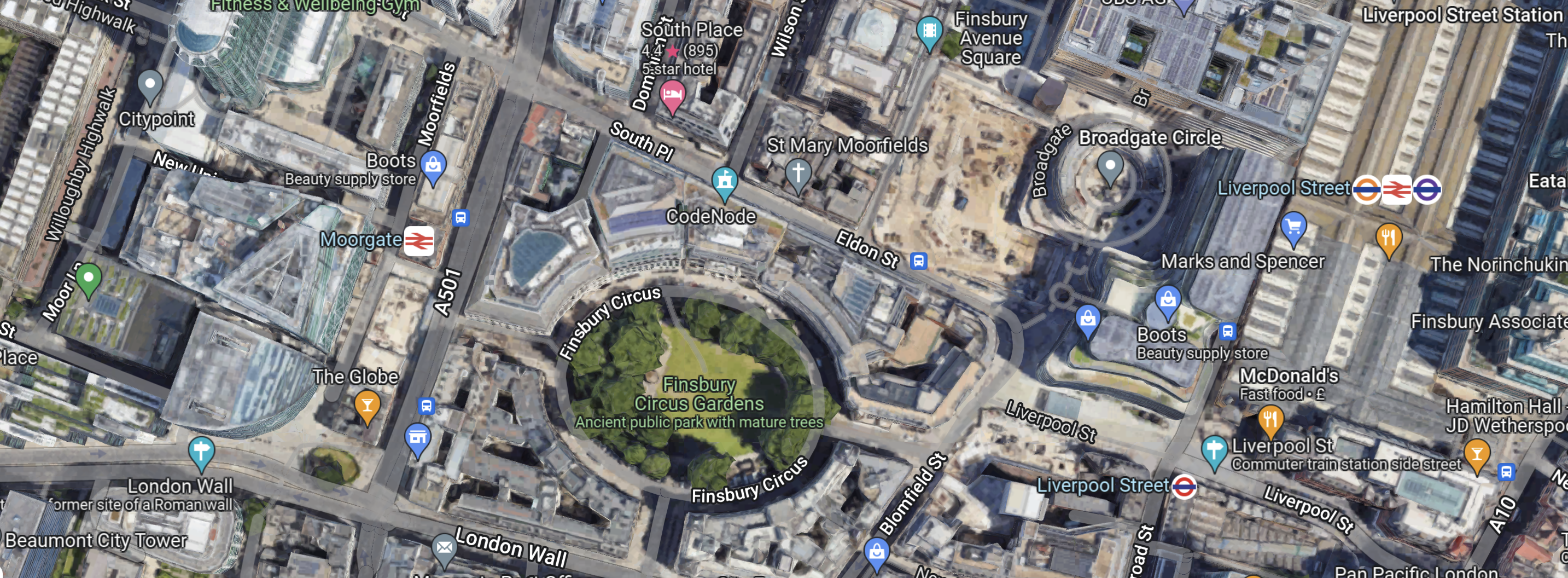
Note.
- The green space is Finsbury Circus Gardens.
- Moorgate station is to the West on the A501 or Moorgate.
- Liverpool Street station is to the East on the A10 or Bishopsgate.
There is now a tunnel between the two stations, as part of the double-ended Liverpool Street Elizabeth Line station.
The drawing from Crossrail shows a cross-section of the Liverpool Street Elizabeth Line station.
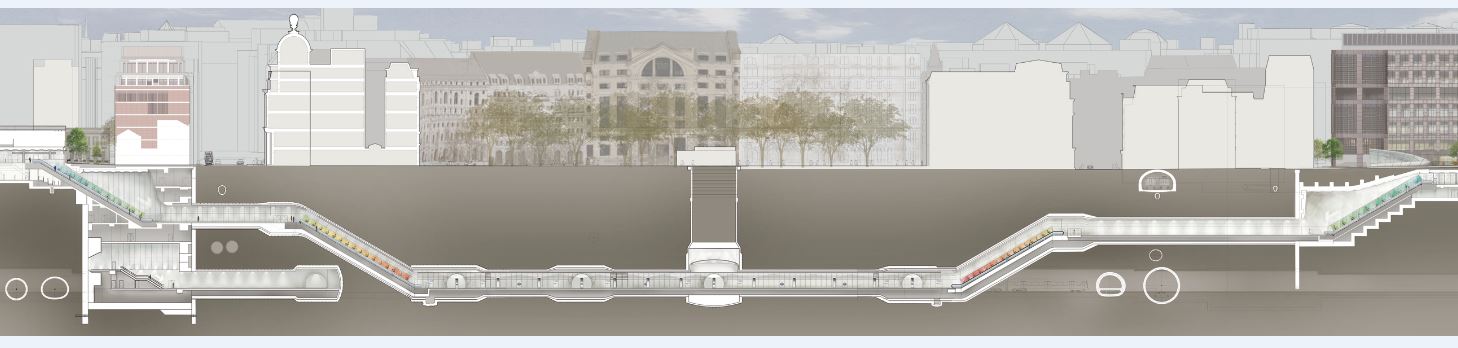
Note.
- Moorgate station is on the left.
- Liverpool Street station is on the right.
- In the middle looking like a giant juicer is the ventilation shaft in Finsbury Circus.
- The Crossrail tunnels, which consist of two running tunnels and a pedestrian walkway between them are at the deepest level.
- There are escalators and lifts all over the place.
If it’s raining it’s a good way between the two stations.
The Rail Lines At Liverpool Street And Moorgate Stations
These routes serve the two stations.
- National Rail – Liverpool Street to Essex, Suffolk and Norfolk
- National Rail – Moorgate to North London and Hertfordshire
- Central Line – Liverpool Street
- London Overground – Liverpool Street to North-East London and Hertfordshire
- City, Hammersmith & City and Metropolitan Lines – Liverpool Street and Moorgate
- Elizabeth Line – Liverpool Street and Moorgate
- Northern Line – Moorgate
Note.
- The Circle, Hammersmith & City and Metropolitan Lines have separate stations and platforms in both Liverpool Street and Moorgate.
- The Elizabeth Line station at Liverpool Street is a double-ended station with entrances in both the original Liverpool Street and Moorgate stations.
- You can walk between Liverpool Street and Moorgate stations using the connecting tunnel of the Elizabeth Line station.
- Both Liverpool Street and Moorgate stations are well-served by buses.
These connections mean that if you arrive in either of Liverpool Street or Moorgate and need to leave from the other main station, you can catch a train on the Circle, Hammersmith & City and Metropolitan Lines for one stop or walk through the Elizabeth Line tunnel or on the surface.
The Triangle Of Lines In The City Of London
The City of London effectively has three main Underground stations, that connect to all the important lines through the City.
- Bank/Monument station connects to the Central, Circle, District and Northern Lines
- Liverpool Street station connects to the Circle, Elizabeth, Hammersmith & City, Metropolitan and Northern Lines.
- Moorgate station connects to the Central, Circle, Elizabeth, Hammersmith & City and Metropolitan Lines.
All three stations have direct Underground connections.
- Bank and Liverpool Street via Central Line.
- Monument and Liverpool Street via Circle Line.
- Bank and Moorgate via Northern Line.
- Monument and Moorgate via Circle Line.
- Liverpool Street and Moorgate via Circle, Hammersmith & City and Metropolitan Lines.
Note.
- All interconnecting services are frequent.
- The Circle at six trains per hour (tph) is the least frequent
- The connections at Bank have much improved recently, due to the Bank Station Upgrade.
It is also possible to walk between the three stations.
In Where The City Of London Leads The Rest Will Follow!, I laid out the plans of the City of London to cut vehicles in the City, impose a 15 mph speed limit and improve cycling and walking routes.
If all goes to plan, then this will open up more routes between the three stations.
Conclusion
Bank, Liverpool Street, Monument and Moorgate will evolve into one large interconnected City of London station, that is served by the Central, Circle, Elizabeth, Hammersmith & City, Metropolitan and Northern Lines.
The most important thing that must be done is improve the information.
At least though, the vast walls that have been created in the Bank Station Upgrade and the Elizabeth Line stations, will be up to the task of informing passengers, the routes they need to take.
The other important thing, is to provide step-free and wheelchair-friendly routes between, Bank, Liverpool Street, Monument and Moorgate, so that passengers with reduced mobility can safely get on their way.
After the current round of construction and upgrades, I don’t think any of the rail routes between the stations are step-free.
 The Anonymous Widower