Is The City Of London Moving Towards One Giant Station?
Bank and Monument Stations
When I was growing up in the 1950s and 1960s, there used to be an anomaly shown on Harry Beck’s iconic London Tube Map, that stood out as a bit different.
It was between Bank and Monument stations and was marked as an Escalator Connection, which connected the Northern Line at Bank to the District and Circle Lines at Monument.
This link was opened in 1933 and has its own section in Wikipedia labeled Monument Link, 1933.
This link has been joined by more tunnels, lifts and escalators over the last eight decades.
- In 1960, the Waterloo & City Line was connected to the main entrance of Bank station by two moving walkways.
- In 1991, the Docklands Light Railway was extended to the complex, with escalators to both the Bank and Monument entrances to the station complex.
- In November 2018, the new Bloomberg or Wallbrook entrance to the station opened, and I wrote about it in The Bank Station Walbrook Entrance Opened Today.
Bank and Monument stations have been developing as a pair of twin stations for eighty years.
The latest phase of the Bank Station Upgrade has added the following to the complex.
- A new and much large Southbound platform for the Northern Line.
- A moving walking between the Northern Line at Monument station and the Central Line at Bank station.
- Escalators between the Central Line and the Bank station end of the new moving walkway.
- Escalators between the Northern Line and the Docklands Light Railway.
The upgrade will be completed by a new entrance to the station complex on Cannon Street.
This Google Map shows the area of the station.
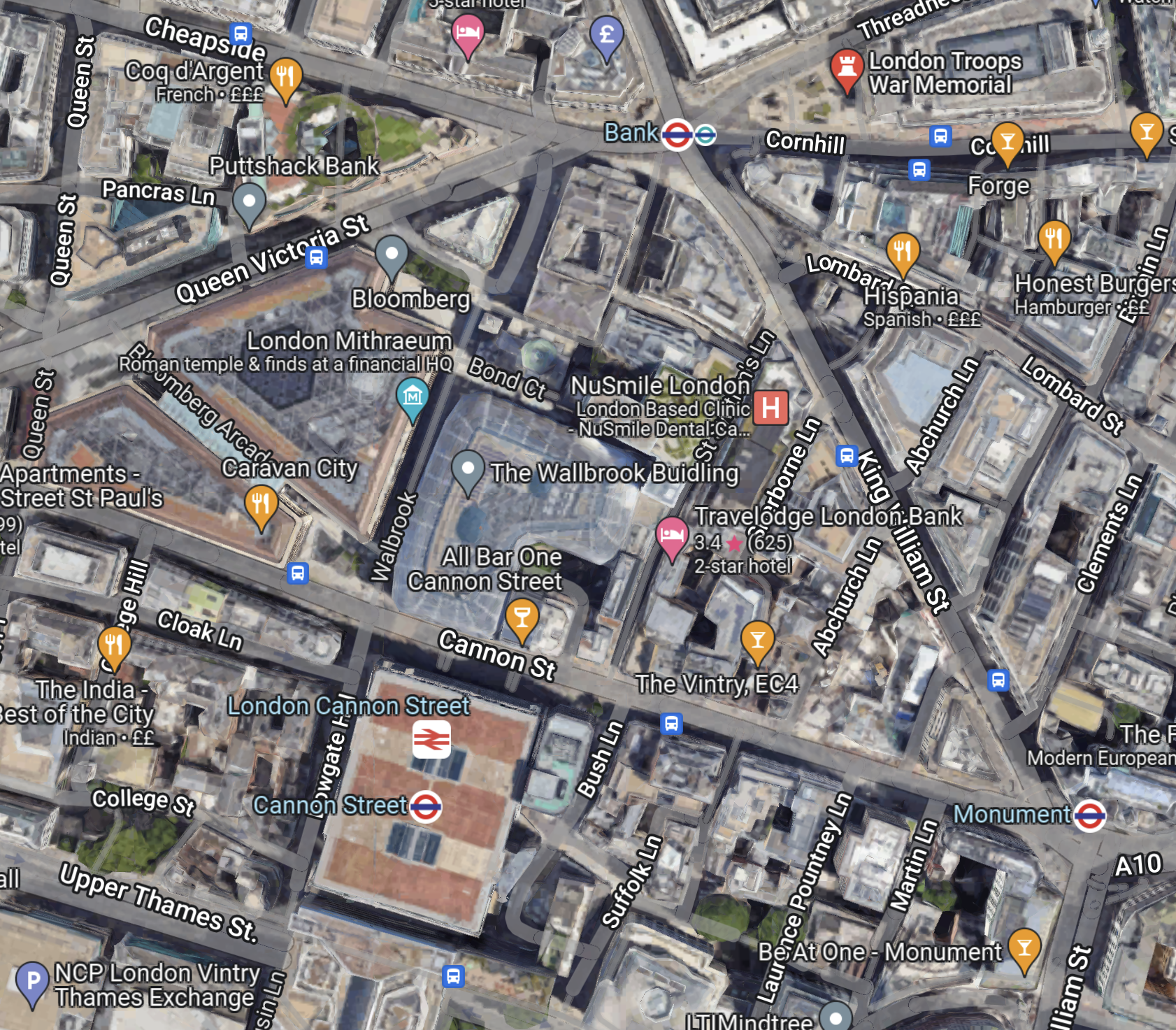
Note.
- The main Bank station entrance the top of the map, by the Bank of England with multiple entrances to the station.
- The main Monument entrance in the South-East corner of the map.
- The Cannon Street entrance will be in the triangle formed by Abchurch Lane, Cannon Street and King William Street.
- The Wallbrook entrance is under the Wallbrook Building.
The station has spread over a wide area, and I wouldn’t be surprised to see more entrances in the future.
Liverpool Street And Moorgate Stations
This Google Map shows Liverpool Street and Moorgate stations.
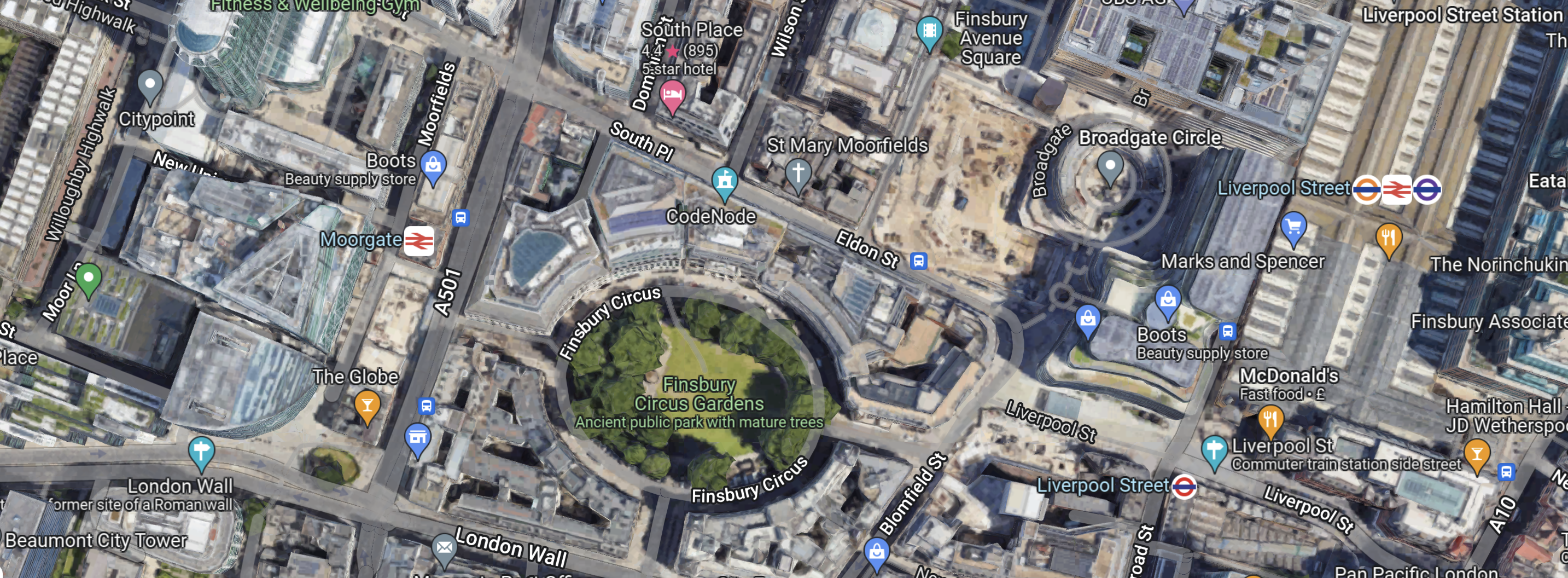
Note.
- The green space is Finsbury Circus Gardens.
- Moorgate station is to the West on the A501 or Moorgate.
- Liverpool Street station is to the East on the A10 or Bishopsgate.
There is now a tunnel between the two stations, as part of the double-ended Liverpool Street Elizabeth Line station.
The drawing from Crossrail shows a cross-section of the Liverpool Street Elizabeth Line station.
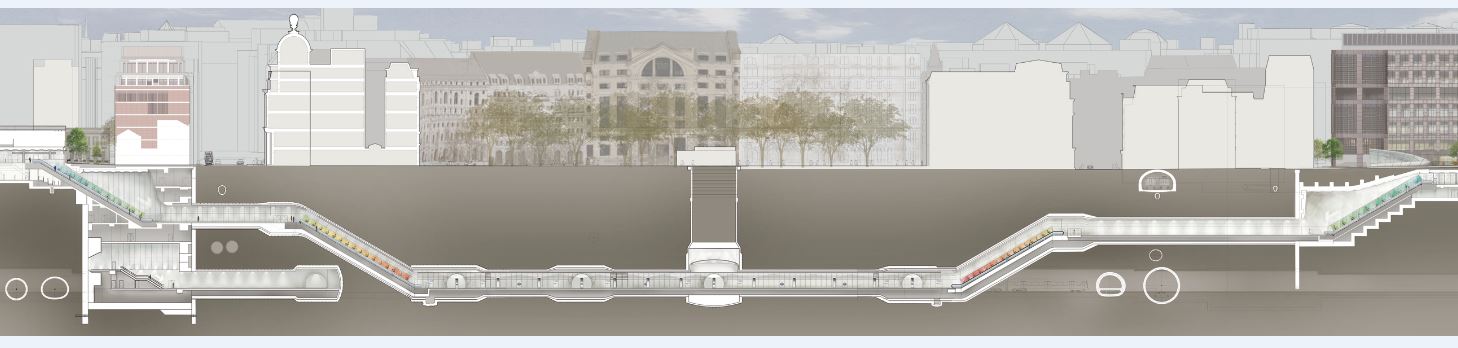
Note.
- Moorgate station is on the left.
- Liverpool Street station is on the right.
- In the middle looking like a giant juicer is the ventilation shaft in Finsbury Circus.
- The Crossrail tunnels, which consist of two running tunnels and a pedestrian walkway between them are at the deepest level.
- There are escalators and lifts all over the place.
If it’s raining it’s a good way between the two stations.
The Rail Lines At Liverpool Street And Moorgate Stations
These routes serve the two stations.
- National Rail – Liverpool Street to Essex, Suffolk and Norfolk
- National Rail – Moorgate to North London and Hertfordshire
- Central Line – Liverpool Street
- London Overground – Liverpool Street to North-East London and Hertfordshire
- City, Hammersmith & City and Metropolitan Lines – Liverpool Street and Moorgate
- Elizabeth Line – Liverpool Street and Moorgate
- Northern Line – Moorgate
Note.
- The Circle, Hammersmith & City and Metropolitan Lines have separate stations and platforms in both Liverpool Street and Moorgate.
- The Elizabeth Line station at Liverpool Street is a double-ended station with entrances in both the original Liverpool Street and Moorgate stations.
- You can walk between Liverpool Street and Moorgate stations using the connecting tunnel of the Elizabeth Line station.
- Both Liverpool Street and Moorgate stations are well-served by buses.
These connections mean that if you arrive in either of Liverpool Street or Moorgate and need to leave from the other main station, you can catch a train on the Circle, Hammersmith & City and Metropolitan Lines for one stop or walk through the Elizabeth Line tunnel or on the surface.
The Triangle Of Lines In The City Of London
The City of London effectively has three main Underground stations, that connect to all the important lines through the City.
- Bank/Monument station connects to the Central, Circle, District and Northern Lines
- Liverpool Street station connects to the Circle, Elizabeth, Hammersmith & City, Metropolitan and Northern Lines.
- Moorgate station connects to the Central, Circle, Elizabeth, Hammersmith & City and Metropolitan Lines.
All three stations have direct Underground connections.
- Bank and Liverpool Street via Central Line.
- Monument and Liverpool Street via Circle Line.
- Bank and Moorgate via Northern Line.
- Monument and Moorgate via Circle Line.
- Liverpool Street and Moorgate via Circle, Hammersmith & City and Metropolitan Lines.
Note.
- All interconnecting services are frequent.
- The Circle at six trains per hour (tph) is the least frequent
- The connections at Bank have much improved recently, due to the Bank Station Upgrade.
It is also possible to walk between the three stations.
In Where The City Of London Leads The Rest Will Follow!, I laid out the plans of the City of London to cut vehicles in the City, impose a 15 mph speed limit and improve cycling and walking routes.
If all goes to plan, then this will open up more routes between the three stations.
Conclusion
Bank, Liverpool Street, Monument and Moorgate will evolve into one large interconnected City of London station, that is served by the Central, Circle, Elizabeth, Hammersmith & City, Metropolitan and Northern Lines.
The most important thing that must be done is improve the information.
At least though, the vast walls that have been created in the Bank Station Upgrade and the Elizabeth Line stations, will be up to the task of informing passengers, the routes they need to take.
The other important thing, is to provide step-free and wheelchair-friendly routes between, Bank, Liverpool Street, Monument and Moorgate, so that passengers with reduced mobility can safely get on their way.
After the current round of construction and upgrades, I don’t think any of the rail routes between the stations are step-free.
Elizabeth Line: Commuters Say Service ‘Not What Was Promised’
The title of this post, is the same as that of this article on the BBC.
This is the sub-heading to the article by Tom Edwards.
All of the huge modernist stations are now open and it is architecturally impressive, but what has service on the Elizabeth line been like since it opened in the summer?
These three paragraphs talk about how passengers have reported problems to Tom.
Many say it has been hit and miss, and commuters in West Ealing have been in touch with me to highlight some of the problems.
They recorded some of their journeys for BBC London, and it doesn’t look pleasant.
Many are really fed up with the delays and cancellations and above all the overcrowding.
As with many new railways, like the London Overground, the Borders Railway and the Dartmoor Line, the passenger numbers on the Elizabeth Line have exceeded projections.
The main reasons are probably.
- Convenience of the new route and its stations.
- Curiosity about the new infrastructure.
- The improved access to the trains with heavy cases.
But in the case of the Elizabeth Line two other factors also apply.
Are Passengers Changing From the Piccadilly to the Elizabeth Line?
Consider.
- The Piccadilly Line trains are smaller than the Elizabeth Line trains.
- The Piccadilly Line trains are not air-conditioned.
- Heathrow Central to Holborn is 62 minutes on the Piccadilly Line and several minutes quicker using the Elizabeth and Central Lines with a change at Bond Street or Tottenham Court Road.
Many passengers, who previously used the Piccadilly Line may swap to the Elizabeth Line for a quicker journey on a more comfortable and spacious train.
The new Piccadilly Line trains will have more space, walk-through carriages and air conditioning, so may well tempt passengers back.
Bond Street And All Stations To the East On the Elizabeth Line Are Only Five Minutes Slower By Elizabeth Line Direct
Consider.
- Heathrow Central and Bond Street is 38 minutes using Heathrow Express and the Elizabeth Line with a change at Paddington.
- Using the Elizabeth Line all the way takes 43 minutes.
- The figures for Liverpool Street are 46 and 51 minutes respectively.
- The figures for Canary Wharf are 53 and 58 minutes respectively.
Note.
- The direct route avoids the change at Paddington.
- The change at Paddington between Heathrow Express and the Elizabeth Line is not onerous.
- Routes using Heathrow Express are fifteen pounds more expensive.
- If you’re desperate for a coffee, you can pick one up, when you change at Paddington using Heathrow express.
I believe a regular traveller to Heathrow, who has easy access to an Elizabeth Line station and in the past has used Heathrow Express will give the Elizabeth Line a chance.
The Jewel In The East Is On The Elizabeth Line
In 2014, I wrote Is Whitechapel Station Going To Be A Jewel In The East?.
Consider.
- The Elizabeth Line will go through the station with a frequency of up to 24 trains per hour (tph).
- The two Eastern branches of the Elizabeth Line split to the East of Whitechapel station.
- There will be four tph between Heathrow and Whitechapel.
- The East London Line of the London Overground goes through the station with a frequency of 16 tph, that will be raised to at least 20 tph in a few years.
- The District Line goes through the station with a frequency of upwards of 12 tph.
- The Hammersmith and City Line goes through the station with a frequency of 6 tph.
- The station has large numbers of lifts and escalators.
Passengers from all over the Eastern half of London will change at Whitechapel on their journey to and from Heathrow.
Farrington station Connects Thameslink And The Elizabeth Line
Consider.
- The Elizabeth Line will go through Farringdon station with a frequency of up to 24 tph.
- The Circle, Hammersmith and City and the Metropolitan Lines will go through the station with a combined frequency of up to 24 tph.
- Thameslink will go through the station with a frequency of up to 14 tph.
Passengers from Thameslink’s catchment area will change at Farringdon on their journey to and from Heathrow.
Overcrowding On The Elizabeth Line
It is not a surprise to me, that the Western end of the Elizabeth Line is overcrowded.
I noticed it in November 3022, when I wrote So Many Cases On A Train!.
What Can Be Done To Ease The Overcrowding?
These are possible ways to ease the overcrowding.
Increase The Number Of Trains To Heathrow
I would feel the obvious way to increase the number of trains to Heathrow, would be to run direct trains between Shenfield and Heathrow.
Currently, there are these trains.
- 4 tph – Heathrow Express – Paddington and Terminal 5
- 2 tph – Elizabeth Line – Abbey Wood and Terminal 4
- 2 tph – Elizabeth Line – Abbey Wood and Terminal 5
But is there the capacity to add extra trains between Hayes & Harlington and Heathrow through the tunnel?
Run A Service Between Shenfield And Hayes & Harlington
This would add capacity in West London, where it is needed, but wouldn’t add any extra trains through the tunnel to Heathrow.
By timing this service in combination with the Elizabeth Line services to Heathrow, I suspect a very efficient service between Heathrow and both Eastern terminals could be devised.
- As four tph run between Abbey Wood and Heathrow, four tph would be run between Shenfield and Hayes & Harlington.
- Going towards Heathrow, the train from Shenfield to Hayes & Harlington would be a few minutes in front of the train from Abbey Wood to Heathrow. Passengers going from Shenfield to Heathrow would be instructed to change at any station between Whitechapel and Southall, by waiting a few minutes for the following train.
- Coming from Heathrow, passengers wanting to go to Shenfield would walk across the platform at Hayes & Harlington to catch the waiting train to Shenfield. The Shenfield train would follow a few minutes behind the Abbey Wood train.
Note.
- The two train services would run as a pair, a few minutes apart.
- No new infrastructure would be required.
Currently, there are eight tph between Whitechapel and Hayes & Harlington.
Four tph between Shenfield and Hayes & Harlington would increase the following.
- The capacity between Whitechapel and Hayes & Harlington by fifty percent.
- The train frequency in the central tunnel to twenty tph or a train every three minutes.
- The frequency between Paddington and Shenfield to twelve tph.
There would still be four tph available for more services.
Hackney Central Before Levelling Up
This press release from Hackney Council is entitled £19m Funding Boost For Town Centre At Hackney’s ‘Beating Heart’.
This summary is in the first two paragraphs.
A greener, safer and more welcoming Hackney Central is one step closer after Hackney Council’s successful application for £19m in Levelling Up funding.
The award will see five acres of public space transformed, bringing new green space, trees and seating along Amhurst Road, investment in Hackney Central Library, a much-needed redesign of Pembury Circus junction, new creative workspace and a rejuvenated Hackney Town Hall Square.
This is the summary from the Government’s levelling-up document.
£19 million for renovating public spaces in Hackney Central, such as the iconic Town Hall Square, as well as new creative workspace and upgrades to the Hackney Central Library.
So. this afternoon I went for a walk around Hackney Central and took these pictures.

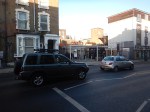
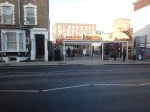
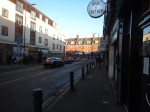
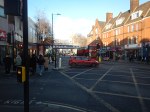
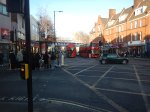
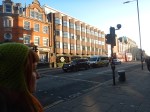







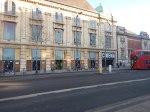

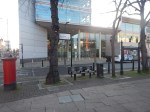



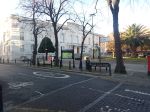
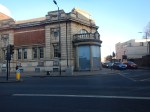
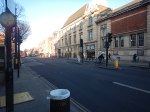
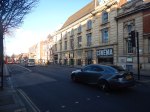
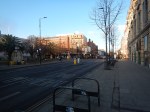



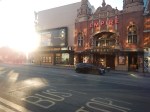
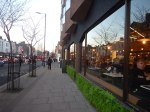
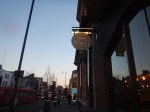
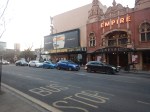
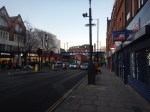
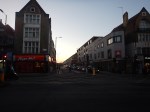
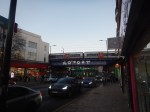
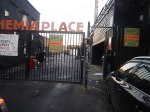
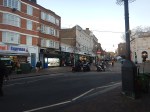

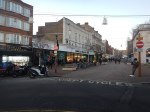
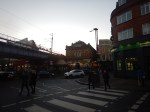
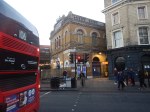
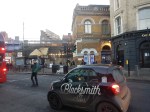

Note.
- The roundel is missing outside the Graham Road entrance to Hackney Central station.
- Hackney Town Hall is a Grade II Listed Building, dating from the 1930s.
- I wrote abut the Hackney Picturehouse in The Film That Changed My Life!.
- The Hackney Empire is a Grade II* Listed Building.
- The Pizza Express is new, swanky and spacious, and not what I’d expected. I had a late lunch there.
- The bridge carrying the Overground over Mare Street needs improvement.
- I wrote about the Hackney Marks and Spencer in Levelling Up – The Marks & Spencer Way.
- St. Augustine’s Tower is the oldest building in Hackney.
- The main building of Hackney Central station is now a bar and music venue.
In words that could be attributed to legendary estate agent; Roy Brooks, it is an area with potential.
These are some thoughts.
The Town Hall Square
What puzzles me about the garden in front of the Town Hall, is the two trees, which I would associate with warmer climes.
Even today, when it was rather cold, there were still flowers in front of the Town Hall.
The Overground
I argue that the coming of the London Overground raised the standard of Dalston, Hackney, Whitechapel and other parts of East and South London to that of their more desired and affluent neighbours.
We can’t really attribute the the creation of the London Overground to any one politician, as it has been an aspiration of several politicians and rail professionals since the 1990s. This History section in the Wikipedia entry for the Overground lists all the false starts and hopes.
But one man; Peter Hendy has been there most of the time and has worked with all three of London’s Mayors and several Transport Ministers.
I do wonder how much the Overground benefited from a sane, quiet hand from someone like Lord Hendy.
The Overground has certainly done its best for Hackney and we need more of its common sense approach to levelling-up all over the country.
Marks And Spencer
When I moved back to London, Hackney had a terrible Marks and Spencer.
As one of their biggest London stores, is just three stops away on the Overground, it might have been financially prudent to close the store at Hackney Central.
But Marks did the opposite and converted it into an upmarket food store, which is much more Knightsbridge than East End.
It’s certainly convenient for me, as I can get a bus there and a bus back, with only a hundred metre level walk at both ends.
The Graham Road Entrance To Hackney Central Station
This makes it easier to travel around Hackney and to get to the Town Hall, Theatre, Cinema and Library area.
How many extra entrances to railway stations will improve journeys and attract more passengers?
The Continuous Development Of The Hackney Central And Hackney Downs Complex
Since I moved to Hackney three projects have been completed on the station complex.
- A walkway has been built between the two stations to ease interchange.
- Lifts have been added to the footbridge at Hackney Central.
- The Graham Road entrance has been opened.
Two other projects have been proposed, but nothing has been actioned.
- A replacement entrance to Hackney Central station on the North side of the station.
- Step-free access to Hackney Downs station.
Will either of these projects be covered by the levelling up funding?
Pizza Express
This opened in December and I hadn’t seen it before, but you won’t notice it, unless you walk or ride on a bus up Mare Street, which I rarely do these days, since Hackney Wick station has been rebuilt.
So I was surprised to see it and like the Marks and Spencer it is more upmarket than other pizzadromes in East London.
- There is a lot of space.
- It has a proper wheel-chair entrance, that no-one could fault.
- Seating is upmarket, with several tables having a good view of the street outside. Ideal for someone eating alone, as I do regularly.
The restaurant still has a few rough edges, but it has the potential to be a pizzadrome to visit.
I do wonder, if the upmarket Marks and Spencer and Pizza Express are in a way an endorsement of Hackney’s plans for the future, by two market leaders of the High Street.
Buses
There are a lot of bus routes going through the area, which is a good thing.
But the information could also be improved.
Clapton Bus Garage
This map shows the location of Clapton bus garage.
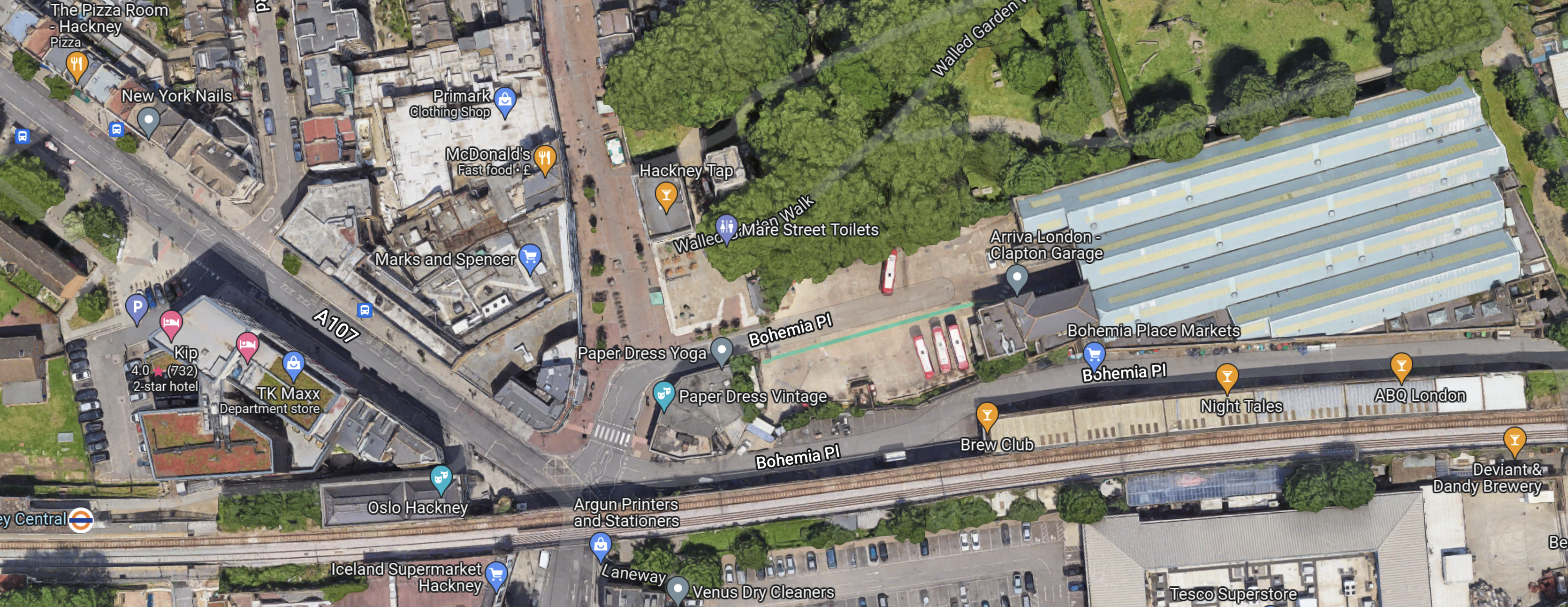
Clapton bus garage is the large building in the North-East corner of the map, red buses with white roofs outside.
This document on the Hackney Council web site is entitled Draft Hackney Central And Surrounds Masterplan, where this is said.
Relocate Clapton Bus Garage to an alternative site, to develop the site for mixed use, commercial/
residential development, and create a new route from St John-at-Hackney Churchyard Gardens to
Bohemia Place and beyond.
This sounds like a good idea, as part of the congestion in the area is caused by buses having to fight their way into the garage, when the roads are busy.
If they built, the right flats there I might be interested, as the site has good transport connections and an excellent Marks and Spencer.
Ashurst Road And Pembury Circus
This paragraph is in Hackney’s press release.
The award will see five acres of public space transformed, bringing new green space, trees and seating along Amhurst Road, investment in Hackney Central Library, a much-needed redesign of Pembury Circus junction, new creative workspace and a rejuvenated Hackney Town Hall Square.
Cut out what I have already covered and you get.
The award will see public space transformed, bringing new green space, trees and seating along Amhurst Road and a much-needed redesign of Pembury Circus junction.
This map shows Amhurst Road and Pembury Circus.

Note.
- Amhurst Road runs NW-SE across map.
- Hackney Central station is at the bottom of the map on the North London Line, which runs East-West.
- Hackney Downs station is the other station in the middle of the map.
- Pembury Circus is to the East of where Amhurst Road runs under the railway, at the top of the map.
- Dalston Lane runs between Pembury Circus Hackney Downs station.
I know the area around Hackney Downs station well.
- I regularly take a train to Hackney Downs station and get a 30 or 56 bus to my home from a bus stop on Dalston Lane.
- It can be a very unfriendly and cold place to catch a bus late at night.
But saying that, I’ve never had any trouble.
Improvements in that area, would certainly make my journey easier.
I would like to see the bus stops at Hackney Downs station moved to under the railway bridge to both improve shelter and cut the walking distance.
Conclusion
This could be £19 million very well spent and all residents of Hackney, myself included, could benefit.
So Many Cases On A Train!
This afternoon about three, I went to West Ealing station to see what it was like to transfer between the Elizabeth Line Central Tunnel and the Western Branch at Paddington.
Coming back, I took an Elizabeth Line service that had started from Heathrow Airport and it was one of the busiest Lizzies, I’d ever ridden!
To get on the train at West Ealing station, I got in to probably coach 4 of 9, as that was in the dry and the back end of the train I needed for Moorgate station was certainly in the wet.
I then had to walk half the length of the train to get to the back of the train.
It was not easy, as the train was full of scores of passengers with large wheelie cases.
This got me thinking.
Are Passengers Transferring To The Lizzie Line?
And especially those with large cases. that are the sort you could use for bringing in a pair of folded-up contortionists.
- These cases don’t fit well on the Piccadilly Line, which has only a few step-free stations.
- From what I’ve seen cases are easily wheeled to Elizabeth Line platforms at Heathrow.
- Many of these cases won’t fit in the average family car.
- All parking is expensive at Heathrow, whether it is short, medium or long.
- Valet parking at Heathrow has been devalued by all the scam artists.
- Taxis are the province of those that own oil wells, hedge funds or belong to the highest wunch of bankers.
- Pick-up and drop-off is now very expensive.
- There were a good proportion of couples, who were both dragging or pushing a massive case.
- The Elizabeth Line is cheaper than the Heathrow Express.
- The Elizabeth Line like the Piccadilly Line allows the use of a bank card as a ticket.
- Only the Elizabeth and Piccadilly Lines take you direct to dozens of stations with only same-platform interchanges.
- The Elizabeth Line has step-free interchanges with the Bakerloo, Circle, District, Hammersmith and City, Jubilee, and Metropolitan Lines, the Docklands Light Railway and the London Overground.
- Whitechapel has been turned into a major transport hub for the Easternmost part of London.
There seems to be quite a few reasons why a traveller going to or from Heathrow might at least try the Elizabeth Line.
And travellers seemed to be doing it in droves today!
Were Upmarket Passengers Using The Lizzie Line?
Take the couple next to me on the train from West Ealing.
- Around sixty.
- Very well-dressed.
- Possibly Mediterranean or South American.
- Matching medium-size wheelie-cases.
- She was wearing expensive glasses.
A couple of years ago, they would have probably used the Heathrow Express.
They certainly weren’t the only passengers, who looked like archetypal Heathrow Express passengers.
Will The Lizzie Line Take Passengers From The Piccadilly Line?
As the cost will be the same, I suspect the answer will be yes.
Although, there will be groups of travellers, who will probably remain loyal to the Piccadilly Line.
- If you were going to or from the step-free Cockfosters or Oakwood, with a heavy case, all the way on the Piccadilly Line could be a simple sensible option. I used to live near Oakwood station and remember several long trips on the Piccadilly Line, but not too Heathrow.
- The step-free Kings Cross St. Pancras, Green Park, Knightsbridge and Earls Court may well have reasons to keep their regular passengers.
- Those only travelling a few stops to or from Heathrow will probably stay with the Piccadilly Line for convenience.
- Transport for London have been adding step-free access to the Heathrow Branch and this will surely promote use.
The Piccadilly Line is also getting new trains in a few years.
In Extending The Elizabeth Line – Piccadilly Line To Ealing Broadway, I talked about a proposal to turnback some Piccadilly Line trains at Ealing Broadway station.
I think it is a good idea, as it could make it simpler for Piccadilly Line passengers to access Heathrow and reduce congestion on the Piccadilly Line.
Will The Lizzie Line Take Passengers From The Heathrow Express?
This is an extract from Extending The Elizabeth Line – Piccadilly Line To Ealing Broadway
It will be difficult to predict what will happen to Heathrow Express, but I suspect several groups of passengers will desert it.
- Passengers wanting to go anywhere East of Paddington without changing trains.
- Passengers wanting any Elizabeth Line station.
- Passengers, who don’t like the prices of Heathrow Express.
- Passengers using Oyster or contactless cards.
- Passengers who want to ride on London’s spectacular new Elizabeth Line.
After Old Oak Common station is opened for High Speed Two, the numbers could further decrease.
Will Heathrow Express survive?
Will The Lizzie Line Attract Passengers Who Usually Drive?
Large swathes of the country already have single-change step-free access to the Elizabeth Line.
- All services out of Liverpool Street and/or Stratford.
- All services out of Moorgate.
- All Thameslink services through Farringdon.
- All services out of Paddington.
- All services through Abbey Wood.
- When Crossrail to Ebbsfleet (C2E) opens, this will add all services through Gravesend and Ebbsfleet.
- When High Speed Two opens, this will add all services through Old Oak Common.
- When the Western Rail Approach To Heathrow is completed, this will add all services through Reading.
If you can get a train direct to the Elizabeth Line network and then a train direct to your terminal, would you seriously want all the hassle of parking after a two hour drive?
I can see parking at Heathrow suffering a severe lack of demand.
Conclusion
Lizzie will start a revolution in travel to and from Heathrow.
The Whitechapel Shortcut
Note that this post is unfinished.
When the East London Line of the London Overground opened just over a decade ago, the interchange with the District and Hammersmith and City Lines at Whitechapel station was not one of the best.
- There were no lifts.
- The stairs were too narrow and inadequate for the number of passengers using the interchange.
- Adding extra Overground trains to Clapham Junction station didn’t help.
If the Elizabeth Line had been added without extra work, the station’s passageways and stairs would have jammed solid.
- But improvements were added, when the station was expanded to handle the Elizabeth Line.
- A wide interchange plaza was created between the Eastern ends of the District and Hammersmith and City Line platforms.
- A double-width spiral staircase was installed between the Eastern end of the interchange plaza and the Southbound East London Line of the Overground.
- A convenient lift was installed alongside the spiral staircase.
- The original staircases to and from the Northbound East London Line of the Overground were updated and augmented by a lift.
- Passengers entering or leaving the station, were given alternative routes to avoid the interchange plaza.
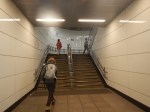
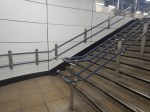
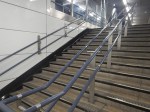
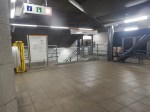
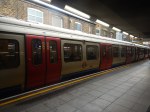
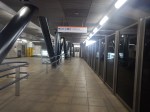
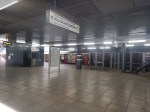
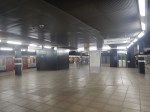
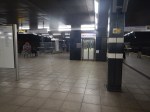
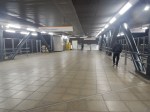
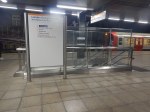
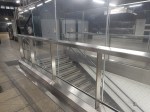
These pictures show the interchange plaza and the various lifts and staircases.
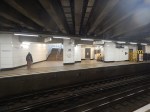



Note.
- The spiral stairs and the lift at the Eastern end of the plaza.
- The Eastern ends of the District and Hammersmith and City Line trains connect directly with the plaza.
It seems to be working well, since the opening of the Elizabeth Line.
Using The Whitechapel Shortcut
There are eight ways to change between the District and Hammersmith and City Lines and the Overground at Whitechapel station.
Southbound Overground To Westbound District And Hammersmith and City Lines
Today, I travelled between Haggerston and Moorgate stations, which I wrote about in From Haggerston To Moorgate.
I could have changed at Whitechapel station for the brand-new Elizabeth Line, but this would have meant a long walk to get to the Moorgate end of Liverpool Street station.
So I did this.
- I got in the front carriage of the Overground train at Haggerston station, which was conveniently by the lift at the station.
- This meant that on exiting the train, I was by the lift to the interchange plaza at Whitechapel station.
- The lift took me up a level to the District and Hammersmith and City Line platforms.
- I got in the rear carriage of a Hammersmith and City Line train to Moorgate station.
- This positioned me by the lift to the exit at Moorgate station.
I would be surprised if I walked much more than sixty metres between the two station entrances, as against the road distance of around two-and-a-half miles.
Southbound Overground To Eastbound District And Hammersmith and City Lines
This is very similar to the previous section except that you take the District And Hammersmith and City Line trains from the opposite platform.
Northbound Overground To Westbound District And Hammersmith and City Lines
There are two staircases and two lifts between the Northbound Overground and the interchange plaza.
Choose your stairs or lift and then take the Westbound District and Hammersmith and City Line.
Northbound Overground To Eastbound District And Hammersmith and City Lines
This is very similar to the previous section except that you take the District And Hammersmith and City Line trains from the opposite platform.
Westbound District And Hammersmith and City Lines To Southbound Overground
Eastbound District And Hammersmith and City Lines To Southbound Overground
Walk to the interchange plaza and choose the spiral stairs or lift.
Westbound District And Hammersmith and City Lines To Northbound Overground
Eastbound District And Hammersmith and City Lines To Northbound Overground
Walk to the interchange plaza and choose your stairs or lift.
Conclusion
It’s all very quick and painless.
From Haggerston To Moorgate
I did this journey this morning and I described it in detail in The Whitechapel Shortcut.
It may seem obvious to take the Overground to Whitechapel and then take the Elizabeth Line to Liverpool Street and come out on Moorgate.
But that route means a long walk at either Whitechapel or Moorgate to get to the right end of the train.
So I took a Hammersmith and City Line train, which was slower, but involved much less walking.
Minding The Gap – Barking Style
There are several ways of minding the gap between the train floor and the platform on railway systems.
- There’s the simple get the geometry right method used on the Elizabeth Line, parts of the London Overground and some other routes.
- There’s Stadler’s method where a gap filler comes out from the train.
But I’d never seen, this simplemethod that is used at Barking Riverside station on the London Overground.

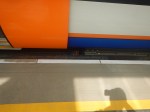

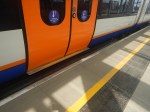

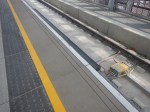
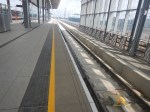

Note the rubber strip, where all the doors on the train are by the platform.
This is a simple device and I’ve never seen it before.
But according to this article on Rail Technology Magazine, it has been in use on Heathrow Express for a year.
The devices are Australian and come from a company called Delkor Rail.
A First Trip To Barking Riverside Station
I took a first trip to Barking Riverside station this morning and took these pictures.
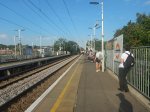
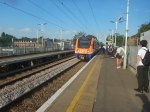
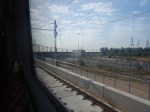
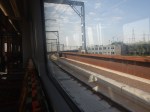
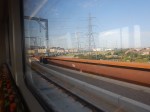
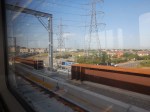
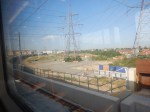
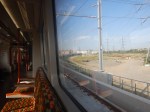
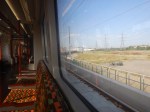
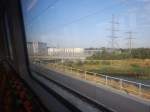
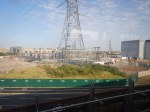
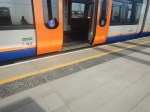
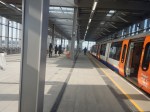
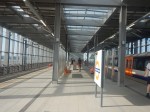
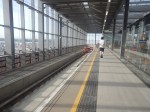
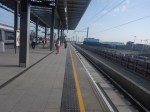
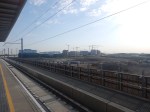
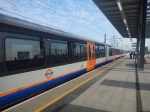

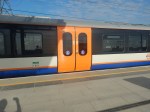
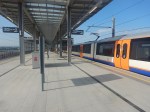
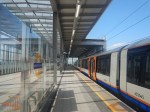
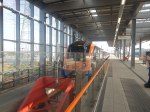
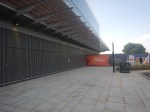
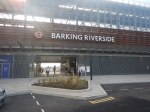
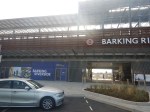
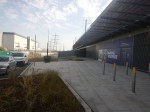
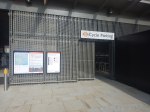

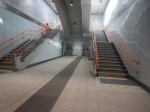
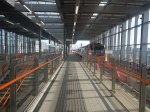


I have a few thoughts and observations.
Bluebell Heritage Railway Planning Western Extension
The title of this post, is the same as that of this article on Ian Visits.
This is the introductory paragraph.
The Bluebell Railway, a heritage railway that runs through Sussex has filed a pre-planning application as it seeks to extend the railway westwards along a partially disused railway alignment.
It seems to be a well-thought out plan.
- Part of the route is a freight line to bring aggregates out of the area.
- The Bluebell Railway appear to have been talking to Hanson Aggregates and the plan would not appear to affect Hanson’s business.
- The eventual destination is Haywards Heath station, where from maps and Wikipedia, it appears that not too much work would need to be done.
A Hayward’s Heath connection would surely be good for the finances of the Bluebell Railway.
I also suspect that Hanson Aggregates would come out of this with a certain amount of good publicity.
Do Network Rail Have A Plan To Increase Capacity South Of Oxted?
In Kent Railway Viaduct Set For £3.5m Makeover, I wrote about Network Rail giving a viaduct a makeover, that will last for the next fifty years.
Could a reason for the makeover, be that once the trains to Uckfield are zero-carbon, there is a possibility that the frequency of trains on the route could be doubled to two trains per hour (tph)? This would surely increase the stresses and strains on the viaduct. Especially, if two trains were timetabled to pass in Ashurst station, where the line is double-track.
This would increase the trains North of Oxted station in the Off Peak from one train to Victoria and one to London Bridge to one to Victoria and two to London Bridge. Once capacity at East Croydon has been increased, this would provide a fifty percent increase in trains between London and Oxted.
If the capacity is increased through East Croydon and into London, I can see more people using the trains into London from Oxted and the South.
But there are some missing links.
- Both London Bridge and Victoria don’t have easy connections to the Elizabeth Line.
- Getting between Heathrow and Oxted is a double-change.
- There doesn’t appear to be large amounts of parking, on the Oxted Line.
- It also doesn’t look like there are obvious places to add stations.
I also suspect that faster electric or battery-electric trains working the Uckfield branch will attract more passengers.
Various solutions must be possible after an increase in capacity at East Croydon station.
- As someone, who lives at the Northern end of the East London Line, we only have a connection to West Croydon station, rather than the much more useful East Croydon station. Will this change, after a remodelled East Croydon station?
- In Major Upgrade Planned For Norwood Junction Railway Station, I wrote about possible improvements at Norwood Junction station. This upgrade would surely allow better connection between Southern, Overground and Thameslink, with the latter two lines giving access to the Elizabeth Line.
- I also think that there could be more scope for trains to and from the South to stop at New Cross Gate station for interchange with the Overground.
It should also be noted that the Uckfield branch could become a twelve-car electrified branch.
Thameslink To Uckfield?
There has been talk of increasing the frequency of Thameslink through London from its current 20 tph. As Thameslink, already runs to Oxted and East Grinstead in the Peak, perhaps Thameslink could take over the Uckfield Branch?
- This would give direct access to the Elizabeth Line at Farringdon station.
- Services would still serve East Croydon and London Bridge.
- There would also be direct access to Eurostar services at St. Pancras.
Blackfriars, Cannon Street, Charing Cross, Euston, King’s Cross, Liverpool Street, Moorgate, Paddington, St. Pancras, Victoria and Waterloo would all be easy journeys, with no more than a single step-free change.
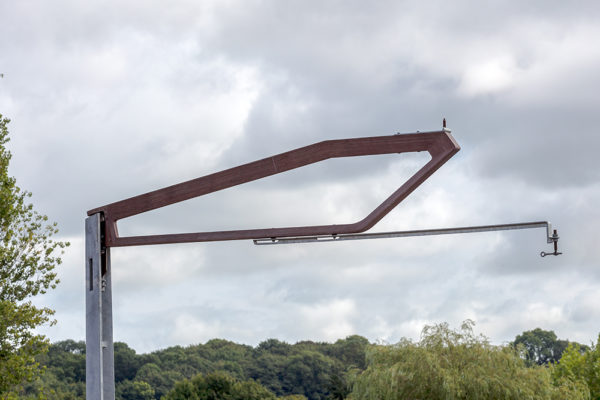
The service could even use the existing trains, if Hurst Green to Uckfield were to be upgraded with 25 KVAC overhead electrification. I would use lightweight catenary like this.
Trains would change over in Hurst Green station.
An East Grinstead And Oxted Shuttle
Could East Grinstead services be improved by adding a shuttle between East Grinstead and Oxted?
- It would use the bay platform at Oxted station.
- The timings would be arranged so there was an easy interchange.
- East Grinstead and Oxted is electrified.
- Oxted station is a step-free station.
- The current service takes seventeen minutes between East Grinstead and Oxted, so an hourly service would be possible, which would mean both Uckfield and East Grinstead branches had a two tph service.
Such a service could certainly have possibilities.
How Does This Help The Bluebell Railway?
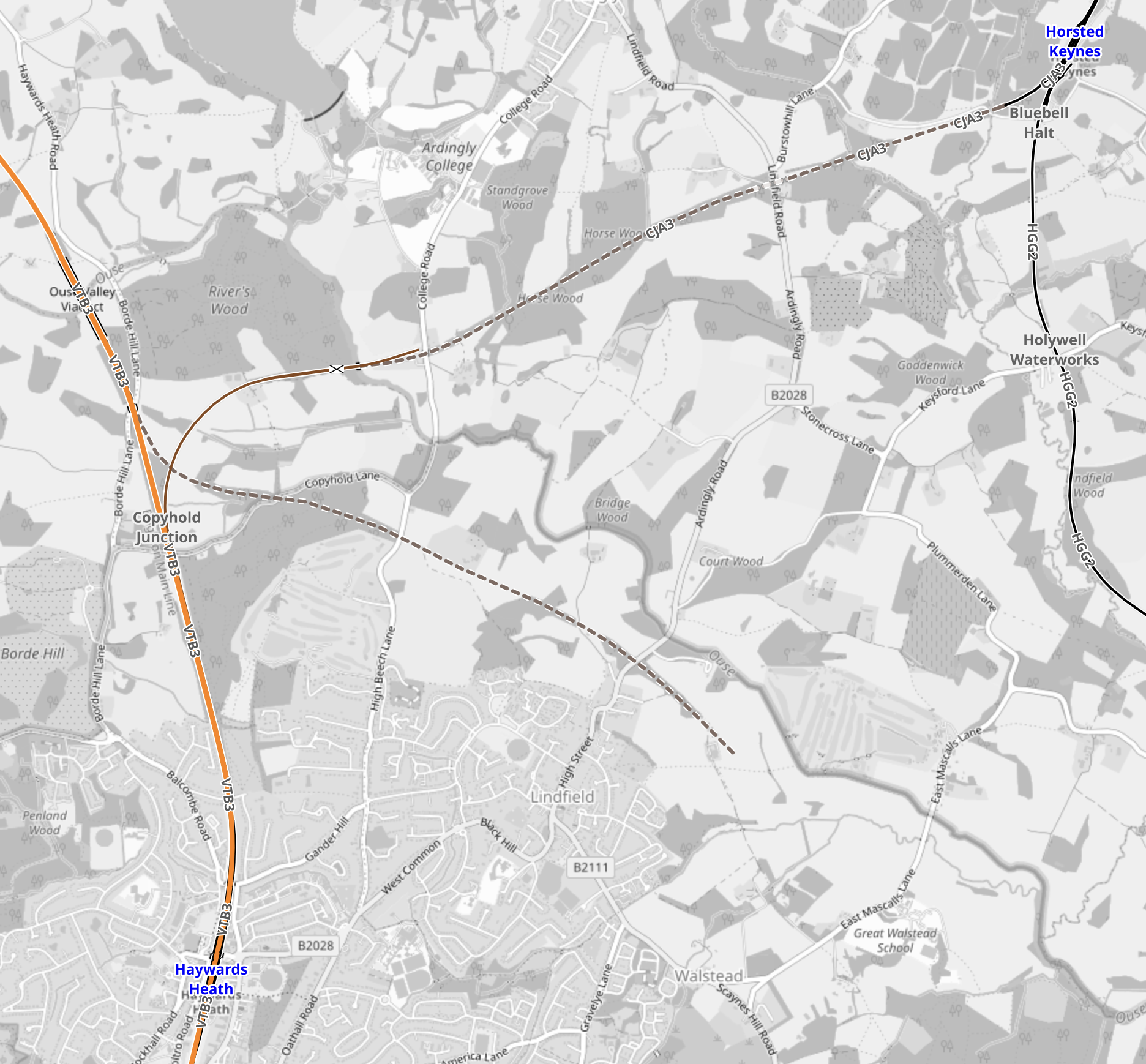
This map from OpenRailwayMap shows the proposed extension.
Note.
- Horsted Keynes station is in the North-East corner of the map.
- The Bluebell Railway runs North-South through this station.
- Haywards Heath station is in the South-West corner of the map.
- The Brighton Main Line runs North-South through this station.
- Copyhold junction, which is to the North of Haywards Heath station, is where a short branch line serves Hanson Aggregates.
The proposed extension will run between the Hanson Aggregates site and Horsted Keynes station.
In my view, the obvious service would be to run between Haywards Heath and Oxted.
- Haywards Heath station has been designed to turn trains.
- Oxted station has a bay platform.
- The route is electrified between Oxted and East Grinstead.
- Copyhold Junction and Haywards Heath is electrified.
- Only about thirteen miles of the route are not electrified.
- The route services Lingfield racecourse and of course the Bluebell Railway.
Passenger numbers are incredibly hard to predict, but I believe that an hourly service could be very useful to some.
What Trains Could Be Used Between Oxted And Haywards Heath?
I wrote The Future Of The Class 387 And Class 379 Trains in February 2022 and in that post, I mused about the future of two fleets of excellent Electrostars.
- In total, there are thirty Class 387 trains and a hundred and seven Class 387 trains.
- Some of these trains are just sitting in sidings, which isn’t very productive for their owners.
- One of the owners of some of the Class 387 trains, is Porterbrook, who are not afraid to innovate.
In the July 2022 Edition of Modern Railways, there is an interview with Southeastern Managing Director; Steve White, under a title of Southeastern Under The State.
This is said on page 75.
More positive is the outlook for restoration of passenger services on the Hoo branch, where 12,000 new houses are proposed and Medway Council is looking to build a new station halfway down the branch to serve them. As the branch is unelectrified, one idea that has been looked at is a shuttle with a Vivarail battery train or similar, turning round at Gravesend or another station on the main line.
Steve White worries that this could mean spending a lot of money on infrastructure work and ending up with what would be a sub-optimal solution. ‘Do people really want to sit on a train for 10 minutes before having to get out and change onto another train? I don’t think so. Ideally what you want is through trains to London, by extending the Gravesend terminators to Hoo.’
That would require a battery/third rail hybrid unit, but Mr. White thinks that is far from an outlandish proposal; with Networker replacement on the horizon, a small bi-mode sub-fleet could dovetail neatly with a stock renewal programme. Medway Council and rail industry representatives are working on coming up with a solution for Hoo that could do what it does best; facilitating economic regeneration in a local area.
One solution for the battery/third rail hybrid unit to Hoo, would be a battery/electric four-car Class 387 or Class 379 train, which could run in formations of four, eight or twelve cars.
These trains would also be ideal for the Marshlink Line and would surely be able to handle the thirteen miles without electrification on the route between Oxted and Haywards Heath.
The sooner, someone makes a decision about some four-car battery-electric trains, the sooner we can see if they are a useful solution.
 The Anonymous Widower