Northern Powerhouse Rail – A New Line Between Liverpool And Manchester Via The Centre Of Warrington
In this article on Transport for the North, which is entitled Northern Powerhouse Rail Progress As Recommendations Made To Government, one of the recommendations proposed for Northern Powerhouse Rail is a new rail line between Liverpool and Manchester via the centre of Warrington.
I shall look at a few of the possibilities for various sections of the line starting at the Manchester end.
High Speed Two And Northern Powerhouse Rail Between Warrington/Lymm And Manchester Airport
This map clipped from High Speed Two’s interactive map, shows the route of High Speed Two in the area between Lymm and Manchester Airport.

Note.
- High Speed Two is shown in orange
- The blue dot is Manchester Interchange station at Manchester Airport.
- High Speed Two goes North to Wigan North Western station.
- High Speed Two goes South to Crewe station.
- High Speed Two goes East to Manchester and the East.
- The East-West Motorway is the M56 with Junction 7/8 in the middle of the map and Junction 9 with the M6, at the Western edge of the map.
This enlarged map shows High Speed Two between Manchester Airport and Junction 7/8 of the M56.

The colours of High Speed Two indicate the type of construction.
- Black is a bored tunnel. Only in the North East corner, where it continues to Manchester.
- Brown is a track between retaining walls. Used through Manchester Interchange or Airport station.
- Red is a viaduct.
- Yellow is a cutting.
This Google Map shows a similar area.

High Speed Two’s tracks will be on the South side of the Motorway and will be shared with Northern Powerhouse Rail.
- There is likely to be up to twelve trains per hour (tph) in both directions.
- I would think, that with modern signalling that the trains would be running at 140 mph or more.
- Between Manchester Airport and Warrington could be a line as between St. Pancras and Ebbsfleet on High Speed One.
This map clipped from High Speed Two’s interactive map, shows the M56 and High Speed Two around Junction 7/8 of the M56.

The colours are as before.
- The obvious way to build a new rail line between Manchester and Warrington, would surely be to create a rail junction just South of the Motorway junction.
- A line to Warrington could run along the South side of the Motorway.
- I also believe that there should be a connection between the High Speed Two lines to Manchester and Wigan North Western, to allow high speed services between Manchester and Barrow, Blackpool, Preston, Windermere and Scotland.
Building the rail junctions around the Motorway junctions would be a good idea for environmental and visual reasons.
Northern Powerhouse Rail would then continue to Junction 9 of the M56 Motorway.
This Google Map, shows the M56 around Junction 9 with the M6.

Note.
- The M56 running East-West.
- The M6 running North-South.
- Lymm services to the North-West of the junction.
- Lymm is to the North-East and Warrington is to the North-West of the junction.
Would it be possible for to run South of the M56 and then turn North to run along the Western side of the M6 towards Warrington?
I very much feel, that with modern 3D software, an engineer with expertise in extreme knitting could thread a double-track line through to take a North-Western route towards Warrington.
The Bridge Across The Mersey
If you look at maps of the area, there is a big problem of water between Junction 9 of the M56 and Warrington town centre, with its two stations of Warrington Bank Quay and Warrington Central, both of which have services to Liverpool Lime Street station.
The problem is the Manchester Ship Canal.
I then noticed a bridge to the South East of the town centre, which is shown in this Google Map.

It may look like it has got more than a touch of the dreaded iron moths, but it certainly looks like it was once a double track rail line.
The bridge was on the Warrington and Altrincham Junction Railway, which did what you would expect from the name.
This Google Map shows the track of the railway either side of the bridge.

Note the bridge in the centre of the map and the green scar of the former railway running East-West across the map.
To the East the green scar of the railway can be picked out all the way to M6.

Note.
- The bridge is at the West over the Manchester Ship Canal.
- The green scar of the Warrington and Altrincham Junction Railway can be followed all the way to the M6,
- I think the track is now a footpath, as it is marked on the map with a dotted white line.
I would be interested to know, if it could take a modern double track railway.
This Google Map shows an enlarged view of where the green scar of the Warrington and Altrincham Junction Railway goes under the M6.

Note the dotted white line marking the railway, towards the top of the map.
Would it be possible to design a track layout, where Northern Powerhouse Rail came up the Western side of the M6 and was able to connect to Warrington?
I certainly believe it’s a possibility.
Warrington Bank Quay Station
To the West of the bridge over the Manchester Ship Canal, the Warrington and Altrincham Junction Railway ran through low-level platforms at Warrington Bank Quay station.
This Google Map shows Warrington Bank Quay station.

This picture shows a freight train passing under Warrington Bank Quay station.

Note.
- There are four North-South platforms on the West Coast Main Line.
- The Warrington and Altrincham Junction Railway passes East-West under the four main platforms.
- Low levels platforms used to handle passengers on the East-West lines.
- I was looking to the East in the picture.
- The tracks continue to the West on the route of the former St. Helens Railway, which is now a freight route.
- The map shows the tracks curving sharply round one of the meanders of the River Mersey.
Warrington Bank Quay station is on a congested and tight site, but by using some of the spare railway land, I feel it could rebuilt to be an excellent station for Warrington.
Warrington Bank Quay Station As An Interchange
Warrington Bank Quay station could be an excellent and efficient interchange between High Speed Two and Northern Powerhouse Rail.
There are also local services from the station, which could be useful for some travellers.
Between Warrington Bank Quay Station And Widnes
This Google Map shows the Mersey estuary between Warrington Bank Quay station and Widnes.
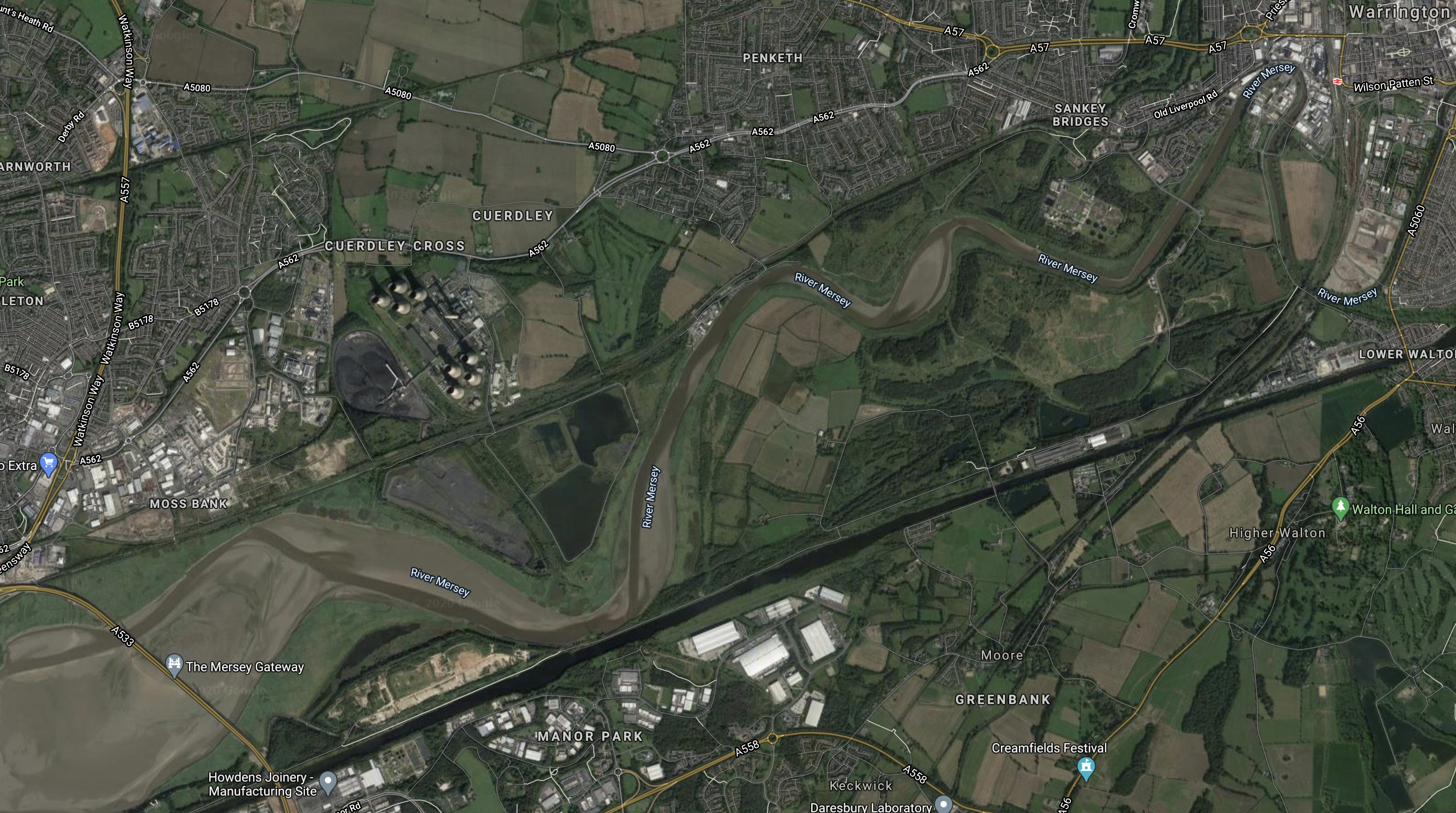
Note.
- Warrington is in the North-East corner of the map, with Warrington Bank Quay station shown by a red station symbol.
- The new Mersey Gateway bridge is in the South-West corner of the map.
- The River Mersey meanders between the bridge and Warrington.
- Fiddlers Ferry power station can be picked out in the nearest meander of the Mersey to the bridge.
- The dark straight line below the river is the Manchester Ship Canal.
- There is currently a freight line on the North bank of the river.
This Google Map shows Fiddlers Ferry power station, with the railway between the now-decommissioned power station and the River Mersey.

Note.
- Fiddlers Ferry will become an employment site.
- It could even be a good place for a depot for Northern Powerhouse Rail.
- I think there’s scope to increase the operating speed of the railway along the Mersey.
Could it even be an electrified high speed line with a 125 mph operating speed?
Between Widnes And Liverpool Lime Street
The trains coming from Warrington could join the Liverpool Branch of the West Coast Main Line at Ditton East Junction.
The route between Ditton East Junction and Liverpool Lime Street has the following characteristics.
- It has four tracks.
- It is 10.6 miles long.
- Avanti West Coast’s expresses typically take twelve minutes for the trip without stopping.
- The stations on the route; Liverpool South Parkway; West Allerton, Mossley Hill and Edge Hill, all have one platform per line.
- It is fully electrified.
- Lime Street station has recently been updated with longer platforms and a higher capacity approach to the station.
- Some local services have already been moved to Merseyrail’s Northern Line.
- Stopping services on the route have their own platforms.
I believe that with the installation of full digital signalling and a degree of automatic train control, as far as Crewe and Warrington Bank Quay stations, that the following services could be handled.
- Six tph – Northern Powerhouse Rail – Liverpool and Manchester Airport and Manchester Piccadilly
- One tph – East Midlands Railway – Liverpool and Nottingham
- Three tph – High Speed Two – Liverpool and London Euston
- One tph – High Speed Two – Liverpool and Birmingham Curzon Street
- Two tph – London North Western – Liverpool and Birmingham and London Euston
Note.
- This is only 13 tph.
- Avanti West Coast services would be replaced by High Speed Two.
- TransPennine Express services would be replaced by Northern Powerhouse Rail
- The Liverpool and Nottingham service may or may not go via Ditton East junction.
If the capacity on this branch could be raised to 15 tph, that would be only be a train every four minutes, or half the frequency, that will eventually be operational on Crossrail and Thameslink. It would also be less than the 18 tph frequency of High Speed Two.
Conclusion
This simple exercise has proven to me, that a high speed line could be built between Manchester Airport and Liverpool Lime Street station.
- Several sections of the route could have an operating speed of 125 mph or more.
- By running the tracks along the M56 and M6, visual and aural intrusion could be minimised.
- The line along the Mersey through Warrington could be a valuable part of the route.
- West of Warrington, much of the infrastructure needed, appears to be in place and it would only need to be upgraded.
There was a large and extremely pleasant surprise at the Liverpool end.
The approach to Liverpool Lime Street is two fast and two slow lines, and I believe, that this section of the route could handle up to say 15 fast trains and six stopping trains per hour, with full digital signalling.
Unlike London and Manchester, I doubt that Liverpool will need a tunnel to access the City Centre.
I also believe that after its refurbishment of the last couple of years, Lime Street could be substantially ready for High Speed Two and Northern Powerhouse Rail.
Project Management Recommendations
This project divides neatly into three.
- Between Manchester Airport and Warrington along the route of the M56 and M6.
- Reconstruction, upgrading and electrification through Warrington and the rebuilding of Warrington Bank Quay station.
- Reconstruction, upgrading and electrification between Warrington and Liverpool.
The first project will be a major one, involving the construction of nearly twenty miles of new electrified railway, with numerous viaducts, bridges and a large junction at High Legh with High Speed Two.
The other two projects would be a lot simpler and would involve turning twenty miles of double-track freight line into a modern electrified railway.
I would construct projects 2 and 3 early in the schedule, as it would give Warrington a new Bank Quay station. A passenger service to Liverpool Lime Street, could also be opened if required.
Northern Powerhouse Rail Progress As Recommendations Made To Government
The title of this post, is the same as that of this article on Transport for the North.
This is the introductory paragraph.
Northern leaders have agreed an initial preferred way forward for a new railway network that will transform the region’s economy.
And these are the rail improvements proposed.
- A new line to be constructed from Liverpool to Manchester via the centre of Warrington, Read more…
- A new line to be constructed from Manchester to Leeds via the centre of Bradford. Read more…
- Significant upgrades and journey time improvements to the Hope Valley route between Manchester and Sheffield. Read more…
- Connecting Sheffield to HS2 and on to Leeds. Read more…
- Significant upgrades and electrification of the rail lines from Leeds and Sheffield to Hull. Read more…
- Significant upgrades of the East Coast Mainline from Leeds to Newcastle (via York and Darlington) and restoration of the Leamside Line. Read more…
The Read more links point to my initial thoughts.
No more detail is given, but the list is followed by this paragraph.
The move comes ahead of the much-anticipated publication of a new report that will set out long-term investment plans for rail upgrades in the North. The Government’s Integrated Rail Plan – due to be published by the end of this year – is expected to recommend how investment in rail projects like Northern Powerhouse Rail, HS2 Phase 2b, and the TransPennine Route Upgrade (a separate project) will be delivered.
I am waiting for the Government’s Integrated Rail Plan with interest.
Is Sizewell The Ideal Site For A Fleet Of Small Modular Nuclear Reactors?
As someone who spent forty years in project management, the Small Modular Nuclear Reactor or SMR could be a project manager’s dream.
Suppose you were putting a fleet of SMRs alongside Sizewell B.
This Google Map shows the current Sizewell site.
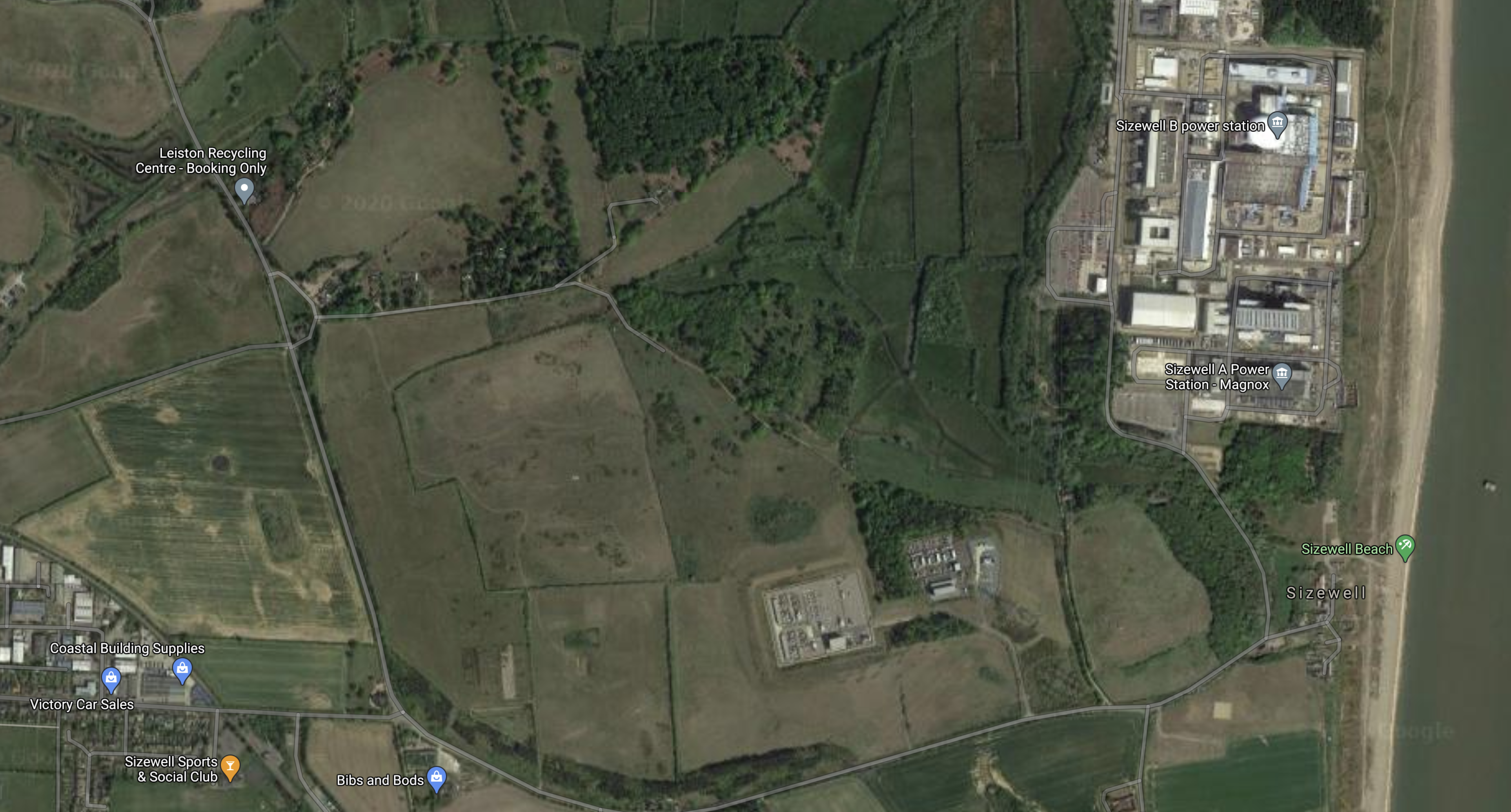
Sizewell A power station, with Sizewell B to its North, is on the coast.
This second Google Map shows the power stations to an enlarged scale.
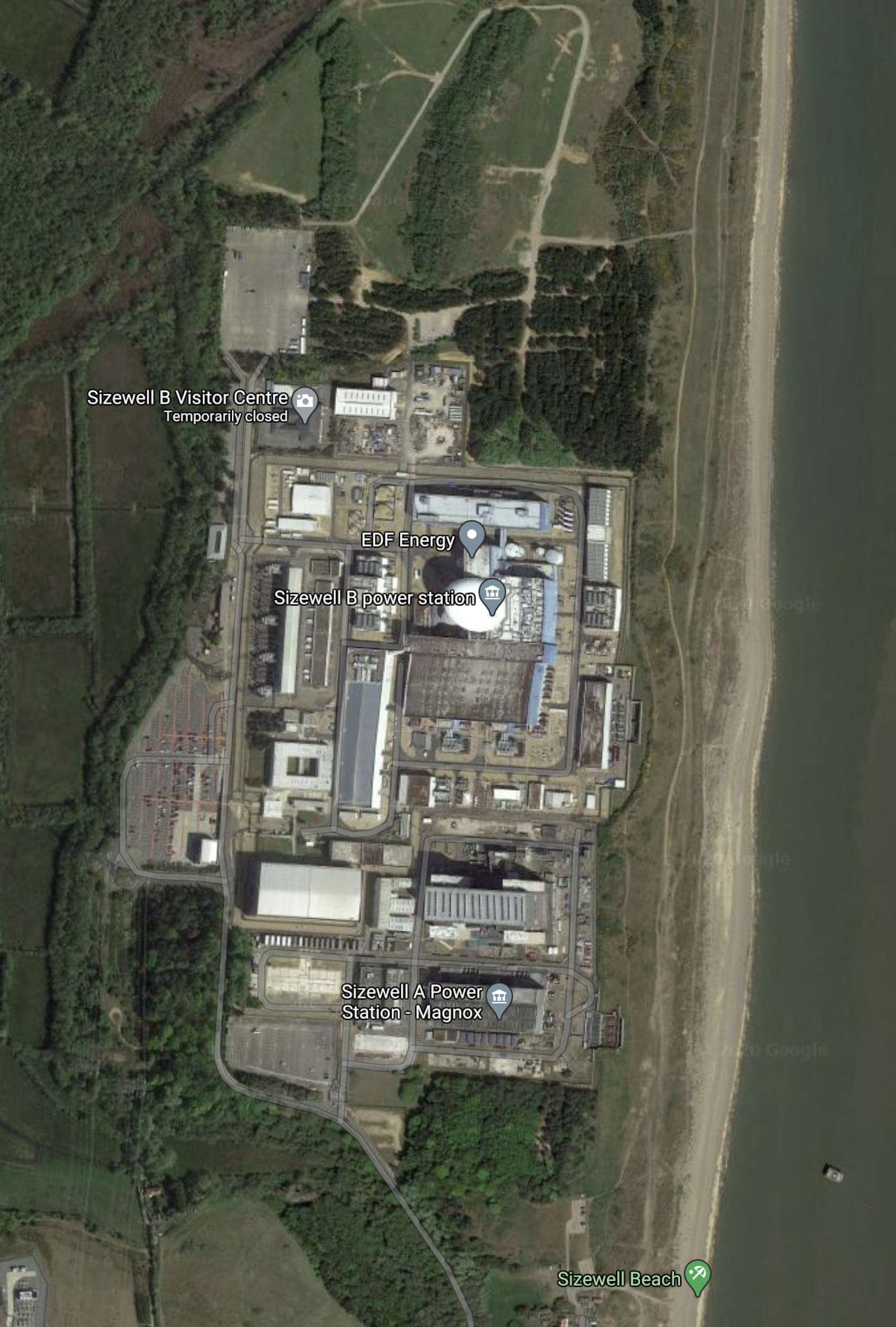
Note the white dome in the middle of Sizewell B.
Sizewell A
Sizewell A power station was shut down at the end of 2006 and is still being decommissioned, according to this extract from Wikipedia.
The power station was shut down on 31 December 2006. The Nuclear Decommissioning Authority (NDA) is responsible for placing contracts for the decommissioning of Sizewell A, at a budgeted cost of £1.2 billion. Defuelling and removal of most buildings is expected to take until 2034, followed by a care and maintenance phase from 2034 to 2092. Demolition of reactor buildings and final site clearance is planned for 2088 to 2098.
Only a few of those, reading this post, will be around to see the final end of Sizewell A.
Note that the size of the Sizewell A site is 245 acres.
It appears to me, that if any power station will be able to be built on the cleared site of Sizewell A, until the late 2080s or 2090s.
Sizewell B
Sizewell B power station opened in 1995 and was originally planned to close in 2035. The owner; EDF Energy, has applied for a twenty-year extension to 2055.
Sizewell C
Sizewell C power station is currently under discussion.
- It will be built by the French, with the help of Chinese money.
- It will have an output of 3260 MW or 3.26 GW.
- It will cost £18 billion.
- It will take twelve years to build.
This Google Map shows Sizewell B and the are to the North.
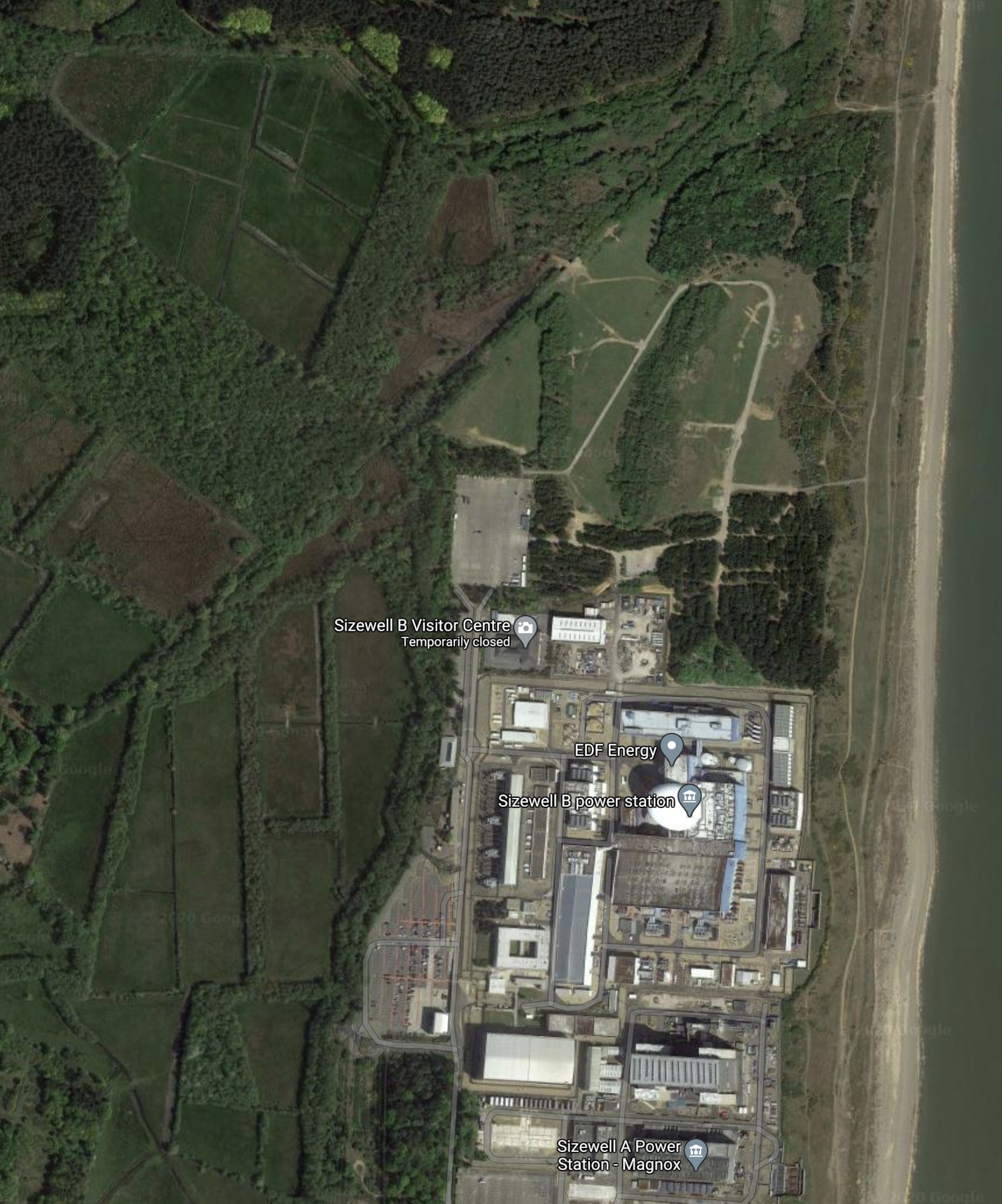
I would assume it will be built in this area.
A Fleet Of Small Modular Nuclear Reactors
These are my thoughts on building a fleet of SMRs at Sizewell instead of the proposed Sizewell C.
Land Use
In Rolls-Royce signs MoU With Exelon For Compact Nuclear Power Stations, I gave these details of the Rolls-Royce design of SMR.
- A Rolls-Royce SMR has an output of 440 MW.
- The target cost is £1.8 billion for the fifth unit built
- Each SMR will occupy 10 acres.
- Eight SMRs would need to be built to match the output of Hinckley Point C, which will occupy 430 acres.
It looks on a simple calculation, that even if the SMRs needed fifteen acres, the amount of land needed would be a lot less.
Connection To The National Grid
The transmission line to the National Grid is already in place.
This Google Map shows the sub-station, which is to the South-West of Sizewell A.
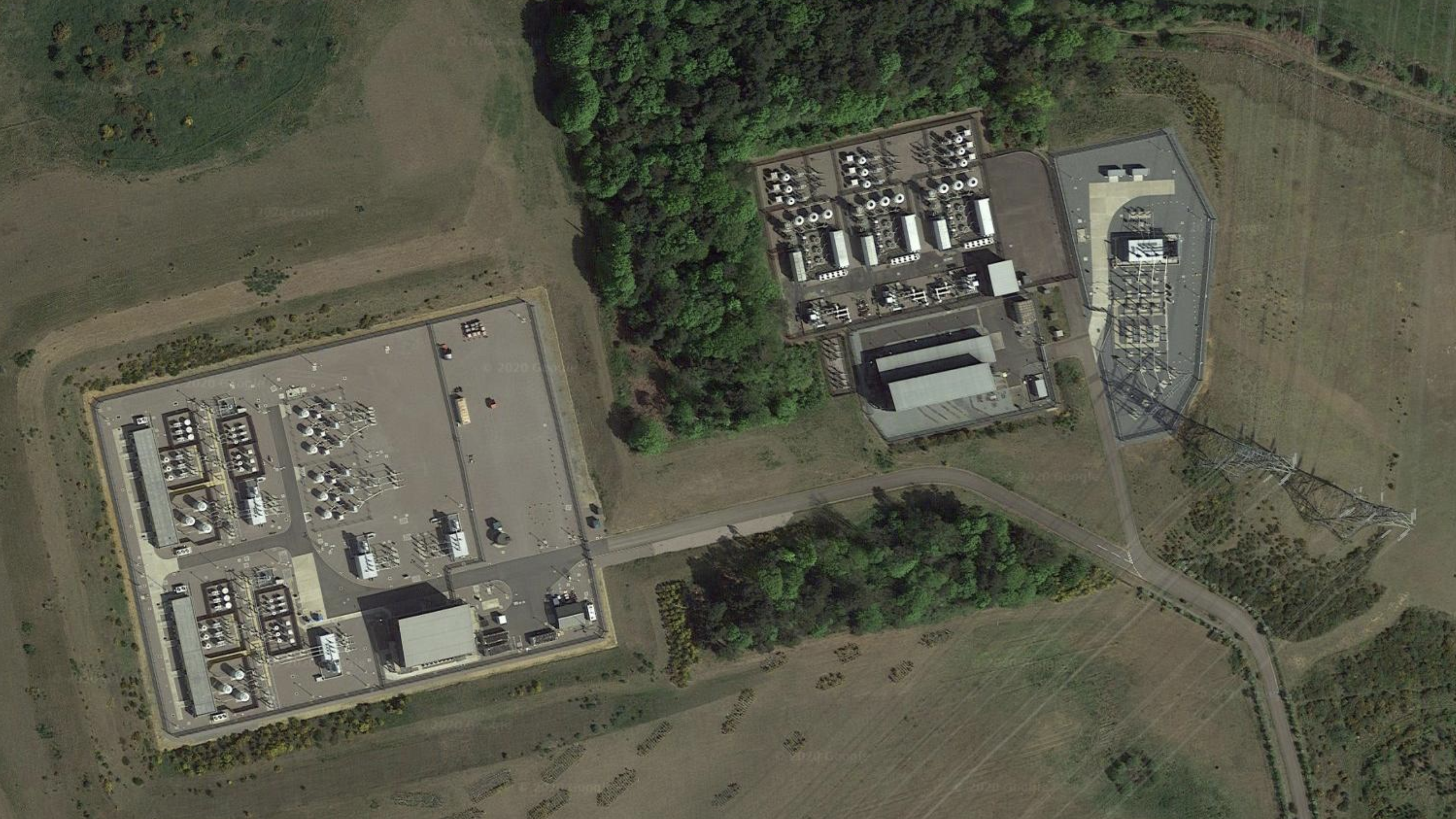
From Sizewell, there is a massive twin overhead line to Ipswich.
This Google Map shows the overhead line as it crosses Junction 53 of the A14 to the West of Ipswich.
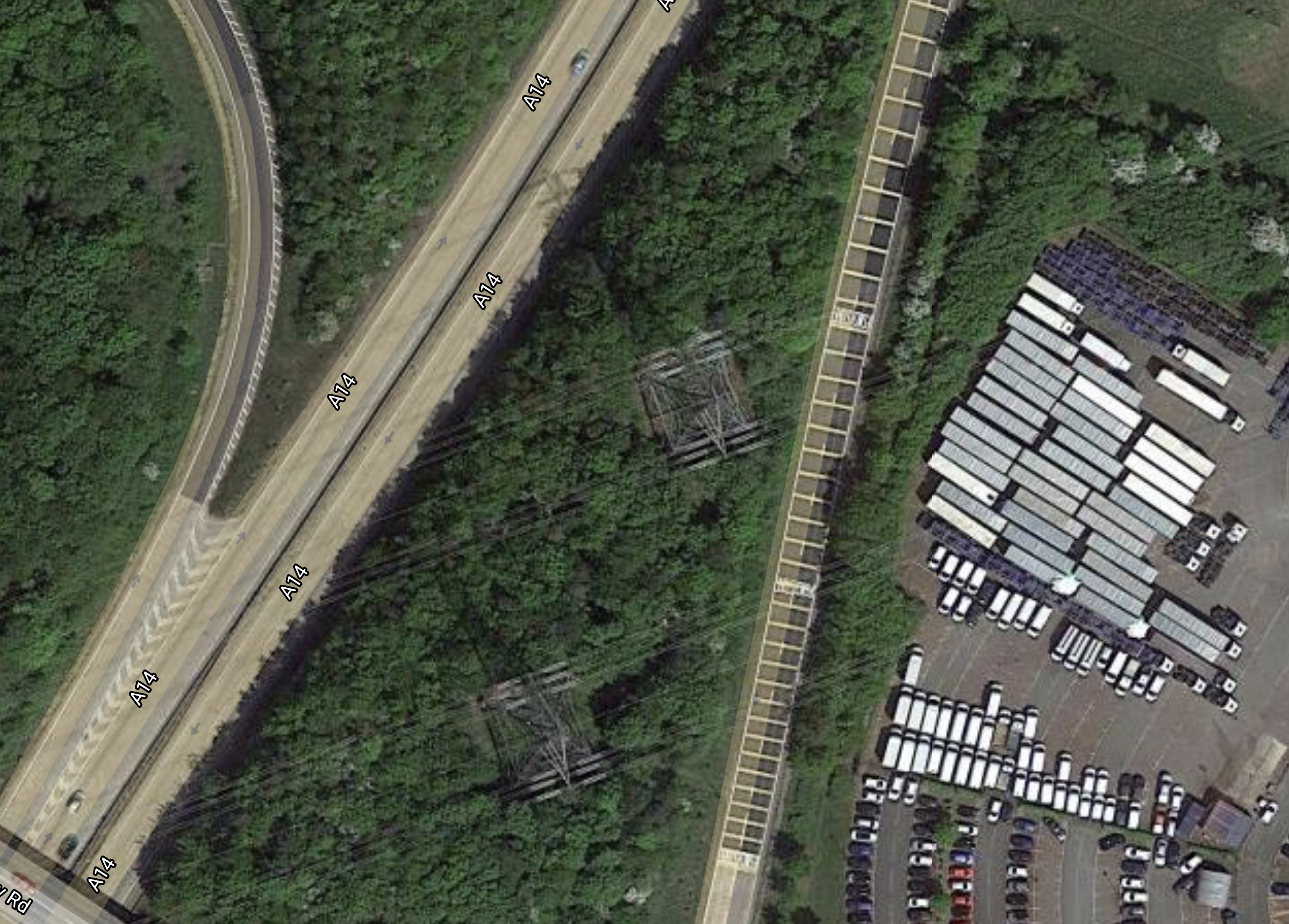
The pylons are in the centre of the map, with the wires going across.
The line has been built for a massive amount of nuclear power at Sizewell.
The Sizewell Railhead
This Google Map shows the railhead at Sizewell.
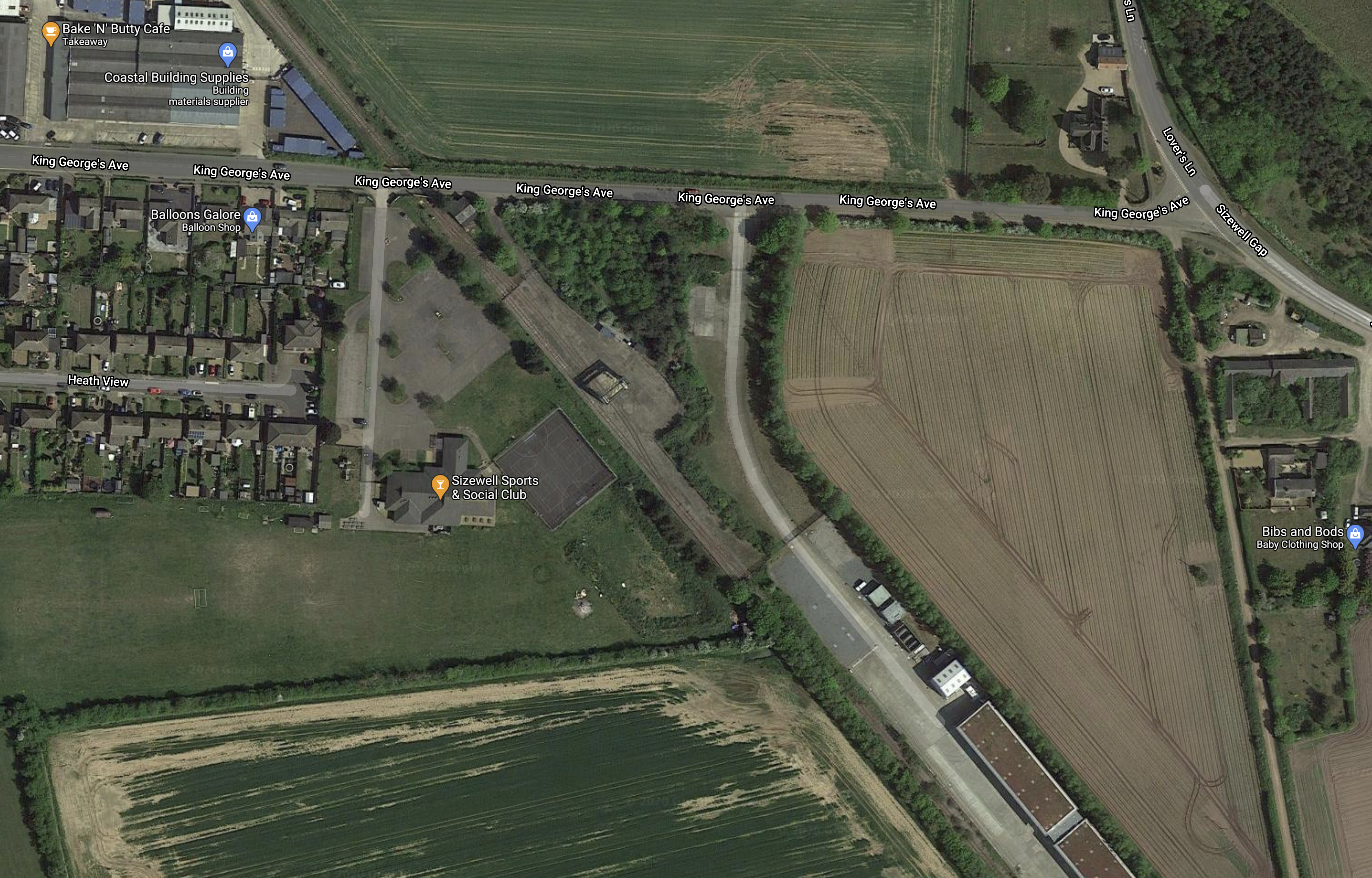
It can also be picked out in the South West corner of the first map.
- The railhead is used to take out spent fuel for processing.
- In the past, it brought in construction materials.
- Wikipedia suggests if the Sizewell C is built, the might be a new railhead closer to the site.
- If a fleet of SMRs were to be built, as the modules are transportable by truck, surely they could be move in by rail to avoid the roads in the area.
- I am an advocate of reinstating the railway from Saxmundham to Aldeburgh, as this would be a way of doubling the frequency on the Southern section of the East Suffolk Line between Saxmundham and Ipswich stations.
I hope that whatever is built at Sizewell, that the rail lines in the area is developed to ease construction, get workers to the site and improve rail services on the East Suffolk Line.
Building A Fleet Of SMRs
One of the disadvantages of a large nuclear power station, is that you can’t get any power from the system until it is complete.
This of course applies to each of the individual units, but because they are smaller and created from a series of modules built in a factory, construction of each member of the fleet should be much quicker.
- Rolls-Royce are aiming for a construction time of 500 days, from the fifth unit off the production line.
- That would mean, that from Day 501, it could be producing power and earning money to pay for its siblings.
- If the eight units were built in series, that would take eleven years to build a fleet of eight.
But as anybody, who has built anything even as humble as a garden shed knows, you build anything in a series of tasks, starting with the foundations.
I suspect that if a fleet were being built, that construction and assembly would overlap, so the total construction time could be reduced.
That’s one of the reasons, I said that building a fleet could be a project manager’s dream.
I suspect that if the project management was top-class, then a build time for a fleet of eight reactors could be nine years or less.
Resources are often a big problem in large projects.
But in a phased program, with the eight units assembled in turn over a number of years, I think things could be a lot easier.
Financing A Fleet Of SMRs
I think that this could be a big advantage of a fleet of SMRs over a large conventional large nuclear power station.
Consider
- I said earlier, that as each unit was completed, it could be producing power and earning money to pay for its siblings.
- Hinckley Point C is budgeted to cost £18 billion.
- Eight Rolls-Royce SMRs could cost only £14.4 billion.
I very much feel that, as you would get a cash-flow from Day 500 and the fleet costs less, that the fleet of smaller stations is easier to finance.
Safety
SMRs will be built to the same safety standards as all the other UK reactors.
In this section on Wikipedia this is said about the Rolls-Royce SMR.
Rolls-Royce is preparing a close-coupled three-loop PWR design, sometimes called the UK SMR.
PWRs or pressurised water reactors are the most common nuclear reactors in the world and their regulation and safety is well-understood.
This is from the History section of their Wikipedia entry.
Several hundred PWRs are used for marine propulsion in aircraft carriers, nuclear submarines and ice breakers. In the US, they were originally designed at the Oak Ridge National Laboratory for use as a nuclear submarine power plant with a fully operational submarine power plant located at the Idaho National Laboratory. Follow-on work was conducted by Westinghouse Bettis Atomic Power Laboratory.
Rolls-Royce have a long history of building PWRs, and Rolls-Royce PWRs have been installed in all the Royal Navy’s nuclear submarines except the first. The Royal Navy’s second nuclear submarine; HMS Valiant, which entered service in 1966, was the first to be powered by a Rolls-Royce PWR.
How much of the design and experience of the nuclear submarine powerplant is carried over into the design of the Rolls-Royce SMR?
I don’t know much about the safety of nuclear power plants, but I would expect that if there was a very serious accident in a small reactor, it would be less serious than a similar accident in a large one.
Also, as the reactors in a fleet would probably be independent of each other, it is unlikely that a fault in one reactor should affect its siblings.
Local Reaction
I lived in the area, when Sizewell B was built and I also went over Sizewell A, whilst it was working.
From personal experience, I believe that many in Suffolk would welcome a fleet of SMRs.
- Sizewell B brought a lot of employment to the area.
- House prices rose!
- Both Sizewell A and B have been well-run incident-free plants
Like me, some would doubt the wisdom of having a Chinese-funded Sizewell C.
Conclusion
Big nuclear has been out-performed by Rolls-Royce
Can The UK Have A Capacity To Create Five GW Of Green Hydrogen?
This article in The Times today is entitled Net Zero By 2050: Bold Aims Are An Example To Other Nations.
It is an analysis of the Government’s plans for a greener future.
This is a paragraph.
Only a few small-scale green hydrogen plants exist globally, and so five gigawatts of low-carbon hydrogen generation by 2030 is a bold commitment. For context, BP recently announced that it was building its first full-scale green hydrogen facility, in Germany — with a 50-megawatt capacity.
I don’t think from the tone, that the writer thinks it is possible.
On the other hand I do believe it is possible.
ITM Power
ITM Power are the experts in electrolysis and have the largest electrolyser factory in the world, which is capable of supplying 1 GW of electrolyser capacity per annum.
It would appear they can supply the required five GW of electrolyser capacity in time for 2030.
The Herne Bay Electrolyser
Ryze Hydrogen are building the Herne Bay electrolyser.
- It will consume 23 MW of solar and wind power.
- It will produce ten tonnes of hydrogen per day.
- The hydrogen it produces will be mainly for hydrogen buses in London.
- Delivery of the hydrogen will be by truck.
The electrolyser will consume 552 MWh to produce ten tonnes of hydrogen, so creating one tonne of hydrogen needs 55.2 MWh of electricity.
To produce five gigawatts of hydrogen would require nearly 220 electrolysers the size of Herne Bay.
ITM Power and Ørsted: Wind Turbine Electrolyser Integration
But ITM Power are working on a project with Ørsted , where wind turbines and hydrogen electrolysers are co-located, at sea to produce the hydrogen offshore.
ITM Power talks about the project in this press release on their web site.
This is the introductory paragraph.
ITM Power, the energy storage and clean fuel company, is pleased to share details of a short project sponsored by the Department for Business, Energy & Industrial Strategy (BEIS), in late 2019, entitled ‘Hydrogen supply competition’, ITM Power and Ørsted proposed the following: an electrolyser placed at the wind turbine e.g. in the tower or very near it, directly electrically connected to the DC link in the wind turbine, with appropriate power flow control and water supplied to it. This may represent a better design concept for bulk hydrogen production as opposed to, for instance, remotely located electrolysers at a terminal or platform, away from the wind turbine generator, due to reduced costs and energy losses.
The proposed concept is also described.
- A marine environment capable electrolyser
- ‘Type IV’ wind turbine generators and their ‘DC link’ have the potential to power the electrolyser directly
- This enables fewer power conversion steps and thereby reduces both energy losses and electrolyser footprint
- Readily abundant cooling capacity via the sea water
- Energy in the form of Hydrogen gas supplied to shore by pipe rather than via electricity
- Connecting one electrolyser with one turbine wind generator
- Other avoided costs of this concept include permitting, a single process unit deployment
Note.
- I can’t find a Type IV wind turbine generator, but the largest that Ørsted have installed are about 8 MW.
- This size would require 750 turbines to provide the UK’s five gigawatts of hydrogen.
- 12 MW turbines are under development.
The Hornsea wind farm is being developed by Ørsted
- Hornsea 1 has a capacity of 1.2 GW and was completed in 2020.
- Hornsea 2 will have a capacity of 1.8 GW and will be completed in 2022.
- Hornsea 3 will have a capacity of 2.4 GW and will be completed in 2025.
- Hornsea 4 will have a yet-to-be-determined capacity and could be completed in 2027.
This wind farm will probably supply over 6 GW on its own, when the wind is blowing.
Bringing The Hydrogen Ashore
This has been done since the 1960s in UK waters and it will be very traditional projects for the UK’s engineers.
- Some of the existing pipes could be repurposed.
- Worked out gas fields could probably be used to store the hydrogen or carbon dioxide captured from gas- or coal-fired power stations.
I’m fairly sure that by the use of valves and clever control systems, the pipes linking everything together could be used by different gases.
Conclusion
Producing 5 GW of green hydrogen per year by 2030 is possible.
Long-Duration Energy Storage Milestones Achieved By Lockheed, Eos And Form Energy
The title of this post, is the same as that of this article on Energy Storage News.
Lockheed
I find it significant that Lockheed Martin have developed a new redox flow battery, which is a 500kW / 2.5MWh system.
Last year, the company had revenue of nearly sixty billion dollars, with a net income of over six billion dollars. They certainly have the resources and the name to make a big impression on the long-duration storage market.
Their GridStar Flow technology is also detailed on this page on the Lockheed Martin web site.
The page lists these features.
- Optimized for 6+ hours of flexible discharge
- Flexibility to switch between products to maximize revenue
- 100 percent depth-of-discharge with minimal degradation
- A design life of 20 years
- Ability to size energy and power independently
- Mildly alkaline, aqueous electrolytes that are safe (nonflammable, noncorrosive, stable)
- Competitive total cost of ownership
It looks impressive.
EOS Energy
EOS Energy can’t be doing badly, as they’re preparing to list on NASDAQ.
Form Energy
Form Energy are also reported to have had a $70 million investment.
Conclusion
It appears long duration energy storage is doing well across the pond.
My money would be on Lockheed to produce the most successful product.
Ilford Station – 18th November 2020
I took these pictures at Ilford station this morning.


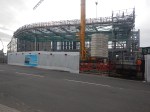
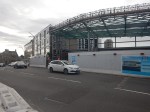


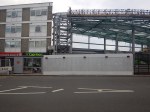
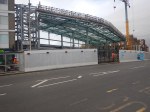


Note.
- The steelwork for the station building has now been erected.
- The new side entrance to the station is operational, but not fully complete.
- There were also guys working on stylish new shelters and possible retail units in the station.
Ilford station is being seriously transformed, as this visualisation of the new station building shows.
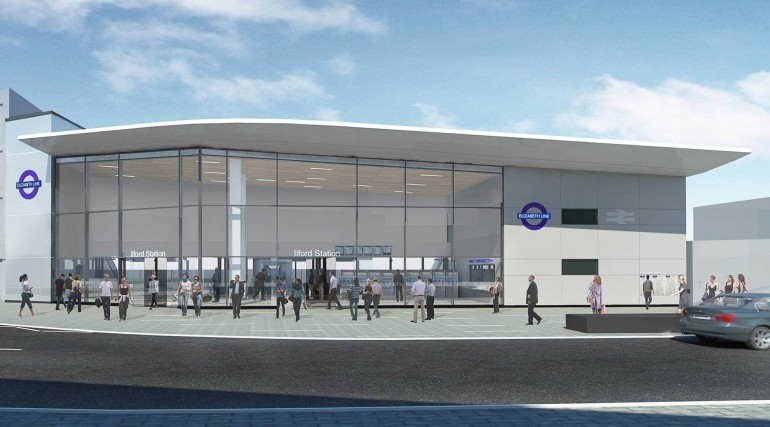
The people in the visualisation are rather badly-drawn
Diesel Engine Giant Cummins Plans Hydrogen Future–With Trains Coming Before Trucks
The title of this post, is the same as that of this article on Forbes.
It is very much a must-read article about how Cummins, who are a traditional diesel engine manufacturer is embracing hydrogen technology.
Trains Before Trucks
As the title says, they are starting with trains rather than trucks.
They have started by building a factory to make fuel cells for Alstom’s Coradia iLint, as I wrote about in Cummins To Build Railway Fuel Cell Factory.
Reading the Forbes article, it appears that the decision has been made to focus on trains and buses, is because they run fixed subsidised routes and you only need a couple of hydrogen filling stations at the ends of the route. But for trucks, you need full infrastructure.
Cummins To Build Railway Fuel Cell Factory
The title of this post, is the same as that of this article on Railway Gazette.
This is the introductory paragraph.
Cummins’ hydrogen business Hydrogenics is to open a factory at Herten in the Ruhr region for the volume production of fuel cells for applications including Alstom’s Coradia iLint multiple-units.
Other points made include.
- The factory will have a capacity of 19 MW of fuel cells per year.
- It will open in 2021.
- It will manufacture fuel cell systems for Alstom’s Coradia iLint.
There will be research and development and full support for the products.
Essex Road Station – 16th November 2020
These pictures show Essex Road station.











Note.
- It is a station of little architectural merit.
- It is not by any means step-free.
- The atmosphere could be better.
- In the last few weeks, I have witnessed two falls, that could have been serious with a little less luck on those dreadful stairs.
It is certainly not the best station in Islington, let alone North London.
 The Anonymous Widower