Solar Farms Could Partly Power London Underground
The title of this post, is the same as that of this article on the BBC.
This is the sub-heading.
Transport for London (TfL) is planning to set up solar farms to help power its Underground network.
These three introductory paragraphs give more details.
The transport body has asked for potential “delivery partners” to apply to provide up to 64 megawatts of zero-carbon electricity from purpose-built solar farms.
This would be about 5% of the power needed to run the Tube and would bypass the National Grid, according to TfL.
It says it is the largest single electricity consumer in London – at a level equivalent to that consumed by about 420,000 homes – and the project would reduce pressure on the central grids.
These are my thoughts.
Solar Panels At Cockfosters
This Google Map shows Cockfosters Depot and the surrounding land.
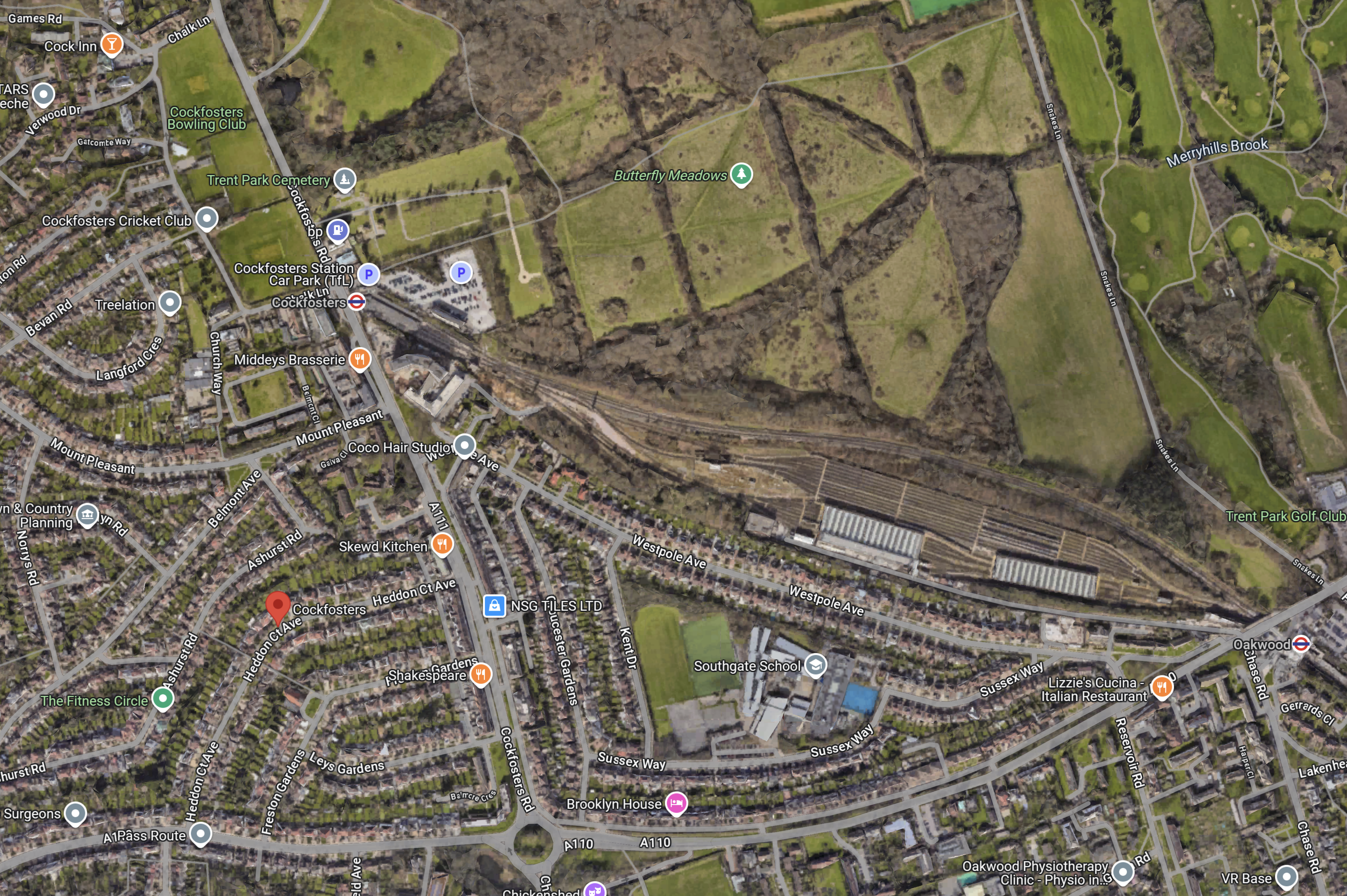
Note.
- The London Underground roundel in the North-West corner of the map indicates Cockfosters station.
- The London Underground roundel in the South-East corner of the map indicates Oakwood station.
- Between the two stations lies the large Cockfosters Train Depot, which is one of the major depots for the Piccadilly Line.
- To the North of the railway is Trent Park, which in its Wikipedia entry is described as a country house in North London.
I know the area well, as I used to live opposite Southgate School, which is towards the bottom of the map, until I was sixteen.
I believe that solar panels could be installed in three places.
- As a solar roof over a rebuilt depot.
- As a solar farm on some of the Trent Park land.
- In Would A Solar Roof With Added Vertical Turbines Work?, I suggested a hybrid installation on top of Oakwood station.
As it is a very windy hill-top, I would look into the possibility of perhaps four large wind turbines between the tracks of the depot.
It is definitely an area, where there are possibilities for renewable power.
But given that the Nimbies are objecting to the building of housing on the car-parks at Cockfosters and Oakwood stations, I suspect they will object.
Solar Roofs Above Depots And Sidings
In the previous sub-section, I suggested what was possible at Cockfosters, by installing a solar roof above Cockfosters Train Depot
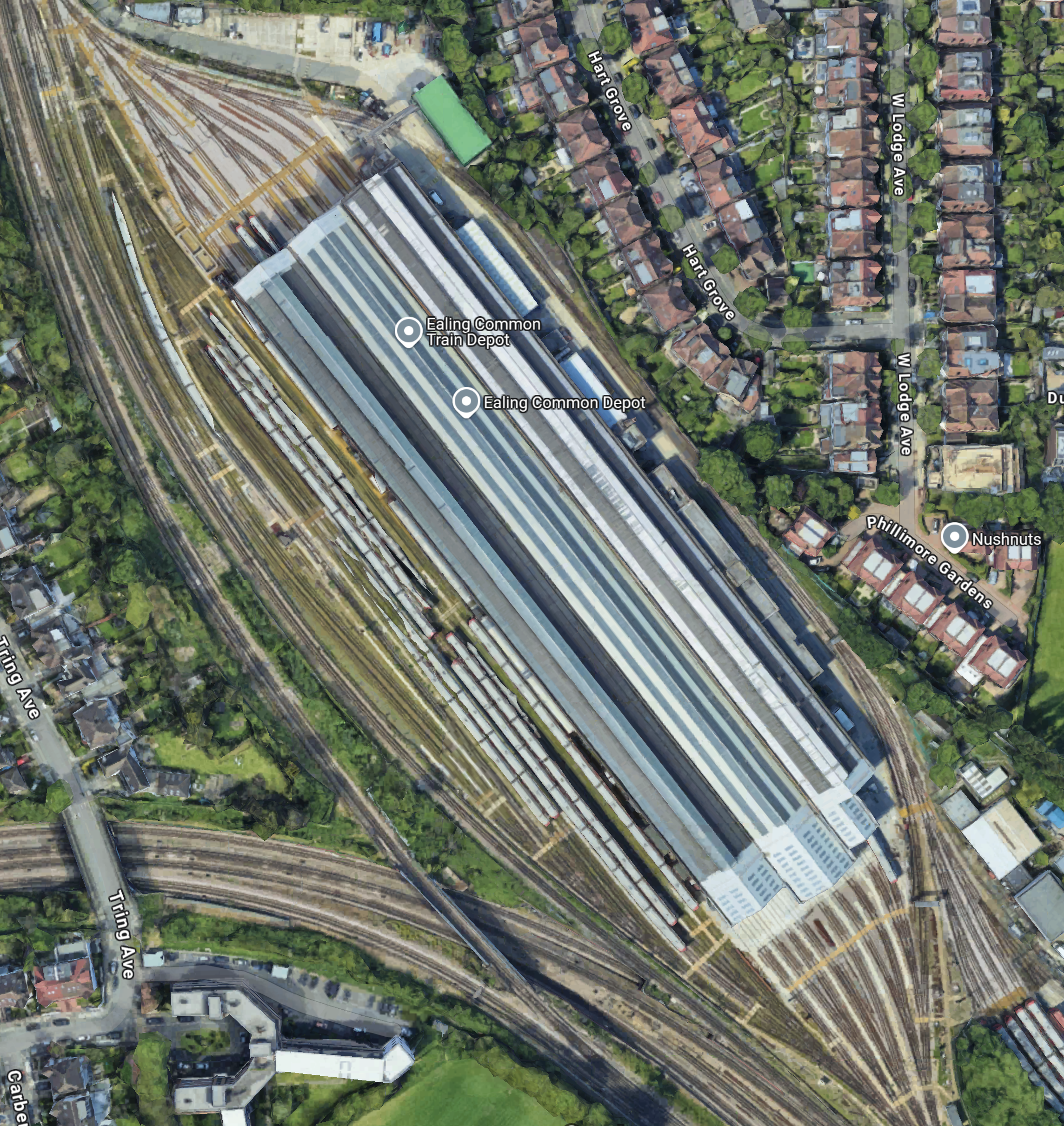
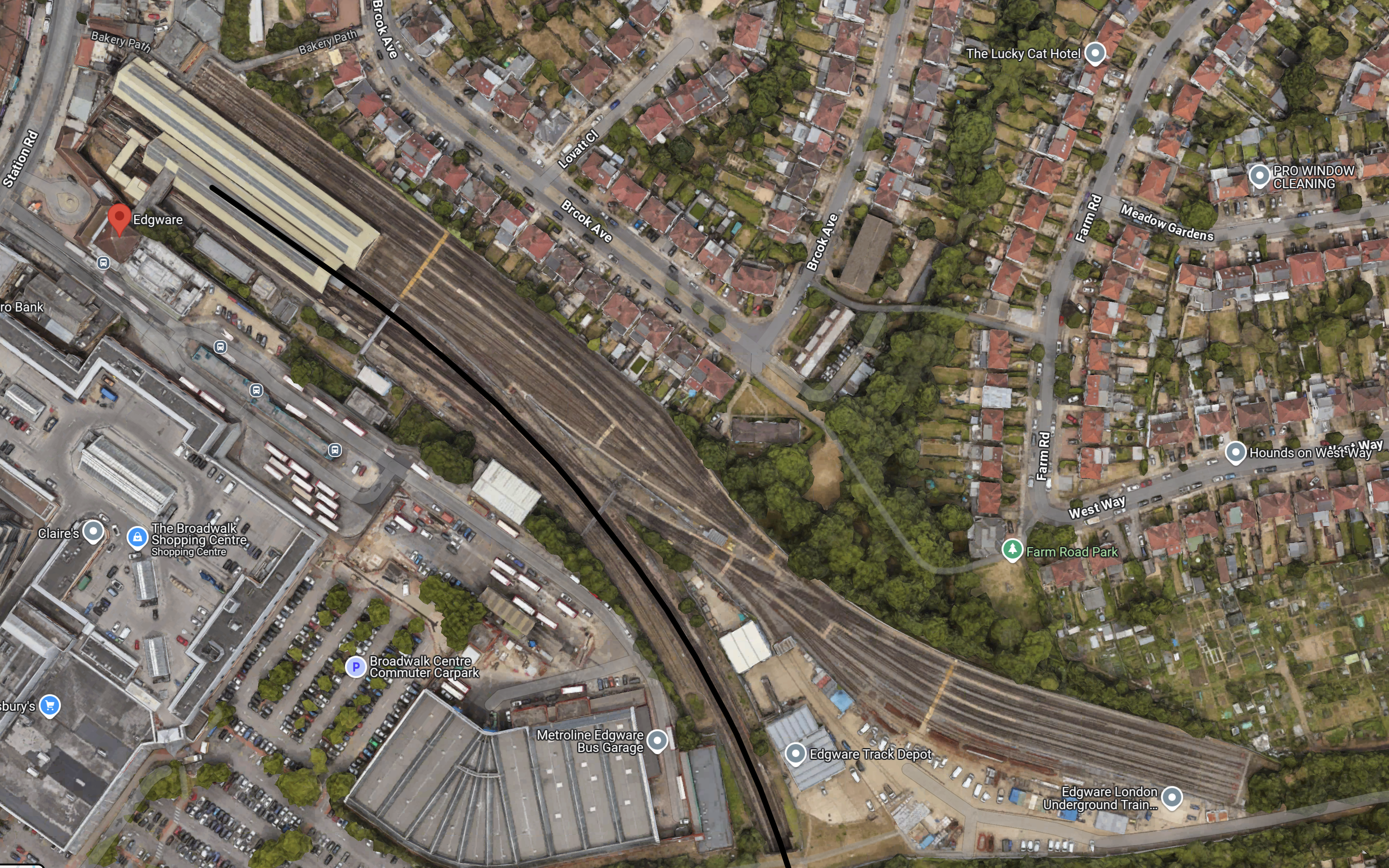
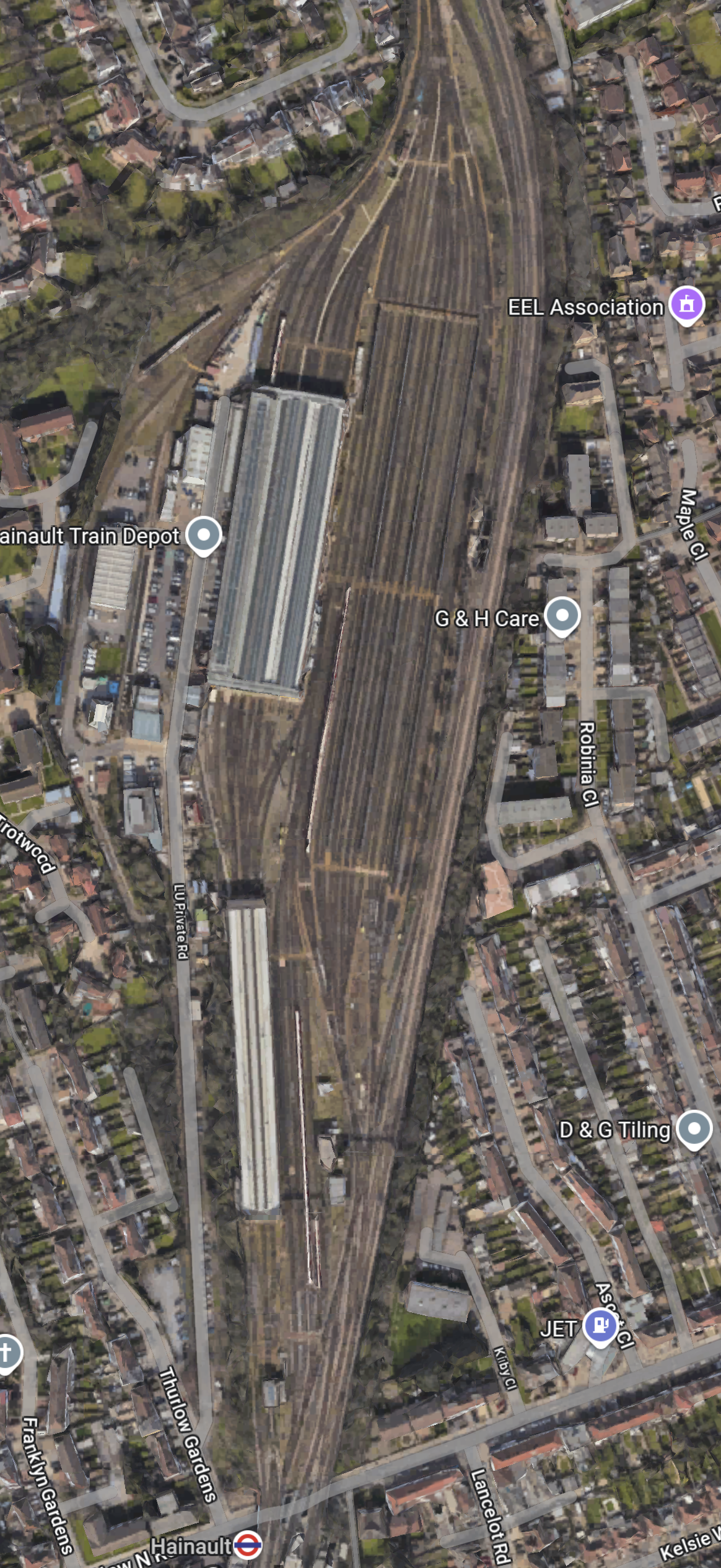
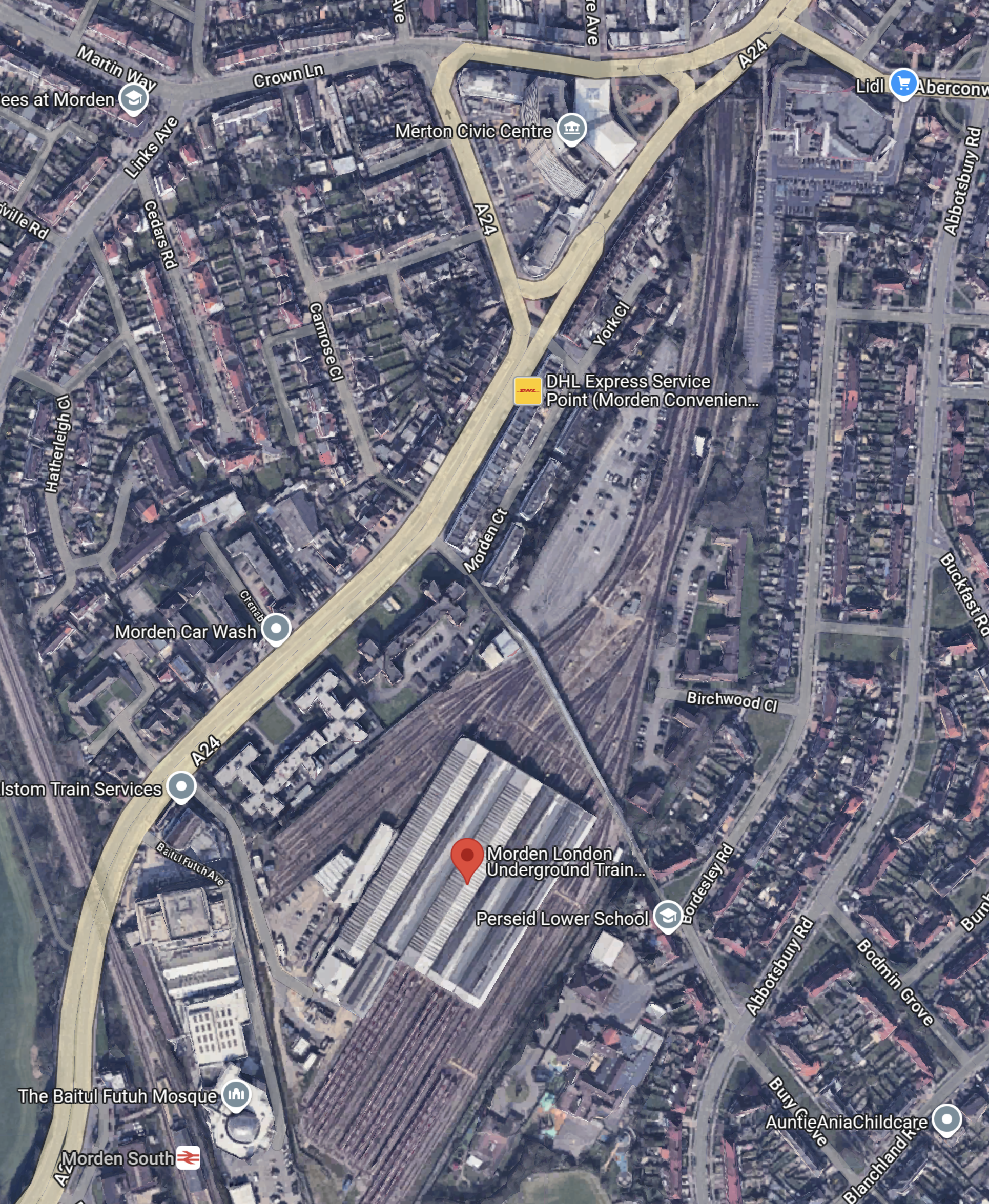
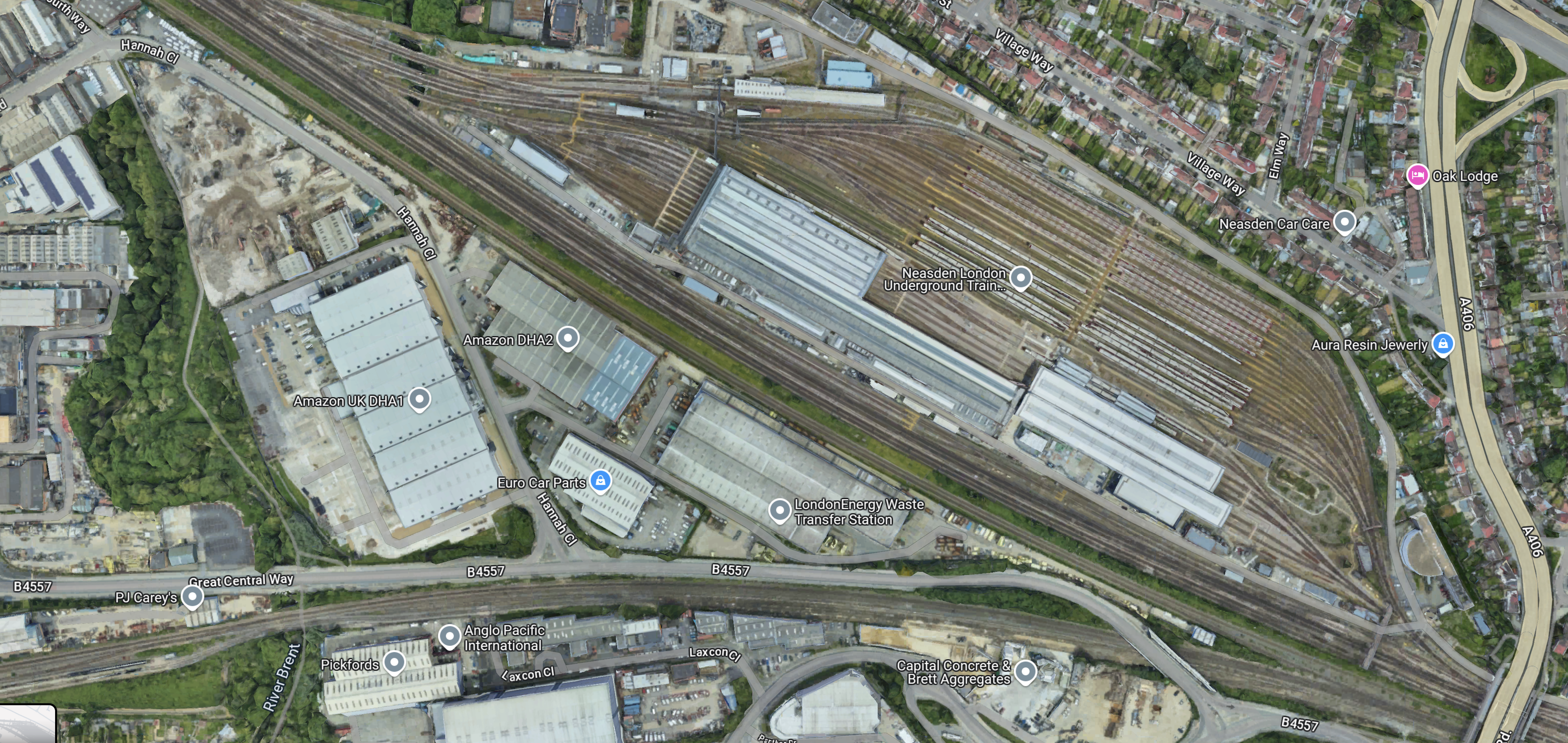
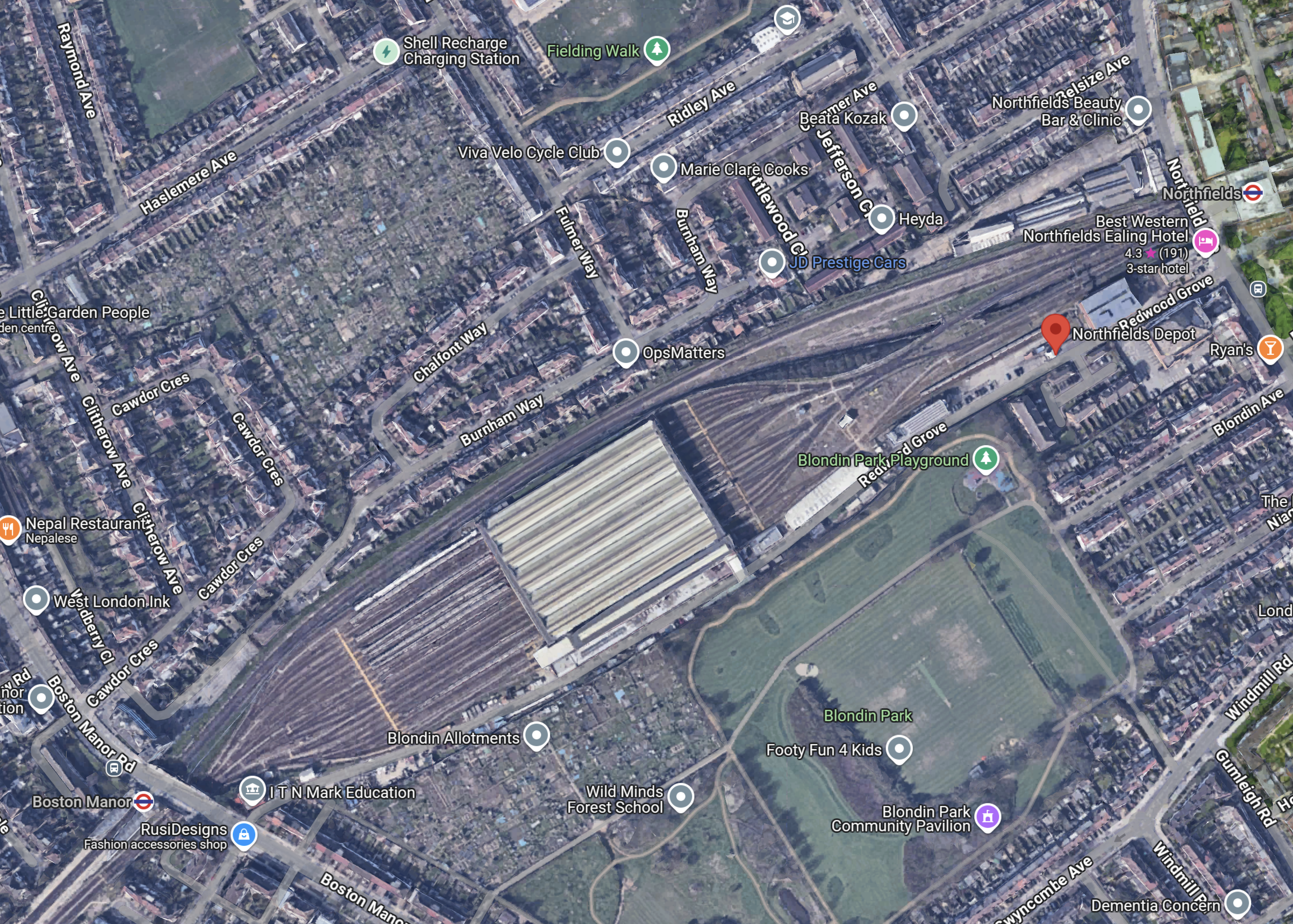
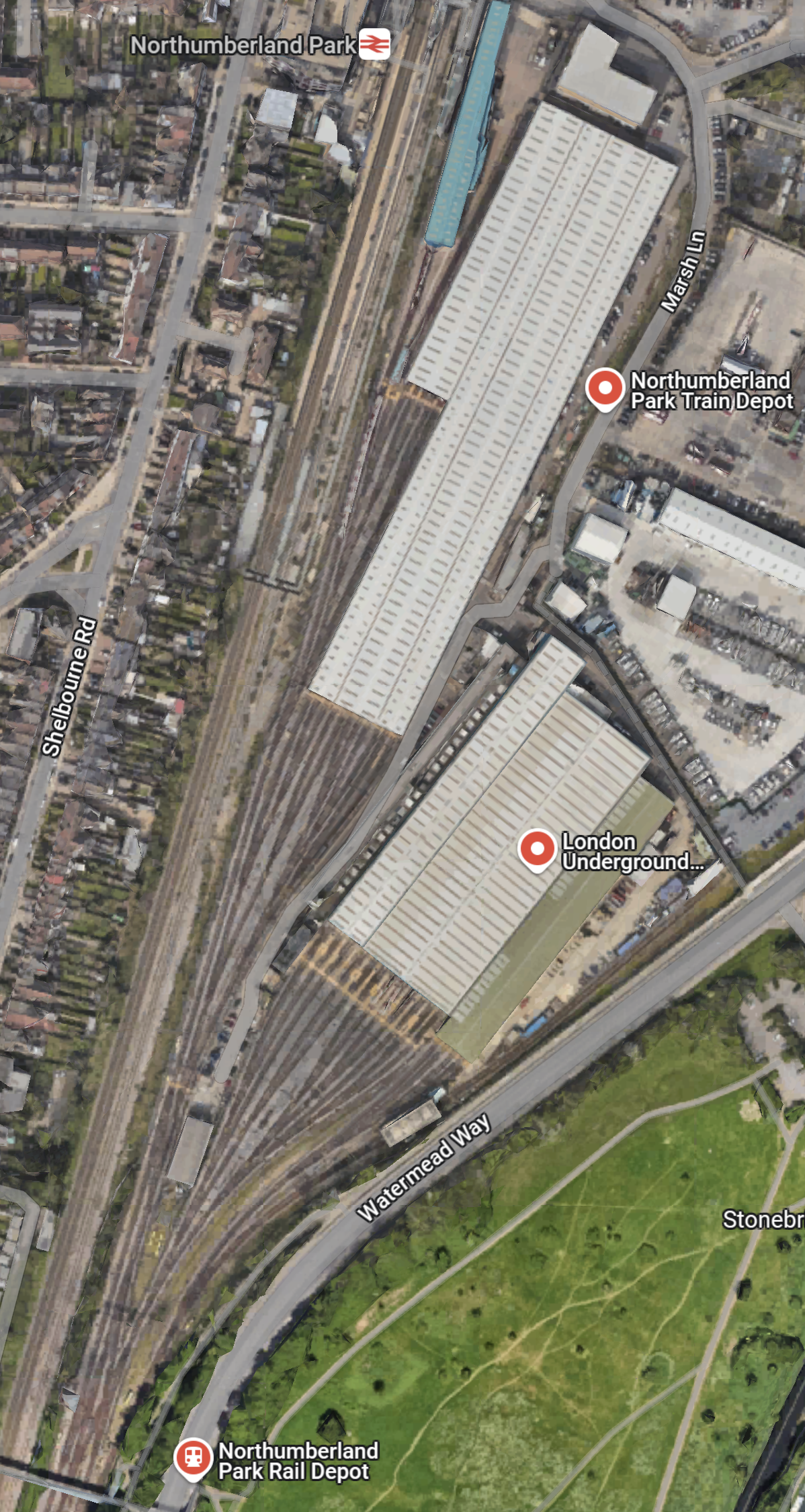
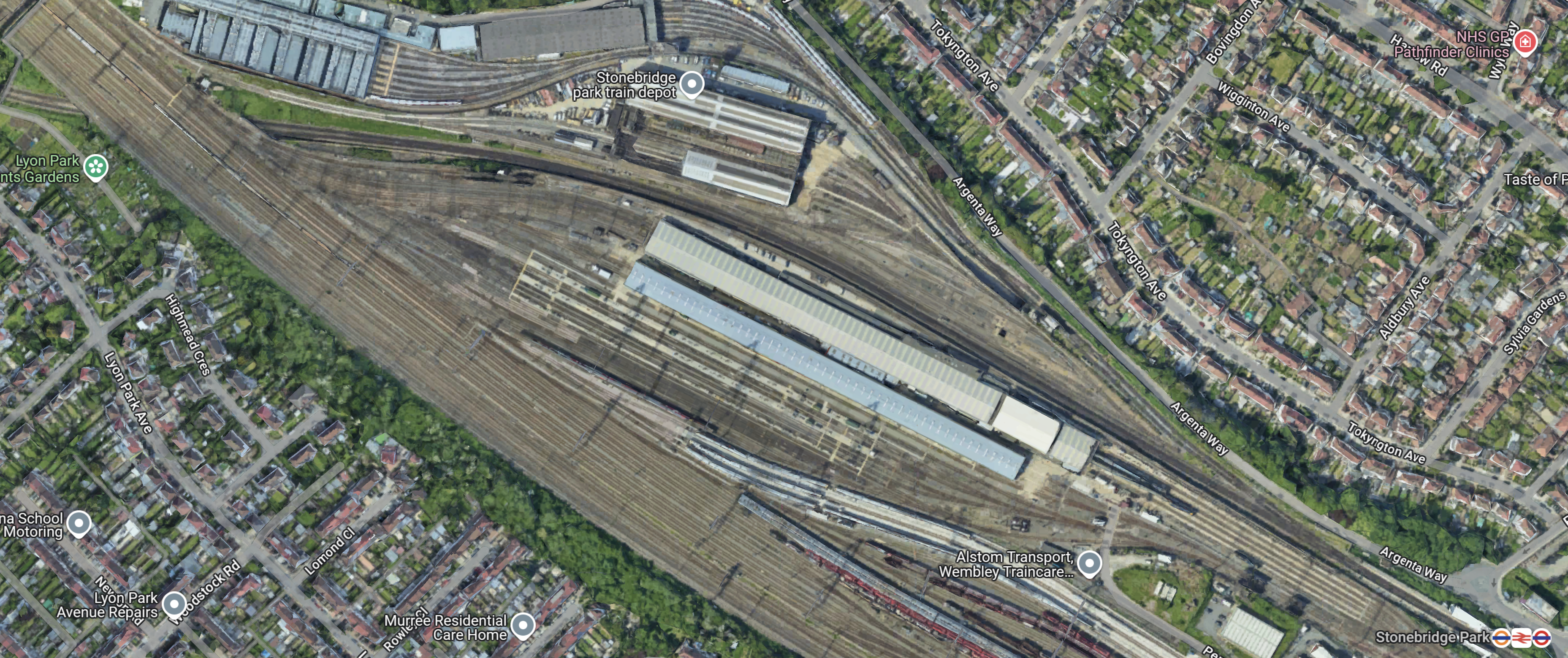
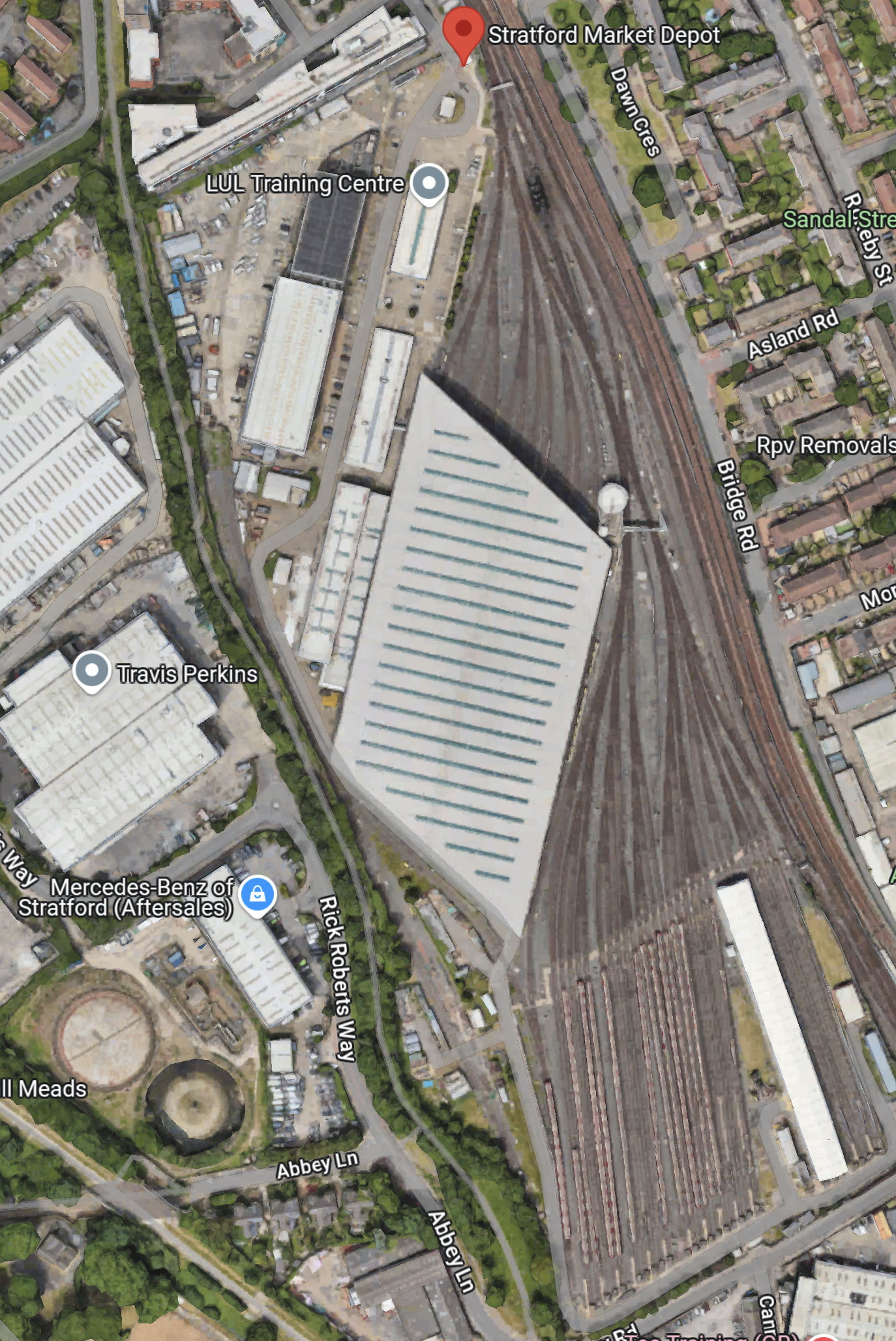
These Google Maps show a number of other depots, that have possibilities for solar roofs.
Ealing Common
Edgware
Golders Green

Hainault
Hammersmith

Morden
Neasden
Northfields
Northumberland Park
Old Oak Common

Ruislip

Stonebridge Park
Stratford Market
Upminster
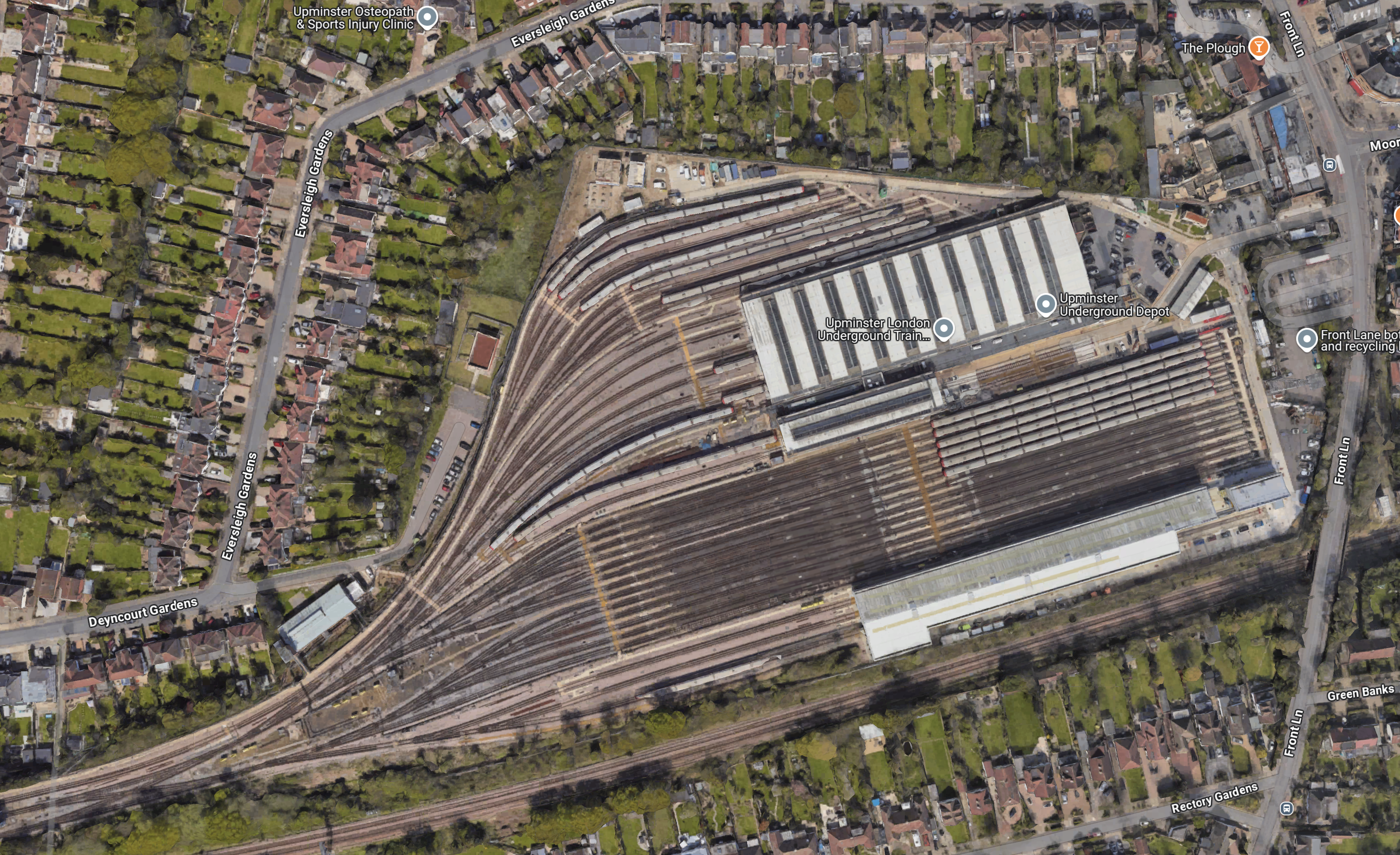
All these depots are different, but I do feel there is scope for solar roofs and panels above the sidings.
Other developments like housing may also be possible over some of the depots.
Plans For Powering Trains And Details Of Our Upcoming Consultation
The title of this post, is the same as that of a news item on the East West Rail web site.
This is the sub heading.
We’re pleased to share plans for how we’ll power trains on East West Rail, as well as information and dates of our public consultation on latest proposals for the project.
These are the first two paragraphs.
As part of our latest proposals, which we’ll be sharing for public consultation from 14 November, we’re providing information on our preference for green traction power in the form of discontinuous electrification with hybrid battery-electric trains, after the Chancellor confirmed government support for the project in yesterday’s budget.
As well as reducing carbon emissions, discontinuous electrification would mean overhead lines would only need to be installed along some sections of the route, which would reduce disruption to existing structures and potentially reduce visual impacts in more sensitive locations on the new railway between Bedford and Cambridge. This option would also cost less than full electrification and would need less land for things such as mast foundations.
There is also a short video, which explains discontinuous electrification.
I feel that to use discontinuous electrification and hybrid battery-electric trains is the way to go on this railway between Oxford and Cambridge.
- It is a zero-carbon solution.
- There is electrification at Reading. Didcot, Bletchley, Milton Keynes, Bedford and Cambridge along the route, so grid connections will be already available.
- Sandy, where East West Rail crosses the East Coast Main Line, is fully electrified and must have a grid connection.
- A small article in the November 2024 Edition of Modern Ralways, says that Hitachi are developing a smaller battery for commuter and suburban trains.
- Didcot to Oxford could be electrified and there is already a grid connection at Didcot.
Discontinuous electrification could be used to extend East West Rail to Norwich, Ipswich and Colchester.
These are my detailed observations and thoughts.
Existing Electrification
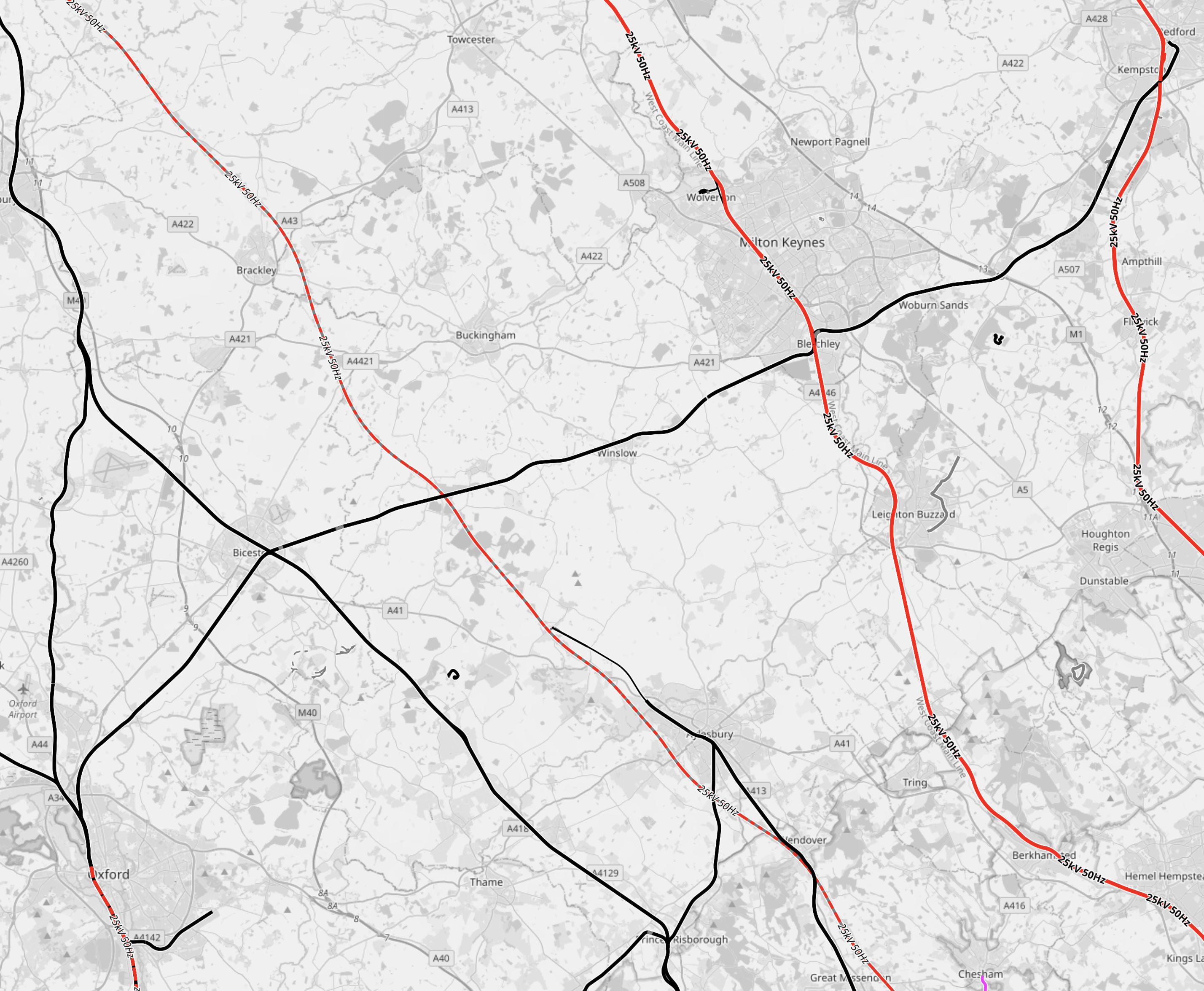
This OpenRailwayMap shows the electrification between Oxford and Bedford.
Note.
- Bold red lines are tracks electrified at 25 KVAC.
- Bold black lines are tracks without electrification.
- Oxford is in the South-West corner of the map.
- Bedford is in the North-East corner of the map.
- The bold black line of the Western section of the East West Rail connects the two cities.
- The lines through Oxford are shown as being electrified. The black stub pointing East to the South of Oxford is the Cowley Branch.
The rail lines crossing East West Rail from West to East are as follows.
- Chiltern Main Line – Not Electrified
- High Speed Two – Will Be Electrified
- West Coast Main Line – Electrified
- Midland Main Line – Electrified
I suspect all lines, except for the Chiltern Main Line, will be able to provide a grid connection for East West Rail.
This second OpenRailwayMap shows the electrification between Bedford and Cambridge.
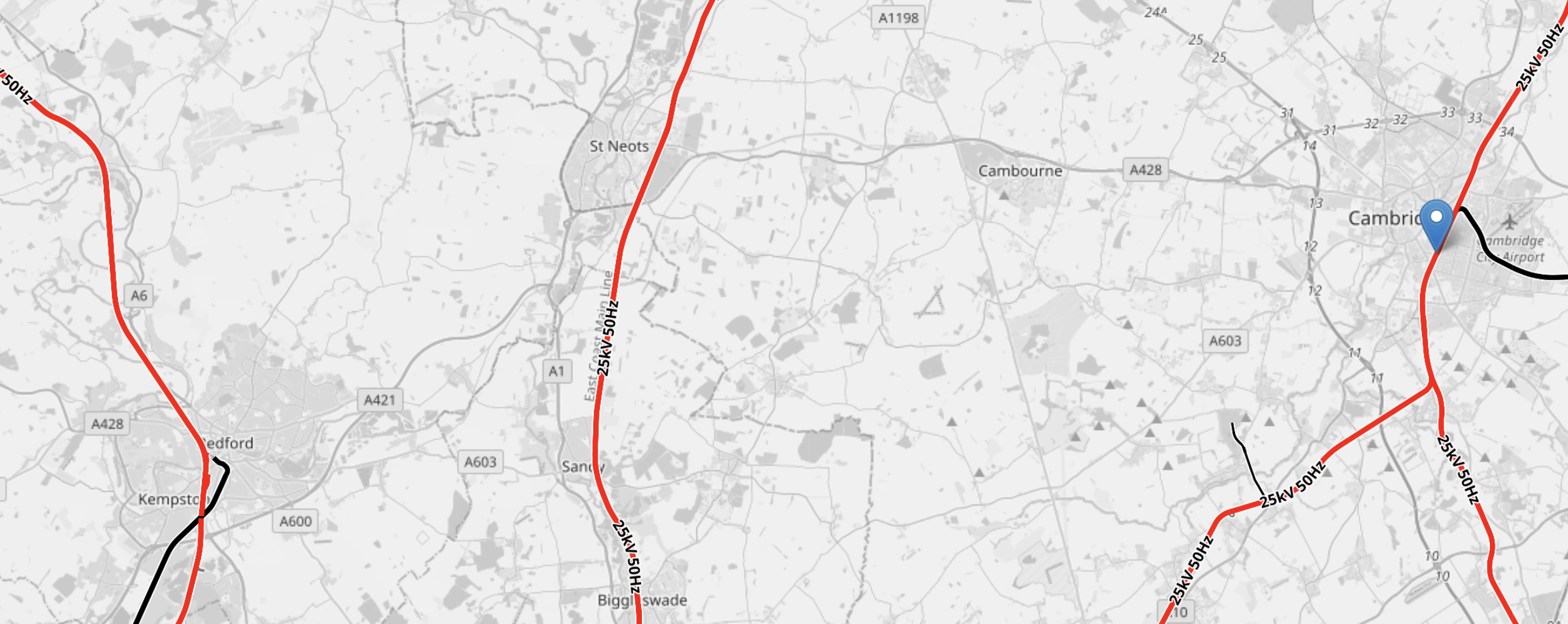
Note.
- Bold red lines are tracks electrified at 25 KVAC.
- Bold black lines are tracks without electrification.
- Bedford is in the South-West corner of the map.
- Cambridge is in the North-East corner of the map.
- The Eastern section of the East West Rail connects the two cities.
- Both maps are to the same scale
The rail lines crossing East West Rail from West to East are as follows.
- Midland Main Line – Electrified
- East Coast Main Line – Electrified
- West Anglia Main Line – Electrified
I suspect all lines will be able to provide a grid connection for East West Rail.
Distances Without Electrification
These sections are not electrified.
- Oxford and Bletchley – 47.2 miles
- Bletchley and Bedford – 16.5 miles
- Bedford and Cambridge – 29.2 miles
- Ely and Norwich – 53.7 miles
- Norwich and Great Yarmouth – 18.4 miles
- Cambridge and Haughley Junction – 41.3 miles
I am assuming that the East West Rail could extend past Cambridge on these two routes.
- Ely, Thetford, Norwich and Great Yarmouth.
- Newmarket, Bury St. Edmunds, Stowmarket, Ipswich, Manningtree and Colchester.
All sections have electrification at both ends, if Didcot Junction and Oxford is electrified, as is expected to happen.
Train Battery Range Needed
The route layout, I have proposed means that if you go for the battery-electric train with the longest battery range you can afford and it can’t handle Ely and Norwich, the existing electrification can be extended to bridge the gap.
Application Of Discontinuous Electrification To Greater Anglia And Chiltern Railways
If discontinuous electrification can be applied to East West Rail, it can surely be applied to Greater Anglia and Chiltern Railways, given the fact that the route networks of all three companies overlap and share tracks.
Greater Anglia already have a fleet of Class 755 trains, which are designed to be converted to battery-electric operation.
With batteries fitted, I believe that these trains could handle most of the current routes they do now.
The other routes would be handled with selective lengths of overhead electrification in terminal stations to charge the trains before return.
Electrification Between Oxford And Bicester Village Stations
Oxford station has two North-facing bay platforms, that are used by Chiltern and other services terminating at the station from the North.
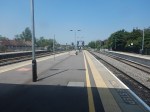
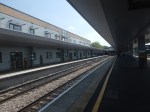
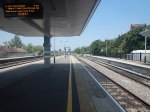
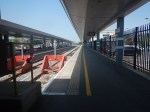
Note.
- Chiltern Railways already run two trains per hour (tph) between these platforms and Marylebone.
- I would assume the platforms will be used by East West Rail services, that terminate at Oxford station.
- If discontinuous electrification is to be used, then these two platforms could be electrified to charge trains before they return.
- East West Rail have not published their proposed services yet, but it could be one tph to both Milton Keynes Central and Bedford stations.
I can see Chiltern buying battery-electric trains to run services between Marylebone and Oxford, and some other routes.
Marylebone and Oxford is 66.7 miles, which is probably two far for even Stadler’s remarkable battery-electric trains, but if say between Oxford and Bicester Village station were to be electrified, would it make it possible to run battery-electric trains between Marylebone and Oxford with charging at both end of the route.
In Chiltern Sets Out New Fleet Ambitions, I talk about Chiltern’s possible new fleet, as proposed by their MD in September 2023.
Bicester MP Calls On Chancellor To Fund London Road Crossing
The title of this post, is the same as that of this article on the Oxford Mail.
This is the sub-heading.
An MP has called on the chancellor for funding to keep a town’s level crossing open ahead of the budget this week.
These are the first two paragraphs.
The MP for Bicester and Woodstock, Calum Miller, has written to the chancellor, Rachel Reeves, ahead of Wednesday (October 30), calling on her to fund the London Road Crossing in Bicester.
The East Railway project will result in the London Road Crossing being closed to vehicles, bikes and pedestrians for more than 45 minutes every hour and could, as a result, be closed permanently by Network Rail.
This Google Map shows the level crossing.
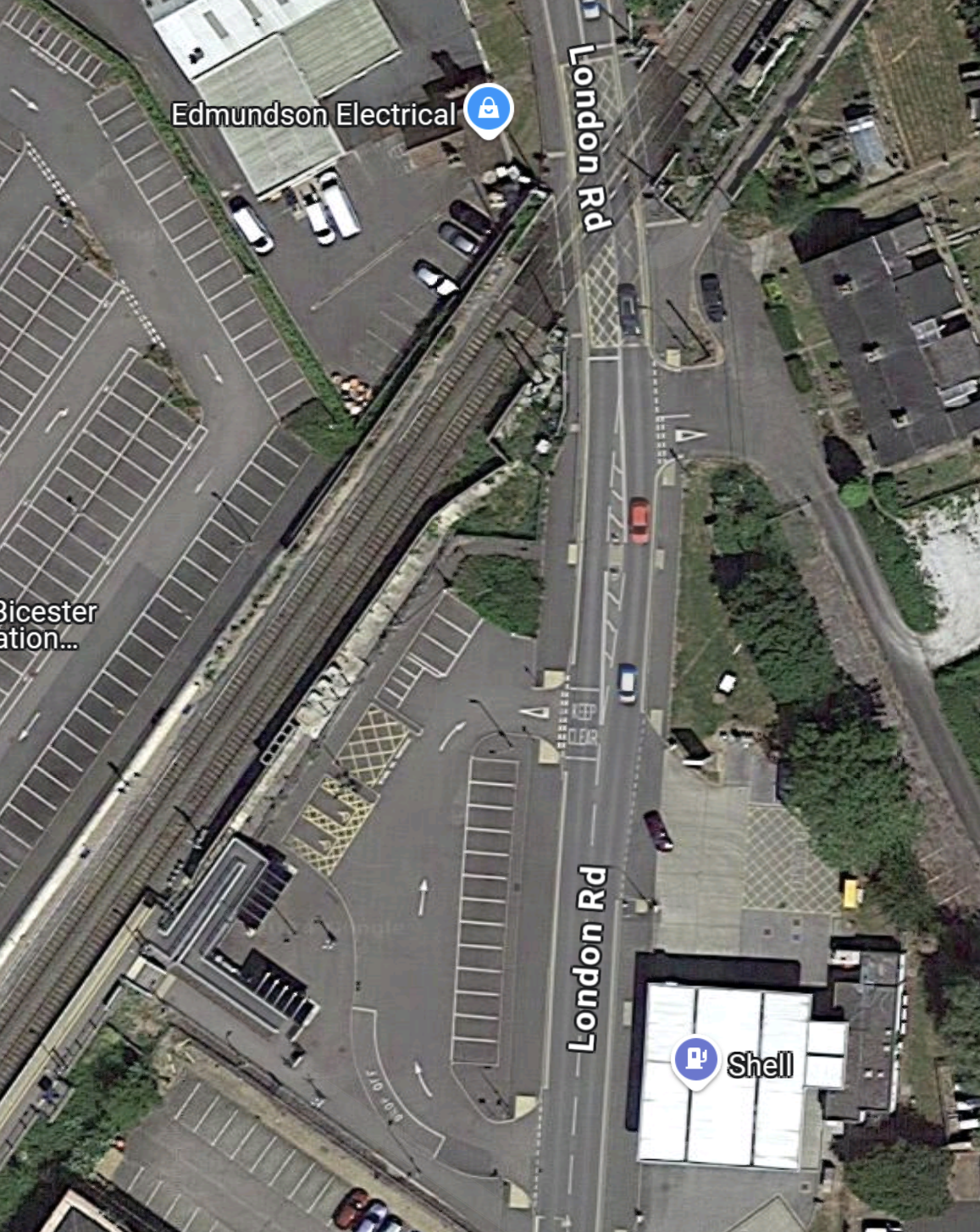
Note.
- London Road runs North-South across the map.
- There is a petrol station on the East side of London Road.
- Bicester Village station is on the West side of London Road.
- Bicester Village station is surrounded with lots of car parking.
- The level crossing is at the top of the map, where level crossings normally are.
This Google Map is a closer view of the level crossing.
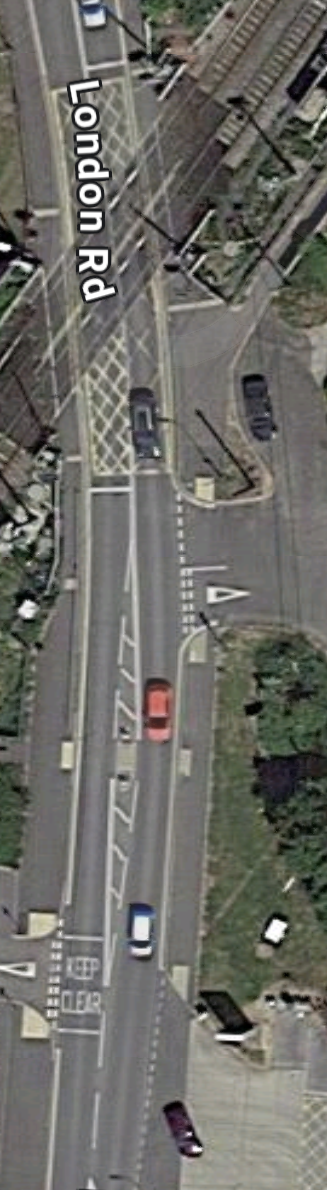
There seems to be several side roads giving access to side-roads and car-parks.
It is a very crowded site with in addition to the level crossing, there is a station, a Shell garage and lots of car parking.
I shall go and have a look next week, but at least the filling station should go. After all, who will want petrol and diesel in a few years?
Iarnród Éireann Looks At Diesel Loco Replacement Options
The title of this post, is the same as that of this article on Railway Gazette.
These three paragraphs introduce the article.
The Stadler Class 99 electro-diesel locomotive for UK operator GB Railfreight was receiving close scrutiny from Iarnród Éireann at InnoTrans in Berlin, with the Irish national operator confirming to Railway Gazette International that it had discussed with the manufacturer how the type might be adapted for operation in Ireland.
Iarnród Éireann Chief Executive Jim Meade told Railway Gazette International ‘we will eventually need to replace our aging diesel fleet with dual-mode locomotives because our freight strategy will take us down that direction after we complete our electrification programme.
‘The replacement for the class 071s and 201s eventually will have to be a bi-mode electric with some form of HVO [renewable diesel fuel] traction in the long term; even the Class 201s are beyond mid-life already.
The Class 99 locomotive is a version of the Stadler Eurodual locomotive, which is described in this Stadler data sheet.
The Wikipedia entry for the Stadler Euro Dual is also informative and lists a dozen different versions of the locomotive, that have been sold to various countries and operators.
This paragraph summarises how the design can handle different gauges and electrical voltages.
The Euro Dual was designed from the onset as a highly modular platform, allowing it to be offered to customers in various different configurations, covering various gauges and voltage systems.
I doubt Stadler would have great difficulty producing an Irish gauge locomotive capable of running on whatever electrification, the Irish erect.
Will The Irish Class 99 Have Enough Power?
The power of the various diesel locomotives are as follows.
- Current Irish Class 071 – 1.68 MW
- Current Irish Class 201 – 2.4 MW
- UK Class 66 – 2.4 MW
- UK Class 99 – 1.79 MW
It would appear that the Class 99 is less powerful than the Irish Class 201 and the UK Class 66, but the Wikipedia entry for the Class 99 says this.
The chief executive of GBRf, John Smith, reports that the Class 99, despite having a less powerful diesel engine than the Class 66, will outperform the Class 66 at low speeds. The greater tractive effort means that the Class 99 on diesel power can deliver more power at the rail than the 66.
But as the Class 99 has 6.17 MW in electric mode, the solution must be to electrify the difficult sections.
I have just looked at the Felixstowe Branch Line, which will be very much Class 99 territory. I am fairly sure, that with some short lengths of electrification on the single-track sections, any performance problems with the Class 99 on the branch could be solved.
Could The Irish Class 99 Use Hydrogen As Secondary Power?
This OpenRailwayMap shows all the railways on the island of Ireland.
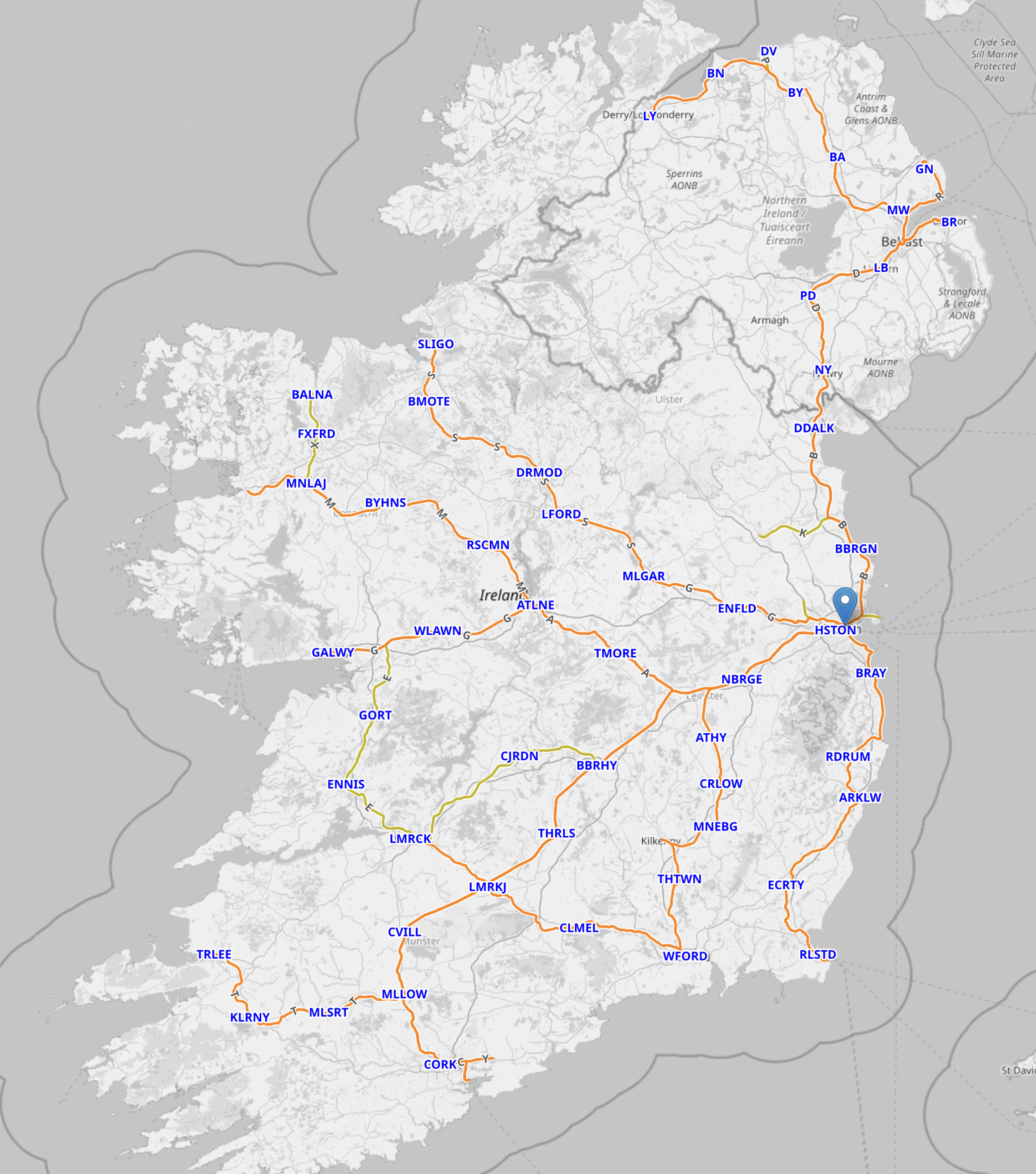
Note.
- All railways on the island of Ireland have an Irish gauge of 1.6 m.
- Only the DART in Dublin is electrified with 1,500 VDC overhead.
- There are 2,733 km. of track.
- New lines are still being added and old ones have been reopened in recent years.
- There will surely be pressure for the Irish to decarbonise their railways, both North and South of the Northern Irish border.
- There are no rail connections to another country, except for the link between Northern Ireland and the Republic of Ireland, which is between two similar systems.
- It is unlikely, that there will ever be a rail link between the Irish gauge railways on the island of Ireland and the standard gauge railways of Europe.
Effectively, the island of Ireland has an isolated network of tracks on which they could build a zero-carbon railway system.
- Signalling could be an off-the-shelf digital system.
- Zero-carbon traction power could be trains powered by either electricity and/or hydrogen.
- Both electricity and hydrogen would need substantial amounts of new rolling stock.
- Electricity would require electrification at €1,000,000 per single track kilometer, which could be around €5.5 billion for the electrification alone.
- Electrification would also need many bridges, stations and tunnels to be modified or rebuilt.
- Hydrogen would need a refuelling infrastructure and could go anywhere that diesel can.
- Hydrogen locomotives and trains, would be one-to-one replacements for diesel locomotives and trains.
It would appear that because of their geographic isolation, hydrogen could be an ideal zero-carbon fuel for the railways of Ireland.
In Do Cummins And Stadler Have a Cunning Plan?, I speculated that the electro-diesel Class 99 locomotive could be converted into an electro-hydrogen Class 99 locomotive, as Cummins are building diesel engines that can be converted into hydrogen ones.
Ireland with its unusual network could change to a zero-carbon railway in the following way.
- Purchase a fleet of diesel locomotives and trains that can run on Hydrotreated Vegetable Oil (HVO) and be convertible to hydrogen.
- A version of the Class 99 with or without the electrical gubbins would satisfy the locomotive replacement.
- A version of the tri-mode Stadler FLIRT like a Class 745 train, would satisfy the train replacement.
- All new trains and locomotives would replace the current stock and run on HVO.
- The hydrogen infrastructure would be built.
- The new trains and locomotives would be gradually converted to run on green hydrogen.
Within a few years, the island of Ireland would have a zero-carbon railway.
Advantages Of A Fully-Hydrogen Railway
These are a few advantages.
- One fuel for all trains.
- All trains and locomotives would be one manufacturer.
- No expensive electrification.
- Hydrogen trains and locomotives have a long range.
- No infrastructure modification for gauge clearance.
- Ireland has plenty of onshore and offshore wind for hydrogen.
- Standard fuelling systems are being developed.
- There would be no disruption as the trains changed to HVO and little disruption as they changed to hydrogen.
I believe that there would be a large increase in train usage both from locals and visitors, which can only be good for the Irish economy.
Managing The Project
This could be one of those rare projects that flows well.
- The changeover to hydrogen could involve very little rail infrastructure work.
- The hydrogen filling stations could be more-or-less independent of the rail infrastructure.
- Trains and locomotives could go into service, when they are accepted and the staff have been trained.
- Trains and locomotives would only be converted to hydrogen, as routes are made hydrogen-capable.
- There should be no gauging problems with the new trains and locomotives.
- There is only one train manufacturer.
Hopefully, it will all be delivered on time and on budget.
FART Train On Show At InnoTrans
The title of this post, is the same as that of this article on Railway Gazette.
This is the first paragraph.
Stadler has unveiled a custom-designed electric multiple-unit for the narrow gauge Centovalli railway which runs for 52 km between Locarno in Switzerland and Domodossola in Italy.
This appears to be one of Stadler’s special trains for a very unique railway in the Southern Alps.
This Google Map shows the route between Domodossola and Locarno.
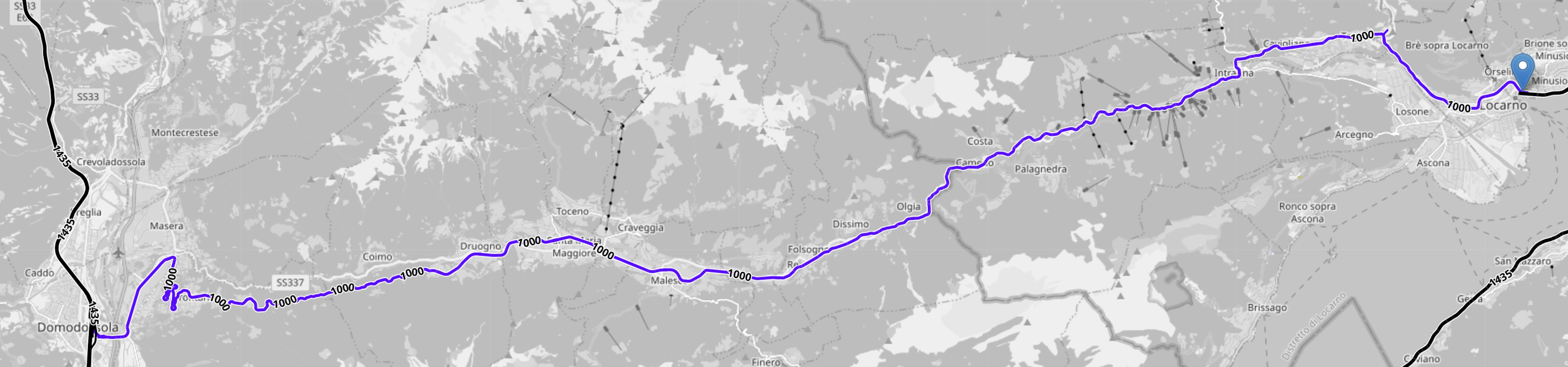
Note.
- The Centovalli Railway runs East-West and is shown in purple.
- Locarno is in the East and is marked by a blue arrow.
- Domodossola is in the West, where the Centovalli Railway meets the Domodossola–Milan railway, which is shown in black and runs North to Brig via the Simplon Tunnel.
In From Milan To Geneva, I must have taken a train through Domodossola, as this picture is in the post.
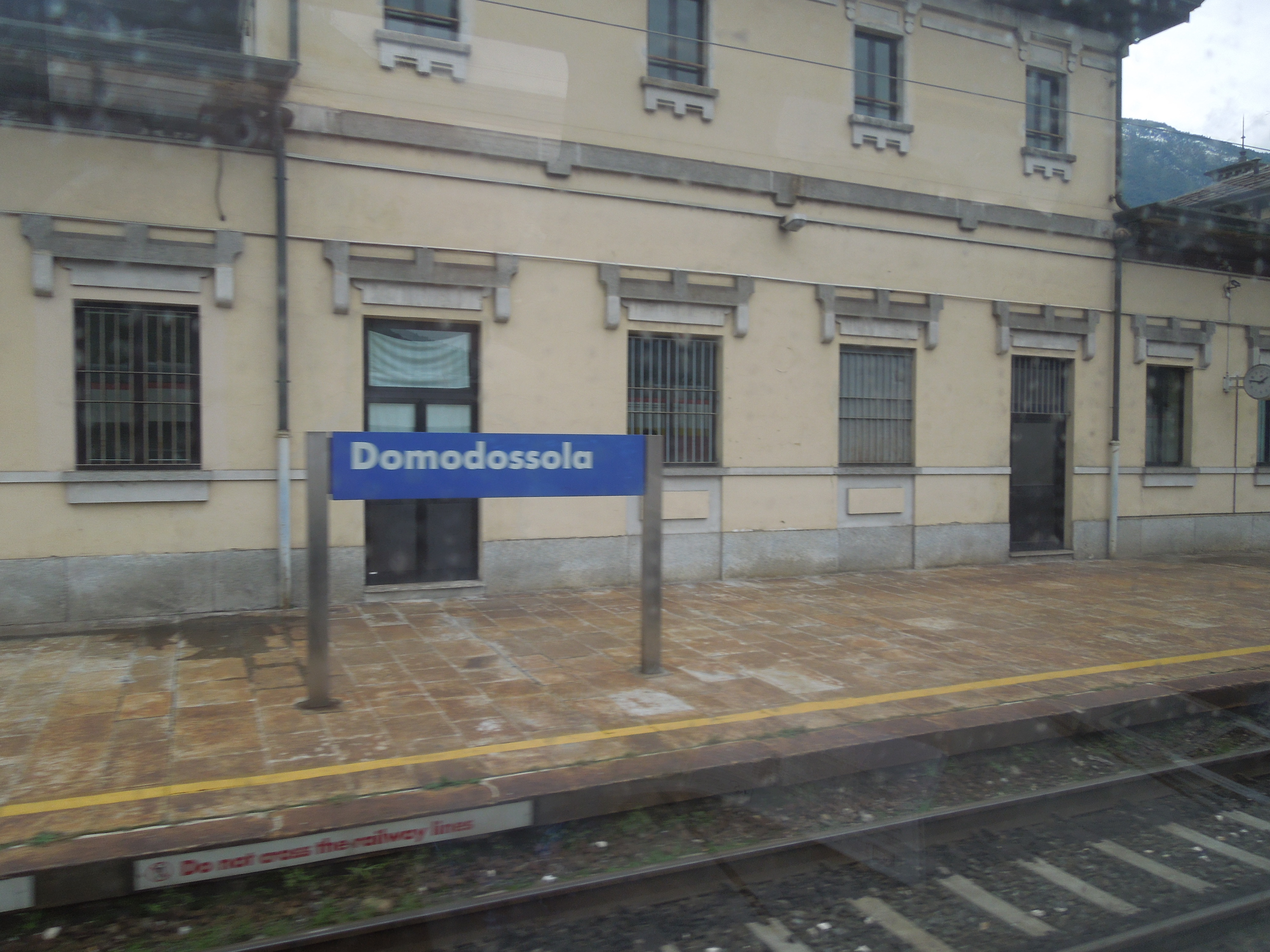
Domodossola station looks a lot grander in its Wikipedia entry.
Plans To Turn Former Station Waiting Room Into Pub
The title of this post, is the same as that of this article on the BBC.
This is the sub-heading.
Plans to turn a Grade II listed railway station’s former waiting room back into a pub have been submitted.
These are the first three paragraphs of the article.
Network Rail wants to refurbish the room at Carlisle’s station, which is now a storage room and kitchen.
The first class waiting room, which was until recently used as a pub, was built by architect William Tite in 1880 as an extension to his original 1847 neo-Tudor station designs.
The plans are part of the £27m Carlisle Gateway project to turn the city’s station into a “national interchange” transport hub, funded by central government, Cumberland Council and Network Rail.
I very much like this idea.
Carlisle could be turned into a national interchange, that was almost unique in the world.
- Rail services across the Borderlands could be improved, to the cities of Glasgow, Lancaster, Leeds, Newcastle and York.
- Rail services could be developed, so visitors could explore the Lake District by rail.
- The Eden Project at Morecambe would be a rail-accessible attraction, that was just an hour away from Carlisle.
- The Borders Railway from Edinburgh could be extended to Carlisle.
- All services would be zero-carbon, with power coming from either batteries or hydrogen.
- Services would be tourism-friendly, with space for bicycles, large panoramic windows and high-class catering.
Current times between London and Carlisle could be reduced to under three-and-a-half hours, with reductions of up to an hour, as High Speed Two is eventually delivered.
TfL May Increase e-Scooter Speed Limit And Lower Age Restriction
The title of this post, is the same as that of this article on the Telegraph.
This is the sub-heading.
Riders would be able to travel at 15.5mph including 16-year-olds who hold a provisional driving licence
I’m now seventy-seven and I’ve never ridden one of these devices. I didn’t even have one of the push-only variety, as a child in the 1950s.
The article says this about serious injuries.
The authority’s own data shows that e-scooter operators have reported 35 serious injuries since 2021. A serious injury is classified as those requiring hospital “in-patient” treatment, fractures, concussion, internal injuries, crushing, burns, severe cuts or injuries causing death 30 or more days after the collision.
A death figure is not given, but deaths have happened.
My feeling is that thirty-five serious injuries in three years is too high.
But then allowing those as young as sixteen to use these devices without adequate training is surely asking for trouble. I was sixteen once and know how irresponsible, I was on an unpowered bike, at that age.
I have to ask the question, if safety would be improved, if some form of training were to be compulsory?
My parents had a relaxed attitude to my road safety training.
- I was allowed on a bike in the suburban streets of London without training.
- I never took any Cycling Proficiency training.
- At sixteen, I used to cycle down the A45, which is now the A14, between Ipswich and Felixstowe amongst all the heavy trucks.
- I never had any formal driving lessons and had my own car soon over my seventeenth birthday.
In all the miles, I cycled and drove, I never had a serious accident.
- But I am still unhappy at the two proposals in the title of this post.
- Is it that many e-Scooters are ridden irresponsibly or outside the law?
- I am also worried about the propensity of e-Scooters and e-Bikes to catch fire.
I would certainly be happier if a reasonable set of rules for these devices had been devised and was strictly enforced.
ECoR Launches Special Drive Against Carrying Diwali Crackers On Trains
The title of this post, is the same as that of this article on Pragativadi.
These two paragraphs tell the story.
With the Diwali festival approaching, the East Coast Railway (ECoR) has intensified its efforts to ensure the safety of passengers by launching a special drive against the illegal transportation of firecrackers and other inflammable items on trains.
ECoR has reiterated that carrying dangerous goods like crackers, gas cylinders, acid, petrol, kerosene and similar materials in passenger-carrying trains is a punishable offence under the Railways Act, 1989, which can result in imprisonment of up to three years.
The punishment is probably a bit heavier than you get for this offence in Liverpool Lime Street.
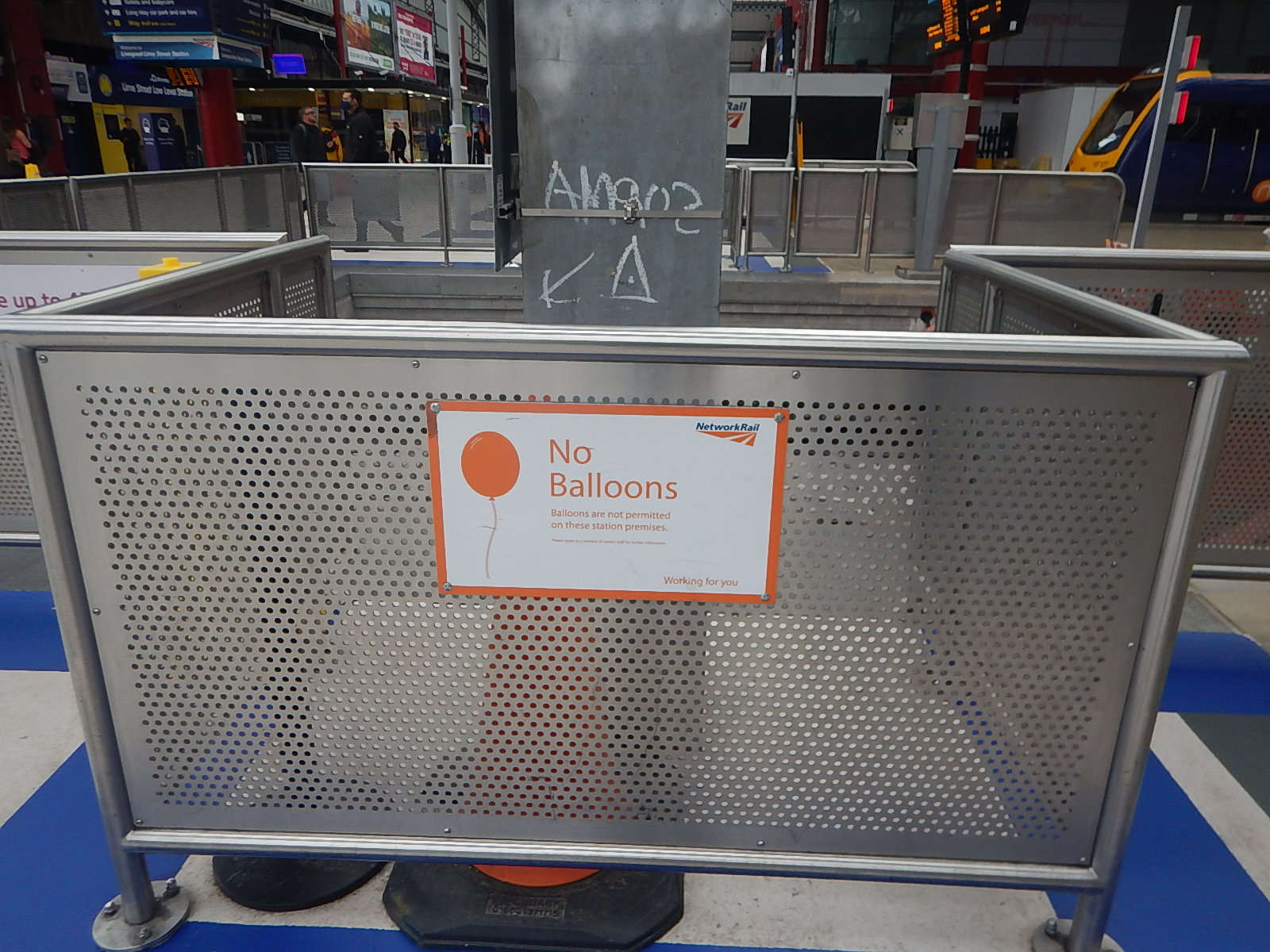
I suspect a Diwali cracker makes a bigger bang, than a typical balloon.
Eurovision Boost For Record Rail Profits
The title of this post, is the same as that of this article on the BBC.
This is the sub-heading.
A train operator has posted record profits thanks in part to the Eurovision Song Contest and other major events.
These four paragraphs sum up the story.
Merseyrail, which operates services across Merseyside and into Cheshire and Lancashire, is one of the most intensively used rail networks in the UK.
According to its directors’ strategic report for the year ending in January 2024, some 78,000 journeys were taken on Merseyrail services on average every day.
There were 28 million passenger journeys, which the company said was a post-Covid peak. It added a profit of just under £44m was the largest in its history.
The report said Merseyrail had benefitted from the Eurovision Song Contest being held in Liverpool, as well as the Open golf tournament at Hoylake on the Wirral and a successful Grand National festival at Aintree.
Note.
- Merseyrail’s trains seem to have taken the spectators to the big events all over the city.
- The trains are also virtually brand new and very bicycle and buggy-friendly, so do they introduce new passengers to Merseyrail?
- Spectators from places around the city like Birkenhead, Chester, Crewe, Manchester, Preston, Southport, Warrington and Wigan all have good rail connections to Liverpool Lime Street, which has its own Merseyrail below-ground station.
For big events like Eurovision, the Grand National or The Open, if you have tickets for the event, a train, on the day from Birmingham, Derby, Leeds, London, Nottingham or Sheffield is very feasible.
- In addition, now that Lime Street station and the area around it has been refurbished, it is a cultural area to visit in its own right.
- I believe that Liverpool will grow as a destination to visit.
- A doubling of the Avanti train service to London will add more capacity.
- The TransPennine Express service across the country and to Scotland will be improved.
- Blackpool will be eighty minutes away.
- The Eden Project North at Morecambe will be only an hour away.
- In a few years time, the Mersey Tidal Barrage will be attracting visitors.
- Liverpool has public transport connections to both Liverpool and Manchester airports.
Liverpool will be a place to stay for the weekend and for those, who don’t have a car or prefer not to drive, they will be able to use the extensive rail network to get to other places like.
- Blackpool and Manchester with their trams.
- Liverpool’s local attractions on Merseyrail.
Liverpool will become a very successful short-stay resort city.
East Midlands Railway’s Dirty Trains
I took these pictures today on my return from East Midlands Parkway.
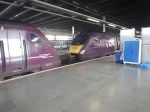
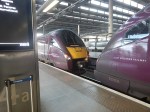
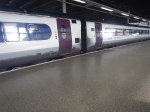
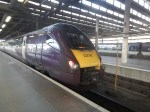
The trains seemed particularly dirty. Perhaps it’s the colour scheme.
 The Anonymous Widower