Teesside Private SMR Nuclear Power Station To Be Built
The title of this post, is the same as that of this article on the BBC.
This is the sub-heading.
An agreement has been reached to build a privately financed nuclear power station in Teesside.
These are the first three paragraphs.
Community Nuclear Power (CNP) has announced plans to install four small modular reactors (SMRs) in North Tees.
CNP said it aims to be up and running in ten years’ time and will supply “roughly a gigawatt of energy”.
With other similar power stations planned, hundreds of jobs are expected to be created in the north-east of England.
A CNP spokesperson said the four North Tees reactors will generate clean, always-on energy which will be used to help develop a green energy and chemical hub, also within the North Tees Group Estate, on the north bank of the River Tees near Stockton.
These are my thoughts.
The Westinghouse AP300™ SMR
This SMR has its own web page.
This is the sub-heading.
Only SMR based on Licensed, Operating & Advanced Reactor Technology
These paragraphs introduce the reactor.
The Westinghouse AP300™ Small Modular Reactor is the most advanced, proven and readily deployable SMR solution. Westinghouse proudly brings 70+ years of experience developing and implementing new nuclear technologies that enable reliable, clean, safe and economical sources of energy for generations to come.
Our AP1000® reactor is already proving itself every day around the globe. Currently, four units utilizing AP1000 technology are operating in China, setting performance records. Six more are under construction in China and one AP1000 reactor is operating at Plant Vogtle in Georgia while a second nears completion.
Our AP300 SMR leverages that operating experience, as well as tens of millions of hours on AP1000 reactor development.
Gain the benefits of the record-setting Westinghouse AP1000 PWR technology in a smaller power output to augment the backbone of your community energy system.
The AP300 SMR complements the AP1000 reactor for a cleaner energy mix, energy security, and grid flexibility and stabilization.
Westinghouse seem to have taken a very professional and scientifically correct approach and downsized something that works well.
Where Will The Reactors Be Built?
This is a paragraph from the BBC article.
Small reactors, built in a factory by the American power giant Westinghouse, will be transported to Seal Sands near Billingham, coming on stream in the early 2030s and going some way to providing part of the big rise in nuclear capacity the UK government wants to see by 2050.
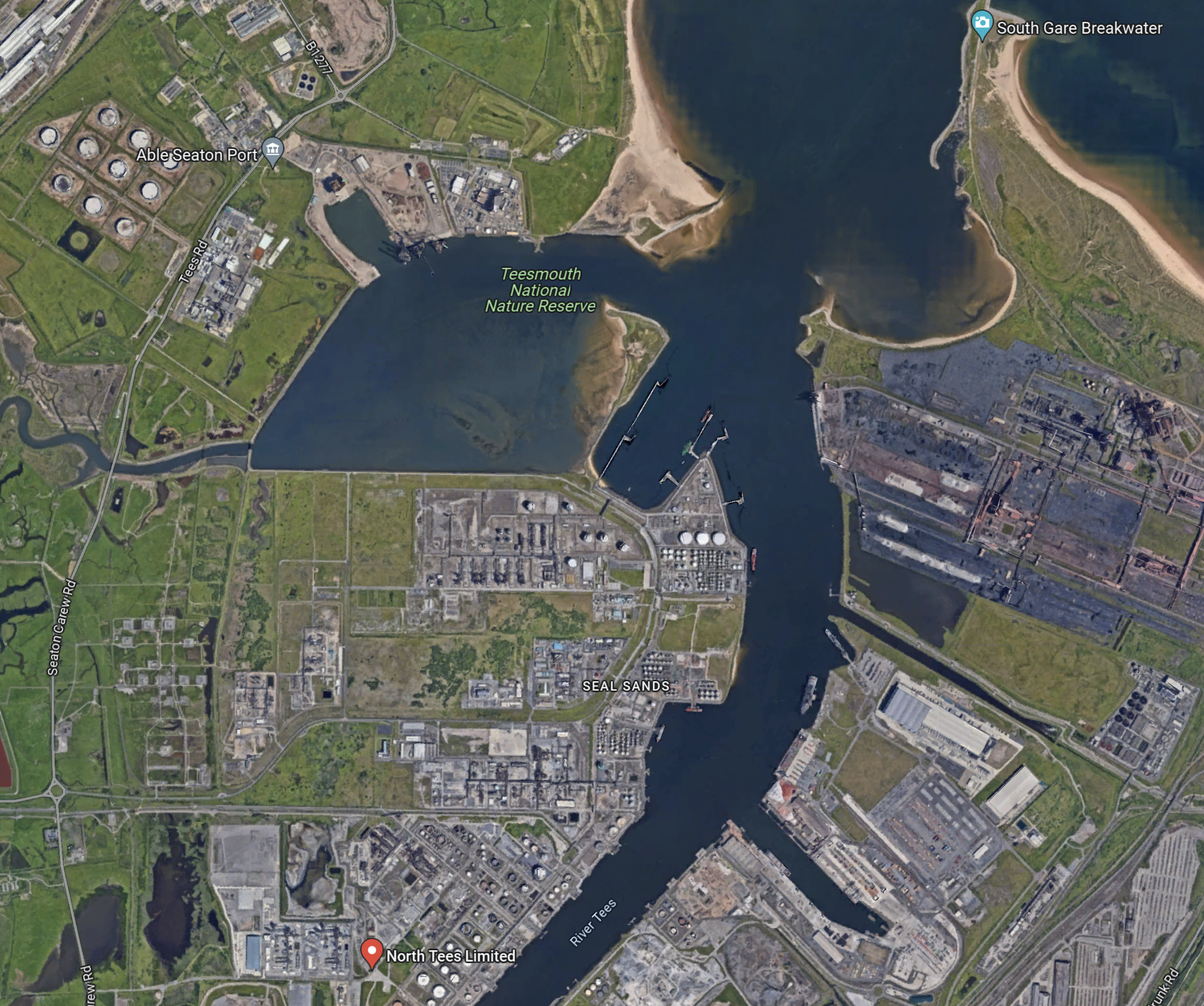
This Google Map shows the mouth of the River Tees.
Note.
- The red arrow at the bottom of the map indicates the location of North Tees Group Estate.
- Follow the river to the North and a capitalised label indicating the position of Seal Sands can be seen.
This second Google Map shows the Seal Sands area in a larger scale.
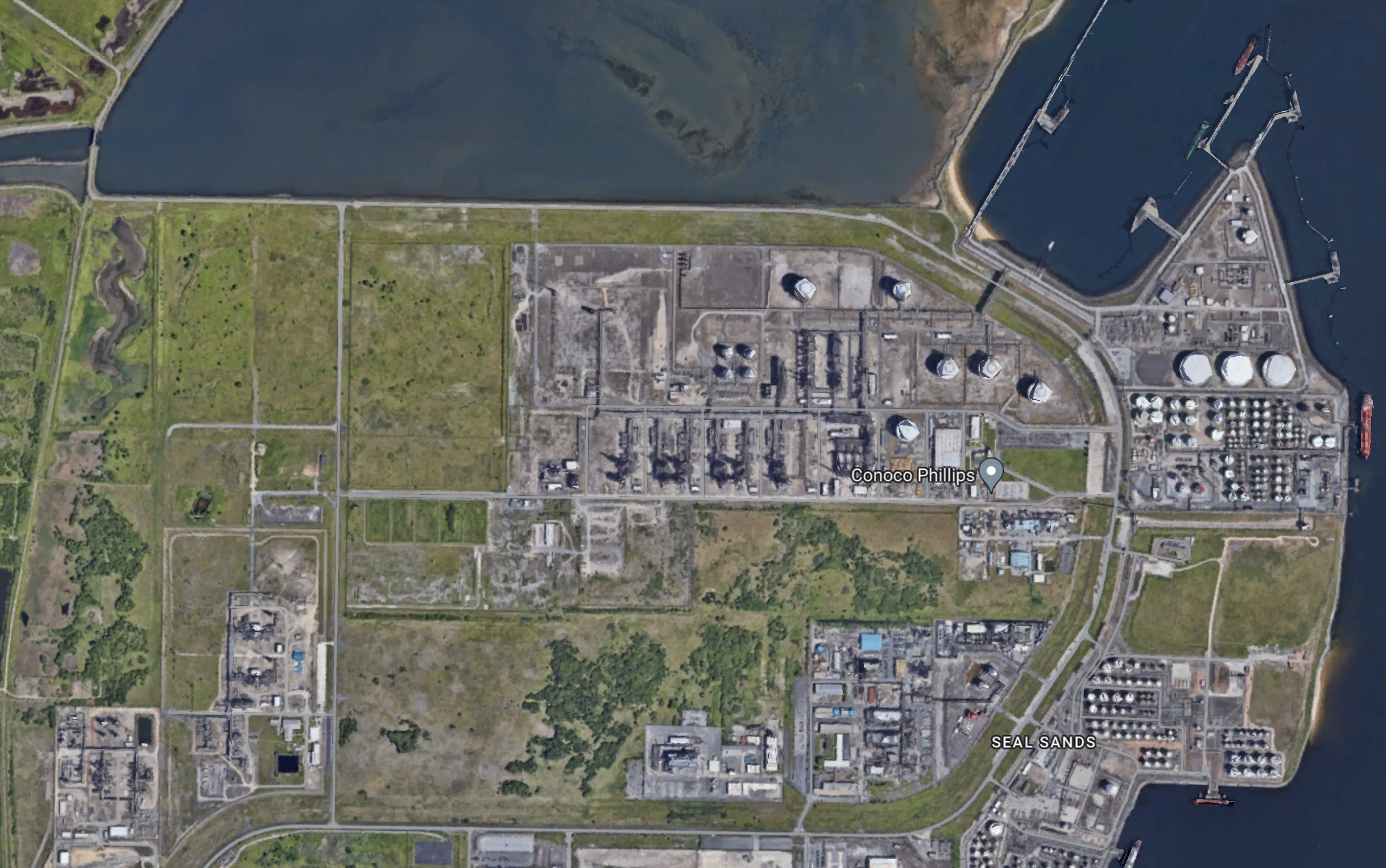
There seems to be several spaces, where the reactors could be located.
Would It Be Safe To Locate A Nuclear Reactor Or Reactors In a Cluster Of Oil Refineries And/Or Chemical Plants?
Consider.
- In the 1970s, when I worked at ICI, there were companies like Westinghouse advocating nuclear steelmaking.
- We did discuss the concept a couple of times over coffee but no one, I worked with, ever looked at it officially or seriously, as far as I know.
- In addition to requiring large amounts of electricity, oil refineries and chemical plants often use a lot of steam.
- Nuclear reactors generate steam to produce electricity, so some could be diverted to oil refineries or chemical plants
- To decarbonise some processes might switch to hydrogen.
- In Westinghouse And Bloom Energy To Team Up For Pink Hydrogen, I talk about how to use a nuclear reactor to efficiently produce pink hydrogen.
It looks like for efficiency, building the various plant close together could be a good thing.
But is it safe?
I suspect the level of safety will be that of the least safe plant.
So provided all plants are designed to the highest standards, it should be OK, as nuclear plants, oil refineries and chemical plant don’t regularly explode.
The Donald C Cook Nuclear Plant
The Donald C Cook Nuclear Plant in Michigan is a 2.2 GW nuclear plant, that was built by Westinghouse and commissioned in the mid-1970s.
They were clients for Artemis, the project management system that I wrote.
Soon after the Three Mile Island accident on March 28th, 1979, I visited the Donald C Cook Nuclear Plant to see how they were coping with the aftermath of the accident.
I remember being told by the operators of the plant, who were American Electric Power, that as it was their only nuclear plant, they were going to do everything by the book and Artemis was helping them to do that.
Reading about the plant, which is now licenced to operate until 2034 for one reactor and 2037 for the other, it seems to have performed impeccably so far for nearly fifty years.
It is a credit to both Westinghouse, who built it and American Electric Power who own it.
Now that is what I call high-class engineering and I’d be happy to have a cluster of SMRs to the same standard in my back yard.
Sizewell B
I used to live a few miles from Sizewell B, which is another Westinghouse reactor.
- This is the Wikipedia entry for the power station.
- Sizewell B was based on a proven Westinghouse design.
- It seems to have performed well since it was commissioned in 1995.
It looks like it will be operating until 2055, which will make its working life similar to those of the reactors at the Donald C Cook Nuclear Plant.
Westinghouse And Hinckley Point C Compared
Consider.
- Sizewell B was built in approximately seven years.
- This compares well with the two units at the Donald C Cook Nuclear Plant, which took six and nine years respectively
- It looks like Hinckley Point C will take between twelve and fourteen years to build.
- Sizewell B and the two units at Donald C Cook Nuclear Plant seem to be looking at a sixty year operating lifetime.
- Sizewell has a rail connection and Hinckley Point does not.
- Sizewell B seems to have been signed off, when John Major was Prime Minister.
- Hinckley Pont C seems to have resulted from a government white paper when Gordon Brown was Prime Minister.
Westinghouse seem to design nuclear power stations, that can operate for a long period and can be built within a decade.
Westinghouse And Rolls-Royce
Consider.
- Rolls-Royce also have an SMR design.
- Rolls-Royce and Westinghouse are both world-class companies.
- Rolls-Royce have the advantage they are British.
- I also suspect, that both Westinghouse and Rolls-Royce will use the same subcontractors and sub-assembly manufacturers.
- The Rolls-Royce SMR has a power output of 470 MW.
- The Westinghouse SMR has a power output of 300 MW.
I suspect the choice between the two, will be like choosing between top-of-the-range British and American products.
Conclusion
I wonder why we ended up with an unproven new French design at Hinckley Point, when sitting in Suffolk was a traditional Westinghouse design, that was performing to its design specification?
But for the SMR, we need to buy the reactors, which are financially best for Britain. If Westinghouse choose to manufacture large sections in the UK, they could be the better bet, as I suspect, if SMRs are successful, we’ll be seeing exports from the UK.
Tregoss Passing Loop On The Atlantic Coast Line
To increase the frequency of trains on the Atlantic Coast Line between Par and Newquay stations, from two-hourly to hourly, Network Rail are proposing to add a passing loop at Tregoss Moor.
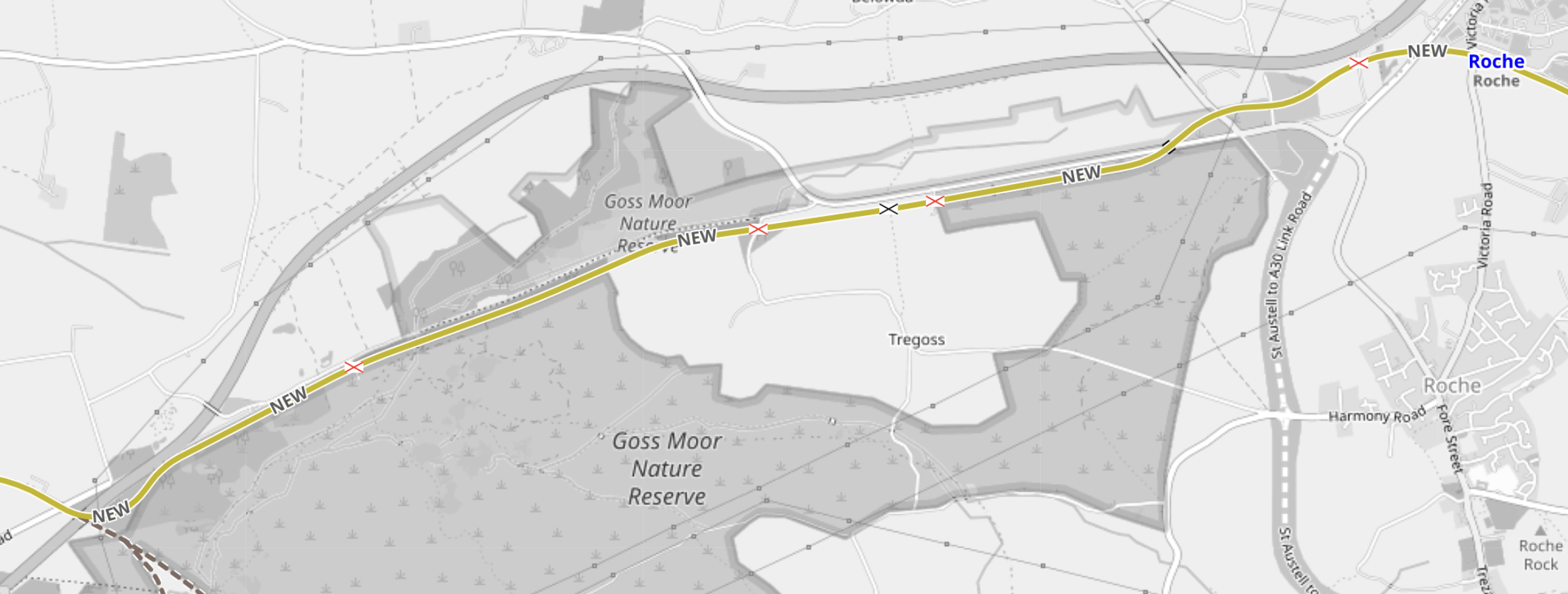
This OpenRailwayMap shows the railway as it runs across the moor.
Note.
- Roche station in the North-East corner of the map.
- The red and blue crosses indicating level crossings on the route.
- The map seems to indicate a number of power cables.
I took these pictures from the train, as I came down to Par station.








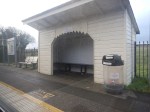
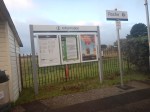
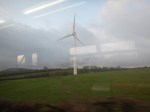
Note.
- I was sitting on the right-hand-side of the train, looking West.
- In addition to the cables, there are about half a dozen wind turbines.
- Roche station is typical of the intermediate stations on the line – Small, functional and tidy, with a few car parking spaces.
On past form, I suspect that Network Rail could squeeze in a passing loop, that wouldn’t stir up too many antis.
I have one thought,
The St. Austell Link Road
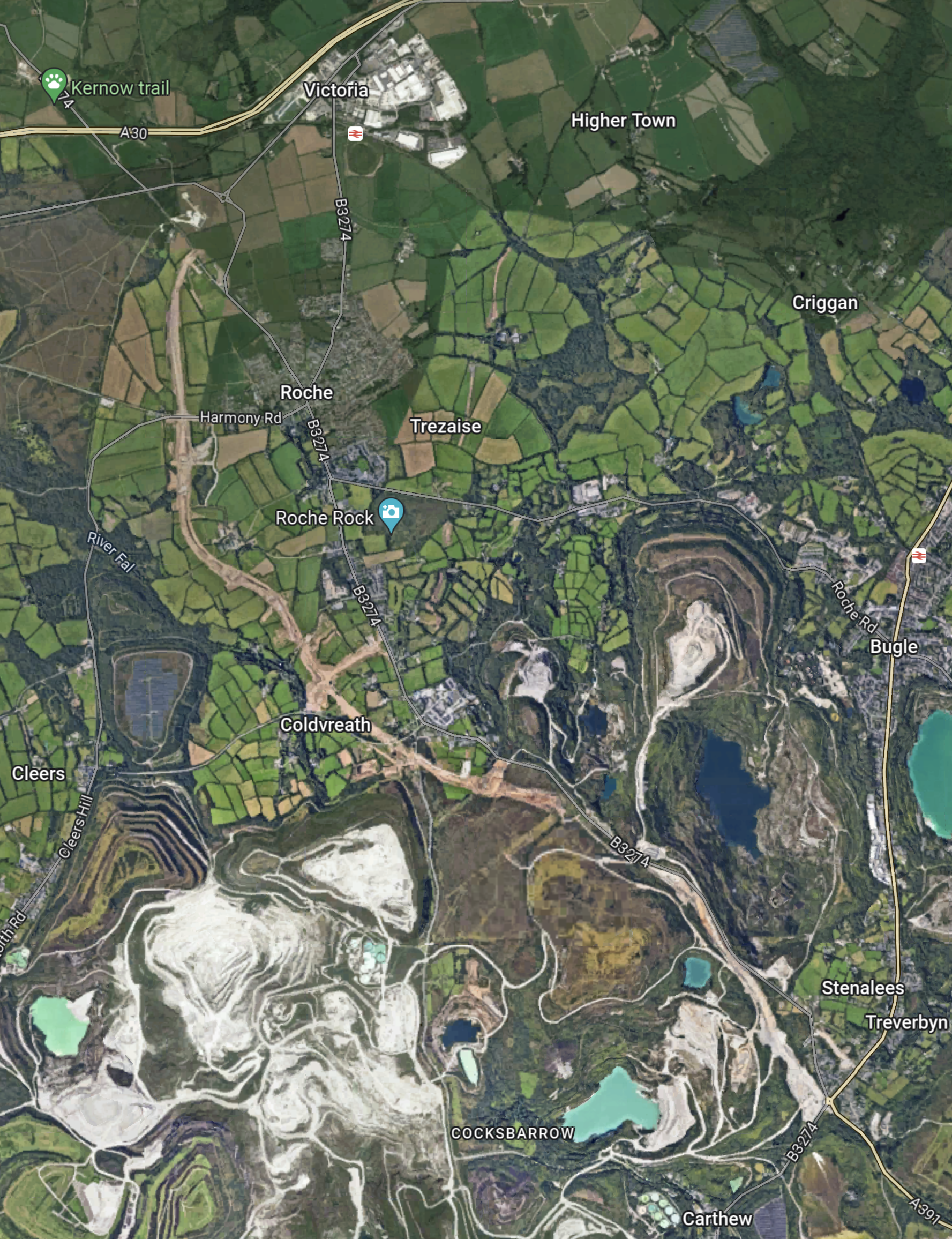
This Google Map shows where the A30 to St. Austell Link Road is being built.
Note.
- The station at the top of the map by the area called Victoria and to the West of Higher Town is Roche station.
- The station at the right edge of the map about halfway down is Bugle station.
- The South of the map is covered by white china clay workings.
- Running diagonally across the map is the A30 to St. Austell Link Road.
This page on the Cornwall web site, says this about the road.
The St Austell to A30 link road will connect the old A30 near Victoria to the north and the A391 at Stenalees roundabout to the south. It will be a new 3.9 mile single carriageway road. It is a vital link to bring opportunities to the area.
This Google Map shows the area, where the Link Road will connect to the A30.
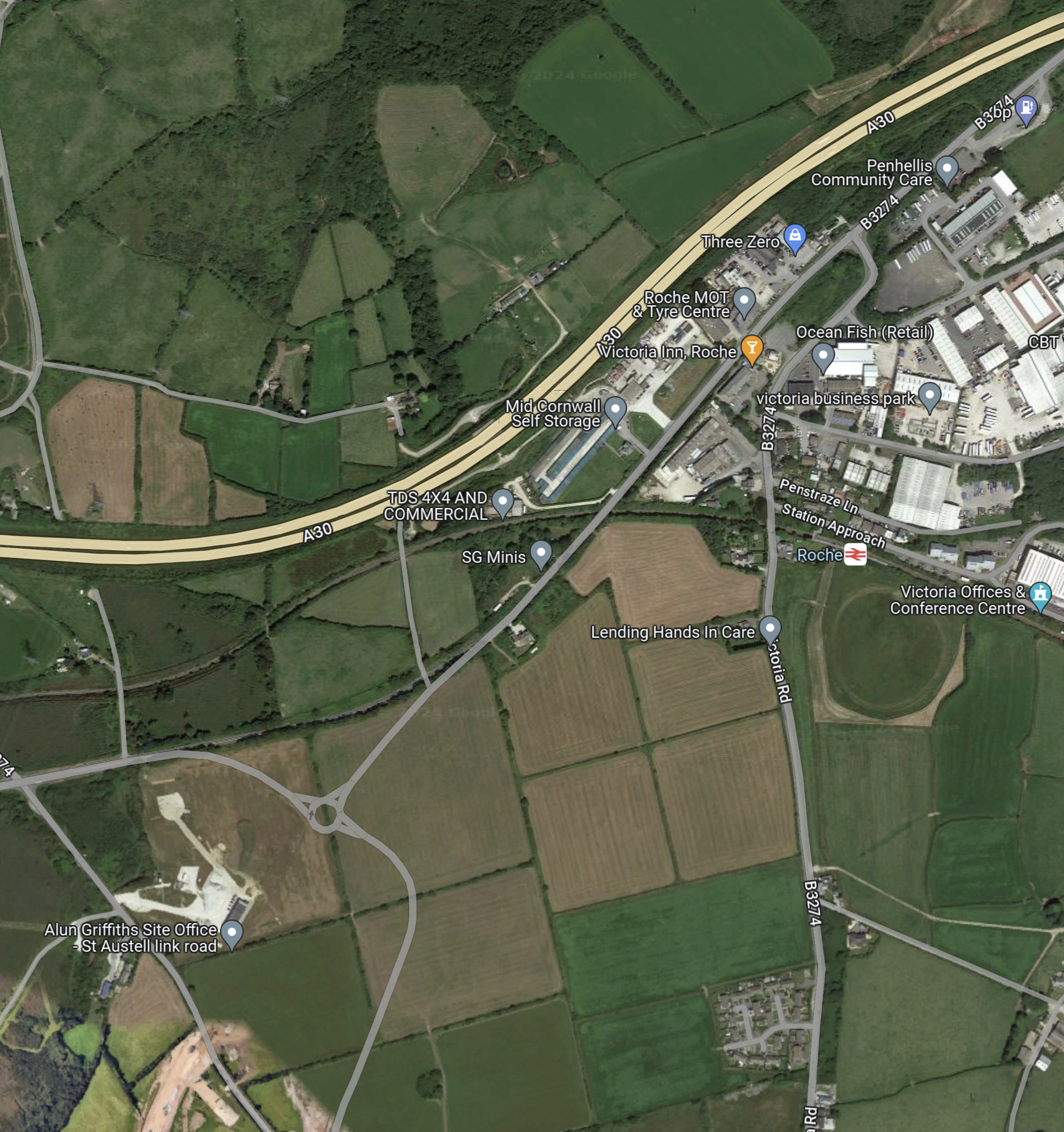
Note.
- The A30 running across the top of the map.
- The Victoria area and Roche station in the North-East corner of the map.
- In the South-West corner of the map their is the site office of the Link Road.
- The current end of the construction scar of the Link Road can be seen at the edge of the map.
- I would assume that the new road joins the roundabout to the North-East of the Construction Office.
- Traffic could be routes North-East from here along the B3274 to join the A30 at Cornwall Services.
- The railway sneaks between the A30 and the construction site.
I hope there’s been a bit of joined up thinking here and the road and the railway have been given the best joint design possible.
Par Station – 10th February 2024
Par station will see changes because of the Mid-Cornwall Metro.
I took these pictures as I passed through.




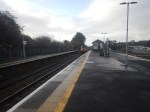
Note.
- The level crossing was busy with cars every time I crossed it.
- The semaphore signalling.
- The arriving GWR Castle in the last picture.
This Google Map shows Par station.
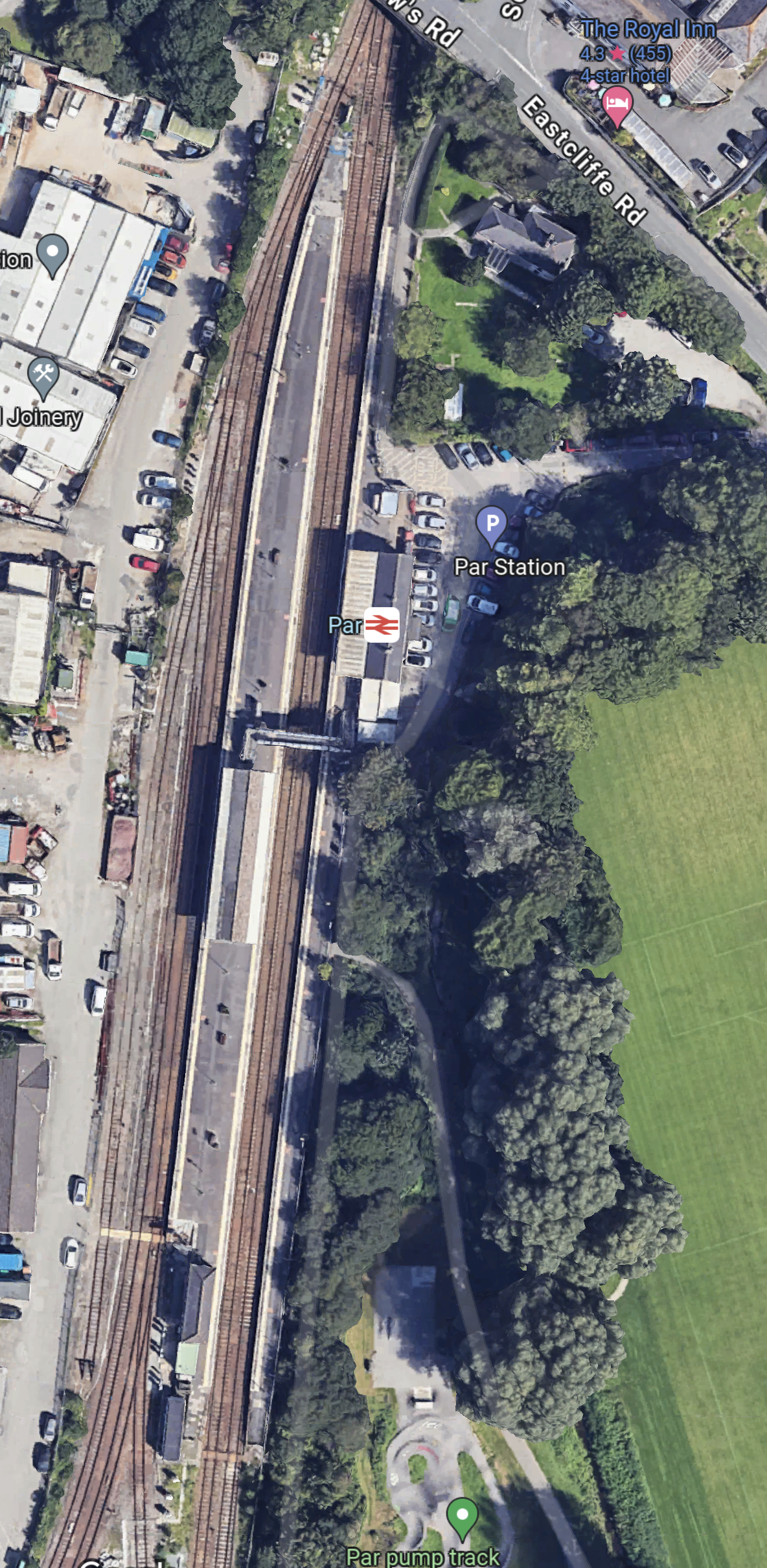
Note.
- There three platforms. Platform 1 is in the East, with Platforms 2 and 3 forming an island platform.
- There is a footbridge connect the platforms together.
- The Atlantic Coast Line leaves the map in the South West Corner.
As one of the modifications for the Mid-Cornwall Metro, the footbridge will be replaced with one that is step-free.
I have a few thoughts.
Will The Mid-Cornwall Metro Reverse At Par Station?
This OpenRailwayMap shows the track layout at Par station.
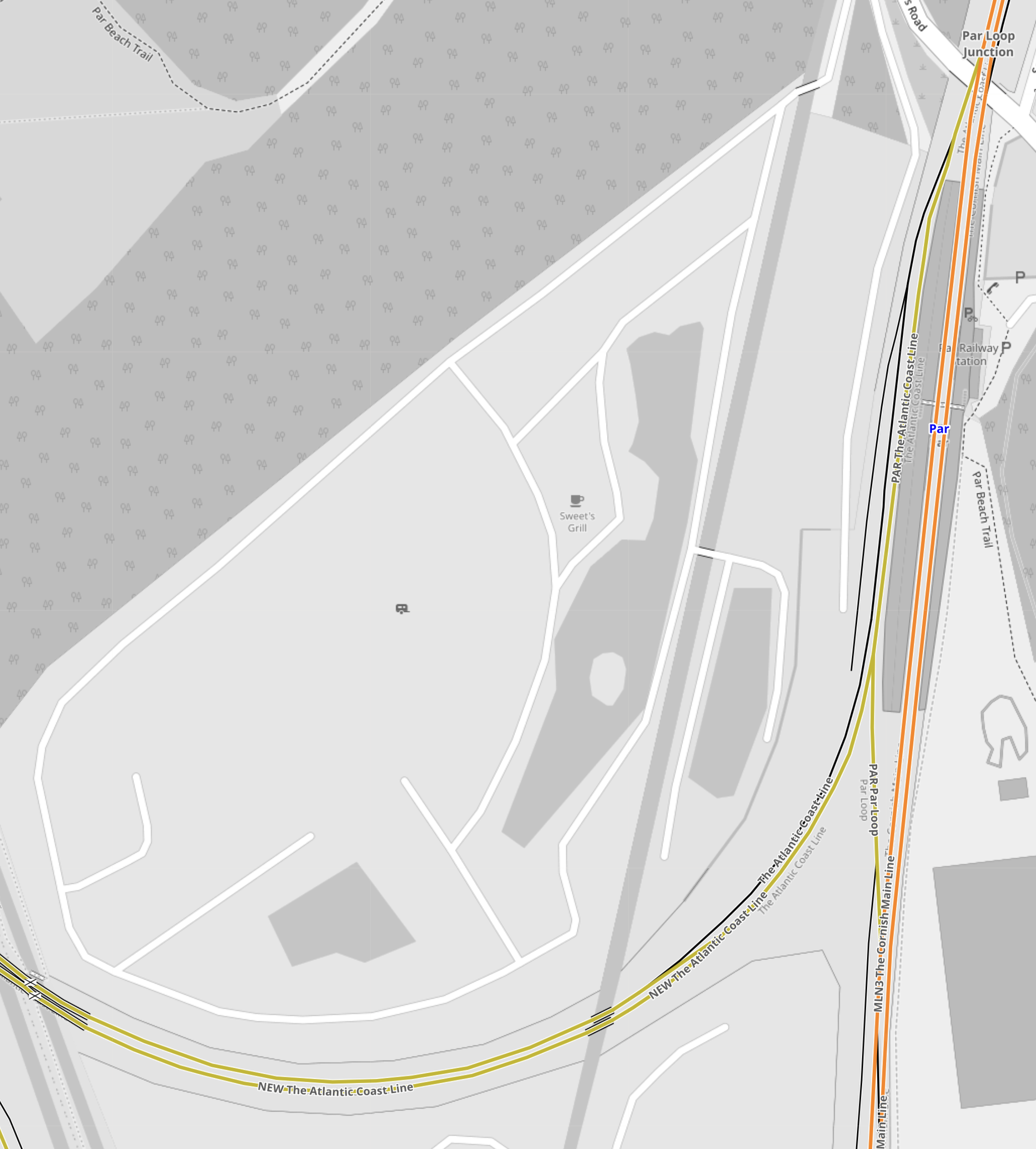
Note.
- The tracks shown in orange form the Cornish Main Line.
- The tracks shown in yellow that curve away to the West are the Atlantic Coast Line.
- The busy level crossing is shown in the South-West corner of the map.
- The Atlantic Coast Line connects to Platform 3 on the West side of the station.
- The track layout allows trains to access Platform 3 from both directions on the Cornish Main Line.
It does look like, Mid-Cornwall Metro trains will have to reverse every time, they call at Par station.
Could The Cornish Main Line Be Electrified At Par Station?
At some point in time, it will be desirable to run zero-carbon trains both on the Mid-Cornwall Metro and the Cornish Main Line.
- Plymouth and Par is a distance of 34.7 miles.
- Truro and Par is a distance of 19 miles.
- Newquay and Par is a distance of 20.8 miles.
- All of these distances would be in range of a typical battery-electric train.
- In The Data Sheet For Hitachi Battery Electric Trains, I said that a Hitachi express train with a battery range of 43.5 miles.
To my untrained eye, it looks like Par station wouldn’t be the most difficult place to electrify.
I believe there are possibilities to put an island of electrification at Par to give the trains a quick Splash-and-Dash before continuing.
How Many Direct Trains Should There Be Between London Paddington And Newquay?
The Mid-Cornwall Metro will see the following improvements on the Atlantic Coast Line between Newquay and Par stations.
- A second platform built at Newquay station.
- There will be a passing loop across Treegoss Moor.
- There will be a step-free bridge at Par station.
This will allow the current service on the line to be increased from two-hourly to hourly.
FirstGroup’s services in the UK, include several services, where a service is extended to a terminus away from the main line.
- Avanti West Coast – two trains per day (tpd) to Blackpool
- Great Western Railway – six tpd to Carmarthen
- Hull Trains – five tpd to Hull.
- Hull Trains – two tpd to Beverley.
- Hull Trains (proposed) – two tpd to Worksop and Sheffield.
Given that there will only be an hourly local service on the Atlantic Coast Line, I suspect that FirstGroup will be able to run up to six tpd to Newquay to satisfy the traffic needs of the London and Newquay service.
How Will Great Western Railway Run A Service To Newquay?
Last weekend, when I went to Ebbw Vale, I wrote My Train To Wales Today Divided At Swansea.
My train, that day was a ten-car train formed of a pair of Class 800 trains.
- The front train was signed as going to Swansea.
- The rear train was signed as going to Carmarthen.
- At Swansea the trains split into two.
- The front train finished its journey.
- The rear train reversed out and continued to Carmarthen.
Returning to London Paddington, trains join at Swansea.
Will Great Western Railway use a similar operation with Newquay services.
The train would be a ten-car train formed of a pair of Class 802 trains.
- One train would be going to Plymouth and the other train to Newquay.
- At Plymouth the trains split into two.
- One train finishes its journey at Plymouth.
- The other train continues to Newquay.
As Bodmin General station, has a second platform, that was recently built with financial help from Great Western Railway, could this be another destination served by splitting a train at Plymouth?
I discuss the implications of the second platform at Bodmin General station in Beeching Reversal – Increased Service Provision Bodmin General-Bodmin Parkway
How Long Would A Round Trip Take Between Plymouth And Newquay?
Current timings are as follows.
- Plymouth to Par – 34.7 miles – 50 minutes
- Par to Newquay – 20.8 miles – 51 minutes
- Turnround at Newquay – 5 minutes
- Newquay to Par – 20.8 miles – 51 minutes
- Par to Plymouth – 34.7 miles – 50 minutes
Note.
- Times are from Class 802 trains between Par to Plymouth.
- Times are for Class 150 trains between Par and Newquay.
Total time is 207 minutes or three hours and twenty-seven minutes.
Mid-Cornwall Metro Presentation – 9th February 2024
On Friday, I went to the Mid-Cornwall Metro presentation in the Victoria Hotel in Newquay.
These pictures give a flavour of the excellent presentation.





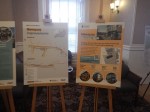
One thing that is difficult to put on paper is the overall enthusiasm for the project shown by representatives of Cornwall Council, Great Western Railway and Network Rail.
I believe that if this enthusiasm can be translated into action in the next couple of years, them this project can be delivered on time and on budget.
This link will show all my Mid-Cornwall Metro posts.
Hull Trains Open Access Model Drives £185m-380m Economic Boost To Region, New Report Reveals
The title of this post, is the same as that of this article on Rail Technology Magazine.
This is the first paragraph.
Open Access rail operator Hull Trains has announced the launch of a report by Arup, highlighting the significant economic, social, and environmental benefits its services have brought to the Hull and Humberside region.
The key findings of the report are as follows.
- Economic benefits: Since it launched in 2000, Hull Trains estimates that it has delivered between £185m-380m since launch. It also projects those benefits will reach an estimated £325m-700m by 2032.
- Increased connectivity: Frequency between Hull and London has grown to seven trains per day (tpd) from just a single train.
- Enhanced capacity: 10-car trains and additional Sunday services doubled seating capacity compared to 2000.
- Sustainability: Modal shift from road to rail has reduced carbon emissions and air pollution.
- Employment: £35m-£70m (2023 prices) generated in direct employment since launch.
As the report is by respected consultancy Arup, I would put a high level of confidence in the findings.
I have a few thoughts.
Did Hull’s Rail Service Help Hull Become UK City Of Culture In 2017?
In the shortlist, the cities were Dundee, Hull, Leicester and Swansea Bay.
If Hull had had just a single tpd from London, would it have been chosen?
Do Hull Trains Make It More Likely That Companies from Outside Will Develop There?
Hull and Humberside in general has GWs of wind energy, several gas-fired power stations and uniquely plenty of storage for natural gas and/or hydrogen.
So if your company uses a lot of energy, Hull would probably be on your short list.
A good well-respected train service to London could help with your choice.
Hullensians Seem Proud Of Their Train Company
In First Class Gluten-Free Food, I described some good service of a gluten-free meal on Hull Trains.
I praised the steward and her mother-in-law said thanks.
Perhaps Other Independent Cities Need Their Own Open-Access Operator?
Hull Trains seems to have been a success and according to the Arup report, Hull has benefitted.
LNER Are Developing Services To Bradford, Cleethorpes/Grimsby Harrogate, Lincoln And Middlesbrough.
Will LNER run services that are tied to the destination, as if they were an open access operator?
Conclusion
Pairing an independent city with its own train company seems a good business practice.
Perhaps it should be done more often?
Safety On The London Underground
This post has been inspired by this article on The Times, which is entitled Woman Who Lost Limbs In Tube Accident Seeks Sadiq Khan Meeting.
This is the sub-heading.
Sarah de Lagarde has launched legal action against Transport for London, which she says has not accepted responsibility and needs a comprehensive safety review.
These two paragraphs add a few details to the story.
A public relations executive who lost her right arm and leg after being hit by two Tube trains has called on Sadiq Khan, the London mayor, to meet her to discuss Transport for London’s “outdated” attitude to safety.
Sarah de Lagarde, 46, slipped on a wet and uneven platform at High Barnet station in north London in September 2022 and fell down the gap between the train and the platform. No one heard her cries for help after she broke her nose and two teeth in the fall. After being hit by two trains she was rushed to hospital, where her limbs were amputated.
These are my thoughts.
The Brave Paramedic
My late wife was a family barrister and one of her clients had been one of the brave specially-trained paramedics, who go under London Underground trains to rescue those who’ve tried to commit suicide or have just fallen, as this lady had.
He said that many don’t succeed in committing suicide, but lose a number of limbs and/or end up in a wheelchair for the rest of their lives. So professionally, he told my wife, he would never recommend it as a method to commit suicide.
Suicide Pits
It should also be noted, that large numbers of Underground stations have suicide pits, where if you fall you may avoid injury or survive. Wikipedia says that a pit halves the number of deaths.
These galleries show the lines at various platforms on the Northern Line.
Angel – Southbound
These pictures show the Southbound track at Angel station.


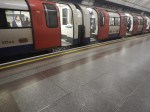

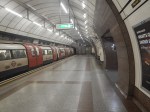
It should be noted that Angel station does not have platform edge doors.
The suicide pit was installed or rebuilt, when the station was rebuilt in 1992.
Bank – Northbound
These pictures show the Northbound track at Bank station.





It should be noted that Bank station does not have platform edge doors.
The track was rebuilt in the last three years.
Bank -Southbound
These pictures show the Northbound track at Bank station.
It should be noted that Bank station does not have platform edge doors.
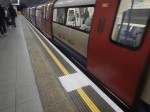




The track was built in the last three years.
High Barnet
These pictures show the tracks at High Barnet station.
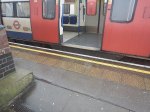
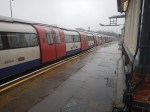


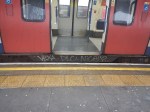
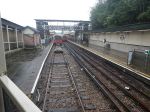

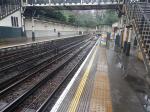
It should be noted that High Barnet station does not have suicide pits or platform edge doors.
Woodside Park
These pictures show the tracks at Woodside Park station.





It should be noted that Woodside Park station does not have suicide pits or platform edge doors.
These are a few final thoughts.
I don’t like being on the platform, when a train goes past or comes in. Would platforms be safer, if there were shelters or recesses, where passengers could stand back and hold on away from the platform edge?
As an instrument engineer, I wouldn’t be surprised that a specialist camera system couldn’t be developed that could detect bodies on the track.
I have a feeling that some judges might say that London Underground were not doing enough to stop injuries to those falling onto the tracks.
ICE Report Shows Majority Open To Net Zero Changes
The title of this post, is the same as that of this article on The Engineer.
This is the sub-heading.
A new report has found that a majority of the UK public is amenable to the behavioural changes needed to hit the country’s net zero targets.
These two paragraphs summarise the findings of the report.
Published by the Institution of Civil Engineers (ICE) and the All-Party Parliamentary Group on Infrastructure (APPGI), the report was based on a survey of 1,000 respondents. It found that 57 per cent were open to change, with 23 per cent described as net zero enthusiasts who were likely to have already altered their behaviours, and 34 per cent wanting change, but feeling they needed further empowerment to achieve it.
However, there is far from universal agreement when it comes to behavioural change around climate action. The report found that 30 per cent of people were ‘reluctant followers’, largely acknowledging that the UK must act on emissions, but not feeling personal responsibility for that action. This segment will likely only change their behaviours if forced to do so or seeing a majority of others doing it first. Finally, 13 per cent of those surveyed were classed as ‘net zero resistors’, people who don’t believe action is necessary and have no intention of doing so.
Summing the figures up gives us.
- Net-Zero Enthusiasts – 23 %
- Wanting Change – 34 %
- Reluctant Followers – 30 %
- Net-Zero Resistors – 13 %
All politicians should be forced to read the full report.
What Would I Need To Do To Achieve a Personal Net-Zero?
My circumstances probably cover a lot of people.
- I am a widow living alone.
- My house is well-insulated with solar-panels on the roof, but heated by gas.
- I don’t have or need a car.
- I do nearly all my shopping by public transport and carry it home.
- When I go away in the UK I use trains.
- If I go to Europe, I either go or come back by train.
- I am coeliac, which means I need to eat some meat to stay healthy.
My largest carbon-emitted is probably my house, but it would be unsuitable for most current solutions.
I would put myself in the Wanting Change group, but I could move to a Net-Zero Enthusiast, if the right technology came along.
- I have seen one bolt-in electric replacement for by boiler and when the right one arrives, I’ll probably fit one.
- An affordable battery to work to with my solar panels and also allow me to use Off Peak electricity would be nice.
- As I’m coeliac, I tend to buy in the same food each week from Marks and Spencer to eat in. I might be able to cut my carbon footprint by getting Ocado to deliver. Especially, as some deliveries seem to be bike.
- If TfL decarbonised the bus, that I use most days to and from Moorgate would that lower my carbon footprint?
I suspect the largest amount of carbon outside of my house’s heating, that I’ll emit, will be tomorrow, when I take a train to Newquay.
How Do We Convert The 13 % Net-Zero Resistors?
The recent protests by French and Belgian farmers indicate, that these farmers are probably in this group. And there are other forthright groups!
The only way, that they’ll be converted, is if technology allows them to earn the same amount of money and have the same outgoings, as they do now!
East West Rail: Bedford Mayor Unveils Eight Alternative Routes
The title of this post, is the same as that of this article on the BBC.
This is the sub-heading.
The Mayor of Bedford has unveiled other potential routes for the East West Rail (EWR) project through the borough.
These four paragraphs outline the current plans and the result of the Mayor’s study.
EWR has already announced its preferred route, linking Oxford and Cambridge via a new track running through Bedford to the north.
Conservative Tom Wootton has defended spending £40,000 to commission consultants to explore alternative routes to the south.
Their report concluded that all options would boost the Bedford economy.
The mayor reflected: “While there is no definitive winner among the proposed routes, the economic potential of the project for Bedford is significant.”
This map from the article shows the current planned route.
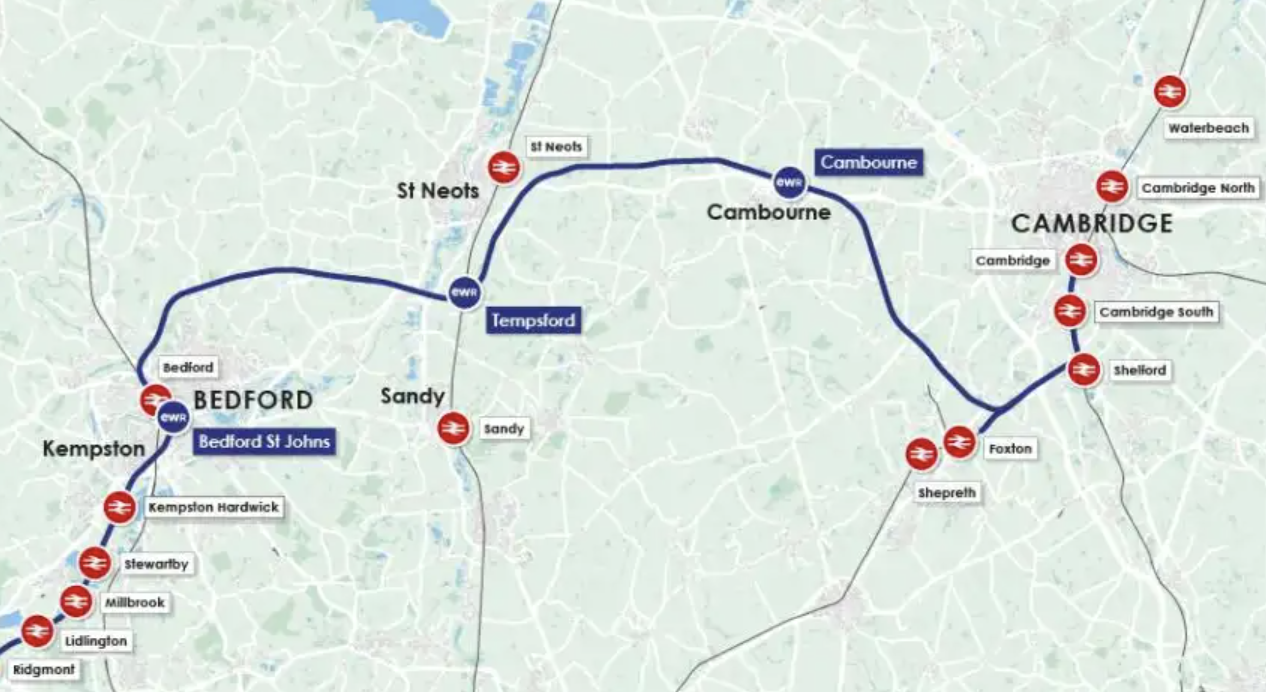
Note.
- Bedford St. Johns station will be rebuilt.
- Trains will go straight through Bedford station.
- Tempsford station will connect the East West Railway to the East Coast Main Line.
- The East West Railway will unlock the building of much-needed housing and commercial developments at Cambourne.
- Trains will go through Cambridge South, Cambridge and Cambridge North stations, and thus serve all important areas of the UK’s Eastern Powerhouse.
As there is no definitive winner among the proposed routes and the economic potential of the project for Bedford is significant, perhaps we should just get on and build the East West Railway’s preferred route.
Energy / Sullom Voe Terminal To Be Connected To The Grid By The End Of Next Year
The title of this post, is the same as that of this article on Shetland News.
This is the sub-heading.
POWER supply to the Sullom Voe Terminal is set to be provided by two 43-kilometre underground power lines from the Gremista substation by the end of next year.
These four paragraphs outline some of EnQuest’s plans.
The on-site gas-fired power station, operated by Equans, is due to be switched off in the fourth quarter of 2025 as it no longer meets stringent carbon emission standards.
EnQuest, the operator of the terminal, gave an update on its plans for the 1,000-acre site during a Shetland suppliers forum held at Mareel on Wednesday morning.
The company was keen to present itself as one that is seeking collaborative working with the local businesses and the community as Sullom Voe transitions from an oil terminal to a green energy hub.
The company is in the middle of a “right-sizing” project that involves some significant decommissioning of equipment no longer needed to make space for long-term aspiration such as carbon capture and storage, green hydrogen production and offshore electrification.
Note.
- Two underground cables will be coming from Gremista to Sullom Voe.
- Up to seven wind turbines could fit on the site to produce power needed for green hydrogen production.
- Shetland is set to be connected to the UK national grid later this year thanks to a new 600MW HVDC subsea transmission link which will run to Caithness.
- The Sullom Voe power station, once switched off, could be “repurposed” to continue producing energy using clean fuels.
- EnQuest are certainly doing a comprehensive job on the transition.
- It looks to be a well-thought out plan to convert existing oil and gas infrastructure to a modern green asset.
This Google map shows Gremista to Sullom Voe.

Note.
- Sullum Voe is at the top of the map.
- Gremista is marked by the red arrow.
- It looks like the cable could take mainly a straight North-South route.
This second Google map shows Sullum Voe

Note.
- The Sullum Voe terminal is at the top of the map.
- Sullum Voe is a 1,000-acre site.
- In the South-West corner is the closed Scatsta airport.
This third Google map shows Lerwick.
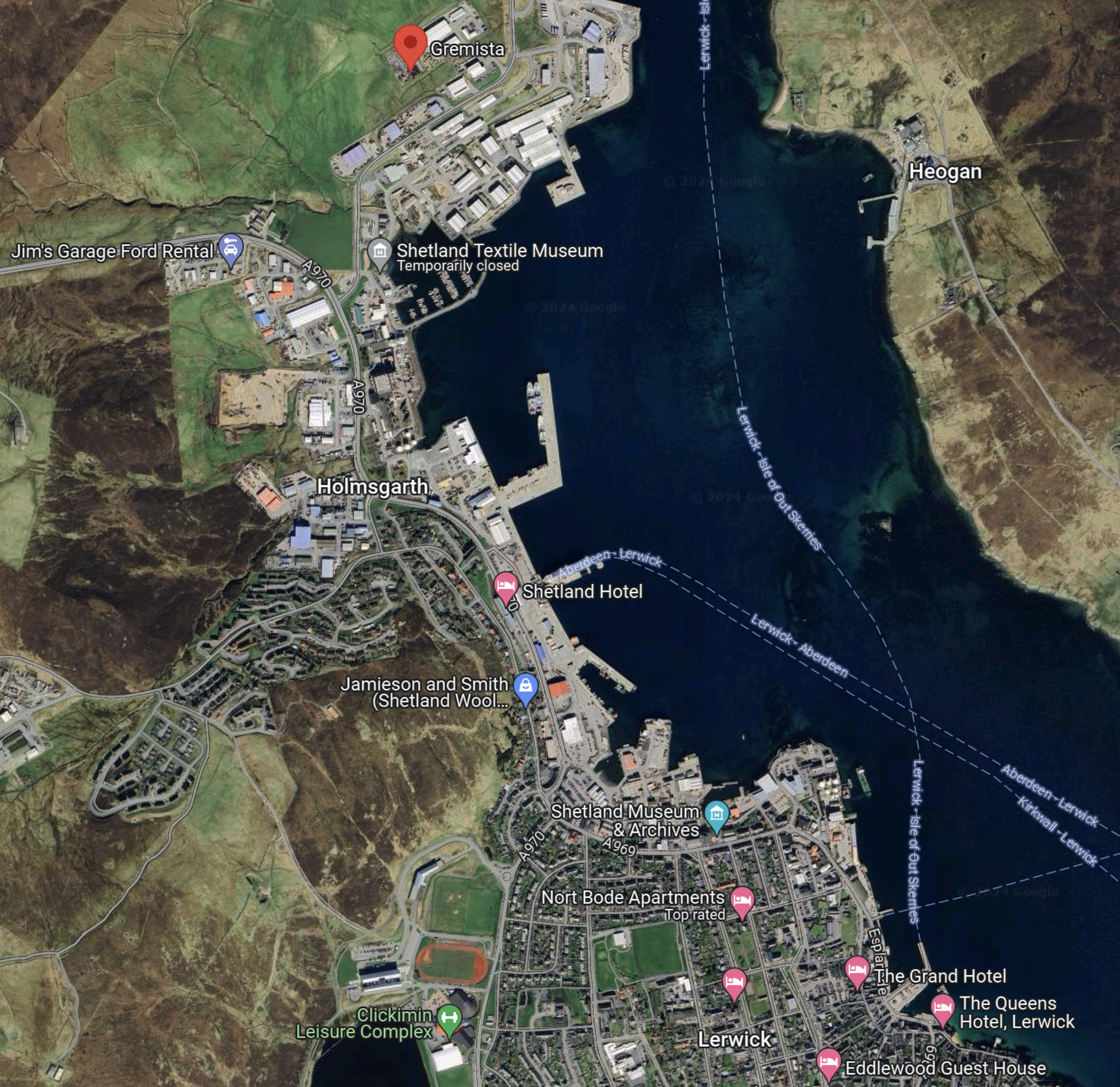
Gremista is marked by the red arrow.
I do have some thoughts.
Scatsta Airport
Consider.
- It takes takes over three hours on a bus between Lerwick and Sullum Voe
- Scatsta Airport only closed in 2020.
Is there an opportunity for an air taxi between Lerwick and Scatsta?

