Two Unrelated (?) Stories About Rail Freight
Today there are two news stories about rail freight on the Internet.
- There Has ‘Never Been A Better Time’ To Invest In Rail Freight–Report on Railnews
- New Owner For GB Railfreight on Rail Magazine.
I’ll sketch out a few details from both stories.
Invest In Rail Freight
This is the first paragraph of the news story.
A new report published by the Rail Freight Group today is outlining how an ‘ambitious growth strategy’ for rail freight over the next ten years could be worth between £75 billion and £90 billion in environmental and economic benefits.
The report was written by well-respected rail commentator; Stephen Joseph
Recommendations include.
- A new approach from national and local government.
- New investment
- More investment in the Strategic Freight Network.
- Increased electrification
- New rail linked terminals
- Reforms to planning laws
- High speed freight services to city centres.
- Road pricing could also be used to encourage a shift to rail.
The Rail Freight group’s director general Maggie Simpson is quoted as saying. With renewed focus on the environment, and with new trade opportunities on the horizon, there has never been a better time to invest in rail freight.
Note that invest or investment is mentioned five times in the short news story.
New Owner For GB Railfreight
This is the first paragraph of the news story.
Hector Rail Group has sold GB Railfreight to Infracapital – the unlisted infrastructure equity arm of M&GPrudential.
This article in Rail Magazine was published in July 2017 and is entitled GB Railfreight In ‘Locomotive Acquisition’ Talks.
GB Railfreight has a fleet of seventy-eight Class 66 locomotives with other locomotives in the ageing category. Some of their work like hauling the Caledonian Sleeper needs well-presented reliable locomotives, so perhaps they need to update their image.
Would being owned by Infracapital give the company better access to finance for a renewed fleet?
The previous article indicated, that new investment in infrastructure, like selective electrification, railfreight terminals and perhaps freight loops is needed in the UK Strategic Freight Network.
Would Infracapital be prepared to fund this infrastructure, where it made their locomotives more profitable?
Consider.
- Partial electrification of the Felixstowe Branch Line might enable a hybrid Class 93 locomotive to haul the heaviest intermodal freight trains between Felixstowe and Ipswich. This improvement would also allow Greater Anglia’s Class 755 trains to run partially on electricity on the route.
- Doubling of the single-track between Soham and Ely would increase the number of freight paths across Suffolk.
- Reworking of junctions at Haughley and Ely would also speed up freight trains across Suffolk.
These are just three examples from an area I know well, but in how many places in the UK would smaller projects improve the profitability of new locomotives.
Infracapital would also be paid track access charges for their small sections of infrastructure. So well-planned improvements would have two revenue streams. And both would have a lifetime of thirty to forty years.
Case Study – Partial Electrification Of Felixstowe Branch Line
The Felixstowe Branch Line has now been double-tracked to create a passing loop to the West of Trimley, which allows more freight trains per day into and out of the Port of Felixstowe.
I believe that if sections of the branch line were to be electrified, that a diesel/electric/battery Class 93 locomotive would be able to haul a maximum weight intermodal freight train from Felixstowe to Ipswich.
The freight train would continue South and would use electric power to go to Bristol, Cardiff, Glasgow, Liverpool and Manchester using existing electrified routes through London.
In Issue 888 of Rail Magazine, there is a short article, which is entitled Battery Power Lined Up For ‘755s.‘
This is said.
Class 755s could be fitted with battery power when they undergo their first overhaul.
Stadler built the trains with diesel and electric power.
The Swiss manufacturer believes batteries to be the alternative power source for rail of the future, and is to build tri-mode trains for Transport for Wales, with these entering traffic in 2023.
Rock Rail owns the Greater Anglia fleet. Chief Operating Office Mike Kean told RAIL on September 4 it was possible that when a four-car ‘755/4’ requires an overhaul, one of its four diesel engines will be removed and replaced by a battery.
I suspect the battery size and electrification can be designed, so that the trains can work the twelve mile branch without using diesel power.
I can envisage a time, when the following trains on the Felixstowe Branch are zero-carbon.
- Freight trains between Felixstowe and London via Ipswich.
- Passenger services.
That will be a substantial improvement in environmental credentials.
Conclusion
There is more to this than an insurance and fund management company, funding locomotives.
Suppose GB Railfreight see an opportunity to deploy a new fleet of locomotives on a valuable contract, but perhaps a missing piece of infrastructure, stops them from running the service. Will they then approach their parent company; Infracapital, to see if they can help?
Are we seeing the first green shoots of realism in the financing of much-needed improvements to the UK rail network.
If it works out well, I don’t think that Infracapital will mind the good publicity.
,
Class 755 Trains Are Now Serving Cambridge
Greater Anglia are now running Class 755 trains on services between Cambridge and Norwich.
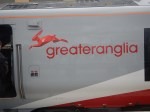
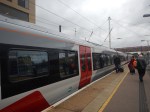


The first picture shows Greater Anglia’s new logo of a red hare.
- To my knowledge it is the only logo of a UK train company, that is not just a neutral graphic.
- Greater Anglia use it on posters in other forms.
I quite like it, as if any animal sums up speed in East Anglia it is the brown hare.

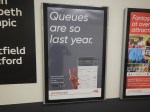

These pictures show some of Greater Anglia’s posters.
.
South Lincolnshire, West Norfolk And The North Netherlands
These three areas are very similar.
This sentence comes from the Wikipedia entry for The Fens, which are found where Cambridgeshire, Lincolnshire and Norfolk come together.
Most of the Fenland lies within a few metres of sea level. As with similar areas in the Netherlands, much of the Fenland originally consisted of fresh- or salt-water wetlands. These have been artificially drained and continue to be protected from floods by drainage banks and pumps.
I have heard it said, that The Fens owe a lot of their landscape to the Dutch, as it was the Dutch, who originally had a lot to do with draining the land.
It should also be noted, that one of the most famous people from the area is Commander George Vancouver of the Royal Navy, who was the son of John Jasper Vancouver, a Dutch-born deputy collector of customs in King’s Lynn. He gave his name to the Canadian city of Vancouver.
The Dutch have returned in that two of the three rail franchises in the area, are under the control of the Dutch company; Abellio; Greater Anglia (GA) and East Midlands Railway (EMR).
Current and future services through the area include.
- GA – Stansted Airport and Norwich via Ely and Cambridge
- GA – Liverpool Street and King’s Lynn via Ely and Cambridge
- GA – Colchester and Peterborough via Ipswich, Bury St. Edmunds and Ely
- EMR – Norwich and Nottingham
- EMR – Peterborough and Doncaster via Spalding, Sleaford and Lincoln
- EMR – Nottingham and Skegness via Grantham, Sleaford and Boston
- CrossCountry – Birmingham and Stansted Airport via Peterborough, Cambridge and Ely.
- Great Northern – King’s Cross and King’s Lynn via Ely and Cambridge
- Thameslink – King’s Cross and Peterborough
- Thameslink – King’s Cross and Cambridge
Note.
Most services are hourly, with some London services at a higher frequency.
- EMR are planning to increase certain early, late and Sunday services, so there may be improvements.
- GA are planning to introduce new Class 755 trains pn diesel services and new Class 720 trains on electric services.
- The Ely, Cambridge North and Cambridge corridor can have a frequency as high as eight trains per hour (tph)
Will EMR and GA work together to improve services in the area they jointly serve?
These are a few of my thoughts.
A Look At The North Of The Netherlands
In The Train Station At The Northern End Of The Netherlands, I looked at what the Dutch are doing in the North of the country, near to the city of Groningen.
- Groningen is a city of around 200,000 people and a major rail hub, with services fanning out through the flat landscape.
- The trains are mainly Stadler GTWs, which are the forerunners of GA’s Class 755 trains.
- The Dutch are developing a hydrogen-based economy in the area, which I described in The Dutch Plan For Hydrogen.
Are Abellio looking to bring some of the ideas from the Netherlands to the UK?
I think to a certain extent, we’re going the same way. For instance, in the North of Lincolnshire a lot of development is going on to develop an energy economy based on offshore wind and energy storage.
The Cambridge Effect
Cambridge effects the whole of the area, in its demand for housing and premises for research, development and manufacture.
The Cambridge And Peterborough Problem
I used to play tennis, with a guy, who was promoting Peterborough as an expansion area for Cambridge. Peterborough is a city, with space and good connections to London and the North, by rail and the A1 road.
,But the problem is that the road and rail links between the two cities are atrocious, with a two-lane dual-carriageway and an hourly three-car diesel train.
It is my view, that the gap in the electrification between Ely and Peterborough should eventually be removed.
- The land is flat.
- The route is thirty miles long.
- The route was recently upgraded to take the largest container trains, so electrification, surely wouldn’t be too difficult.
- The biggest problem would probably be dealing with the numerous level crossings.
Electrification would allow.
- More frequent and faster passenger trains between Cambridge, Ely and Peterborough.
- Freight trains between Felixstowe and the North would be easier to haul using electro-diesel locomotives like the Class 88 and Class 93.
- It would create an electrified diversion route for trains on the East Coast Main Line.
After electrification, it would be possible to have a much-needed four tph service between Cambridge and Peterbough with stops at Cambridge North, Waterbeach, Ely, Manea, March and Whittlesea.
- Cambridge and Peterborough sstations both have several platforms, that could be used to terminate extra services.
- The service could be extended to Cambridge South station, when that is built in a few years.
GA’s Class 755 trains could even provide the service without electrification.
What About Wisbech?
Wisbech is a town of 33,000 people without a passenger rail link.
But it does have the Bramley Line.
This is the introductory paragraph in Wikipedia.
The Bramley Line is a railway line between March and Wisbech in Cambridgeshire, England. A number of proposals are currently being investigated relating to the possible restoration of passenger services along the route.
The Association of Train Operating Companies and various politicians have supported creating a passenger service between Wisbech and Cambridge via March and Ely.
The service could be as follows.
It would use an existing single-track line, which would probably just need upgrading.
- Cambridge and Wisbech would take around forty-five minutes.
- A train would take two hours for the round trip.
- An hourly service would take two trains.
What is useful, is that the length of the branch line is short enough, that it may be possible to be run the service using One Train Working.
Improvements Between Cambridge And King’s Lynn
This article on Rail Technology Magazine is entitled Work On £27m East of England Upgrades Set To Begin.
It lists the work to be done and the benefit in these two paragraphs.
The upgrades, between Cambridge and King’s Lynn, will include two platform extensions at Waterbeach and a platform extension at Littleport.
This will allow the introduction of eight-car services during peak times, providing passengers with more seats and a better experience.
The works will certainly add capacity for commuters to and from Cambridge and London.
Will the upgrade at Waterbeach station allow Greater Anglia’s four-car Class 755 trains to call.?
There is a section in the Wikipedia entry for Waterbeach station, which is entitled Future Plans, where this is said.
Plans to develop a New Town of 8,000 to 9,000 homes on the former Waterbeach Barracks site have been outlined by South Cambridgeshire District Council. As part of the proposal, there are plans to relocate the station to a new site and extend the platforms to accommodate 12 car trains.
This is more housing for Cambridge and I’m sure that the promised Norwich and Stansted Airport service will call.
Will Services Be Joined Back-To-Back At Peterborough?
Train companies sometimes find that joining two services together in a busy station is a good idea.
- It may use less trains and drivers.
- It uses a through platform rather than two bay platforms.
- Trains could be turned in a more convenient station.
A proportion of passengers don’t have to change trains.
Note.
- |East Midlands Railway are joining the Doncaster and Lincoln, and Lincoln and Peterborough services into one service.
- Greater Anglia are extending the Peterborough and Ipswich service to Manningtree.
- Greater Anglia are extending the Norwich and Cambridge service to Stansted Airport.
But East Midlands Railway are also splitting the Norwich and Liverpool service into two.
These are the services that are planned to terminate at Peterborough.
- Peterborough and Colchester via Ipswich, Bury St. Edmunds and Ely
- Peterborough and Doncaster via Spalding, Sleaford and Lincoln
As I said earlier, I would’ve be surprised to see extra Cambridge and Peterborough services to increase capacity between the two cities.
Current timings of the various sections are as follows.
- Peterborough and Lincoln – one hour and twenty-three minutes
- Lincoln and Doncaster – fifty-four minutes
- Peterborough and Ipswich – one hour and thirty-nine minutes
- Ipswich and Colchester – nineteen minutes
- Peterborough and Cambridge – fifty minutes
Adding up 3 and 4 gives a Colchester and Peterborough timing of one hour and fifty-eight minutes. But the new Class 755 trains are faster and will be running at full speed on electrification for sections of the journey.
With the turnround at both ends, a round trip would be under four hours. This would mean that four trains would be needed for an hourly service.
Adding up 1 and 2 gives a Peterborough and Doncaster timing of two hours and seventeen minutes.
With the turnround at both ends, a round trip would be under five hours. This would mean that five trains would be needed for an hourly service.
Could these two services be run back-to-back to create a Colchester and Doncaster service?
It would take four hours and fifteen minutes or nine hours for a round trip. This would mean that nine trains would be needed for an hourly service.
This is the same number of trains that would be needed for the two separate services.
The two companies might decide to run a joint service, but!
- In whose colours would the train run?
- Would there be crewing difficulties?
- If a train fails, it would probably be a long way from home.
- It has been felt sensible to split the five hour and thirty-five minute Norwich and Liverpool services.
Would it be possible to run a service between Cambridge and Lincoln?
- Adding up 1 and 5 gives a timing of two hours and thirteen minutes.
- With the turnround at both ends, a round trip would be under five hours.
- This would mean that five trains would be needed for an hourly service.
It would be possible, but would the convenience attract enough passengers to make the service viable?
Would It Be Worth Reinstating March And Spalding?
There used to be a railway between March and Spalding.
Wikipedia says this about the closure of the route.
When the line closed between March and Spalding in 1982,[3] freight traffic was diverted through Peterborough station instead of cutting across the western edge of the Fens to avoid the line through Peterborough station
Some have called for the route to be reinstated to enable freight trains to by-pass Peterborough, when travelling between Felixstowe and the route to the North through Spalding, Sleaford, Lincoln and Doncaster.
- It is not a long route.
- It could provide a passenger route between Cambridge and Lincoln.
I suspect that Network Rail looked at this scheme as an alternative to the Werrington Dive Under, which has been costed at £200 million.
Wikipedia says this about the Werrington Dive Under.
The project will see the construction of 1.9 miles (3 km) of new line that will run underneath the fast lines, culverting works on Marholm Brook and the movement of the Stamford lines 82 feet (25 m) westwards over the culverted brook. The project, coupled with other ECML improvement schemes (such as the four tracking from Huntingdon to Woodwalton) will improve capacity on the line through Peterborough by 33% according to Network Rail. This equates to two extra train paths an hour by 2021, when the work is scheduled to be completed.
A thirty-three percent capacity increase seems a powerful reason to build the Werrington Dive Under.
Would it also enable a faster route for trains between King’s Cross and Lincoln?
As to whether the direct route between March and Spalding will ever be reinstated, this will surely depend on several factors.
- The number of freight trains needing to go between Felixstowe and Doncaster.
- The maximum number of freight trains, that can use the freight route, through Spalding, Sleaford and Lincoln.
- Whether a passenger service on the route is worthwhile.
There are also protests about the number of freight trains already using the route.
I can see the capacity of the freight route being increased and the route being made a more friendly neighbour, after the opening of the Werrington Dive Under.
- Level crossings will be replaced by bridges.
- Adoption of zero-carbon locomotives.
- Installation of noise-reduction measures.
The line might even be electrified.
Peterborough After Werrington
If we assume that the services stay as currently proposed, the following trains will stop at Peterborough on their way to either Cambridge or Lincoln.
- GA – Peterborough and Ipswich or Colchester – Platform 6
- EMR – Peterborough and Lincoln or Doncaster- Platform 1 or 2
- EMR- Norwich and Nottingham – Platform 7
- EMR- Nottingham and Norwich – Platform 6
- CrossCountry – Stansted Airport and Birmingham – Platform 7
- CrossCountry – Birmingham and Stansted Airport- Platform 6
Note.
- Trains going to Cambridge use Platform 6.
- Trains coming from Cambridge use Platform 7
- The Ipswich or in the future; Colchester service uses Platform 6 to turnback.
- The Lincoln or in the future; Doncaster service uses Platform 1 or 2 to turnback.
- Platform 6 and 7 is a new island platform with direct access to the Stamford Lines and the tracks in the Werrington Dive Under that connect to Spalding, Sleaford and Lincoln.
This means that after the Werrington Dive Under opens in a couple of years, the Peterborough and Doncaster service will stop in the wrong side of the station.
So it is likely, that Doncaster services will continue from the Werrington Dive Under into Platform 6 or 7 in Peterborough station.
As the Colchester service will probably still turnback in Platform 6 could we see the Doncaster and Colchester services timed to be in the island platform 6 & 7 at the same time.
Passengers would just walk a few metres between the two trains.
This Google Map shows the lines South of the station.
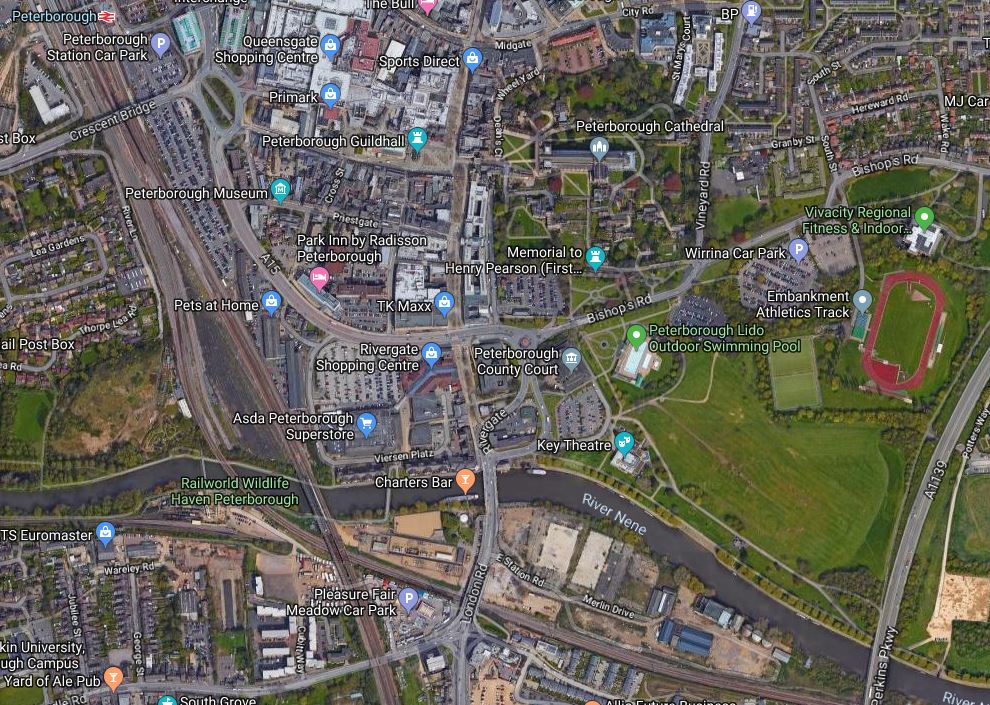
The Peterborough-Ely Line can be seen running East-West, to the South of the River Nene and then going under the East oast Main Line, before connecting to Platforms 6 and 7 on the West side of the station.
This Google Map shows the station.
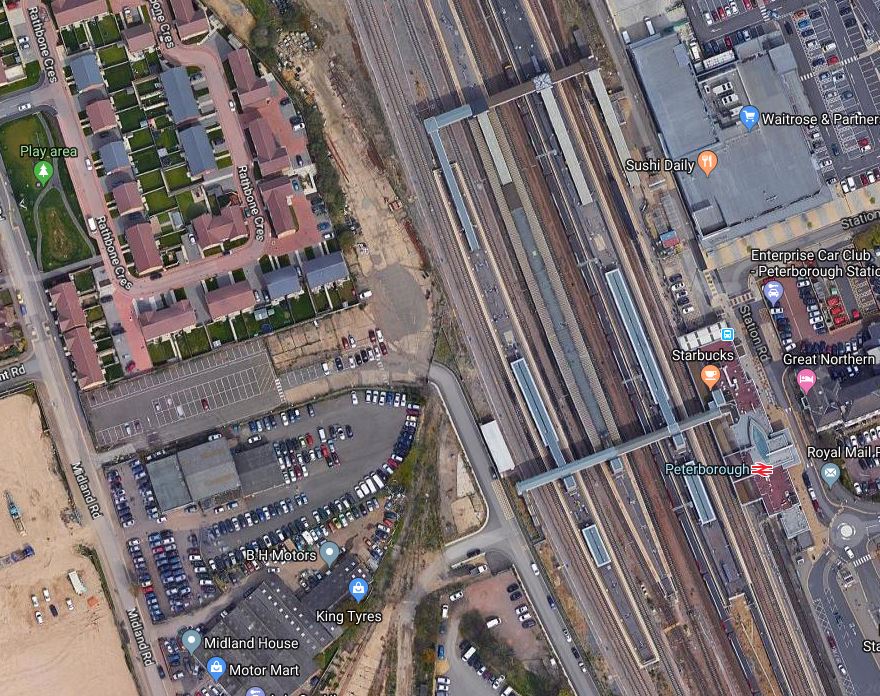
Note the three island platforms, which are numbered 6 & 7, 4 & 5 and 2 & 3 from West to East.
The Wikipedia entry for Peterborough station, says this about Platforms 6 & 7.
Platforms 6 & 7: These new platforms were commissioned over the Christmas break 2013, and are now used by CrossCountry services between Stansted Airport/Cambridge via Ely and Birmingham New Street via Leicester; East Midlands Trains services between Norwich and Liverpool; and Greater Anglia services to Ipswich.
North from Peterborough station and just South of the site of the Werrington Dive Under is the Cock Lane Bridge. I took these pictures in November 2018.
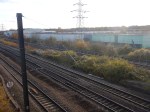
Note the three fast lines of the East Coast Main Line on the Eastern side and the two Stamford Lines on the Western side.
Just North of thie bridge, the Stamford Lines will split and trains will be able to continue to Stamford or cross under the East Coast Main Line towards Lincoln.
As there is a loop for freight trains through Peterborough station, the Werrington Dive Under will be able to handle sufficient trains.
Conclusion
The layout of Peterborouh station and the Werrington Dive Under will give Abellio a lot of flexibility to improve services in South Lincolnshire and West Norfolk.
Network Rail gets a lot of criticism, but you can’t fault the design and what lies behind it, in this instant!
Will Abellio East Midlands Railway Go Flirting?
Abellio take over the East Midlands franchise in a few days and it will be renamed to East Midlands Railway.
It has already disclosed that it will have three divisions.
- EMR Intercity for long distance services from London St Pancras
- EMR Regional for local services
- EMR Electrics for the London St Pancras to Corby service
It has also confirmed it has ordered thirty-three AT-300 trains for EMR Intercity.
Wikipedia also shows, that the following trains will be transferred to East Midlands Railway.
- Nine Class 156 trains from Greater Anglia.
- Twenty-one Class 360 trains from Greater Anglia.
- Five Class 170 trains from ScotRail
- Four Class 180 trains from Hull Trains
The first three fleets will come from Abellio-run franchises and the last will be released fairly soon, as Hull Trains new fleet is arriving.
Looking at the EMR Regional fleet it will comprise.
- 21 – Class 153 trains
- 24 – Class 156 trains
- 26 – Class 158 trains
- 5 – Class 170 trains
Consider.
- Many probably feel that the Class 153 trains are inadequate.
- Except for the Class 170 trains, these trains are around thirty years old.
- Some of the Class 156 trains, which will be transferred from Greater Anglia, are currently being replaced with brand-new Class 755 trains.
- Abellio are going through extensive fleet replacement exercises in ScotRail, Greater Anglia and West Midlands Trains.
The EMR Regional routes, that they will run are a mixed bunch.
This page on the Department for Transport web site is an interactive map of the Abellio’s promises for East Midlands Railway.
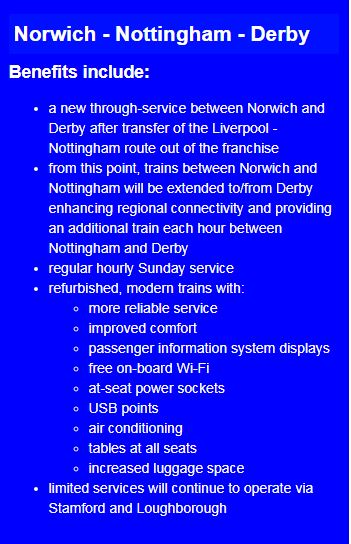
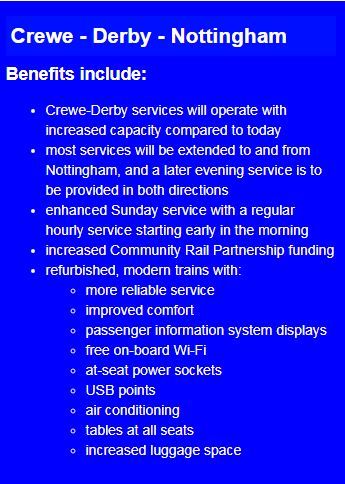
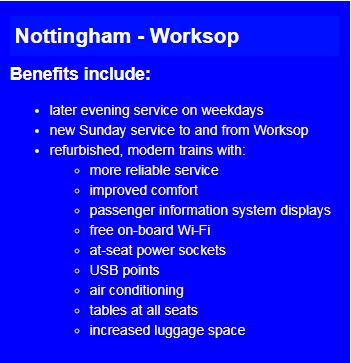
Digging out the blurb for each route shows the following.
Norwich – Nottingham – Derby
Crewe – Derby – Nottingham
Matlock – Derby – Nottingham

Nottingham – Lincoln – Grimsby

Nottingham – Worksop
Nottingham – Skegness
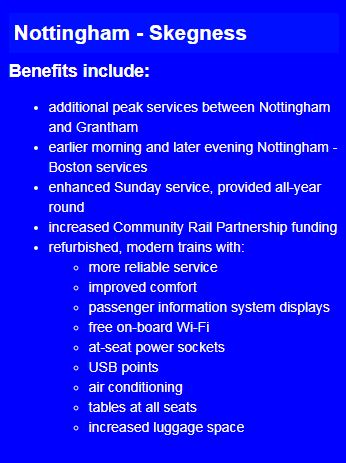
Leicester – Nottingham
 Peterborough – Lincoln – Doncaster

Barton-On-Humber – Cleethorpes

Lincoln – London
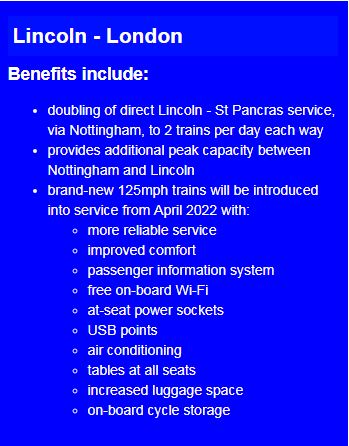
London – Oakham – Melton Mowbray

London- Leeds – York
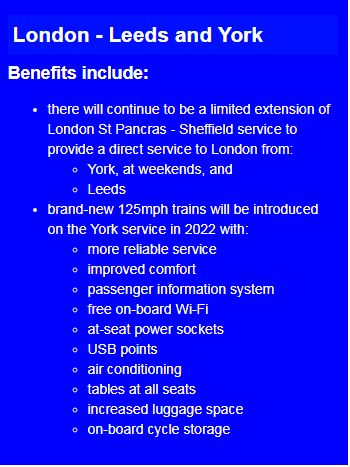
Newark North Gate – Lincoln

I have come to a few conclusions.
The Fleet Is Not Being Expanded Enough To Retire The Class 153 Trains
Consider.
- There are twenty-one Class 153 trains.
- Five Class 170 trains and nine Class 156 trains are being added to the fleet.
Surely, this means that some Class 153 trains will be retained.
Perhaps, the remaining Class 153 trains, will be reorganised into two-car trains to increase capacity.
Extended Services Will Be Run Using New Bi-Mode AT-300 Trains
Services to Leeds and York, Oakham and Melton Mowbray and Lincoln would appear to be run by the new AT-300 trains that have been ordeed from Hitachi.
I’ve no problem with that,but there are three developments that may effect passenger numbers.
- There is a lot of housing development in the Corby, Oakham and Melton Mowbray area.
- There is a very large renewable energy sector developing in North Lincolnshire.
- Sheffield are proposing to add new stations between Sheffield and Leeds, at Rotherham and Barnsley Dearne Valley.
Does the proposed service pattern take this fully into account?
In a way it doesn’t matter, as the worst that could happen, is that East Midlands Railway will need to increase the fleet size by a small number of trains.
Hopefully, they’ll just need to get Hitachi to build the trains!
Most Regional Services Will Be Run By Refurbished Modern Trains
Most services will be run by refurbished modern trains with the following features.
- More reliable service
- Improved comfort
- Passenger information system
- Free on-board wi-fi
- At-seat power sockets
- USB points
- Air-conditioning
- Tables at all seats
- Increased luggage space
Can East Midlands Railway Refurbish Their Augmented Fleet To Meet Their Required Standards?
Consider.
- The Class 170 trains are relatively recent and were built to a high standard, so can probably meet EMR’s standard.
- The Class 158 trains are thirty years old and were built to a high standard, so they might be able to be upgraded to EMR’s standard.
- The Class 156 trains are thirty years old and noisy and old-fashioned, so will need a lot of work to bring them up to EMR’s standard.
- The Class 153 trains are thirty years old and only one car, so would probably be best retired or reduced to an auxiliary role like a bicycle car.
- Only the Class 170 and Class 158 trains can be high standard trains.
- All trains are diesel and only the Class 170 trains are possibly planned to be upgraded to more economical diesel hybrid trains
One additional option might be to refurbish some of the Class 222 trains, when they are replaced by the new Hitachi AT-300 trains on main line services, so they were suitable for the longer regional routes.
Will East Midlands Railway Replace The Fleet?
In their three other franchises in the UK; Greater Anglia, ScotRail and West Midlands Trains, Abellio have opted for replacement of all or a substantial part of the fleet.
So will the same action be taken at East Midlands Railway?
The company could do a lot worse, than invest in a fleet of Class 755 trains like Greater Anglia.
- They could be a mix of lengths, so each route could have a train with capacity for the traffic.
- The trains may be capable of 125 mph running on the Midland Main Line and the East Coast Main Line.
- The interiors meet the company’s requirements.
- The trains could use electrification , where it exists.
- The trains could be fast enough to cover for the AT-300 trains.
- Abellio Greater Anglia will soon have a large knowledge base for the trains.
The clincher could be, that as electrification increases, the trains could fit batteries and generate less carbon.
Conclusion
I wouldn’t be surprised to see Abellio East Midlands Railway buy a fleet of Class 755 trains for their EMR Regional services.
Baden-Württemberg Backs Battery Mireos
The title of this post, is the same as that of this article on Railway Gazette.
This is the first paragraph.
The Land of Baden-Württemberg has decided to order a fleet of 20 Mireo battery-electric multiple units from Siemens Mobility to operate the Netz 8 Ortenau package of regional lines, the state government announced on August 2.
Routes to be operated include.
- The electrified line between Offenburg and Freudenstadt/Hornberg
- Rench Valley Railway between Appenweier and Bad Griesbach – 29.1 km.
- , Acher Valley Railway between Achern and Ottenhöfen. – 10.4 km.
- Harmersbach Valley Railway between Biberach and Oberharmersbach-Riersbach – 10.6 km.
Reading about the area, it could be a nice place to go for an explore.
But it also could be the sort of area, that is ideal for battery-electric trains.
Germany Is Going Green In Local Rail Services
There have been other stories of hydrogen and battery-electric trains in Germany.
- Battery Answer To Schleswig-Holstein’s Diesel Replacement Question
- World’s Largest Fleet Of Fuel Cell Trains’ Ordered
- My First Ride In An Alstom Coradia iLint
- Bombardier Introduces Talent 3 Battery-Operated Train
- Flirt Akku Battery Multiple-Unit Unveiled
- Alpha Trains Commits To Hybrid Retrofit For Diesel Fleet
Manufacturers involved include Alstom, Bombardier, Rolls-Royce MTU, Siemens and Stadler.
Who will win the battle of zero-carbon technologies?
My money is on a new design of train, that is built specifically around battery or hydrogen technology.
- I’m sure Bombardier’s Aventras use battery technology, as an integral part of their excellent design.
- Stadler’s launch of the Class 755 train, shows they’ve got a top-of-the-range platform on which to install battery or hydrogen power.
Will Siemens battery-powered Mireo be another challenger.
My First Rides In A Class 755 Train
Today, I had my first rides in a Class 755 train. I use rides, as it was three separate timetabled journeys.
- 12:36 – Norwich to Great Yarmouth
- 13:17 – Great Yarmouth to Norwich
- 14:05 – Norwich to Lowestoft
But it was only one train!
Although, I did see at least one other train in service.
These are my observations.
The Overall Style
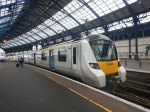
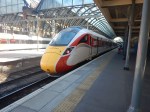
These are a few pictures of the outside of the train.
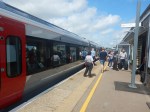
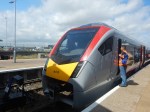
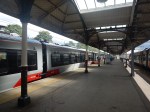
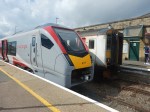
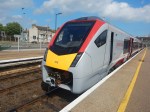
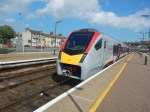
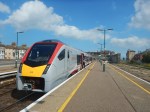
The train certainly looks impressive from the front, but then it has a similar profile to a Bombardier Aventra or a member of Hitachi’s Class 800 family of trains.
The open nose is reminiscent of front-engined Formula One racing cars of the 1950s, with an added sloping front to apply downforce.
I would suspect that the similarity of the trains is driven by good aerodynamic design.
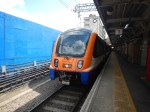

If all the current Formula One cars were painted the same colour, could you tell the apart?
Trains seem to be going the same way. Only Siemens Class 700/707/717 design doesn’t seem to be rounded and smooth.
The PowerPack
The unique feature of these bi-mode trains is the diesel PowerPack in the middle of the train.
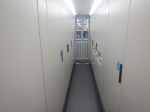
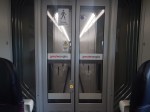
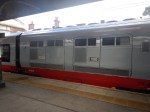
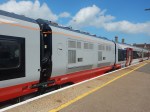
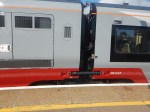
Stadler first used a PowerPack in the GTW, which I described in The Train Station At The Northern End Of The Netherlands.
- GTWs date from 1998.
- Over five hundred GTWs have been built.
- You see GTWs in several countries in Europe.
- GTWs have a maximum speed of between 115 and 140 kph.
The concept of the train with a PowerPack is certainly well-proven.
I have deliberately ridden for perhaps twenty seconds in the corridor through the PowerPack on both trains! Although I didn’t measure it with a sound meter, I’m fairly certain, that the more modern Class 755 train is better insulated against the noise of the engines.
But you would expect that with progress!
There could be another significant difference between the bi-mode Flirt and the GTW. This picture shows the connection between the PowerPack and the next car.
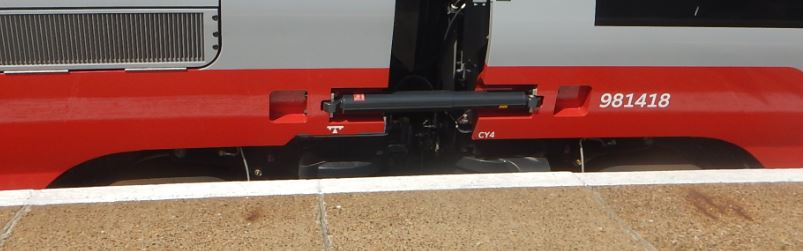
It looks like it could be a damper to improve the performance of the train on curves. It is not visible on this picture of a GTW PowerPack.
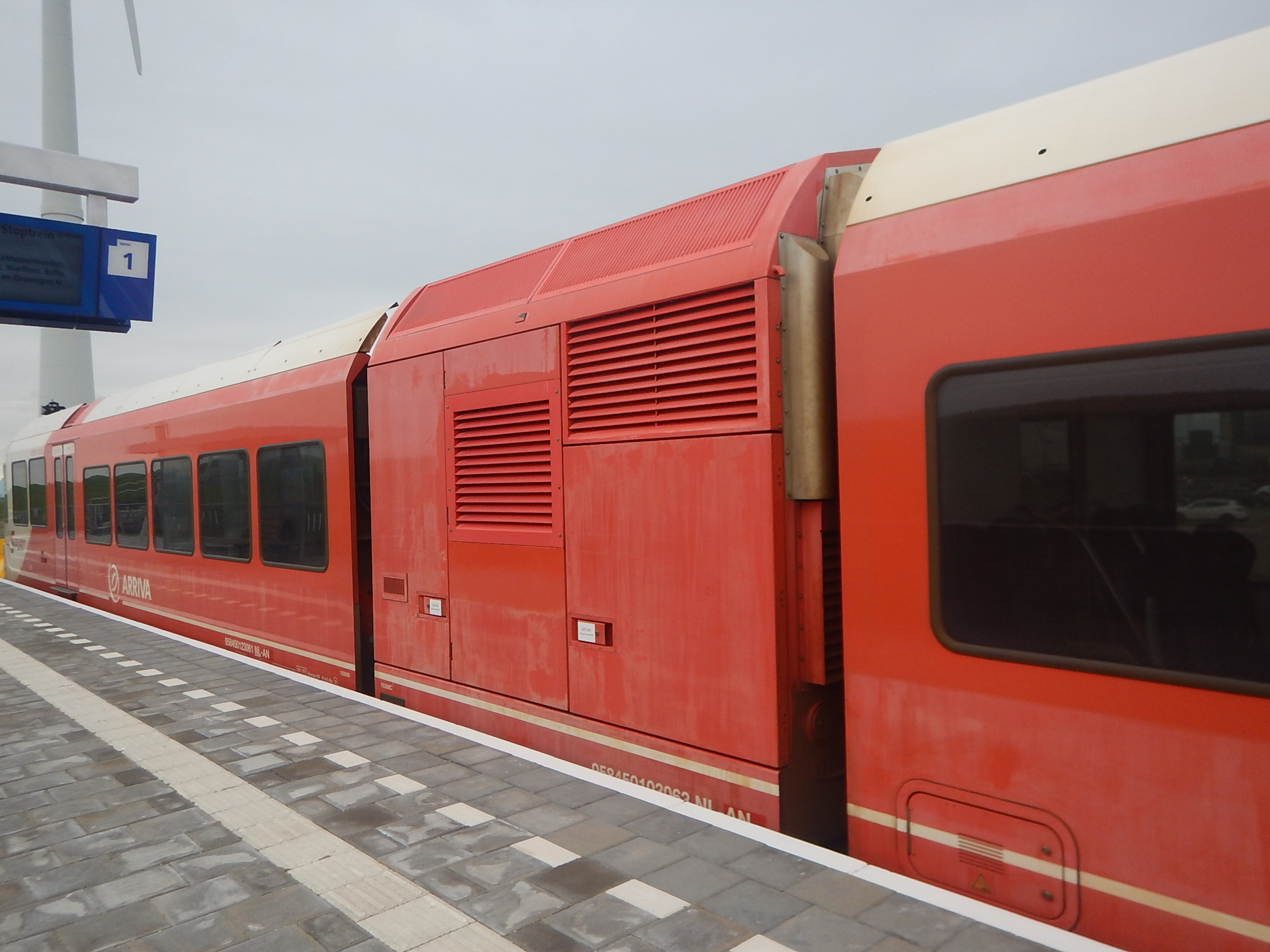
As an engineer, this says to me, that Stadler have taken tremendous care to make the unusual concept of the PowerPack work perfectly.
Train Power On Diesel
Consider.
- This four-car Class 755 train has installed diesel power of 1920 kW.
- At 100 mph, the train will travel a mile in thirty-six seconds.
- In that time, 19.2 kWh would be generated by the engines at full-power.
This means that a maximum power of 4.6 kWh per vehicle mile is available, when running on diesel power.
In How Much Power Is Needed To Run A Train At 125 mph?, I answered the question in the title of the post.
This was my conclusion in that post.
I know this was a rather rough and ready calculation, but I can draw two conclusions.
- Trains running at 125 mph seem to need between three and five kWh per vehicle mile.
- The forty year old InterCity 125 has an efficient energy use, even if the engines are working flat out to maintain full speed.
The only explanation for the latter is that Terry Miller and his team, got the aerodynamics, dynamics and structures of the InterCity 125 almost perfect. And this was all before computer-aided-design became commonplace.
In future for the energy use of a train running at 125 mph, I shall use a figure of three kWh per vehicle mile.
These figures leave me convinced that the design of the Class 755 train can deliver enough power to sustain the train at 125 mph, when running on diesel power
Obviously, as the maximum speed in East Anglia, is only the 100 mph of the Great Eastern Main Line, they won’t be doing these speeds in the service of Greater Anglia.
I also had a quick word with a driver and one of my questions, was could the train design be good for 125 mph? He didn’t say no!
This 125 mph capability could be useful for Greater Anglia’s sister company; Abellio East Midlands Trains, where 125 mph running is possible, on some routes with and without electrification.
With respect to the Greater Anglia application, I wonder how many engines will be used on various routes? Many of the routes without electrification are almost without gradients, so I can see for large sections of the routes, some engines will just be heavy passengers.
I’ve read somewhere, that the train’s computer evens out use between engines, so I suspect, it gives the driver the power he requires, in the most efficient way possible.
Remember that these Greater Anglia Class 755 trains, are the first bi-mode Stadler Flirts to go into service, so the most efficient operating philosophy has probably not been fully developed.
Train Weight
These pictures show the plates on the train giving the details of each car.
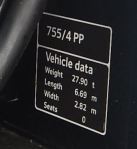
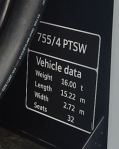
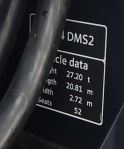
I only photographed one side of the train and I will assume that the other two cars are similar. They won’t be exactly the same, as this intermediate car has a fully-accessible toilet.
The weight of each car is as follows.
- PowerPack – PP – 27.9 tonnes
- Intermediate Car – PTSW – 16.0 tonnes
- Driving Car – DMS2 – 27.2 tonnes
Adding these up gives a train weight of 114.3 tonnes.
Note that the formation of the train is DMS+PTS+PP+PYSW+DMS2, which means that heavier and lighter cars alternate along the train.
Train Length
The previous pictures give the length of each car is as follows.
- PowerPack – PP – 6.69 metres
- Intermediate Car – PTSW – 15.22 metres
- Driving Car – DMS2 – 20.81 metres
Adding these up gives a train length of 78.75 metres.
This is very convenient as it fits within British Rail’s traditional limit for a four-car multiple unit like a Class 319 train.
Train Width
The previous pictures give the width of each car is as follows.
- PowerPack – PP – 2.82 metres
- Intermediate Car – PTSW – 2.72 metres
- Driving Car – DMS2 – 2.72 metres
The PowerPack is wider than the other cars and it is actually wider than the 2.69 metres of the Class 170 train, that the Class 755 train will replace. However, Greater Anglia’s electric Class 321 trains also have a width of 2.82 metres.
It looks to me, that Stadler have designed the PowerPack to the largest size that the UK rail network can accept.
The other cars are narrower by ten centimetres, which is probably a compromise between fitting platforms, aerodynamics and the needs of articulation.
Seats
The previous pictures give the number of seats in each car as follows.
- PowerPack – PP – 0
- Intermediate Car – PTSW – 32
- Driving Car – DMS2 – 52
This gives a total of 168 seats. Wikipedia gives 229.
Perhaps the car without the toilet has more or Wikipedia’s figure includes standees.
Kinetic Energy Of The Train
I will use my standard calculation.
The basic train weight is 114.3 tonnes.
If each of the 229 passengers weighs 90 kg with Baggage, bikes and buggies, this gives a passenger weight of 20.34 tonnes.
This gives a total weight of 134.64 tonnes.
Using Omni’s Kinetic Energy Calculator gives these figures for the Kinetic energy.
- 60 mph – 13.5 kWh
- 100 mph – 37.4 kWh
- 125 mph – 58.4 kWh
If we are talking about the Greater Anglia C;lass 755 train, which will be limited to 100 mph, this leads me to believe, that by replacing one diesel engine with a plug compatible battery of sufficient size, the following is possible.
- On all routes, regenerative braking will be available under both diesel and electric power.
- Some shorter routes could be run on battery power, with charging using existing electrification.
- Depot and other short movements could be performed under battery power.
The South Wales Metro has already ordered tri-mode Flirts, that look like Class 755 trains.
InterCity Quality For Rural Routes
The title of this section is a quote from the Managing Director of Greater Anglia; Jamie Burles about the Class 755 trains in this article on Rail Magazine.
This is the complete paragraph.
Burles said of the Class 755s: “These will be the most reliable regional train in the UK by a country mile – they had better be. They will be InterCity quality for rural routes, and will exceed expectations.”
I shall bear that quote in mind in the next few sections.
Seats And Tables
The seats are better than some I could name.
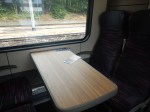
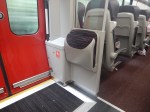
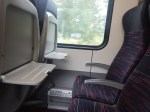
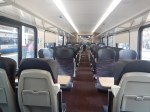
The seats are actually on two levels, as some are over the bogies. However |Stadler seem to managed to keep the floor flat and you step-up into the seats, as you do in some seats on a London New Routemaster bus.
Seat-Back Tables
I particular liked the seat-back tables, which weren’t the usual flimsy plastic, but something a lot more solid.
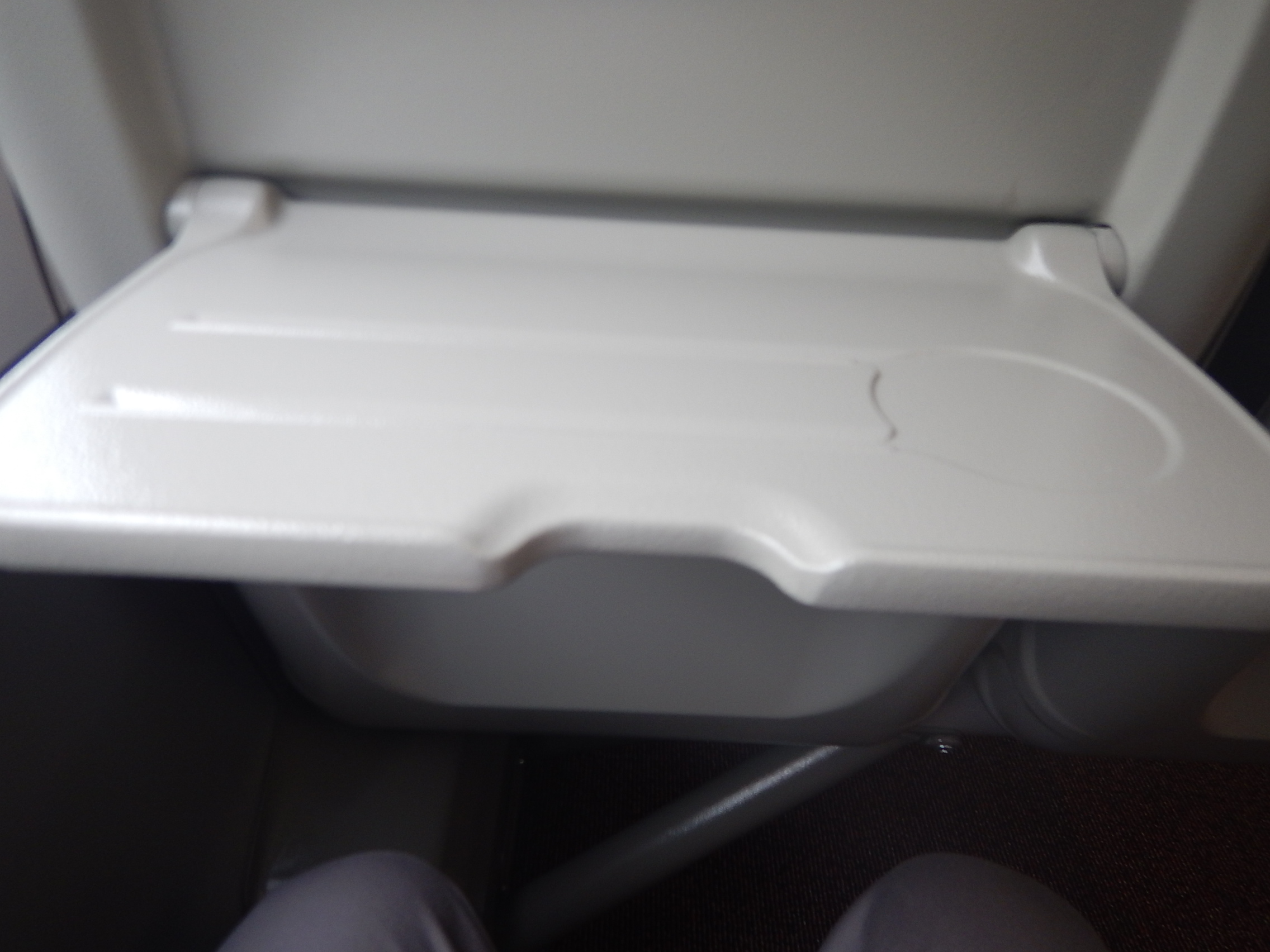
They are possibly made out of aluminium or a high class engineering plastic. You’d certainly be able to put a coffee on them, without getting it dumped in your lap.
It is the sort of quality you might get on an airliner, flown by an airline with a reputation for good customer service.
Step-Free Access
Stadler are the experts, when it comes to getting between the train and the platform, without a step. As I travel around Europe, you see little gap fillers emerge from trains built by Stadler, which have now arrived in East Anglia.
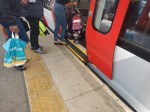
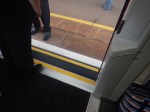
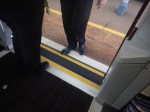

There was a slight problem at Great Yarmouth with a wheelchair, but it was probably something that can be easily sorted.
Some platforms may need to be adjusted.
Big Windows
The train has been designed with large windows, that are generally aligned with the seats.
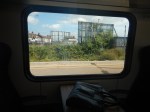
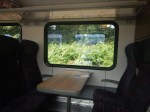
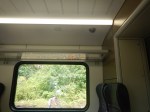
There is no excuse for windows not aligning with most of the seats, as you find on some fleets of trains.
Low Flat Floor
The train has been designed around a low, flat floor.
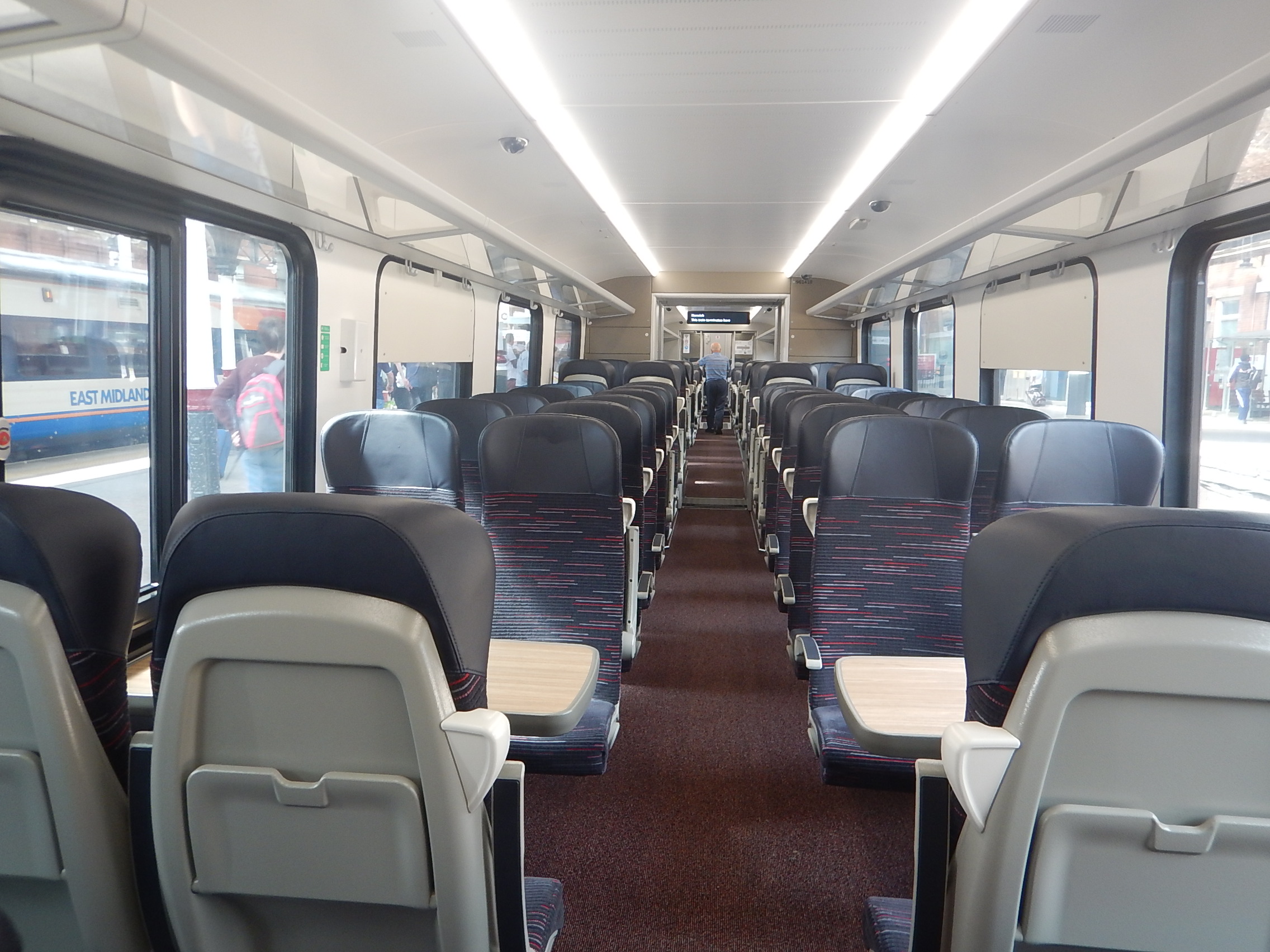
The floor also improves the step-free access and gives more usable height inside the train.
Litter Bins
The train has well-engineered litter bins in between the seats and in the lobbies.
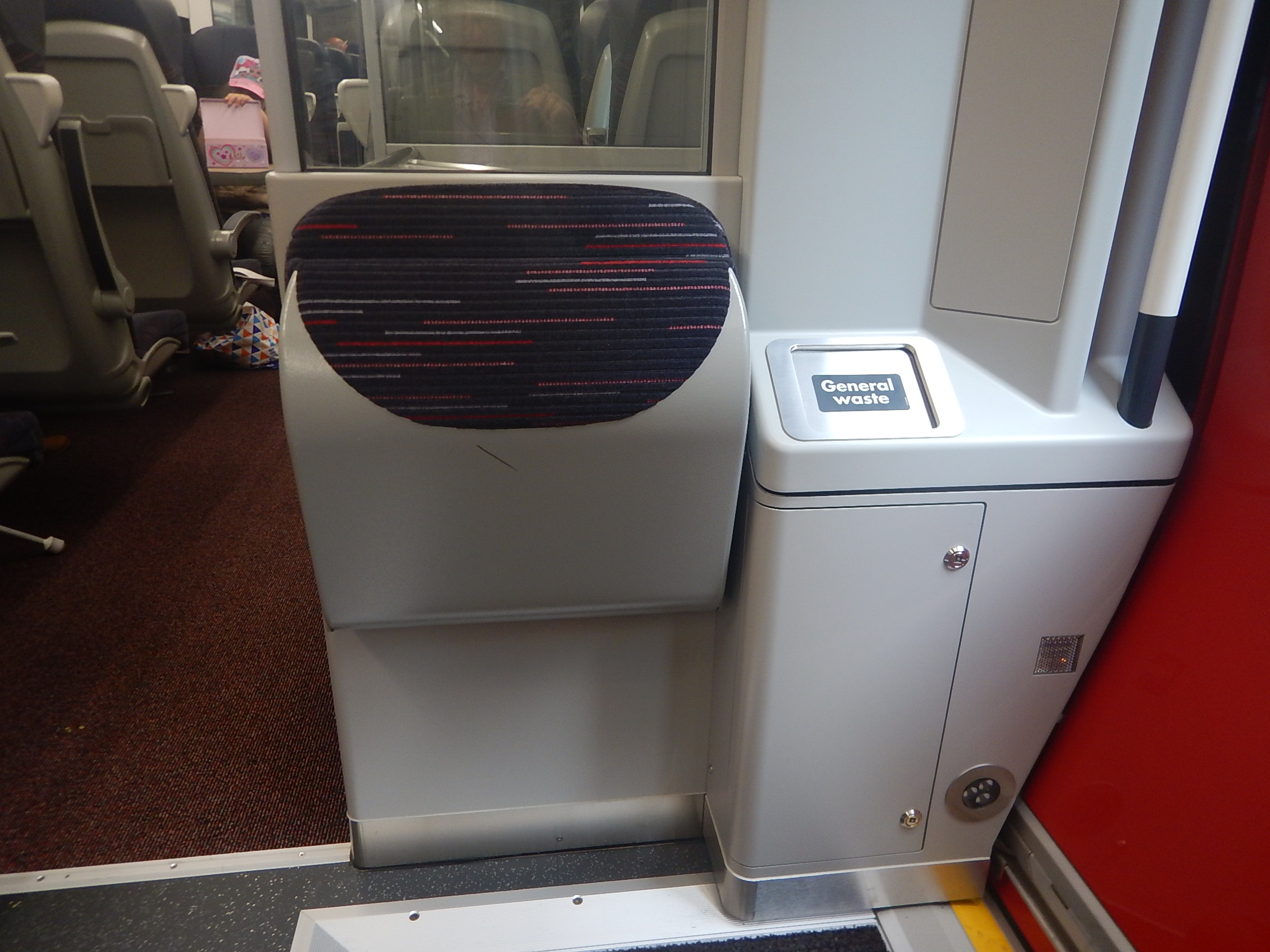
This bin is in the lobby, next to a comfortable tip-up seat.
Too many trains seem to be built without bins these days and the litter just gets thrown on the floor.
Conclusion
It is certainly a better class of rural train and I think it fulfils Jamie Burles’ ambition of InterCity Quality For Rural Routes.
But then services between Cambridge, Ipswich and Norwich are as important to East Anglia, as services between Hull, Leeds and Sheffield are to Yorkshire.
They are all services that can take a substantial part of an hour, so treating passengers well, might lure them out of their cars and off crowded roads.
In My First Ride In A Class 331 Train, I wrote about Northern’s new Class 331 trains.
If I was going to give the Greater Anglia train a score of eight out of ten, I’d give the Class 331 train, no more than two out of ten.
Barry Station To Go Step-Free
This document on the Government web site is entitled Access for All: 73 Stations Set To Benefit From Additional Funding.
Barry station is on the list.
These pictures show the station and the current bridge,

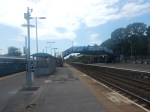

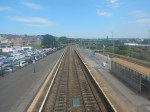


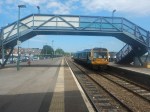
Note.
- The trains were very crowded.
- The bridge is approaching its rust-by date.
- I think it is true to say, that the station buildings need a thorough refurbishment.
I have been sent a map of the proposed works and facilities for the South Wales Metro. This snippet shows the lines around Barry station.
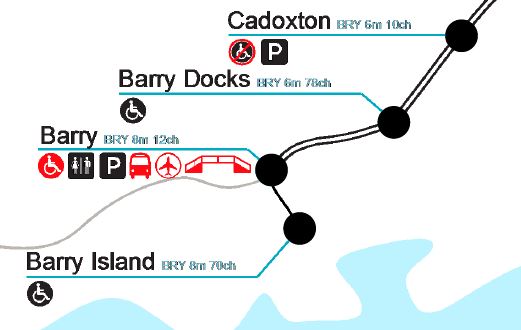
Note.
- The lines are not planned to be electrified.
- Barry station will get a new PRM-compliant bridge with step-free access between street and train.
- There will be an airport connection at the station.
I would assume that the station buildings will get the much-needed refurbishment.
Services To Barry, Barry Island, Bridgend and Penarth
The South Wales Metro services through Barry will be as follows.
- Services will terminate in the South and West at Barry Island, Bridgend and Penarth
- Services will terminate in the North at Coryton and Rhymney.
- There will be increased train frequencies.
Trains will be tri-mode Stadler Flirts with three or four cars, which will be similar to Greater Anglia’s Class 755 trains.
Judging by yesterday this capacity increase will be welcome.
Installing The Step-Free Access
It would appear there is plenty of space for a step-free footbridge with lifts.
In Winner Announced In The Network Rail Footbridge Design Ideas Competition, I wrote how the competition was won by this bridge.
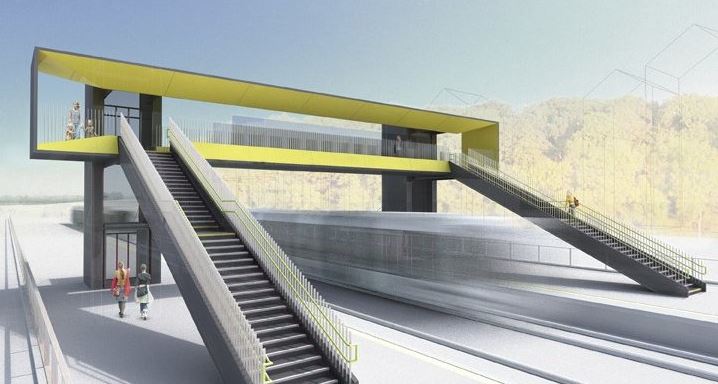
A bridge like this could be built at the other end of the station.
It would also be able to built it, without disrupting the train services or the passengers.
Once complete, the old bridge could be demolished or left as required.
Aerial Pictures Show New Trains Housed In Mid-Norfolk
The title of this post, is the same as that of this article on the Eastern Daily Press.
Greater Anglia has a storage problem for all the new trains being delivered from Stadler in Switzerland.
So the train operating company has done a deal with the Mid Norfolk Railway to store the trains in the depths of deepest Norfolk.
Wikipedia gives more details in a section, entitled Storage Of Main Line Stock.
Working with Abellio Greater Anglia, the Mid-Norfolk Railway have developed a rolling stock storage facility close to their Kimberley Park station. The £3 million sidings have been funded by Abellio Greater Anglia to allow them to store their Class 745 and 755 fleets until they are ready to be in service.
It has also been reported that the site, will be used to store the replaced trains, whilst they await new operators or the scrapyard.
This picture clipped from the Eastern Daily Press article, shows the trains.

Reading the Wikipedia entry for the Mid Norfolk Railway, which is obviously a well-maintained standard gauge heritage railway, it gets used for various rail-related training and other purposes, so as the multi-million pound deal shows, I’m pretty certain there is a lot of co-operation between all parties in Norfolk, including Greater Anglia, Network Rail, Balfour Beatty and the Emergency Services.
Will The Class 755 Trains Return With Passengers?
The following should be noted.
- Rail tours and charters use the branch and visit Dereham, several times a year.
- An InterCity 125 has even used the line.
- Dereham is a town of 19,000 people.
- Norfolk is a county, that welcomes lots of tourists.
- Wymondham station will soon have a direct hourly service to and from Stansted Airport.
Given the co-operation between Greater Anglia and the Mid-Norfolk Railway over the train storage, where a long term conveniently-located facility is of benefit to both parties, will we see occasional visits of Class 755 trains to Dereham?
There must be long-term possibilities.
- Weekend steam trains between Dereham and Norwich, similar to the Shakespeare Express, that runs between Birmingham Snow Hill and Stratford stations.
- A limited commuter service between Dereham and Norwich.
The Mid-Norfolk Railway’s long term ambition to extend their route past Dereham to reopened stations at County School and Fakenham, would surely increase the viability of these services.
Leicester Station – 11th July 2019
I took these pictures at Leicester station today.
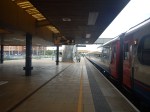
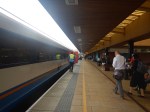
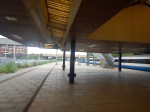
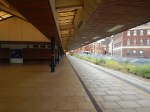
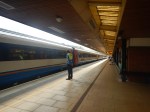
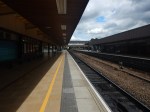
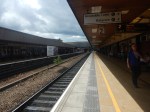
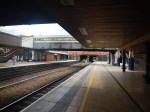

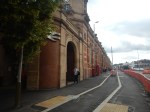

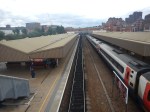
These are a few of my thoughts.
Long Straight Platforms
The two main platforms for trains to and from London are long and straight and can easily accommodate the longest trains that do or will use the station.
Wide Spacious Platforms
The two island platforms are wide and spacious.
In my time at the station, I didn’t see any trains use the outer platforms and I do wonder if the station is used to the maximum capacity allowed by the layout.
The Station Could Have More Trains And Be A Better Interchange
When you arrive at Ipswich station on a fast train from London, one of the half-hourly services has an easy connection to either Bury St. Edmunds and Cambridge, Felixstowe, Lowestoft and/or Peterborough. and staff and information screens are there to speed you on your way.
Leicester station doesn’t seem to welcome you to continue your journey elsewhere
Abellio And Ipswich Station
Abellio with their new trains and timetable, will be increasing frequencies, so that Suffolk’s County Town with a population of 133,000, will have the following services.
- Two trains per hour (tph) to Bury St. Edmunds. – Doubled from current.
- One tph to Cambridge – A second hourly service will be available with a change at Ely.
- One tph to Felixstowe – Might be doubled, now thst the Felixstowe branch has more capacity.
- Three-four tph to London – Faster and up from two expresses and a stopping train per hour.
- One tph to Lowestoft – Better timetable and faster.
- Three tph to Norwich – Up from two tph
- One tph to Peterborough – Doubled from current one train per two hours.
The creation of the East-West Rail Link will see a doubling of the service to Cambridge and one train per two hours to Oxford.
Applying Abellio’s East Anglian Rules To Leicester
Leicester is a city and County Town, with a population of 330,000.
These appear to be the current services.
- Two tph to Birmingham
- One tph to Cambridge, Peterborough and Stansted Airport
- Two tph to Derby
- One tph to Lincoln – Stopping train via Loughborough and East Midlands Parkway.
- Four tph to London
- Two tph to Nottingham
- Two tph to Sheffield
Leicester doesn’t seem to have the sort of train service the City deserves.
This is the London, Ipswich and Norwich philosophy as proposed by Abellio and in the process of being delivered.
- New maximum-length and maximum-speed high-capacity Class 745 trains will provide more seats on the route.
- A fifty per-cent increase in train frequency from two tph to three tph.
- Four express services per day, only stopping at Ipswich, have been introduced, giving a ninety minute service between London and Norwich.
- Four trains per day between Lowestoft and London.
What would a similar philosophy for London Midland Main Line, look like at Leicester?
- Three tph to Derby, Chesterfield and Sheffield.
- Six tph to London
- Three tph to Nottingham
- All trains would be maximum-length with a capacity at least similar to a 2+8 HST.
- Greater Anglia’s Class 745 trains will have 757 seats in two classes and a buffet. Expect a similar specification on the Midland Main Line.
- Services will be faster, with I suspect no trains taking longer than an hour from Leicester to London or Sheffield.
- Could there be a couple of non-stop trains every hour between London and Leicester?
This service would be a lot better and it only needs.
- An extra tph between London and Sheffield via Derby and Chesterfield
- An extra tph between London and Nottingham.
- Enough new maximum-length trains, which will probably be bi-mode trains, that are scheduled to arrive in 2022.
Four tph between London and Sheffield and London and Nottingham would surely be the ideal, but there just isn’t the capacity to the South of Kettering and in St. Pancras station.
So will we see extra services on the Midland Main Line to boost services North of Leicester?
- One tph between Leicester and Sheffield via Louthborough, East Midlands Parkway, Long Eaton, Derby and Chesterfield.
- One tph between Leicester and Sheffield via Louthborough, East Midlands Parkway, Ilkeston, Langley Mill, Alfreton and Chesterfield.
- One tph between Leicester and Nottingham via Louthborough, East Midlands Parkway and Beeston.
- The one tph Leicester to Lincoln service could also be included.
The services would be as follows.
- Trains would probably be shorter versions of the maximum-length bi-mode Midland Main Line trains.
- They would use the outer platforms at Leicester station to give cross-platform interchange with the frequent London trains.
- Services could possibly be extended past Sheffield to Leeds and past Nottinghm to Newark or Lincoln.
Leicester’s excellent platform design would see an increase in the number of trains and hopefully passengers.
Leicester And East-West Services
I also think, that there is sufficient capacity in Leicester station to add the following East-West services.
- Four tph to Birmingham
- Four tph to Cambridge
- Four tph to Peterborough
The following should be noted.
- Abellio has a substantial interest in all three stations and Leicester.
- The routes are often run by two-car Class 170 trains.
- The trains are often full.
- There is only short sections of lines that are electrified.
I believe that there should be the following service between Birmingham and Cambridge.
- Four tph
- At least four-car bi-mode trains.
- At least a 100 mph capability.
- Stops would include Coleshill Parkway, Nuneaton, Leicester, Melton Mowbray, Oakham, Stamford, Peterborough, March and Ely.
- At the Birmingham end, services could go via Birmingham International and Coventry.
- At the Cambridge end. perhaps two tph could be extended to Audley End and Stansted Airport.
- At Leicester there would be an easy interchange to London, the East Midlands and Sheffield.
- At Peterborough, there would be an easy interchange to London, Leeds, Newcastle and Scotland
It could be argued that if there is a need for a Cambridge and Oxford rail link, then Britain’s fastest growing high-technology hub, needs to have a high quality rail link to Birmingham via Leicester, Coventry and Birmingham International.
One overcrowded hourly two-car diesel train is not suitable for this important rail route.
Currently, trains take two hours forty-five minutes between Birmingham and Cambridge, which means with a fifteen minute turnround at either end, twenty-four trains would be needed for the service.
So it is probably not feasible, but I suspect it could be an aspiration for Abellio.
- I wouldn’t be surprised to see Abellio try to take over the Birmingham and Stansted Airport service from CrossCountry.
- Greater Anglia’s four-car Class 755 trains would double the capacity and be able to use electrification at both ends of the route.
- Greater Anglia have a few spare Class 755 trains, so is this takeover in their ambitions.
- Would the service be easier for Abellio to run, than CrossCountry?
This is a service to watch over the next couple of years.
Class 755 Trains In The East Midlands
I also suspect that Class 755 trains could be in Abellio’s plans for the East Midlands. Lincolnshire’s railways are little different to those of East Anglia.
The Bridges At The Southern End Of The Station
A trusted source told me, that one of the problems of electrifying through Leicester station with 25 KVAC overhead wires, is that the bridges at the Southern end of the station are a problem.
The general impression, I got was that the structure under the bridges is so complicated, that there would need to be a massive reconstruction of the railway.
To make matters worse a major sewer is in or under the bridges.
So if this meant that the railway had to be closed for a number of months, is this the reason for only electrifying as far as Market Harborough?
Surely, if the Midland Main Line is only to be partly-electrified, then Leicester would be a better changeover point.
Charging Battery Electric Trains
In The Mathematics Of Fast-Charging Battery Trains Using Third-Rail Electrification, I showed how a third-rail-based fast charging sstem, like that proposed by Vivarail could transfer several hundred kWh to the batteries of a train stopped in the station, for a few minutes.
Leicester station with the two tracks between widely-spaced platforms with a gap between the tracks, would be an ideal location for such a charging system.
- The two third-rail would be laid together between the two tracks.
- The third-rails could be shielded, but as they would only be live with a train on the top, would it be necessary?
- The driver would only need to stop the train in the correct position, but they do that anyway.
In a three minute contact between the train and the third-rail, I believe it would be possible to transfer up to 200 kWh to the batteries of the train.
Conclusion
Leicester station is a station, that suits the ambitions of the City.
But the unimaginative train service as provided by Stagecoach, is very fourth-rate and has left Abellio with a lot of scope to improve the train service throughout the East Midlands.
Stagecoach have only themselves to blame for losing the franchise.
 The Anonymous Widower