High Speed Two To Holyhead
Rishi Sunak has just announced that the North Wales Main Line will be electrified, along with the cancellation of further phases of High Speed Two.
I have written about this topic before in Could High Speed Two Serve Holyhead?.
In that post, I started with this question and answer.
Why?
It could be a way to create a zero- or low-carbon route between the islands of Great Britain and Ireland.
In Could High Speed Two Finish At Lichfield?, I discussed, what might happen if the Birmingham to Manchester leg of High Speed Two were to be scrapped.
This was my main conclusion.
I strongly believe that an upgraded Trent Valley Line linked to a shortened High Speed Two at Lichfield could improve journey times between London, Birmingham and the North.
As the current Holyhead services will pass this junction between the Trent Valley Line and High Speed Two, there is no reason, why they couldn’t take High Speed Two to and from London, if the service was run by High Speed Two Classic-Compatible Trains.
These are further thoughts.
Timings
These would be the times in hours:minutes.
- Bangor – 2:42
- Chester – 1:28
- Holyhead – 3:10
- Llandudno Junction – 2:24
Currently, Holyhead is three hours and forty-five minutes.
Would the Electrification Be Full Or Partial Between Crewe And Holyhead?
This question will be increasingly asked about electrification.
Consider.
- CAF, Hitachi, Siemens and Stadler are all developing battery-electric technology for trains.
- The UK’s first battery-electric train service goes into service tomorrow between Liverpool and Headbolt Lane station.
- Freight locomotives are increasingly being ordered with both electric and diesel power.
- Some of the castles, countryside and other monuments wouldn’t be enhanced, with lots of overhead electrification.
I think it is likely, that electrification will increasingly have gaps for visual, technical or heritage reasons.
Electrification of the North Wales Coast Line with other small improvements could probably reduce the journey time between London and Holyhead to around three hours.
Would There Be Enough Paths On The Trent Valley Line And High Speed Two?
This graphic shows High Speed Two services after Phase 2b is completed.
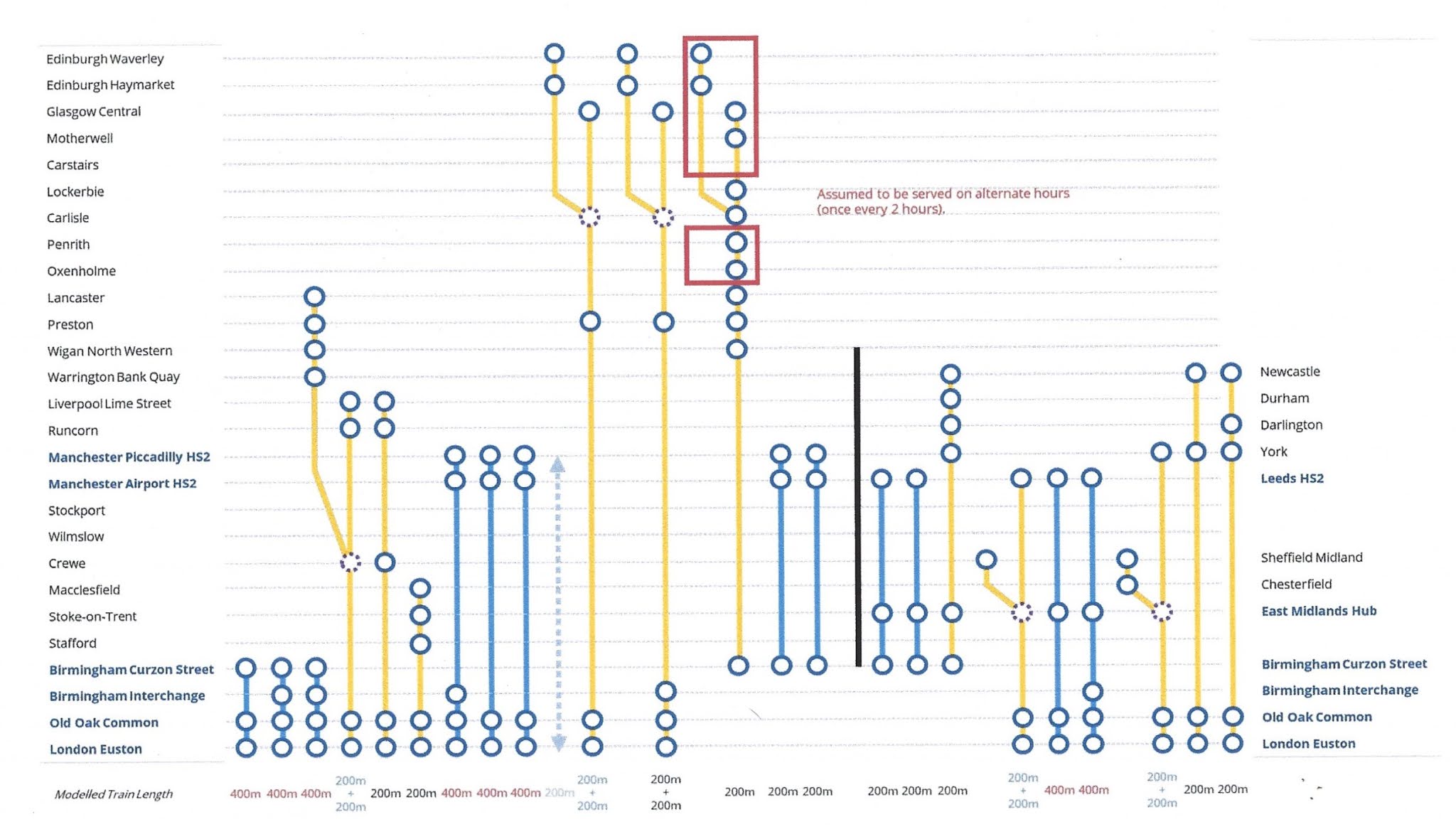
Note.
- Services shown in blue are run by High Speed Two Full Size trains.
- Services shown in yellow are run by High Speed Two Classic-Compatible trains.
- There are a total of 23 train paths of which eleven would need to go along the Trent Valley Line.
- The three London-Manchester services and the two Birmingham-Manchester services would have to be run by High Speed Two Classic-Compatible trains.
- The second Liverpool train is only a single train, but it could be a pair, that split at Crewe, with one train going to Liverpool and the other to Chester and North Wales.
- All the Avanti West Coast services, currently using the Trent Valley Line would probably be replaced by High Speed Two services.
There would have to be a bit of reorganising, but I suspect an hourly path could be found for a train between London and Holyhead.
A Fast Green Route To The Emerald Isle
Electrification of the North Wales Coast Line with other small improvements could probably reduce the journey time between London and Holyhead to around three hours.
This service could be paired with a fast zero-carbon ferry to the island of Ireland?
Conclusion
I am fairly sure that an HS2 service to Holyhead could be run, once the North Wales Coast Line is electrified.
See Also
Could High Speed Two Finish At Lichfield?
Cunning Electrification On The North London Line
I took a trip on the North London Line from Highbury & Islington station to Richmond station.
I took various pictures on the way.
25 KVAC Overhead Electrification
East of Acton Central station, typical 25 KVAC overhead electrification is used.
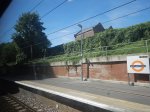
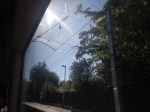



It may need to be beefed up, if more large electric locomotives haul freight trains along the North London Line.
Gunnersbury Station
Gunnersbury station is a two-platform station with London Underground four-rail electrification.

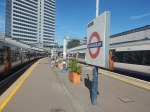

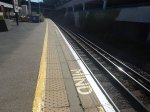
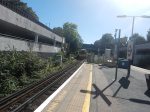

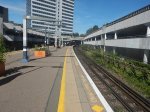




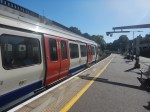
It can be used by London Underground S-Stock and London Overground Class 378 trains.
It must help that both trains were built by Bombardier in Derby.
Kew Gardens Station
Kew Gardens station is a two-platform station with London Underground four-rail electrification.
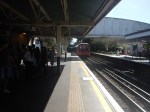

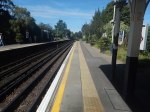

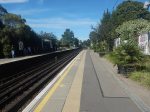

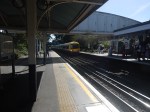

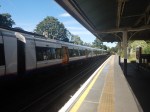
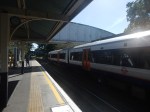
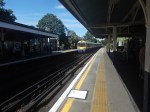
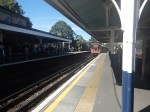
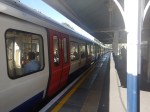
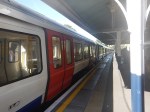
As with Gunnersbury station, both types of train can use both platforms.
Richmond Station
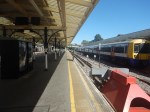
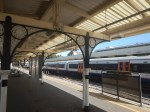
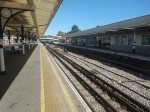
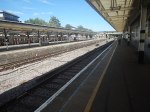
Richmond station is both a through and terminal station.

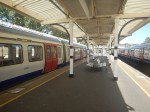
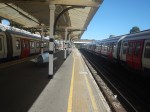



Note.
- Platforms 1 and 2 are through platforms for South Western main line services.
- Platforms 3 to 7 are for terminating London Underground and Overground services.
- Platforms 1 to 3 have traditional third-rail electrification.
- Platforms 4 to 7 have London Underground four-rail electrification.
- If needed, it may be possible to add another platform between platforms 3 and 4.
It looks like a lot of flexibility has been built in.
I have a few general thoughts.
Getting The Voltages Right
London Underground’s system used to use 630 VDC for its four-rail system, whereas Network Rail’s system uses 750 VDC.
I wouldn’t be surprised to find out that both trains use quality power electronics that can work on a range of voltages. This would enable London Underground to up their voltage to the same 750 VDC as used by Network Rail.
In Chiltern Sets Out New Fleet Ambitions, I talked about how Chiltern Railways could use London Underground’s four-rail electrification between Harrow-on-the-Hill and Amersham stations to charge the batteries.
As an electrical engineer, I don’t think this is outrageous.
Liverpool Lime Street And Newcastle By Battery-Electric Class 802 Train
After my visit to Morley station, which I wrote about in Morley Station – 17th August 2023, in this post, I look at how a battery-electric Class 802 train might run between Liverpool Lime Street And Newcastle stations.
These are the various sections of the route.
- Liverpool Lime Street and Manchester Victoria – 31.6 miles – 36 minutes – Electrified
- Manchester Victoria and Huddersfield – 25.7 miles – 30 minutes – Not Electrified
- Huddersfield and Dewsbury – 8 miles – 7 minutes – Currently Being Electrified
- Dewsbury and Leeds – 9.1 miles – 14 minutes – Not Electrified
- Leeds and York – 25.8 miles – 30 minutes – Currently Being Electrified
- York and Newcastle – 80.2 miles – 58 minutes – Electrified
Note.
- Liverpool Lime Street and Manchester Victoria, Leeds and York and York and Newcastle are all long enough to fully charge a battery-electric train.
- There is electrification of both ends of the route.
- Manchester Victoria and York is a distance of 68.6 miles.
- The total route length is a distance of 180.4 miles.
In the August 2023 Edition of Modern Railways, there is an article, which is entitled GWR Seeks Opportunities To Grow.
This is the sub-heading.
Managing Director Mark Hopwood tells Philip Sherratt there is plenty of potential to increase rail’s economic contribution.
This is a paragraph.
Meanwhile, GWR had announced plans with Eversholt Rail to trial the replacement of a diesel generator unit with batteries on a Class 802 IET. However, Mr. Hopwood says this would not be useful for GWR and so the trial is not proceeding; instead, a TransPennine Express Class 802 will be the subject of a battery trial.
Could the trial be conducted on TransPennine Express’s Liverpool Lime Street And Newcastle route?
- The total route length is a distance of 180.4 miles.
- The two electrified sections at the ends of the route; Liverpool Lime Street and Manchester Victoria and York and Newcastle are both long enough to fully charge a battery-electric train.
- The central section between Manchester Victoria and York is not overly long at 68.6 miles.
- The route is convenient for Hitachi’s headquarters at Newton Aycliffe.
It looks like, the Liverpool Lime Street And Newcastle route would make an ideal test route for battery-electric Class 802 trains.
Manchester Piccadilly And Newcastle By Battery-Electric Class 802 Train
This is a very similar route to the Liverpool Lime Street And Newcastle route with a different Western terminal.
These are the various sections of the route.
- Manchester Piccadilly and Huddersfield – 25.5 miles – 42 minutes – Not Electrified
- Huddersfield and Dewsbury – 8 miles – 10 minutes – Currently Being Electrified
- Dewsbury and Leeds – 9.1 miles – 14 minutes – Not Electrified
- Leeds and York – 25.8 miles – 30 minutes – Currently Being Electrified
- York and Newcastle – 80.2 miles – 58 minutes – Electrified
Note.
- Turnround time at Manchester Piccadilly and York and Newcastle are all long enough to fully charge a battery-electric train.
- There is electrification of both ends of the route.
- Manchester Piccadilly and York is a distance of 68.4 miles.
- The total route length is a distance of 148.5 miles.
Like the Liverpool Lime Street And Newcastle route, I believe the Manchester Piccadilly And Newcastle route would make an ideal test route for battery-electric Class 802 trains.
Morley Station – 17th August 2023
These pictures show Morley station, which is currently being upgraded.
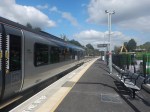
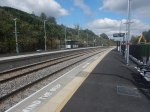
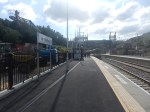
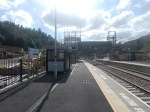
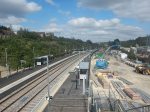
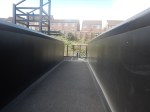
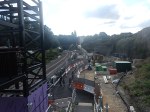
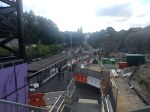
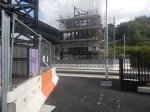
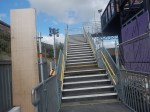
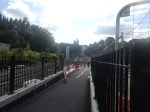
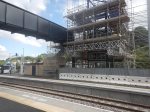
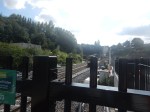
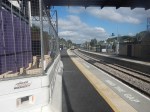

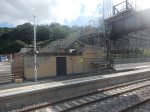
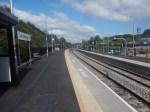
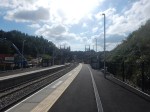
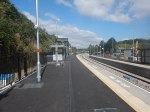
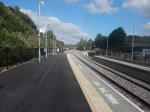
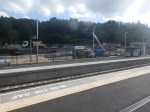
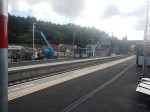
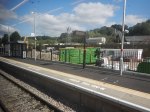
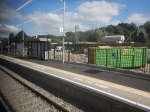
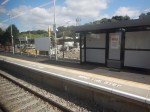
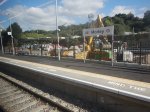
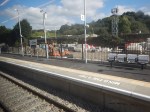

I was rather surprised at the lack of any sign of electrification.
There was no sign of any gantries for overhead electrification, either installed or ready to installed.
In Is There Going To Be Full Electrification Between Leeds And Huddersfield?, I said this.
I have now found this document on the Network Rail web site, which is entitled Huddersfield to Westtown (Dewsbury).
This statement is included under proposals.
Electrification of the railway from Huddersfield to Ravensthorpe – and right through to Leeds.
Because there is a dash in the words, has electrification to Leeds, been a recent addition?
I also showed this map, that I have copied from the Network Rail document
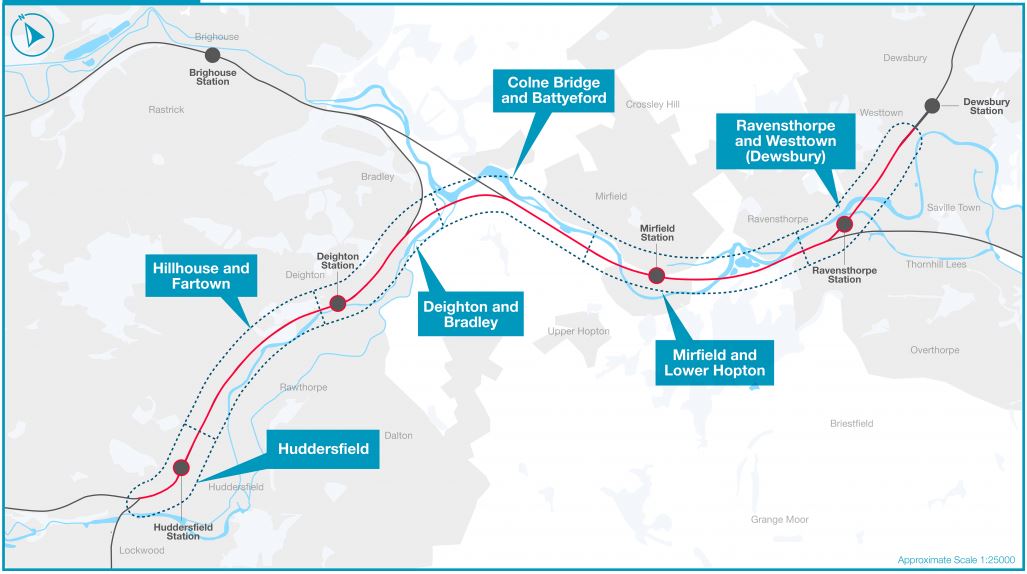
Note the railway lines shown in red. Are these the ones to be electrified? As they go from Huddersfield to Westtown, I think the answer is probably in the affirmative.
Surely, if there were going to be electrification through Morley, they’d have at least put the gantries up by now or installed the bases for them by now?
These are some distances from Real Time Trains.
- Leeds and Morley – 4.6 miles
- Morley and Dewsbury – 5,5 miles
- Dewsbury and Huddersfield 8 miles
Note.
- Leeds and Dewsbury are only 10.1 miles apart, which would be an easy journey for a battery-electric train.
- Trains typically take eighteen minutes between Dewsbury and Huddersfield, which would surely be more than enough time to charge the batteries on a train.
- It also appears that the only trains through Morley station are passenger services run by TransPennine Express or Northern Trains.
It certainly looks to me, that the section of the route between Dewsbury and Leeds though Morley station is to be run using battery-electric trains.
Centrica To Build Largest Battery Storage Project To Date
The title of this post, is the same as that of this news item from Centrica.
These three paragraphs outline the news.
Centrica Business Solutions has secured the development rights to a 65MW two-hour battery storage plant in Perthshire, Scotland, its largest battery storage acquisition to date.
The site in Abernethy is located near a connection for North Sea offshore wind farms and will help manage grid capacity by charging when demand for power is low, and discharging when demand is at its highest.
Once connected to the grid in 2028, the 65MW two-hour battery will be able to store enough electricity to power 130,000 homes for an hour – the equivalent to a town the size of Aberdeen. The discharge could happen up to four times a day.
This map shows the site of the substation at Abernethy.
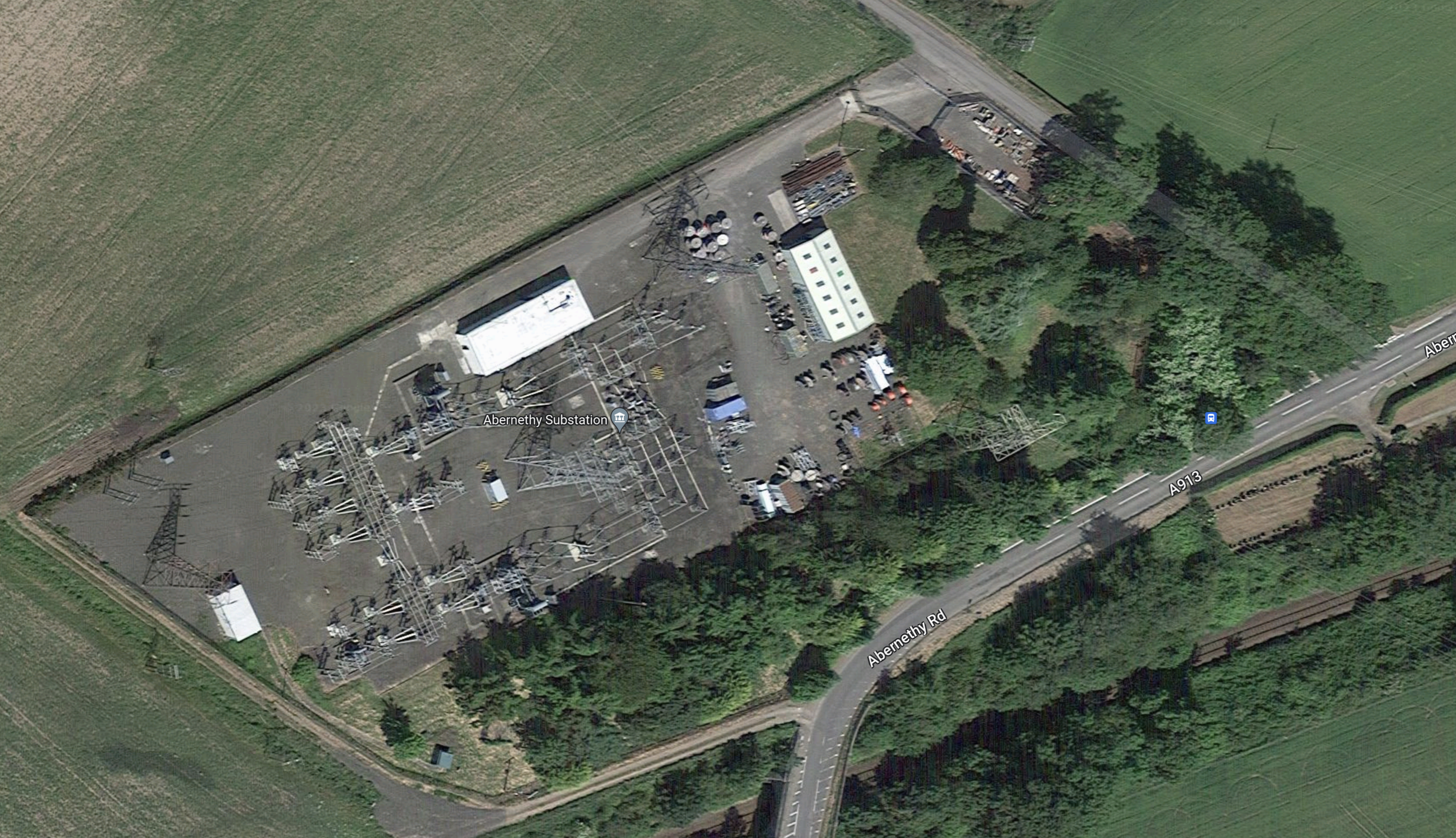
It seems a site with enough space for a 65 MW/130 MWh battery.
But is that a railway running past the site in the South-East corner of the map?
Yes! It is the single-track unelectrified railway that is used by trains to go between Edinburgh and Perth.
- There are stations at both ends of the single-track section at Ladybank and Perth.
- Abernethy substation looks like it is about halfway between the two end stations.
This page on Scotland’s Railway is entitled Fife Electrification and lists these four phases.
- Haymarket and Dalmeny
- Kinghorn and Thornton North
- Thornton and Lochgelly
- Thorton and Ladybank
The page also says that the electrification will support BEMUs (Battery Electric Multiple Units)
I feel that the electrification to Ladybank and Centrica’s battery could be linked.
- If the electrification was extended a few miles to Abernethy substation, this would surely be a reliable way to power the electrification.
- It would also be ideally placed, if Perth and Ladybank were to be electrified.
- The new battery would surely smooth out any deviations in the power supply.
I certainly don’t expect that Centrica will object to a new customer.
Electrification Between Edinburgh And Ladybank
Consider.
- Edinburgh and Ladybank is 39 miles and takes a couple of minutes over an hour.
- Once, the four phases of the electrification are complete, only the 13.6 miles between Dalmeny and Kinghorn, will be without electrification.
- I doubt that Dalmeny and Kinghorn will ever be electrified, as it includes the Forth Rail Bridge.
- Dalmeny and Kinghorn is 13.6 miles and takes around twenty-four minutes.
It looks like the BEMUs will be under wires for 25.4 miles and nearly forty minutes, which will be more than enough to charge the trains.
Edinburgh And Aberdeen
In Thoughts On Batteries On A Hitachi Intercity Tri-Mode Battery Train, I said this about services between Edinburgh and Aberdeen.
Consider.
-
- The gap in the electrification is 130 miles between Edinburgh Haymarket and Aberdeen.
- There could be an intermediate charging station at Dundee.
- Charging would be needed at Aberdeen.
I think Hitachi could design a train for this route.
The 25.4 miles of new Fife electrification between Haymarket and Ladybank will reduce gap in the electrification to 105 miles and ensure trains leaving Ladybank for Aberdeen had a full battery.
Taunton To Exeter St. Davids – 4th July 2023
I took these pictures as I travelled from Taunton station to Exeter St.Davids station.
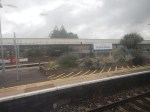
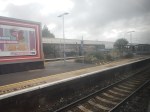
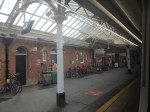




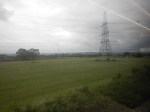

























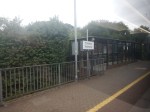






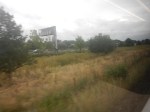












This Google Map shows a section of the M5 North of Collumpton.
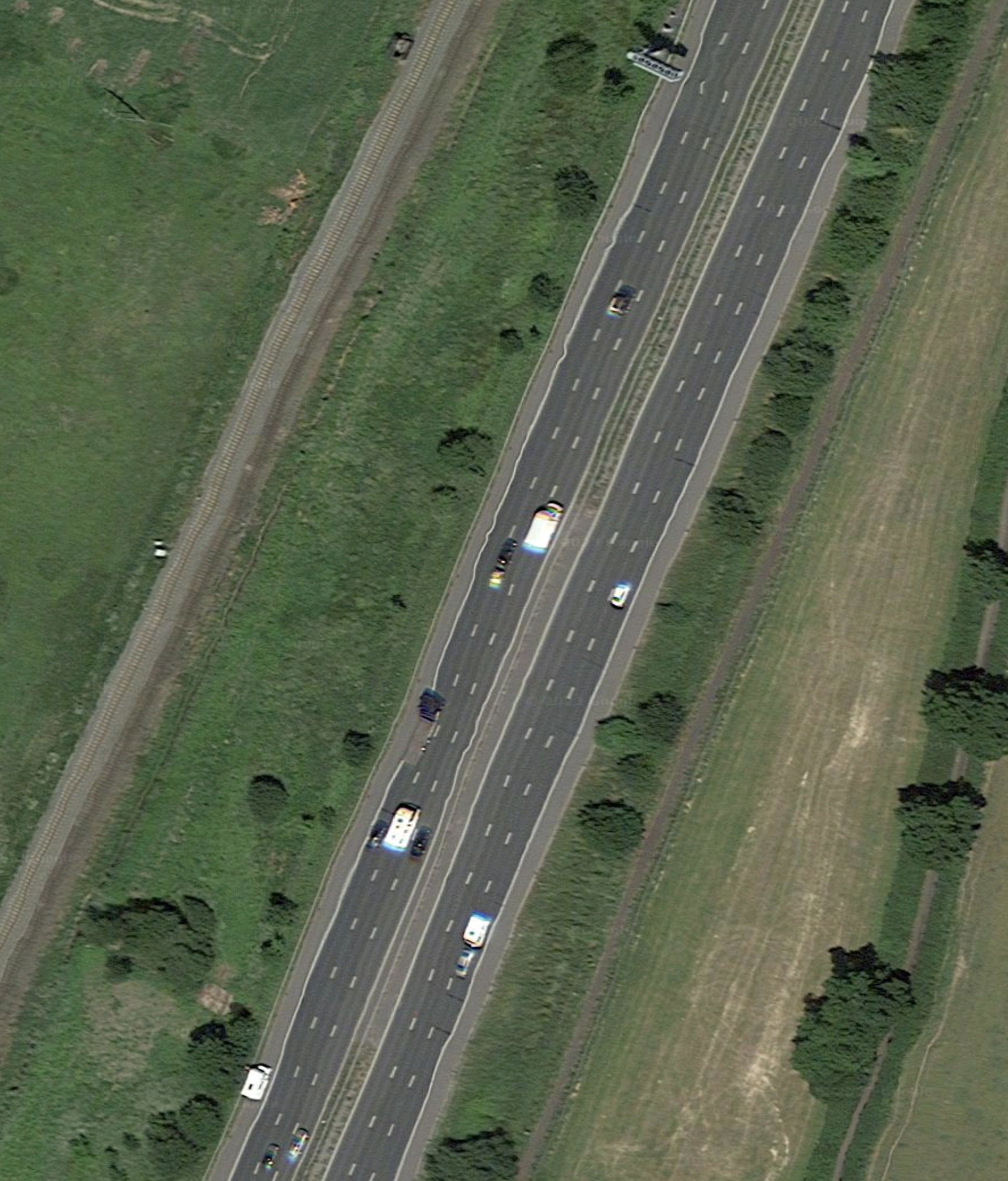
Note.
- The proximity of the M5 motorway to the railway, in some pictures and the map.
- There is space to plant large numbers of trees between the motorway and the railway.
- There are high voltage overhead electrical cables running along the same corridor.
- Collumpton services are also placed between the motorway and the railway.
I believe that with good landscaping, it would be possible to improve the motorway and railway corridor, between Taunton and South of Collumpton.
This OpenRailwayMap shows the track between Wellington and Collumpton, between Taunton and Exeter.
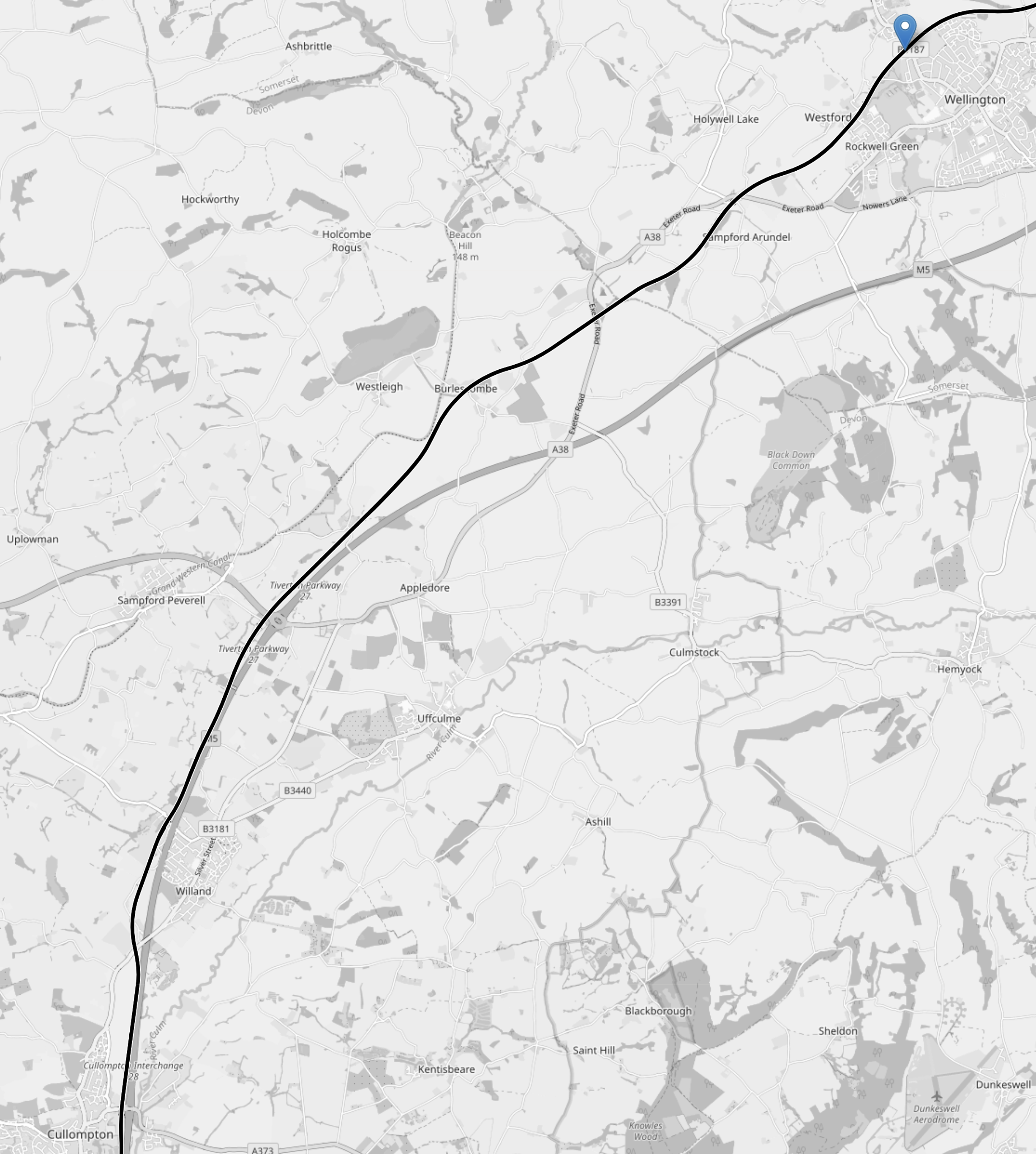
Note.
- The black line is the railway between Taunton and Exeter.
- The blue arrow in the North-East corner of the map indicates the position of the proposed Wellington station.
- Collumpton is in the South-West corner of the map and has also been put forward for a new Collumpton station.
- I talked about the reopening of these two stations in Reopening Of Wellington and Cullompton Stations.
- The M5 to the North of Collumpton runs closely alongside the railway.
- According to Real Time Trains, it takes just under ten minutes to go the thirteen miles between Wellington and Cullompton.
I believe that by using partial electrification, good engineering and innovative landscaping, that sufficient electrification can be erected between Taunton and South of Collumpton, that would ensure the following.
- Trains would leave Taunton going East with enough charge to travel the 89.6 miles to Newbury.
- Trains would leave Taunton going North with enough charge to travel the 51.7 miles to Patchway via Western-super-Mare and Bristol Temple Meads.
- Trains would leave Cullompton going South with enough charge to travel the 32.9 miles to Okehampton.
- Trains would leave Cullompton going South with enough charge to travel the 36.6 miles to Paignton.
- Trains would leave Cullompton going South with enough charge to travel the 60.4 miles to Plymouth.
Note.
- I’ve added Okehampton, as I feel that if Dawlish had another encounter with Poseidon, Okehampton with its proposed Parkway station on the A30 could be the terminus for coaches to and from Cornwall.
- Charging could be needed at Okehampton and Paignton.
- Charging at Okehampton and Paignton, wouldn’t be needed, if the battery-electric trains had enough range to do the return trip.
Electrification of Plymouth and Penzance stations, as I outlined in Thoughts About Electrification Through Devon And Cornwall, would enable battery-electric trains to bridge the gap of 79.5 miles, between these two stations.
Conclusion
It looks like some miles of sympathetic electrification and landscaping between Taunton and South of Cullompton, is the key to running battery-electric train to Devon and Cornwall.
Freight Trains Through Lincoln Station
I must have spent nearly ninety minutes in total at Lincoln station yesterday and in that time, at least four long freight trains went through.
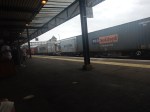




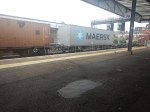


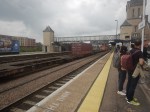

The reason is that Lincoln station lies on the Great Northern and Great Eastern Joint Line, which is a major freight diversion between Doncaster and Peterborough.
- It appears to me, that more freight trains are now using this route since the opening of the Werrington Dive Under.
- All were hauled by a noisy and polluting diesel Class 66 locomotive.
- Some were hauling as many as forty containers.
Articles like this one on Lincolnshire Live, which is entitled Who Had The Crazy idea to Let Trains Run Right Through Lincoln City Centre?, which contains this paragraph.
Then, you’re left with a decision over whether you take your own life in your hands by scuttling over the crossing as fast as you can before being trapped by the barriers, climbing the stairs of one of the two footbridges, or simply waiting at the barrier for the trains to pass (and God help you if it’s one of those freight trains with a seemingly endless amount of carriages).
New footbridges have been installed over the railway, as I wrote about in The Footbridges Over The Railway At Lincoln. But is that enough?
Diesel locomotives are not the most friendly of neighbours and the sooner we start to replace them with quieter locomotives the better.
Lincoln is not the only place, that is plagued by Class 66 locomotives.
- Near me, the North London and Gospel Oak to Barking Lines are regularly used by freight trains hauled by diesel locomotives, despite being electrified.
- Diesel locomotives regularly use the Castlefield Corridor through Manchester.
There must be other places, which suffer from these beasts.
More Trains To Carmarthen
The last time, I looked at the number of GWR trains to Carmarthen its Wikipedia entry, it was just a couple.
Today, one train per hour (tph) is shown between London Paddington and Swansea, with this supplementary information.
- 7 trains per day continue to Carmarthen, calling at Gowerton (limited), Llanelli, Pembrey & Burry Port, Kidwelly (limited) and Ferryside (limited)
- On Summer Saturdays, 2 trains per day run to Pembroke Dock, calling at all stations between Carmarthen and Pembroke Dock
In Regulator Approves New Grand Union Train Service From Carmarthen To London Paddington, I talked about the plans of Grand Union Trains to run five trains per day (tpd) between London Paddington and Carmarthen.
This would appear to give a total of twelve tpd between London Paddington and Carmarthen.
This page on the Crown Estate web site is entitled Celtic Sea Floating Offshore Wind, where this is said.
The Government has set an ambition to deliver up to 5GW of floating wind by 2030, with rapid expansion anticipated thereafter.
At The Crown Estate, we are committed to helping the UK achieve its net zero ambitions. To support this, we are excited to deliver a new leasing opportunity in the Celtic Sea for the first generation of commercial-scale floating offshore windfarms – unlocking up to 4GW of new clean energy capacity by 2035, kick-starting industry in the region, and providing power to almost four million homes.
We will be inviting full commercial scale projects up to 1GW, which may be developed in a phased or ‘stepping stone’ approach. Recognising the need to develop the UK supply chain and supporting infrastructure for this nascent technology, this approach is deliberately intended to provide opportunities for growth and investment. This will also facilitate the co-ordination of the necessary infrastructure, such as ports and grid connections, all of which are key to the sustainable development of the UK floating wind sector over the long term.
This leasing opportunity will provide the foundation for greater capacity in the future and help establish an exciting new industrial sector for the UK, creating opportunities for significant new investment in jobs, skills and infrastructure for the communities onshore.
It appears to me, that Great Western Railway and Grand Union Trains both believe that there will be large increase in demand for rail travel between London Paddington and Carmarthen and also along the South Wales Coast.
Grand Union Trains are also proposing the building of a new parkway station at Parc Felindre North of Swansea.
But then this area of South Wales and the Celtic Sea, has the four things needed for the development of up to 5 GW of offshore wind; a lot of wind, a large area of empty sea, steel and deep water ports to assemble all the floating wind turbines.
A Zero-Carbon High Speed Railway Between London Paddington And Carmarthen
Consider.
- The Great Western Railway between London Paddington and Carmarthen is 222.5 miles and trains take around three hours and fifty minutes, which is an average speed of 58 mph.
- Between Bristol Parkway and Reading stations, the operating speed is 125 mph.
- In South Wales, the operating speed is generally between 70 and 100 mph.
- Only the 77.4 miles between Cardiff Central and Carmarthen via Swansea is not electrified.
There is probably scope to increase the operating speed using digital signalling and by improving the track.
I would suspect that a time between London Paddington and Carmarthen of under three-and-a-half hours is possible.
The Range Of Battery-Electric Trains
Hitachi have not been specific about the zero-carbon range of their Intercity Tri-Mode Battery Train, which is described in this Hitachi infographic.

In Stadler FLIRT Akku Battery Train Demonstrates 185km Range, I talk about Stadler’s record-braking Battery-electric; Akku, which covered 185 km or 115 miles.
I suspect that Hitachi’s engineers and those at their battery suppliers; Turntide Technology will be ultra-competitive, so I wouldn’t be surprised that the zero-carbon range of the Hitachi train is very competitive to the Stadler FLIRT Akku.
A hundred mile range would allow electric services to be run on these routes.
- Cardiff and Carmarthen – 77.4 miles
- Chippenham and Bristol Temple Meads and return – 48.8 miles
- Chippenham and Bristol Western-super-Mare and return – 86.9 miles
- Swindon and Cheltenham Spa and return – 86.5 miles
- East Coast Main Line and Hull and return – 72.2 miles
- Plymouth and Penzance – 79.5 miles
- Taunton and Newbury – 89.6 miles
- York and Scarborough and return – 84.1 miles
I am fairly sure that Hitachi will aim for at least a hundred mile battery range for their Intercity Tri-Mode Battery Train.
- This would be competitive with other train manufacturers like Stadler and Siemens.
- They would handle a lot of important routes.
- With development they could probably handle Edinburgh and Inverness.
I can’t wait to have a ride.
Could Hull Station Be Electrified?
I took these pictures, as I passed through Hull station yesterday.
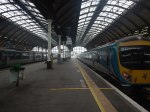
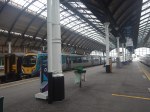
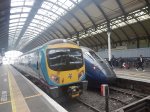
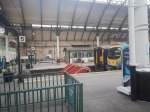




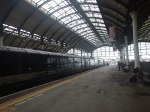
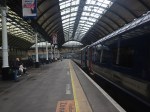

It appears that Hull station has a similar Victorian roof to Liverpool Lime Street and London Paddington, so I suspect the answer is yes.
These pictures show the platforms and overhead electrification at Liverpool Lime Street station, since the recent remodelling.


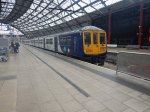
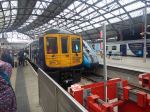
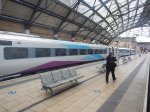







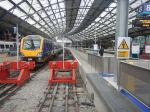



The electrification seems to be very traditional, with lots of steel gantries over the tracks.
These pictures show the platforms and overhead electrification at London Paddington station.
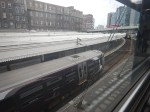
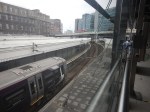
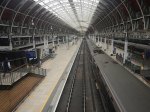
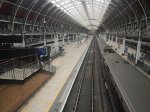
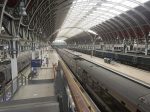



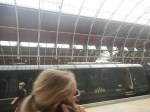
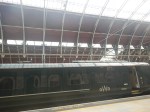
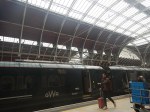


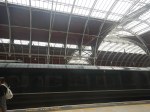


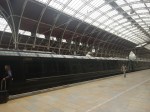

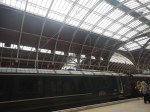
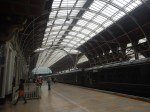



Note.
- The roof seems to have extra tie-bars reaching across.
- The wires seem to be hung from the roof.
- At the end of the platform they are fixed to large arch supports.
- Because Liverpool Lime Street’s electrification is newer than Paddington’s, it seems to have much more professional look.
After looking at the electrification in Liverpool Lime Street and Paddington, I believe that Hull station could be successfully electrified.
This map from OpenRailwayMap shows the platform layout at Hull station.
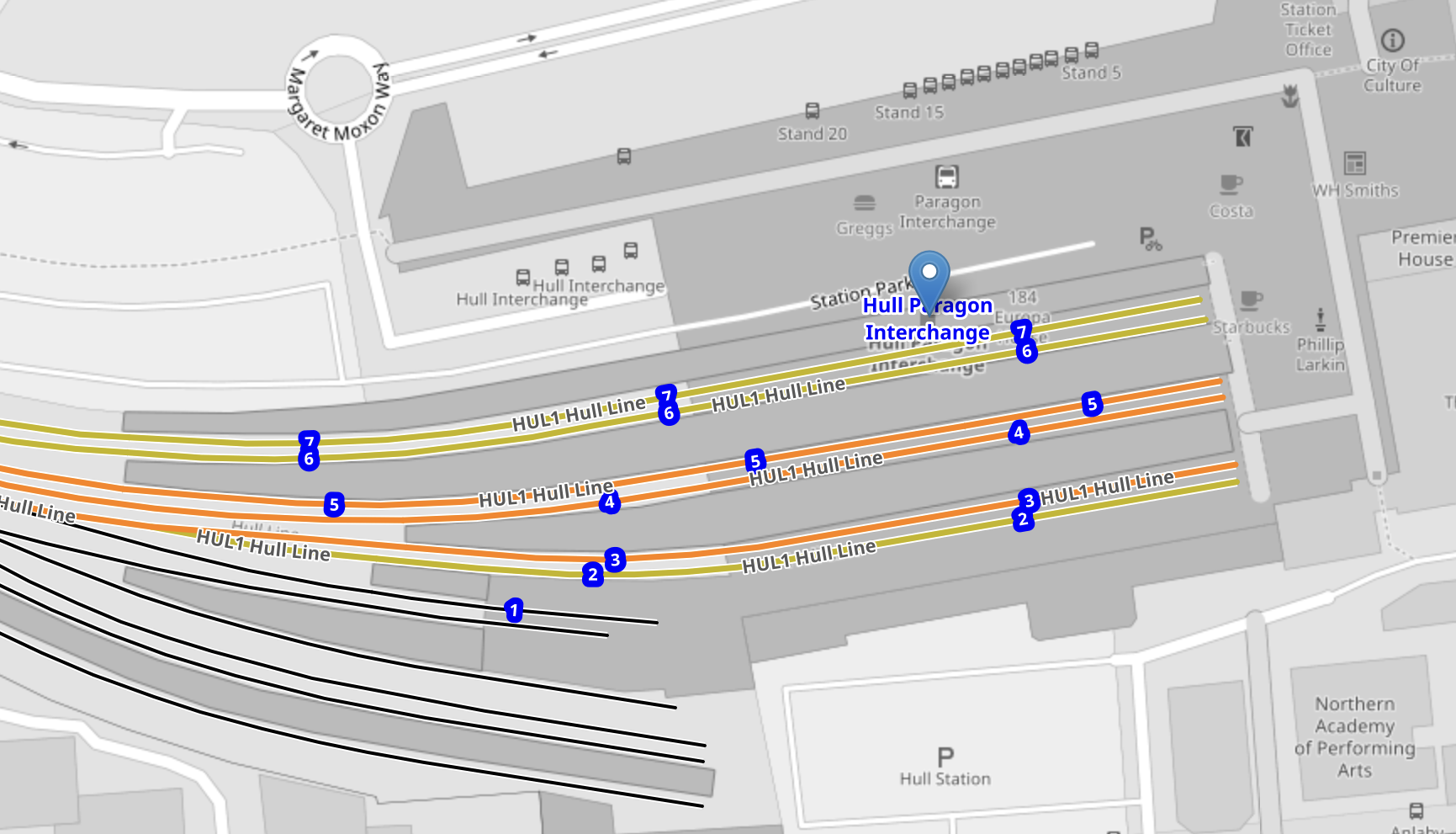
Note.
- Yesterday, my trains arrived in and left from Platform 7, which is the Northern-most platform.
- Other pictures in this blog show Hull Trains’s London service in Platform 7.
- Yesterday all Class 802 trains to and from London run by Hull Trains and LNER used Platform 7.
- I have been told by station staff, that Platform 7 can take a nine-car LNER Azuma.
- In Ten-Car Hull Trains, I talk about ten-car Class 802 trains running to and from Hull.
- Platform 7 or another platform at Hull station must be able to handle a ten-car train, which means that Hull station can handle a train, that is 260 metres long.
Looking at the station map, I believe that Hull station’s capacity for long express trains, is on a par with that of Liverpool Lime Street station.
I could see both stations handling two trains per hour (tph) across the Pennines and to and from London, with if necessary trains being formed of a pair of five-car trains.
How Many Services From Hull Station Can Be Run With Battery Trains?
Hull Trains service between London and Beverley travels for 44.5 miles on unelectrified track between Temple Hirst junction and Beverley.
Typically Hull Trains services wait in Hull station for the following times.
- Going between London King’s Cross and Beverley – Between ten and fifteen minutes.
- Returning to London King’s Cross – Upwards of twenty-five minutes.
I believe these waits in Hull station would mean that.
- A train going North to Beverley will have a battery containing enough electricity to get the train to Beverley and back, which is a distance of 16.7 miles.
- A train going South from Hull will have a battery containing enough electricity to get the train to Temple Hirst junction, which is a distance of 36.1 miles.
I believe that Hull Trains are currently working a timetable, that has been designed for operation by trains with a range on batteries of around fifty miles, provided there is electrification in at least one platform at Hull station to charge the trains.
It is also interesting to look at LNER’s two services that serve Hull.
- The 0700 to London, is scheduled to arrive at Hull station at 0635 from stabling at Doncaster and waits up to twenty-five minutes before leaving for London.
- The 2004 from London, is scheduled to arrive at Hull station at 2004 and waits up to twenty-five minutes before going South to overnight stabling in Doncaster.
It looks like LNER’s two trains follow Hull Trains rules.
- They use Platform 7 in Hull station.
- Trains going South have up to twenty-five minutes in the station.
It appears to me, that both Hull Trains and LNER are running a timetable, that would allow their services to be run using trains with a battery that had a range of around fifty miles, that could be fully-charged at Hull station before going South.
TransPennine Express run an hourly service to Liverpool Lime Street via Leeds and Manchester Victoria.
According to OpenRailwayMap’s map of electrification, when the TransPennine Upgrade is complete, the only section of the route without electrification will be the 42.1 miles between Hull and Micklefield.
As TransPennineExpress have some of the same Class 802 trains as Hull Trains, if there were at least two electrified platforms in Hull station, then Hull and Liverpool services could be run by battery-electric trains, with a similar specification to those of Hull Trains.
Northern Trains run an hourly service to Halifax via Leeds.
According to OpenRailwayMap’s map of electrification, , the only sections of the route without electrification will be the 42.1 miles between Hull and Micklefield and the 17.5 miles between Leeds and Halifax.
As Leeds and Micklefield is timetabled for seventeen minutes, I suspect this would be enough time to fully charge a battery-electric version of CAF’s Class 331 train and with charging in Hull station, then this route could be electrified.
Northern Trains also run other services, but because the Goole swing bridge is closed, I can’t get all the distances without electrification from Hull.
Ones I can find are.
- Beverley – 16.7 miles for return trip.
- Bridlington – 31.1 miles
- Doncaster – 40.8 miles
- Micklefield – 42.1 miles
- Scarborough – 53.8 miles
- Sheffield – 59.4 miles
- Temple Hirst – 36.1 miles
- York – 41.1 miles – Hull and Church Fenton
Note.
- York and Doncaster are electrified.
- Bridlington and Scarborough have suitable platforms where 25 KVAC overhead electrification could be installed to charge trains.
- Sheffield and Doncaster is only 18.6 miles and this may be the way to electrify between Sheffield and Hull.
- In The Data Sheet For Hitachi Battery Electric Trains, I state that Hitachi’s battery-electric trains have a range of 43.5 miles
It looks if enough platforms are electrified at Hull, all current services from the city could be run by battery-electric trains.
Conclusion
I believe that by electrifying Hull station, that Hull could have a station consistent with the HumberZero philosophy, with battery-electric trains running hither and thither, handling all rail traffic to and from the City.
East-West Rail: Electrification
The first paragraph of the Wikipedia entry for the East West Railway, says this about electrification.
As of March 2020, electrification of the line is not planned, but the 2019 decision (to rule it out) is under review.
But I don’t think it’s a simple decision of electrify or not!
These observations are guiding my thoughts.
Milton Keynes Central Station
This OpenRailwayMap shows the platforms and whether they are electrified in Milton Keynes Central station.
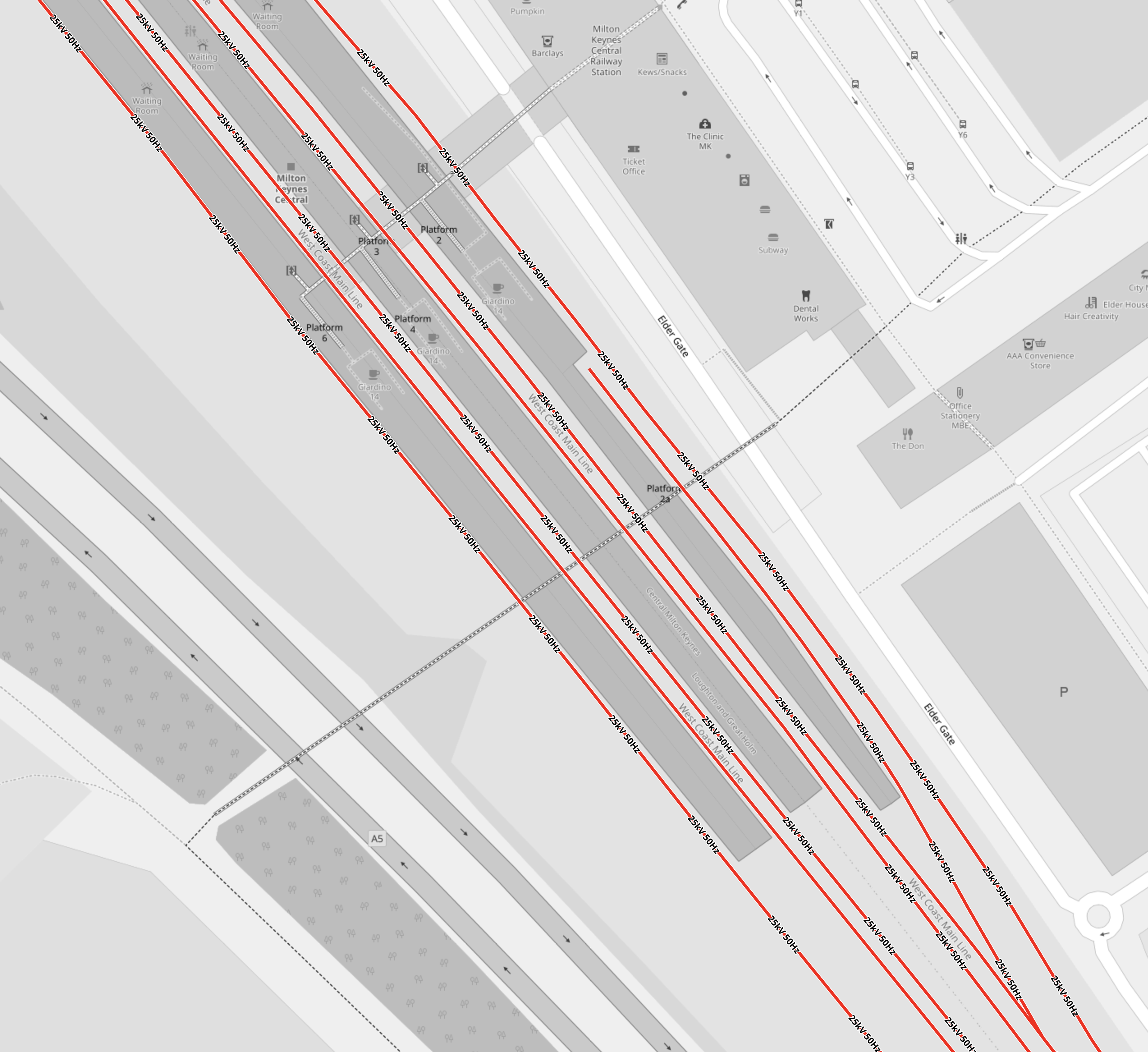
Note.
- Lines shown in red are electrified with 25 KVAC overhead wires.
- The short platform is Platform 2A, which can take a five-car train and was built recently to terminate the Marston Vale Line service.
- Could Platform 2A be ideal for handling and charging, battery-electric trains, that terminate in Milton Keynes station?
The Wikipedia entry for Milton KeynesCentral station, has a section called Platforms and Layout, which gives full details.
Bletchley Station
This OpenRailwayMap shows the platforms and whether they are electrified in Bletchley station.
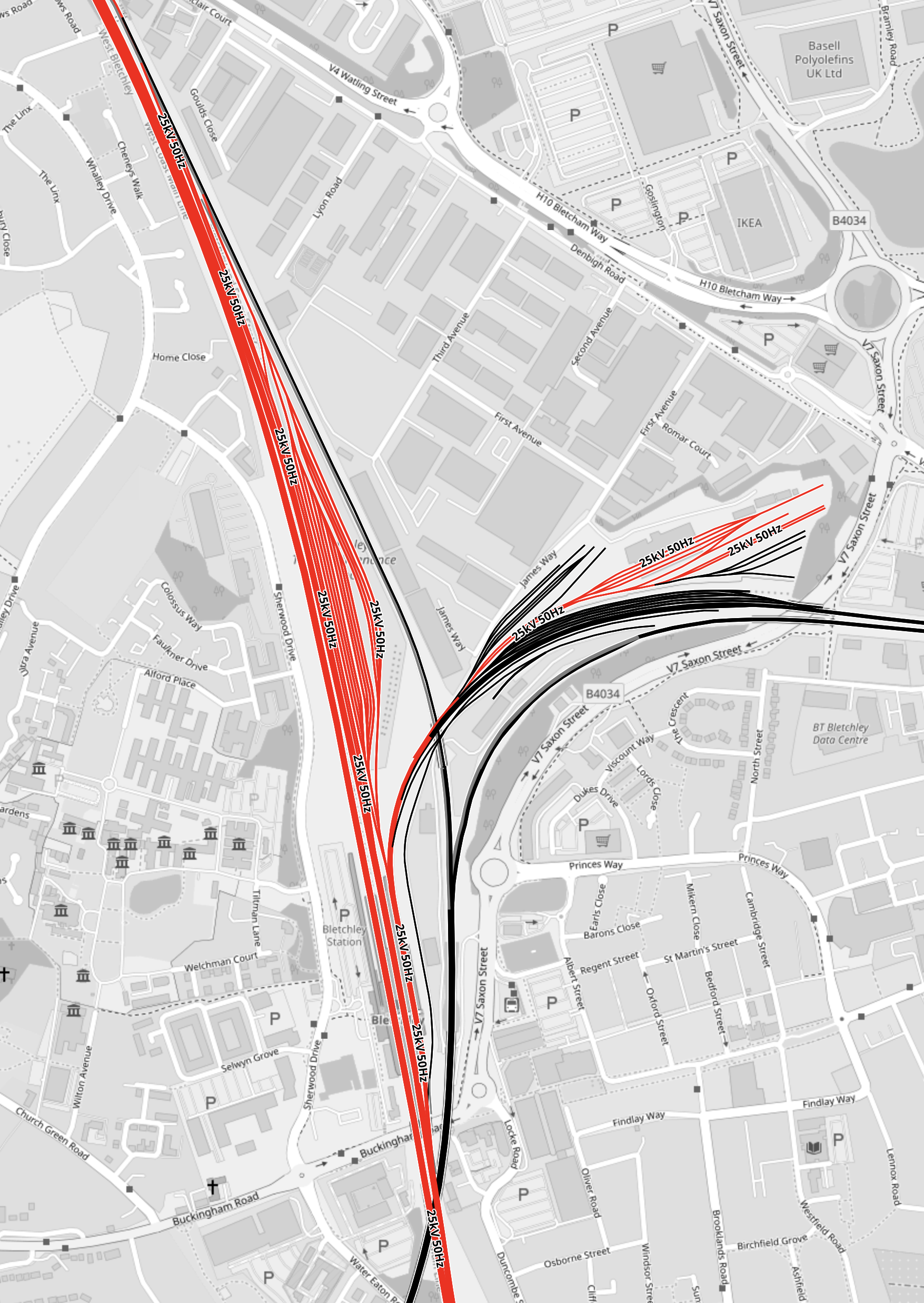
Note.
- Lines shown in red are electrified with 25 KVAC overhead wires.
- The wide swath of red going North is the West Coast Main Line.
- The smaller patch of red to the East of the West Coast Main Line are electrified sidings.
- All low-level platforms at Bletchley station are electrified.
- The viaduct platforms, are shown in black as they are not electrified.
- A non-electrified line leads North-West from the viaduct towards Milton Keynes Central.
- The Milton Keynes end of the line between Milton Keynes Central station and the viaduct is electrified.
- A non-electrified line leads North-East from the viaduct towards Fenny Stratford and Bedford.
The Google Map shows a 3D visualisation of Bletchley station.
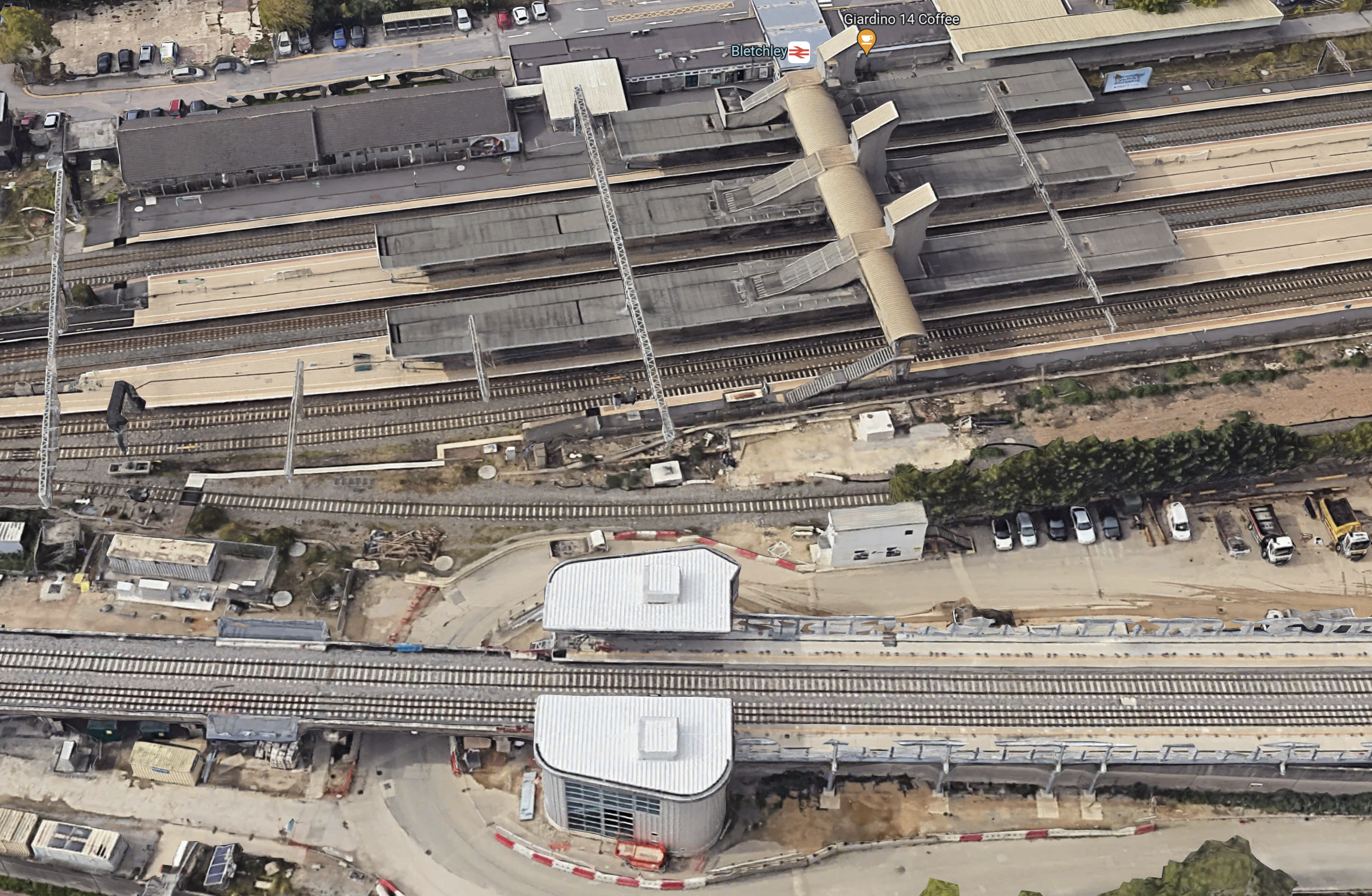
I can’t see much sign of any electrification.
Bedford Station
This OpenRailwayMap shows the platforms and the electrification around Bedford station.
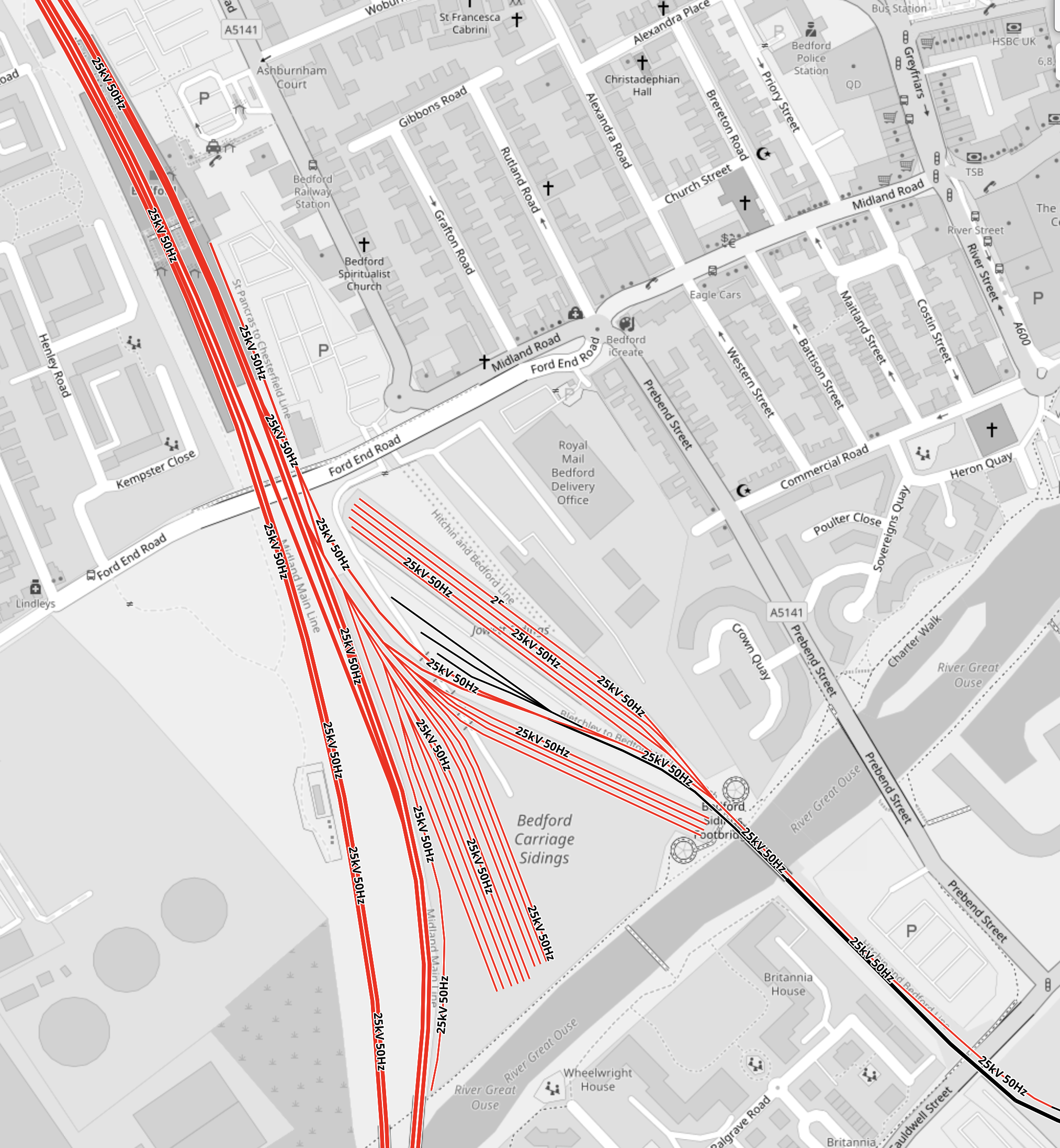
Note.
- All platforms at Bedford station are electrified.
- The lines to the West of the station are the electrified Midland Main Line.
- The Marston Vale Line services terminate in the short Platform 1A, which is the South-East corner of the station.
- The track into Platform 1A is electrified for about two hundred metres, through the sidings South of the station.
This picture shows the electrified track as it crosses over the river.
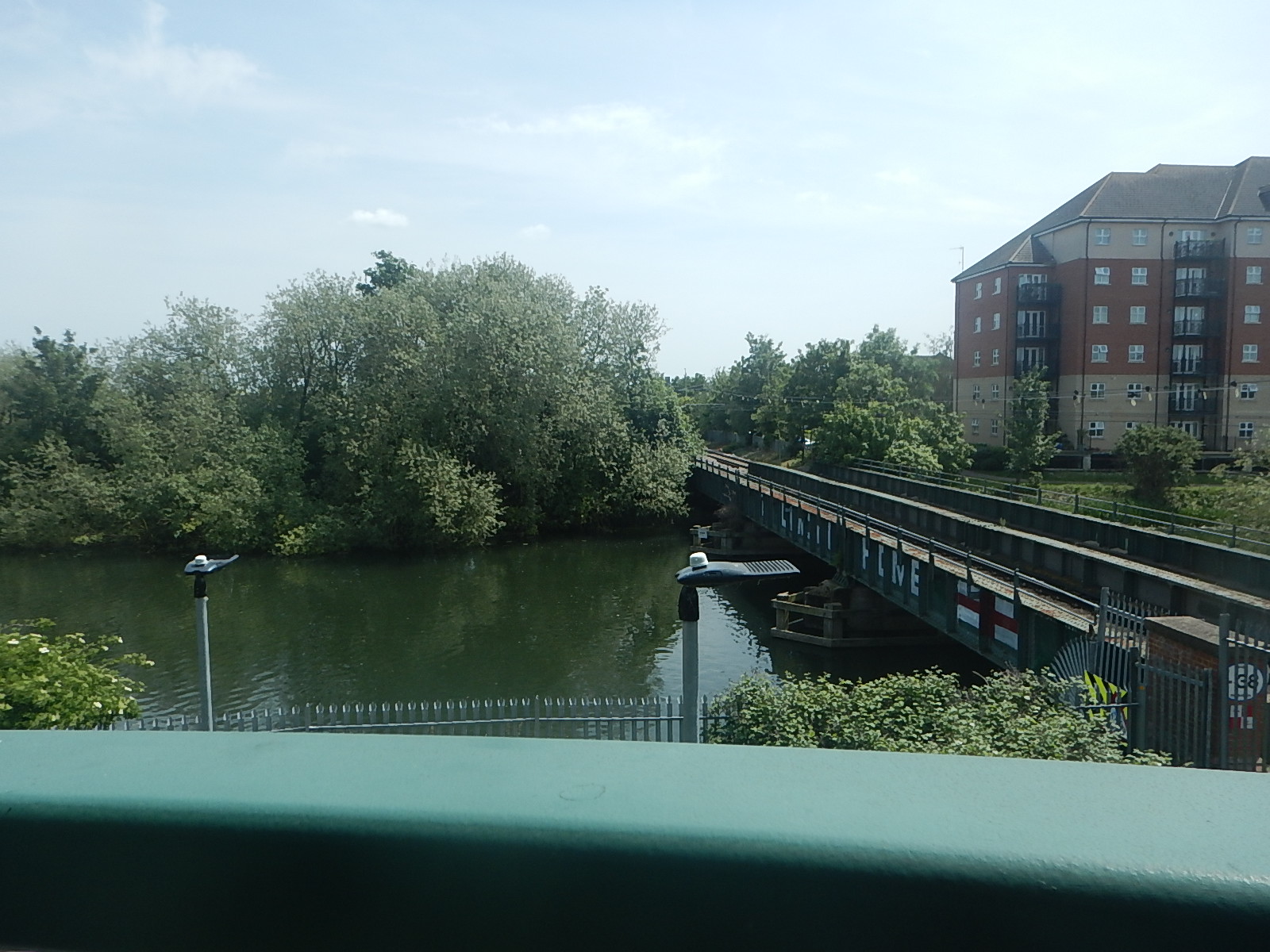
Could Platform 1A be ideal for handling and charging, battery-electric trains, that terminate in Bedford station?
It’s odd that there is the same platform layout at both ends of the Marston Vale Line.
Is it just a coincidence or does Engineer Baldrick have a cunning Plan?
Oxford Station
This OpenRailwayMap shows the platforms and the electrification around Oxford station.
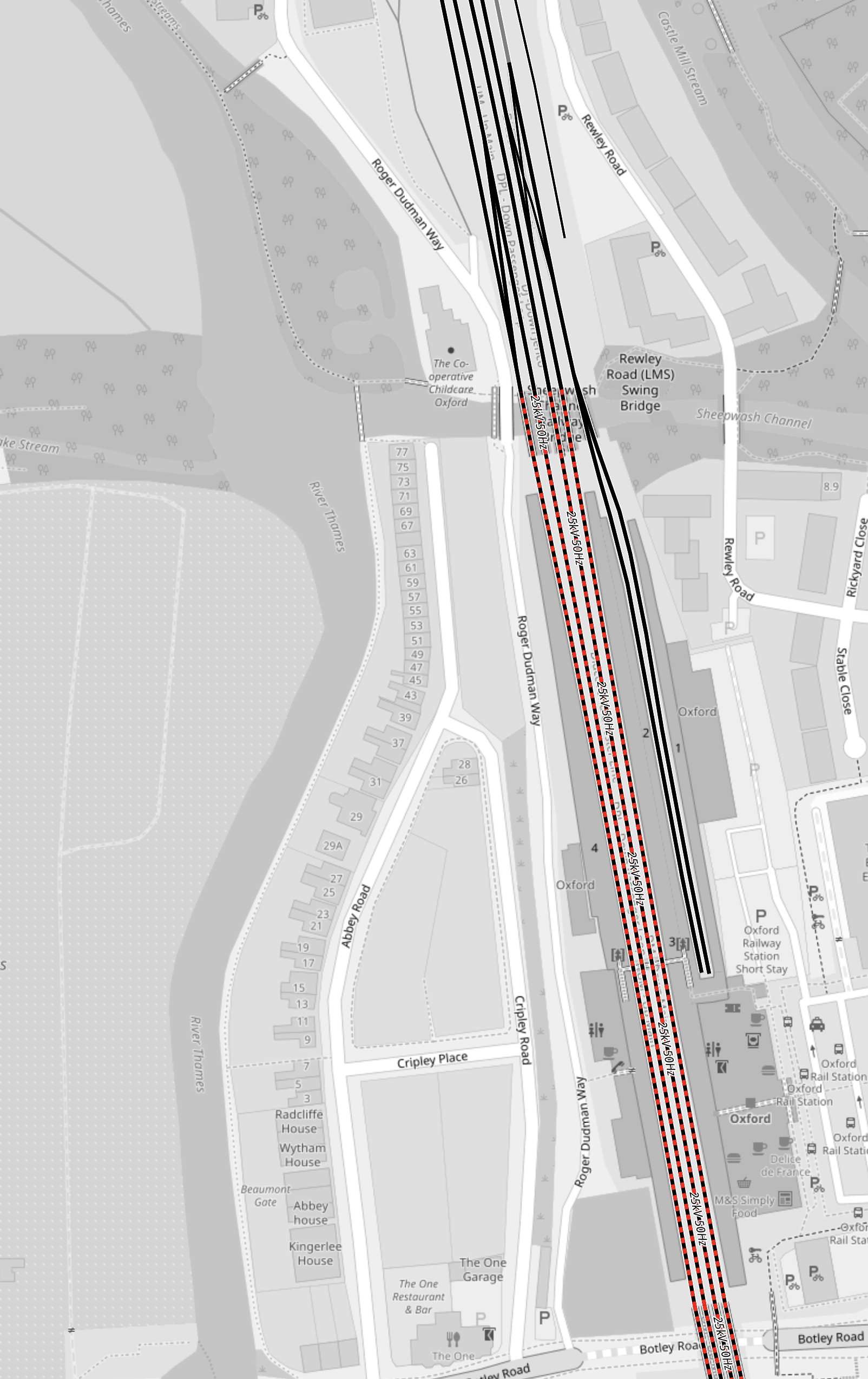
Note.
- The dotted red and black tracks, indicate electrification is planned.
- The planned electrification will connect Oxford station to Didcot Junction station.
- The two bay platforms at the North of the station are not electrified and Platform 2 is now used by Chiltern’s London services.
- Platform 1 could be used by trains on the East West Railway that terminate at Oxford.
When Oxford station is electrified, it wouldn’t be the largest project to add 25 KVAC overhead electrification to the two bay platforms.
Aylesbury Station
This OpenRailwayMap shows the platforms and the lack of electrification around Aylesbury station.
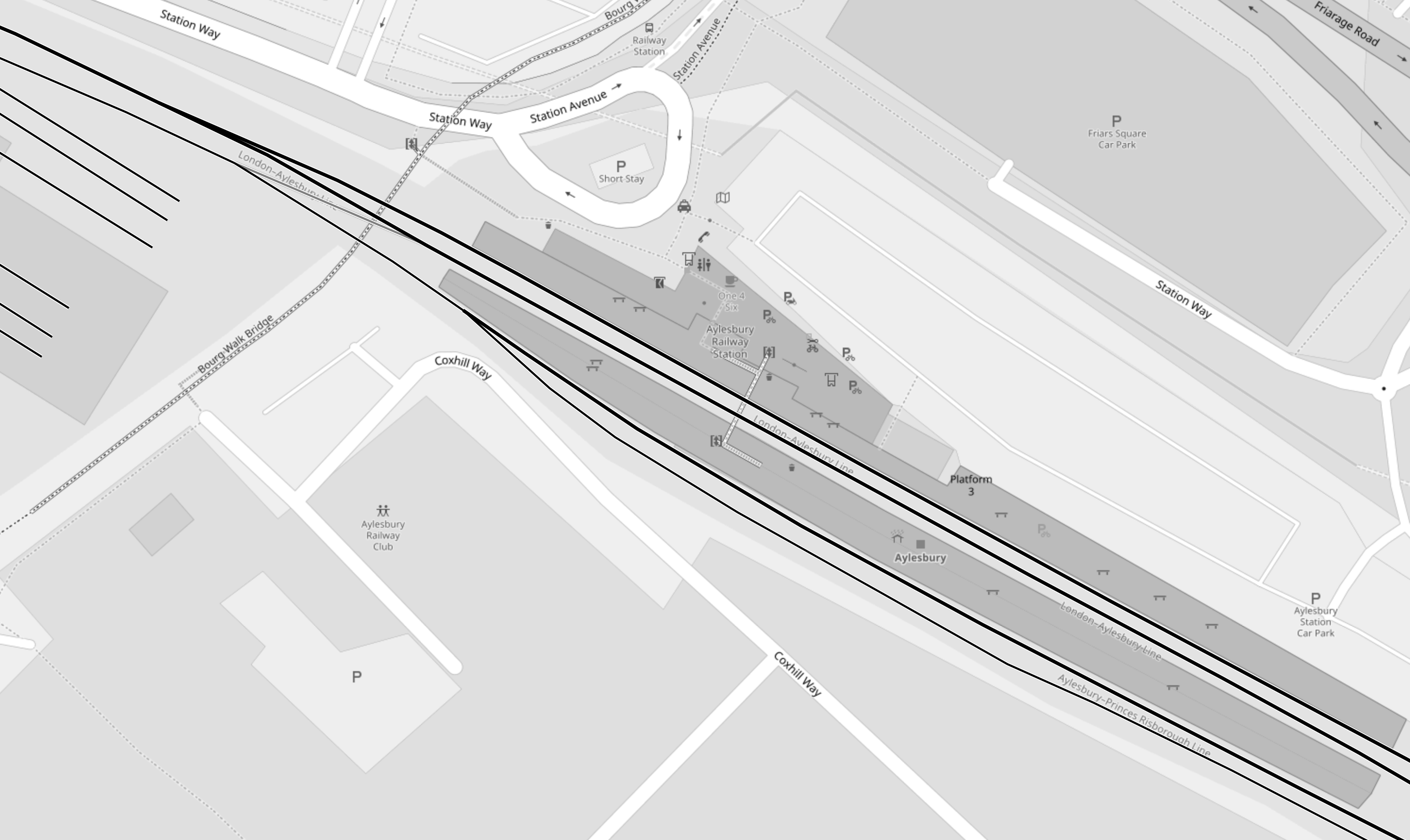
Note.
- No tracks are electrified.
- Platforms are numbered 3, 2, 1 from the top, so 2 and 3 are paired in the middle.
- All freight trains go through Platform 2 and most seem to go via Princes Risborough and High Wycombe.
- Chiltern services use Platforms 1 and 3.
Putting a charging system in Aylesbury station could be tricky.
I wonder if the simplest system for East West Railway would be to electrify between Aylesbury and Aylesbury Vale Parkway stations.
Chiltern Railway’s time between the two stations is as much as seven minutes.
Some trains to Aylesbury take over twenty minutes to do the short journey to Aylesbury Vale Parkway and return, which is more than enough to fully-charge a battery-electric train.
You can even have Chiltern’s hourly Aylesbury Parkway service, sharing the same stretch of electrification with East West Railway’s Aylesbury service, as there is a loop, which creates double-track for some of the way.
It should be noted that between Marylebone and Aylesbury Vale Parkway stations is only 41.1 miles, so some battery-electric trains could do that with a full charge at one end.
East West Railway Distances
In Trains Needed For The East West Railway, I calculated some of these distances.
- Oxford and Bedford – 46.8 miles
- Oxford and Milton Keynes – 33.4 miles
- Aylesbury and Milton Keynes – 25.9 miles
With charging at both ends, all of these routes are possible using modern battery-electric trains, where even a Class 777 IPEMU, designed for extending Merseyrail’s suburban network has done 84 miles on one charge.
On To Cambridge
In this document on the East-West Rail Consortium web site, these services are suggested, for when the East West Railway is complete.
- An hourly train via Norwich terminating at Great Yarmouth.
- An hourly train via Ipswich terminating at Manningtree.
These are distances on these routes that are not electrified, that are to the East of Cambridge.
- Ely and Norwich – 53.7 miles
- Norwich and Great Yarmouth – 18.3 miles
- Cambridge and Haughley Junction – 40.3 miles
Note.
- The Manningtree service would be able to charge its batteries after passing Haughley junction going East and it would be nearly an hour before it needed to use the battery for traction.
- If the Yarmouth service could handle the full route on batteries, then it could return to Cambridge with an efficient charger at Great Yarmouth, which for 25 KVAC overhead electrification trains is an off the shelf item.
- But it does look to me that the trains must leave Cambridge with full batteries, so they can reach electrification at Bedford, Haughley or Norwich.
This map shows the route of the East West Railway between Bedford and Cambridge.
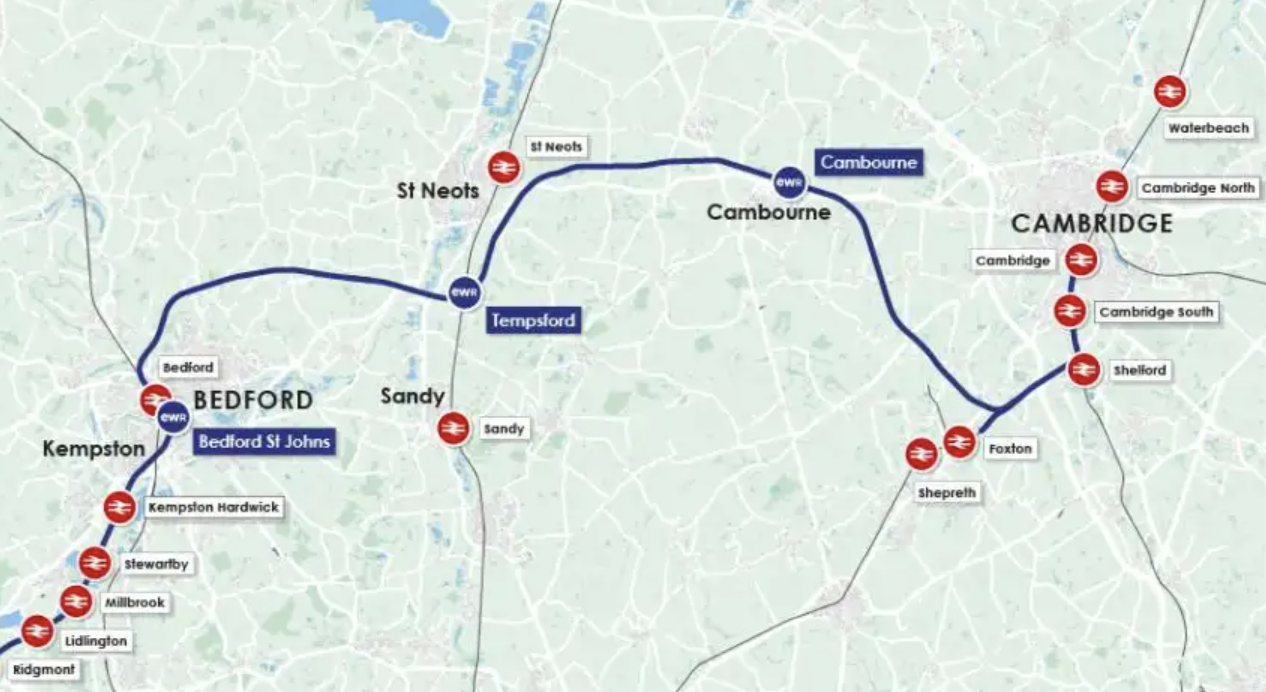
Note.
- Bedford is on the electrified Midland Main Line to London.
- Tempsford is on the electrified East Coast Main Line to London.
- Cambridge has two electrified main lines to London.
- These connections should ensure a good power supply to the East of Bedford for electrification.
I suspect the easiest option will be to add some more electrification at one or more of these places.
- At the Eastern end of the Bedford and Cambridge section.
- To the West of Haughley junction, when it is rebuilt.
- To the North of Ely, when the railways in that area are improved.
Although, as it will be a new route, it might be best to build Bedford and Cambridge as an electrified railway.
 The Anonymous Widower