So Many Cases On A Train!
This afternoon about three, I went to West Ealing station to see what it was like to transfer between the Elizabeth Line Central Tunnel and the Western Branch at Paddington.
Coming back, I took an Elizabeth Line service that had started from Heathrow Airport and it was one of the busiest Lizzies, I’d ever ridden!
To get on the train at West Ealing station, I got in to probably coach 4 of 9, as that was in the dry and the back end of the train I needed for Moorgate station was certainly in the wet.
I then had to walk half the length of the train to get to the back of the train.
It was not easy, as the train was full of scores of passengers with large wheelie cases.
This got me thinking.
Are Passengers Transferring To The Lizzie Line?
And especially those with large cases. that are the sort you could use for bringing in a pair of folded-up contortionists.
- These cases don’t fit well on the Piccadilly Line, which has only a few step-free stations.
- From what I’ve seen cases are easily wheeled to Elizabeth Line platforms at Heathrow.
- Many of these cases won’t fit in the average family car.
- All parking is expensive at Heathrow, whether it is short, medium or long.
- Valet parking at Heathrow has been devalued by all the scam artists.
- Taxis are the province of those that own oil wells, hedge funds or belong to the highest wunch of bankers.
- Pick-up and drop-off is now very expensive.
- There were a good proportion of couples, who were both dragging or pushing a massive case.
- The Elizabeth Line is cheaper than the Heathrow Express.
- The Elizabeth Line like the Piccadilly Line allows the use of a bank card as a ticket.
- Only the Elizabeth and Piccadilly Lines take you direct to dozens of stations with only same-platform interchanges.
- The Elizabeth Line has step-free interchanges with the Bakerloo, Circle, District, Hammersmith and City, Jubilee, and Metropolitan Lines, the Docklands Light Railway and the London Overground.
- Whitechapel has been turned into a major transport hub for the Easternmost part of London.
There seems to be quite a few reasons why a traveller going to or from Heathrow might at least try the Elizabeth Line.
And travellers seemed to be doing it in droves today!
Were Upmarket Passengers Using The Lizzie Line?
Take the couple next to me on the train from West Ealing.
- Around sixty.
- Very well-dressed.
- Possibly Mediterranean or South American.
- Matching medium-size wheelie-cases.
- She was wearing expensive glasses.
A couple of years ago, they would have probably used the Heathrow Express.
They certainly weren’t the only passengers, who looked like archetypal Heathrow Express passengers.
Will The Lizzie Line Take Passengers From The Piccadilly Line?
As the cost will be the same, I suspect the answer will be yes.
Although, there will be groups of travellers, who will probably remain loyal to the Piccadilly Line.
- If you were going to or from the step-free Cockfosters or Oakwood, with a heavy case, all the way on the Piccadilly Line could be a simple sensible option. I used to live near Oakwood station and remember several long trips on the Piccadilly Line, but not too Heathrow.
- The step-free Kings Cross St. Pancras, Green Park, Knightsbridge and Earls Court may well have reasons to keep their regular passengers.
- Those only travelling a few stops to or from Heathrow will probably stay with the Piccadilly Line for convenience.
- Transport for London have been adding step-free access to the Heathrow Branch and this will surely promote use.
The Piccadilly Line is also getting new trains in a few years.
In Extending The Elizabeth Line – Piccadilly Line To Ealing Broadway, I talked about a proposal to turnback some Piccadilly Line trains at Ealing Broadway station.
I think it is a good idea, as it could make it simpler for Piccadilly Line passengers to access Heathrow and reduce congestion on the Piccadilly Line.
Will The Lizzie Line Take Passengers From The Heathrow Express?
This is an extract from Extending The Elizabeth Line – Piccadilly Line To Ealing Broadway
It will be difficult to predict what will happen to Heathrow Express, but I suspect several groups of passengers will desert it.
- Passengers wanting to go anywhere East of Paddington without changing trains.
- Passengers wanting any Elizabeth Line station.
- Passengers, who don’t like the prices of Heathrow Express.
- Passengers using Oyster or contactless cards.
- Passengers who want to ride on London’s spectacular new Elizabeth Line.
After Old Oak Common station is opened for High Speed Two, the numbers could further decrease.
Will Heathrow Express survive?
Will The Lizzie Line Attract Passengers Who Usually Drive?
Large swathes of the country already have single-change step-free access to the Elizabeth Line.
- All services out of Liverpool Street and/or Stratford.
- All services out of Moorgate.
- All Thameslink services through Farringdon.
- All services out of Paddington.
- All services through Abbey Wood.
- When Crossrail to Ebbsfleet (C2E) opens, this will add all services through Gravesend and Ebbsfleet.
- When High Speed Two opens, this will add all services through Old Oak Common.
- When the Western Rail Approach To Heathrow is completed, this will add all services through Reading.
If you can get a train direct to the Elizabeth Line network and then a train direct to your terminal, would you seriously want all the hassle of parking after a two hour drive?
I can see parking at Heathrow suffering a severe lack of demand.
Conclusion
Lizzie will start a revolution in travel to and from Heathrow.
Moorgate To Grosvenor Square On The Elizabeth Line
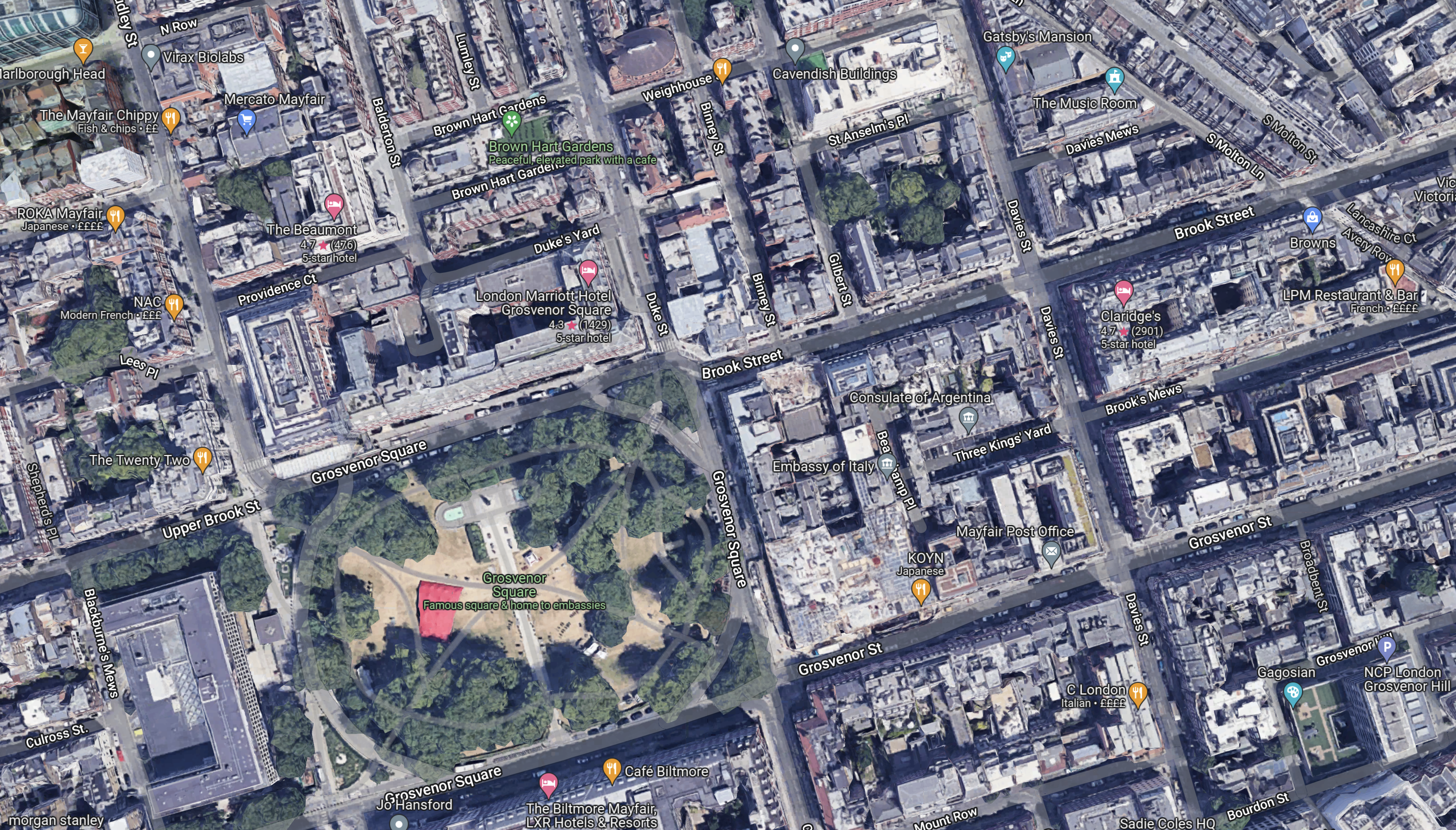
The Grosvenor Square area of Central London is shown by this Google Map.
Note.
- Grosvenor Square is the green square in the middle of the map, with the former US Embassy at its Western end.
- A block to the East of Grosvenor Square is Davies Street, which runs North-South to and from Oxford Street.
- It is mainly an area of expensive houses, some offices, embassies and luxury hotels.
- There are at least half-a-dozen four or five-star hotels on this map, with the former US Embassy being converted to another.
- So as most of its residents and visitors are well-heeled, there has generally been little need for public transport.
- But on the other hand luxury hotels, expensive houses and embassies are large employers of staff and services.
So do many travelling to the area, have to use a taxi or walk from public transport on Oxford Street or Park Lane?
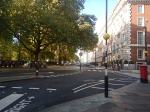
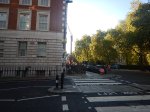
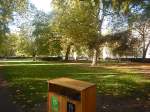
At the top of this map, just on the West side of Davies Street is a building site, which is labelled Cavendish Buildings. This building site is now the Western or Davies Street Entrance to the Elizabeth Line at Bond Street station.
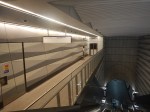
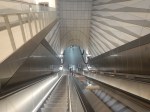
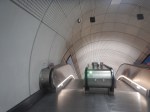
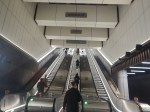
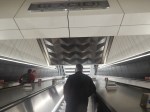
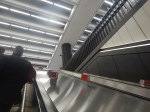
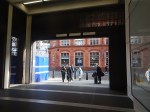
This morning I took an Elizabeth Line train between Moorgate and Davies Street and then walked to Grosvenor Square,




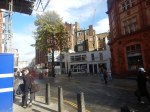
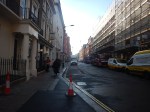
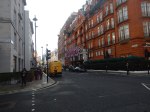
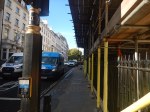


Note.
- There are two triple escalators and a lift at Moorgate station.
- Travel in the front of the train to be positioned correctly for a quick exit.
- There are two triple escalators and a lift at the Davies Street entrance to Bond Street station.
It took me twenty-two minutes for the whole journey.
Will The Elizabeth Line Have Any Effects On The Grosvenor Square Area?
This is a difficult question to answer, but I’m sure that there will be changes.
Staff Will Have An Easier Journey To And From Work
The manager of a luxury hotel in London told me that good staff is a problem, especially, where public transport is not good.
So I do feel that the new Bond Street station will widen the pool of employment for staff commuting to the area.
I would certainly feel, that if your hotel, restaurant or club was within walking distance of an Elizabeth Line, you might well find, that the quality of your staff improves.
Will Light Cargo And Services Use The Elizabeth Line?
Some years ago, I had handrails fitted by a company from Sheffield. The salesman/designer came by train and walking and only for the fitting did the company use a vehicle.
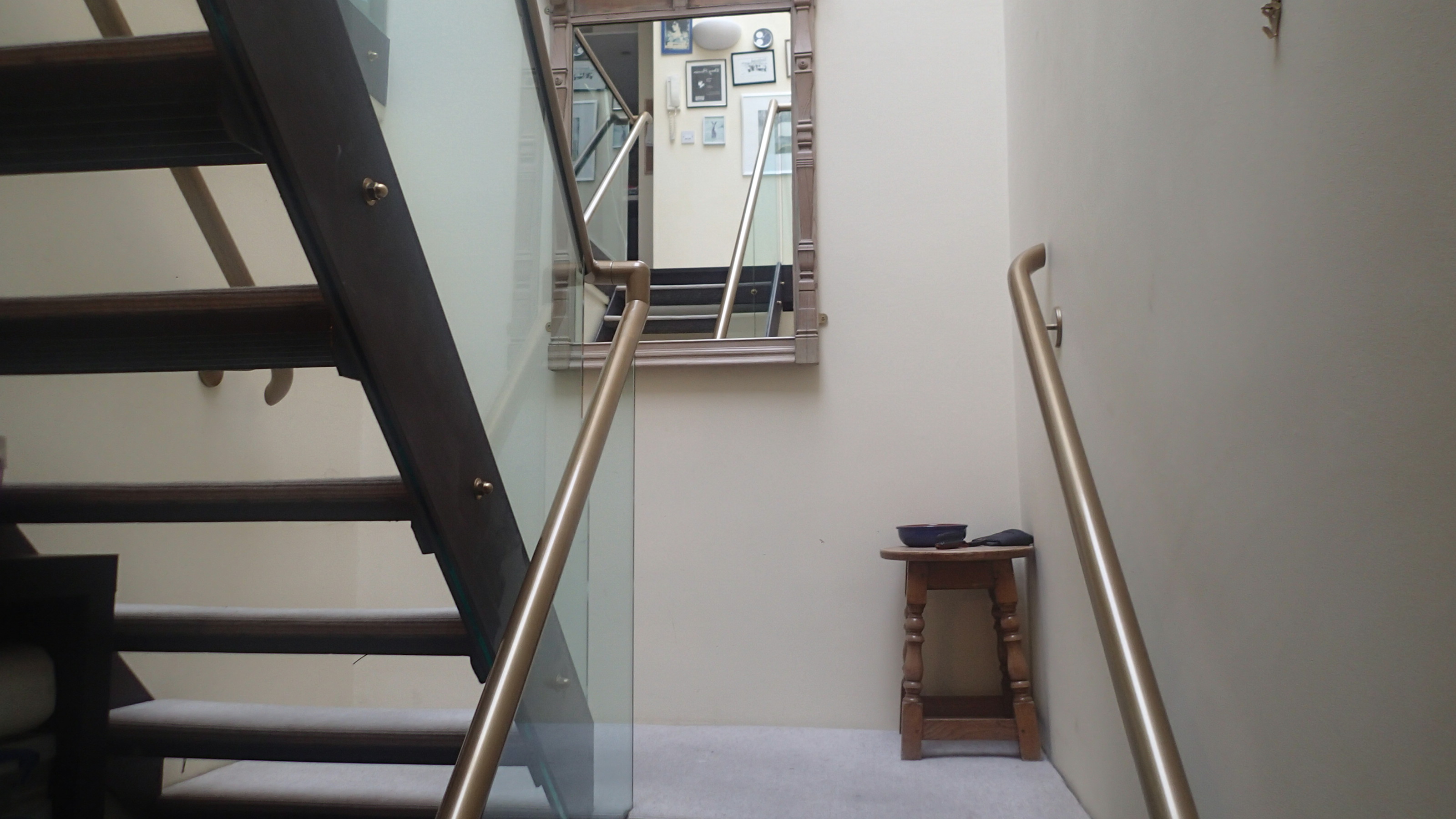
It was certainly a job done well and efficiently.
I can see all sorts of goods moved into Central London, using the step-free and level features of the Elizabeth Line.
If the other Underground lines had improved step-free access, there would be more opportunities for improved services for Central London businesses.
The Hotels In The Grosvenor Square Area Now Have A Fast Comfortable Connection To The City And Canary Wharf
Since the Jubilee Line to Canary Wharf station opened in the last years of the last century, there has been a reasonably fast Underground service to between Bond Street station, various stations in the City of London and Canary Wharf station.
But the Elizabeth Line brings this link to a much higher level.
- It is faster.
- It has much more comfortable trains.
- Access to trains is step-free and with level access.
- Soon, the trains will have wi-fi and 4G signals.
- The trains connect to Heathrow Airport and with a simple change to City, Stansted and Gatwick Airports.
I suspect that hotels on the Elizabeth Line will see an increase in business.
Conclusion
The Elizabeth Line is going to change London more than anyone would think.
Bond Street station will improve the Grosvenor Square area.
What will your local Elizabeth Line station, do for your area?
Elizabeth Line Bond Street Station And South Molton Street
South Molton Street is one of my favourite streets in London.
- It runs between Bond Street station on Oxford Street in the North and Fenwick’s department store on New Bond Street in the South.
- Many times, I bought my late wife; C’s Christmas or birthday present on that street, on New Bond Street or in Fenwick.
- One of her last purchases had been an Armani suit for work on New Bond Street.
- She also usually bought her shoes in Salvatore Ferragamo at the Southern end of New Bond Street.
- I would usually travel there by taking the Central Line to Bond Street station or the Victoria or Piccadilly Line to Green Park station.
C and I spent many hours happily shopping in that small area of the West End of London.
- We used to shop together for clothes, shoes and many other things.
- One day at a party in her barristers chambers in Cambridge, one of her colleagues expressed surprise that the following day, I was going clothes shopping with her in London.
- C replied to everyone’s amusement, that I was a transvestite-by-proxy. In other words, I am a man, who likes dressing ladies in appropriate clothes.
- I am also lucky, that my mother taught me to sew and in the early years of our marriage, I used to borrow my mother-in-law’s sewing machine and make some of C’s clothes.
- When long coats became fashionable in the 1960s, C had the first of any of her friends. Because I had made it!
So today, I just had to go and see how the new Elizabeth Line Bond Street station fitted in with my favourite shopping street.
I travelled to the new Davies Street entrance of the station.
- I walked through the tunnels to the original Underground station.
- I emerged onto Oxford Street.
- I walked down South Molton Street to Fenwick, with a couple of diversions.
- I then walked through Medici Courtyard to the Hanover Square entrance to Bond Street station.
Finally, I took the Elizabeth Line back to Moorgate for a bus to my house.
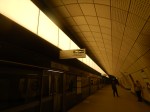
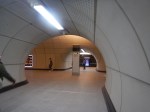
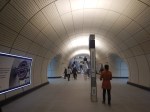

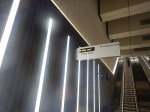

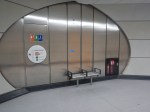
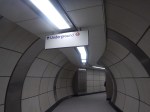
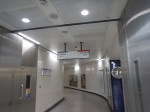
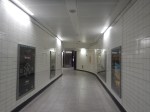
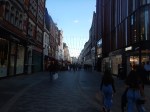
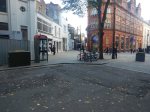
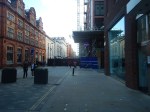
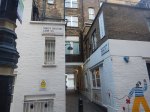


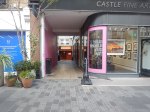
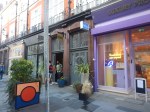
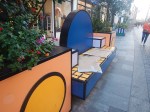
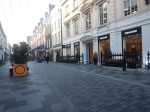
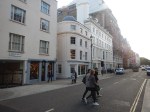
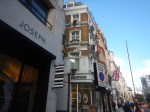



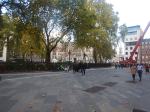
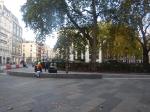
Note.
- There are two banks of escalators to the surface at the Davies Street entrance at Bond Street station.
- The tunnel between the Davies Street entrance at Bond Street station and the original Underground station has a seat at halfway.
- South Molton Street connects to Oxford Street.
- South Molton Passage connects the Davies Street entrance at Bond Street station and South Molton Street.
- C had her unusual wedding dress made in Haunch of Venison Yard.
- The Medici Courtyard sign also says it leads to the Elizabeth Line.
- I couldn’t find a coffee shop selling a cappuccino and a gluten-free cake in Medici Courtyard. That is poor!
One of the station staff at Hanover Square indicated, that there may be additional passages to the West of New Bond Street, that will connect to the Davies Street entrance at Bond Street station.
I feel this could make the area even better.
The Whitechapel Shortcut
Note that this post is unfinished.
When the East London Line of the London Overground opened just over a decade ago, the interchange with the District and Hammersmith and City Lines at Whitechapel station was not one of the best.
- There were no lifts.
- The stairs were too narrow and inadequate for the number of passengers using the interchange.
- Adding extra Overground trains to Clapham Junction station didn’t help.
If the Elizabeth Line had been added without extra work, the station’s passageways and stairs would have jammed solid.
- But improvements were added, when the station was expanded to handle the Elizabeth Line.
- A wide interchange plaza was created between the Eastern ends of the District and Hammersmith and City Line platforms.
- A double-width spiral staircase was installed between the Eastern end of the interchange plaza and the Southbound East London Line of the Overground.
- A convenient lift was installed alongside the spiral staircase.
- The original staircases to and from the Northbound East London Line of the Overground were updated and augmented by a lift.
- Passengers entering or leaving the station, were given alternative routes to avoid the interchange plaza.
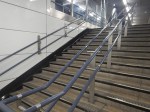
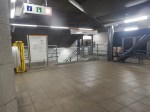
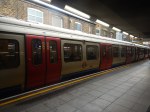
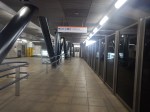
These pictures show the interchange plaza and the various lifts and staircases.
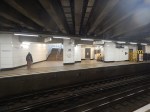
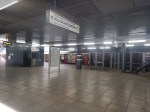
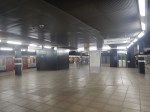




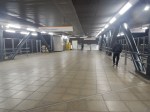
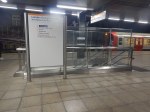
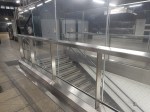
Note.
- The spiral stairs and the lift at the Eastern end of the plaza.
- The Eastern ends of the District and Hammersmith and City Line trains connect directly with the plaza.
It seems to be working well, since the opening of the Elizabeth Line.
Using The Whitechapel Shortcut
There are eight ways to change between the District and Hammersmith and City Lines and the Overground at Whitechapel station.
Southbound Overground To Westbound District And Hammersmith and City Lines
Today, I travelled between Haggerston and Moorgate stations, which I wrote about in From Haggerston To Moorgate.
I could have changed at Whitechapel station for the brand-new Elizabeth Line, but this would have meant a long walk to get to the Moorgate end of Liverpool Street station.
So I did this.
- I got in the front carriage of the Overground train at Haggerston station, which was conveniently by the lift at the station.
- This meant that on exiting the train, I was by the lift to the interchange plaza at Whitechapel station.
- The lift took me up a level to the District and Hammersmith and City Line platforms.
- I got in the rear carriage of a Hammersmith and City Line train to Moorgate station.
- This positioned me by the lift to the exit at Moorgate station.
I would be surprised if I walked much more than sixty metres between the two station entrances, as against the road distance of around two-and-a-half miles.
Southbound Overground To Eastbound District And Hammersmith and City Lines
This is very similar to the previous section except that you take the District And Hammersmith and City Line trains from the opposite platform.
Northbound Overground To Westbound District And Hammersmith and City Lines
There are two staircases and two lifts between the Northbound Overground and the interchange plaza.
Choose your stairs or lift and then take the Westbound District and Hammersmith and City Line.
Northbound Overground To Eastbound District And Hammersmith and City Lines
This is very similar to the previous section except that you take the District And Hammersmith and City Line trains from the opposite platform.
Westbound District And Hammersmith and City Lines To Southbound Overground
Eastbound District And Hammersmith and City Lines To Southbound Overground
Walk to the interchange plaza and choose the spiral stairs or lift.
Westbound District And Hammersmith and City Lines To Northbound Overground
Eastbound District And Hammersmith and City Lines To Northbound Overground
Walk to the interchange plaza and choose your stairs or lift.
Conclusion
It’s all very quick and painless.
From Haggerston To Moorgate
I did this journey this morning and I described it in detail in The Whitechapel Shortcut.
It may seem obvious to take the Overground to Whitechapel and then take the Elizabeth Line to Liverpool Street and come out on Moorgate.
But that route means a long walk at either Whitechapel or Moorgate to get to the right end of the train.
So I took a Hammersmith and City Line train, which was slower, but involved much less walking.
Improving The Wood Green And Moorgate Public Transport Corridor
This morning I went for coffee with an old school friend from Minchenden Grammar School at Southgate station.
Southgate is not a bad place to meet someone.
- There are a couple of good coffee shops.
- There are plenty of buses.
- It has a couple of the better chain restaurants including a Pizza Express.
- The area also has a lot of memories for me.
It also has one of London’s most iconic Underground stations.
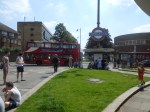

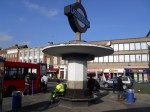
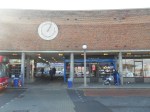

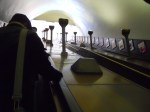
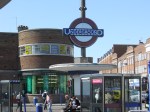
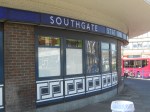
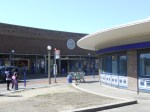
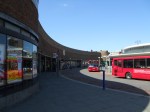
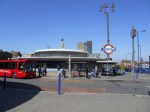
It may look familiar, as it regularly crops up in film and television dramas.
- One station guy told me, that the ticket barriers have been designed to be easy to remove, so filming of an historic drama is possible.
- It was used in The End Of The Affair to portray a Central London station.
- As the escalators have the same bronze fittings as Moscow, they could be used in a story set in Russia.
As the Piccadilly Line doesn’t go anywhere near my house, to get to Southgate, I take a 141 bus to and from a convenient Piccadilly Line station.
- Going North, I changed at Manor House station.
- Coming South, I changed at Turnpike Lane station.
- I could have also have changed at Wood Green station.
The journey home had four major problems.
- The bus stop at Turnpike Lane station, is a few hundred yards from the station.
- I waited fifteen minutes for a 141 bus.
- When it did arrive, it was so packed, it didn’t have space for a miniature dachshund to squeeze in between the feet of the standing passengers.
- The traffic was very heavy, so the journey was slow.
How can this bus route cope in the Peak, if it can’t cope on a Sunday morning?
Various issues and actions and will make these capacity issues worse.
The Victoria Line Has No Direct Connection With The Elizabeth Line
In my view, this was a mistake, although not that serious, as the young or energetic can probably walk between Oxford Circus and the Hanover Square entrance to Bond Street station on the Elizabeth Line.
Will this connection develop with coffee and snack shops to ease passenger interchanges?
When and if Oxford Circus station is ever made step-free, I can imagine a tunnel, perhaps with a moving walkway being built between Oxford Circus station and he Hanover Square entrance to Bond Street station.
There is also the cross-platform interchange at Highbury & Islington station with the Northern City Line that links with Moorgate and the City of London.
The Piccadilly Line Has No Direct Connection With The Elizabeth Line
To get between the Northern stations on the Piccadilly Line and the Elizabeth Line is either a double-change at Finsbury Park and Highbury & Islington stations or a ride on the 141 bus.
I wrote about these issues in Extending The Elizabeth Line – Improving The Northern City Line.
The Elizabeth Line Will Attract Travellers To Moorgate
I notice that my own travelling patterns have changed from using the Central, Circle, District, Hammersmith & City and Metropolitan Lines to using the Elizabeth Line since it opened and I suspect, when the Elizabeth Line is fully joined up, that more passengers will travel to Moorgate to access the Elizabeth Line.
Transport for London and the Mayor Are Rerouting The 21 Bus
The 21 bus duplicates the 141 bus between Newington Green and Moorgate station.
But it is being rerouted next year, which will increase the loading on the 141 bus.
The 141 Bus Used To Be The 641 Trolleybus
When I was a child, London’s trolleybus network was extensive and to get between Wood Green and Moorgate, you would have used the 641 trolleybus.
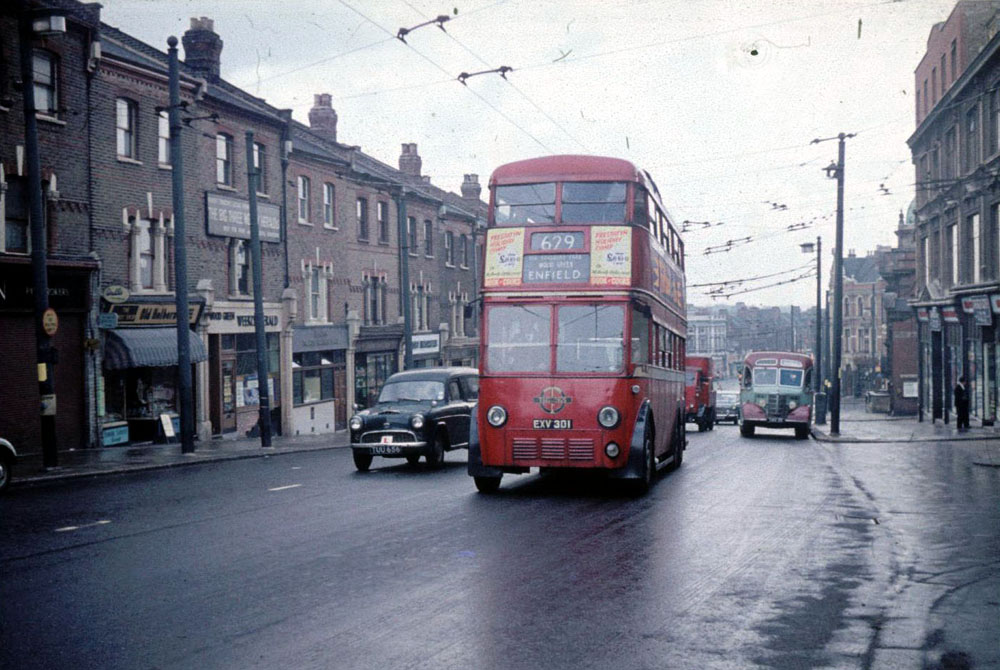
Trolleybus Ascending Jolly Butchers Hill in Wood Green
Many like me, look back on trolleybuses with affection.
Does this historical connection encourage passengers to use the 141 bus, which is the 641 trolleybus’s successor on the route?
My parents certainly had lots of trolleybus stories.
So What Could Be Done?
There are a variety of actions that could be taken to strengthen public transport between Moorgate and Wood Green stations.
Improve The 141 Bus Route
In Does London Need High Capacity Bus Routes To Extend Crossrail?, I put forward ideas for using buses to link to the Elizabeth Line.
This was my suggestion.
I suspect any route seen as an extension of Crossrail needs to have the following characteristics.
- High frequency of perhaps a bus every ten minutes.
- Interior finish on a par with the Class 345 trains.
- Wi-fi and phone charging.
I would also hope the buses were carbon-free. Given that some of these routes could be quite long, I would suspect hydrogen with its longer range could be better.
I feel that a high-quality 141 bus running every ten minutes between London Bridge station and Palmers Green, would be just what the passengers would order.
- Palmers Green bus garage is at the Northern end of the route, so could be used for refuelling or recharging.
- London Bridge station is at the Southern end of the route and was designed with an efficient bus station.
- The 141 route connects London Bridge, Bank, Moorgate and Old Street stations in the City of London.
With the right buses, this could be a route with real quality and usefulness.
Increase The Frequency On The Northern City Line
The Northern City Line may have new Class 717 trains, but it still has a pathetic frequency of eight trains per hour (tph)
- I am sure it could be increased to at least 12 tph between Moorgate and Alexandra Palace stations.
- Something like six tph would go to Welwyn Garden City, four tph to Hertford East station and two to Stevenage.
- Large areas of the Northern suburbs would get a much better connection to the Elizabeth Line.
Once the digital signalling is installed and commissioned, no new infrastructure will be needed.
I am sure, that this would be the easiest way to improve public transport in North London.
Add Step-Free Access To As Many Stations As Possible
Moorgate, Finsbury Park, Oakwood and Cockfosters are step-free with lifts.
As many stations as budgetary constraints allow, should be made step-free.
Testing Of Digital Signalling To Close Northern City Line
The title of this post, is the same as that of this article on Rail Technology Magazine.
This first paragraph indicates what’s happening.
Any passengers travelling on the Northern City Line between Finsbury Park and Moorgate on Sunday 9th October are being asked to check before they travel due to testing.
I hope that when they’ve finished the testing, they will increase the number of trains on this important route.
Six Good Points Of The Elizabeth Line
The Ride Quality
I wrote about this in The Quality Of The Ride On The Lizzie Line.
The Virtual Extension Of The Elizabeth Line To Epping And South West Essex
I wrote about this in Elizabeth/Central Line Interchange At Stratford – 23rd June 2022.
The Quality Of The Station Staff
They are excellent and I suspect they’ve been very well-trained.
The Bakerloo Line Link At Paddington Station
I wrote about this in Elizabeth Line – Paddington Bakerloo Line Link – 24th May 2022.
The Connection Between The Northern And Lizzie Lines At Tottenham Court Road Station
Iwrote about this in The Connection Between The Northern And Lizzie Lines At Tottenham Court Road Station.
The Underground Link between Liverpool Street and Moorgate Stations
I wrote about this in London’s First Underground Roller Coaster.
I wrote about my first ride in Elizabeth Line – Riding The Underground Roller Coaster At Liverpool Street Station – 24th May 2022.
Extending The Elizabeth Line – Improving The Northern City Line
Some parts of North and North-East London, have less-than-good connections with the Elizabeth Line.
- The Piccadilly Line has no direct connection with the Elizabeth Line.
- The Victoria Line has no direct connection with the Elizabeth Line.
- The Bank branch of the Northern Line has only a poor connection with the Elizabeth Line at Moorgate station.
- The Northern City Line has only a poor connection with the Elizabeth Line at Moorgate station.
- The Charing Cross branch of the Northern Line has a good connection with the Elizabeth Line at Tottenham Court Road station.
- The Lea Valley Lines of the London Overground have good connections with the Elizabeth Line at Liverpool Street station.
- Thameslink has a good connection with the Elizabeth Line at Farringdon station.
It would appear that if you live near one of the Lea Valley Lines or Thameslink stations, you can access the Elizabeth Line fairly easily at Liverpool Street or Farringdon stations, but if you rely on a Northern, Northern City, Piccadilly or Victoria Line local station, you are not so lucky!
Could The Northern City Line Be Improved To Give Better Connections Between North London And The Elizabeth Line?
This map from cartometro.com shows the lines between Finsbury Park and Highbury & Islington stations.
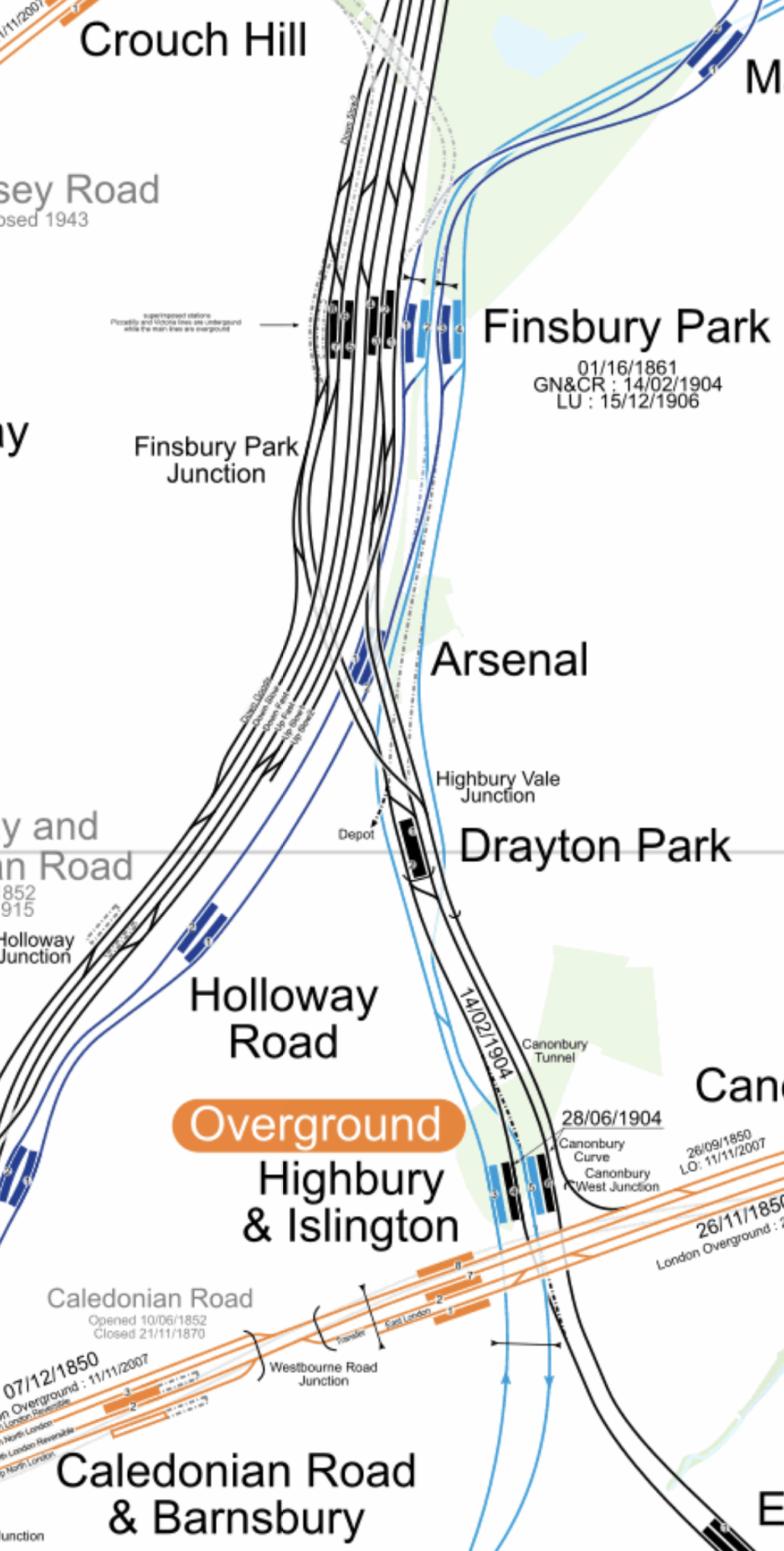
Note.
- The dark blue tracks are the Piccadilly Line, which calls at M (Manor House), Finsbury Park, Arsenal, Holloway Road and Caledonian Road, before going South-West to King’s Cross St. Pancras.
- The lighter blue tracks are the Victoria Line, which calls at Finsbury Park and Highbury & Islington, before going South-West to King’s Cross St. Pancras.
- The black tracks on the Western side of the map are those of the East Coast Main Line into King’s Cross.
- The black tracks going South-East from Finsbury Park are the Northern City Line, which calls at Finsbury Park, Drayton Park, Highbury & Islington, E (Essex Road) and Old Street before terminating at Moorgate.
This second map shows the lines through Finsbury Park station.
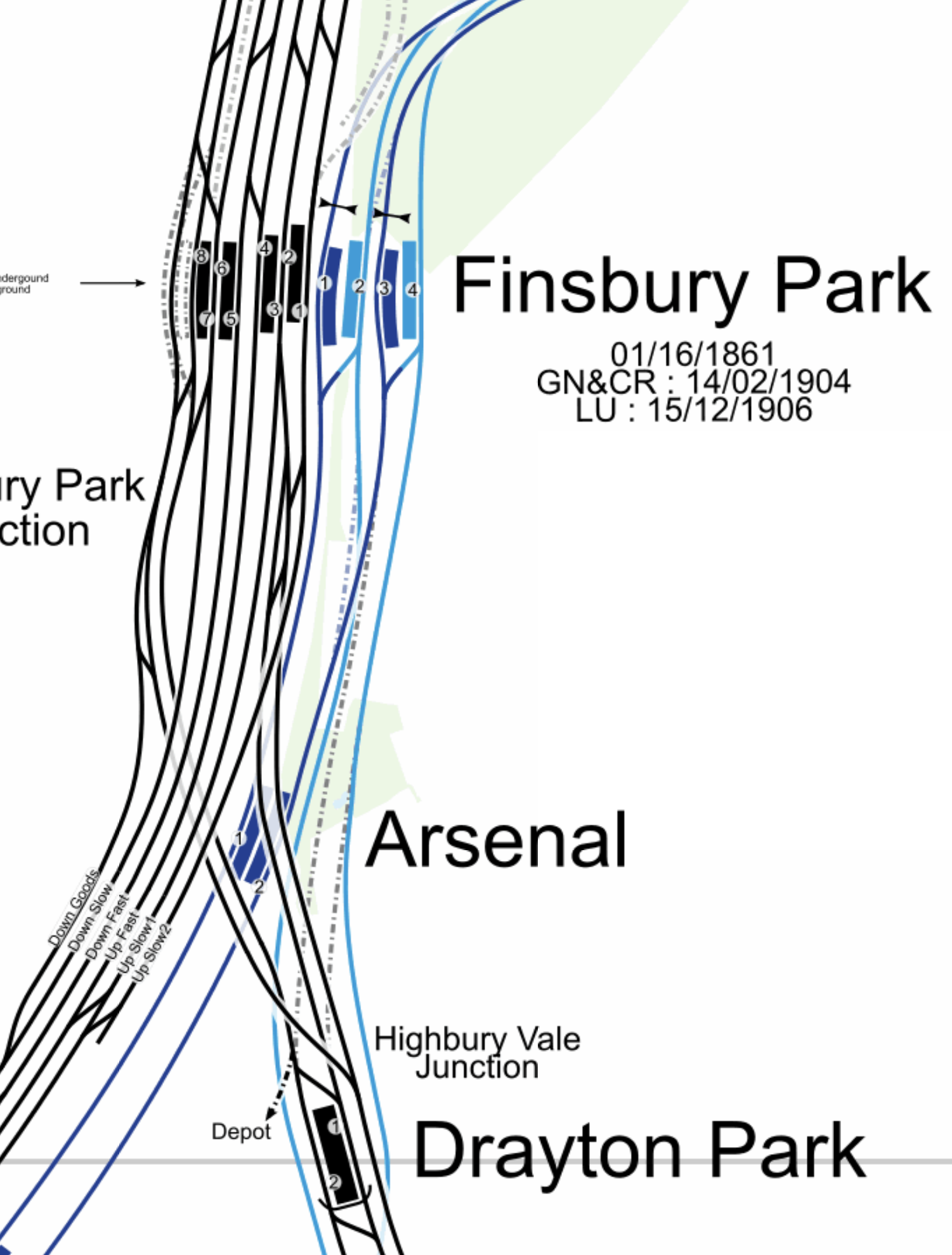
Note.
- The dark blue tracks are the Piccadilly Line.
- The lighter blue tracks are the Victoria Line.
- The black tracks going through Drayton Park station are the Northern City Line.
- The platforms of the Piccadilly and Victoria Lines are paired at Finsbury Park station, so that passengers can change lines with a simple walk-across.
This third map shows the lines through Highbury & Islington station.
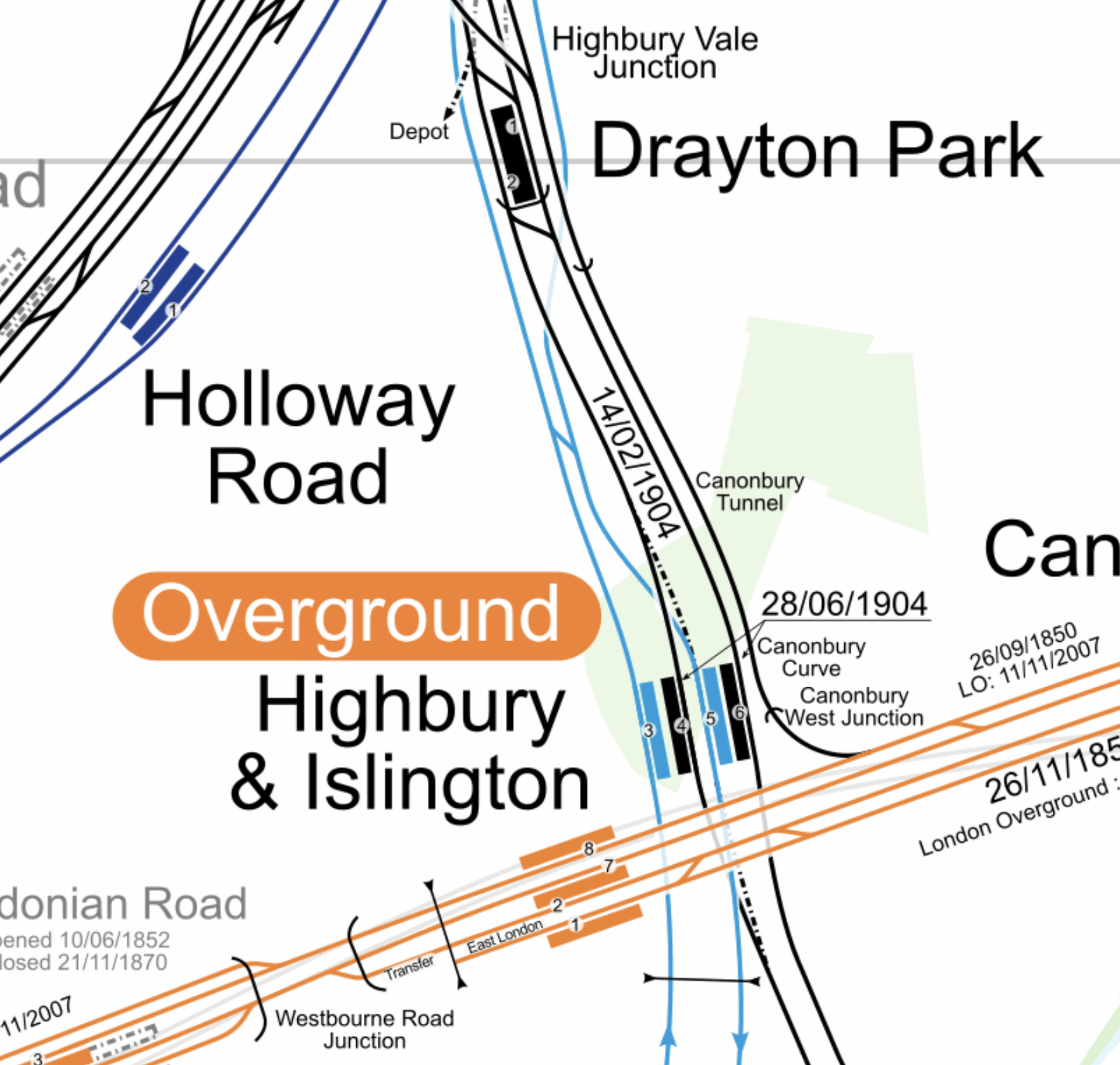
Note.
- The dark blue tracks are the Piccadilly Line.
- The lighter blue tracks are the Victoria Line.
- The orange tracks are the London Overground.
- The black tracks going through Drayton Park and Highbury & Islington stations are the Northern City Line, which terminates at Moorgate station.
- The platforms of the Northern City and Victoria Lines are paired at Highbury & Islington station, so that passengers can change lines with a simple walk-across.
The big problem with Highbury & Islington station is that is not step-free.
A Step-Free Route Between Wood Green And Moorgate Stations
Currently, it is possible to go between Wood Green and Moorgate stations by using three trains.
- Piccadilly Line – Wood Green to Finsbury Park – 6 mins
- Victoria Line – Finsbury Park to Highbury & Islington – 6 mins
- Northern City Line – Highbury & Islington to Moorgate – 10 mins
Note.
- These are actual times measured on my phone.
- The total time is twenty-two minutes.
- I had to wait a couple of minutes at both changes.
- Both changes are walk-across.
- The changes are not as perfect as they could be, although they would be easily managed with a buggy or a heavy case.
These pictures show the change at Highbury & Islington station.
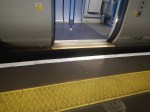
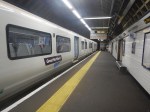
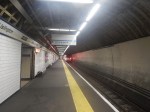
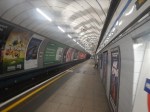
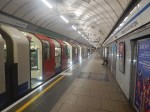
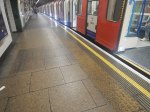
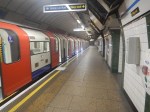
These pictures show the change at Finsbury Park station.

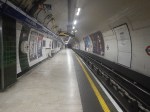
This route works for all stations Between Manor House and Cockfosters.
- Cockfosters – Add 15 minutes
- Oakwood – Add 12 minutes
- Southgate – Add 9 minutes
- Arnos Grove – Add 6 minutes
- Bounds Green – Add 3 minutes
- Turnpike Lane – Subtract 2 minutes
- Manor House – Subtract 5 minutes
But look at the frequencies of the three sections in trains per hour (tph)
- Piccadilly Line – 21 tph
- Victoria Line – 33 tph
- Northern City Line – 4 tph
The Northern City Line frequency is not high enough, as you could have a fifteen minute wait for a train.
Improvements Needed To The Northern City Line
The Northern City Line now has new Class 717 trains, a terminal platform at Stevenage and full digital signalling is being installed.
- The major improvement needed would be to improve frequency to at least 12 tph.
- Six tph on both branches should be possible.
I would also install step-free access at more stations.
Moorgate Station’s Northern City Line Platforms
These pictures show the platforms of the Northern City Line at Moorgate station.
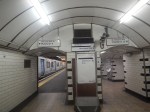
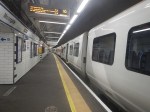
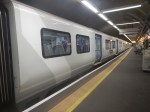
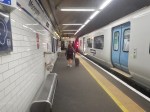

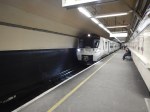
Note.
Improved Connections At Moorgate Station
I talked about the connections between the Northern and Elizabeth Lines at Moorgate station in Elizabeth Line To Northern Line At Moorgate Station.
This was my conclusion.
Routes between the Northern and Elizabeth Lines at Moorgate need to be improved.
I feel that some of the improvements could be fairly minor, but adding step-free access to the Northern City Line could be more difficult.
An Improved Connection Between Bank And Moorgate Stations
Currently, there are three ways between Bank and Moorgate stations.
- Use the Northern Line
- Use a 21, 43 or 141 bus routes
- Walk
I believe that it would also be possible to dig a pedestrian tunnel between the two stations and fit it out with a moving walkway.
This visualisation shows the updated Bank station.
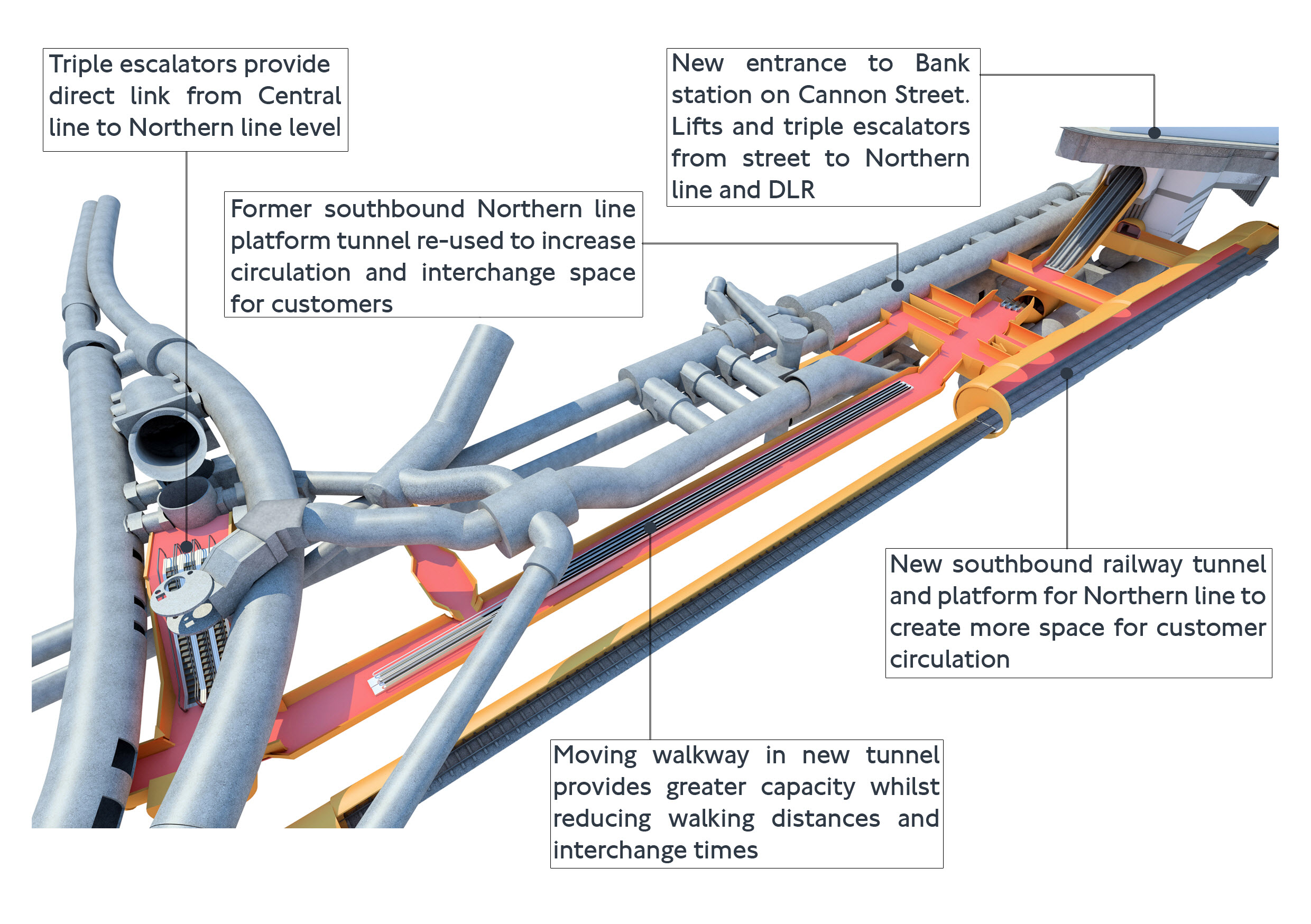
Note.
- Moorgate station is to the left.
- The only more-or-less completed bits are the two Northern Line tunnels and platforms and parallel pedestrian tunnel.
- The four cross tunnels can be picked out towards the far end of the station.
- Three of the cross tunnels can now be used by passengers.
- The moving walkway can be accessed from the two cross tunnels nearest to the Central Line.
- The escalators from the yet-to-open Cannon Street entrance appear to lead directly into a cross tunnel and a parallel tunnel to the moving walkway.
I believe that the moving walkway to Moorgate station could connect with the Bank station complex, at the Moorgate end of the new moving walkway in Bank station.
I Can’t Wait Until The Sixth Of November
This morning, I wanted to go between Moorgate and Romford stations.
Because the Elizabeth Line is not fully joined up, I wanted to avoid a long walk.
So I had decided, that the best way to go would be.
- Hammersmith and City Line from Moorgate to Mile End.
- Central Line from Mile End to Stratford.
- Elizabeth Line from Stratford to Romford.
Note that both interchanges are cross-platform ones, so it is certainly a route with the minimum of walking.
When I got to Moorgate station, it appeared that there were problems with the Hammersmith and City Line, so assuming that things would be OK from Whitechapel, I took the Lizzie Line one stop to try my luck from there.
But my luck was out and after waiting for about twenty minutes in a stationary District Line train for a lift to Mile End station, I gave up and returned to the Lizzie Line, where I took a train to Canary Wharf station.
I’d changed between the Lizzie and Jubilee Lines before and wrote about it in Changing Trains At Canary Wharf Station – 13th June 2022.
I had not been impressed, as I’d found it a long walk.
But this time, I followed a route between the Eastern ends of both stations, which goes past Waitrose in the shopping centre. Opposite Waitrose was this stall.




That looks good for a pit stop. Badiani 1932 appear to have realised that London has a chronic shortage of ice cream and have opened a number of shops.
Once on the Jubilee Line, I finally got to Stratford and walked to the Lizzie Line for Romford Station.
What Had Caused All The Delays?
It appeared there had been a power supply problem on the Hammersmith and City Line.
Conclusion
Once Crossrail is fully open, it will be a bypass around problems like today.
 The Anonymous Widower