Clapham High Street Could Gain Direct Overground Routes To Victoria Station
The title of this post, is the same as that of this article on the Clapham Nub News.
These two paragraphs introduce the article.
Local councillors and the Clapham Transport Users Group have been in discussions with Network Rail about the direct route once the current ‘Networker’ trains are replaced.
Clapham High Street lost its direct services to Victoria in December 2012 when the South London Line was withdrawn in favour of the London Overground to Clapham Junction.
This forces passengers onto the Northern Line, which through Clapham has two dangerous-looking stations; Clapham Common and Clapham North.
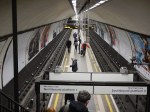
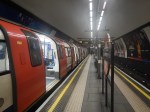
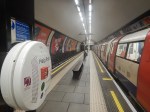
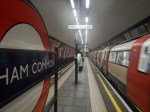


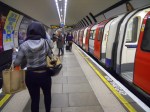
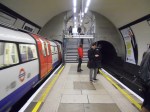
I have a few thoughts and observations.
Clapham High Street Station
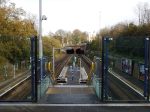
These pictures show Clapham High Street station.
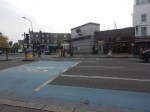
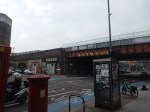
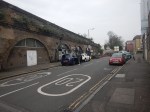
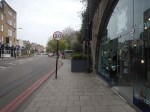



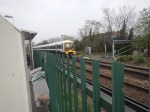
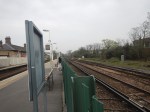
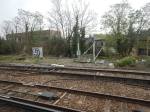
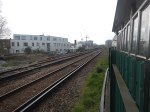
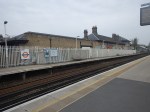
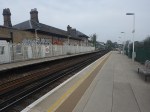
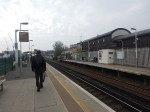
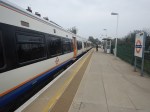
Note.
- The station is Grade II Listed.
- There are four tracks through Clapham High Street station.
- Only the lines used by the London Underground have platforms.
- I don’t think it will be difficult to add platforms to the other two tracks.
- The platforms will probably take five-car trains.
- Access to the platforms is by a subway, which could probably be extended to the other side of the tracks.
- A second entrance would be closer to Clapham North station.
- I suspect step-free access would not be too difficult to install.
- The tracks are over railway arches, which could be developed to add to the quality businesses in the area.
This Google Map shows the station.
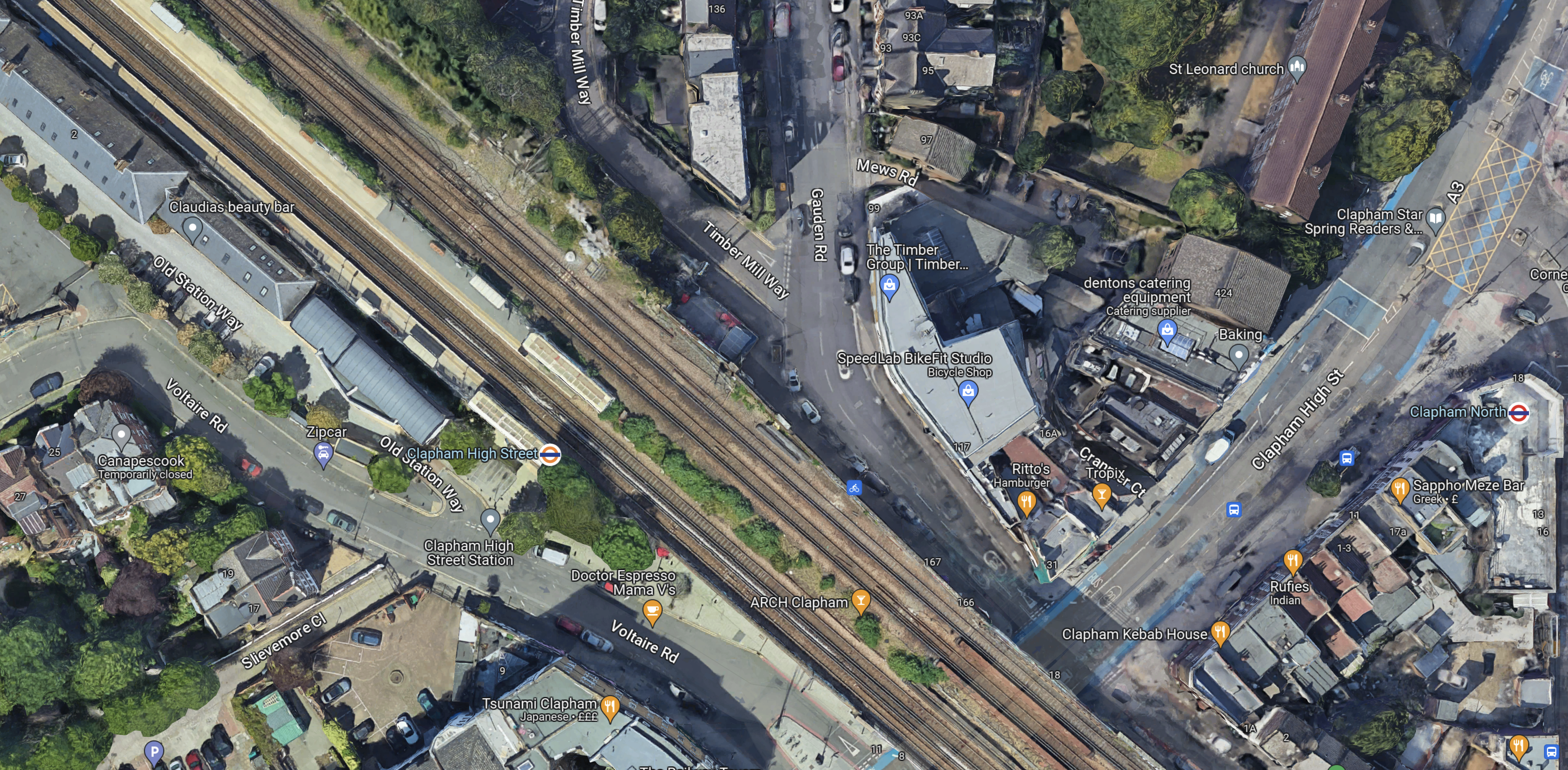
Note.
- Clapham High Street station is in the North-West corner of the map.
- Clapham North station is at the Eastern edge of the map in the middle.
- There seems plenty of space for two more platforms.
I think there is a lot of scope to improve this station.
Tracks Through Clapham High Street Station
This map from cartometro.com shows the tracks through Clapham High Street station.

Note.
- The Overground tracks are shown in orange and black.
- The fast lines, which are to the North of the Overground lines are shown in black.
- Shepherds Lane and Voltaire Road junctions allow trains on the fast lines to call in Clapham High Street station.
I suspect full digital signalling will be employed for efficiency of handling the junctions.
Services Through Clapham High Street Station
These services run through Clapham High Street station.
- London Overground – Dalston Junction and Clapham Junction – four tph – Goes via Denmark Hill and Peckham Rye
- Southeastern – London Victoria and Ashford International – one tph – Goes via Brixton, Herne Hill and West Dulwich
- Southeastern – London Victoria and Dartford – two tph – Goes via Denmark Hill, Peckham Rye, Nunhead and Lewisham
- Southeastern – London Victoria and Dover Priory – one tph – Goes via Brixton, Herne Hill and West Dulwich
- Southeastern – London Victoria and Gillingham – one tph – Goes via Denmark Hill, Peckham Rye, Nunhead and Bromley South
- Southeastern – London Victoria and Orpington – two tph – Goes via Brixton, Herne Hill and West Dulwich
- Southeastern – London Victoria and Ramsgate – one tph – Goes via Brixton, Herne Hill and West Dulwich
Note.
- tph means trains per hour.
- The London Overground services could be increased to 6 tph.
- Only the London Overground services stop in Clapham High Street station.
- The Dartford, Gillingham and Orpington trains are pathed for 90 mph trains.
- The Ashford International, Dover Priory and Ramsgate trains are pathed for 100 mph trains.
It is a comprehensive timetable.
Southeastern’s New Trains
In Battery EMUs Envisaged In Southeastern Fleet Procurement, I wrote about Southeastern’s proposed new trains.
Full details haven’t been announced yet, but I think we can be sure of the following.
- The first trains to be replaced will be the Networker trains, because they are the oldest and slowest.
- The new trains will have selected door opening (SDO), as this a feature of nearly all modern trains.
- I also suspect the trains will be capable of running at 100 mph and will be five cars long, with the ability to run in pairs.
This will enable the new trains to cross over from the fast lines to the Overground lines to stop in Clapham High Street station.
How Many Trains Would Stop At Clapham High Street Station?
Currently trains passing through the station are as follows.
- London Overground – 4 tph – Stopping
- Southeastern – 3 tph – 100 mph services to Ashford International, Dover Priory and Ramsgate – Non-stop
- Southeastern – 5 tph – 90 mph services to Dartford, Gillingham and Orpington – Non-stop
Note.
- It is likely that the London Overground service will go to 6 tph.
- Would 100 mph services always go through without stopping?
- In an ideal world would it be best if services alternated?
I suspect that a better service could be provided between Clapham High Street and Victoria with very little expenditure on infrastructure.
High Speed One Issues
An article in the July 2017 Edition of Modern Railways is entitled Kent On The Cusp Of Change.
The article suggests that Fawkham junction, could be used to allow Southeastern Highspeed services to access Victoria as a second London terminal, to increase capacity on High Speed One.
The route could be via Clapham High Street, Denmark Hill, Bromley South, St. Mary Cray, Swanley and Farningham Road.
The Arches Underneath
There are several railway arches underneath the tracks at Clapham High Street station.
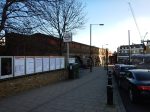

Some of the businesses look good and there are several other arches that are boarded up.
Railway arches are now generally owned by The Arch Co.
In Findlater’s Corner At London Bridge – 11th February 2023, I wrote about the company’s restoration of some arches at London Bridge station, which included these pictures.




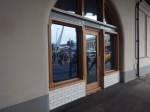
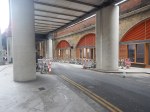
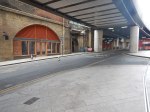
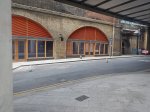
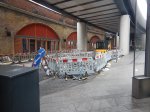
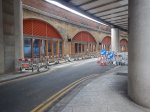
I suspect that a similar restoration in up-market Clapham could be a good investment for The Arch Co.
A Four-Platform Clapham High Street Station
Consider.
- There is space for two new platforms alongside the fast lines.
- The station entrance is in an arch, that goes right under the tracks.
- Putting lifts in an arch would not be the most challenging of tasks.
- A second entrance in Gauden Road would be nearer Clapham North Underground station.
- It should also be remembered that the Government is giving out levelling up funding.
- Hackney is to receive this type of funding and I wrote about it in Hackney Central Before Levelling Up.
I can see a fully-accessible four-platform station being built at Clapham High Street station.
Denmark Hill Station
Denmark Hill station is the next station to the East of Clapham High Street station and after a rebuild is now a high quality station, with these features.
- Four tracks and platforms.
- Frequent trains to Ashford International, Clapham Junction, St. Pancras, Victoria and Whitechapel.
- Full step-free access with lifts.
- A solar roof.
- A Grade II listing.
- King’s College and Maudsley Hospitals are next door.
- A pub.
I wrote about the station in Denmark Hill Station – 4th September 2021.
These are a few pictures.

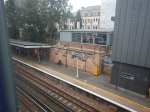


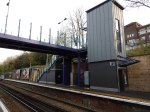
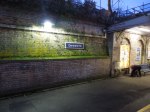
Note the solar roof. There’s more about the roof on this page of the BiPVco web site.
On the About page, there is a section called Our Story, where this is said.
BIPVco was established in April 2015 following five years of collaborative research between Tata Steel LCRI (Low Carbon Research Institute) and Swansea University with support from the Welsh government.
The research program developed ways of integrating thin-film CIGS PV cells directly onto the same substrates that make roofs and walls so that true BIPV functionality would become integral to the building envelope and could be achieved without having to resort to heavy on site mounting systems.
Our manufacturing processes were further enhanced to suit commercial production, and the products and procedures were tested and accredited before commercial launch.
Working with select partners, we designed and built many pilot PV integrated roofs between 2015 and 2017 in varying climates, including Nigeria, Canada, UAE and the UK, to demonstrate product suitability in all environments. The full commercial launch was effected in June of 2017.
They certainly seem to have taken solar panels to a new level.
I would also rate Denmark Hill station one of the finest suburban railway stations in the world!
Peckham Rye Station
The next station to the East of Denmark Hill station is Peckham Rye station.
Like many other stations and buildings in London, including the original Denmark Hill station, Peckham Rye station was designed by Charles Henry Driver.
These are some pictures, I’ve taken over the years at Peckham Rye station.
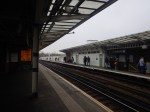
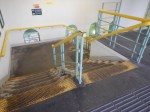



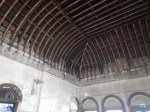
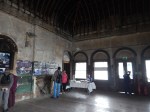



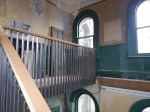




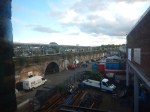



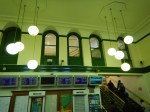
Note.
- It is a very busy station.
- I’ve read somewhere, that it is the busiest station in the UK, without any step-free access.
- It could be a magnificent station.
- One of the people driving this project is the architect; Benedict O’Looney.
This page on the Network Rail web site is entitled Peckham Rye Station Upgrade and it starts with this statement.
On 7th March 2022, we submitted Planning Permission and Listed Building Consent applications to upgrade Peckham Rye station to make it fully accessible with more capacity and better facilities for passengers.
It’s all a bit out of date, but these pictures, that I took this morning, indicate that something is progressing.
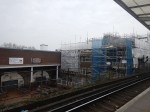
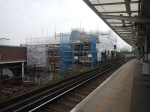
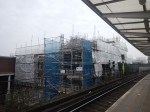
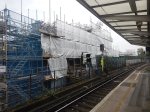
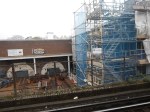


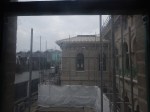
This article on IanVisits gives a few more details.
South London Crosslink
The South London Crosslink, doesn’t seem to have a website or a Wikipedia entry.
But it is mentioned in a question and answer to the London Mayor.
In response to this question.
Will you consider bringing the Victoria rail service back to Clapham High Street station and providing direct trains to Brixton, Herne Hill, and Bromley South?
The Mayor gave this answer.
The Department for Transport (DfT) is responsible for these services, as they run Southeastern railway as operator of last resort. Transport for London (TfL) is not opposed to the existing Southeastern services to and from Victoria making additional calls at Clapham High Street should the DfT, wish to take the idea forward.
There are however several practical issues that would need to be taken into consideration, and any changes to the service would be subject to cost-effective solutions being found to these.
The Clapham High Street platforms are too short for the eight-car trains used on the Victoria to Dartford and Orpington metro routes, and the existing rolling stock lacks a safety intervention called “Selective Door Opening” that enables trains to call at a station where the platform is shorter than the train. There are also technical restrictions, such as the frequent routing of these services along an adjacent pair of tracks which do not have any platforms, which would make implementation difficult using the existing railway infrastructure. Finally, there would need to be clear consideration on the wider capacity of the rail network and the robustness of the timetable. All of these concerns could affect the value for money of any proposal for these services to call at Clapham High Street station.
As I showed earlier, it looks like new trains will solve most of these problems. If they don’t, then the wrong trains have been ordered.
But there’s still not much about where the route will go after Peckham Rye, except for vague mentions of Dartford and Orpington.
I asked a friend and they said the South London Crosslink could possibly go to Bellingham.
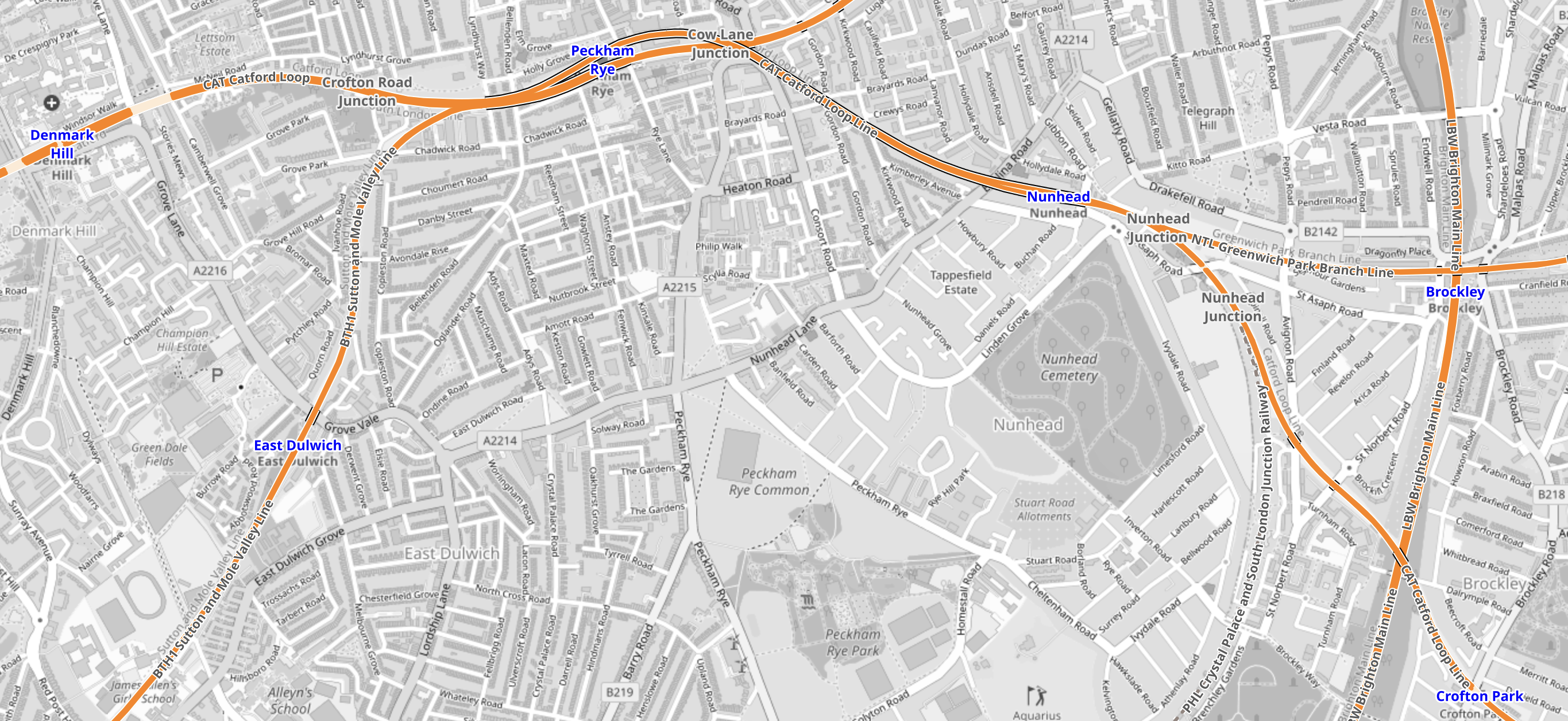
This map from cartometro, shows the route between Denmark Hill and Crofton Park stations.
Note.
- Denmark Hill station is in the North-West corner of the map.
- Crofton Park station is in the South-East corner of the map.
- The route would be via Peckham Rye and Nunhead stations.
- It is not a very fast route with an operating speed of 50-60 mph.
- In Nunhead Junction Improvement, I wrote about improvements needed at Nunhead junction to the East of Nunhead station to improve capacity for freight trains.
This second map from cartometro, shows the route between Crofton Park and Bellingham stations.
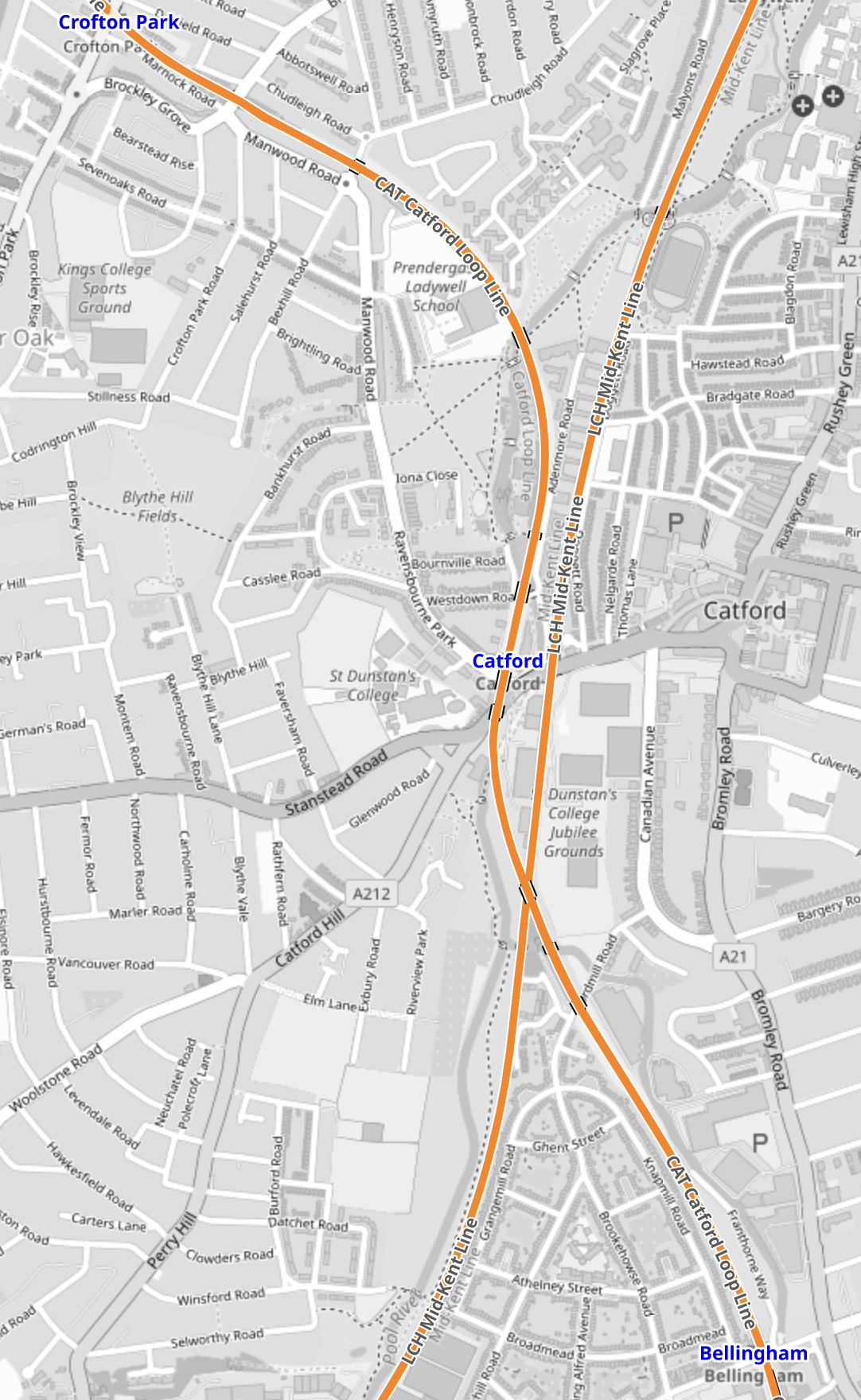
Note.
- Crofton Park station is in the North-West corner of the map.
- Bellingham station is in the South-East corner of the map.
- The line going diagonally across the map from North-East to South-West is the Hayes Line to Hayes.
- There are plans to create an interchange station at Catford.
This Google Map shows Bellingham station.
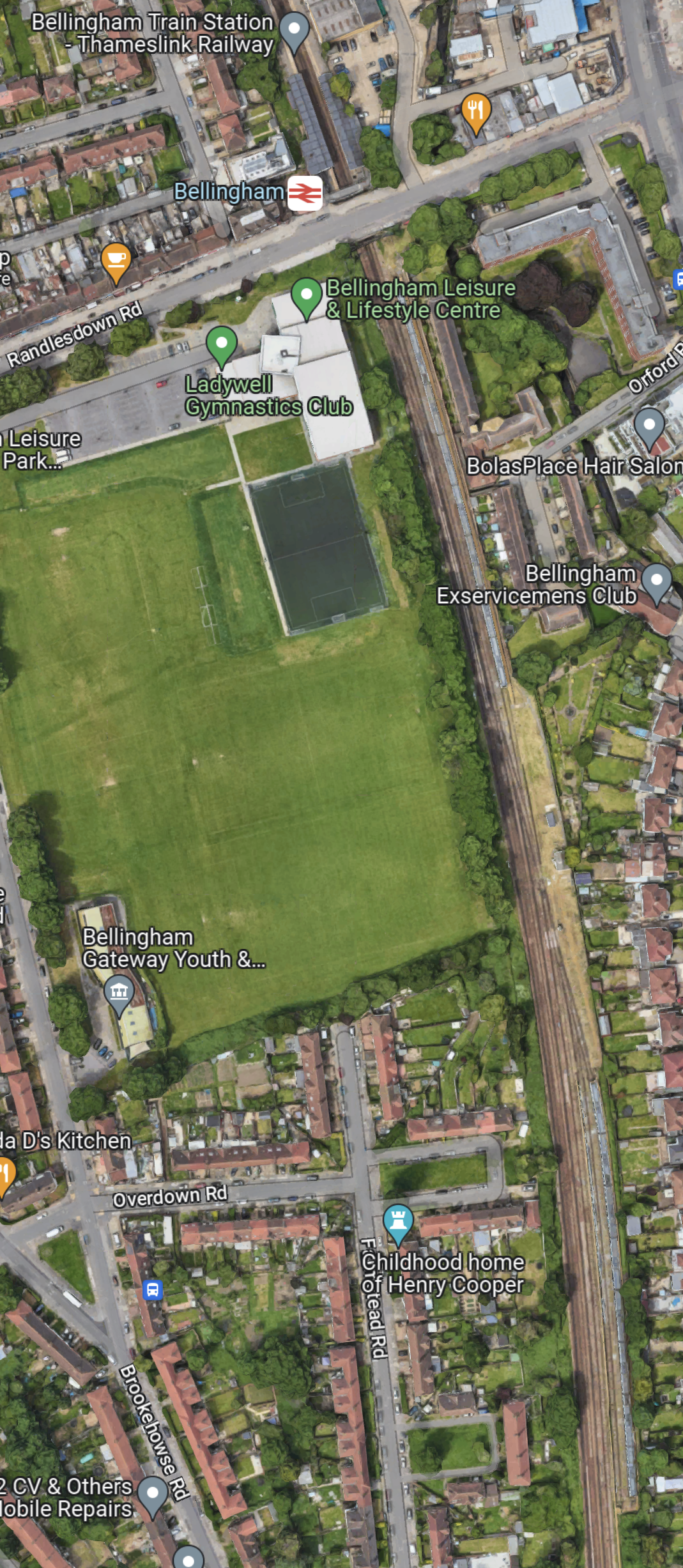
Note.
- Bellingham station is at the top of the map.
- Bellingham station is on the Catford Loop Line.
- South of Bellingham station are a series of sidings.
Is the reason, that Bellingham station was proposed as a terminus, that with a proper interchange at Catford, it creates a very efficient operational railway with some convenient sidings thrown in?
This map from cartometro, show the track layout at Bellingham station.
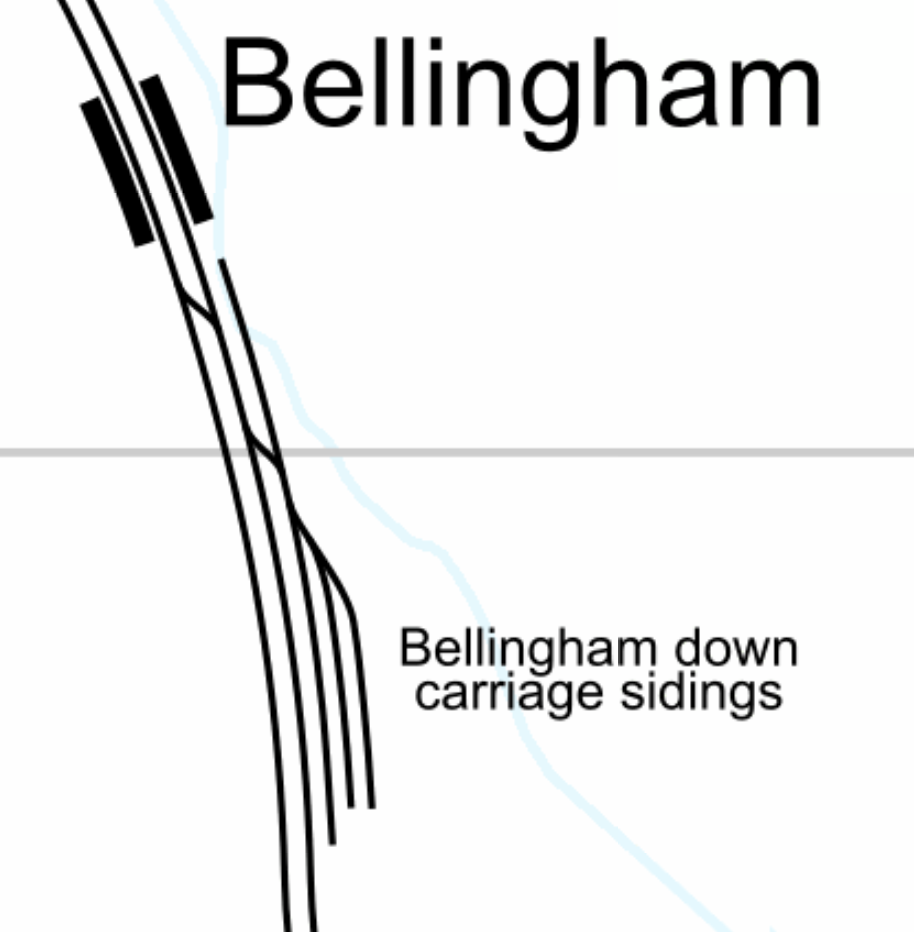
I believe that the sidings could be used as a turnback siding for trains from both directions.
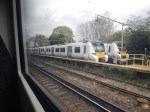
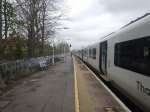
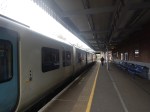
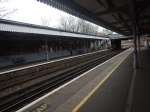
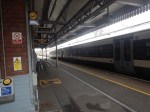
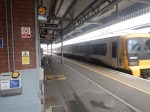
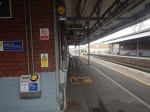
These pictures show trains in the sidings.
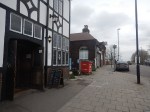
And these are of the station.
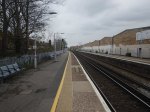
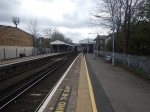
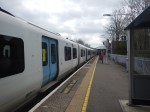
Note.
Lifting The Barriers To Refueling
The title of this post, is the same as that of this article on Railway Age.
It is a good summing up of Alstom’s problems of getting hydrogen for the iLint in Germany.
This paragraph from the article is puzzling.
Alstom’s task now is to clear external hurdles out of the way. Sprotte explains this using the Bremervörde project as an example: “The location is geographically favorable, almost in the middle of the regional transport network. If they were allowed to, Alstom and Linde could jointly supply several surrounding communities with ready-made hydrogen, for example for municipal commercial vehicles. But they can’t, and that’s because public funding for the project was only granted on the express condition that the filling station be used exclusively for rail transport.” This was met with incomprehension by the partners involved.
The Bremervörde project is to provide hydrogen for the Cuxhaven route that I wrote about in My First Ride In An Alstom Coradia iLint.
It strikes me that a certain amount of bureaucracy, is stopping the full deployment of the trains.
But then the London Mayor has a hydrogen policy of ignore it and it might go away.
Can Park-And-Ride Stations Be Used To Increase Motorway Capacity?
This article on the BBC is entitled New Smart Motorway Plans Being Scrapped.
I’ve never driven or even been driven on a smart motorway. But one incident in the 1970s, convinced me that we should have full hard shoulders on motorways and probably some dual carriageway roads.
I was travelling North on the then-two-lane M11 just North of Stansted Airport, doing around seventy in the outside lane of a not very busy motorway.
From nowhere an MGB convertible appeared in my mirrors and I pulled over to let the other car through.
There was a slight bend to the right at that point and the road was in a cutting.
The MGB just went straight on, climbed the banking and then turned over and rolled down and into the middle of the motorway.
A couple of other cars stopped on the hard shoulder and I initially pulled in behind them.
Miraculously, the driver had got out of the upside-down MGB and was standing beside the car.
I noticed that someone was using the emergency telephone by the side of the motorway, but I was worried that someone could come along too fast.
So as I had a large white car, I switched on the hazard lights and reversed down the hard shoulder. It certainly slowed everybody down and there were no more bumps or injuries. But what would have happened if the motorway had been busy?
When I first heard that smart motorways were going to be introduced in 2007, I was immediately against the idea because of that serious incident on the M11.
So what can we do to increase the capacity of our motorway and main road network?
Mathematical Modelling
In the 1970s, my software was used to model water supply in the UK. This piece of software just solved simultaneous differential equations and was used by the Government’s Water Resources Board.
I believe that software like I wrote fifty years ago and other more modern systems can be applied to traffic flows.
This should mean that any solutions put forward should be able to be tested.
Use Of Trains
If people can be encouraged to mode-shift and use trains, that must reduce the number of cars on the motorways.
But to get people out of their cars, there must be more Park-and-Ride stations.
And these new Park-and-Ride stations, must be attractive to motorists.
In Was Baldrick An Essex Man?, I looked at the design of the new Beaulieu Park station.
I feel that this is almost a new type of Park-and-Ride station, so is it part of a cunning plan to attract more passengers to the trains.
- It has a high-quality specification.
- Seven-hundred parking spaces will be built with hopefully an adequate number of chargers for electric vehicles.
- There will be five-hundred bicycle spaces.
- As it appears the station will be surrounded by 14,000 houses, I expect Network Rail are hoping lots of passengers will use the station.
But what is most unusual is that the station has an avoiding line, which should increase capacity and speed on the line through the station.
I also think, that the station is not just about journeys to London and Chelmsford, but also to other places in East Anglia like Cambridge, Ipswich and Norwich.
So have Network Rail designed a station that will maximise the return on their investment?
Only time will tell!
Conclusion
I think that Network Rail are trying to see if there is money to be made in the design of Park-and-Ride stations.
Norway Has Room For 338 GW Of Offshore Wind, New Analysis Finds
The title of this post, is the same as that of this article on offshoreWIND.biz.
This is the sub-heading.
Norway has the potential to develop up to 338 GW of offshore wind in areas with a low level of conflict, according to a new analysis performed by Multiconsult and commissioned by the industry organisation Norwegian Offshore Wind, Equinor, Source Galileo, Hafslund and Deep Wind Offshore.
These two paragraphs are the main findings of the report.
The report, issued on 14 April, maps 28 areas as suitable for floating wind and 18 areas for fixed-bottom offshore wind, estimating the total potential installed capacity to be 241 GW at 5 MW/km2 and 338 GW at 7 MW/km2.
Of this, floating wind could account for 156 GW and up to 219 GW, while fixed-bottom capacity is between 85 GW and 119 GW.
So how does that figure look for the UK?
Consider.
- The UK has an Exclusive Economic Zone of 773,676 sq. kilometres.
- But if you include overseas territories, the UK’s area is 6,805,586 sq. kilometres and is the fifth largest in the world.
- Norway has an Exclusive Economic Zone of 2,385,178 sq. kilometres.
So taking the 338 GW figure for Norway and ignoring overseas territories, we could generate 109.6 GW.
Gravity-Based Green Energy Storage Tech Pioneer Eyes US Mineshafts
The title of this post, is the same as that of this article on Recharge News.
This is the sub-heading.
Gravitricity and IEA Infrastructure Construction to seek funding under government scheme for projects at ex-mining sites.
These are the first two paragraphs.
A pioneer in gravity-based energy storage technology aims to make its US debut after linking with a major American construction group.
Gravitricity, which uses giant weights hung in deep shafts to store energy, will partner with IEA Infrastructure Construction to jointly seek US funding for projects at former mines.
I wonder how many other companies will go chasing the money, that President Biden has put on offer in the US?
Could High Speed Two Have An Underground Station In London?
The Achievement Of The Bank Station Upgrade
This map from OpenRailwayMap shows the lines through Bank and Monument stations.
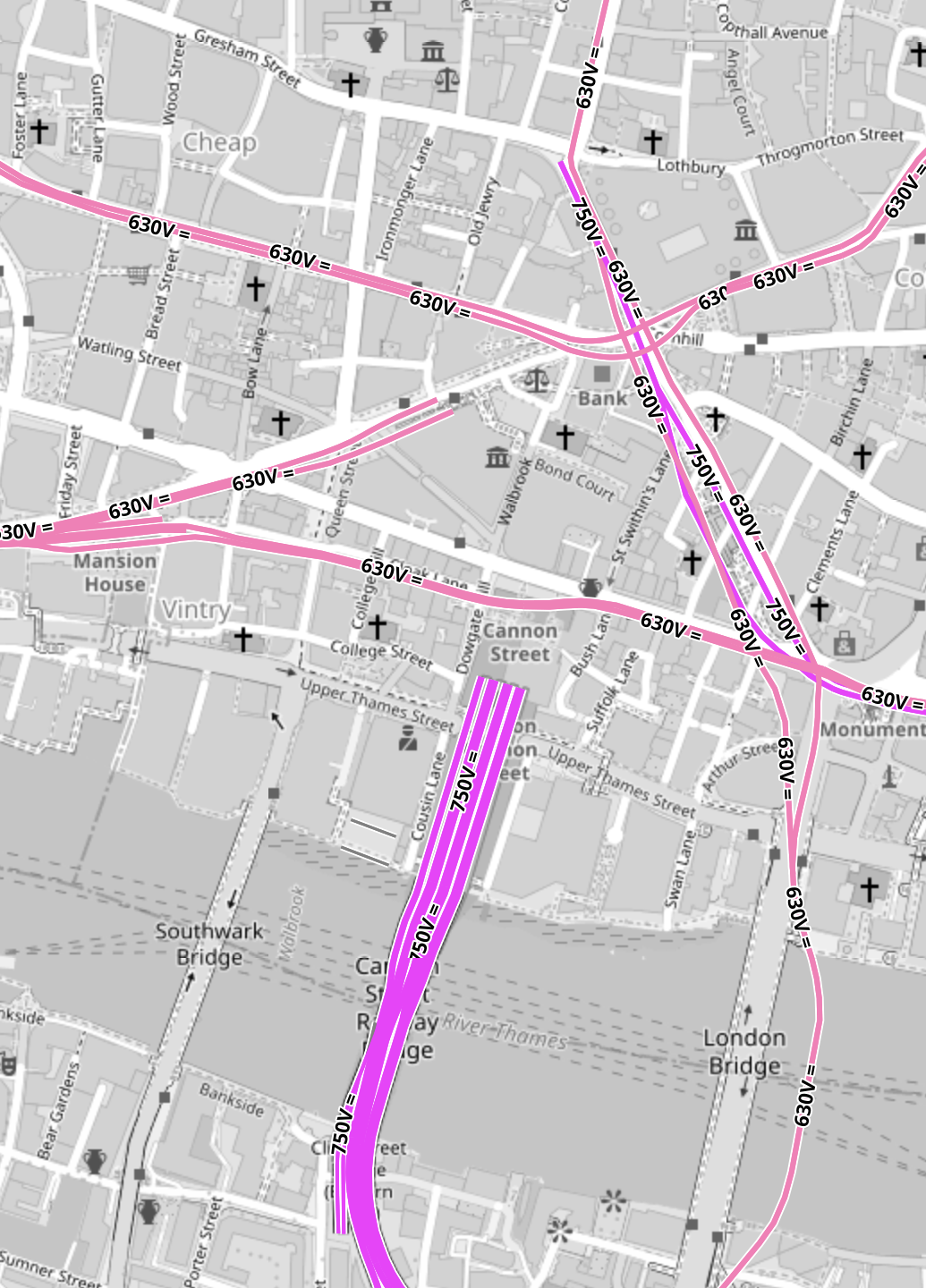
Note.
- All the pink lines are the lines of the London Underground.
- The line running alongside London Bridge is the Northern Line, which is deep under the Thames.
- The mauve lines are those with the slightly higher voltage of the UK National Rail network going into Cannon Street station.
In part of the Bank Station Upgrade, a new Southbound tunnel for the Northern Line was dug, so that the Northern Line platforms at Bank station could be farther apart.
This visualisation shows the station.
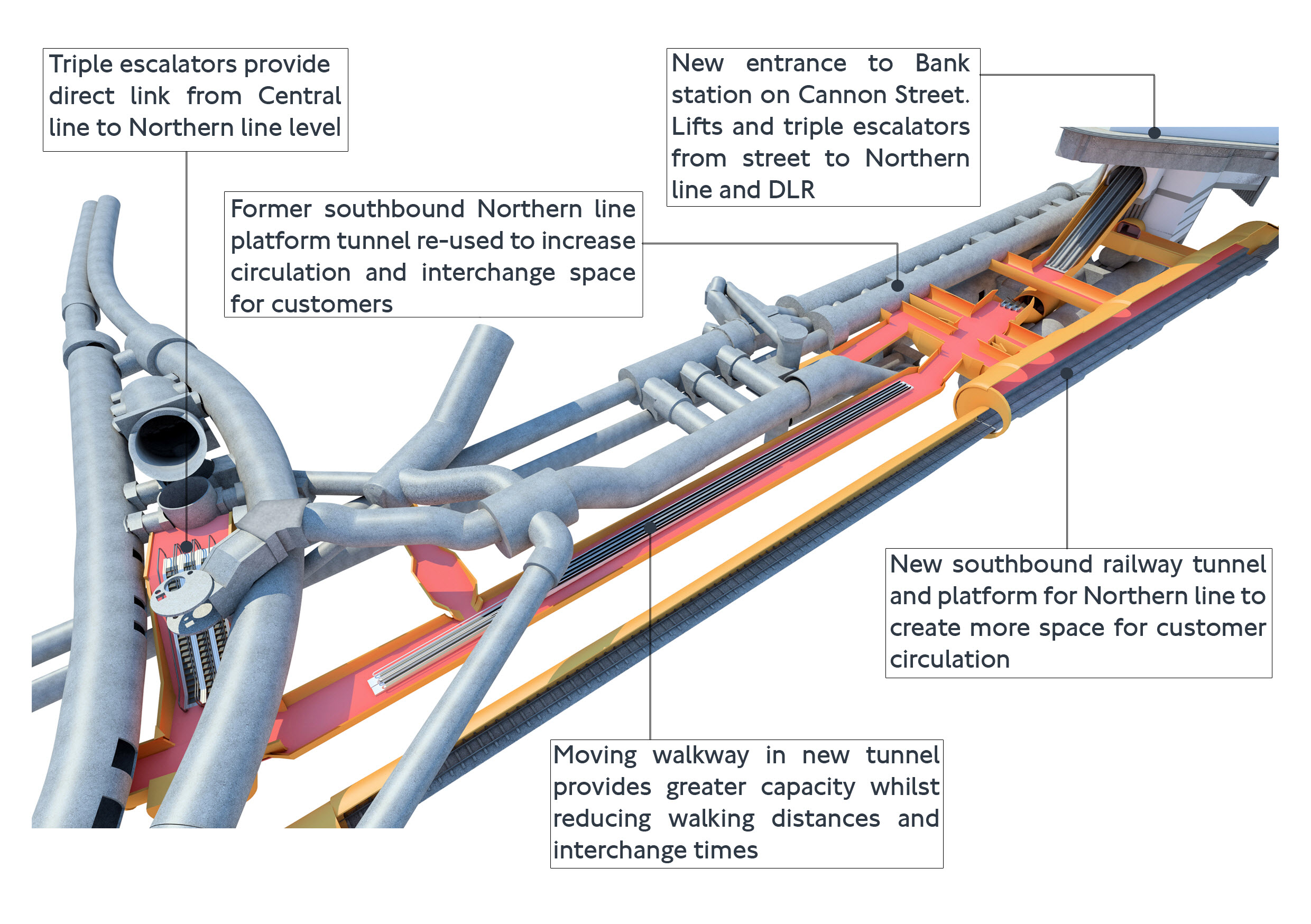
The project was an amazing demonstration of what is possible to be achieved in underground construction.
- There is a moving walkway to move passengers between the Central and Northern Lines.
- There are escalators and lifts everywhere.
It was also dug out from London’s helpful soils under scores of important buildings, many of which are listed.
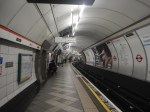
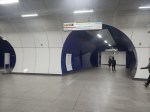
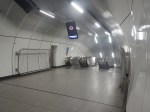
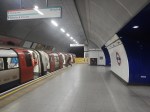
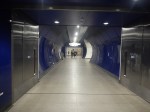
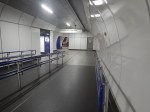
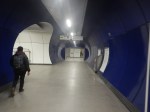
These pictures give a flavour of the underground section of the completed upgrade.









These pictures show the buildings on top of the complex.
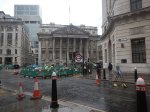
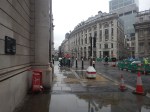




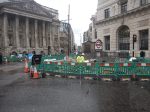



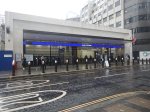





Note.
- There is no building of any great height above the station complex.
- There are a lot of quality buildings.
- During all the work underground, I didn’t see any reports of any problems with the buildings on top.
- In How Many Entrances And Exits Does A Station Need?, I counted that the complex now has twenty entries.
It is probably a project that could be repeated elsewhere.
Camden Town, Holborn and Bond Street/Oxford Circus are probably suitable cases for treatment.
Weston Williamson’s Plan For Manchester Piccadilly Station
In The Rival Plans For Piccadilly Station, That Architects Say Will ‘Save Millions’, I wrote about Weston Williamson’s plan for Manchester Piccadilly station.
This was their visualisation.

Note.
- In the visualisation, you are observing the station from the East.
- The existing railway lines into Piccadilly station are shown in red.
- Stockport and Manchester Airport are to the left, which is to the South.
- Note the dreaded Castlefield Corridor in red going off into the distance to Oxford Road and Deansgate stations.
- The new high speed lines are shown in blue.
- To the left they go to Manchester Airport and then on to London, Birmingham and the South, Warrington and Liverpool and Wigan, Preston, Blackpool, Barrow-in-Furness, the North and Scotland.
- To the right, they go to Huddersfield, Bradford, Leeds, Hull and the North East, and Sheffield, Doncaster and the East.
- Between it looks like a low-level High Speed station with at least four tracks and six platforms.
- The Manchester Metrolink is shown in yellow.
The potential for over-site development is immense. If the Station Square Tower was residential, the penthouses would be some of the most desirable places to live in the North.
Londoners Are The Tunnel Kings
Bring On The Robots
Could High Speed Two Have An Underground Station In London?
Look at this map from OpenRailwayMap.
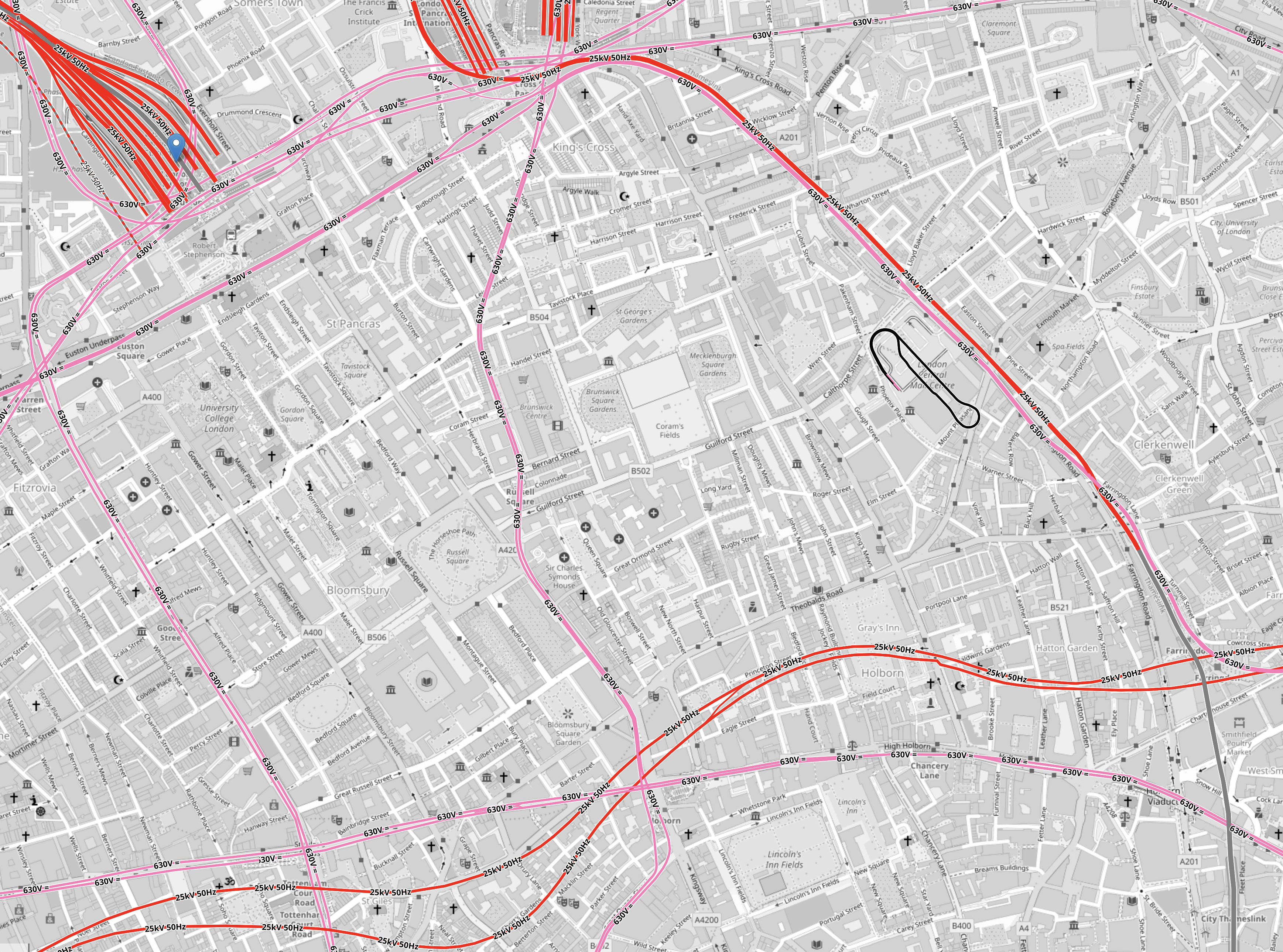
Note.
- Euston station is in the North-West corner of the map.
- St. Pancras and King’s Cross stations can just be seen at the top of the map.
- All lines shown in red have 25 KVAC overhead electrification.
- All lines shown in pink are the London Overground.
- The double track electrified railway meandering across the map from West to East is the Elizabeth Line.
- The pink line going down the middle of the map is the Piccadilly Line.
- The pink line going down the left of the map is the Charing Cross branch of the Northern Line.
There is a large square area to the South of Euston that doesn’t have any railways crossing it.
It is shown in this map from OpenRailwayMap.
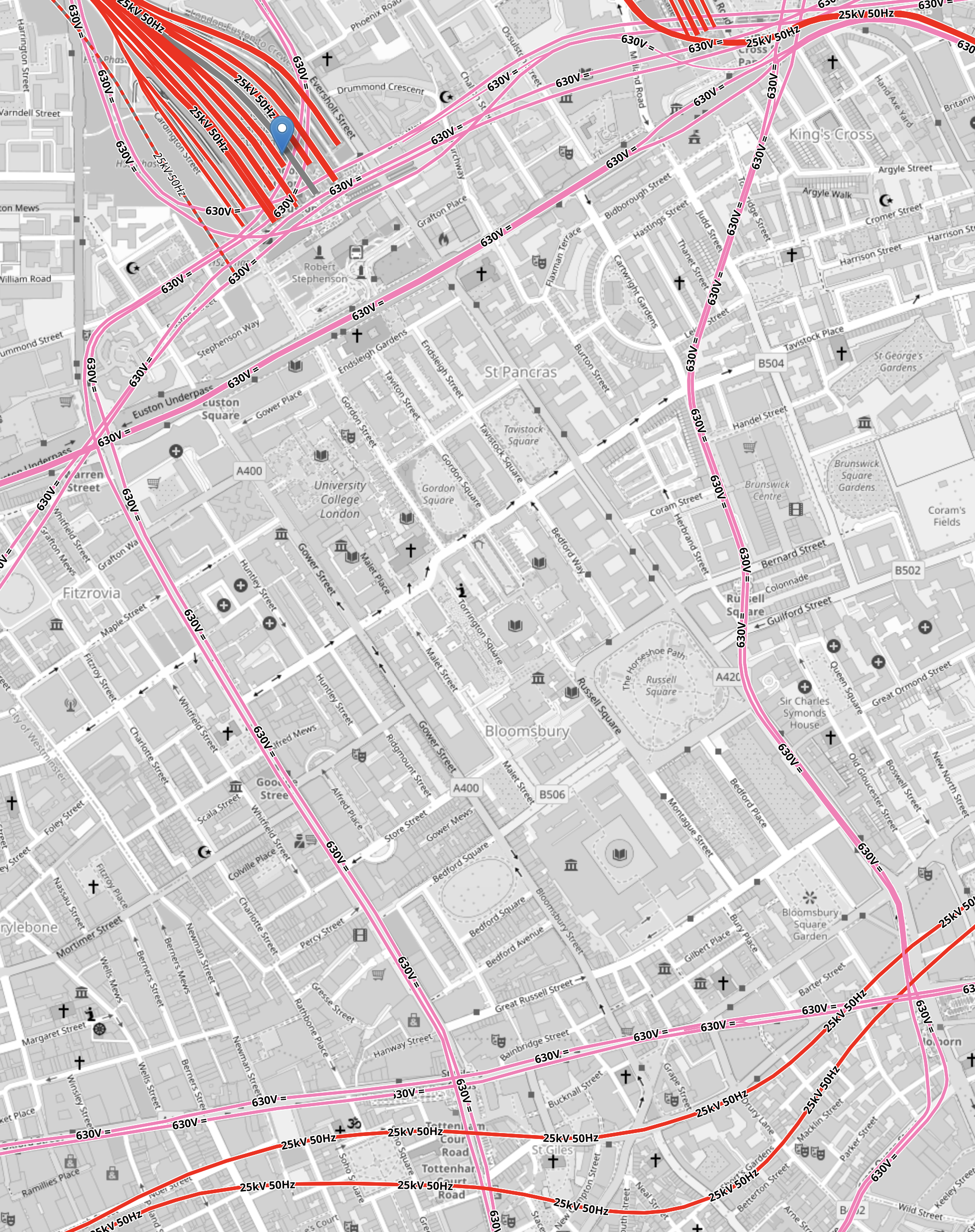
Note.
- As before, red lines have 25 KVAC overhead electrification and pink lines are the Underground.
- The Western boundary of the area is the Charing Cross branch of the Northern Line, which runs between Euston in the North and Tottenham Court Road in the South.
- The Eastern boundary of the area is the Piccadilly Line, which runs between King’s Cross in the North and Holborn in the South.
- The Northern boundary of the area is the sub-surface Circle, Hammersmith & City and Metropolitan Lines, which runs between Warren Street in the West and King’s Cross in the East.
- The Northern and Victoria Lines also run East-West to the North of the sub-surface lines.
- The Southern boundary of the area is the Central and Elizabeth Lines, which run between Tottenham Court Road in the West and Holborn in the East.
It is a substantial area.
So could it be hollowed out to create a below-ground London terminal for High Speed Two?
I got a bus from Tottenham Court Road to Euston station and then walked to Holborn, taking these pictures.
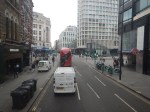
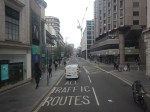
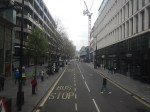
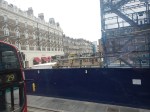
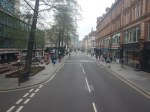
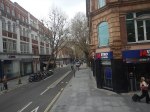

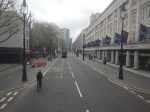


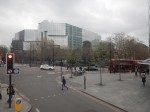
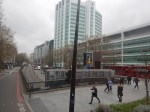
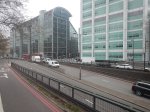

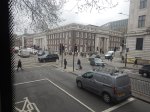

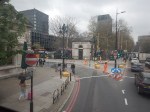


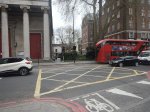
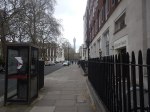
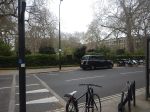
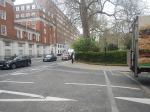

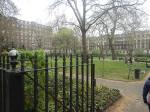
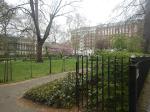
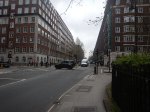







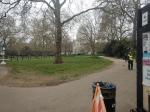






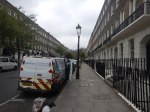


Note.
- There are only two buildings in the area with more than about six floors; University College Hospital and Senate House.
- There a lot of green spaces.
- Bloomsbury Square does have a car park beneath it.
I wonder if a terminal station could be build under the area?
- I suspect if you went fifty metres down there could be plenty of space, that could be excavated.
- Tunnels with moving walkway and escalators could link the station to the Central, Circle, Elizabeth, Hammersmith and City, Metropolitan, Northern and Piccadilly Lines.
- There would be space to have 400 metre long platforms.
- As all trains would be electric, there would be no fume problems.
- There could be lifts and escalators to the green spaces on the top.
I have a feeling that most of people living or working inside the North and South Circular Roads could get to the station by public transport with at most a single change.
World’s First Unmanned HVDC Offshore Platform Installed At World’s Largest Offshore Wind Farm
The title of this post, is the same as that of this news item from the Dogger Bank wind farm web site.
These are the two bullet points.
- Dogger Bank Wind Farm will be first UK High Voltage Direct Current (HVDC) connected offshore wind farm
- 70% reduction in topside weight per MW for offshore platforms
These are my thoughts.
High Voltage Direct Current
Wikipedia has an excellent entry on high voltage direct current, which is commonly referred to as HVDC.
The news item says this about how the electricity is brought ashore from the Dogger Bank wind farm.
The innovative offshore platform has a lean design and is the first unmanned HVDC platform which will be operated from shore and accessed only by a Service Operations Vessel. The platform will receive 1.2GW of AC power from Dogger Bank A’s 95 offshore wind turbines and convert it to DC, which will then be sent ashore to an onshore convertor station near Beverley in East Riding of Yorkshire.
Fitted with Hitachi Energy’s latest generation HVDC converter technology, Dogger Bank will be the first offshore wind project in the UK to use this technology to transmit the electricity produced back to shore, ensuring that the electricity is transmitted efficiently over long distances while minimising losses.
Note.
- Wind turbines generate AC.
- There will be conversion to DC on the substation and conversion back to AC onshore.
- It should also be noted, that large undersea interconnectors are generally built around HVDC technology.
Wikipedia says this about the advantages of DC transmission.
A long-distance, point-to-point HVDC transmission scheme generally has lower overall investment cost and lower losses than an equivalent AC transmission scheme. HVDC conversion equipment at the terminal stations is costly, but the total DC transmission-line costs over long distances are lower than for an AC line of the same distance. HVDC requires less conductor per unit distance than an AC line, as there is no need to support three phases and there is no skin effect.
Depending on voltage level and construction details, HVDC transmission losses are quoted at 3.5% per 1,000 km (620 mi), about 50% less than AC (6.7%) lines at the same voltage. This is because direct current transfers only active power and thus causes lower losses than alternating current, which transfers both active and reactive power.
It looks like cost is a big factor.
My knowledge of grid systems and AC power is limited, as I was more of a Control Engineering and Electronics student at university.
But could HVDC-connected wind farms have advantages, when it comes to providing a reactive power capability to the grid, as I wrote about in Dogger Bank C In UK Offshore Wind First To Provide Reactive Power Capability.
Extra income is another good reason to choose something.
Lightweight Platforms
I’ve always been a fan of lightweight structures and it does seen that the engineers of the Dogger Bank Wind Farm have gone down that route.
This is a paragraph from the news item.
The platform will be controlled from shore and by removing the need for personnel to stay on the platform meant it has been possible to eliminate elements such as the living quarters, helideck and sewage systems, resulting in a 70% reduction in weight (per megawatt) of the topside compared to previous platforms installed, and cost savings of hundreds of millions of pounds.
Again costs are being reduced and profits increased.
We should never rule out the importance of the finances of a project. Once by simulating a chemical process on the computer for ICI, I knocked ten metres off the height of a chemical plant. I got a nice little bonus for that!
If they have made a substantial reduction in substation weight, this surely means that the supporting structure can probably be smaller and less costly.
Conclusion
I suspect, a lot more wind farms will follow the Dogger Bank example.
Merseyrail Grand National Journeys Exceed 105,000
The title of this post, is the same as that of this article on the Liverpool Business News.
This is the first paragraph.
Train operator Merseyrail records more 105,000 passenger journeys made by racegoers during the three-day Grand National festival – and it gave away 4,000 pairs of flip-flops.
These are some points from the rest of the article.
- Many were carried on the new 777 Class trains.
- Merseyrail increased the number of trains during the three days and, at times, was running a seven-and-a-half-minute frequency.
- There was live music and entertainment for passengers at Aintree station.
- £4,200 was raised by charitable collections at the station.
It looks like a lot of people had a good time.
It was probably all good practice for Eurovision.
London Overground: Design Work For West London Orbital Route Begins
The title of this post, is the same as that as this article on the BBC.
This is the sub-heading.
Plans for a new London Overground link in west London are progressing, London’s mayor Sadiq Khan has said.
These paragraphs outline what will happen.
Engineering consultants who worked on the Elizabeth line have been chosen for the West London Orbital service.
“This engineering design will help determine the cost of delivering the scheme, which is currently unfunded,” Transport for London (TfL) said.
It hopes the scheme, which would connect Hounslow with Hendon and West Hampstead, could start next decade.
My feeling, is that they should get on with it.
- There would be no major construction like tunnels.
- Four stations would need to be built.
- I doubt there will be any demolition.
- It wouldn’t need more electrification, as the route is electrified at both ends and battery-electric trains could be used.
- It would create more connections to Old Oak Common for High Speed Two.
But if it does for North West London, what the Overground has done for North and East London, it will be very much worth it.
These are a few thoughts and observations.
The Route
This is a schematic of the route from the BBC article.
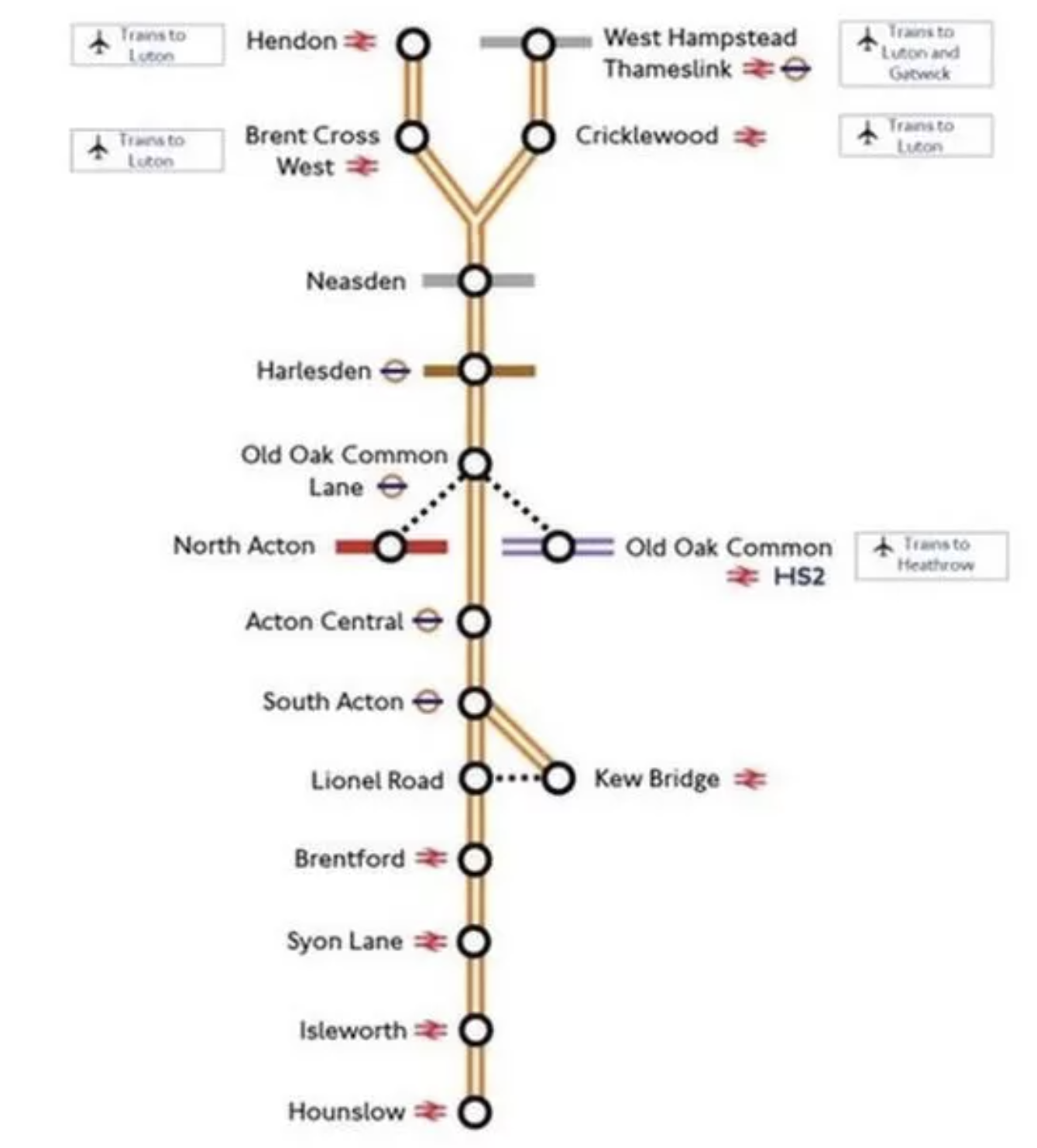
Note.
- Services will be between West Hampstead Thameslink and Hounslow stations and between Hendon and Kew Bridge stations.
- If services follow the London Overground frequency, they will be four trains per hour (tph).
- The new stations are Neasden, Harlesden, Old Oak Common Lane and Lionel Road.
- Acton Central, Brentford, South Acton, Syon Lane and West Hampstead Thameslink are step-free and Isleworth is on the way.
- The fully step-free Brent Cross West station will open soon.
- Lionel Road station will serve the new Brentford stadium.
- Old Oak Common Lane will serve High Speed Two, the Elizabeth Line and the North London Line.
They look to be a useful set of stations.
Kew Bridge Station
There’s been a lot of development at Kew Bridge station, since I was last there.

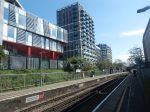
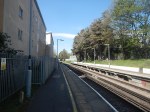

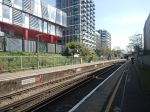
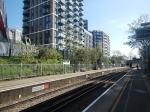
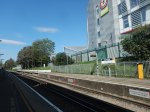

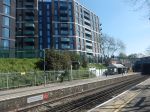
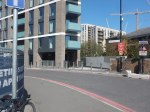





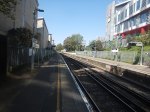
There are lots of flats and Brentford’s new stadium.
I suspect all the stations between Kew Bridge and Hounslow will see similar levels of development.
Electrification Issues On The Dudding Hill Line
The Dudding Hill Line forms the Northern section of the route between the Midland Main Line and the North London Line at Acton Wells Junction.
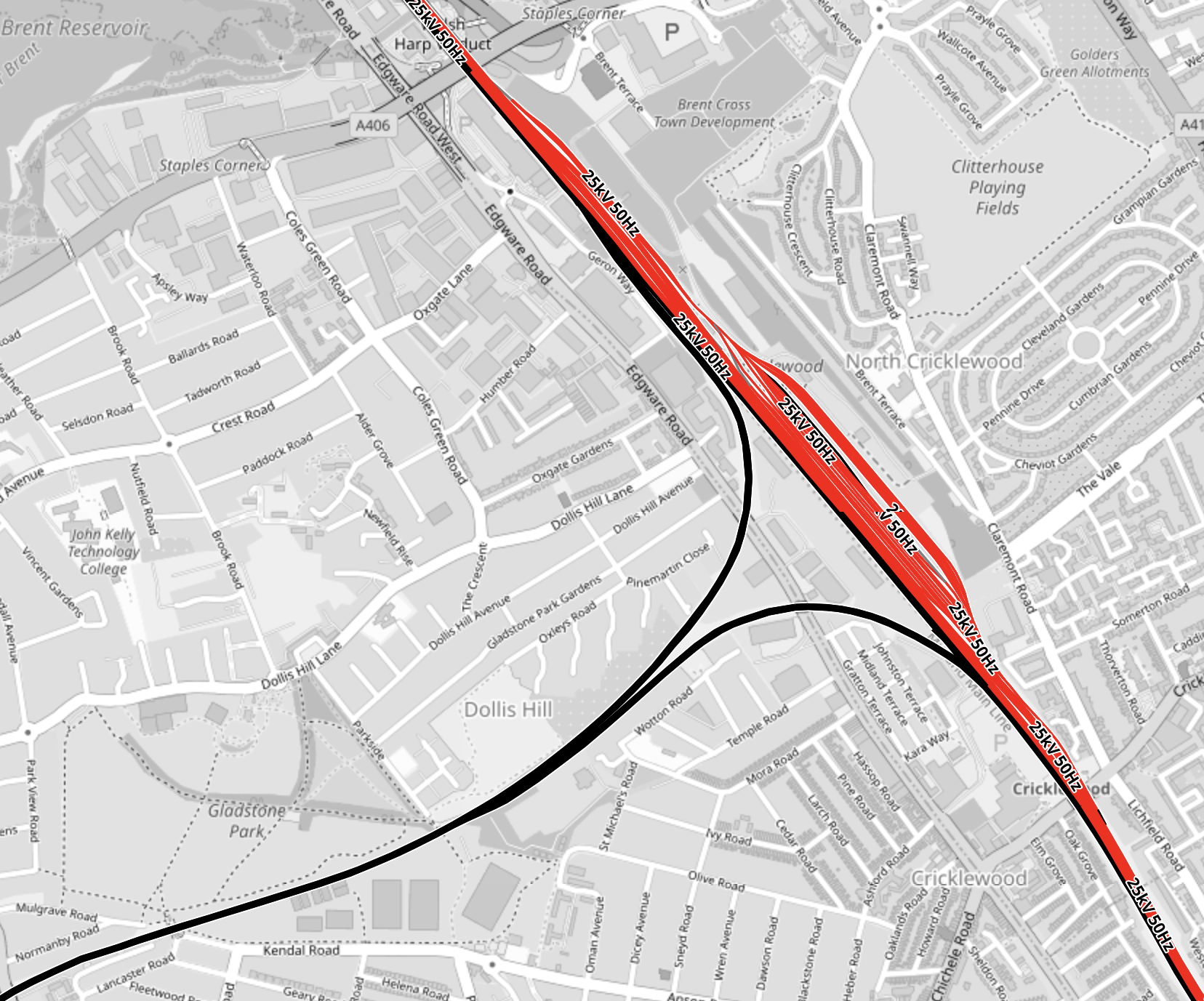
This map from OpenRailwayMap shows the junction between the Dudding Hill and Midland Main Lines.
Note.
- The Midland Main Line is shown in red as it is electrified with 25 KVAC overhead wires.
- The Dudding Hill Line is shown in black, as it isn’t electrified.
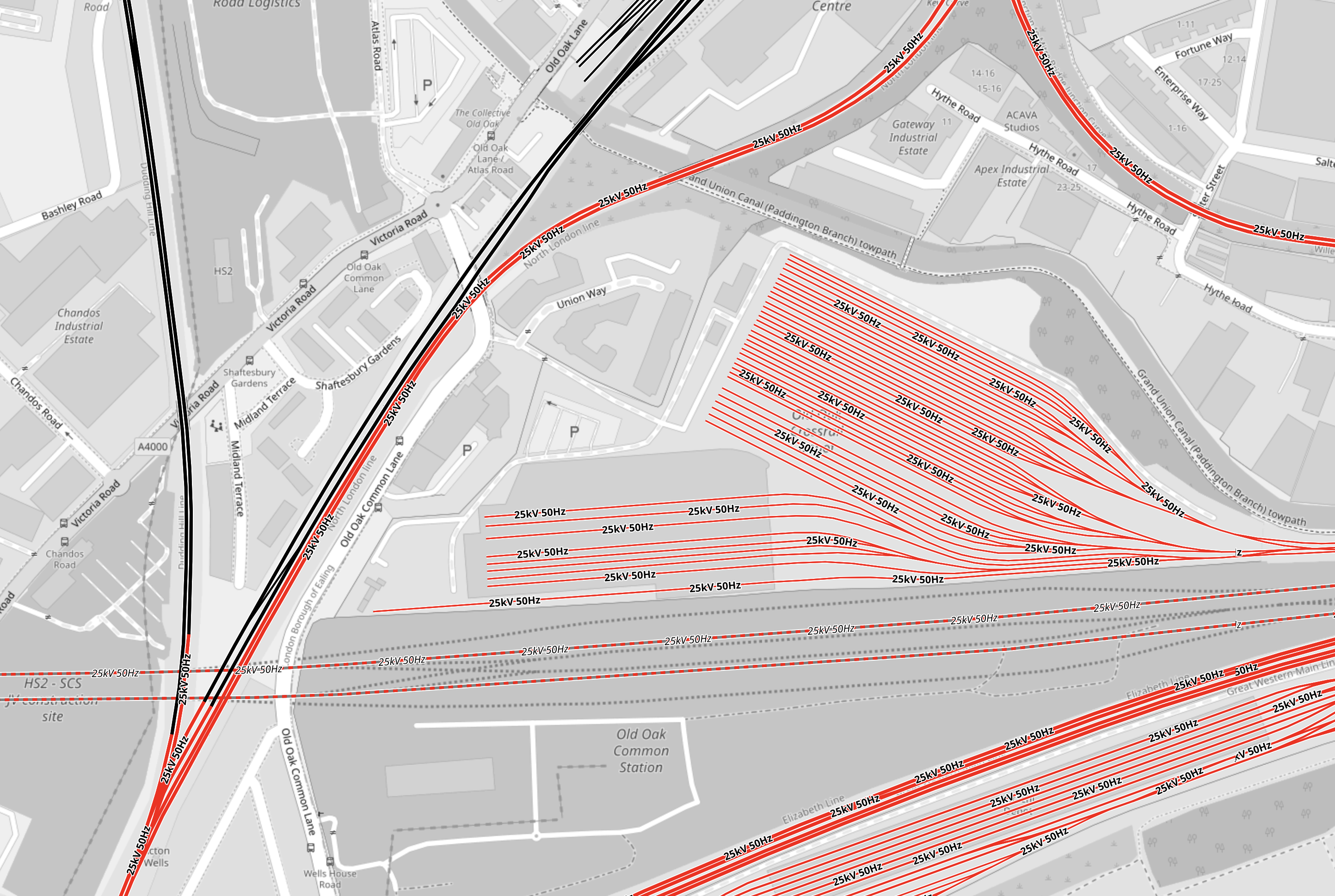
This second map from OpenRailwayMap shows the junction between the Dudding Hill and North London Lines at Acton Wells junction.
Note.
- As before red tracks are electrified with 25 KVAC overhead wires and black tracks have no electrification.
- The Dudding Hill Line is the black track running North-South at the West of the map.
- Acton Wells junction, where the Dudding Hill and North London Lines join is in the South-West corner of the map.
- The North London Line is shown in red running across the North-West corner of the map.
- The Great Western Main Line is shown in red running across the South-East corner of the map.
- High Speed Two will run East-West across the map and is shown dotted in red.
- The red lines in the middle of the map is the Elizabeth Line depot.
With all the 25 KVAC overhead electrification at both ends of the Dudding Hill Line, it would appear, that if this section is ever electrified, it will be electrified with this form of electrification.
There may be a problem, in that there are three or four bridges over the line.
Electrification Issues At Kew
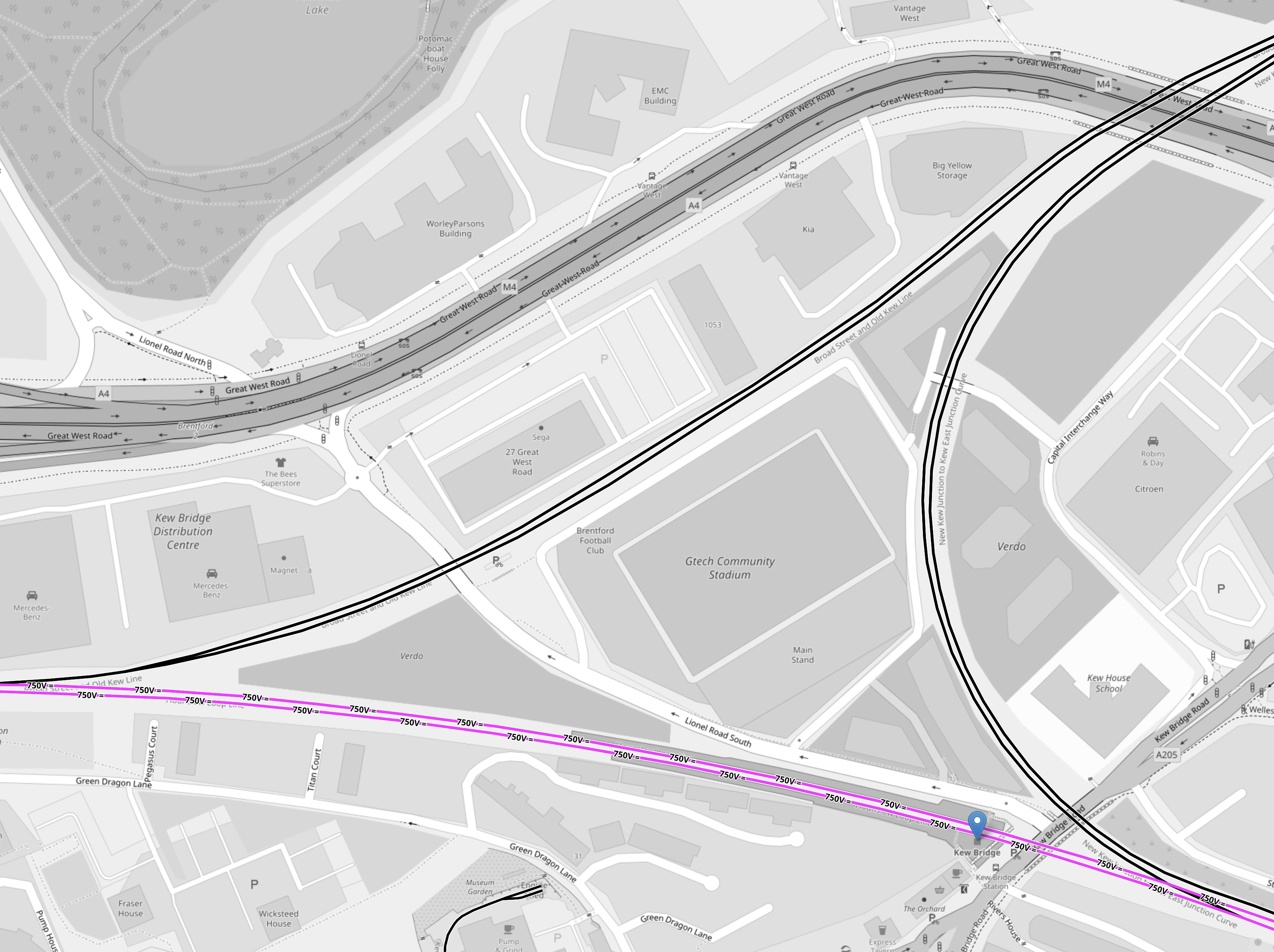
This map from OpenRailwayMap shows the triangular junction by Kew Bridge station.
Note.
- As before black tracks have no electrification.
- Mauve tracks are electrified with 750 VDC third-rail electrification.
- Kew Bridge station is indicated by the blue arrow at the Eastern point of the junction.
- Trains to Hounslow will arrive in the North-East corner of the map and go diagonally across the map to leave in the South-West point of the junction.
- Trains to Kew Bridge will arrive in the North-East corner of the map and take the Eastern chord of the junction to a new platform in Kew Bridge station.
Brentford’s new stadium and a lot of housing are in the middle of the junction.
It would seem to be obvious to electrify the triangular junction using 750 VDC third-rail electrification.
But not to the ORR it isn’t, as they won’t allow any new third-rail electrification to be installed on Health and Safety grounds.
Charging Trains At Kew Bridge Station
Consider.
- It looks like trains from Hendon will terminate in a new platform on the chord without electrification to the North of the current Kew Bridge station.
- A short length of 25 KVAC overhead electrification could be used to charge trains.
It may be sensible to build two platforms on the chord, as this could allow more flexible operation of the London Overground during engineering works.
Charging Trains At Hounslow Station
A short length of 25 KVAC overhead electrification could be used to charge trains.
Project Management Issues
I believe this could be one of those projects, where by careful selection of the order of the sub-projects, time and money can be saved and passengers will see benefits earlier.
For example.
- Early delivery of Old Oak Common Lane station would also connect the North London Line to High Speed Two and the Elizabeth Line.
- Early delivery of step-free access at Kew Bridge station would help passengers going to the new Brentford stadium.
There may be other projects, that need an early delivery.
The Feltham And Wokingham Resignalling Programme
The Feltham And Wokingham Resignalling Programme is currently underway and there are pairs of new and old signals everywhere between Kew Bridge and Feltham and also between Feltham and Richmond.
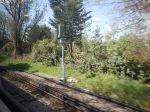
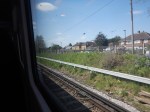
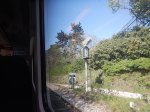
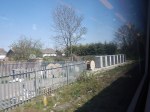

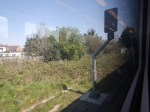
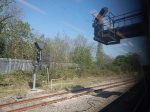

These are digital signals and according to Network Rail, they will increase the capacity, which must surely allow the extra trains between Kew Bridge and Hounslow stations.
This signalling project finishes in mid-2024, so I suspect by then the Southern part of the West London Orbital Railway will not have any problems with interaction with other services.
The Feltham And Wokingham Resignalling Programme could be considered an important enabling sub-project of the West London Orbital Railway, that is being performed early.
Richmond Station
As I came through Richmond station, there was an Overground train in Platform 3 and I noticed that Platforms 3 to 5 were allocated to the Overground.
Has the new signalling given Network Rail and train operators more flexibility and extra capacity at Richmond?
Currently, the London Overground runs four trains per hour (tph) between Stratford and Richmond.
The increased flexibility may allow the following.
- An increase in frequency of trains to Stratford.
- An increase in frequency of District Line trains, if Ealing Broadway station swaps from being a District to a Piccadilly Line terminus, as I wrote about in Extending The Elizabeth Line – Piccadilly Line To Ealing Broadway.
- Could Richmond also act as a terminal of the West London Orbital Railway during construction and engineering works?
Another benefit that could be arranged is to run the current four tph London Overground services into Platform 3.
These pictures show a Waterloo-bound South Western Railway train in Platform 2 and a Stratford-bound London Overground train in Platform 3.
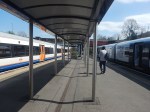
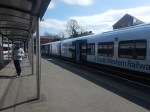
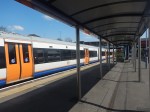
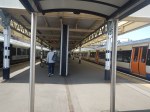
As there are 8 tph between Richmond and Waterloo via Clapham Junction, this could be quite a useful cross-platform interchange for passengers going from say Staines or Windsor to Hampstead.
Trains
Consider.
- The three most likely Northern termini are Brent Cross West, Hendon and West Hampstead Thameslink.
- There could be other terminals on the North London Line or the Gospel Oak and Barking Line.
- All possible Northern terminals have 25 KVAC overhead electrification.
- The two most likely Southern terminals are Hounslow and Kew Bridge.
- There may be other possible Southern terminals like Twickenham or Richmond.
- All possible Southern terminals have 750 VDC third-rail electrification.
- The sections without electrification of the route are less than twelve miles.
- The ORR won’t allow any new third-rail electrification.
It looks like the trains will need to be dual-voltage with a battery capability.
In this article in Global Rail News from 2011, which is entitled Bombardier’s AVENTRA – A new era in train performance, gives some details of the Aventra’s electrical systems. This is said.
AVENTRA can run on both 25kV AC and 750V DC power – the high-efficiency transformers being another area where a heavier component was chosen because, in the long term, it’s cheaper to run. Pairs of cars will run off a common power bus with a converter on one car powering both. The other car can be fitted with power storage devices such as super-capacitors or Lithium-ion batteries if required. The intention is that every car will be powered although trailer cars will be available.
Unlike today’s commuter trains, AVENTRA will also shut down fully at night. It will be ‘woken up’ by remote control before the driver arrives for the first shift
This was published over twelve years ago, so I suspect Bombardier or Alstom have refined the concept.
In an article in the October 2017 Edition of Modern Railways, which is entitled Celling England By The Pound, Ian Walmsley says this in relation to trains running on the Uckfield Branch, which is not very challenging.
A modern EMU needs between 3 and 5 kWh per vehicle mile for this sort of service.
So for a four-car running for twelve miles, the train would need a battery capacity of between 144 and 240 kWh.
These are not large batteries.
I suspect that the best trains for the route, will be dual-voltage Class 710 trains.
- The Class 710/2 variant used on the Gospel Oak and Barking Line is dual-voltage.
- London Overground has 54 Class 710 trains.
- I am certain, that the batteries needed can be fitted to the trains.
- Aventras are still in production in Derby.
A test battery-electric version could probably be created and tested on the short Romford and Upminster Line.
There may be other places in London and the rest of the UK, where a four-car battery-electric Aventra would be the ideal train.
Businesses Back Hydrogen Trials To Accelerate Net Zero Ambitions
The title of this post, is the same as that of this news item on Centrica.
These are the three main findings of a business survey, to ascertain attitudes to hydrogen.
- Three quarters (77%) of businesses back hydrogen as part of their energy improvement strategy with a quarter (27%) intending to trial or implement it in the next two years.
- Almost one in ten (8%) respondents say they have already installed hydrogen-ready combined heat and power (CHP) units.
- A third (33%) of firms say energy costs are motivating them to adopt hydrogen.
This paragraph details who were surveyed.
We surveyed 500 executives in December 2022 and January 2023 across food and beverage manufacturing, healthcare, hospitality and travel, pharmaceutical manufacturing, heavy industry, horticulture and light industry. 24% of respondents were from the UK, 16% Ireland, 20% Netherlands, 20% Italy, 20% Hungary.
It certainly looks to be a well-constructed survey, with a wide range of respondents.
I have some thoughts.
Centrica And Combined Heat And Power
I was initially surprised that eight percent of respondents had already installed hydrogen-ready combined heat and power units.
But according to Centrica Announces Hydrogen Ready Combined Heat And Power Partnership With 2G, Centrica are preparing themselves for selling systems in this area.
Businesses Are Certainly Looking At Hydrogen
A figure of 77 % of businesses are looking at hydrogen and 27 % are investing in hydrogen.
But I don’t think the average man on the Clapham Omnibus would be so enthusiastic.
Costs Are Motivating Firms To Adopt Hydrogen
I would be surprised if costs didn’t have an effect.
But if costs are driving them towards hydrogen, then hydrogen must be more affordable.
Which is one in eye for hydrogen deniers, who always tell me it is more expensive.
Are Centrica Working To Drop Their Costs?
These posts would suggest they are.
- Centrica And Ryze Agree To Develop Hydrogen Pathway
- Centrica Announces Hydrogen Ready Combined Heat And Power Partnership With 2G
- Centrica Partners With Hull-Based HiiRoc For Hydrogen Fuel Switch Trial At Humber Power Plant
- Centrica Plan Green Energy Hub At Former Gas Power Plant
- Centrica Re-Opens Rough Storage Facility
- Lhyfe And Centrica To Develop Offshore Renewable Green Hydrogen In The UK
They are doing deals with start-ups and repurposing old plants and pipelines.
Conclusion
Centrica seem to be leading the charge to hydrogen in the UK.
 The Anonymous Widower