Battery-Electric Class 331 Trains On The Radar
In the June 2021 Edition of Modern Railways, there is an article which is entitled Northern Looks To The Future.
This is a paragraph.
Also on the radar is the creation of hybrid Class 331 EMUs fitted with batteries. A proposal has been developed by CAF and owner Eversholt Rail to augment three-car ‘331s’ with a fourth vehicle containing batteries, which would see batteries also fitted to the existing centre car. The Manchester to Windermere route has been touted as a possible location for deployment, with trains switching to battery power on the non-electrified branch from Oxenholme, although the line’s user group still favours electrification of the branch.
I have a few thoughts.
Electrification at Oxenholme
In Surprising Electrification At Oxenholme, I detailed the electrification at Oxenholme station in May 2018.
Consider.
- Platform 3 used by the Windermere trains is fully electrified.
- The crossover South of the station used by trains going between the Windermere Branch Line and the West Coast Main Line is fully electrified.
- The electrification continues for perhaps a hundred metres along the Windermere branch.
I am fairly certain, that this electrification has been designed so that a bi-mode or battery-electric train can perform a reliable power changeover in Platform 3 at Oxenholme station.
What Will Be The Range Of A Four-Car Battery-Electric Class 331 Train?
This is very much a case of how long is a piece of string.
At least we know from the extract above that the train is designed to do a return trip between Oxenholme and Windermere stations, which is a distance of 20.4 miles and a six minute turnround.
We should also note that Hitachi are claiming a range of 56 miles for their Regional Battery Train, which is described in this Hitachi infographic.

As the Class 331 with batteries will compete with the Hitachi Reional Battery Train, I would suspect that the range on easy level ground would be at least fifty miles at a speed of over 80 mph, if not 100 mph.
A Selection Of Possible Routes
These are a selection of other Northern routes where the battery-electric Class 331 trains might be used.
Manchester Airport and Barrow-in-Furness
Consider.
- This is a sibling route to the Manchester Airport and Windermere route and currently has eleven services to Windermere’s four.
- This is a 103.7 mile route.
- All but 28.1 miles is electrified.
Battery-electric Class 331 trains with a charge at Barrow-in-Furness should be able to handle this route.
Lancaster and Barrow-in-Furness
Consider.
- This is a 34.8 mile route
- All but 28.1 miles is electrified.
- Lancaster is a fully electrified station.
Battery-electric Class 331 trains with a charge at Barrow-in-Furness should be able to handle this route.
Carlisle and Barrow-in-Furness
This is the 85.7 mile route of the Cumbrian Coast Line of which none is electrified.
Consider.
- Carnforth is a fully-electrified station.
- Barrow-in-Furness station could be electrified.
- It is a fairly level route along the coast.
- I suspect that electricity supplies are available at Barrow-in-Furness, Sellafield, Whitehaven and Workington to power electrification.
- Carlisle is a fully-electrified station.
- Barrow-in-Furness and Sellafield are only 35 miles apart.
- CAF have produced trams for Birmingham and Seville, that work with discontinuous electrification.
- There are parts of the route, where there would be those, who would object to the erection of electrification gantries.
I feel it would be possible to electrify the Cumbrian Coast Line using battery-electric Class 331 trains, with a range of at least fifty miles and some short sections of new electrification.
Surely, a battery-electric train along the Cumbrian Coast by the Lake District would be the ideal train for the area
Lancaster and Morecambe
Consider.
- This is a 4 mile route.
- None is electrified.
- Heysham is another four miles past Morecambe.
- Lancaster is a fully-electrified station.
This route might have been built for battery-electric trains.
This route might be possible with no extra infrastructure.
York and Blackpool North
Consider.
- This is a 105.5 mile route.
- In a few years about 62 miles will be without electrification.
- It goes through the picturesque Calder Valley.
As with the Cumbrian Coast Line, I believe that this service could be run using battery-electric Class 331 trains, with a range of at least fifty miles and some short sections of new electrification.
Preston and Colne
Consider.
- This is a 29 mile route.
- None is electrified.
- It is steeply uphill to Colne.
Battery-electric Class 331 trains with a charge at Colne should be able to handle this route.
Alternatively, they could use Newton’s friend to return down the hill.
This route might be possible with no extra infrastructure.
As with York and Blackpool North, this route would benefit with electrification between Preston and Blackburn.
Preston and Blackpool South
Consider.
- This is a 20 mile route.
- 7.7 miles is electrified.
Battery-electric Class 331 trains should be able to handle this route.
This route might be possible with no extra infrastructure.
In an ideal world, Preston and Blackburn would be electrified and trains would run between Colne and Blackpool South, as they used to do.
Liverpool Lime Street and Manchester Airport
Consider.
- This is a 45.5 mile route,
- 26.5 miles is not electrified.
- It is fully electrified at both ends.
Battery-electric Class 331 trains should be able to handle this route.
This route might be possible with no extra infrastructure.
Liverpool Lime Street and Manchester Oxford Road
Consider.
- This is a 34.2 mile route.
- 26.5 miles is not electrified.
- It is fully electrified at both ends.
Battery-electric Class 331 trains should be able to handle this route.
This route might be possible with no extra infrastructure.
Southport and Alderley Edge
- This is a 52 mile route,
- 27 miles is not electrified.
- It is fully electrified at the Southern end.
- There is third rail electrification at Southport.
Battery-electric Class 331 trains with a charge at Southport should be able to handle this route.
Could some Class 331 be fitted with third-rail equipment to charge on Merseyrail’s third-rail electrification?
Manchester Piccadilly and Chester
Consider.
- This is a 45 mile route.
- 38 miles is not electrified.
- It is fully electrified at Manchester end.
- There is third rail electrification at Chester.
Battery-electric Class 331 trains with a charge at Chester should be able to handle this route.
Could some Class 331 be fitted with third-rail equipment to charge on Merseyrail’s third-rail electrification?
Manchester Piccadilly and Buxton
Consider.
- This is a 25.5 mile route.
- 17.8 miles is not electrified.
- It is steeply uphill to Buxton.
Battery-electric Class 331 trains with a charge at Buxton should be able to handle this route.
Alternatively, they could use Newton’s friend to return down the hill.
This route might be possible with no extra infrastructure.
Manchester Piccadilly and Rose Hill Marple
Consider.
- This is a 13.3 mile route.
- 8.3 miles is not electrified.
- It is fully electrified at Manchester end.
Battery-electric Class 331 trains should be able to handle this route.
This route might be possible with no extra infrastructure.
Manchester Piccadilly and New Mills Central
Consider.
- This is a 13 mile route.
- Only 2 miles is electrified.
- It is fully electrified at Manchester end.
Battery-electric Class 331 trains should be able to handle this route.
This route might be possible with no extra infrastructure.
Manchester Piccadilly and Sheffield
Consider.
- This is a 42 mile route.
- Only 2 miles is electrified.
- It is fully electrified at Manchester end.
- It is a scenic route.
Battery-electric Class 331 trains with a fifty mile range and a charge at Sheffield should be able to handle this route.
Southport and Stalybridge
- This is a 45 mile route.
- 27 miles is not electrified.
- It will be fully electrified at the Southern end, when electrification between Manchester Victoria and Stalybridge is completed.
- There is third rail electrification at Southport.
Battery-electric Class 331 trains with a charge at Southport should be able to handle this route.
Could some Class 331 be fitted with third-rail equipment to charge on Merseyrail’s third-rail electrification?
Manchester Victoria And Kirkby
- The Kirkby end of this route will change to the new Headbolt Lane station in a couple of years.
- This is a 30 mile route.
- 28 miles is not electrified.
- It is fully electrified at the Southern end.
- There is third rail electrification at Kirkby or Headbolt Lane.
Battery-electric Class 331 trains with a charge at Kirkby or Headbolt Lane should be able to handle this route.
Could some Class 331 be fitted with third-rail equipment to charge on Merseyrail’s third-rail electrification?
I would hope that the new Headbolt Lane station is being designed with battery-electric trains from Manchester in mind!
Rochdale And Clitheroe
Consider.
- This is a 44.7 mile route.
- There is 10.7 miles of electrification between Bolton and Manchester Victoria.
- The Clitheroe end of the route has 23.7 miles of line without electrification.
- The Rochdale end of the route has 10.4 miles of line without electrification.
- It is steeply uphill to Clitheroe.
Battery-electric Class 331 trains should be able to handle the Rochdale end, but could struggle with the climb to Clitheroe.
But it appears that all services needing to climb the hills to Colne and Clitheroe now stop in Platform 2, which is different to Wikipedia, which says that services to Clitheroe stop in Platform 1.
- With charging in platform 2 and a fifty-mile range battery-electric Class 331 trains could reach Clitheroe (9.8 miles), Colne (17 miles), and possibly Leeds (50 miles).
- With charging in platform 4 and a fifty-mile range battery-electric Class 331 trains could reach Bolton (14 miles) and Preston (12 miles)
- Would a fully-charged train leaving Blackburn be able to go via Todmorden and reach the electrification at Manchester Victoria, which is a distance of 39.4 miles?
Note.
If necessary a few well-planned extra miles of electrification would ensure reliable battery-electric services in East Lancashire centred on Blackburn.
The closely-related Blackburn and Rochdale and Blackburn and Wigan Wallgate services would fit in well with an electrified Blackburn station, that could fully charge trains.
I certainly believe that electrifying Preston and Blackburn could give extra benefits.
- Battery-electric trains between Blackpool and Liverpool in the West and Colne, Hebden Bridge, Bradford, Leeds and York in the East.
- Direct electric services from Euston to Blackburn and Burnley.
- Fast freight paths across the Pennines.
In addition, it would probably allow battery-electric trains to run to Leeds via a reinstated Skipton and Colne link.
Wigan And Leeds
Consider.
- The route can terminate at either Wigan North Western or Wigan Wallgate station.
- This is a 68.2 mile route using Wigan North Western.
- Wigan North Western is a fully-electrified station.
- The 16 miles between Wigan North Western and Salford Crescent stations is not electrified.
- The 5 miles between Salford Crescent and Manchester Victoria stations is electrified.
- The 37.2 miles between Manchester Victoria and Mirfield stations is not electrified.
- The 12.2 miles between Mirfield and Leeds will be electrified in the next few years.
- Leeds is a fully-electrified station.
Battery-electric Class 331 trains with a fifty mile range should be able to handle this route.
Chester And Leeds
Consider.
- This is a 89.7 mile route.
- There is third rail electrification at Chester.
- The 18.1 miles between Chester and Warrington Bank Quay stations is not electrified.
- The 21.8 miles between Warrington Bank Quay and Manchester Victoria stations is electrified.
- The 40.3 miles between Manchester Victoria and Bradford Interchange stations is not electrified.
- The 9.4 miles between Bradford Interchange and Leeds stations is not electrified.
- Leeds is a fully-electrified station.
- There seems to be generous turnround times at Chester and Leeds.
It looks to me that the trains are going to need a full battery charge at Bradford Interchange or perhaps Leeds and Bradford Interchange needs to be fully electrified.
I also feel that it would help if the electrification through Manchester Victoria were to be extended towards Rochdale.
But I don’t think it will be impossible for battery-electric Class 331 trains to work the route between Leeds and Chester with some new electrification and/or charging at Bradford Interchange.
Manchester Victoria And Leeds
Consider.
- This is a shortened version of the Chester and Leeds route.
- This is a 49.8 mile route.
- Manchester Victoria is a fully-electrified station.
- The 40.3 miles between Manchester Victoria and Bradford Interchange stations is not electrified.
- The 9.4 miles between Bradford Interchange and Leeds stations is not electrified.
- Leeds is a fully-electrified station.
My comments would be similar to the Chester and Leeds route.
Leeds And York Via Harrogate And Knaresborough
Consider.
- This is a 38.8 mile route.
- Leeds is a fully-electrified station.
- The Harrogate Line is not electrified.
- York is a fully-electrified station.
Battery-electric Class 331 trains with a fifty mile range should be able to handle this route.
There are two other services on the Harrogate Line.
- Leeds and Harrogate – 18.3 miles
- Leeds and Knaresborough – 22.1 miles
I have a feeling that a fleet of battery-electric trains could electrify all services on the Harrogate Line with no extra infrastructure.
Summing Up The Possible Routes
I have assumed that the proposed battery-electric Class 331 train has a range of around fifty miles, which is not unlike that for the Hitachi Regional Battery Train.
It would appear that many of Northern’s routes can be run by a train with this range including some that are around a hundred miles.
There are also routes like the Harrogate Line, which would accept a battery-electric Class 331 train tomorrow, if it were available.
Will A Mix Of Four-Car Electric And Battery-Electric Trains Be Better Than A Mix Of Four-Car And Three-Car Electric Trains?
If the technology is right, I suspect that a four-car battery-electric Class 331 train will be able to substitute for one without batteries on a route that doesn’t need battery power.
This must surely have advantages when trains are in maintenance or otherwise unavailable, as nothing annoys passengers more than an overcrowded train.
Conclusion
The Modern Railways article also says this.
More widely, Northern has previously stated ambitions to acquire more trains, and work was underway last year to identify what this requirement might be.
From my simple analysis on some of their routes, I would look to acquire some four-car battery-electric Class 331 trains, once they have been oroven to work.
Hydrogen Fuel Cell Train To Be Developed With EU Funding
The title of this post, is the same as that of this article on Railway Gazette.
This is the introductory paragraph.
The FCH2RAIL consortium’s €14m project to design, develop and test a prototype hydrogen fuelled train has been awarded a €10m grant from the European Commission’s Fuel Cells & Hydrogen Joint Undertaking as part of the Horizon 2020 Programme.
The FCH2RAIL consortium is led by CAF, who have a factory at Newport in South Wales.
CAF are actively working on a battery electric version of their Class 331 train for the UK, which I wrote about in Northern’s Battery Plans.
The battery-electric Class 331 train will involve adding an extra car with batteries.
Will CAF be looking to apply this hydrogen technology developed from the FCH2RAIL programme on UK-sized trains?
They could add a fourth car to a Class 331 train with all the necessary hydrogen gubbins.
Beeching Reversal – Magor And Undy Walkway Station
This is one of the Beeching Reversal projects that the Government and Network Rail are proposing to reverse some of the Beeching cuts.
I actually covered this proposal before in ‘Walkway’ Rail Station Plan For Magor As M4 Relief Road Scrapped,
I’ll repeat the start of that post.
The title of this post is the same as that of this article on the BBC.
These are the introductory paragraphs.
A village heavily affected by the decision to scrap the planned M4 relief road is bidding for help to build a £7m railway station there.
Residents of Magor in Monmouthshire have the mainline rail service to London running through the village, but no station.
They want to create a “walkway” station – one with no car parking that travellers will walk or cycle to.
The original Magor station was shut in the Beeching cuts in November 1964.
The Villages Of Magor And Undy
This Google Map shows the villages of Magor and Undy and their relationship to the roads and railway in the area.
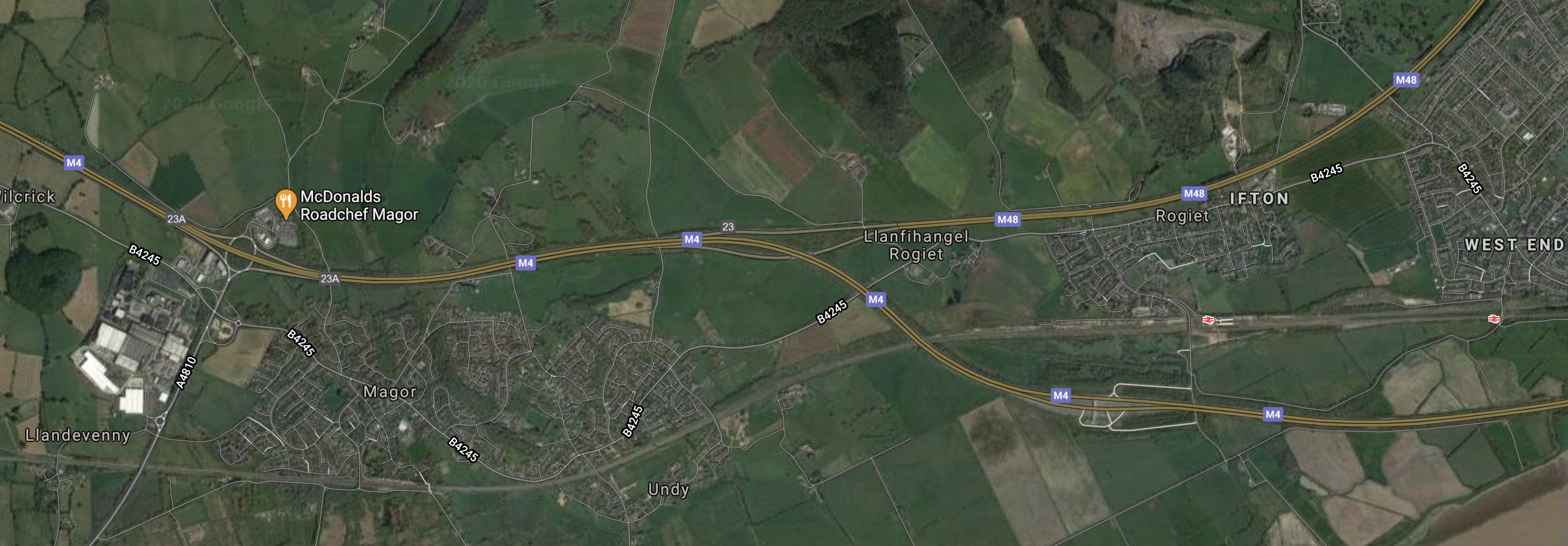
Note.
- The Northern motorway is the M48, which leads to the original Severn Bridge.
- The Southern motorway is the M4, which leads to the newer Second Severn Crossing.
- Between the two lies the South Wales Main Line, with the two stations; Severn Tunnel Junction and Caldicot.
- At the Western end of the map, the railway runs between the two villages of Magor and Undy.
This second Google Map shows the villages.
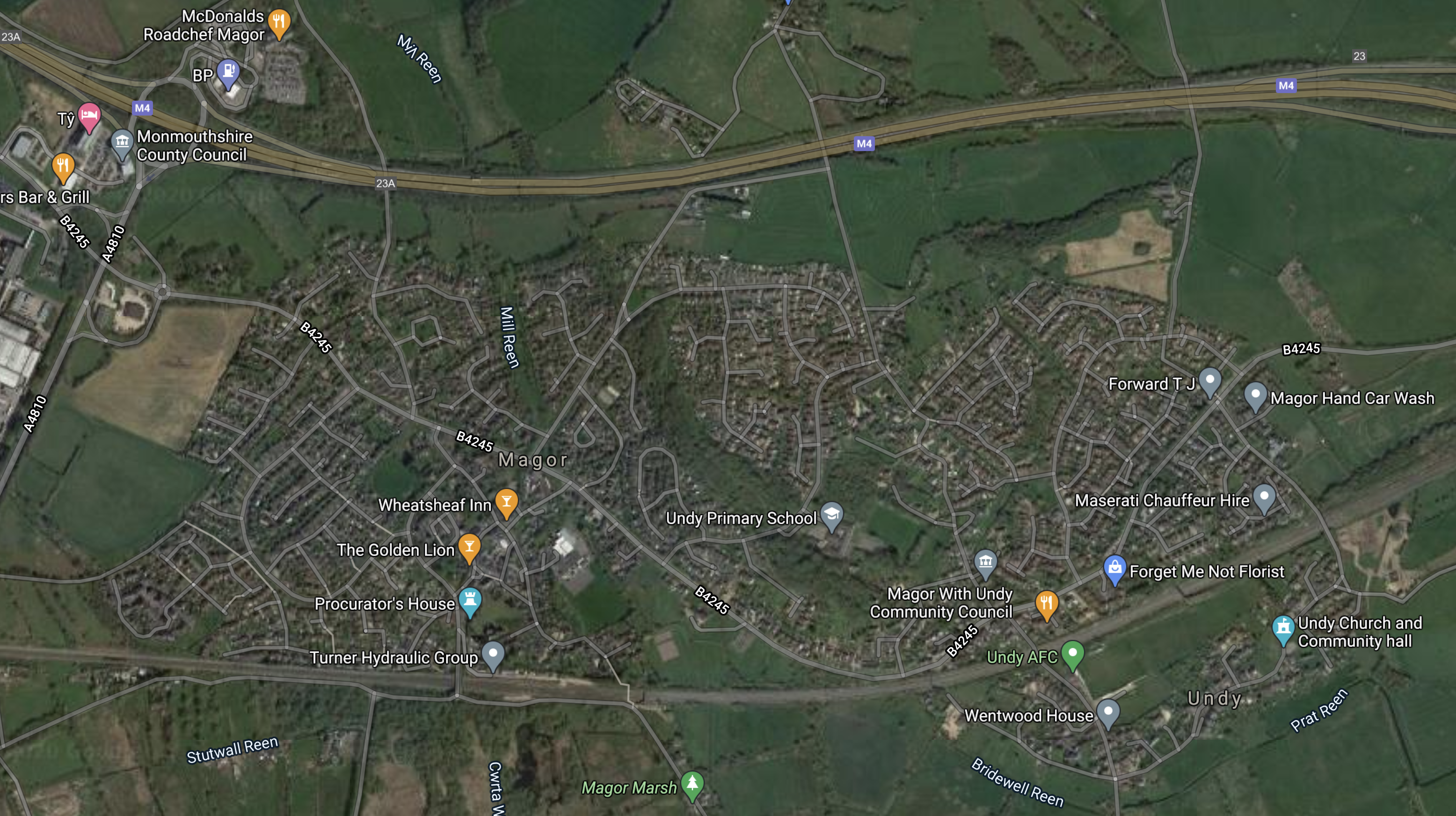
Note.
- The M4 running East-West to the North of Magor.
- Magor services is in the North-West corner of the map.
- The South Wales Main Line running through the villages.
There certainly seems to be a lot of housing to provide passengers for the new station.
The Location Of Magor And Undy Station
On this web page on Rail Future, which is entitled Magor, this is said.
The station site is where the B4245 road passes closest to the railway line. The Monmouthshire County Council traffic survey shows that some 11 – 12,000 cars a day pass along this road through the middle of the villages. The shift from car to train use is primarily aimed at capturing those who at present are not prepared to drive the two and half miles to the east just to catch the train at Severn Tunnel Junction to travel the two and a half miles back passing their homes for the seven and a half mile journey into Newport, and hence at present use their car for the whole journey instead. The site also has the advantage of direct integration with the buses as the bus services pass the entrance to the site of the proposed Station and Community centre every half an hour.
This Google Map shows the B4245 road and the railway.
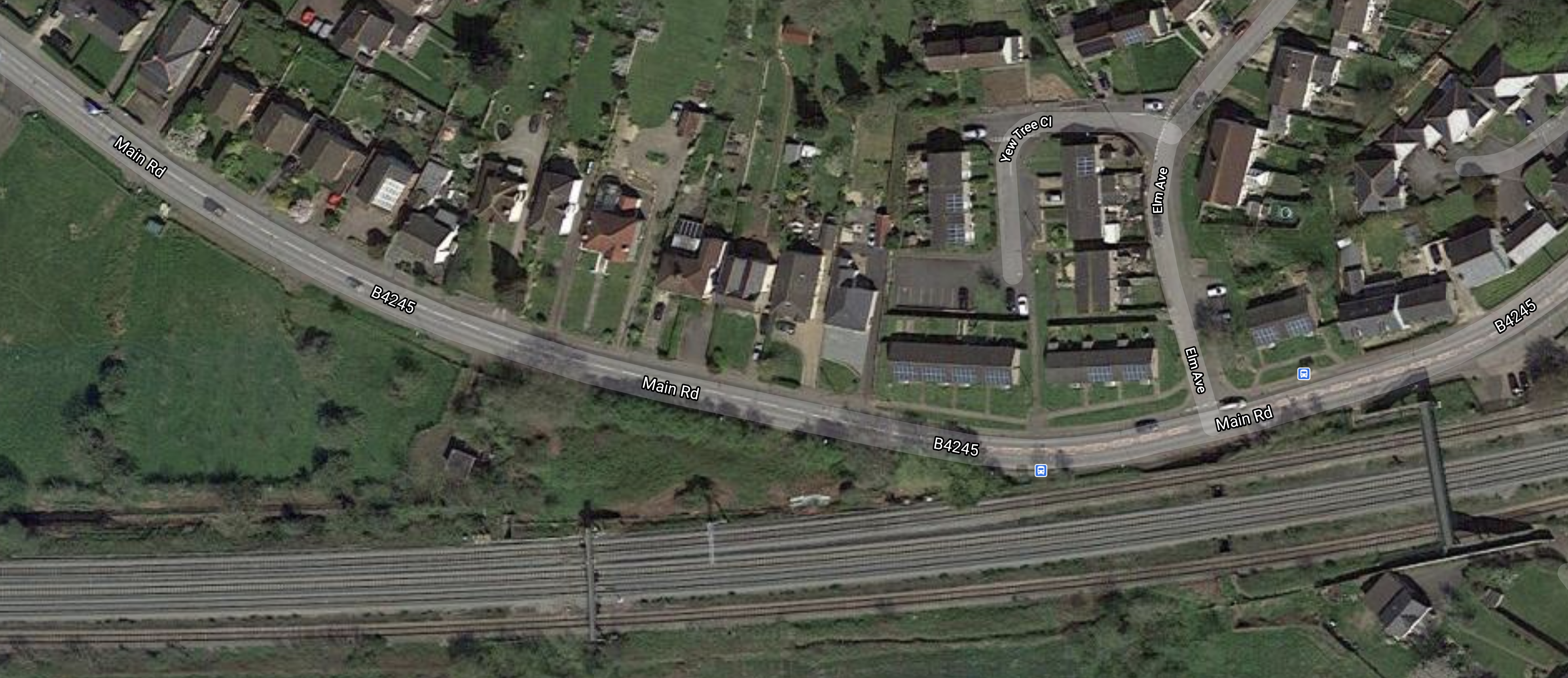
Note.
- The B4245 curving across the map.
- There are already two bus stops, which are marked by blue dots.
- There is a footbridge over the railway, which doesn’t appear to be step-free.
As Rail Future is probably correct, the position of the station is fairly obvious.
Various documents on the Internet talk about the station being built on the Three Field Site, which the local council bought for community purposes some years ago. Could the triangle of land between the B4245 and the railway, be this site?
Thoughts On The Station
Reading the web page on Rail Future, the following seems to be stated.
- The platforms will be on the two outside tracks of the four through the station. These are the Relief Lines.
- The two Fast Lines will be in the centre.
- Existing crossovers will allow trains from the Fast Lines to call in the station.
Unlike at other proposed stations to the West of Newport, the tracks will not need major works to slew them to accommodate the new platforms.
I would also do the following.
Incorporate Wide Platforms
This picture was taken of the new platform at Stevenage station.
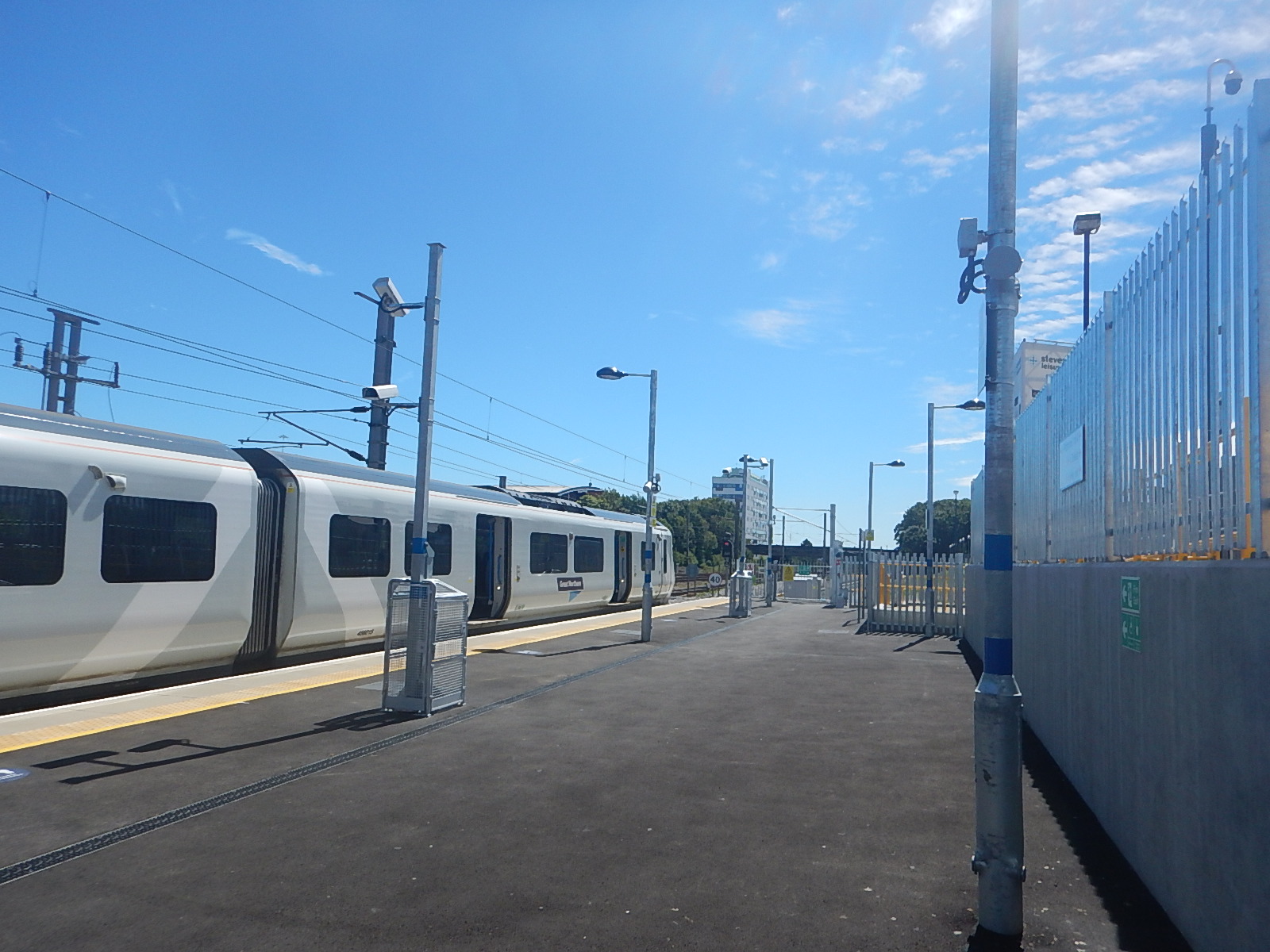
If the station gets busy, a wide platform will ease loading and unloading.
As Magor and Undy station, will be one that encourages passengers to cycle to the station, would a wide platform make it easier for passengers, who are travelling with bicycles?
Step-Free Between Train And Platform
Greater Anglia are using similar trains to South Wales and the Stadler Flirts in East Anglia offer step-free access between train and platform, as this picture shows.
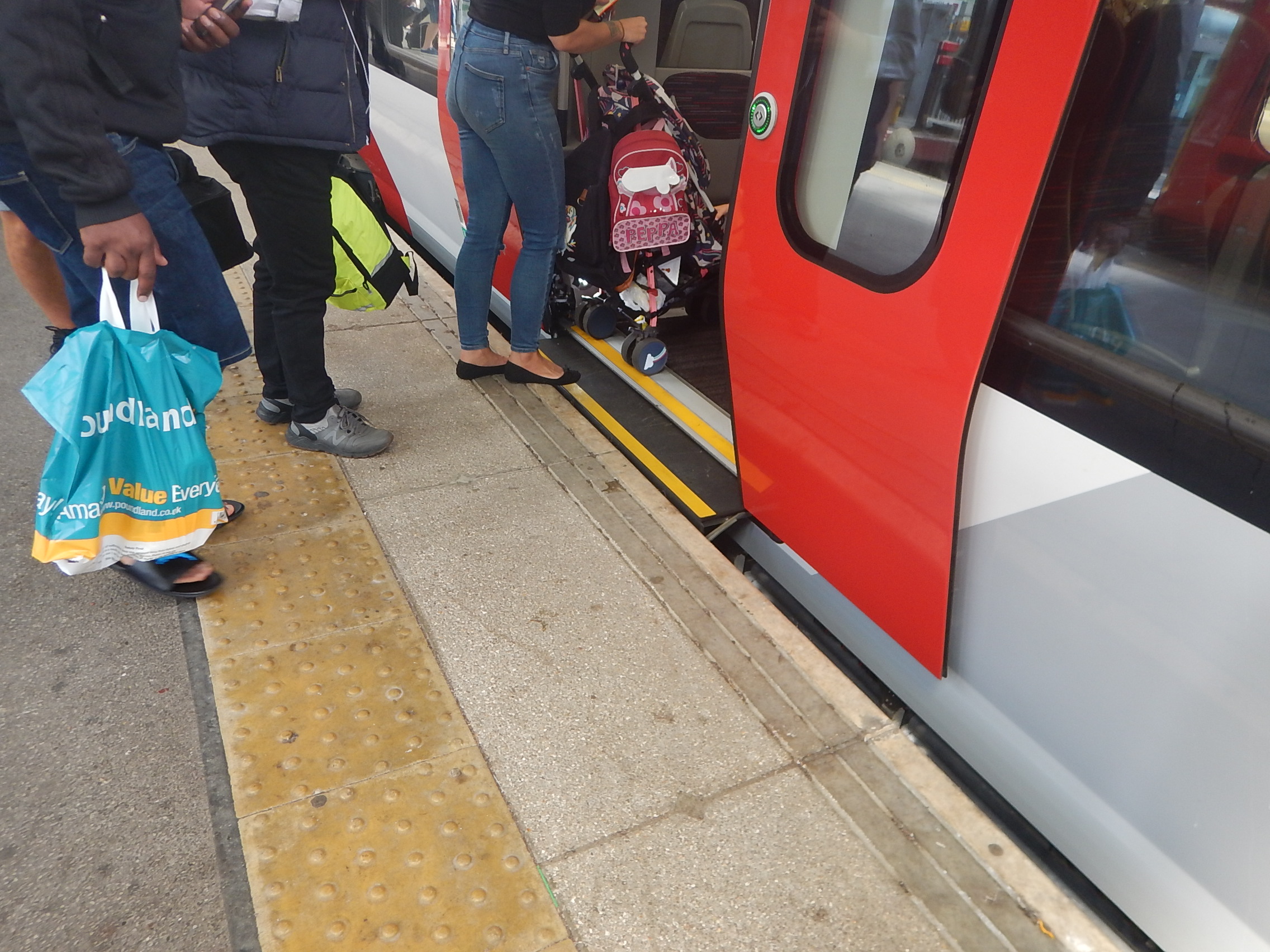
South Wales should offer a similar standard of step-free access. as it eases access and cuts train delays.
A Step-Free Footbridge
In Winner Announced In The Network Rail Footbridge Design Ideas Competition, I wrote how the competition was won by this bridge.
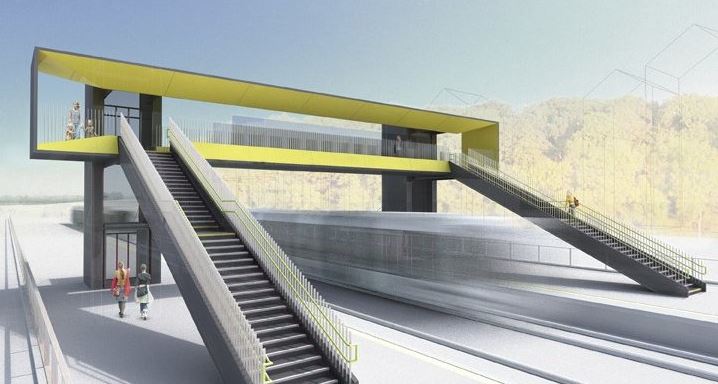
So could a factory-built bridge like this be installed at Magor and Undy station?
- The bridge can be sized to fit any gap.
- If the platforms were wide enough, I think it would be possible.
- It can have lifts that can take bicycles.
- A bridge like this would also reduce the cost.
So the station can have a stylish, affordable, fully step-free footbridge.
A Walkway Along The Railway
It strikes me that a walkway on the Southern side of the railway to connect the communities South of the railway to the station could be very useful.
Electrification
The South Wales Main Line is electrified between London and Cardiff and Great Western Railway’s Class 802 trains between London and Swansea, change between electricity and diesel at Cardiff Central station.
All four lines at Severn Tunnel Junction appear to be electrified, so will all four lines at Magor and Undy station be electrified?
They certainly should be, to improve the reliability of electric services between London and South Wales.
Train Services
I suspect that the calling pattern of train will be similar to that at Severn Tunnel Junction, which is the next station to the East. The Wikipedia entry for Severn Tunnel Junction says this about services at that station.
The station is served by two main routes – Transport for Wales’ Cheltenham Spa to Cardiff Central and Maesteg via Chepstow local service and Great Western Railway’s Cardiff to Taunton via Bristol line. Both run hourly on weekdays & Saturdays, albeit with some two-hour gaps on the Chepstow line. In the weekday peaks, certain Cardiff to Portsmouth Harbour also stop here, whilst there is a daily train to Fishguard Harbour. CrossCountry also provides very limited services to/from Manchester Piccadilly via Bristol and to Nottingham via Gloucester and Birmingham New Street.
On Sundays, the Bristol to Cardiff service is once again hourly (and runs to/from Portsmouth) whist the Cheltenham service is two-hourly.
I think that this could result in these train frequencies in trains per hour (tph), from Magor station.
- Caldicot – 2 tph
- Cardiff Central – 4 tph
- Cjeltenham – 1 tph
- Chepstow – 2 tph
- Gloucester – 1 tph
- Newport – 4 tph
- Severn Tunnel Junction – 4 tph
Note.
- I have assumed that the CrossCountry services don’t stop.
- As there seem to be proposals to add extra stations between Newport and Cardiff Central, these new stations could also get a service with a frequency of between two and four tph.
Working on rules that apply in Liverpool and London, and may apply to the South Wales Metro, I think that a Turn-Up-And-Go service of a train every fifteen minutes is needed between Magor and Undy station and the important Newport and Cardiff stations.
Battery Electric Trains Along The South Wales Main Line
The railways are being decarbonised and plans will have to be made to run all secondary services on the South Wales Main Line without diesel.
Hitachi have already played their cards, with the announcement of a Regional Battery Train, which will be created by replacing some of the numerous diesel engines on a Class 802 train with battery packs.
This is Hitachi’s infographic for the train.
The range of ninety kilometres or fifty-six miles is interesting.
- Cardiff Central and Swansea are 46 miles apart, so with a charging facility at Swansea, Great Western Railway could run diesel-free between London Paddington and Swansea.
- I suspect too, that destinations to the West of Swansea could also be served with intelligent placing of a second charging facility at perhaps Carmarthen.
But it’s not just Hitachi, who have made plans for battery electric trains.
- Transport for Wales have ordered twenty-four Stadler Class 756 trains, which are tri-mode and can run on electrification, diesel or battery power.
- Transport for Wales have also ordered eleven Stadler Class 231 trains, which are only bi-mode.
- Both these fleets seem very similar to Greater Anglia’s Class 755 trains, which Stadler have said can be converted to 100 mph tri-mode operation, with perhaps a forty mile range on battery power.
- I have ridden several times in Class 755 trains and without doubt, they are one of the best diesel-powered trains, I have used in the UK.
So I don’t think it is unreasonable to believe that Transport for Wales have the capability to run battery electric services with the fleet they have ordered given a few simple upgrades, that may already be planned for Greater Anglia.
But will the Welsh train builder; CAF, be happy with Hitachi and Stadler running their battery electric trains at high speed past their factory and onward to England and West Wales?
I doubt it and CAF have already made a response.
In Northern’s Battery Plans, I said this about CAF’s plans to create a battery electric Class 331 train for Northern.
It appears that CAF will convert some three-car Class 331 trains into four-car battery-electric trains.
- A three-car Class 331 train has a formation of DMSOL+PTS+DMSO.
- A fourth car with batteries will be inserted into the train.
- Batteries will also be added to the PTS car.
I suspect that CAF would be happy to convert some of Transport for Wales order for diesel Class 197 trains into one for suitable battery electric trains.
I believe some of the services that are planned to be run by these diesel trains into Birmingham, Liverpool and Manchester, appear to be ideal routes for battery electric trains.
These diesel trains will still be serviceable in 2060, which will be long past the cut-off date for diesel trains in the UK.
So why not replace them before they are built?
- The CAF Civity train is modular, so I doubt it would make much difference to CAF’s manufacturing process.
- The diesel version of the Civity has a noisy transmission compared to the electric version.
It would surely, be better for CAF’s marketing.
Could the various routes through Magor be operated by battery electric trains?
These are my thoughts on the various routes.
Maesteg And Cheltenham Spa
This service is hourly and run by Transport for Wales.
- Currently, the service seems to be running to Gloucester.
- Maesteg and Cardiff Central is not electrified and 28.5 miles long.
- Trains seem to take over 8-9 minutes to turn back at Maesteg.
- Cardiff Central and Severn Tunnel Junction is electrified.
- Severn Tunnel Junction and Gloucester is not electrified and is 35 miles long.
- Trains seem to take over 25 minutes to turn back at Gloucester.
It certainly looks that with charging facilities at Maesteg and Gloucester, this service could be run by a battery electric train with a range of forty miles on battery power.
Fishguard And Gloucester
This service is occasional and run by Transport for Wales.
The problem with this service will be to the West of Swansea.
But if Great Western Railway and Transport for Wales put their heads and services together, I feel there is a cunning plan to run battery electric trains to Fishguard, with perhaps charging facilities at Fishguard, Carmarthen and Swansea.
Cardiff And Bristol Temple Meads
This service is two tph and run by Great Western Railway.
On the Welsh side of the Severn Tunnel, this could be an electric service.
On the English side, there is only ten miles of line without electrification between the South Wales Main Line and Bristol Temple Meads station.
This service in wales can be considered an electric service, as it is only onwards from Bristol Temple Meads to Taunton and Portsmouth Harbour, that charging facilities will be needed.
Conclusion
I like this scheme and as it looks like the trains will be running on electric power, through Magor and Undy station, it could be a very good one.
When The New Newport Railway Line To Cater For Major Events Is Set To Open
The title of this post is the same as that of this article on Wales Online.
If you’ve ever been to a major event at the Principality Stadium in Cardiff, as I have a couple of times, you’ll know that getting your train back to England can be a long wait.
So the Welsh have come up with a cunning plan to build a staging area, where they can hold trains near the former Llanwern steelworks site at Newport.
- It will be 2.4 km. long.
- I estimate that a nine-car Class 801 train is 234 metres long and holds 611 passengers, so the siding can hold ten trains which have a capacity of over six thusand passengers.
- It is part of a £50million plan for a new Llanwern station, which is part of the South Wales Metro.
- It will also be used for the testing of trains. It is very handy for CAF’s Newport factory.
This Google Map shows the site, with CAF’s factory highlighted.
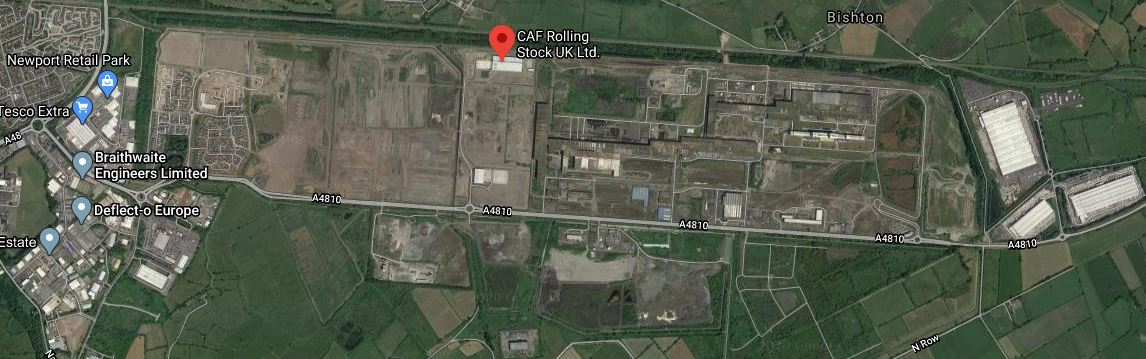
Note the South Wales Main Line running along the North of the massive steelworks site. So if the staging area, is built between the main line and the steelworks site, which contains the CAF factory, it will be convenient for both uses.
This looks to be a good plan, that will solve more multiple problems and needs.
GWR and DfT’s Commitment To The Night Riviera
The May 2020 Edition of Modern Railways has an article, which is entitled West Of England Improvements In GWR Deal.
Under a heading of Sleeper Planning, this is said about plans for the Night Riviera.
Whilst GWR is already developing plans for the short term future of the ‘Night Riviera’ sleeper service, including the provision of additional capacity at times of high demand using Mk. 3 vehicles withdrawn from the Caledonian Sleeper fleet, it is understood the company has been asked to develop a long-term plan for the replacement of the current Mk. 3 fleet of coaches, constructed between 1981 and 1984, as well as the Class 57/6 locomotives, which were rebuilt in 2002-03 from Class 47 locomotives constructed in the early 1960s.
This must show commitment from both GWR and the Department for Transport, that the Night Riviera has a future.
These are a few of my thoughts on the future of the service.
The Coaches
I would suspect that GWR will opt for the same Mark 5 coaches, built by CAF, as are used on the Caledonian Sleeper.
I took these pictures on a trip from Euston to Glasgow.

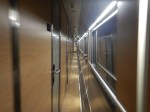

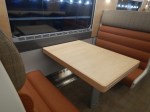
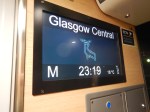
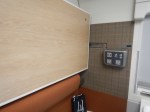
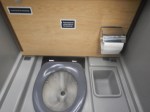
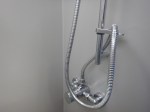


The coaches don’t seem to have any problems and appear to be performing well.
The facilities are comprehensive and include full en-suite plumbing, a selection of beds including doubles and a lounge car. There are also berths for disabled passengers.
The Locomotives
The Class 57 locomotives have a power output around 2 MW and I would suspect a similar-sized locomotive would be used.
Possible locomotives could include.
- Class 67 – Used by Chiltern on passenger services – 2.4 kW
- Class 68 – Used by Chiltern, TransPennine Express and others on passenger services – 2.8 MW
- Class 88 – A dual-mode locomotive might be powerful enough on diesel – 700 kW
I wouldn’t be surprised to see Stadler come up with a customised version of their Euro Dual dual-mode locomotives.
Protests After Claim That Hitachi Has Lost T&W Contract
The title of this post is the same as that of this article on Railnews.
This is the introductory paragraphs.
There have been protests in north east England after a report claimed that Hitachi has been ruled out of the three-way contest to build a £500 million fleet for Tyne & Wear Metro.
The other contenders are CAF and Stadler, and the source of the claims says ‘insiders’ at Nexus have been told that Hitachi will be ‘overlooked’.
It should be noted that the two other bidders have orders for similar trains in the pipeline.
CAF
In TfL Awards Contract For New DLR Fleet To Replace 30-year-old Trains , I wrote about how CAF had been awarded the contract for new trains for the Docklands Light Railway.
I also said this about the possibility of CAF being awarded the contract for the new trains for the Tyne and Wear Metro.
In Bombardier Transportation Consortium Preferred Bidder In $4.5B Cairo Monorail, I indicated that as the trains on the Tyne and Wear Metro and the trains on the Docklands Light Railway, are of a similar height and width, it might be possible to use the same same car bodies on both trains.
So now that CAF have got the first order for the Docklands Light Railway, they must be in prime position to obtain the Tyne and Wear Metro order!
A second order would fit well with the first and could probably be built substantially in their South Wales factory.
Stadler
Stadler seem to be targeting the North, with new Class 777 trains for Merseyrail and Class 399 tram-trains for Sheffield and bids in for tram-trains and and new trains for the Tyne and Wear Metro.
Their trains are both quirky, accessible and quality and built to fit niche markets like a glove.
Only Stadler would produce a replacement for a diesel multiple unit fleet with a bi-mode Class 755 train, with the engine in the middle, that is rumoured to be capable of running at 125 mph.
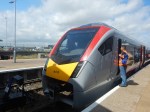
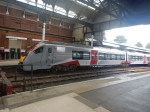
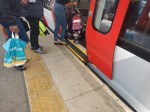

Note the full step-free access between train and platform, which is also a feature of the Merseyrail trains.
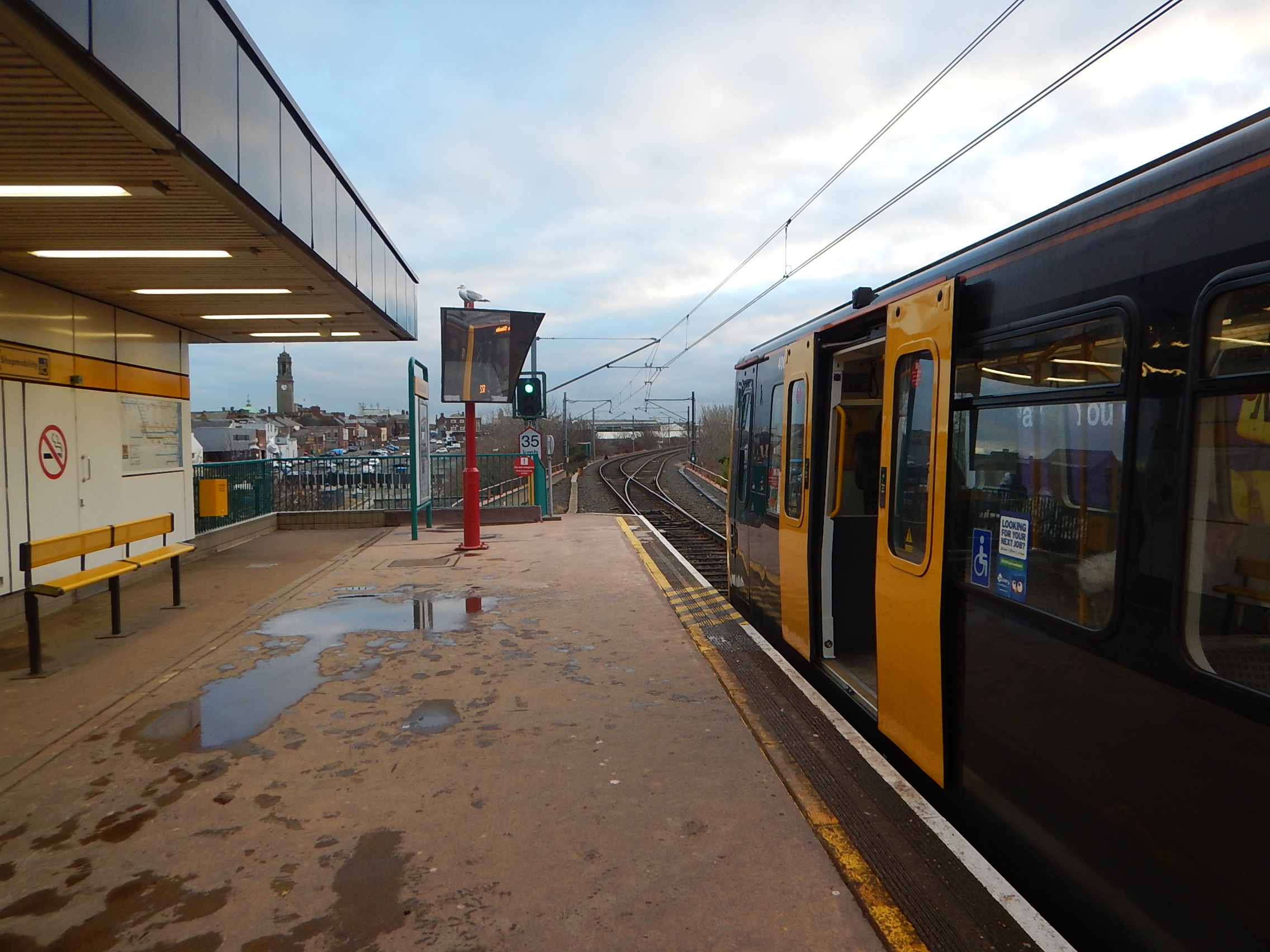
Does the Tyre and Wear Metro want to have access like this? It’s already got it with the existing trains, as this picture at South Shields station shows.
Stadler’s engineering in this area, would fit their philosophy
I first thought that Stadler would propose a version of their Class 399 tram-trains. for the Tyne and Wear Metro and wrote Comparing Stadler Citylink Metro Vehicles With Tyne And Wear Metro’s Class 994 Trains.
This was my conclusion.
I am led to the conclusion, that a version of the Stadler Citylink Metro Vehicle similar to those of the South Waes Metro, could be developed for the Tyne and Wear Metro.
My specification would include.
- Length of two current Class 994 trains, which would be around 111 metres.
- Walk through design with longitudinal seating.
- Level access between platform and train at all stations.
- A well-designed cab with large windows at each end.
- Ability to use overhead electrification at any voltage between 750 and 1500 VDC.
- Ability to use overhead electrification at 25 KVAC.
- Pantographs would handle all voltages.
- A second pantograph might be provided for reasons of reliable operation.
- Ability to use onboard battery power.
- Regenerative braking would use the batteries on the vehicle.
Note.
- Many of these features are already in service in Germany, Spain or Sheffield.
- The train would be designed, so that no unnecessary platform lengthening is required.
- As in Cardiff, the specification would allow street-running in the future.
- Could battery range be sufficient to allow new routes to be developed without electrification?
I also feel that the specification should allow the new trains to work on the current network, whilst the current trains are still running.
But since I wrote that comparison in June 2018, Merseyrail’s new trains have started to be delivered and Liverpudlians have started to do what they do best; imagine!
The Tyne and Wear Metro has similar ambitions to expand the network and would a version of the Class 777 train fit those ambitions better?
Conclusion
I wouldn’t be surprised if Hitachi misses out, as the experience of the Docklands Light Railway or Merseyrail fed into the expansion of the Tyne and Wear Metro could be the clincher of the deal.
They would also be the first UK customer for the Hitachi trains.
The Wrong Kind Of Bleach?
This article on Railnews is entitled 9 September: News In Brief.
It has the following sub-title.
Wrong Bleach Took Caledonian Sleepers Out Of Service
This is the first sentence.
Cleabers who used the wrong specification of bleach in the toilets and shower rooms on Caledonian Sleepers caused significant damage after the chemicals reacted with stainless steel pipes,
To my knowledge stainless steel, especially when it contains increased levels of chromium and some molybdenum, can be very proof to attack from most substances.
Look at this Butler Shba cutlery made in Sheffield from stainless steel with black Delrin plastic handles, which have seen continuous use in my household for fifty years.
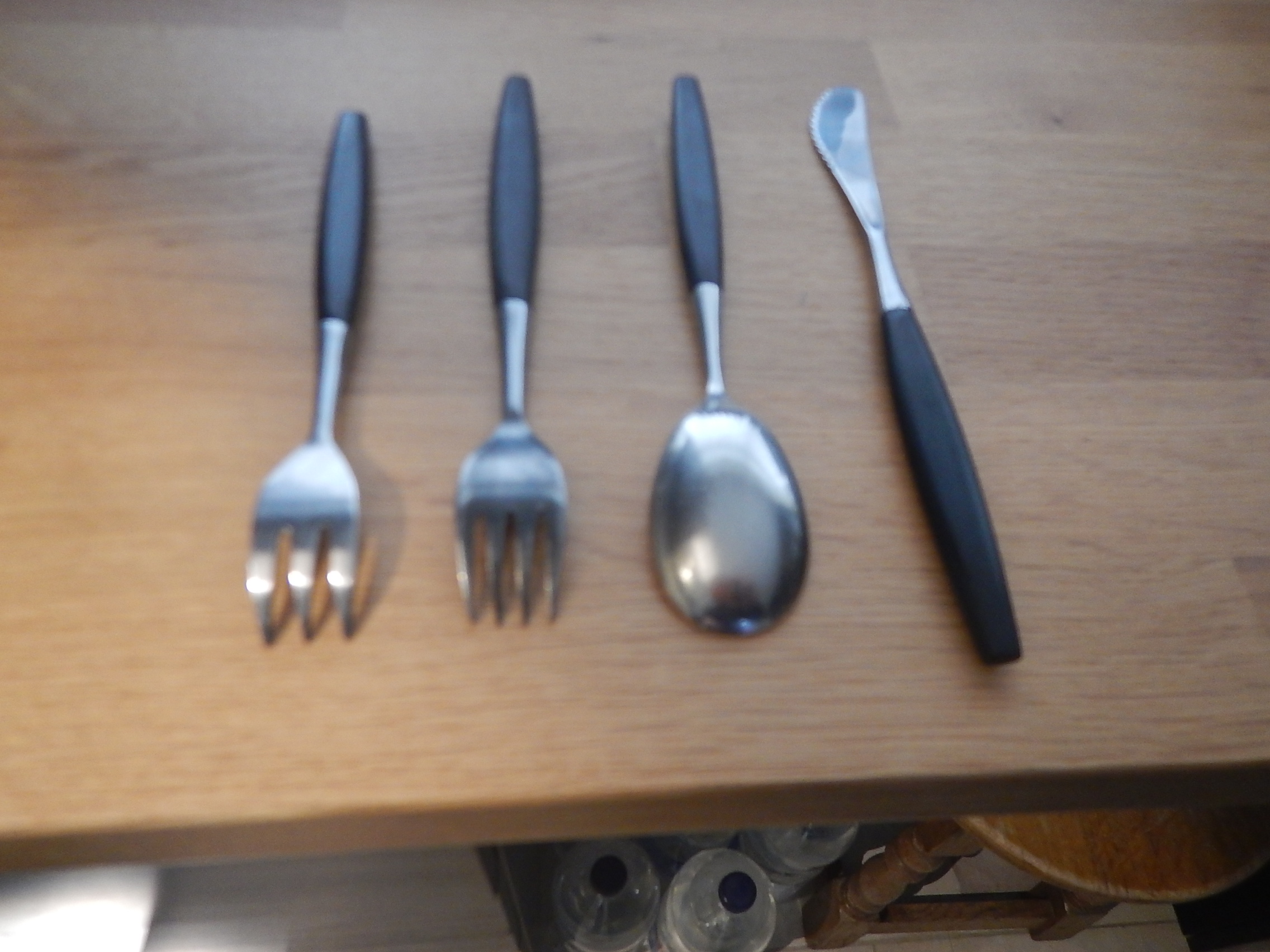
Now that’s what I call stainless steel!
Perhaps, the Spanish used the wrong type of stainless steel?
Delrin is a form of polyoxymethylene, which is an engineering plastic.
This plastic has a wide spectrum of usage, including in zips, bagpipes and metered dose inhalers, to name just three of hundreds.
My First Ride In A Class 331 Train
After yesterday’s post; My First Ride In A Class 195 Train, today, I took a ride in that train’s electric sister; the Class 331 train, between Leeds and Doncaster stations.
These are some pictures.
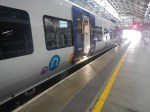
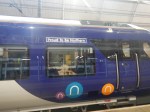
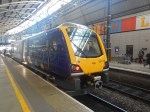
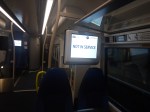
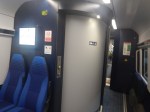
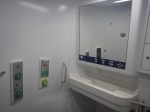
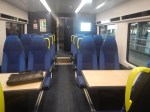

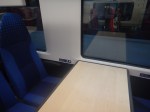
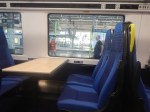


These are my views on various aspects of the train.
Noise, Vibration And Harshness
The electric trains, I travel in most are London Overground’s and TfL Rail’s various classes; 315, 317, 345, 378 and 710.
These Class 331 trains seemed to have a smooth ride, but a noisier transmission compared to say the Class 378 train or the Class 710 train.
To check, the day after I rode the Class 331 train, I rode the Gospel Oak to Barking Line, sampling both Class 378 and Class 710 trains.
It was no surprise that noise levels in the Class 710 train were lowest, but the Class 331 train was noisier than the Class 378 train.
Interior Design
The interior design is the same as that of the Class 195 train and my same comments apply.
- It is inferior to that of a Class 385 train.
- The seats are not aligned with the windows.
- There are lots of tables, which I like.
I also noted that the information display wasn’t working. Was this just teething troubles?
Entrance And Exit
As expected, this was the same as the Class 195 train.
Conclusion
The Class 331 train like its sibling; the Class 195 train, has a few design faults, that hopefully will be rectified in the next few months.
 The Anonymous Widower