Thoughts On The Duke’s Land Rover Hearse
This article on The Times is entitled The Land Rover hearse: a vehicle fit for the Duke of Edinburgh’s final journey.
I made this comment.
There’s a church near me in Hackney, where in less restricting times, you regularly saw a horse-drawn funeral. These must cost a fortune to maintain and provide.
I remember seeing a report on the BBC about an undertaker, who has created a motorcycle and sidecar hearse for the funerals of those of a certain persuasion.
I can imagine some of my farming and off-road enthusiast friends liking the idea of being taken to their funeral in a hearse made from a Land-Rover. As you say, it would have a certain style.
There are even conversions, so that old Defenders can be converted to run on battery power, so the hearse could be zero-carbon too!
I have just heard Giles Brandreth on the BBC, who as the biography of the Duke, was at the funeral, as a reporter. He said that he had talked to the Commander of the Guards, who had walked alongside the hearse in the procession. He related how the driver had difficulty keeping the speed down with a lot of slipping of the clutch and noise from the diesel engine.
As I said in my comment to The Times article, perhaps the hearse should have been battery-powered. But then surely, this should apply to a fair proportion of all hearses.
Serial Cooking – Twelve Minute Fish
I’ve used this recipe for years, since I discovered it in the sadly-missed Dinner Tonight daily recipe in The Times, that was contributed by Lyndsey Bareham.
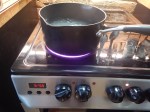
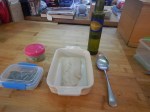

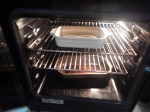




Note.
- I used haddock, but it generally works with any white fish trawled from the depths of the freezer.
- I always keep little pots of frozen peas and runner beans for one in my freezer.
- I have lots of pots and always split frozen peas up when I buy them.
- I usually cook it for one or two, but have cooked it for four.
- I’m a bit worried about getting the Carluccio’s olive oil with lemon. But I suspect someone else will supply something similar.
It can’t be too bad, as two friends have asked for the recipe. And they’re still friends.
Blood Clot Risk Eight Times Higher From Covid Than AstraZeneca Vaccine, Study Finds
The title of this post, is the same as that of this article on The Telegraph.
This is the first two paragraphs.
The risk of a rare brain clot from coronavirus is approximately eight times greater the risk presented by the AstraZeneca jab, a University of Oxford study has found.
The research, which is yet to be peer-reviewed, and compared blood clot rates among 500,000 coronavirus patients with data from the roll-out of 34 million vaccine doses across Europe.
I will certainly be having my second AstraZeneca jab next Monday.
This press release on the Astra-Zeneca web site is entitled Oxford Phase III trials interim analysis results published in The Lancet.
This is an extract.
In addition to the Oxford led programme, AstraZeneca is conducting a large study in the US and globally. In total, Oxford University and AstraZeneca expect to enrol more than 60,000 participants globally.
The Telegraph article also says this.
The incidence of rates for cerebral venous thrombosis (CVT) – a rare blood clot on the brain – is 39 per million coronavirus patients, while it is five per million recipients of the AstraZeneca vaccine.
Note that five per million is 0.3 per 60,000.
Any participant, who got a blood clot in the AstraZeneca Phase III trial would have been a very unlucky person.
Those who say, that the AstraZeneca vaccine was rushed and that many more people should participated in the trials may have a point.
But countering that is my belief that data analysis has improved so much in the last twenty years that all the data on all the vaccines has been so thoroughly analysed by some of the best data analysts and analytic software, that most more common problems have been identified.
The Edmonton Incinerator
Although it is officially known these days as the Edmonton EcoPark, as a North Londoner, I will always know it as the Edmonton Incinerator.
I took these pictures with my drone.
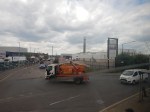


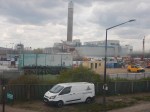
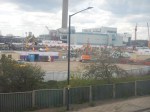


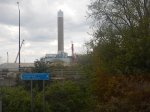

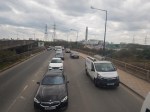
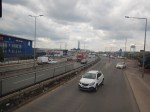
These are a few facts from Wikipedia about the waste-to-energy plant.
- It was commissioned by the Greater London Council in 1971.
- It burns waste from the seven North-East London boroughs.
- It generates 55 MW of electricity.
It certainly dominates the landscape alongside the North Circular Road.
But.
It is probably not amongst the greenest of incinerators.
It is probably very much a design of the 1960s.
It is approaching fifty years old.
But it appears that things could be improving.
- There is a large composting and recycling facility being built on the site on the site.
- Plans exist to bring in the rubbish by barge.
This Google Map shows the site.
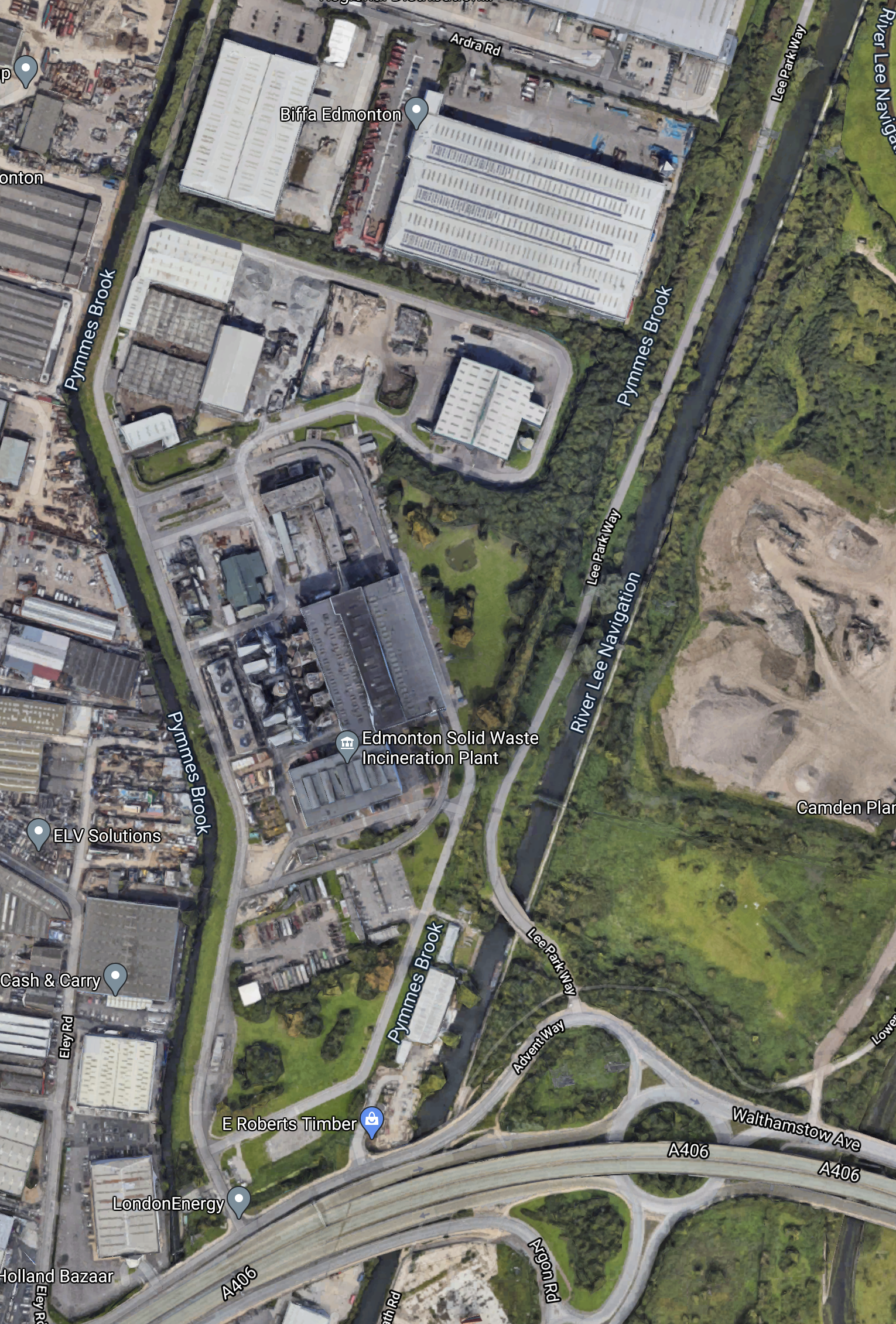
Note.
- The North Circular Road runs across the bottom of the map.
- All of the roads obliterated the famous Cooks Ferry Inn, where I saw the Animals play in the 1960s.
- The River Lee Navigation runs past the incinerator.
- Pymme’s Brook runs on the other side.
It looks from the map, that another reservoir is being built to the East of the canal.
The Guy Who Built The Edmonton Incinerator
I used to work with the guy, who was one of those in charge of the building of the incinerator, who when I met him, was head of the Greater London Council’s Construction Branch, who were using my project management software.
I can’t remember Mr. Samuels first name, even if I ever knew it.
- He was an Austrian Jew, who had trained as an engineer, who arrived in the UK sometime in the 1930s.
- He taught himself English in six weeks and got a job at Lucas.
- At the start of World War II, he volunteered and joined the Royal Engineers.
- He spent the whole war in bomb disposal.
- After the war he became an observer at the Nuremberg Trials.
After all he’d been through, he told me, the worst time of his life, was those years in the early seventies when I knew him, as his wife was dying of cancer.
But he taught me a lot about project management and the real horror of war.
He never told me, how many of his relatives survived the Nazis.
What Will Happen To The Edmonton Incinerator?
This year it will be fifty years since the Edmonton Incinerator was commissioned. It must be coming to the end of its life.
I can’t find any plans, but endless groups, who want it closed rather than rebuilt.
This article in the Hackney Gazette, which is entitled Campaigners Urge North London Incinerator Bidders To Pull Out, is typical.
I am very pro recycling, but then others aren’t as these pictures show.
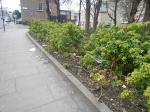



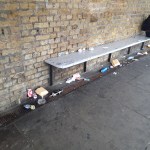
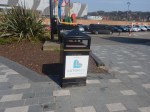
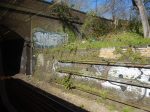
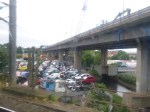
So if some won’t recycle properly, it will all have to go to landfill.
An Odd Tale About Recycling
I applied to be a member of the Independent Monitoring Board of a prison near, where I used to live.
I had a very interesting tour of the prison, where I met several of the inmates.
One thing surprised me.
The prison had a very comprehensive internal recycling system, whereby everything was fully sorted.
One course of training, that was offered to prisoners was how to sort and process all of the rubbish. According to the guy running the course, it was one of the most popular in the prison.
Possibly, because I was told, it prepared prisoners for a job, where there were lots of vacancies.
I wonder if the new £100million recycling centre at Edmonton will use labour trained in the Prison Service?
ScottishPower’s Green Hydrogen Project Looks To Build UK’s Largest Electrolyser
The title of this post, is the same as that of this article on Current News.
This is the first paragraph.
ScottishPower has submitted a planning application for the UK’s largest electrolyser as part of the Green Hydrogen for Scotland project.
Other points from the article include, these about the electrolyser.
- It will be built close to the Whitelee wind farm.
- It will be 20 MW.
- It will produce eight tonnes of green hydrogen per day.
- The electrolyser will be built by ITM Power in Rotherham.
- It is hoped that green hydrogen will be produced by 2030.
Other points include.
- The windfarm will be backed up by 40MW of solar panels and a battery capable of supplying 50 MW.
- The capacity and type of the battery is not stated.
The article finishes with a must-read section, about how hydrogen will help the UK meet its decarbonisation targets.
Covid-19, Coeliac Disease And Budesonide
I am coeliac and whenever a drug is shown to have positive effects against the Covids, I type its name into Dr. Google with coeliac disease.
With dexamethasone, I found it is used in some countries. as an alternative to a gluten-free diet.
Typically, these countries appear to be one with a Pop-A-Pill-For-Everything habit.
Budesonide appears to be used for Crohn’s disease, which is associated medically with coeliac disease.
As we keep hearing that the best way to fight the covids is with your immune system and coeliac disease is an autoimmune disease, is enough research being done as to the role of undiagnosed coeliac disease in this pandemic?
Coeliac UK are just advising Keep Calm and Carry On with the gluten-free diet!
Work Has Started At Brent Cross West Station
I was alerted to the fact that work had started at Brent Cross West station by this article on Rail Advent.
The article didn’t say much, except that work had started, track had been moved to allow construction of the £40 million station and the station should open next year.
So I went and had a look.
I took these pictures from a Thameslink train going North through the station site.
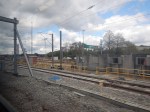
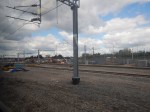
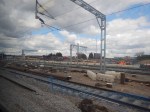

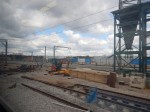
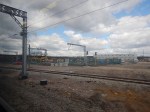
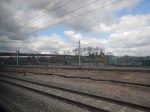
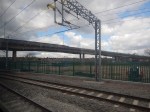
I was sitting on the right-hand side of the train and looking to the East.
I then changed trains at Mill Hill Broadway station and took a few more pictures going South.
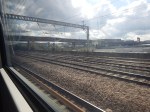
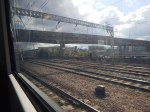

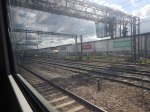
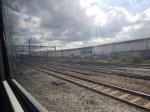
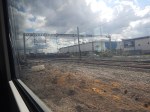
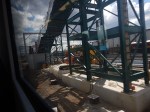
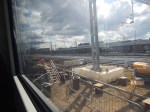
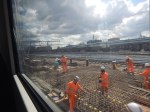
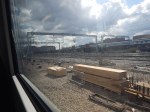

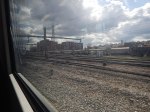
Again, I was sitting on the right-hand side of the train, but this time looking West.
This Google Map shows the area.
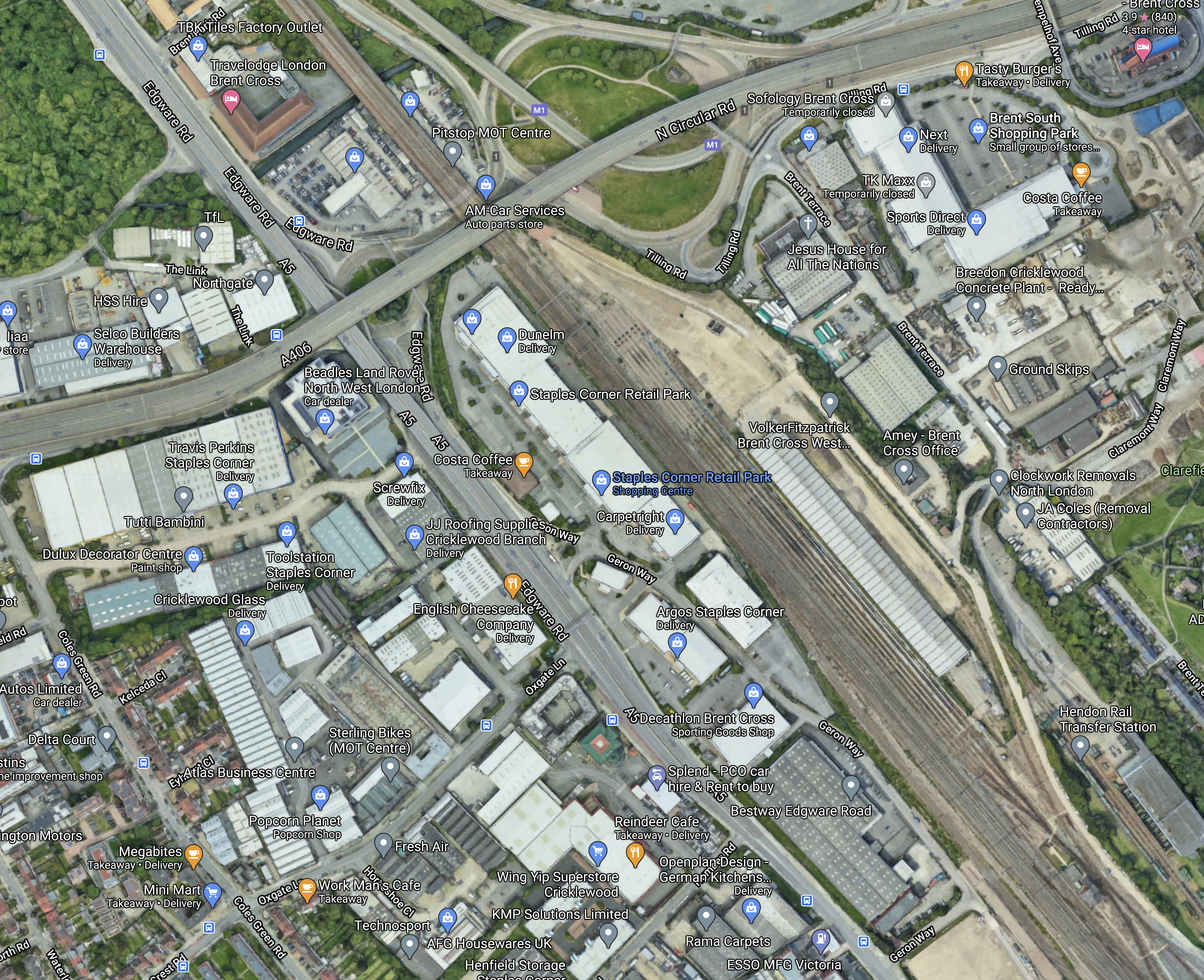
Note.
- The map was probably created a few months ago.
- There is still a shed from the Cricklewood TMD still standing, which I didn’t see.
- The Brent Cross Flyover can be clearly seen in the images and the map.
Work underway includes.
- Creation of the new track layout.
- Building of two wide platforms either side of the tracks i was on.
- The width of the platforms may indicate island platforms.
- Building a temporary footbridge, so workers can cross the tracks.
- There appear to be a support installed for the station footbridge.
One impression, I got today, is that it is a large site and this may enable the building of a relatively simple station.
Keep Calm And Carry On!
I saw a superb example of this on a bus today.
The bus was fairly crowded and I was standing.
A guy gets on and it was fairly obvious that he had no arms and from his age and appearance, it looked like he could have been a victim of thalidomide.
But no-one moved to offer him a seat!
So as the bus moved off, he calmly walked up the stairs to the top deck!
Shame on all those seat-sitters!
 The Anonymous Widower