Honeywell Launches Lightweight Cooling System For Electric Aircraft
The title of this post is the same as that of this article on Flight Global.
This is the introductory paragraph.
Honeywell Aerospace has unveiled a lightweight, low-maintenance cooling system for developers of urban air mobility (UAM) and electric aircraft, and has named the Eviation Alice as launch platform for the energy-efficient feature.
I particularly like the comment of Eviation’s founder Omer Bay-Yohay’s comment of “Every ounce counts!”.
But although weight is important in an electric aircraft, like the Eviation Alice, it is also important in other forms of transport from a family runabout to a high-speed train. Especially, if the vehicle is powered by batteries.
It should also be noted, that Honeywell are setting up a specialist business unit to provide equipment for and help the builders of electric aircraft.
Conclusion
Other companies will follow Honeywell’s lead and produce lightweight equipment for the automotive and rail industries.
Universities Study Options For Battery Traction To Replace Diesel
The title of this post, is the same as that as this article on Railway Gazette.
This is the introductory paragraph.
A three-month study of the extent to which battery-powered trains could replace diesel traction in Germany is being undertaken through a collaboration between rolling stock financing company Rock Rail, Technische Universität Dresden and the UK’s University of Birmingham.
In some ways, two Universities and one rolling stock leasing company are strange bedfellows for a study of trains in Germany.
But then Rock Rail are a very successful and surprisingly innovative company, who appear to know their trains. This sentence, is taken from the home page of their web site.
Rock Rail works closely with the franchise train operators and manufacturers to ensure a collaborative approach to design, manufacture and acceptance of the new state of the art trains on time and to budget.
They have certainly been involved in several large fleet orders in the last few years.
I have a feeling that this study will lead to sensible and workable conclusions, that may well have lessons for the UK.
A Timeline Of Hitachi’s Statements And News About Battery Trains
These are posts on this blog, that reference articles about Hitachi and battery trains.
21st November 2018 – Hitachi’s Thoughts On Battery Trains – Modern Railways Modern Railways January 2018 – Candid interview with Nick Hughes of Hitachi.
21st March 2019 – Trains Ordered For 2021 Launch Of ‘High-Quality, Low Fare’ London – Edinburgh Service – Railway Gazette – Announcement of service, but no mention of batteries, diesel or bi-mode.
26th March 2019 – Hitachi Plans To Run ScotRail Class 385 EMUs Beyond The Wires – Rail Engineer – Batteries for Class 385 trains.
1st January 2020 – Hitachi Trains For Avanti – Modern Railway January 2020 – The Hitachi trains for Avanti West Coast can be fitted with batteries, if required.
16th February 2020 – Sparking A Revolution – Rail Magazine Issue 898 – Informative interview with Andrew Barr of Hitachi.
16th April 2020 – First of Five FirstGroup Class 803s Arrives In UK – Rail Magazine Issue 903 – Disclosure that the Class 803 trains will use a battery instead of diesel power for on-board services, but not traction power.
Hitachi seem to have opened up gradually with more information.
Reintroduction Of Passenger Rail Services On The Waterside Line
This is one of the successful bids in the First Round of the Restoring Your Railway Fund.
At first I wasn’t sure, which line was referred to as the Waterside Line. But then I looked at the Fawley Line on Wikipedia.
This is the opening paragraph.
The Fawley branch line, also known as the Waterside line is a standard-gauge railway line to Fawley, in the English county of Hampshire. It is on the opposite side of Southampton Water from the city of Southampton itself, in an area known as Waterside. For 40 years a passenger service operated, but this was withdrawn with the exception of the occasional enthusiasts’ railtour. The line serves the freight needs of Marchwood Military Port, having also served the same function for Fawley Refinery until 2016.
I explored this line in Reopening The Fawley Branch Line.
The Wikipedia entry, also gives details under Future, of a plan by the Association of Train Operating Companies to reopen the line.
The proposals in Wikipedia included.
- Reopening of all former stations along the line; Marchwood, Hythe, Hardley Halt and Fawley
- A new station in Totton called Totton West, sited just west of the junction with the main line.
- A new train service from Fawley or Hythe to Totton and on via Southampton Central, Southampton Airport Parkway, Eastleigh, Chandlers Ford and Romsey before returning to Southampton Central, Totton and Fawley or Hythe, also serving other intermediate stations.
The service was planned to run half-hourly during peak times and hourly at other times.
The Route
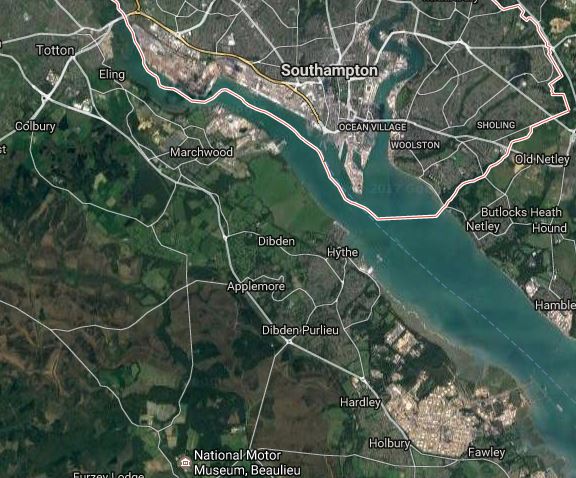
This Google Map shows the area of the Waterside Line
Note.
- The line starts at Totton and there used to be stations at Marchwood, Hythe, Hardley and Fawley.
- All the places with stations are named on the map.
- The line is about seven miles in length.
- From my helicopter, it looks to be single-track most, if not all the way.
- There is a ferry between Hythe and Southampton.
This picture shows where the Waterside Line joins the main line.
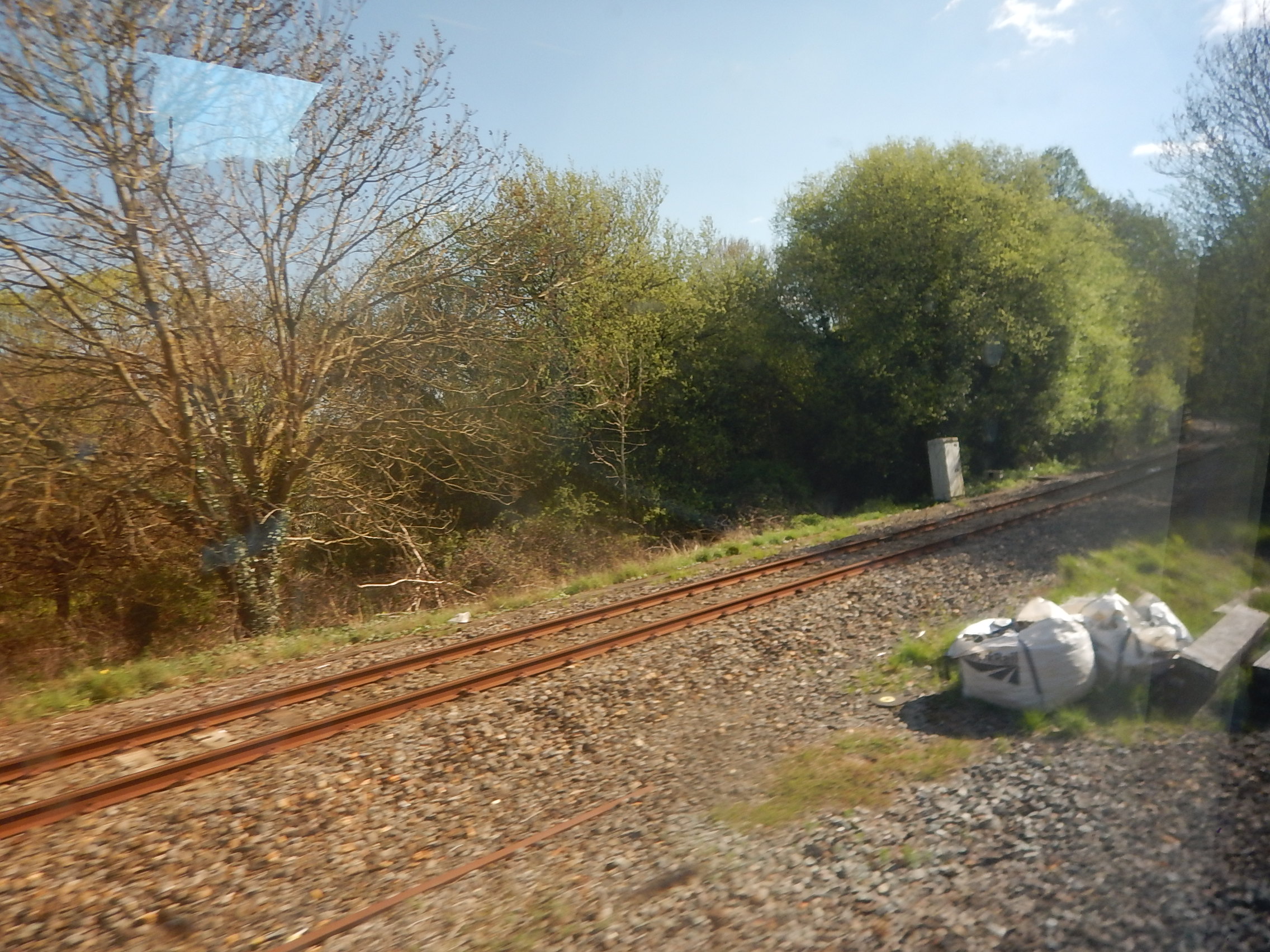
It all looks pretty tidy and in good condition, so making the connection to the main line wouldn’t be too difficult.
The line passes through Hythe about two hundred metres from the water.
This Google Map shows Hythe.
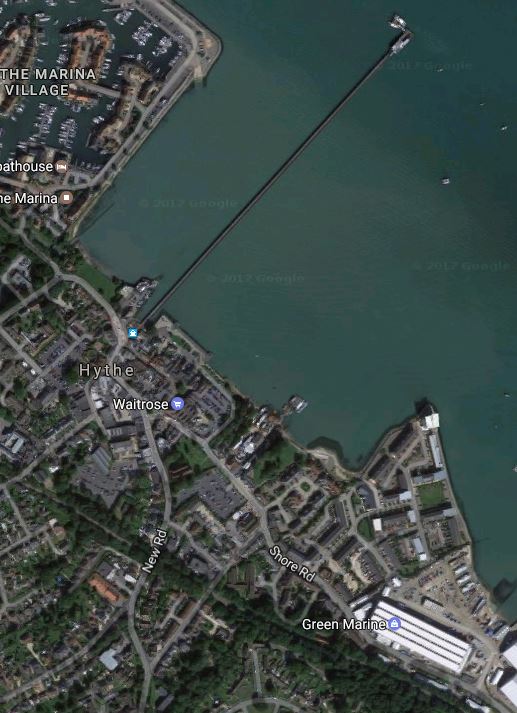
The railway can be picked out as the green scar going across the bottom of the map.
I took these pictures, when I visited Hythe in February 2017.




I’m not sure, where the new Hythe station would go.
As the Waterside Line was still fully in use to Esso Fawley until four years ago, I should suspect that updating the track and signalling for passenger trains wouldn’t be the most challenging of projects.
The Trains
Wikipedia says this about the trains to be used.
The service would be operated by the then franchisee; South West Trains using diesel multiple units (DMUs)
This means they will be Class 158 or Class 159 trains, as South West Trains doesn’t have any other DMUs.
This picture shows a newly-liveried Class 159 train at Corfe Castle station.
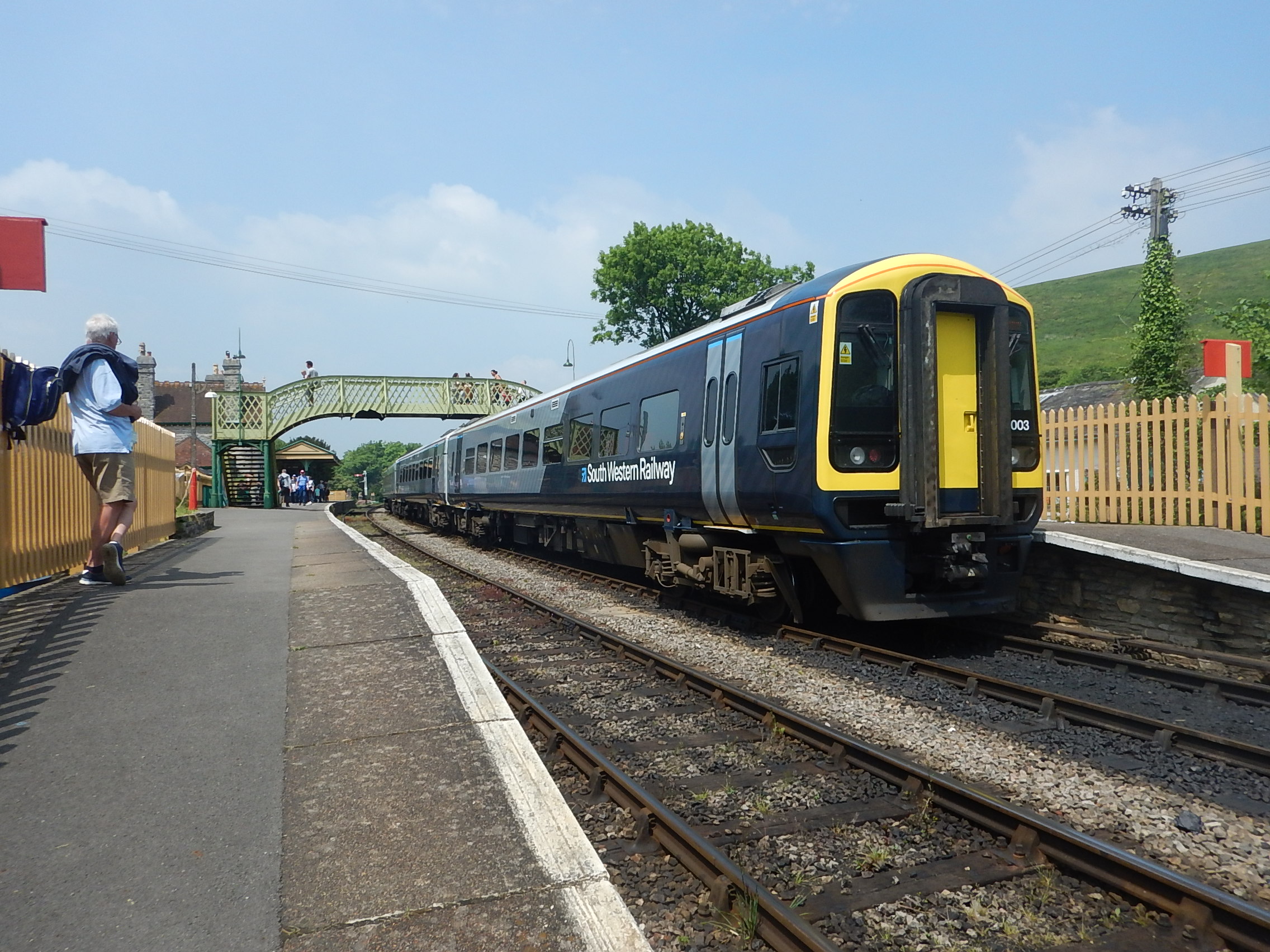
The Class 158/159 trains would certainly do a job, but I believe that any solution must be zero-carbon, to meet the UK’s target of being carbon neutral by 2050.
The Use Of Battery Trains
Consider.
- Fawley and Totton West Junction are seven files apart. As there are five stations, I will assume three minutes per station of a journey of fifteen minutes.
- Totton West and Eastleigh are ten miles apart and fast trains take seventeen minutes.
- Eastleigh and Romsey are seven miles apart and fast trains take fourteen minutes.
- Only the section between Totton West and Eastleigh is electrified.
- Adding up the times gives a journey time between Fawley and Romsey of forty-six minutes.
- Add in fourteen minutes to turn the trains and each Fawley and Romsey takes an hour with a two-hour round trip. This is all very convenient!
- For example, an hourly service, would need two trains and they could leave Fawley and Romsey at the same time.
- It could also be arranged, that only one train was on the single-track Waterside Line at any one time.
- The fourteen minutes being used to turn the train, could also be used to charge the batteries on a battery-electric train.
- In each two-hour round trip between Fawley and Romsey, trains would spent thirty-four minutes connected to electrification and twenty-eight minutes connected to chargers. This means that there is plenty of time to charge the batteries.
- It should be noted that the train runs on a busy main line between Totton West and Eastleigh, so good acceleration and 90-100 mph capability would probably be needed, by any trains shuttling between Fawley and Romsey.
With charging facilities at Romsey and Fawley, I would be certain, that a two battery-electric trains could provide an hourly service on the route.
Candidates would probably include battery-electric versions of a Bombardier Aventra or Electrostar, a CAF Civity or a Siemens Desiro City. I doubt, that the performance of a Class 230 train is enough to keep out of the way of fast expresses.
The Use Of Hydrogen Trains
The route could also be worked by a hydrogen-powered train with enough performance.
The Stations
There would need to be new stations at Totton West, Marchwood, Hythe, Hardley and Fawley.
As the first is new and the others were closed in the 1960s, they would be complete builds, rather than an easy refurbishment.
Fawley Waters
In the Wikipedia entry for Fawley station, there is a section called Proposed Reopening, where this is said.
In August 2018, it was revealed that plans to reopen the Fawley Branch Line had been resurrected as part of the redevelopment known as Fawley Waters. It proposed a half-hourly service on a Monday to Saturday from Southampton Central to Fawley. At Marchwood the journey time would take 12 minutes and the linespeed would be 60 mph (97 km/h). Fawley station, if reopened, would be known as Hythe & Fawley Parkway which would serve both Hythe and Fawley.
Now, there would appear to be two plans for the operation of the Waterside Line.
- The Association for Train Operating Companies plan, which has an hourly service to Totton, Southampton Central, Southampton Airport Parkway, Eastleigh, Chandlers Ford and Romsey, from five stations on the branch.
- The Fawley Waters plan, which has a half-hourly service to Totton and Southampton Central, from just two stations on the branch.
One plan would probably appeal to existing residents and the other to those, who bought new properties in Fawley Waters.
Conclusion
Future studies funded by the successful bid, could decide, which plan is best.
Overall though, this is a simple plan, that opens up an area to the West of Southampton for development.
Reinstatement Of Branch Lines On The Isle Of Wight
This is one of the successful bids in the First Round of the Restoring Your Railway Fund.
This article on isleofwhiteradio is entitled Funding From Government To Develop Isle Of Wight Railway Reopening Proposals.
The article lists two proposed schemes for expansion of the Island Line.
• Extension of the existing Island Line service (Ryde-Shanklin) south of Shanklin to reach Ventnor, calling at Wroxall.
• Integration with, and extension of, the existing Isle of Wight Steam Railway route to provide passenger services through Smallbrook from Ryde to Newport.
The article has an informative map.
Nearly, three years ago, I wrote Diesel And Battery Trains Could Be The Solution For Island Line, based on an article on the Island Echo, with the same title.
Since then, things have moved on and these developments have started.
- Vivarail are building a fleet of five new zero-carbon Class 484 electric trains.
- Network Rail have promised £5 million to upgrade Ryde Pier to secure the future of the line.
- The track and signalling system will be upgraded this winter.
- The passing loop at Brading will be reinstated.
This will allow a thirty minute service interval from May 2021.
Wikipedia states that a twenty-minute service could be possible in the future.
The Trains
These pictures show the Class 230 trains on the Marston Vale Line.
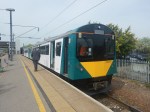
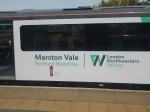
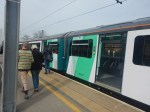
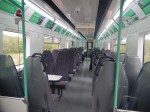
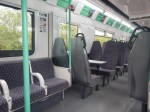
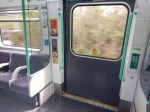
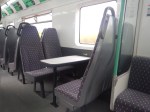
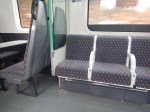
Note.
- These are a diesel-electric version of the Class 484, which will use the existing third-rail electrification and possibly batteries on the Island Line.
- The operator can choose an interior appropriate to their needs.
- Three-car versions of the train have been ordered by Transport for Wales.
Battery versions of the train are available with a forty-mile range, See Retired London Underground Train Travels Forty Miles Solely On Battery Power.
The Extension To Ventnor
Looking at the map and measuring distance using methods that would have been known to Drake and Grenville, I estimate that the distance between Shanklin and Ventnor via Wroxhall is less than fifteen miles.
- As the battery range of Vivarail’s trains can be in the region of forty miles, this must open up the possibility of using battery power between Shanklin and Ventnor.
- Building the extension without electrification would lower the cost.
- Trains running from Shanklin to Ventnor would be charged on the electrified section of the route.
- One of Vivarail’s charging systems could be installed at Ventnor if required. See Charging A Battery-Powered Class 230 Train.
Would Vivarail just add a third car with batteries to the Class 484 trains and update the software to enable trains to run on the extension to Ventnor?
The Extension To Newport
The Island Line connects to the Isle of Wight Steam Railway at Smallbrook Junction station.

Note.
- The Island line running North-South on the Eastern side of the map.
- The Isle of Wight Steam Railway curving away to the South-West.
- The two railways connecting at Smallbrook Junction station.
- Ryde is to the North.
- Shanklin is to the South.
- Newport is to the West.
I doubt, that allowing trains to run between Ryde and Newport, would be one of the most challenging projects in railway engineering.
The map on the isleofwightradio web site, shows a chord, that would allow trains to run between Shanklin and Newport.
I would estimate that the distance between Smallbrook Junction and Newport is around ten miles.
- The terminus would appear to be in the Barton area of Newport.
- Much of the route would appear to be across open countryside.
- The only place for a station could be the Isle of Wight Crematorium. Why not?
As with the extension to Ventnor, I believe that battery-electric Class 484 trains could run services to Newport.
Will The Isle Of Wight Steam Railway Object?
I very much feel, that if the scheme is well-designed, that they could be a beneficiary because of increased numbers of visitors.
The scheme might also be able to give the steam railway paths to run steam trains as far as Ryde St. John’s Road station.
Conclusion
This proposal is an elegant one, that uses proven technology and builds smoothly on work, that is already underway.
It is also a zero-carbon solution, if the electricity is from renewable sources.
I also suspect, if Network Rail put one of their brighter teams on the current upgrade to the track and signalling of the Island Line, that the extra work needed to connect to Ventnor and Newport, could be planned and costed in a very short time.
A Train With A Geo-Fence
This article on Rail Advent is entitled New Train For Wrexham to Bidston Line Begins Testing.
The testing of Vivarail‘s Class 230 train for Transport for Wales, is taking place along the Cotswold Line, prior to entering service.
This is the most significant paragraph in the article.
The train is also geo-fenced so that the gensets are never used in stations or sensitive areas, although, the batteries are extremely quiet anyway.
From personal experience of battery trains, including Vivarail’s prototype in Scotland, battery trains are very quiet.
Steventon Listed Railway Bridge Saved From Demolition
The title of this post, is the same as that of this article on the BBC.
On the face of it it looks like victory for the Nimbys, who have saved a rather ordinary and possibly decrepit bridge from demolition.
But I believe there is more to this story than meets the eye.
The Bridge
The bridge at the centre of the argument may be Grade 2 Listed, but there are lots of similar bridges on UK railways in better condition with similar heritage, that don’t have a listing.
Type “steventon bridge electrification” into a search engine and you’ll find lots of images of the bridge.
- One picture shows, the bridge with the railway flooded, which puts an interesting slant on the debate. What are the foundations like?
- Notice, that the bridge seemed to suffer a rather botched repair at the hands of British Rail’s finest engineers.
- Having read a lot about this story, I suspect that the locals’ main reason for objecting, is that they don’t want the disruption, whilst it is rebuilt.
- Incidentally, I suspect Great Western Railway don’t want the bridge rebuilt either, as closure will be a long disruption to all services.
I have been involved in the refurbishment of several buildings of around the same age or even older than the bridge. This is the sort of construction, that will have to be replaced at some time. If it’s not replaced, some of the novel techniques that are now available to Network Rail will have to be applied.
Network Rail
The article says this about Network Rail’s solution to the problem.
But following what the company described as ‘extensive and breakthrough testing’ using computer simulations it found a speed reduction to 110mph through the village meant wires could pass underneath the existing bridge.
I do think, that 110 mph is rather convenient. if you look at the maximum operating speeds of trains and locomotives that will pass through.
- Class 801 train with digital signalling -140 mph
- Class 801 with conventional signalling – 125 mph
- Class 800/802 train on diesel power – 100 mph
- Class 80x train on battery power – 100 mph
- Class 387 train – 110 mph
- Class 90 locomotive – 110 mph
- Class 91 locomotive – 125 mph
- Class 93 locomotive – 110 mph
- High Speed Train – 125 mph
Very few trains will have to slow down.
Any train that used onboard power, like a High Speed Train or a Class 80x with batteries, could theoretically go through at the maximum speed, track, signalling and train taken together would allow.
Hitachi
In Issue 898 of Rail Magazine, there is an article, which is entitled Sparking A Revolution, which describes Hitachi’s work and plans on battery-powered trains. This is an extract.
Battery power can be used as part of electrification schemes, allowing trains to bridge the gaps in overhead wires where the costs of altering the infrastructure are high – in tunnels or bridges, for example. This would also have the immediate benefit of reducing noise and emissions in stations or built-up areas.
Elsewhere in the article, it is said that Hitachi trains will be able to do 100 mph on battery power for up to 60 miles.
But would they be able to do 125 mph on battery power for perhaps five miles? I can’t see why not!
The Google Map shows the track through Steventon.
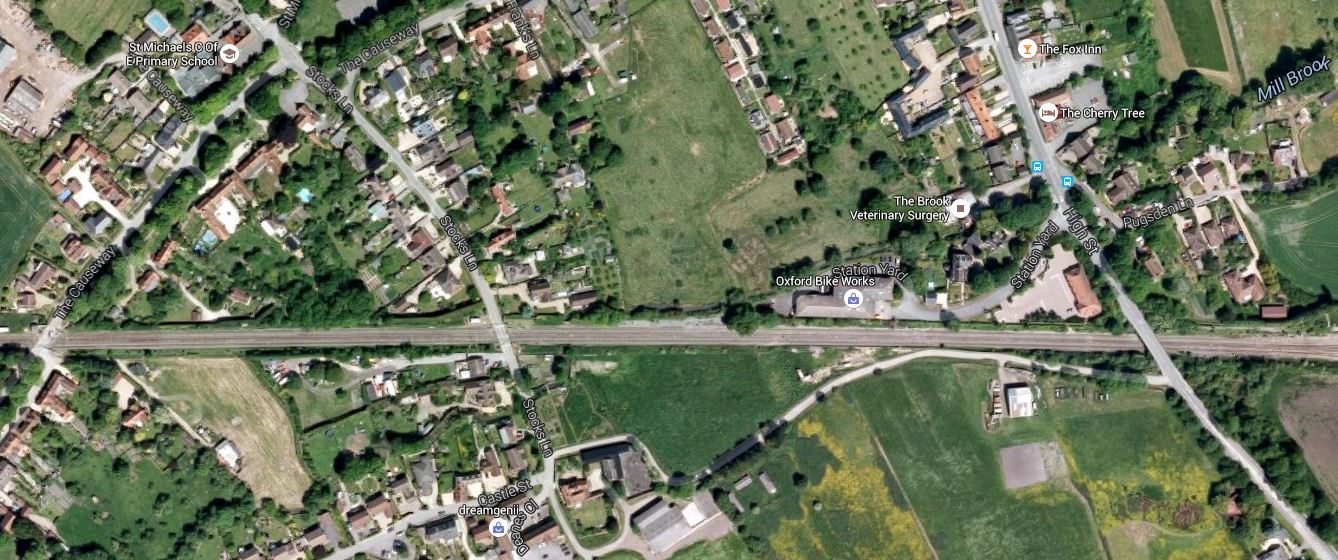
Note.
- The bridge in question is at the East.
- There are also a couple of level crossings in this stretch of track, where the height of wires is also regulated.
Perhaps, the pantograph should be dropped before going through section and raised afterwards, with power in the section taken from a battery.
Avoiding obstacles like this, may be an economic alternative, but it does require that all electric trains using the section are able to use battery power.
I have a feeling, I’ve read somewhere that a Class 88 locomotive can do a similar trick using the onboard diesel engine.
As a Control Engineer, who trained in the 1960s, I would expect that all pantographs can now be raised or lowered with all the precision and repeatability of an Olympic gold-medal gymnast!
I do wonder, if the Great Western Electrification Project had been designed around discontinuous electrification and battery-electric trains, the project would have gone better.
For instance, the Severn Tunnel is 7,000 metres long and trains take under four minutes to pass through. The Wikipedia entry for the tunnel has a section on Electrification, which details the complicated design and the trouble that there has been with corrosion.
Given that battery-electric trains have other advantages, design by hindsight, says that a tunnel without electrification and battery trains may have been a better solution.
Conclusion
Network Rail and Hitachi will get the speed of trains through Steventon up to 125 or even 140 mph, possibly by using battery power.
But whatever happens, I’m certain that the bridge will have to be rebuilt! It has the air of a derelict house, that will suck up all your money.
Electrification Between Exeter And Plymouth
Eventually, there will be electric passenger trains between Exeter and Plymouth! Great Western Railway’s objective must be for passengers to board their Hitachi AT-300 train at Paddington and be powered all the way to Penzance by electricity, without using a drop of diesel. The added ingredient will be battery power.
In Sparking A Revolution, I gave Hitachi’s specification for a proposed battery-electric train.
- Range – 55-65 miles
- Performance – 90-100 mph
- Recharge – 10 minutes when static
- Routes – Suburban near electrified lines
- Battery Life – 8-10 years
As the distance between Exeter and Plymouth is 52 miles, the Hitachi specification could have been designed around this route, which as these pictures show is in places, very close to the sea, where the line runs along the South Devon Railway Sea Wall.



Global warming will probably mean, we’ll see a repeat of the major sea wall breach that happened at Dawlish in 2014.
I would suspect that the Network Rail’s solution to the problems of efficient low or zero-carbon traction between Exeter and Plymouth includes the following.
- A very robust railway.
- Extreme protection from almost everything the sea and the weather can produce.
- Could we see some concrete tunnels, like the Swiss and others use in mountainous areas to protect from snow? Rail Magazine says yes! At Horse Cove.
- No electrification as water and electricity are not a good mix, except in an electrolyser to produce hydrogen, oxygen and/or chlorine.
- Battery or hydrogen-powered passenger trains or freight locomotives.
- Digital in-cab signalling. Traditional signalling is even more expensive equipment to be swept away.
From media reports, this looks like the way Network Rail are thinking.
Charging The Trains
Battery-electric trains will need to be charged. There are three convenient stations; Exeter St. Davids, Newton Abbott and Plymouth.
- All have multiple platforms.
- The stations could be given the ability to charge battery-electric trains, either using 25 KVAC overhead electrification or a specialist charging system, like the one designed by Vivarail, that I wrote about in Vivarail Unveils Fast Charging System For Class 230 Battery Trains.
- Newton Abbot station would also charge any trains running on the eight mile branch to Paignton station.
As far as passenger services are concerned, it could be a very efficient zero-carbon railway.
Electrification At Exeter St. Davids
Exeter St. Davids is an important hub for services between Devon and Cornwall and the rest of Great Britain.
- GWR services run to London Paddington via Newbury.
- GWR services run to London Paddington via Bristol
- GWR services run to Plymouth and Penzance via Newton Abbott.
- GWR local services run to Barnstaple, Exmouth and Paignton.
- CrossCountry services run to the Midlands, North and Scotland via Bristol.
- South Western Railway services run to London Waterloo via Basingstoke.
In future, there could be services running to Plymouth on the reopened route via Okehampton and Tavistock.
All these services could be run by battery-electric trains for sixty miles from Exeter, if they could be fully-charged at the station.
Note.
- Trains to London Paddington and Bristol could easily reach Taunton, which is thirty miles away.
- Trains to London Waterloo could reach Yeovil Junction, which is fifty miles away.
- Trains to the West could reach Plymouth, which is fifty-two miles away.
- Barnstaple is forty miles away, so would probably need some help to get back.
- Exmouth is eleven miles away, so a return journey is probably possible.
- Paignton is twenty-eight miles away, so a return journey is probably possible, with a top-up at Newton Abbot if required.
Exeter is going to be very busy charging trains.
It should be noted, that trains to and from London Paddington and Bristol, all share the same route as far as Cogload Junction, where the London Paddington and Bristol routes divide.
- Cogload Junction is thirty-six miles from Exeter.
- Cogload Junction and Newbury, where the electrification to London Paddington starts are eighty-five miles apart.
- Cogload Junction and Bristol Temple Meads, where the electrification to London Paddington starts are forty miles apart.
I wonder if it would be sensible to electrify between Exeter St. David station and Cogload Junction.
- From my virtual helicopter, the line doesn’t look to be in the most difficult category to electrify.
- There is only one tunnel and a few old bridges and a couple of level crossings.
- Some of the route is alongside the M5.
- Trains would arrive in Exeter with full batteries and could do a quick stop before continuing their journeys.
- Trains would arrive at Cogload Junction and could reach Bristol Temple Meads without stopping for a recharge.
- Bristol services that are extended to Taunton and Exeter could be run by battery-electric trains.
I also feel, that with upwards of twenty-five miles of extra electrification between Cogload Junction and Newbury, that battery-electric trains could run between London Paddington and Exeter via the Reading-Taunton Line.
Electrification At Plymouth
As with Exeter St. Davis, Plymouth is an important hub for services between Devon and Cornwall and the rest of Great Britain.
- Most services run to Penzance in the West and Exeter in the East.
- There is a local service to Gunnislake, which is fifteen miles away.
Lots of charging capacity, will enable battery-electric trains to reach their destinations, except for Penzance
Trains Between Plymouth And Penzance
Hitachi must have despaired, when it was pointed out that the distance between Penzance and Plymouth is eighty miles! This is fifteen miles longer than the range of their proposed battery-electric train.
The simplest solution would be to build a battery-electric train with an eighty mile range, that could travel between Plymouth and Penzance on a single charge. With charging at Penzance it could return to Plymouth.
The longer range, would also mean that, with perhaps ten extra miles of electrification, that battery-electric trains could bridge the electrification gap between Cogload Junction and Newbury.
Other solutions range from selective electrification, all the way up to full electrification of the Cornish Main Line.
It should be noted that there are the following branches on the Cornish Main Line.
- The Looe Valley Line at Liskeard station – 8.75 miles – Uses a separate platform at Lskeard
- The Fowey Branch At Lostwithiel station – 4.75 miles – Possible reopening
- The Atlantic Coast Line at Par station – 20.75 miles – Uses a separate platform at Par
- The Maritime Line at Truro station – 11.75 miles – Uses a separate platform at Truro
- The St. Ives Bay Line at St. Erth station – 4.25 miles- Uses a separate platform at St. Erth
If these branches are going to be served by battery-electric trains, arrangements will have to be made for their charging. This could either be on the main line, at the remote terminal or at both.
Would it be easier to run the branches using battery-electric trains, if the Cornish Main Line was fully electrified?
The Cornish Main Line also carries a number of heavy freight trains, most of which seem to be going to or from Burngullow, so I suspect they are in connection with the movement of china clay.
Currently, these heavy freight trains appear to be hauled by diesel locomotives, but if the Cornish Main Line were to be fully electrified, could they be run by electric locomotives?
Electrification Of A Reopened Northern Route
In the May 2020 Edition of Modern Railways, there is an article, which is entitled Beeching Reversal Fund Bids.
This is the introductory paragraph.
Bids have been submitted to Government for a share of the £500 million ‘Restoring your railway’ fund launched by the Department for Transport in January. The fund is to be used to support proposals to reinstate axed local services, to accelerate schemes already being considered for restoration and also to promote new and restored stations.
One of the bids is for the Tavistock-Okrhampton Reopening scheme (TORs), which would reopen the former Exeter to Plymouth railway of the LSWR, as a new route between Exeter and Taunton in the East and Plymouth in the West.
- The original railway was double-track.
- Most of the infrastructure is intact.
- The route would totally avoid Dawlish.
This is also said in the Modern Railways article.
It proposes journey times could be as little as six minutes longer than via the existing route between Exeter and Plymouth and that there could be opportunities for freight trains to avoid the steep gradients over the Devon banks between Newton Abbott and Plymouth. Provision of electrification for TORs as part of a wider programme for main lines in the region is also advocated.
Could an electrified route via Tavistock and Okehampton be connected to an electrified Cornish Main Line, to create an electrified route across Devon and Cornwall?
Connecting At The Royal Albert Bridge
This Google Map shows the Royal Albert Bridge and the Tamar Bridge over the River Tamar.
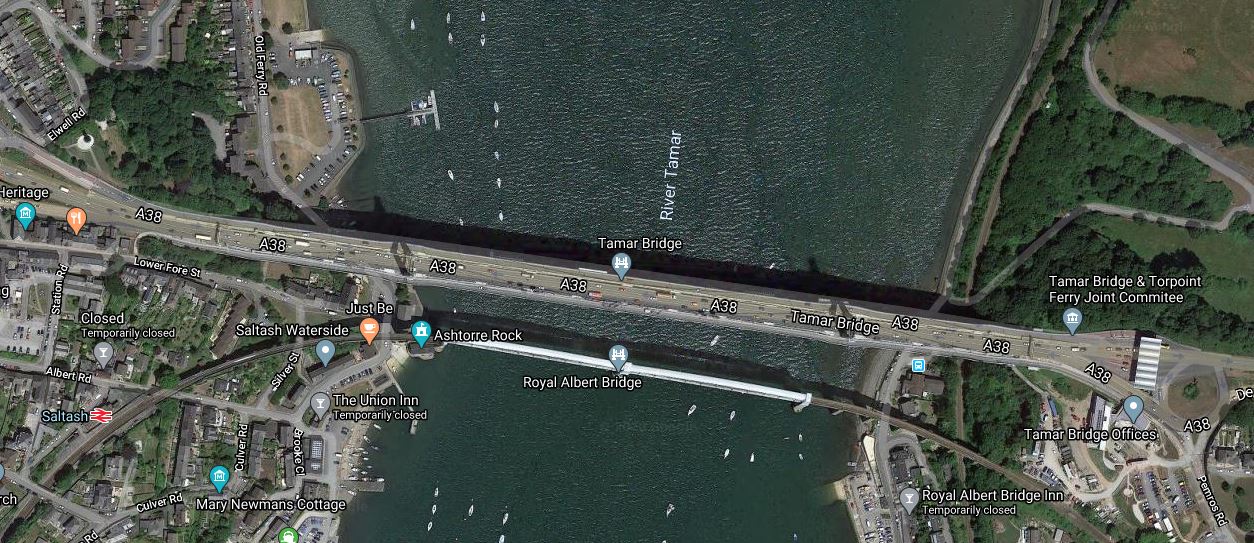
Note.
- The Royal Albert Bridge to the South of the modern Tamar Bridge.
- The Great Western Main Line running East to Plymouth and West to Penzance.
- The Tamar Valley Line running up the Eastern bank of the River Tamar and under the Eastern approaches to both bridges.
- Going North on the Tamar Valley Line leads to the TORs and going South leads to Plymouth station.
I can see a difficult design problem at the Eastern end of the Royal Albert Bridge, as a very complicated junction will be needed to allow all trains go the way they need.
Trains wanting to call at Plymouth station and use TORs will need to reverse in the station.
Connecting At The East Of Exeter
This Google Map shows The Tarka Line and the Bristol-Exeter Line join at Cowley Bridge Junction.
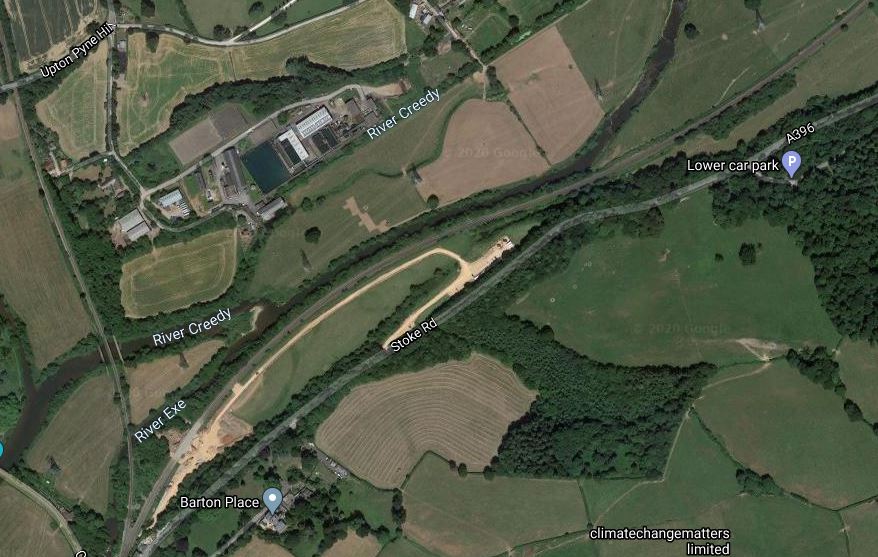
Note.
- The Tarka Line to Barnstaple and TORs leaves the map in the North West corner.
- The Bristol-Exeter Line to Taunton, Bristol and London Paddington leaves the map in the North East corner.
- Cowley Bridge Junction is in the South West corner of the map.
- Cntinuing South West leads to Exeter St. David’s station.
It looks to me, that Cowley Bridge Junction will need to be made into a full triangular junction, so that trains can go directly between the Bristol-Exeter Line and the Tarka Line.
Trains wanting to call at Exeter St. David’s station and use TORs will need to reverse in the station.
The Reversal Problem
If you wanted to run a passenger service between Taunton and Penzance using TORs with stops at Exeter, Okehampton, Tavistock, Plymouth and Truro, the train would need to reverse twice at Exeter and Plymouth.
These days with modern fast bi-mode multiple units, it’s not a problem, but in the days of Beeching, when the Tavistock and Okehampton route was originally closed in 1968, there probably wasn’t a suitable train other than a slow two-car diesel multiple unit.
I think, that fast expresses to and from Penzance will still take the current route.
- Battery-electric trains can handle the route at 100 mph.
- No reversals will be needed.
- There is a call at Newton Abbott for connections to Torquay and Paignton.
- Passengers wanting Okehampton, Tavistock and other stations on the TORs route can change at Exeter or Plymouth.
The Modern Railways article says this about services on the TORs route.
The case suggests that services could operate as an extension of the SWR Waterloo to Exeter service, or potentially as an extension of CrossCountry services beyond Exeter. During periods when the coastal route is blocked, additional services could use the TORs route, potentially running non-stop.
Note.
- As the extension of the SWR service would run the other way through Exeter St. David’s station, there would be no need to reverse.
- But I suspect the CrossCountry service would need the reverse.
- I feel for efficiency, that diverted freight services would need the efficient junctions at each end of TORs.
It probably would have helped if the Great Western and the London and South Western Railways had had a better crystal ball.
Fast Electric Freight Services To And From Devon And Cornwall
If the following lines are electrified.
- Cogload Junction and Exeter
- TORs
- Cornish Main Line
I feel that electric freight services will be able to run between Taunton and Penzance.
All it would need to complete the electrified route would be to electrify the following.
- Cogload Junction and Bristol
- Cogload Junction and Newbury
What would a high-speed freight route do for the economy of the two South Western counties?
Passing Loop Hope For Windermere
The title of this post is the same as that of a small story in Issue 903 of Rail Magazine.
This is the opening sentence.
The local priority for the Windermere branch is for a passing loop to enable two trains an hour to operate.
These are the distances from Oxenholme Lake District station of the stations on the Windermere branch line.
- Kendal – 2.05
- Burneside – 4.02
- Staveley – 6.52
- Windermere – 10.15
Note.
- Distances are in miles.chains.
- The return distance of 20.30 miles should be within the capability of a battery-electric train, that left Oxenholme Lake District station with full batteries.
Halfway would surely be a convenient place for a passing loop, which would be a mile towards Windermere from Burneside.
This Google Map shows Burneside and Staveley stations and the countryside in between.
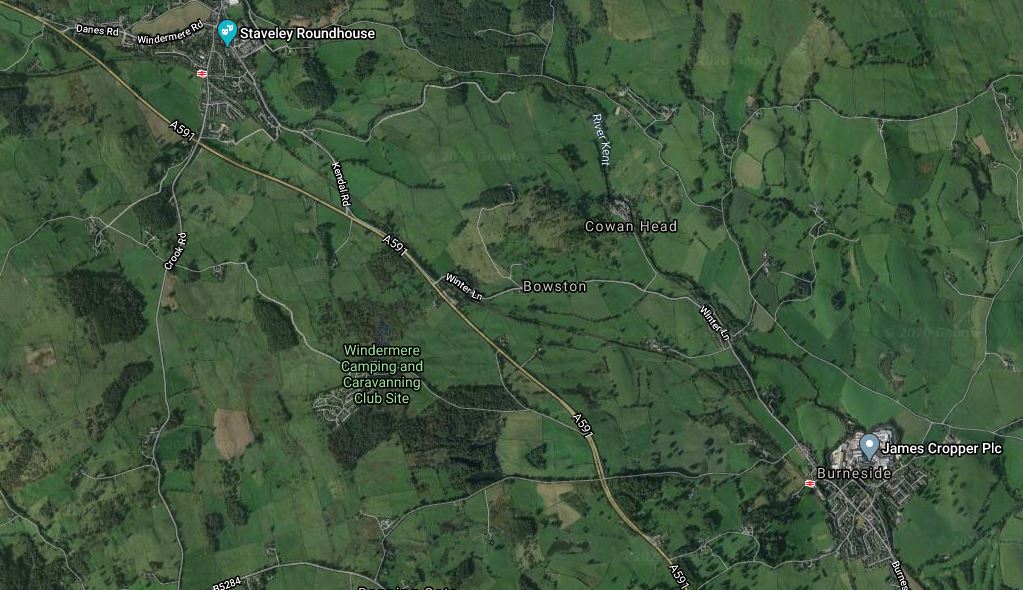
Note.
- Burneside station is in the South-East corner
- Staveley station is in the North-West corner.
- The North-East side of the route is mainly agricultural land.
It looks like a passing loop could be built in the region of Bowston.
- It would be approximately halfway.
- It would be on the North-East side of the existing track.
- It would need to be long enough to take the longest train likely to use the route.
- ,It would allow a doubling in frequency.
I don’t think it would be the most expensive of projects.
Operational Considerations
A half-hourly service could be run as follows.
- It seems likely that the trains will be four-car Class 331 trains, as I wrote about in Northern’s Battery Plans.
- Two trains would probably be timed to leave Oxenholme Lake District and Windermere stations at the same time.
- Trains currently take twenty minutes to travel along the branch and do the round trip in an hour.
- ,This twenty minute timing would give ten minutes to turn back the train at Oxenholme Lake District and Windermere.
- Ten minutes at each terminal station, should be enough time to fully charge the batteries for the next trip.
It should be noted that trains going to and from Manchester Airport would be able to charge their batteries on the electrified route between Oxenholme Lake District and Manchester Airport stations.
I think it would be likely, that there would be two services
- An hourly service between Windermere and Manchester Airport stations, which is the current service on the branch.
- An hourly shuttle service between Windermere and Oxenholme Lake District, which would be run by a single train.
The two services would alternate to provide the half-hourly service.
One of the advantages of a half-hourly service run by two trains, is that it may open the possibility of one train rescuing the other train if it fails.
If a train arrives at Windermere station with flat batteries, I suspect that as Windermere and Oxenholme have similar altitudes, that the second train could drag it back to Oxenholme station. Possibly without passengers.
First Of Five FirstGroup Class 803s Arrives In UK
The title of this post is the same as that of this article on Rail Magazine.
The Class 803 trains will be used by East Coast Trains for their low-cost, one-class, open-access service between London Kings Cross and Edinburgh.
The trains would appear to be being delivered in time for services to start in Autumn 2021.
The article says the trains are the first to have a new feature.
They will be fitted with batteries, although these will not provide traction performance – instead, they can power on-board services should the train fail.
The Class 803 trains are electric trains and are these batteries a replacement for the single diesel-engine on the electric Class 801 trains? This diesel-engine has two main purposes.
- Provide emergency power for on-board services.
- Move the train to a safe place foe evacuation of passengers.
The article also says that Hitachi could fit traction batteries to existing bi-mode fleets.

