Scunthorpe Steelworks
On my way back from Cleethorpes, I passed Scunthorpe Steelworks.


It did seem rather quiet, although I did pass a train-load of new rails on their way to somewhere.
The Future Of Steel-Making
Steel-Making is on its uppers in the UK and it has a bad carbon footprint.
However, various processes are in development that could make the industry fit for the Twenty-First Century.
HIsarna Steelmaking
In Whitehaven Deep Coal Mine Plan Moves Step Closer, I said this.
In Wikipedia, there is an entry for the HIsarna ironmaking process.
This process is being developed by the Ultra-Low Carbon Dioxide Steelmaking (ULCOS) consortium, which includes Tata Steel and the Rio Tinto Group. Reduction in carbon-dioxide produced by the process compared to traditional steel-making are claimed to be as high as fifty percent.
This figure does not include carbon-capture to reduce the carbon-dioxide still further.
However, looking at descriptions of the process, I feel that applying carbon-capture to the HIsarna steelmaking process might be a lot easier, than with traditional steelmaking.
As Scunthorpe is close to Theddlethorpe Gas Terminal, the captured carbon-dioxide could probably be stored in wells connected to the terminal.
Hydrogen Steelmaking
North-East Lincolnshire is becoming the new Aberdeen, but instead of being based solely on oil and gas, there is a large proportion of wind energy being reaped.
In the future, I believe that a lot of this wind energy will be turned into hydrogen gas both onshore and increasing off-shore scores of miles out in the North Sea. There is talk of upwards of 70 GW of wind turbines being installed and much of it will be turned into hydrogen in North-East Lincolnshire.
In Funding Award to Supply An 8MW Electrolyser, I wrote about hydrogen steelmaking and the HYBRIT process in particular.
Will some of this massive amount of hydrogen be piped to Scunthorpe to make steel?
Conclusion
The future of steelmaking in Scunthorpe, doesn’t have to be all doom and gloom.
Green Tugboats? ‘Revolutionary’ Hydrogen Ship Engine Unveiled In Belgium
The title of this post, is the same as that of this article on Business Green.
This is the first paragraph.
A “revolutionary” hybrid ship engine powered by green hydrogen and diesel has been unveiled today in Belgium, with developers claiming the innovation could cut CO2 emissions from ships, trains and electricity generators by up to 85 per cent.
The engine has been given the name BeHydro.
The first order has been received by the developers; ABC, for two 2MW dual fuel engines that will be installed on a hydrogen-powered tug for the Port of Antwerp.
Motors up to the size of 10 MW are under development.
This is the last sentence of the article.
In theory, any large diesel engine can be replaced by a BeHydro engine. The hydrogen future starts today.
It is a quote from the CEO of one of the companies involved.
Conclusion
This is a development to follow.
The BeHydro engine, with its dual-fuel approach, is claimed to cut carbon emissions by 85 %.
In the Wikipedia entry for ABC or Anglo Belgian Corporation, there is a section called Products. This is a paragraph.
The engines are found in use on large river barges such as those found on the Rhine, coastal freighters, fishing boats, ferries, tugboats (which typically use 2 engines), and other ships. Other applications include electricity generation, and pumping engines, engines for cranes, and locomotives (including the Belgian Railways Class 77 and Voith Maxima), as well as dual fuel (gas/oil) DZD engines.
I feel that that the BeHydro engine will keep the company busy.
Vital Energi To Build Waste Heat From Power Plant Centre
The title of this post, is the same as that of this article on the Construction Enquirer.
This is the introductory paragraph.
Waste heat from the nearby £680m North London Waste Authority (NLWA) Energy Recovery Facility will be used to heat homes and businesses in the London Borough of Enfield.
Some of the homes, will be on the 82-hectare Meridian Water development.
We will see more schemes like this.
BP And Microsoft Form Strategic Partnership To Drive Digital Energy Innovation And Advance Net Zero Goals
The title of this post, is the same as that of this article on Authority.
This is the introductory paragraph.
The companies intend to work together to develop new technology innovations and digital solutions to help meet their sustainability aims, including reducing energy use and carbon emissions.
I find this an interesting and possibly very important partnership.
It is an article that is well worth a read.
Conclusion
Strategic partnerships like this might be one of the moves, that will improve the world.
Google Going “Carbon Free” By 2030
The title of this post, is the same as that of this article on the Houston Chronicle.
This is the introductory paragraph.
Tech giant Google is committing to using no form of energy that emits carbon dioxide by the end of this decade, ramping up its commitment to fighting climate change.
This looks like a good thing to me, as all those servers use a lot of electricity.
There have also been similar pledges from Microsoft and Apple.
Scotland’s First Hydrogen-Powered Train Showcased At COP26 Summit
The title of this post, is the same as that of this article in the Scotsman.
This is the introductory paragraph.
The zero emission train project will demonstrate how the country’s railways could be decarbonised by phasing out diesel within 15 years.
The train will be based on a withdrawn Class 314 train.
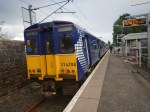
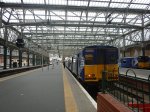
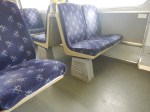
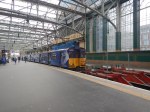
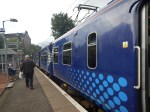
These trains entered service in 1979 and are certainly not the worst of that generation of British Rail electric trains.
It will be a tight timetable to get the train ready for the COP26 summit, which is scheduled for November 1-12 in 2021.
Green Bus Maker Reveals Plan For Scottish Hydrogen Fuel Production Facility
\the title of this post, is the same as that of this article on the Herald.
Thwaw are the introductory paragraphs.
Jo Bamford, chief of Ryze Hydrogen, has revealed plans to create a hydrogen production facility in Scotland.
He said the production unit will be sited outside Glasgow and it is expected to be operational by November next year when the rescheduled COP26 climate event is due to take place in the city.
Mr Bamford earlier said Glasgow could run 300 hydrogen-powered buses, while Aberdeen is set put a fleet of hydrogen powered double deckers on the road.
You can’t fault Jo Bamford’s ambitions.
Replacement Of South Western Railway’s Class 158/159 Trains
South Western Railway use Class 158 and Class 159 trains on the following routes.
- London Waterloo and Salisbury (and Yeovil Pen Mill)
- London Waterloo and Exeter St Davids
- Romsey and Salisbury
- Salisbury and Bristol Temple Meads
The two types of train are very similar, with the Class 159 trains being converted from Class 158 trains.
- There are ten two-car Class 158 trains in service with South Western Railway. which have a capacity of around 140 seats
- There are thirty three-car Class 159 trains in service with South Western Railway, which have a capacity of 196 seats
- Each car has a diesel engine driving two axles through a hydraulic transmission.
- Both trains have an operating speed of 90 mph.
- The trains are all around thirty years old.
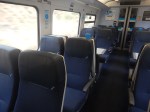
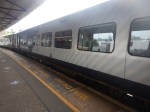
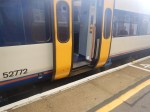
I took these pictures on my trip to Basingstoke station on Friday, when I rode in nine-car formation of three Class 159 trains both ways.

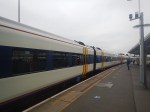
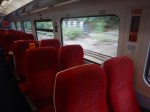
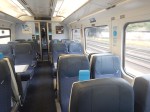

Note.
- For much of the route between Clapham Junction and Basingstoke, the trains were doing just a few mph short of ninety on the 100 mph route.
- The interiors are fairly spacious and I got a table seat both ways.
As diesel multiple units go, there are worse ones in service in the UK. And I don’t mean Pacers.
Replacement Possibilities
Ideally, these trains should be replaced with zero-carbon trains.
As most of the routes, on which the trains run are not-electrified, there must either be a lot of new third-rail electrification or battery electric trains must be used.
These are my thoughts for the various trains.
Two-Car Class 158 Train
These trains have the following specification.
- Length – 46 metres
- Seats – 140
- Operating Speed – 90 mph
In Converting Class 456 Trains Into Two-Car Battery Electric Trains, I stated that these Class 456 battery electric trains would have the following specification.
- Seats – 113
- Range on Battery Power – 30-40 miles
- Operating Speed – 75 mph
I also felt that as the trains would receive a new AC traction system, that the operating speed could be increased to perhaps 90 mph.
I wouldn’t be surprised to find, that a professional conversion capitalising on Alstom’s work to create the Class 600 hydrogen train, could turn a Class 456 train into a battery electric replacement for a two-car Class 158 train.
Three-Car Class 159 Train
These trains have the following specification.
- Length – 69 metres
- Seats – 196
- Operating Speed – 90 mph
Could these be replaced with a three-car Class 456 battery electric train, lengthened by the addition of a Trailer Car from a Class 321 train, that has been converted to a Class 600 hydrogen train?
As most Class 159 trains probably work in longer formations, this could be a possibility, to replace units working alone.
Two Three-Car Class 159 Trains Working As A Six-Car Formation
These trains have the following specification.
- Length – 138 metres
- Seats – 392
- Operating Speed – 90 mph
This formation would be impossible for Class 456 battery electric trains, so it must be a case for calling up the heavy brigade, in the shape of Hitachi’s Regional Battery Train, which is described in this Hitachi infographic.

A five-car version of this train could have the following specification.
- Length – 130 metres
- Seats – 326
- Range on battery power – 56 miles
- Operating Speed – 100 mph
- It would probably be able to work with both 25 KVAC overhead and 750 VDC third-rail electrification.
Note.
- More seats could probably be fitted if needed.
- Platforms where the trains would work can already accept nine-car Class 159 trains, which are 207 metres long.
- The trains would charge the batteries using the electrification between London Waterloo and Basingstoke.
- Fast Charge facilities would also be needed at some intermediate and terminal stations like Bristol Temple Meads, Exeter St. Davids, Salisbury, Westbury and Yeovil Junction.
- These trains would be ten mph faster than the Class 159 trains and this may enable the saving of a few minutes between London Waterloo and Basingstoke stations.
A six-car version would be possible, if more capacity is needed.
Three Three-Car Class 159 Trains Working As A Nine-Car Formation
These trains have the following specification.
- Length – 207 metres
- Seats – 588
- Operating Speed – 90 mph
An eight-car version of Hitachi’s Regional Battery Train could have the following specification.
- Length – 208 metres
- Seats – 522
- Range on battery power – 56 miles
- Operating Speed – 100 mph
- It would probably be able to work with both 25 KVAC overhead and 750 VDC third-rail electrification.
Note.
- More seats could probably be fitted if needed.
- Platforms where the trains would work can already accept nine-car Class 159 trains, which are 207 metres long.
- The trains would charge the batteries using the electrification between London Waterloo and Basingstoke.
- Fast Charge facilities would also be needed at some intermediate and terminal stations like Bristol Temple Meads, Exeter St. Davids, Salisbury, Westbury and Yeovil Junction.
- These trains would be ten mph faster than the Class 159 trains and this may enable the saving of a few minutes between London Waterloo and Basingstoke stations.
A nine-car version would be possible, if more capacity is needed.
More Capacity Between London Waterloo And Basingstoke
London Waterloo and Basingstoke was very busy before COVID-19 and it needed more capacity.
- All the express passenger trains are capable of 100 mph, with the exception of the diesel Class 158 and Class 159 trains, which can only do 90 mph.
- If these diesel trains were to be replaced by Hitachi’s Regional Battery Trains, these trains will be able to do 100 mph on battery power.
This speed increase will enable faster journey times and increase capacity.
- But between London Waterloo and Basingstoke, they will be using the third-rail electrification.
- Class 800 and Class 801 trains, which are cousins of the Regional Battery Train are currently able to do 125 mph between London Paddington and Swindon and London Kings Cross and Doncaster.
- London and Doncaster is being upgraded to 140 mph running.
So will we see 125 mph running between London Waterloo and Basingstoke? I will be very surprised if we didn’t, before 2030.
Charging The Batteries
Much of the charging of batteries will be performed whilst running on electrified lines.
But as I indicated there will need to be Fast Charge facilities at intermediate and terminal stations.
The Need For A Universal Fast Charge Facility For All Battery Electric Trains
If you look at Salisbury for example, the facility would need to be able handle all types of battery electric trains. So the Government, Network Rail and the Office of Road and Rail must come up with a universal design of charging facility that can be used by all battery electric trains.
Standard UK electrification, which can be either 25 KVAC overhead or 750 VDC third-rail, can obviously be used, as all battery electric trains will be designed to be able to charge the batteries, whilst running on electrified lines.
But a Universal Fast Charge system is surely needed, that can charge every battery electric train running on the UK rail network.
Splash-and-Dash At Yeovil Junction Station
But I believe that trains like Hitachi’s Regional Battery Train, when working long routes like Salisbury and Exeter will need the equivalent of Formula One’s Splash-and-Dash, where a fast pit-stop enabled cars to complete the race in the most economic manner.
If you look at timings between Salisbury and Exeter on Real Time Trains, you find the following.
- Salisbury and Exeter is 88.5 miles
- Salisbury and Yeovil Junction is 39 miles
- Yeovil Junction and Exeter St. Davids is 50 miles
- Trains seem to be timed to wait between 8-14 minutes at Yeovil Junction station.
- At several times during the day the Westbound and Eastbound services pass at Yeovil Junction station.
I would assume the wait and the passing, are so that trains can safely navigate the sections of single-track line, that are a legacy of British Rail’s policy of saving money, that affectively ruined the efficiency of sections of the network.
It would appear that a well-designed Universal Fast Charge facility at Yeovil Junction station could enable battery electric trains to run between Salisbury and Exeter St Davids stations, without any adjustment to the existing timetable.
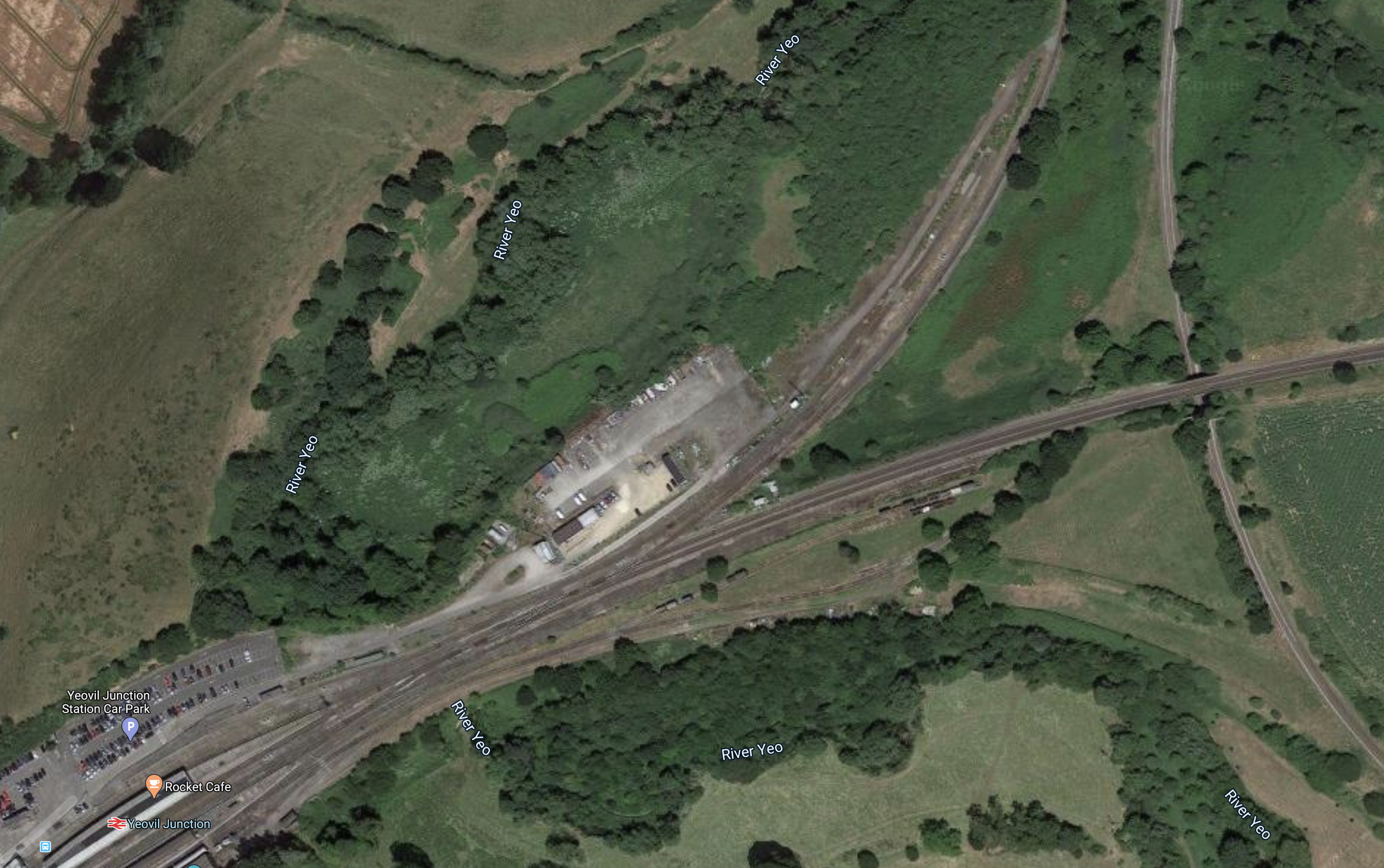
This Google Map shows Yeovil Junction station.
Note.
- Yeovil Junction station is in the South West corner of the map.
- The West of England Main Line passes East-West through the station.
- The station has two platforms.
- The two lines running North to Yeovil Pen Mill and Westbury stations.
- The line running between the North side and the South-East corner of the map is the Heart of Wessex Line, between Yeovil Pen Mill in the North and Weymouth in the South.
- Most links between the West of England Main Line and the Heart of Wessex Line have been removed.
The station doesn’t appear short of space.
Great Western Railway’s Gloucester And Weymouth Service
If a link between Yeovil Junction station and the Heart of Wessex Line towards Weymouth, this would enable Great Western Railway’s Gloucester and Weymouth service to call at both Yeovil stations, with a reverse at Yeovil Junction.
It would surely, improve the train service for the town of Yeovil.
If in the future, it was desired to run the Gloucester and Weymouth service using a battery electric train, Yeovil Junction station could be used to charge the train’s batteries.
Vivarail’s Fast Charge System
Vivarail’s Fast Charge system has been patented and demonstrated and this could be used with both the battery electric Class 456 train and Hitachi’s Regional Battery Train.
So it could be used as an initial design for a Universal Fast Charge system.
Conclusion
A mix of these battery electric trains could probably replace the Class 158 and 159 trains.
- Two-car Class 456 train
- Three-car Class 456 train
- Five-car Hitachi Regional Battery Train
- Eight-car Hitachi Regional Battery Train
Note.
- Universal Fast Charge facilities would also be needed at some intermediate and terminal stations like Bristol Temple Meads, Exeter St. Davids, Romsey, Salisbury, Westbury and Yeovil Junction.
- Services between London Waterloo and Basingstoke could be faster.
These rebuilt and new trains would fully decarbonise South Western Railway.
Beeching Reversal – Shepton Mallet (Mendip Vale)
This is one of the Beeching Reversal projects that the Government and Network Rail are proposing to reverse some of the Beeching cuts.
This article on Rail Technology News is entitled Shepton Mallet Railway Station And Services Could Be Restored Under New Vision.
These are the introductory paragraphs.
National rail services could be restored to a Somerset town after the local authority unveiled a new vision for the rail route.
Shepton Mallet’s current nearest mainline station is Castle Cary which is over seven miles away, but new stations and a bypass have been proposed in a business case from Mendip District Council for major new transport projects.
In the Wikipedia entry for the East Somerset Railway, this is said.
On 25 March 2007, the East Somerset Railway announced that it had received a £7,500 grant from Shepton 21 Group, a local organisation, set up to regenerate the area around Shepton Mallet. The money was to be spent on conducting a feasibility study into extending the line towards Shepton Mallet, with a possible new terminus at Cannards Grave, on the outskirts of Shepton Mallet
This Google Map shows the South-Eastern edge of Shepton Mallet.
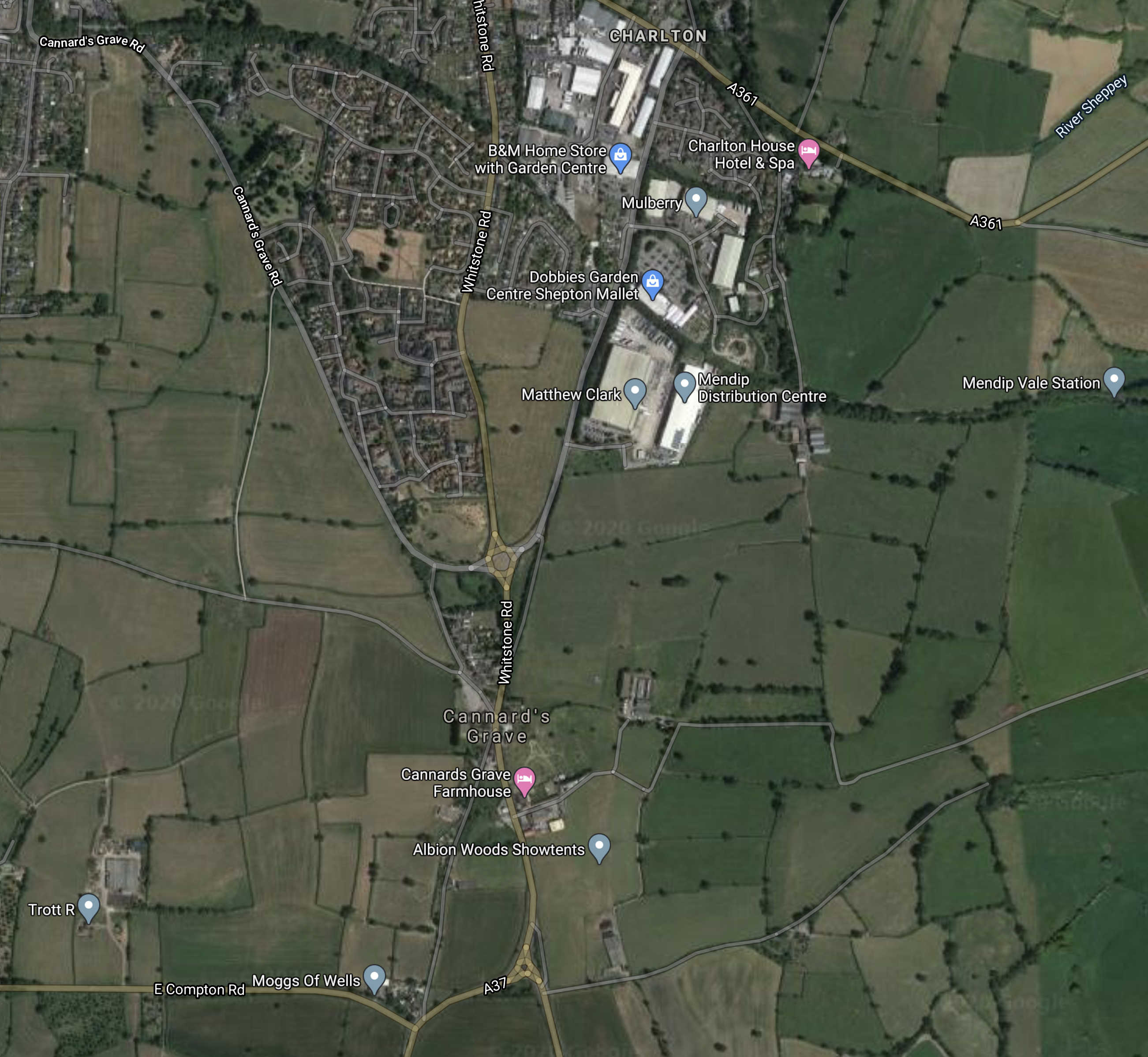
Note.
- The scar of the disused railway passing East-West through the town.
- Mendip Vale station on the East Somerset Railway on the Eastern side of the map.
- The Cannard’s Grave area of the town, with what appears to be a new road system.
Would it be possible to extend the East Somerset Railway to a new Parkway station in the Cannard’s Grave area?
It certainly looks the most likely plan.
This map clipped from Wikipedia, shows the route of the railway.
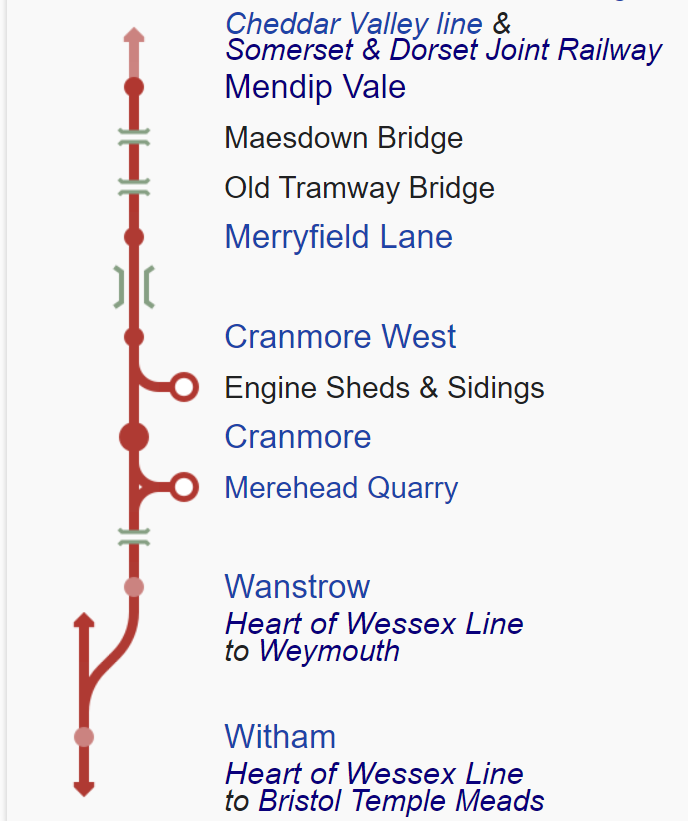
The railway may be only 2.5 miles long, but it does provide a connection for the important Merehead Quarry to the UK rail network.
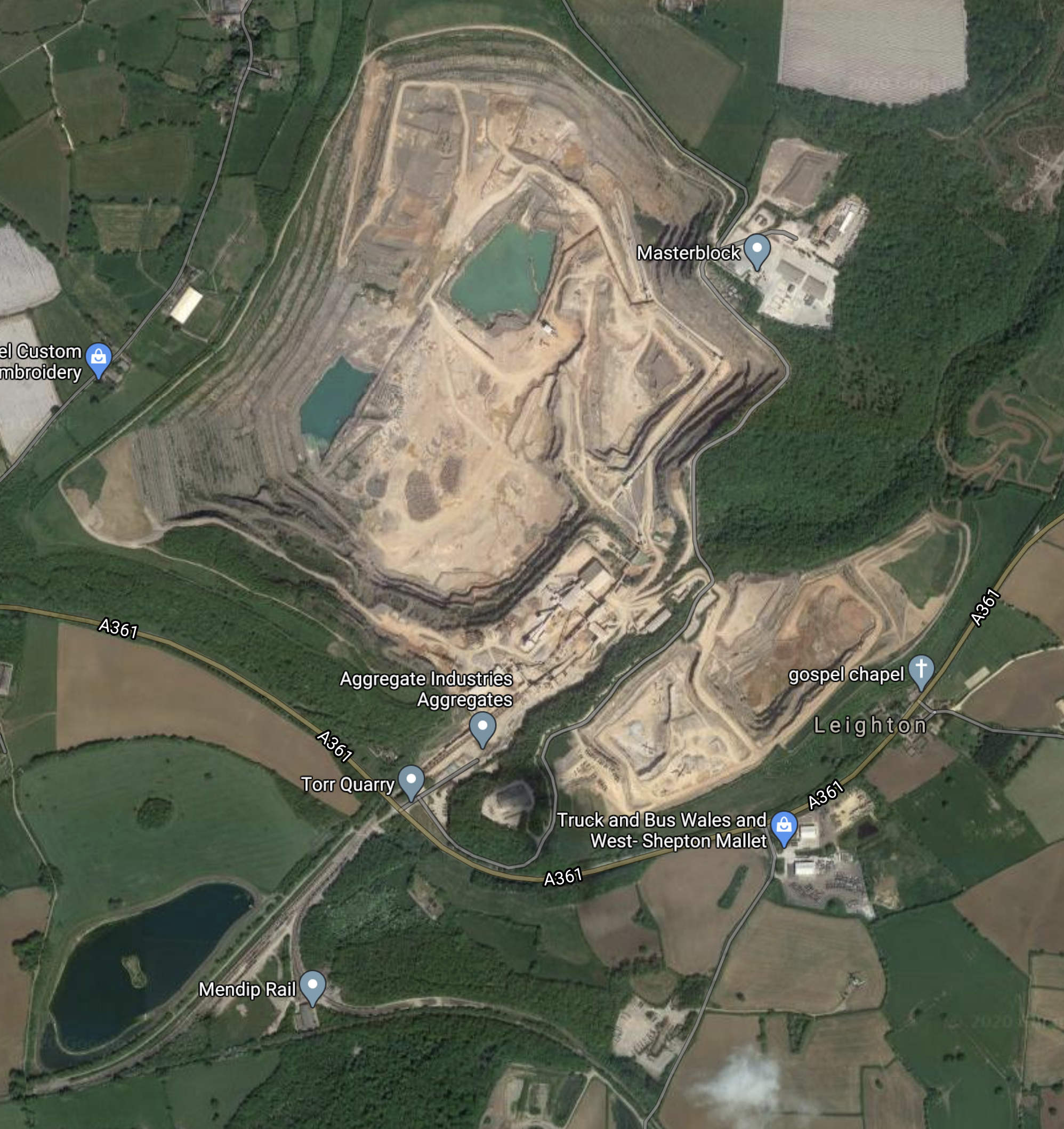
The tracks to the Quarry and Shepton Mallet join up to the South West of the quarry before joining the Heart of Wessex Line, that connects Bristol Temple Meads and Weymouth stations via Bath Spa, Bradford-on-Avon, Trowbridge, Westbury, Frome. Castle Cary and Yeovil.
Passenger Train Services
This Google Map shows East Somerset Junction, where the branch line joins the Heart of Wessex Line.
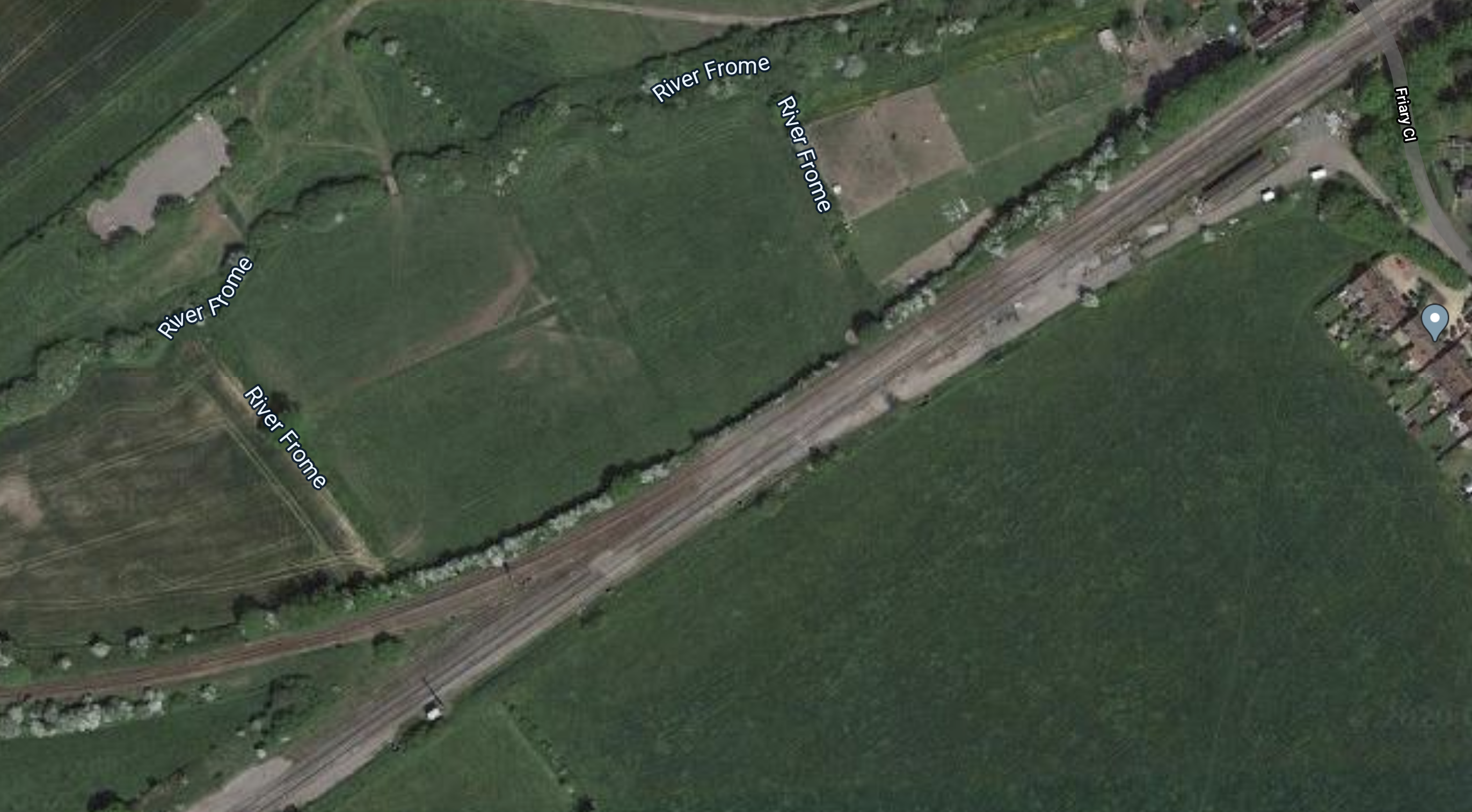
Note.
- Frome, Westbury, Bath Spa and Bristol Temple Meads are to the North East.
- The double-track railway going South-West is the Heart of Wessex Line to Castle Cary, Yeovil and Weymouth.
- The East Somerset Railway is the single-track joining from the West.
There is no direct access to and from the branch from the South-West. But then all of the quarry traffic needs to go to and from via the junction at Westbury.
In Westbury Station – 30th July 2020, I discussed the development of Westbury station.
This was my conclusion.
Could Westbury station develop into a zero-carbon rail transport hub for Wiltshire?
-
- It has an hourly train service between London Paddington and Exeter St. Davids.
- It has an hourly service between Bristol Temple Meads and Weymouth.
- There are hourly services to stations like Bath Spa, Bradford-on-Avon, Bristol Temple Meads, Chippenham, Dorchester, Frome, Swindon, Taunton, Trowbridge and Yeovil
It could be electrified to charge battery electric trains as they pass through.
Perhaps, an hourly service between Westbury and Shepton Mallet Parkway stations could be added to the services?
- I estimate that Westbury and Shepton Mallet Parkway stations are about 13.5 miles apart
- With an intermediate stop at Frome, I estimate that it would be a twenty minute journey.
- A shuttle would need just one train and could run a passenger-friendly clock-face timetable.
- A two-car diesel multiple unit would probably be good enough to open the service.
- The service could be fully-integrated with all the other services passing through Westbury.
It would also be a shuttle service, that could be run using a battery electric train charging at Westbury station.
Vivarail’s Pop-up Metro
The route could be ideal for Vivarail’s Pop-up Metro.
- It is 27 miles for a round trip.
- I’m sure space could be found for charging at either Shepton Mallet or Westbury.
- A two-car train would be large enough.
it could be an extension to the Transwilts local system.
Conclusion
I like this proposal.
- The only infrastructure required is the Park-and-Ride station at Shepton Mallet Parkway.
- Much of the route is currently used by heavy freight trains.
- I doubt that the East Somerset Railway will object.
- I’m sure, that a diesel multiple unit could be found for the shuttle.
- The passenger services will have good connections at Westbury station.
In a future zero-carbon world, it could be run by battery electric trains, charging at Westbury station.
Westbury Station – 30th July 2020
I went to Westbury station today and took these pictures.
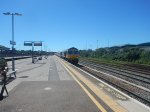
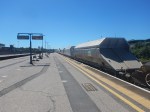
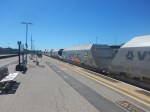
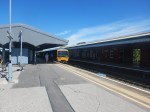


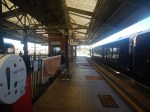
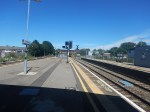
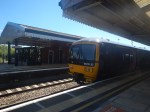
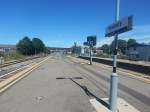
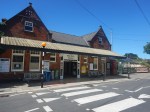

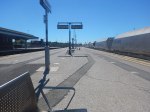
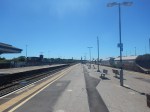
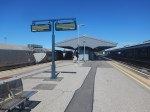
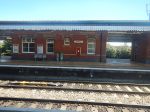
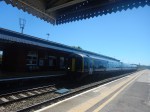
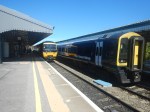
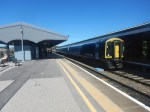

I found Westbury station to be a station in extremely good condition.
It also had a buffet, where I was able to purchase a delicious ice cream.
Passenger Services Through Westbury Station
I was at the station for about an hour and several trains passed through.
Great Western Railway services through the station include.
- One train per two hour (tp2h) – London Paddington and Exeter St. Davids – Stops
- One tp2h – London Paddington and Penzance – Passes through
- One tp2h – London Paddington and Plymouth – Passes through
- One train per hour (tph) – Cardiff Central and Portsmouth Harbour – Stops
- One tp2h – Great Malvern and Westbury
- One tp2h – Gloucester and Weymouth – Stops
- One tp2h – Swindon and Westbury
Train classes included Class 800 trains and Class 166 trains.
South Western Railway services through the station include.
- Five trains per day – Salisbury and Bristol Temple Meads – Stops
Train classes include Class 159 trains.
Battery Trains Through Westbury
Hitachi’s Class 800 train with a battery electric capability or Regional Battery Train, is described in this infographic from the company.
The proposed 90 km or 56 mile range could even be sufficient take a train between Westbury and Bristol Temple Meads stations on a return trip.
Many of the trains through Westbury go to the same stations.
Distances are as follows.
- Bristol Temple Meads – 28 miles
- Newbury – 42 miles
- Salisbury – 24 miles
- Swindon – 32.5 miles
- Taunton – 47 miles
It looks like all of these places should be in range of an electric train with a battery capability, providing there is a charging facility at the other end.
An Electrification Island At Westbury Station
I have been advocating an island of electrification around Westbury station for some time and feel about a dozen miles of electrification through the station would be sufficient for Class 800 trains with a battery capability to bridge the gap.
- At Newbury, trains would access the current electrification into London Paddington.
- Between Exeter and Taunton, the rail route runs alongside the M5, so why not electrify this stretch, as the wires will not be so noticeable?
Looking at Westbury, to my untrained eye, it would appear that a short section of electrification around the station, would not be the most challenging of projects.
I believe that discontinuous electrification between Newbury and Exeter would be possible and could gradually be extended across Devon and Cornwall.
It should also be noted that one of Hitachi’s Regional Battery Trains has a range of 56 miles, so that these places from Westbury could be an return trip on batteries, with a well-driven train with excellent energy management.
- Bath Spa – 17 miles
- Bradford-on-Avon – 7 miles
- Bristol Temple Meads – 28 miles
- Chippenham – 16 miles
- Frome – 6 miles
- Salisbury – 24 miles
- Trowbridge – 4 miles
- Warminster – 9 miles
Obviously, the number of stops and the terrain will play a part.
Freight Might Drive Full Electrification Through Westbury Station
As the pictures show, there are heavy freight trains going through the area, which bring long and weighty loads of stone from the Mendips to London.
- There are regularly two or three stone trains in an average hour of the day.
- Like in the picture, I suspect they are usually hauled by a noisy, smelly, polluting and carbon-dioxide emitting Class 66 Locomotive. Not all of these, are as clean and well-maintained, as the one in the picture.
- Some trains start at Merehead Quarry, which is about fifteen miles from Westbury station.
I believe that we must decarbonise freight trains.
But freight and electric haulage is not a simple subject.
- I once had extensive talks with a Senior Crane Driver at the Port of Felixstowe during an Ipswich Town Away match. Ports don’t like overhead wires, as containers do get dropped and fall off rail wagons.
- Suppose a historic line without electrification, like the Settle and Carlisle has a serious land-slip, which it did a couple of years ago. How do you haul in the materials for repair?
- Because freight can be of a random and unpredictable nature, to electrify freight, you probably need to electrify the whole rail network.
For these and other reasons, we need independently-powered freight locomotives and I feel that a new freight locomotive will develop, that will be needed by the rail industry all over the world.
There are several solutions.
Biodiesel
Biodiesel is the simplest solution and would mean that the current diesel locomotives could be used.
In Grant Shapps Announcement On Friday, I talked about Government support for an industrial process, that has been developed by Oxford University and their spin-off company; Velocys, from the the Fischer-Tropsch Process, which can produce, the following fuels from household and industrial waste.
- Aviation biofuel.
- Biodiesel.
A plant to process 500,000 tonnes per year of Lincolnshire finest waste is now being built at Immingham to create 50,000,000 litres of fuel, by Altalto, which is a partnership between Velocys, British Airways and Shell.
If nothing else, waste-to-fuel is the interim solution to the decarbonisation of tricky sectors like heavy rail freight, rail construction, large diesel-powered machines, ships or long-distance aviation.
This fuel could be ideal to haul the heavy stone trains from the Mendips.
Hydrogen
I did think, it would be hydrogen powered, but I’m not so sure now, as hydrogen trains and locomotives seem to have a slow development cycle.
Although, there is one factor, that might influence the use of hydrogen as a fuel, which I wrote about in Thirsty High-Rollers … Mining’s Heavy Haulers Prime Candidates For Hydrogen Conversion.
Mining and quarrying don’t have a good green image, but converting mines and quarries to hydrogen power, would surely have operational and good public relational advantages.
It would also ensure a plentiful and convenient supply of hydrogen, for any hydrogen-powered locomotives.
Hydrogen-powered locomotives, with their electric transmissions, would probably be able to use electrification for traction power, so they would put pressure on the Government to electrify between Westbury and Newbury stations, so that there was a fully-electrified route between the Mendips and London.
Rolls-Royce’s Staggering Development
Staggering is not my word, but that of Paul Stein, who is Rolls-Royce’s Chief Technology Officer.
He used the word in a press release, which I discuss in Our Sustainability Journey.
To electrify aviation, Rolls-Royce has developed a 2.5 MW generator, based on a small gas-turbine engine, which Paul Stein describes like this.
Amongst the many great achievements from E-Fan X has been the generator – about the same size as a beer keg – but producing a staggering 2.5 MW. That’s enough power to supply 2,500 homes and fully represents the pioneering spirit on this project.
This generator is designed for flight and the data sheet for the gas-turbine engine is available on the Internet.
- It has a weight of under a couple of tonnes compared to the thirteen tonnes of the diesel engine and generator in a Class 68 locomotive.
- It is also more powerful than the diesel.
- It looks to be as frugal, if not more so!
- Rolls-Royce haven’t said if this gas-turbine can run on aviation biofuel, but as many of Rolls-Royce’s large engines can, I would be very surprised if it couldn’t!
Rolls-Royce’s German subsidiary is a large producer of rail and maritime diesel engines, so the company has the expertise to customise the generator for rail applications.
I can see this generator ending up in a high-powered heavy independently-powered electric locomotive for hauling stone and inter-modal container trains.
As with hydrogen-powered locomotives, this new breed of gas-turbine locomotive with its electric transmission, will be able to use electrification, where it exists.
So would locomotive developments drive the electrification through Westbury and especially between Westbury and Newbury?
I would rate is likely, that in the future, increasingly rail locomotives will have sophisticated electric transmissions, between their prime motive power of diesel, hydrogen, gas-turbine or whatever and their traction system. All of these locomotives will have pantographs and/or third-rail shoes to access electrification, where it exists.
These locomotives will surely add to pressure to electrify between Westbury and Newbury.
Biodiesel is surely the interim freight solution, if one is needed.
Future Zero-Carbon Passenger Services
Passenger services through Westbury can be divided into three groups.
Great Western Railway’s Services Between London Paddington And Devon And Cornwall
From Beeching Reversal projects put forward over the last few months, it looks like these services will increase and stop at several new and refurbished stations.
I can see discontinuous electrification being used to create a series of electrification islands to allow Class 800 trains, with a battery capability reach the Far South West of Cornwall.
Electrification islands could be at places like
- Around Westbury station.
- Between Taunton and Exeter St. Davids stations alongside the M5.
- Between Plymouth station and the Royal Albert bridge.
- Around Bodmin Parkway station
- Around Truro station
- At Newquay station
- At Penzance station
Obviously, the number and type of the various installations will depend on the methods used and the engineering required.
I do believe that with Hitachi trains, that meet their specification, that trains will be able to travel between Paddington and Penzance without touching a drop of diesel.
Great Western Railway’s Cardiff Central And Portsmouth Harbour Service
The service can be split into the following legs.
- Cardiff Central and Filton Junction – 33 miles – Electrified
- Filton Junction and Bristol Temple Meads – 5 miles – Not Electrified
- Bristol Temple Meads and Westbury – 28 miles – Not Electrified
- Westbury and Salisbury – 24 miles – Not Electrified
- Salisbury and Southampton Central – 15 miles – Not Electrified
- Southampton Central and Portsmouth Harbour – 26 miles – Electrified
It would appear that a train with the performance and range on batteries of Hitachi’s Regional Battery Train should be able to handle the route, provided the following conditions are met.
- It can leave the Great Western Main Line at Filton Junction with a full battery.
- It can leave the electrification at Westbury station with a full battery.
- It can leave Southampton Central station with a full battery.
- Third-rail shoes are fitted for working between Southampton Central and Portsmouth Harbour stations.
Recharging batteries at Bristol Temple Meads and Salisbury stations, although probably welcome, are not necessary.
I can envisage Hitachi Class 800 and Class 385 trains being able to fulfil this role, along with Bombardier Electrostars and Aventras and Siemens Desiros.
As Great Western Railway have forty-five Class 387 trains, conversion of some of these to battery electric operation must be a possibility.
Great Western Railway’s Gloucester and Weymouth Service
The service can be split into the following legs.
- Gloucester and Bristol Temple Meads – 39 miles – Not Electrified
- Bristol Temple Meads and Westbury – 28 miles – Not Electrifield
- Westbury and Dorchester Junction – 52 miles – Not Electrified
- Dorchester Junction and Weymouth – 4 miles – Electrified
It would appear that a train with the performance and range on batteries of Hitachi’s Regional Battery Train should be able to handle the route, provided the following conditions are met.
- It can leave Gloucester station with a full battery.
- It can leave Bristol Temple Meads with a full battery.
- It can leave Westbury with a full battery.
- It can leave the South Western Main Line at Dorchester Junction with a full battery.
It would be a tight trip for a battery electric train and I suspect, that there would be some extra electrification between Westbury and Dorchester Junction or perhaps charging facilities at Frome or Yeovil Pen Mill stations.
The alternative would be to fit larger batteries on the train.
As to the train to be used, a Class 387 train with a battery capability would surely be ideal.
Great Western Railway’s Swindon and Westbury Service
The service can be split into the following legs.
- Swindon and Chippenham – 16 miles – Electrified
- Chippenham and Westbury- 16 miles – Not Electrified
It would appear that a train with the performance and range on batteries of Hitachi’s Regional Battery Train should be able to handle the route, provided the following conditions are met.
- It can leave Chippenham station with a full battery.
This would have sufficient charge to do the thirty-two mile round trip from Chippenham to Westbury and back.
As to the train to be used, a Class 387 train with a battery capability would surely be ideal.
South Western Railway’s Bristol Temple Meads and Salisbury Service
The service can be split into the following legs.
- Bristol Temple Meads and Westbury – 28 miles – Not Electrified
- Westbury and Salisbury- 24 miles – Not Electrified
t would appear that a train with the performance and range on batteries of Hitachi’s Regional Battery Train should be able to handle the route, provided the following conditions are met.
- It can leave Bristol Temple Meads station with a full battery.
- It can leave Westbury with a full battery.
- It can leave Salisbury with a full battery.
But, I do wonder, if with a slightly larger battery, a well-driven train could work the route with only charging the battery at Westbury station?
Conclusion
Could Westbury station develop into a zero-carbon rail transport hub for Wiltshire?
- It has an hourly train service between London Paddington and Exeter St. Davids.
- It has an hourly service between Bristol Temple Meads and Weymouth.
- There are hourly services to stations like Bath Spa, Bradford-on-Avon, Bristol Temple Meads, Chippenham, Dorchester, Frome, Swindon, Taunton, Trowbridge and Yeovil
It could be electrified to charge battery electric trains as they pass through.
 The Anonymous Widower