A Brand New Railway Line Is Set To Directly Link South West London With The UK’s Biggest Airport – And It Could Be Up And Running By The Early 2030s
The title of this post, is the same as that of this article on Secret London.
This is the sub-heading.
A shiny new railway line could provide a seamless link between south-west London and the capital city’s busiest airport.
These two paragraphs add some details.
As a south-west Londoner who can fairly frequently be found at Heathrow Airport (or at least dreaming about being there), I can confirm that a speedy service, directly linking the almighty aviation hub with the south west of the city is something that’s been perched at the very top of my wish list for quite some time now. And it seems as though my prayers may finally have been answered in the form of the Heathrow Southern Railway.
London Heathrow Airport is currently in the early stages of a rather hefty expansion. Over the next ten years, the airport (which just so happens to be the biggest and busiest in the country) is set to receive a third runway. And when said runway is up and running, Heathrow is expecting to welcome approximately 66 million more passengers a year. So now is probably a pretty good time to start thinking about how they’re all going to get there.
I have written extensively about Heathrow Southern Railway in the past.
Start by reading Why I Like The Heathrow Southern Railway Proposal, which I wrote in November 2016 and ended with this conclusion.
It is definitely one of those projects, where by creating something a bit out of the ordinary, leads to lots of other worthwhile things.
I still like it and we now have more information, which includes this map.
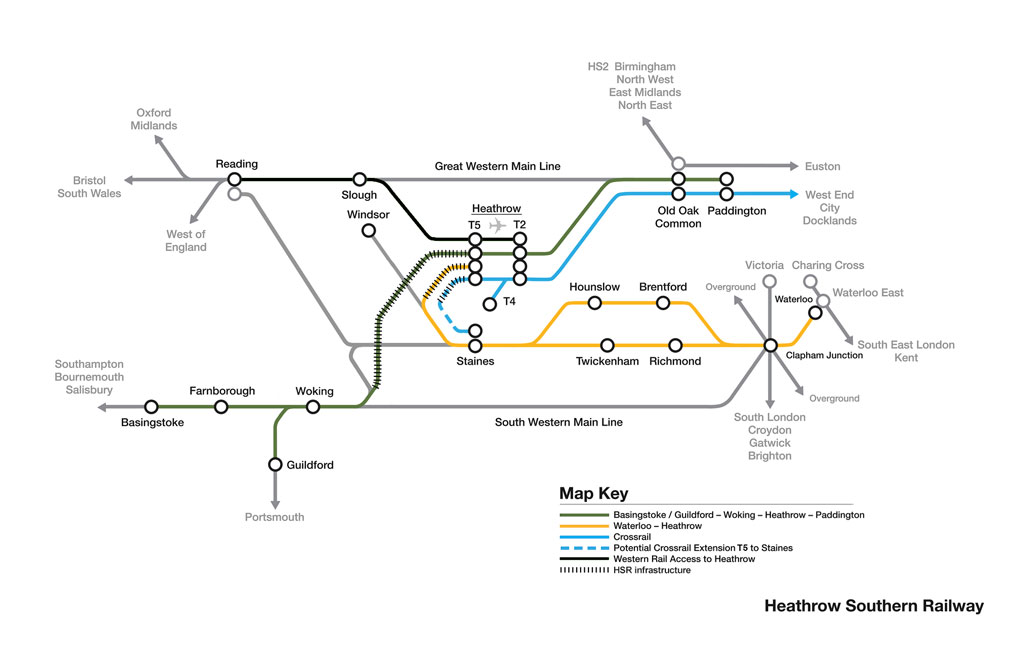
Note.
- The blue line is the Elizabeth Line.
- The yellow line is a direct link from Waterloo to Heathrow.
- The station in a six pointed star is Clapham Junction.
On the Heathrow Southern Railway web site there is a section called Service Opportunities.
It details two routes.
- Heathrow and Waterloo via Staines and Clapham Junction
- Basingstoke/Guildford and Paddington via Woking and Heathrow
These are a few random thoughts.
A ULEZ Avoiding Line
If the Elizabeth Line is extended to Staines, then Heathrow Southern Railway provides a ULEZ avoiding route for Heathrow employees to help get the Mayor out of a hole. A station guy at Staines told me a lot of Heathrow staff take buses to the airport from Staines station.
West London Orbital Railway
I believe that the West London Orbital Railway would make sense to give lots of other routes for Heathrow staff and passengers.
The Proposed Lionel Road Station On the West London Orbital Railway
Starting with Lionel Road station may seem a strange place to start, but this important station for supporters of Brentford FC, may in the end define how the new line is designed and built.
This OpenRailwayMap shows the tracks around the stadium, that has been built for the Premier League football club, which is now called the Gtech Community Stadium.
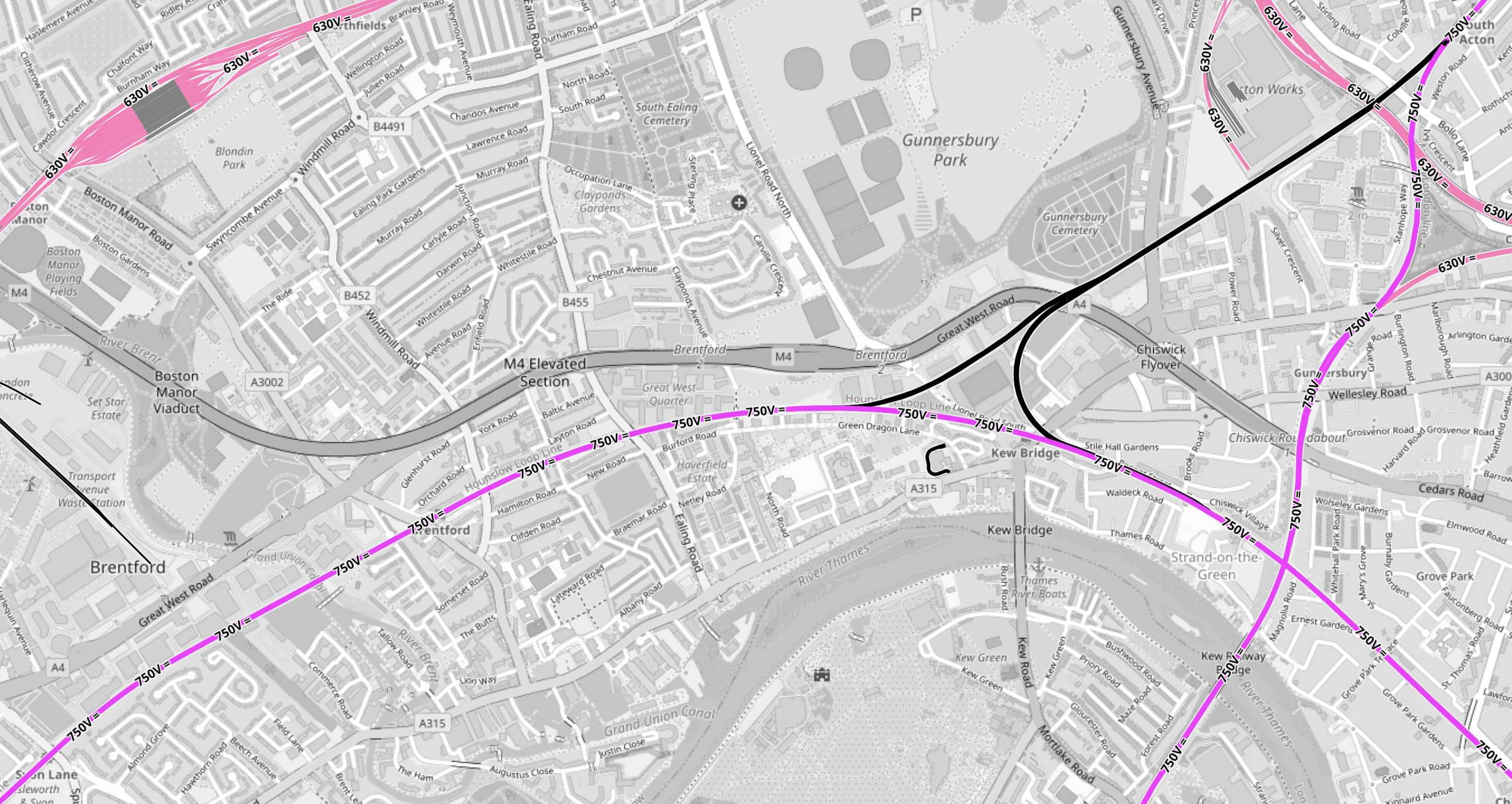
Note.
- In the North-West corner of the map is the Piccadilly Line branch to Heathrow Airport.
- Northfields Depot is prominent, with the station of the same name to its East.
- South Acton station is in the North-East corner of the map.
- Syon Lane station is in the South-West corner of the map.
- The West London Orbital Railway runs between these two stations.
- Lilac sections are electrified and black sections have none.
- South Acton station is also on the North London Line, which runs North-South to Richmond station off the bottom of the map.
- Syon Lane Station is also on the Hounslow Loop Line, which curves across the bottom half of the map to the South-East corner.
- Click the map to show it to a larger scale.
This second OpenRailwayMap shows triangular junction in the middle of the first map to a larger scale.
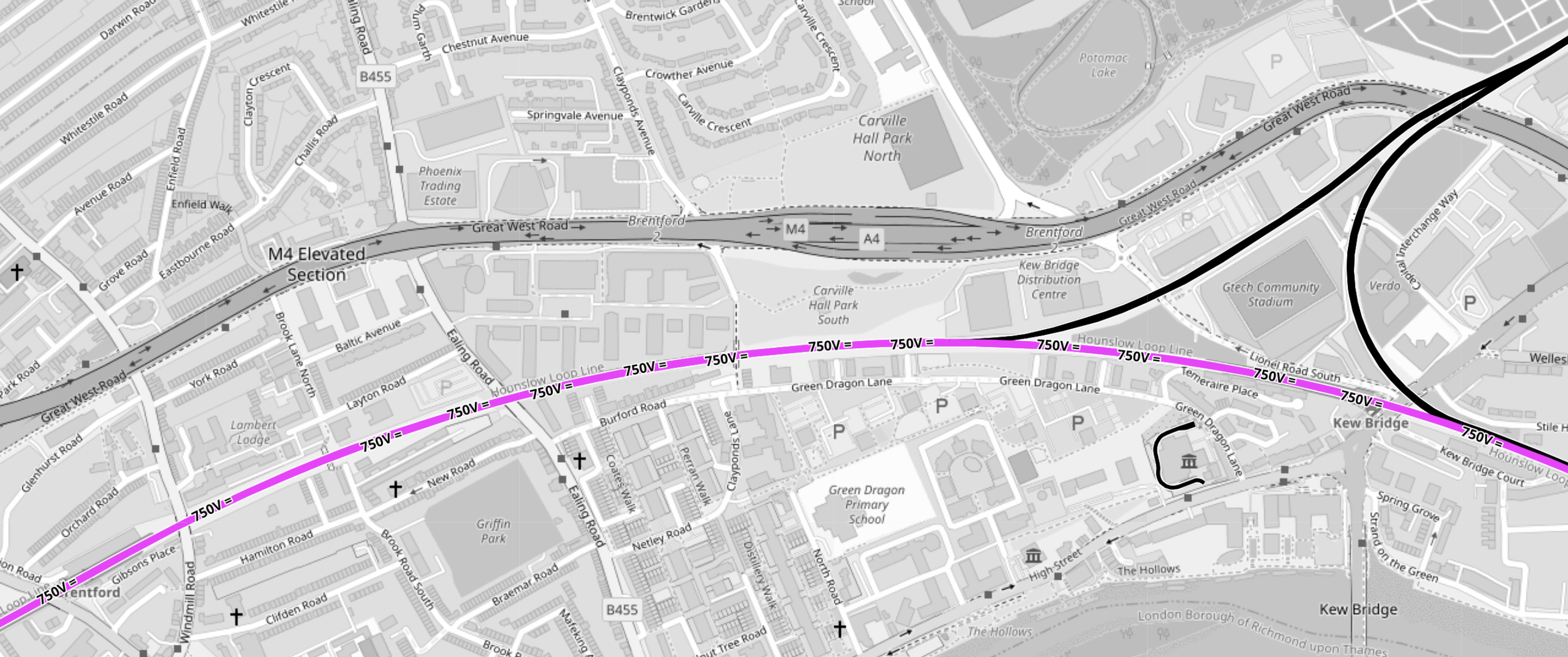
Note.
- The Gtech Community Stadium sits in the middle of the triangular junction.
- Provision has been made in the layout of the stadium for the station to be on the North-West leg of the triangular junction.
- Kew East Junction is in the North-East corner of the map.
- Old Kew Junction is in the South-West corner of the triangular junction.
- New Kew Junction is in the South-East corner of the triangular junction.
- The lilac track crossing the map is the electrified Hounslow Loop Line.
- The M4/A4 runs across the map
- Only the Southern leg of the triangular junction is electrified.
- Click the map to show it to a larger scale.
These are some of my thoughts.
Lionel Road Station Will Be Unlikely To Be Electrified
Consider
- It will be extremely unlikely that between South Acton station and Old Kew junction will be electrified with third-rail electrification because of safety issues.
- There is a very long chance, that it might be decided to create a 25 KVAC overhead electrified route across London, by means of the North London Line.
- I believe hydrogen trains will be developed for freight services.
- The station will have large numbers of passengers on match-days, so safety may determine an electrification-free station.
- The electrification gap is only 1.4 miles, which is well within range of a battery-electric train.
I think it is more likely that hybrid trains will use what is available.
Will Lionel Road Station Be Step-Free?
Sixty years ago, I used Manchester United station to see a match.
This Google Map shows the station.
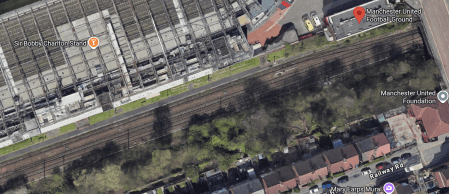
Note.
- The station is a single platform tucked in behind the South stand.
- The station entrance is indicated by a red arrow.
- When I went in the 1960s, the train was a steam-hauled shuttle from the city centre.
- This Wikipedia entry gives more details.
I suspect a similar space-saving design could be used at Lionel Road station.
There will be a need for a bridge if the station is used on more than match days.
Will Lionel Road And Kew Bridge Stations Be An Out Of Station Interchange?
This OpenRailwayMap shows the triangular junction, with the GTech Community Stadium in the middle.
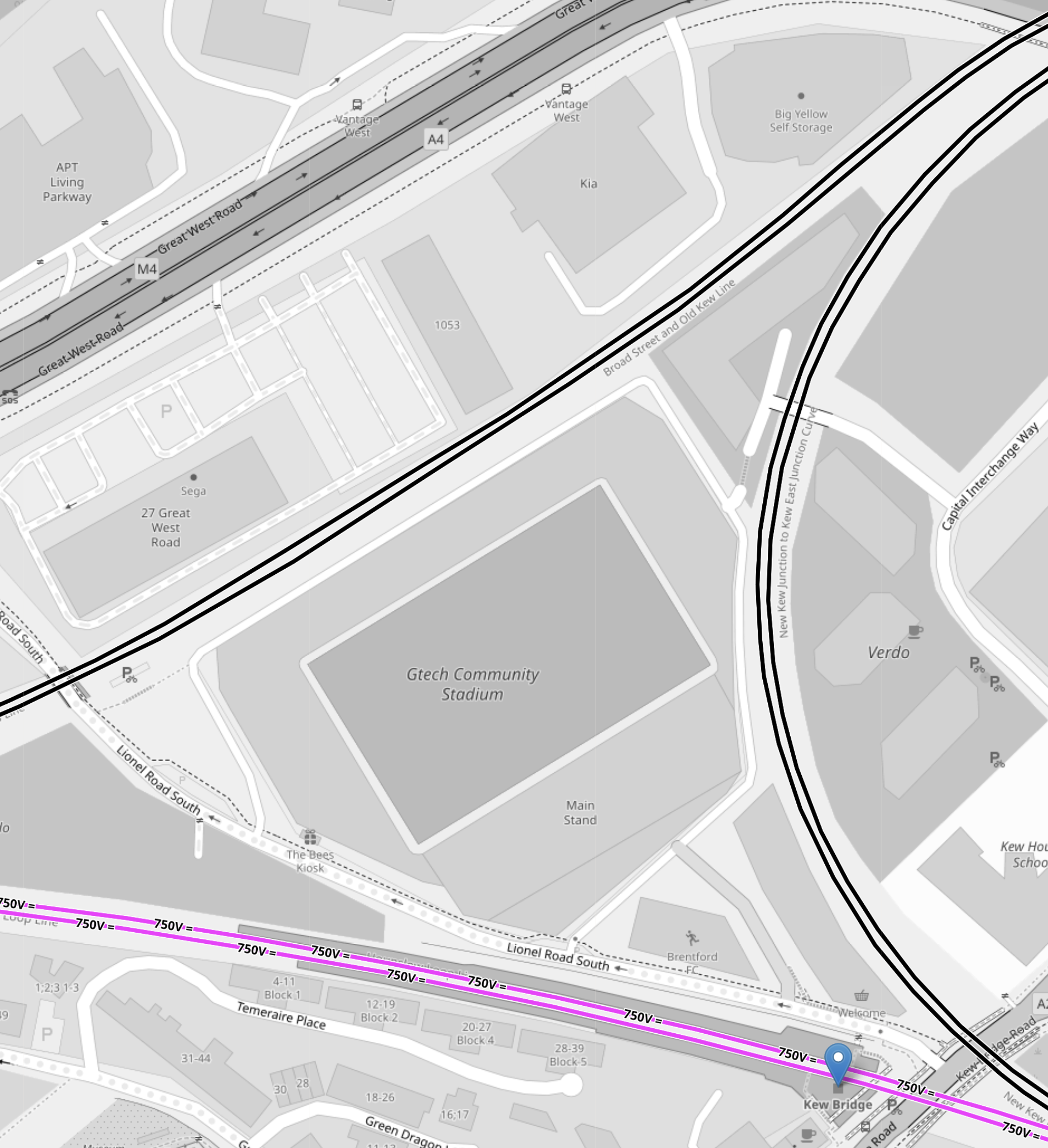
Note.
- Lionel Road station will be on the North-West side of the station.
- Kew Bridge station is marked by a blue arrow.
- There appear to be walking routes all over the plot on which the stadium sits.
- All sides of the junction are double track.
I think an Out-Of-Station Interchange would be useful, especially for those who don’t know the area.
How Easy Will It Be To Get To Lionel Road Station From Major London Stations?
These are my best estimates at a degree of difficulty.
- Bank – 1 Change – Take Central Line with a change at Old Oak Common Lane to Lionel Road.
- Blackfriars – 1 Change – Take Thameslink with a change at Brent Cross West to Lionel Road.
- Bond Street- 1 Change – Take Elizabeth Line with a change at Old Oak Common Lane to Lionel Road.
- Cannon Street – 2 Changes – Get out at London Bridge – Take Thameslink with a change at Brent Cross West to Lionel Road.
- Charing Cross – 1 Change – Take Bakerloo Line with a change at Harlesden to Lionel Road.
- City Thameslink – 1 Change – Take Thameslink with a change at Brent Cross West to Lionel Road.
- Euston – 1 Change – Take Watford DC Line with a change at Harlesden to Lionel Road.
- Farringdon – 1 Change – Take Thameslink with a change at Brent Cross West to Lionel Road.
- King’s Cross – 1 Change – Take Thameslink with a change at Brent Cross West to Lionel Road.
- Liverpool Street – 2 Changes – Get out at Stratford – Take the Overground with a change at South Acton to Lionel Road.
- Liverpool Street – 1 Change – Take Elizabeth Line with a change at Old Oak Common Lane to Lionel Road.
- London Bridge – 1 Change – Take Thameslink with a change at Brent Cross West to Lionel Road.
- Marylebone – 1 Change – Take Bakerloo Line with a change at Harlesden to Lionel Road.
- Moorgate – 1 Change – Take Elizabeth Line with a change at Old Oak Common Lane to Lionel Road.
- Old Street – 2 Changes – Go to Moorgate – Take Elizabeth Line with a change at Old Oak Common Lane to Lionel Road.
- Oxford Circus – 1 Change – Take Bakerloo Line with a change at Harlesden to Lionel Road.
- Paddington – 1 Change – Take Elizabeth Line with a change at Old Oak Common Lane to Lionel Road.
- Piccadilly Circus – 1 Change – Take Bakerloo Line with a change at Harlesden to Lionel Road.
- St. Pancras – 1 Change – Take Thameslink with a change at Brent Cross West to Lionel Road.
- St. Paul’s – 1 Change – Take Central Line with a change at Old Oak Common Lane to Lionel Road.
- Tottenham Court Road – 1 Change – Take Elizabeth Line with a change at Old Oak Common Lane to Lionel Road.
- Vauxhall – 2 Changes – Go to Oxford Circus – Take Bakerloo Line with a change at Harlesden to Lionel Road.
- Victoria – 2 Changes – Go to Oxford Circus – Take Bakerloo Line with a change at Harlesden to Lionel Road.
- Waterloo – Direct – Direct train to Kew Bridge.
- Waterloo – 1 Change – Take Bakerloo Line with a change at Harlesden to Lionel Road
Note.
- It does appear that the connections in stations like Brent Cross West, Harlesden and Old Oak Common Lane, will make a lot of difficult cross-London journeys easier.
- But not many journeys to the GTech Community Stadium, finish at Kew Bridge station.
- Most journeys pick up the West London Orbital at Brent Cross West, Harlesden or Old Oak Common Lane, which probably means these three stations should be step-free.
- As I’ve been writing this, I do wonder if now is the time to create a pedestrian connection between City Thameslink and St. Paul’s stations, that I wrote about in A Pedestrian Connection Between City Thameslink Station And St. Paul’s Tube Station.
I do believe though that there are places on the Central Line, where small projects can give a high return on expenditure.
Conclusion
Surprisingly, this is a lot more than just a station for a Premier League football club.
Cornish Plant Produces Geothermal Power
The title of this post, is the same as that of this article on Ground Engineering.
This is the sub-heading.
Hot water from a granite fault zone in Cornwall is being used to create electricity after a pioneering plant was switched on last week.
These two paragraphs add a few more details.
Geothermal Energy Lithium (GEL) started generating power from its United Downs facility near Redruth in late February.
The company drilled down more than 5km to reach hot water sitting in natural fractures in the rock deep below Cornwall.
This excellent video, shows the wide significance of what is happening in Cornwall.
How Much Electricity Do You Need To Charge A Garage Full Of Electric Buses?
Consider.
- A couple of years ago, I had a long discussion and a few beers with three managers of bus garages.
- In First Bus To Launch 1MW BESS Unit In Hampshire, Aberdeen To Follow, I talk about a specialist battery to charge buses.
- In Is Sumitomo Heavy Industries Highview Power Energy Storage System On line At Hiroshima?, I talk about an efficient, renewable power supply for an LNG Terminal.
I asked Google AI the question in the title of this post and received this comprehensive answer.
Charging a full garage of electric buses requires massive amounts of electricity, with typical, non-optimized charging for a 100-bus depot capable of drawing nearly 10 megawatts (MW) of power. To put this into perspective, a 100-bus depot might require roughly 150 Megawatt-hours (MWh) of energy to recharge over an eight-hour night.
Key Factors and Energy Requirements
Energy Consumption per Bus: A typical electric bus has a battery capacity between 300-500 kWh. Energy consumption averages around 1.11 to 1.35 kWh/km, with higher consumption in winter or with heavy A/C use.
Total Depot Power: For a 100-bus depot, power requirements can reach 10 MW, equivalent to the power output of a small hydroelectric dam.
Optimal Charging: Using smart charging, a 100-bus depot can reduce its peak demand to around 4 MW.
Daily Usage: A single, large electric bus can consume up to 500 kWh per day, with daily demand ranging from 189 to 231 kWh for typical operations.
Infrastructure and Grid Considerations
Charging Infrastructure: Depots often use 40 kW to 250 kW chargers, with 100 kW common for overnight charging.
Grid Capacity: A 34-bus depot might require a new 1000kVA transformer to handle the load.
Voltage: 11,000 volts may be required to power new substations, which are then stepped down to 400 volts for charging.
Operational Factors Affecting Energy Need
Heating and Cooling: Cold weather can increase energy consumption by up to 45% (due to electric heating).
Driving Style: Inefficient driving can increase energy consumption by 0.24 kWh/km above average.
Regenerative Braking: This can recover 37–40% of energy for 40-60 ft buses.
Cost Implications
Energy Bills: A 100-bus depot can incur monthly energy bills between $112,000 and $515,000 without optimization.
Cost Savings: Electric buses are generally cheaper to fuel, costing ~£0.21/mile compared to £0.49/mile for diesel.
Could A System Based On The Sumitomo/Highview Power System At Hiroshima Charge Electric Buses?
The optimal charging figure for a 100-bus garage would appear to be in the region of 4-5 MW.
In Is Sumitomo Heavy Industries Highview Power Energy Storage System On line At Hiroshima?, I state, that it looks like Highview Power’s CRYOBattery™ at the heart of the system has a capacity of 5 MW/20 MWh.
I also state in the post, that the Hiroshima facility is designed to support grid stability and enhance renewable energy integration.
Does this all mean that if you can install enough solar panels on the roof of the garage or perhaps a wind turbine nearby, that you can have buses substantially powered by the sun and wind.
Chicago would just love wind-powered buses!
Could The Settle And Carlisle Be Used As A More Formal Route?
In June 2021, I wrote Through Settle And Carlisle Service Under Consideration, which starts like this.
The title of this post, is the same as that of an article in the June 2021 Edition of Modern Railways.
This is the first paragraph.
Plans for a new Leeds to Glasgow through service via the Settle and Carlisle line are being developed, with CrossCountry and the Department for Transport starting to look at the possible scheme.
It sounds like a sensible idea to me.
The article also suggests the following.
- CrossCountry is a possible operator.
- CrossCountry are keen to improve services between Leeds and Glasgow
- The trains could be InterCity 125s, freed up, by a the arrival of Class 221 trains from Avanti West Coast, when they receive their new Class 805 trains.
- Maintenance of the trains wouldn’t be a problem, as this could be done at Neville Hill in Leeds or Craigentinny in Edinburgh.
- Services could start in December 2023.
But nothing more has been heard.
However some things have happened.
The Settle And Carlisle Has Become A Popular Charter Route
Google AI gave me this paragraph.
The Settle and Carlisle line is an extremely popular, premier route for heritage rail charters, steam excursions, and luxury rail tours in the UK, often operating at full capacity. Renowned for its scenic 72-mile journey through the Yorkshire Dales and Pennines, it features iconic structures like the Ribblehead Viaduct.
I have also written these posts about charters on the Settle and Carlisle Line.
Scheduled Steam-Hauled Services For the Settle And Carlisle Railway
Rail Operator Crosses Line For First Time In Years
‘Staycation Express’ To Return Along Full Length of S & C
It doesn’t appear that the numbers of charter trains are showing any sign of decrease.
LNER Has Ordered Class 897 Trains
When LNER took over the East Coast Main Line services, they had six main classes of trains.
- Five-car Class 800/1 bi-mode trains
- Nine-car Class 800/2 bi-mode trains
- Five-car Class 801/1 electric trains
- Nine-car Class 801/2 electric trains
- Seven-car InterCity225 trains
- Nine-car InterCity225 trains
Note.
- The five-car trains can run in pairs as ten-car trains.
- The Class 800 and Class 801 trains can run to destinations, that lack full electrification using diesel power where needed.
- Hitachi are developing battery-power for rail routes without electrification.
In 2023 to replace the InterCity225 trains ten ten-car Class 897 tri-mode trains were ordered from CAF, which will soon be in service, over all LNER’s network.
LNER Has Fully Electrified And Unelectrified Destinations
LNER’s current destinations, that are fully electrified to King’s Cross include.
- Bradford Forster Square
- Berwick on Tweed
- Darlington
- Doncaster
- Durham
- Edinburgh Haymarket
- Edinburgh Waverley
- Grantham
- Keithley
- Leeds
- Newark Northgate
- Newcastle
- Peterborough
- Retford
- Shipley
- Skipton
- Stevenage
- Wakefield Westgate
- York
Whilst those are not fully electrified include.
- Aberdeen
- Cleethorpes
- Dundee
- Grimsby Town
- Harrogate
- Huddersfield
- Horsforth
- Hull
- Inverness
- Lincoln
- Middlesbrough
- Sheffield
- Sunderland
- Thornaby
- Worksop
Note.
- Other destinations can be added as required.
- I suspect, that Class 897 trains will be able to approach many stations without electrification on battery power alone.
- Staff and Passengers would probably like underground stations like Sunderland to be worked on batteries alone.
The Class 800 bi-mode, the Class 801 electric and the Class 897 tri-mode trains will give LNER a very flexible fleet.
Onward To Skipton, Carlisle and Glasgow Central And Edinburgh From Bradford Forster Square
I wonder is someone has realised that the Class 897 trains could use their tri-mode capabilities to invade Scotland?
This OpenRailwayMap shows the railways between the Scottish Lowlands and northern England.
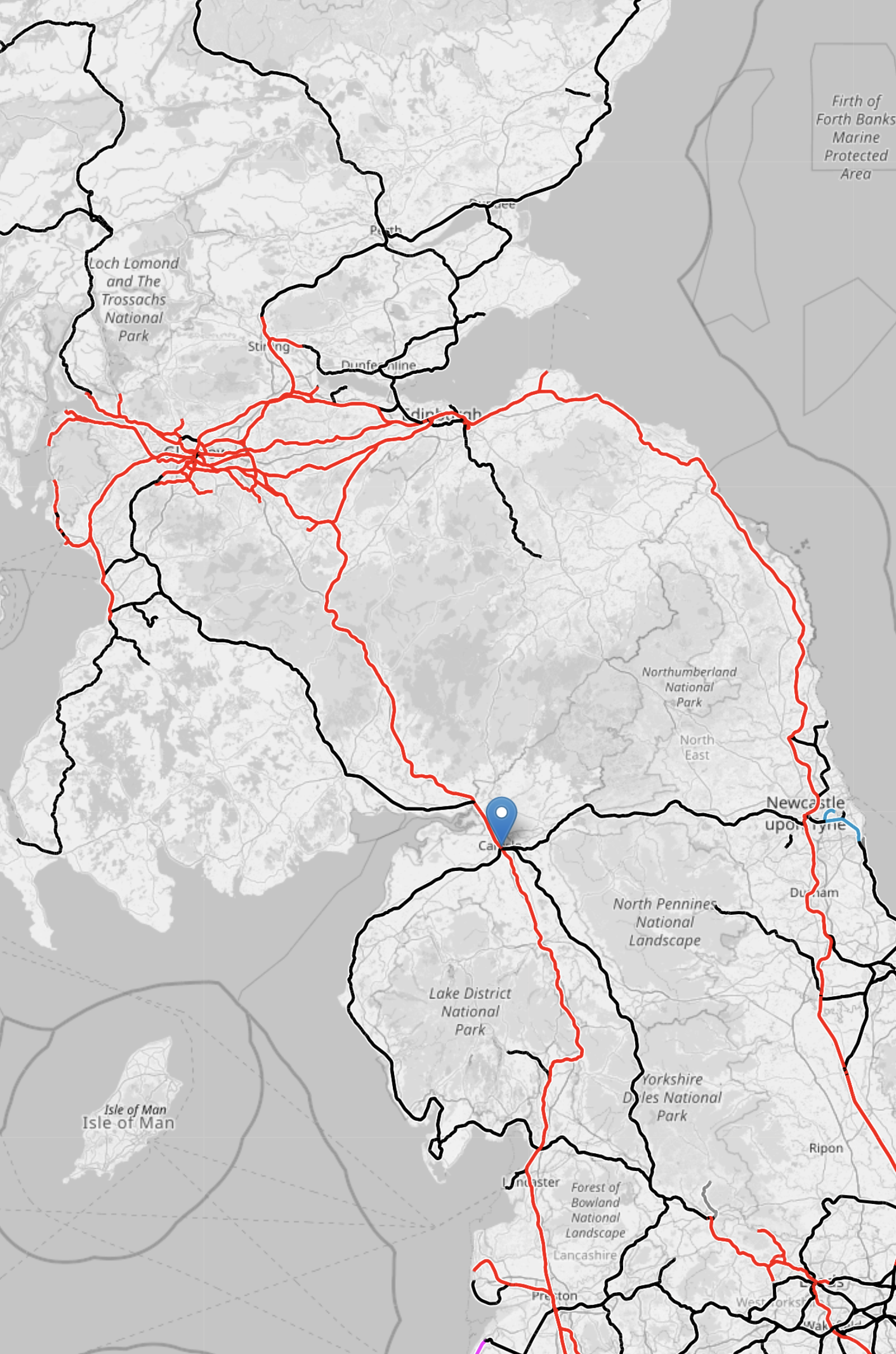
Note.
- Red tracks are electrified.
- Black tracks are not.
- The blue arrow in the middle of the map indicates Carlisle.
- The red track going North-South through Carlisle is the West Coast Main Line.
- The black track going South from Carlisle is the Settle and Carlisle Line.
- Where it turns red is at Skipton station and the electrification can power the train to Bradford Foster Square, Doncaster, Leeds or Sheffield stations.
- The West Coast Main Line splits North of Carlisle and electrified trains can reach either Glasgow Central in the West or Edinburgh Haymarket or Waverley in the East.
- The black track going North-South between Carlisle and Glasgow via Dumfries is the Glasgow South Western Line, which can be used as a diversionary route by some trains with a self-powered capability.
The Settle and Carlisle Line certainly makes Anglo-Scottish routes more robust and flexible when there is bad weather, engineering works or overhead wire or signalling failures.
Will Class 897 Trains Be Able To Run On The Settle And Carlisle Line?
I asked Google AI this question and it gave this answer.
Yes LNER’s new Class 897 tri-mode trains (scheduled for introduction from 2027) will be able to run on the Settle and Carlisle line. As tri-mode electro-diesel multiple units, these 10-car trains are designed to operate across the entire LNER network, utilizing electric, diesel, or battery power to manage non-electrified routes like this, providing a modern alternative to older, diesel-only fleets.
Key details regarding Class 897 on the Settle and Carlisle Line:
Tri-mode Capability: These trains can run on electric, diesel, or battery power, making them highly versatile for non-electrified, scenic, or challenging routes.
Operating Strategy: The trains are designed for flexibility and can be used across the LNER network, which includes routes connecting to Scotland via the West Coast Main Line (WCML) or through services from Leeds.Upgrading Service: They will replace the 40-year-old InterCity 225 fleet, offering a more environmentally friendly, modern alternative to current diesel bi-modes, such as the Class 800/802.
The route is a major, yet challenging, rail line featuring 20 viaducts and 14 tunnels, making it suitable for modern, versatile train sets.
I also believe that running Class 897 trains between Yorkshire and Glasgow offers opportunities to run new services, that will appeal to both travellers and rail operators.
Does The UK Need More Passenger Rail Capacity Between Yorkshire And Glasgow?
I asked Google AI this question and it gave this answer.
Yes, the UK requires more passenger rail capacity between Yorkshire and Glasgow due to severe overcrowding and forecasted demand growth. Major routes like the East Coast Main Line (ECML) and West Coast Main Line (WCML) are, or will soon be, at maximum capacity. Key constraints include infrastructure limitations and the need for better Scotland-England connectivity.
Key insights on this need:
Capacity Constraints: The WCML, particularly at its southern end, is already effectively full, with limited capacity for additional, longer trains. Similarly, the ECML is experiencing significant overcrowding.
Growing Demand: Passenger demand for long-distance rail travel continues to rise, with significant increases noted in journeys between Scotland and other regions.
Infrastructure Issues: Constraints include steep inclines, tight curves, and the need to mix passenger and freight traffic, particularly on the West Coast route.
Proposed Solutions: While some improvements are planned, such as Lumo extending services to Glasgow, the Integrated Rail Plan (IRP) focuses on capacity enhancements in the North/Midlands.
Strategic Need: Enhanced, high-speed connections are considered essential for long-term economic integration and to prevent increased air travel/emissions.
The great advantage of the route, is that is already in place.
Can The Settle And Carlisle Line Handle Planned Diversions?
Can The Settle And Carlisle Line Handle The Caledonian Sleeper?
I asked Google AI this question and it gave this answer.
The Settle-Carlisle line is not a standard route for the Caledonian Sleeper, which typically travels via the West Coast Main Line (WCML) to Edinburgh, Glasgow, and beyond. While the line is a scenic, double-track route with significant infrastructure, it is generally used for local services and freight, not long-distance, heavy sleeper trains.
Key Considerations:
Route: The Caledonian Sleeper operates on the West Coast Main Line, serving destinations like Edinburgh, Glasgow, Aberdeen, Inverness, and Fort William.
Capacity & Infrastructure: While the Settle-Carlisle line has major structures like the Ribblehead Viaduct, it is not the primary route for high-speed or overnight sleeper services.
Operational Normal: The sleeper service splits into portions at Edinburgh, and does not regularly operate via the Settle-Carlisle line.
In short, the Settle-Carlisle line is not designed for or used by the Caledonian Sleeper, which operates via the West Coast Main Line.
But it does appear, that in the past some sleeper trains have used it.
How Many Freight Trains Use the Settle And Carlisle Line In A Typical Day?
This article on the BBC is entitled Settle To Carlisle line: Shortage of trains ‘Hampering Growth’, says this about the number of trains.
From only two trains a day in the 1980s the Settle and Carlisle line now sees 14 passenger and 18 freight services a day.
That is progress!
Bid To Create UK’s First Regional Hydrogen Network
The title of this post is the same as this article on the BBC.
This is the sub-heading
Four energy companies are working together to bid for government funding to develop the UK’s first regional hydrogen transport and storage network.
This two paragraphs add more details to the article.
National Gas, Centrica, Equinor and SSE Thermal aim to secure about £500m of funding to develop the network, which will connect sites across the Humber region.
“This is a competitive process that will determine where the UK’s first integrated hydrogen network is built,” a spokesperson for the four companies said.
Note.
- There are already several hydrogen projects in the area including Aldbrough Hydrogen Storage, H2H Saltend, and Ferrybridge and Keadby Next Generation Power Stations.
- The local MPs seem in favour.
- In Could Doncaster Sheffield Airport Become A Hydrogen Airport?, I laid out my reasons, why Doncaster Sheffield Airport could become a hydrogen airport.
I can see this hydrogen cluster having a big future.
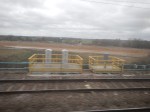
A First Look At SEGRO Logistics Park Radlett – 26th February 2026
The site of SEGRO Logistics Park Radlett can really only be seen from a train on the Midland Main Line going between Radlett and St Albans City stations.
I took these pictures from a Thameslink train going North.























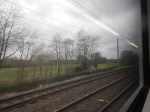


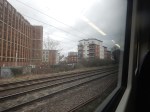
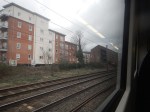


I took these pictures from a Thameslink train going South.






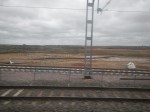
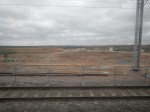

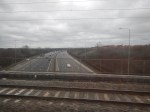








Note.
- Most of the work at present is site clearance and landscaping.
- The Midland Main Line crossed over the M25 and goes under A414.
- Veralum Golf Course is on your left as you approach St Albans.
The Logistics Park is going to cover a large area.
I shall be following this project regularly.
To Sheffield In An East Midlands Railway Class 810 Train
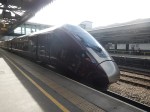
I took these pictures on the journey.


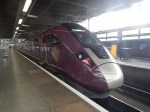
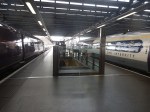

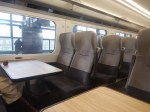
















































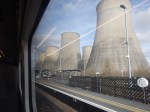
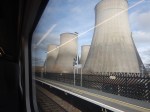
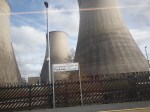

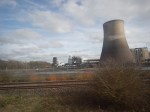







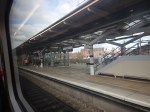

























Note.
- Five-car Class 222 And Class 810 trains Have similar lengths, so they can share platforms at St. Pancras – Nice Thinking!
- The Trainspotters will be able to see East Midlands Railway, Eurostar and Southeastern Highspeed.
- The Wymington Deviation was a Victorian fix for a steep gradient. I suspect all trains like it.
- Leicester, Loughborough, East Midlands Parkway and Long Eaton stations are quite close together.
Does The UK Need More Passenger Rail Capacity Between London And Glasgow?
I asked Google AI this question and received this answer.
Yes, the UK requires more passenger rail capacity between London and Glasgow to meet growing demand and combat overcrowding, with key improvements and new services planned on the East Coast Main Line (ECML) through 2025. Despite previous capacity constraints on main routes, rail has overtaken air as the preferred mode of travel for these journeys, necessitating increased frequency.
Key details:
Capacity Expansion: The Office of Rail and Road (ORR) approved new services for late 2025, including Lumo extending London-Edinburgh services to Glasgow.
Growing Demand: Passenger numbers on West Coast routes showed significant growth, with a 29% increase in Glasgow-London travellers reported between 2013 and 2019.
Infrastructure Constraints: While demand increases, the ORR has rejected some service proposals due to insufficient capacity on the existing, congested lines.
Future Upgrades: HS2 is expected to improve connectivity, targeting reduced journey times to under 3 hours 40 minutes by 2033.
Sustainability Shift: Increased capacity supports shifting travellers from air to rail, reducing environmental impact.
I posed this question out of curiosity, but Google AI gave me, what I think is a well-reasoned answer.
In The Last Three Months, These Two Improved Anglo-Scottish Services Have Started
In Lumo Will Extend Its King’s Cross And Edinburgh Service To Glasgow, I talk about Lumo’s extended service to Glasgow, which started on December 14th, 2025.
In Man In Seat 61: My Nail-Biting Journey To Orkney By Train And Ferry, I describe a trip by the Man In Seat 61 (Mark Smith) in the new Birmingham-Scotland Sleeper.
There Is A Third New Anglo-Scottish Service To Come
In Lumo To Expand Scotland’s Rail Network With New London-Stirling Rail Route From Spring 2026, I describe Lumo’s new Euston and Stirling open access rail route.
Liverpool Street Station – 20th February 2026
I took these pictures this morning.
















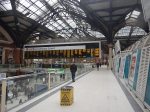


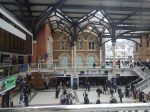



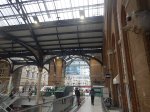











Note.
- There are not enough lifts and escalators.
- It is a station with three monumental clocks and a couple of digital ones.
- There are certainly a lot of shopping, but much of it is tired.
- The Leon in the station isn’t there anymore.
- There is not a gluten-free restaurant in the station, that I would trust enough to use, but there is a Marks & Spencer Food outlet.
This is a visualisation of the upgraded station from Network Rail.
 The Anonymous Widower