How To Take A Ride On A New Docklands Light Railway Train
This article on the BBC is entitled After Delays, New Trains Finally Arrive On The DLR.
This is the sub-heading.
The first of 54 new trains for the Docklands Light Railway (DLR) is now in service, featuring “the latest technology”, according to Transport for London (TfL)
These two paragraphs add more details.
The new carriages are air-conditioned, have mobile device charging points and dedicated spaces for wheelchair users.
They will replace the oldest trains in the DLR fleet, some of which have been in service for more than three decades, with “modern, high-capacity trains designed to meet the needs of a growing city”, said TfL.
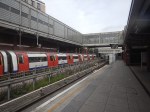
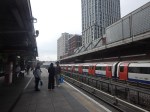
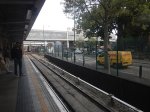
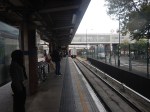
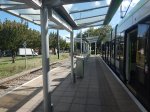
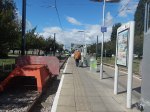
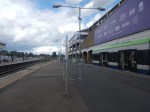
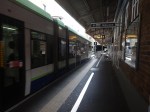
I travelled to West Ham station this morning and took these pictures on a journey to Woolwich Arsenal.
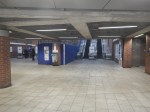
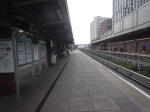
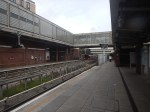
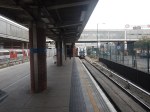
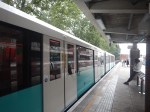
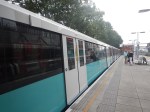
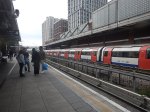
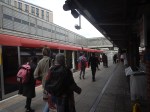
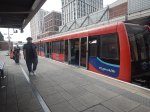
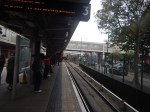

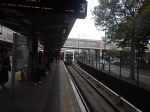
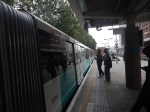
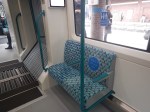
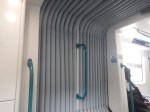
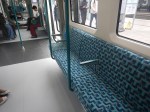
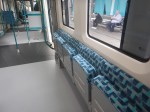

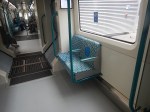
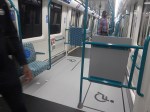
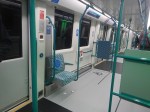
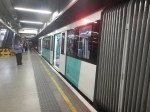
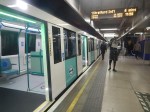
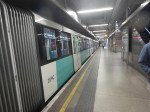
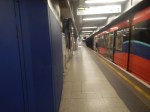
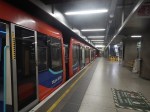
Note.
- The Docklands Light Railway and the Jubilee Line are on the same level and connected by the bridge in West Ham station.
- The old DLR trains have red bodywork and the new trains have light blue bodywork.
- The first train through was a test train.
- The last row of pictures show the comparative length of the two trains at Woolwich Arsenal station.
These are some more detailed thoughts.
The Length Of The New Trains
The original cars are 28 metres long.
- Running as a 2-car train, the trains are 56 metres long.
- Running as a 3-car train, the trains are 84 metres long.
- The new 5-car trains are 86.7 metres long.
I asked Google AI how many seats were in a DLR train and received this answer.
A DLR (Docklands Light Railway) train’s seat count varies by the specific rolling stock, but newer trains have a higher capacity; for example, the new B23 rolling stock is a 5-coach unit replacing older, coupled 3-car trains and offers a total capacity of 790 passengers, with 156 seats. Older trains typically consist of two cars and have 70 seats per car for a total of 140 seats.
Newer B23 Rolling Stock:
Each 5-coach train has 156 seats.
It can carry a total of 790 passengers.
Older Trains:
These trains generally consist of two cars coupled together.
Each car has 70 seats, making for a total of 140 seats in a typical two-car train.
Older, single-unit trains may have had fewer seats, as a current 3-car train had about 680 passengers in total capacity.
West Ham Was A Good Place To Start A First Ride
Consider.
- At the present time, there aren’t many trains running on the DLR.
- There may only be a couple of trains running between Stratford International and Woolwich Arsenal.
- West Ham is an island platform, so the train goes by on both sides, which also makes it easy to get on a single train.
- West Ham is a well-connected station.
I did have to wait about thirty minutes for the train to arrive.
Battery-Powered Train Breaks Distance Record
The title of this post, is the same as that of this article on the BBC.
This is the sub-heading.
A battery-powered train has broken the world record for the longest railway journey on a single charge.
These three introductory paragraphs add more details.
The Great Western Railway (GWR) train – a specially adapted former District Line train – travelled overnight along a 200-mile (322km) route from Reading and back again, via London Paddington and Oxford.
It reached 140 miles (225km), breaking the record on Brunel’s Maidenhead Bridge at about 04:00 BST.
The previous record of 139 miles (224km) was set by German train company Stadler Deutschland in Berlin on 10 December 2021.
This was an impressive demonstration of the capabilities of battery-electric trains.
Will This Record Be Beaten?
200 miles is impressive, but there was also this paragraph in the article.
At the end of the journey GWR said there was a remaining battery charge of 22% which it estimated would have allowed the train to travel about a further 58 miles (93km).
So it looks like 258 miles should be possible.
Four other companies are also developing battery-electric trains.
- Alstom at Derby
- CAF at Newport
- Hitachi at Newton Aycliffe
- Siemens at Goole
- Stadler in Switzerland.
Note.
- All except Stadler have UK factories.
- Siemens and Stadler have delivered trains in Germany.
- This page on the Hitachi Rail web site is entitled Intercity Battery Trains.
- This page on the Hitachi Rail web site is entitled Hitachi Wins New UK Contract To Build Intercity Battery Trains. The customer is Grand Central Trains.
- Hitachi have been running a prototype for some months, in the UK.
The competition is hotting up and the record will certainly be soundly beaten.
London Underground’s New Piccadilly Line Trains Delayed Until 2026
The title of this post, is the same as that of this article on Railway Gazette.
These are the first two paragraphs.
The new air-conditioned trains which Siemens Mobility is supplying for London Underground’s Piccadilly Line are now expected to enter service from the second half of 2026, Transport for London has confirmed.
When the order was signed in November 2018 it was envisaged that the trains would enter service from 2024.
The article also says this about the new CAF trains for the Docklands Light Railway.
The Docklands Light Railway is to implement ‘short-term timetable changes’ on less busy routes from July 21. The reduction in services aims to ensure that reliability can be maintained pending the delayed introduction of new CAF trainsets, which was originally planned for 2023 but is now expected later this year. TfL said the age of the existing trains meant some needed to be retired this summer.
It looks like has two sets of new trains, both being delivered two years late; one being German and the other Spanish.
The only factors I can think both trains being late would be.
- Bad management of the contracts by Transport for London.
- Bad documentation of the Piccadilly Line and the Docklands Light Railway, when they were built.
- Bad project management generally throughout Europe.
- All politicians will be blaming someone else.
Take your pick!
Support For Edinburgh Tram-Train Scheme
The title of this post, is the title of a third-of-a-page article in the June 2025 Edition of Modern Railways.
This is the first paragraph.
Final-Year civil engineering undergraduates at Heriot-Watt University’s Edinburgh campus have received warm support for a study in which they recommend reopening the city’s 7.5 mile South Suburban Railway, used for freight and diversions since 1962, using tram-trains.
It looks like they would start in the West at say Edinburgh Gateway or the Airport and would then turn South at Murrayfield to join the South Suburban Railway at Gorgie.
This OpenRailwayMap shows the tracks to the South of Murrayfield stadium.
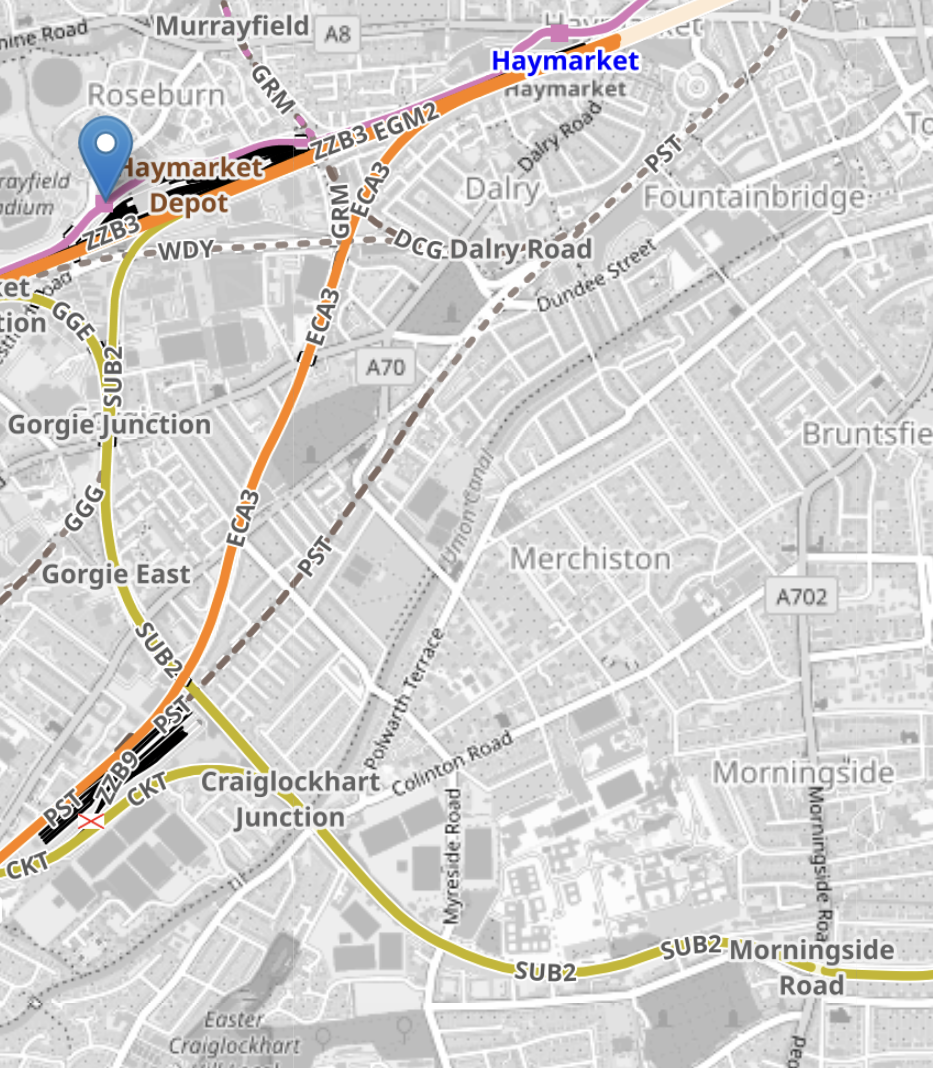
Note.
- The more Westerly-oriented orange tracks lead to Glasgow.
- The orange tracks running South-Westerly are the tracks to Carstairs.
- The yellow tracks are the South Suburban Railway.
- Tram-trains could then go all the way to Brunstane on the Borders Railway.
- The blue arrow indicates the tram-stop for Murrayfield.
- I would assume that the connection to the South Suburban Railway, is to the East of this stop.
- Gorgie East, Craiglockhart and Morningside Road were stations on the South Suburban Railway.
This map shows where the South Suburban and Borders Railways meet in a large triangular junction.
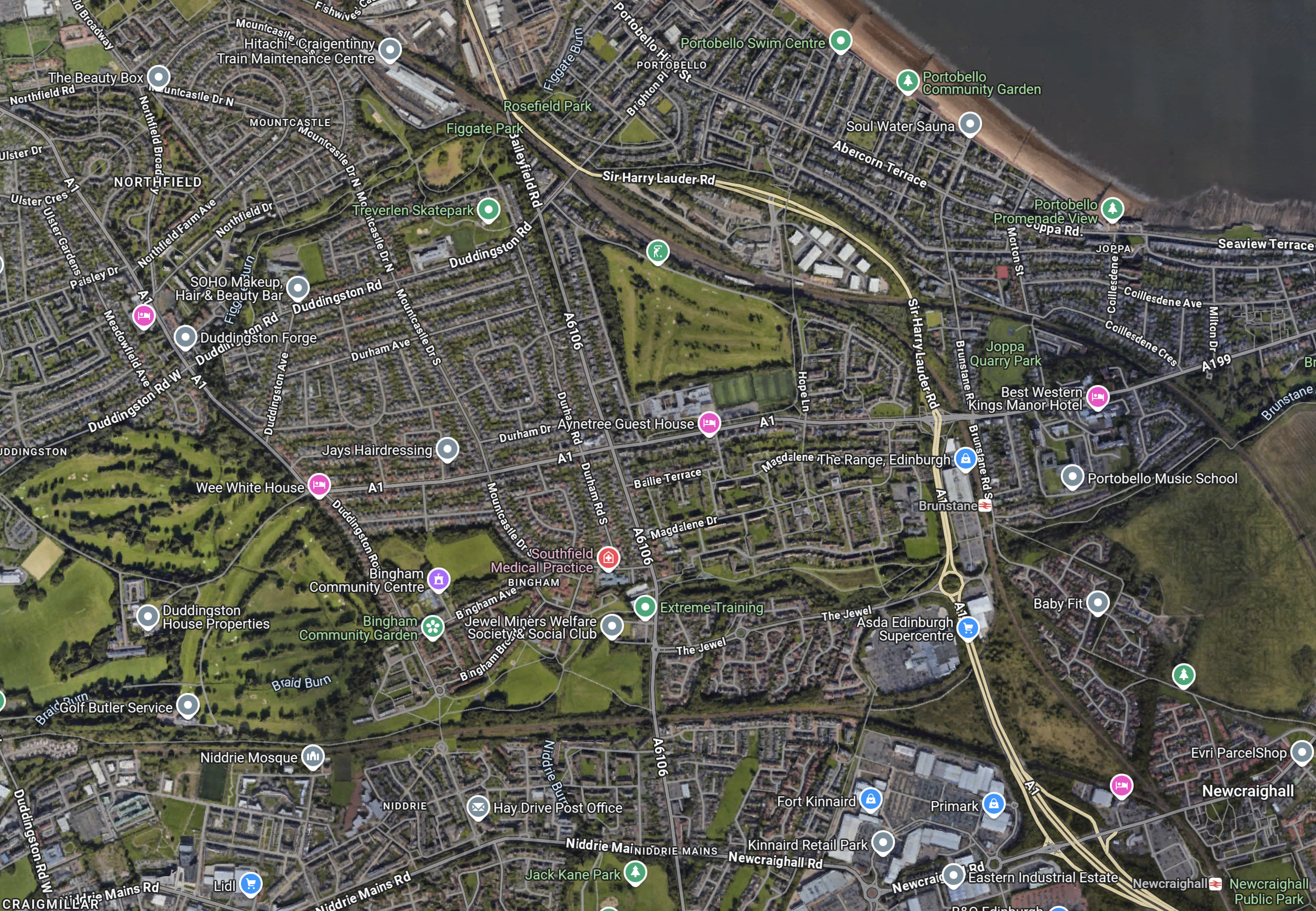
Note.
- Newcraighall station on the Borders Railway is in the South-East corner of the map.
- Brunstane station is to its North-West almost halfway up the map.
- The two stations are the North and South points of the triangular junction, where the South Suburban and Borders Railways meet.
- The South Suburban can be seen going West towards Gorgie and Murrayfield.
- Edinburgh’s beach at Portobello is in the North-East corner of the map.
- Between Murrayfield and Brunstane, there would be an appropriate number of tram stops and a tram-train every fifteen minutes.
Optionally, the route can be extended to Leith on a mothballed freight line.
This OpenRailwayMap shows the railways and tramways of Edinburgh between Brunstane, Edinburgh Waverley and Leith.
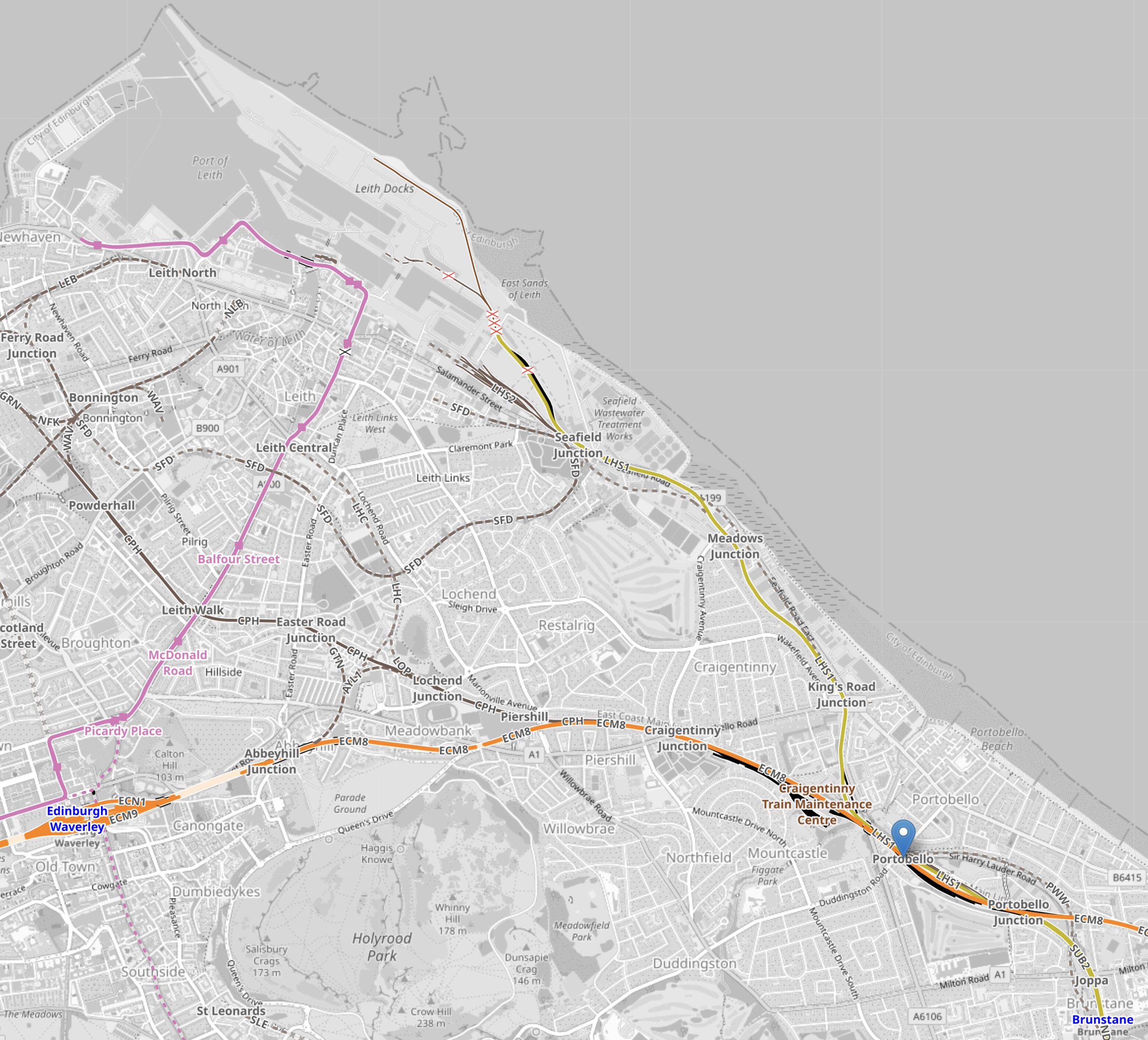
Note.
- The orange track running across the bottom of the map is the East Coast Main Line into Edinburgh Waverley station, which is clearly marked.
- The pink track is the Edinburgh tram to Newhaven.
- Brunstane station is in the South-East corner of the map.
- The site of the former Portobello station is marked by the blue arrow.
- The yellow track from Portolbello up the coast is a mothballed freight line to Leith Docks.
The proposal suggests that the tram-train route finishes at Leith Docks. One of the reasons, is that this part of Edinburgh, is not well served by public transport.
I have some extra thoughts.
Changing Between Borders Railway and the Tram-Train At Brunstane Station
Brunstane station, is a two-track station, with only one platform, so there may need to be track modifications.
Do Edinburgh’s Urbos Trams Have A Tram-Train Variant?
They do!
Do Edinburgh’s Urbos Trams Have A Battery Variant?
Battery tram-trains charged at either end of the route will be needed.
A battery-electric Urbos 3 tram, can be seen running through the City of Birmingham in England.
Conclusion
The proposal looks feasible to me. But the devil will be in the detail.
Mayors Head To Parliament With Plan For Northern Arc To Deliver Green Growth
The title of this post, is the same as that of this news item from Liverpool City Region.
These four bullet points act as sub-headings.
- Steve Rotheram and Andy Burnham take case for backing Northern Arc to Treasury – as new data shows North can drive green growth and unlock £90bn for UK economy
- Liverpool City Region and Greater Manchester Mayors will meet with ministers and MPs today, and Andy Burnham will give evidence at Business and Trade Select Committee on the UK’s industrial strategy
- Economic analysis shows that investing in transport infrastructure and a pipeline of projects across the North would benefit the whole UK economy, improving living standards and closing the North-South productivity gap
- Mayors will also address Innovation Zero World Congress in London, showing how city-regions can create high quality jobs by pioneering low-carbon innovation
These two paragraphs add a bit more detail.
The right investment would create a growth corridor, stretching from the Mersey to the Pennines and connecting into West and South Yorkshire, underpinned by transport networks that would include a new railway linking Liverpool and Manchester.
The Northern Arc area spans regions with close economic ties to Lancashire, North Wales, Hull and the North East. With international connections through the Port of Liverpool and Manchester Airport, it’s well positioned for global trade.
If I have a problem with the mayors’ thoughts, the plan outlined in the news item is rather Liverpool/Manchester-based with Hull being the only city outside that area getting a mention. Do Blackburn, Blackpool, Bradford, Burnley, Doncaster, Huddersfield, Leeds, Preston, Rotherham, Scunthorpe, Stockport, Wigan and York exist?
For instance you would expert a report from Liverpool and Manchester’s Mayors to call for a new railway between their two cities. And of course they do!
The current TransPennine Lines has two main routes across the Pennines between East and West.
If ever there was a rail route, designed by Topsy, it is the North TransPennine Route.
- There are six separate services, if you ignore Newcastle and Edinburgh Waverley, which is a shuttle to fill a gap in rail services.
- In the West trains terminate at Huddersfield, Liverpool Lime Street, Manchester Airport, Manchester Piccadilly and Manchester Victoria
- In the East trains terminate at Edinburgh Waverley, Hull, Leeds, Newcastle, Redcar Central, Scarborough and York.
- Terminals like Huddersfield, Hull, Liverpool Lime Street, Newcastle and York are some of the best terminal stations in the UK, but others are very second rate.
I suspect, this North TransPennine Route structure brought about the demise of TransPennine Express.
The South TransPennine Route on the other hand, although it was built by several different railway companies, they were all intent on the same thing. An East-West route across the Pennines through Doncaster, Manchester and Sheffield.
- The Western terminal is Liverpool Lime Street, which in my view is the finest grand terminus in the UK, in terms of architecture, onward connections and operation. It is also the oldest still-operating grand terminus mainline station in the world, in that it dates from 1836.
- The Eastern terminal is Cleethorpes, which is an efficient four-platform recently-refurbished station, that is within a hundred metres of some of the best gluten-free fish and chips, I’ve ever tasted on the pier.
- Intermediate stations include Liverpool South Parkway, Warrington Central, Birchwood, Irlam, Urmston, Manchester Oxford Road, Manchester Piccadilly, Stockport, Sheffield, Meadowhall, Doncaster, Scunthorpe, Barnetby, Habrough and Grimsby Town.
- Liverpool South Parkway has a bus connection to Liverpool Airport
- Liverpool Lime Street, Manchester Oxford Road, Manchester Piccadilly, Stockport, Sheffield and Doncaster are stations with comprehensive onward connections.
- The route is electrified between Liverpool Lime Street and Manchester Piccadilly and at Doncaster.Liverpool Lime Street and Cleethorpes is 148.2 miles
- Hazel Grove and Doncaster is without electrification and is 52.3 miles long.
- Cleethorpes and Doncaster is without electrification and is 52.1 miles long.
- I believe that Hitachi, Siemens and Stadler could supply battery-electric trains, that would be able to work the route, with the addition of a short length of overhead wires at Cleethorpes, so that trains could return to Doncaster.
- Trains go straight through all the intermediate stations, so there are no time-wasting reverses.
- Journey time is just over three and a half hours.
I believe that a mouse-quiet battery-electric train would pack in the punters, if only for the novelty.
But.
A battery-electric train would probably knock perhaps thirty minutes off the journey.
The timetable would be an hourly train at all stations.
The service would pass the mother’s birthday test, in that you could easily visit any station from any other and buy your mother lunch before returning on a convenient train.
There are connections to and from London at Liverpool Lime Street, Manchester Piccadilly, Stockport, Sheffield and Doncaster.
It could be a very useful East-West train service.
Extending The Sheffield Tram-Train To Adwick
I must admit, I very much like the Class 399 tram-trains in Sheffield and their German cousins in Karlsruhe.
I am not alone, as talking to an experienced Sheffield tram driver, he said that the extra power of the Class 399 tram-trains have over the Supertrams, mean they handle Sheffield’s hills with ease, when the tram-trains are full.
They have a top speed of 62 mph compared to a British Rail Class 150 train being able to manage 75 mph.
Passenger capacity of the two trains is probably about the same.
The Current Tram-Train Service
The service has the following characteristics.
- This runs between Sheffield Cathedral and Rotherham Parkgate via Meadowhall South and Rotherham Central stations.
- Services run every thirty minutes.
- I have heard rumours that an extra stop is going to be be added at Magna Science Adventure Centre.
London Overground and local rail services in Birmingham, Liverpool, Manchester and other cities in the UK, seem to run at a frequency of four trains per hour (tph).
The Current Northern Rail Service Between Sheffield And Adwick Via Doncaster
The service has the following characteristics.
- This runs between Sheffield and Aswick stations via Meadowhall, Rotherham Central, Swinton, Mexborough, Conisbrough, Doncaster and Bentley stations.
- Services run every hour.
- The service passes Rotherham Parkway Shopping Centre, but doesn’t stop.
Is there a need for this Northern Rail service to stop at Rotherham Parkway Shopping Centre?
The Current Electrification Between Sheffield And Rotherham
This OpenRailwayMap shows the electrified lines between Sheffield and Rotherham Parkway.
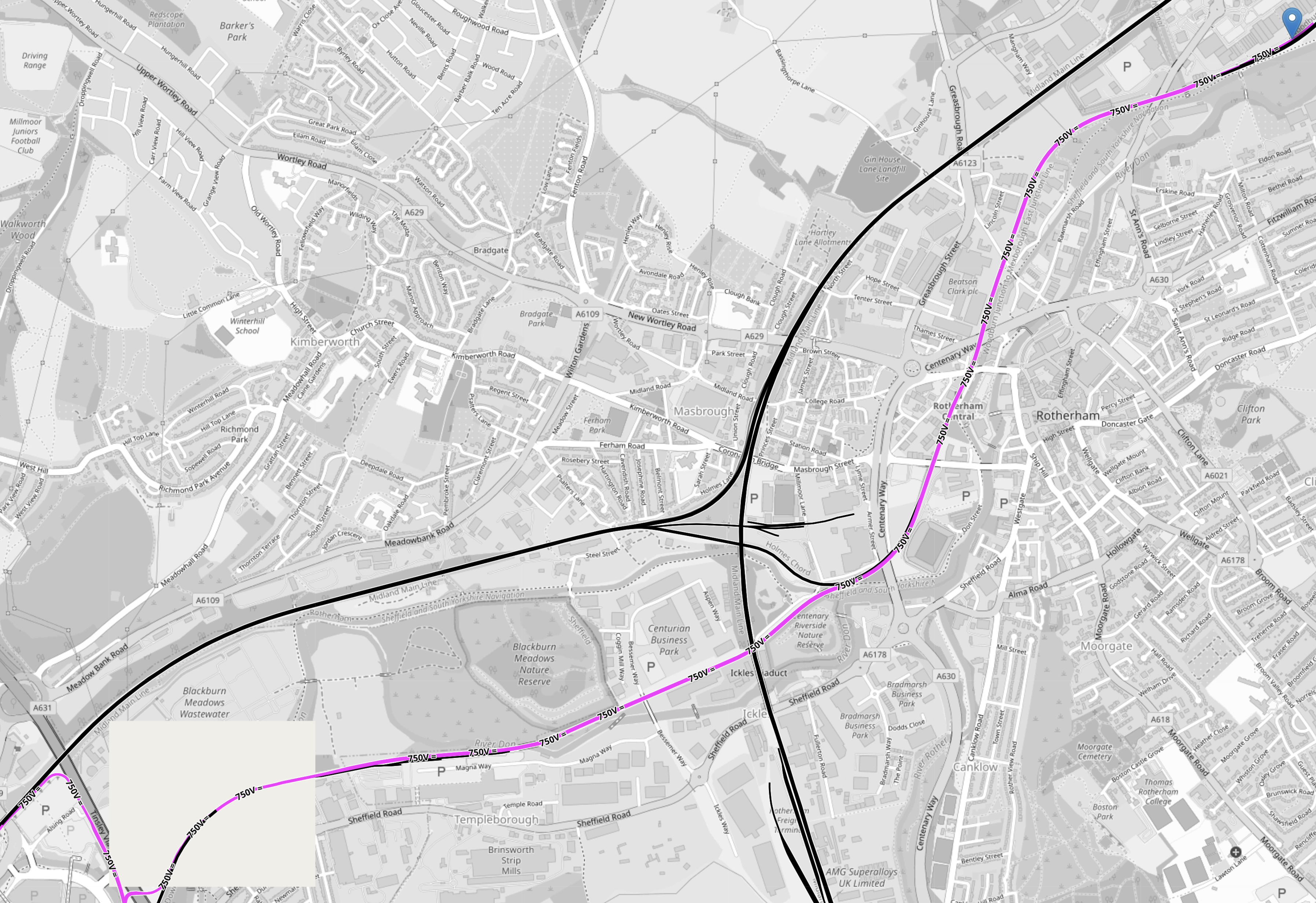
Note.
- Mauve tracks are electrified with 750 VDC overhead wires, so they can power Sheffield’s trams and tram-trains directly.
- Black tracks are not electrified.
- Meadowhall and its rail and tram interchange is in the South-West corner of the map.
- Note how mauve lines indicate the electrified tram tracks, that curve round the Meadowhall Shopping Centre.
- The blue arrow in the North-East corner indicates Rotherham Parkgate tram stop.
- The mauve line diagonally across the map, indicates the current electrification between Meadowhall South and Rotherham Parkgate tram stops.
- Magna Science Adventure Centre, is just to the South of the electrified Sheffield-Rotherham tram-line.
This second OpenRailwayMap shows the rail and tram lines between Sheffield and Rotherham in more detail.
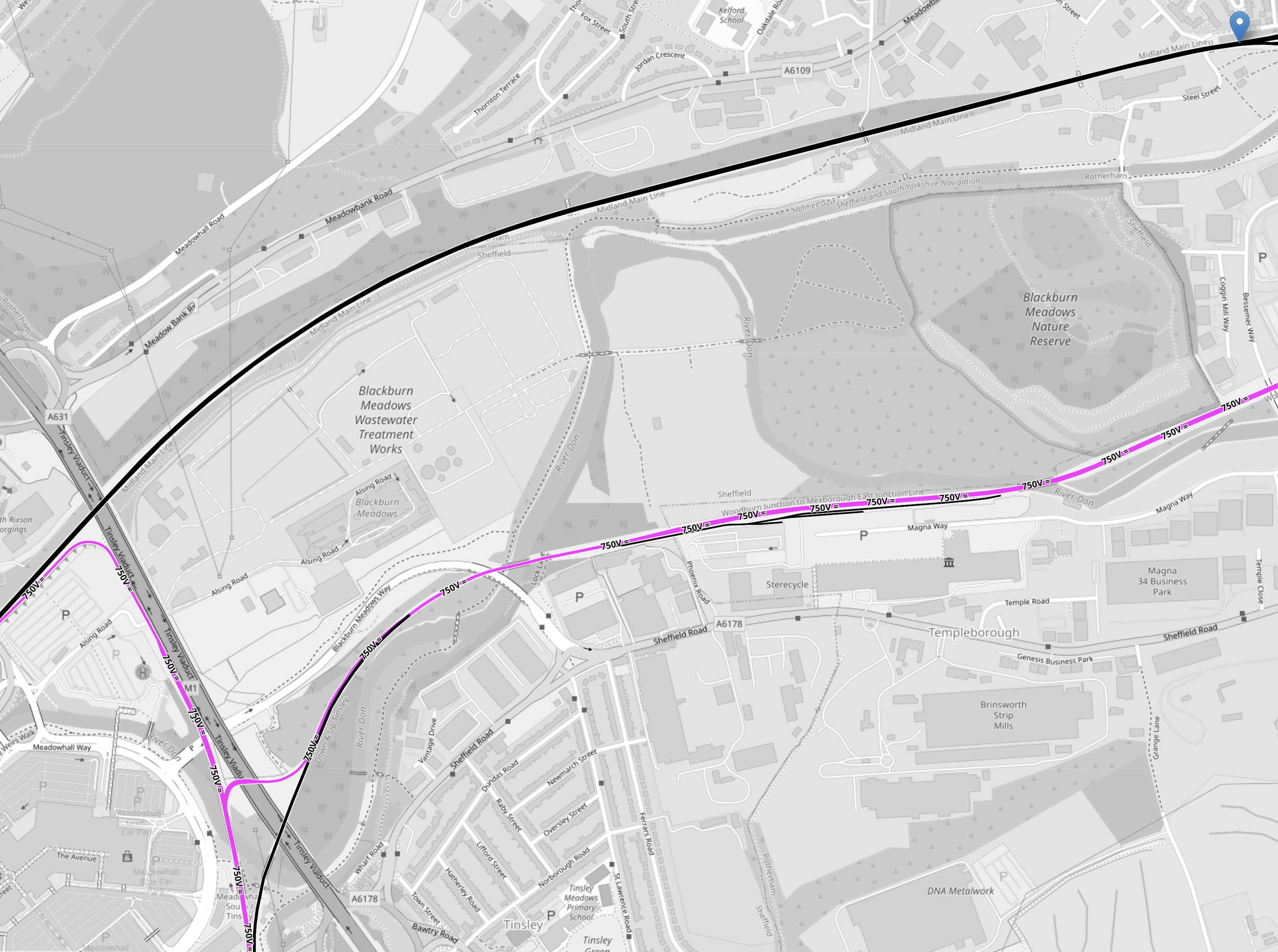
Note.
- Track colours are as in the first map.
- The blue arrow in the North-East corner of the map indicates Holmes junction and is the route that Northern Rail’s current Sheffield and Adwick service takes.
- Sheffield and Rotherham Central stations are 6.1 miles apart.
- Sheffield and Adwick stations are 22.7 miles apart, but the Northern four miles between Doncaster and Adwick are electrified with 25 KVAC overhead wires.
This would indicate that a tram-train with a range of about twenty miles on battery power would be able to handle the route, if it could charge its batteries on the electrified lines.
Terminating a Sheffield And Adwick Service In Sheffield
This OpenRailwayMap shows the rail and tram lines in and through Sheffield station.
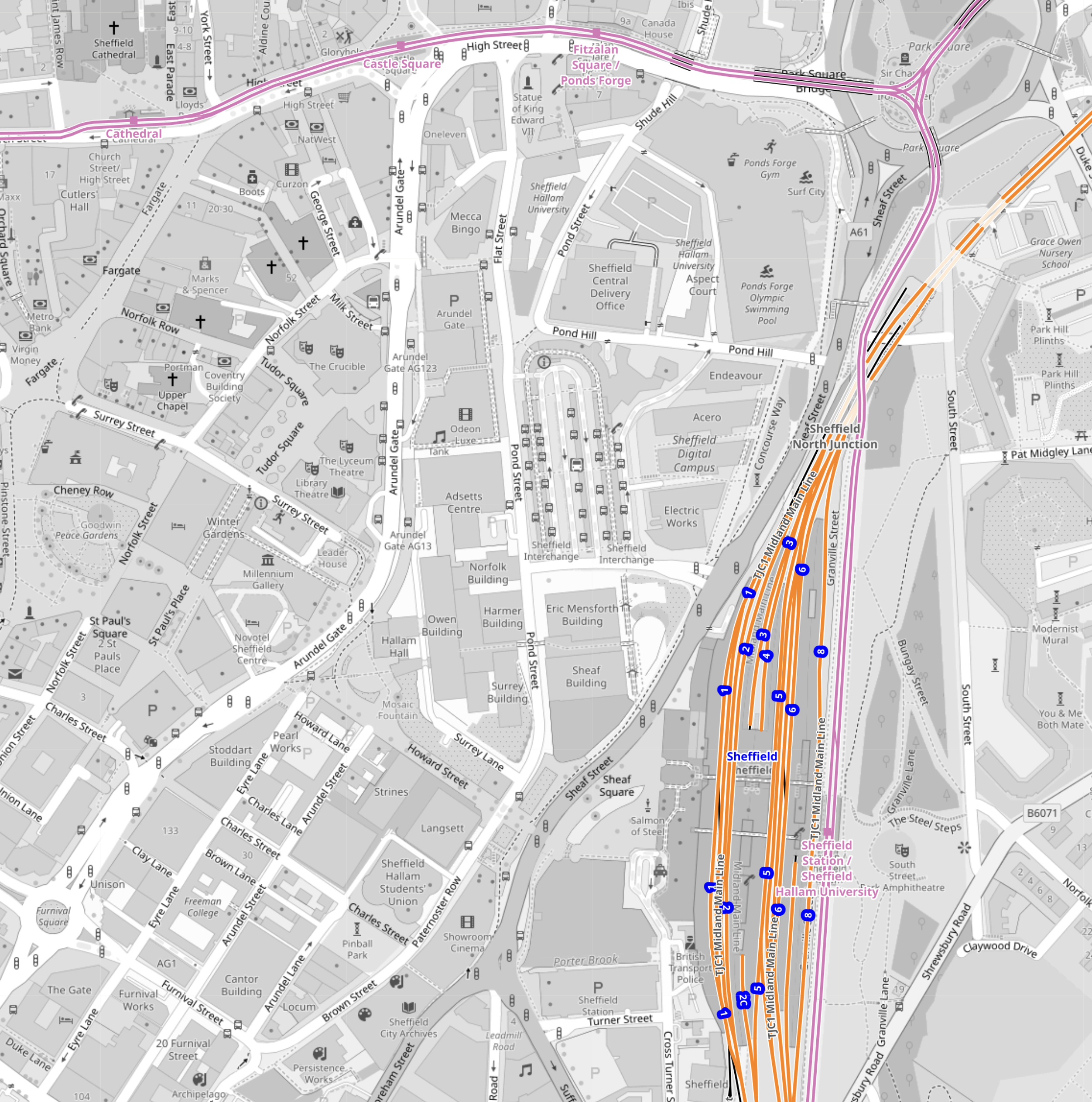
Note.
- Rail lines are in orange.
- Tram lines are in mauve.
- Platform numbers in Sheffield station are shown as blue dots. Click on the map to show it on a larger scale.
- Sheffield Cathedral tram stop is in the North-West corner of the map.
- The triangular junction in the North-East corner of the map, allows trams to use all the main tram lines that go in three directions. A touch of genius as it gives a lot of flexibility, when adding extra services.
Currently, termination of the services from Rotherham and Doncaster is as follows.
- The tram-train terminates at the Sheffield Cathedral tram stop with a frequency of two tph.
- The train terminates in Platform 3 in Sheffield station with an hourly frequency.
- As typically a terminal platform can handle 4 tph, I don’t see why a second Sheffield and Adwick service can’t be running every hour into Sheffield station.
A short length of overhead electrification would need to be added on Platform 3 to recharge any tram-trains terminating in the platform.
It could also become a tram and run to any of the other destinations served from the triangular junction; Halfway, Herdings Park or Malin Bridge. This would allow batteries to be charged as the tram-trains ran across the city.
Remember, Sheffield station is likely to be electrified with 25 KVAC overhead wires in connection with running electric trains between London St. Pancras and Sheffield.
If the four bay platforms at Sheffield station, were to be electrified, then these would be ideal for recharging any battery-electric trains or tram-trains, that terminated in the station.
Battery-Electric Trains Between Manchester And Sheffield
Consider.
- Manchester Piccadilly station is already fully electrified.
- Currently, all Manchester Piccadilly and Sheffield, terminate in Platform 8 at Sheffield station.
- The distance between the electrification at Manchester Piccadilly and Platform 8 at Sheffield station is 40.2 miles.
- CAF are promising battery-electric versions of their Class 331 trains.
With a battery range of fifty miles, which is not outrageous, Manchester and Sheffield could be an electric service for the first time since January 1970, when the Woodhead route was closed.
FirstGroup’s Proposed London King’s Cross And Sheffield Service
This open access service might happen, although with this Government of all the Lawyers we have, who can predict anything.
- If it does happen, it is likely that the trains will be battery-electric Class 802 trains.
- These will be the same as those that will be run by Hull Trains.
- Battery range will be sufficient to handle Retford and Sheffield, which is 23.3 miles and much shorter than Temple Hirst junction and Beverley.
These trains will also need charging at Sheffield.
The current Sheffield and Adwick service terminates in platform 3 at Sheffield station, so this platform would probably need to have tramway electrification, so that it could charge the trams.
Updating Rotherham Parkgate Tram Stop
My preference would be for four tph passing through Rotherham Parkgate tram stop in both directions, so this would be a tram-train every seven minutes and thirty seconds, if there was only one platform as now.
I’m fairly sure, that Rotherham Parkgate tram stop needs to have a platform in both directions.
This Google Map shows the tram stop.
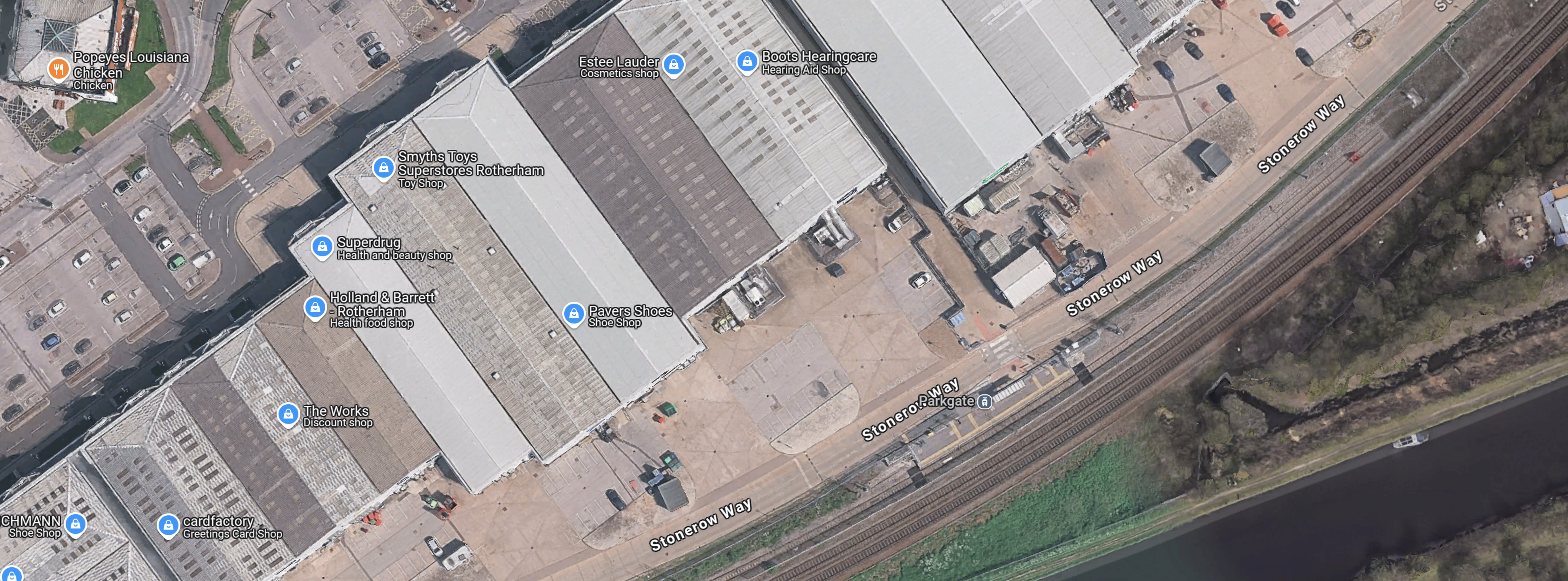
Note.
- The double-track rail line between Meadowhall and Doncaster curving to the South of the Rotherham Parkgate Shopping Centre.
- The Rotherham Parkgate tram stop on a spur from the rail line.
I am pretty certain, that a two-platform station could be squeezed in.
Innotrans 2024: Rolls-Royce Shows mtu Solutions For On-Track Energy Transition And Celebrates 100 years Of Rail Engine Business
The title of this post, is the same as that of this press release from Rolls-Royce.
These four bullet points, act as sub-headings.
- All mtu engine series for locomotives and railcars approved for sustainable fuels
- DB, RDC Autozug Sylt, Trenitalia and České dráhy use or test HVO
- Rolls-Royce celebrates 100 years of success with mtu rail drives
- More than 250 rail customers worldwide value the performance, compact design and low exhaust emissions of mtu systems
These are the first two paragraphs.
Rolls-Royce will be presenting its mtu-brand propulsion and service solutions at the international rail exhibition Innotrans in Berlin from September 24 to 27, 2024 in Hall 18, Booth 500. The company will be celebrating an anniversary at the same time: for 100 years, mtu products have been powering trains, including mainline and multi-purpose locomotives, high-speed trains and local transport railcars. On display will be sustainable propulsion solutions such as the mtu Series 4000 and 1600 engines for locomotives and the underfloor drive systems mtu PowerPacks for railcars, all of which are now released for sustainable fuels such as HVO. Rolls-Royce will also be presenting its repower and reman solutions.
100 years ago, Karl Maybach laid the foundation for the rail drive systems of today’s mtu brand with the world’s first high-speed diesel engine for railcars, the Maybach G 4a. Maybach also developed the GO 5 engine for the “Fliegender Hamburger” express train.
These are my thoughts.
Chiltern Railways Could Go Carbon-Neutral By Using HVO
In Vegetable Oil Fuelling Chiltern Railways Trains In UK First, I described how Chiltern Railways are running their Class 68 locomotives on HVO.
This move by Rolls-Royce mtu will allow all Chiltern’s Class 168 trains to be run on sustainable HVO, as they have Rolls-Royce mtu diesel engines.
Chiltern Railways Class 168 train fleet is as follows.
- 10 x 4-car
- 9 x 3-car
- 9 x 2-car
This will still leave Chiltern Railways Class 165 train fleet to be converted to sustainable fuel.
- 28 x 2-car
- 11 x 3-car
Note.
- There are 75 of these trains in service with Chiltern Railways and Great Western Railway.
- They are fitted with Perkins engines.
- Perkins engines are now owned by Caterpillar, who built the engines for the Class 68 locomotives.
As Caterpillar have the sustainable diesel technology, could they convert the Class 165 trains to HVO?
Cummins And HVO
Although this post is mainly about Rolls-Royce mtu, it would be convenient to put in this section about Cummins and how their diesel engines run on HVO.
The UK train fleet contains the following trains with Cummins engines.
- 10 x Class 175 train x 2-car
- 16 x Class 175 trains x 3-car
- 14 x Class 180 trains x 5-car
- 34 x Class 220 trains x 4-car
- 23 x Class 221 trains x 5-car
- 4 x Class 221 trains x 4-car
- 4 x Class 222 trains x 7-car
- 23 x Class 222 trains x 5-car
Cummins says this about their engines and HVO.
Cummins approves use of HVO fuel in all high-horsepower engines
(19L-95L), including the QSK19, K19, QSK23, QST30, QSK38, K38, QSK45,
QSK50, K50, QSK60, QSK78, QSK95, V903 and ACE for all industrial
markets. No engine modifications are required; engines currently in the
field can be used with HVO at any percentage.
It would appear that all trains with Cummins engines can be converted to run on HVO.
CAF And HVO
Class 195, 196 and 197 trains all have Rolls-Royce mtu diesel engines, so they will be able to run on HVO.
Hitachi And HVO
Class 800, 1801, 802, 805 and 810 trains all have Rolls-Royce mtu diesel engines, so they will be able to run on HVO.
Conclusion
If all diesel engines are to be converted to HVO, there is going to be a lot of HVO needed in the UK.
But many train fleets will be carbon-neutral.
Potential Tram Builders Announced For New London Trams
The title of this post, is the same as that of this article on RailAdvent.
These three paragraphs outline the design of the new trams.
Transport for London has issued an Invitation to Tender for four manufacturers to design and build a new fleet of trams.
Alstom UK, CAF, Hitachi and Stadler are the four manufacturers who can now proceed to the next stage of the procurement process with Transport for London to design and build the new trams.
The new trams are expected to feature air-conditioning, real time travel info and charging points, along with areas designed for wheelchair users and those with pushchairs and luggage.
It sounds that the new trams will be to a higher standard with more comfort and interior space.
These are my observations and thoughts.
Will There Be The Same Number of Trams?
These two paragraphs indicate the number of trams.
The initial contract will be for 24 new trams to replace the oldest trams on the network – which are now nearly 25 years old.
There is an option in the contract to replace the trams that were introduced from 2012.
Could this mean, that each tram would be replaced on a one-to-one basis?
It would surely make it easy to introduce the new fleet.
Will The New Trams Be Longer?
To me, the most significant words in the article are “areas designed for wheelchair users and those with pushchairs and luggage”.
As passengers seem to want to carry more and more with them on buses, trains and probably trams in London, I believe the new trams will probably need more interior space.
Increasing the width of the tram, would probably mean gauging difficulties, but with the lengthening of some platforms longer trams might be possible.
The current trams are as follows.
- 24 x Bombardier CR4000 – 30.1 metres – 70+138=208 = 6.9 pass/metre
- 12 x Stadler Variobahn – 32 metres – 72+134 = 206 = 6.4 pass/metre
Note.
- The total number of each tram type is at the left.
- Seats+Standing=Total Passengers.
- The Bombardier trams only have a single articulation, but it looks like the Stadler ones have four.
The longer Stadler trams seem less crowded, despite carrying two fewer passengers.
I have looked at the terminal platforms on maps and it appears, that 35 metre and possibly 40 metre trams would be possible.
At least in London, passengers are used to being told not to use the end door.
A 40 metre tram could probably handle over 250 passengers based on the Stadler passenger density.
Longer Trams Could Increase Capacity By Up To 25 %
I believe my figures show this could be possible.
More Articulations Should Mean A Tighter Turning Circle
This could help operation on some existing or new sections of London Tramlink.
Would Battery Tram-Train Operation Be Useful?
CAF’s trams in the West Midlands already have batteries and Stadler’s tram-trains in Cardiff will have batteries to extend routes on rail tracks, that don’t have electrification.
In Could Beckenham Junction To Birkbeck Be Run Using Third-Rail Tram-Trains?, I detailed how third-rail tram-trains could be used between Harrington Lane tram stop and Beckenham Junction station to create more capacity.
I believe that third-rail tram-trains would work, but that Health and Safety would outlaw the concept.
On the other hand, battery-electric tram trains could probably handle the link between train and tram routes.
If I was bidding for the TramLink contract, I’d make sure the trams could be updated with a battery-electric tram-train capability.
Increasing Capacity At Elmers End Tram Stop
Elmers End tram stop, is the only terminal on the London Tramlink with a single platform.
This map from OpenRailwayMap shows the platform layout at Elmers End station.
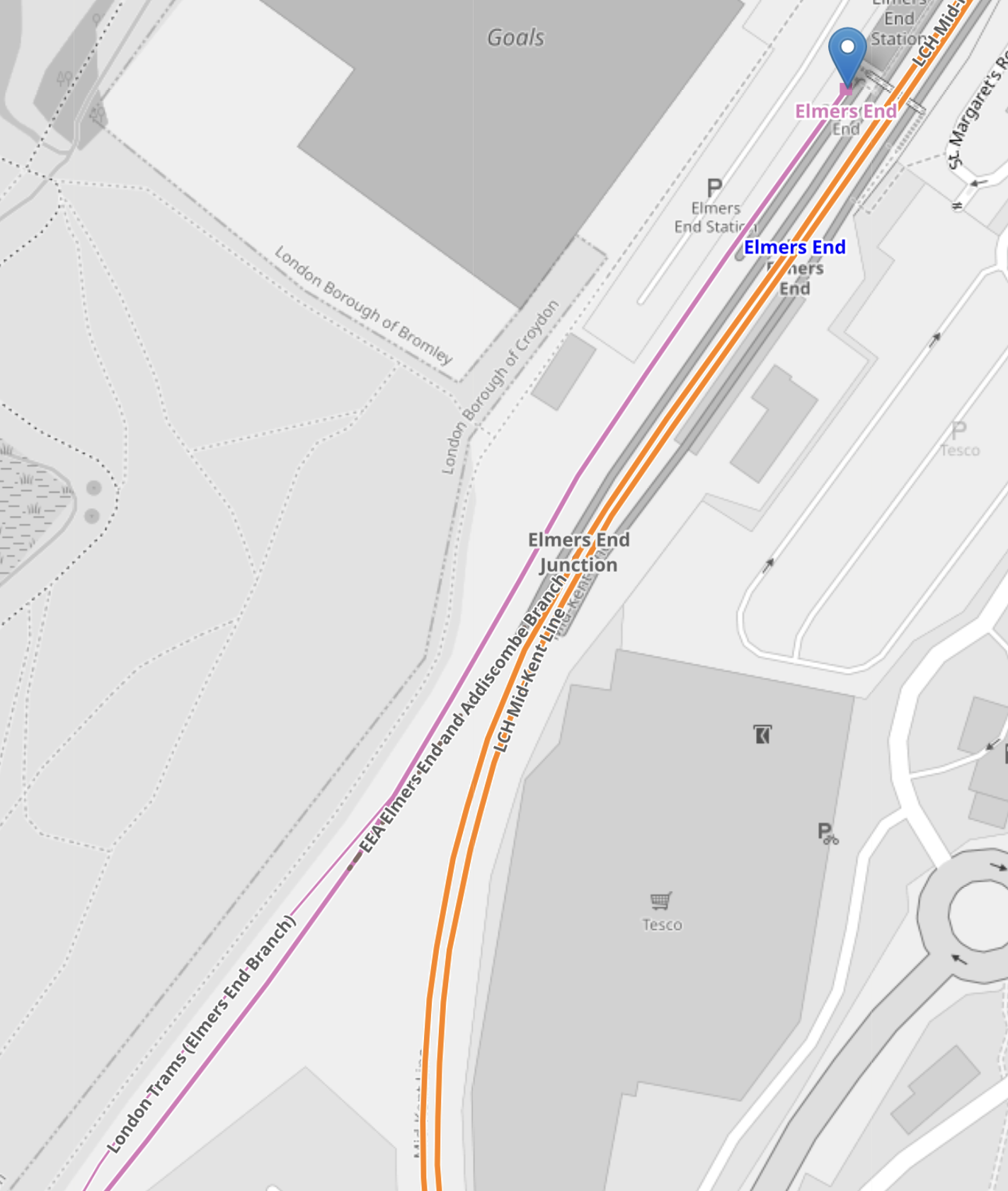
Note.
- The orange lines are the Hayes Line.
- The mauve line is the London Tramlink.
- The London Tramlink has a single platform on the North-West side of the Hayes Line.
These pictures show Elmers End station and a tram in the London Tramlink platform.
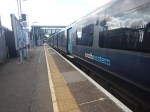
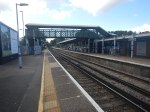
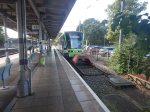
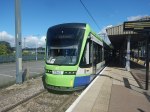
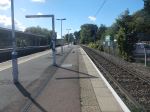
Note.
- The bridge in the station is not step-free.
- The tram is a five-section Stadler Variobahn.
- The tram platform would appear to be able to handle a tram, that is several metres longer than the 32.0 metre Stadler Variobahn.
- The London Tramlink has a typical off-peak service to Wimbledon every ten minutes from Elmers End tram stop.
The Wikipedia entry for Elmers End station, says this about Tramlink developments at the station.
Work is underway to open a second tram platform and double the tram line to Arena to increase capacity. As of March 2019, vegetation has been cleared to make way for the new line. The platform was due to open in December 2020, but has been delayed.
My pictures show no ongoing work or evidence of the second Tramlink platform.
There are two main ways, that capacity can be increased at Elmers End station.
- Install a second platform and run more trams to the station.
- Run longer trams with a higher capacity.
Perhaps, Transport for London have decided, that the second way, is the best, especially, if the money saved, allows them to build a much-needed step-free footbridge at Elmers End station.
From my observations, I would estimate that Elmers End tram stop could accommodate a forty metre tram and possibly, one that was even longer.
Arena Tram Stop
The Arena tram stop, is where the Beckenham Junction and Elmers End branches join and split.
This map from OpenRailwayMap shows the platform layout at Arena tram stop.
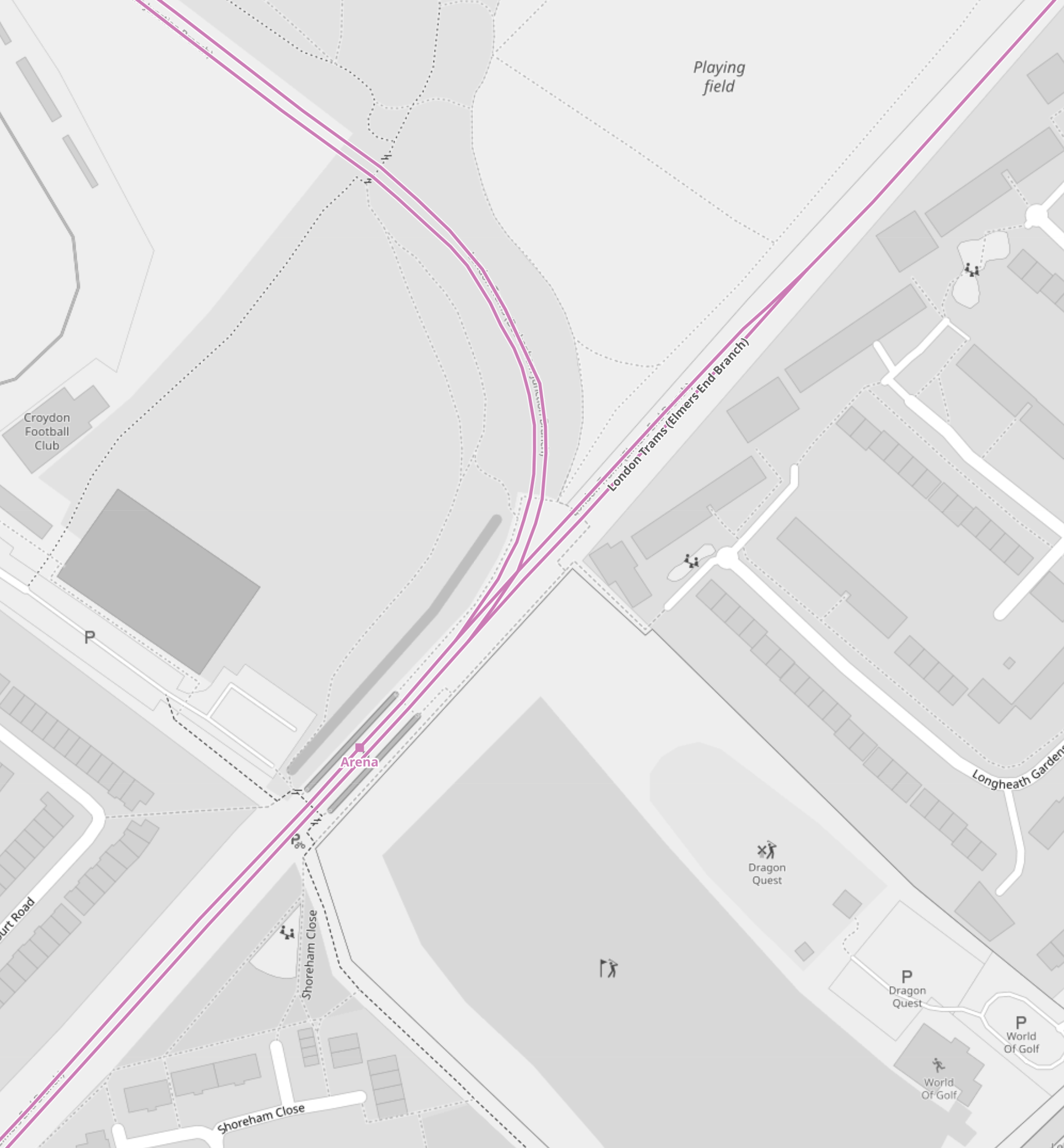
Note.
- The mauve lines are the London Tramlink.
- The line going North-East runs to Elmers End. It starts off as double-track at Arena tram stop and quickly becomes single track all the way to Elmers End. tram stop.
- The line going North-West runs to Beckenham Junction.
- The line going South-West runs to East Croydon and Wimbledon.
- The platforms are on the outside of both tracks.
These pictures show Arena tram stop and some trams passing through.
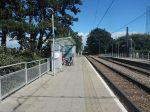
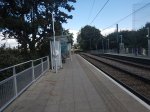
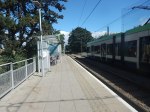
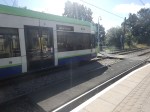
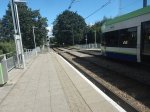
Note.
- The tram platforms are generally a few metres longer than the trams.
- All tram doors are step-free to the platform.
- Passengers walk across the line in front or behind the trams.
- The platform is wide, so that passengers can stay well clear of the occasional passing tram. One picture shows a tram is signed “Not In Service”
I believe, that with some judicial platform lengthening, some selective door opening and trams stopping automatically in the right place on the platform, that longer trams could be handled in a stop like Arena.
As with Elmers End, I believe a forty metre tram will be possible, but this might not be the limit with clever design.
Handling Longer Trams At Beckenham Junction Tram Stop
This map from OpenRailwayMap shows the platform layout at Beckenham Junction tram stop.
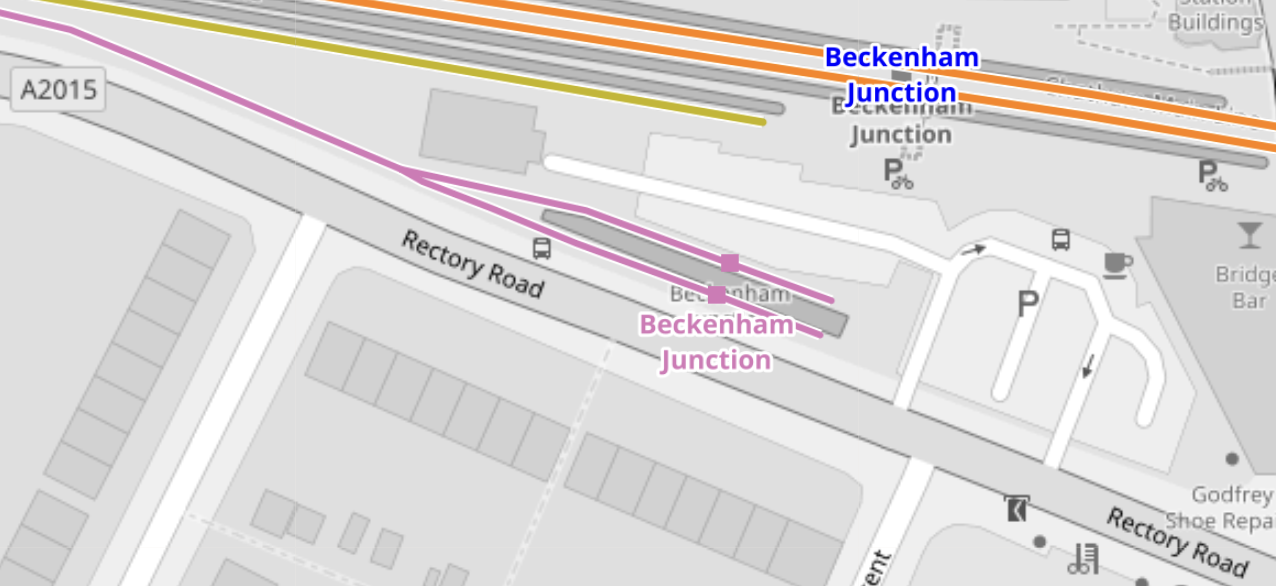
Note.
- The orange lines are the Chatham Main Line.
- The mauve line is the London Tramlink.
- There are a pair of short platforms for the London Tramlink.
- The platforms would be difficult to extend to the East.
- The platforms would be difficult to extend to the West, as the map above shows a building, just to the North of the junction of the two Tramlink platforms.
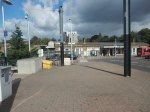
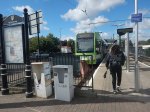
These pictures show Beckenham Junction station and the London Tramlink platforms.
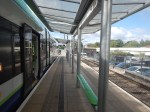
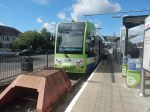
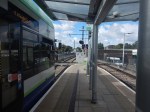
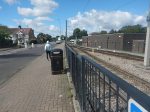
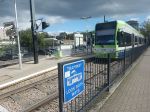
The Wikipedia entry for Beckenham Junction tram stop, says this about the Tramlink service.
Tram services at Beckenham Junction are operated by Tramlink. The tram stop is served by trams every 10 minutes to Wimbledon via Croydon. This is reduced to a tram every 15 minutes on Saturday evenings and Sundays.
Perhaps, the solution to lengthen Tramlink platforms at Beckenham Junction is to do the following.
- Rebuild the building to the North of the junction of the two Tramlink platforms.
- Extend the two Tramlink platforms to the West.
- Move the junction between the two Tramlink platforms to the West.
These pictures show the building in detail.
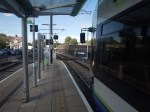
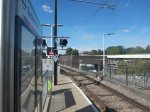
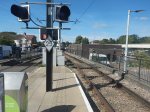
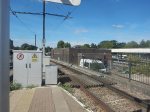
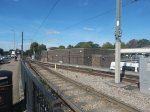
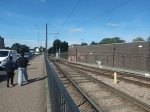
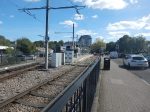
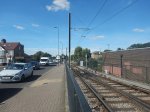
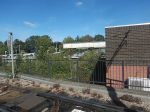

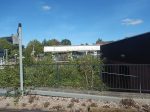
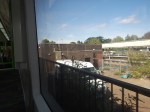
Note.
- There is a Network Rail van outside the building.
- The building looks like it dates from about 2000, when the Tramlink was built.
- Perhaps, the building houses power supply or signalling equipment for the Tramlink.
After the modifications, operation would be the same, but longer trams could be handled.
Trams And Trains Between Birkbeck And Beckenham Junction Stations
This short section of track must be one of the most unusual and complicated in the UK.
- There are three dual National Rail and Tramlink stations; Birkbeck, Avenue Road and Beckenham Road.
- Each station has a single bi-directional National Rail track and/or platform.
- Birkbeck has a single bi-directional Tramlink platform.
- Avenue Road and Beckenham Road each have two Tramlink platforms.
Engineer; Baldrick was obviously having one of his cunning phases.
This map from OpenRailwayMap shows the track/platform layout at Birkbeck station/tram stop.
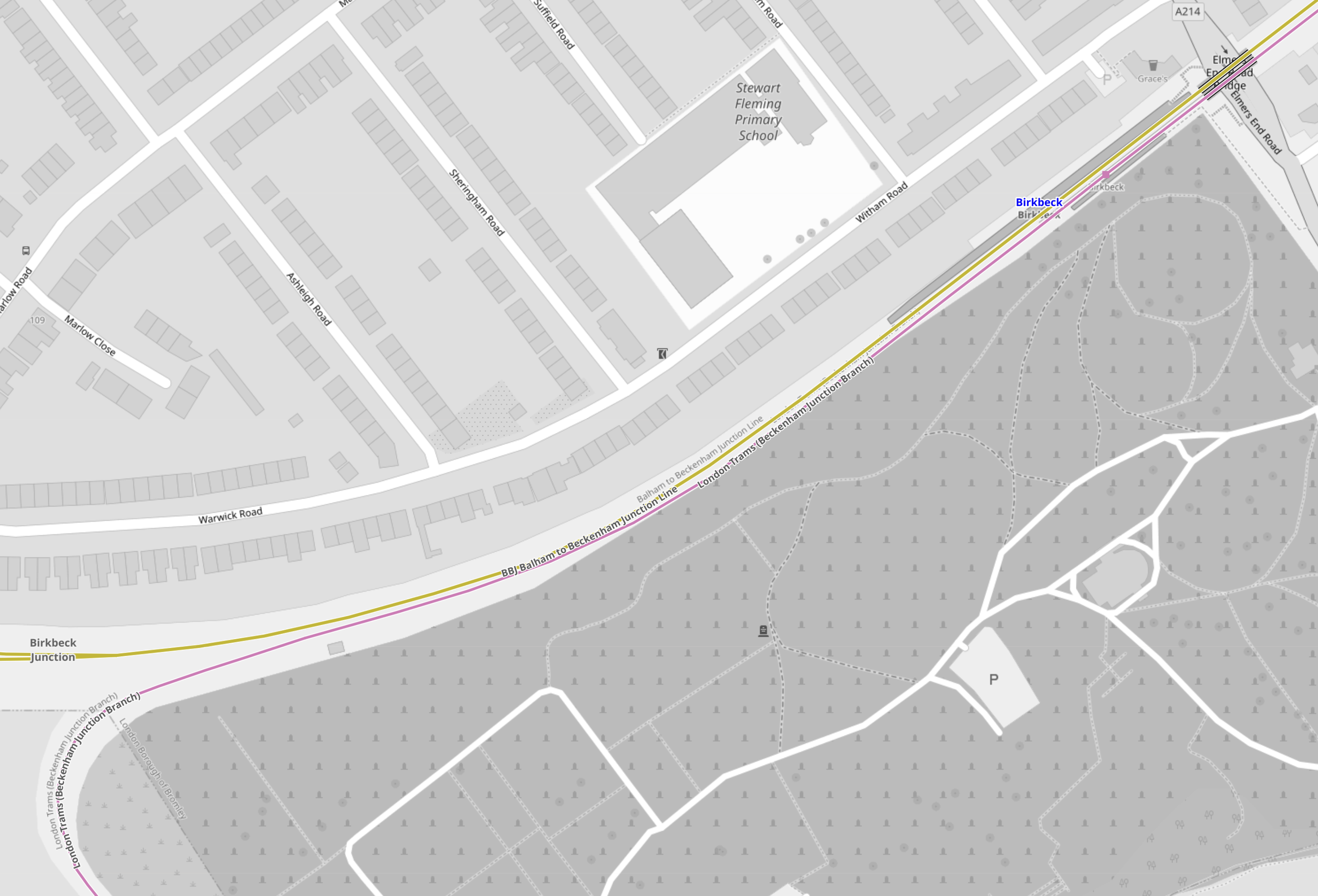
Note.
- The yellow line is the National Rail line between Crystal Palace and Beckenham Junction.
- The mauve line is the London Tramlink between Croydon and Beckenham Junction.
- There is no rail connection between the two lines.
Birkbeck station/tram stop has bi-directional platforms on both National Rail and London Tramlink.
These pictures were taken at the Birkbeck station/tram stop.
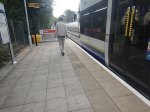
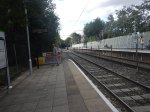
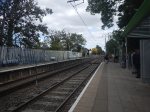
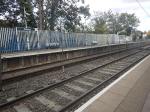
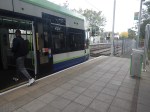
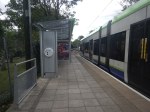
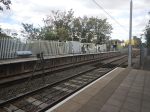
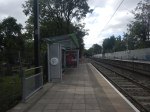
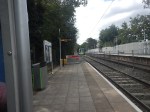
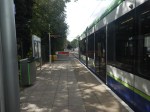
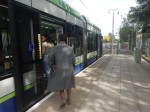
Note.
- The two bi-directional platforms.
- The wire fence between the tracks.
- The two tracks appear to be the same level, but the National Rail platforms seem quite a bit higher.
From the pictures, I would estimate that the Birkbeck tram stop platform is currently about thirty-five metres and could probably handle a forty metre tram with selective door opening.
This map from OpenRailwayMap shows the track/platform layout at Avenue Road station/tram stop.
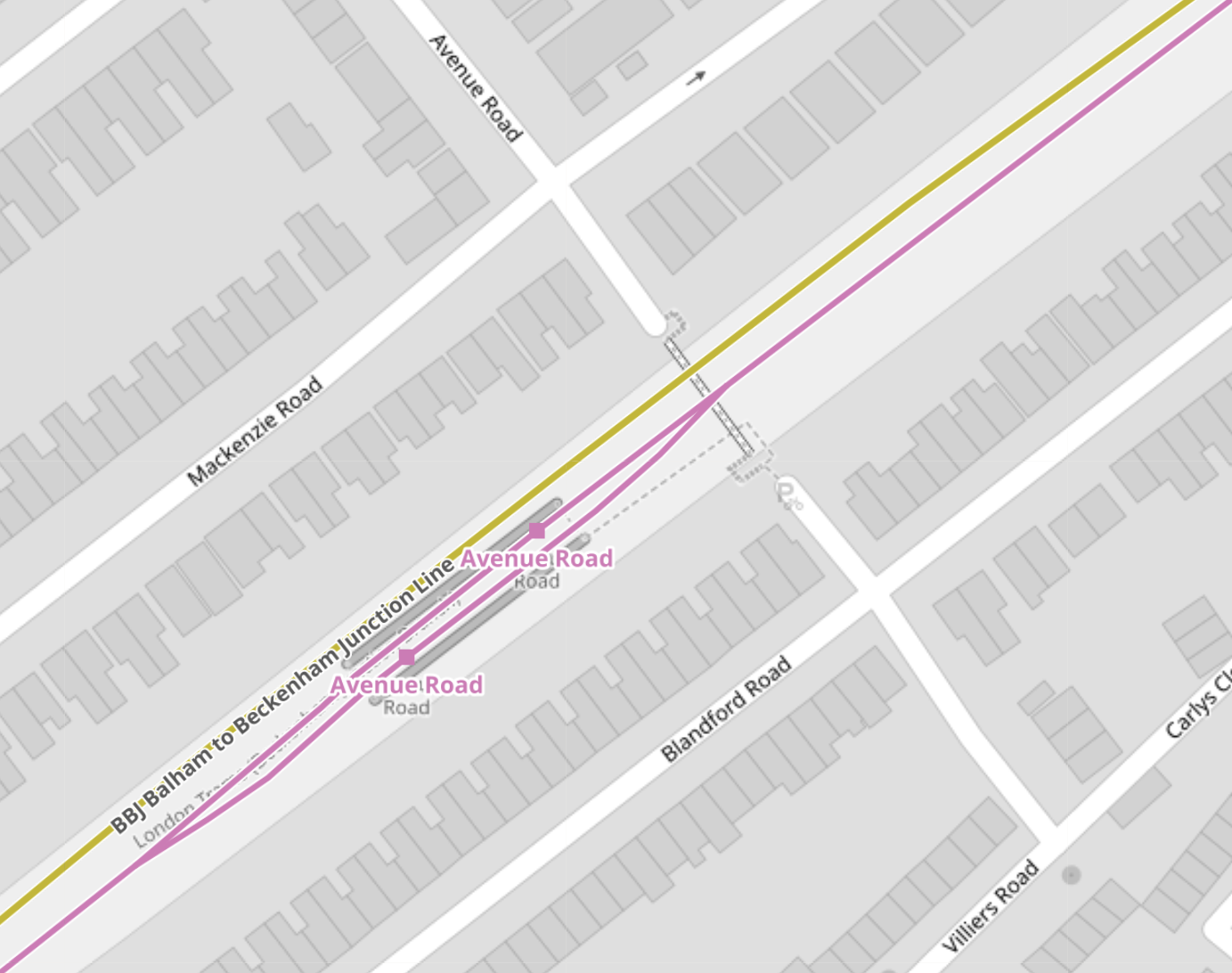
Note.
- The yellow line is the National Rail line between Crystal Palace and Beckenham Junction.
- The National Rail line isn’t shown to have a platform.
- The mauve line is the London Tramlink between Croydon and Beckenham Junction.
- There is no rail connection between the two lines.
London Tramlink has a loop through the tram stop and each branch has a platform.
These pictures were taken at the Avenue Road tram stop.
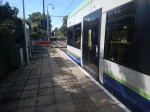
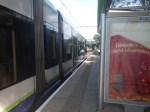
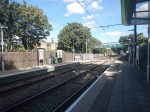
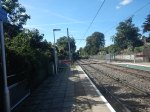
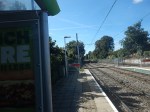
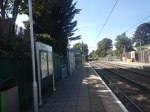
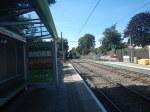
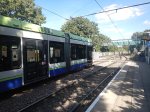
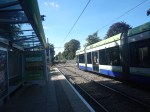
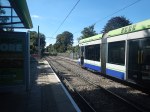
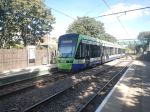
I would estimate the the loop at Avenue Road tram stop could handle a forty metre tram and possibly one of forty-five metres, judging the loop against this thirty-two metre Stadler tram.
This map from OpenRailwayMap shows the track/platform layout at Beckenham Road station/tram stop.
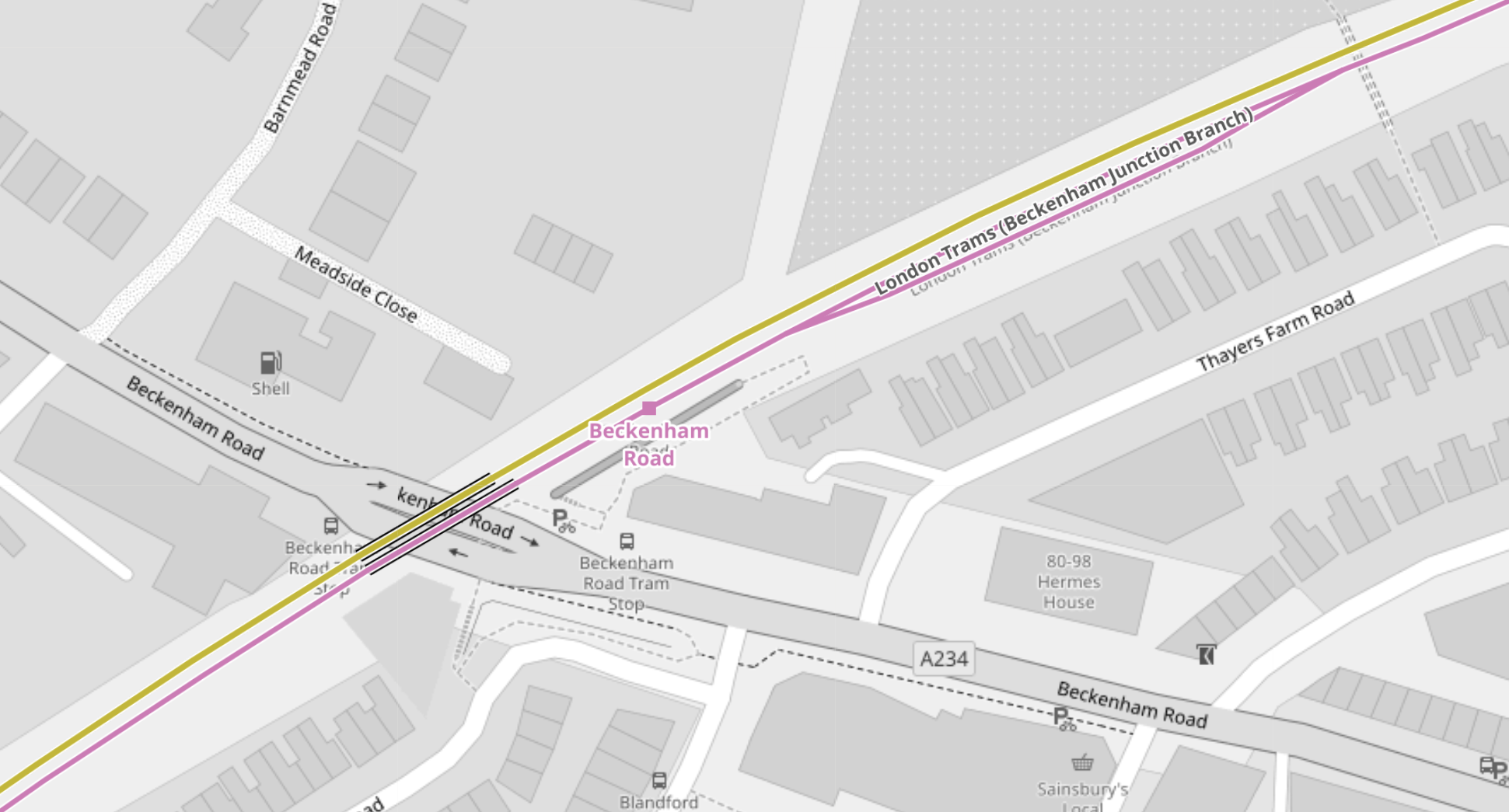
Note.
- The yellow line is the National Rail line between Crystal Palace and Beckenham Junction.
- The National Rail line isn’t shown to have a platform.
- The mauve line is the London Tramlink between Croydon and Beckenham Junction.
- There is no rail connection between the two lines.
The London Tramlink has a single bi-directional platform.
There is also a loop in the London Tramlink to the East of Beckenham Road station/tram stop to allow trams to pass.
These pictures were taken at the Beckenham Road tram stop.
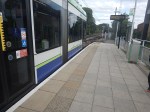
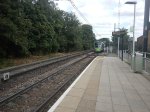
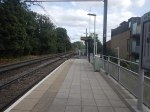
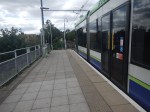
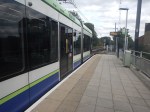
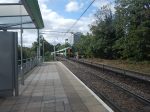
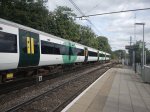
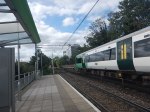
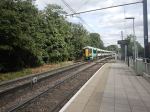
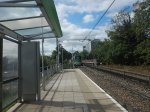
Note.
- A train conveniently came through from London Bridge to Beckenham Junction, when I was taking pictures.
- Several pictures show trams using the loop to the East of the tram stop.
- Both types of tram were pictured in the tram stop.
- The platform in the tram stop is wide.
From the pictures, I would estimate that the Beckenham Road tram stop platform is currently about thirty-five metres and could probably handle a forty metre tram with selective door opening.
Tram-Train Operation Between Birkbeck And Beckenham Junction Stations
I am certain that if this track was being designed today, tram-train operation would be used.
- There would be two tracks, with one for each direction, through Birkbeck, Avenue Road and Beckenham Road stations.
- Both tracks would have dual-height platform at each station/tram stop, so tram and train passengers got level boarding.
- Trains would use third-rail power and trams would use battery-power.
Unfortunately, tram-trains didn’t exist, when the London Tramlink was designed.
Handling Longer Trams At New Addington Tram Stop
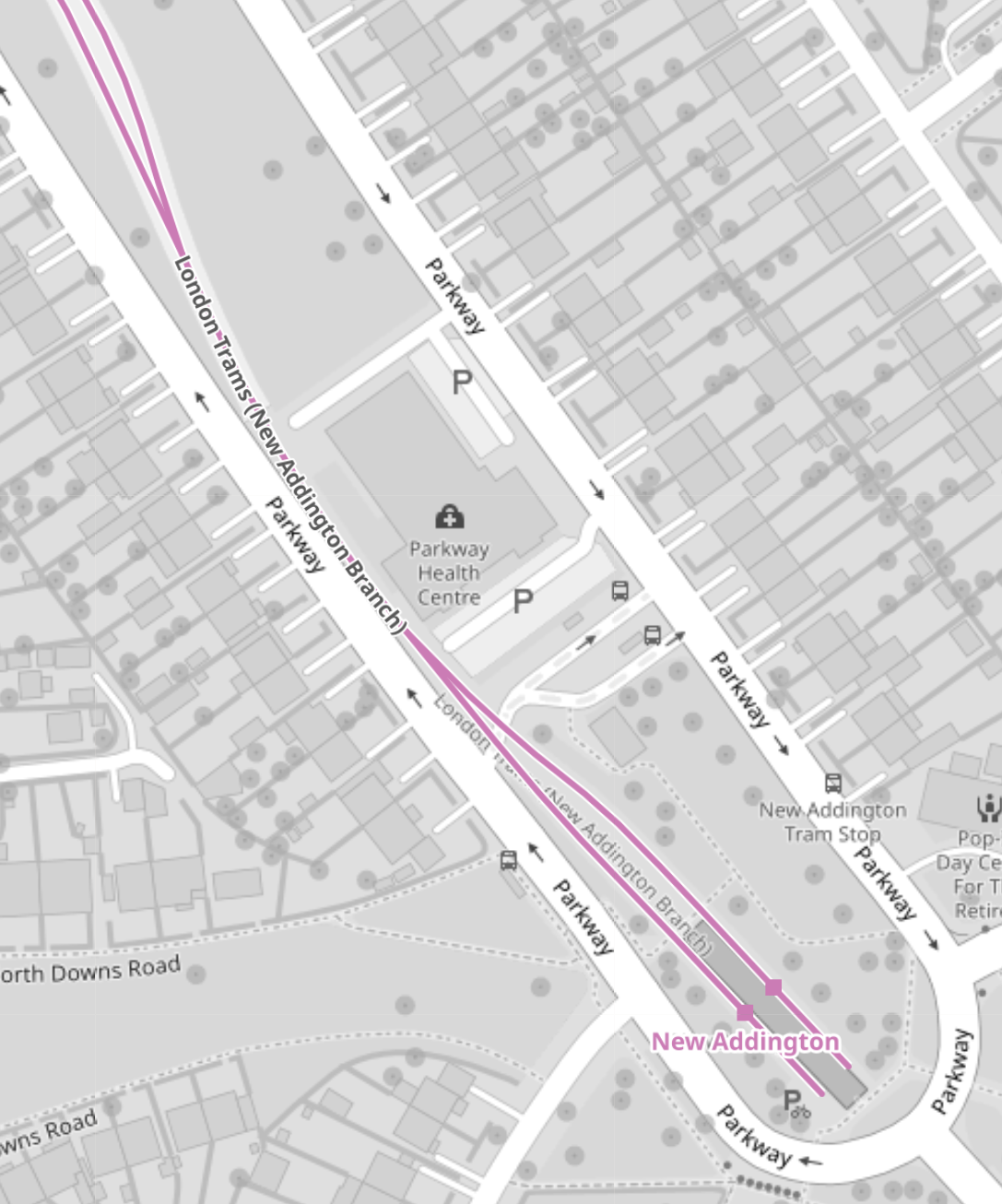
This map from OpenRailwayMap shows the platform layout at New Addington tram stop.
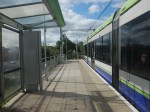
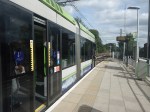
These pictures show the New Addington tram stop and the London Tramlink platforms.
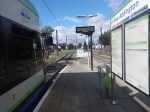
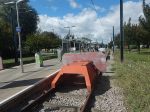
If some of the grassland around the platforms was allocated to the tram stop, I suspect the platforms could be lengthened.
Handling Longer Trams At Wimbledon Station
This map from OpenRailwayMap shows the platform layout at Wimbledon station.
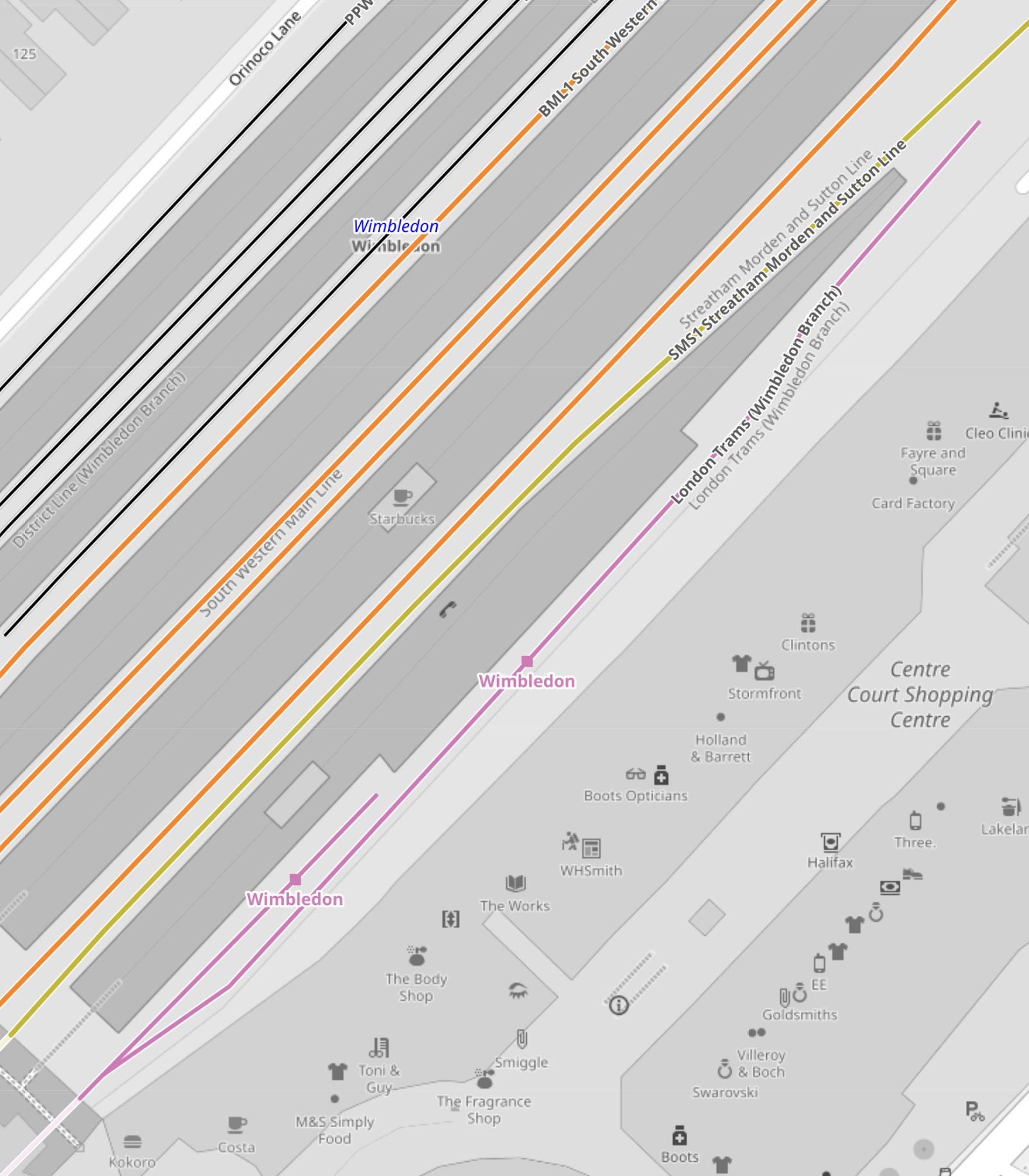
Note.
- The mauve line is the London Tramlink.
- There are two platforms; 10A and 10B, which are indicated with a separate dot.
- Platform 9, which is used by Thameslink, is the other side of Platform 10, so interchange to Thameslink is excellent.
- The main tram platform 9/10 is wide.
- The platforms are step-free to the trams, with lifts to the station bridge and the other platforms and Way Out.
I suspect that when the second platform was built, both platforms were made longer than the thirty-two metres needed for the Stadler trams.
These pictures show the two platforms.
Could another platform be created on the other side of the tracks to give better access to the tracks?
Conclusions
My first conclusion is that the London Tramlink could be run by a new fleet of the same number of trams, that were a few metres longer than the current 30.7/32 metres of the current trams.
- I suspect that forty metre trams would be possible, with a few modifications to platforms.
- It might even be possible to have forty-five metre trams, with a more substantial rebuild at Beckenham Junction.
- Trams could overhang platforms and selective door opening could be used.
- Forty metre trams would carry 25 % more passengers than the current trams.
- The Elmers End and Wimbledon terminals already seem to be capable of handling forty metre long trams and possibly could take trams a few metres longer.
I suspect that Elmers End and Wimbledon, could be the first route, where the longer trams were introduced, as the trams should be able to shuttle between the two end terminals to the current timetable.
The New Addington tram stop would be brought into operation next.
- Platforms would be lengthened as required.
- Trams operate a frying pan loop from New Addington to Croydon, with an Off Peak frequency of 7-8 minutes.
- I suspect that one platform won’t be able to handle this frequency.
- The last point probably means that the two platforms will need to be lengthened.
Works at the New Addington tram stop could be tricky, but not substantial.
Initially, the service to Beckenham Junction could be run by the existing Stadler Variobahn trams.
I believe that a lot of work will need to be done to get Beckenham Junction ready for the new trams if they are longer, which I suspect they are.
- The Network Rail installation will have to be relocated.
- The two platforms will have to be lengthened.
I suspect the works will be substantial.
But I do believe, that there is scope to plan all the works at the terminals, so they can be done efficiently, whilst at least maintaining a partial service.
My second conclusion, is that it will be possible to build a financial model, which shows infrastructure costs against tram lengths.
Longer trams will cost more and cost more for infrastructure, but they will carry more passengers and collect more fare revenue.
Designing A Battery-Powered Mountain Goat
When I wrote Up To Ebbw Vale From Newport, this comment was posted.
I’m not surprised that the Class 150 train, had no difficulty in climbing up to Ebbw Vale Town. The max gradient is around 1 in 65. There are plenty of places in Britain where gradients are steeper and indeed part of the type test for all dmus was to climb the 2 mile, 1 in 37.7 Lickey Incline starting a couple of hundred metres before the beginning of the slope.
It certainly got me thinking.
Could a line like Newport and Ebbw Vale be decarbonised, by simply fitting batteries to an appropriately-sized electric train?
- The battery would be charged using the 25 KVAC overhead electrification in Newport station.
- The train would climb the hill to Ebbw Vale Town on battery power.
- Coming down the regenerative braking would charge the battery.
- Once in the platform at Newport station, the battery would be topped up, to the level needed to climb the hill, from the existing electrification.
The question is can the train carry enough juice in a battery?
I will work the example through with a three-car Class 331 train.
- I have chosen a Class 331 train, as CAF have a factory in Newport.
- The train weighs 30.48 tonnes.
- It has 213 seats.
- If I assume that each passenger is 80 Kg including baggage, bikes and buggies, that gives a mass of 17.04 tonnes or a total mass of 47.08 tonnes.
- The difference in altitude between Ebbw Vale Town and Newport is 764 feet.
Using Omni’s Potential Energy Calculator, that gives a value of 29.9 kWh.
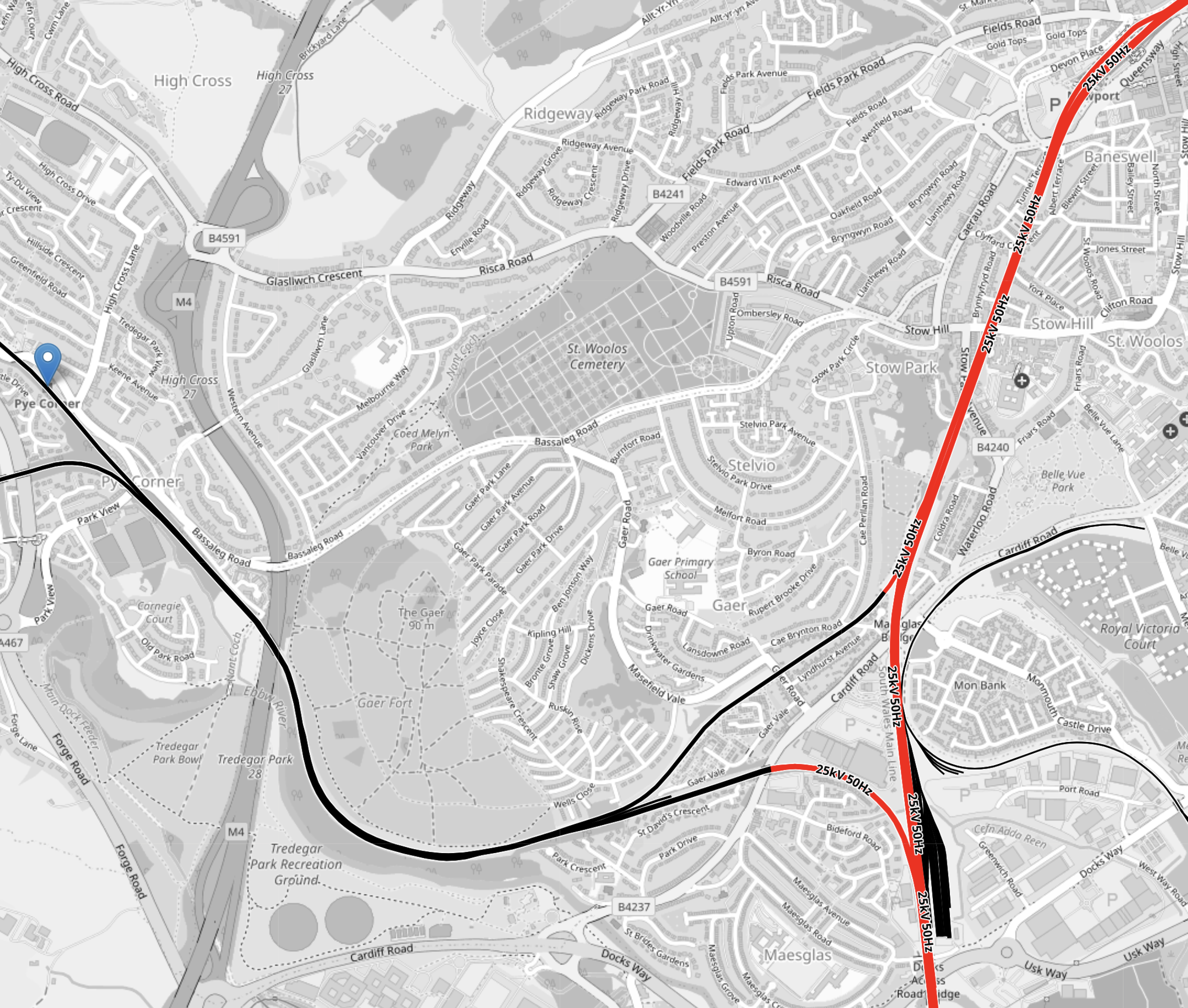
This OpenRailwayMap shows the tracks from Newport to Pye Corner.
Note.
- Red tracks are electrified and black ones are not.
- Newport station is in the North-East corner of the map, with the South Wales Main Line running through.
- Pye Corner station is marked by the blue arrow and is the first station on the climb to Ebbw Vale.
- The unelectrified Ebbw Vale branch has a triangular junction with the electrified South Wales Main Line.
- The electrification continues for a short way towards Pye Corner and goes all the way to Newport and Cardiff.
- Trains take 24 minutes to turn round in Newport.
- Newport and Ebbw Vale Town is about twenty miles.
It can be safely said that trains will start their climb to Ebbw Vale with a full battery.
What Battery Size Will Be Needed?
I don’t think it will be that large and it will be the smallest battery, that could take a train up the hill.
As part of the climb is double track, the up track could be electrified to enable a smaller battery to be used, which would mean less power would be needed, due to the lower weight.
Conclusion
I believe that it will be possible to fit CAF’s Class 331 trains with a battery large enough to take a train up the hill to Ebbw Vale Town.
 The Anonymous Widower