Battery Train And Fast Charger To Be Tested In London
The title of this post is the same as that of this article on Railway Gazette.
This is the first paragraph.
Great Western Railway has signed an agreement to test Vivarail’s Class 230 battery multiple-unit and fast charging technology under real-world conditions on the 4 km non-electrified branch between West Ealing and Greenford in West London.
As an engineer, who started designing control systems for rolling mills in the mid-1960s and went on to get a Degree in Control and Electrical Engineering from Liverpool University, before working for ICI applying computers to a variety of problems, I can’t look at a railway line like the Greenford Branch without wanting to automate it.
I had one amateurish attempt in An Automated Shuttle Train On The Greenford Branch Line. I was trying to get four trains per hour (tph) on the branch and I don’t think that is possible, with the Class 230 trains.
Now we know the train we are dealing with, I could plan an automated system, that would drive the train.
- Each journey on the branch takes around 11-12 minutes.
- Two tph would take between 44 and 48 minutes shuttling between the two stations in an hour.
- The article states that recharging takes ten minutes.
- If the train charged the batteries once per hour, that would leave between two and six minutes for the other three stops.
- Any freight train using the branch seems to take about six minutes, so they could sneak through, when the shuttle is having a fast charge.
- I would also use a similar system to that originally used on the Victoria Line. After the driver has closed the doors and ascertained that there were no problems, they would press a button to move the train to the next station and then automatically open the doors.
From this rough calculation to run a two tph service, I suspect that the train needs to be able to go between West Ealing and Greenford stations in ten minutes. Assuming one ten minute Fast Charge per hour, this would give three minutes and twenty seconds to turn the train, at the three terminal station stops.
I certainly feel, that an automatic shuttle would be possible.
Alstom Hydrogen Aventras And Great Western Branch Lines Between Paddington And Oxford
In Alstom And Eversholt Rail Sign An Agreement For The UK’s First Ever Brand-New Hydrogen Train Fleet, I give my thoughts on Alstom’s new hydrogen train, which I have called the Alstom Hydrogen Aventra.
One reader suggested these lines in a comment, as they are all run by diesel Class 165 trains.
These are the lines, that could be converted to Hydrogen operation.
Greenford Branch
The branch runs between West Ealing and Greenford via Drayton Green, Castle Bar Park and South Greenford.
- It has a frequency of two trains per hour (tph).
- The branch is 2.5 miles long.
- Services take eleven minutes.
- It needs a single train to run the service.
Note.
- In GWR To Test Battery Train On Branch Line, I wrote about Great Western Railway’s plans to test battery-eclectic trains on this line.
- The platform at Greenford station may need lengthening to accommodate the Alstom Hydrogen Aventra.
- It is my view that the branch needs four tph.
- It might also be possible to run Peak hour services to and from Paddington.
I do think that if the train length issue is solved that a single Alstom Hydrogen Aventra could work this branch.
A two-car Class 230 train would certainly fit.
Windsor Branch
The branch runs between Slough and Windsor & Eton Central.
- It has a frequency of three tph
- The branch is 2.8 miles long.
- Services take six minutes.
- It needs a single train to run the service.
Note.
- The extra capacity of the Alstom Hydrogen Aventra could be welcome.
- Prince Charles would like it.
I do think that a single Alstom Hydrogen Aventra could work this branch.
Marlow Branch
The branch runs between Maidenhead and Marlow via Furze Platt, Cookham and Bourne End.
- It has a frequency of one tph
- The branch is 7.1 miles long.
- Services take twenty-three minutes.
- The service reverses at Bourne End.
- It needs a single train to run the service.
Note that the three-car Alstom Hydrogen Aventra may be too long to execute the reverse at Bourne End.
I do think that if the Bourne End problem can be solved that a single Alstom Hydrogen Aventra could work this branch.
The two-car Class 165 train, that currently works the branch is 46 metres long, so a two-car battery-electric train may be needed for this branch. A two-car Class 230 train would certainly fit.
Regatta Line
The branch runs between Twyford and Henley-on-Thames via Wargrave and Shiplake.
- It has a frequency of two tph
- The branch is 4.6 miles long.
- Services take twelve minutes.
- It needs a single train to run the service.
Note.
- If this line needed more capacity trains could be doubled up, as there are no length issues.
- It might also be possible to run Peak hour services to and from Paddington.
I do think that a single Alstom Hydrogen Aventra could work this branch.
North Downs Line
The line runs between Reading and Gatwick Airport via Wokingham, Crowthorne, Sandhurst, Blackwater, Farnborough North, North Camp, Ash, Guildford, Shalford, Chilworth, Gomshall, Dorking West, Dorking Deepdene, Betchworth, Reigate and Redhill
- It has a frequency of two tph
- The route is 53.1 miles long.
- The route is partially-electrified with 750 VDC third-rail electrification.
- The route has been planned for 100 mph trains.
- Services take eighty-two minutes.
- It needs six trains to run the service.
Note.
- The route is proposed to be run by four-car Class 769 bi-mode trains.
- Would a three-car train be sufficient for this route?
- The Alstom Hydrogen Aventras are only 90 mph trains and would they be fast enough?
I do think that Alstom Hydrogen Aventras could work this route, but given the number of trains and possible capacity and speed issues, a four-car battery-electric train could be better suited to the route.
Reading And Basingstoke Line
This line runs between Reading and Basingstoke via Reading West, Mortimer and Bramley
- It has a frequency of two tph
- The route is 15.4 miles long.
- There is 25 KVAC overhead electrification at Reading.
- There is 750 VDC third-rail electrification at Basingstoke, but the platform used by the service is unelectrified.
- The route has been planned for 100 mph trains.
- Services take twenty-eight minutes.
- It needs two trains to run the service.
Note.
- For a battery-electric train to work this route, it might need a charging system at Basingstoke.
- The Alstom Hydrogen Aventras are only 90 mph trains and would they be fast enough?
I do think that a pair of Alstom Hydrogen Aventras could work this service.
Oxford Canal Line
This route runs between Didcot Psrkway and Banbury via Appleford, Culham, Radley, Oxford, Tackley, Heyford and Kings Sutton.
- It is effectively two routes with a combined frequency of two tph between Didcot Junction and Oxford and half that between Oxford and Banbury.
- The full route is 33 miles long.
- There is 25 KVAC overhead electrification at Didcot Parkway.
- Services take forty-one minutes.
- It probably needs four trains to run the service.
I do think that a small fleet of Alstom Hydrogen Aventras could work this service.
Some General Thoughts
These are a few general points.
Stabling And Hydrogen Fuelling
Reading Train Care Facility is a large depot to the west of Reading.
- It is ideally placed for all the lines, that I’ve mentioned.
- It is connected to all the lines by electrified lines.
I am sure that it would be possible to build a hydrogen fuelling facility at the depot.
Two-Car Battery-Electric Trains
It looks like the Greenford and Marlow Branches might need to be served by two-car battery-electric trains.
Four-Car Trains
Some of the services might be run by four-car trains, as these would be more suitable for the number of passengers.
Total Number Of Trains
My rough estimates of numbers of trains are as follows.
- Greenford Branch – 1 train
- Windsor Branch – 1 train
- Marlow Line – 1 train
- Regatta Line – 1 train
- North Downs Line – 6 trains
- Reading And Basingstoke Line – 2 trains
- Oxford Canal Line – 4 trains
This would be a total of sixteen trains or ten, if the Class 769 trains were used on the North Downs Line.
Additional Routes
There may be other routes, where the trains could be used, that are handy for Reading Train Care Facility.
Hydrogen or battery power may give advantages in opening new routes.
Would Hydrogen Trains Attract Passengers And Tourists?
I think they could, as if nothing there is a curiosity value.
Conclusion
This collection of routes surround Reading Train Care Facility and would be a nice package to run with hydrogen or battery-electric trains.
Reopening the Stoke – Leek Line
On October 27th this Beeching Reversal Project was given £50,000 to build a case for reopening.
These are my thoughts.
The State Of The Line Today
This sentence describes the Stoke Leek Line in Wikipedia.
The Stoke to Leek line is a mothballed railway route, which up until 1988 was used by BR freight trains to reach the quarries at both Cauldon Lowe and Oakamoor.
This map was also clipped from Wikipedia.

Note.
- Leek is at the top of the map.
- Leek is a town of 21,000 people.
- The distance between Stoke-on-Trent and Leek is about eleven miles by road.
- The Waterhouses branch Line leads to the quarries.
- The Churnet Valley Line is a heritage line.
I have flown by virtual helicopter along the line and you can see a single-track railway amongst the weeds.
Leek
This Google Map shows Leek.
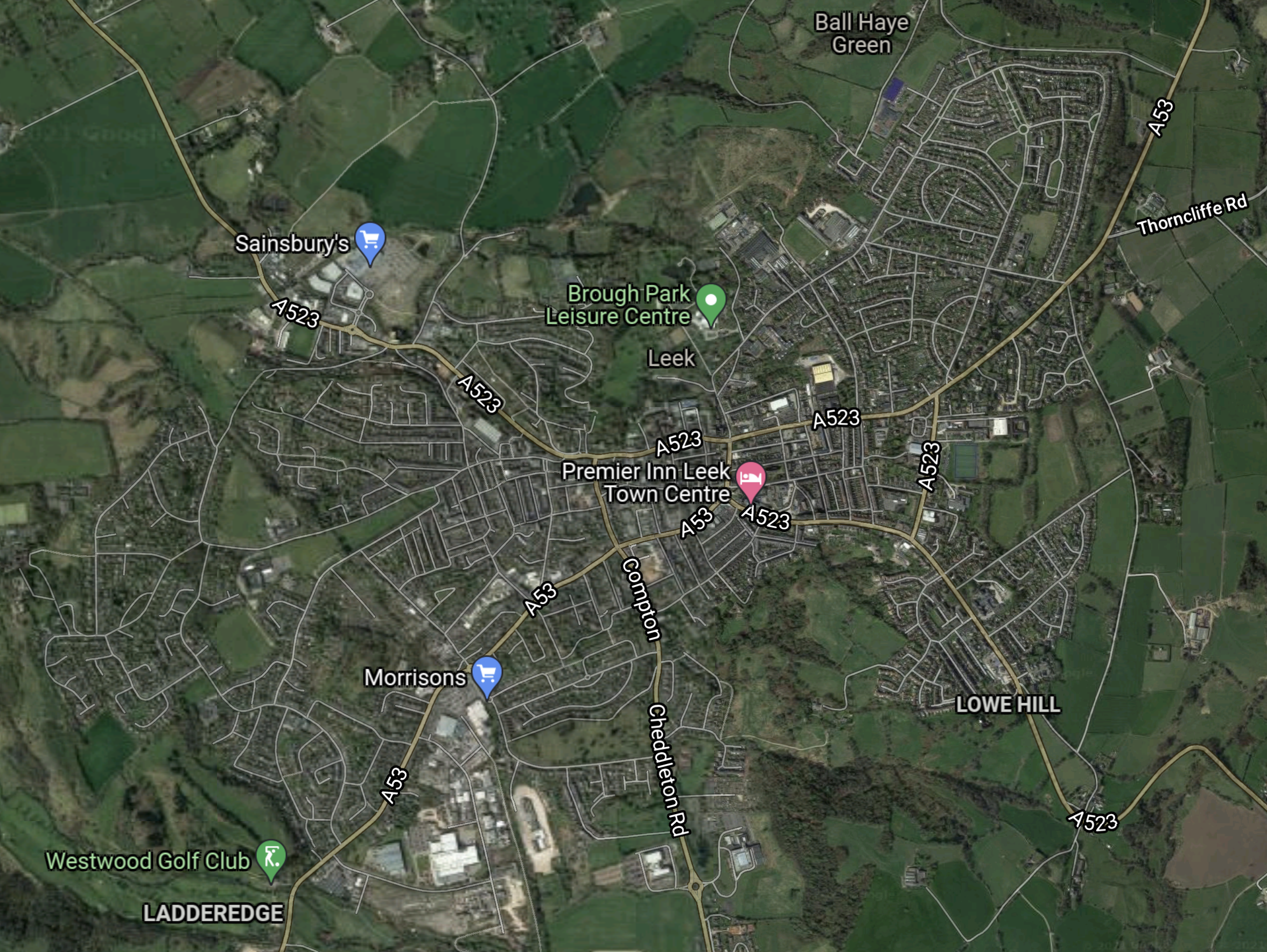
The original station was demolished to make way for the Morrisons supermarket.
I suspect that there is sufficient space close to the supermarket to fit in a simple single-platform station for the single-track from Stoke-on-Trent.
Rolling Stock
I suspect this line would best be served by battery-electric trains.
- It’s no more than a dozen miles.
- There is electrification at Stoke-on-Trent station.
- Leek has the lower altitude by 220 ft.
I suspect a charging system would be needed at Leek.
Vivarail’s Class 230 trains could be ideal for this line.
Freight
Reading about the line, it appears that there are plans that propose reopening the line for traffic from the quarries.
It would need to be decided, if freight were to be allowed on the line.
Conclusion
This could be a useful passenger line, with a freight capability, if that were needed.
Reopening The Oswestry – Gobowen Line
On October 27th this Beeching Reversal Project was given £50,000 to build a case for reopening.
These are my thoughts.
Gobowen Station
Gobowen station appears to be a fine station.
- It is Grade II Listed.
- It has two platforms.
- It is on the Shrewsbury-Chester Line.
- Transport for Wales run trains to Birmingham New Street, Cardiff Central, Chester, Holyhead and Shrewsbury.
- Avanti West Coast will start running services to and from London Euston via Wrexham in December 2022.
Wikipedia says this about the future of the station.
Gobowen station may become the northern terminus of the proposed Cambrian Heritage Railways line to Llynclys, Pant and Blodwel via Oswestry. Shropshire Council was to acquire the coal yard at Gobowen for railway-related uses, including car parking for the station. If the plans are fully realised, the station would have three platforms, one of which would be for the Heritage Railway.
It does look as if, Shropshire Council have got the money for a full study.
This Google Map shows Gobowen station.

Note.
- The two tracks of the Chester-Shrewsbury Line each have a platform.
- Step-free access is by the level crossing, which is at the North end of the station.
- It looks like it would be space to convert the Northbound platform into an island platform, where the Western platform face would be for the heritage trains.
This second Google Map shows the tracks at the South end of Gobowen station.
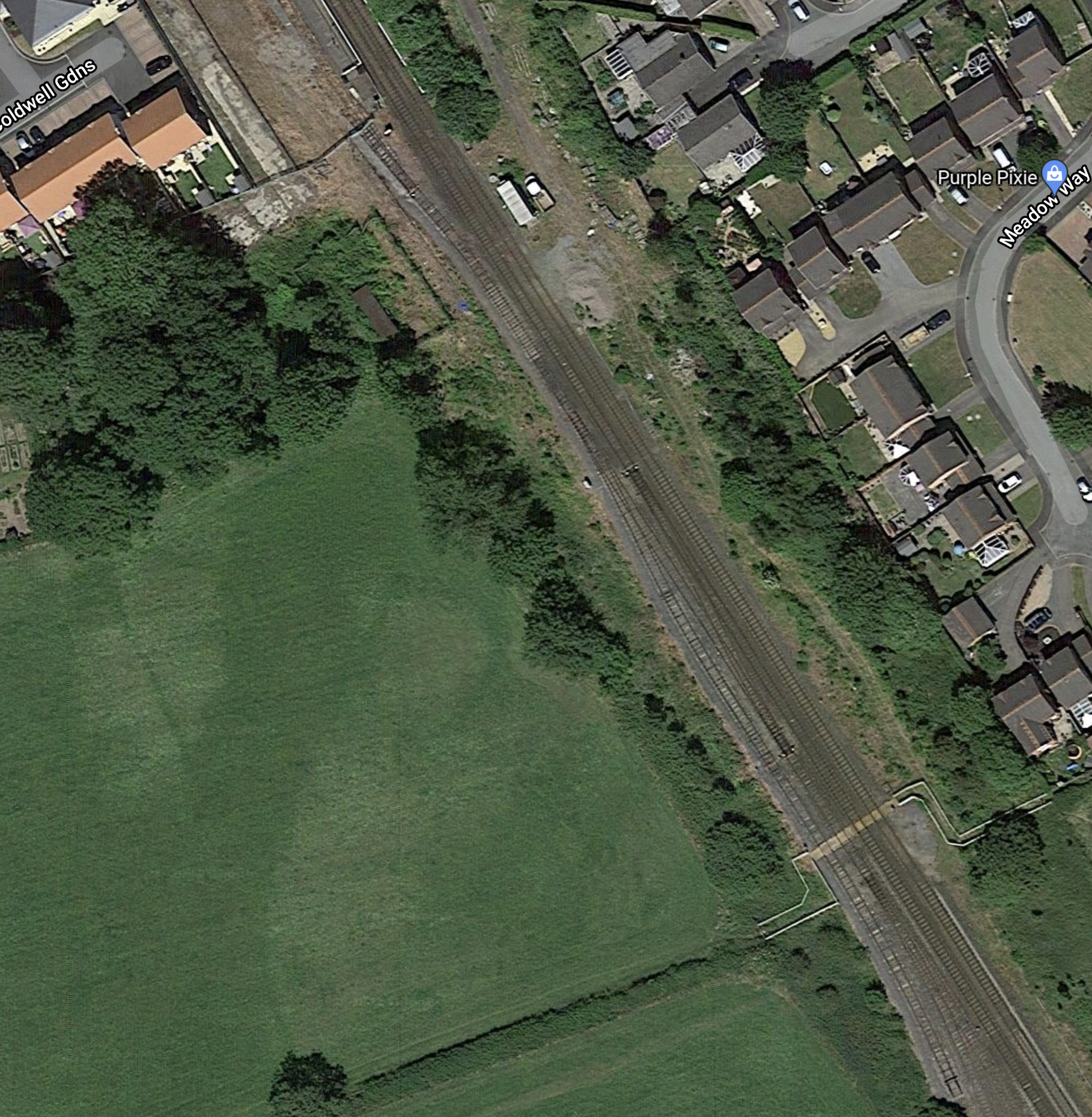
Note.
There is a set of points to allow trains to access a third platform at Gobowen station.
The single-track line to Oswestry branches off to the West at the bottom of the map.
It would appear that a bay platform at Gobowen station can be created to handle trains to Oswestry.
Oswestry Station
Oswestry station appears to be another fine station.
- It is also Grade II Listed.
- It has just a single platform.
- It appears to be owned by the local authority.
This Google Map shows the station.

Note.
- The station is the large building with the chimneys in the South-East corner of the map.
- The single platform is behind it.
- The platform is long enough to take a 1200 metre long train.
This station would make an ideal terminus.
The Track Between Oswestry And Gobowen
The track is single-track with a couple of foot crossings, so I don’t think it will need much to bring it up to a modern standard.
A Shuttle Service Between Oswestry And Gobowen
I suspect a two-car shuttle train between the two stations would suffice for most of the day.
Transport for Wales have some Class 230 trains and these would be ideal. They could even be battery-electric trains if a battery charging system were to be installed at one station.
Could Avanti West Coast Run A Service To London?
It looks like Avanti West Coast’s Class 805 trains could run along the line between Gobowen and Oswestry.
So could Avanti’s planned service to Gobowen terminate at Oswestry instead?
It would all depend on the passenger forecasts and actual numbers
Could Avanti West Coast Run A Battery-Electric Service To London?
Consider.
- Oswestry is a town of 17,500 people, so probably has a reasonable electricity supply, especially if it were to be backed up by a battery.
- The amount of renewable electricity produced over the border in Wales is only going to grow.
- There is plenty of space at Oswestry to put in a charging system to replace the batteries.
Distances are as follows.
- Crewe and Chester – 21.1 miles
- Chester and Gobowen – 24.6 miles
- Gobowen and Oswestry – 3.3 miles
This is a total distance of 49 miles.
Avanti West Coast have ordered thirteen bi-mode Class 805 trains, which will replace the diesel Class 221 trains currently working between London Euston and Chester. Holyhead and Shrewsbury.
- They will run at 125 mph between Euston and Crewe using electric power.
- If full in-cab digital signalling were to be installed on the electrified portion of the route, they may be able to run at 140 mph in places under the wires.
- They will use diesel power on the North Wales Coast Line to reach places like Chester, Holyhead and Wrexham.
- According to an article in Modern Railways, the Class 805 trains could be fitted with batteries.
I wouldn’t be surprised that when they are delivered, they are a version of the Hitachi’s Intercity Tri-Mode Battery Train, the specification of which is shown in this Hitachi infographic.

Note.
- I suspect that the batteries will be used to handle regenerative braking on lines without electrification, which will save diesel fuel and carbon emissions.
- The trains accelerate faster, than those they replace.
- The claimed fuel and carbon saving is twenty percent.
- It is intended that these trains will be introduced next year.
But Hitachi have not given any predictions of the range of these trains on battery power alone.
However, they do claim a battery range of 56 miles for the Hitachi Regional Battery Train, which is based on similar technology.
I believe it would be possible to run a zero-carbon London Euston and Oswestry service.
- The trains would be Class 805 trains fitted with batteries.
- Trains could stop at Milton Keynes Central, Lichfield Trent Valley, Stafford, Crewe, Chester, Wrexham General and Gobowen.
- Trains would use electrification between London Euston and Crewe.
- Trains would recharge their batteries South of Crewe and at Oswestry.
I doubt that a battery-electric zero-carbon train serving Cheshire, Shropshire and North-East Wales would have a negative effect on the area.
Just as Hull and Lincoln seem to be moving towards a frequency of one train per two hours from London, I wonder if this service could ever attain the same frequency.
Onward From Oswestry
Cambrian Heritage Railways are planning to run services past Oswestry on their heritage railway.
Will this be a good idea?
Where Now For First Group?
First Group are a shareholder in Avanti West Coast.
They also own Lumo, who last week launched their open-access service between London and Edinburgh. Their marketing is all about being green and sustainable.
I just wonder if a battery-electric service to Gobowen is successful, they will apply this model all over the group.
Hull Trains service between London and Hull is an obvious possibility for a battery-electric zero-carbon service.
Conclusion
It looks to me, that reopening of the Oswestry – Gobowen Line opens up other possibilities.
Vivarail To Unveil 80mph Super-Class 230 At COP26
The title of this post, is the same as that as of this article on Rail Magazine.
This is the first paragraph.
Vivarail intends to show off a new design of battery-powered zero-emission Class 230 unit at next month’s COP26 climate change conference in Glasgow.
Features of the train include.
- 80 mph operating speed, as opposed to 60 mph of the mph of the current Class 230 train and 45 mph of the original London Underground D78 Stock.
- Two driver cars and a trailer car in between.
- Ten minutes to fully charge the batteries.
- The two driver cars have three battery packs.
I doubt the designers of the train at Metro-Cammell, envisaged this future development.
Pop Up Metro Aims To Provide Affordable Passenger Operation
The title of this post, is the same as that of this article on Trains News Wire.
It describes entrepreneur Henry Posner’s Railroad Development Corporation‘s concept of a Pop-Up Metro and how it is being demonstrated in Rockhill, Pennsylvania, where it is being demonstrated at the Rockhill Trolley Museum.
Routes suggested in the article include.
Not all these routes are fully electrified.
There is some interesting ideas in the concept.
The female project manager is also quoted as saying
I found that if you just say yes to Henry, something interesting happens!
Little did I think, that these days, I’d see that said in a serious article.
Let’s hope that represents the can-do approach behind the design, but staying within the rules of safety.
Southall Station – 28th August 2021
Southall station is now another station, that is ready for Elizabeth!
I took these pictures this morning.
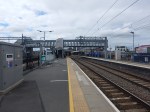
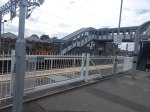
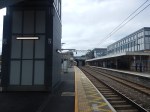
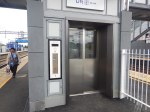
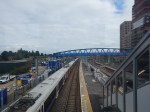





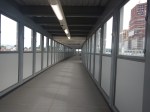
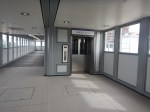
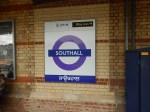
Note.
- It appears all four current platforms will be getting step-free access with lifts.
- The leg of the bridge to Platform 1 hasn’t been completed, although the lift tower is in place.
- The station signage is bi-lingual; English and Punjabi.
- A new modern station building has been added to the North of the original station building, which opened in 1839.
- A level walkway runs between the new station building and the footbridge.
This Google Map shows the station.
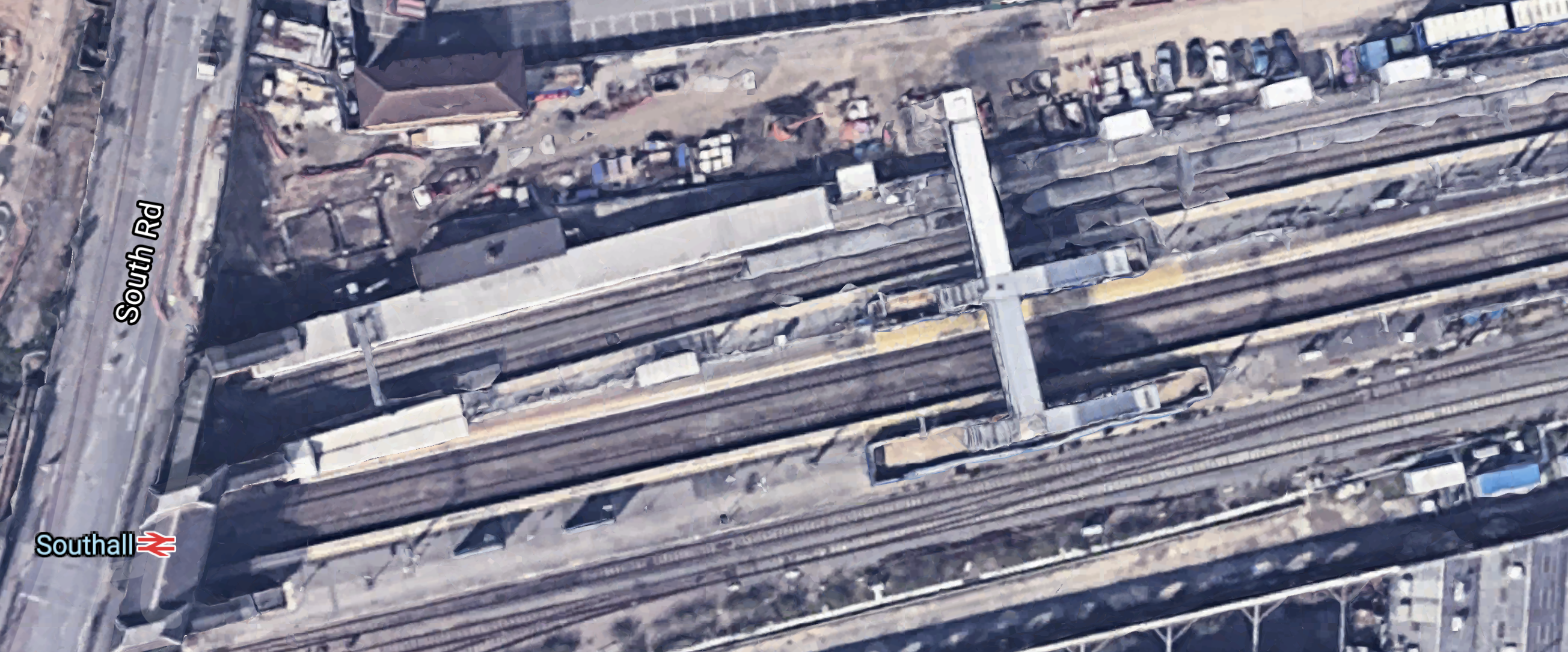
Note.
- This image was taken during building of the footbridge.
- The new station building and the walkway to the footbridge don’t appear to have been erected at the time of the image.
- The Southern pair of lines are the fast lines that go through Platforms 1 and 2.
- The Northern pair of lines are the slow lines that go through Platforms 3 and 4, which will be used by Crossrail.
- There is a fifth unused platform face, that shares the island and the stairs and future lift with Platform 1.
This map from cartometro.com shows the lines through the station in detail.

Note the single line coming in from the South-East is the freight-only Brentford Branch.
A Passenger Service On The Brentford Branch
It would appear that, when the builders complete the step-free footbridge at Southall station, that there will be a step-free interchange between Crossrail and any future passenger service on the Brentford Branch.
I feel that the Brentford Branch would be ideal for one of Adrian Shooter‘s Pop-Up-Metros, that would use Vivarail‘s Class 230 trains or similar.
In its simplest form a train would just shuttle between Brentford and the unnumbered fifth platform at Southall station.
Vivarail At COP26
This press release from Network Rail is entitled Network Rail And Porterbrook To Showcase Britain’s Green Trains Of The Future At COP26.
These two paragraphs are from the end of the first section of the press release.
It is envisaged that the HydroFLEX may also be used to transport visitors to see the Zero Emission Train, Scotland’s first hydrogen powered train.
Network Rail is also in the earlier stages of planning a similar event with Vivarail to bring an operational battery train to COP26.
Vivarail have taken battery trains to Scotland before for demonstration, as I wrote about in Battery Class 230 Train Demonstration At Bo’ness And Kinneil Railway.
Will other train companies be joining the party?
Alstom
It looks like Alstom’s hydrogen-powered Class 600 train will not be ready for COP26.
But I suspect that the French would not like to be upstaged by a rolling stock leasing company and a university on the one hand and a company with scrapyard-ready redundant London Underground trains on the other.
I think, they could still turn up with something different.
They could drag one of their Coradia iLint trains through the Channel Tunnel and even run it to Scotland under hydrogen power, to demonstrate the range of a hydrogen-powered train.
Alstom have recently acquired Bombardier’s train interests in the UK and there have been rumours of a fleet of battery-electric Electrostars, even since the demonstrator ran successfully in 2015. Will the prototype turn up at COP26?
Alstom’s UK train factory is in Widnes and I’ve worked with Liverpudlians and Merseysiders on urgent projects and I wouldn’t rule out the Class 600 train making an appearance.
CAF
Spanish train company; CAF, have impressed me with the speed, they have setup their factory in Newport and have delivered a total of well over a hundred Class 195 and Class 331 trains to Northern.
I wrote Northern’s Battery Plans, in February 2020, which talked about adding a fourth-car to three-car Class 331 trains, to create a battery-electric Class 331 train.
Will the Spanish bring their first battery-electric Class 331 train to Glasgow?
I think, they just might!
After all, is there a better place for a train manufacturer looking to sell zero-carbon trains around the world to announce, their latest product?
Hitachi
A lot of what I have said for Alstom and CAF, could be said for Hitachi.
Hitachi have announced plans for two battery-electric trains; a Regional Battery Train and an Intercity Tri-Mode Battery Train.
I doubt that either of these trains could be ready for COP26.
But last week, I saw the new Hitachi Class 803 train speeding through Oakleigh Park station.
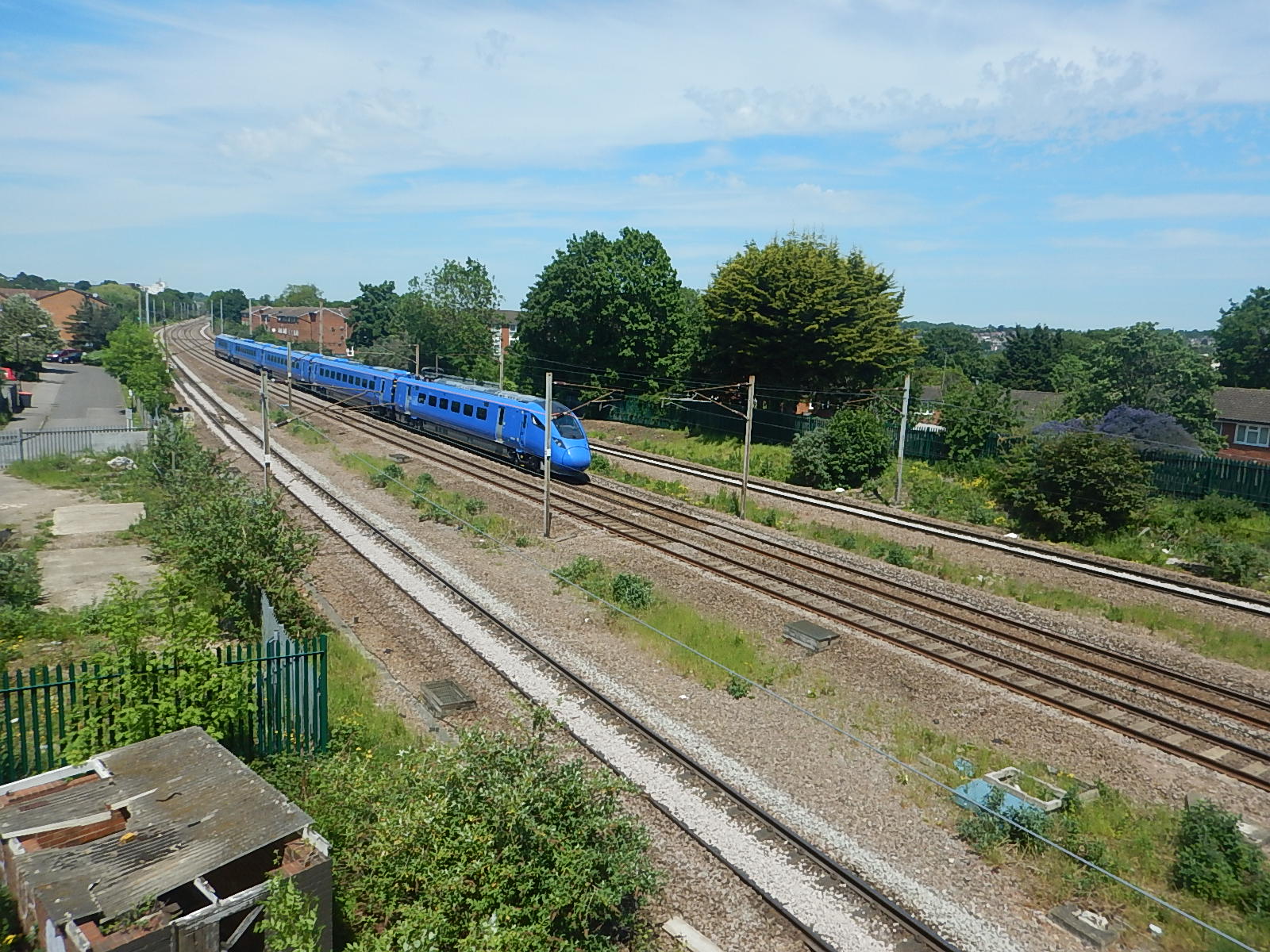
This is not a battery-electric train, where battery power can be used for traction, but according to Wikipedia and other sources, it is certainly an electric train fitted with batteries to provide hotel power for the train, when the overhead electrification fails.
Are these Class 803 trains already fitted with their batteries? And if they are, have they been tested?
And who is building the batteries for the Class 803 trains?
The traction batteries for Hitachi’s two battery-electric trains are to be produced by Hyperdrive Innovation of Sunderland, which is not far from Hitachi’s train factory at Newton Aycliffe.
As an engineer, I would suspect that a well-respected company like Hyperdrive Innovation, can design a battery-pack that plugs in to Hitachi’s trains, as a diesel engine would. I would also suspect that a good design, would allow an appropriate size of battery for the application and route.
I feel it is very likely, that all batteries for Hitachi’s UK trains will be designed and build by Hyperdrive Innovation.
If that is the case and the Class 803 trains are fitted with batteries, then Hitachi can be testing the battery systems.
This document on the Hitachi Rail web site, which is entitled Development of Class 800/801 High-speed Rolling Stock for UK Intercity Express Programme, gives a very comprehensive description of the electrical and computer systems of the Hitachi trains.
As an engineer and a computer programmer, I believe that if Hyperdrive Innovation get their battery design right and after a full test program, that Hitachi could be able to run battery-electric trains based on the various Class 80x trains.
It could be a more difficult task to fit batteries to Scotland’s Class 385 trains, as they are not fitted with diesel engines in any application. Although, the fitting of diesel engines may be possible in the global specification for the train.
It is likely that these trains could form the basis of the Regional Battery Train, which is described in this infographic.

Note.
- The Class 385 and Regional Battery trains are both 100 mph trains.
- Class 385 and Class 80x trains are all members of Hitachi’s A-Train family.
- Regional Battery trains could handle a lot of unelectrified routes in Scotland.
I wouldn’t be surprised to see Hitachi bring a battery-equipped train to COP26, if the Class 803 trains have a successful introduction into service.
Siemens
Siemens have no orders to build new trains for the national rail network in the UK.
But there are plans by Porterbrook and possibly other rolling stock leasing companies and train operators to convert some redundant Siemens-built trains, like Class 350 trains, into battery-electric trains.
According to Wikipedia, Siemens upgraded East Midlands Railways, Class 360 trains to 110 mph operation, at their Kings Heath Depot in Northampton.
Could Siemens be updating one of the Class 350 trains, that are serviced at that depot, to a prototype battery-electric Class 350 train?
Stadler
Stadler have a proven design for diesel-electric, battery-electric and hydrogen trains, that they sell all over the world.
In the UK, the only ones in service are Greater Anglia’s Class 755 trains, which are diesel-electric bi-mode trains.
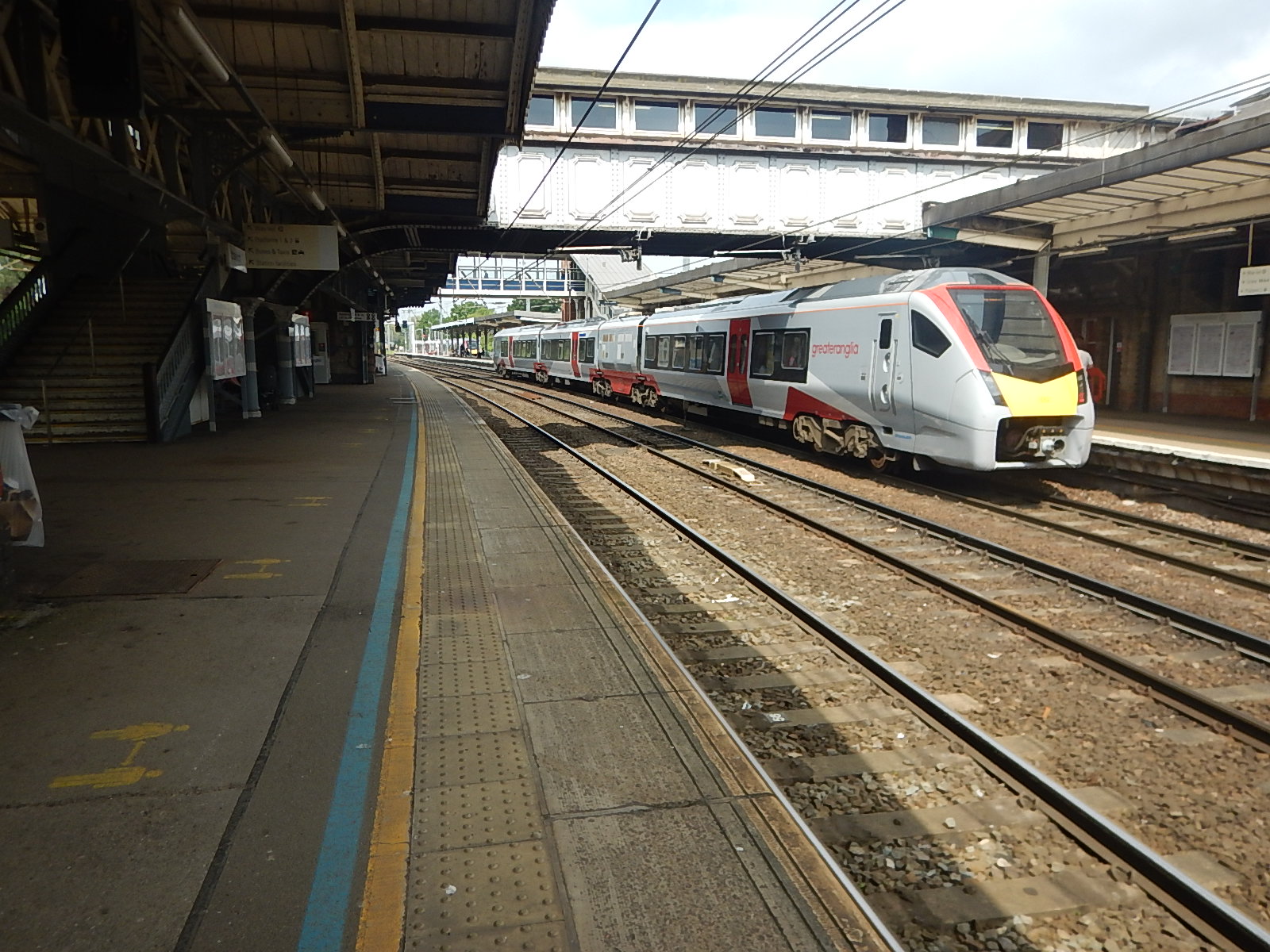
The picture shows one of these trains at Ipswich.
- They are 100 mph trains.
- Diesel, battery or hydrogen modules can be inserted in the short PowerPack car in the middle of the train.
- Diesel-battery-electric versions of these trains have been sold for operation in Wales.
- The interiors of these trains are designed for both short journeys and a two-hour run.
There is a possibility, that these trains will be upgraded with batteries. See Battery Power Lined Up For ‘755s’.
Conclusion
Times will be interesting in Glasgow at COP26!
Vivarail’s Plans For Zero-Emission Trains
The title of this post is the same as that of this article on the Modern Railways web site.
This is the introductory subtitle.
Vivarail Chairman Adrian Shooter talks to Modern Railways about the company’s Class 230s and its plans for battery trains.
The article is mainly a video of Mr. Shooter talking in front of various examples of Vivarail trains.
It’s probably easier to watch the video and listen on what is said.
But I have some thoughts on what he said.
Battery Range
Consider.
- Early on in the video he talks about a battery range of forty miles with four battery packs on the train.
- He also talks about switching battery supplier to Hoppecke.
- Later he says that a train with six battery packs in the train, has a hundred mile range.
That is impressive.
The number of battery packs has increased by 50 % and the range has gone up by two-and-a-half times.
If those figures are right and I’ve no reason to disbelieve them, then Hoppecke have done a good job with the batteries.
A very rough calculation indicates their size.
- The current 4 x 100 kWh takes the train 40 miles, which is 10 kWh per mile.
- So to travel a hundred miles will need 1000 kWh.
- Divide by six batteries and you get 167 kWh per battery or a 67 % increase in individual battery capacity.
If these are a new generation of batteries, what would they do for Hitachi’s Regional Battery train, which is proposed to have a range of 56 miles? They could give it a range of around 93 miles.
These ranges of distances would be very useful to manufacturers of battery trains.
Charging Battery Trains Using Vivarail’s Fast Charge System
The video did give a few more details of Vivarail’s Fast Charge system.
I was also able to take this screen capture from the video, which shows the extra rails used to pass charge to the train and the batteries.
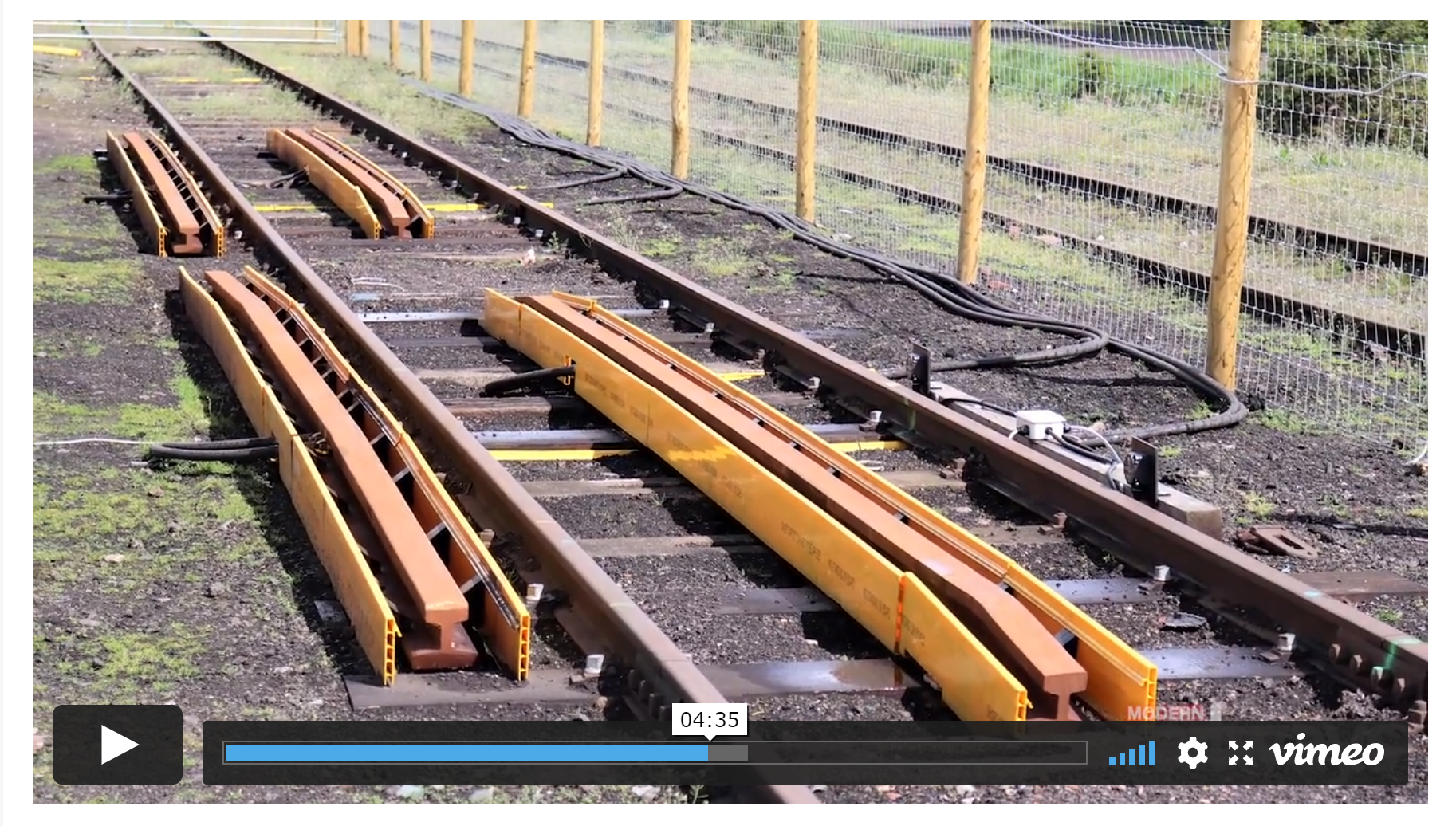
Note.
- The rails are well-shielded. Not that they’re live unless a train is over the top and connected.
- The driver just has to stop the train in the correct place and automation does the rest.
- This image is four minutes and thirty-five seconds into the video.
My only problem with the design is that those thick copper cables used to bring electricity to the train, way be a tempting target for metal thieves.
Vivarail Now Has Permission To Charge Any Train
Mr. Shooter said this about Vivarail’s Fast Charge system.
The system has now been given preliminary approval to be installed as the UK’s standard charging system for any make of train.
I may have got the word’s slightly wrong, but I believe the overall message is correct.
In the November 2020 Edition of Modern Railways, there is a transcript of what Mr. Shooter said.
‘Network Rail has granted interim approval for the fast charge system and wants it to be the UK’s standard battery charging system’ says Mr. Shooter. ‘We believe it could have worldwide implications.’
I hope Mr. Shooter knows some affordable lawyers, as in my experience, those working in IPR are not cheap.
A Prototype Class 230 Train That Can Use 25 KVAC Is Under Construction
Mr. Shooter also announced that a version of the train with a third can in the middle, with a pantograph on the roof and a 35 KVAC transformer is under construction.
This will enable batteries to be charged from existing electrification.
I can already think of a few routes, where this train could be used.
- Bedford and Bletchley – It would replace a diesel-electric Class 230 train.
- Poulton-le-Fylde and Fleetwood
- Oxenholme and Windermere
- Glasgow Central and East Kilbride
- Glasgow Queen Street and Anniesland
- Chester and Crewe – It would replace a battery Class 230 train
- West Ealing and Greenford
- Slough and Windsor Central
- Henley and Twyford
- Maidenhead and Marlow
This could be the standard train in many places.
The November 2020 Edition of Modern Railways, also has more details on this project.
- The centre vehicle is under construction at their factory at Seaham in County Durham.
- Mr. Shooter is quoted as saying. ‘We’ve identified 60 lines on partially electrified tracks’
Vivarail plans to demonstrate the concept on the Northumberland Line to Blyth and Ashington next spring.
West Highland Opportunity
This is a section of the print article, that is not mentioned in the video.
This is the introductory paragraph.
While Mr. Shooter highlights several opportunities south of the border to deploy the 25kV/battery Class 230, he is particularly interested in deployment of Vivarail trains in Scotland.
And this is the last paragraph, describing a possible deployment on the West Highland Line.
Top of the list is the West Highland Line.
Here a 25kV/battery Class 230 would operate under electric power from Glasgow Queen Street to Craigendoran Junction, switching there to battery power. The batteries could be topped up on the way using Vivarail’s fast charge system, with Mr, Shooter suggesting this could take place at Crianlarich, Oban and Fort William. On the West Highland the 60 mph top speed of the Class 230 is not prohibitive as the top speed on the route does not exceed this.
If this sounds familiar, I made a similar proposal in Hitachi Plans To Run ScotRail Class 385 EMUs Beyond The Wires, in a section, which is entitled Electric Trains On The West Highland Line Between Glasgow And Mallaig/Oban. I start with this sentence.
This might be considered as difficult as putting a London bus on the Moon.
But that was done by the Daily Sport newspaper, so perhaps my reasoning is the same as Vivarail’s.
My conclusion of the section was as follows.
What would battery-electric trains to Oban and Mallaig do for tourism in the area?
Hitachi would have one of the most scenic and iconic test tracks in the world!
These statements would surely, apply to a Vivarail train or a battery electric Class 385 train.
Pop-Up Metro
Mr. Shooter shows a battery train, which is going to the United States to trial a concept called a Pop-up Metro.
- In the US, there are hundreds of lightly used freight lines serving towns and cities
- Temporal separation would mean that freight and passenger trains used the lines at different times of the day.
- Battery powered Vivarail trains could provide a Metro service.
He also talked about his US partner and 50 % shareholder in Vivarail, leasing trains for a year, to see if the concept was viable in a given area. He indicated, the cost could be less than a consultant’s report.
Could the Pop-up Metro concept work in the UK?
In these possible Beeching Reversal projects, there could be scope for using the concept.
- Project Wareham – Complete The Link
- Shepton Mallet (Mendip Vale)
- Increased Service Provision Bodmin General-Bodmin Parkway
- Primrose Line
- Cirencester Community Railway
- South Yorkshire Joint Railway
- Upper Wensleydale Railway
- Restoration Of A Daily Train Service On The Keighley & Worth Valley Railway
- The Aston Rowant Extension Of The Chinnor Railway
Note.
- Some of these are on heritage railway infrastructure. Does a Class 230 train count a heritage unit?
- The Aston Rowant Extension is Chiltern territory, so Mr. Shooter could know it well!
- In the Wikipedia entry for the Class 230 train, there is a useful Cost Comparison.
I should say, that I like the concept of a Pop-up Metro.
- The trains have proved they are up to the job.
- A package of one or two trains and a containerised charging system could surely be created.
- Installation of the battery charger in many platforms would not be a major engineering project costing millions.
- On a heritage railway, the enthusiasts could probably do it from their own resources.
But the best point to me, is that a system could probably be leased for a year on a Try-Before-You-Buy basis for less than the cost of a consultant’s report.
Go for it!
Conversion Of Diesel Multiple Units To Battery Electric Multiple Units
This was the bombshell in the tail of the video.
There a lot of diesel multiple units in the UK and Mr. Shooter and Vivarail have developed a plan to convert some of them to battery electric operation.
The trains he is proposing to convert are diesel multiple units, that use a Voith transmission, which I list in How Many Diesel Multiple Units In The UK Have Voith Hydraulic Transmissions?.
Consider.
- There are 815 trains on my list.
- All have a Voith hydraulic transmission, with most having similar type numbers starting with T211.
- Some are 75 mph trundlers and others are full-on 100 mph expresses.
- All have one engine and transmission per car.
They fit into distinct groups.
Sprinters
Sprinters are a group of trains that were produced by British Rail.
The earliest were built in 1984 and all were built in the last century.
- There are 314 trains in total.
- All have a Cummins engine of 213 kW, with one engine per car.
- They have a Voith T211r transmission, which drives two axles per car.
- They have an operating speed of 75 mph.
The trains may be elderly, but like some well-known actresses, they scrub up well with a little TLC.
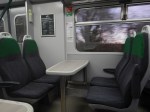
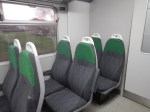
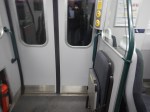
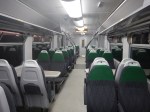
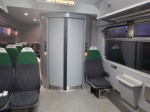
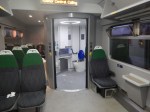
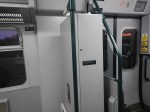
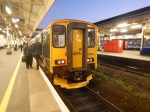
The pictures show an immaculate refurbished Class 150 train, that I travelled on in Devon.
With a battery electric transmission, they would make a superb rural route and branch line train.
Express Sprinters
Express Sprinters are a group of trains that were produced by British Rail.
- The earliest were built in 1990 and all were built in the last century.
- There are 202 trains in total.
- All have a Cummins engine of between 260 and 300 kW, with one engine per car.
- They have a Voith T211r transmission, which drives two axles per car.
- They have an operating speed of 90 mph.
These pictures show a Class 159 train on a visit to the Swanage Railway, where it was shuttling in visitors.
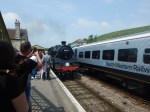
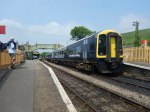
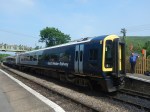
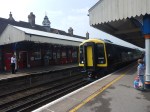
With a battery electric transmission, that gave a range of say 80 miles at 90 mph, they would be low cost competition for Hitachi’s Regional Battery Train on secondary routes.
Scotrail have forty Class 158 trains, which run on the following routes.
- Glasgow Queen Street and Anniesland – 5.5 miles
- Fife Circle Line – 61 miles round trip
- Stonehaven and Inverurie – 66 miles round trip.
- Borders Railway – 70 miles round trip.
- Edinburgh and Arbroath – 76 miles
- Inverness and Kyle of Lochalsh – 82.5 miles
- Inverness and Aberdeen – 108 miles – Inter7City route.
- Inverness and Wick – 174 miles
- Inverness and Edinburgh – 175 miles – Inter7City route.
Note.
- The routes are shown in order of length.
- Anything over a hundred miles would need intermediate charging.
- Some routes would need charging at both ends.
- Glasgow Queen Street and Anniesland would probably not need a Class 158, but is very suitable for a battery electric train.
- The three longest routes from Inverness are probably too long for battery electric power, but two are run by Inter7City trains.
- A battery electric train on the Inverness and Kyle of Lochalsh route, would surely be a tourist asset.
With an eighty mile range, ScotRail could find a battery-equipped Class 158 train very useful.
Networkers
Networkers are a group of trains that were produced by British Rail.
- The earliest were built in 1990 and all were built in the last century.
- There are 96 trains in total.
- All have a Perkins engine of 261 kW, with one engine per car.
- They have a Voith T211r transmission, which drives two axles per car.
- They have an operating speed of 75 or 90 mph.
These pictures show ac selection of Class 165 and Class 166 trains.
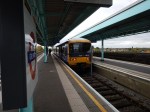
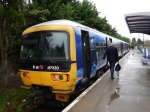
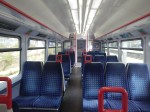
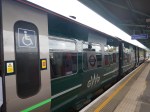
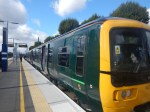
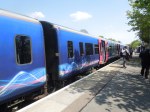
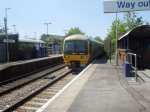
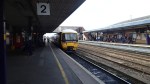
As with the Express Sprinters, with a battery electric transmission, that gave a range of say 80 miles at 90 mph, they would be low cost competition for Hitachi’s Regional Battery Train on secondary routes.
The Networkers are used by Great Western Railway and Chiltern Railways.
- Great Western Railway do run a few long routes with their Networkers, but these routes would probably be too long for battery operation.
- Local routes around Bristol, Exeter and Plymouth and some short branch lines could be possibilities for battery operation.
- Great Western Railway have also leased tri-mode Class 769 trains for the Reading and Gatwick route.
- Chiltern Railways don’t run their Networkers on the longer routes to Birmingham.
- But they do run them on the shorter routes to Aylesbury (39 miles), Aylesbury Vale Parkway (41 miles), Banbury (69 miles), Gerrards Cross (19 miles), High Wycombe (28 miles), Oxford (66 miles) and Stratford-upon-Avon (104 miles).
- Some of these Chiltern routes must surely be possibilities for battery operation. Especially, as all the stations in the list, don’t appear to be the most difficult to add a Fast Charge facility.
With an eighty mile range, battery-equipped Networkers could be very useful.
Turbostars
Turbostars are a group of trains that were produced at Derby.
- The earliest were built in the last few years of the the last century.
- There are 177 trains in total.
- All have an MTU engine of 315 kW, with one engine per car.
- They have a Voith T211 transmission, which drives two axles per car.
- They have an operating speed of 100 mph.
These pictures show a selection of Turbostar trains.
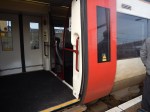
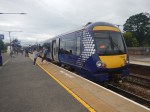
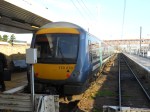
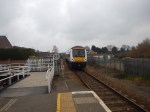
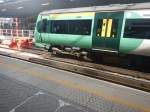
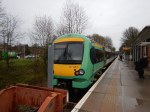
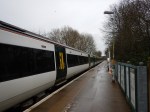
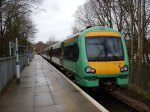
As with the Express Sprinters and the Networkers, with a battery electric transmission, that gave a range of say 80 miles at 100 mph, they would be low cost competition for Hitachi’s Regional Battery Train on secondary routes.
The post; DfT and Arriva CrossCountry Sign Agreement is partly based on this article on Railway News, which has the same name.
This is a paragraph from the original article.
One element of this new contract is a focus on reducing the environmental impact of the operator’s diesel fleet. For instance, Arriva CrossCountry will do a trial of using electrical shore supplies on its Bombardier Turbostar fleet when these trains are in depots for cleaning. Trains are cleaned both in the winter and at night, which means that the interior lighting and heating systems have to be powered. By using electricity to power these systems instead of the trains’ diesel engines, there will be a reduction in both emissions and noise pollution, which is doubly important when the depots are near built-up areas.
If Turbostars were to have their power unit and transmission updated to battery electric, there would be less need to provide shore supplies to where the trains were to be cleaned.
How Would Sprinters, Express Sprinters, Networkers And Turbostars Be Converted To Battery Electric Power?
The layout of the transmission in all these trains is very similar.
That is not surprising, as they are effectively different interpretations of the same theme over four decades.
- A diesel engine provides the power.
- On the back of the diesel engine, a hydraulic transmission is mounted.
- The transmission performs a similar function to an automatic gearbox in a car. Trains like cars perform better in the right gear.
- The transmission is connected to the final drive in one or more of the bogies using a cardan shaft. The propeller shaft in many rear-wheel-drive vehicles, is a cardan shaft.
In the video at about 5 mins 50 seconds, Mr. Shooter outlines how the train will be converted to battery electric drive.
- The diesel engine, hydraulic transmission, radiator, fuel tank and all the other diesel-related gubbins will be removed.
- A 280 kW electric traction motor will be installed, which will be connected to the cardan shaft.
- Batteries will be installed. Possibly, they will fit, where the diesel engine was originally located.
I wouldn’t be surprised if the weight of the battery was similar to that of all the equipment that has been removed, as this would mean the train’s handling wouldn’t change.
- Acceleration will be faster, as it is in electrically-powered road vehicles.
- The traction motor can work in reverse to slow the train and the energy regenerated by braking can be stored in the batteries.
- Mr. Shooter doesn’t say if his battery electric trains use regenerative braking in the video, but it is possible and a common procedure, as it saves energy.
An intelligent control system will control everything according to the driver’s needs and wishes.
This extract from the print edition, gives Mr. Shooter’s advantages of this diesel to battery electric conversion.
‘Unlike cars, trains have a planned duty cycle so you can easily plan for when the batteries should be charged’ says. Mr. Shooter. ‘Our analysis shows the fuel cost would be halved and the maintenance cost would be halved compared to a DMU. And to allay concerns about battery life we would offer to lease batteries on a cost per mile. You get the financial payback within five years, with the greenness free of charge!’ Mr. Shooter reports early work by Vivarail suggests a converted battery train on the Far North line might need fast charge stations at four locations.
Where In The World Is This?
The print edition of the interview poses an interesting question.
Mr. Shooter says the opportunities are significant, and reports Vivarail is in discussions with an overseas customer about a bid for battery trains for a new 500 mile line which would incorporate 12 fast charge points at stations. He also said customers are suggesting the use of solar parks or even tidal power to feed the static batteries at the fast charge stations, rather than power coming from the local supply.
Imagine two large cities about 500 miles apart, with a string of small towns between them.
- The small towns might be on a scenic river or coastline.
- Commuters drive to both cities.
- People from the two cities visit the area to relax.
- There might even be a lightly used freight line or a dismantled railway alignment running between the cities.
- Perhaps, the road network is overloaded and a green alternative is needed.
Given, Vivarail is part-owned, by an American entrepreneur, I would expect, the proposed line is somewhere in North America. But I also think there would be possibilities in Australia, around the coast of the Baltic Sea and India and South East Asia.
Cpnclusion
This is the conclusion of the print article in Modern Railways.
While electrification will be the key component in decarbonising traction emissions, battery technology will have a role to play, and Vivarail is at the forefront of this development.
I wholeheartedly agree.
Cleethorpes Station – 16th September 2020
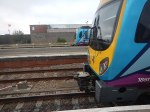
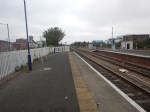
On Wednesday, I took a trip on the South Humberside Main Line from Doncaster to Cleethorpes and back.
Cleethorpes station is a terminal station on the beach, with cafes not far away.


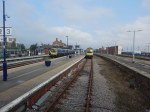
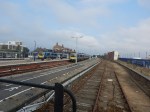

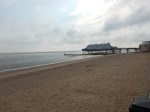
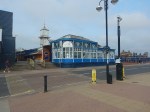



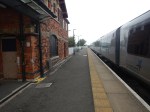
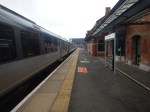
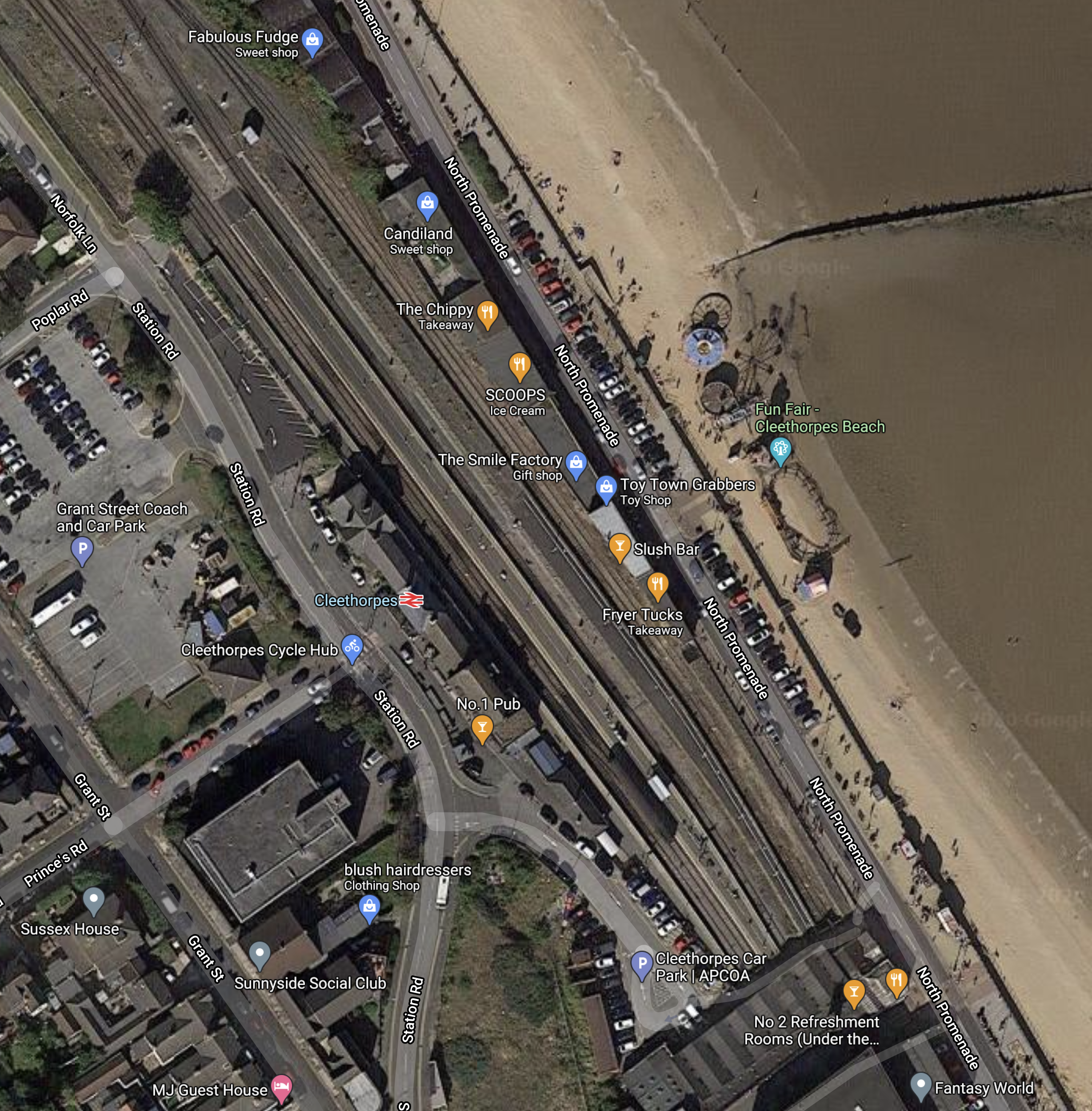
This Google Map shows the station and its position on the sea-front and the beach.
The station organisation was a bit shambolic at present, probably more to do with COVID-19 than anything else, but the station and the train services could be developed into something much better, when the good times return, as they surely will.
Improving The Station Facilities
The original station building is Grade II Listed and although it is only only a three-platform station, there used to be more platforms.
Five platforms or even six would be possible, if there were to be a need.
But as the station has wide platforms, is fully step-free and has most facilities passengers need, most of the improvements would involve restoring the original station building for a productive use.
The Current Train Service
The main train service is an hourly TransPennine Express service between Cleethorpes and Manchester Airport stations via Grimsby Town, Scunthorpe, Doncaster, Sheffield and Manchester Piccadilly.
The trains are Class 185 trains, which are modern diesel multiple units, which entered service in 2006.
There is also a two-hourly service along the Barton Line to Barton-upon-Humber station.
It should be noted that all services to and from Cleethorpes, call at Grimsby Town station.
Could The TransPennine Service Be Run By Battery Electric Trains?
The route between Cleethorpes and Manchester Airport can be split into the following legs.
- Cleethorpes and Grimsby Town – Not Electrified – 3,25 miles – 8 minutes
- Grimsby Town and Habrough – Not Electrified – 8 miles – 12 minutes
- Habrough and Doncaster – Not Electrified – 41 miles – 56 minutes
- Doncaster and Sheffield – Not Electrified – 19 miles – 29 minutes
- Sheffield and Stockport – Not Electrified – 37 miles – 41 minutes
- Stockport and Manchester Piccadilly – Electrified – 6 miles – 10 minutes
- Manchester Piccadilly and Manchester Airport – Electrified – 11 miles – 12 minutes
Note.
- At the Manchester end of the route, trains are connected to the electrification for at least 44 minutes.
- The longest non-electrified leg is the 52 miles between Cleethorpes and Doncaster stations.
- Doncaster is a fully-electrified station.
This infographic shows the specification of a Hitachi Regional Battery Train.
TransPennine Express has a fleet of nineteen Class 802 trains, which can have their diesel engines replaced with battery packs to have a train with the following performance.
- 125 mph operating speed, where electrification exists.
- 56 mile range at up to 100 mph on battery power.
- 15 minute battery charge time.
- Regenerative braking to battery.
- They are a true zero-carbon train.
What infrastructure would be needed, so they could travel between Cleethorpes and Manchester Airport stations?
- If between Cleethorpes and Habrough stations were to be electrified, this would give at least 20 minutes of charging time, plus the time taken to turn the train at Cleethorpes. This would surely mean that a train would leave for Manchester, with a full load of electricity on board and sufficient range to get to Doncaster and full electrification.
- If between Doncaster and Sheffield were to be electrified, this would give at least 25 minutes of charging time, which would be enough time to fully-charge the batteries, so that Grimsby Town in the East or Stockport in the West could be reached.
I suspect that Doncaster and Sheffield could be an early candidate for electrification for other reasons, like the extension of the Sheffield tram-train from Rotherham to Doncaster.
Could The Cleethorpes And Barton-on-Humber Service Be Run By Battery Electric Trains?
Cleethorpes And Barton-on-Humber stations are just 23 miles apart.
This is probably a short enough route to be handled on and out and back basis, with charging at one end by a battery electric train. Vivarail are claiming a sixty mile range for their battery electric Class 230 trains on this page of their web site.
If between Cleethorpes and Grimsby Town stations were to be electrified, this would mean that a range of only forty miles would be needed and the batteries would be charged by the electrification.
A full hourly service, which is surely needed, would need just two trains for the service and probably a spare.
Cleethorpes And London King’s Cross Via Grimsby Town, Market Rasen, Lincoln Central And Newark North Gate
The Wikipedia entry for Cleethorpes station has references to this service.
This is the historical perspective.
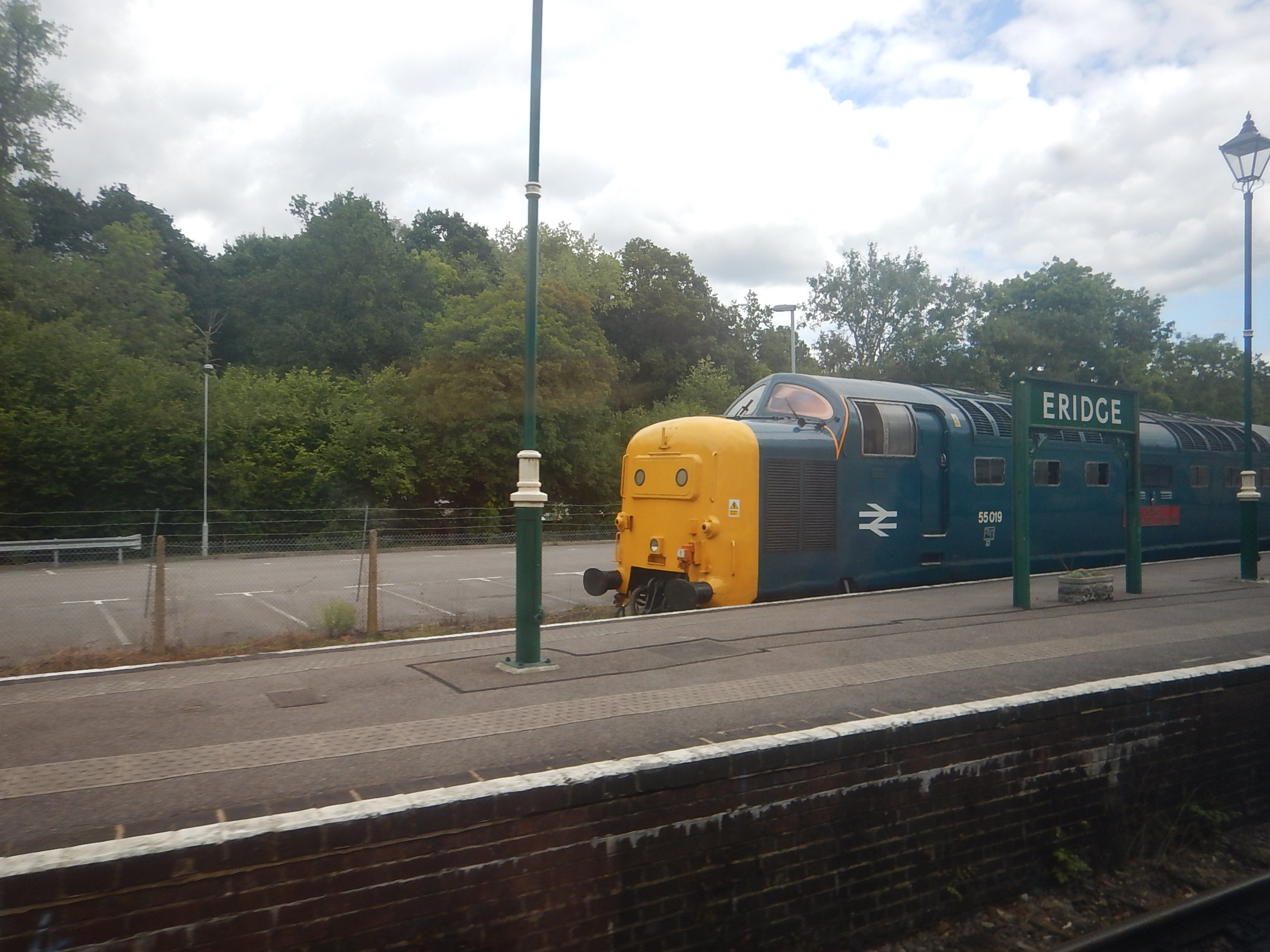
In the 1970s Cleethorpes had a twice daily return service to London King’s Cross, typically hauled by a Class 55 Deltic.
That must have been an impressive sight.
And this was National Express East Coast’s plan.
In August 2007, after National Express East Coast was awarded the InterCity East Coast franchise, it proposed to start services between Lincoln and London King’s Cross from December 2010 with one morning service and one evening service extending from Lincoln to Cleethorpes giving Cleethorpes a link to London and calling at Grimsby Town and Market Rasen. These services were to be operated using the Class 180s but was never introduced. These services were scrapped when East Coast took over the franchise.
It came to nothing, but LNER have been running up to five trains per day (tpd) between London King’s Cross and Lincoln.
I will split the route into legs.
- London King’s Cross and Newark North Gate- Electrified – 120 miles
- Newark North Gate and Lincoln Central – Not Electrified – 16,5 miles
- Lincoln Central and Market Rasen – Not Electrified – 15 miles
- Market Rasen and Habrough – Not Electrified – 21 miles
- Habrough and Grimsby Town – Not Electrified – 8 miles
- Grimsby Town and Cleethorpes – Not Electrified – 3.25 miles
Note that a round trip between Newark North Gate and Lincoln Central is thirty-three miles.
This means it would be possible for one of LNER’s Class 800 trains, that had been fitted with a battery pack and converted into one of Hitachi’s Regional Battery trains, would be able to run a London King’s Cross and Lincoln Central service without using a drop of diesel or needing a charge at Lincoln Central station.
Would it be possible to extend this service to Grimsby Town on battery power?
I suggested earlier that between Cleethorpes and Habrough should be electrified.
As Newark North Gate and Habrough stations are 52.5 miles apart, it would be rather tight for a battery electric train to cover the whole route without an extra charge somewhere.
Possible solutions could be.
- Fit a bigger battery in the trains.
- Extend the electrification at Newark North Gate station.
- Extend the electrification at Habrough station.
I;m sure that there is a solution, that is easy to install.
Conclusion
If between Habrough and Cleethorpes station were to be electrified, these services could be run by battery electric trains.
- Cleethorpes and Manchester Piccadilly
- Cleethorpes and Barton-on-Humber
- Cleethorpes and London King’s Cross
Note.
- The Manchester and London services would be run by Hitachi Regional Battery Trains converted from Class 800 and Class 802 trains.
- The Barton service could be run by a Vivarail Class 230 train or similar.
The first two services would be hourly, with the London service perhaps 1 or 2 tpd.
Cleethorpes would be well and truly on the rail network.
 The Anonymous Widower