You Don’t Get Many Eleven Coach Trains
Apart from some Class 390 trains and perhaps a few others, that were built that way, eleven coach trains are fairly unusual in the UK.
So I was surprised to see this image of the 10:00 train from Liverpool Street to Norwich.

Note.
- I wrote about travelling in a pair of four-car Class 755 trains in A Pair Of Class 755 Trains At Liverpool Street Station.
- The normal trains on this route are twelve-car Class 745 trains, so they should fit all the stations.
- Both trains are 100 mph trains and Liverpool Street and Norwich is fully electrified, so this service will be zero-carbon.
It would appear that somebody is up to something.
Saxmundham Station – 14th March 2025
On Friday, I went to Saxmundham to view the presentation of LionLink.
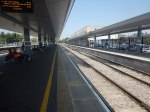
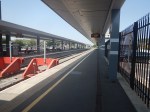
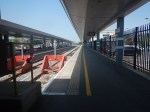
I took these pictures of Saxmundham station.
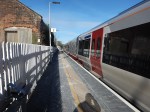
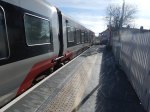
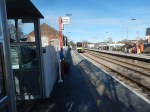
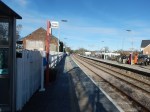
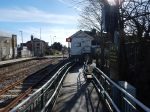
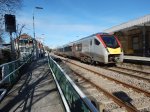
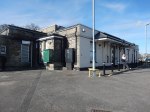

Note.
- The trains are two of Greater Anglia’s excellent Class 755 trains.
- The line is double track at Saxmundham station.
- The station building suffered a devastating fire 2018 and has since been rebuilt.
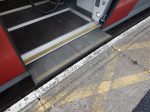
- Access between train and platform is step-free. See the gap fillers in the first two pictures.
- The tracks are crossed by the use of the level-crossing.
- There was a new comfortable and warm waiting room.
- There is a small car park.
- There is an hourly train in both directions to Ipswich and Lowestoft.
The station is in walking distance from the town.
These are my thoughts.
Extra Services
This OpenRailwayMap shows Saxmundham station and the Aldeburgh branch, which also serves the Sizewell power stations.

Note.
- The blue arrow indicates Saxmundham station.
- The yellow track is the East Suffolk Line.
- A disused branch line curves East, to the North of Saxmundham station and then South to the former site of Aldeburgh station.
- Sidings for Sizewell C construction trains will be built along this branch line.
Would it not be a good idea to reinstate the railway to Aldeburgh and run a second hourly train between Aldeburgh and Ipswich?
- There is space for a Platform 0 at Ipswich station.
- There is only the hourly Ipswich and Lowestoft train in both directions on the East Suffolk Line.
- Simple one platform stations would be needed at Leiston, Sizewell, Thorpness and Aldeburgh.
- There is probably enough double track for the extra train.
The current Ipswich and Saxmundham service takes about 34 minutes, so I suspect two trains would be needed for an Ipswich and Aldeburgh shuttle.
In the Wikipedia entry for Aldeburgh station, there is this paragraph.
In 1929 the LNER introduced luxurious Pullman day excursion trips from Liverpool Street to various seaside resorts. The service, known as the Eastern Belle, served Felixstowe on Mondays, Frinton and Walton on Tuesdays, Clacton on Wednesdays and Thorpeness and Aldeburgh on Thursdays and Fridays. The service ended in September 1939 when the Second World War broke out.
Perhaps not a Pullman service, but a kids special in the summer holidays.
Could Bealings Station Be Rebuilt?
Bealings station, which used to be between Westerfield and Woodbridge stations was closed in 1956.
This Google Map shows its location.

The station is now the Mallard House Business Centre.
Stowmarket Station – 14th March 2025
tThe one and only time, that I’ve used Stowmarket station, was when I’d taken my Lotus in for a service near Diss and I was getting back to Newmarket, with a change at the station.
So as I was going to Stowmarket station, I felt with the judicious use of a East Anglian Ranger ticket, I could combine the trips to Stowmarket and Saxmundham stations.
I also wanted to look at the progress on the new footbridge that I wrote about in Stowmarket Station To Go Step-Free.
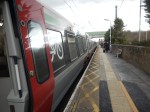
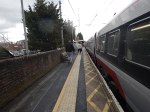
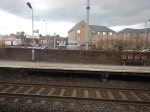
I took these pictures.
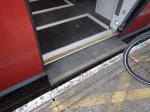
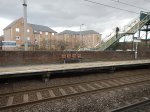
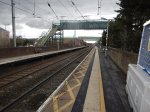
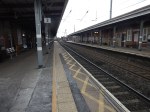
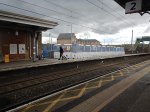
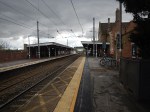
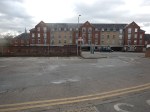
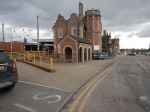

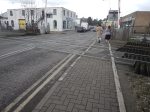
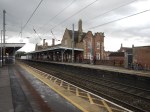
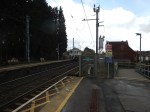
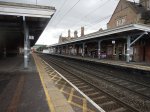
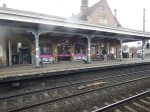
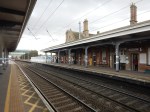
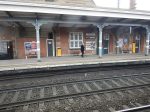
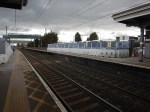
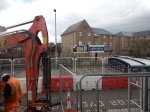

Note.
- I arrived on the Norwich-bound platform, crossed the tracks by the level crossing and then left from the Ipswich-bound platform.
- The station has a cafe.
- The footbridge in the pictures is a temporary one to ease construction.
- The station buildings are Grade II Listed.
There doesn’t appear to have been much progress on the new footbridge.
I do have some other thoughts.
Greater Anglia’s Stadler Trains Are Step-Free Between Train And Platform
The first two and last pictures in the gallery show this feature.
I arrived on a Class 745 train and left on a Class 755 and both train classes have gap fillers, that do their job automatically.
We need more of this technology to protect the elderly, those with restricted movement and the just untrained stupid.
Housing By The Station
It appears that two blocks of flats have been built on railway land or the station car park.
The bridge also appears to give the owners and residents access across the railway.
Is this thoughtful holistic design or just a bribe to get planning permission?
Who Will Use The Footbridge?
Two main lines effectively cross at Stowmarket.
- The Great Eastern Main Line between Ipswich and Norwich goes through Needham Market, Stowmarket and Diss.
- The Ipswich and Ely Line between Ipswich and Cambridge goes through Needham Market, Stowmarket, Elmswell, Thurston, Bury St. Edmunds, Kennett, Newmarket and Dullingham.
So, if you need to go between say Newmarket and Diss, you would change trains at Stowmarket. Hopefully, the bridge will encourage train travel.
New Housing In East Anglia
On the main railway lines between Cambridge, Ipswich and Norwich, there used to be a lot more stations.
- There are eight closed stations between Stowmarket and Cambridge.
- There are three closed stations between Stowmarket and Ely .
- There are two closed stations between Stowmarket and Ipswich.
- There are eight closed stations between Stowmarket and Norwich.
Note.
- A new Soham station was built between Stowmarket and Ely. Passenger numbers are rising with each year.
- I have double-counted Higham and Saxham and Risby stations on both the Ely and Cambridge routes.
- But that still leaves nineteen stations, that might be good sites to build new houses.
- The East-West Railway intend to build a new A14 Parkway station to link the A14 road to the Ipswich and Ely Line.
- When housing is taken into account, some stations will give a better return on investment.
Could the new footbridge at Stowmarket be part of a wide ranging plan to build more housing in towns and villages along the railways of East Anglia?
Was The Old Footbridge Too Low?
This picture was taken of the old bridge.
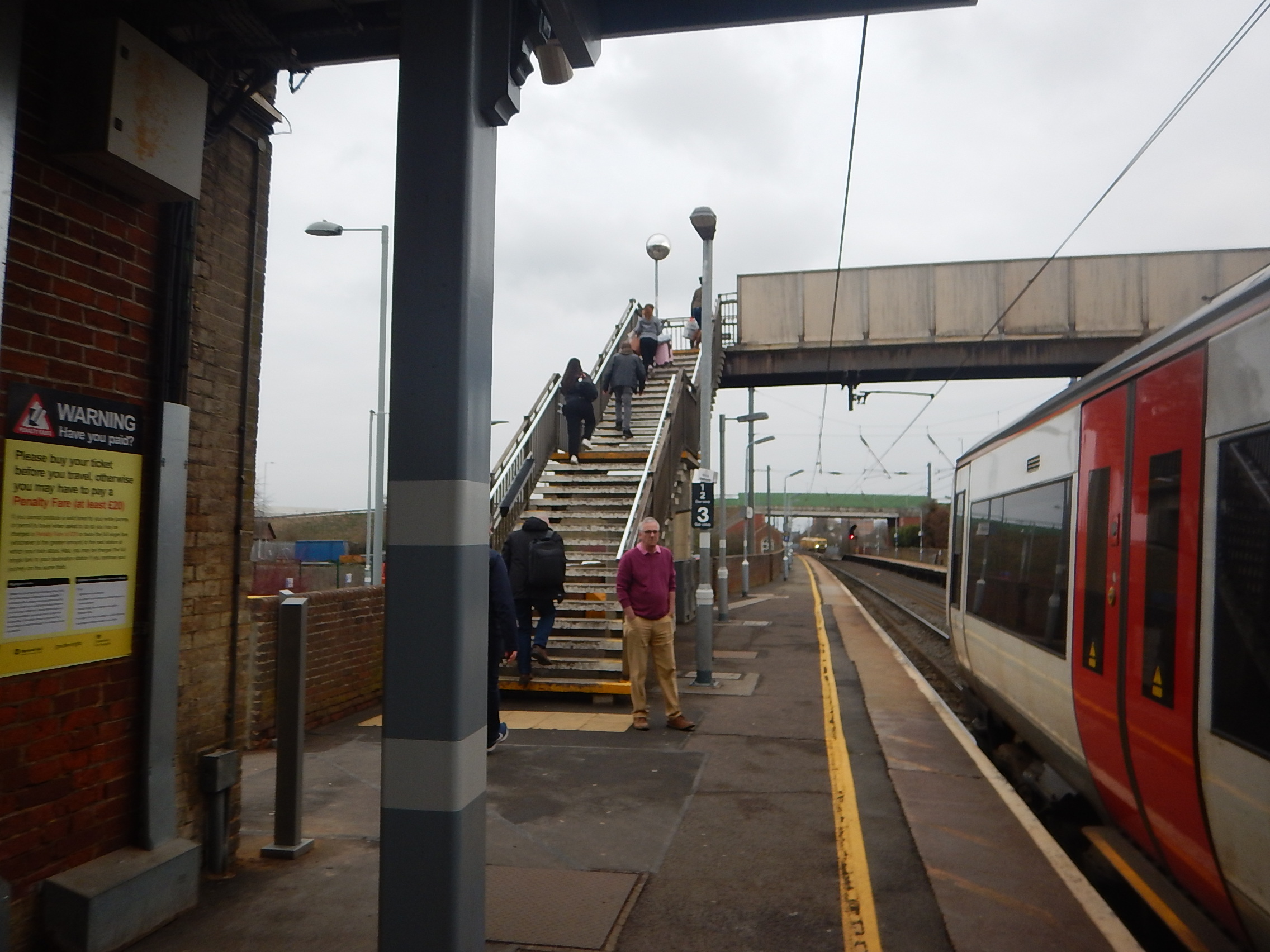
Was the bridge too low for some container trains?
Plans For Powering Trains And Details Of Our Upcoming Consultation
The title of this post, is the same as that of a news item on the East West Rail web site.
This is the sub heading.
We’re pleased to share plans for how we’ll power trains on East West Rail, as well as information and dates of our public consultation on latest proposals for the project.
These are the first two paragraphs.
As part of our latest proposals, which we’ll be sharing for public consultation from 14 November, we’re providing information on our preference for green traction power in the form of discontinuous electrification with hybrid battery-electric trains, after the Chancellor confirmed government support for the project in yesterday’s budget.
As well as reducing carbon emissions, discontinuous electrification would mean overhead lines would only need to be installed along some sections of the route, which would reduce disruption to existing structures and potentially reduce visual impacts in more sensitive locations on the new railway between Bedford and Cambridge. This option would also cost less than full electrification and would need less land for things such as mast foundations.
There is also a short video, which explains discontinuous electrification.
I feel that to use discontinuous electrification and hybrid battery-electric trains is the way to go on this railway between Oxford and Cambridge.
- It is a zero-carbon solution.
- There is electrification at Reading. Didcot, Bletchley, Milton Keynes, Bedford and Cambridge along the route, so grid connections will be already available.
- Sandy, where East West Rail crosses the East Coast Main Line, is fully electrified and must have a grid connection.
- A small article in the November 2024 Edition of Modern Ralways, says that Hitachi are developing a smaller battery for commuter and suburban trains.
- Didcot to Oxford could be electrified and there is already a grid connection at Didcot.
Discontinuous electrification could be used to extend East West Rail to Norwich, Ipswich and Colchester.
These are my detailed observations and thoughts.
Existing Electrification
This OpenRailwayMap shows the electrification between Oxford and Bedford.
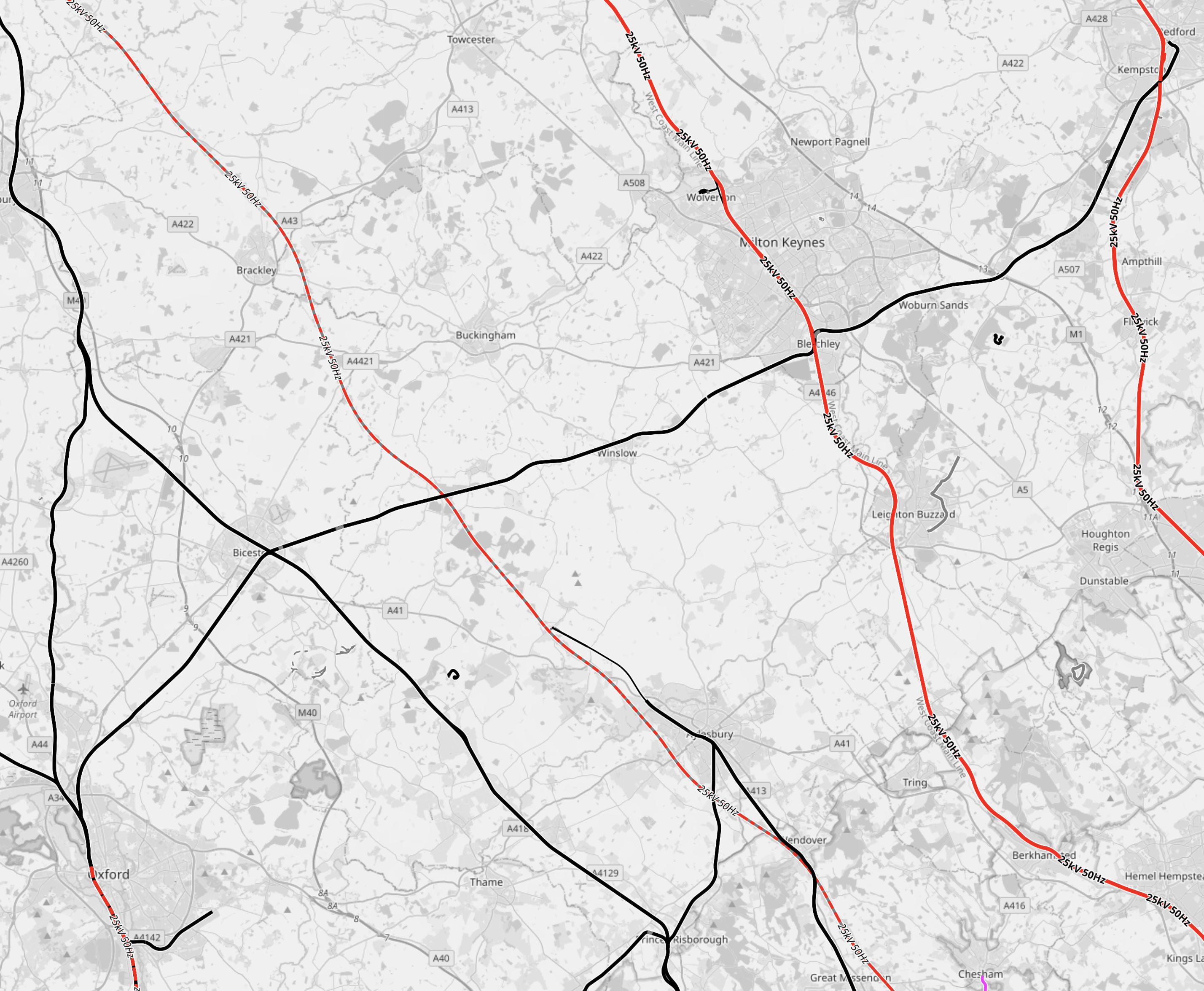
Note.
- Bold red lines are tracks electrified at 25 KVAC.
- Bold black lines are tracks without electrification.
- Oxford is in the South-West corner of the map.
- Bedford is in the North-East corner of the map.
- The bold black line of the Western section of the East West Rail connects the two cities.
- The lines through Oxford are shown as being electrified. The black stub pointing East to the South of Oxford is the Cowley Branch.
The rail lines crossing East West Rail from West to East are as follows.
- Chiltern Main Line – Not Electrified
- High Speed Two – Will Be Electrified
- West Coast Main Line – Electrified
- Midland Main Line – Electrified
I suspect all lines, except for the Chiltern Main Line, will be able to provide a grid connection for East West Rail.
This second OpenRailwayMap shows the electrification between Bedford and Cambridge.
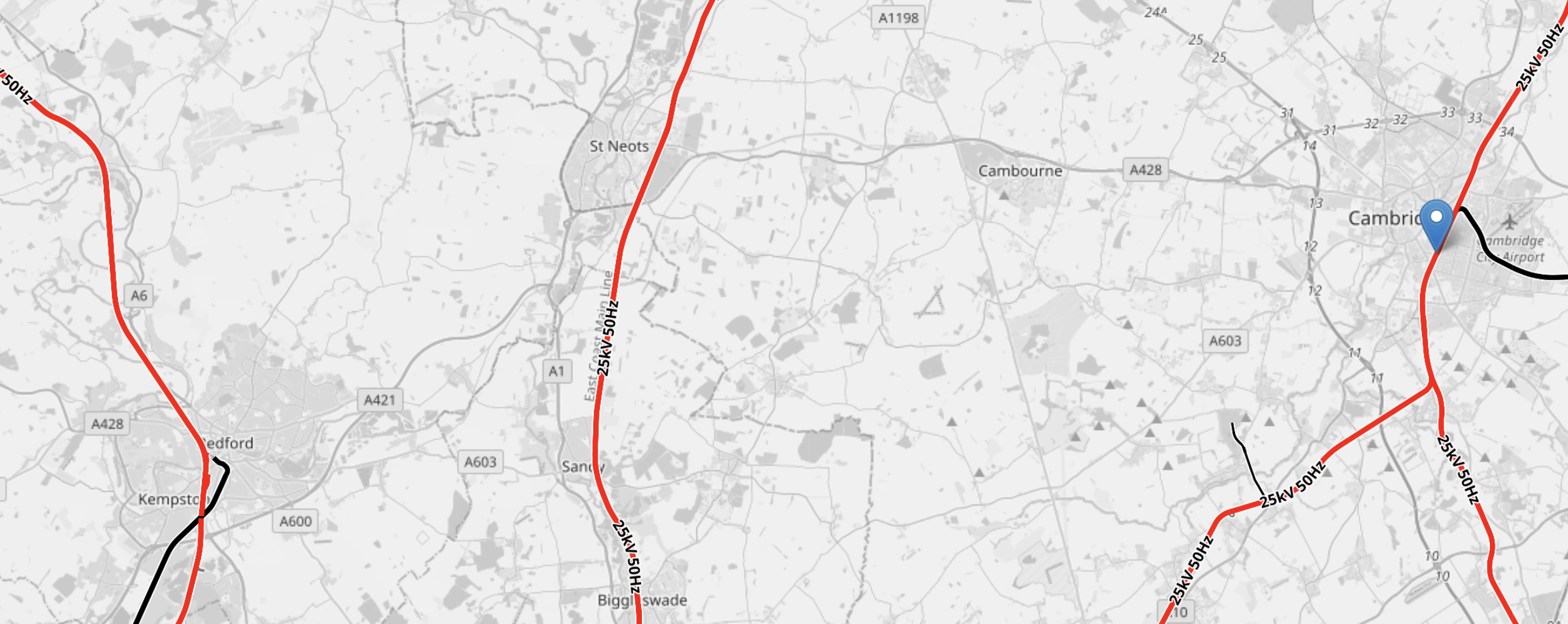
Note.
- Bold red lines are tracks electrified at 25 KVAC.
- Bold black lines are tracks without electrification.
- Bedford is in the South-West corner of the map.
- Cambridge is in the North-East corner of the map.
- The Eastern section of the East West Rail connects the two cities.
- Both maps are to the same scale
The rail lines crossing East West Rail from West to East are as follows.
- Midland Main Line – Electrified
- East Coast Main Line – Electrified
- West Anglia Main Line – Electrified
I suspect all lines will be able to provide a grid connection for East West Rail.
Distances Without Electrification
These sections are not electrified.
- Oxford and Bletchley – 47.2 miles
- Bletchley and Bedford – 16.5 miles
- Bedford and Cambridge – 29.2 miles
- Ely and Norwich – 53.7 miles
- Norwich and Great Yarmouth – 18.4 miles
- Cambridge and Haughley Junction – 41.3 miles
I am assuming that the East West Rail could extend past Cambridge on these two routes.
- Ely, Thetford, Norwich and Great Yarmouth.
- Newmarket, Bury St. Edmunds, Stowmarket, Ipswich, Manningtree and Colchester.
All sections have electrification at both ends, if Didcot Junction and Oxford is electrified, as is expected to happen.
Train Battery Range Needed
The route layout, I have proposed means that if you go for the battery-electric train with the longest battery range you can afford and it can’t handle Ely and Norwich, the existing electrification can be extended to bridge the gap.
Application Of Discontinuous Electrification To Greater Anglia And Chiltern Railways
If discontinuous electrification can be applied to East West Rail, it can surely be applied to Greater Anglia and Chiltern Railways, given the fact that the route networks of all three companies overlap and share tracks.
Greater Anglia already have a fleet of Class 755 trains, which are designed to be converted to battery-electric operation.
With batteries fitted, I believe that these trains could handle most of the current routes they do now.
The other routes would be handled with selective lengths of overhead electrification in terminal stations to charge the trains before return.
Electrification Between Oxford And Bicester Village Stations
Oxford station has two North-facing bay platforms, that are used by Chiltern and other services terminating at the station from the North.
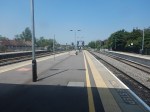
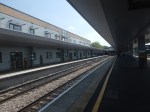
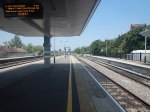
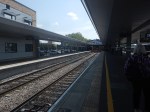

Note.
- Chiltern Railways already run two trains per hour (tph) between these platforms and Marylebone.
- I would assume the platforms will be used by East West Rail services, that terminate at Oxford station.
- If discontinuous electrification is to be used, then these two platforms could be electrified to charge trains before they return.
- East West Rail have not published their proposed services yet, but it could be one tph to both Milton Keynes Central and Bedford stations.
I can see Chiltern buying battery-electric trains to run services between Marylebone and Oxford, and some other routes.
Marylebone and Oxford is 66.7 miles, which is probably two far for even Stadler’s remarkable battery-electric trains, but if say between Oxford and Bicester Village station were to be electrified, would it make it possible to run battery-electric trains between Marylebone and Oxford with charging at both end of the route.
In Chiltern Sets Out New Fleet Ambitions, I talk about Chiltern’s possible new fleet, as proposed by their MD in September 2023.
Stadler’s FLIRT H2 Sets World Record For Hydrogen Powered Train
The title of this post, is the same as that of this article on Rail Technology Magazine.
These three paragraphs introduce the article.
Stadler’s FLIRT H2 has set the Guinness World Record for the longest distance achieved by a hydrogen-powered passenger train without refuelling or recharging.
The record attempt began on the evening of 20th March 2024 at the ENSCO test centre in Pueblo, Colorado, and concluded 46 hours later, with the train completing 2803 kilometres on a single tank filling.
A team of engineers from Stadler and ENSCO drove the vehicle in shifts during the attempt.
The journey is about the same distance as the crow flies between Edinburgh and Athens.
Stadler have also published this video.
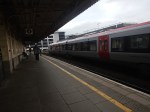
The train appears to be a a Flirt, like Greater Anglia’s Class 755 trains or Transport for Wales’s Class 231 trains, with a power unit in the middle.

Note.
- The picture shows a Class 231 train at Cardiff Queen Street station.
- A Greater Anglia driver told me, these trains are 125 mph trains.
- The Flirt H2 has only two passenger cars, but UK Flirts are have three or four cars.
Perhaps we should buy a few of these trains for long routes like Liverpool and Norwich or Cardiff and Holyhead!
They would surely be ideal for CrossCountry
My First Ride On Class 231 Trains – 22nd November 2023
I had several rides on Class 231 trains on a visit to Cardiff.
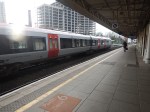
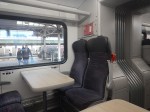
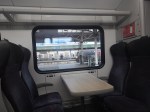
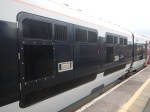
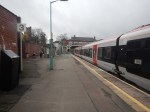
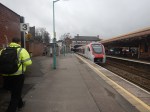
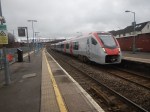
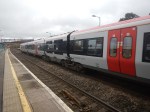
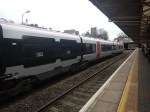
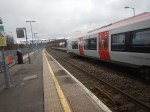
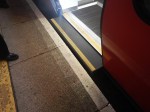
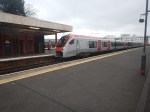
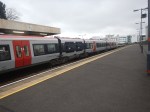
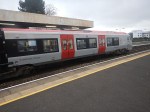
Note.
- The trans were running on the Rhymney Line.
- Like Greater Anglia’s Class 755 trains, they have pop-out steps and a PowerPack in the middle.
- The trains didn’t appear to be using their pantographs to run on electric, where it existed.
They were very similar to the Class 755 train.
Cardiff – Edinburgh Open Access Train Service Proposal Under Development
The title of this post, is the same as that of this article on Railway Gazette.
This is the first paragraph.
Grand Union has begun industry consultation over a proposal to operate five open access services a day between Cardiff and Edinburgh, and separately is looking at rolling stock options for its planned London – Carmarthen and London – Stirling services.
These are my thoughts.
Current Train Services Between Cardiff and Edinburgh
I have chosen Monday, the 4th of December and find, that the basic fare is £120.40 with changes at Birmingham New Street and Preston, for a journey of six hours and 52 minutes.
There would appear to be three other sensible trains on that day and the others take around seven hours and cost over £230.
Cardiff and Edinburgh, is one of those routes, where the one-third saving of a railcard will pay for the card on the first trip.
Current Flights Between Cardiff and Edinburgh
I have again chosen Monday, the 4th of December and there is one direct flight that takes one hour and 15 minutes and costs £130.
There are flights under forty pounds, via Dublin or Belfast City airports, which take 4½ and 9 hours.
What About The Sleeper?
If you live in Cardiff and want to get to Edinburgh, early on the 4th, it’s probably better to take an evening train to London on the day before and then get the Caledonian Sleeper to Scotland.
An ideal train could be a sleeper between Plymouth and Edinburgh, that could be picked up at Bristol Parkway, that I wrote about in Would A North-East And South West Sleeper Service Be A Good Idea?.
But that train is only a proposal.
Although, there could be a luxury coach or conveniently-timed direct train to link Swansea, Cardiff Central and Cardiff Bay to Bristol Parkway for the sleeper.
I Feel That A Cardiff and Edinburgh Service May Have Possibilities
Grand Union are proposing to operate five open access services a day between Cardiff and Edinburgh, which seems about right.
I estimate that the service would take around seven hours. But that time is based on the fastest journeys to Birmingham New Street from both ends of the route.
Breaking it down further into three legs via Birmingham New Street and Doncaster, following times could be possible.
- Cardiff and Birmingham New Street – two hours and five minutes
- Birmingham New Street and Doncaster – two hours and five minutes
- Doncaster and Edinburgh – three hours and ten minutes
Note.
- These times are based on average of the better times of the day.
- They could probably be improved by more electrification and a bi-mode train like a Class 802 or Class 755 train.
They total up to seven hours and twenty minutes.
Intermediate Stops
These are listed as Cardiff, Newport, Severn Tunnel Junction, Gloucester, Birmingham New Street, Derby, Sheffield, Doncaster, York, Newcastle and Edinburgh.
Times and distances for the various legs are as follows.
- Cardiff and Severn Tunnel Junction – 21.6 miles – Electrified – 26 mins
- Severn Tunnel Junction and Bromsgrove – 72.5 miles – Not Electrified – One hour and thirteen mins
- Bromsgrove and Birmingham New Street – 14.3 miles – Electrified – 21 mins
- Birmingham New Street and Derby – 41.2 miles – Not Electrified – 33 mins
- Derby and Sheffield – 36.4 miles – Being Electrified – 30 mins
- Sheffield and Doncaster – 16.8 miles – Not Electrified – 24 mins
- Doncaster and Edinburgh – 237.1 miles – Electrified – two hours and 54 mins
These add up to six hours and 21 minutes.
Is Cardiff and Edinburgh An Ideal Route For A Battery-Electric Train?
The route has three unelectrified sections
- Severn Tunnel Junction and Bromsgrove – 72.5 miles
- Birmingham New Street and Derby – 41.2 miles
- Sheffield and Doncaster – 16.8 miles
Note.
- I am assuming Derby and Sheffield is electrified, under the Midland Main Line Electrification.
- The longest unelectrified section is the 72.5 miles between Severn Tunnel Junction and Bromsgrove.
- All three unelectrified sections are sandwiched between two electrified sections, that are long enough to charge the trains.
A battery-electric train with a range of 80-90 miles should be able to handle the route.
As Cardiff and Swansea is only 45.7 miles, with a range of 100 miles, the service could be extended to Swansea.
Competition
This article on Rail Advent is entitled New Cardiff – Scotland Train Service Announced As Part Of New CrossCountry Contract.
This is the relevant paragraph.
Building on the changes made to the timetables in May this year, further enhancements will include a new direct service daily between Cardiff and Edinburgh to strengthen connections across Great Britain.
Will this bang a hole in Grand Union’s plans or is there room in the market for two operators?
On the other hand LNER and Hull Trains run a 1/5 split on the King’s Cross and Hull route.
Tourism
In the past ten years, I’ve travelled regularly between London and Edinburgh by train.
- On those trips, I’ve met a large number of tourists from countries like Canada, Germany, Italy and the United States.
- Many were also visiting Paris using the Eurostar.
- Cardiff, Edinburgh and King’s Cross all have excellent hotels nearby.
- There are other historic and/or large cities on the route, who might like to get in on the act, like Bath, Birmingham, Bristol, Durham, Glasgow, Newcastle, Sheffield and York.
- Cities, hotels, museums and the train companies could form a marketing group.
Cardiff and Edinburgh would complete a very useful triangular route for anoraks, business travellers and tourists.
Conclusion
Cardiff and Edinburgh could be a new route that would work well!
Was Baldrick An Essex Man?
I have been looking at Network Rail’s page for Beaulieu Park station.
This is the heading.
Network Rail and Essex County Council are working together to develop proposals for the first railway station to be built on the Great Eastern main line for over 100 years.
These two paragraphs outline the project and where the finance is being obtained.
The new station is part of a wider regeneration of the Beaulieu Park estate in Chelmsford with new road infrastructure and up to 14,000 homes.
Essex County Council, in partnership with Chelmsford City Council, successfully secured £218m of funding from the Government’s Housing and Infrastructure (HIF) fund together with £34m contributions from the South East Local Enterprise Partnership and the developers of Beaulieu, Countryside and L&Q.
These features of Beaulieu Park station are listed on the page.
- Three platforms with a central loop line and new tracks to enable stopping services to call at the station while allowing fast trains to pass through unimpeded
- Step free access to all platforms via 2 lifts
- Accessible toilets, baby change facilities, waiting area and space for retail/catering
- Ticketing facilities, with ticket vending machines and a gate line
- Pedestrian and cycle access routes to the station
- 500 spaces for cycle parking and storage
- A bus interchange including bus stands for local services
- Pick up and drop off area with dedicated taxi bays
- Parking for over 700 cars, 5% of which to be designated Blue Badge bays, and motorcycle spaces, as well as dedicated parking for station staff, emergency services, and a dedicated space for service access.
Note.
- How many other parkway stations, other than Ebbsfleet International station have 700 parking spaces?
- The parking at Whittlesford Parkway can only hold 377 vehicles.
- How many other parkway stations have an overtaking loop for faster trains?
Beaulieu Park is not your average parkway station!
I have a few thoughts.
Which Of The Current Services Will Call?
The Network Rail page says this about services.
It will provide additional access to the railway with regular connections to the capital (only 40 minutes from London Liverpool Street station) and other destinations in the east of England. New tracks will enable stopping services to call at the station while allowing fast trains to pass through unimpeded.
Note.
- Trains between London and Hatfield Peverel station typically take under forty minutes.
- Two fast trains per hour (tph) between Liverpool Street and Norwich via Colchester, Ipswich and Stowmarket pass through.
- Only one of the fast trains stops at Chelmsford.
- Four stopping tph, one to each of Braintree, Clacton-on-Sea, Colchester Town and Ipswich pass through.
If all the stopping trains stopped, Beaulieu Park would have the following services.
- Braintree – 1 tph
- Chelmsford – 4 tph
- Clacton-on-Sea – 1 tph
- Colchester – 3 tph
- Colchester Town – 1 tph
- Hatfield Peverel – 1 tph
- Ingatestone – 2 tph
- Ipswich – 1 tph
- Kelvedon – 2 tph
- London Liverpool Street – 4 tph
- Marks Tey – 2 tph
- Romford – 1 tph
- Shenfield – 3 tph
- Stratford – 4 tph
- Witham – 4 tph
All trains are new Class 720 electric trains.
I also feel, that Network Rail could be being cunning.
Suppose, the Liverpool Street and Norwich express, that doesn’t stop at Chelmsford, stopped instead at Beaulieu Park.
- This would give an hourly express service between Beaulieu Park and Norwich, which stopped at Colchester, Manningtree, Ipswich, Stowmarket and Diss.
- It would also enable two tph between Beaulieu Park and Ipswich.
The 700 parking spaces at Beaulieu Park now start to make sense.
- Both Ipswich and Norwich stations are within walking distance of the town centres and the football grounds.
- Ipswich station has a shuttle bus service to the town centre and the hospital.
- Both stations have several local train services.
Beaulieu Park station appears to have been designed as a Park-and-Ride station for the Great Eastern Main Line and all its branches.
Services To And From Lowestoft
In Making Sense Of The New East Anglia Franchise, I looked in detail at Greater Anglia’s promises.
In a section, which is entitled London – Lowestoft – Yarmouth Services, I said this.
There are going to be four direct services between London and Lowestoft each day. This probably initially means two trains to London in the morning peak and two trains back in the evening one.
When, I first moved back to Suffolk in the 1970s, I regularly caught a diesel-hauled train from Wickham Market to London for the day.
This is all motherhood and apple pie for those in Lowestoft wanting to go to London, but I suspect it isn’t the easiest service for a train operator to schedule efficiently and make money.
Would a train operator really want to start a full train at Lowestoft at say six in the morning and then have it wait around all day in London before returning in the evening?
The service hasn’t started.
Services To And From Cambridge Or Peterborough
At some time in the last decade, one of the predecessors of Greater Anglia, used to run a service to Peterborough via Colchester and Ipswich, so that travellers in Essex could catch trains to the North.
Given too that Cambridge has an employment problem, if a service was run, it might attract passengers.
The Class 755 trains Could Serve Bury St. Edmunds, Cambridge, Lowestoft, Newmarket, Peterborough And Yarmouth
Consider.
- A pair of Class 755 trains would leave Liverpool Street.
- They would use electric power to run to Ipswich.
- The trains would run in one of the paths of the current hourly Ipswich service.
- Like their all electric siblings; the Class 745 trains, they would probably run most of the journey at near 100 mph.
- At Ipswich the trains would split.
- One train would go to on to Lowestoft and Yarmouth and the other would go to Cambridge and Peterborough.
If passenger numbers felt it was a good idea, I’m certain, it could be timetabled.
The Chelmsford Avoiding Line
In Will The Chelmsford Avoiding Line Be Rebuilt?, I described the avoiding line, that used to be between the two tracks at Chelmsford station.
It probably saved a few minutes, by allowing fast expresses to pass stopping trains.
Effectively, a new avoiding line is being built at Beaulieu Park, a few miles from the original position at Chelmsford.
So will the fast expresses save a few minutes?
Could The Elizabeth Line Run To Beaulieu Park?
Consider
- The end sections of the Elizabeth Line seem to be busy, as I wrote in Very Busy Lizzie.
- The City of Chelmsford is between Shenfield and Beaulieu Park.
- Paddington and Reading is 35.9 miles.
- Liverpool Street and Hatfield Peverel is 35.9 miles.
So Beaulieu Park is actually closer to London than Reading.
Perhaps, at some time in a few years, passenger traffic between Beaulieu Park and Shenfield will be such, that the Elizabeth Line will be extended to Beaulieu Park.
The ideal service from Beaulieu Park would surely be two tph to Heathrow, as getting to Heathrow from East Anglia by train needs a change at Liverpool Street.
The only drawback is that to work effectively on the Great Eastern Main Line, a sub-variant of the Class 345 trains will be needed with a 100 mph operating speed. I wrote about these trains in Extending The Elizabeth Line – High Speed Trains On The Elizabeth Line.
But they may have the advantage of being able to take the fast lines between Shenfield and Stratford.
Conclusion
Beaulieu Park may just look like any other station to serve a housing development.
But it’s a lot more than that!
- It’s a Park-and-Ride for the whole Great Eastern Main Line and London.
- It should speed up expresses between London and Colchester, Ipswich or Norwich.
- It should improve local connectivity.
- It could take a lot of traffic off the nearby A12.
- It could give the City of Chelmsford its own local metro.
- It could give Heathrow a direct link to much of Essex.
- How much carbon will be saved by passengers?
We need many more well thought out Park-and-Ride stations.
Suffolk: Sizewell C To Explore ‘Innovative’ Waste Heat Lido
The title of this post, is the same as that, of this article on the East Anglian Daily Times.
This is the sub-heading.
The developers of the new Sizewell C nuclear power station have expressed an interest in an “innovative” plan to use waste heat from the plant to heat a new lido.
And this is the first paragraph.
Creating the outdoor pool was one of a number of ideas contained within the Leiston masterplan – a blueprint for transforming the Suffolk town – and now the Sizewell C company has pledged to explore the proposal with the town council.
This map shows the town of Leiston and the Sizewell power stations site.
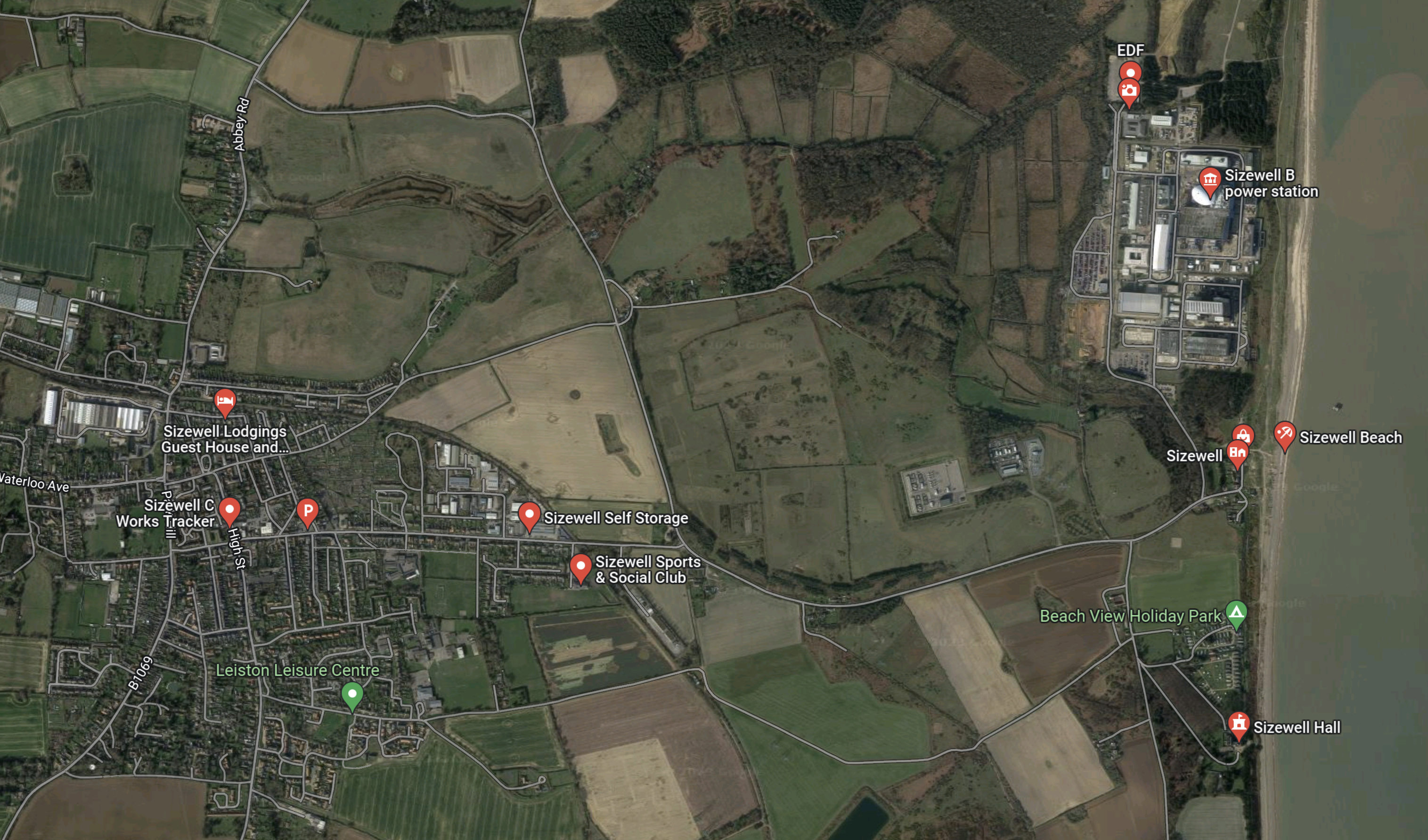
Note.
- Leiston is in the South-West corner.
- The power station site is in the North-East corner.
I have a few thoughts.
Pink Hydrogen
Pink hydrogen is zero-carbon hydrogen produced using nuclear power.
The production of hydrogen is already part of the plans for Freeport East, which I wrote about in Ryze Hydrogen’s Suffolk Freeport Hydrogen Vision Takes Shape.
In that article, I said this.
This would mean that Sizewell’s 6 MW electrolyser could be producing around a thousand tonnes of hydrogen per year or 2.6 tonnes per day.
The more efficient high temperature electrolysis can be used, using some of the waste heat from the nuclear power station. I wrote about this in Westinghouse And Bloom Energy To Team Up For Pink Hydrogen.
I also suspect that it may be more efficient to use seawater to produce the hydrogen.
Could high temperature electrolysis be used at Sizewell?
District Heating
The waste heat can also be used for district heating.
A Train Service To Ipswich
This Google Map shows the railway through Leiston, which is currently used to bring fuel to Sizewell B power station and remove waste.

Note.
- The railway starts in the North-West corner of the map.
- The green dot in that corner marks Leiston cemetery.
- The railway then goes East before turning to the South-East corner of the map.
- In that corner, there are two sidings for loading and unloading the flasks.
Surely, Leiston also needs a new railway station, with at least an hourly service to Saxmundham, Wickham Market, Woodbridge and Ipswich. And possibly even Aldeburgh!
This map from OpenRailwayMap shows the route of the Aldeburgh branch.
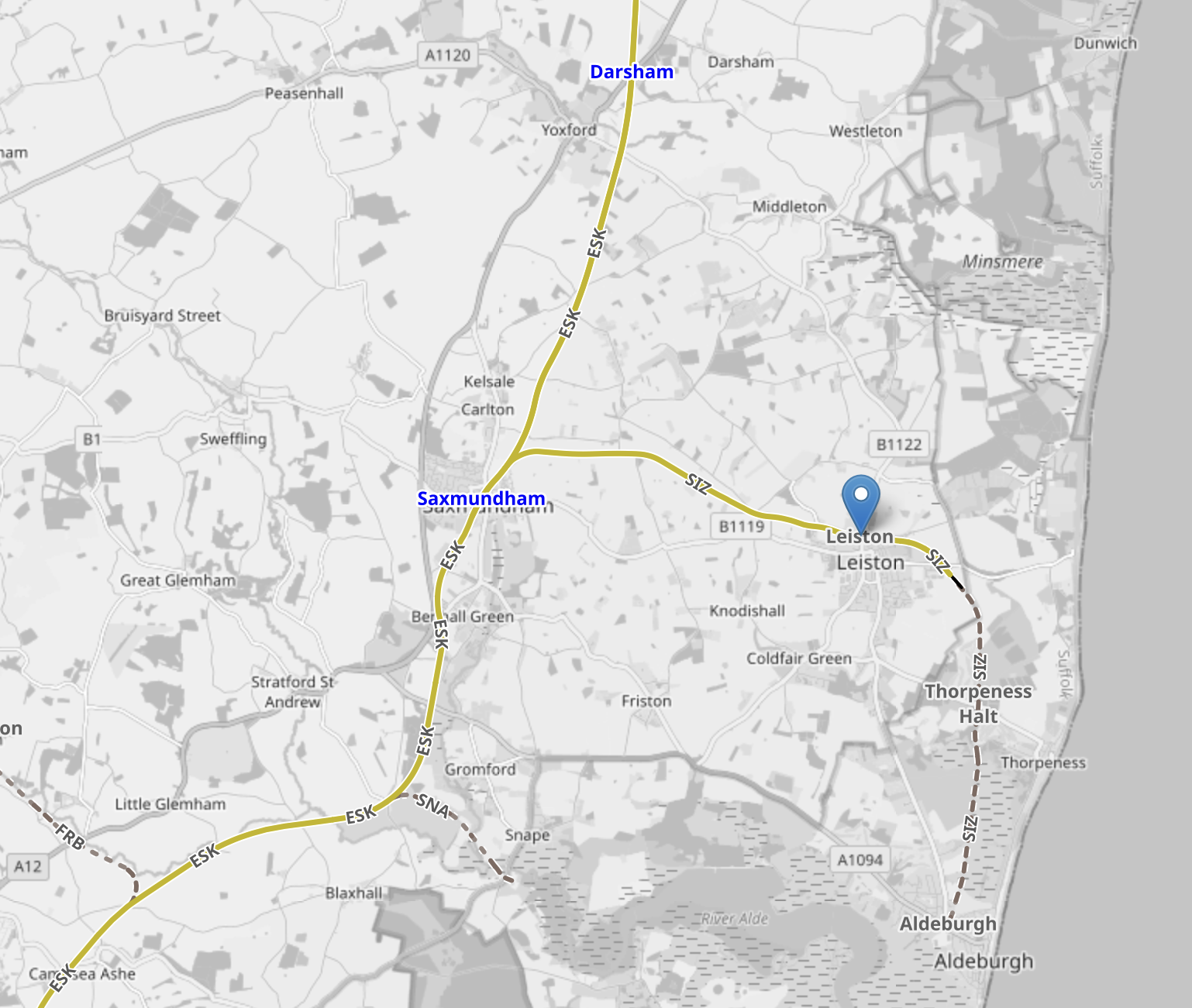
Note.
- The North-South yellow line is the East Suffolk Line.
- Their were three stations; Leiston, Thorpeness Halt and Aldeburgh.
- Leiston station was in the North of the town.
The intact section of the branch is shown in yellow.
There would be no need for any electrification, as Stadler, who built Greater Anglia’s Class 755 trains, are the masters of battery-powered trains and could convert these trains to battery operation. Recently, one of the smaller metro trains, that Stadler are building for Liverpool, ran for nearly 90 miles on battery power alone, which I wrote about in New Merseyrail Train Runs 135km On Battery.
An hourly train service would double the frequency of the train service between Saxmundham and Ipswich.
Does the Leiston masterplan include a train service?
And if it does, does it terminate at a new Aldeburgh station?
Conclusion
Integrating development around a nuclear power station could be a way of levelling up.
It would bring electricity, heat, a rail link and jobs to an area.
Will Rolls-Royce use these benefits to sell one of their SMRs to those living around a site?
Could Greater Anglia Run A Comprehensive Service For East Anglia?
Consider.
- In the last fifty years, there have been direct trains between London Liverpool Street and Lowestoft stations.
- In the last forty years, there have been direct trains between London Liverpool Street and Peterborough stations.
- Greater Anglia currently run an hourly train between London Liverpool Street and Ipswich stations, with stops at Stratford, Shenfield, Chelmsford, Hatfield Peverel, Witham, Kelvedon, Marks Tey, Colchester and Manningtree
- Frequencies on both routes were not high and less than four trains per day (tpd), but they must have been a demand for these services.
- Greater Anglia promised to run a Lowestoft service, when they successfully reapplied for the franchise.
- Greater Anglia have 38 Class 755 trains, of which 14 are three-cars and 24 are four-cars.
- Class 755 trains can run in twoses and possibly threeses. (Suffolk dialect for twins and triplets!)
Could these elements be assembled to provide a comprehensive East Anglia service?
- A pair of Class 755 trains would leave Liverpool Street for Ipswich.
- They would takeover some of the paths of the hourly Liverpool Street and Ipswich service and run possibly about four or five tpd, according to demand.
- Between Liverpool Street and Ipswich the trains could stop at Stratford, Shenfield, Chelmsford, Hatfield Peverel, Witham, Kelvedon, Marks Tey, Colchester and Manningtree
- The services would splitgoing North and join going South at Ipswich
- One train would go to Peterborough with stops at Needham Market, Stowmarket, Elmswell, Thurston, Bury St. Edmunds, Soham, Ely, Manea, March and Whittlesea.
- The other would go to Lowestoft with stops at Woodbridge, Melton, Wickham Market, Saxmundham, Darsham, Halesworth, Brampton, Beccles and Oulton Broad South.
Note.
- The Class 755 trains would use electricity, where electrification exists.
- They would use diesel on lines without electrification.
- They would be able to hold 100 mph, so wouldn’t delay other trains.
- Seventeen towns would get new direct services to and from London.
- A Class 745 train is 236.6 metres long, whereas a pair of four-car Class 755 trains is only 161.4 metres.
- A three-train formation of Class 755 trains is only 5.5 metres longer than a single Class 745 train.
I am fairly sure no new substantial infrastructure would be required.
I have some further thoughts.
Example Timings
These timings to and from London are based on current timings of the Class 745 and 755 trains.
- Ipswich – 60 mins
- Stowmarket -70 mins
- Bury St. Edmunds – 88 mins
- Soham – 108 mins
- Ely – 117 mins
- March – 136 mins
- Peterborough – 158 mins
- Woodbridge – 75 mins
- Melton – 80 mins
- Wickham Market – 86 mins
- Saxmundham – 97 mins
- Darsham – 104 mins
- Halesworth – 113 mins
- Brampton – 119 mins
- Beccles – 128 mins
- Oulton Broad South – 138 mins
- Lowestoft – 146 mins
Notes.
- Times to and from Ipswich are based on typical services at the current time.
- I have assumed that there are no stops South of Ipswich.
- Saxmundham is the closest station to Sizewell and could be important in bringing in construction workers for Sizewell C.
I think some of the times like those to and from Bury St. Edmunds, Ipswich, Lowestoft, Saxmundham and Woodbridge could create popular routes.
Battery-Electric Trains
Consider.
- I wrote about Stadler’s expertise with battery-electric trains in Stadler FLIRT Akku Battery Train Demonstrates 185km Range.
- 185 km. is 115 miles.
- The Class 756 trains for Transport for Wales are similar trains to the Class 755 trains fitted with batteries.
- In Battery Power Lined Up For ‘755s’, I wrote about plans to put batteries in the Class 755 trains.
These sections of lines are not electrified on the routes I have talked about.
- Haughley Junction and Ely – 38 miles
- Ely and Peterborough – 30.5 miles
- Westerfield and Lowestoft – 38 miles
As there is electrification at Ely, Haughley, Peterborough and Westerfield and South to London, I am fairly certain the route could be run by battery-electric trains.
Electrification To Sizewell C
In the January 2023 Edition of Modern Railways, there is an article, which is entitled Rail Set To Support Sizewell C Construction.
It details how sidings will be built to support the construction, with up to four trains per day (tpd), but the electrification word is not mentioned.
This is surprising to me, as increasingly, big construction projects are being managed to emit as small an amount of carbon as possible. High Speed Two is being built this way and I suspect Rolls-Royce’s SMR design will minimise carbon emissions during manufacture and construction. It will be very surprising if Sizewell C doesn’t follow High Speed Two’s example. After all, it may be an isolated site, but in Sizewell B, it’s got one of the UK’s biggest carbon-free electricity generators a couple of hundred metres away.
The writer of the Modern Railways article, thinks an opportunity is being missed.
I feel the following should be done.
- Improve and electrify the East Suffolk Line between Ipswich and Saxmundham Junction.
- Electrify the Aldeburgh Branch Line and the sidings to support the construction or agree to use battery-electric or hydrogen zero-carbon locomotives.
One of the collateral benefits of electrifying from Ipswich to Saxmundham Junction, is that it will make it easier for battery-electric Class 755 trains to work Ipswich and Lowestoft services.
- If the trains were to leave Saxmundham Junction going North with a full battery, they should be able to travel to Lowestoft and return.
- Battery-electric Class 755 trains could bring in workers from Ipswich or Lowestoft and further afield.
- It could even leave behind a zero-carbon branch line to Sizewell, Leiston and Aldeburgh, with two tph to Ipswich.
Sizewell C could be a superb demonstration project for low-carbon construction!
The Lowestoft-Great Yarmouth Conurbation
The Wikipedia entry for Lowestoft says this about the town.
The estimated population in the built-up area exceeds 70,000. Its development grew with the fishing industry and as a seaside resort with wide sandy beaches. As fishing declined, oil and gas exploitation in the North Sea in the 1960s took over. While these too have declined, Lowestoft is becoming a regional centre of the renewable energy industry.
Whilst the Wikipedia entry for Great Yarmouth says this about the town.
Great Yarmouth, often called Yarmouth, is a seaside town and unparished area in, and the main administrative centre of, the Borough of Great Yarmouth in Norfolk, England; it straddles the River Yare and is located 20 miles (30 km) east of Norwich. A population of 38,693 in the 2011 Census made it Norfolk’s third most populous. Its fishing industry, mainly for herring, shrank after the mid-20th century and has all but ended.[3] North Sea oil from the 1960s supplied an oil-rig industry that services offshore natural gas rigs; more recently, offshore wind power and other renewable energy industries have ensued.
Wikipedia also said this about the population of the wider Great Yarmouth.
The wider Great Yarmouth borough had a population of around 92,500, which increased to 97,277 at the 2011 census.
Taken together they are one of the largest conurbations in East Anglia.
The main means of transport between the two towns is by road.
Surely, two towns of over 70,000 people, who are only a few miles apart need a rail connection.
Onward From Lowestoft To Great Yarmouth
If the comprehensive East Anglia service, I’m discussing is to be truly comprehensive, it must serve the Norfolk Broads and Great Yarmouth.
This would also improve the connectivity between two of the largest coastal towns in East Anglia, that I indicated in the last section.
This OpenRailwayMap shows a cunning plan proposed by Network Rail to connect Lowestoft and Great Yarmouth.
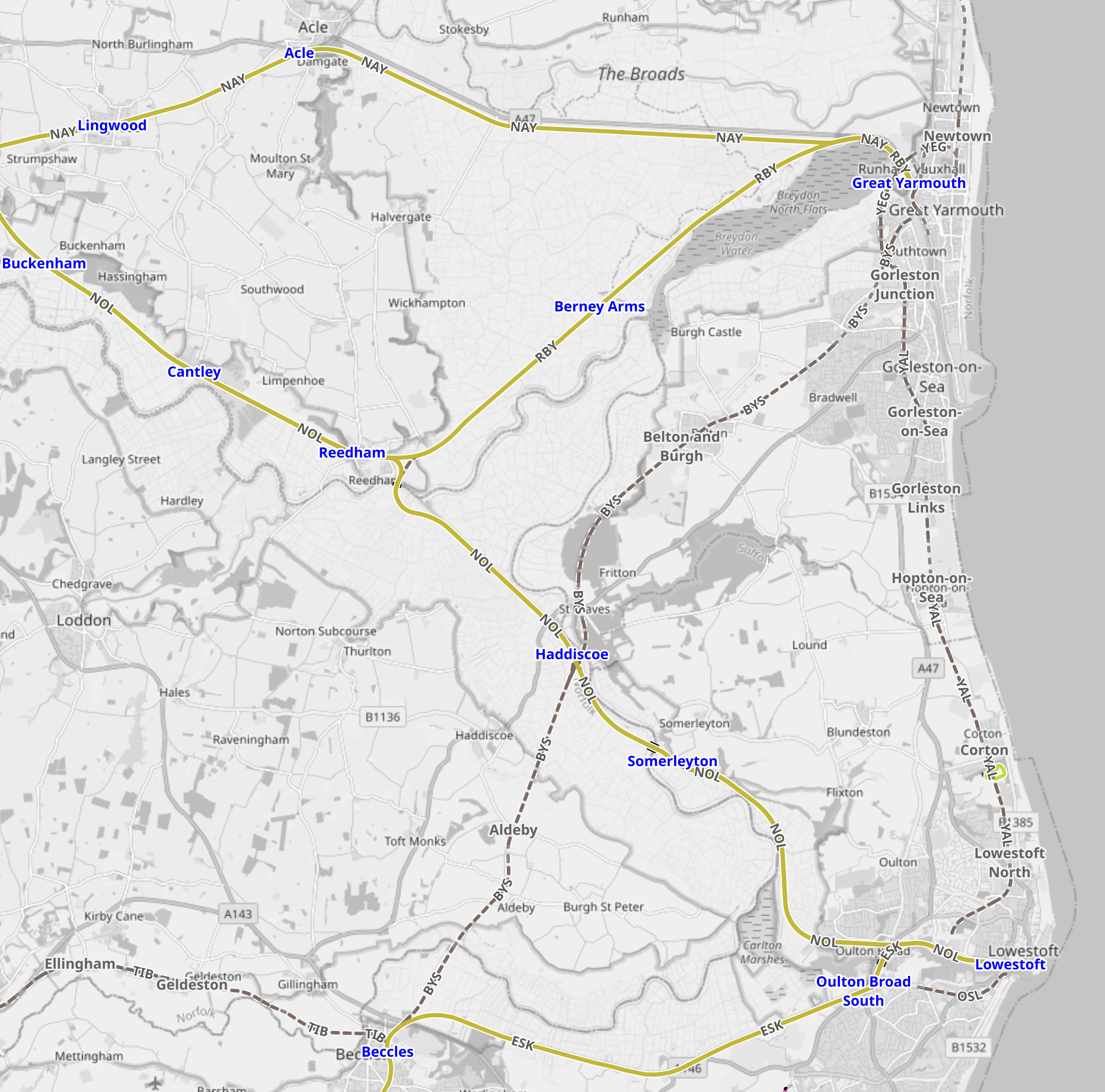
Note.
- Great Yarmouth is in the North East corner of the map.
- Two lines lead West from Great Yarmouth station, with the more Northerly route going direct to Norwich and the more Southerly one going to Norwich via Berney Arms and Reedham.
- Lowestoft is in the South East corner of the map.
- Two lines lead West from Lowestoft station, with the Northern route going to Norwich via Reedham and the Southern one going to Ipswich via Oulton Broad South.
- The route of a coastal railway connecting the two towns is also shown.
Network Rail’s cunning plan is indicated on this second nap from OpenRailwayMap.
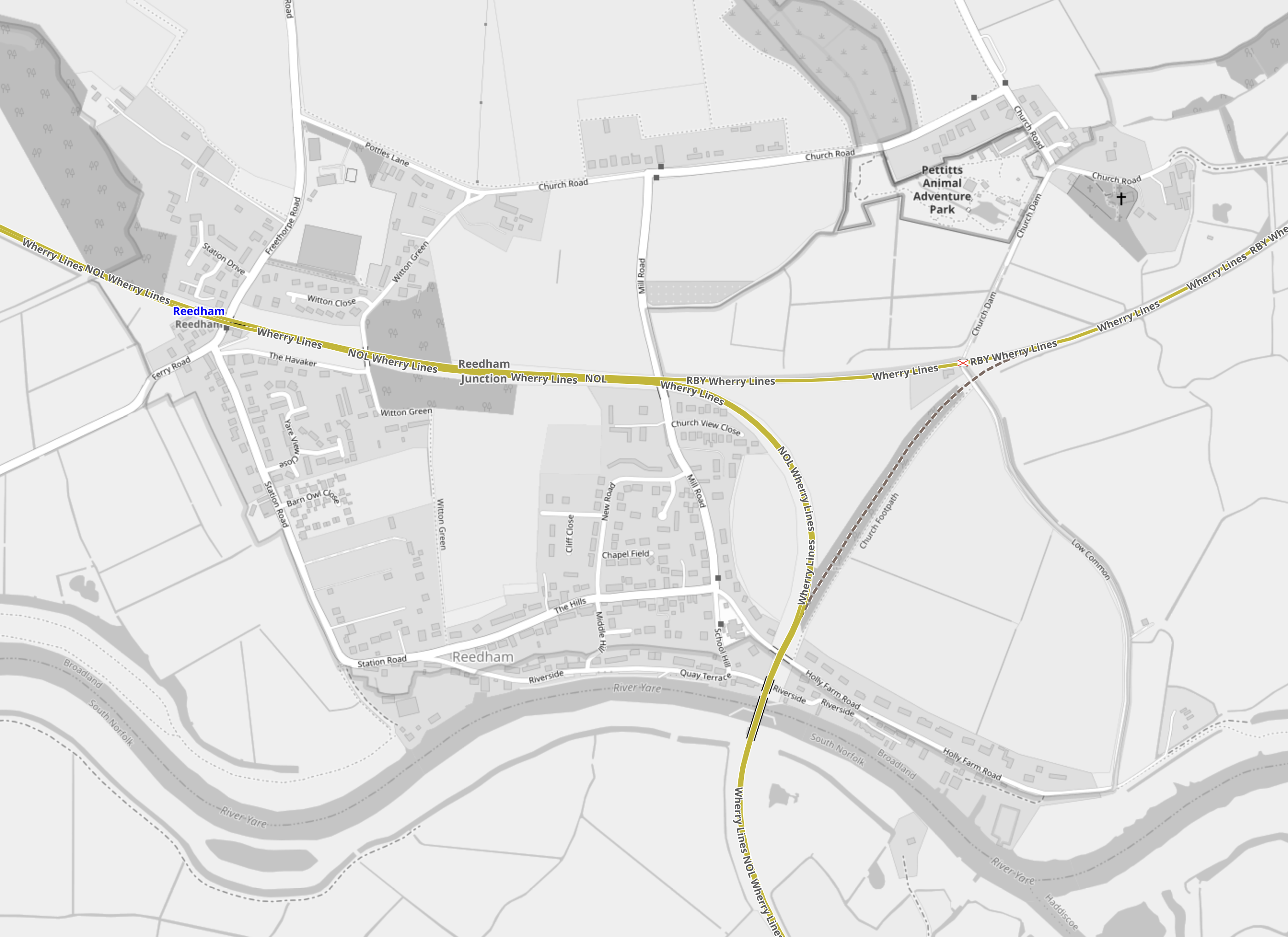
Note.
- Reedham station is in the North-West corner of the map on the line to Norwich.
- To the East of the station is a triangular junction.
- The track from the North-East corner of the junction is the line to Great Yarmouth.
- The track from the Southern corner of the junction is the line to Lowestoft.
- Unfortunately, the South-Eastern leg of the junction was removed in 1880.
In Norfolk Rail Line To Remain Closed As £68m Upgrade Project Overruns, I said this.
Network Rail are talking about reinstating the Reedham Chord to create a more direct route between East Anglia’s largest North-Eastern towns. This is said about the Reedham Chord in Direct Yarmouth Services in the Wikipedia entry for Lowestoft station.
In January 2015, a Network Rail study proposed the reintroduction of direct services between Lowestoft and Yarmouth by reinstating a spur at Reedham. Services could once again travel between two East Coast towns, with an estimated journey time of 33 minutes, via a reconstructed 34-chain (680 m) north-to-south arm of the former triangular junction at Reedham, which had been removed in c. 1880. The plans also involve relocating Reedham station nearer the junction, an idea which attracted criticism.
This sounds a good plan to me.
- It would allow direct services between Lowestoft and Great Yarmouth.
- It would allow direct services between Ipswich and Great Yarmouth with a reverse at Lowestoft in about two hours.
- With possible charging at Lowestoft and/or Great Yarmouth, a scenic route could be created between Ipswich and Norwich for battery-electric Class 755 trains. If that doesn’t get people out of their cars then nothing will!
- Various leisure, tourism and work-related opportunities would be created.
Never in the field of railway engineering would such a small chord have given so much.
Sizewell C Issues
Sizewell C will be a massive project and I also suspect that like High Speed Two, it will be built in a manner that will be zero-carbon where possible.
We already know from the Modern Railways article, that four tpd will shuttle material to a number of sidings close to the site. This is a good start.
Since Sizewell A opened, trains have regularly served the Sizewell site to bring in and take out nuclear material. These occasional trains go via Ipswich and in the last couple of years have generally been hauled by Class 88 electro-diesel locomotives.
It would be reasonable to assume that the Sizewell C sidings will be served in the same manner.
But the route between Westerfield Junction and Ipswich station is becoming increasingly busy with the following services.
- Greater Anglia’s London and Norwich services
- Greater Anglia’s Ipswich and Cambridge services
- Greater Anglia’s Ipswich and Felixstowe services
- Greater Anglia’s Ipswich and Lowestoft services
- Greater Anglia’s Ipswich and Peterborough services
- Freight services serving the Port of Felixstowe, which are expected to increase significantly in forthcoming years.
But the Modern Railways article says this about Saxmundham junction.
Saxmundham junction, where the branch meets the main line, will be relaid on a slightly revised alignment, retaining the existing layout but with full signalling giving three routes from the junction protecting signal on the Down East Suffolk line and two in the Down direction on the bidirectional Up East Suffolk line. Trap points will be installed on the branch to protect the main line, with the exit signal having routes to both running lines.
Does the comprehensive signalling mean that a freight train can enter or leave the Sizewell sidings to or from either the busy Ipswich or the quieter Lowestoft direction in a very safe manner?
I’m no expert on signalling, but I think it does.
- A train coming from the Lowestoft direction needing to enter the sidings would go past Saxmundham junction on the Up line. Once clear of the junction, it would stop and reverse into the branch.
- A train coming from the Ipswich direction needing to enter the sidings would approach in the wrong direction on the Up line and go straight into the branch.
- A train leaving the sidings in the Lowestoft direction would exit from the branch and take the Up line until it became single track. The train would then stop and reverse on to the Down line and take this all the way to Lowestoft.
- A train leaving the sidings in the Ipswich direction would exit from the branch and take the Up line all the way to Ipswich.
There would need to be ability to move the locomotive from one end to the other inside the Sizewell site or perhaps these trains could be run with a locomotive on both ends.
The advantage of being able to run freight trains between Sizewell and Lowestoft becomes obvious, when you look at this Google Map, which shows the Port of Lowestoft.
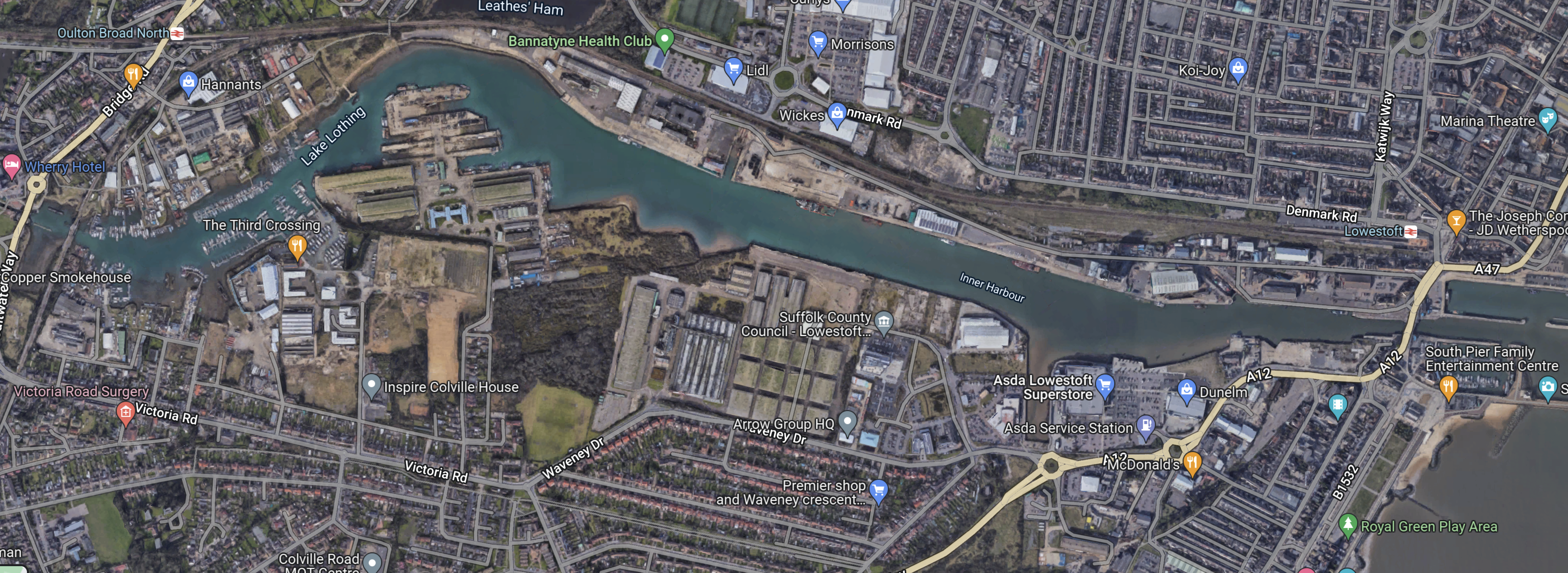
Note.
- The Inner Harbour of the Port of Lowestoft.
- The East Suffolk Line running East-West to the North of the Inner Harbour.
- Lowestoft station at the East side of the map.
I doubt it would be the most difficult or expensive of projects to build a small freight terminal on the North side of the Inner Harbour.
I suspect that the easiest way to bring the material needed to build the power station to Sizewell would be to do the following.
- Deliver it to the Port of Lowestoft by ship.
- Tranship to a suitable shuttle train for the journey to the Sizewell sidings.
- I estimate that the distance is only about 25 miles and a battery or hydrogen locomotive will surely be available in the UK in the next few years, that will be able to provide the motive power for the return journey.
In The TruckTrain, I wrote about a revolutionary freight concept, that could be ideal for the Sizewell freight shuttle.
Great Yarmouth Racecourse
Great Yarmouth Racecourse is one of my favourite racecourses and I believe it is one of the attractions in Great Yarmouth, that would benefit from an improved rail service between Lowestoft and Great Yarmouth, as it would almost double those with efficient public transport access to the racecourse.
The walking distance between Great Yarmouth station and the racecourse is walkable for many and I remember doing it since C died.
With the train connection to Lowestoft and perhaps a courtesy bus from the station, I wouldn’t be surprised to see that a Lowestoft-Yarmouth rail connection being very good for the racecourse. Especially as road traffic between the two towns can be not the best.
Finishing At Norwich
There are operational reasons to carry on to Norwich, where Crown Point, is the home base for the Class 755 trains.
But it would also link a lot of places that are dependant on tourism and are also heavily involved in East Anglia’s energy industry.
Onward From Peterborough To Lincoln
If the Lowestoft service can extend to Great Yarmouth, an extension of the Peterborough service to Lincoln via Spalding and Sleaford might be possible.
But with LNER also serving Lincoln from Kings Cross, I doubt the route would carry many passengers to and from London.
Conclusion
A service from London, that splits into two trains at Ipswich for Lowestoft and Peterborough has possibilities.
 The Anonymous Widower