Is There A Case For A Round-The-Wash Service Between Doncaster And Ipswich/Norwich?
I suggested this service in The Integrated Rail Plan For The North And Midlands And The East Coast Main Line.
Effectively, it would join East Midlands Railway’s Doncaster and Peterborough service with Greater Anglia’s Cambridge and Ipswich service.
- The service could go via Scunthorpe, Grimsby Town, Cleethorpes, Grimsby Town, Market Rasen, Lincoln, Sleaford, Spalding, Peterborough, March, Ely, Cambridge North, Cambridge, Newmarket, Bury St. Edmunds and Stowmarket.
- There would be reverses at Cleethorpes and Cambridge.
- There may be extra stops in Lincolnshire and across Suffolk.
- The service would not use the East Coast Main Line, but would use the new Werrington Dive-Under and the Great Northern and Great Eastern Joint Line to the East of the East Coast Main Line.
- The frequency would be one train per two hours (1tp2h).
- Ideal trains could be Class 755 trains, perhaps running on batteries or hydrogen.
It would be paired with a new Doncaster and Norwich service, that could partly replace East Midlands Railway’s Liverpool and Norwich service.
- The service could go via Scunthorpe, Grimsby Town, Cleethorpes, Grimsby Town, Market Rasen, Lincoln, Sleaford, Spalding, Peterborough, March, Ely, Cambridge North, Cambridge, Cambridge North, Ely, Thetford, Attleborough and Wymondham.
- There would be reverses at Cleethorpes and Cambridge.
- There may be extra stops in Lincolnshire and across Norfolk.
As with the Ipswich train it would not use the East Coast Main Line and have a frequency of 1tp2h.
The Objectives Of The Service
I believe this service could have several objectives.
Remove Slower Trains From The East Coast Main Line Between Peterborough And Doncaster
There aren’t many except freight, but this plan could provide a better solution to the Liverpool and Norwich service.
Providing Better Connections To The Biggest Growth Point In The UK – Cambridge
Cambridge needs better connections, so that it can bring in the staff and workers, that the high-tech capital of the UK needs.
Better Connection Of East Anglia And Lincolnshire To Northern England And Scotland
In Peterborough and Doncaster the route has two main interchanges to bring about these connections.
Promoting Tourism
For a start the route has five cathedrals; Bury St. Edmunds, Ely, Lincoln, Norwich and Peterborough and the historic city of Cambridge.
But I do believe that there are numerous places, where tourists might stay on the route and use it to explore the East of the country.
A Few Questions
These are a few questions.
Would The Route Be Electrified?
I don’t believe it will be fully electrified for two reasons.
Freight locomotives will increasingly become hydrogen-powered and also be able to use electrification, where it exists.
Plans by the likes of Hitachi ABB Power Grids and Furrer and Frey are likely to enable discontinuous and battery-electric trains to be able to work the route.
This philosophy would avoid all the disruption and reconstruction of structures of electrification and probably be much more affordable.
Would York Or Leeds Make A Better Northern Terminal For The Route?
Both have possibilities.
- York would need running on the East Coast Main Line.
- Leeds would probably need trains capable of 125 mph running.
On the other hand both Leeds and York would have superb connectivity.
Conclusion
I feel this would be a very valuable new service and it could be created without building any new infrastructure other than perhaps some strategic stations.
Electrifying Derwent Valley Mills
Under the latest plans the Midland Main Line will be electrified.
One problem is electrifying the line through the World Heritage Site of Derwent Valley Mills.
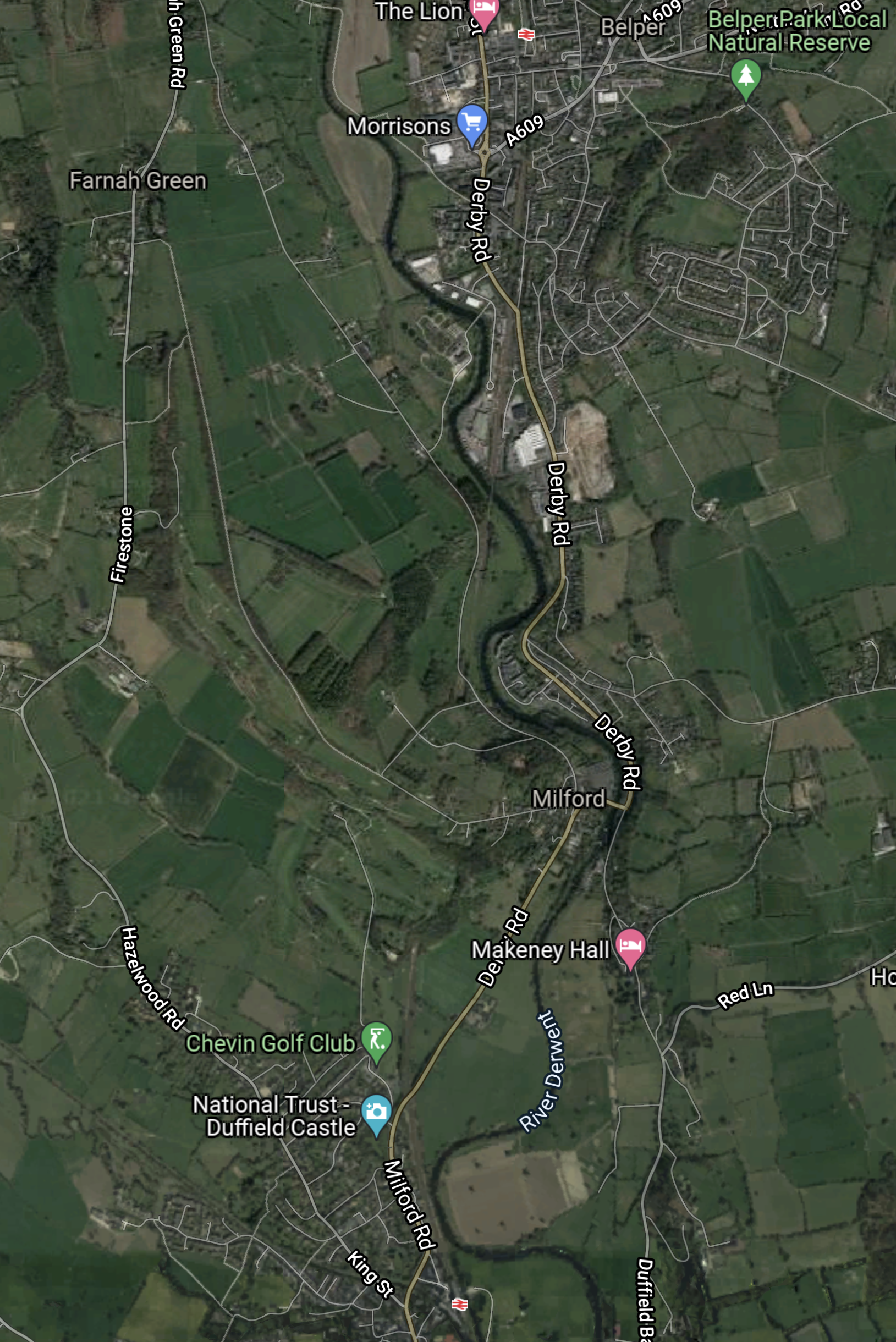
This Google Map shows the Midland Main Line between Belper and Duffield stations.
Note.
- Belper with its station is at the North of the map.
- Duffield station is at the South of the map.
In the middle of the map the railway line disappears into Milford Tunnel.
Wikipedia says this about the portals of the tunnel.
Both portals are grade II listed, being part of the Derwent Valley Mills World Heritage Site.
I doubt that the Heritage Taliban would allow the tunnel to be electrified, as they wouldn’t want wires near the tunnels.
But between Belper and Duffield stations is only 4.2 kilometres.
This Hitachi infographic shows their Intercity Battery Hybrid Train, which I described in Hitachi Rail And Angel Trains To Create Intercity Battery Hybrid Train On TransPennine Express.
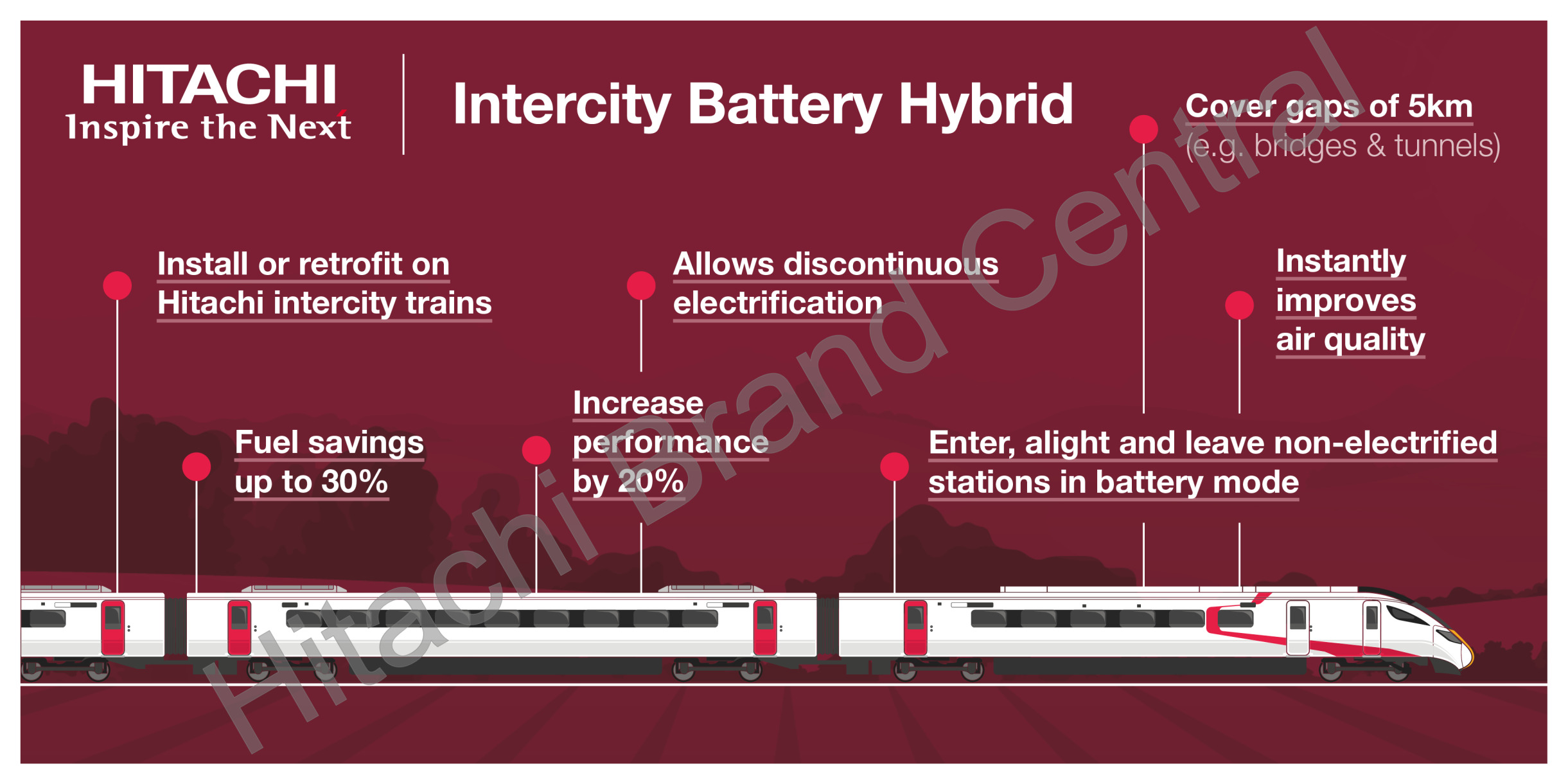
Note that the train can cover gaps of 5 km.
The Class 810 trains, that will be used by East Midlands Railways will have four diesel engines and I’m certain these trains will be able to be retrofitted to be Intercity Battery Hybrid Trains.
The electrification of the line will be discontinuous with no wires between Belper and Duffield stations.
Express trains going between Derby and Sheffield will go through the following procedure.
- Arrive at Duffield station with a full battery, after using the electrification from Derby and the South.
- Drop the pantograph in the area of Duffield station and switch to battery power.
- Proceed through Milford tunnel at an appropriate speed.
- Once under the electrification again at Belper station, they would raise the pantograph and switch to using the electrification.
The problem of electrification of Milford tunnel in the area of the World Heritage Site has been neatly side-stepped.
Reopening The Don Valley Section Of The Former Woodhead Line Between Stocksbridge and Sheffield Victoria To Passenger Services
On October 27th this Beeching Reversal Project was given £50,000 to build a case for reopening.
Stocksbridge is introduced like this in its Wikipedia entry.
Stocksbridge is a town and civil parish, in the City of Sheffield, in South Yorkshire, England. Historically part of the West Riding of Yorkshire, it lies just to the east of the Peak District. The town is located in the steep-sided valley of the Little Don River, below the Underbank Reservoir. It blends into the areas of Deepcar, Bolsterstone and the eastern end of Ewden valley around Ewden village, which are also within the civil parish. The population of the civil parish as of the 2011 census was 13,455.
This Google Map shows the area.
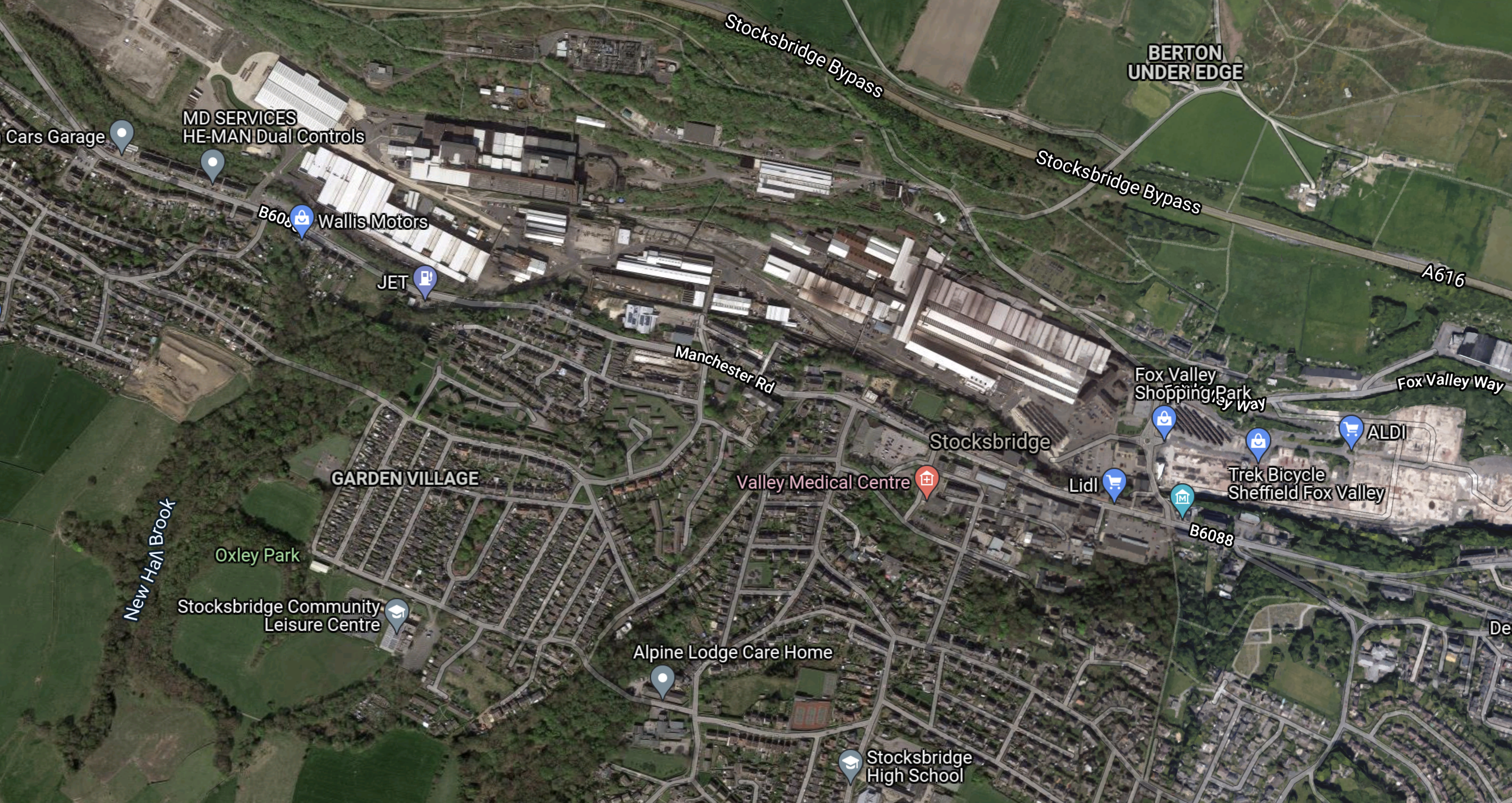
Note there are a large number of steel related industries all connected by an extensive railway system.
This Google Map shows part of the area to a more detailed scale.
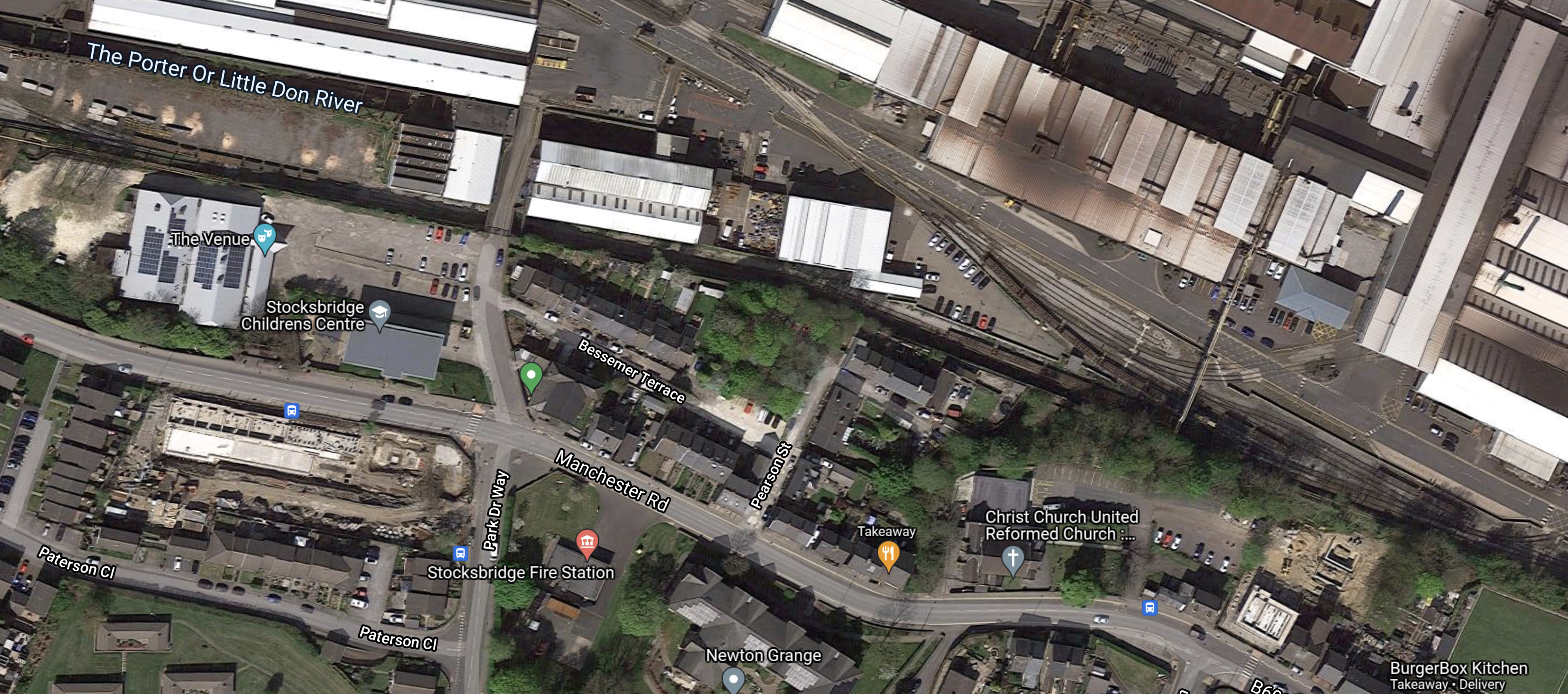
I suspect that a station could be built somewhere to the South of the works.
I have followed the Stocksbridge Railway out to the East and it takes a loop to the South to Deepcar Tram and Railway station, as is shown on this Google Map.
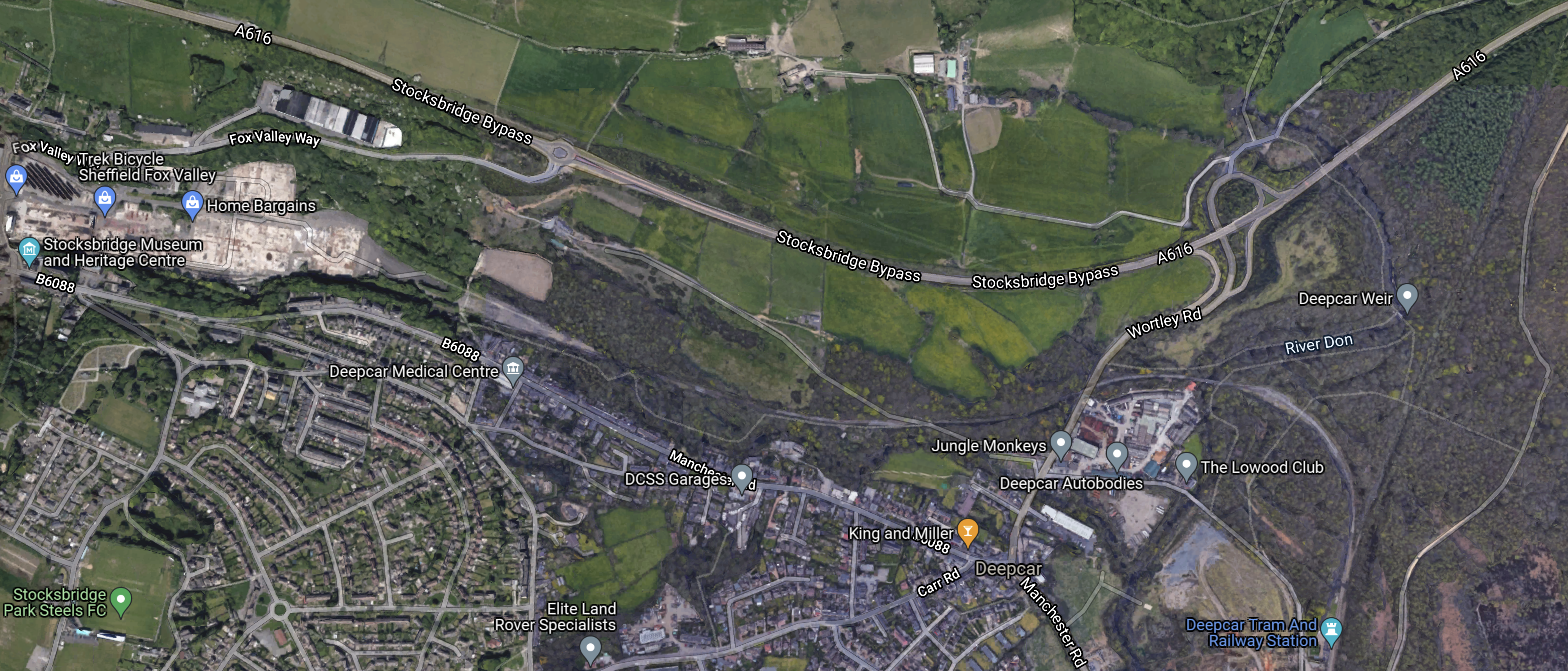
Note.
The Eastern end of the Stockbridge site is in the North-West of the map.
Deepcar station is shown by a blue dot in the South-East corner of the map.
This Google Map shows Deepcar station in greater detail.
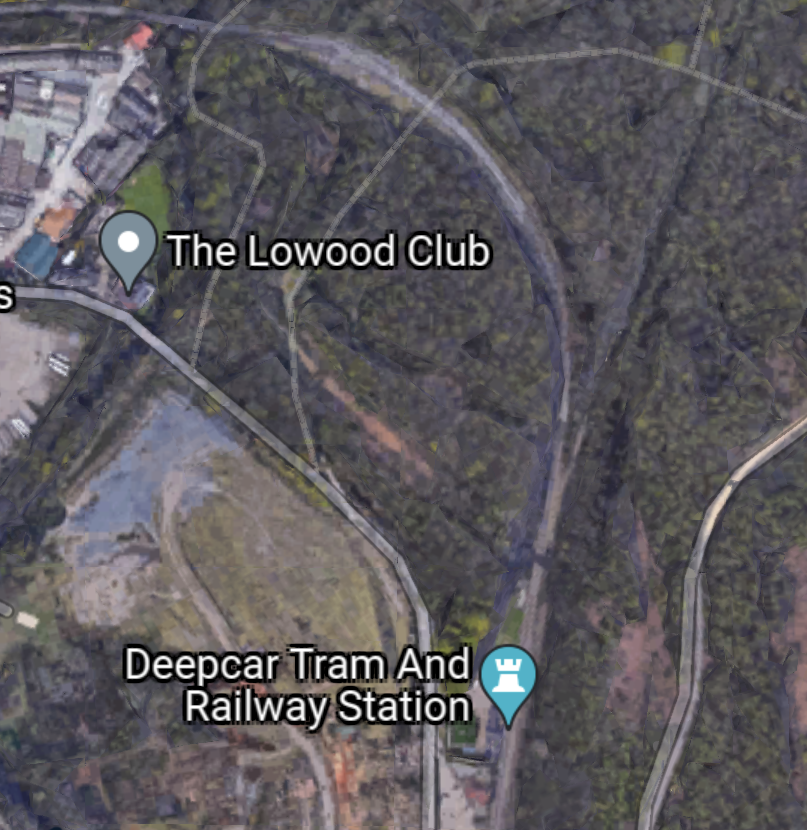
Note.
- The Stocksbridge Railway curving to the West is clearly visible.
- The other railway going North is the former Woodhead Line to Manchester.
This map clipped from Wikipedia shows the Lines through Deepcar station.
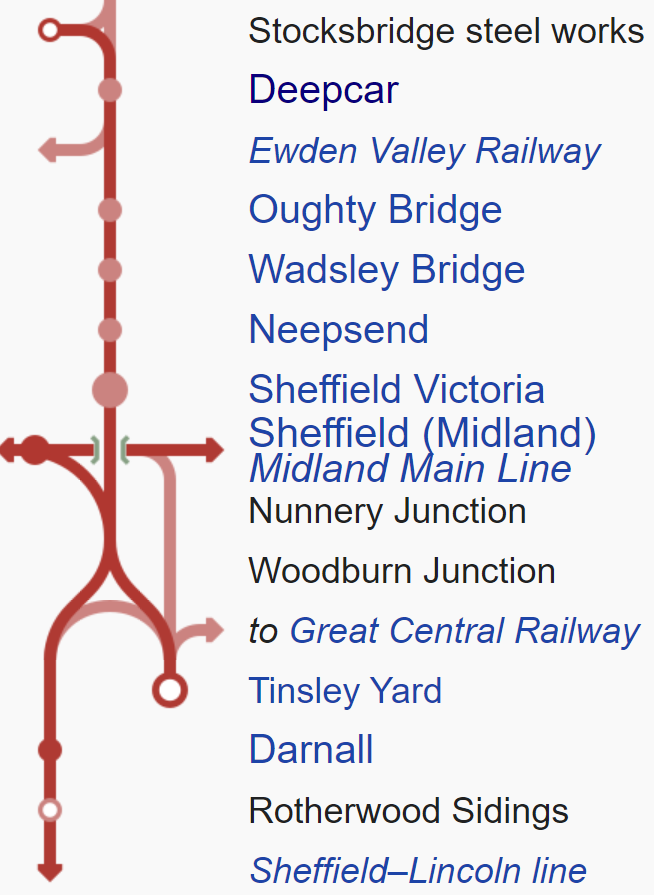
This shows the route between Stocksbridge and the former Sheffield Victoria station.
I have also found this article on the Sheffield Star, which is entitled Passenger Trains Could Return On Sheffield To Stocksbridge Don Valley Railway Line After major Funding Boost.
This is a paragraph.
The plans also involve reopening Sheffield Victoria station, which could serve a new Barrow Hill line to Chesterfield, stopping at Darnall, the Advanced Manufacturing Park, Woodhouse and other new stations, similar funding for which was granted last year.
This would seem to be a sensible plan.
These are my thoughts.
Sheffield Victoria Station
This Google Map shows the site of the Stocksbridge Line going through the centre of Sheffield.

The line starts in the North-West corner of the map and goes diagonally across.
The site of Sheffield Victoria station is at the Eastern edge of the map and is shown enlarged in this Google Map.

The street and hotel names are a giveaway.
There would appear to be space for a simple station with one or two platforms on the single-track through the area.
My preference would be for a single bi-directional platform, as has been used successfully at Galashiels station.
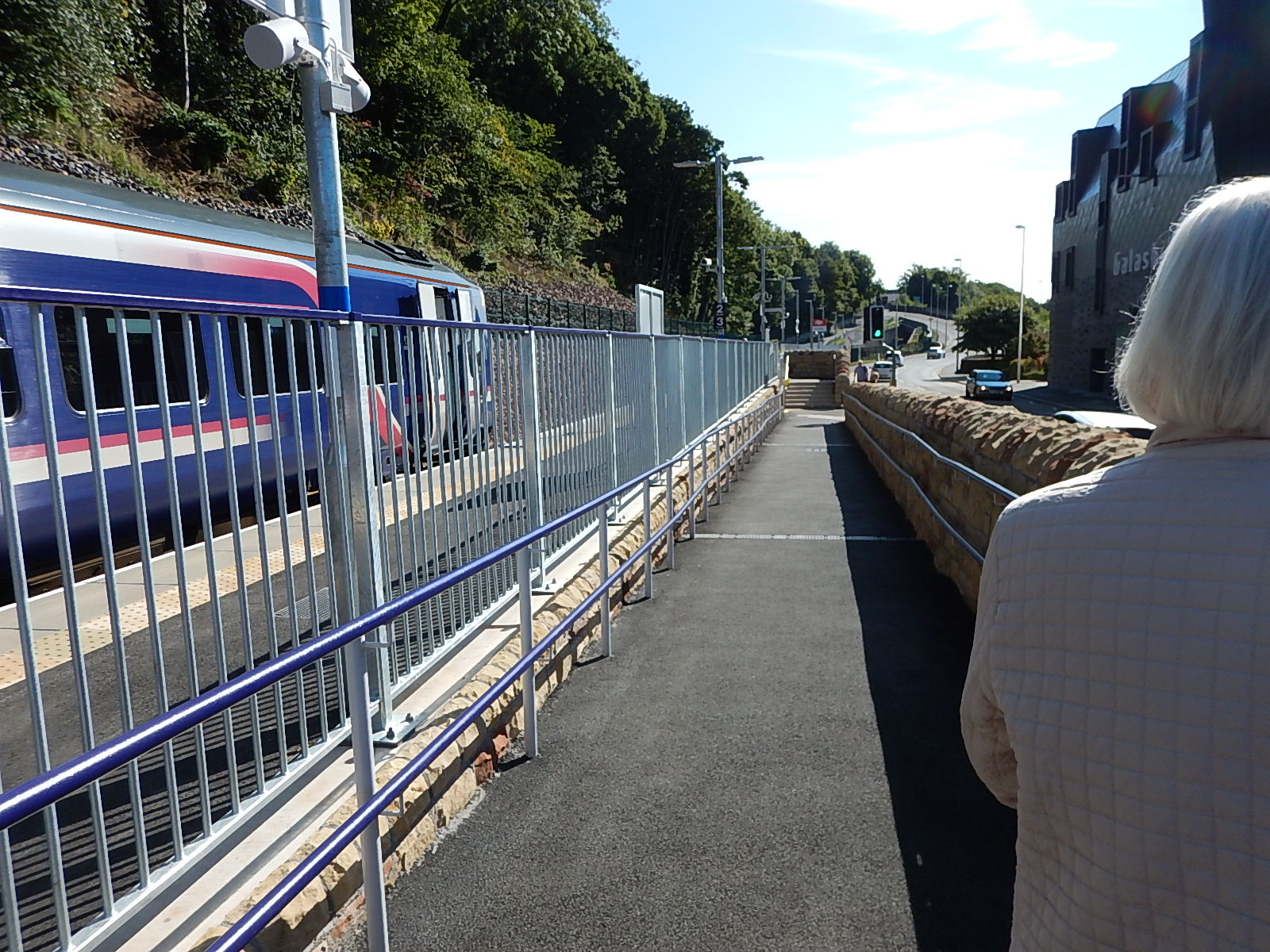
With well-placed passing loops, stations like these can handle two trains per hour (tph) and they can be step-free for all users.
Onward To Chesterfield
The plans as laid out in the paragraph in the Sheffield Star would appear to be feasible.
Darnall and Woodhouse are existing stations.
It would serve the proposed new station at Waverley, that I wrote about in Sheffield Region Transport Plan 2019 – A New Tram-Train Route To A New Station At Waverley.
Chesterfield station will be rebuilt for High Speed Two, so extra platforms could surely be added.
I wrote about plans for the Barrow Hill Line in Reinstatement Of The Barrow Hill Line Between Sheffield And Chesterfield.
It certainly looks to me, that taken together the Barrow Hill and Stocksbridge schemes could be a valuable new railway for Sheffield.
Rolling Stock
I have ridden all over Karlsruhe in Germany on their tram-trains, which are a German variant of Sheffield’s Class 399 tram-trains and I can see no reason, why the combined route couldn’t be designed and built for these trains.
- They are very good on hills.
- They can work on both 750 VDC and 25 KVAC overhead wires.
- The closely-related Class 398 tram-trains in Cardiff will have batteries.
- They are already working successfully in Sheffield.
- There must be design advantages for stations.
- Travellers in Sheffield are used to the tram-trains.
- There is maintenance and operational experience in Sheffield.
It is also my belief, that Class 399 tram-trains would make excellent replacements for Sheffield’s current trams. I wrote about this in Sheffield Region Transport Plan 2019 – Renewal Of Supertram Network.
Electrification
Looking at the Stocksbridge and Barrow Hill Lines together, I believe there is a strong case for electrification of both routes with 25 KVAC overhead wires.
This would enable the following.
- Class 399 tram-trains to work the combined route.
- East Midlands Railway’s Class 810 trains to access Sheffield station via the Barrow Hill Line on electricity.
- Electrified freight trains could use the route.
It could also be an easy route to electrify and be a good start to the electrification of Sheffield, which will happen in the future.
Electrification Between Sheffield And Clay Cross North Junction For High Speed Two
This electrification is needed for High Speed Two’s connection to Sheffield. It will also entail a lot of disruption for trains between Derby and Sheffield.
For these reasons, I believe that opening up the Barrow Hill route early between Sheffield and Chesterfield could be an excellent blockade buster.
Conclusion
There’s more to reopening the Stocksbridge Line, than as a local service in Sheffield.
Could We See Between London And Much Of The North By Train In Under Two Hours?
I shall write about each route in order starting from Euston and working East.
Avanti West Coast And Euston
These are services from Euston, that I feel could be under two hours.
London Euston And Liverpool Lime Street
On Thursday, I went to Liverpool by train.
- My train took two hours and thirteen minutes between London Euston and Liverpool Lime Street stations.
- There were stops at Stafford, Crewe and Runcorn.
- The Class 390 train was travelling at 125 mph for a lot of the way.
- The distance between the two terminals is 193.6 miles.
- The start to stop average including the stops was 87.3 mph.
So could London Euston and Liverpool Lime Street be achieved in the magic two hours?
A few thoughts.
Average Speed
To do the journey in this time would need an average speed of 96.8 mph.
Accelerating And Stopping
Ideally, the train will run as fast as it can only changing speed for the station stops.
- The train will accelerate from stop to cruising speed at Euston, Stafford, Crewe and Runcorn or four times.
- The train will decelerate from cruising speed to stop at Stafford, Crewe, Runcorn and Liverpool Lime Street or four times.
Effectively, the train goes through four complete station stops, although one will be split between the two ends of the journey.
These figures are from Wikipedia and the Internet
- The acceleration of the Class 390 train is 1.0 mph/sec which means that it takes 125 seconds to get to 125 mph.
- The deceleration of a Class 390 train is 2.0 mph/sec, which means that it takes 63 seconds to stop from 125 mph.
- The acceleration of a Class 801 train is 1.6 mph/sec which means that it takes 78 seconds to get to 125 mph.
- The deceleration of a Class 801 train is 2.2 mph/sec, which means that it takes 57 seconds to stop from 125 mph.
These figures would appear to show, that a Class 801 train can decelerate and accelerate at a stop in nearly a minute faster than a Class 390 train.
So how can we increase the acceleration and deceleration? The two obvious ways are more power and less weight.
Form the Internet, I estimate that the average car in a Class 390 train is around 52 tonnes, as opposed to 41 tonnes for the Hitachi trains.
So does this weight difference explain some of the difference in acceleration and deceleration times?
Consider.
- The Class 390 trains have all the extra weight of the tilt mechanism. More weight means slower acceleration.
- Avanti West Coast’s new Class 807 trains have no diesel engines or batteries. Have the trains been put on a diet?
- They also have a reprofiled nose. Is it more aerodynamic?
So if these trains can save time on the four accelerate/decelerate cycles compared to the Class 390 trains, they must be getting nearer to the magic two hours.
If two minutes a stop can be saved that would save eight minutes on the journey between London Euston and Liverpool Lime Street.
140 Mph Running
The time to do a mile at various speeds are as follows.
- 100 mph – 36 seconds
- 125 mph – 29 seconds
- 140 mph – 26 seconds
So running at 140 mph, as opposed to the current 125 mph would save three seconds for every mile.
To save five minutes would mean the train would have to run for a hundred miles at 140 mph instead of 125 mph.
As Stafford is 133.5 miles from London, it could be that full digital signalling should be installed on the West Coast Main Line all the way to Stafford or even Crewe, which is 158 miles from London.
This schematic map of the West Coast Main Line was clipped from Wikipedia.

Note.
- Trains between London Euston and Liverpool Lime Street take the Trent Valley Line through Nuneaton and Lichfield Trent Valley and stop at Stafford, Crewe and Runcorn.
- Trains between London Euston and Manchester take a variety of routes and all go via Stockport.
- One train per hour (tph) between London Euston and Glasgow Central takes the Trent Valley Line and goes non-stop between London Euston and Warrington Central.
- Norton Bridge Junction just to the North of Stafford has recently been remodelled.
I believe there is potential to enable up to at least a hundred miles of 140 mph running to the South of Crewe. Especially as most of the track South of Crewe is quadruple track.
This should enable the shaving of five or more minutes off the time of any train capable of 140 mph running that uses the Trent Valley Line through Nuneaton, Lichfield Trent Valley and Stafford.
Norton Bridge Junction
Norton Bridge junction, which is five miles North used to be a bottleneck, but it has now been remodelled.
I wrote about it in The New Norton Bridge Junction In Action.
The new junction has probably been designed so that it can save a few seconds for trains going between Stafford and Crewe, whether or not they stop at either or both stations.
Non-Stop Between London Euston and Runcorn
If you look at the times of a London Euston and Glasgow Central train via the Trent Valley Line , it travels the 174.7 miles between London Euston and Weaver Junction non-stop in one hour and forty minutes. This is an average speed of 104.8 mph.
By comparison, my train on Thursday took one hour and forty-seven minutes with the two stops at Stafford and Crewe.
So there is at least six minutes to be saved by going non-stop.
Two Trains Per Hour Between London Euston And Liverpool Lime Street
Wikipedia says this about an additional service.
Subject to approval by the Office of Rail and Road, an additional hourly service will be introduced between London Euston and Liverpool Lime Street with a stop at Liverpool South Parkway from December 2022.
I have a few thoughts and questions on extra services between London Euston and Liverpool Lime Street,
- In my view the second service is much needed.
- I also think, that a later train back to London is needed.
- Does the Wikipedia statement mean that only one train will stop at Liverpool South Parkway?
- Does Runcorn need two tph to and from London?
- Would the platforms at Liverpool South Parkway be lengthened to accept eleven-car Class 390 trains?
I feel that if a train stopped at both Liverpool South Parkway and Runcorn, this would make a two-hour journey more difficult to achieve.
London Euston And Liverpool Lime Street In Two Hours
The new Class 807 trains will be delivered by 2022. Because of the pandemic, I’ll assume that of the ten trains on order, some, but not all, will be available by the December 2022 timetable change.
The time savings needed for a two-hour journey will come from four improvements.
- The increased performance of the Class 807 trains.
- Full digital signalling South of Crewe.
- The track improvements already completed like Norton Bridge Junction.
- Cutting out stop on the second service.
There may also be time savings to be obtained at the intermediate stops, by better working practices.
I doubt that the full digital signalling will have been installed, but all trains will be capable of 125 mph running.
Avanti West Coast probably have a good idea of the time they could achieve without digital signalling and I feel that they could be about five minutes over two hours with the Class 807 trains.
As the eleven-car Class 390 trains are too long for Liverpool South Parkway station, could we see the following service?
- 1 tph – Class 390 train – London Euston And Liverpool Lime Street via Runcorn, Crewe and Stafford.
- 1 tph – Class 807 train – London Euston And Liverpool Lime Street via Liverpool South Parkway.
Note.
- The Class 390 train would run the existing timetable in two hours and thirteen minutes.
- The Class 807 train would be a two-hour express service if possible.
- Going from three stops to one could save the express at least seven minutes, as I showed earlier by looking at train timings South of Weaver Junction.
- There would be time savings of at least two minutes on the express service due to the better performance of the Class 807 train.
To save the final four minutes, there would need to be at least eighty miles of 140 mph running, as each mile saves three seconds.
I am fairly certain, that London Euston and Liverpool Lime Street can be regularly achieved in two hours.
London Euston And Warrington Bank Quay
The hourly London Euston and Glasgow Central expresses seem to take one hour and forty-five minutes for the non-stop trip of 182.1 miles, which is an average speed of 104 mph.
As this service is non-stop, I believe that this service would get the maximum benefit from digital signalling and this service will only get faster, as more and more of the route allowed 140 mph-running.
I wouldn’t be surprised to see almost ten minutes lopped off this service by signalling and other improvements.
I am fairly certain, that London Euston and Warrington Bank Quay can be regularly achieved in well under two hours, by a Class 390 train.
London Euston And Wigan North Western
The hourly London Euston and Glasgow Central expresses seem to take one hour and fifty-six minutes for the single-stop trip of 193.9 miles, which is an average speed of 100.3 mph.
As this service just a single stop at Warrington Bank Quay, I believe that this service would get the maximum benefit from digital signalling and this service will only get faster, as more and more of the route allowed 140 mph-running.
As with Warrington Bank Quay, I wouldn’t be surprised to see almost ten minutes lopped off this service by signalling and other improvements.
I am fairly certain, that London Euston and Wigan North Western can be regularly achieved in comfortably under two hours, by a Class 390 train.
London Euston And Preston
The hourly London Euston and Glasgow Central expresses seem to take two hours and eleven minutes for the two -stop trip of 209 miles, which is an average speed of 95.7 mph.
As this service just stops at Warrington Bank Quay and Wigan North Western, I believe that this service would get the maximum benefit from digital signalling and this service will only get faster, as more and more of the route allowed 140 mph-running.
As with Warrington Bank Quay and Wigan North Western, I wouldn’t be surprised to see almost ten minutes lopped off this service by signalling and other improvements.
I am fairly certain, that London Euston and Preston can be regularly achieved in just under two hours, by a Class 390 train.
London Euston And Blackpool North
Avanti West Coast have indicated that their new Class 807 trains will run between London Euston and Blackpool North.
Consider.
- I am fairly certain that a Class 390 train will be able to run between London Euston and Preston in under two hours, once digital signalling is installed South of Crewe.
- Currently, Class 390 trains take twenty minutes between Preston and Blackpool North stations.
- The Class 807 trains have better acceleration and deceleration and should be able to execute faster stops than the Class 390 trains.
I wonder if Avanti West Coast, Hitachi, Network Rail and Rock Rail have thought up a cunning plan to run Class 807 trains between London Euston And Blackpool North, in under two hours.
Trains would go via the Trent Valley.
Trains might only stop at perhaps Milton Keynes Central, Warrington Bank Quay, Wigan North Western and Preston.
Trains would run at up to 140 mph using digital signalling, in as many places as possible.
Is the performance of the Class 807 trains sufficient to achieve London Euston and Blackpool North in under two hours via the Trent Valley?
London Euston And Manchester Piccadilly via Wilmslow
Consider.
- Most trains between London Euston and Manchester Piccadilly via Wilmslow seem to take around six or seven minutes over two hours.
- I believe that if the 158 miles between London Euston and Crewe were to be digitally signalled, then this could save up to eight minutes by allowing trains to run at 140 mph rather than the current 125 mph.
This could be enough to bring the London Euston and Manchester Piccadilly via Wilmslow below two hours.
I am not surprised at this, as the trains were built for 140 mph and because there is no digital signalling, they are limited to 125 mph, which slows the trains by six or seven minutes.
London Euston And Manchester Piccadilly via Stoke-on-Trent
Everything I said about trains between London Euston and Manchester Piccadilly via Wilmslow probably apply, except that the services via Stoke-on-Trent are a few minutes slower.
But I do feel, that this could be enough to bring the London Euston and Manchester Piccadilly via Stoke-on-Trent below two hours.
East Midlands Railway And St. Pancras
These is only one service from St. Pancras, that is not comfortably under two hours.
London St. Pancras And Sheffield
A typical service between London St. Pancras And Sheffield takes a few minutes over two hours..
- There are two tph
- There are stops at Leicester, Loughborough, East Midlands Parkway, Long Eaton, Derby or Chesterfield depending on the service.
- The Class 222 trains travel at 125 mph for most of the way.
- The distance between the two terminals is 164.7 miles.
- The start to stop average including the stops is 81 mph.
I would suspect that East Midlands Railway’s new bi-mode Class 810 trains will be able to easily break the two-hour barrier.
- They have four diesel engines so they can cruise at 125 mph on diesel.
- They have electric power for South of Market Harborough.
- Some diesel engines will be changed for batteries.
As electrification increases on the Midland Main Line, these trains will use less and less diesel.
I also suspect that digital signalling will start to creep into the route, starting from Bedford, where it is used on Thameslink.
LNER And King’s Cross
These are services from King’s Cross, that are or I feel will be under two hours.
London King’s Cross And Doncaster
A typical service between London King’s Cross And Doncaster takes around one hour and thirty-seven minutes.
- There are four tph
- There are stops at Stevenage, Peterborough, Grantham, Newark and Retford depending on the service.
- The Class 80x trains travel at 125 mph for most of the way.
- The distance between the two stations is 156 miles.
- The start to stop average including the stops is 96.5 mph.
Digital signaling is being installed on this section of the East Coast Main Line and I suspect that this will reduce timings between London King’s Cross And Doncaster.
A simple estimate based on the maximum operating speed, indicates a time of one hour and twenty-six minutes should be possible.
But as a Control Engineer, I believe that digital signalling will lead to faster running over the Digswell Viaduct and through the flat crossing at Newark.
The timing will certainly be under one hour and thirty minutes between London King’s Cross And Doncaster.
London King’s Cross And York
A typical service between London King’s Cross And York takes around one hour and forty-eight minutes.
- There are two tph
- There are stops at Stevenage, Peterborough, Grantham, Newark, Retford and Doncaster depending on the service.
- The Class 80x trains travel at 125 mph for most of the way.
- The distance between the two stations is 188.5 miles.
- A non-stop service takes one hour and fifty-two minutes, which is a start to stop average including the stops is 101 mph.
If my crude estimate of time savings because of digital signalling South of Doncaster can be applied, this would imply a reduction in journey time of at least eleven minutes.
London King’s Cross And Leeds
A typical service between London King’s Cross And Leeds takes around two hours and thirteen minutes.
- There are three tph
- There are stops at Stevenage, Peterborough, Grantham, Newark, Doncaster and Wakefield Westgate depending on the service.
- The Class 80x trains travel at 125 mph for most of the way.
- The distance between the two terminals is 185.9 miles.
- This is a start to stop average including the stops is 83.9 mph.
If my crude estimate of time savings because of digital signalling South of Doncaster can be applied, this would imply a reduction in journey time of at least eleven minutes, which would put a time between London King’s Cross and Leeds of around two hours.
London King’s Cross And Bradford Forster Square
LNER run some services on this route
- The services take thirty minutes between Leeds and Bradford Forster Square stations.
- The services do not reverse at Leeds.
Given that two hours should be possible between London Kings Cross and Leeds, it would appear that two hours and thirty minutes should be possible between Leeds and Bradford Forster Square stations.
London King’s Cross And Bradford Interchange
Grand Central run some services on this route
- The services call at Doncaster, Wakefield Kirkgate, Mirfield, Brighouse and Low Moor
- The services take two hours and fifty-four minutes between London King’s Cross and Bradford Interchange stations.
- The services take one hour and seventeen minutes between Doncaster and Bradford Interchange stations.
The services are run by Class 180 diesel trains, which will have to be replaced to decarbonise the route.
I suspect that Hitachi will have a train for this route, that could use diesel or batteries to the North of Doncaster.
- My estimate for the best time between King’s Cross and Doncaster is one hour and twenty-six minutes.
- The current time between Doncaster and Bradford Interchange stations is one hour and seventeen minutes.
This gives a best time of perhaps two hours and forty-three minutes between Doncaster and Bradford Interchange stations.
The route to Bradford via Leeds is perhaps fifteen minutes faster, but it serves different stations.
London King’s Cross And Harrogate
LNER has been running to Harrogate for some time.
- There is one train per two hours (tp2h)
- The service calls at Stevenage, Grantham, Doncaster, Wakefield Westgate and Leeds.
- some services reverse at Leeds.
- The service takes two hours and fifty-five minutes between London King’s Cross and Harrogate stations.
- The service takes thirty minutes between Leeds and Harrogate stations.
Given that two hours should be possible between London Kings Cross and Leeds, it would appear that two hours and thirty minutes could be possible between London King’s Cross and Harrogate stations.
London King’s Cross And Huddersfield
In LNER Expands To Huddersfield, I described LNER’s new service to Huddersfield.
- There will be one train per day (tpd)
- The service will call at Peterborough, Newark North Gate, Doncaster, Wakefield Westgate, Leeds and Dewsbury.
- The service will split and join with the London King’s Cross and Skipton service at Leeds.
- The service will reverse at Leeds.
- The service take two hours and fifty-five minutes between London King’s Cross and Huddersfield stations.
- The service will take twenty-five minutes between Leeds and Huddersfield stations.
- Improvements are planned, which include electrification, between Dewsbury and Huddersfield
Given that two hours should be possible between London Kings Cross and Leeds, it would appear that two hours and thirty minutes could be possible between London King’s Cross and Huddersfield stations.
London King’s Cross And Hull
The fastest Hull Trains service between London King’s Cross And Hull takes around two hours and thirty minutes.
- There are seven tpd
- There are stops at Stevenage, Grantham, Retford, Doncaster, Selby, Howden and Brough depending on the service.
- The Class 80x trains travel at 125 mph for most of the way.
- The distance between the two terminals is 205.3 miles.
- This is a start to stop average including the stops is 82.1 mph.
If my crude estimate of time savings because of digital signalling South of Doncaster can be applied, this would imply a reduction in journey time of at least eleven minutes, which would put a time between London King’s Cross and Hull of around two hours and twenty minutes.
London King’s Cross And Middlesbrough
LNER have announced a Middlesbrough service, which I wrote about in LNER’s Middlesbrough And London Service. Starts On December 13th.
- There will be one tpd in both directions
- Intermediate stops will be at Thornaby and York.
- The Middlesbrough and London service will leave Middlesbrough from Platform 1 at 07:08 and arrive in King’s Cross at 10:22.
- The London and Middlesbrough service will leave King’s Cross at 15:25 and arrive in Middlesbrough in Platform 2 at 18:18.
There appear to be some curiosities in the timetabling of these trains, which I may explore later.
I would assume that is because LNER want a competitive time of three hours between King’s Cross and Middlesbrough.
These are Southbound times between Eaglescliffe and King’s Cross in the morning.
- Grand Central – Two hours and thirty-nine minutes
- LNER – Three hours and two minutes
Is this because the Class 180 train is a genuine 125 mph train on diesel and the Class 800 train is not?
If my crude estimate of time savings because of digital signalling South of Doncaster can be applied, this would imply a reduction in journey time of at least eleven minutes, which would put a time between London King’s Cross and Middlesbrough of around three hours.
Conclusion
Of the cities and towns in the North, that I have discussed only Bradford, Harrogate, Huddersfield, Hull and Middlesbrough, are ones that will be difficult to be provided with a two-hour journey time to and from London. But all should be possible in close to or under two hours and thirty minutes.
The Seat Of Aurora
The title of this post, is the same as that of an article in the August 2021 Edition of Modern Railway.
The article has this sub-title.
East Midlands Railway has finalised the new seats for its new trains, and they’re completely useless – as ironing boards.
Note.
- East Midlands Railway‘s new trains are Class 810 trains, which are Hitachi AT300 express trains, as used by several operators.
- Some passengers and industry commentators have criticised the seats in these trains as like ironing boards.
- Abellio Greater Anglia, who are a sister company to East Midlands Railway, also choose the seats for their new trains with care. I wrote No ‘Ironing Board seats’ For Greater Anglia’s New Trains, about their seat choice.
Ian Walmsley, who wrote the article for Modern Railways says this about the Seat of Aurora.
My verdict is that it is a good seat, and that is in absolute terms – not just saying it is better than an 800, which it would have to be really.
For myself, the proof of the seating will be in the sitting.
Electrification Between Clay Cross North Junction And Sheffield Station
Long term readers of this blog, will have noticed that I make regular references to this proposed electrification, that is part of High Speed Two’s proposals to connect Sheffield to the new high speed railway.
So I thought I would bring all my thoughts together in this post.
Connecting Sheffield To High Speed Two
Sheffield is to be accessed from a branch off the Main High Speed Two route to Leeds.
This map clipped from High Speed Two’s interactive map, shows the route of the Sheffield Branch, from where it branches North West from the main Eastern Leg of High Speed Two.
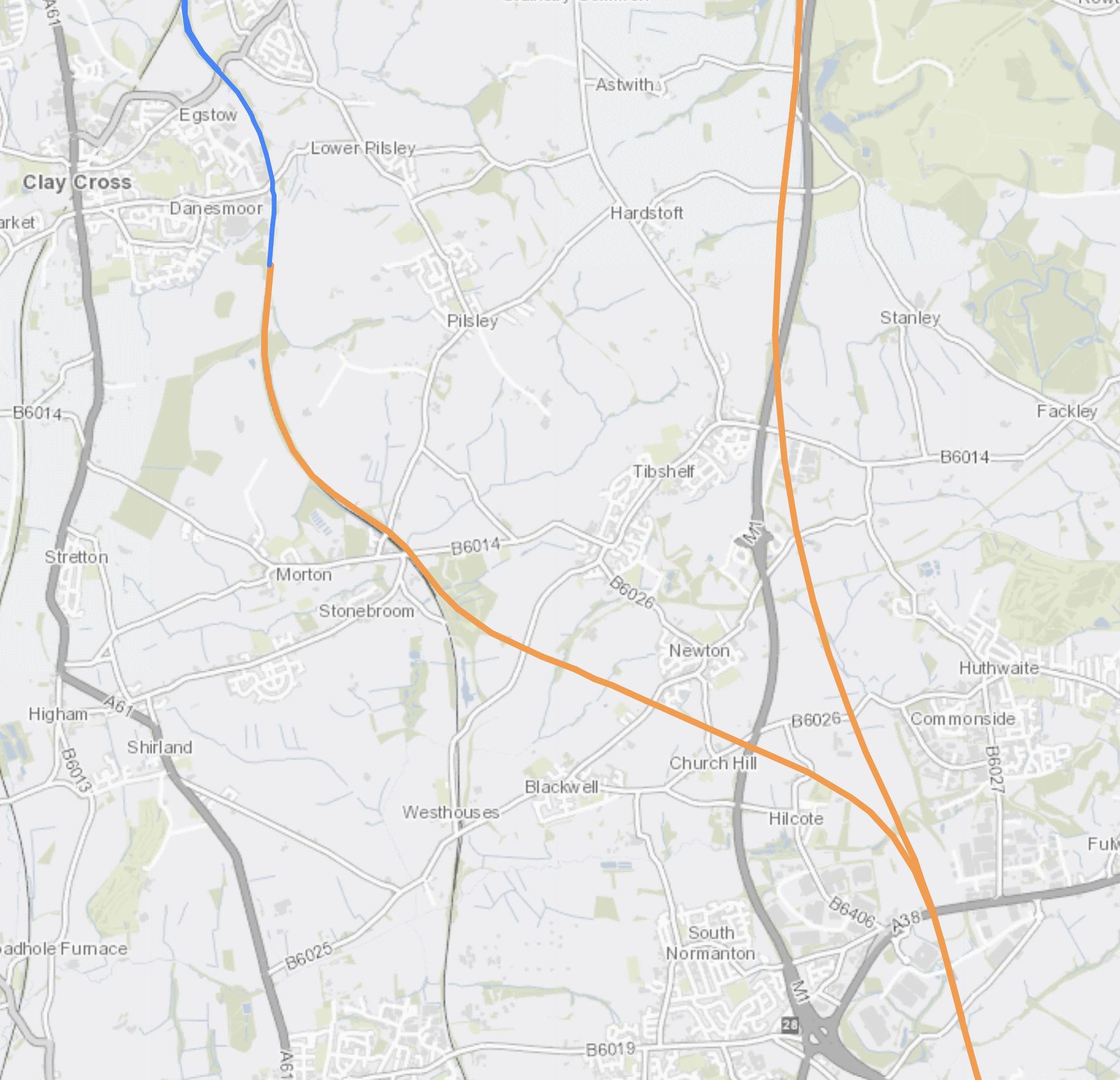
Note.
- Orange indicates new High Speed Two track.
- Blue indicates track that High Speed Two will share with other services.
- The orange route goes North to Leeds, along the M1
- The blue route goes North to Chesterfield and Sheffield, after skirting to the East of Clay Cross.
- The orange route goes South to East Midlands Hub station.
This second map, shows where the Erewash Valley Line joins the Sheffield Branch near the village of Stonebroom.
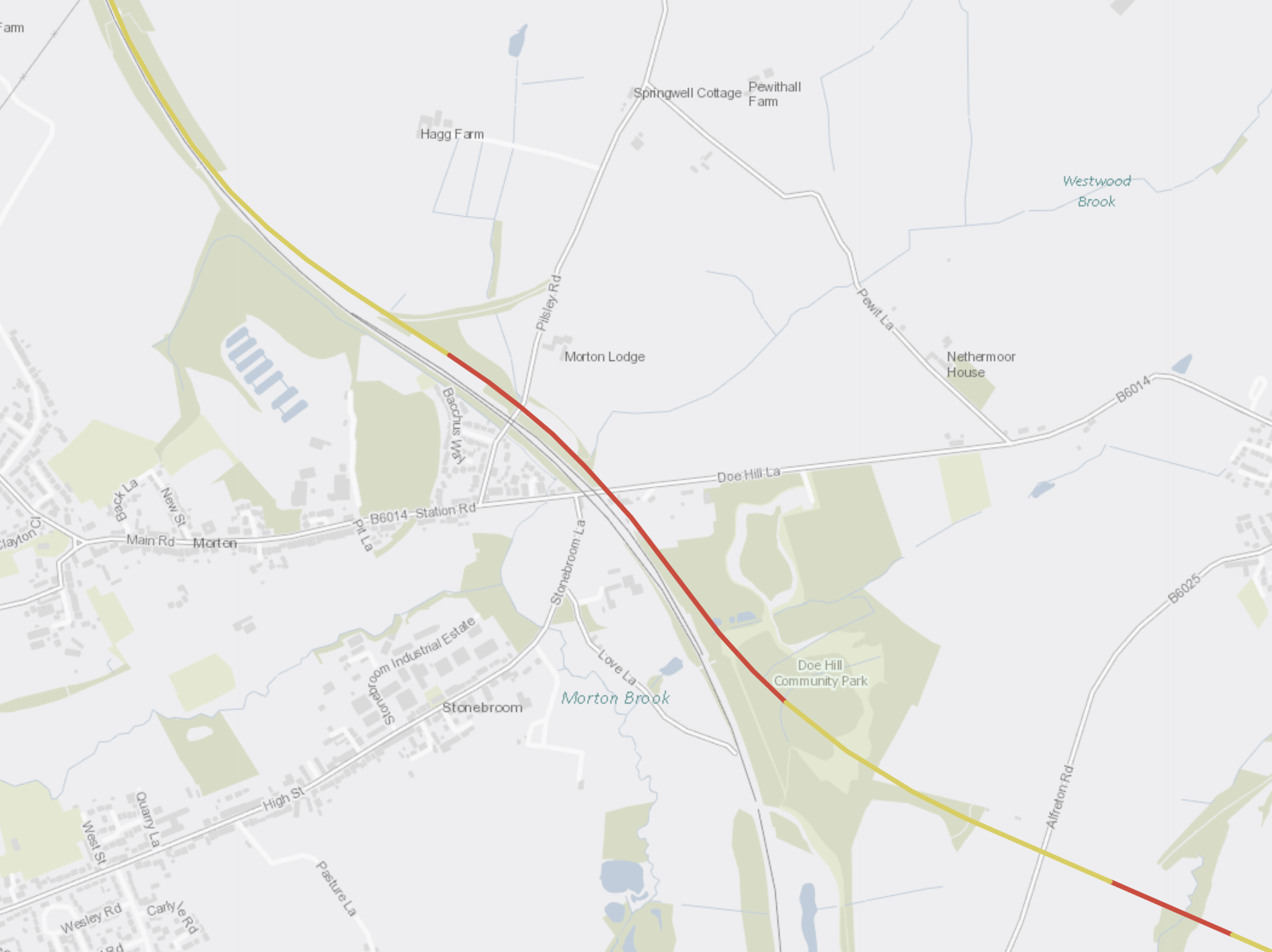
Note.
- Red is an embankment.
- Yellow is a cutting.
- The Sheffield Branch goes North-West to Clay Cross, Chesterfield and Sheffield
- The Sheffield Branch goes South-East to East Midlands Hub station.
- The Sheffield Branch goes through Doe Hill Country Park.
- The Sheffield Branch runs alongside the existing Erewash Valley Line, which goes South to Langley Mill, Ilkeston and the Derby-Nottingham area.
The Sheffield Branch and the Erewash Valley Line appear to share a route, which continues round Clay Cross and is shown in this third map.
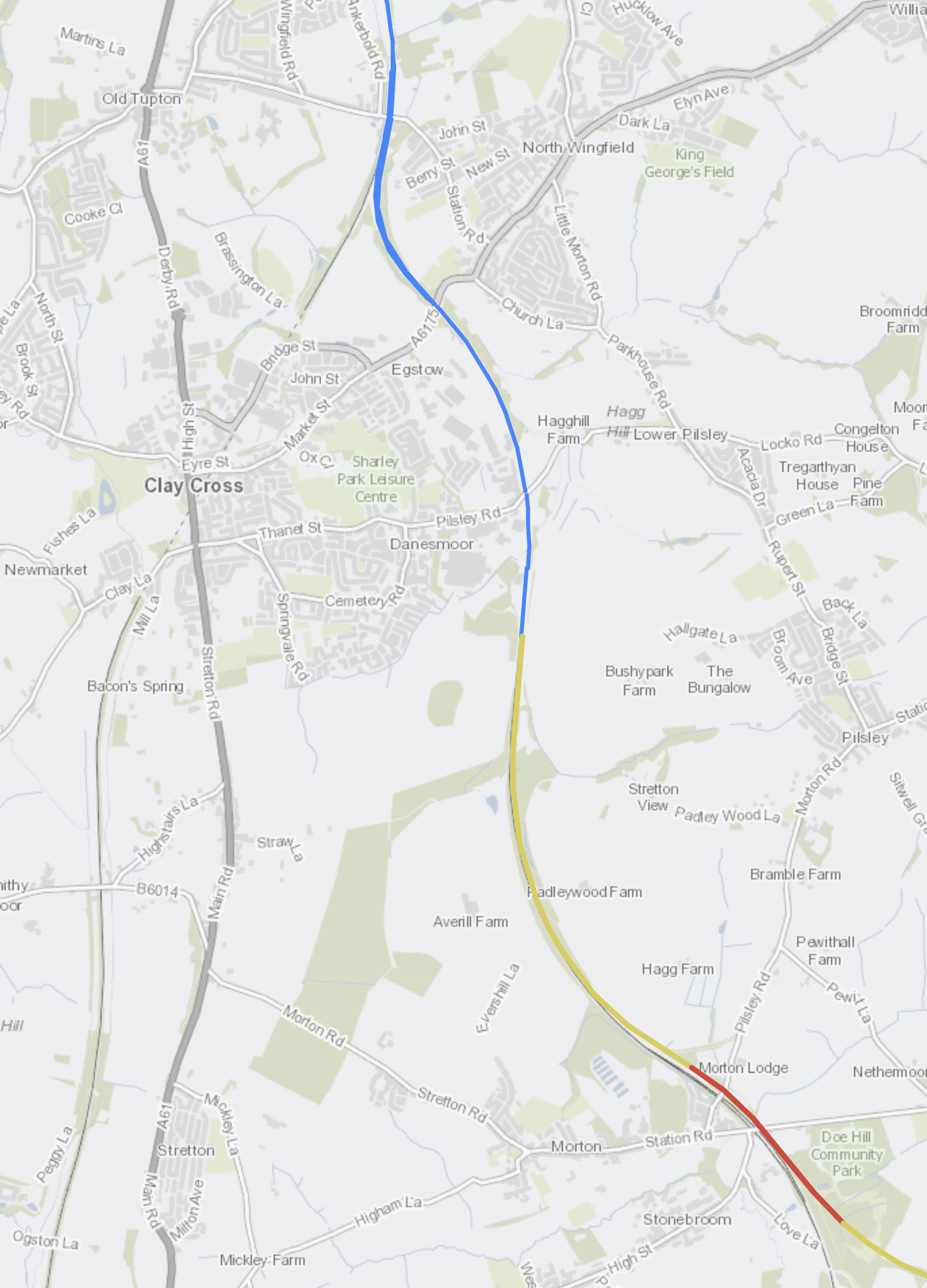
Note
- Doe Hill Country Park is in the South-East corner of the map.
- The dark line running North-South is the A61.
- Running to the West of the A61 is the Midland Main Line, which currently joins the Erewash Valley Line at Clay Cross North junction.
High Speed Two and the Midland Main Line will share a route and/or tracks from Clay Cross North junction to Sheffield.
This fourth map, shows where the combined route joins the Hope Valley Line to Manchester to the South West of Sheffield.
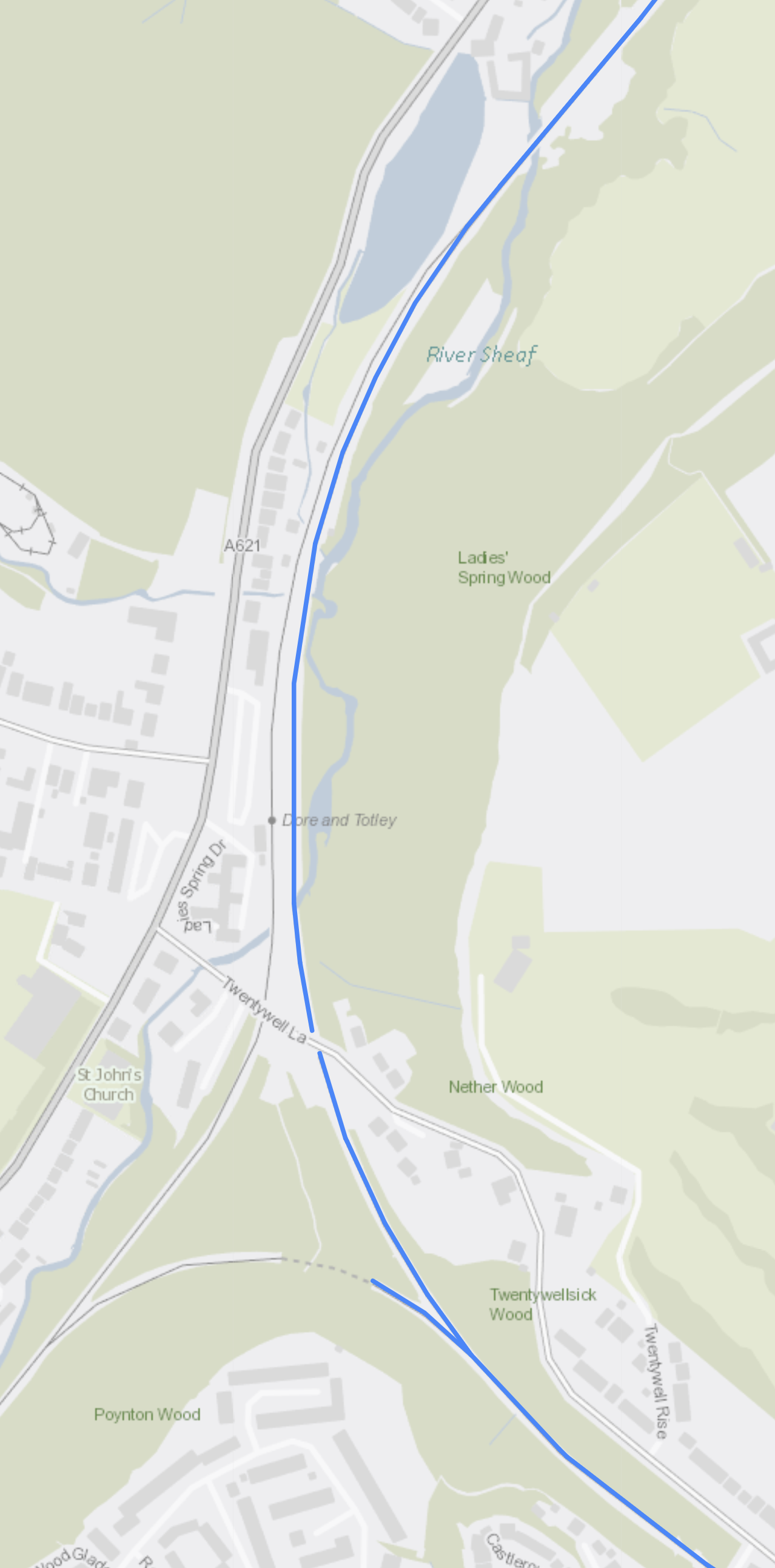
Note.
- Sheffield is to the North East.
- Chesterfield is to the South East,
- Totley junction is a large triangular junction, that connects to the Hope Valley Line.
These are some timings for various sections of the route.
- Clay Cross North Junction and Chesterfield (current) – 4 minutes
- Clay Cross North Junction and Sheffield (current) – 17 minutes
- Chesterfield and Sheffield (current) – 13 minutes
- Chesterfield and Sheffield (High Speed Two) – 13 minutes
- East Midlands Hub and Chesterfield (High Speed Two) – 16 minutes
- East Midlands Hub and Sheffield (High Speed Two) – 27 minutes
As Class Cross North Junction and Sheffield are 15.5 miles, this means the section is run at an average speed of 53 mph.
Can I draw any conclusions from the maps and timings?
- There would appear to be similar current and High Speed Two timings between Chesterfield and Sheffield.
- The various junctions appear to be built for speed.
The Midland Main Line will be electrified between Clay Cross North Junction and Sheffield, so that High Speed Two trains can use the route.
What will be the characteristics of the tracks between Clay Cross North Junction and Sheffield?
- Will it be just two tracks as it mainly is now or will it be a multi-track railway to separate the freight trains from the high speed trains?
- Will it have a high enough maximum speed, so that East Midland Railway’s new Class 810 trains can go at their maximum speed of 140 mph?
- Will it be capable of handling a frequency of 18 tph, which is the maximum frequency of High Speed Two?
Surely, it will be built to a full High Speed Two standard to future-proof the line.
Current Passenger Services Between Clay Cross North Junction And Sheffield Station
These trains use all or part of the route between Cross North Junction And Sheffield stations.
- CrossCountry – Plymouth and Edinburgh via Derby, Chesterfield, Sheffield and Leeds – 1 tph
- East Midlands Railway – London St. Pancras and Sheffield via Derby and Chesterfield – 2 tph
- East Midlands Railway – Liverpool Lime Street and Norwich via Stockport, The Hope Valley Line, Sheffield and Chesterfield – 1 tph
- Northern Trains – Manchester Piccadilly and Sheffield via the Hope Valley Line – 1 tph
- Northern Trains – Leeds and Nottingham via Meadowhall, Sheffield and Chesterfield – 1 tph
- TransPennine Express – Manchester Airport and Cleethorpes via Stockport, the Hope Valley Line and Sheffield – 1 tph
Note.
- tph is trains per hour.
- High Speed Two is currently planning to run two tph to Sheffield, which will run between Cross North junction and Sheffield stations.
- The services on the Hope Valley Line run on electrified tracks at the Manchester end.
These services can be aggregated to show the number of trains on each section of track.
- Hope Valley Line between Manchester and Totley junction – 3 tph
- Totley junction and Sheffield station – 7 tph
- Totley junction and Clay Cross North junction via Chesterfield – 4 tph
Adding in the High Speed Two services gives these numbers.
- Hope Valley Line between Manchester and Totley junction – 3 tph
- Totley junction and Sheffield station – 9 tph
- Totley junction and Clay Cross North junction via Chesterfield – 6 tph
This report on the Transport for the North web site, is entitled At A Glance – Northern Powerhouse Rail. It states that Transport for the North’s aspirations for Manchester and Sheffield are four tph with a journey time of forty minutes.
Adding in the extra train gives these numbers.
- Hope Valley Line between Manchester and Totley junction – 4 tph
- Totley junction and Sheffield station – 10 tph
- Totley junction and Clay Cross North junction via Chesterfield – 6 tph
This level of services can be accommodated on a twin-track railway designed to the right high speed standards.
Freight Services Between Clay Cross North Junction And Sheffield Station
The route is used by freight trains, with up to two tph on each of the three routes from Totley junction.
And these are likely to increase.
Tracks Between Clay Cross North Junction And Sheffield Station
I am absolutely certain, that two tracks between Clay Cross North junction And Sheffield station will not be enough, even if they are built to High Speed Two standards to allow at least 140 mph running under digital signalling.
Battery Electric Trains
The only battery-electric train with a partly-revealed specification is Hitachi’s Regional Battery Train, which is described in this Hitachi infographic.

Note.
- The train is a 100 mph unit.
- Ninety kilometres is fifty-six miles.
I would expect that battery-electric trains from other manufacturers like Alstom, CAF and Siemens would have similar performance on battery power.
In Thoughts On CAF’s Battery-Electric Class 331 Trains, I concluded CAF’s approach could give the following ranges.
- Three-car battery-electric train with one battery pack – 46.7 miles
- Four-car battery-electric train with one battery pack – 35 miles
- Four-car battery-electric train with two battery packs – 70 miles
I was impressed.
These are my thoughts on battery-electric trains on the routes from an electrified Sheffield.
Adwick
Sheffield and Adwick is 22.7 miles without electrification
I am sure that battery-electric trains can handle this route.
If the battery range is sufficient, there may not need to be charging at Adwick.
Bridlington
Sheffield and Bridlington is 90.5 miles without electrification, except for a short section through Doncaster, where trains could top up batteries.
I am sure that battery-electric trains can handle this route.
But there would need to be a charging system at Hull, where the trains reverse.
An alternative would be to electrify Hull and Brough, which is just 10.4 miles and takes about twelve minutes.
Derby Via The Midland Main Line
Clay Cross North junction and Derby is 20.9 miles without electrification.
I am sure that battery-electric trains can handle this route.
Gainsborough Central
Sheffield and Gainsborough Central is 33.6 miles without electrification
I am sure that battery-electric trains can handle this route.
But there will need to be a charging system at Gainsborough Central.
Huddersfield Via The Penistone Line
This is a distance of 36.4 miles with electrification at both ends, after the electrification between Huddersfield and Westtown is completed.
I am sure that battery-electric trains can handle this route.
Hull
Sheffield and Hull is 59.4 miles without electrification, except for a short section through Doncaster, where trains could top up batteries.
I am sure that battery-electric trains can handle this route.
But there will probably need to be a charging system at Hull.
An alternative would be to electrify Hull and Brough, which is just 10.4 miles and takes about twelve minutes.
Leeds Via The Hallam Or Wakefield Lines
This is a distance of 40-45 miles with electrification at both ends.
I am sure that battery-electric trains can handle this route.
Lincoln
Sheffield and Lincoln Central is 48.5 miles without electrification
I am sure that battery-electric trains can handle this route.
But there will probably need to be a charging system at Lincoln Central.
Manchester Via The Hope Valley Line
This is a distance of forty-two miles with electrification at both ends.
I am sure that battery-electric trains can handle this route.
Nottingham
Clay Cross North junction and Nottingham is 25.1 miles without electrification
I am sure that battery-electric trains can handle this route.
But there may need to be a charging system at Nottingham.
York
This is a distance of 46.4 miles with electrification at both ends.
I am sure that battery-electric trains can handle this route.
Is London St. Pancras And Sheffield Within Range Of Battery-Electric Trains?
In the previous section, I showed that it would be possible to easily reach Derby, as Clay Cross North junction and Derby is 20.9 miles without electrification.
- Current plans include electrifying the Midland Main Line as far North as Market Harborough.
- Market Harborough is 82.8 miles from London St. Pancras
- Derby is 128.3 miles from London St. Pancras
So what would be the best way to cover the 45.5 miles in the middle?
One of the best ways would surely be to electrify between Derby and East Midlands Parkway stations.
- Derby and East Midlands Parkway stations are just 10.2 miles apart.
- Current services take around twelve-fourteen minutes to travel between the two stations, so it would be more than enough time to charge a battery-electric train.
- Power for the electrification should not be a problem, as Radcliffe-on-Soar power station is by East Midlands Parkway station. Although the coal-fired power station will soon be closed, it must have a high class connection to the electricity grid.
- The East Midlands Hub station of High Speed Two will be built at Toton between Derby and Nottingham and will have connections to the Midland Main Line.
- An electrified spur could connect to Nottingham station.
I have flown my virtual helicopter along the route and found the following.
- Three overbridges that are not modern and built for large containers and electrification.
- Two level crossings.
- One short tunnel.
- Two intermediate stations.
- Perhaps half-a-dozen modern footbridges designed to clear electrification.
I’ve certainly seen routes that would be much more challenging to electrify.
I wonder if gauge clearance has already been performed on this key section of the Midland Main Line.
If this section were to be electrified, the sections of the Midland Main Line between London St. Pancras and Sheffield would be as follows.
- London St. Pancras and Market Harborough – Electrified – 82.8 miles
- Market Harborough and East Midlands Parkway – Not Electrified – 35.3 miles
- East Midlands Parkway and Derby – Electrified – 10.2 miles
- Derby and Clay Cross North junction – Not Electrified – 20.9 miles
- Clay Cross North junction and Sheffield – Electrified – 15.5 miles
Note.
- The World Heritage Site of the Derwent Valley Mills is not electrified, which could ease the planning.
- Leicester station with its low bridge, which could be difficult to electrify, has not been electrified.
- Under thirty miles of electrification will allow battery-electric trains to run between London St. Pancras and Sheffield, provided they had a range on batteries of around forty miles.
Probably, the best way to electrify between East Midlands Parkway and Derby might be to develop a joint project with High Speed Two, that combines all the power and other early works for East Midlands Hub station, with the electrification between the two stations.
Will The Class 810 Trains Be Converted To Battery-Electric Operation?
Hitachi’s Class 8xx trains tend to be different, when it comes to power. These figures relate to five-car trains.
- Class 800 train – 3 x 560 kW diesel engines
- Class 801 train – 1 x 560 kW diesel engine
- Class 802 train – 3 x 700 kW diesel engines
- Class 803 train – All electric – No diesel and an emergency battery
- Class 805 train – 3 x 700 kW diesel engines (?)
- Class 807 train – All electric – No diesel or emergency battery
- Class 810 train – 4 x 700 kW diesel engines (?)
Note.
- These figures relate to five-car trains.
- Class 807 train are seven-car trains.
- Where there is a question mark (?), the power has not been disclosed.
- Hitachi use two sizes of diesel engine; 560 kW and 700 kW.
It was generally thought with the Class 810 train to be used on the Midland Main Line, will be fitted with four engines to be able to run at 125 mph on diesel.
But are they 560 kW or 700 kW engines?
- A Class 802 train has an operating speed of 110 mph on diesel, with 2100 kW of installed power.
- To increase speed, the power will probably be related to something like the square of the speed.
So crudely the power required for 125 mph would be 2100*125*125/110/110, which works out at 2712 kW.
Could this explain why four engines are fitted? And why they are 700 kW versions?
Interestingly, I suspect, Hitachi’s five-car trains have two more or less identical driver cars, except for the passenger interiors, for the efficiency of manufacturing and servicing.
So does that mean, that a fifth engine could be fitted if required?
There probably wouldn’t be a need for five diesel engines, but as I also believe that the Hyperdrive Innovation battery packs for these trains are plug-compatible with the diesel engines, does that mean that Hitachi’s trains can be fitted with five batteries?
Suppose you wanted to run a Class 810 train at 125 mph to clear an electrification gap of forty miles would mean the following.
- It would take 0.32 hours or 19.2 minutes to cross the gap.
- In that time 2800 kW of diesel engines would generate 896 kWh.
- So to do the same on batteries would need a total battery capacity of 896 kWh.
- If all diesel engines were replaced, each battery would need to be 224 kWh
A battery of this size is not impractical and probably weighs less than the at least four tonnes of the diesel engine it replaces.
Conclusions
Electrification between Clay Cross North Junction and Sheffield station is an important project that enables the following.
- A high proportion of diesel services to and from Sheffield to be converted to battery-electric power.
- With electrification between Derby and East Midlands Parkway, it enables 125 mph battery-electric trains to run between London St. Pancras and Sheffield.
- It prepares Sheffield for High Speed Two.
It should be carried out as soon as possible.
Department Of Transport Claims London and Sheffield Times Could Be Cut By Thirty Minutes
In this article on the BBC, which is entitled Government Announce £401m Boost For Rail Services, this is said.
The funding announcement coincided with the completion of the first phase of the £1.5bn Midland Main Line Upgrade, which has supported the launch of East Midlands Railway’s (EMR) first electric services on the route between Corby in Northamptonshire and London St Pancras.
The project will see journey times between Sheffield and London cut by up to 30 minutes, the DfT said.
So how feasible is the claim of a thirty minute cut in London and Sheffield timings?
On Monday, the 07:30 train from London to Sheffield, covered the 164.7 miles in two hours and twelve minutes at an average speed of 74.9 mph.
If that train had done the trip in one hour and forty-two minutes, that would have been an average speed of 96.9 mph.
By the time, the new Class 810 trains arrive in a couple of years, they will be able to use the new electrification to Market Harborough, when on Monday the 82.8 miles without a stop, was covered in an hour, at an average speed of 82.8 mph.
These new trains are 125 mph electric trains under the wires and they will have two separate fast lines on which to run.
Example time savings at various average speeds to Market Harborough are as follows.
- 100 mph – 10 minutes saving.
- 110 mph – 14.8 minutes saving.
- 125 mph – 20.3 minutes saving
- 130 mph – 21.8 minutes saving
- 140 mph – 24.6 minutes saving
Note.
- The faster the average, the greater the time saving.
- Faster than 125 mph would only be possible with full in-cab digital signalling, which is currently being installed on the East Coast Main Line.
- I have been to Leicester in an InterCity 125, which was running at 125 mph most of the way.
But it does look like the new Class 810 trains will be able to save around twenty minutes to Sheffield, by making full use of the electrification between London and Market Harborough.
They would need to save just ten minutes between Market Harborough and Sheffield.
The Monday Train covered the 81.9 miles between Market Harborough and Sheffield in one hour and twelve minutes, which is an average speed of 68.3 mph.
To obtain the saving of ten minutes, it would need to do the journey in one hour and two minutes, which would be an average speed of 79.3 mph.
Given that the new Class 810 trains are designed to cruise at 125 mph on diesel, I don’t think this is an impossible objective.
What Will Be The Ultimate Time Between London and Sheffield On The Midland Main Line?
I believe that the following two sections of the Midland Main Line can be easily electrified.
- Between Leicester and Derby without the problem of the bridge at the South end of Leicester station, which would be so disruptive.
- Clay Cross North Junction and Sheffield which will be electrified for High Speed Two. I doubt Derby and Clay Cross Junction will be electrified as it’s a World Heritage Site.
On my Monday train, the following are times North of Leicester.
- Leicester and Derby is 29.3 miles, which is covered in 32 minutes at an average speed of 55 mph, which includes five stops. Raise this to 110 mph and the journey time is just 16 minutes or a saving of 16 minutes.
- Derby and Clay Cross North Junction is 21.8 miles, which is covered in 13 minutes at an average speed of 100 mph. By averaging 120 mph, there would be a saving of 2.1 minutes.
- Cross North Junction and Sheffield is 15.5 miles, which is covered in 16 minutes at an average speed of 58.2 mph.
Note.
- Savings would come between Leicester and Derby because of 125 mph linespeed and faster stops because of electrification.
- I believe that Hitachi battery-electric trains could sustain 125 mph on battery alone between Derby and Clay Cross North Junction, if they entered the section without electrification at full speed with full batteries. Now that is what I call a battery-electric train!
- There must be a minute or two to be saved on an electrified section into Sheffield with the stop at Chesterfield.
Add up all the savings and I feel that an hour and a half is possible between London and Sheffield.
And what time is High Speed Two claiming? One hour and twenty-seven minutes!
Could A Battery-Electric Train Cruise At 125 mph?
This may seem a silly idea, but then trains don’t care where they get their electricity from.
On the 21.8 miles between Derby and Clay Cross North, a sizeable proportion of energy will be used to accelerate the train up to the linespeed for the electrified section.
When the train enters the section without electrification, it will have two sources of energy.
- The electricity in the full batteries.
- The kinetic energy in the train at the required speed.
As the train runs through the section air and rolling resistance will tend to slow the train and electricity from the battery will be used to maintain speed.
In How Much Power Is Needed To Run A Train At 125 mph?. I estimated that for a Class 801 train to maintain 125 mph needs 3.42 kWh per vehicle mile.
A simple sum of 21.8 * 5 * 3.42 gives an energy need of 372.8 kWh to run between Derby and Clay Cross North Junction.
I’m sure than Hitachi can fit a 400 kWh battery in a five-car Class 810 train.
Would a slightly larger battery and in-cab signalling allow battery-electric trains to run at 140 mph? If the track allowed it, I don’t see why not!
Conclusion
I believe the Department of Transport’s statement of saving thirty minutes between London and Sheffield is feasible.
But so is a time of an hour-and-a half, which will give High Speed Two a run for its money!
A Trip To Corby
I took these pictures on a trip to Corby this morning.
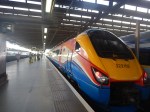
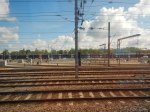
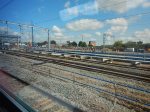
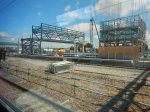
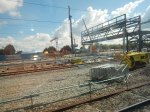

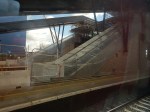

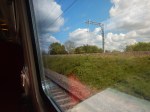
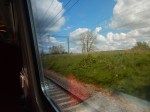
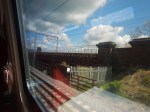
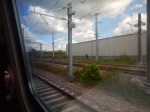
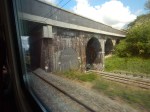
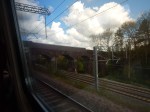
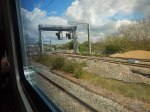
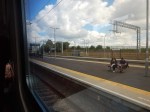
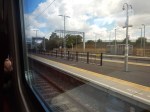
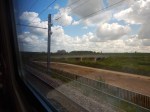
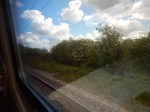
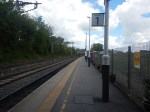
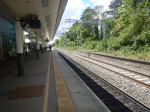
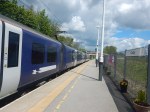
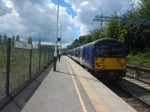
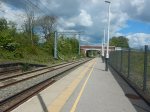
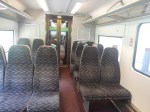
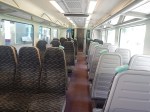
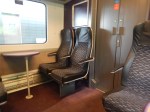
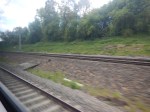
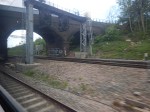
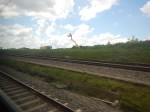
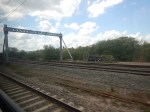
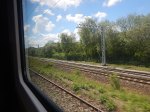
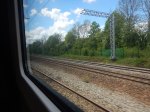
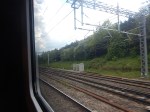

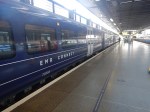
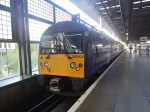
These are my thoughts.
Trains To And From Corby
I got a Class 222 train to Corby and an eight-car Class 360 train back.
Brent Cross West Station
There was a lot of constructruction activity at the new Brent Cross West station.
Luton Airport Parkway Station
The extensions to Luton Airport Parkway station look to be comprehensive, with several escalators.
The Luton DART connection to Luton Airport appears to be under test, so should open in 2022.
But will there be any air passengers to use it?
I last used it in 2008, when I went to see England play in Belarus.
Electrification North Of Bedford
The electrification North of Bedford station is obviously complete on the slow lines, but on the fast lines, as the pictures show, the gantries are all erected, but there are still wires to be installed.
But as the Class 810 trains won’t be in service until 2023, there’s still a bit of time.
The gantries certainly look sturdy, as this picture shows.
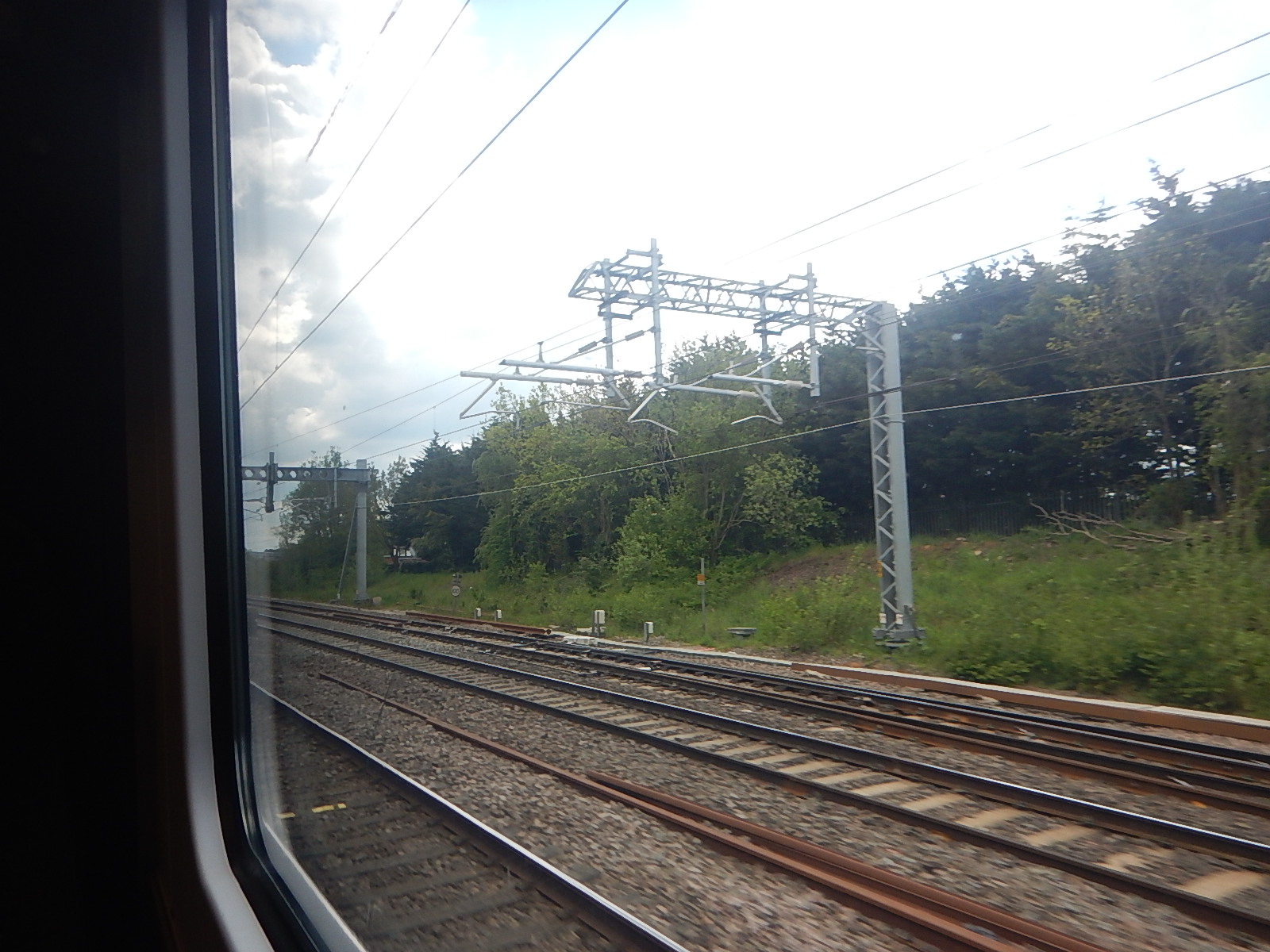
They’re certainly built for 125 mph, but as the Class 810 trains will be capable of 140 mph with full digital in-cab signalling, I would hope that the electrification has been installed to that standard. Or at least to a standard, that can be easily upgraded!
Corby Station
Corby station has been finished to a single-platform station, which is able to accept a twelve-car Class 360 train.
This should be adequate for the current half-hourly service, as a single platform can handle a least four trains per hour (tph) and several around the country regularly do.
Both tracks through the station are electrified and I suspect with a second platform bridge, both could be used by electric trains to create a two-platform station.
But there would appear to be no need at the moment.
Even, if it were to be decided to extend one tph to Oakham and Melton Mowbray stations, this could probably be accommodated on the single-platform.
Network Rail seem to have already installed a crossover South of Corby station, so that trains can use the single platform.
Serving Oakham And Melton Mowbray
I discussed this extension in detail in Abellio’s Plans For London And Melton Mowbray Via Corby And Oakham.
In the related post, I said this.
This page on the Department for Transport web site is an interactive map of the Abellio’s promises for East Midlands Railway.
These are mentioned for services to Oakham and Melton Mowbray.
-
- After electrification of the Corby route there will continue to be direct service each way between London and Oakham and Melton Mowbray once each weekday, via Corby.
- This will be operated with brand new 125mph trains when these are introduced from April 2022.
This seems to be a very acceptable minimum position.
When my Class 222 train arrived in Corby at 1154, it waited a couple of minutes then took off to the North.
I then took the next train to London, which was an eight-car Class 360 train which formed the 1211 service back to St. Pancras.
Meanwhile the Class 222 train, that I’d arrived on did a reverse in the Corby North Run Around Loop finally arriving back in Corby at 1345. The train had taken one hour and forty-nine minutes to return to Corby.
It might be just coincidence, but are East Midlands Railway doing timing tests to see if services can be extended to Oakham And Melton Mowbray?
It should be noted that service times North of Corby are as follows.
- Corby and Oakham – 19 mins – 14.3 miles
- Corby and Melton Mowbray – 31 mins – 25.7 miles
- Melton Mowbray and Leicester – 17 mins – 12.8 miles (estimate) – CrossCountry service
My logic goes like this.
- It looks to me that it would not be unreasonable that a Class 222 train could run between Corby and Leicester in forty-eight minutes.
- Double that and you get one hour and thirty eight minutes, for a journey from Corby to Leicester and back.
- Subtract that time from the one hour and forty-nine minutes that my train took to reverse and there is eleven minutes for a turnback at Leicester station.
- Eleven minutes would certainly be long enough to tidy a train and for the crew to change ends.
I also believe that the 35.8 miles would be possible for a Class 810 train fitted with one or more battery power-packs instead of a similar number of the four diesel engines.
So are East Midlands Railway doing tests to find the most efficient way to serve Oakham And Melton Mowbray?
On The Corby Branch
I travelled North on a Class 222 diesel train and South on an electric Class 360 train.
On the Corby branch, I was monitoring the train speed on an app on my phone and both trains travelled at around 90 mph for most of the way.
There were sections at up to 100 mph and the track was generally smooth.
I was left with the impression, that trains might be able to go faster on the branch.
Average speeds for the 2.5 miles of the branch were as follows according to these timings from realtimetrains.
- Class 222 train – Arriving – 5.25 mins – 28.6 mph
- Class 222 train – Leaving – 5 mins – 30 mph
- Class 360 train – Arriving – 7.5 mins – 20 mph
- Class 360 train – Leaving – 5 mins – 30 mph
It doesn’t appear that there are much difference in the timings, although it might be said, that the electric approach is more cautious.
The Class 360 Trains
The Class 360 trains have not been refurbished yet although as my pictures show, some have been given a new livery.
In Are Class 360 Trains Suitable For St. Pancras And Corby?, I said this about the train refurbishment.
This page on the Department for Transport web site is an interactive map of the Abellio’s promises for East Midlands Railway.
These features are mentioned for Midland Main Line services to Corby.
-
- Increased capacity
- Twelve-car trains in the Peak.
- More reliable service
- Improved comfort
- Passenger information system
- Free on-board Wi-Fi
- At-seat power sockets
- USB points
- Air conditioning
- Tables at all seats
- Increased luggage space
- On-board cycle storage
What more could passengers want?
It certainly hasn’t happened in full.
I did ask a steward, when the new interiors will be installed and he said they were running late because of the pandemic.
Performance Of The Class 360 Trains
I used my app to follow the speed of the Class 360 train, that brought me back to London.
- The train hit a maximum speed of about 105 mph.
- The train arrived in London a minute late.
I feel that as the drivers get used to their new charges, they will match the timetable.
Conclusion
I have a feeling that in a couple of years, these trains will fulfil Abellio’s promises.
Could Trains From The North Connect To High Speed One At St. Pancras?
I was casually flying my virtual helicopter over the throat of St. Pancras International station, when I took a few pictures.
This Google Map shows the Northern ends of the platforms and the tracks leading in.
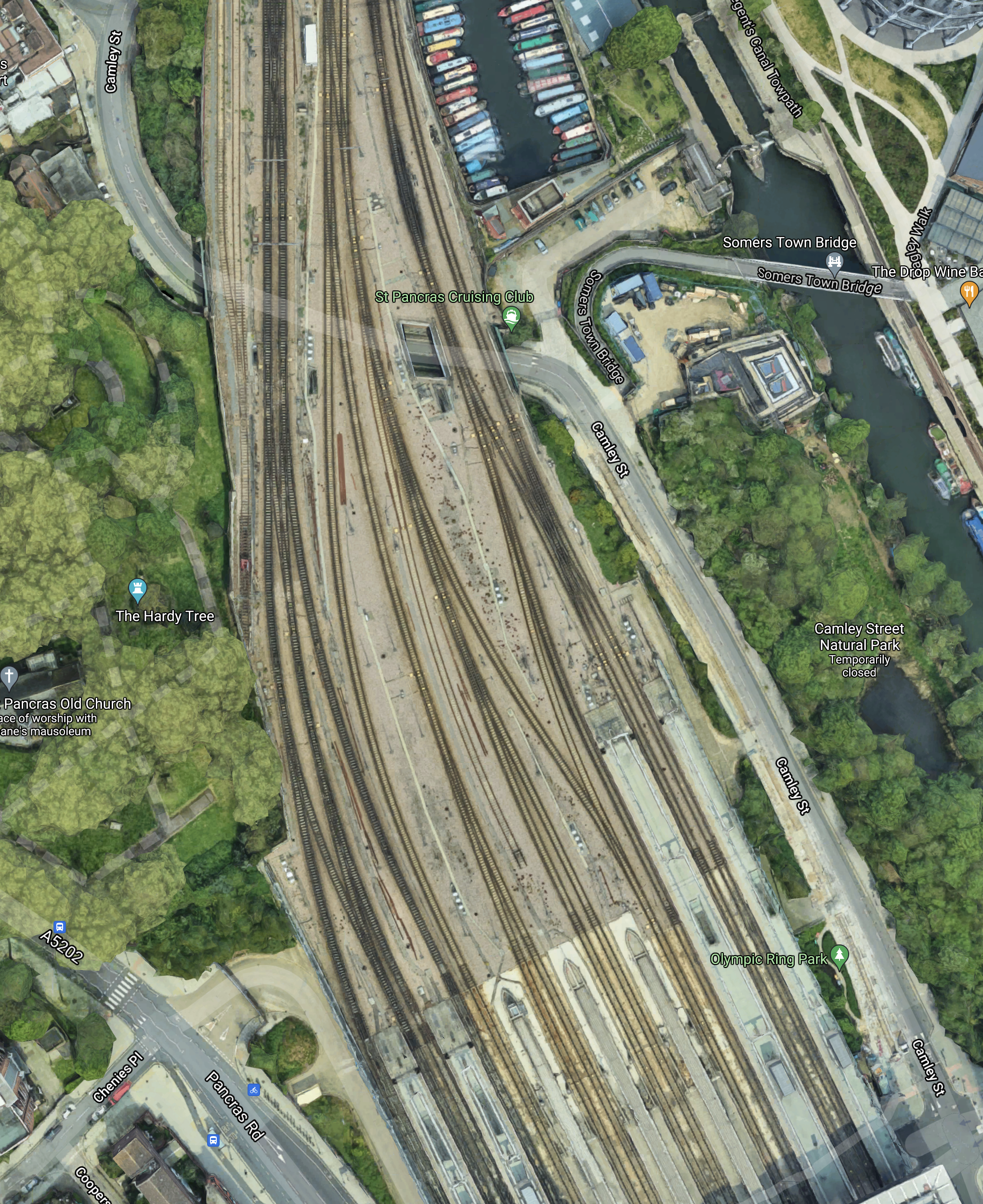
Note.
- Platforms 1-4 to the West with darker tracks handle the East Midlands Railway services.
- Platforms 5-10 in the centre with lighter tracks formed of three shorter islands handle the Eurostar services.
- Platforms 11-13 to the East with longer platforms handle the Southeastern HighSpeed services.
This Google Map shows the East Midlands Railway platforms.
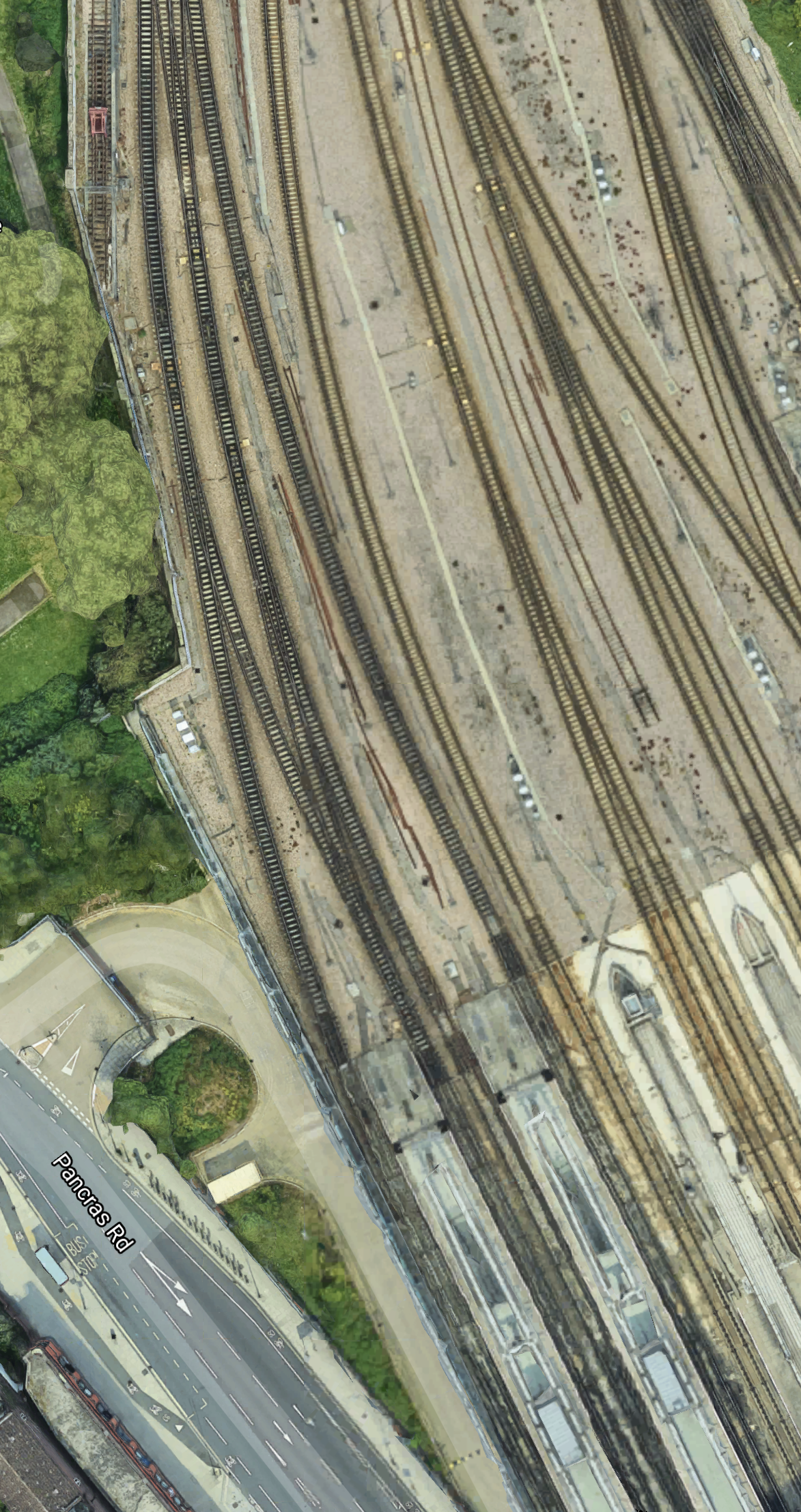
Note.
- There are two island platforms; 1-2 and 3-4.
- The four platforms are served by two tracks, that connect to the fast lines of the Midland Main Line.
- The platforms will be able to handle a pair of Class 810 trains, which will be 240 metres long.
- Will the two trains per hour (tph) using Class 360 trains between London and Corby always use the same platform at St. Prancras station?
This Google Map shows the Eurostar platforms.
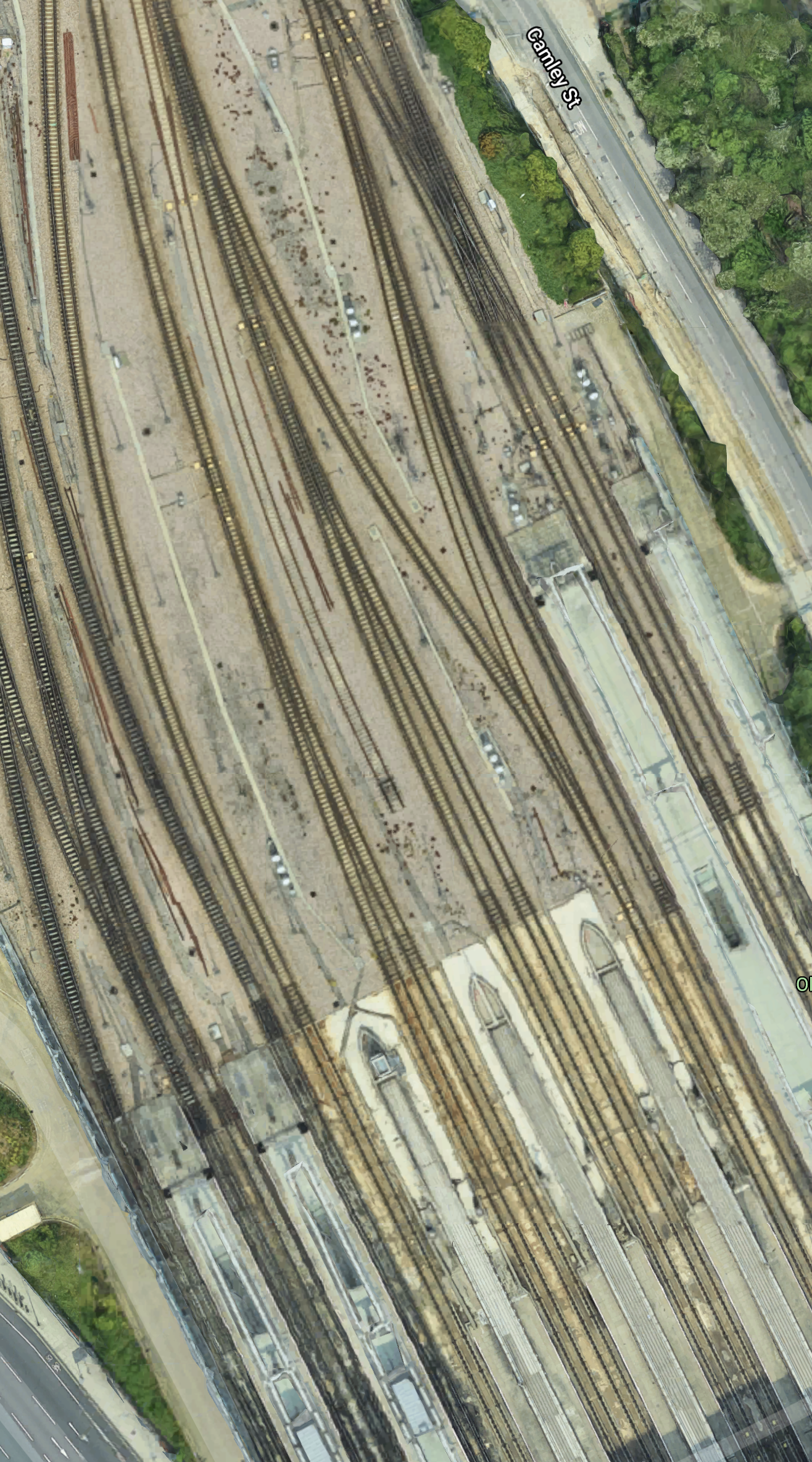
Note.
There are three island platforms; 5-6, 7-8 and 9-10.
The two island platforms in the West are for East Midlands Railway services.
The two longer island platforms in the East are for Southeastern HighSpeed services.
The six platforms connect to two fast lines, that are shared with the Southeastern services.
This Google Map shows the lines proceeding to the North.
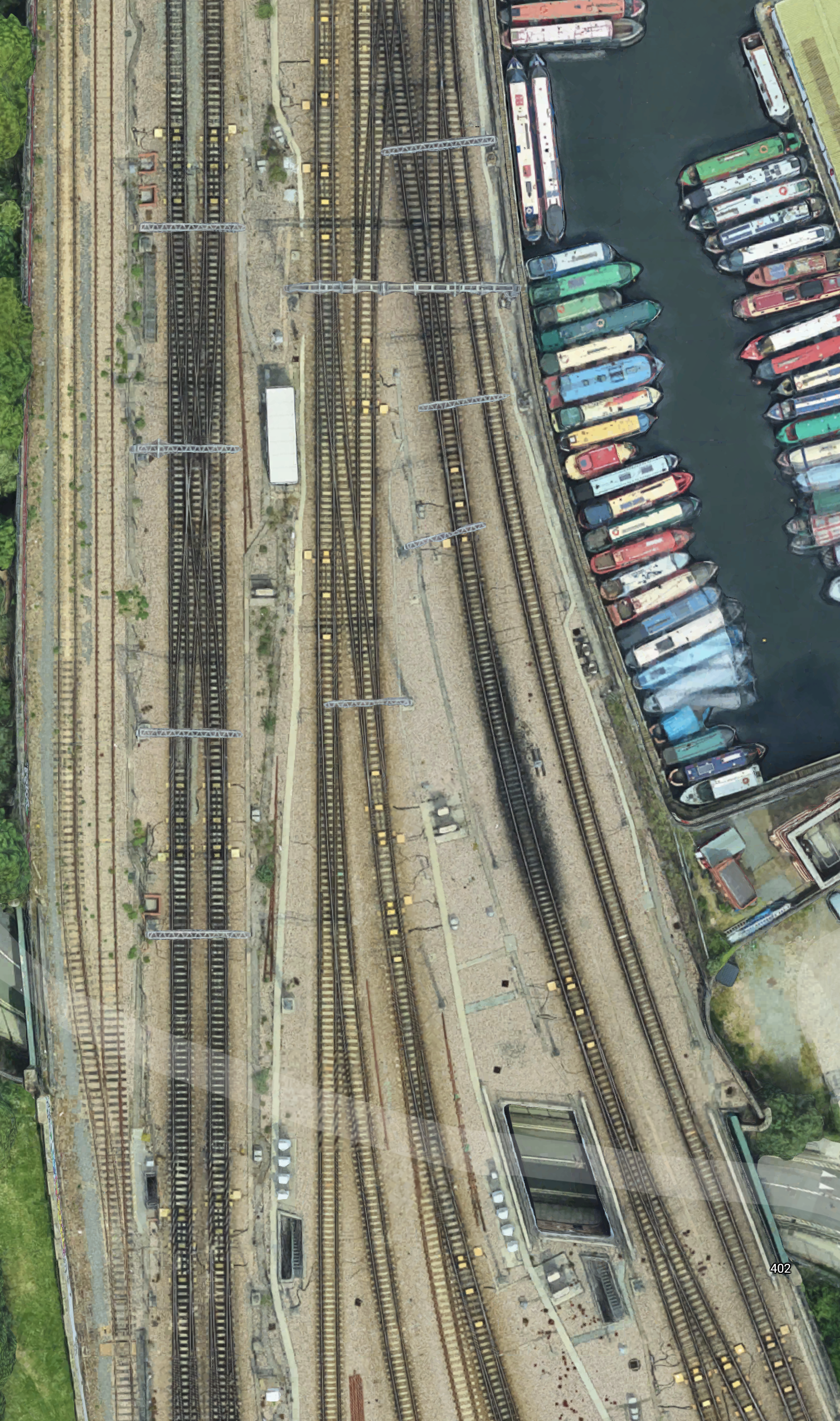
Note.
- There are four sets of tracks.
- The two light-coloured tracks on the left are for Thameslink or sidings.
- The next two dark-coloured tracks are the two tracks of the Midland Main Line.
- The next set of tracks are those connecting to the six Eurostar platforms.
- The two tracks on the right are those connecting to the Southeastern Highspeed platforms.
- There are crossovers between the Eurostar and Southeastern Highspeed tracks to allow efficient operation of the trains going to and from the twin tracks of High Speed One.
This Google Map shows where the Midland Main Line and High Speed One divide.
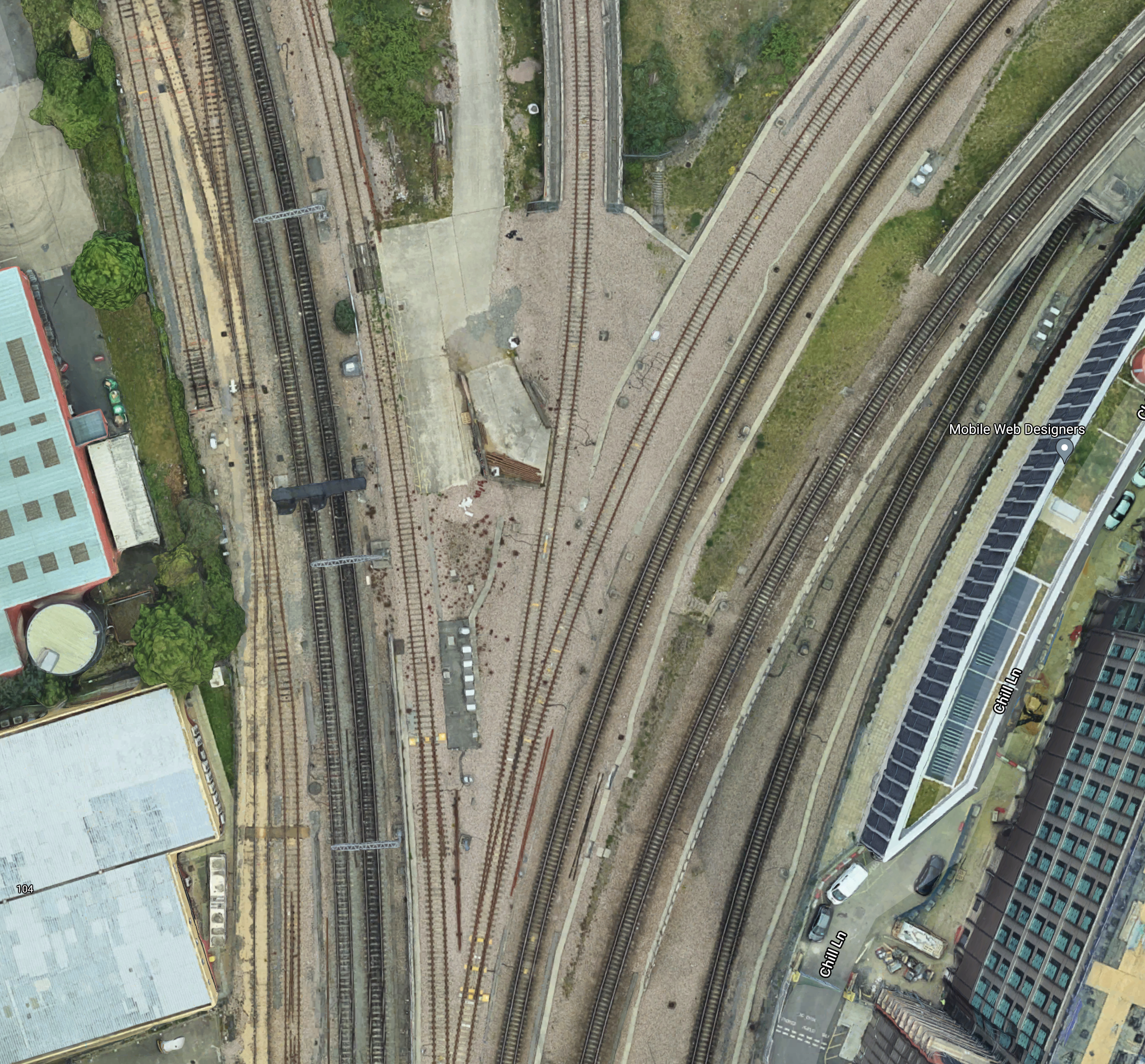
Note.
The two dark-coloured tracks of the Midland Main Line running North.
There appear to be four tracks running North East towards High Speed One.
Between the two sets of tracks two further tracks lead to the North.
The track closest to the Midland Main Line joins to the slow lines of the Midland Main Line.
The other one connects to the North London Line.
This Google Map shows the connecting lines to the High Speed One tunnel.
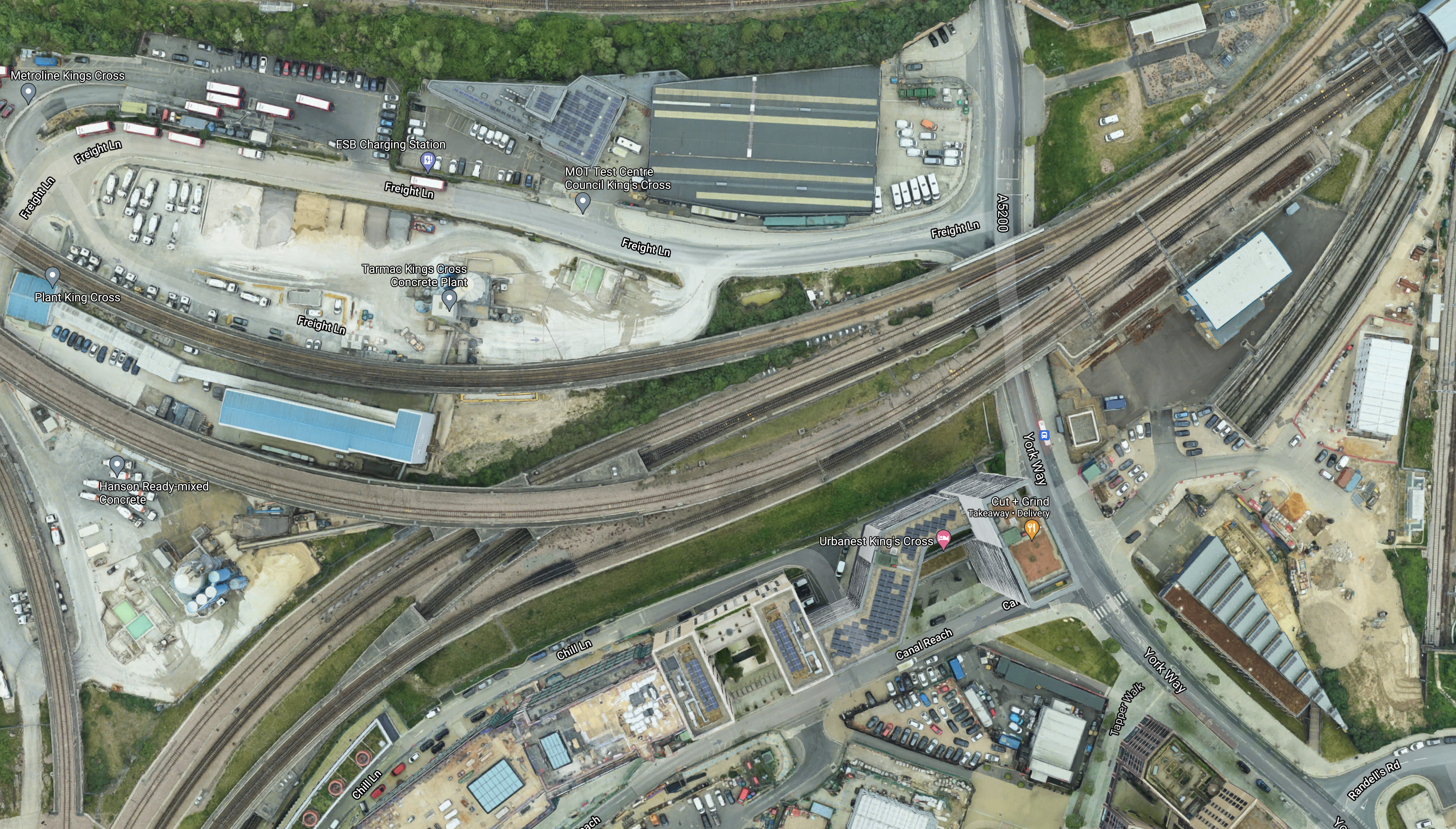
Note the tunnel portal is in the North-East corner of the map.
- It looks to me that the following connections are possible.
- St. Pancras station Eurostar platforms and Midland Main Line.
- St. Pancras station Eurostar platforms and North London Line to the West.
- High Speed One and North London Line to the West.
These connections are in addition to those connections needed to run scheduled services.
They would enable trains to take the following routes.
- St. Pancras station Eurostar platforms and Midland Main Line.
- St. Pancras station Eurostar platforms and the West Coast Main Line via North London Line
- High Speed One and the West Coast Main Line via North London Line
- St. Pancras station Eurostar platforms and the Great Western Main Line via North London Line
- High Speed One and the Great Western Main Line via North London Line
I suspect most of the times, that these routes are used it is for engineering purposes or behaps dragging a failed train out of St. Pancras.
But the track layout would seem to allow the following.
Direct electric freight and passenger services between High Speed One and Birmingham, Cardiff, Glasgow, Liverpool and Manchester.
Direct electric passenger services between High Speed One and Sheffield and Leeds, with a reverse at St. Pancras, after the Midland Main Line were to be fully electrified.
Was this by design for Eurostar or was it just what Network Rail ended up with?
A Modern Regional Eurostar Service
These are my thoughts on a modern Regional Eurostar service.
Rolling Stock
High Speed Two is coming and this year, the company will order some of the rolling stock.
There will be fifty-four trains
The trains will be Classic-Compatible for running on the West Coast Main Line.
They will be 200 metres long and be able to run in pairs.
They will be able to operate at 225 mph.
The operating speed of High Speed One is 186 mph.
I can see no reason why trains of this type, couldn’t run between St. Pancras and many destinations in Europe.
North Of England And The Continent
Could this be the service pattern?
- One train could start in the North West and another in the North East.
- Both trains would proceed to St. Pancras picking up passengers en route.
- At St. Pancras the two trains would join together.
- The driver could then position themselves in the front cab and take High Speed One, through the Channel Tunnel.
The train could even split at Calais to serve two different Continental destinations.
Going North, the spitting and joining would be reversed.
What Infrastructure Would Be Needed?
I suspect the following will be needed.
- The West Coast Main Line and the Midland Main Line would need in-cab digital ERTMS signalling.
- Full electrification of the Midland Main Line would probably be necessary, as I don’t think the tunnel allows diesel trains to pass through.
- Some platform lengthening might be needed.
It would not be an expensive scheme.
What Timings Would Be Possible?
Using current timings you get the following times.
- Leeds and Paris – Five hours
- Leeds and Brussels – Four hours forty minutes
- Manchester and Paris – Five hours
- Manchester and Brussels – For hours forty minutes
- Newcastle and Paris – Six hours
- Newcastle and Brussels – Five hours thirty minutes
Note, that the times are best estimates and include a long stop of several minutes at St. Pancras.
Could Sleeper Service Be Run?
I don’t see why not!
Conclusion
It looks like it may be possible to run regional services to Europe, where pairs of train split and join at St. Pancras.
St
Work Has Started At Brent Cross West Station
I was alerted to the fact that work had started at Brent Cross West station by this article on Rail Advent.
The article didn’t say much, except that work had started, track had been moved to allow construction of the £40 million station and the station should open next year.
So I went and had a look.
I took these pictures from a Thameslink train going North through the station site.
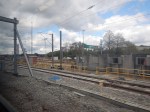
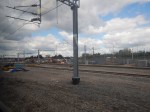
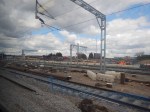

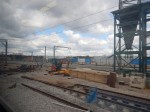
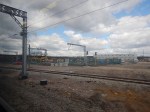
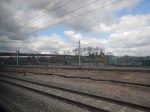
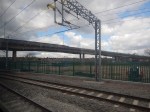
I was sitting on the right-hand side of the train and looking to the East.
I then changed trains at Mill Hill Broadway station and took a few more pictures going South.
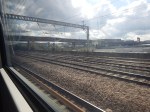
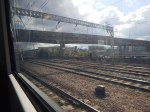

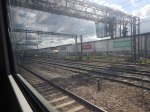
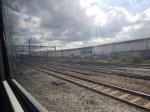
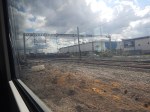
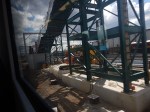
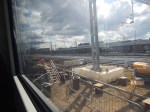

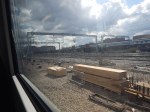

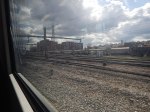
Again, I was sitting on the right-hand side of the train, but this time looking West.
This Google Map shows the area.
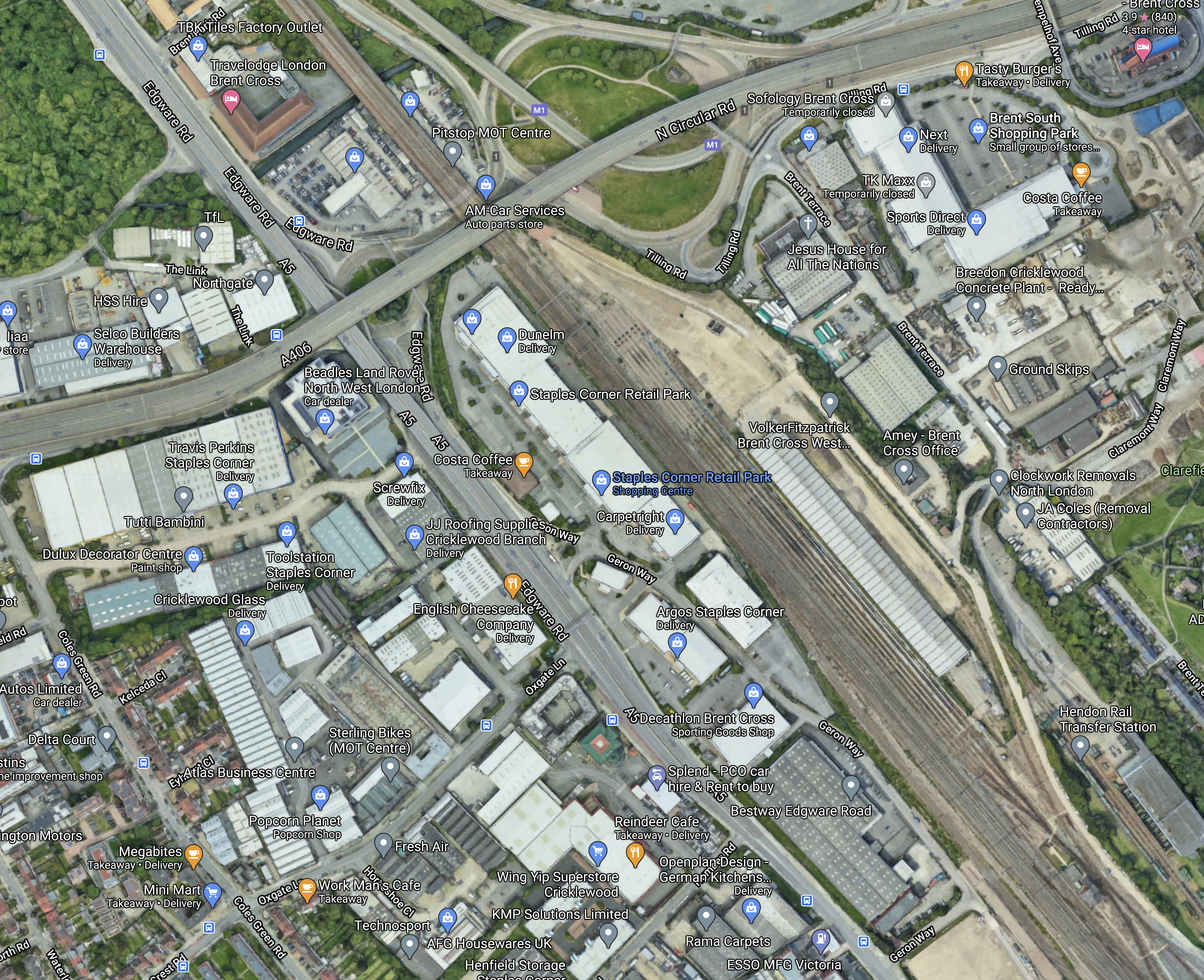
Note.
- The map was probably created a few months ago.
- There is still a shed from the Cricklewood TMD still standing, which I didn’t see.
- The Brent Cross Flyover can be clearly seen in the images and the map.
Work underway includes.
- Creation of the new track layout.
- Building of two wide platforms either side of the tracks i was on.
- The width of the platforms may indicate island platforms.
- Building a temporary footbridge, so workers can cross the tracks.
- There appear to be a support installed for the station footbridge.
One impression, I got today, is that it is a large site and this may enable the building of a relatively simple station.
 The Anonymous Widower